
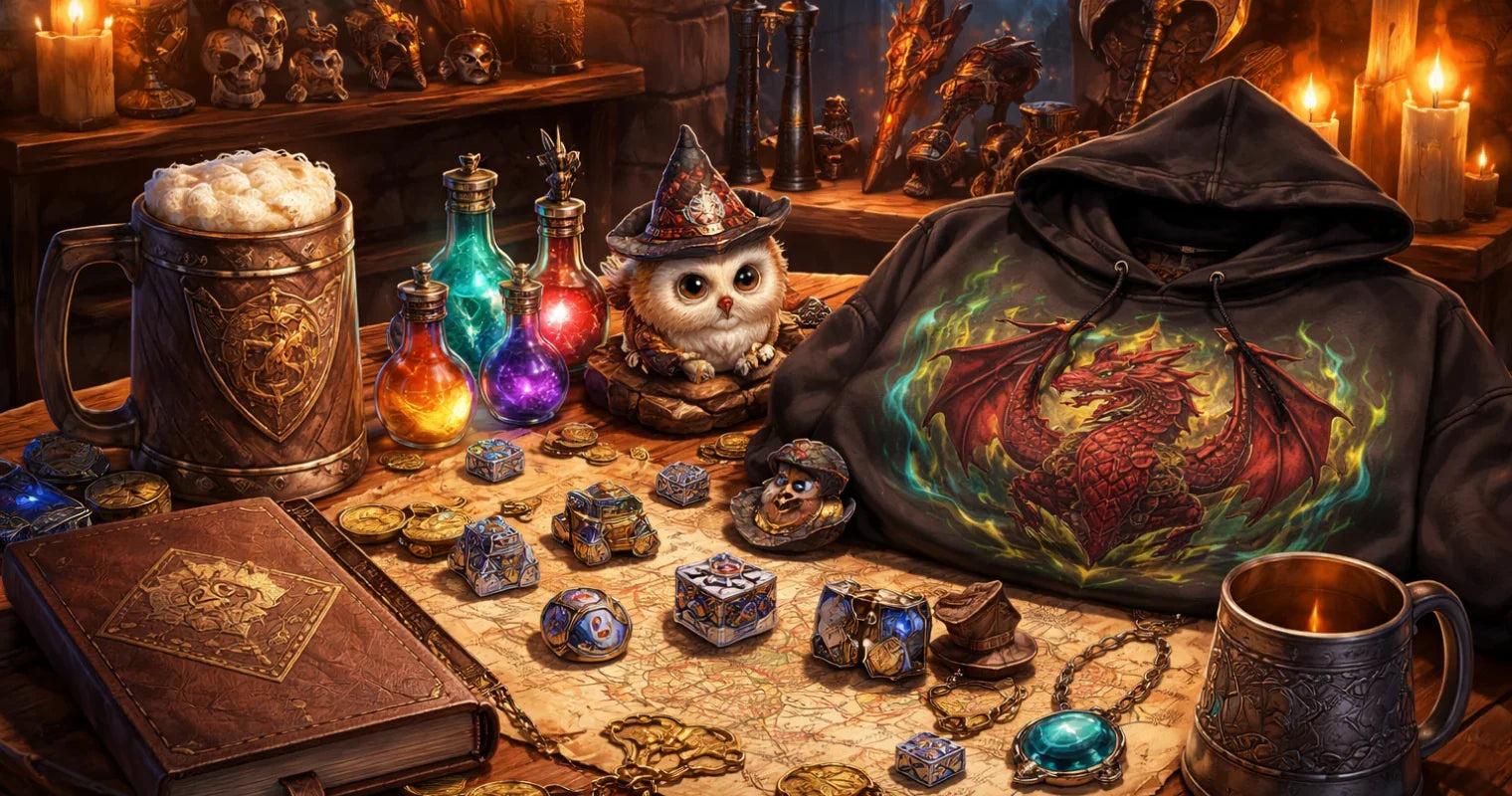
Fan Merchandise for Tabletop Games Gear That Elevates Play
If you love game nights, crafting, and sharing a world with your group, building a small line of tabletop gear is a natural next step. The right selection isn’t about flooding your shop with options; it’s about picking thoughtful pieces that spark stories and feel good in the hand. Whether you’re offering premium dice, practical accessories, or collectible trinkets, this guide will help you plan each step. We’ll keep it simple, community-first, and focused on steady wins you can repeat. Let’s make items that players actually use, keep, and talk about.
Pros & Cons of fan merchandise for tabletop games
- Pro: Built-in passion. Tabletop players already love tactile objects. From premium dice to trays and towers, your audience appreciates items that add ritual to play.
- Pro: Evergreen demand. Campaigns span years, so merch with long shelf life keeps selling. Classic materials and timeless designs rarely go out of style.
- Pro: Community flywheel. Photos from game night become free marketing. When groups bring your items to the table, word-of-mouth kicks in.
- Con: Quality expectations. Dice, trays, and accessories must be durable and consistent. Inconsistency leads to returns and lost trust.
- Con: Inventory complexity. Sizes, finishes, and limited runs can complicate stock. Start small to avoid over-committing.
- Con: Shipping risks. Heavier or fragile goods need better packaging and padding. Factor this into cost and fulfillment time.
Step-by-Step Practical Guide
Define Your Theme
Decide what makes your lineup feel cohesive. Themes can be material-based (gemstone, resin, metal), vibe-based (arcane, dwarven, astral), or color families (emeralds, obsidian, amber). A simple theme makes shopping easier, strengthens your brand story, and helps you photograph items as a unified set. Keep your first collection tight, like three to five SKUs that speak the same visual language. You can always expand after you’ve learned what customers actually love.
Choose Quality Materials
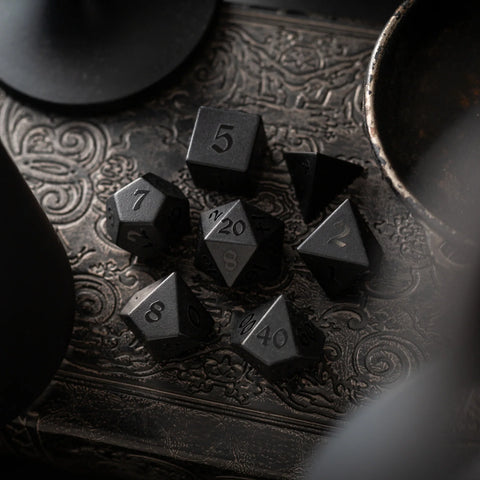
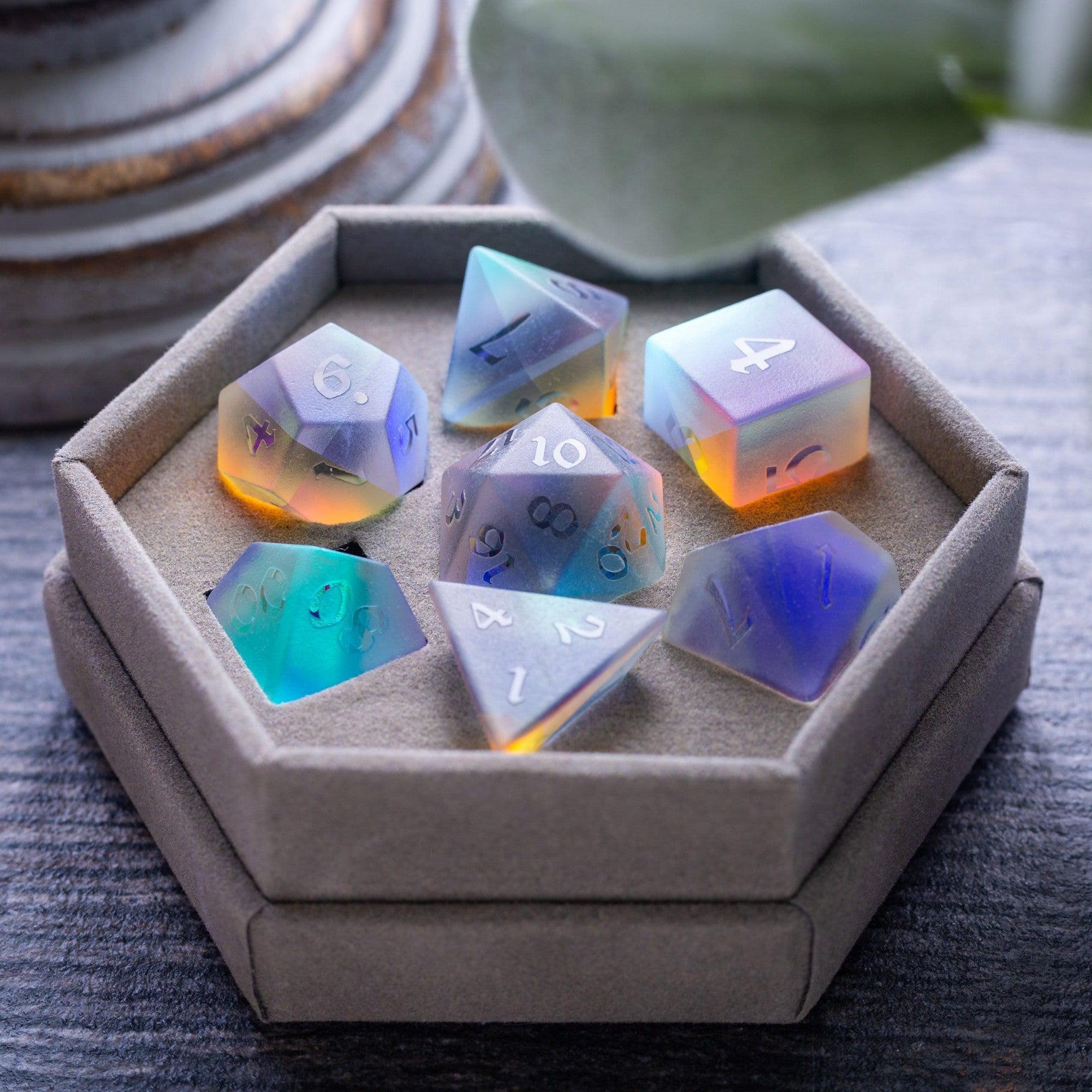
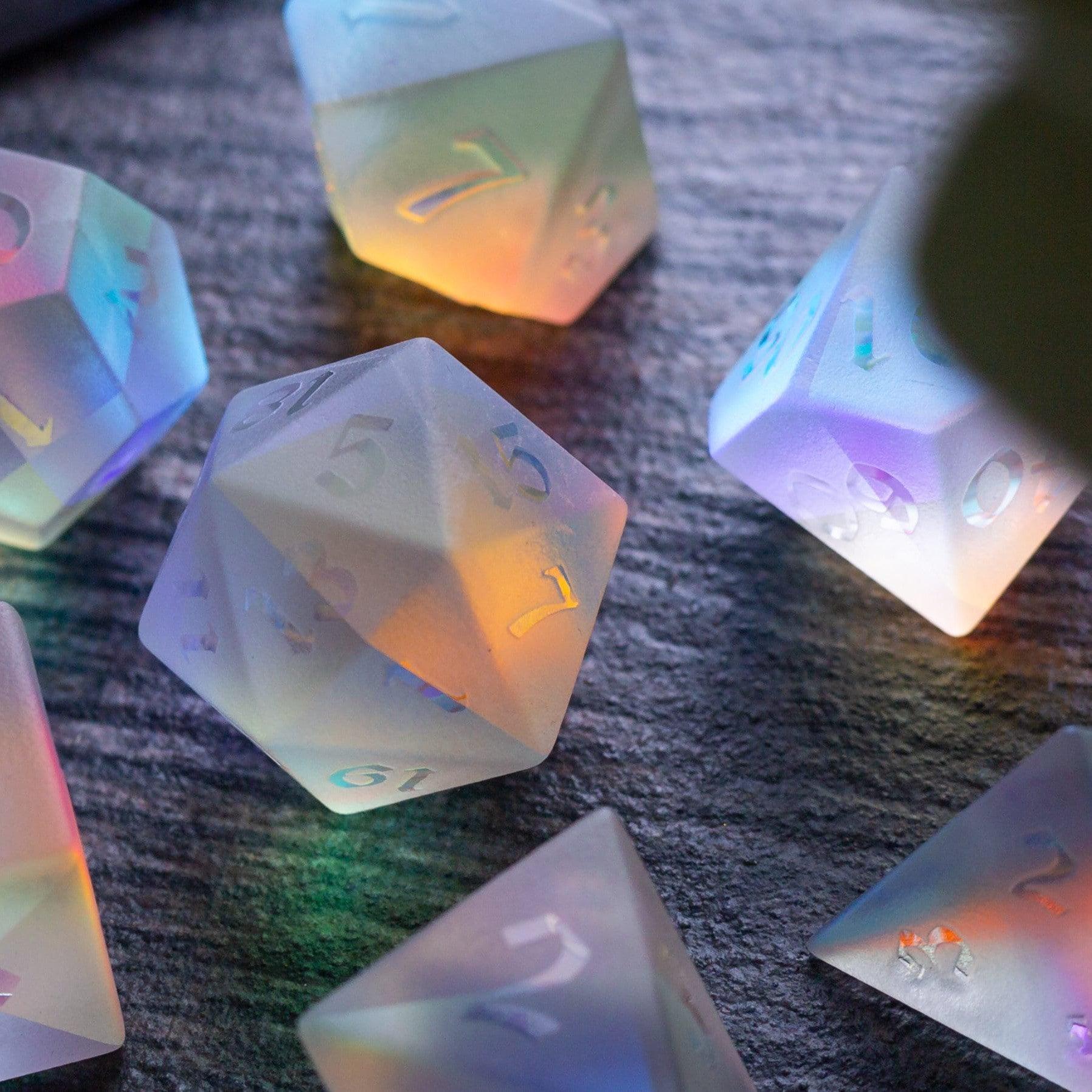
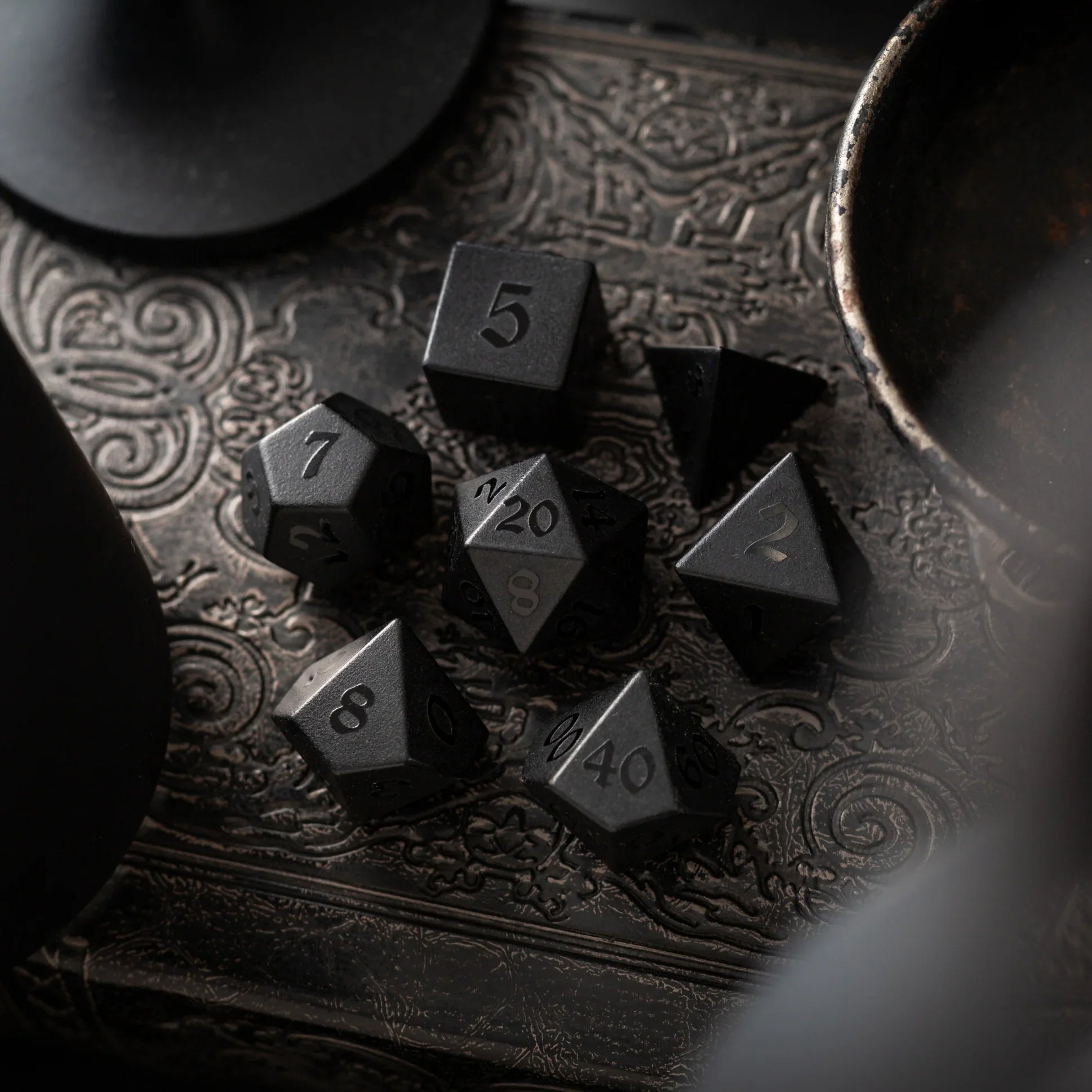
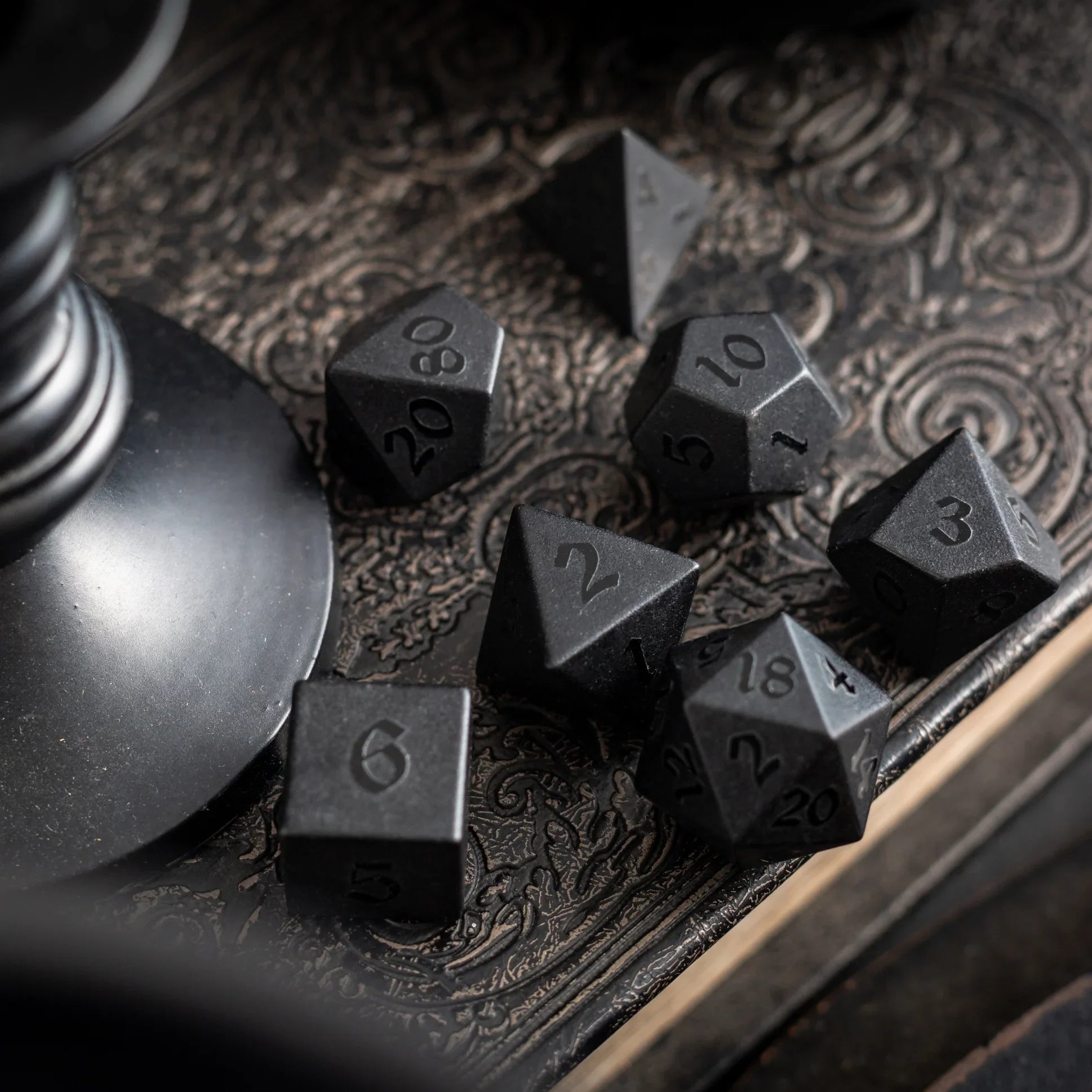
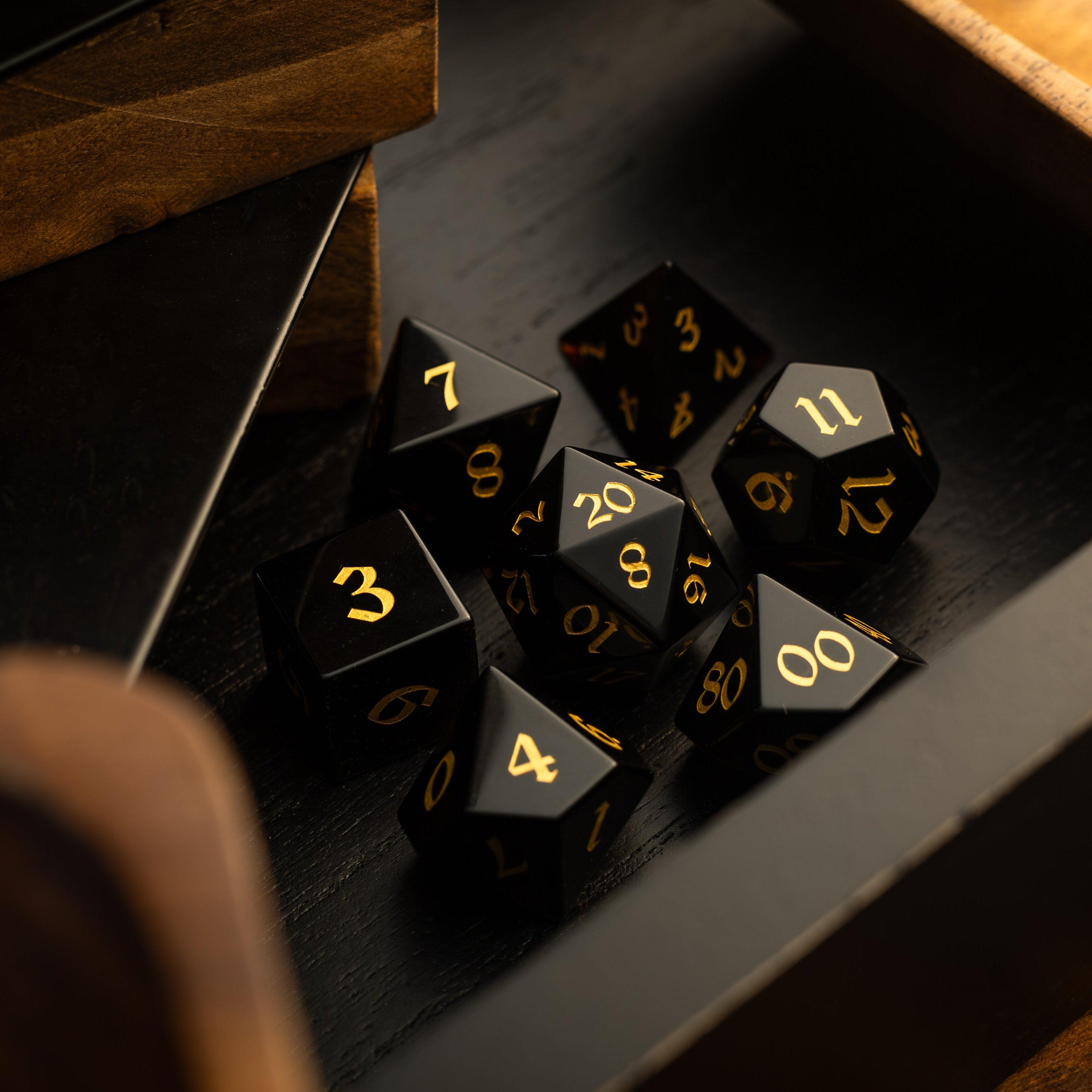
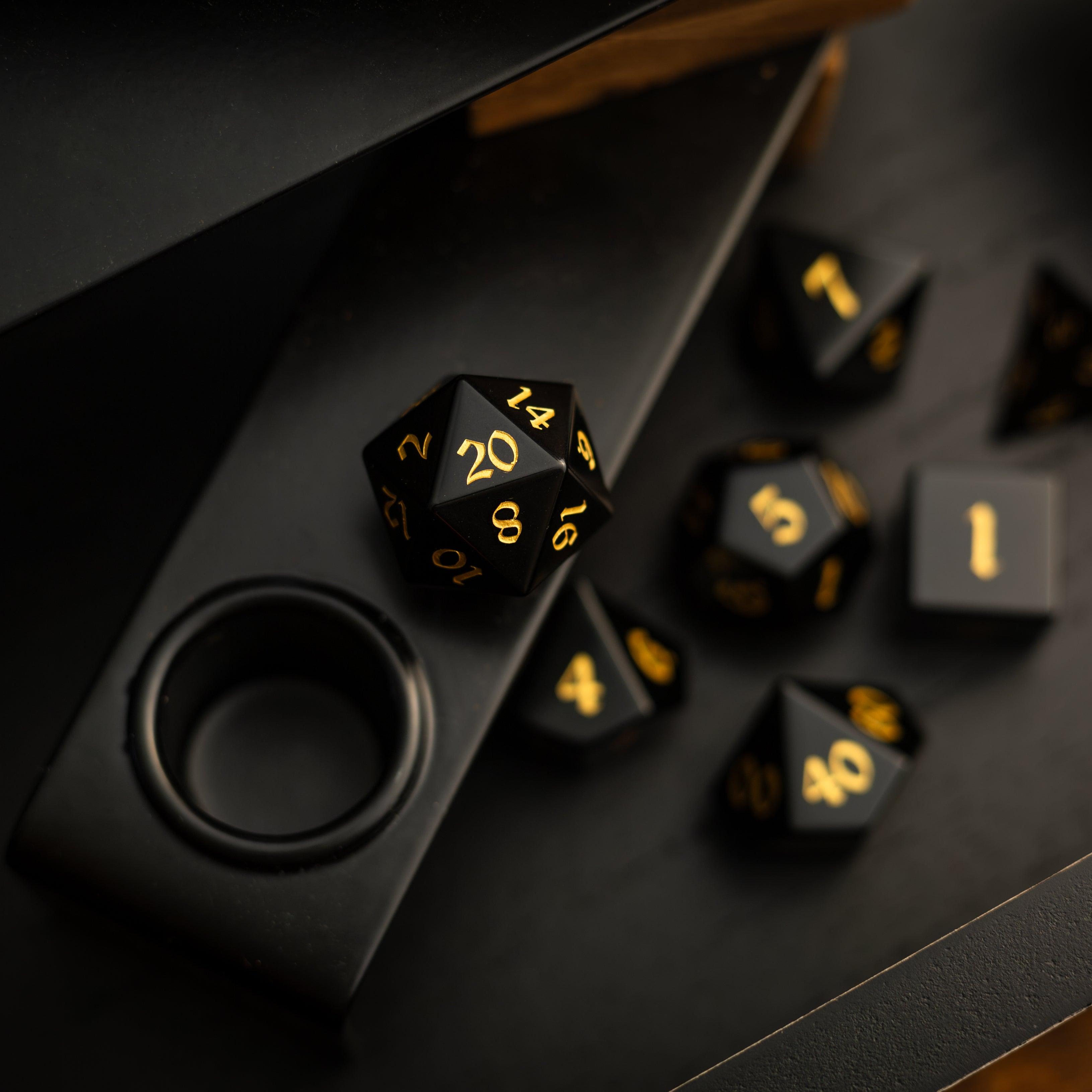
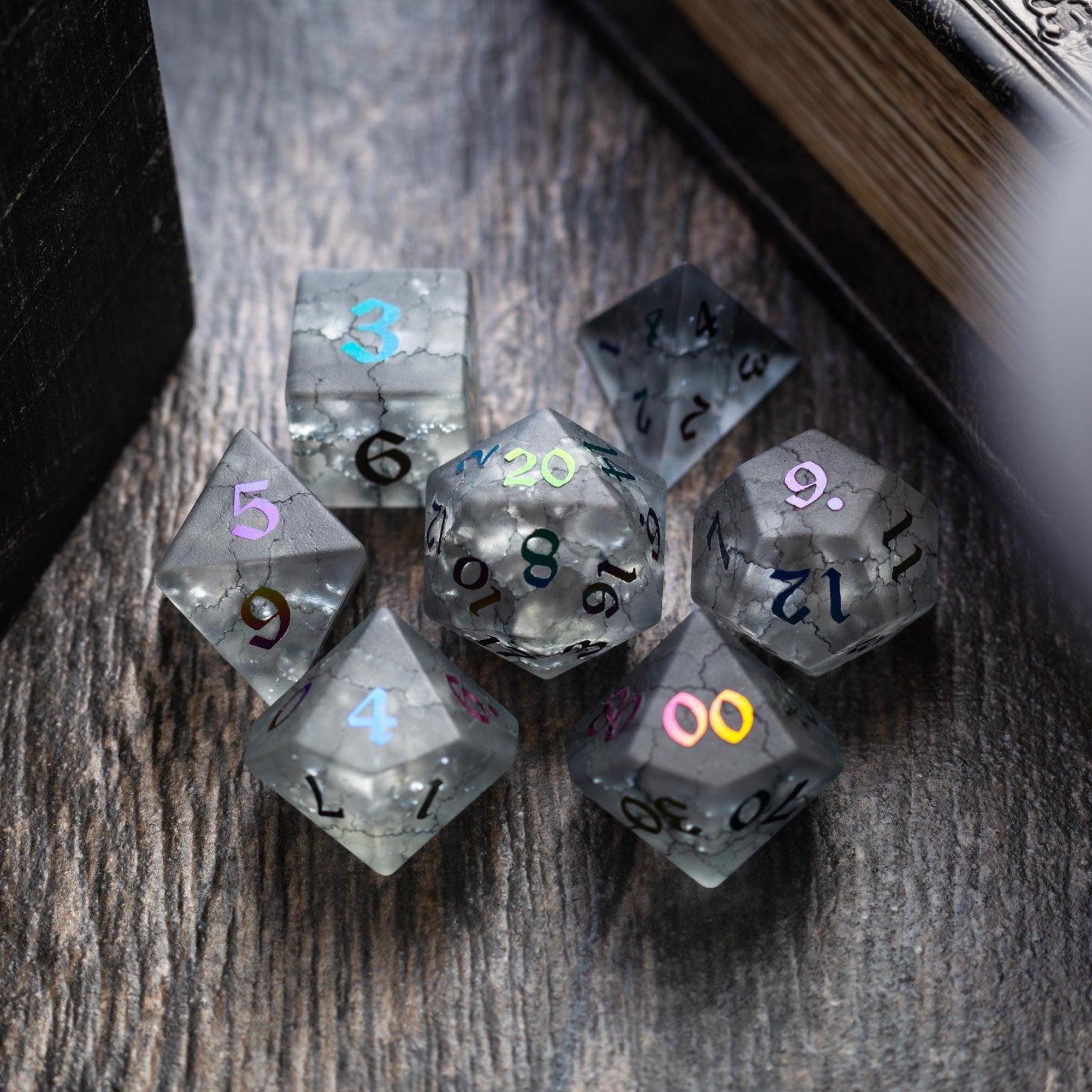
Materials drive both feel and price. Gemstone and glass carry prestige and weight, while resin offers playful colorways and budget-friendly options. The key is consistency. If you lean premium, be sure your polish, edge finishing, and inking are on point. For inspiration and benchmarks, browse curated picks like the Gemstone Dice collection to see how material, color, and presentation come together. Let touch, durability, and readability guide your choices.
Pick Your Core Items
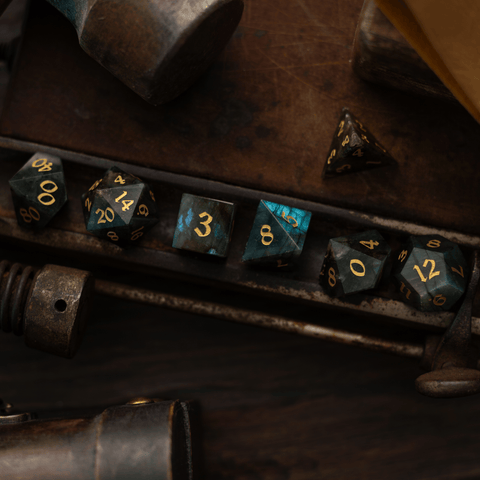
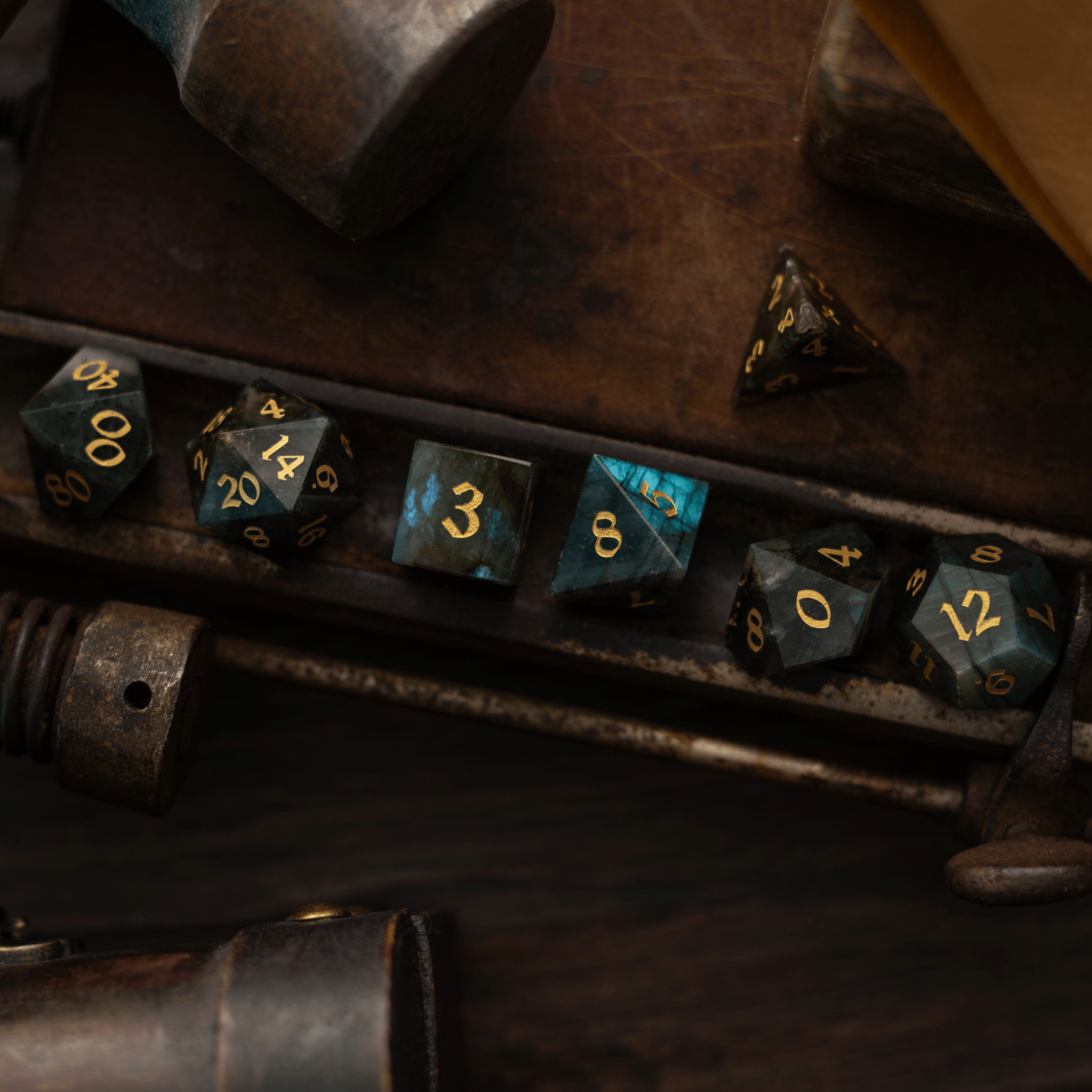
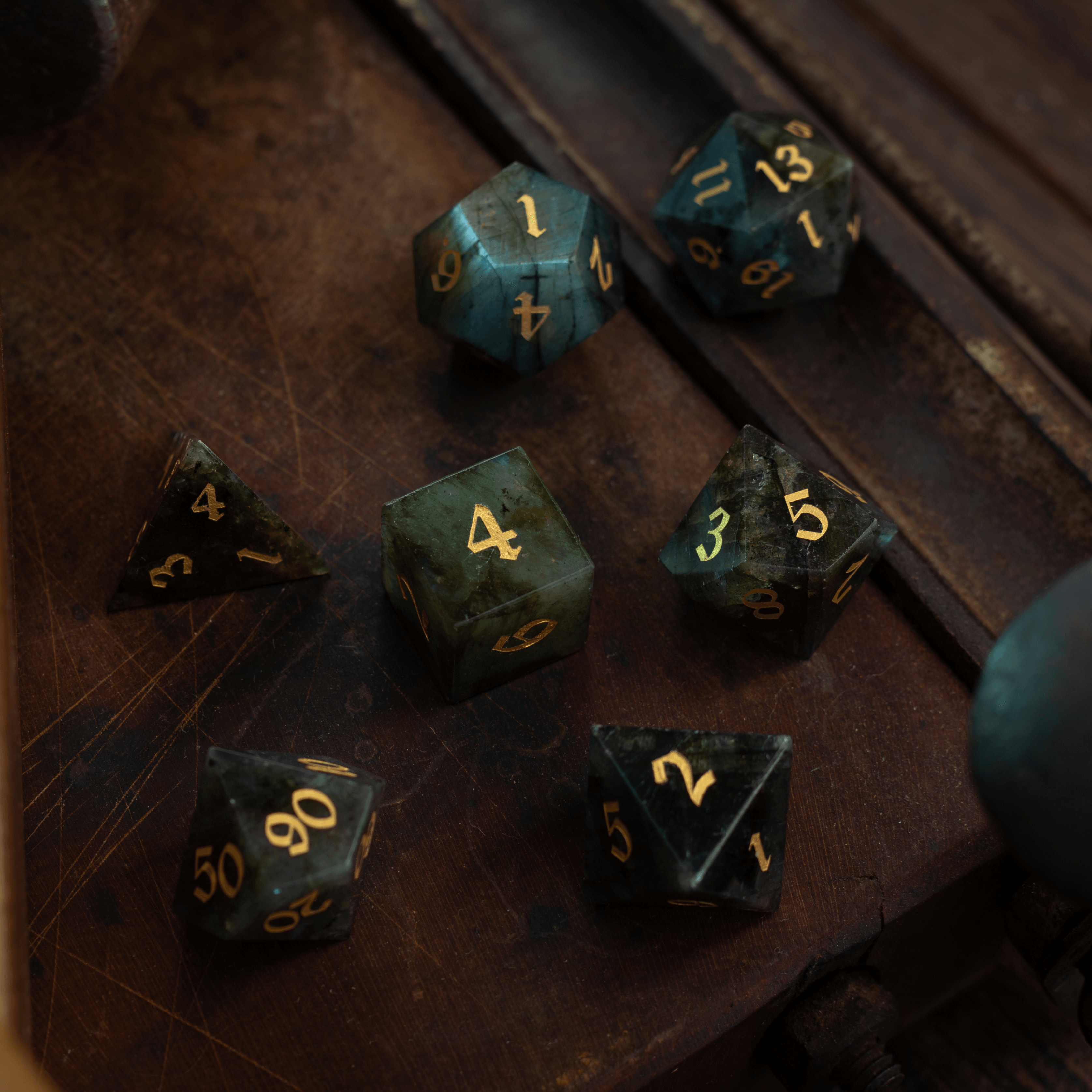
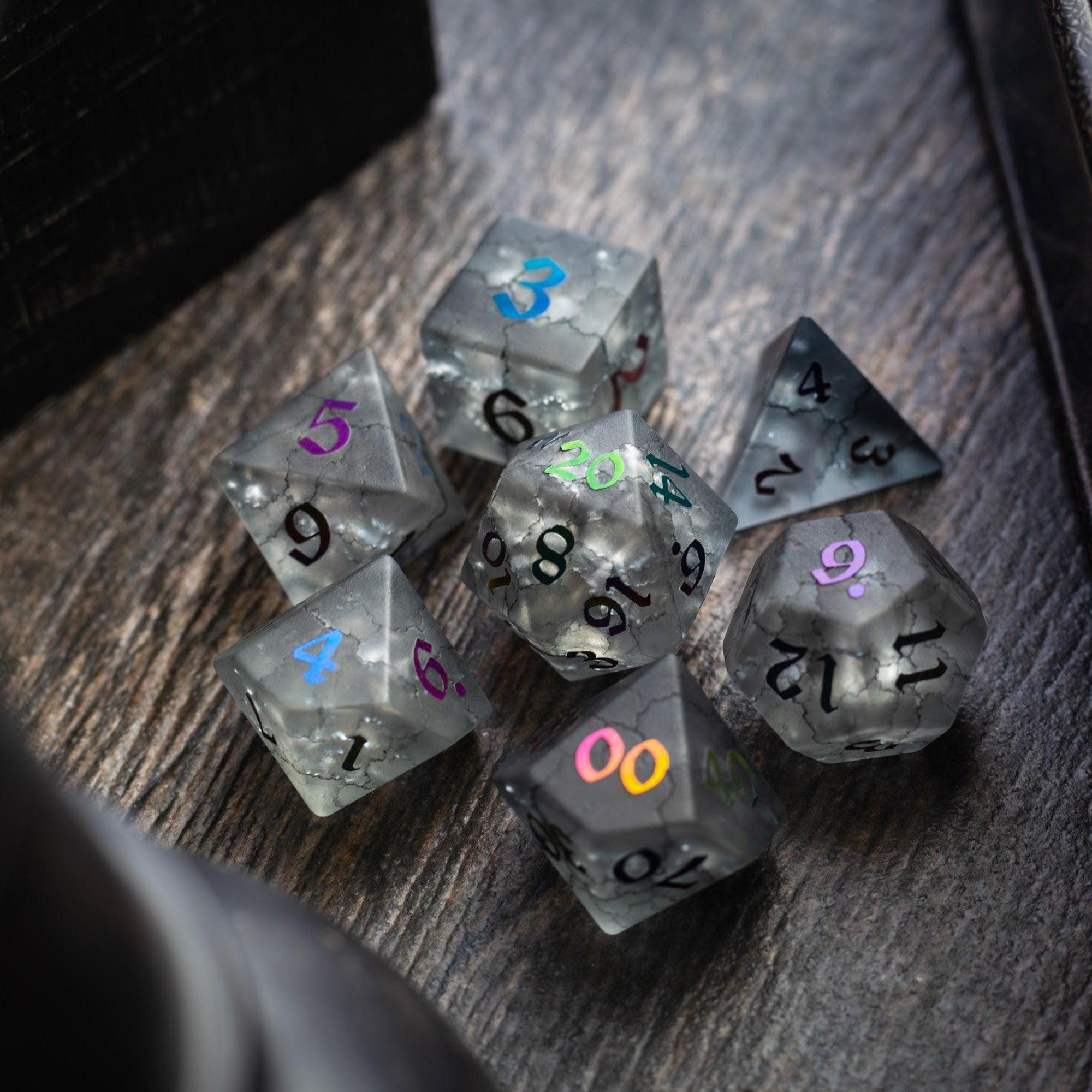
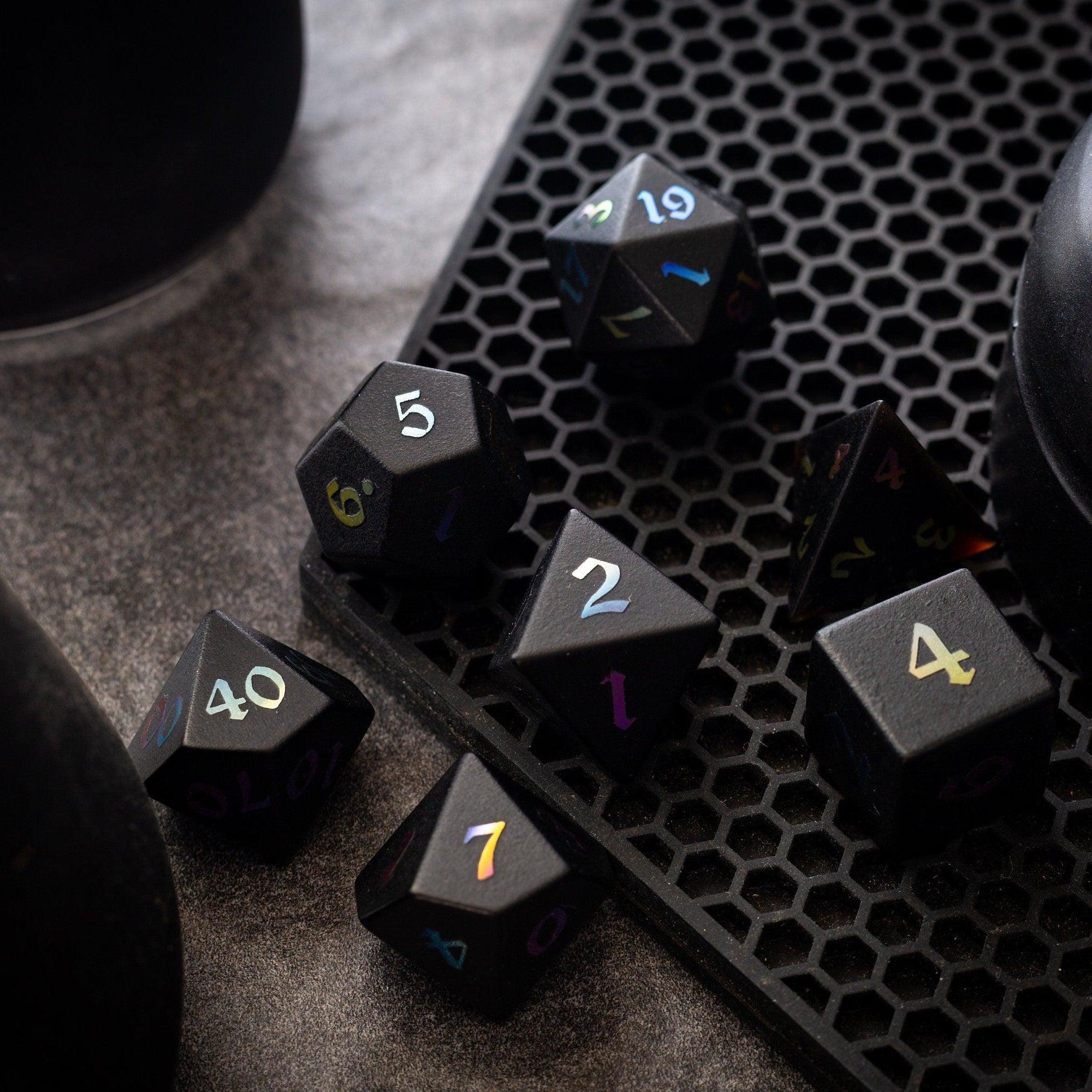
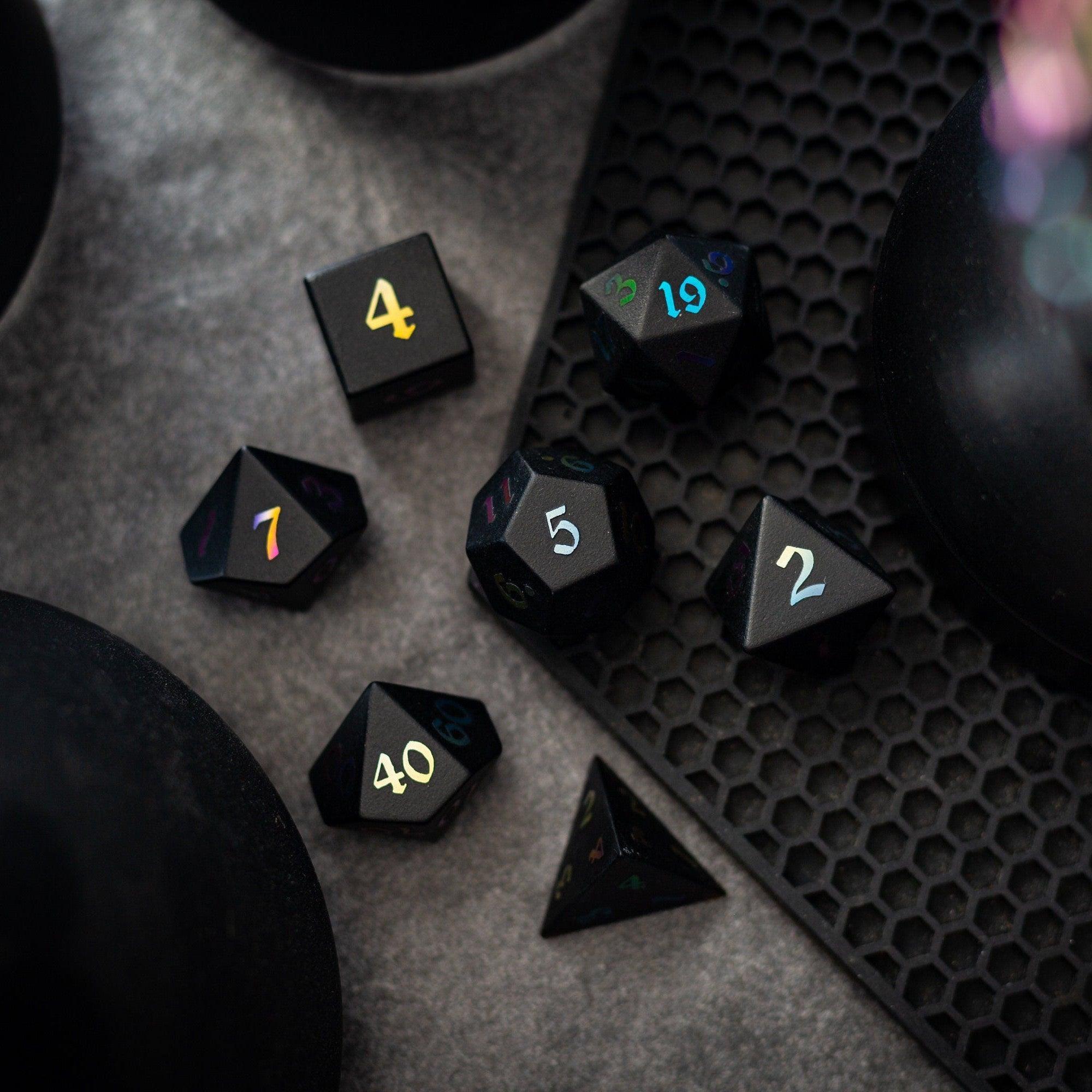
Start with “hero” items that create excitement, plus a couple supportive accessories. In tabletop spaces, hero items often include polyhedral sets with distinctive finishes. Consider one standout piece, such as the shimmering Labradorite set, and balance it with simpler staples. Round out your lineup with a mat, tower, or small storage that matches the vibe. A compact but coherent range is easier to photograph, price, and restock.
Design for Play and Display
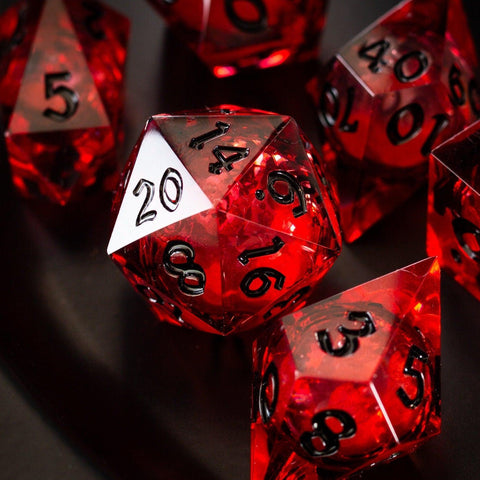
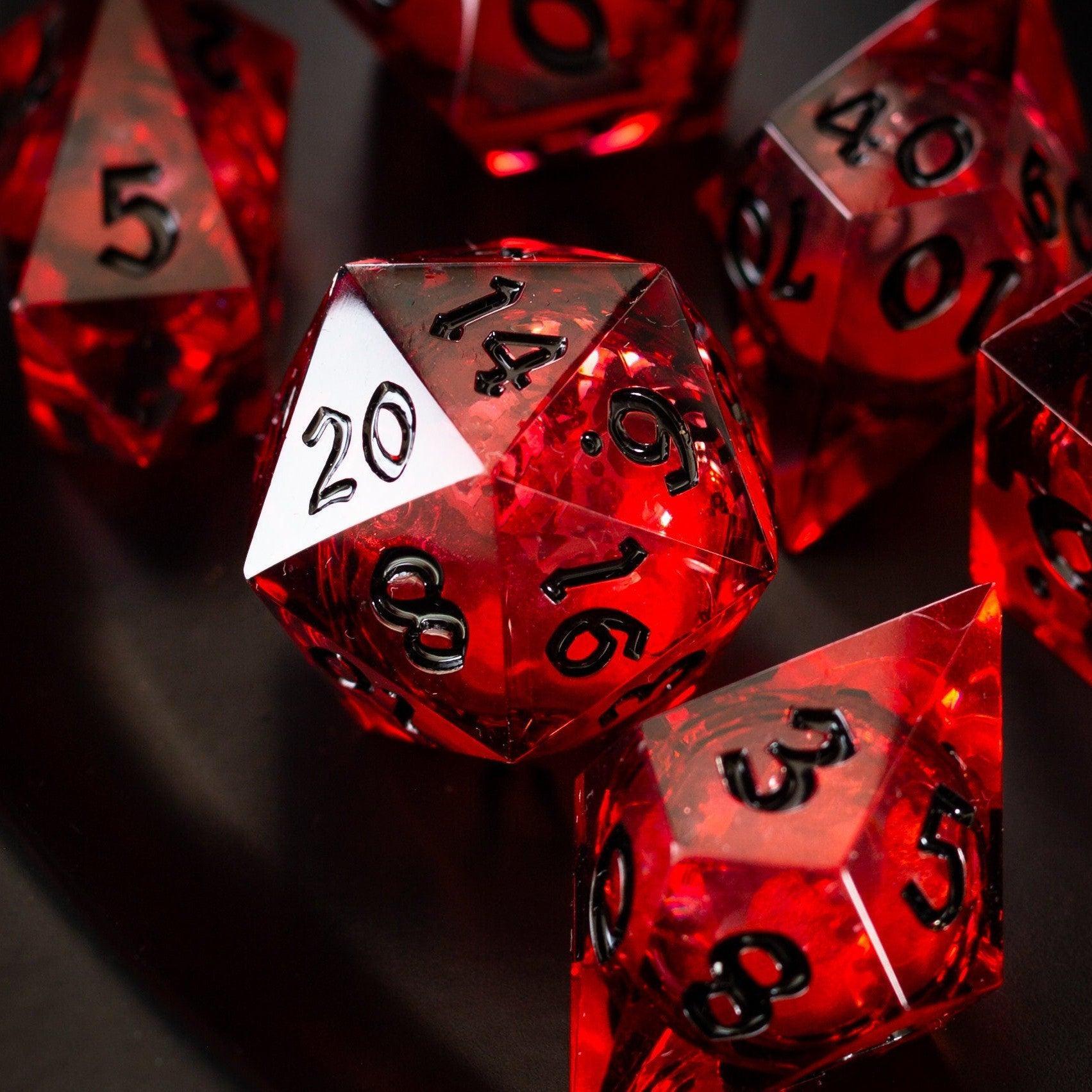
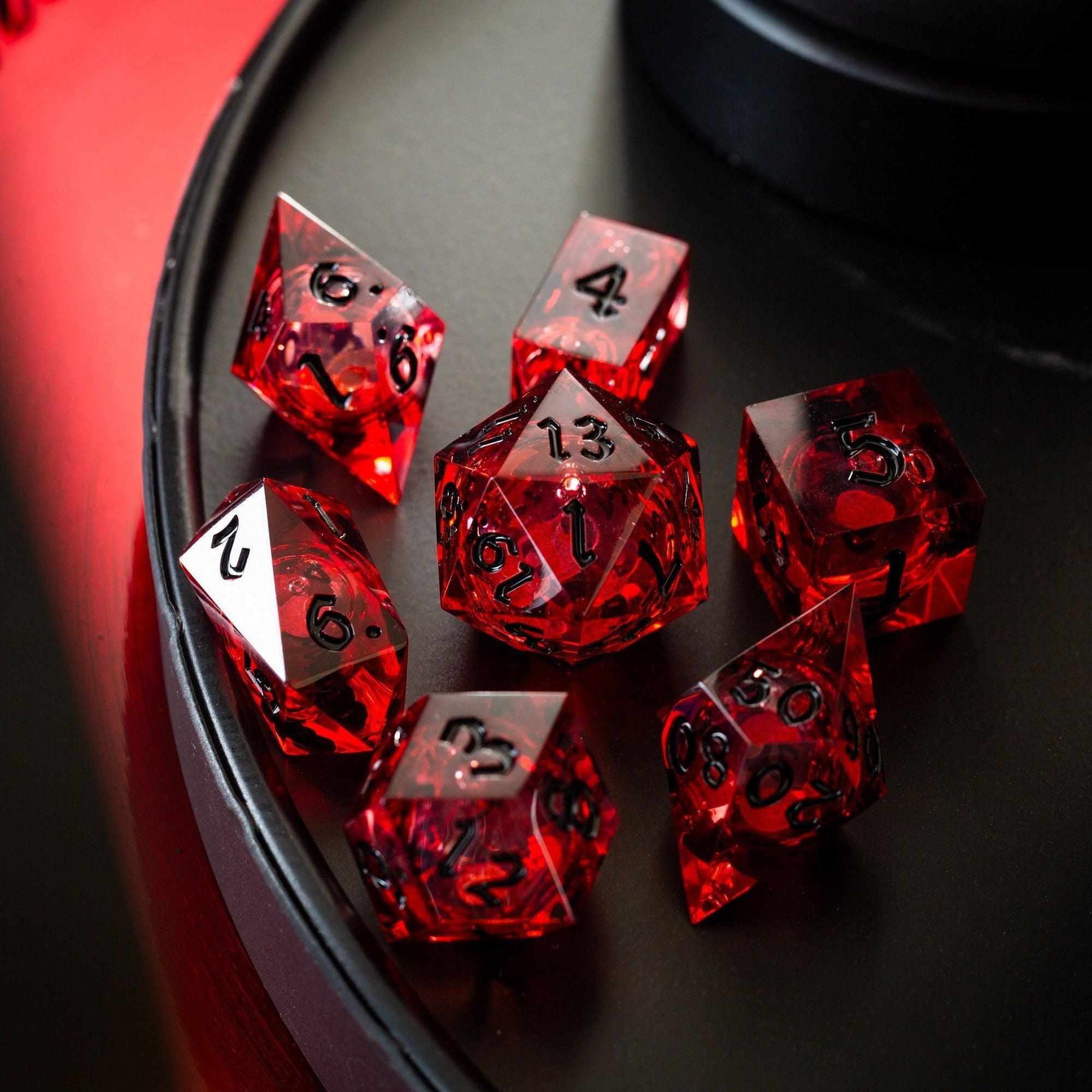
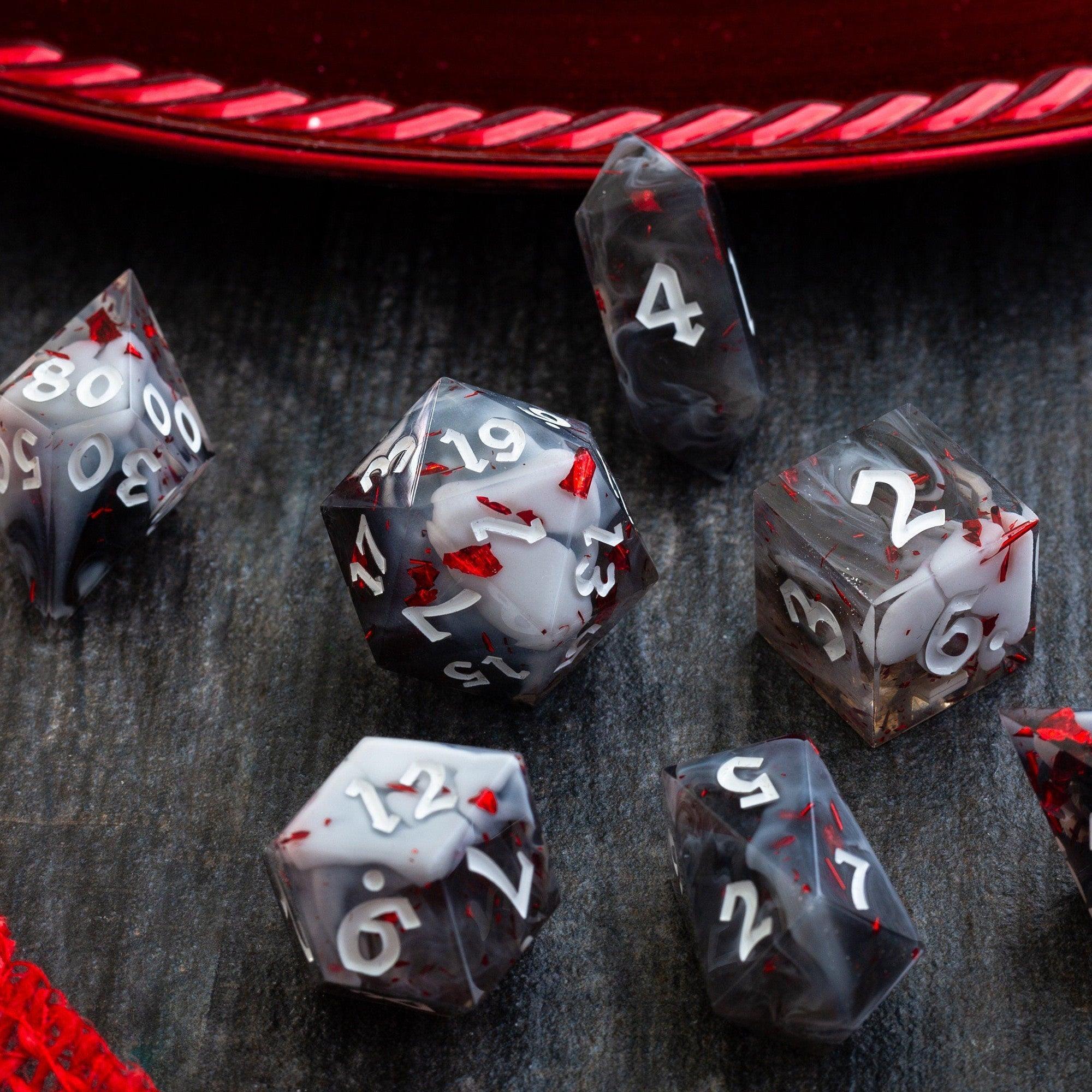
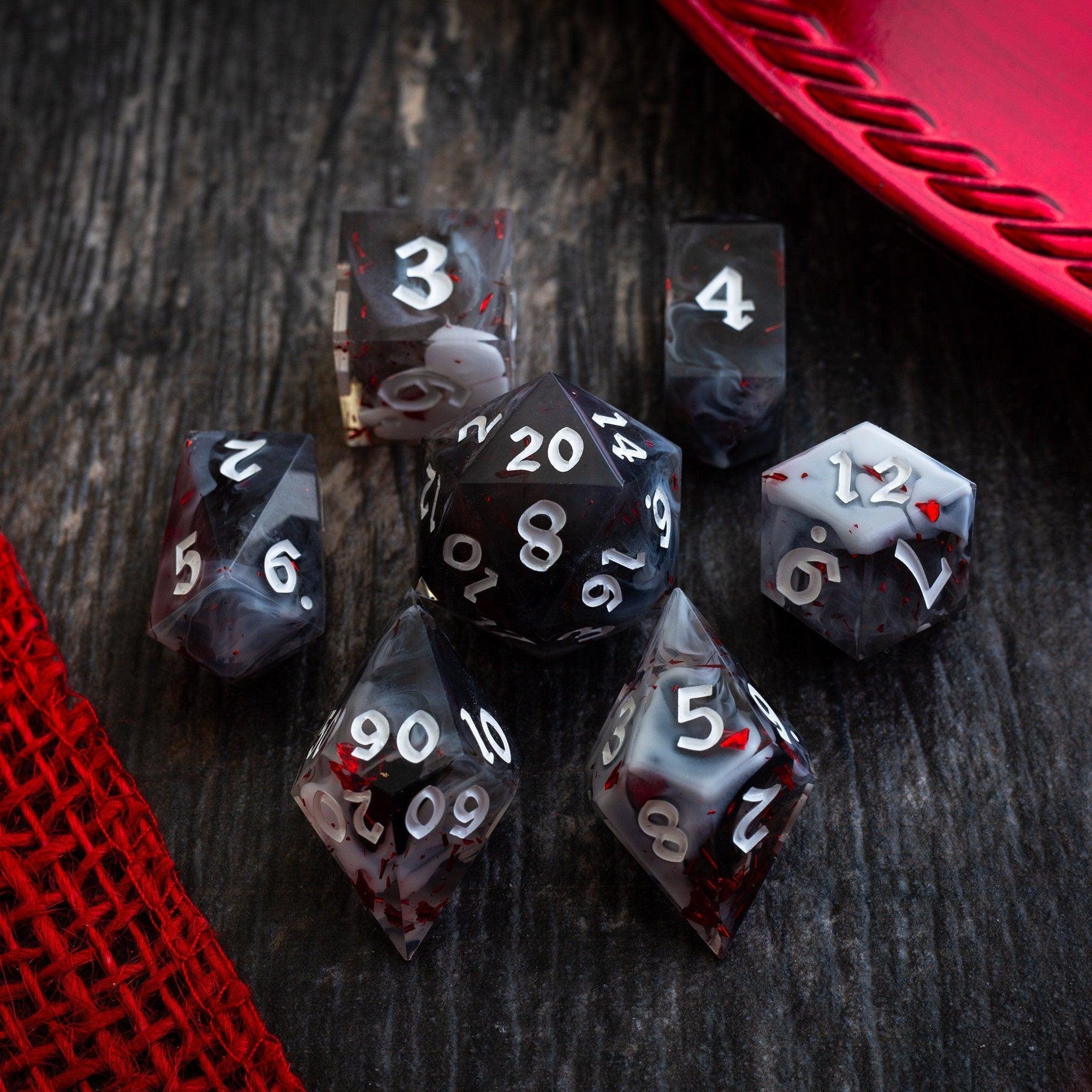
Great merch looks gorgeous on a shelf and performs at the table. Prioritize readability (high-contrast numbering, crisp edges) and satisfying roll feel. Avoid overly busy patterns that hide numerals. Add one or two “wow” pieces—like the glowing movement in an Orange Liquid Core set—then pair them with clean, legible options. In photos, show each item in three contexts: lifestyle (on a table), close-up detail, and scale with a hand.
Set Up Your Shopify Storefront
Give each product a clear, benefit-led description. Lead with what players feel: weight, clarity, table presence. Use short bullet points for material, size, and care. Sort collections by theme so shoppers can browse by mood as well as price. Add alt text to images with plain language (e.g., “black resin polyhedral set with silver ink”). Keep checkout simple, and enable customer reviews once sales start to roll in. Your goal is clarity and trust, not jargon.
Promote with Community Goodwill
Share sneak peeks during game setup. Post quick videos of rolls, sparkle shifts, or edge details. Celebrate customer photos and credit the players (with permission). Partner with GMs and actual-play tables who prefer tasteful, useful gear over gimmicks. Offer bundle pricing for group orders, or small perks like a storage pouch. Community-first marketing feels natural and builds long-term loyalty without hard selling.
Pack and Ship with Care
Protection beats replacement every time. Use snug boxes, bubble wrap or foam, and corner guards for heavier sets. Include a small thank-you note with care tips to reduce support tickets and boost delight. For fragile or weighty accessories, consider upgrading to sturdier mailers and adding insurance. If your audience loves organized play, spotlight accessories that help transport gear safely, like Dice Towers or matching storage that complements your core items.
Q&A: Tabletop Merch Essentials
How do I choose items that will actually sell?
Look at what players touch most during a session: dice, storage, and rolling surfaces. Pick one premium hero item and two supportive pieces at lower price points. Validate with small batches and ask your community which colors and finishes they prefer. Track which photos drive clicks and which items convert, then double down on those traits. As patterns emerge, expand cautiously with color variants rather than entirely new categories.
How should I price my merch without scaring buyers off?
Price from the bottom up: materials, labor, packaging, platform fees, and shipping supplies. Add a margin that covers returns, discounts, and marketing. Then sanity-check against similar items in your niche. Offer tiered options so shoppers can say “yes” at different budgets. A balanced lineup often includes one premium showpiece—think hand-finished gemstone—supported by mid-tier and entry items that deliver strong value.
What photos help tabletop merch convert better?
Use three shot types: lifestyle (the piece on a table setting), macro detail (edges, numerals, inclusions), and scale (in-hand or next to a standard d20). Keep backgrounds simple and colors true. Show legibility in low and bright light. If your product has motion (swirls, liquid cores), capture it in short clips and stills. Consistent angles across your shop help shoppers compare items quickly and feel confident at checkout.
Wrap-Up
Building a small, cohesive lineup is the fastest route to momentum. Start with a clear theme, choose materials you’re proud to ship, and aim for a mix of hero items and everyday staples. Keep your product pages honest and readable, and let community photos carry your story forward. If you want inspiration for premium looks and durable finishes, explore curated pieces like the Labradorite set, the shimmering Orange Liquid Core, and the wider Gemstone Dice range—or anchor your setup with sturdy Dice Towers. Keep it simple, listen to your players, and iterate. Your table—and your customers—will feel the difference.


Leave a comment
This site is protected by hCaptcha and the hCaptcha Privacy Policy and Terms of Service apply.