
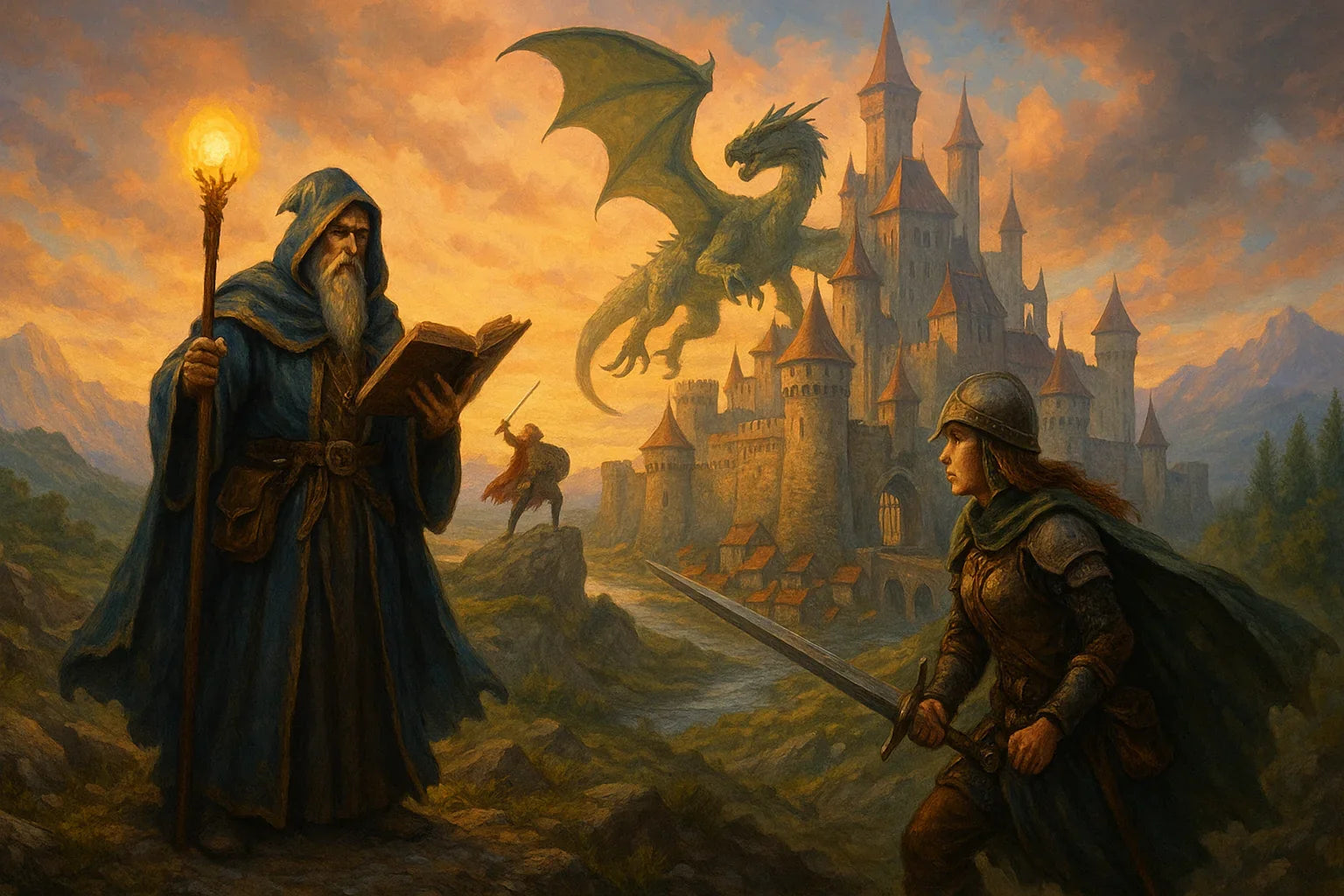
Expansions for Fantasy Board Games: Rich Worlds Unlocked
Fantasy board games have a special way of drawing players into magical kingdoms, dangerous dungeons, and epic quests. Whether you enjoy cooperative adventures, tactical battles, or campaign-driven storytelling, the base game often provides dozens of hours of memorable experiences. Eventually, though, many players begin looking for new challenges without learning an entirely new game.
That is where expansions for fantasy board games come in.
A well-designed board game expansion can introduce fresh characters, additional storylines, new enemies, advanced mechanics, or entire campaigns that keep your favorite game feeling exciting. At the same time, not every expansion is right for every group. Some increase complexity, while others simply add more variety.
Understanding the different types of fantasy board game expansions makes it easier to choose additions that match your group's experience level, preferred play style, and long-term interests.
Why Expansions Extend the Life of a Favorite Board Game
One of the biggest advantages of expansions is increased replayability. Even after dozens of sessions, new content can encourage players to explore different strategies and discover experiences that were not possible with the original game alone.
Common benefits include:
-
Additional quests and adventures
-
New heroes or playable factions
-
Expanded enemy encounters
-
Alternative victory conditions
-
Larger maps or regions to explore
-
Greater variety between play sessions
Rather than replacing a favorite game, expansions often build upon its strongest features.
Many fantasy titles also tell evolving stories. Campaign expansions may continue a narrative introduced in the core game, allowing players to revisit familiar characters while uncovering new mysteries and locations.
It is important to remember that most expansions require the corresponding base game unless they are specifically labeled as standalone expansions. Always check the publisher's compatibility information before purchasing.
Common Types of Fantasy Board Game Expansions
Not every expansion adds the same kind of content. Some focus on storytelling, while others introduce strategic depth or improve variety.
Campaign Expansions
Campaign expansions are popular among groups that enjoy long-term adventures.
They often include:
-
New chapters
-
Additional maps
-
Branching storylines
-
New objectives
-
Persistent character progression
These expansions are ideal for groups that regularly meet and enjoy ongoing narratives.
Character Expansions
Many fantasy tabletop games offer expansions centered around new heroes, classes, races, or factions.
Players may gain access to:
-
Unique abilities
-
Alternative play styles
-
Specialized equipment
-
New starting options
Adding fresh characters often encourages different party combinations and new approaches to familiar scenarios.
Mechanics Expansions
Some expansions introduce entirely new gameplay systems.
Examples include:
-
Crafting
-
Resource management
-
Weather effects
-
Reputation systems
-
Advanced combat rules
-
Exploration mechanics
These additions can deepen board game strategy, but they may also increase the learning curve for newer players.
Scenario Expansions
Scenario packs typically focus on variety rather than complexity.
They often include:
-
New missions
-
Additional encounters
-
Alternate objectives
-
Unique map layouts
-
Fresh enemy combinations
Groups that enjoy shorter adventures often appreciate scenario-based expansions because they increase replayability without requiring a lengthy campaign.
Component Expansions
Sometimes players simply want more options rather than new rules.
Component expansions may contain:
-
Miniatures
-
Terrain tiles
-
Extra cards
-
Dice
-
Tokens
-
Player boards
These additions can improve variety while keeping gameplay largely familiar.
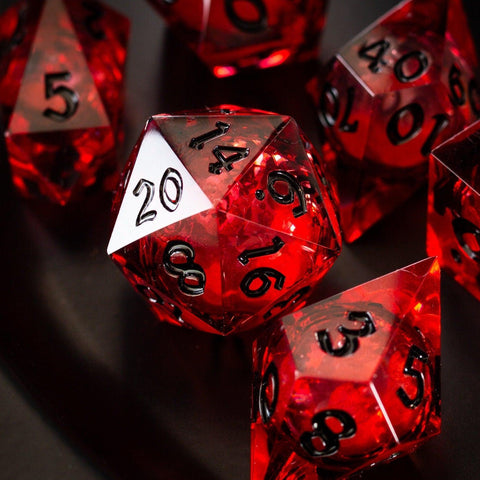
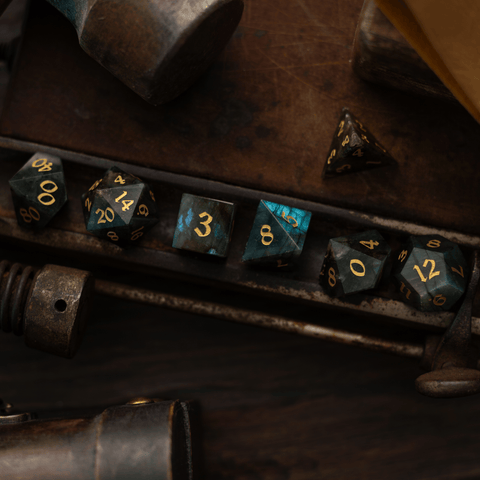
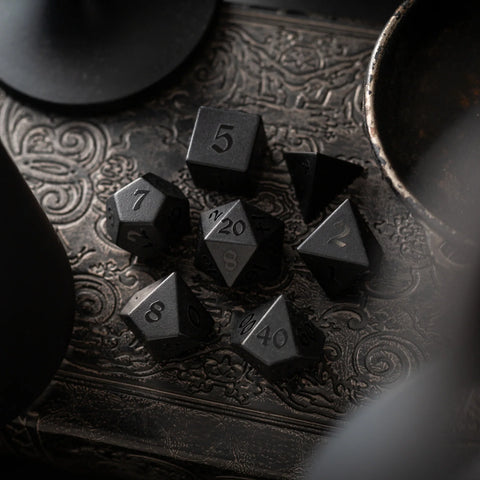
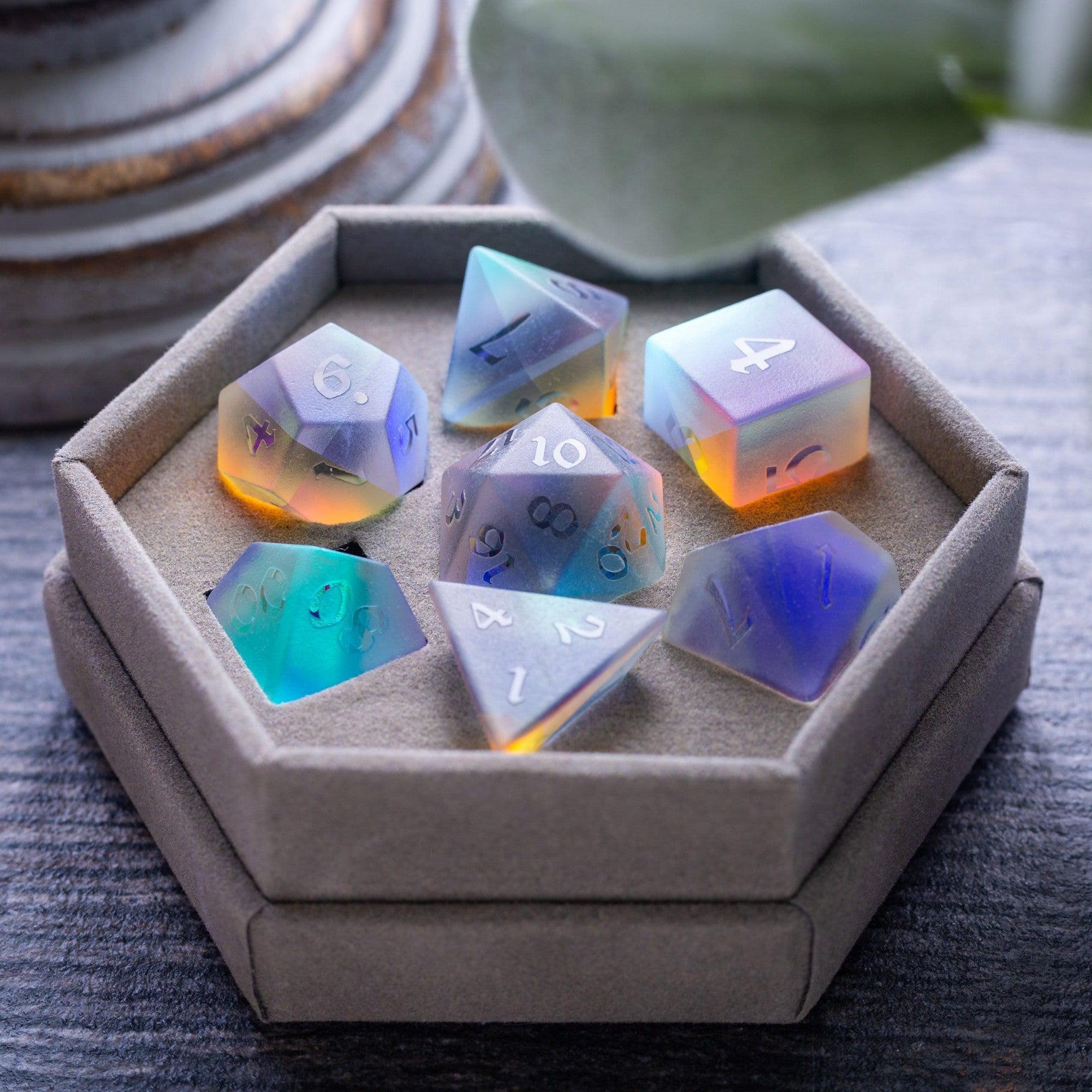
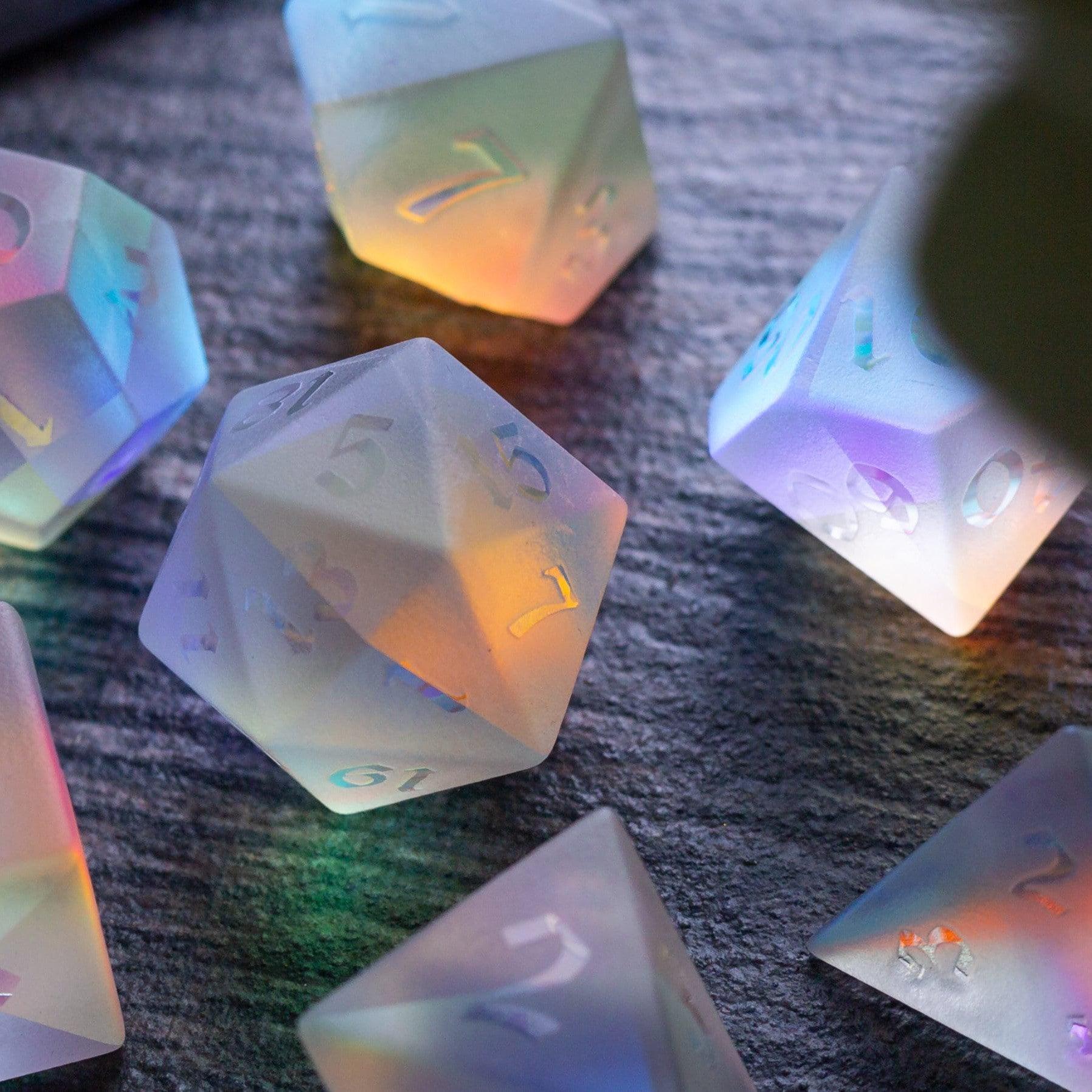
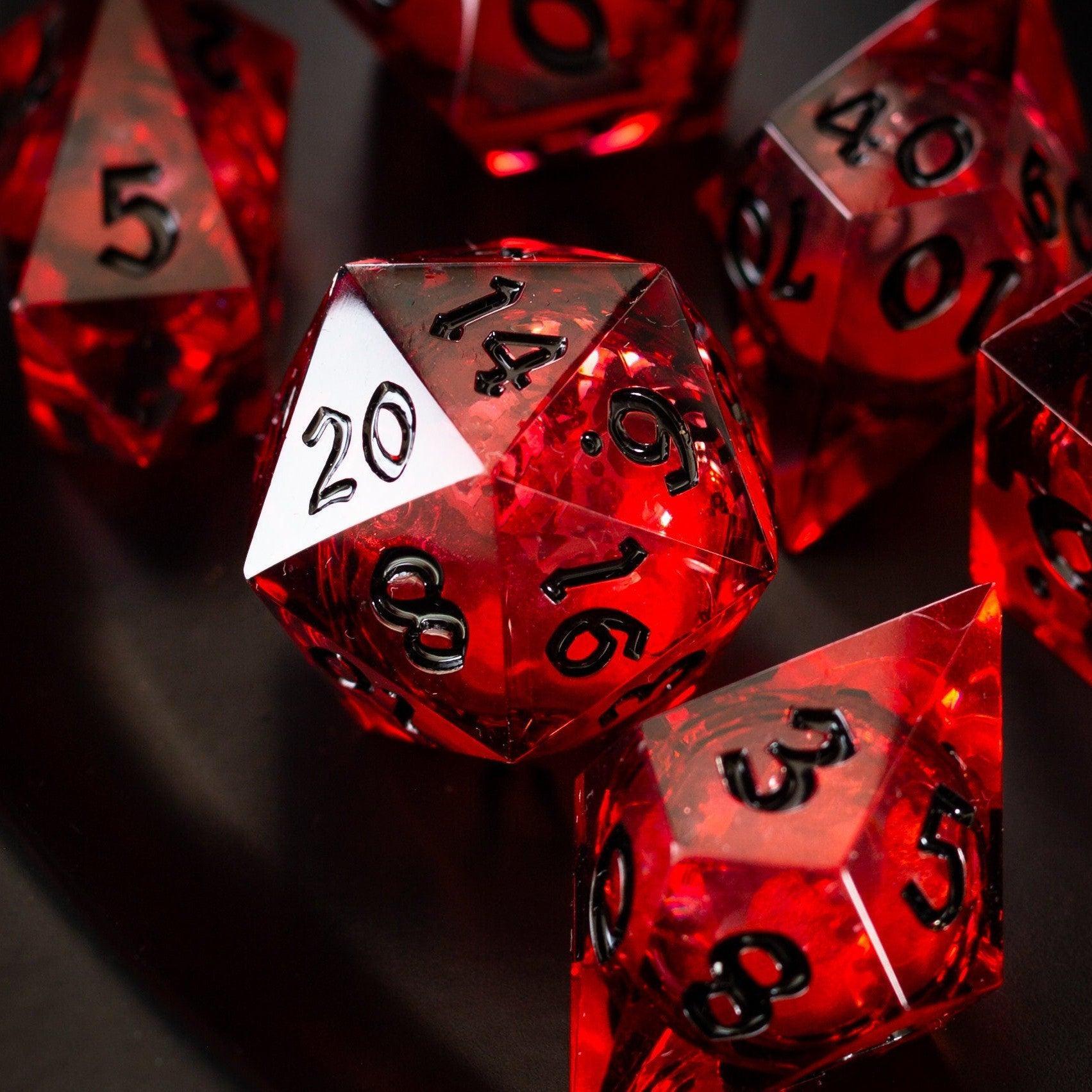
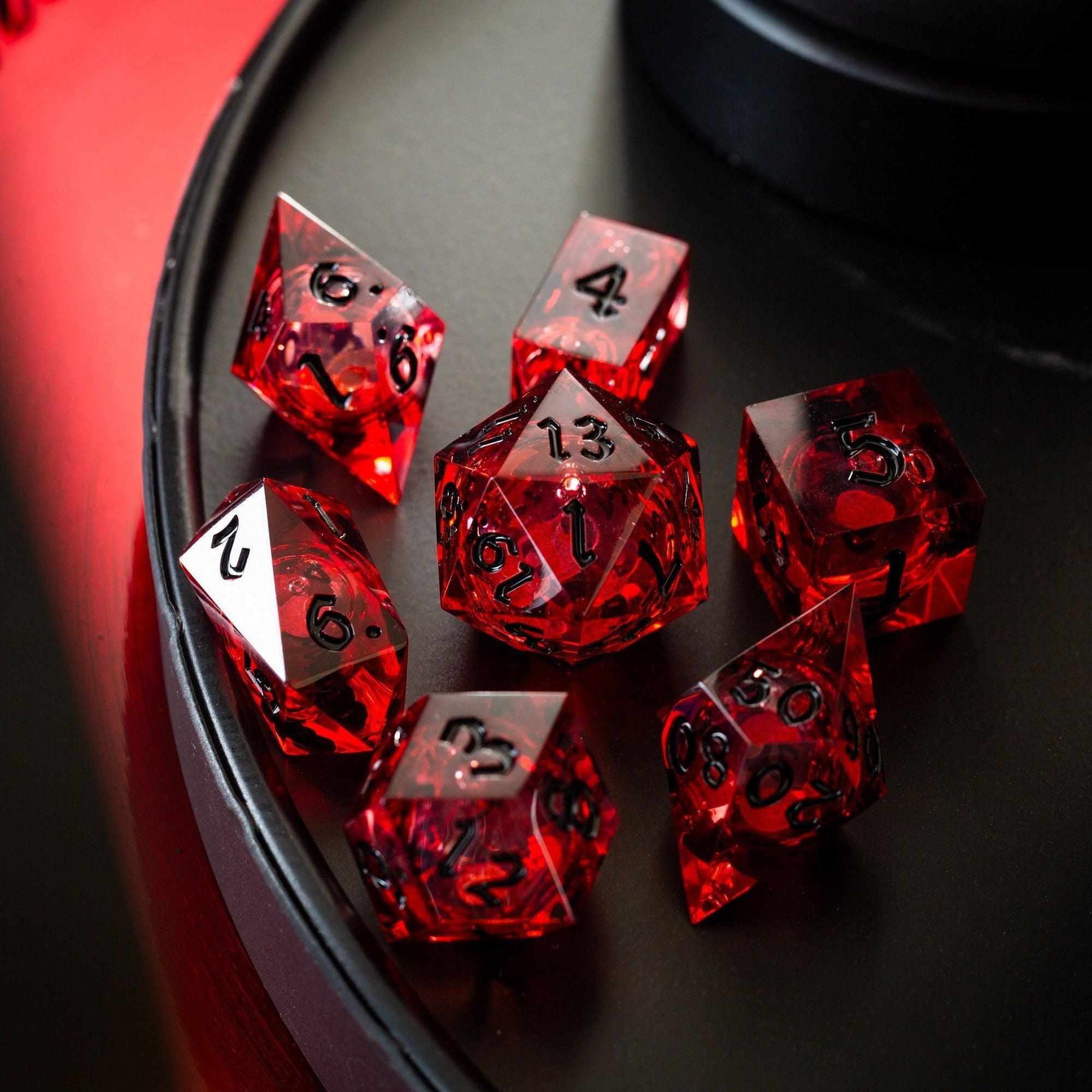
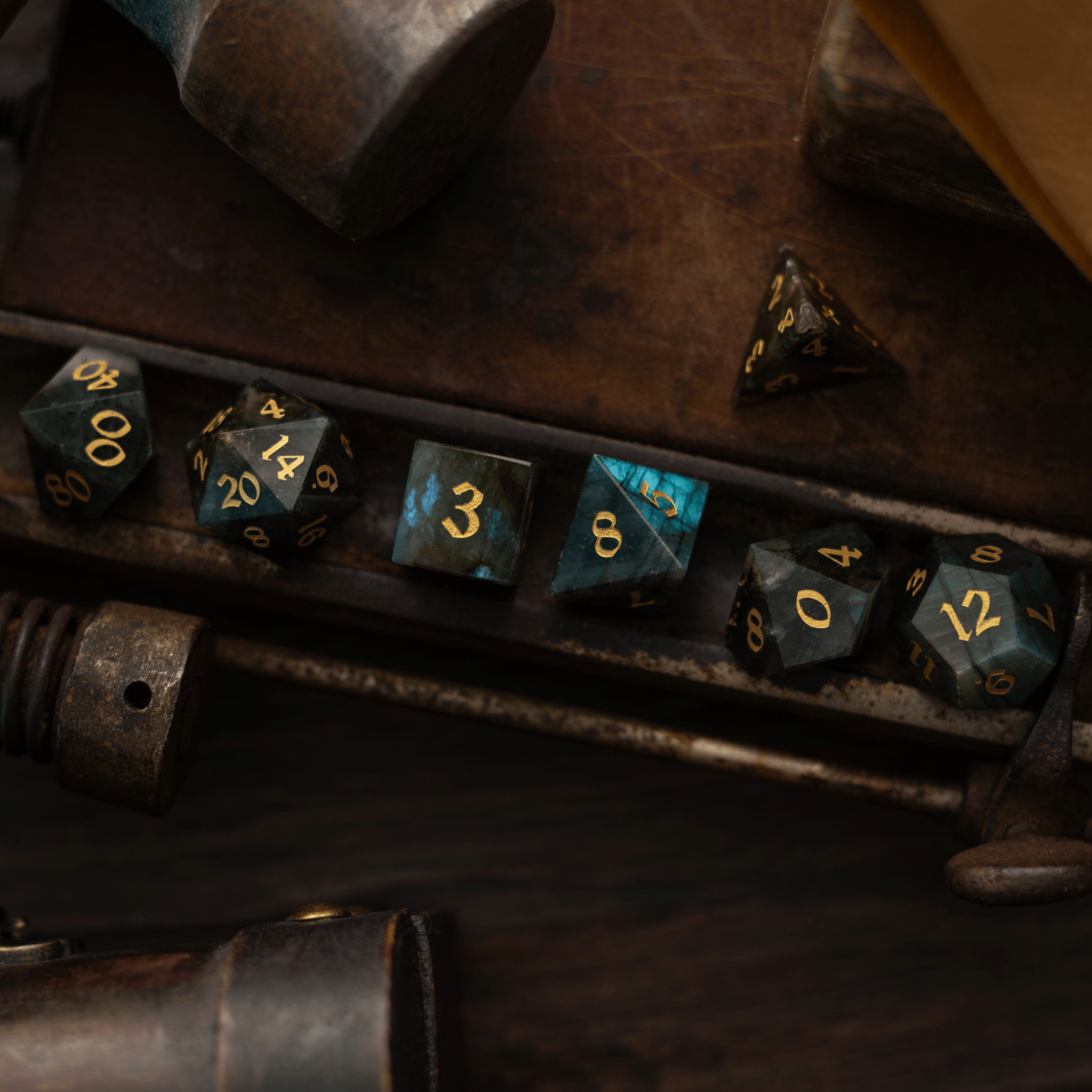
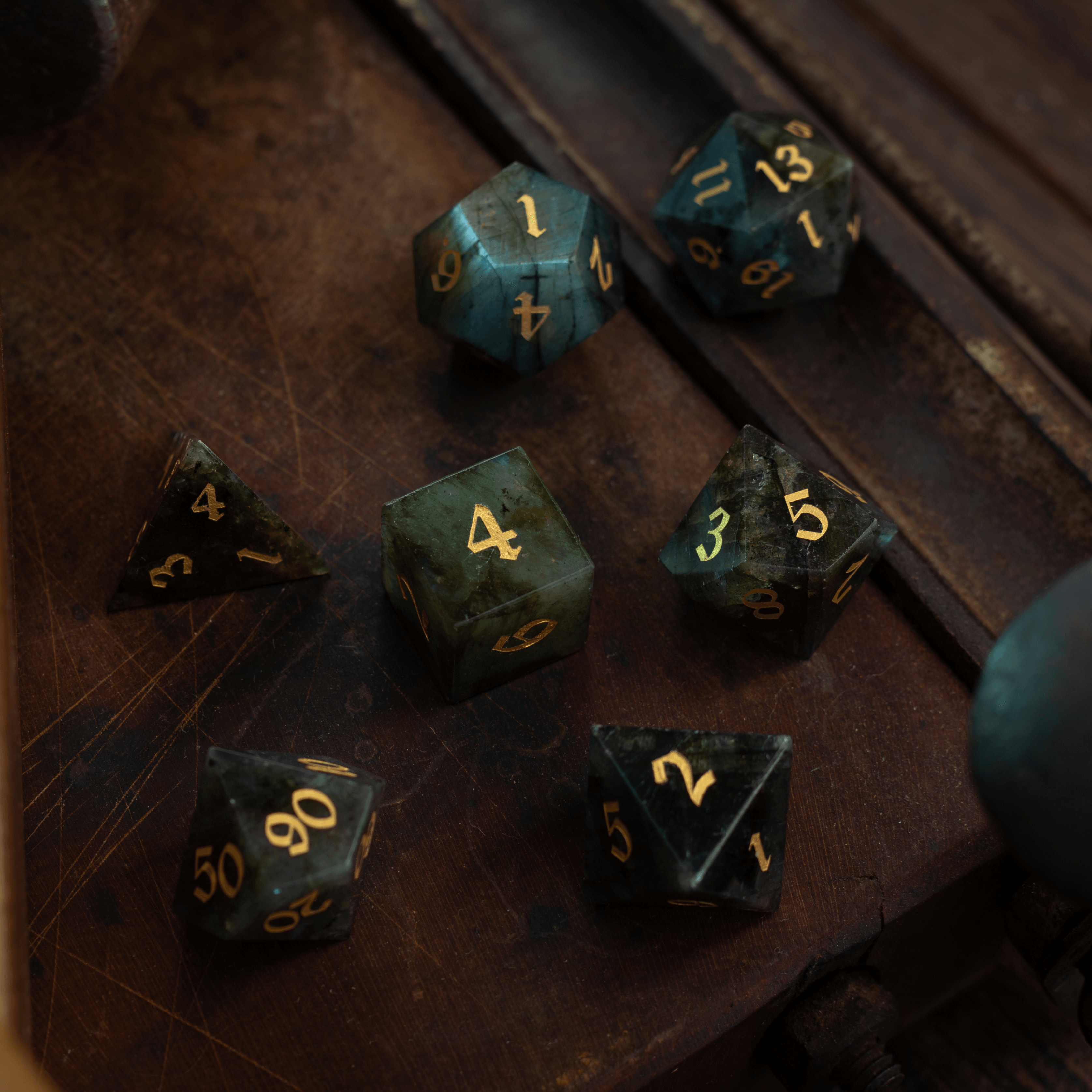
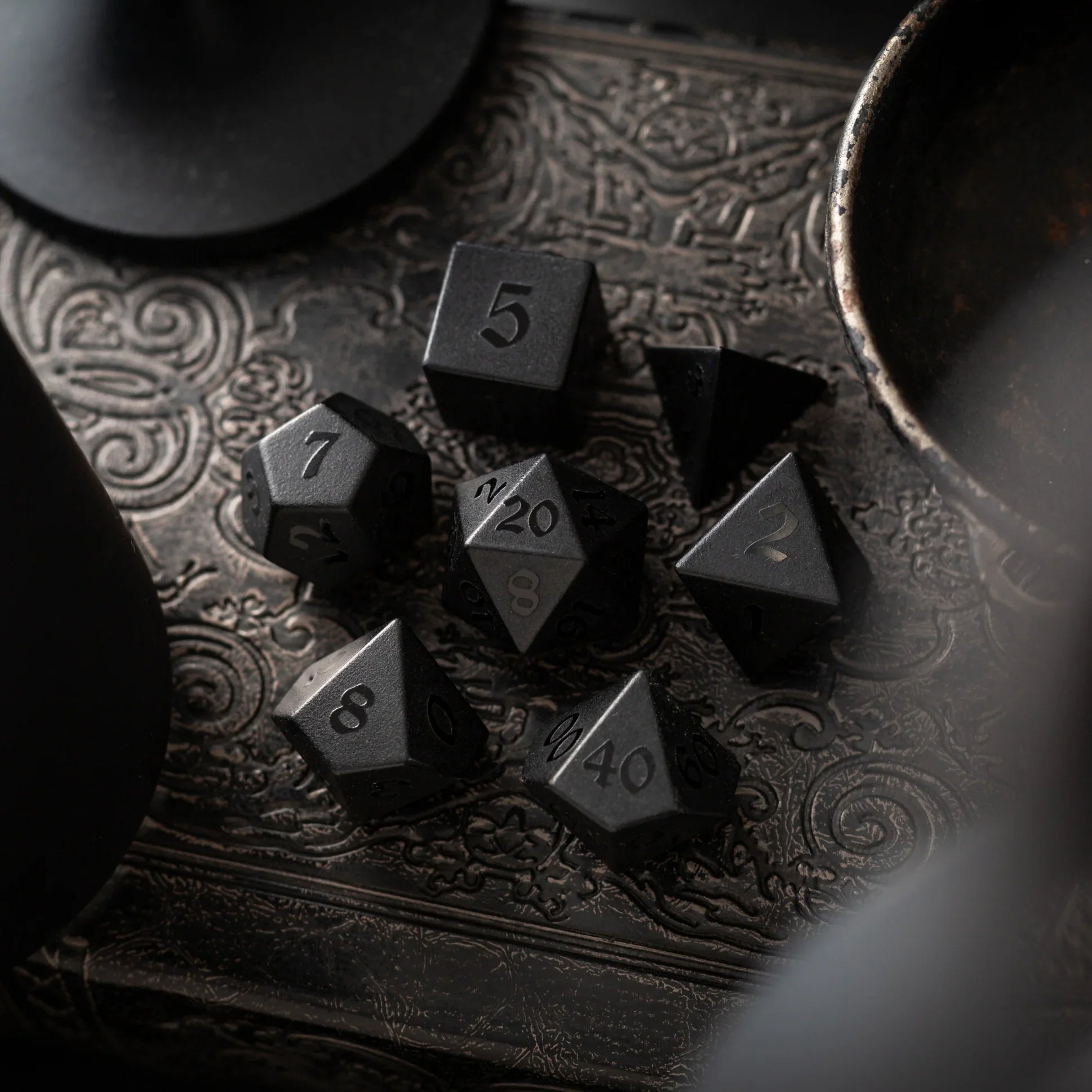
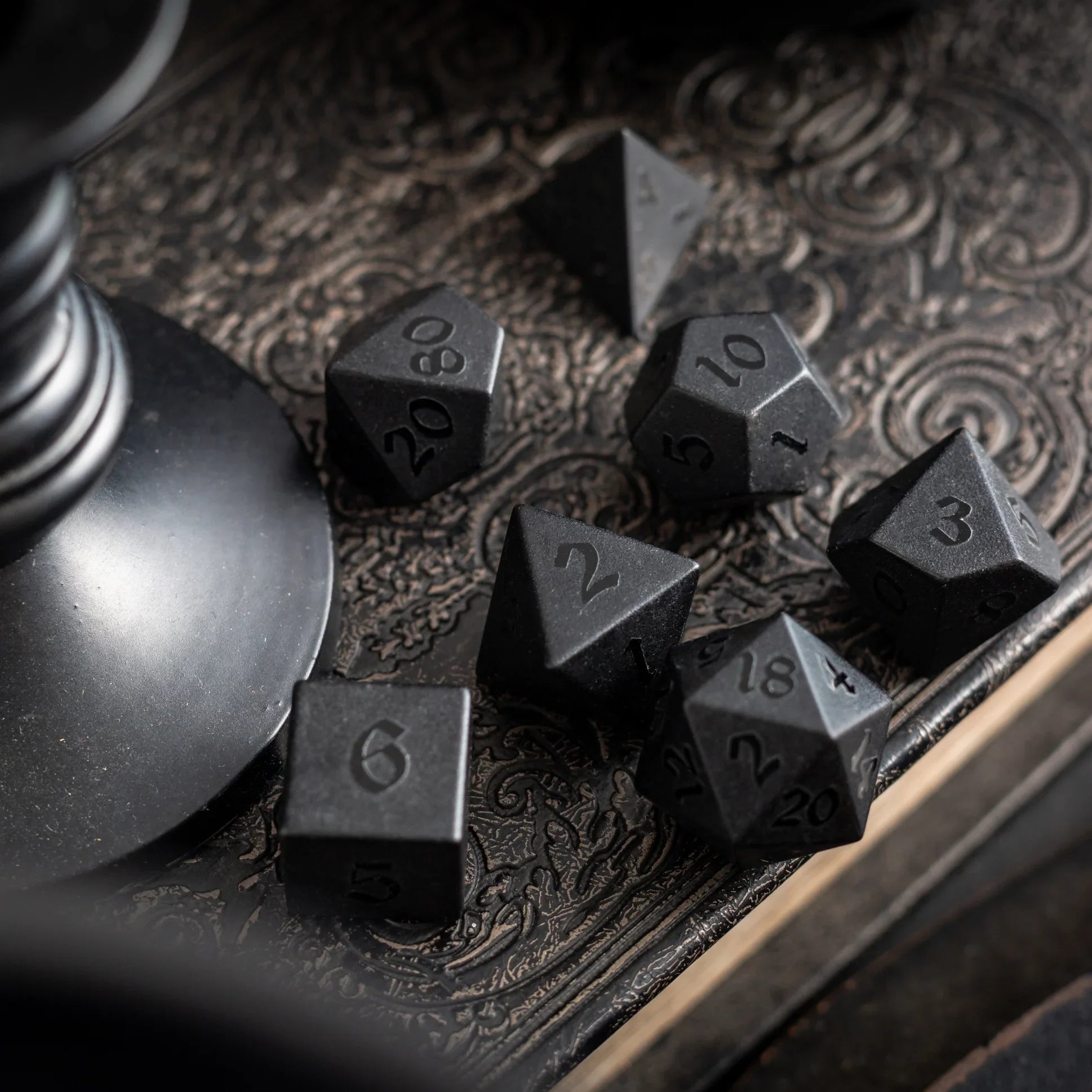
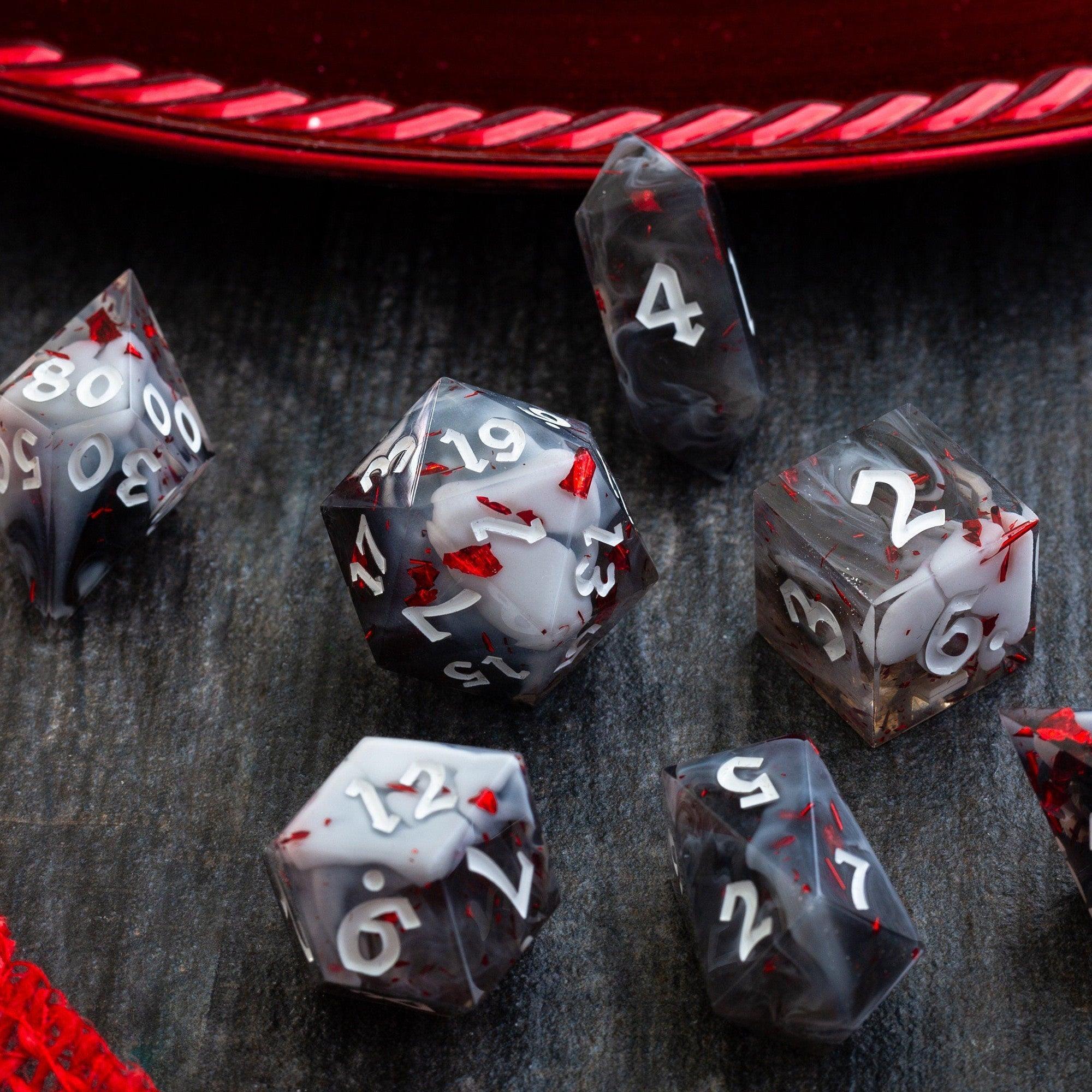
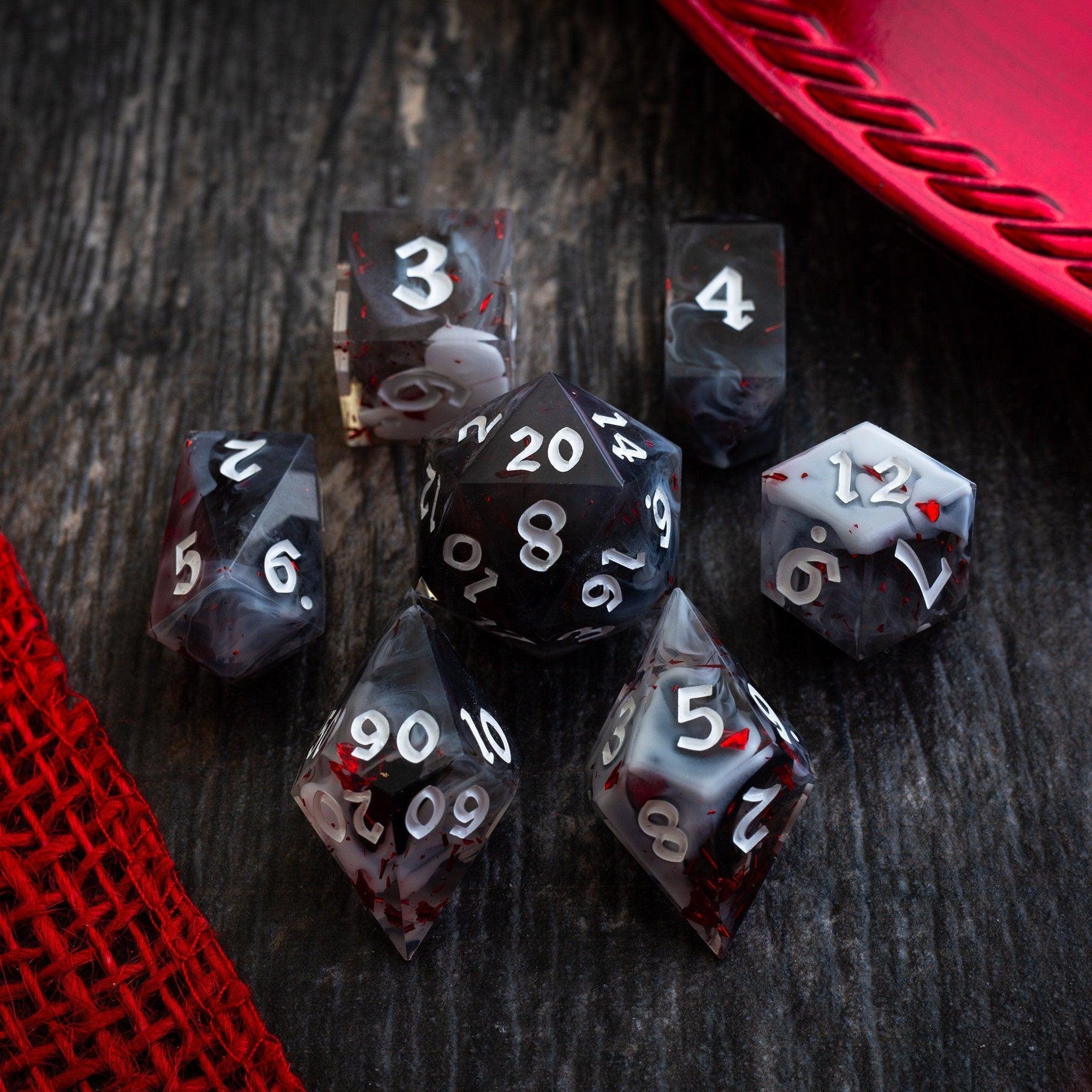
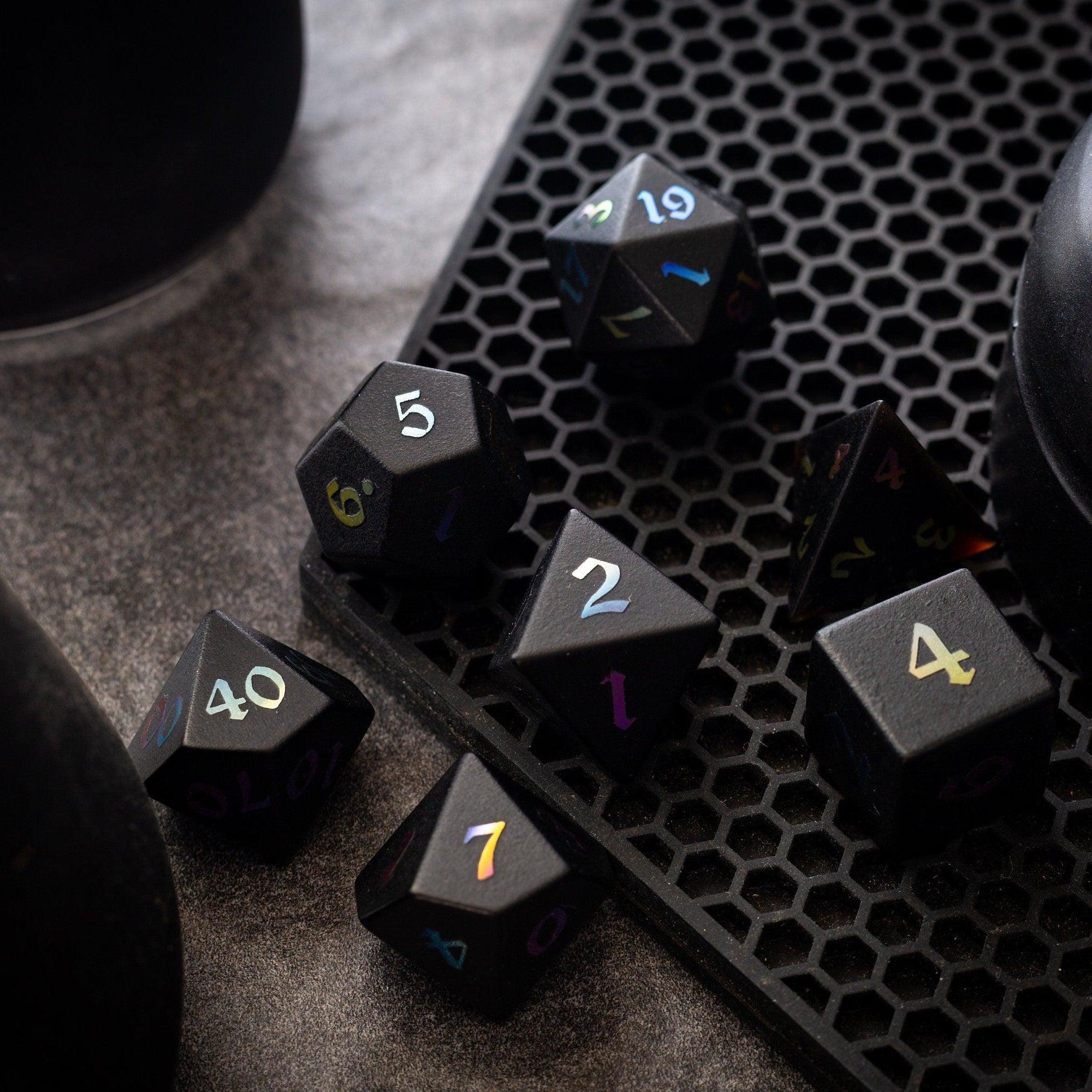
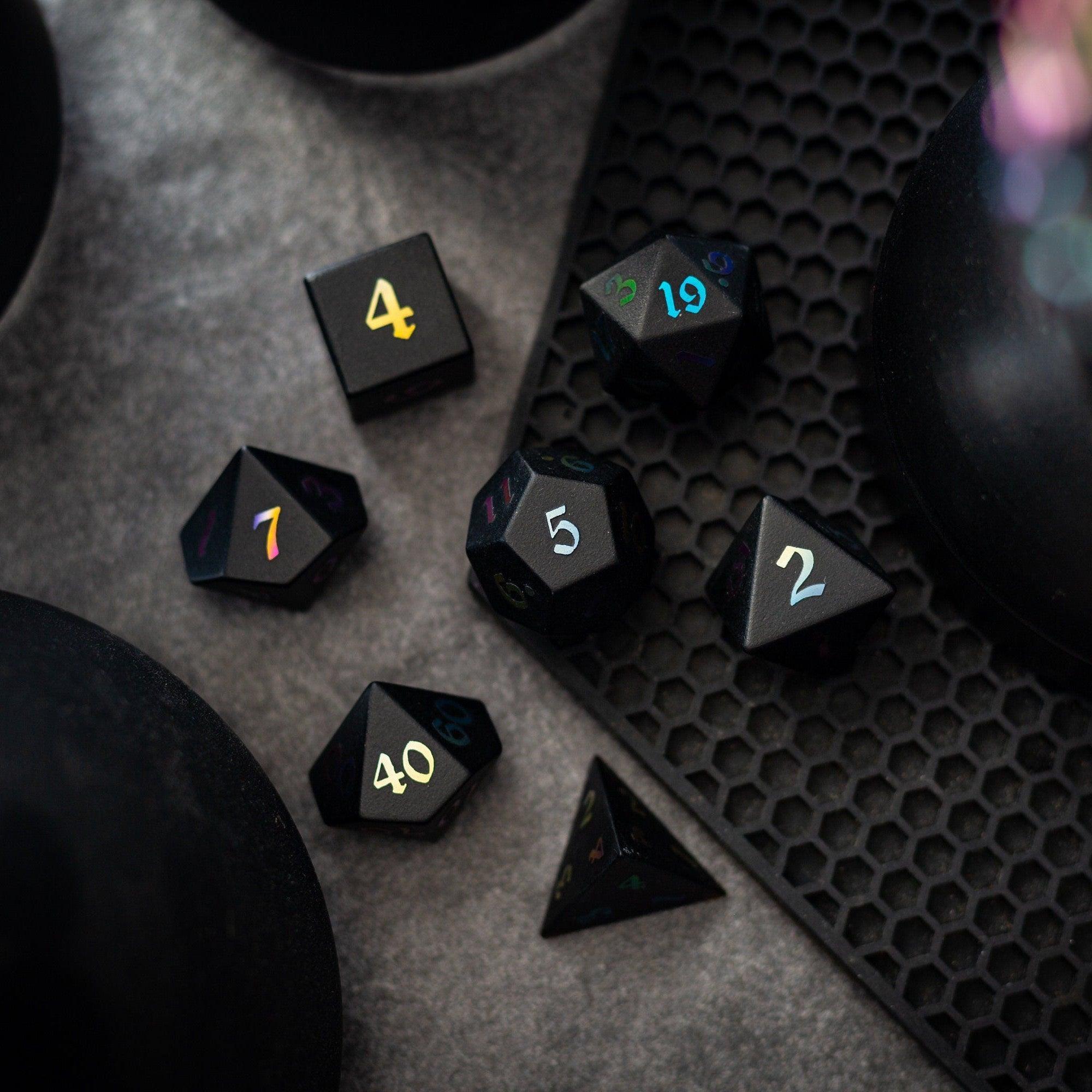
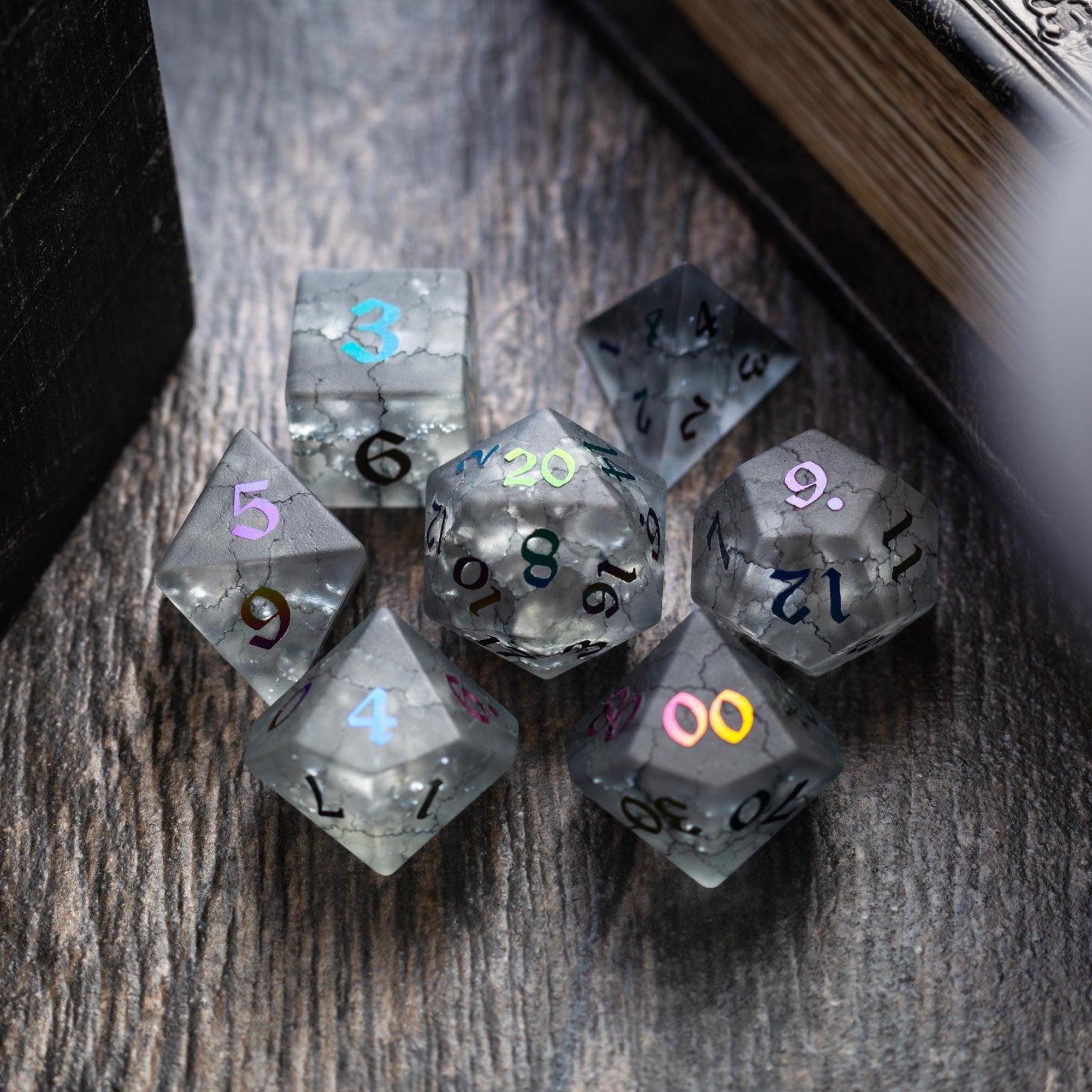
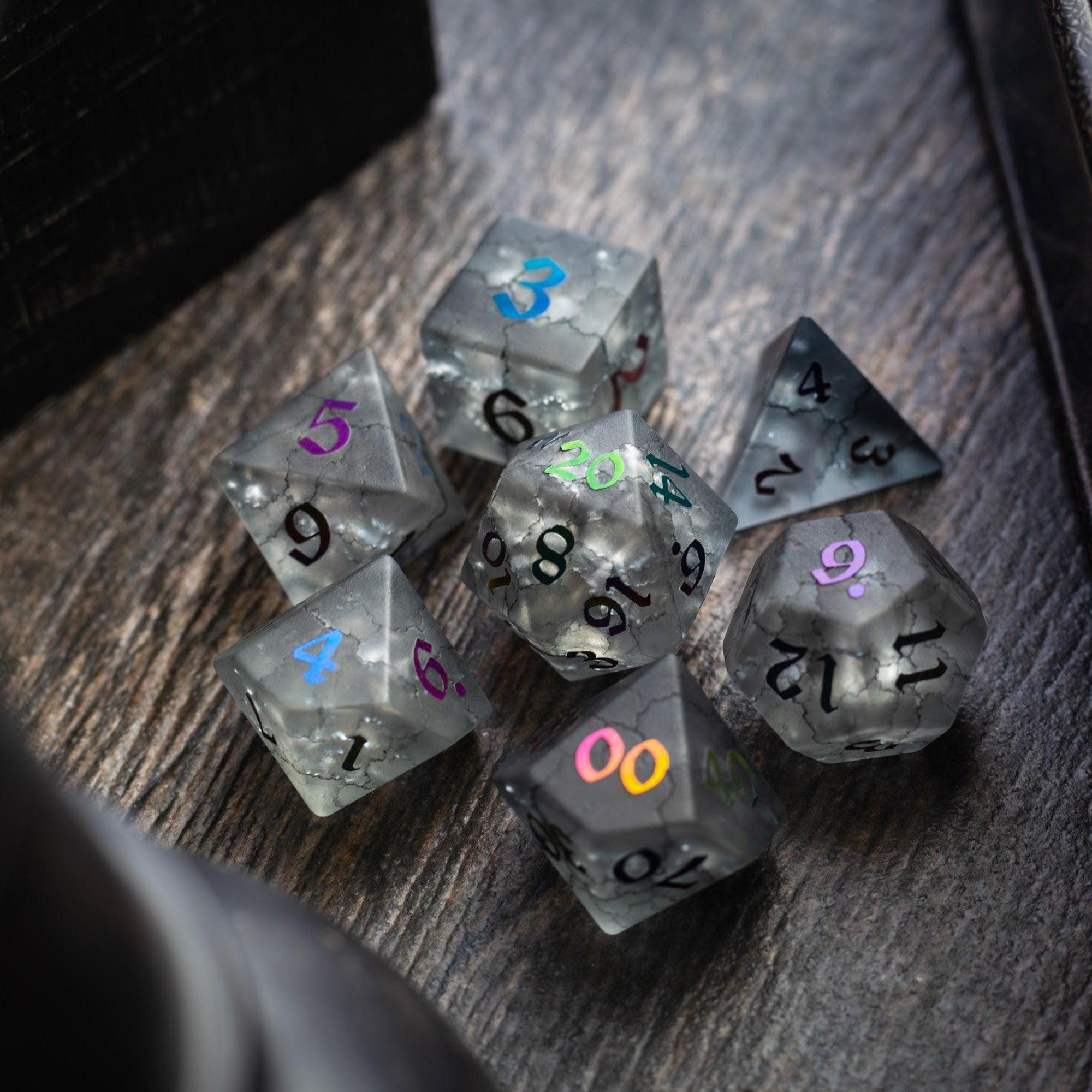
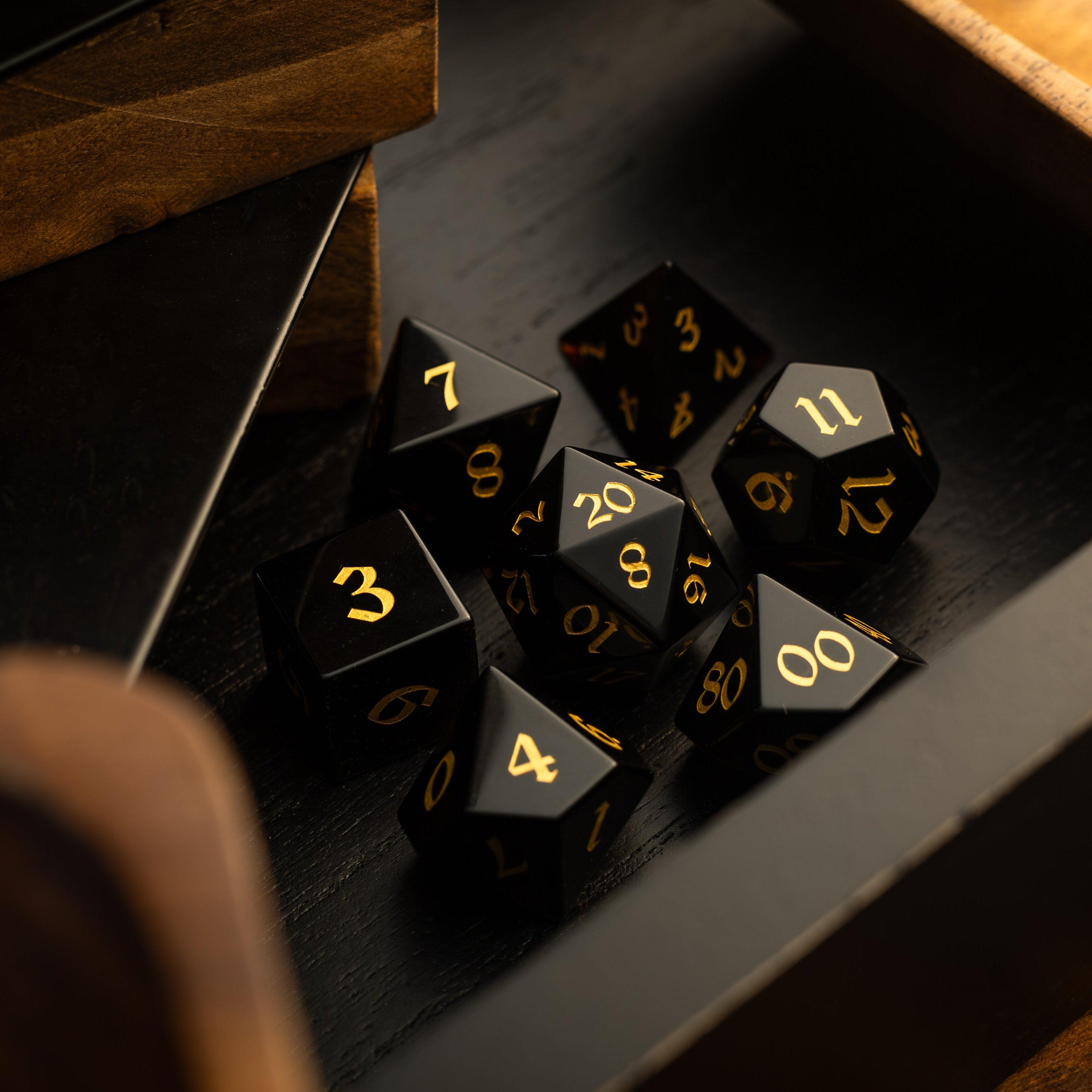
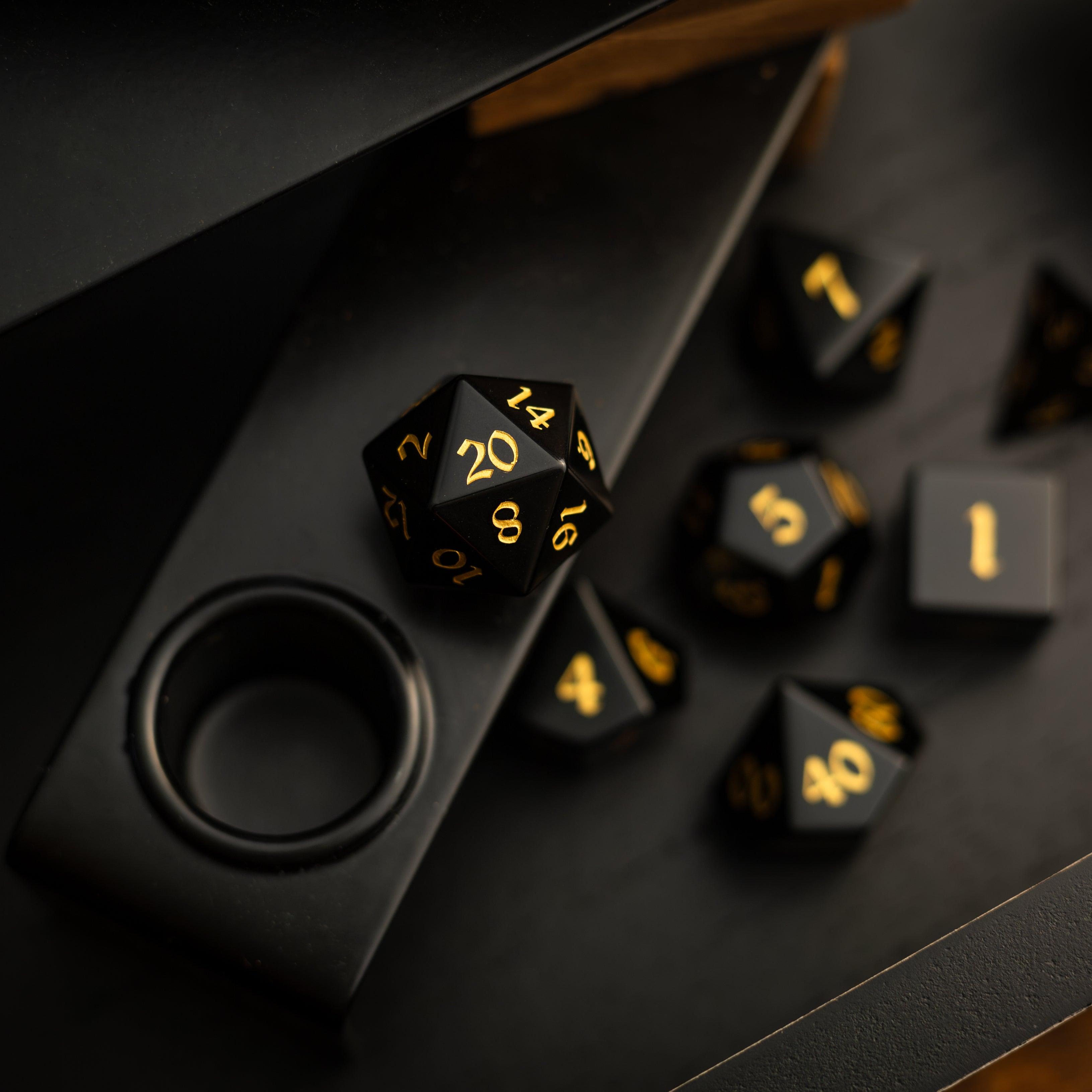
For fantasy board games that use standard or custom polyhedral dice, many players enjoy pairing the experience with premium gemstone, resin, or metal dice. The satisfying weight and readability of quality dice can make dramatic moments feel even more memorable without changing the game's rules.
How to Decide Whether an Expansion Is Right for Your Group
Not every gaming group enjoys the same experience. Before buying an expansion, consider how your table typically plays.
Ask a few practical questions:
-
Does everyone enjoy the base game?
-
How often does your group play?
-
Are players comfortable learning new rules?
-
Do you prefer stories or tactical gameplay?
-
Would more variety improve future sessions?
Groups that play the same title frequently often benefit most from expansions, while casual players may be perfectly happy with the original game for many months.
It is also worth remembering that expansion compatibility varies between publishers and game systems. Some expansions work with every edition of a game, while others require specific versions or previous expansion sets.
Board Game Expansion Comparison Table
| Expansion Type | New Content | Complexity | Ideal Players | Replay Value |
|---|---|---|---|---|
| Campaign Expansion | Story chapters, maps, progression | Medium to High | Groups playing ongoing campaigns | Excellent |
| Character Expansion | Heroes, classes, factions | Low to Medium | Players wanting new play styles | High |
| Mechanics Expansion | New systems and rules | Medium to High | Experienced groups | High |
| Scenario Expansion | New missions and encounters | Low to Medium | Casual and regular groups | High |
| Component Expansion | Miniatures, cards, tokens, dice | Low | Collectors and frequent players | Moderate to High |
No single expansion type is universally better than another. The right choice depends on what your group enjoys most.
Introducing Expansions Without Overwhelming New Players
Adding every expansion at once may sound exciting, but doing so can make learning the game much more difficult.
Instead, introduce new content gradually.
Helpful approaches include:
-
Learn the base game first.
-
Add one expansion at a time.
-
Play several sessions before introducing another module.
-
Explain only the new rules being used.
-
Let experienced players answer questions during play.
This gradual approach helps everyone become comfortable with new mechanics while keeping the experience enjoyable.
Groups with newer players often find that character or scenario expansions provide additional variety without dramatically increasing rules complexity.
Organizing and Storing Expanded Game Collections
As collections grow, staying organized becomes increasingly important.
Large fantasy games often include hundreds of cards, miniatures, and tokens.
Good storage habits include:
-
Label storage containers
-
Separate expansion components
-
Use card dividers
-
Store miniatures carefully
-
Keep rulebooks together
-
Organize setup guides for faster preparation
Many gaming groups also appreciate accessories that help keep the table organized during long sessions. A padded dice tray keeps dice rolls contained and helps protect nearby cards, miniatures, and boards. Dice towers can also provide controlled rolls in component-heavy games, while condition rings may be useful in hybrid fantasy games that track ongoing effects or character status.
Organized storage also shortens setup and cleanup, allowing more time for actual tabletop gaming.
Common Mistakes When Buying or Using Expansions
Even experienced players occasionally purchase expansions that are not a good fit for their group.
Some common mistakes include:
-
Buying expansions before learning the base game
-
Assuming every expansion works with every edition
-
Purchasing content that adds unwanted complexity
-
Ignoring player preferences
-
Mixing too many optional modules into a single session
-
Forgetting storage needs as collections grow
Expansions should enhance the experience, not make every game harder to teach or slower to play.
Quick Expansion Selection Checklist
Before purchasing a board game expansion, ask yourself:
-
Do I already enjoy the base game?
-
Does this expansion require the original game?
-
Is it compatible with my edition?
-
Does it add stories, mechanics, characters, or components that interest my group?
-
Will my group enjoy the added complexity?
-
How often will we realistically use it?
-
Do we have enough storage space?
-
Will it increase replayability in a meaningful way?
A few minutes of research can help ensure your next expansion becomes a favorite rather than sitting unopened on the shelf.
The best expansions for fantasy board games build upon experiences your group already loves. Some introduce sweeping campaign expansions filled with new adventures, while others add fresh heroes, clever mechanics, or additional scenarios that keep familiar challenges feeling new. Since expansion content, compatibility, and complexity vary between publishers and game systems, taking time to choose carefully helps ensure each addition fits your group's style of play.
Whether you are expanding a long-running campaign, adding more strategic options, or simply increasing replayability, thoughtful additions can keep tabletop board games feeling fresh for years. Paired with practical fantasy game accessories like organized storage, quality dice, dice trays, and other tabletop essentials, every game night becomes a little easier to manage and a little more immersive, leaving your group ready for the next unforgettable adventure.

Leave a comment
This site is protected by hCaptcha and the hCaptcha Privacy Policy and Terms of Service apply.