
Everything You Need to Know About Liquid Core Dice Sets
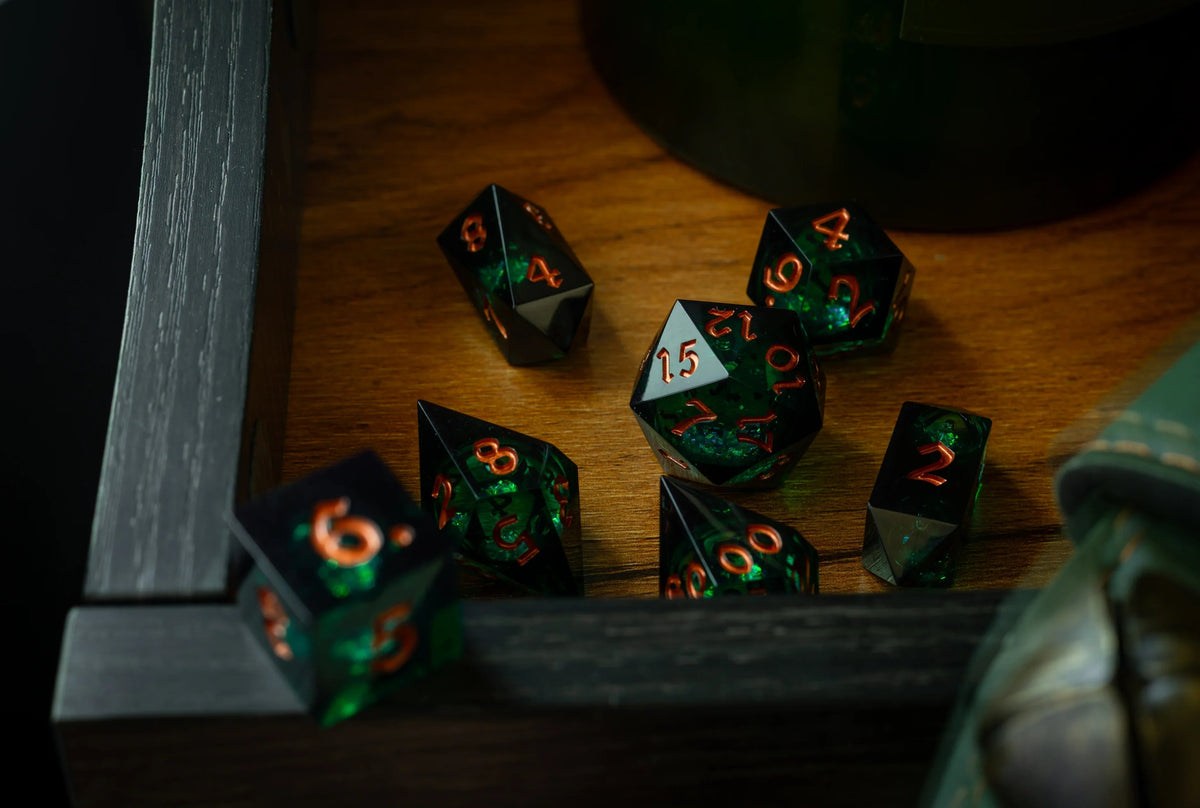
Few tabletop accessories catch the light quite like a liquid core dice set. Inside each die, glitter, pigments, or tiny decorative particles move through a liquid-filled insert, creating a swirling effect that continues for a moment after the die stops rolling. That motion has made liquid core dice popular with Dungeons & Dragons players, collectors, and anyone who enjoys distinctive tabletop RPG dice.
The visual effect also raises practical questions. Are liquid core dice durable? Do they roll fairly? How are they made? Can you use them every week, or are they better kept for display?
Liquid core dice can work well for regular tabletop play, but they are specialty resin dice and should not be treated as precision dice. Their internal liquid chamber, air bubble, plug, and decorative material can introduce small differences in mass distribution. For casual RPG play, those differences may be hard to notice, but buyers should understand the construction before choosing a set.
What Are Liquid Core Dice?
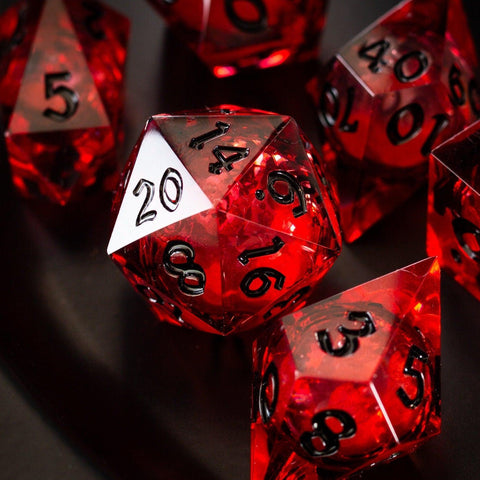
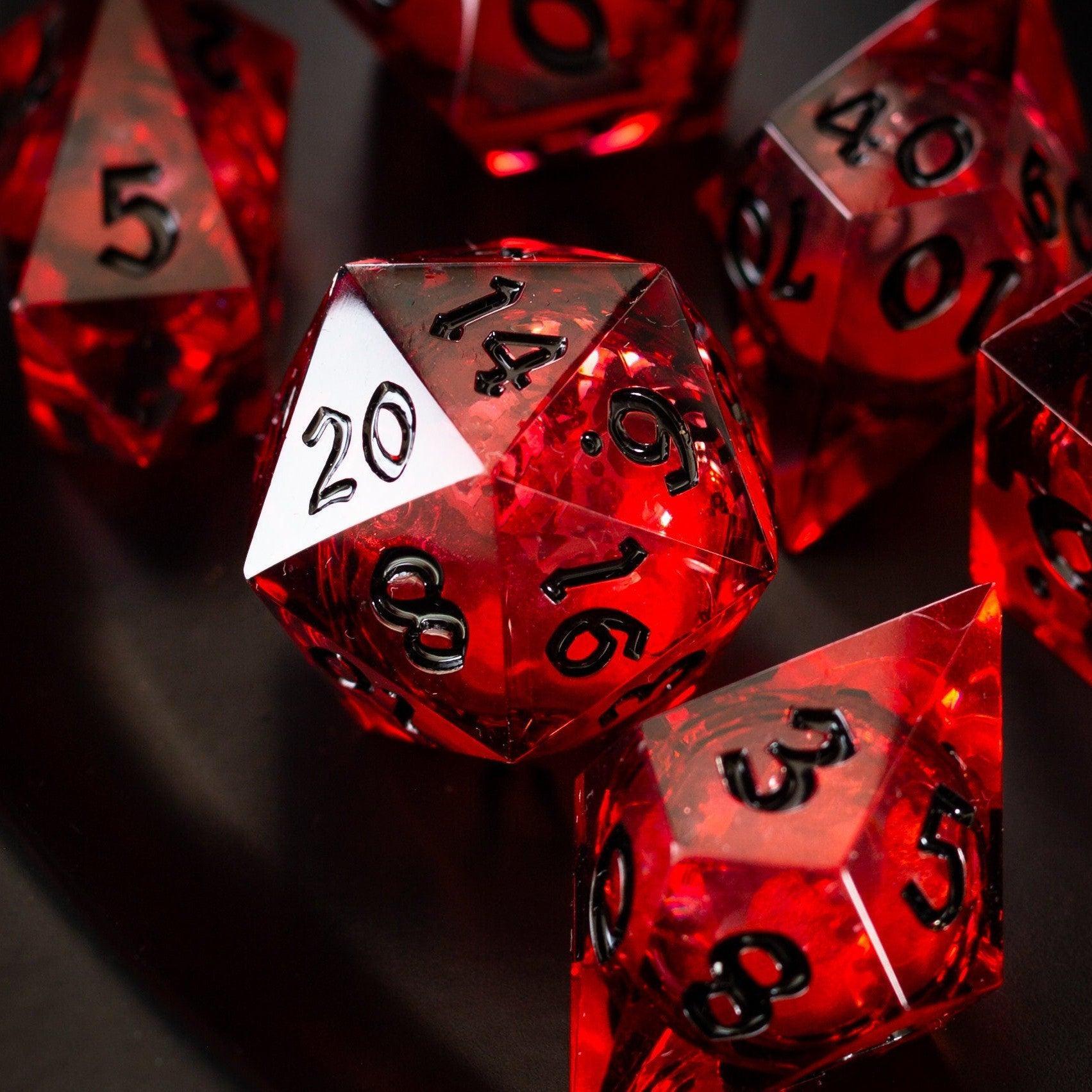
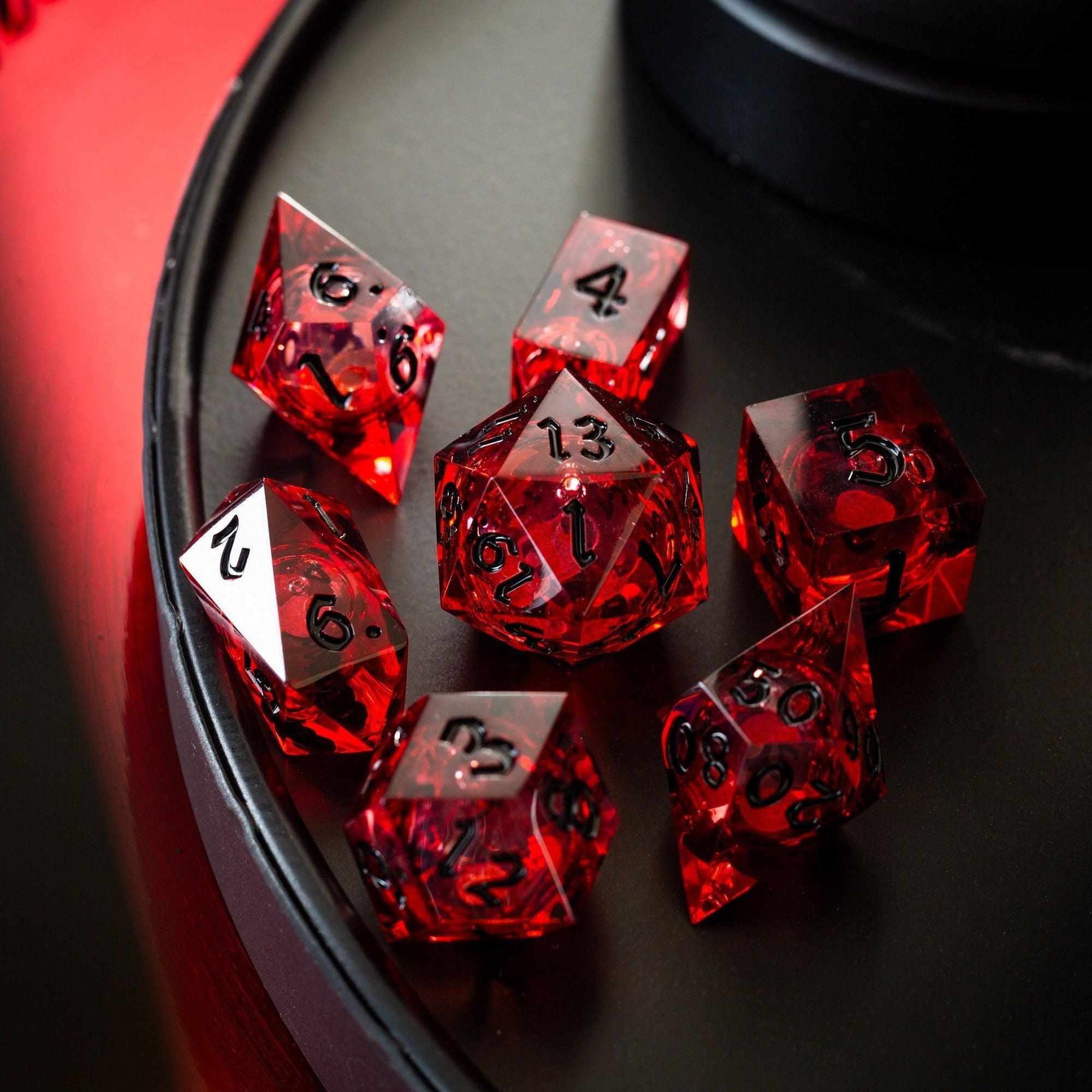
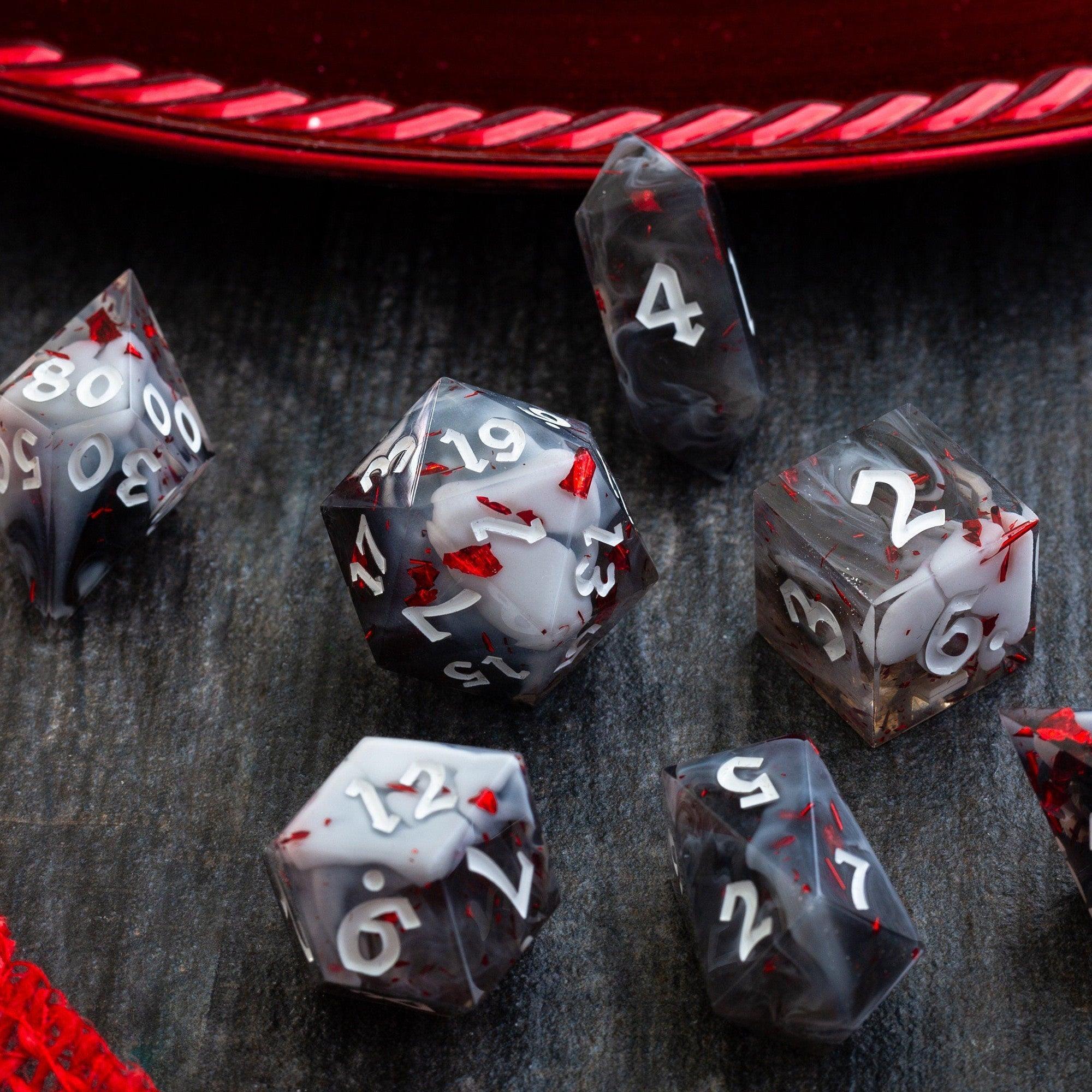
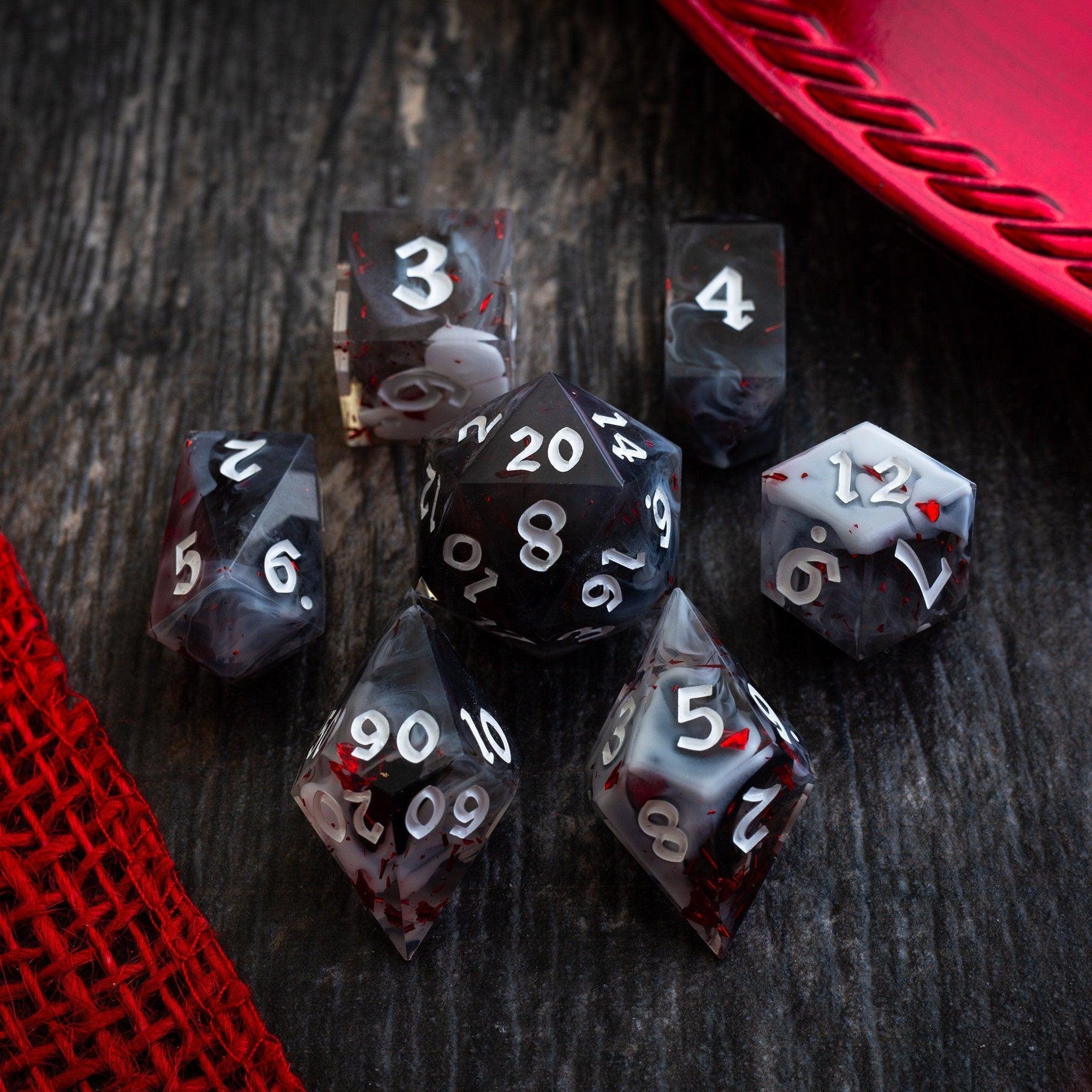
A liquid core dice set is usually made from clear or translucent resin surrounding a separate liquid-filled insert. The insert may contain glitter, metallic flakes, pigments, foil, small shapes, or other decorative elements that move when the die is rolled.
The exact construction varies by maker. Some liquid core inserts are small spheres or capsules, while others use a sealed cavity with a plug. The decorative liquid is intended to remain enclosed during normal use. Because handmade liquid core dice can vary slightly from piece to piece, the core may not always sit perfectly centered.
That moving center is what separates liquid core dice from ordinary resin dice, which are normally solid throughout except for decorative inclusions or small casting imperfections.
How Are Liquid Core Dice Made?
Manufacturing methods differ, but most liquid core D&D dice follow the same general idea: create a sealed moving insert, place it inside a mold, and cast resin around it.
The decorative core may contain:
- Fine glitter
- Metallic flakes or foil
- Colored pigments
- Tiny decorative shapes
- Color-shifting particles
After the insert is sealed, it is positioned inside the die mold. Resin is poured around it and allowed to cure. The finished die is then removed from the mold, cleaned up, polished if needed, and inked or painted so the numbers are readable.
Many liquid core sets use crisp, sharp-edge molds because flat faces and clear resin show the floating center especially well. Other sets use rounded or softened edges. Neither style is automatically better for play.
Why Do Liquid Core Dice Look So Different?
Traditional dice stay visually static once they are cast. Liquid core dice keep moving. When you pick up or roll one, suspended glitter or particles drift through the internal liquid and may continue swirling after the die lands.
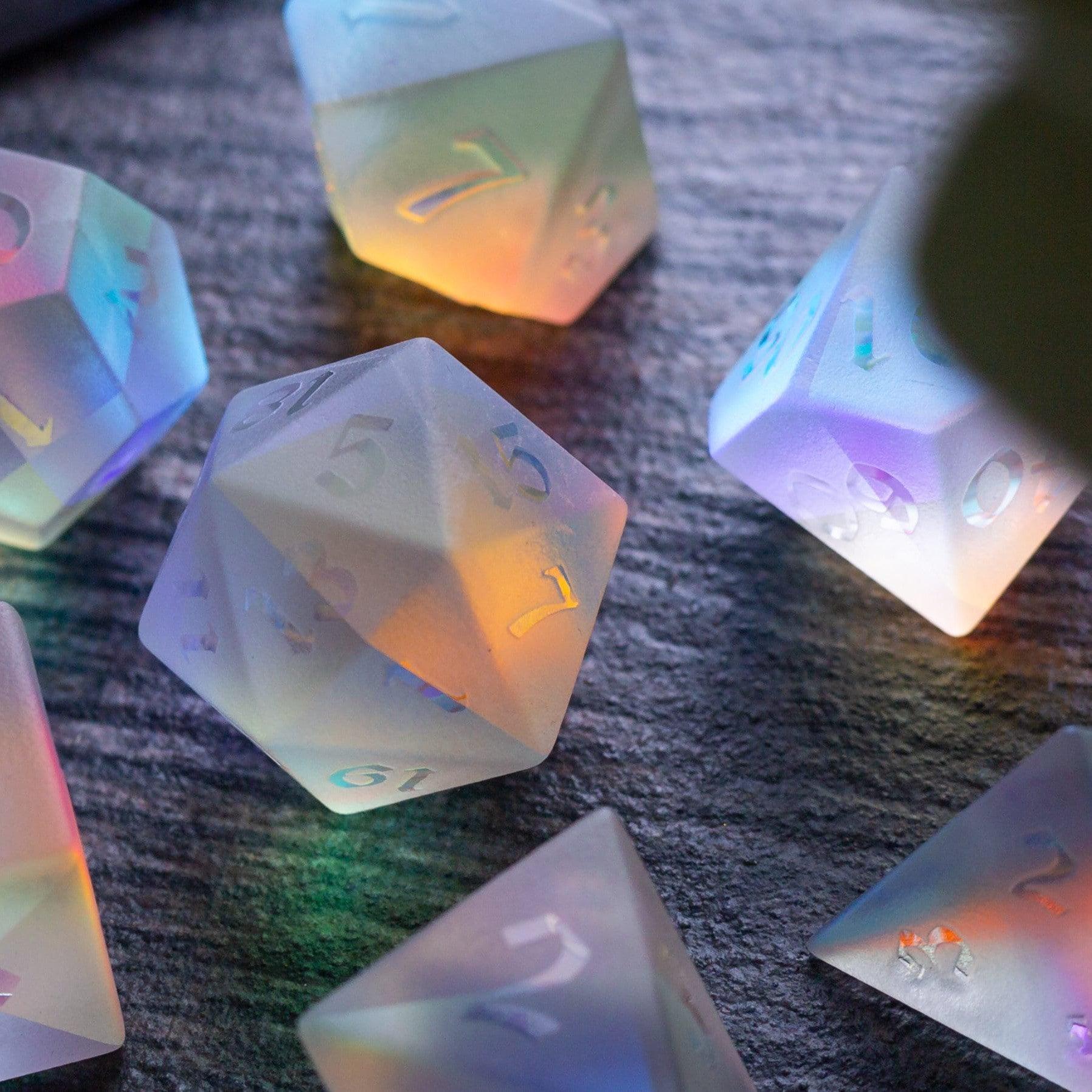
Popular styles include galaxy effects, ocean colors, metallic sparkle, floating stars, smoky pigments, and fire- or ice-inspired combinations. The effect is decorative rather than mechanical, but it can make a roll feel more dramatic at the table.
Do Liquid Core Dice Roll Differently?
Their internal construction can affect balance, but that does not mean every liquid core die is obviously biased in normal play. Retailers that sell handmade liquid core dice note that inserts may not be perfectly centered, and some makers specifically warn that air bubbles and plugs can prevent true balance. :chatgpt-content-reference{index="1"}
A die's fairness depends on more than its outside shape. Internal mass distribution also matters. During casual tabletop gaming, however, normal differences in how people pick up, shake, and roll dice may make a small imbalance difficult to notice without extensive testing.
The safest expectation is simple: buy liquid core dice for their appearance and tabletop use, not because the liquid makes them more random or more accurate. If you need precision dice for statistical testing or regulated gaming, specialty decorative dice are not the right choice.
Comparing Liquid Core Dice with Other Popular Dice Materials
| Dice Material | Main Appeal | Weight | Care Level | Best For |
|---|---|---|---|---|
| Liquid Core Resin | Moving decorative center | Light to medium | Moderate | Collectors, roleplayers, specialty dice fans |
| Standard Resin | Wide range of colors and inclusions | Light | Easy | Everyday gaming and beginners |
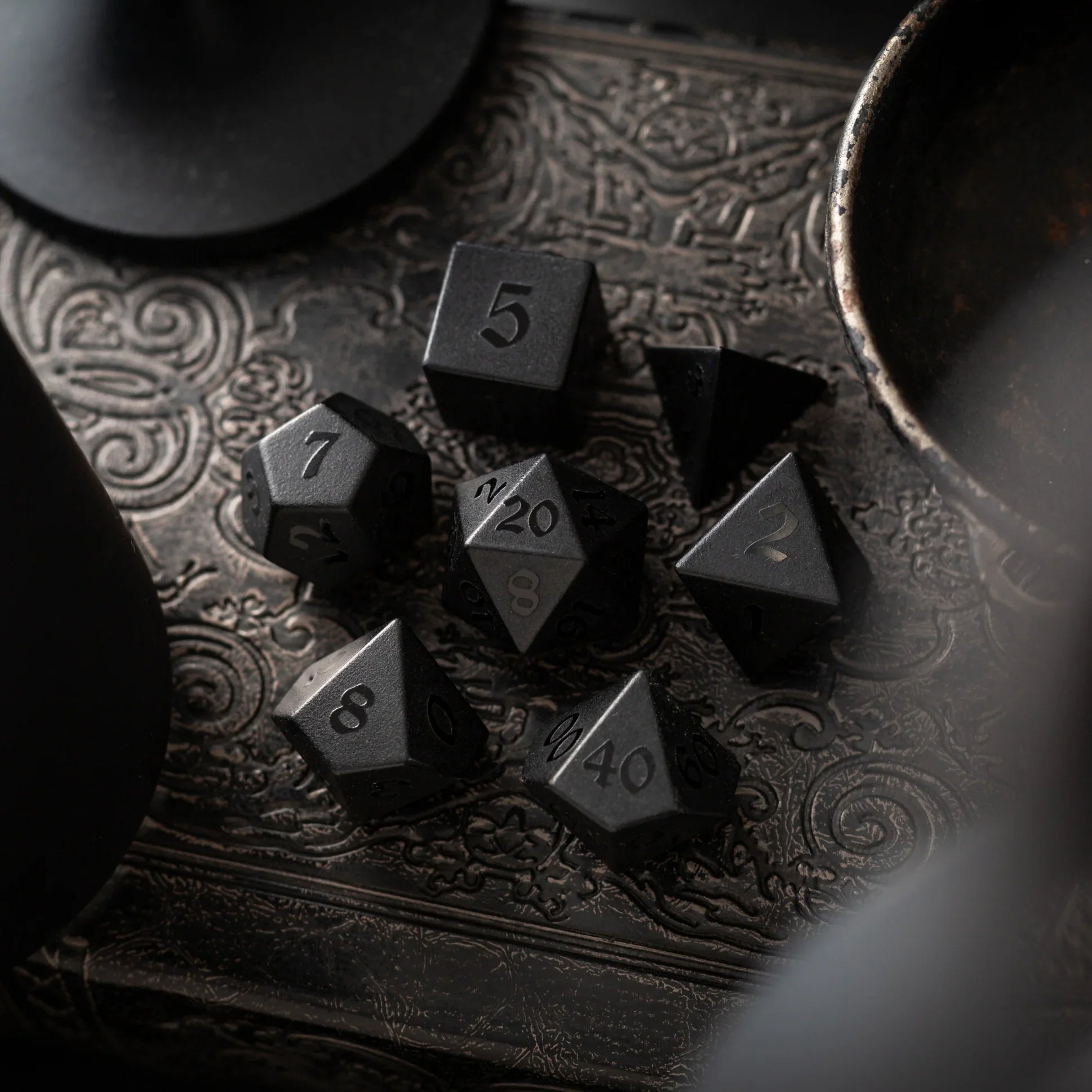
| Metal | Heavy feel and engraved detail | Heavy | Low | Players who enjoy substantial weight |
| Gemstone | Natural stone patterns | Medium to heavy | Higher | Collectors and careful players |
No material is automatically better for gameplay. Standard resin dice are light and practical, metal dice feel heavier, gemstone dice require more careful handling, and liquid core dice stand out because of their movement.
What Should You Consider Before Buying a Liquid Core Dice Set?
Readability
Check the contrast between the numbers and the background. A beautiful die becomes frustrating if you need to pick it up after every roll. Look for clear numbering, readable fonts, and paint colors that remain visible under normal room lighting.
Core Placement and Finish Quality
Handmade liquid core dice may show small variations. Look closely at product photos for centered-looking inserts, clean faces, smooth polishing, even edges, and neatly painted numbers. Minor handmade variation is normal, but cracks, obvious voids, damaged corners, or leaking inserts are warning signs.
Edge Style
Many liquid core dice are sold as sharp edge dice. Their crisp corners show off the transparent resin and internal artwork, but they can feel more pointed in the hand. Rounded dice are usually more familiar to players who started with standard acrylic sets.
Intended Use
Think about where the set will be used. For weekly campaigns, readability and durability matter most. For display, unusual colors or complex inclusions may matter more. For gifts, a complete seven-piece RPG set with protective storage is usually an easy choice.
Caring for Liquid Core Dice
Roll on a Soft Surface
A padded dice tray helps protect polished resin surfaces and keeps sharp-edge dice from striking hard furniture. It also keeps energetic rolls contained during crowded sessions.
Store Them Separately
Avoid throwing specialty dice loosely into a box with metal or gemstone dice. Harder materials can scratch resin. Use a dice bag with compartments, a padded case, or separate storage sections when possible.
Clean Them Gently
For most resin dice, a soft microfiber cloth is enough. If they need more cleaning, use a small amount of mild soap with lukewarm water, then dry them thoroughly. Avoid abrasive pads and strong chemicals that can dull or scratch resin surfaces. General epoxy-resin care guidance also recommends avoiding prolonged heat and direct sunlight. :chatgpt-content-reference{index="2"}
Avoid Extreme Heat
Do not leave resin dice in a hot car or next to a heater for long periods. Excessive heat can soften or distort some cured resins, and prolonged sunlight may discolor them over time.
Common Misconceptions About Liquid Core Dice
"The Liquid Core Makes Them More Random"
No. The moving center is mainly decorative. It should not be treated as a feature that improves randomness.
"They Are Perfectly Balanced"
Not necessarily. Internal bubbles, plugs, and slightly off-center cores can create small imbalances. That does not automatically make them unsuitable for a home campaign, but buyers should avoid assuming precision balance unless a manufacturer provides evidence for it.
"They Are Too Fragile to Use"
Quality resin liquid core dice are made for tabletop play, but they still benefit from normal care. Sharp edges can chip if repeatedly thrown onto hard surfaces, and polished resin can scratch when stored against harder materials.
"They Are Only for Collectors"
Many players use liquid core dice in regular campaigns. Their main advantage is visual personality, so they can work just as well for a weekly character as for a display shelf.
Quick Liquid Core Dice Buying Checklist
- Are the numbers easy to read?
- Does the core move smoothly without obvious damage?
- Are the faces and edges cleanly finished?
- Do you prefer sharp edges or rounded edges?
- Will the set be used mainly for play, display, or both?
- Do you have a padded tray or other soft rolling surface?
- Can you store the dice away from harder materials?
- Does the seller clearly describe the material and construction?
Choosing a Set You'll Enjoy for Years
A good liquid core dice set combines readable numbers, clean craftsmanship, and a design you will still enjoy after the novelty of the moving center wears off. The liquid effect is the star of the show, but practical details such as finish quality, storage, and rolling surface determine how enjoyable the set is during actual play.
If you like dice with visible movement and character-inspired color themes, liquid core dice can be a memorable addition to a collection of RPG dice. Use them on a padded tray, store them carefully, keep them away from prolonged heat and sunlight, and treat them as decorative gaming dice rather than laboratory-grade precision tools. With those expectations, they can remain a striking and useful part of many adventures.






Leave a comment
This site is protected by hCaptcha and the hCaptcha Privacy Policy and Terms of Service apply.