
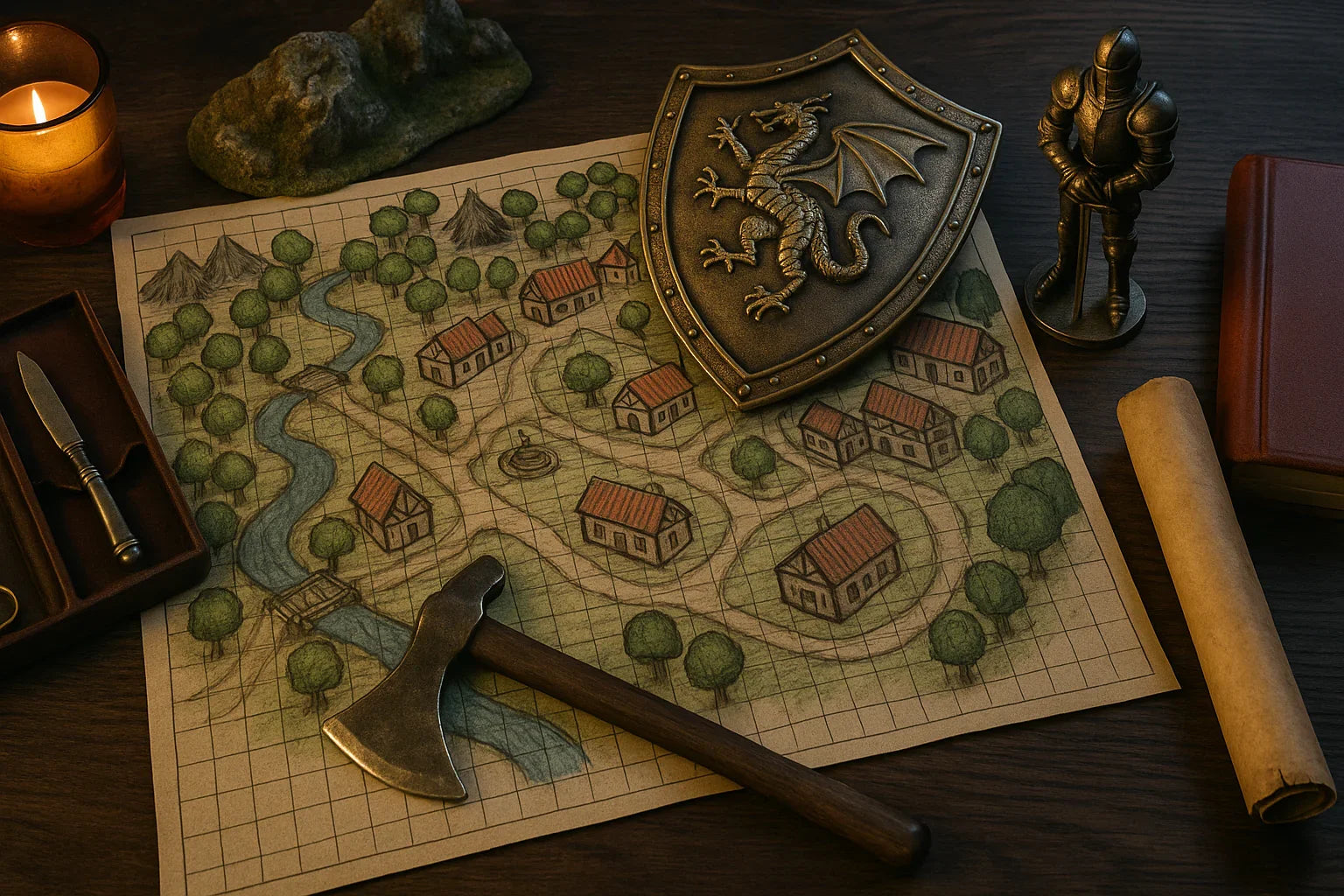
Elevate Your Tabletop Maps with Premium Map Accessories
Updated on: 2025-12-09
Ready to level up your game nights with clearer encounters, faster setup, and smoother movement? This guide walks you through durable mats, tiles, markers, and simple table upgrades that make every session feel more cinematic. You’ll learn how to pick the right surface for your space, avoid common pitfalls, and pair your map gear with accessories that boost immersion. We’ll also share a focused product spotlight and practical tips to protect your investment in premium map accessories for tabletop play.
If you’ve ever spent half your session sketching a room, only to redraw it when plans change, you know how much time a good map setup can save. The right surface keeps lines crisp, miniatures stable, and terrain modular, so you can pivot without losing momentum. With a few smart upgrades, your table becomes a stage where every corridor, cliff, and campfire reads clearly for everyone at the table.
Let’s keep it simple. We’ll break down common map surfaces, show you how tokens and templates speed play, and suggest a few table add-ons that make movement and measurement intuitive. You don’t need a huge budget or permanent setup—just durable gear that stores small, rolls out fast, and holds up for years.
To make choices easy, we’ll spotlight one beautiful, game-ready product that pairs perfectly with your battle maps, then share quick tips you can use this week. By the end, you’ll know exactly what to add next for smoother sessions and a cleaner table.
Premium Map Accessories for Tabletop Play
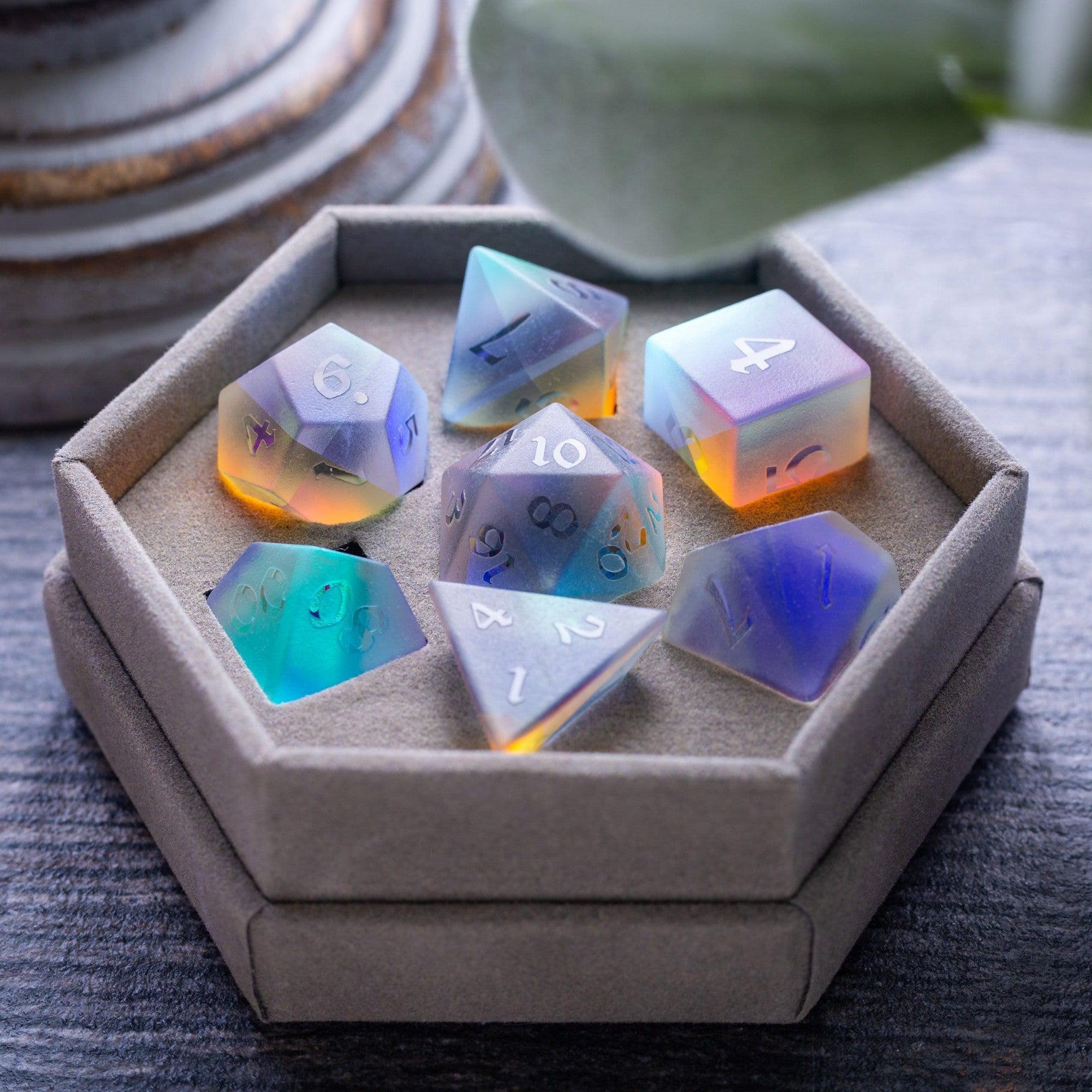
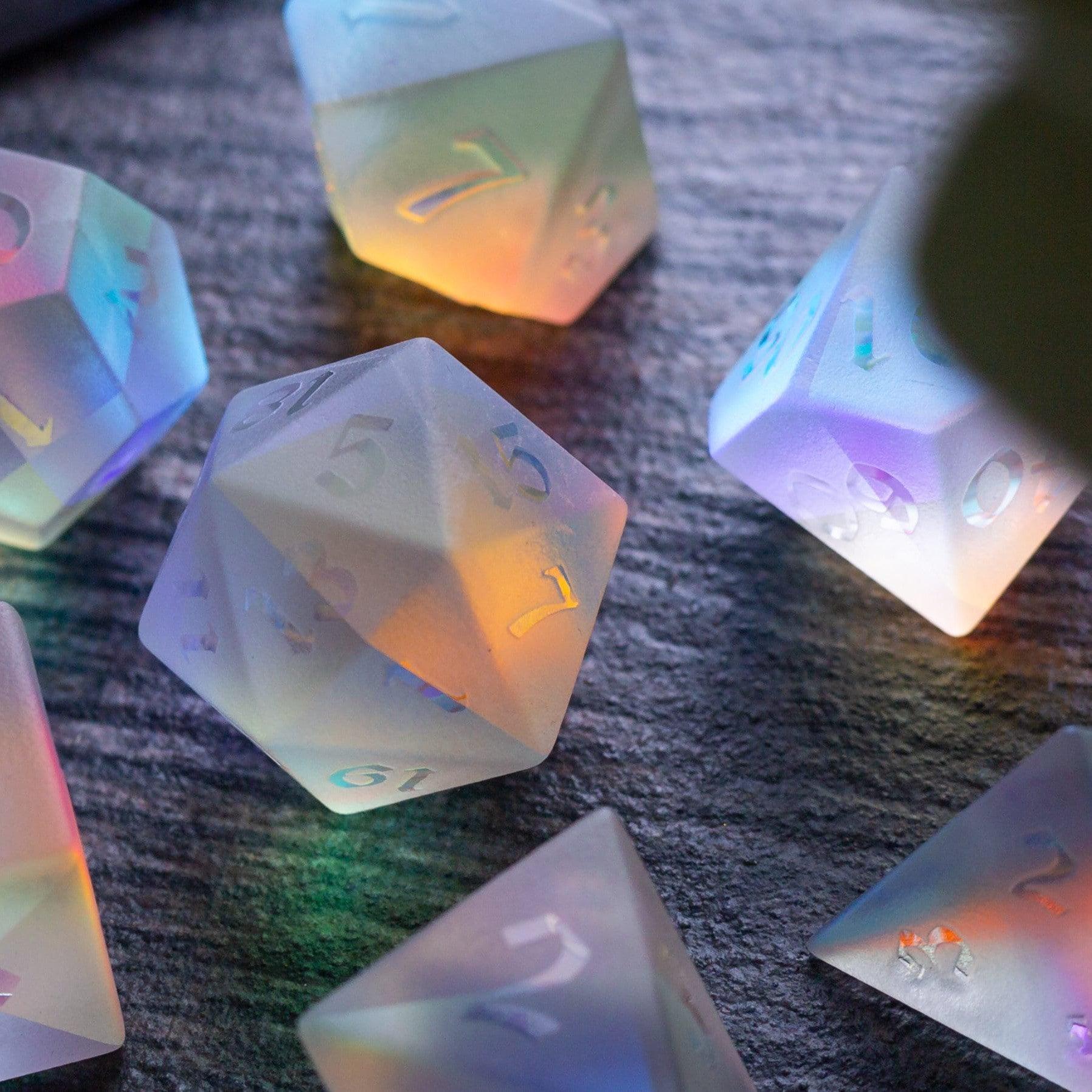
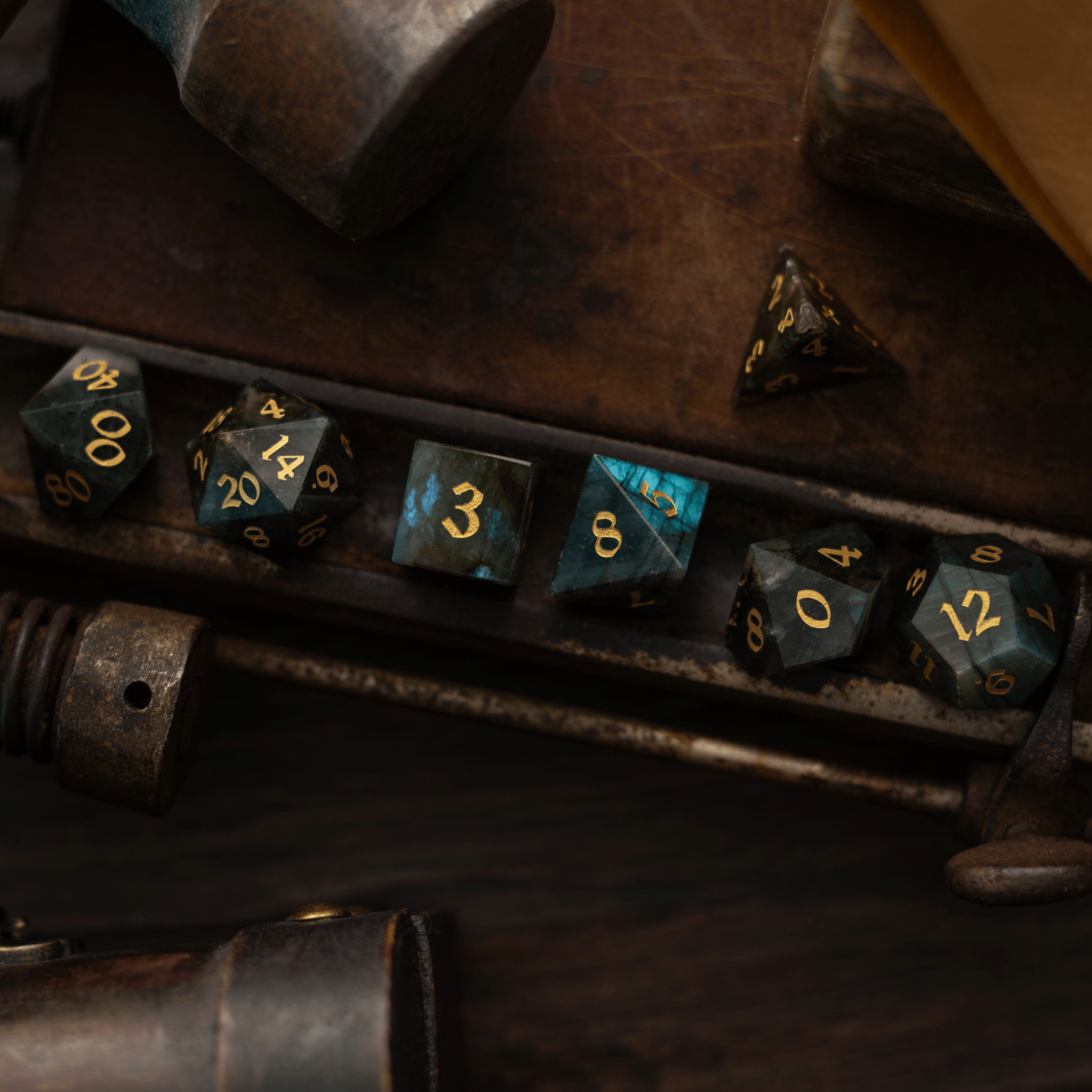
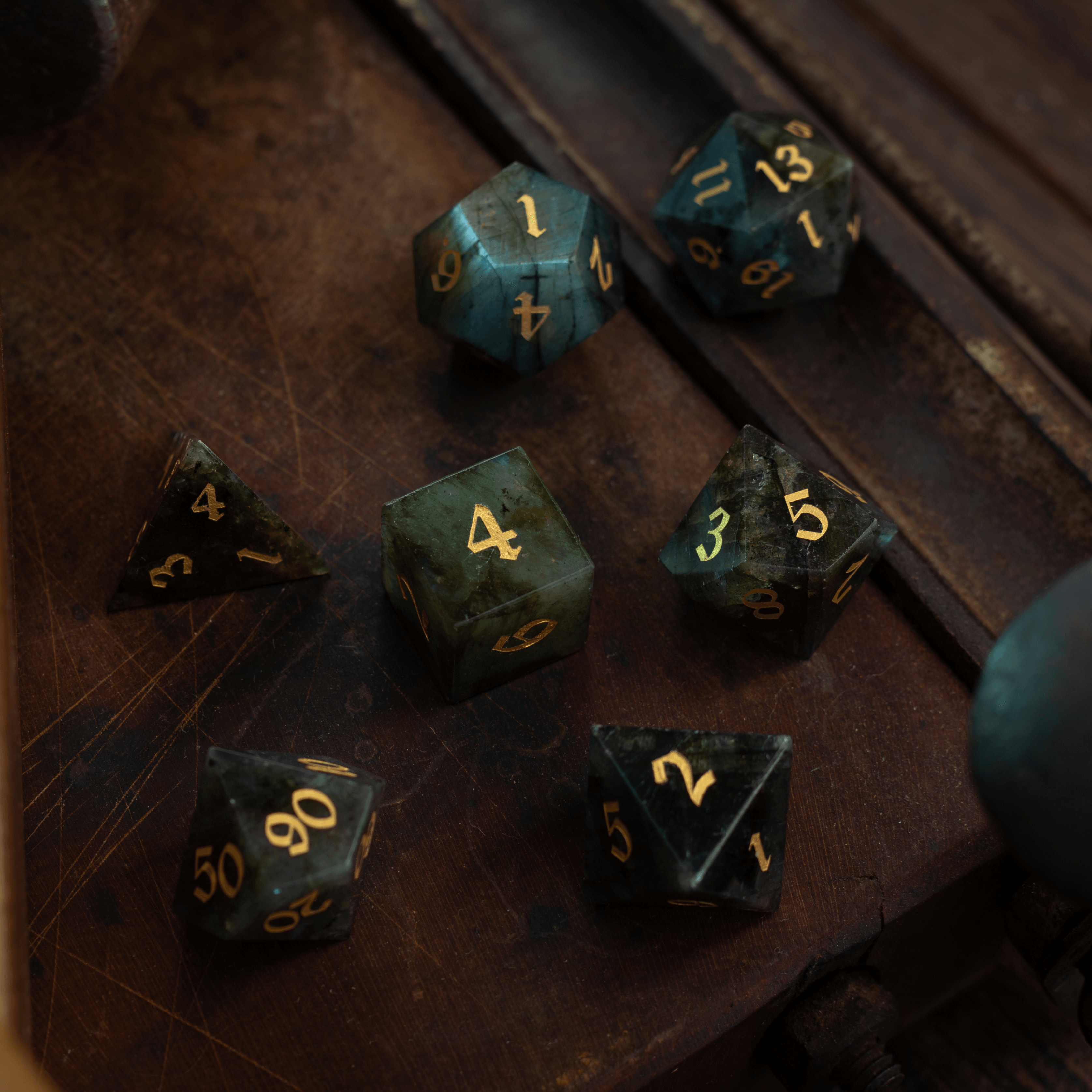
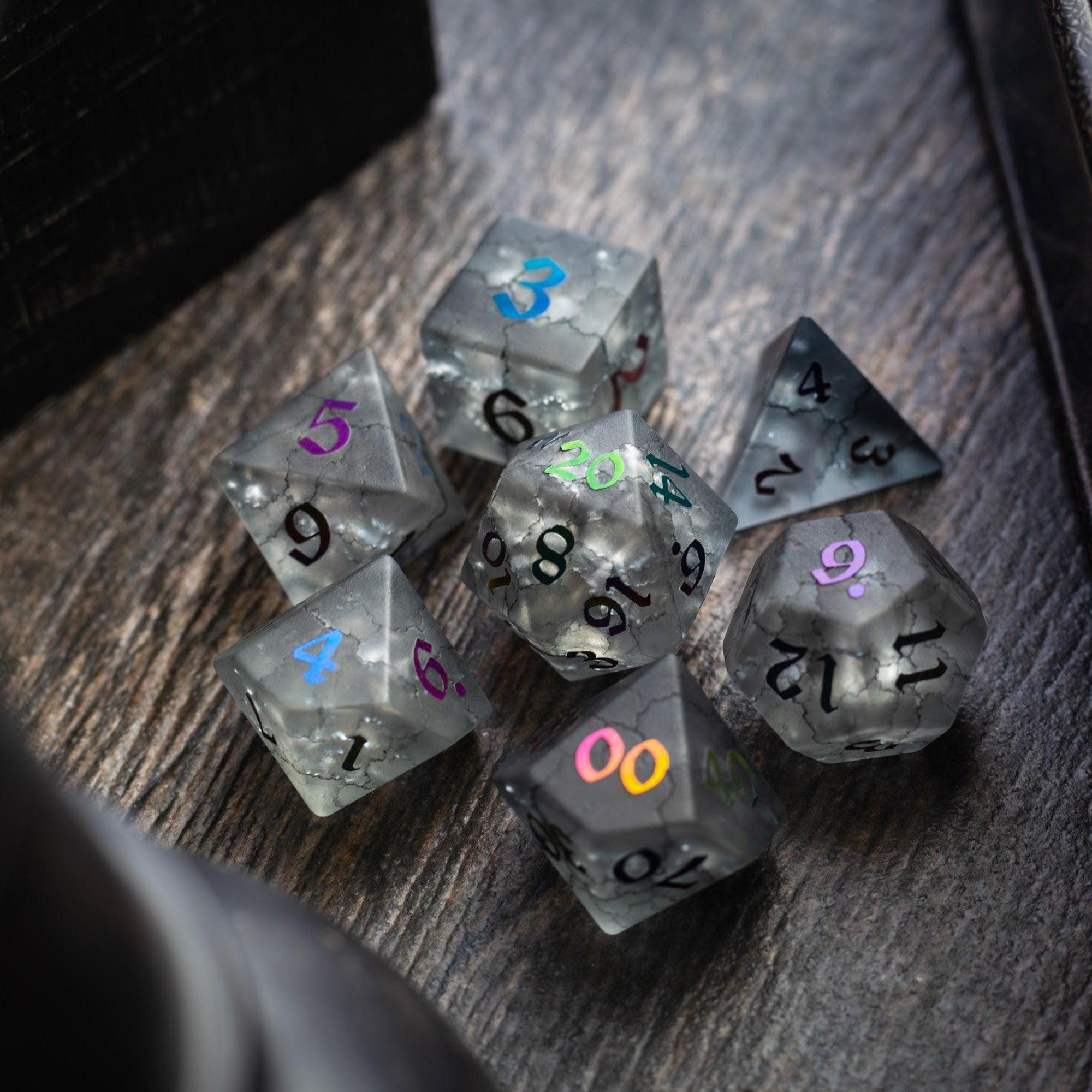
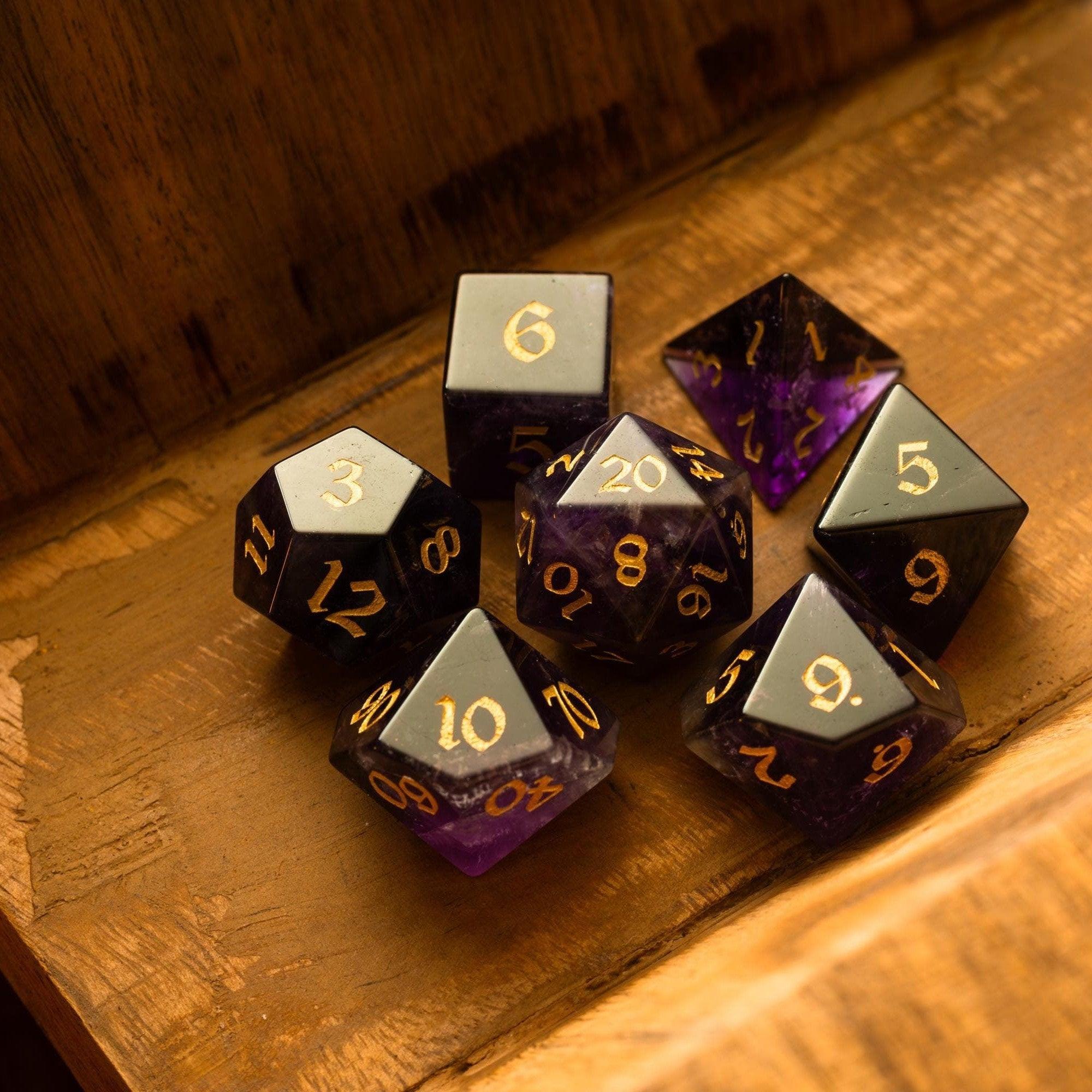
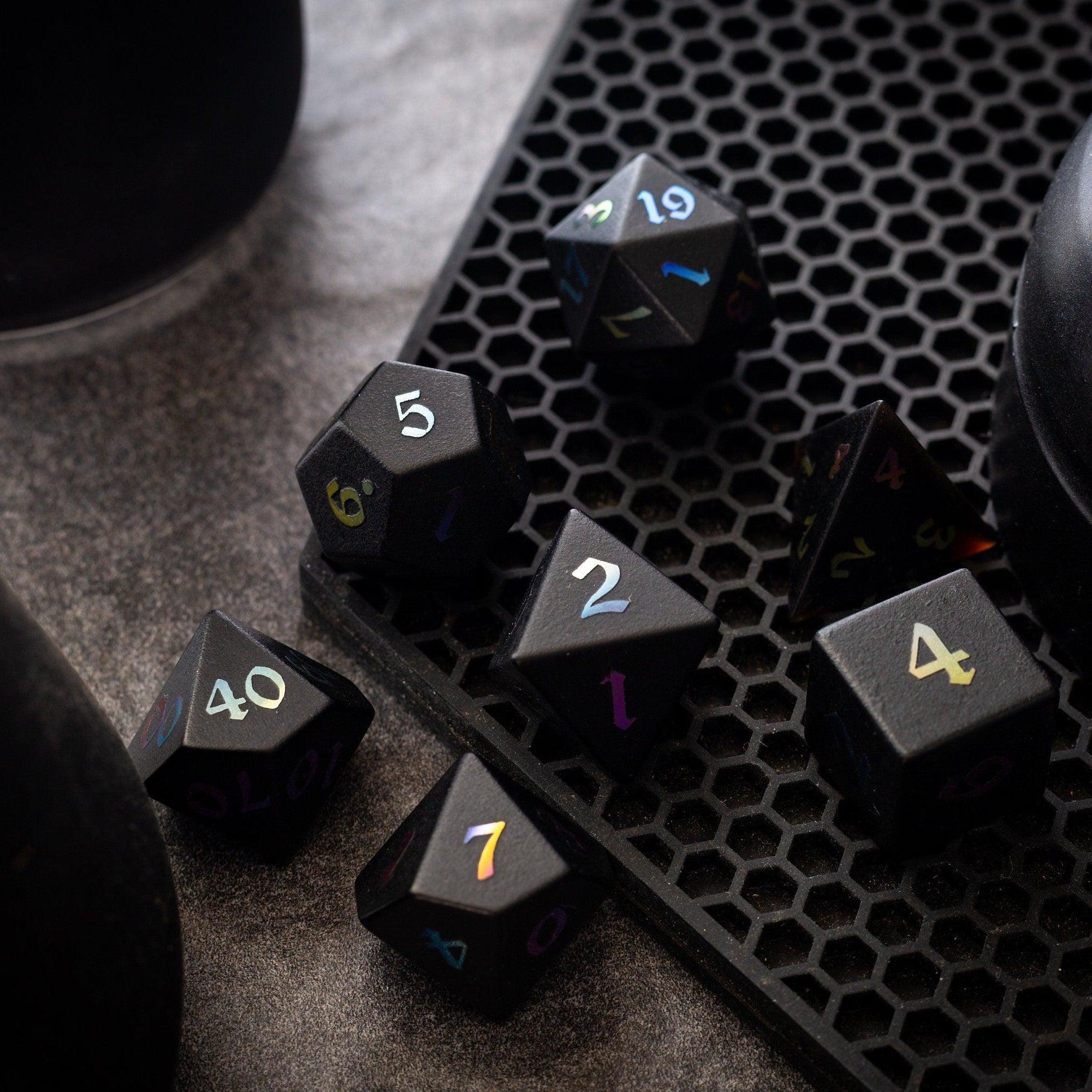
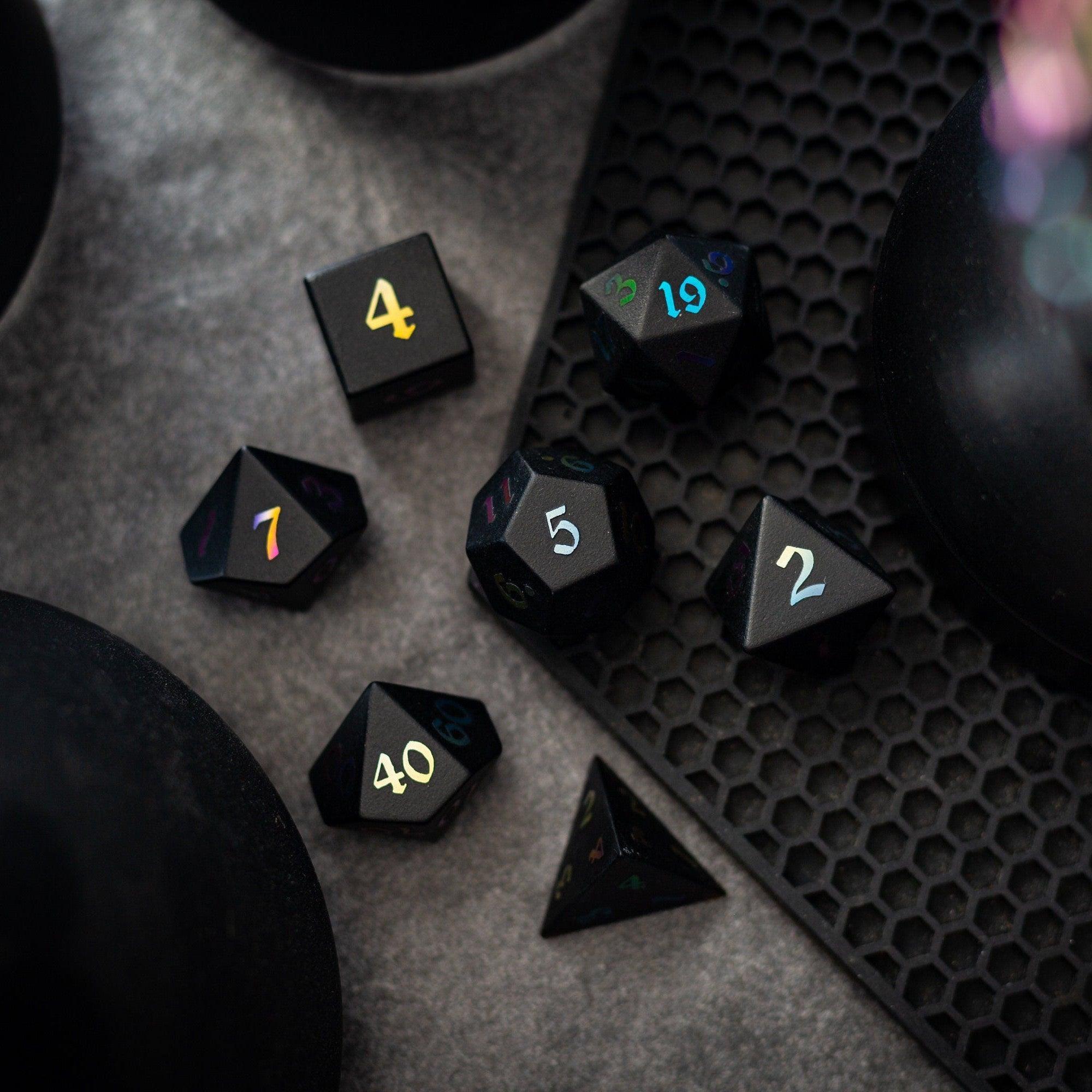
While maps do the heavy lifting, your dice set is the tool you touch most. A tactile, readable set helps keep turns snappy and rolls satisfying. If you want a piece that feels special every time it hits the tray, consider the shimmering Green Glass Gemstone Dice. The faceting catches light in a way that stands out on both dark neoprene mats and bright poster maps, and the numerals are legible at a glance.
Why feature dice in a map-focused article? Because clarity isn’t just about the grid. When players can read results instantly, you spend less time re-rolling or squinting and more time narrating the scene drawn on your terrain. Paired with a tower, your rolls land cleanly without nudging minis or smudging wet-erase lines. If you like keeping the action tight and the map pristine, a tower is a quiet hero—see streamlined options in Dice Towers.
- High contrast: Bright facets and bold numerals stay visible on textured mats and photo maps.
- Weight you can feel: The satisfying heft helps prevent stray rolls across your carefully drawn lines.
Tip: Match your dice color to your map palette. On lighter grids, darker dice reduce eye strain; on darker terrain, reflective or glitter cores catch ambient light and stay easy to read.
Did You Know?
- Neoprene battle mats reduce glare, so overhead lights won’t wash out terrain details during photos or streams.
- Vinyl mats with dual grids (hex and square) let you swap systems without buying an extra surface.
- Edge binding on fabric mats prevents fraying and helps mats lay flat after repeated rolling and storage.
- Dry-erase markers are fast, but wet-erase inks resist accidental smudges when sleeves brush the map.
- Acrylic template sets speed up cones, lines, and auras, keeping arguments about angles off the table.
- Magnetic tiles make vertical play easier: stack, flip, and lock rooms in place, then reconfigure on the fly.
Pros & Cons Analysis
Here’s a quick, honest look at common surfaces and support gear so you can choose what suits your group and space.
Neoprene Battle Mats
- Pros: Non-glare, quiet for dice, lays flat quickly, softens sound for late-night sessions.
- Cons: Bulkier to store than paper; usually not write-on unless laminated or coated.
- Best for: Pre-printed terrain, photo-real dungeons, and tables that double as streaming setups.
Vinyl or Laminated Wet/Dry-Erase Mats
- Pros: Draw anything fast, erase between rooms, affordable and versatile.
- Cons: Can crease; requires careful marker choices to avoid ghosting.
- Best for: Improvised maps, one-shots, and travel GMs who pack light.
Magnetic or Modular Tiles
- Pros: Satisfying build experience, stable walls, quick reconfiguration mid-session.
- Cons: Higher cost; small pieces to track and store.
- Best for: Campaigns with recurring locations and GMs who love tactile terrain.
Poster Maps and Printed Battlegrounds
- Pros: Big visual impact; layout is done for you; great for set-piece encounters.
- Cons: Fixed design; storage tubes or folders recommended to prevent edge wear.
- Best for: Boss fights, conventions, and any “wow” moment you want to stage.
Acrylic Tokens, Status Rings, and Templates
- Pros: Color-coded conditions at a glance; no more lost sticky notes or slippage.
- Cons: Small pieces can scatter; look for a zip case or magnetic tray.
- Best for: Groups who track multiple effects and aura ranges.
Dice Towers and Trays
- Pros: Controlled rolls, less table scatter, protects map art and mini placement.
- Cons: Another item on the table; measure your space before you buy.
- Best for: Tight map layouts where a stray die can ruin a careful setup.
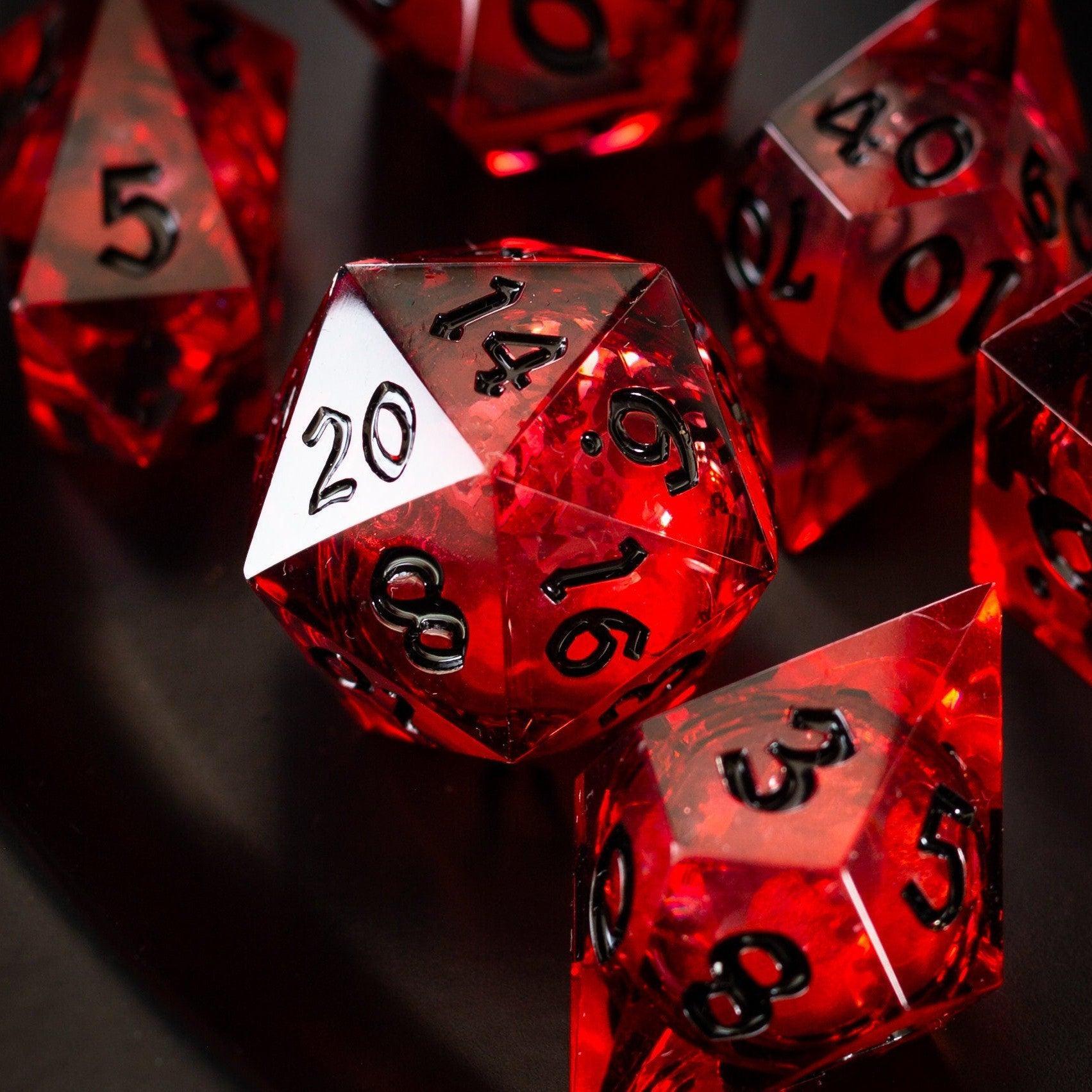
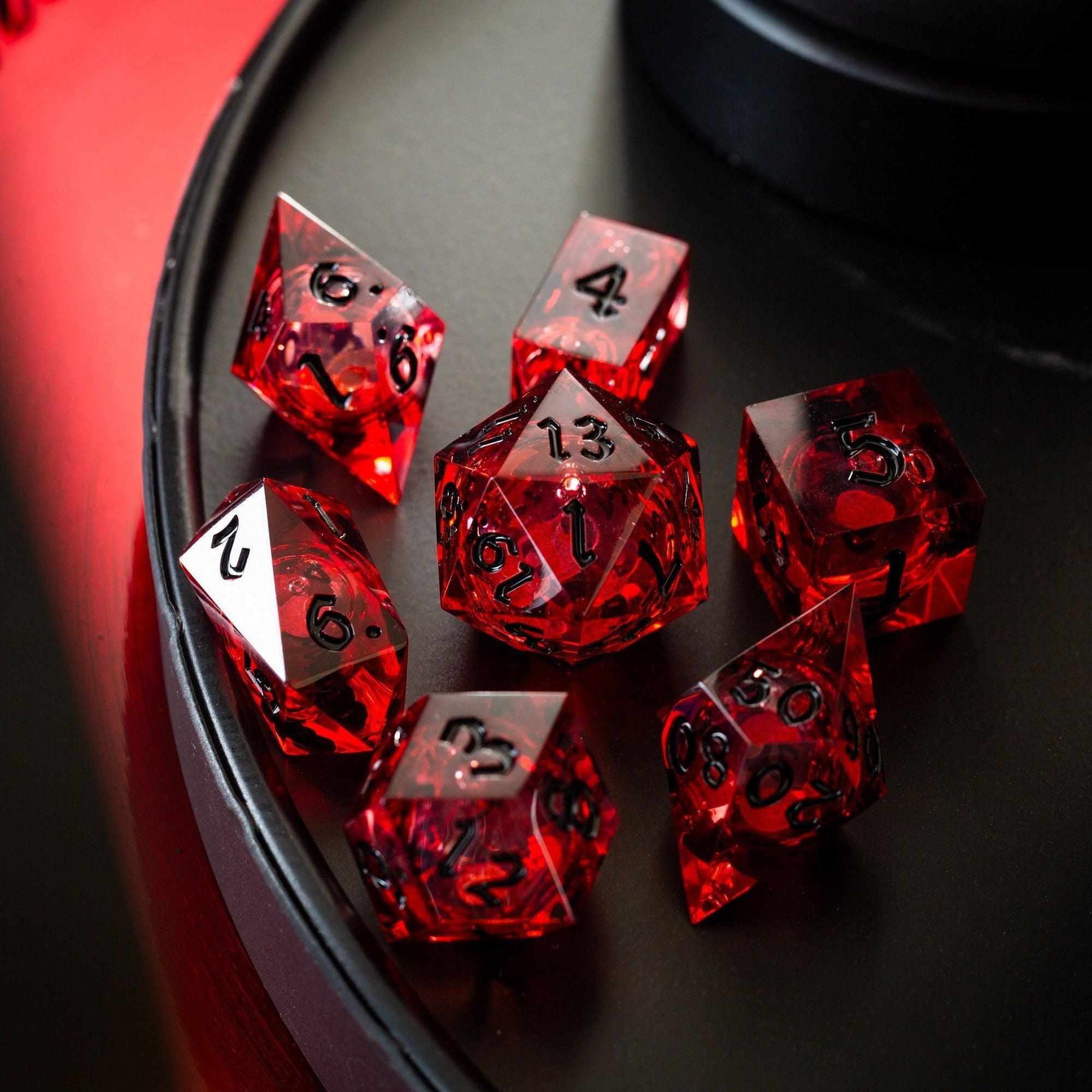
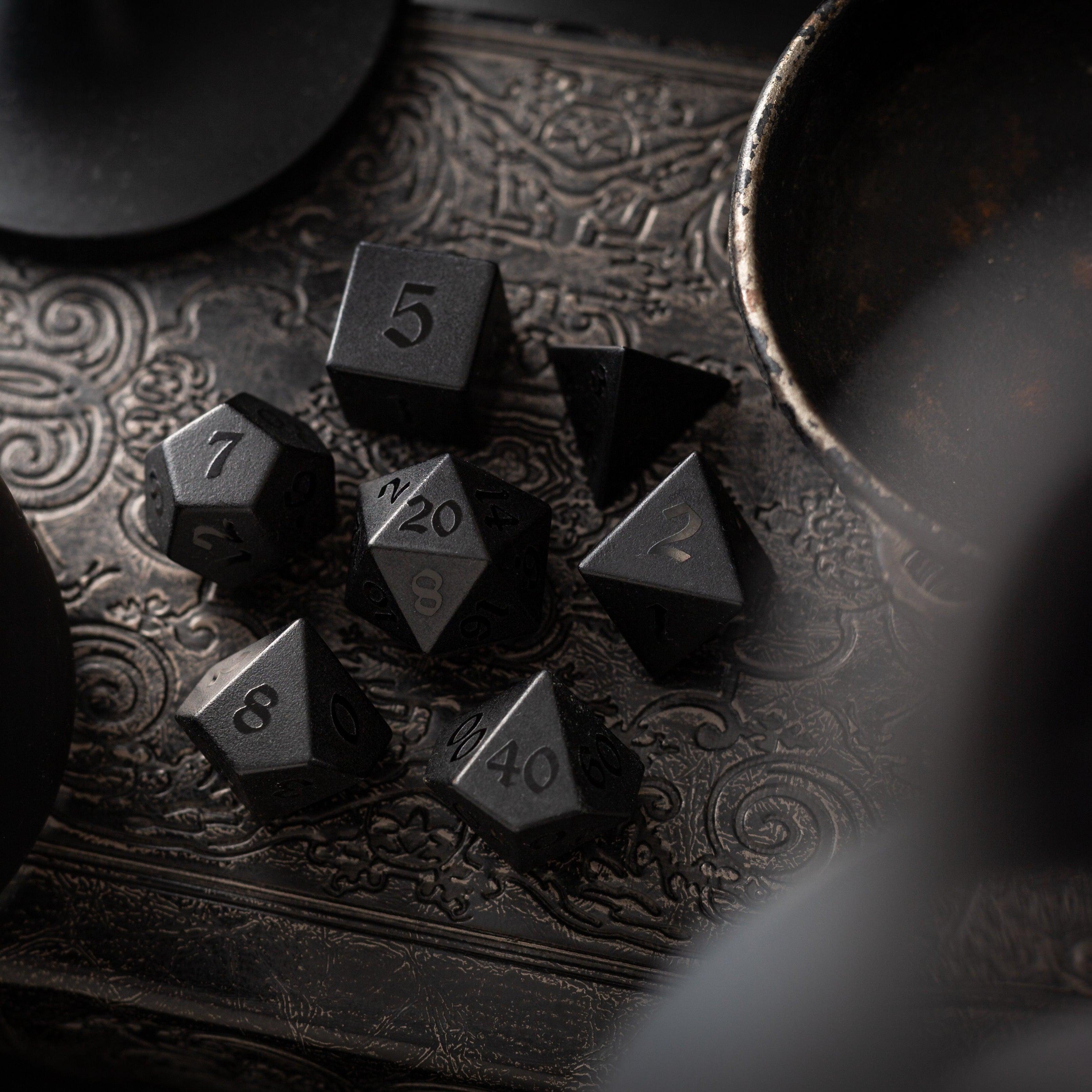
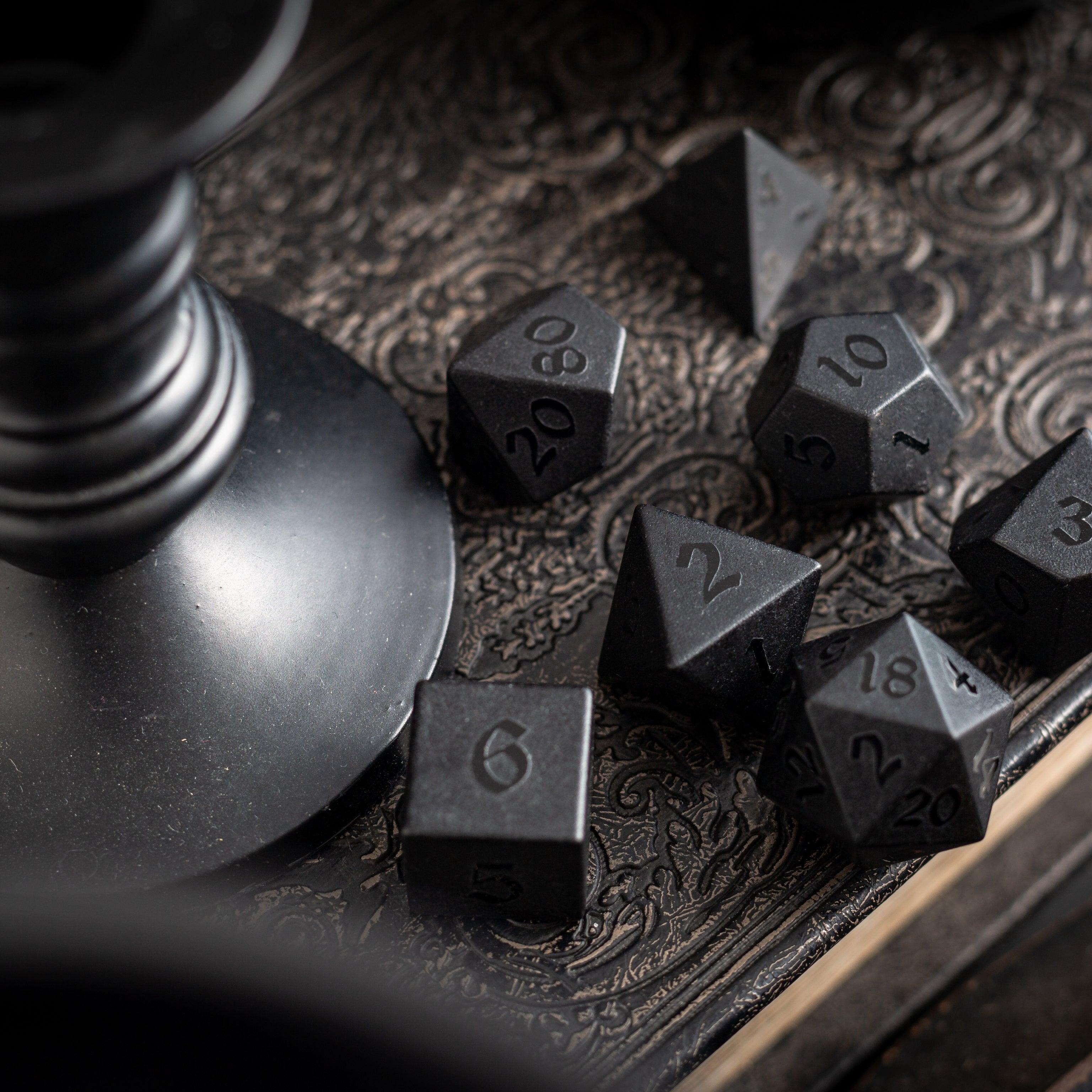
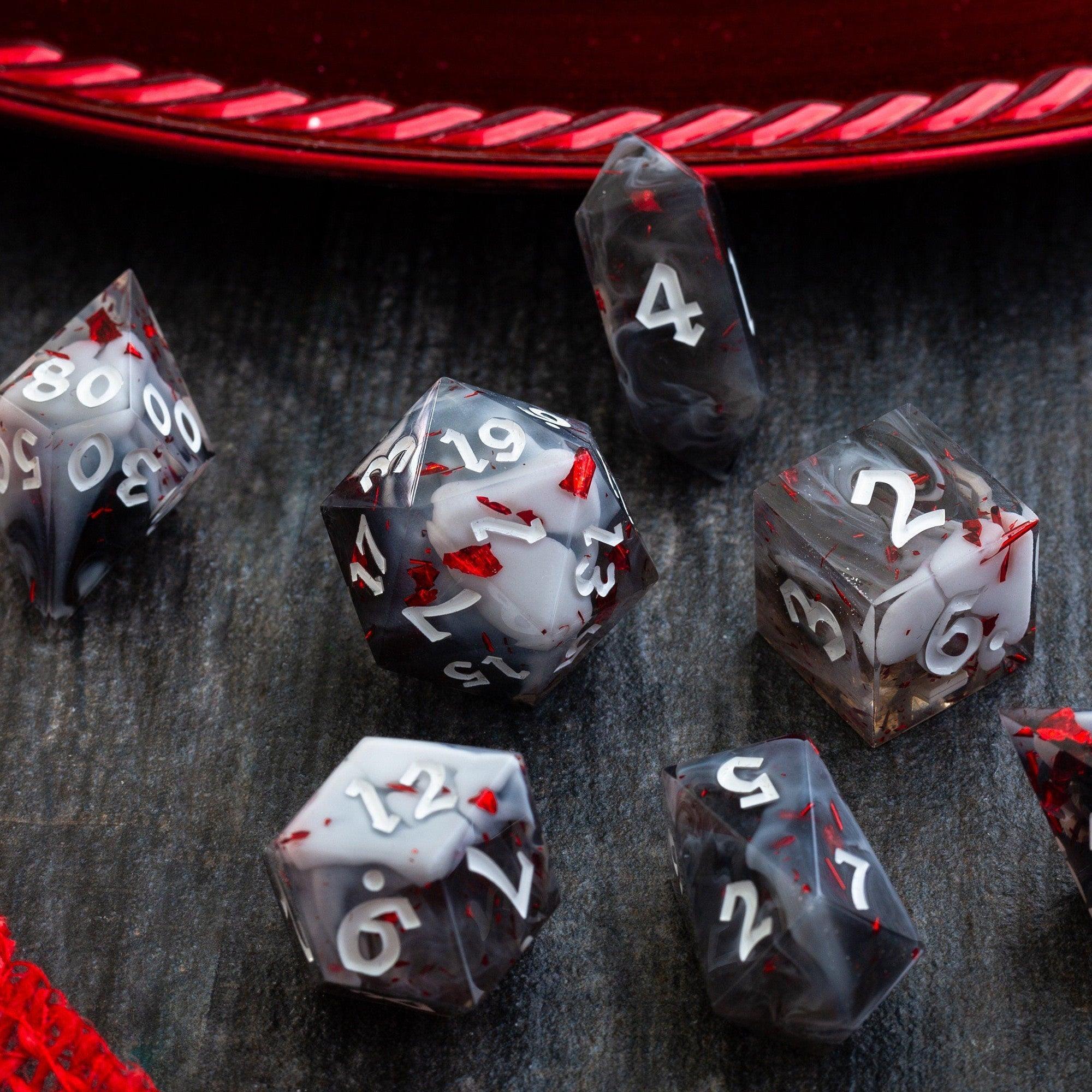
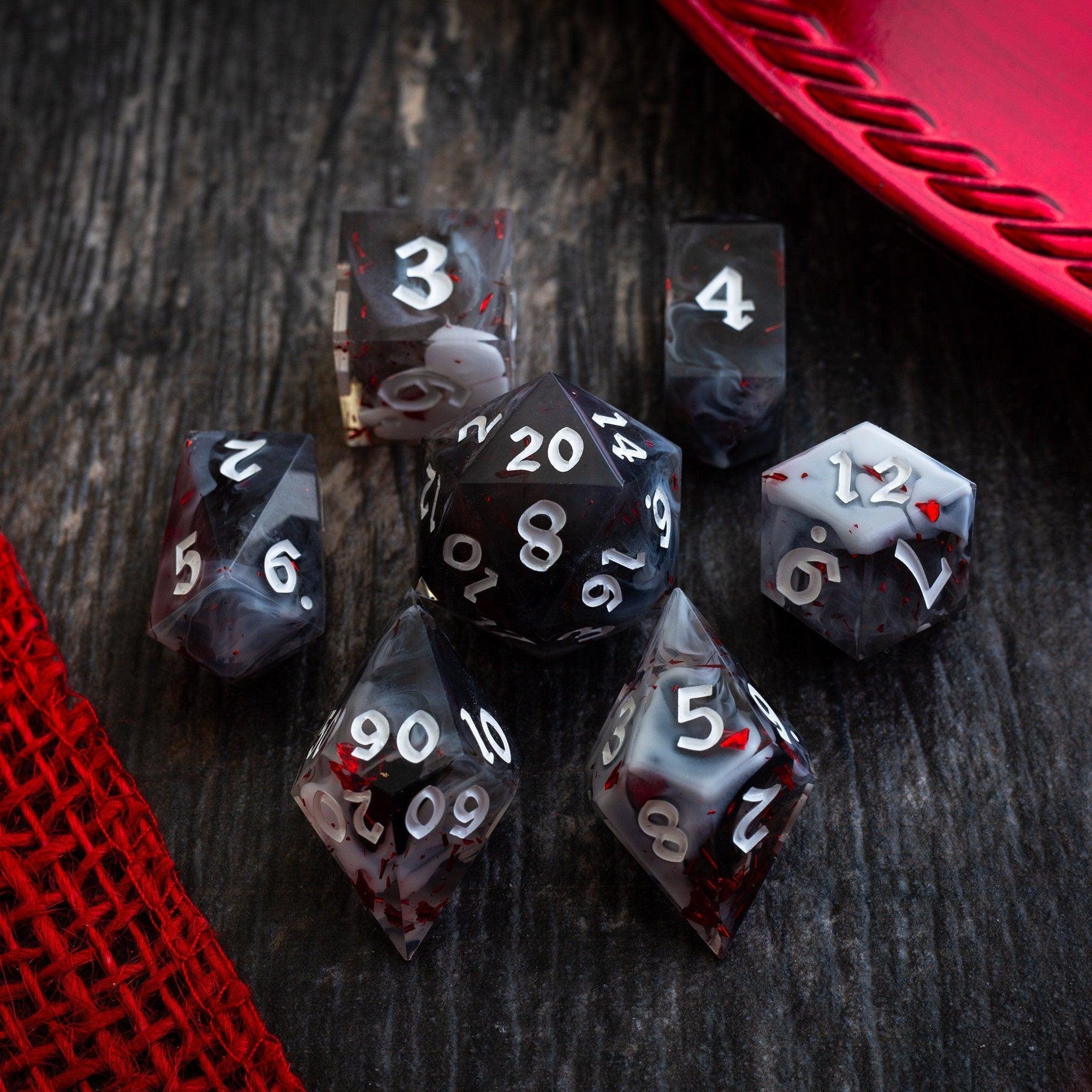
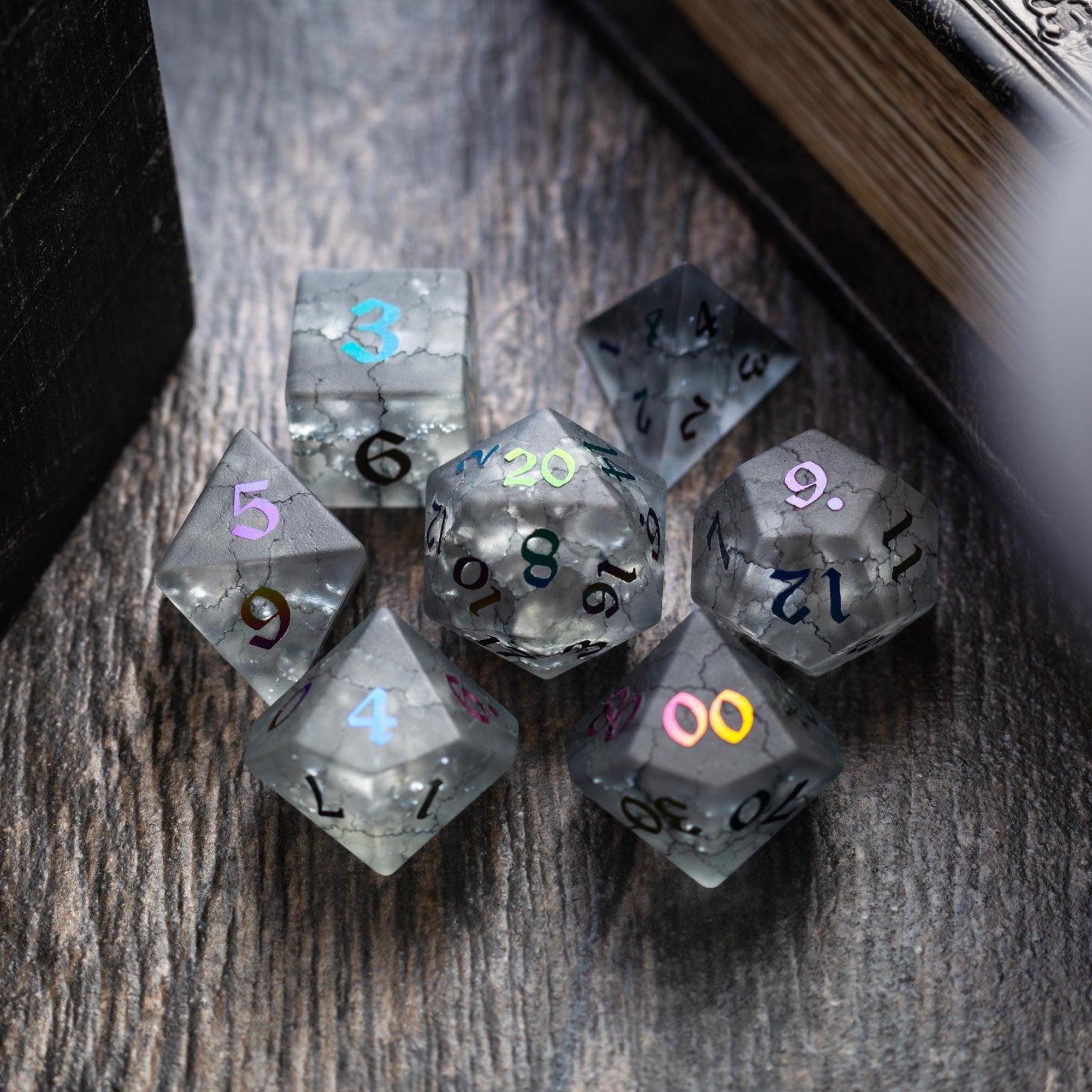
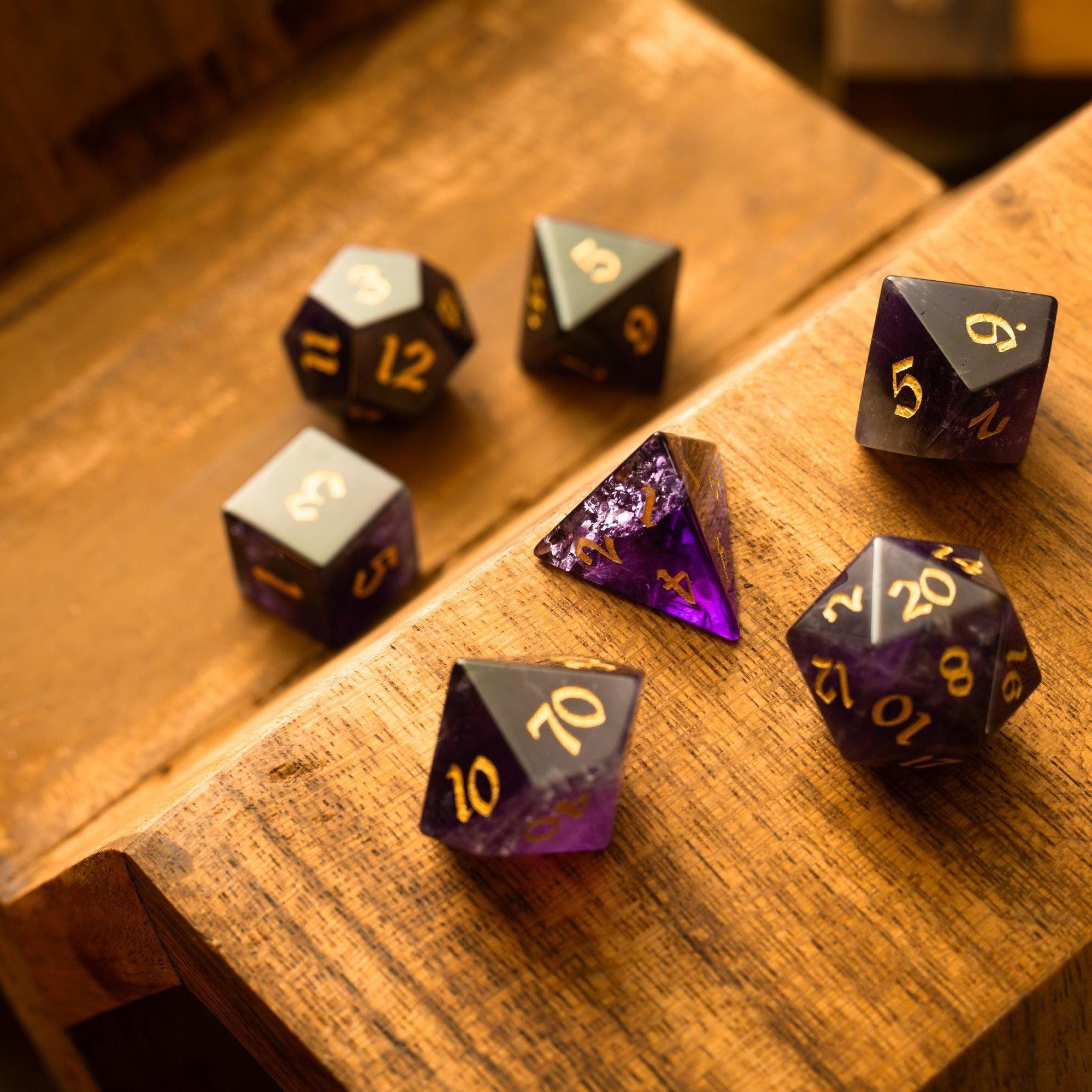
Want your rolls to shine against darker maps while staying readable? Consider dynamic sets like Liquid Core Dice. If you prefer a classic, weighty feel that pairs well with stone or dungeon textures, explore Gemstone Dice. Either way, a clear, high-contrast set complements the visibility your map provides and reinforces that “table as stage” feel.
One more quick optimization: keep a small ruler or movement template near each player. Even on gridded maps, having a dedicated measuring tool reduces disputes and speeds combat. If you run theater-of-the-mind scenes between battles, a foldable mat or a half-sized board is perfect—small enough to keep out of the way, quick enough to drop mid-session when the party decides to kick open a door.
FAQ Section
What should I buy first for map-based sessions?
Start with a dependable write-on mat or a sturdy neoprene surface. Those two cover 90% of scenes and handle repeated use. Add a handful of acrylic condition markers and a simple template set for cones and lines. If budget allows, pair your map with a readable, high-contrast dice set and a compact tray or tower so rolls don’t disturb minis or smudge lines.
How do I clean and maintain different map surfaces?
For wet-erase mats, use water with a soft cloth; let the ink dry before stacking pages or rolling for storage. For dry-erase, avoid permanent markers and skip harsh cleaners that can cloud the surface—alcohol wipes used sparingly can help with ghosting. Neoprene mats clean with a light lint roll and a slightly damp cloth; let them air dry flat. Poster maps store best in tubes or large folders to prevent corner wear.
What’s the best way to store and travel with map gear?
Roll mats loosely with the printed side out to keep edges smooth. Use a strap, tube, or zip case so they don’t flatten under books. Keep small items—tokens, rings, templates—in a labeled pouch or segmented box. If you travel often, a foldable mat and a small token kit beat bulky terrain; you’ll set up faster and reduce the risk of damage in transit.
Which grid size works best for most systems?
One-inch squares remain the most common measurement for many fantasy RPGs, with hexes preferred for some skirmish systems and overworld travel. If you switch systems, consider a mat that’s dual-sided or marked with both. When printing your own maps, verify scale at 100% and test a one-inch reference box before running a full print.
Bringing it all together: choose a surface that fits your space, a small kit of markers and tokens for clarity, and a dice setup that supports clean, readable rolls. With those pieces dialed in, your table will run smoother, look sharper, and keep everyone focused on the story.


Leave a comment
This site is protected by hCaptcha and the hCaptcha Privacy Policy and Terms of Service apply.