

Elemental Adept DnD Guide to Maximizing Elemental Damage
Updated on: 2026-01-05
Thinking about specializing your caster’s damage type? This friendly guide explains how the element-focused feat lets your spells shrug off resistance and smooth out low rolls. You’ll learn smart build tips, table-tested tactics, and shopping advice to match your vibe with the perfect dice. We’ve included a clear checklist, a simple walkthrough, and an FAQ so you can make confident choices. If you’ve been eyeing Elemental Adept DnD, you’ll find everything you need to decide and build with confidence.

When you’re building a blaster or a steady damage dealer, choosing a damage type can make or break your game plan. Many monsters resist fire, cold, or lightning, and nothing feels worse than landing your big spell and watching the damage get halved. The good news: an element-focused feat helps your spells ignore resistance for one type you choose, and it bumps your worst damage die results so your baseline hits feel better. Whether you’re the team’s artillery, a battlefield controller with reliable chip damage, or a theme-first roleplayer who loves a signature element, you can turn consistency into a superpower with a few smart choices and the right table habits. Below, you’ll find a simple buyer’s checklist for gear and dice, a quick start guide for clean, confident turns, and a no-fluff FAQ to settle the most common questions.
Buyer’s Checklist
Use this actionable checklist to lock in your build, table flow, and accessories that make your turns faster and more fun.
- Pick your signature element: Choose the damage type that suits your concept and campaign. Fire is flashy and common, cold is reliable control-adjacent, lightning is thematic and punchy, acid is niche but stylish, thunder is underrated and rarely resisted.
- Check your spell list: Make sure you have at least 4–6 spells that match your chosen type across levels. Spread them across single-target, area, and utility options so you’re not stuck when the fight changes.
- Balance damage and control: Even as a blaster, keep a couple of crowd-control or terrain-friendly picks so you’re useful when enemies resist non-elemental effects or when raw damage isn’t ideal.
- Plan for the “resistance problem”: Your feat handles resistance, but not immunity. Keep a backup damage type or a non-damaging spell ready for those rare hard counters.
- Create a fast damage routine: Decide your dice pool, modifiers, and reroll habits before your turn. Say your total out loud as you roll so your group can follow along without pausing the action.
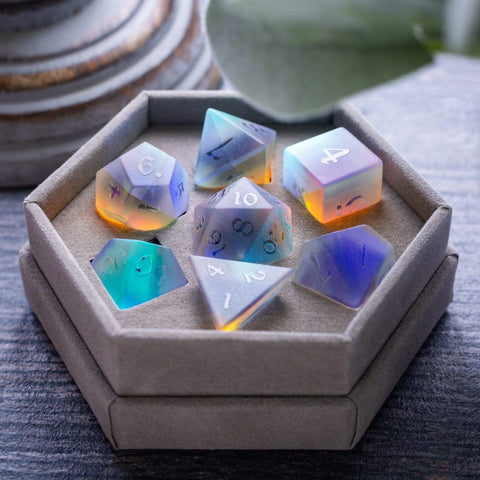
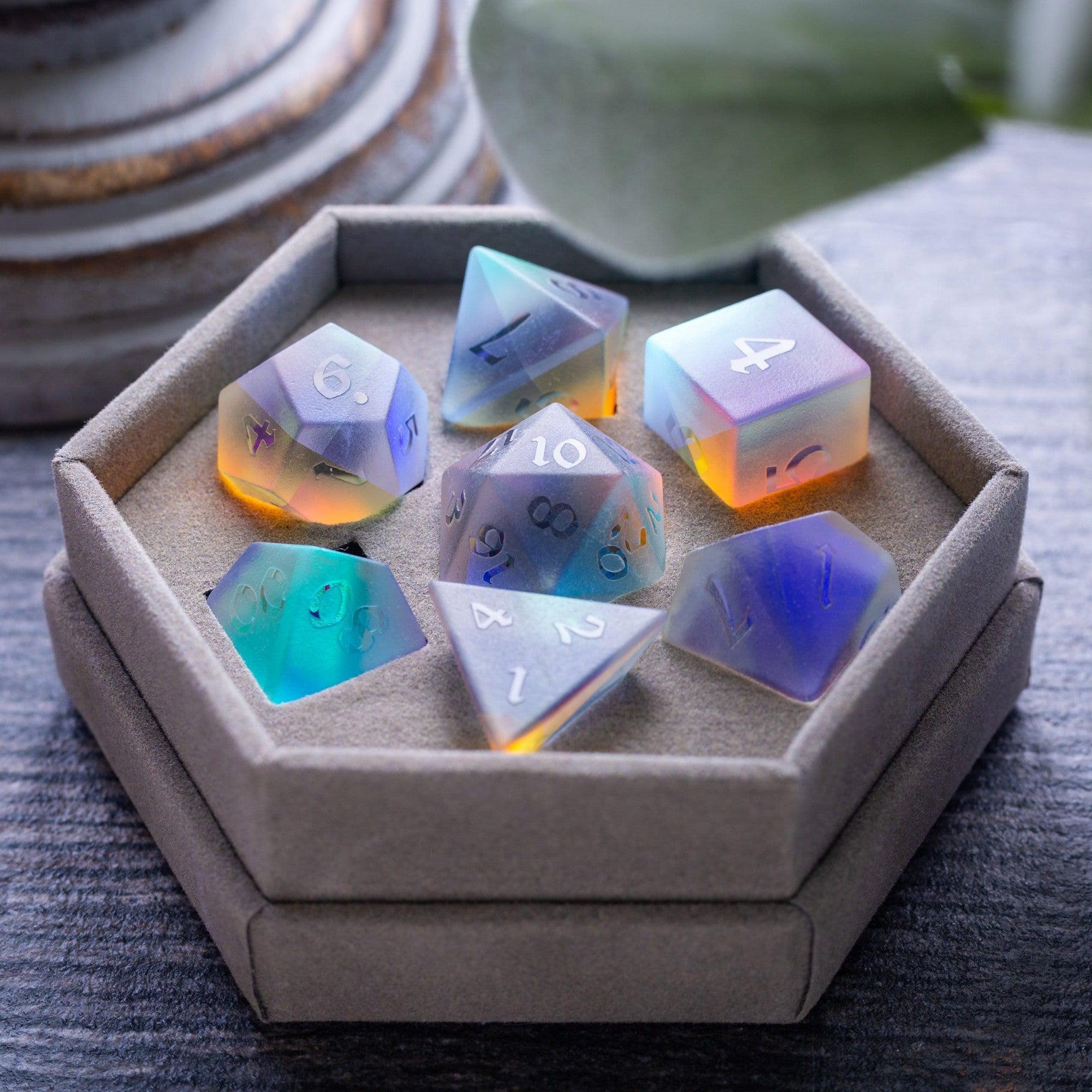
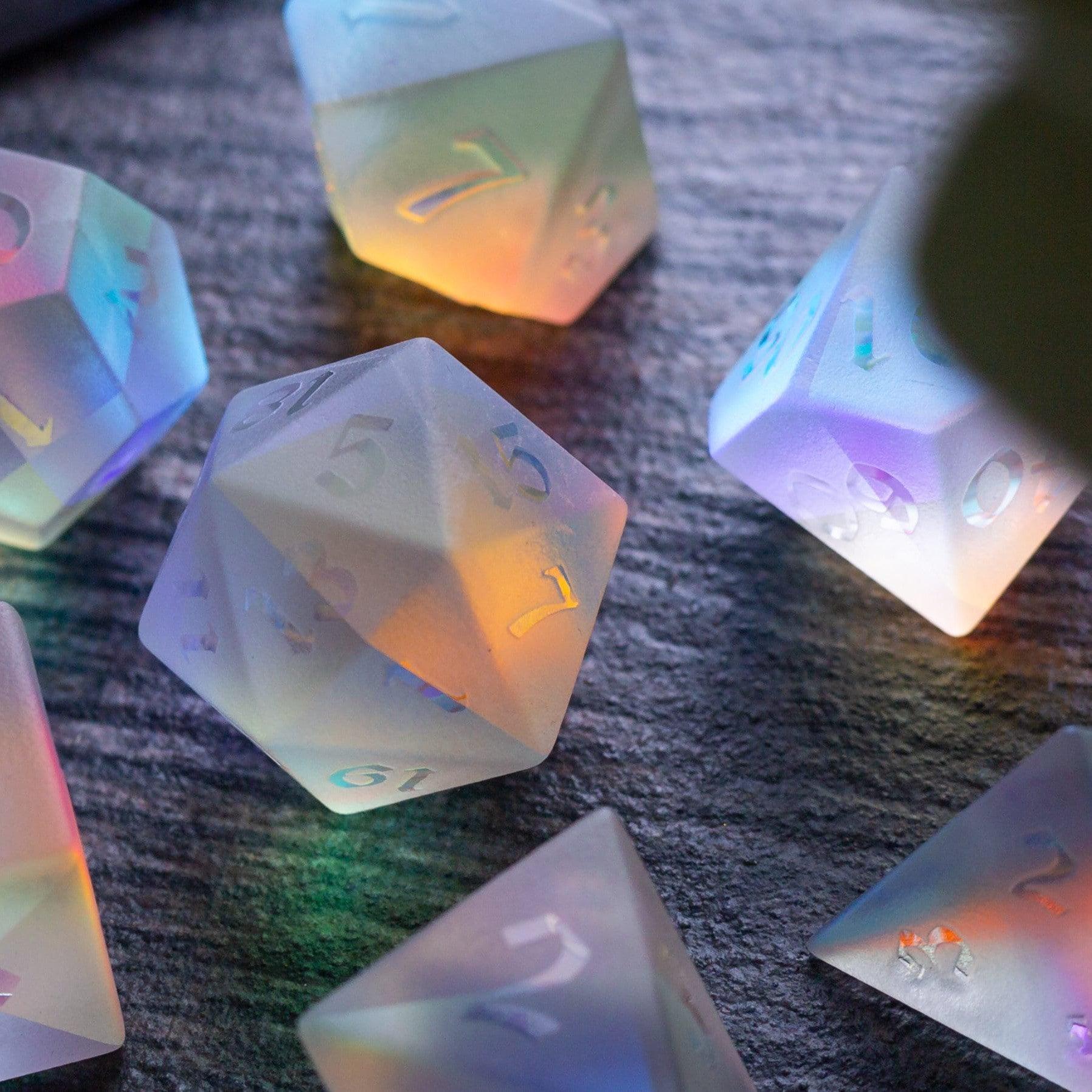
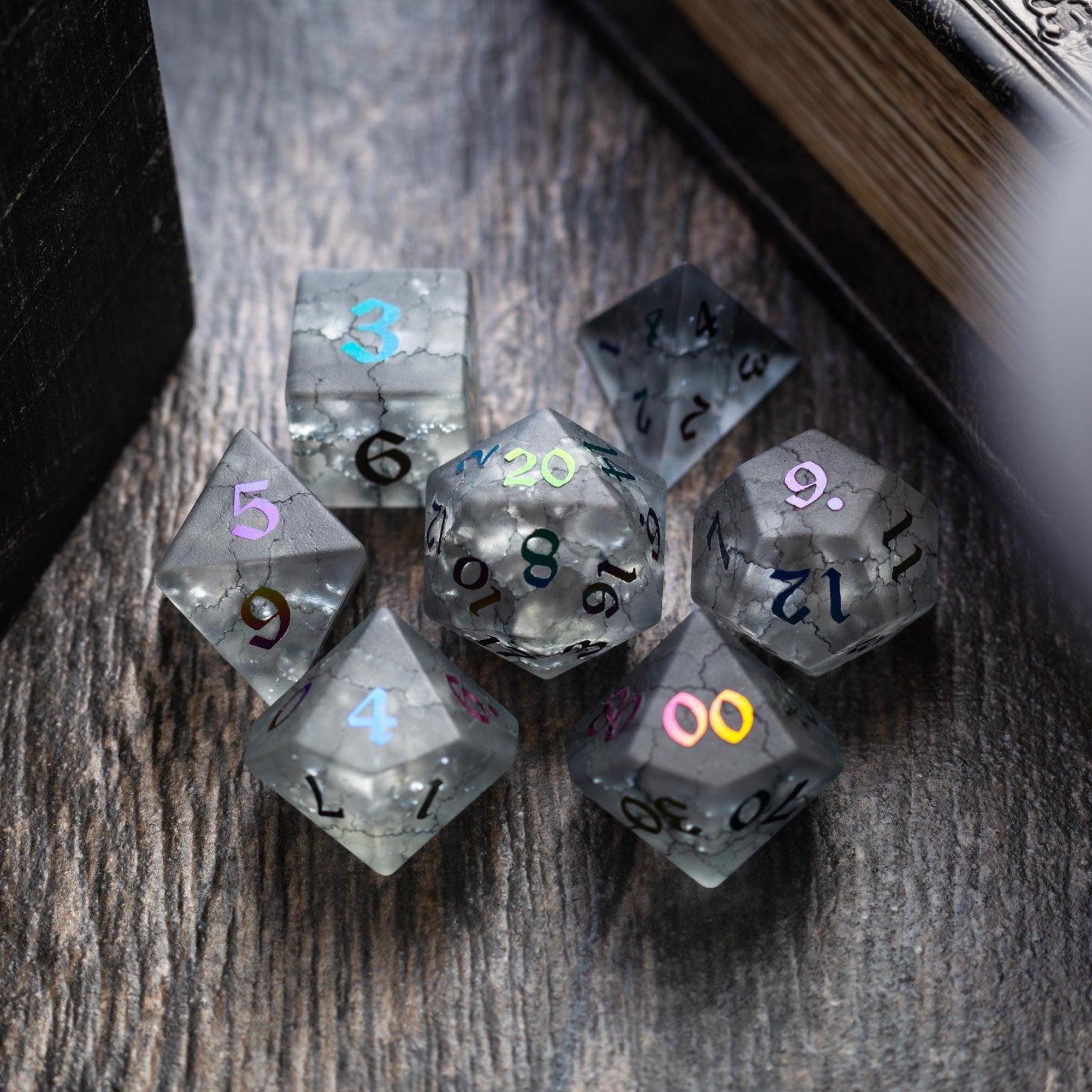
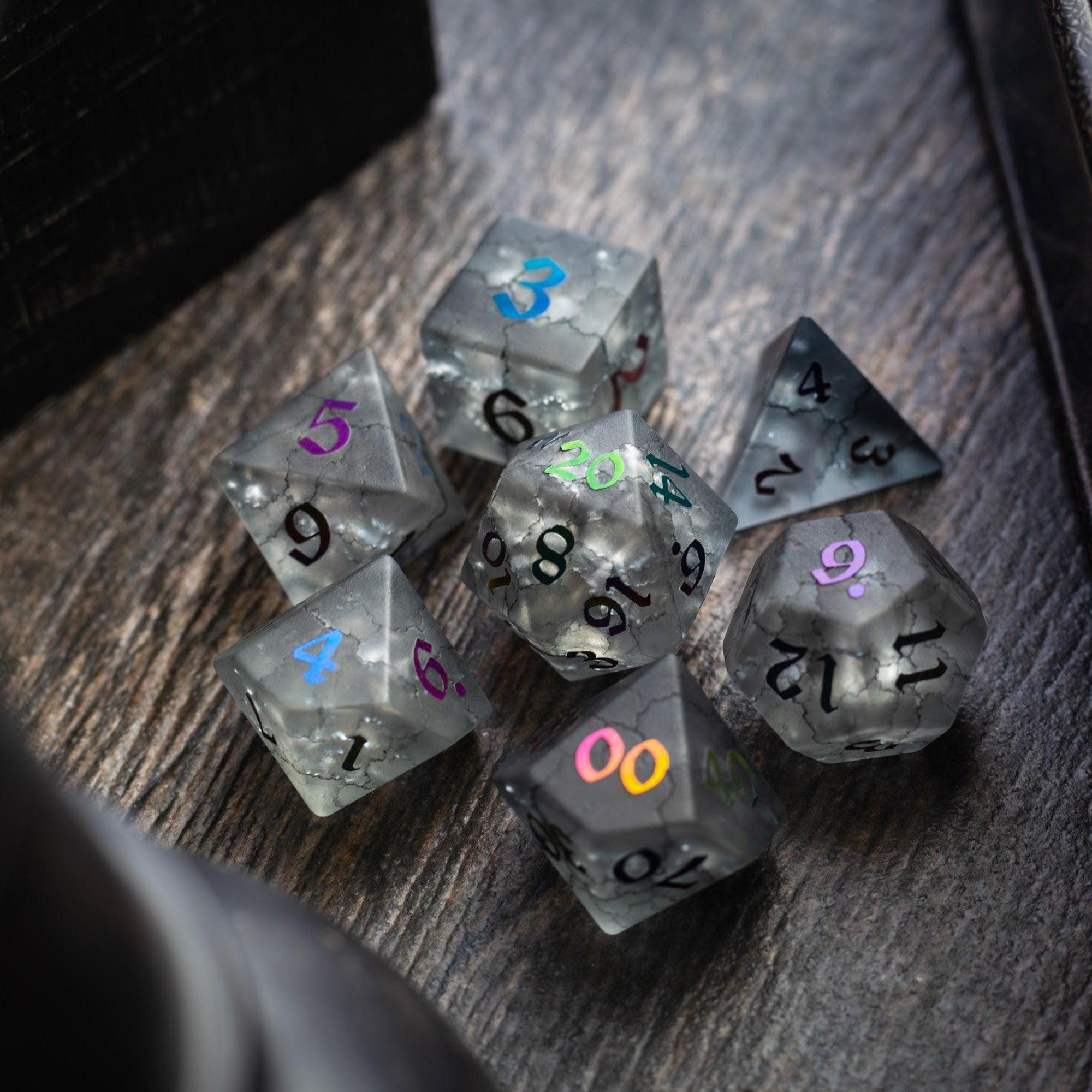
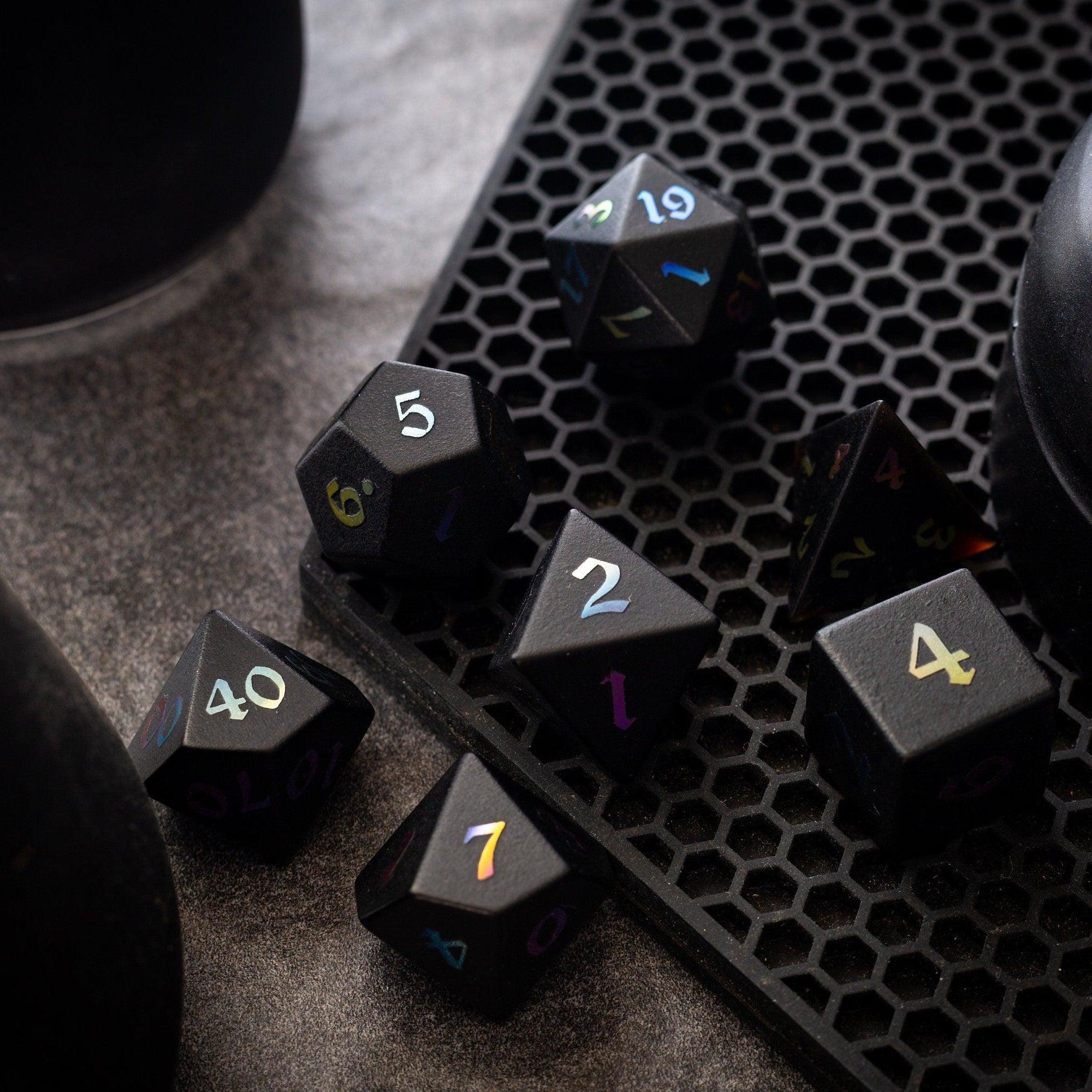
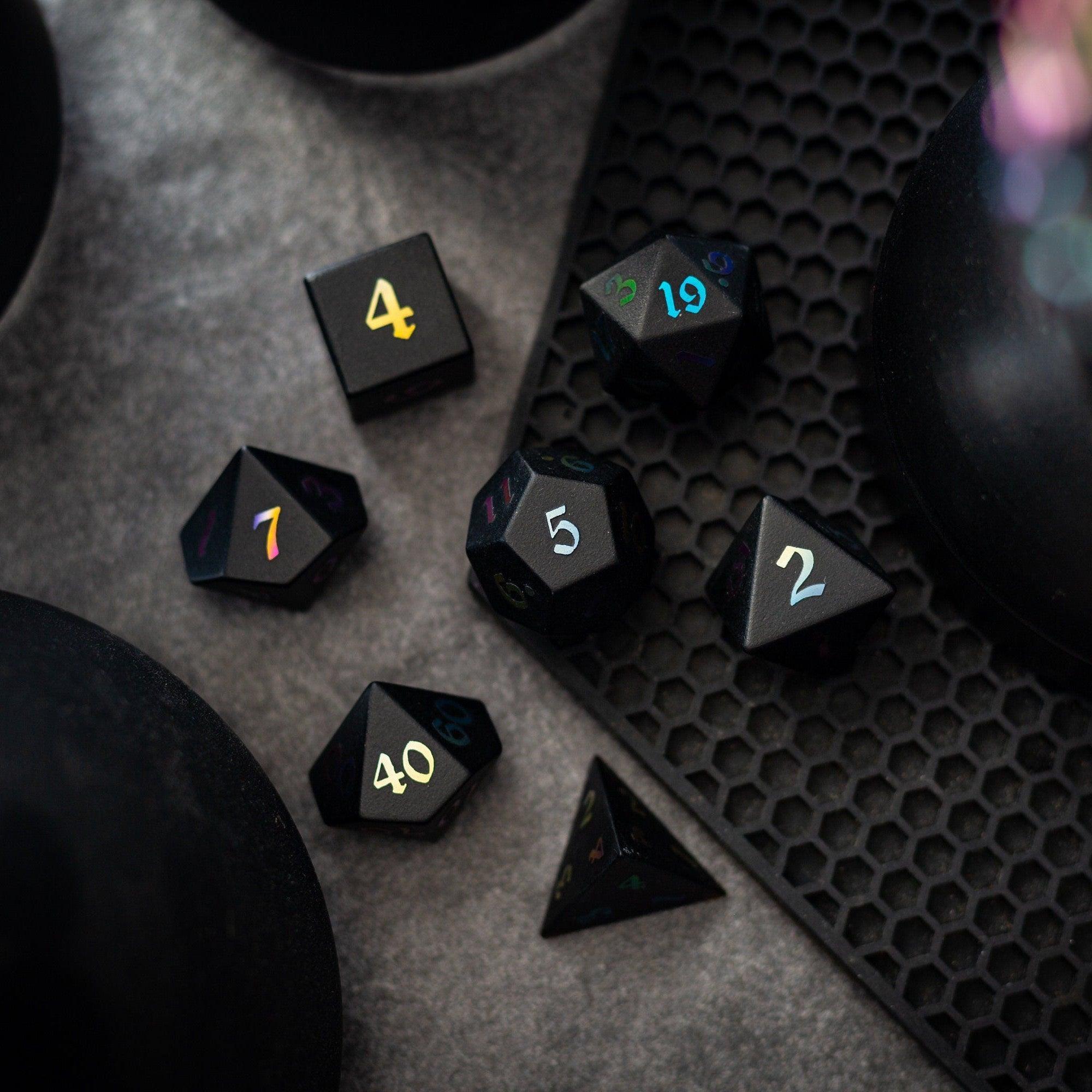
- Choose dice that fit your theme: If your element is lightning, consider high-contrast dice you can read at a glance. For a shimmering, arcane vibe, try a dichroic glass set like the green dichroic set for electrifying clarity.
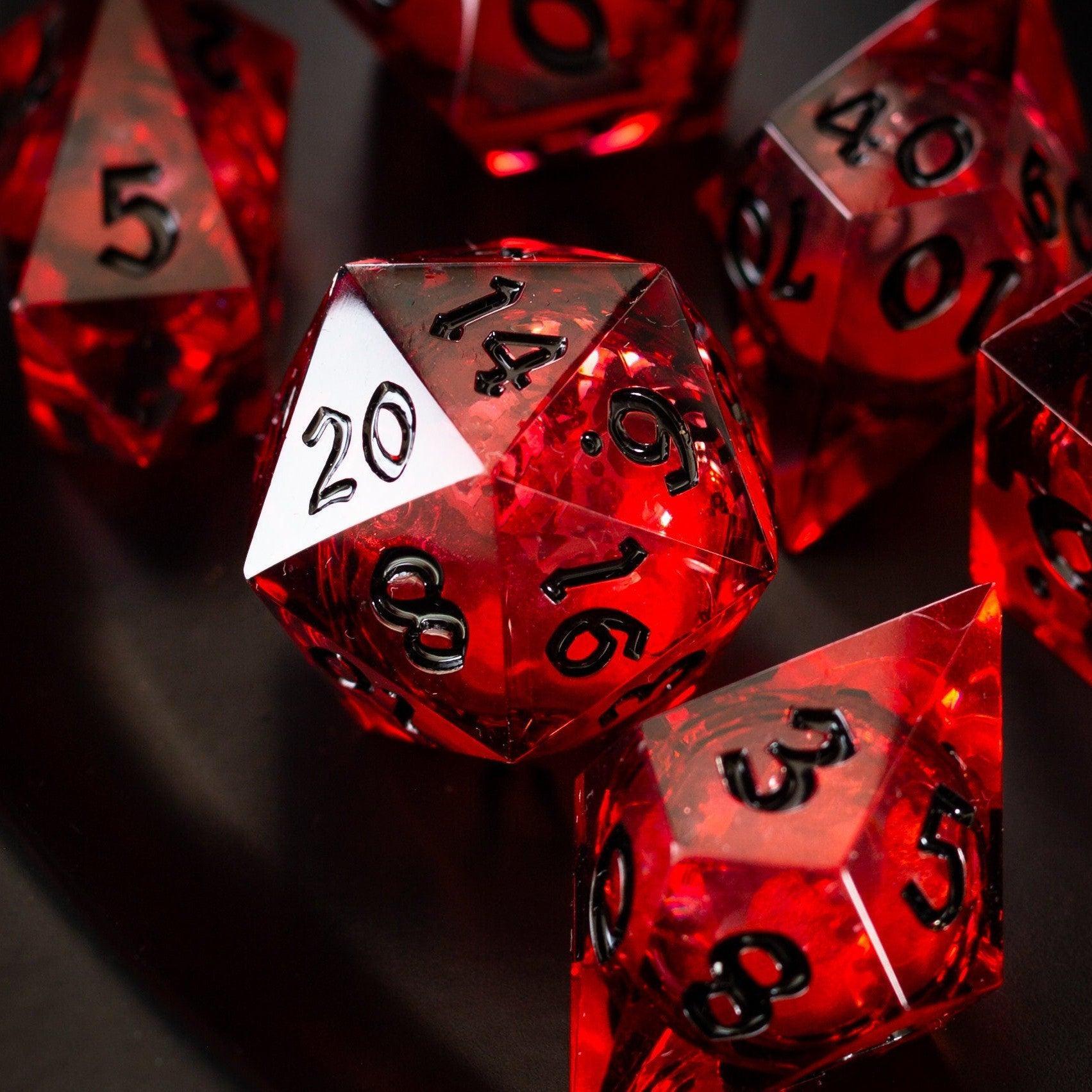
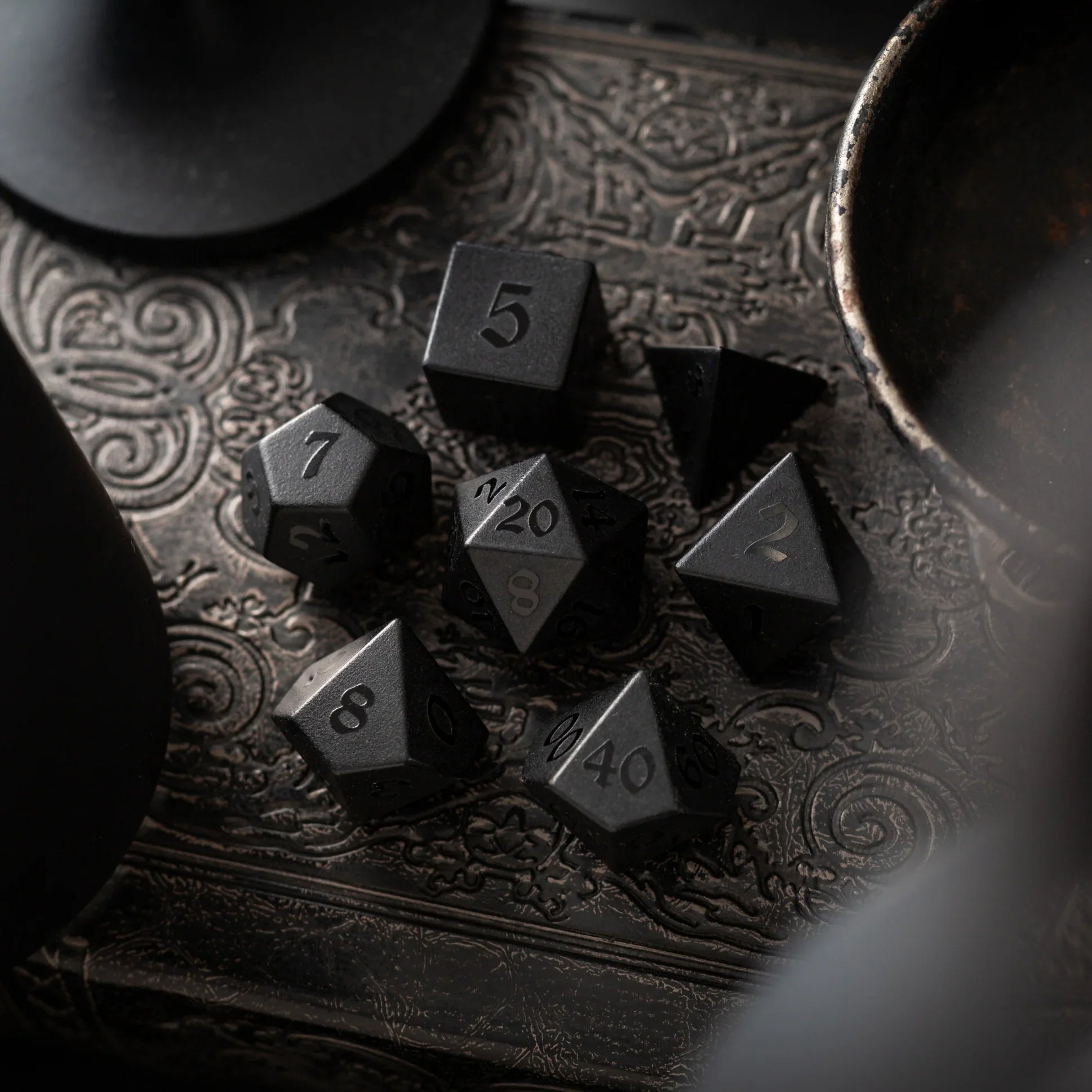
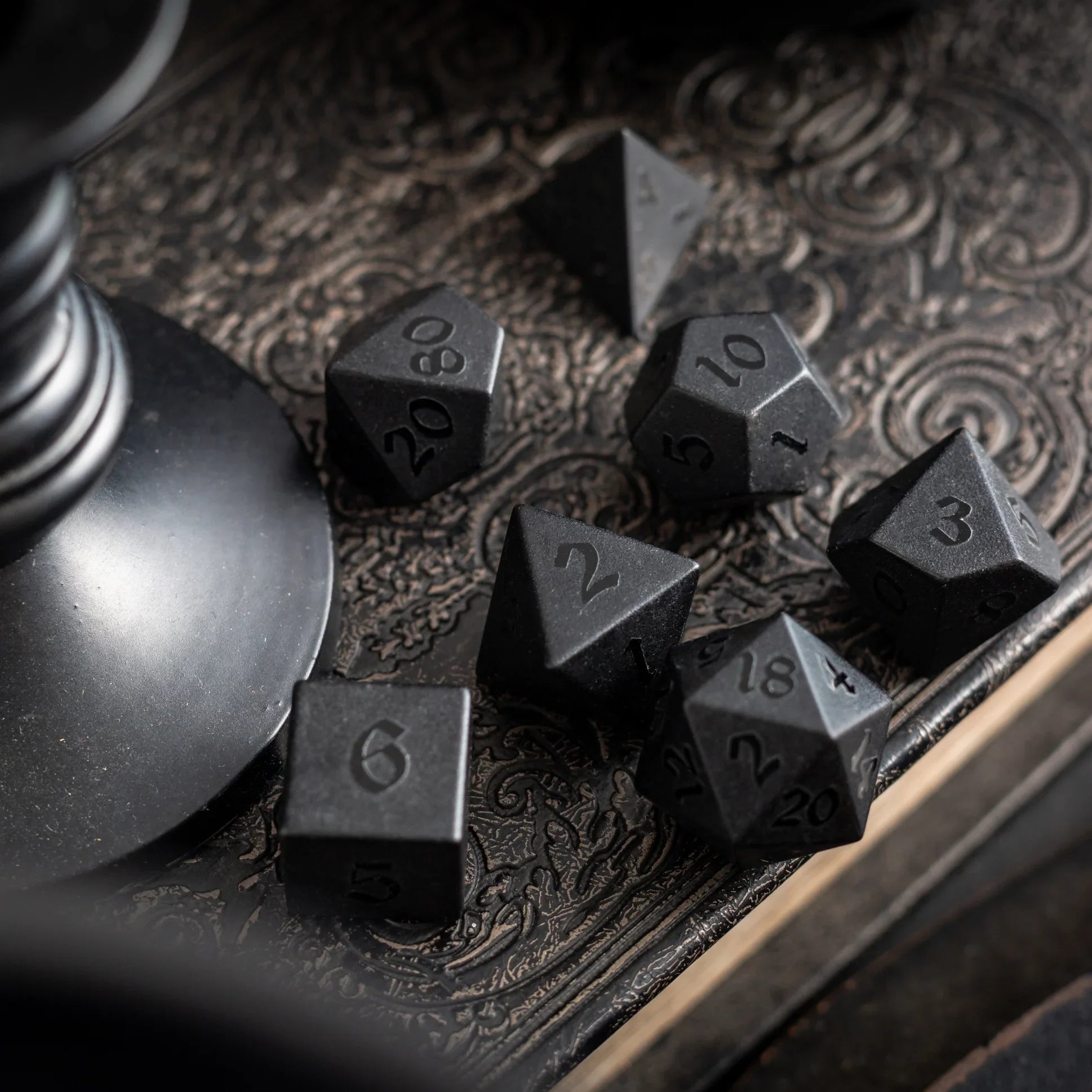
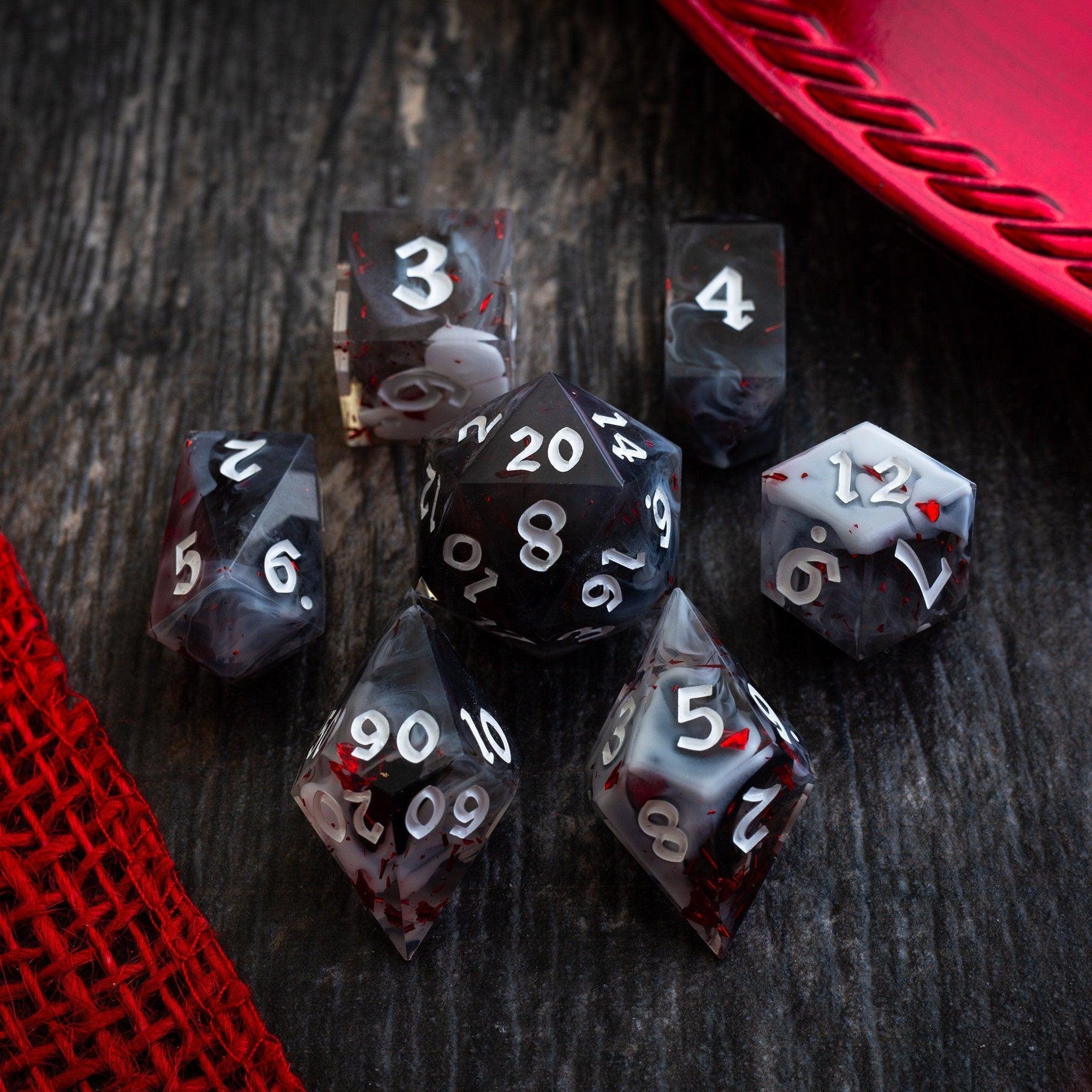
- Consider material and edge style: Gemstone, resin, and glass all feel different. If you want extra-crisp rolls and sharp readability, browse sharp-edge resin dice to keep math clean and quick.
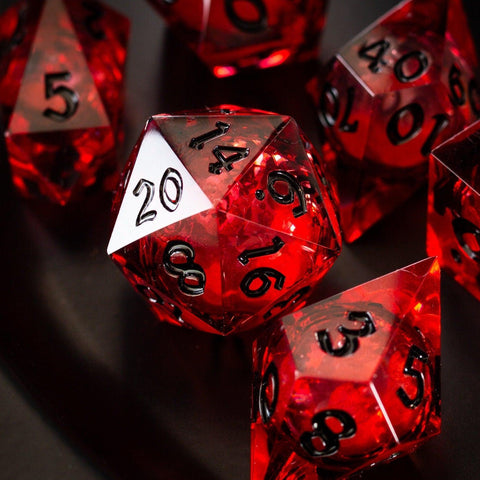
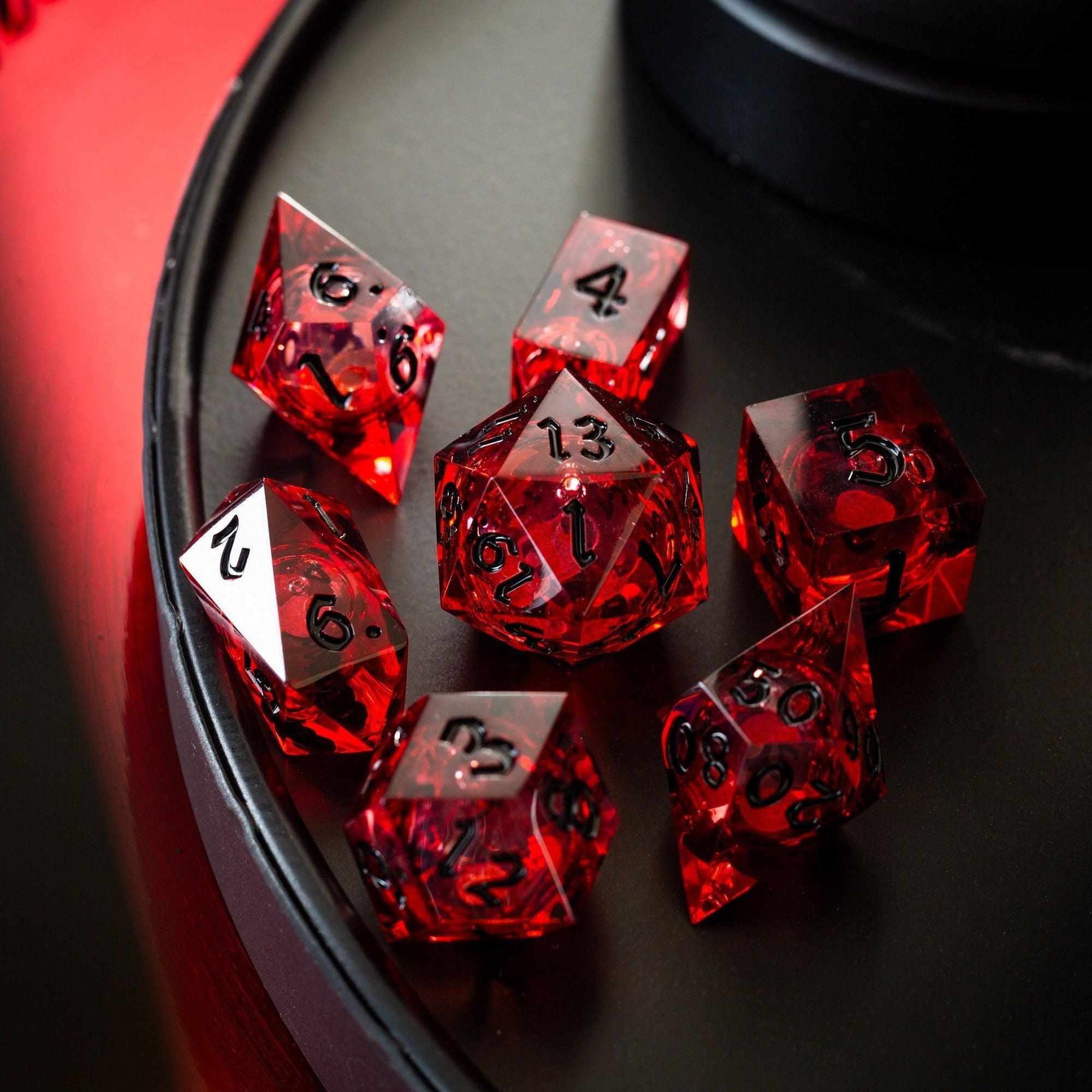
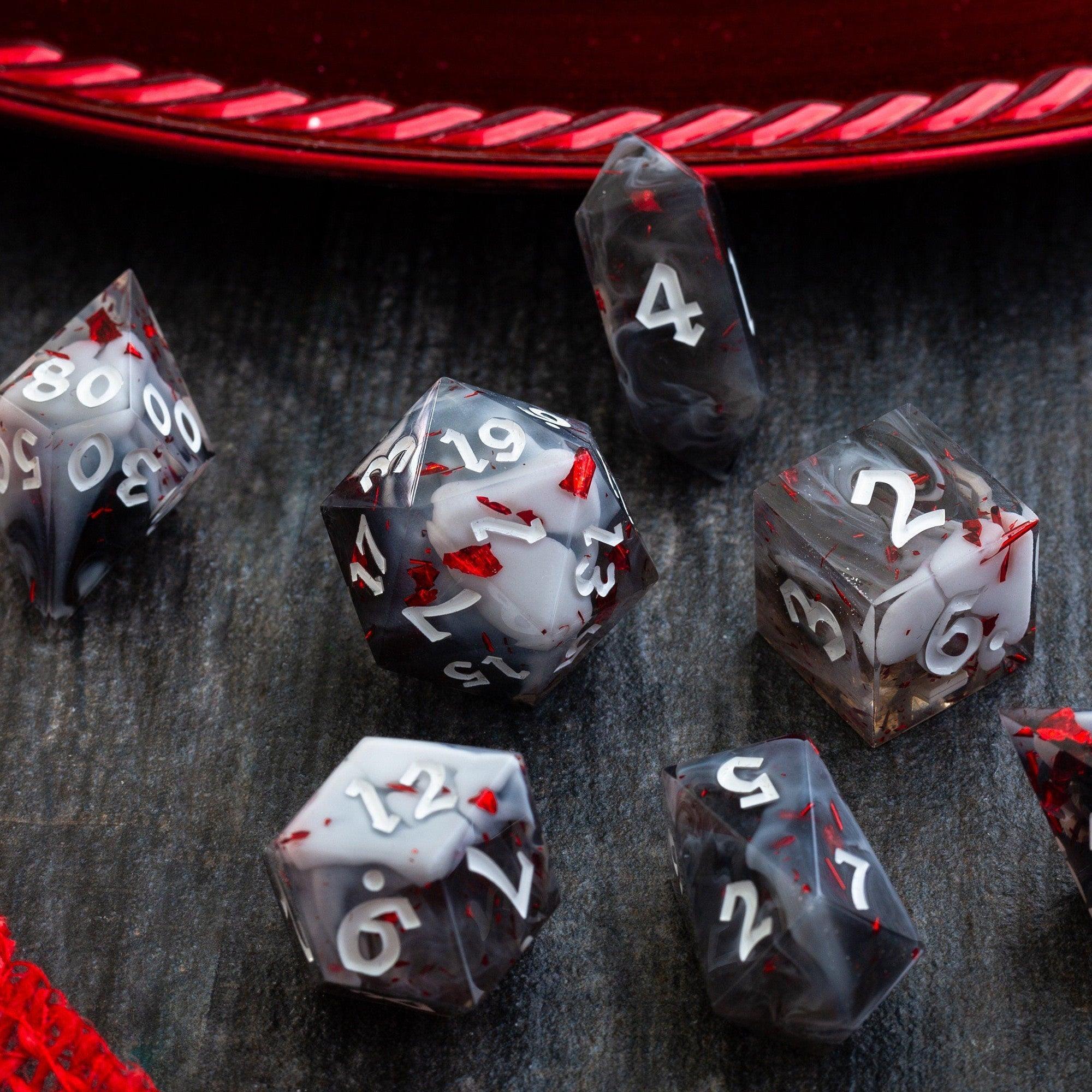
- Pick a “spell slot” showpiece: A standout D20 or specialty set can mark your big turns. For swirling energy that matches explosive spells, try liquid core dice that look like bottled evocation.
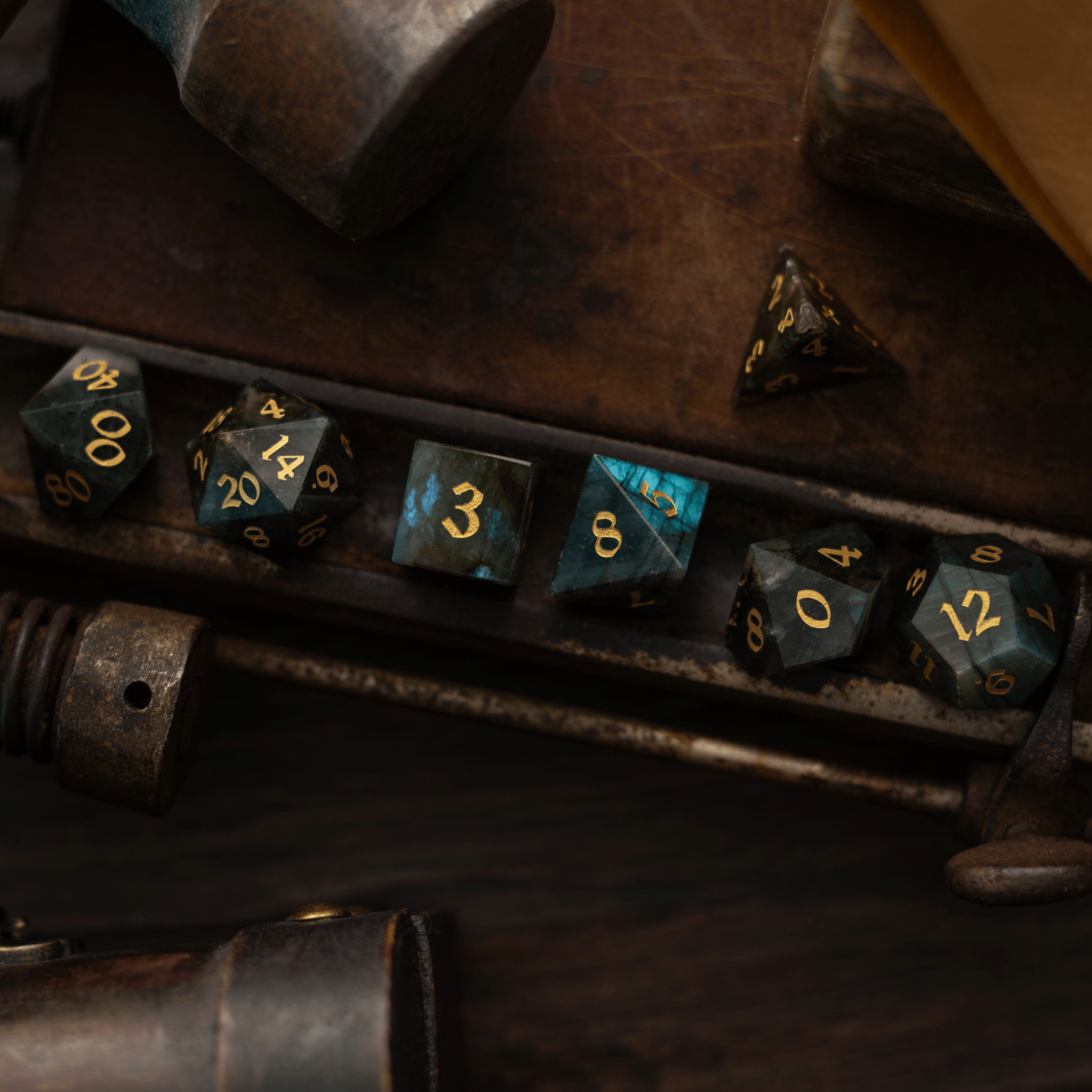
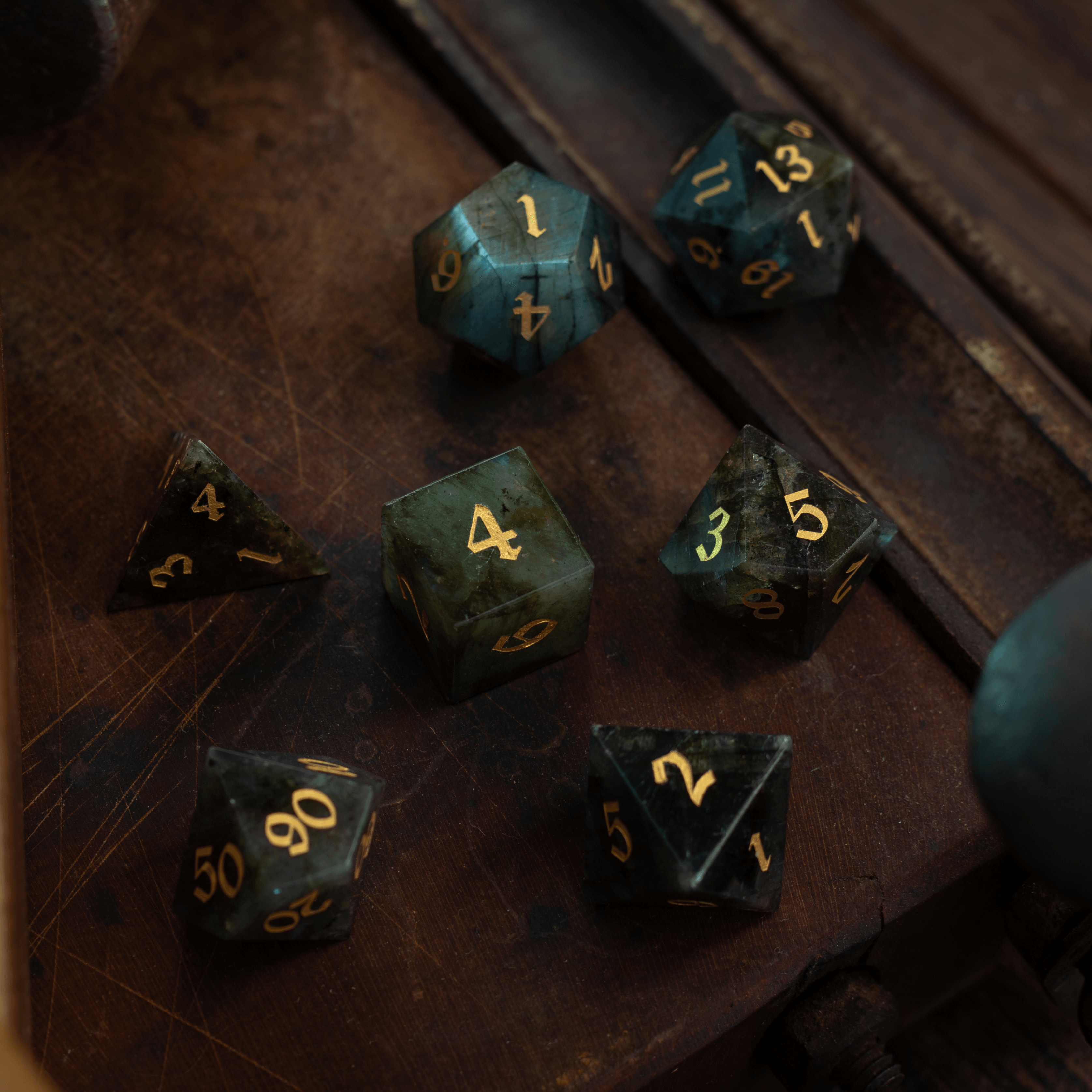
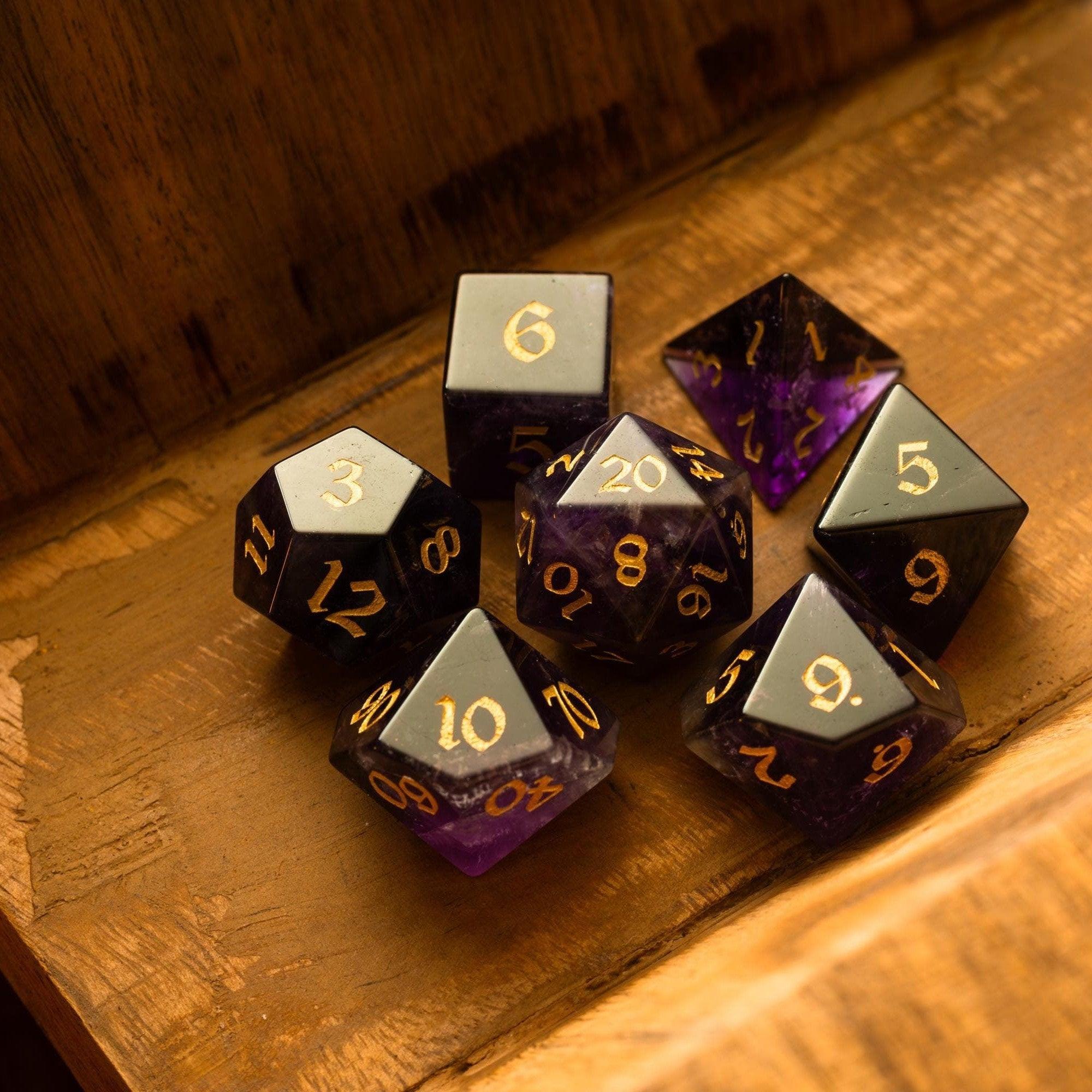
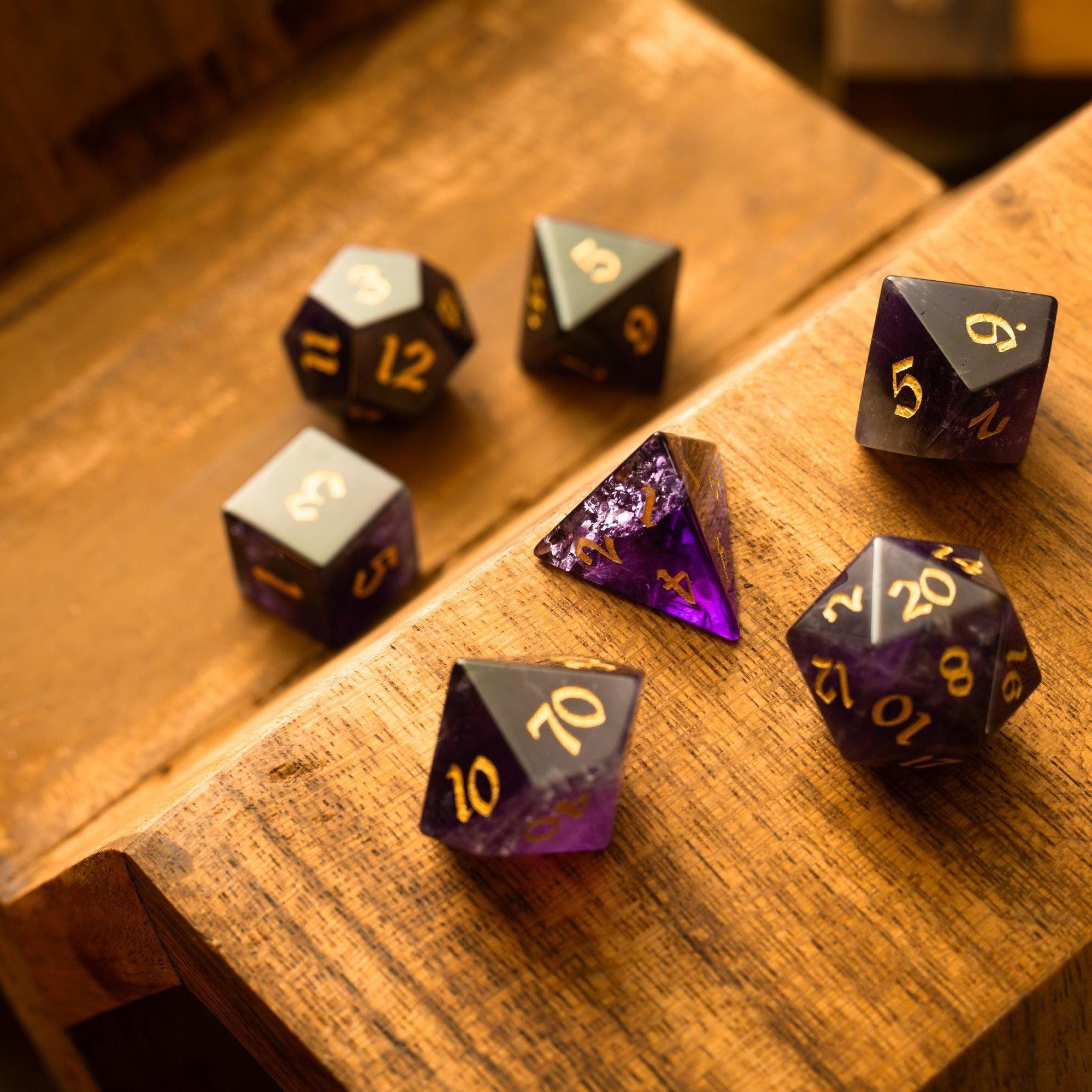
- Invest in durability: If you’re rolling piles of dice, go for clear, easy-to-read faces and a storage solution that protects edges. Gemstone sets are gorgeous; if you go that route, keep a dedicated tray and roll on a soft surface.
- Match form to function: If your table is dimly lit, prioritize bright inking and contrast. If you love tactile feedback, heavier materials feel satisfying during high-damage rolls.
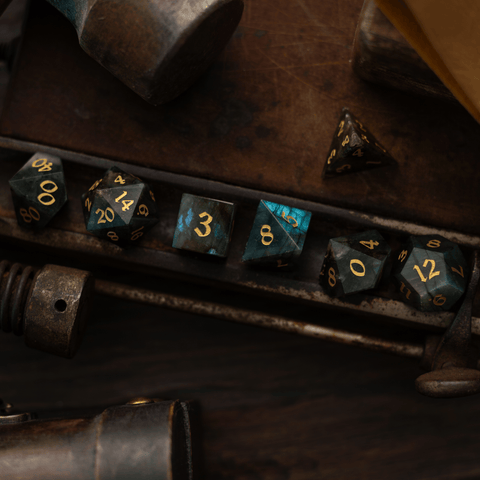
- Keep a backup set: A secondary set for off-element damage or utility spells saves time. For a premium alternative feel, explore curated gemstone dice that bring weight and presence to every roll.
- Practice rolls and readouts: Before game night, roll a few sample “fireball” pools so you know exactly how you’ll tally, apply resistances, and announce results—smooth turns win goodwill and spotlight time.
Step-by-Step Guide: Elemental Adept DnD in Play
Follow these quick steps to use your element-focused build smoothly at the table, from character creation to combat.
1) Lock your theme early:
During character creation, choose a damage type that fits both your story and the campaign’s monster mix. Ask your Game Master about common foes so you can avoid frequent immunities.
2) Build a core spell trio:
Select one low-level at-will or repeatable option, one mid-level area spell, and one single-target nuke. This trio covers most encounters and makes your turns predictable and quick.
3) Understand the math:
The feat turns 1s on your damage dice into 2s for the chosen type and lets your spells ignore resistance to that type. That means your floor rises, and your average increases slightly—great for consistency.
4) Announce your plan:
At the start of your turn, state your target(s), spell, and damage type. Tell the table that resistance won’t apply so no one recalculates mid-turn.
5) Roll and tally in batches:
When throwing many dice, group them by color or size. Sum totals in chunks of 10 to keep the math clean. Consider using a dice tray to prevent table chaos.

6) Apply modifiers once:
Add your spellcasting bonus and effects after you’ve converted any 1s to 2s. Consistent order prevents double-counting or missing crucial bumps.
7) Keep a backup plan:
If a creature is immune to your type, pivot to control, utility, or a different damage option. Prepared casters can swap in a neutral or alternate element to stay useful.
8) Synergize with party control:
Pair your blasts with allies who restrain or cluster enemies. Advantage on saving throws you force—or disadvantage on the enemy—translates into more full damage hits.
9) Mind concentration:
If you maintain a control spell, weigh whether a big area blast risks breaking it. Sometimes steady cantrips plus battlefield effects outperform a single big boom.
10) Track your theme visually:
Use a special D20 or color-coded set to mark your “element turns.” A striking set helps you stay in character and keeps the table engaged with your signature style.
Pro tip: If you love the drama of big rolls and the clean look of polished edges, a single standout set can be your ritual—switch to a luminous or high-contrast set whenever you cast your signature spell. It keeps the moment special and your math easy to read.
FAQ
What does the elemental damage feat actually do?
It lets your damaging spells ignore resistance to one damage type you choose, and it upgrades any 1s on your damage dice of that type to 2s. You’ll see fewer “whiff” rolls and more predictable damage, especially in campaigns with lots of resistant monsters.
Is Elemental Adept DnD worth it at low levels?
Yes if your build leans on one damage type or you face frequent resistance. It’s best for blasters who cast the same element often. If you need flexibility or want stronger out-of-combat utility, boosting your primary ability score may be the better first pick; consider the feat as a second or third choice.
Does it stack with class features or metamagic?
Generally, it plays nicely with effects that boost or modify spell damage. Features that reroll dice, add bonuses, or change save math work alongside the feat. Always follow the sequence: roll, replace 1s with 2s for the chosen type, then apply other bonuses and resistances as appropriate.
Can it punch through immunity?
No. It bypasses resistance, not immunity. Keep alternatives ready—either a different damage type or non-damaging control spells—so you’re never stuck against hard counters.
Which classes and spells benefit most?
Any caster who relies on repeated elemental damage shines: wizards and sorcerers with consistent area spells, warlocks with a thematic blast, and certain half-casters who prepare a strong elemental lineup. It pairs well with classic area spells, solid cantrips, and any kit where round-to-round reliability matters.
Looking to give your signature element a bold table presence? Elevate your rolls with a dramatic set that fits your theme—think lightning, ember, or frosted aesthetics. For a premium, eye-catching option that still reads clearly, try a dichroic or gemstone-inspired look that pops under ambient light.
Quick shopping tip to close us out: a special “big turn” set makes your signature spell feel cinematic. When you’re ready to upgrade, explore options like the shimmering green dichroic set, fluid and vibrant liquid core dice, crisp and readable sharp-edge resin dice, or the weighty elegance across our curated gemstone dice. Pick the set that matches your element—and let the table know you mean business when the arcane energy starts to crackle.


Leave a comment
This site is protected by hCaptcha and the hCaptcha Privacy Policy and Terms of Service apply.