Design Custom D&D Subclasses: Create Unique Character Builds That Feel Balanced
Creating your own subclass is one of the most rewarding parts of D&D homebrew. Instead of simply choosing from published options, you have the opportunity to build something that reflects your campaign world, tells a unique story, and introduces fresh gameplay without disrupting game balance.
The best custom D&D subclasses are not built around making characters stronger than everyone else. They're designed to answer a simple question:
"What fantasy experience doesn't already exist?"
Whether you're a Dungeon Master creating new traditions for your world or a player hoping to bring an original character concept to life, thoughtful subclass design combines creativity with restraint. A memorable subclass should fit naturally alongside official Dungeons and Dragons subclasses, giving players meaningful choices while respecting the identity of the base class.
This D&D subclass guide explores the principles behind balanced subclass creation so your ideas become exciting additions to the table rather than frustrating sources of imbalance.
Why Create a Custom Subclass?
One of the greatest strengths of tabletop roleplaying games is that every campaign can feel different. D&D homebrew subclasses allow players and Dungeon Masters to introduce new themes, cultures, magical traditions, and heroic archetypes that official books may never explore.
A well-designed subclass can:
-
Reinforce your campaign's setting
-
Support unique character stories
-
Introduce new tactical decisions
-
Encourage creative roleplaying
-
Expand the possibilities of existing classes
Instead of replacing official content, homebrew character builds should feel like they naturally belong beside it.
Imagine a kingdom where dragon hunters have passed their techniques down for centuries or a forgotten monastery that teaches warriors to manipulate time during battle. Those ideas become much more memorable when supported by thoughtful subclass features.
Start with a Strong Character Fantasy
Many new designers begin by inventing abilities first.
Experienced designers do the opposite.
Before writing a single feature, decide exactly who this character is.
Ask yourself:
-
What makes this hero different?
-
What fantasy does this subclass fulfill?
-
What stories should players experience while using it?
Strong concepts often include:
-
Dragon hunter
-
Spirit guardian
-
Shadow duelist
-
Arcane engineer
-
Storm knight
-
Time mage
-
Beast tamer
Notice that each idea immediately creates an image in your mind.
That image becomes the foundation for every mechanical decision that follows.
For example, a Storm Knight might:
-
Redirect lightning
-
Inspire allies during thunderstorms
-
Move rapidly across the battlefield
-
Protect companions from elemental damage
Every feature supports the same fantasy instead of introducing unrelated abilities.
When your theme stays focused, the subclass becomes easier to balance and much more memorable.
Understand the Base Class
Creating custom character builds doesn't mean replacing what makes a class special.
Every subclass should strengthen its parent class rather than competing with it.
Consider how different classes already approach combat and problem-solving.
Fighter
Fighters excel through consistent weapon mastery.
A subclass should expand tactical options rather than replacing martial combat with overwhelming spellcasting.
Wizard
Wizards are defined by magical versatility.
New subclasses can specialize in unusual schools of magic while still encouraging spell preparation and intelligent planning.
Rogue
Rogues reward positioning, stealth, and precision.
Subclass abilities should enhance clever play instead of encouraging direct frontline combat every round.
Cleric
Clerics combine divine magic with support.
A custom subclass might represent a forgotten deity or sacred order without abandoning healing, protection, or divine purpose.
Ranger
Rangers shine through exploration, tracking, and adaptable combat.
Subclass abilities should reinforce those strengths instead of becoming generic fighters with spells.
Warlock
Warlocks revolve around supernatural bargains.
Every subclass should deepen that relationship with its patron instead of simply granting stronger offensive abilities.
Barbarian
Barbarians embody controlled fury.
New designs should complement Rage rather than encouraging careful spellcasting or complicated resource systems that interrupt their core gameplay.
When working on D&D class design, always ask:
"Does this still feel like the original class?"
If the answer is no, the concept may fit better as an entirely new class rather than a subclass.
Designing Balanced Features
Creating balanced mechanics is often the hardest part of designing custom D&D subclasses.
Fortunately, you don't have to guess.
Official subclasses provide excellent benchmarks.
Focus on these principles.
Meaningful Choices
Every feature should encourage decisions.
Instead of passive bonuses, give players options.
Examples include:
-
Choosing defensive or offensive stances
-
Selecting elemental adaptations
-
Spending limited resources strategically
Players enjoy making interesting decisions far more than collecting permanent bonuses.
Limited Resources
Powerful abilities should come with reasonable limits.
Recharge mechanics, short rests, long rests, or class resources help prevent abilities from overshadowing everyone else.
Scaling Power
Features should improve naturally as characters level.
Avoid giving the subclass its strongest ability too early.
Each milestone should feel rewarding without causing sudden jumps in power.
Respect Action Economy
One of the easiest ways to accidentally overpower a subclass is by ignoring action economy.
Whenever possible, compare new abilities to existing uses of:
-
Actions
-
Bonus actions
-
Reactions
-
Movement
Adding multiple powerful effects during a single turn can dramatically increase overall effectiveness.
Support Party Balance
Every player deserves opportunities to contribute.
Your subclass shouldn't dominate combat, exploration, and social encounters simultaneously.
Leave room for teammates to shine.
Avoid Feature Overload
Sometimes less really is more.
A single flavorful ability often creates more memorable gameplay than three complicated mechanics stacked together.
Subclass Design Comparison Table
| Design Principle | Why It Matters | Example |
|---|---|---|
| Strong theme | Creates a memorable identity | Storm-themed Paladin |
| Balanced abilities | Keeps gameplay fair | Limited-use powers tied to rests |
| Clear progression | Rewards leveling | New abilities gained at expected subclass milestones |
| Party synergy | Encourages teamwork | Battlefield support abilities |
| Roleplaying hooks | Adds story depth | Membership in an ancient magical order |
Whenever you're uncertain about a new feature, compare it directly to an official subclass at the same level instead of asking whether it feels exciting on its own.
Creating Interesting Roleplaying Opportunities
Mechanics make a subclass playable.
Story makes it unforgettable.
Consider building your subclass around rich narrative foundations.
Examples include:
-
Ancient organizations
-
Legendary mentors
-
Hidden magical academies
-
Family bloodlines
-
Divine callings
-
Lost civilizations
-
Secret warrior traditions
A Spirit Guardian subclass becomes more compelling if players must protect sacred ruins.
A Time Mage becomes even more interesting when every spell subtly alters forgotten memories or future possibilities.
Story hooks encourage Dungeon Masters to weave subclasses naturally into ongoing campaigns.
Playtesting Your Homebrew
No subclass is perfect on its first draft.
Even experienced designers revise constantly.
Good playtesting involves more than asking whether a subclass feels powerful.
Instead, observe:
-
Does every feature get used?
-
Are turns taking too long?
-
Does the subclass overshadow teammates?
-
Are players having fun?
-
Does the subclass encourage interesting decisions?
Useful playtesting methods include:
-
Running short combat encounters
-
Comparing abilities with official subclasses
-
Tracking average damage output
-
Watching action economy carefully
-
Gathering honest player feedback
Sometimes the strongest feature isn't actually the most enjoyable one.
Prioritize engaging gameplay over raw effectiveness.
Common Homebrew Mistakes
Even creative designers can fall into familiar traps.
Making Every Ability Stronger
Power creep quickly becomes difficult to manage.
Instead of asking how to make abilities stronger, ask how to make them different.
Giving Too Many Features at Once
Large feature lists overwhelm players.
Spread mechanics across normal subclass progression.
Ignoring Subclass Identity
Random collections of abilities rarely feel satisfying.
Every feature should reinforce the same fantasy.
Forgetting Exploration and Social Play
Combat matters, but memorable characters also solve problems outside battle.
Include features that encourage creativity during travel, investigation, or conversations.
Creating Overly Complicated Mechanics
Simple rules are easier to remember and often create smoother gameplay.
Avoid excessive tracking or complicated conditional bonuses.
Combining Multiple Existing Subclasses
Taking the strongest abilities from several official subclasses almost always produces imbalance.
Use official material for inspiration, not assembly.
Inspiration Can Come from Anywhere
Some of the most memorable homebrew character builds begin outside roleplaying games.
Look for inspiration in:
-
Fantasy novels
-
Mythology
-
Ancient history
-
Folklore
-
Campaign worldbuilding
-
Original character concepts
-
Local legends
-
Historical warrior traditions
A single story can spark dozens of subclass ideas.
Perhaps an old legend inspires a Guardian of Forgotten Kings.
A sea myth becomes a Tidebound Ranger.
An ancient civilization introduces a Rune Architect Wizard.
The best D&D homebrew feels like it naturally belongs inside your campaign world.
Bringing Your Ideas to the Table
Once your subclass reaches the playtesting stage, organization becomes almost as important as creativity.
Many groups find it helpful to keep custom mechanics in campaign notebooks or dedicated character journals so revisions are easy to reference during play. Spell cards, initiative trackers, and dice trays also help sessions run smoothly when everyone is testing new ideas.
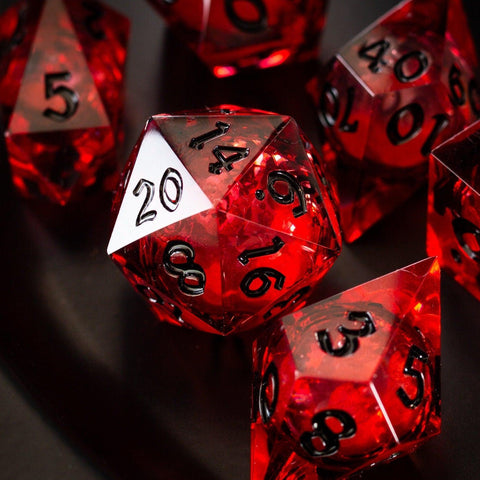
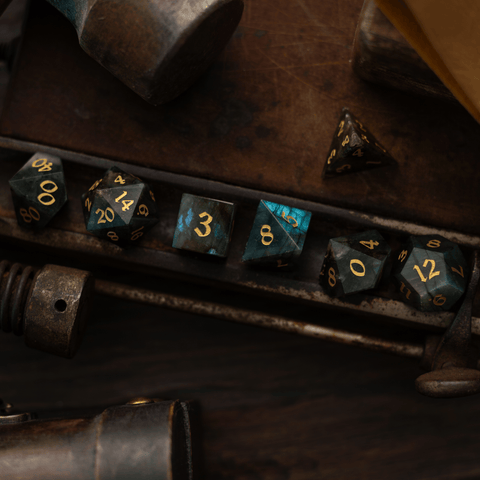
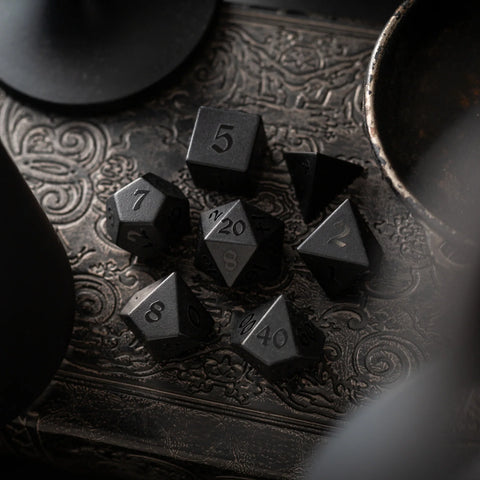
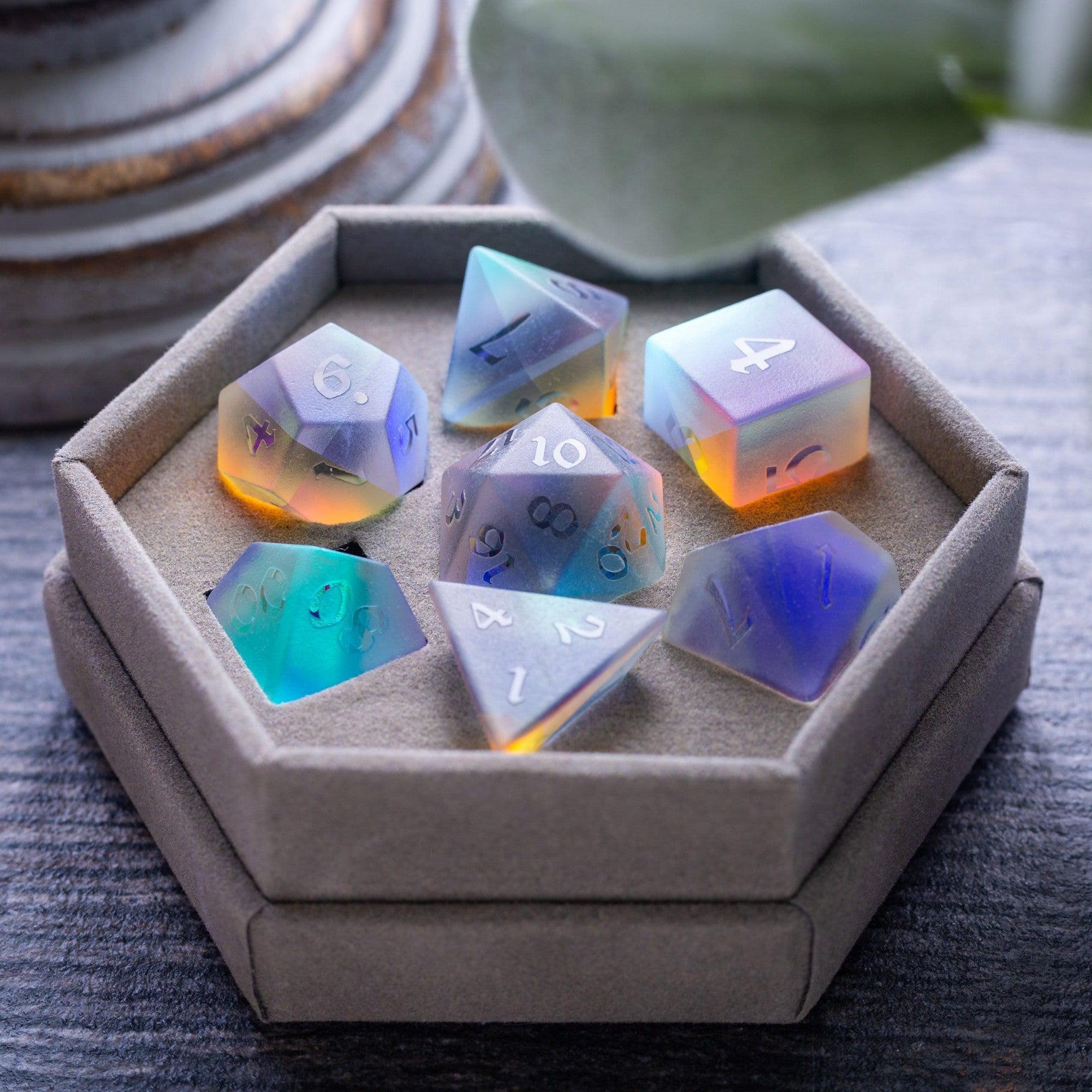
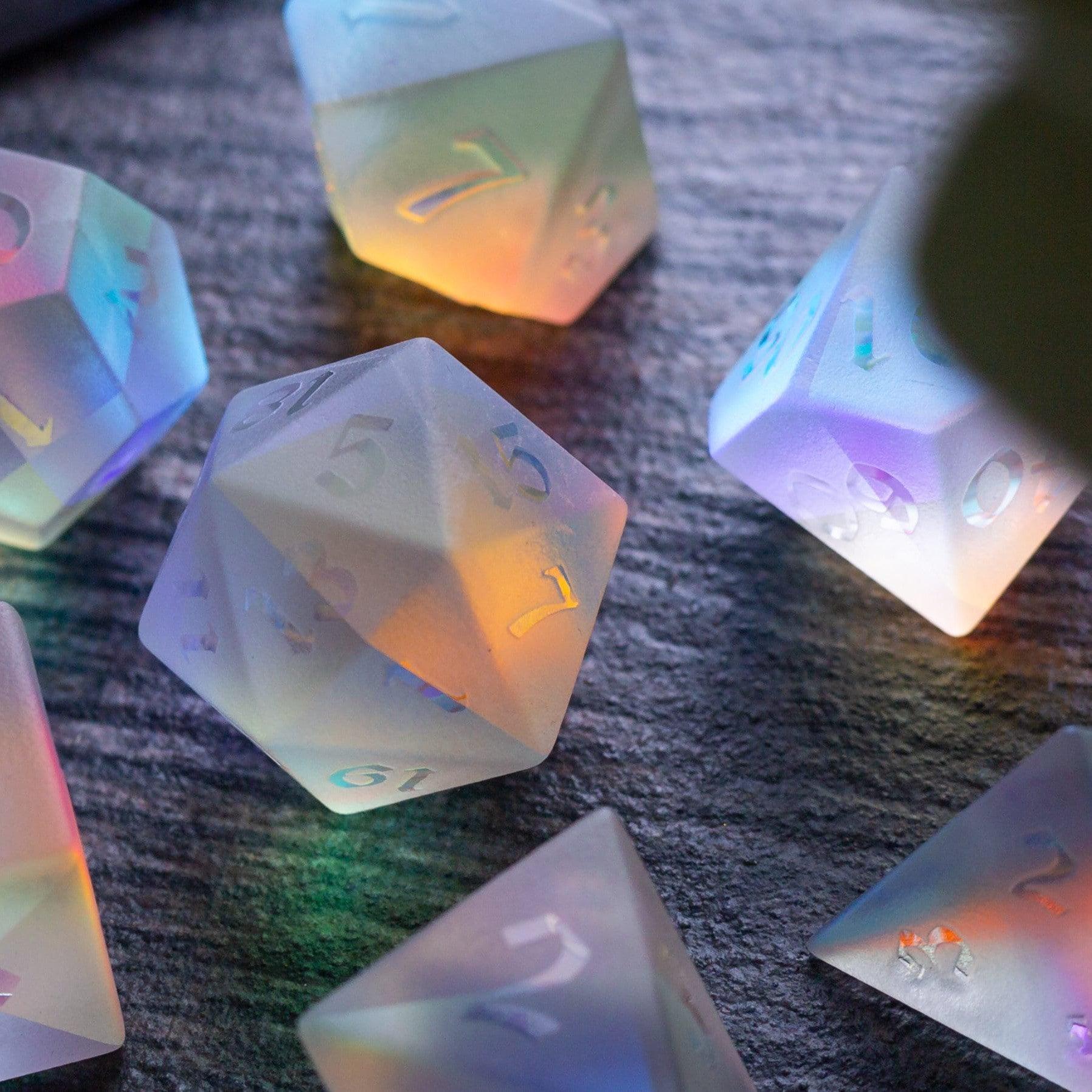
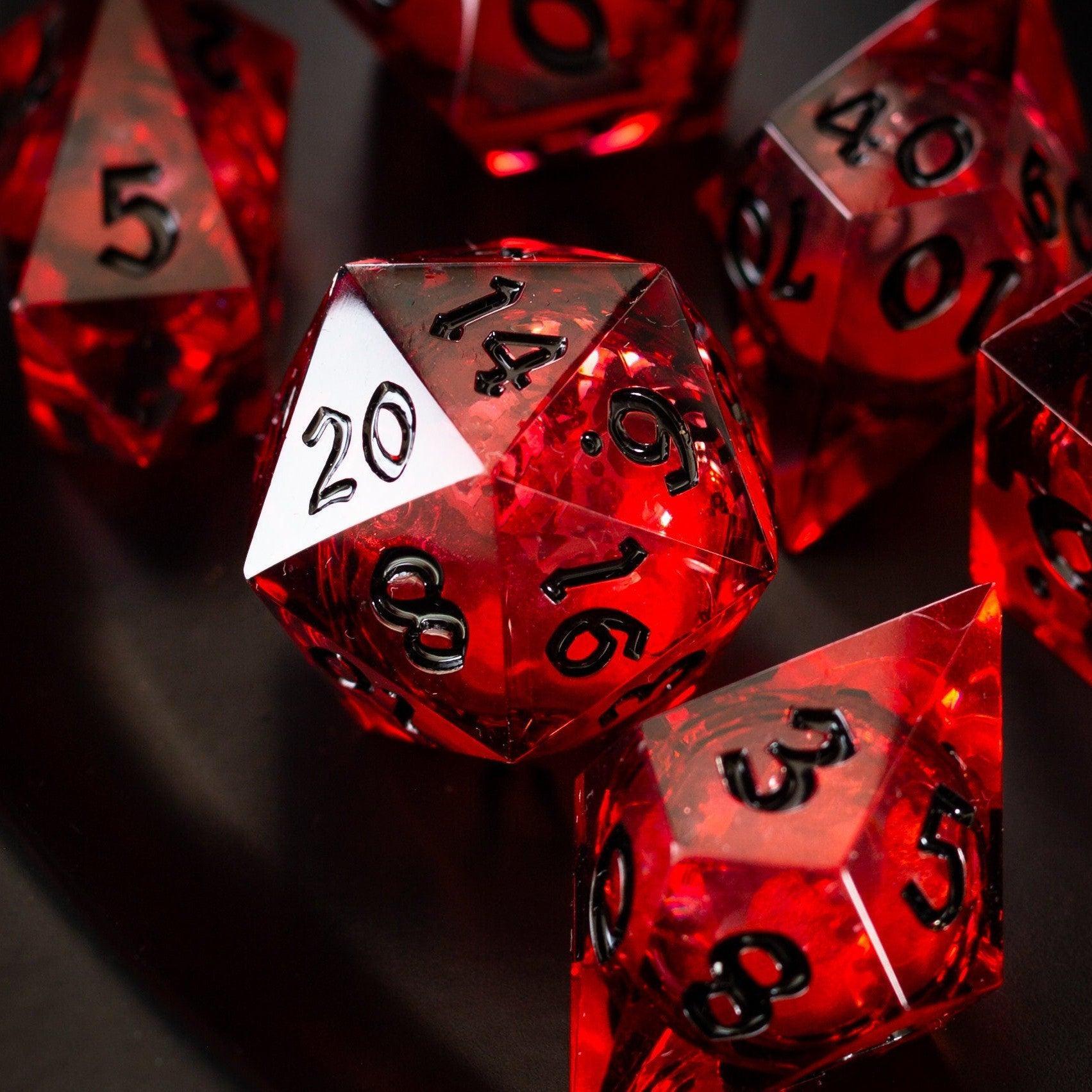
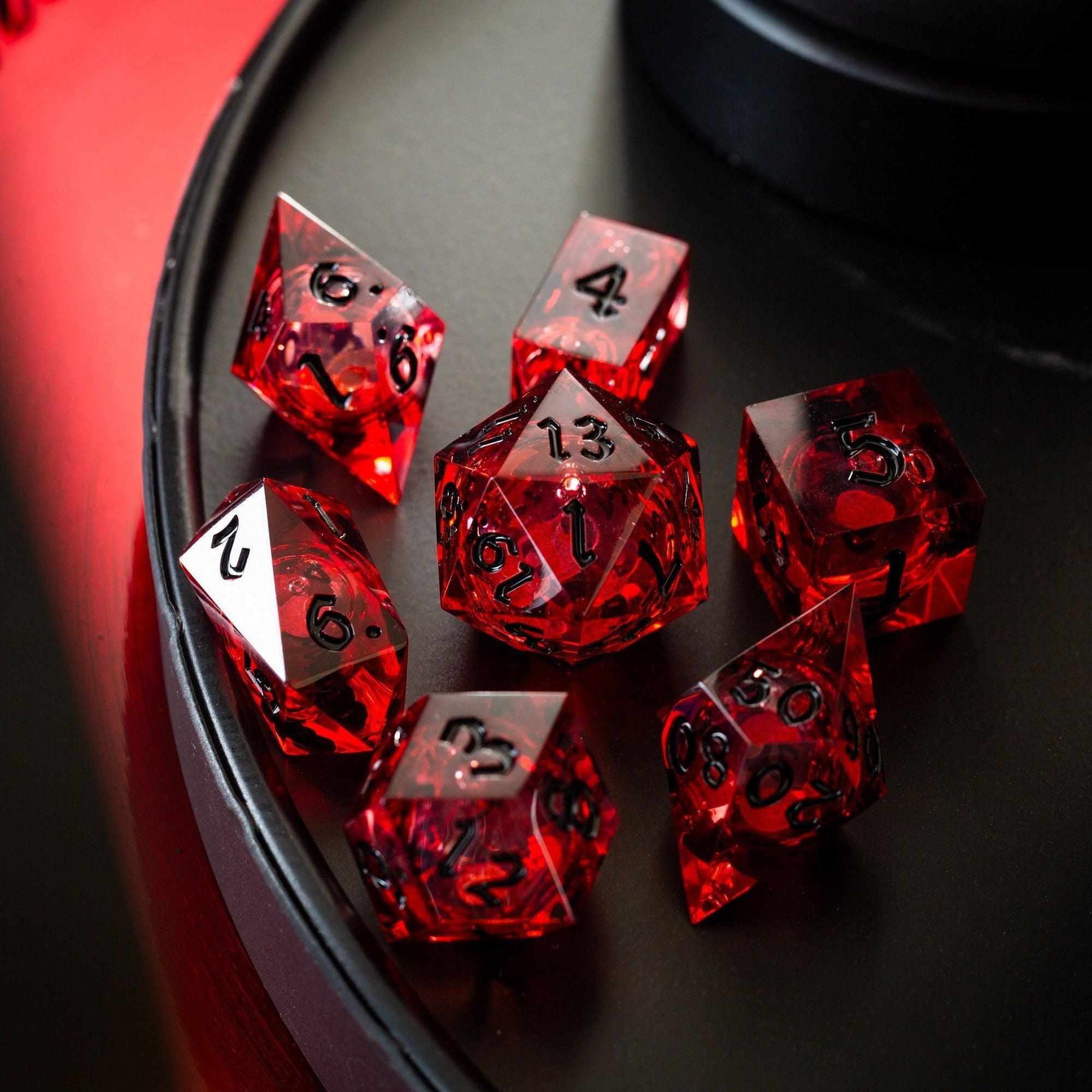
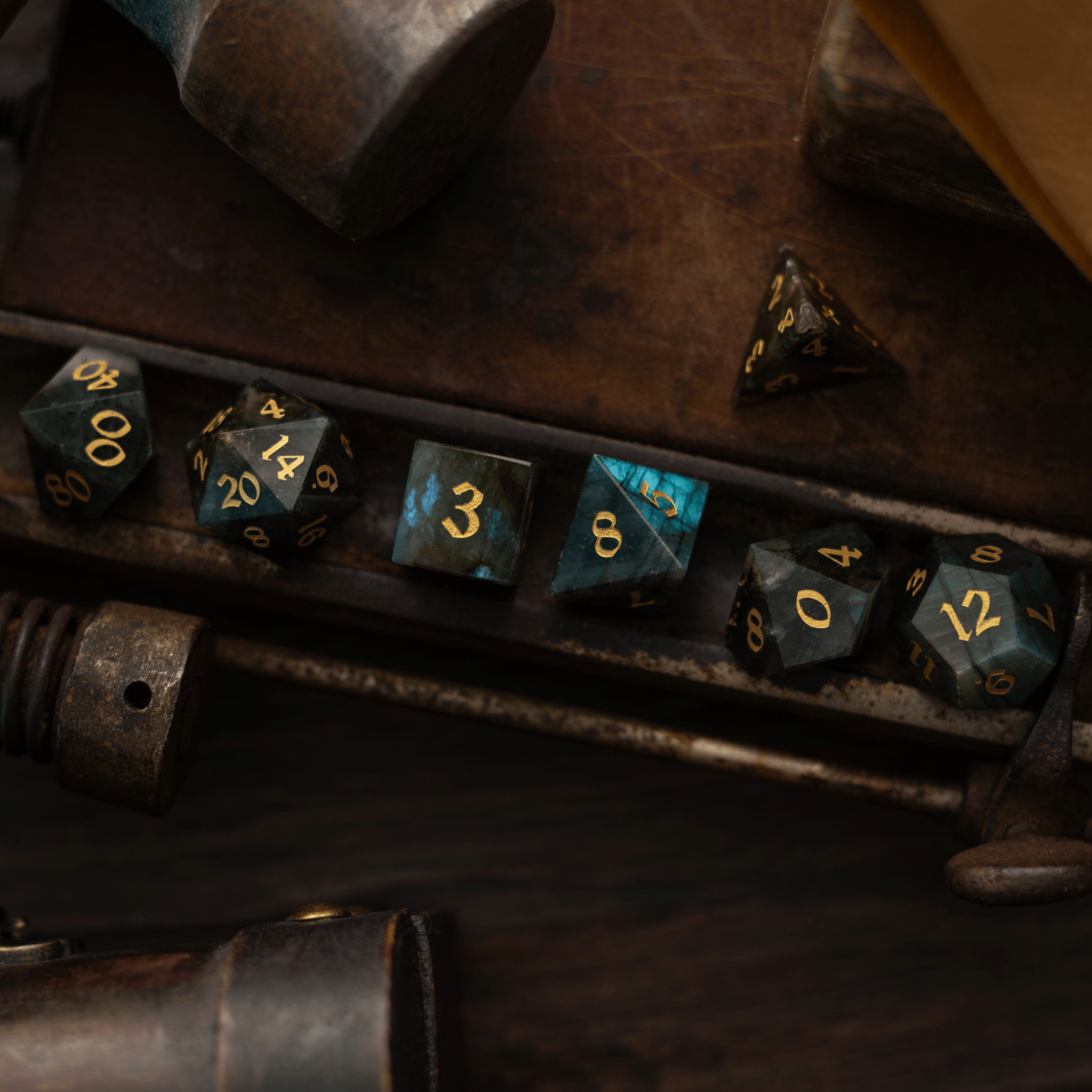
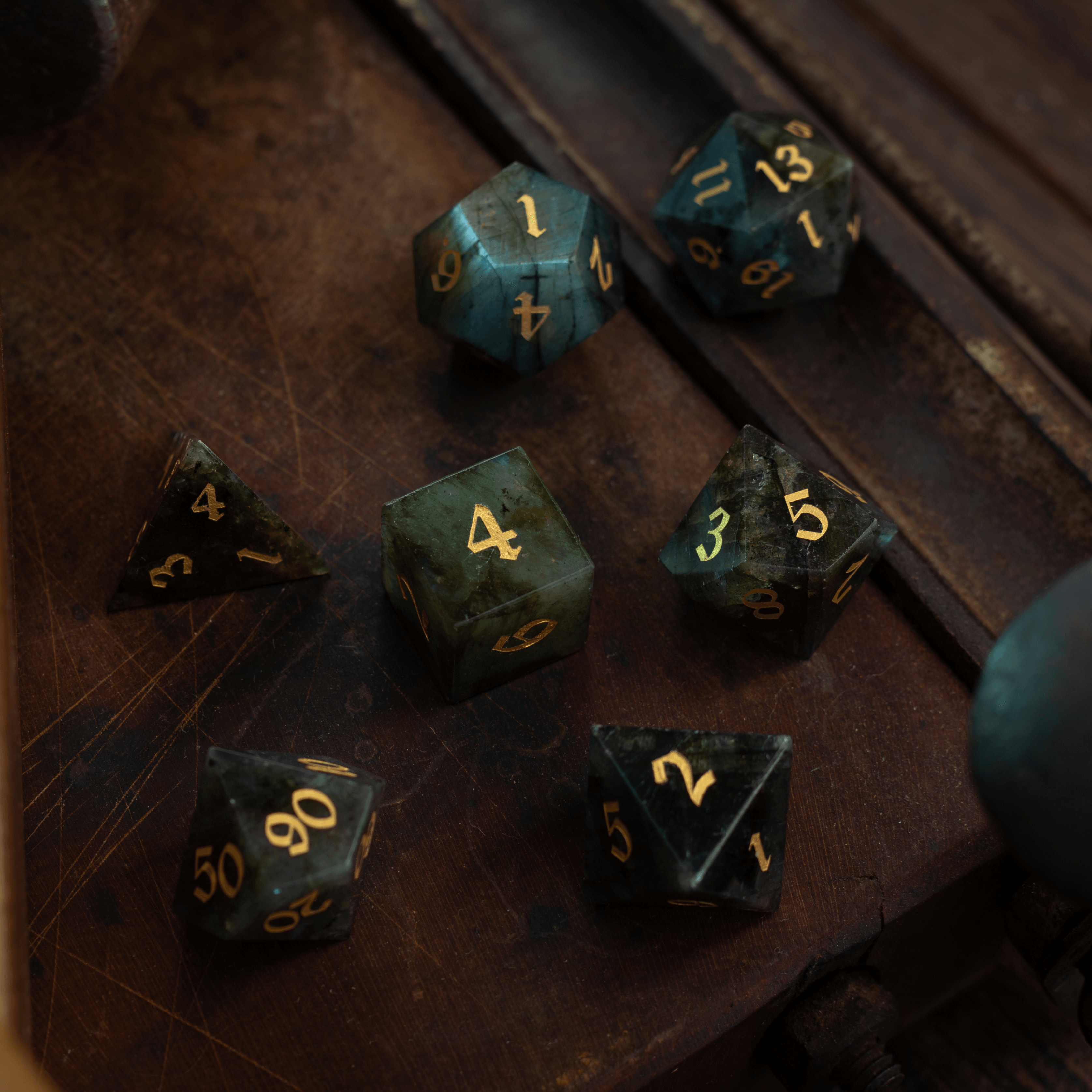
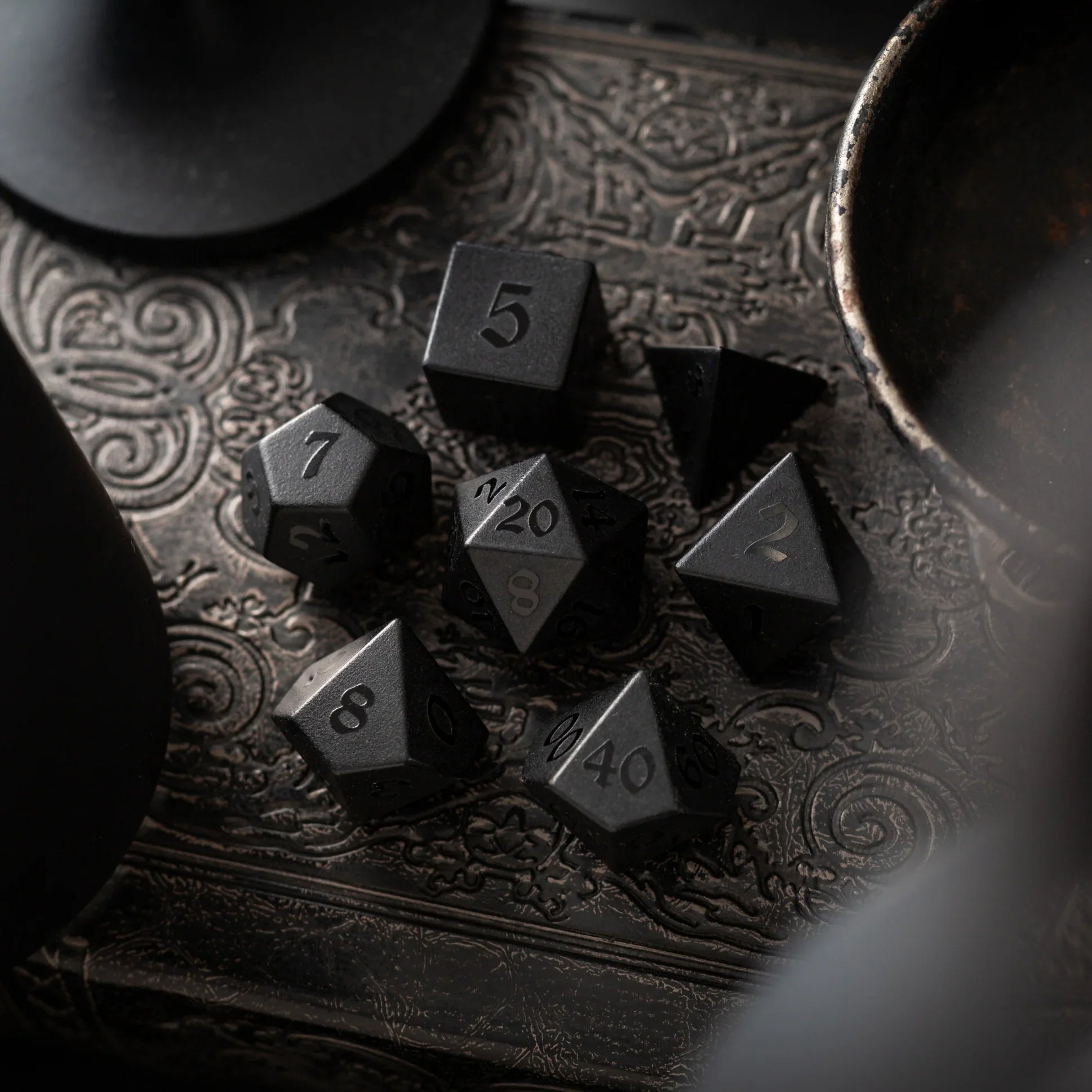
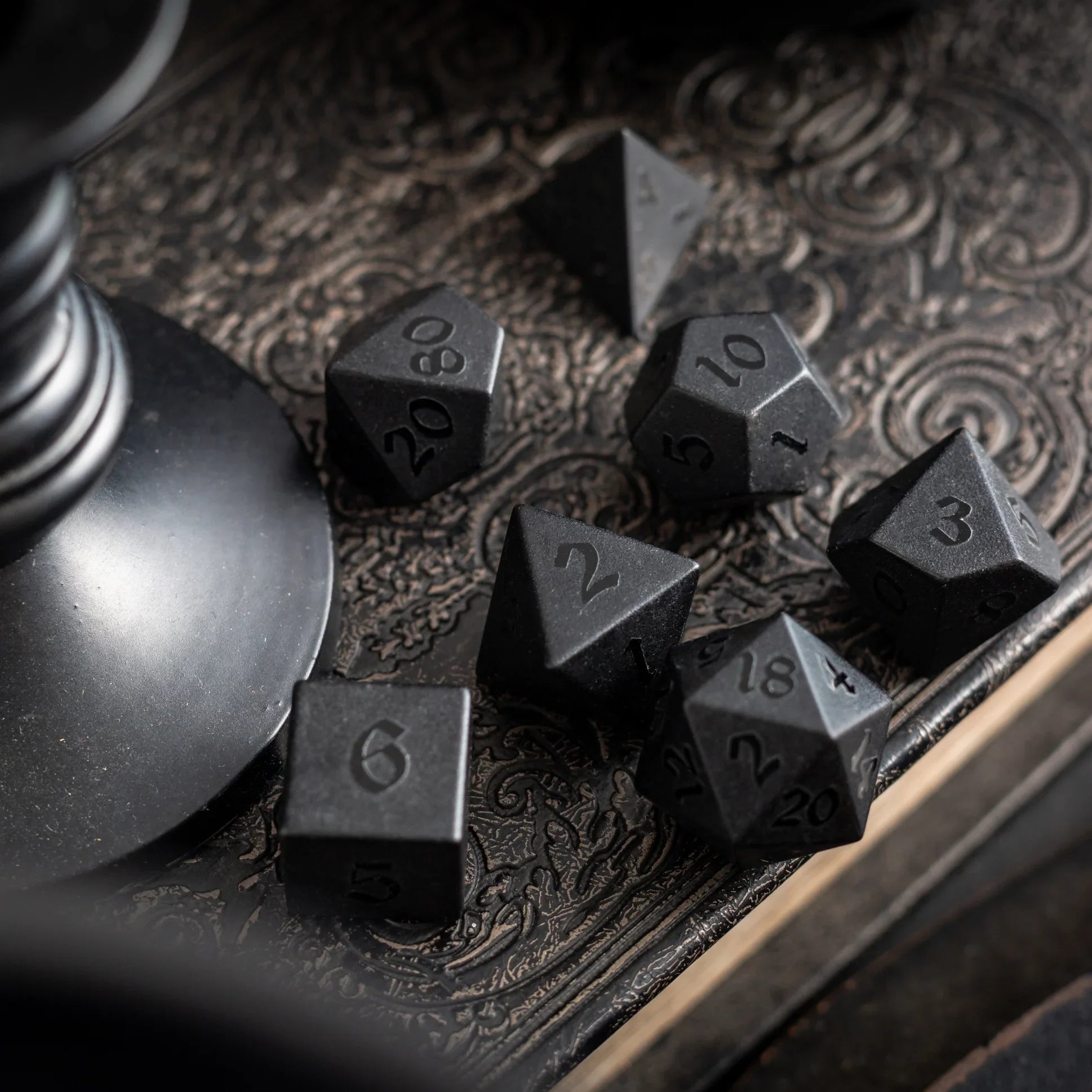
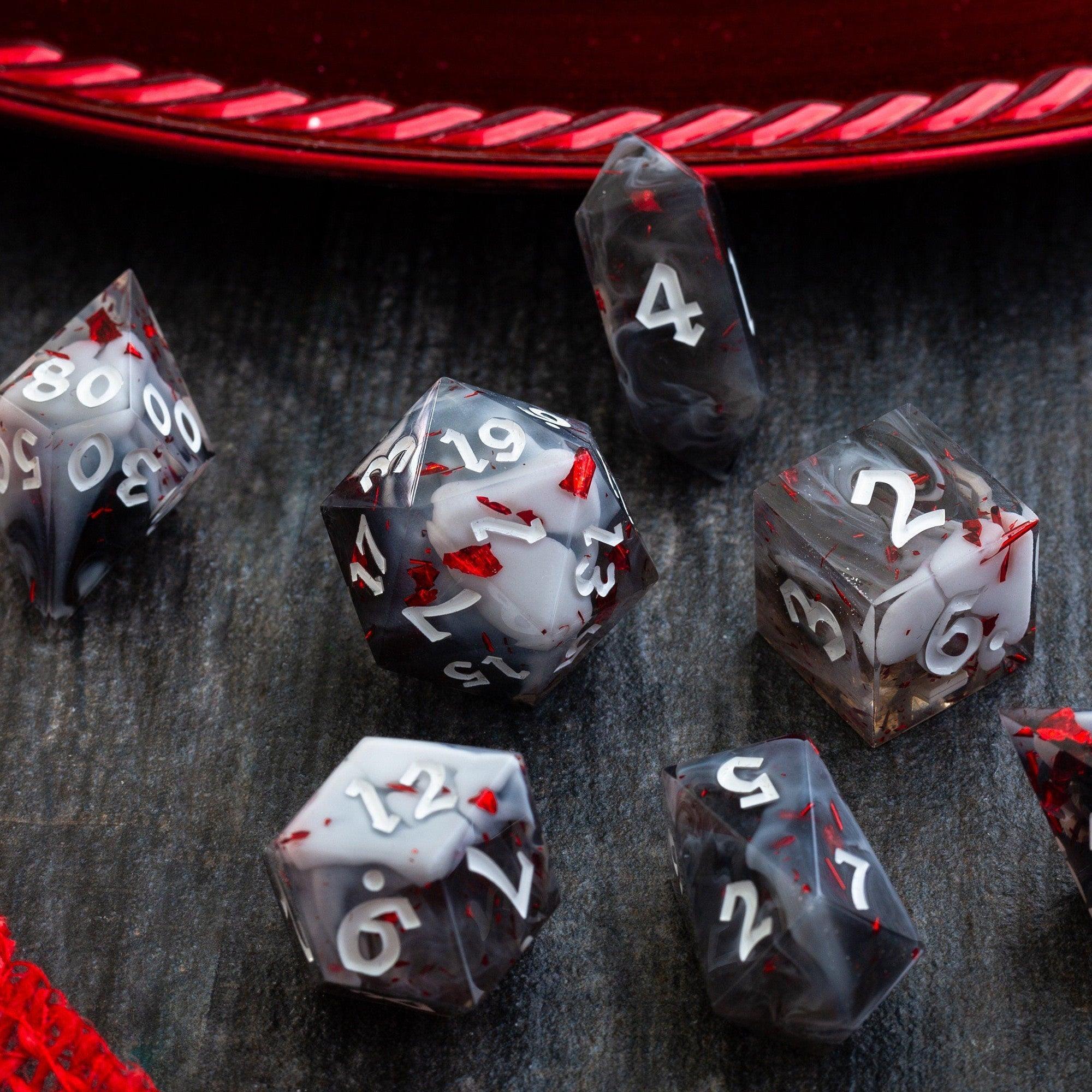
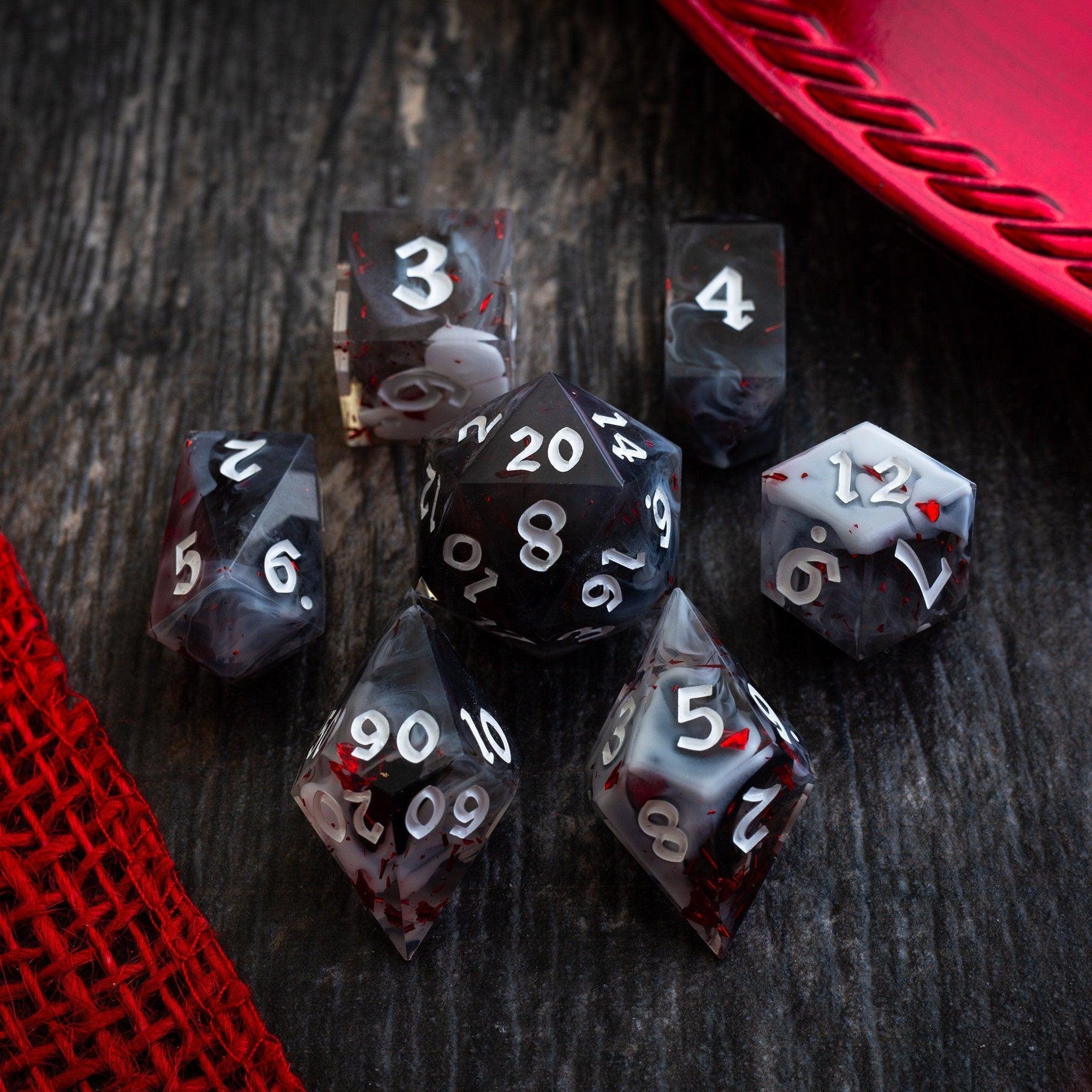
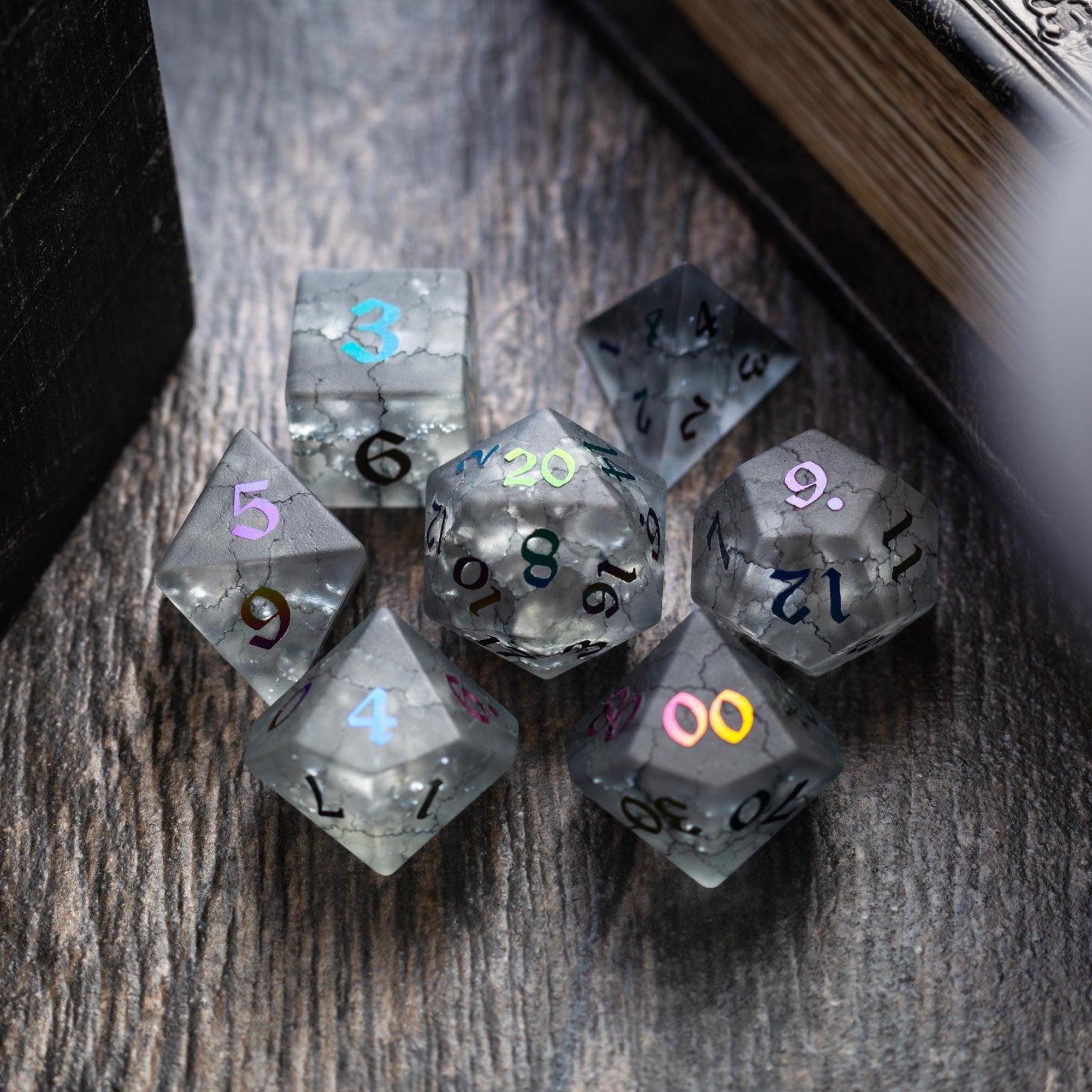
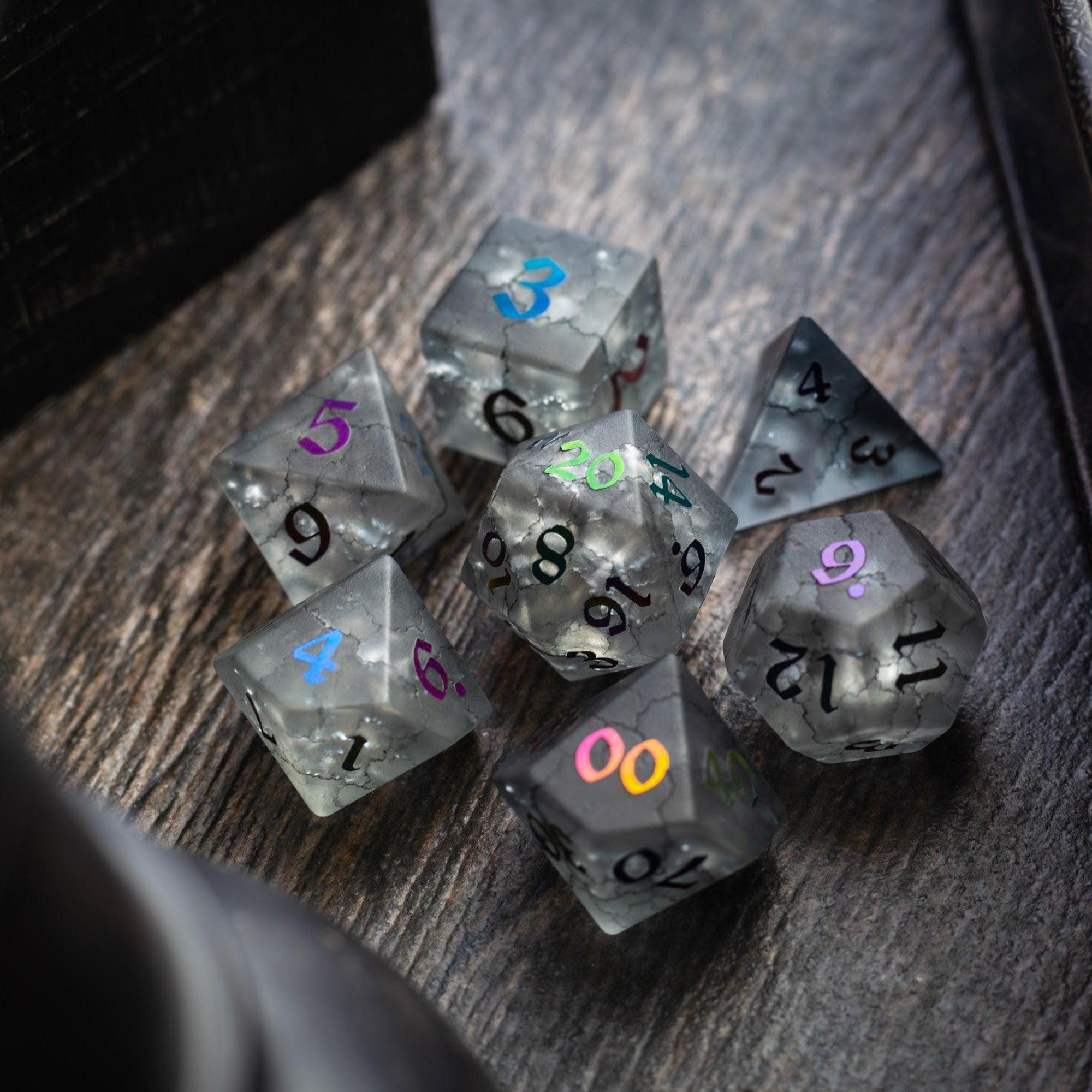
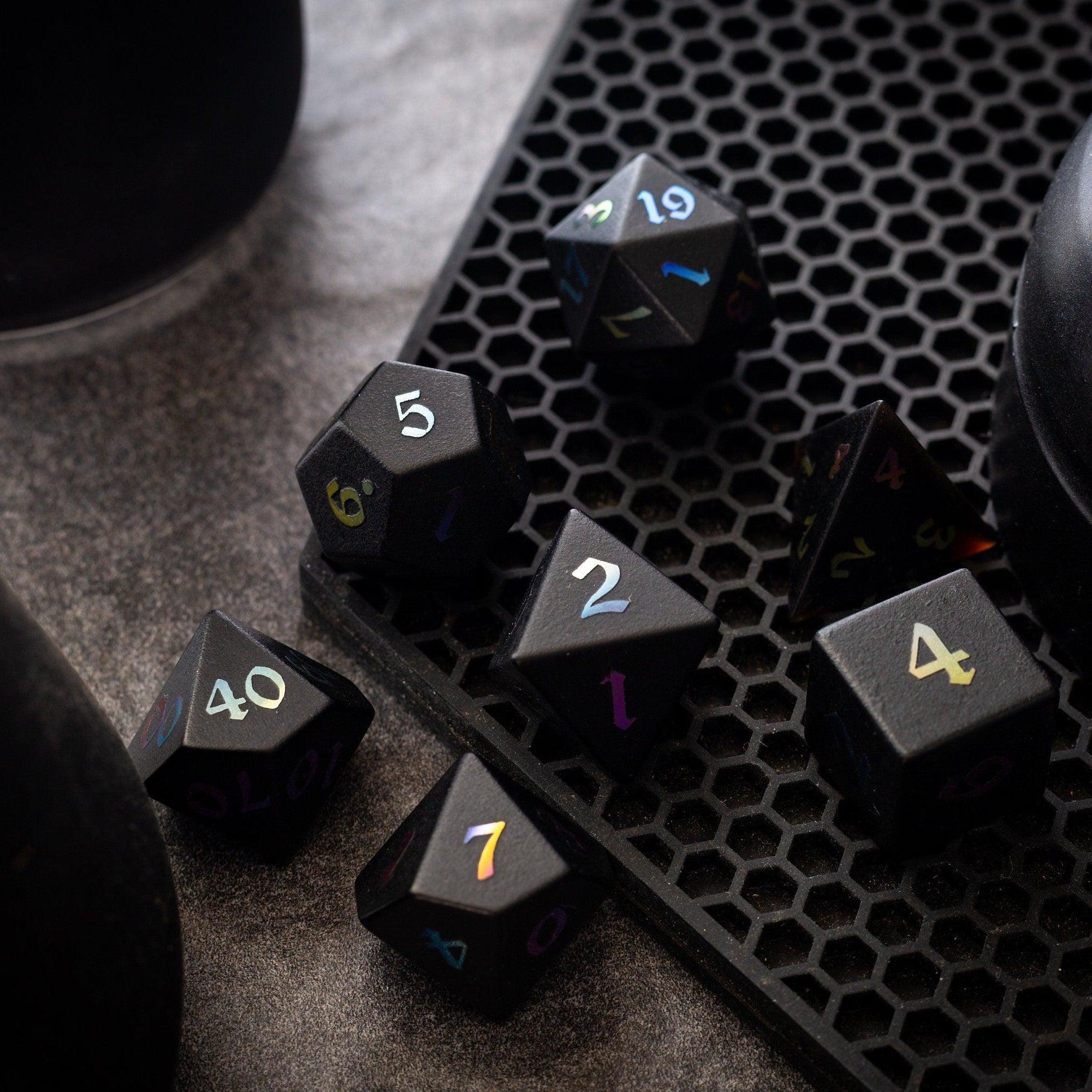
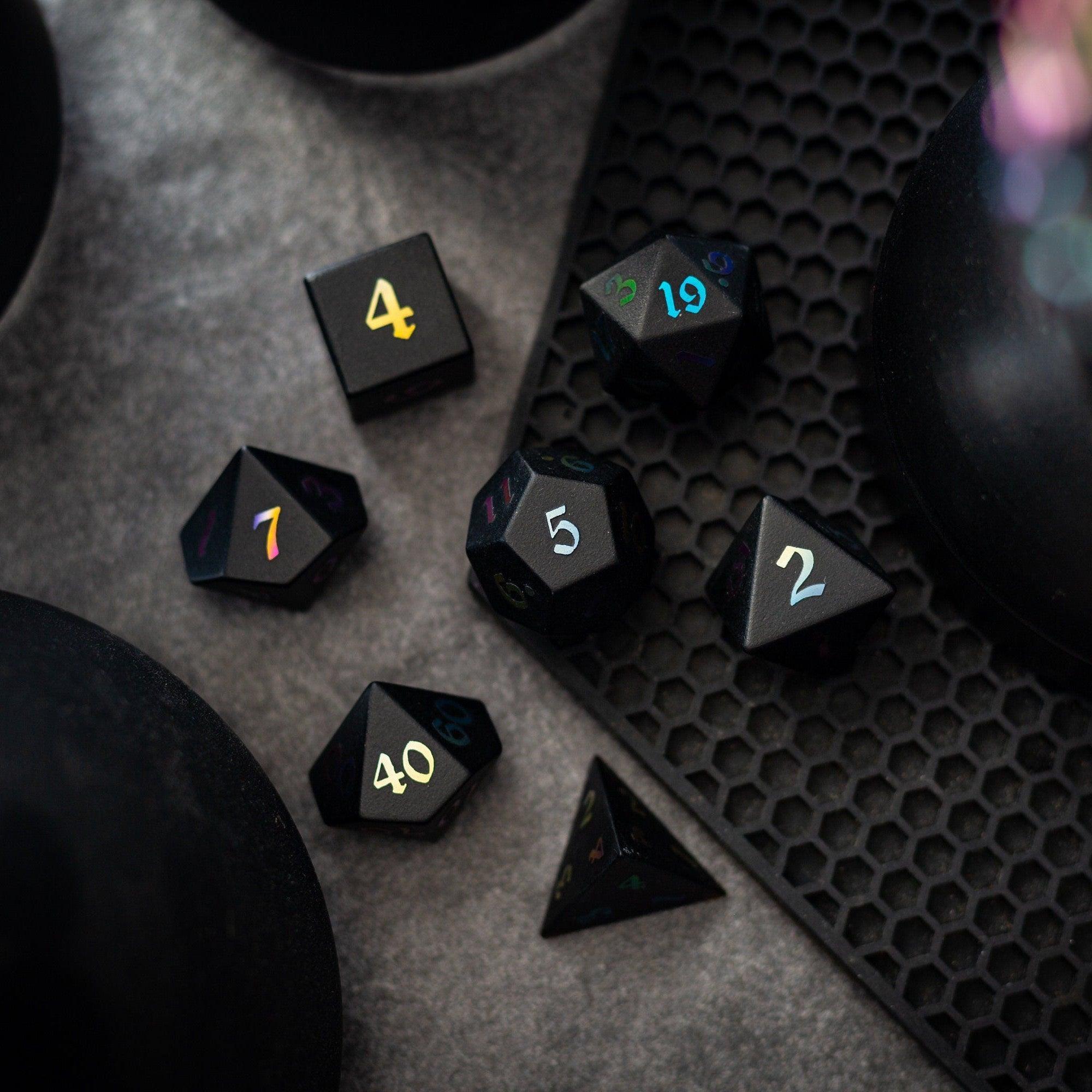
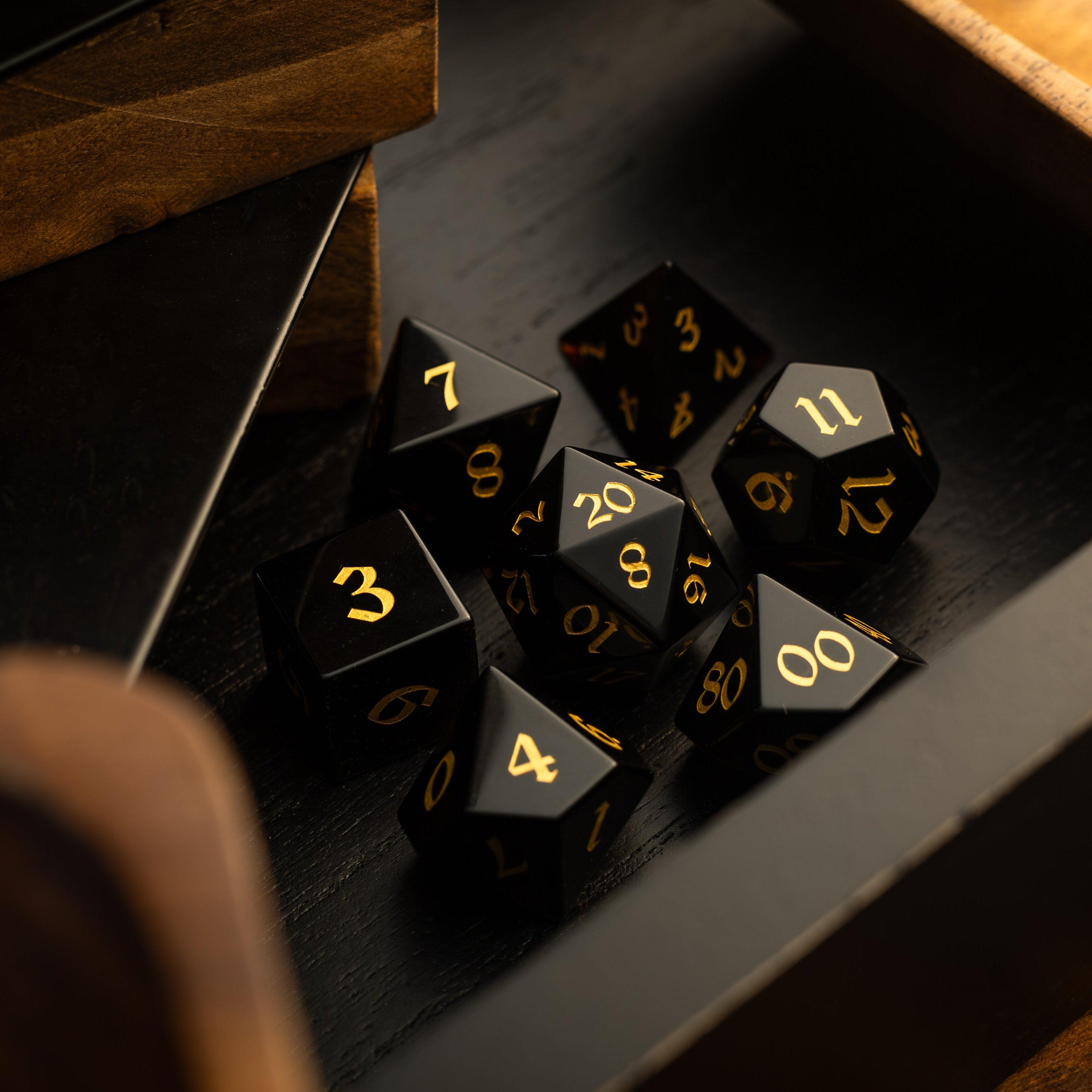
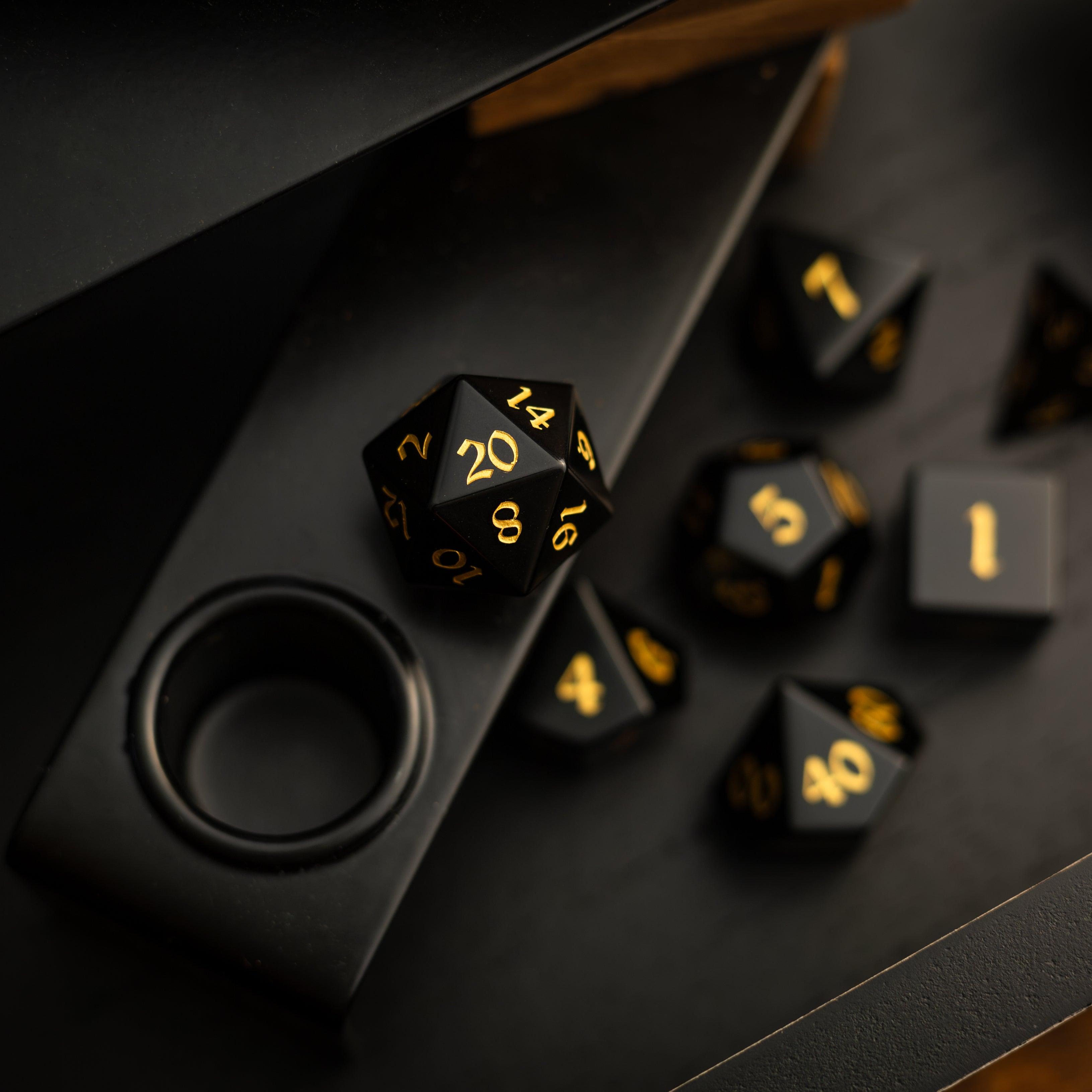
Many players enjoy choosing dice that reflect the personality of their original characters as well. An ancient elemental guardian might feel especially fitting with handcrafted gemstone dice, while a chaotic spellcaster may gravitate toward vibrant liquid core designs that capture unpredictable magical energy. Stoic knights often appreciate the satisfying weight of metal dice, and nature-inspired heroes frequently pair well with earthy resin or glass sets. These small details help reinforce a character's identity without changing the mechanics you've worked so carefully to balance.
The goal is to make your homebrew easy for both players and Dungeon Masters to understand, reference, and enjoy throughout an entire campaign.
Growing as a Homebrew Designer
Every successful designer improves through experience.
Study official Dungeons and Dragons subclasses closely.
Notice how features build upon one another.
Pay attention to wording, timing, resource limitations, and progression.
As you create more subclasses:
-
Listen carefully to player feedback
-
Revise mechanics after every playtest
-
Compare features against official material
-
Test across multiple campaigns
-
Prioritize fun over complexity
-
Keep experimenting with new ideas
Even small adjustments can dramatically improve gameplay.
The most respected homebrew creators rarely publish their first draft. Instead, they refine each idea until it feels both exciting and fair.
Building Characters Worth Remembering
Designing custom D&D subclasses is about more than inventing new abilities. It's an opportunity to create characters who belong in your world, inspire memorable stories, and offer players fresh ways to experience familiar classes.
The strongest D&D homebrew subclasses begin with a compelling fantasy, stay true to the identity of the base class, and grow through careful playtesting. Balanced mechanics, thoughtful progression, and rich roleplaying hooks create experiences that feel rewarding for both players and Dungeon Masters.
Whether you're designing a spirit guardian, an arcane engineer, or a time-bending scholar, remember that every great subclass starts with a clear idea and improves through collaboration. By studying official designs, welcoming feedback, and refining your work over time, you'll create custom character builds that feel at home in any campaign and become memorable parts of countless adventures.

Leave a comment
This site is protected by hCaptcha and the hCaptcha Privacy Policy and Terms of Service apply.