
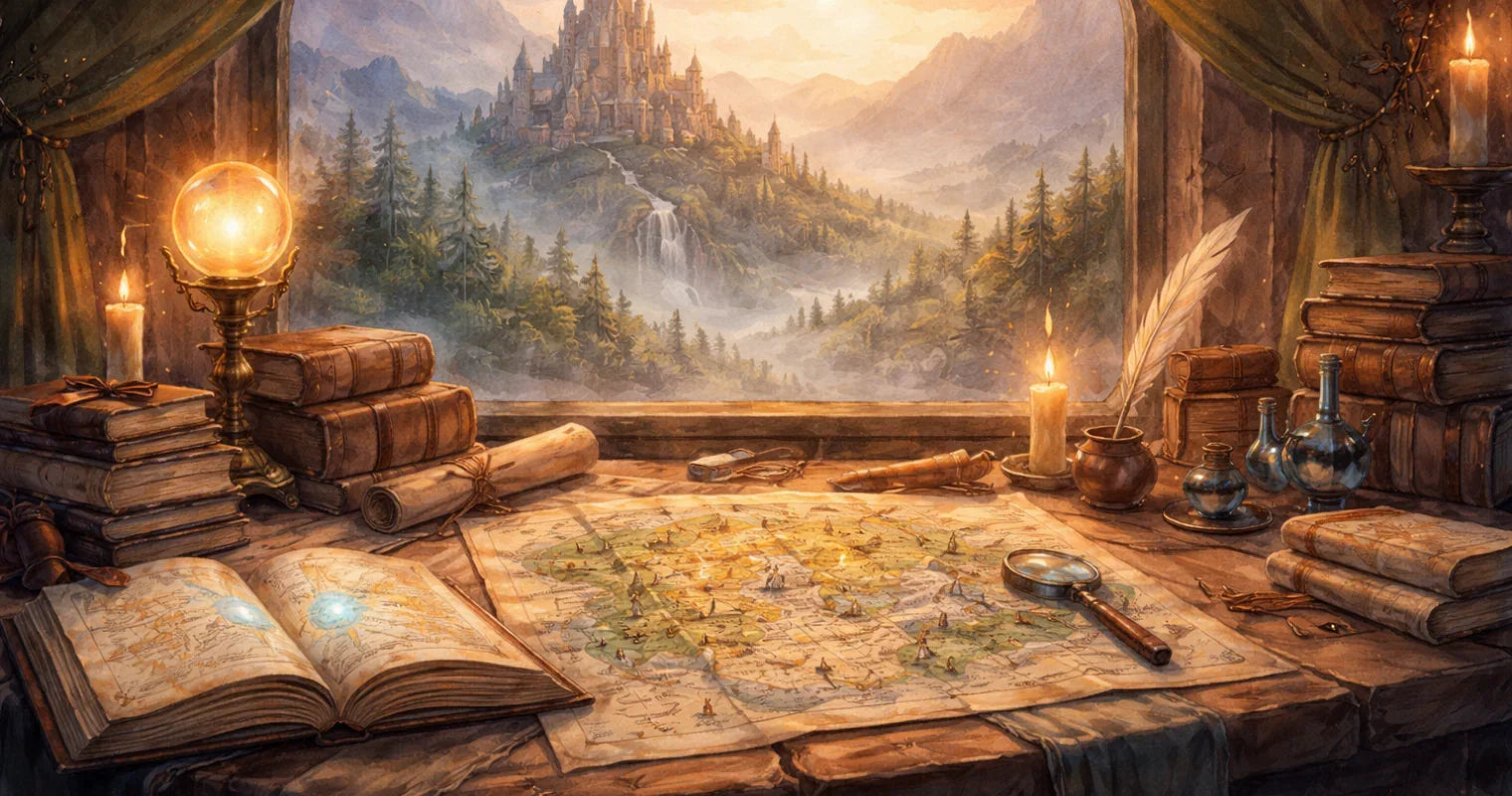
Dungeons and Dragons player resources for smarter sessions
Whether you're joining your very first campaign or preparing for your hundredth session, becoming a reliable player involves more than knowing your character sheet. The best players arrive ready to contribute, understand their abilities, keep track of important details, and help the game flow smoothly.
Good preparation doesn't mean memorizing every rule in the game. Instead, it means having the right Dungeons and Dragons player resources close at hand so you spend less time searching through books and more time making memorable decisions alongside your party.
This Dungeons and Dragons guide explores practical D&D player resources, useful fantasy RPG tools, and helpful tabletop gaming accessories that make every session smoother, more enjoyable, and more immersive.
Why Good Players Prepare Before Every Session
Preparation isn't just a Dungeon Master's responsibility. Every player contributes to the pace and energy of the table.
Players who know their characters and organize their resources help everyone enjoy the game.
Benefits include:
-
Faster combat turns
-
Better teamwork
-
Stronger roleplaying
-
More confident decision-making
-
Less downtime between actions
-
Easier communication with the Dungeon Master
Imagine combat begins, and your turn arrives. Instead of flipping through multiple rulebooks looking for a spell description, you've already bookmarked your favorite abilities and planned several options. Your turn takes seconds instead of minutes, allowing combat to stay exciting for everyone.
Preparation creates momentum, and momentum keeps adventures fun.
Essential Resources Every D&D Player Should Have
Many of the best D&D player resources are surprisingly simple. They don't need expensive software or complicated systems. They simply help organize information that you'll use repeatedly.
Character Sheets
Your character sheet is your most important resource.
Whether you use printed sheets or digital versions, keep them updated after every session.
Review before each game:
-
Current hit points
-
Spell slots
-
Equipment
-
Features gained from leveling
-
Active conditions
-
Currency
Knowing where everything is prevents delays during play.
Spell References
Spellcasters often manage dozens of spells.
Keeping quick references nearby allows you to:
-
Check ranges quickly
-
Review saving throws
-
Understand concentration requirements
-
Confirm casting times
Many players prefer printed spell cards, while others use digital spell references depending on their play style.
Class Guides
Even experienced players occasionally forget features gained several levels earlier.
Reading through class guides between sessions helps you:
-
Discover overlooked abilities
-
Remember bonus actions
-
Use class features more creatively
-
Plan future character growth
These D&D character resources help players get more from every level.
Rule Summaries
You don't need to memorize the entire rulebook.
Instead, keep quick summaries covering topics like:
-
Advantage and disadvantage
-
Conditions
-
Cover
-
Opportunity attacks
-
Actions available during combat
These references answer common questions without interrupting gameplay.
Campaign Journals
A simple notebook often becomes one of the most valuable tabletop RPG resources you own.
Use it to record:
-
Important NPCs
-
Story clues
-
Party decisions
-
Treasure
-
Future plans
Months into a campaign, these notes become invaluable.
Inventory Logs
Magic items, consumables, ammunition, and quest objects are easy to lose track of.
Keeping a dedicated inventory page saves time while avoiding confusion during important encounters.
Resources That Help During Combat
Combat often moves quickly, making organization especially valuable.
Small reference tools can dramatically improve D&D gameplay.
Condition Trackers
It's surprisingly easy to forget who is:
-
Poisoned
-
Restrained
-
Invisible
-
Blessed
-
Concentrating on a spell
Condition trackers eliminate unnecessary reminders.
Spell Cards
Spell cards reduce page flipping and make casting decisions much faster.
Many players organize them by spell level or prepare separate groups before each session.
Action Reference Sheets
A one-page combat reference reminds players of:
-
Standard actions
-
Bonus actions
-
Reactions
-
Movement options
-
Common combat rules
Beginners especially benefit from these quick reminders.
Initiative Notes
While waiting for your turn, jot down your intended action.
If the battlefield changes, you'll already have several backup plans instead of starting from scratch.
Dice Organization
Searching through loose dice wastes valuable time.
Many players organize separate sets for different characters.
For example:
-
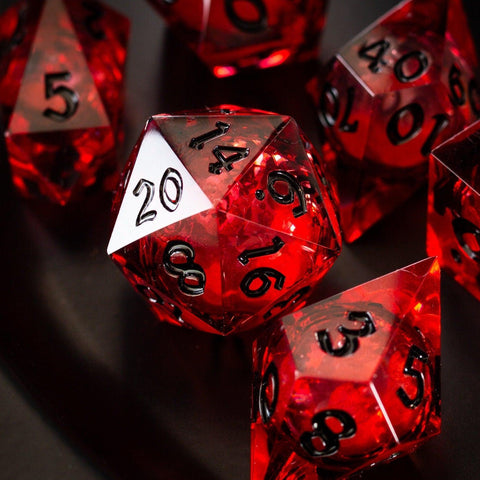
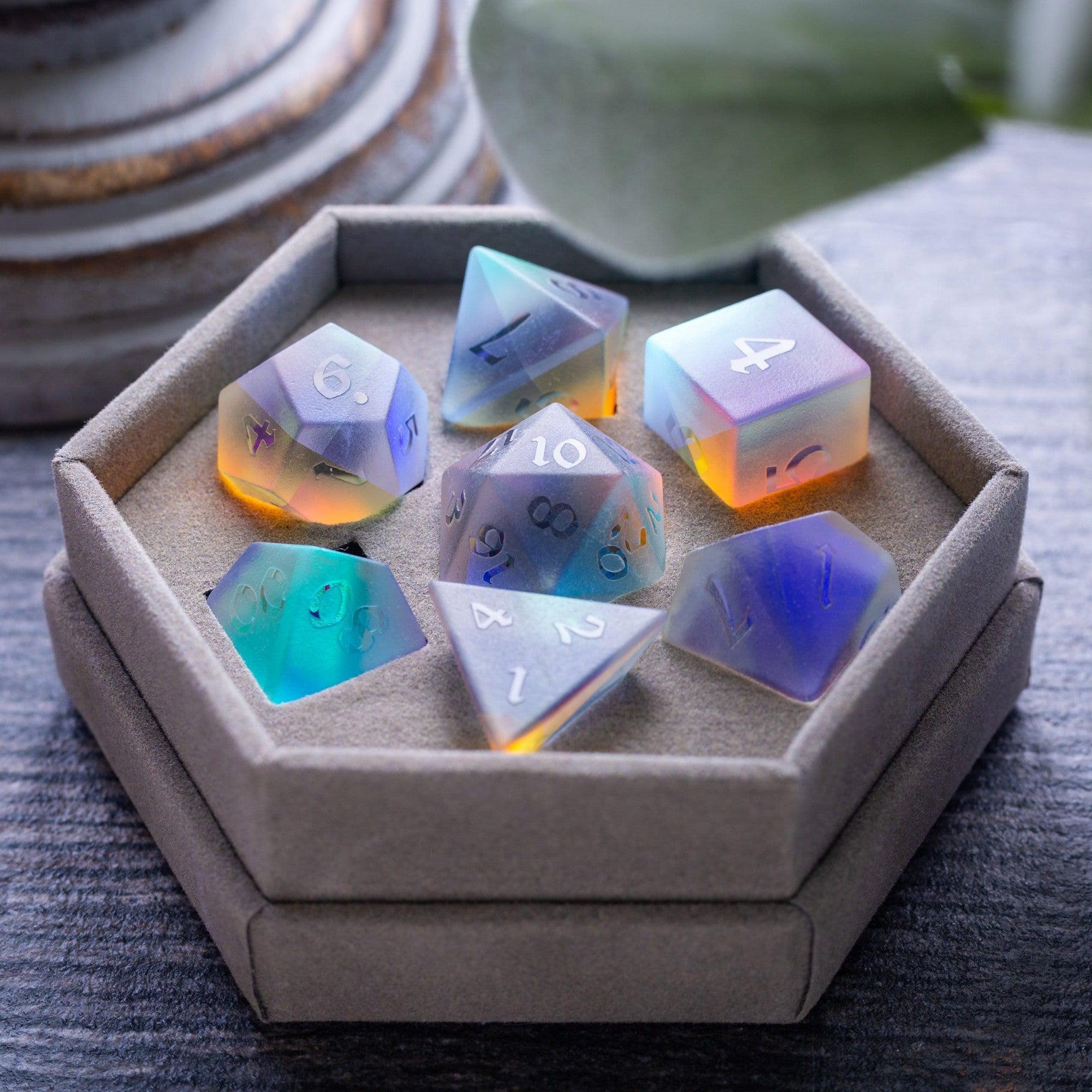
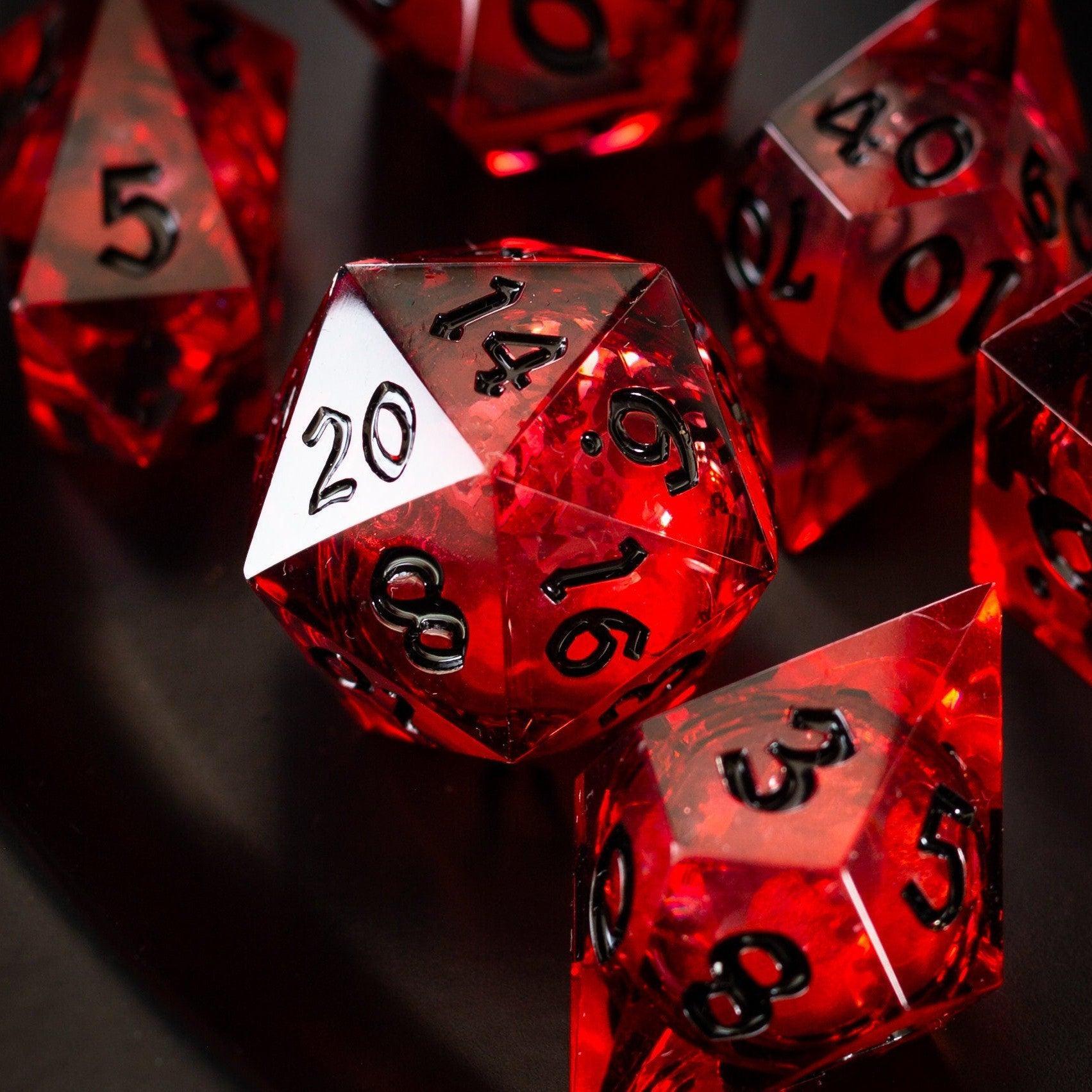
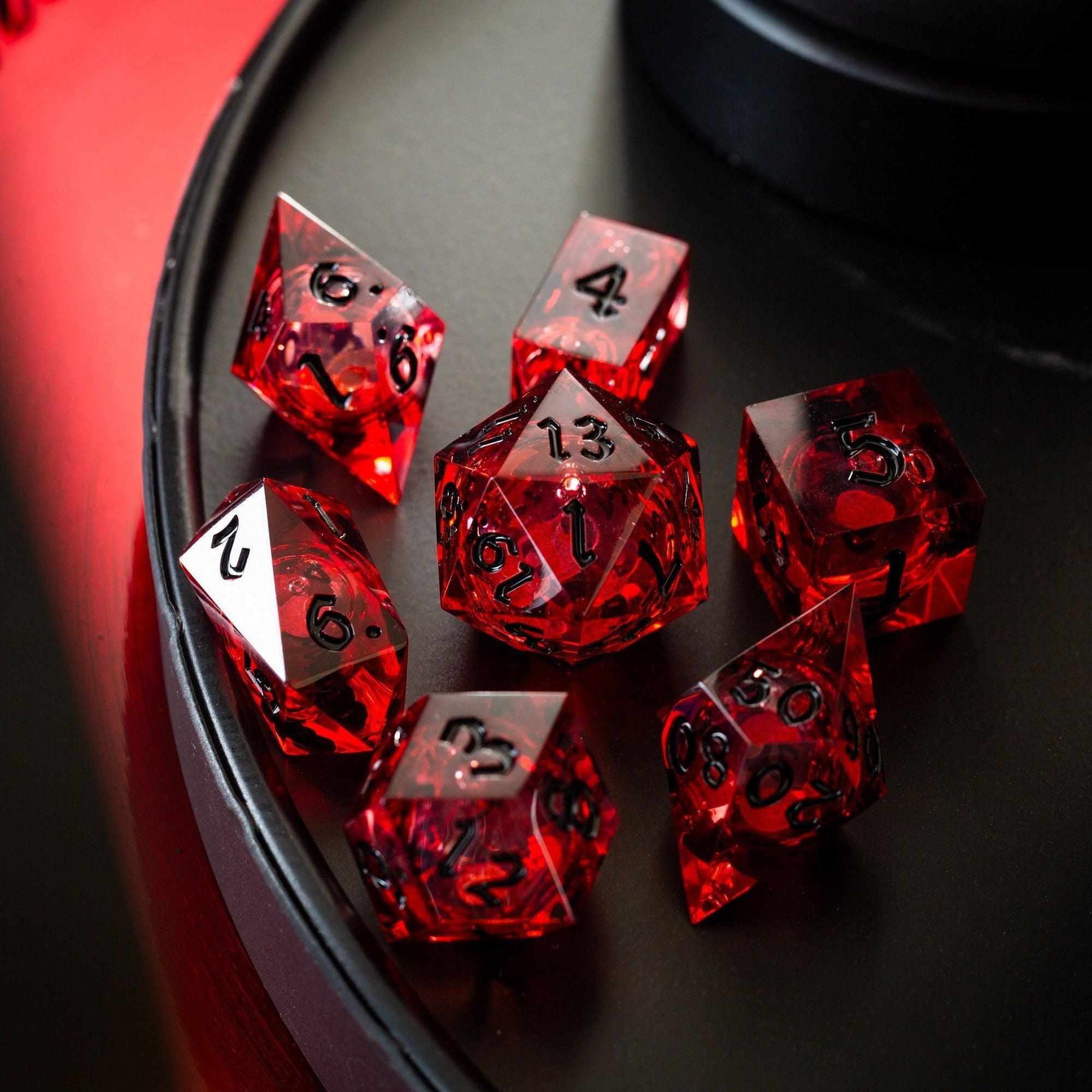
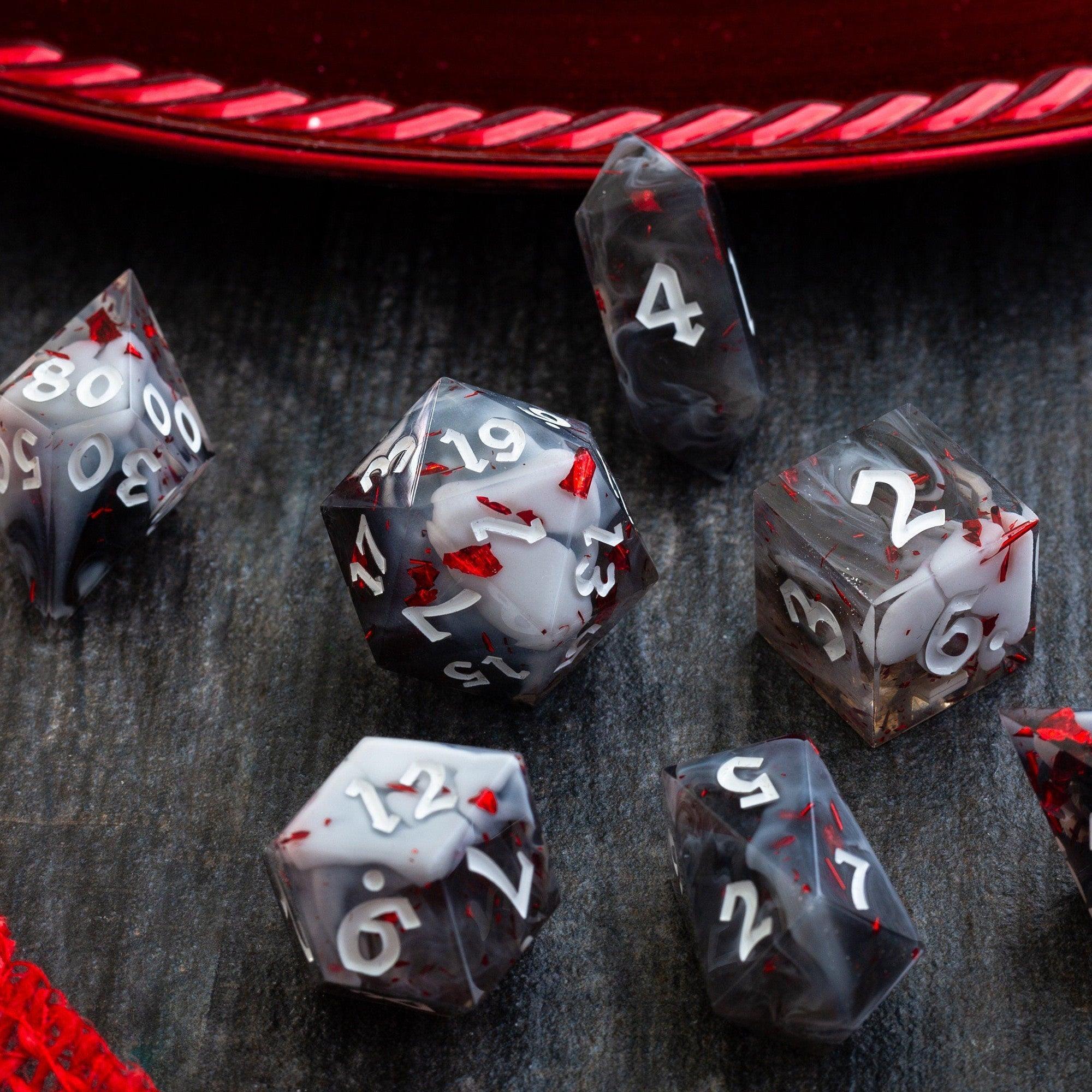
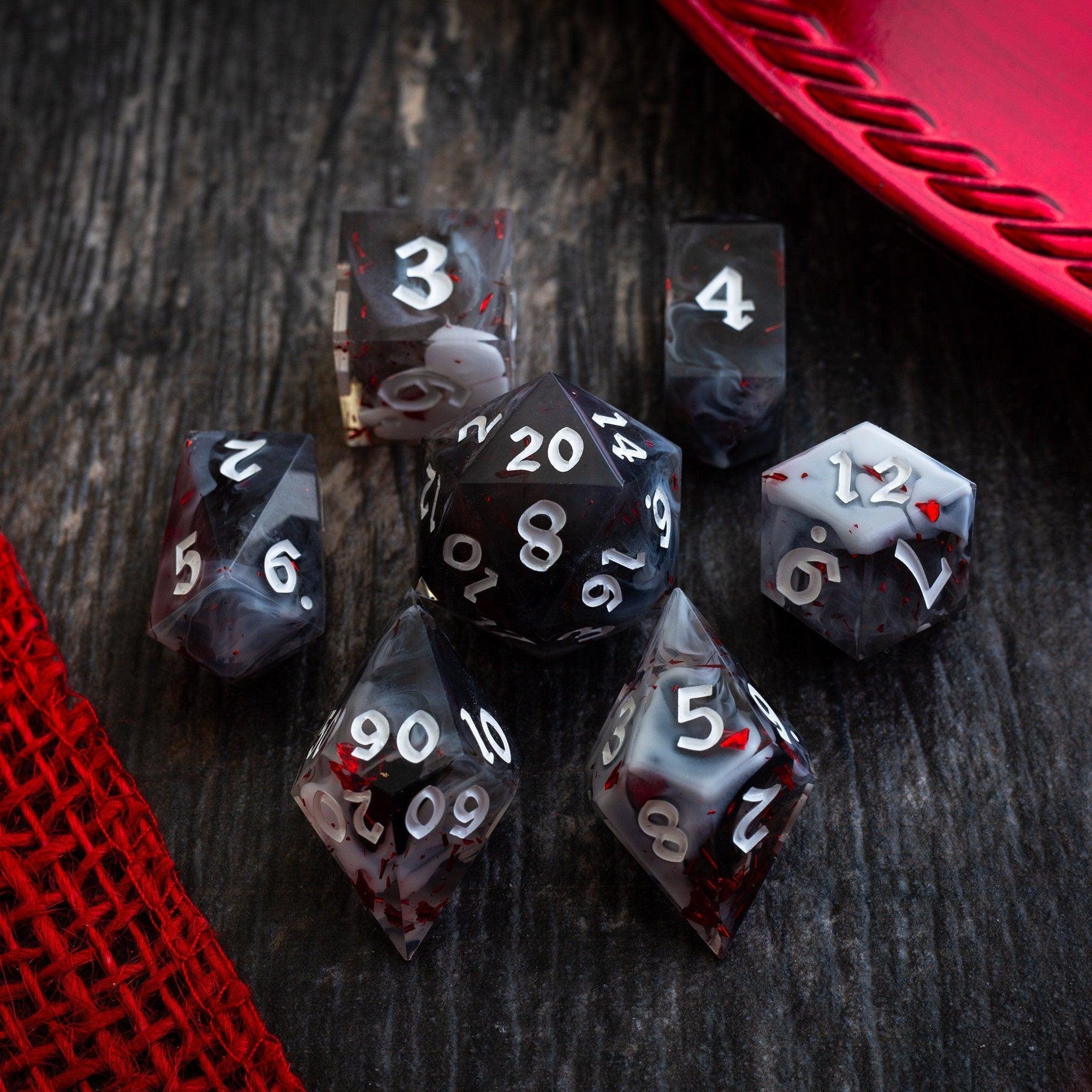
A wizard may enjoy rolling colorful Liquid Core Dice or shimmering Glass Dice that complement an arcane theme.
-
A heavily armored fighter might prefer sturdy Metal Dice with bold numbering that's easy to read across the table.
Keeping dice organized inside a Dice Tray also prevents rolls from scattering across crowded maps.
Building Better Characters with the Right Resources
Character creation doesn't stop at level one.
The best characters evolve through thoughtful planning.
Useful D&D character resources include:
Subclass References
Understanding your subclass ahead of time prevents surprises when leveling.
Knowing future abilities also influences roleplaying decisions.
Level Progression Notes
Many players keep a simple roadmap listing:
-
Future feats
-
Ability score improvements
-
Planned spells
-
Equipment goals
-
Story milestones
Planning ahead reduces indecision during level-ups.
Equipment Management
As adventures continue, equipment grows increasingly complex.
Tracking:
-
Potions
-
Scrolls
-
Magic items
-
Ammunition
-
Attuned items
helps avoid forgotten resources during important battles.
Character Backstory Journal
Backstories become richer when updated throughout the campaign.
Record:
-
New allies
-
Personal achievements
-
Character beliefs
-
Rivalries
-
Changing motivations
These notes naturally improve roleplaying over time.
Comparing Useful Player Resources
| Resource | Best For | Main Benefit |
|---|---|---|
| Character Journal | Long campaigns | Better organization |
| Spell Cards | Spellcasters | Faster turns |
| Rule Reference Sheet | Beginners | Less rule searching |
| Campaign Notebook | Every player | Session continuity |
| Inventory Tracker | Loot management | Better organization |
| Initiative Notes | Combat | Faster decision-making |
No single system works for everyone, but combining several of these resources creates a smoother experience throughout a campaign.
Staying Organized Between Sessions
Some of the best preparation happens after everyone packs up.
Spending just a few minutes reviewing your notes helps keep the campaign fresh in your memory.
Good habits include recording:
Session Summaries
Write a short paragraph covering:
-
Major events
-
Combat victories
-
New discoveries
-
Unfinished business
Quest Logs
Separate active quests from completed ones.
This prevents forgotten objectives several sessions later.
NPC Relationships
Record names alongside brief reminders like:
-
Helpful merchant
-
Rival adventurer
-
Village mayor
-
Friendly wizard
Remembering recurring NPCs makes the world feel more alive.
Treasure Records
Keep one page dedicated to:
-
Party treasure
-
Magic items
-
Shared funds
-
Valuable crafting materials
Character Goals
Characters grow best when they have personal objectives.
Update these goals as the campaign evolves.
Physical Accessories That Improve Gameplay
Good tabletop gaming accessories don't replace preparation, but they can make sessions feel more organized and enjoyable.
A Dice Tray keeps rolls contained, protects the table, and prevents dice from knocking over miniatures or scattering across maps.
Some players enjoy using a Dice Tower during larger battles because it produces controlled, consistent rolls while reducing clutter around the play area.
Dice themselves also contribute to the overall experience.
Many players build collections that match different characters or campaign themes:
-
Colorful Resin Dice are versatile and easy to read.
-
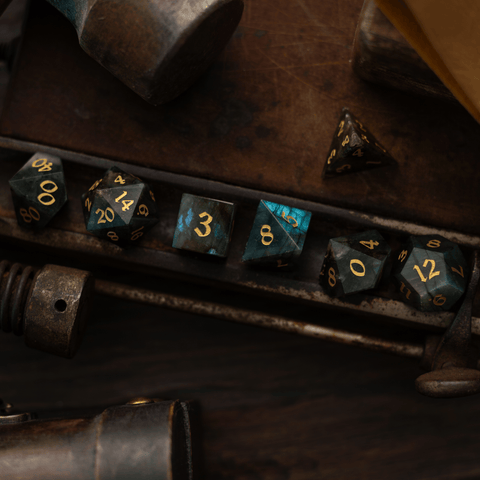
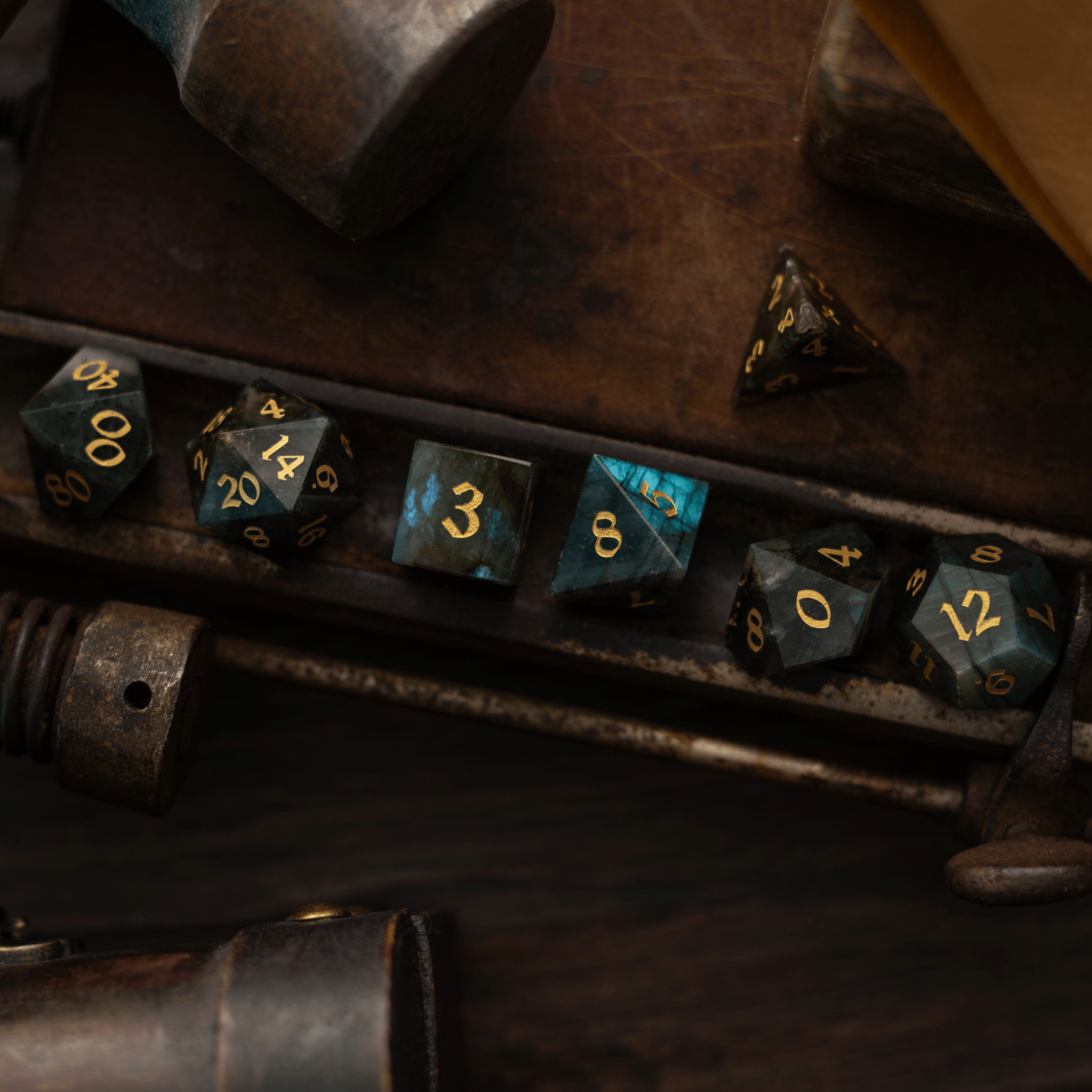
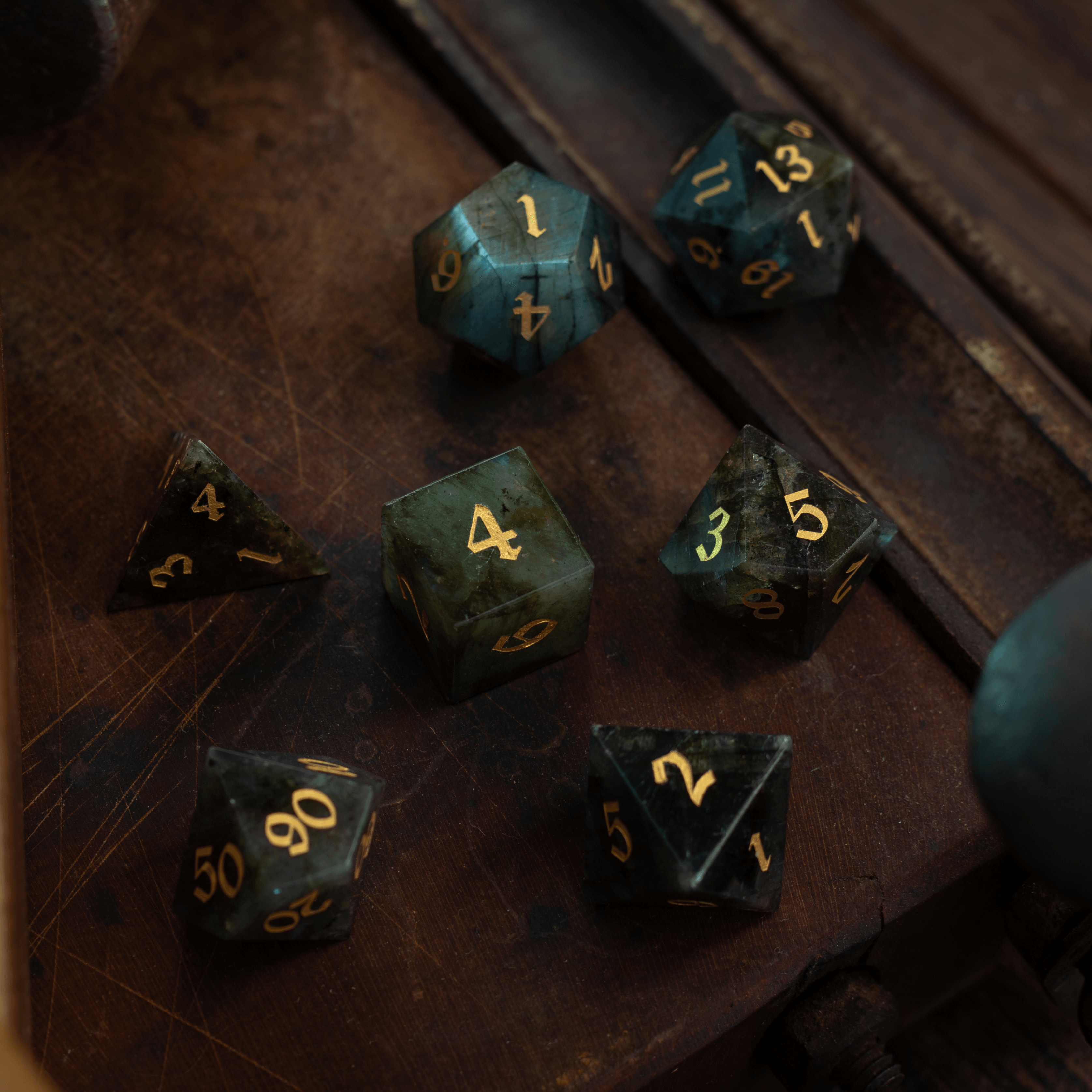
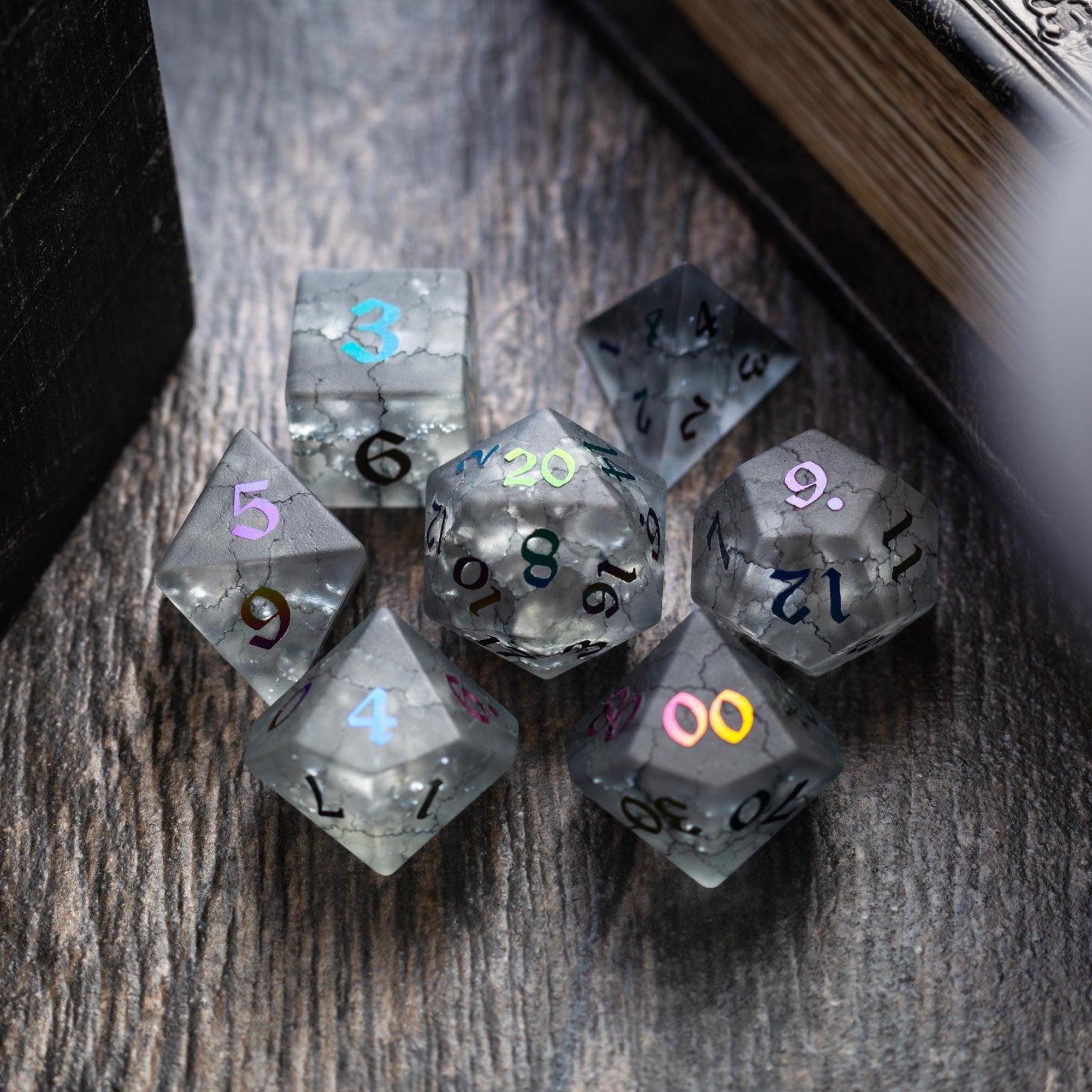
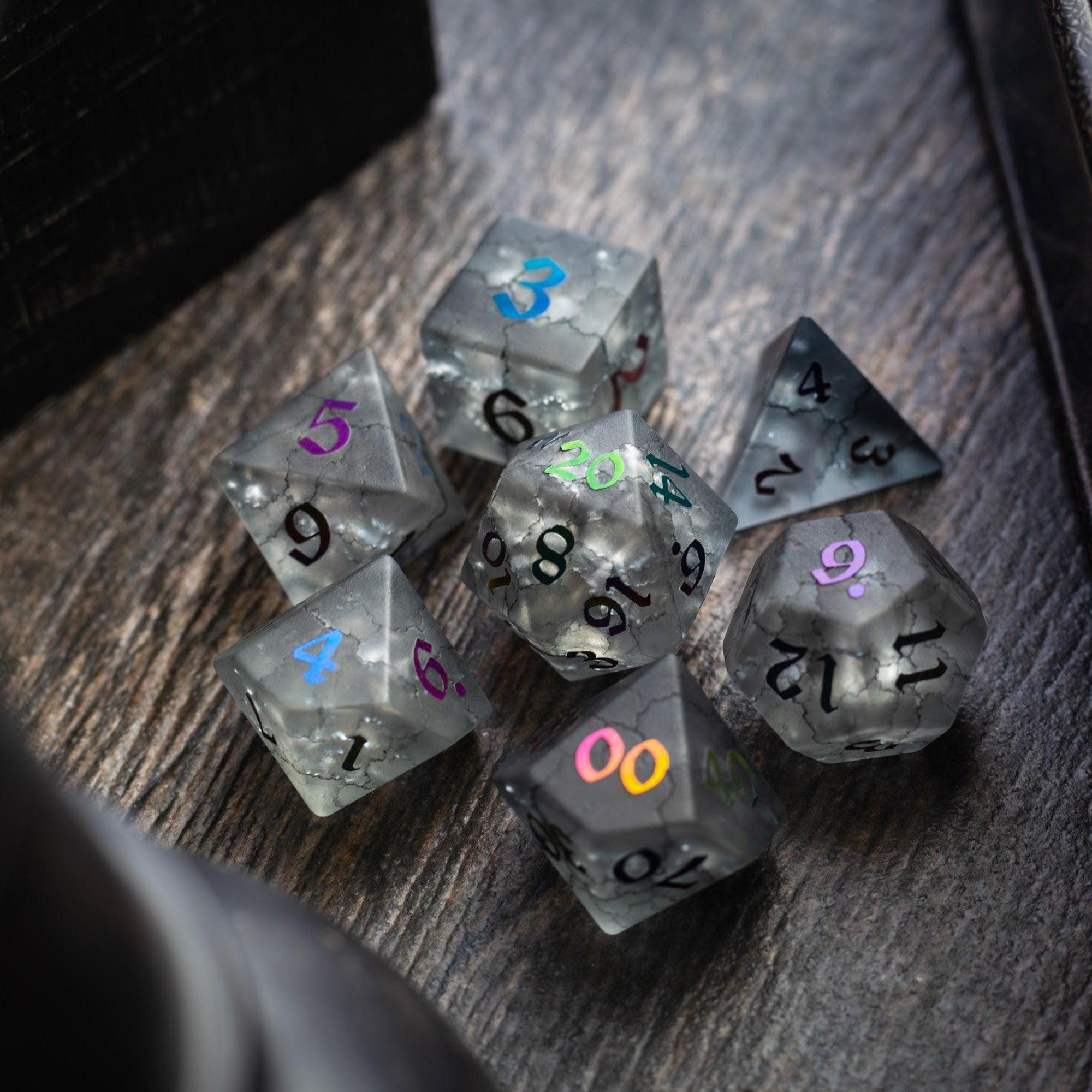
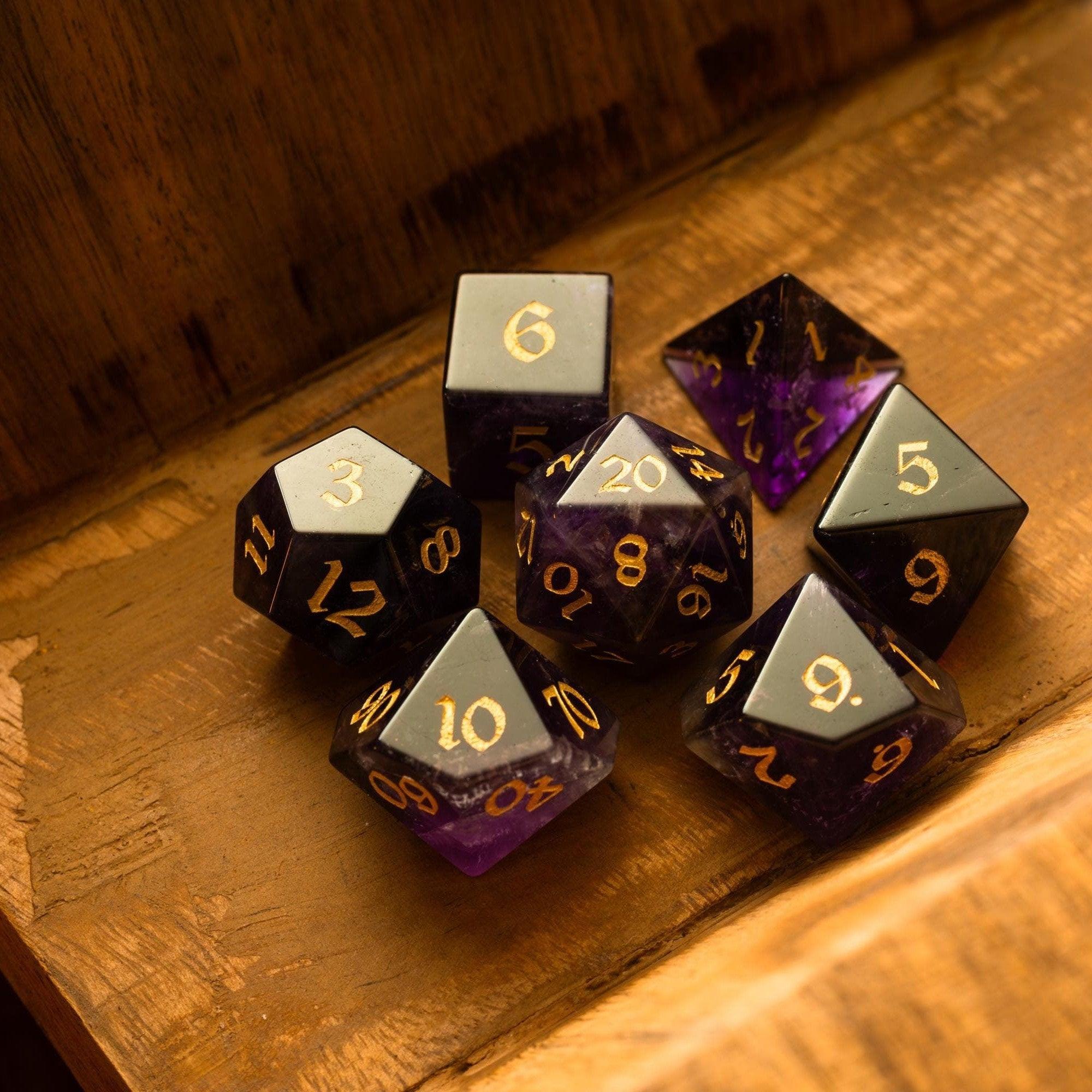
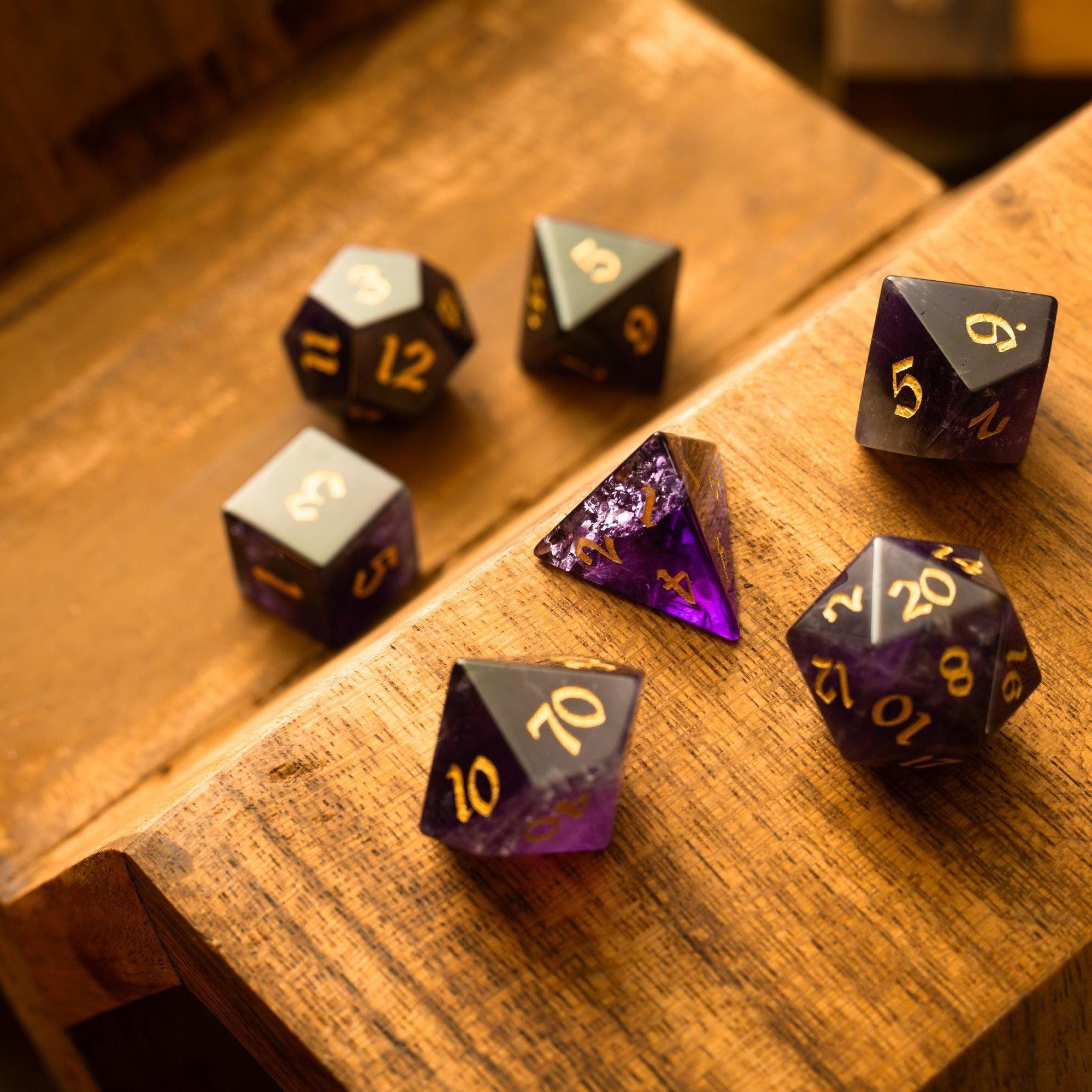
Elegant Gemstone Dice often appeal to players portraying clerics, druids, or powerful spellcasters.
-
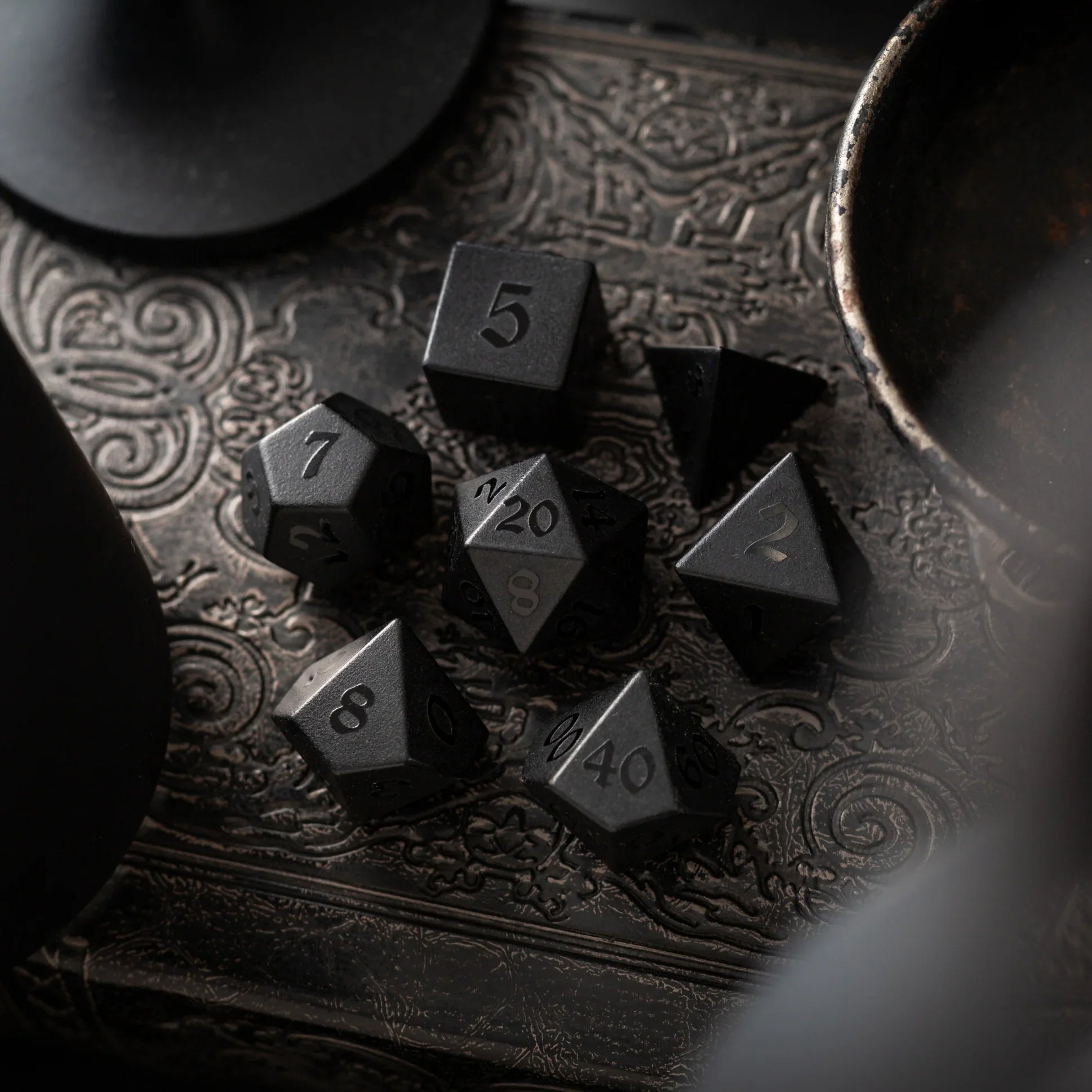
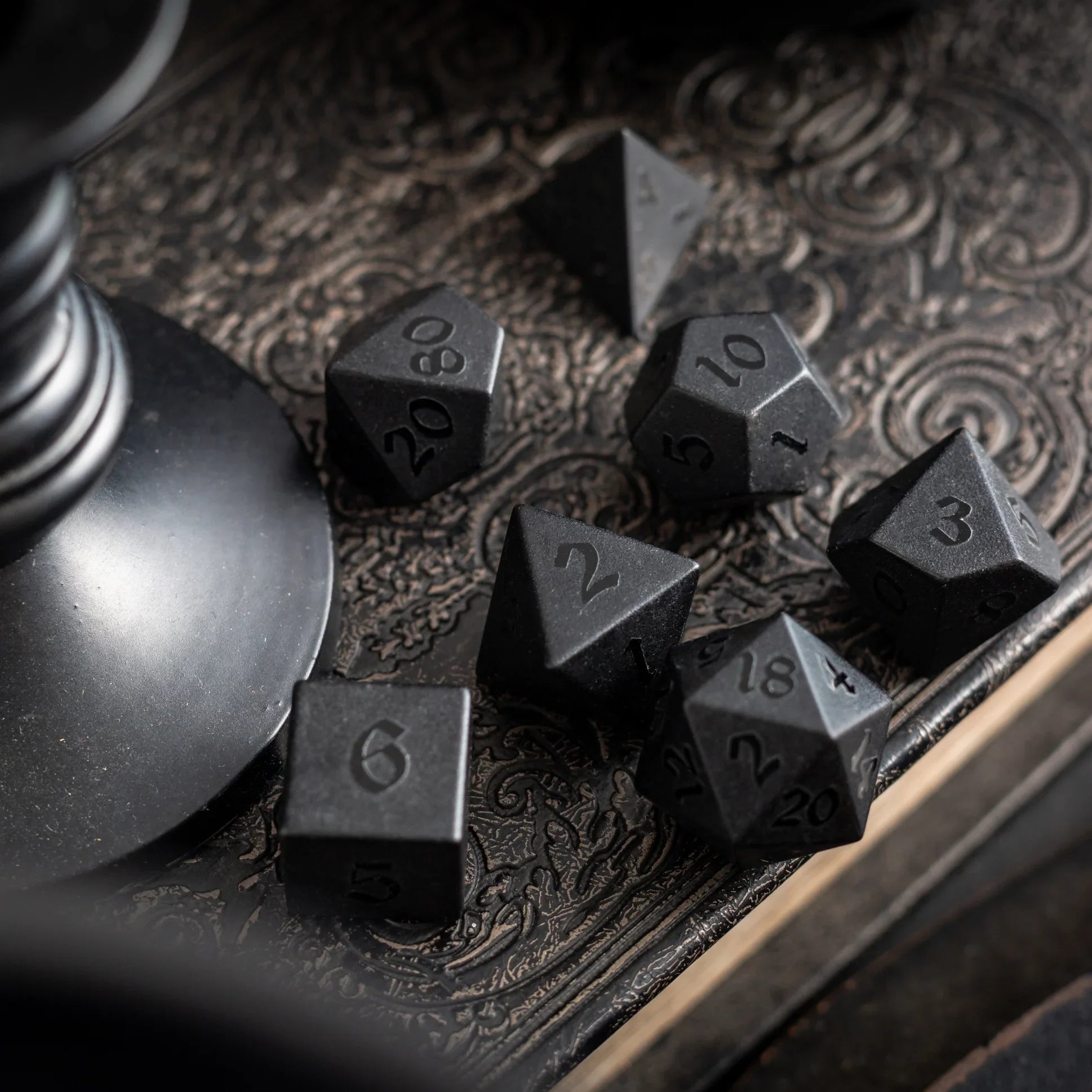
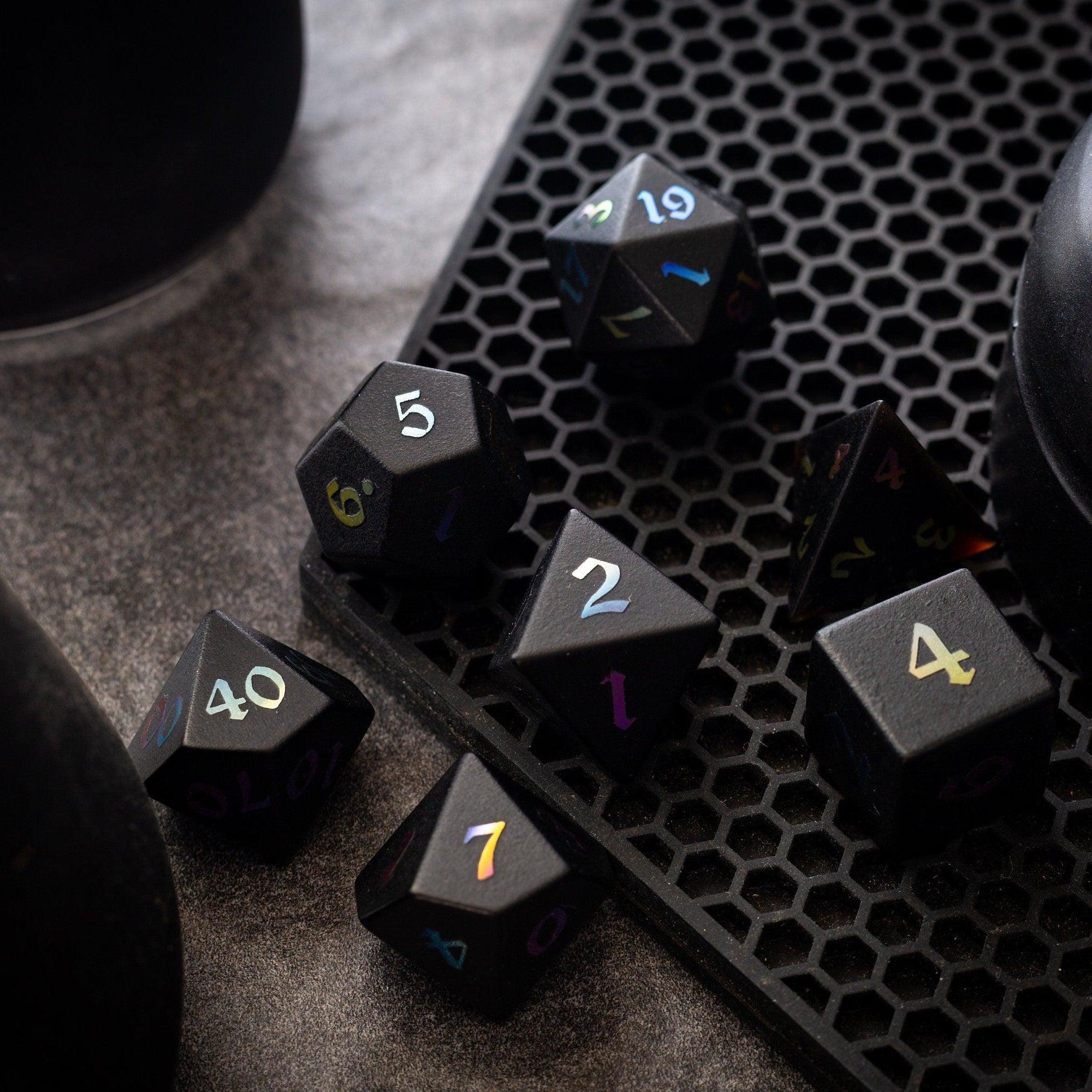
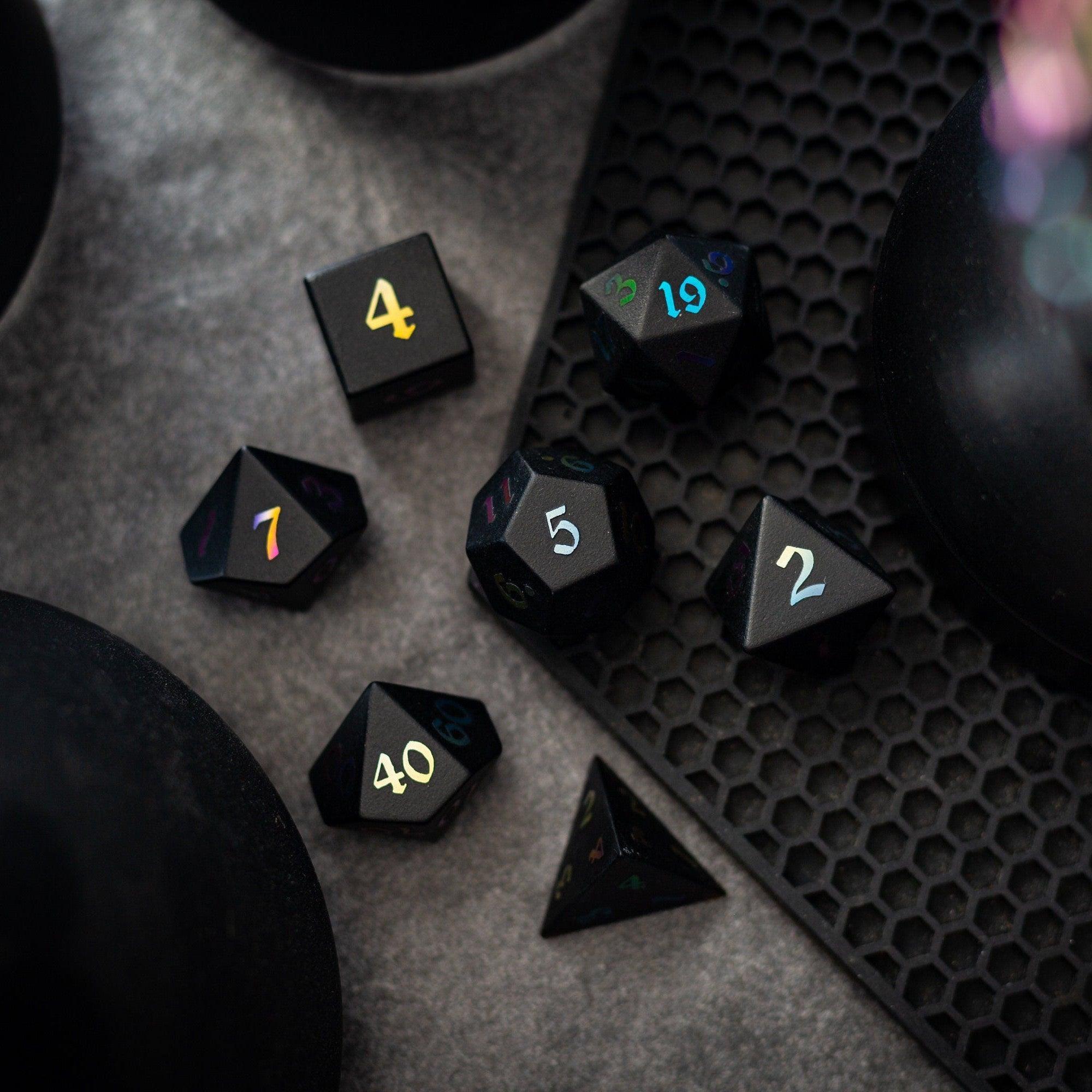
Precision-crafted Sharp-Edge Dice offer crisp edges and striking visual detail for players who enjoy premium craftsmanship.
-
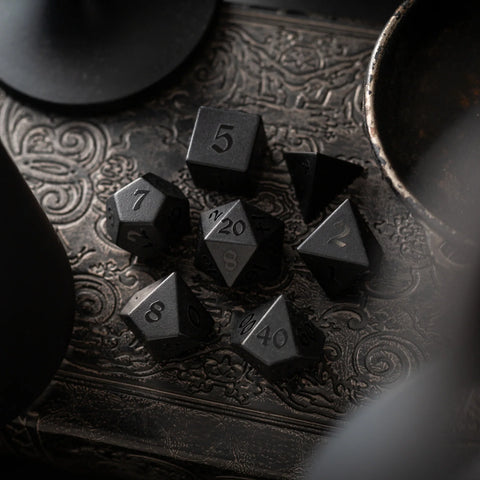
Durable Metal Dice provide satisfying weight for martial heroes.
-
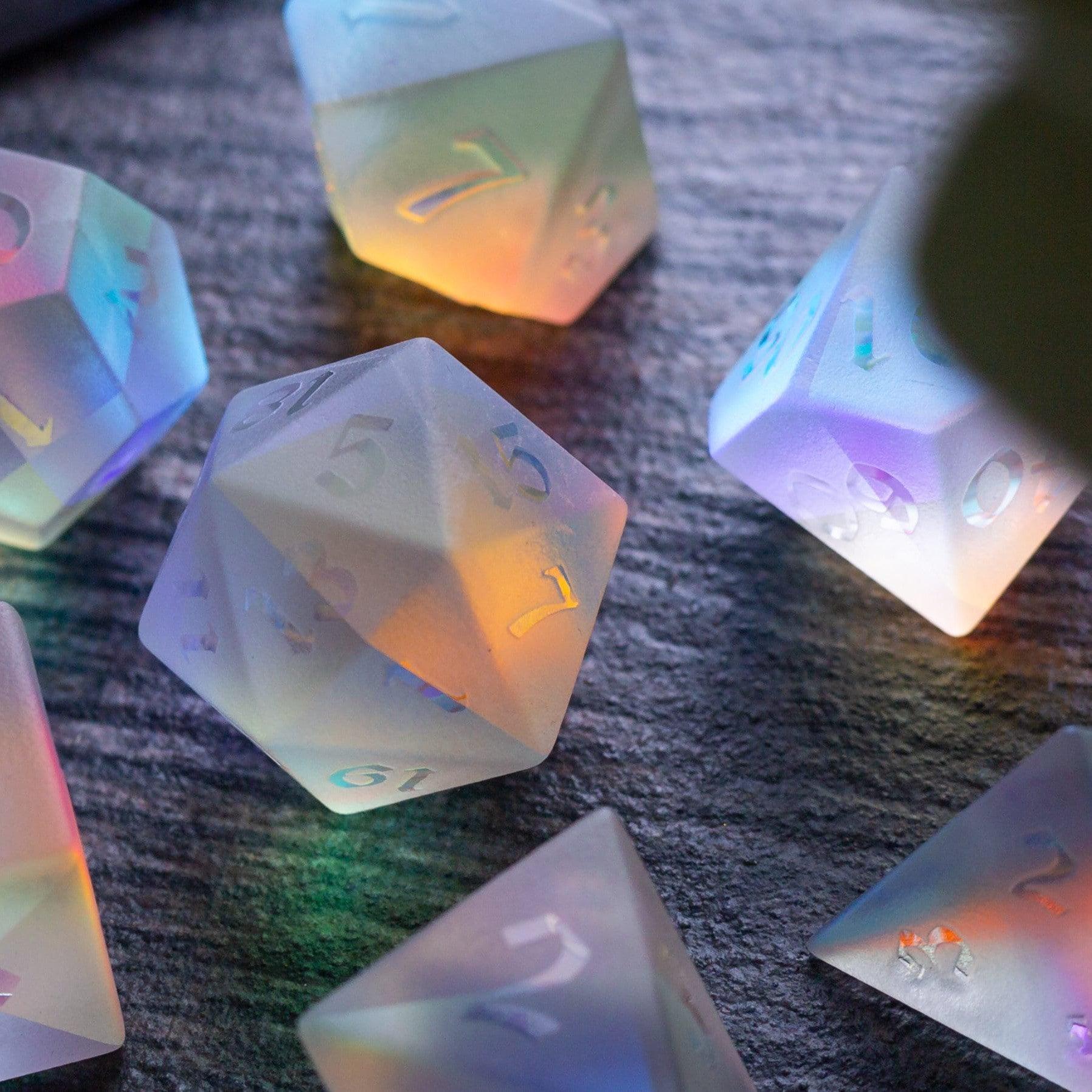
Bright Glass Dice can complement characters with magical or celestial themes.
Protecting those collections is equally important.
A sturdy dice storage case keeps multiple character-themed sets organized between sessions while protecting delicate materials during travel to game night.
Digital Resources That Complement the Table
Physical resources and digital D&D tools work best together.
Many players use technology before or after sessions while keeping the tabletop experience focused on conversation and storytelling.
Helpful digital resources include:
-
Character builders
-
Campaign management apps
-
Digital spell references
-
Initiative trackers
-
Cloud-based campaign journals
-
Note-taking apps
Cloud storage is particularly useful for long-running campaigns because notes remain accessible from phones, tablets, or computers whenever inspiration strikes.
Digital resources shouldn't replace interaction around the table, but they can reduce bookkeeping and improve organization.
Common Mistakes Players Make
Even experienced players occasionally develop habits that slow down a session.
Fortunately, these mistakes are easy to fix.
Never Reviewing Abilities
Many players forget powerful features simply because they haven't reread their character sheet in weeks.
Spend a few minutes reviewing abilities before each session.
Forgetting Prepared Spells
Spellcasters should know which spells are currently prepared before arriving at the table.
Waiting until combat begins creates unnecessary delays.
Losing Track of Equipment
Potions, scrolls, arrows, and magical items often disappear simply because they weren't recorded properly.
Maintain an updated inventory after every session.
Ignoring Campaign Notes
Important clues rarely repeat themselves.
Reading previous session notes helps maintain continuity and supports better roleplaying.
Waiting Until Combat Starts to Think
Plan your turn while others act.
The battlefield may change, but having several possible actions ready speeds up combat considerably.
Building Your Personal Player Toolkit
Every player eventually develops a collection of fantasy RPG tools that suits their own style.
Some players enjoy handwritten journals and printed spell cards.
Others prefer digital character sheets and cloud-based campaign notes.
Martial characters may appreciate durable Metal Dice, while spellcasters often enjoy themed Liquid Core Dice or Gemstone Dice that reflect their magical identities. A dependable Dice Tray or Dice Tower can also become part of a player's regular setup by keeping rolls organized throughout long adventures.
The best toolkit isn't the largest one.
It's the one that helps you stay focused on the adventure, contribute confidently during every encounter, and support the rest of your party.
Choose resources that genuinely improve your organization, simplify your decisions, and make your time around the table more enjoyable.
Prepare Well, Play Better
Great players aren't remembered because they own the most books or the fanciest accessories. They're remembered because they're prepared, engaged, and ready to help tell an unforgettable story.
Building your own collection of Dungeons and Dragons player resources takes time. Start with reliable note-taking, organize your character information, learn your abilities, and gradually add tabletop RPG resources, D&D tools, and tabletop gaming accessories that fit your personal play style. Whether that's a campaign journal, a well-organized inventory tracker, a favorite set of Resin Dice, or a protective storage case for your growing collection, every thoughtful addition should support smoother gameplay rather than distract from it.
Small habits practiced consistently create confident adventurers, faster sessions, stronger teamwork, and more memorable campaigns. The better prepared you are, the more time everyone at the table can spend doing what matters most: exploring fantastic worlds together.

Leave a comment
This site is protected by hCaptcha and the hCaptcha Privacy Policy and Terms of Service apply.