
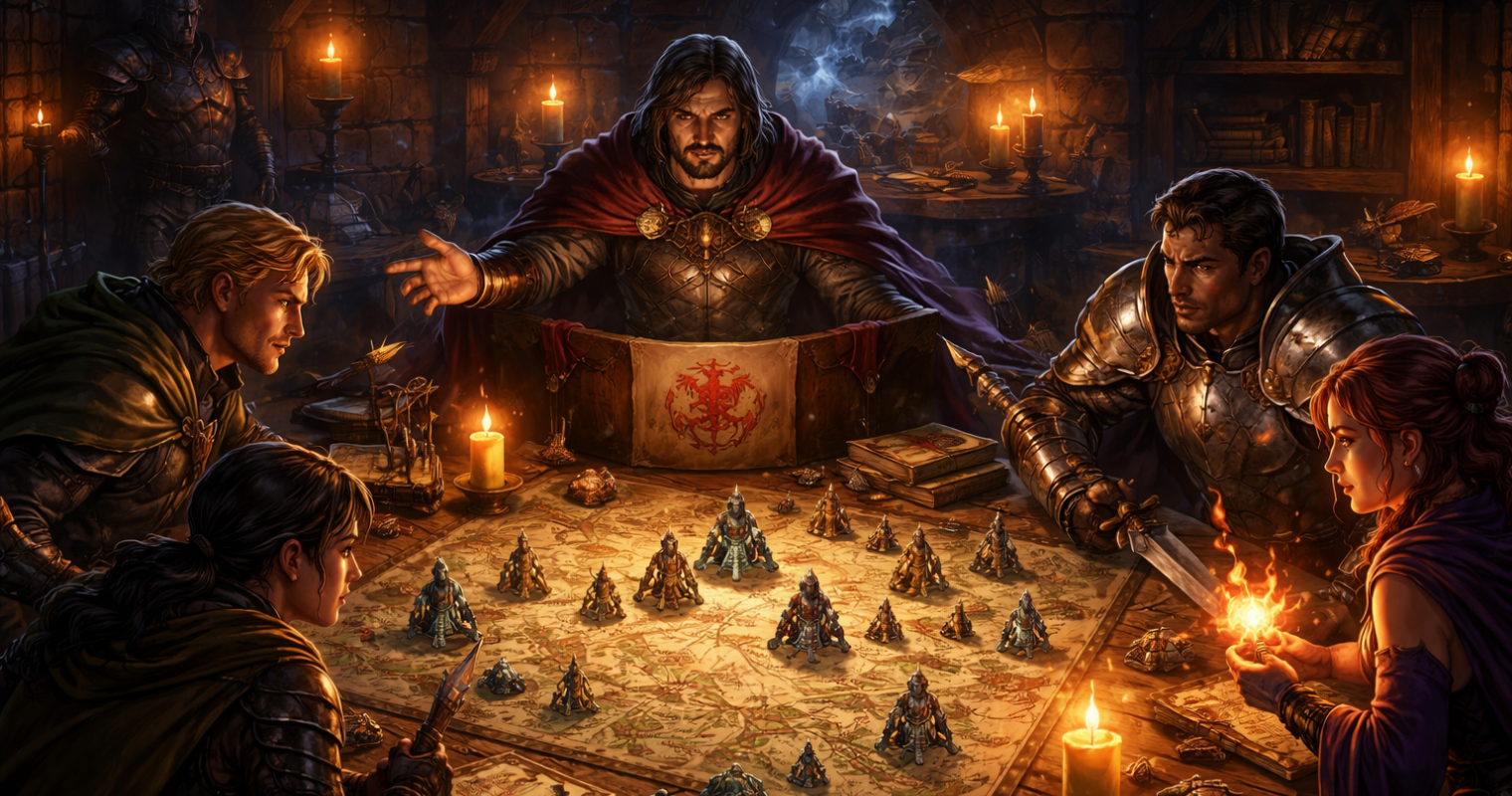
Dungeons and Dragons Gameplay Mastering Tactics at the Table
Updated on: 2026-01-05
This friendly guide helps you run smoother, faster tabletop sessions without losing the heart of collaborative storytelling. You’ll learn simple pacing tricks, prep that actually saves time, and quick comparisons of tools that keep the table focused and excited. Whether you’re a new DM or a veteran player, you’ll find practical tips you can use at your next game night. Plus, we’ll cover affordable upgrades that make every roll feel special.
- Common Challenges in Dungeons and Dragons gameplay
- Comparison Section: Tools and Accessories That Help
- Summary & Recommendations
- Q&A

Great sessions feel effortless—stories flow, everyone gets a moment to shine, and the table hums with energy. If you’ve been craving consistent sessions like that, you’re not alone. Most of us juggle pacing, table talk, rules lookups, and gear choices, all while trying to keep momentum. This guide shares the systems and small habits that make a big difference. We’ll cut through noise and focus on what actually improves the moment-to-moment feel of your game, from combat tempo to scene transitions and table organization.
Common Challenges in Dungeons and Dragons gameplay
Fix Pacing Without Losing Fun
Pacing dips happen when decisions drag or turns take too long. You don’t need to rush, just create gentle pressure and clear options.
- Use a visible turn timer: 60–90 seconds per player decision keeps energy up without stress.
- Ask for intent first, details second: “What do you want to accomplish?” Then resolve with rules.
- Roll together: Have players roll attack and damage at the same time when appropriate.
- Batch small foes: For minions, roll once per group to speed resolution.
- End scenes early: When the fun part peaks, cut to the next beat before it fizzles.
Balancing Rules and Roleplay
Rules disputes kill momentum. Keep the story moving and revisit rulings after the scene.
- Use a “ruling now, review later” policy: Make a quick call, note it, and confirm between sessions.
- Prep cheat cards: Conditions, cover, and common spells on reference cards reduce lookups.
- Adopt consistent defaults: If uncertain, favor player creativity with fair trade-offs.
- Keep a one-page rules index: Your top 20 pages bookmarked or summarized on a single sheet.
Prep That Saves Time
Over-prep leads to wasted effort; under-prep can stall play. Aim for targeted prep that reduces friction.
- Write “beats,” not scripts: List three problems, three clues, and three colorful details per location.
- Bullet NPCs: One motive, one secret, one hook. That’s often enough.
- Stock modular encounters: A social challenge, a trap, and a skill scene you can drop anywhere.
- Pre-roll a few checks: Initiative orders, random encounter seeds, or treasure parcels—ready to go.
Keeping Everyone Engaged
Quiet players often fade when spotlight management slips. Build a table habit that invites participation.
- Rotate spotlight questions: “What’s your character thinking right now?” quick prompts bring quieter players in.
- Use table roles: Mapper, quartermaster, rules looker-upper—simple jobs create investment.
- Celebrate small wins: Cheering big rolls or clever ideas builds a culture of encouragement.
- Invite post-scene tags: Ask, “Who wants the next beat?” for quick, consensual spotlight shifts.
Comparison Section: Tools and Accessories That Help
Gear won’t fix a shaky session plan, but the right tools make smooth play much easier. Here’s a straightforward look at options most tables consider, with pros and cons so you can choose what fits your style and budget.

Physical Dice vs. Digital Rollers
-
Physical dice
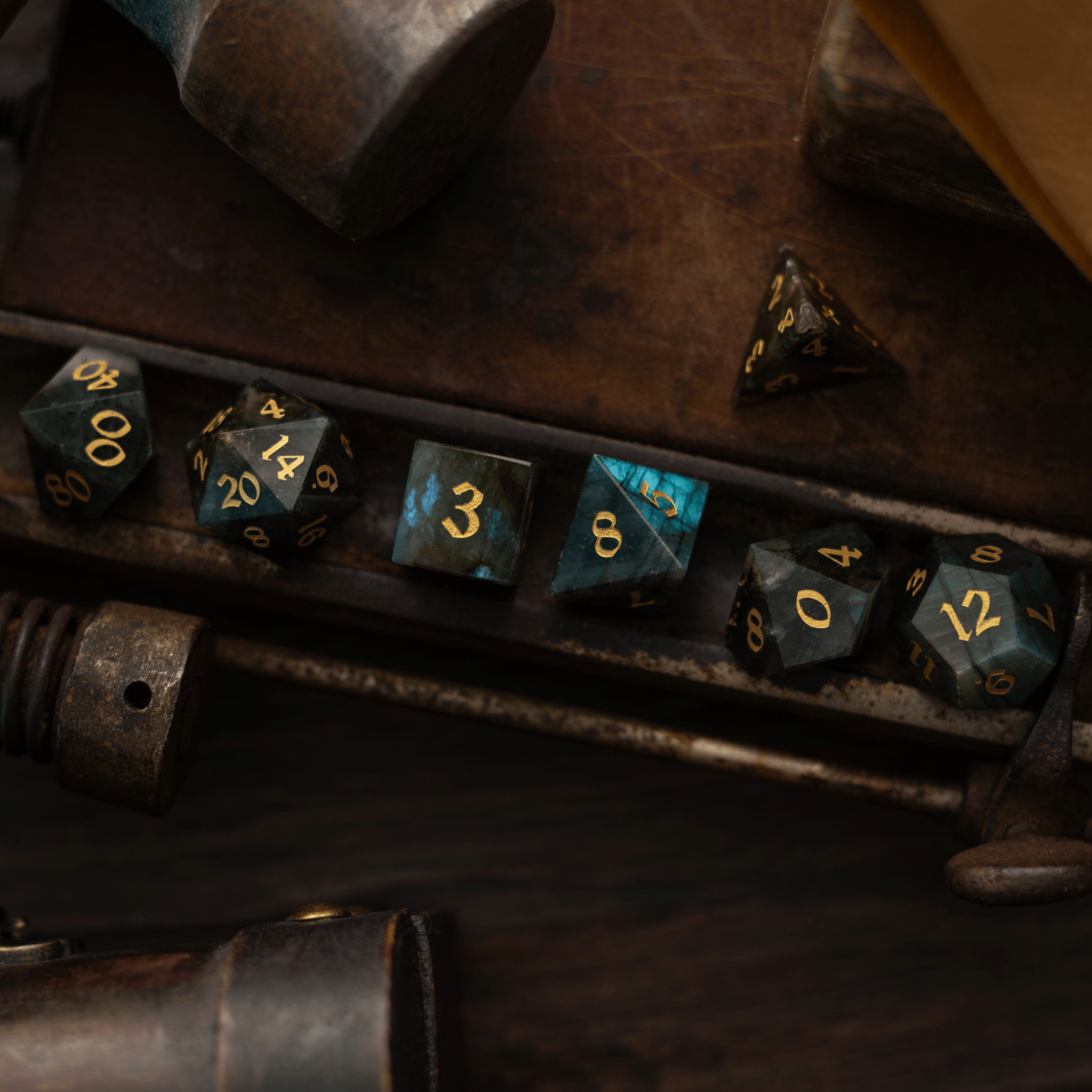
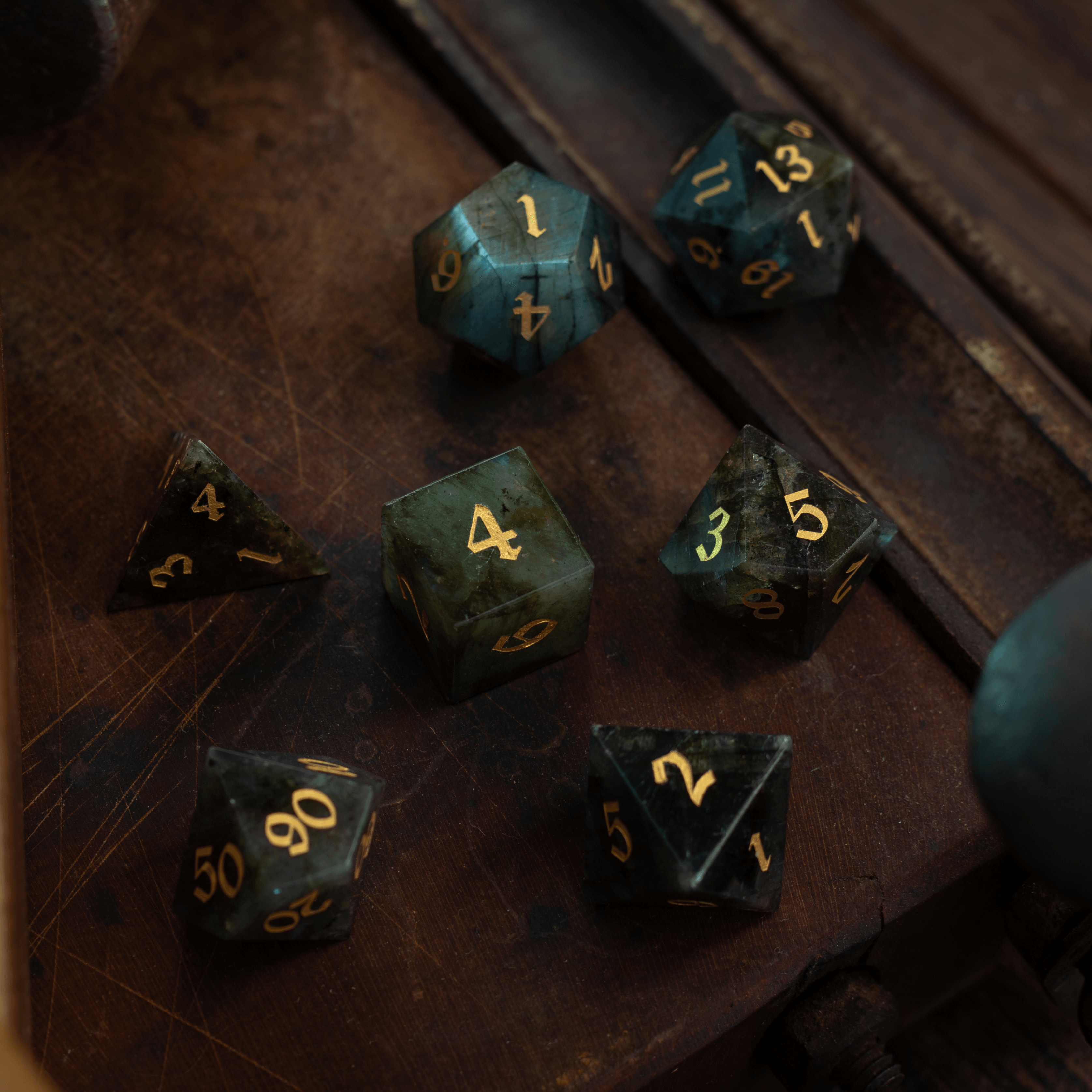
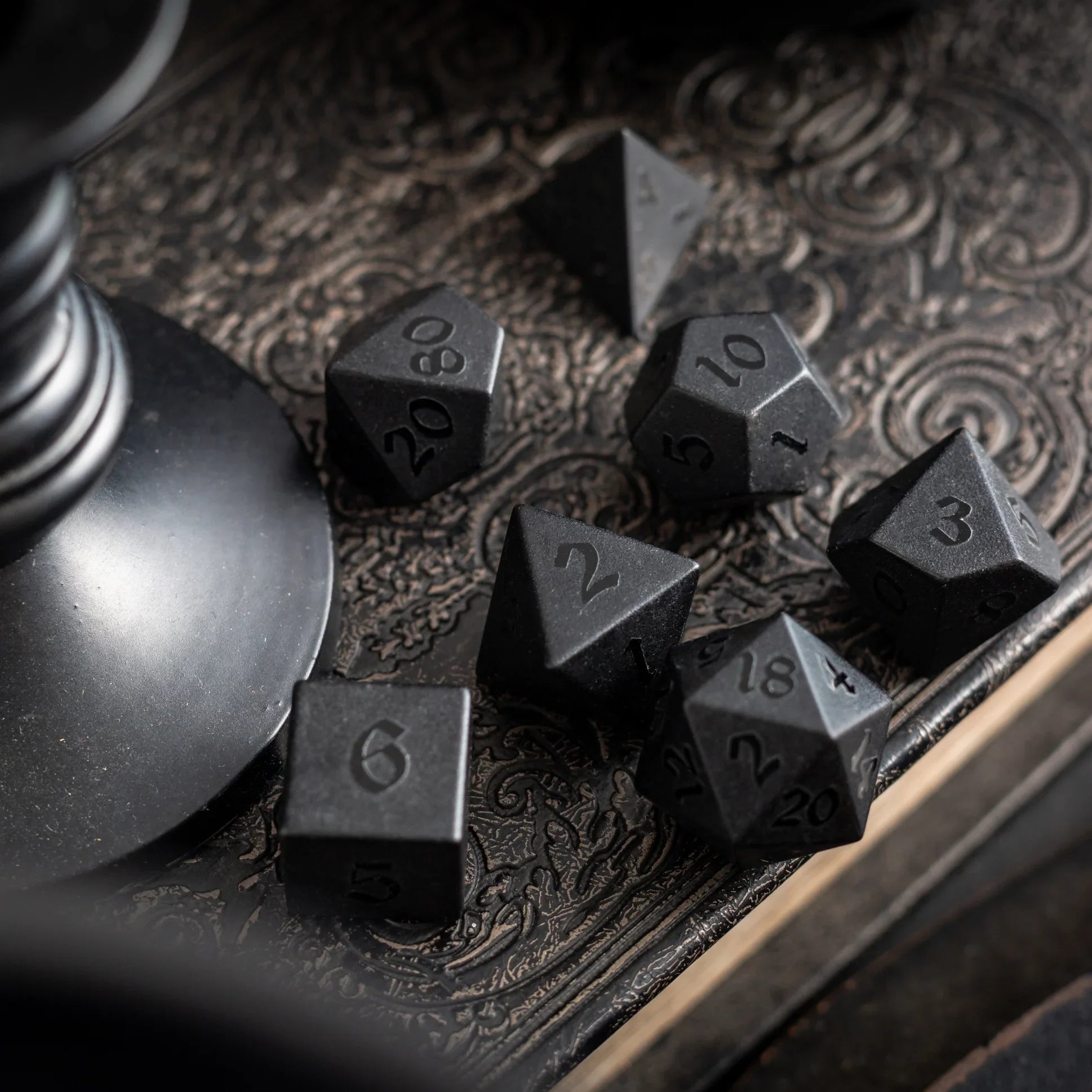
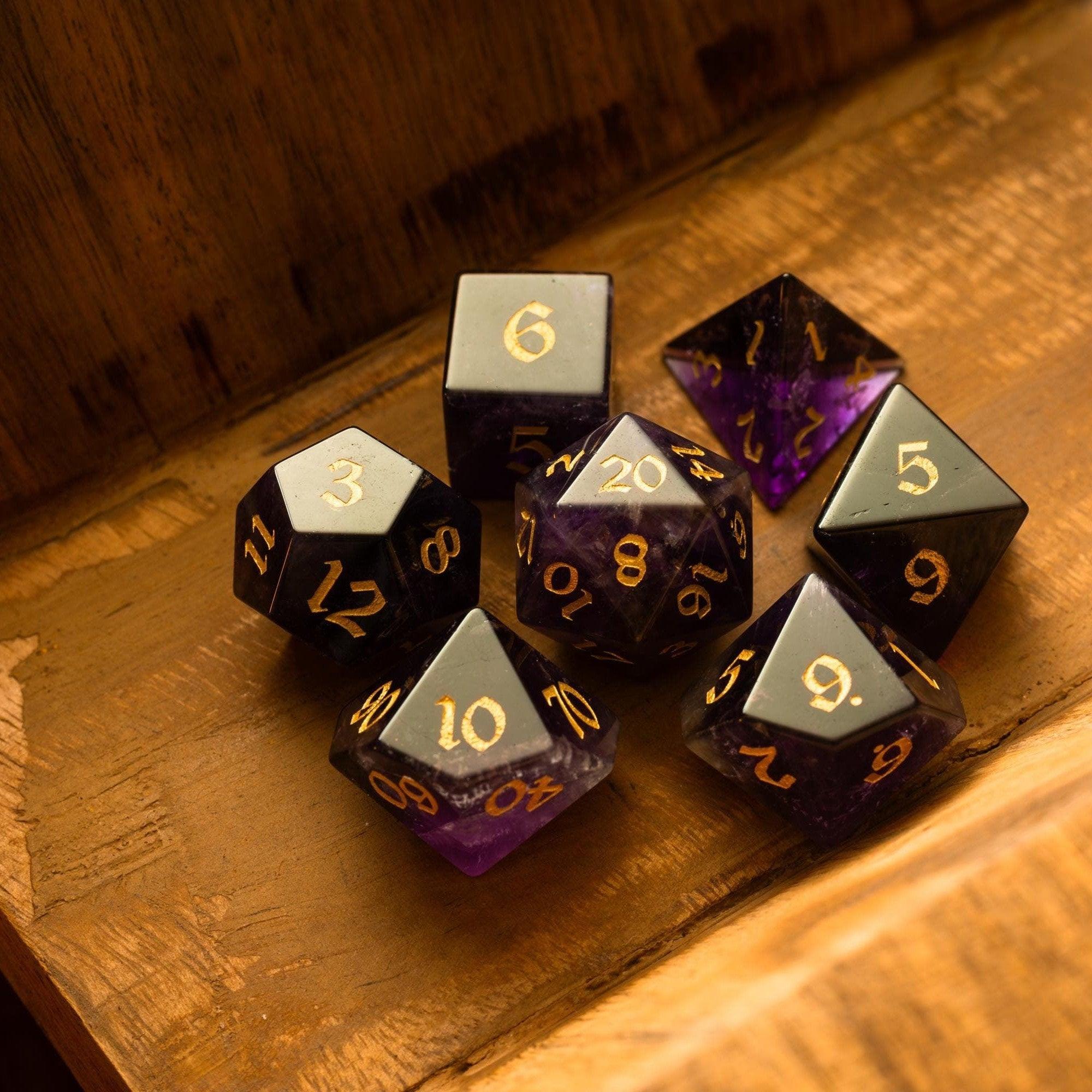
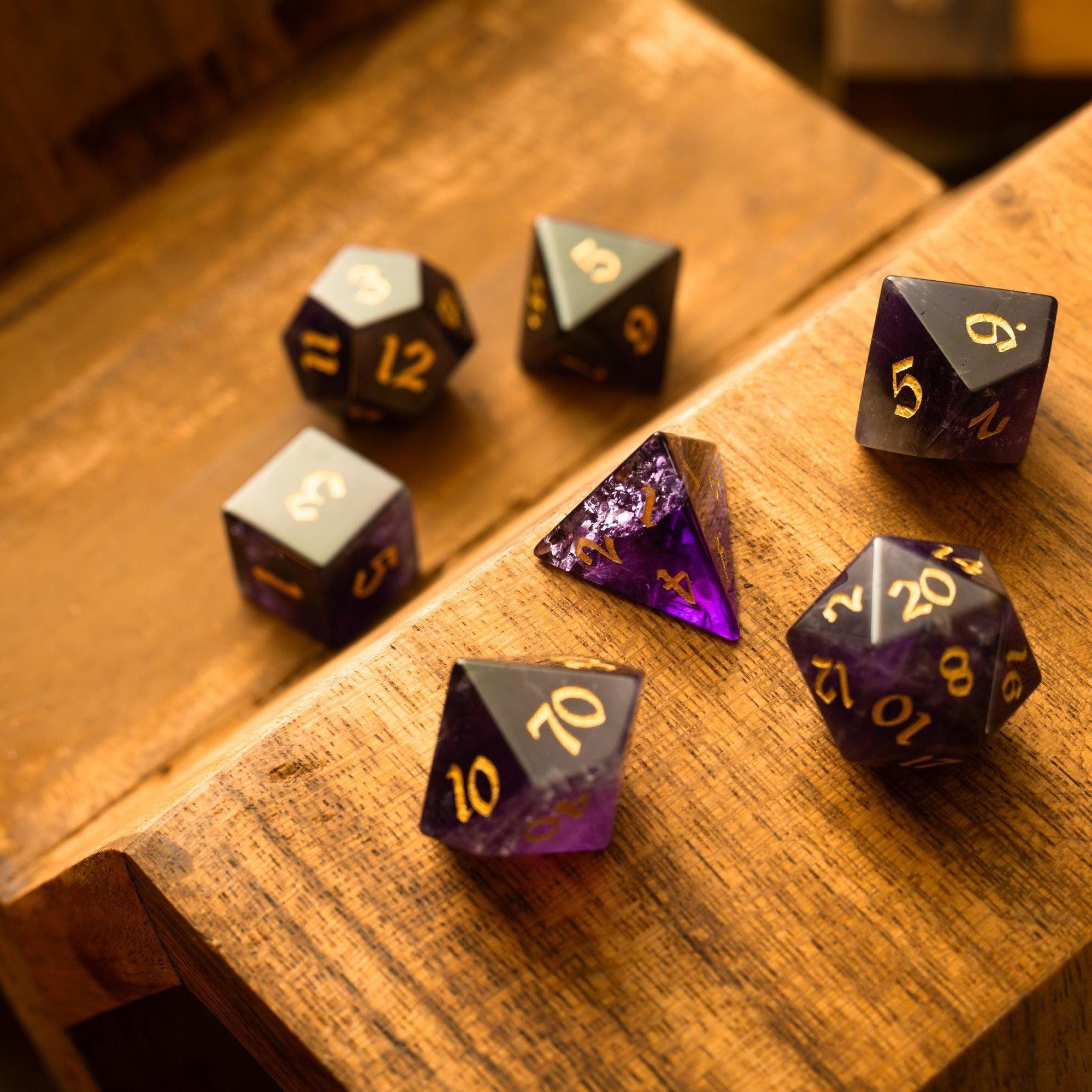
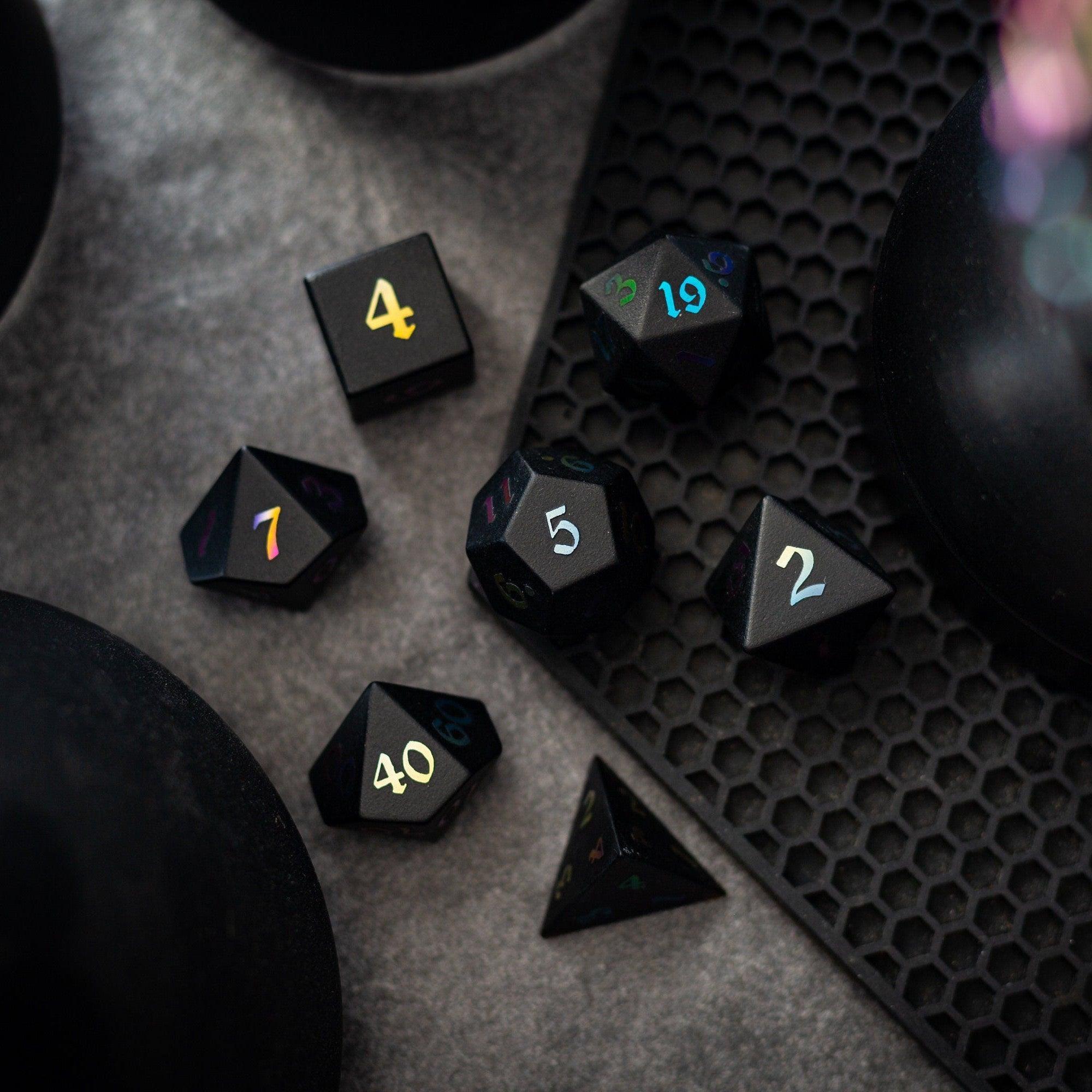
- Pros: Tactile excitement; visible results; table ritual that boosts immersion. Options like gemstone dice add presence and readability.
- Cons: Can scatter, slow down if repeatedly cocked or off the table; storage/transport needed.
-
Digital rollers
- Pros: Fast, shareable; logs and formulas for complex builds; perfect for remote play.
- Cons: Less tactile joy; phones may distract; criticals can feel less dramatic.
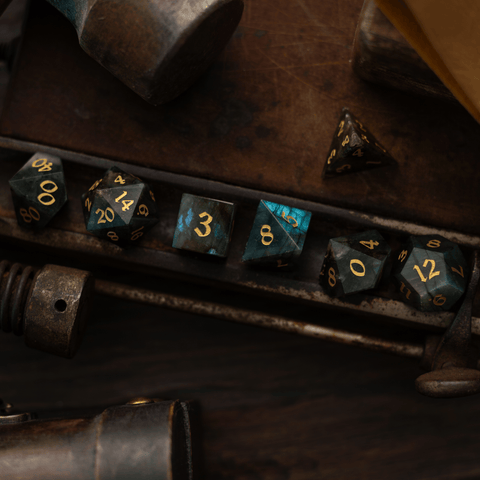
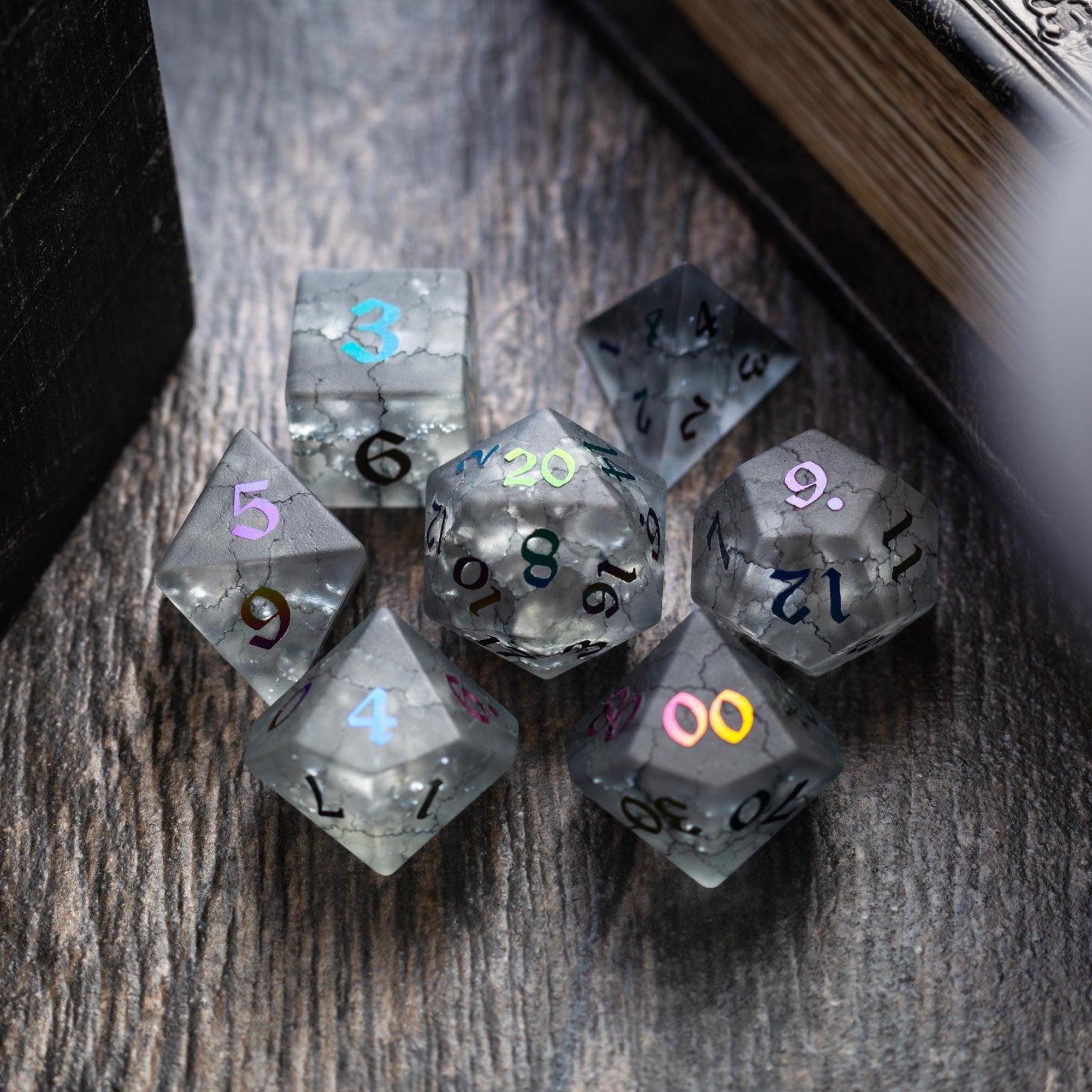
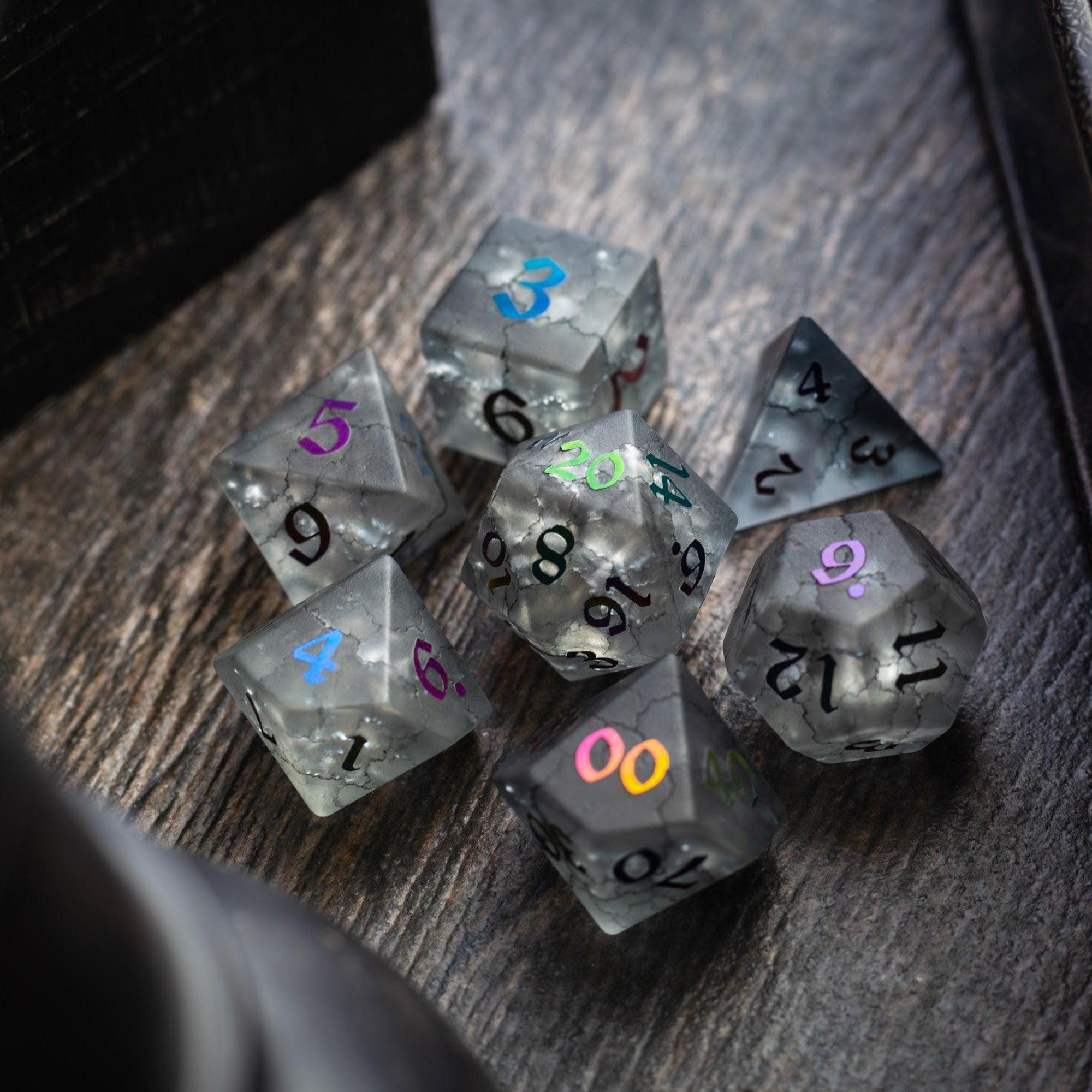
Tip: If you go physical, consider a distinctive set for your main character—something with clarity and table sparkle like the labradorite set.
Paper Maps vs. Theater of the Mind vs. VTT
-
Paper maps and tokens
- Pros: Affordable; quick to sketch; easy to modify on the fly.
- Cons: Less precise for complex encounters; storage and setup can take time.
-
Theater of the Mind
- Pros: Fastest; prioritizes imagination and narrative; zero setup.
- Cons: Can confuse distances; some players prefer visual anchors.
-
VTT
- Pros: Crisp line-of-sight, automation, and easy handouts; perfect for remote tables.
- Cons: Prep time; learning curve; technical hiccups can slow momentum.
Practical mix: Use Theater of the Mind for simple skirmishes and a quick grid for major set pieces. Keep a “go bag” with markers, tokens, and a compact rolling surface.
Readability and Roll Flow
-
High-contrast dice
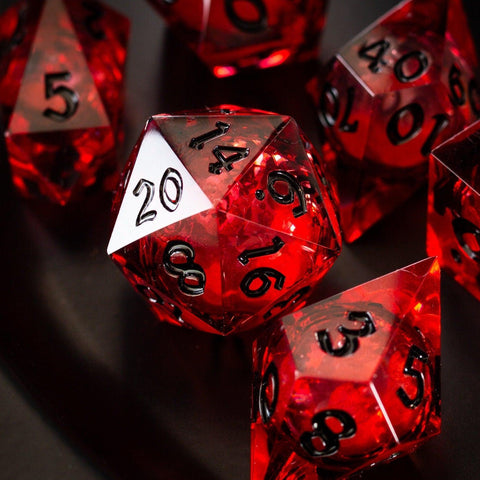
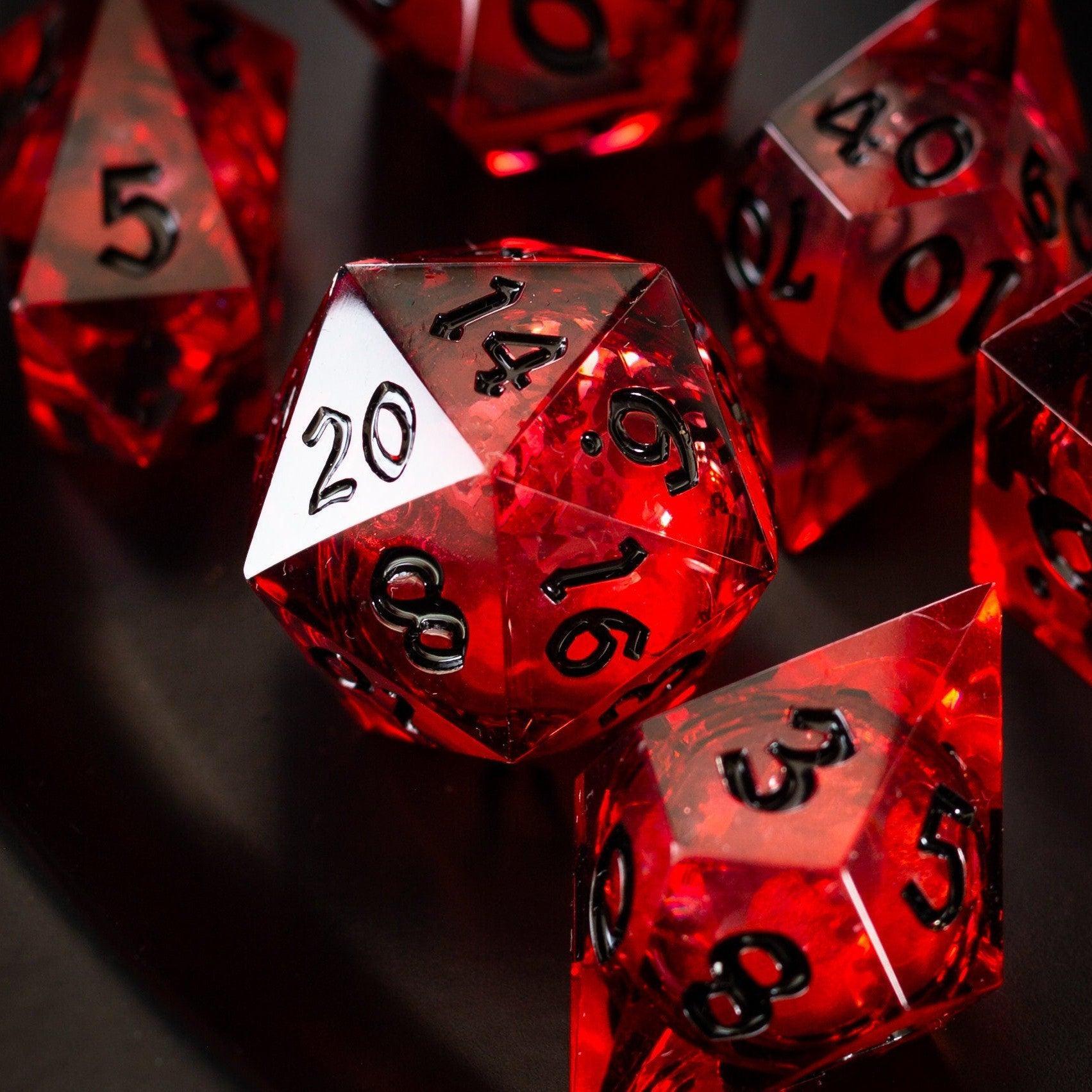
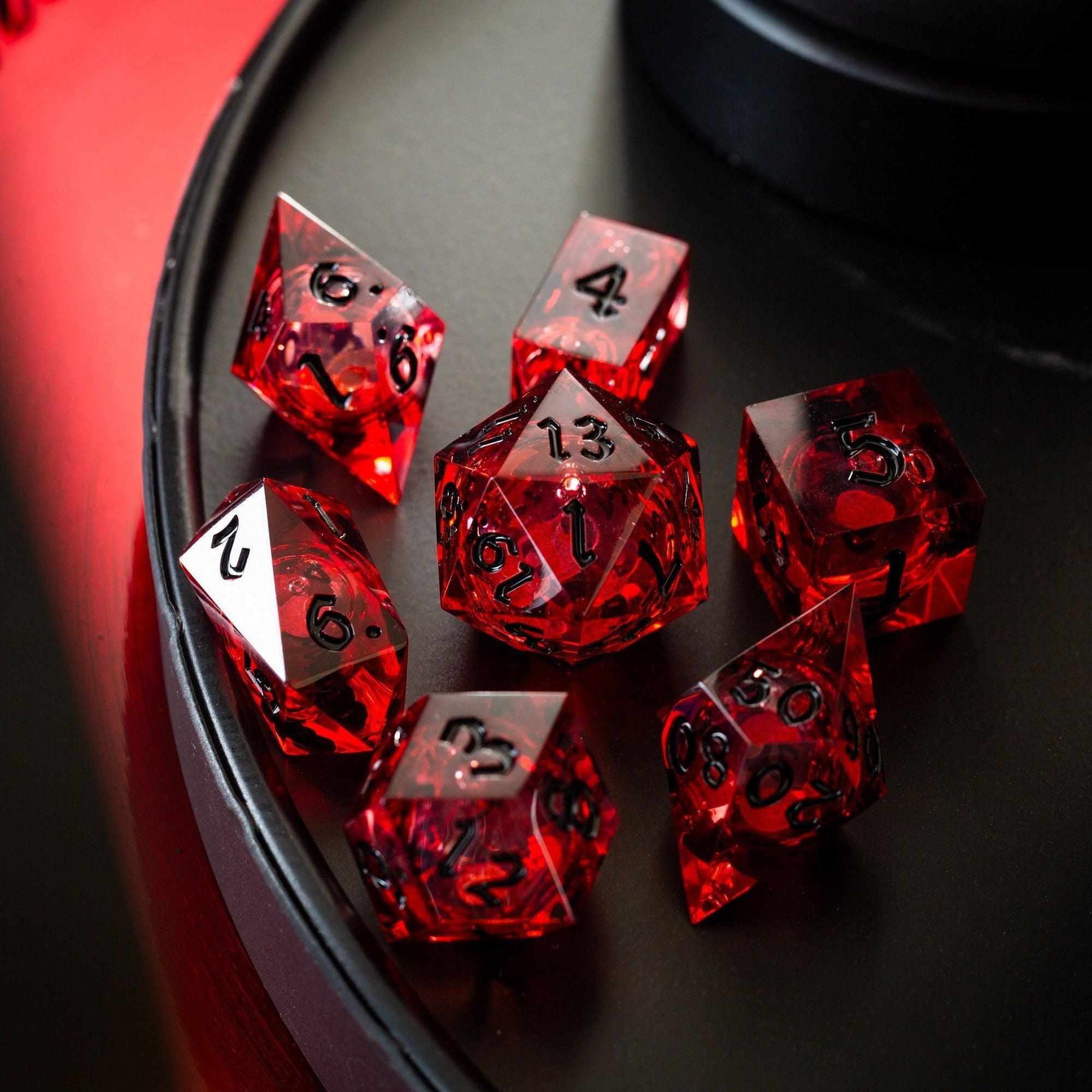
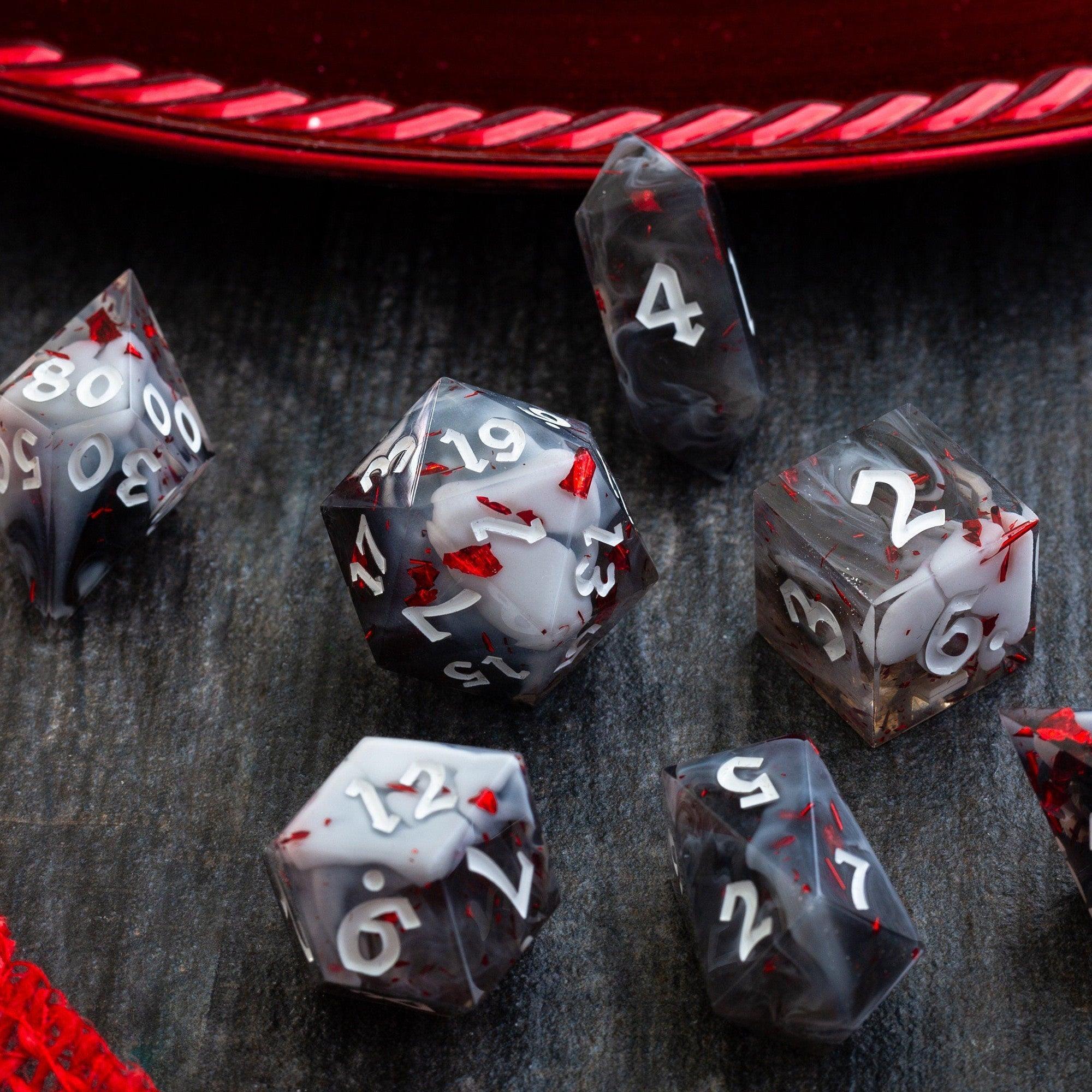
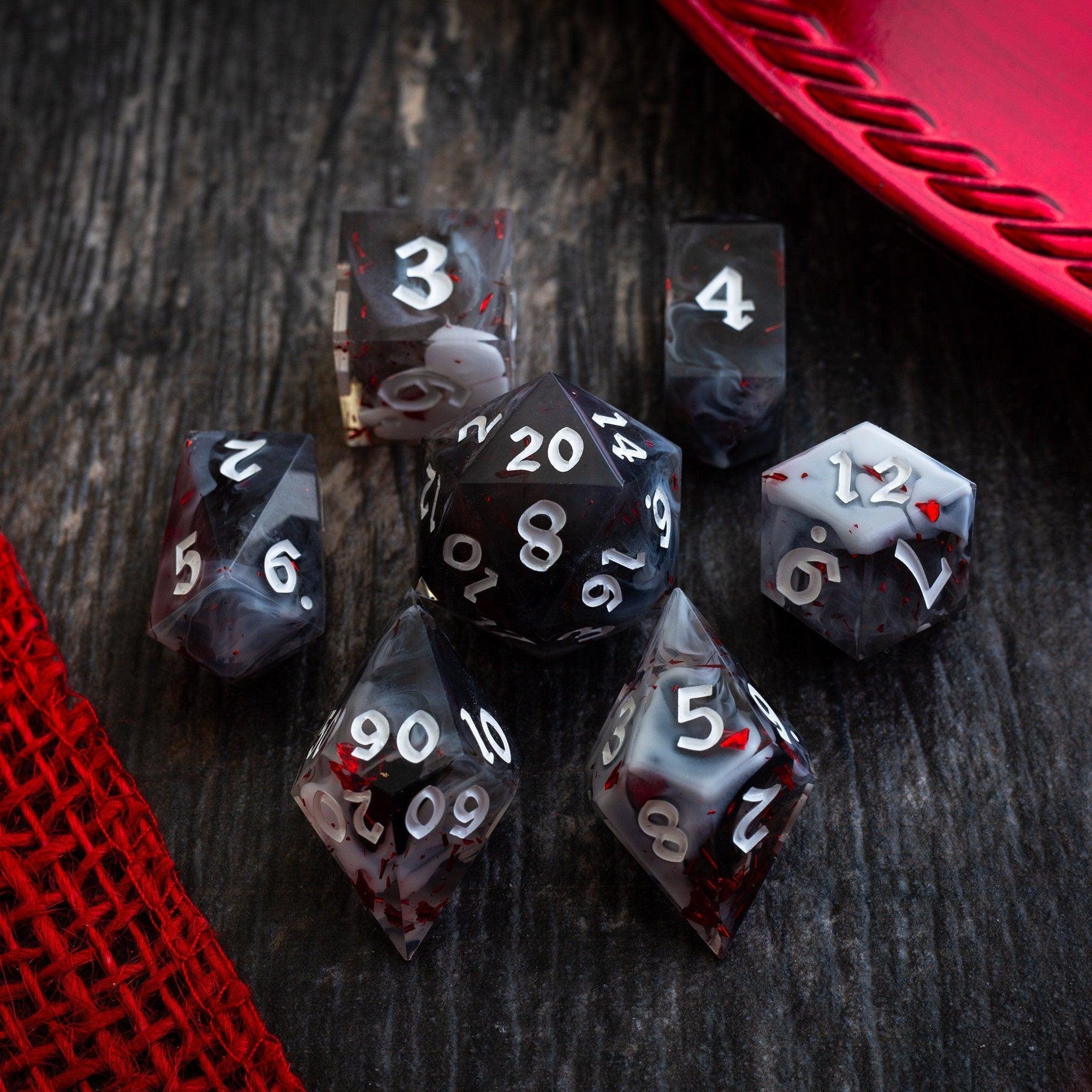
- Pros: Faster reads mean faster turns; great for dim rooms or long tables. Liquid cores offer eye-catching motion and clarity—see liquid core dice.
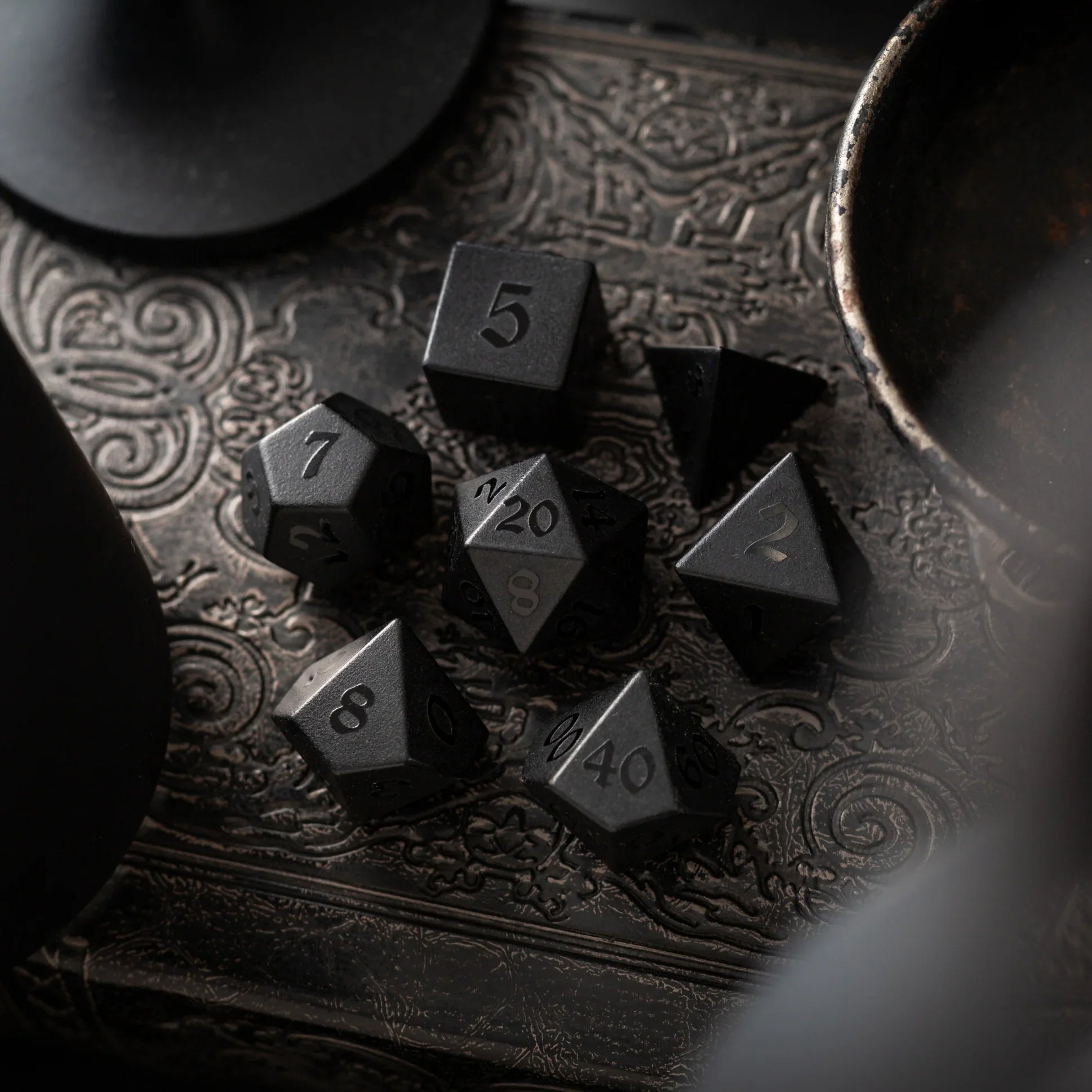
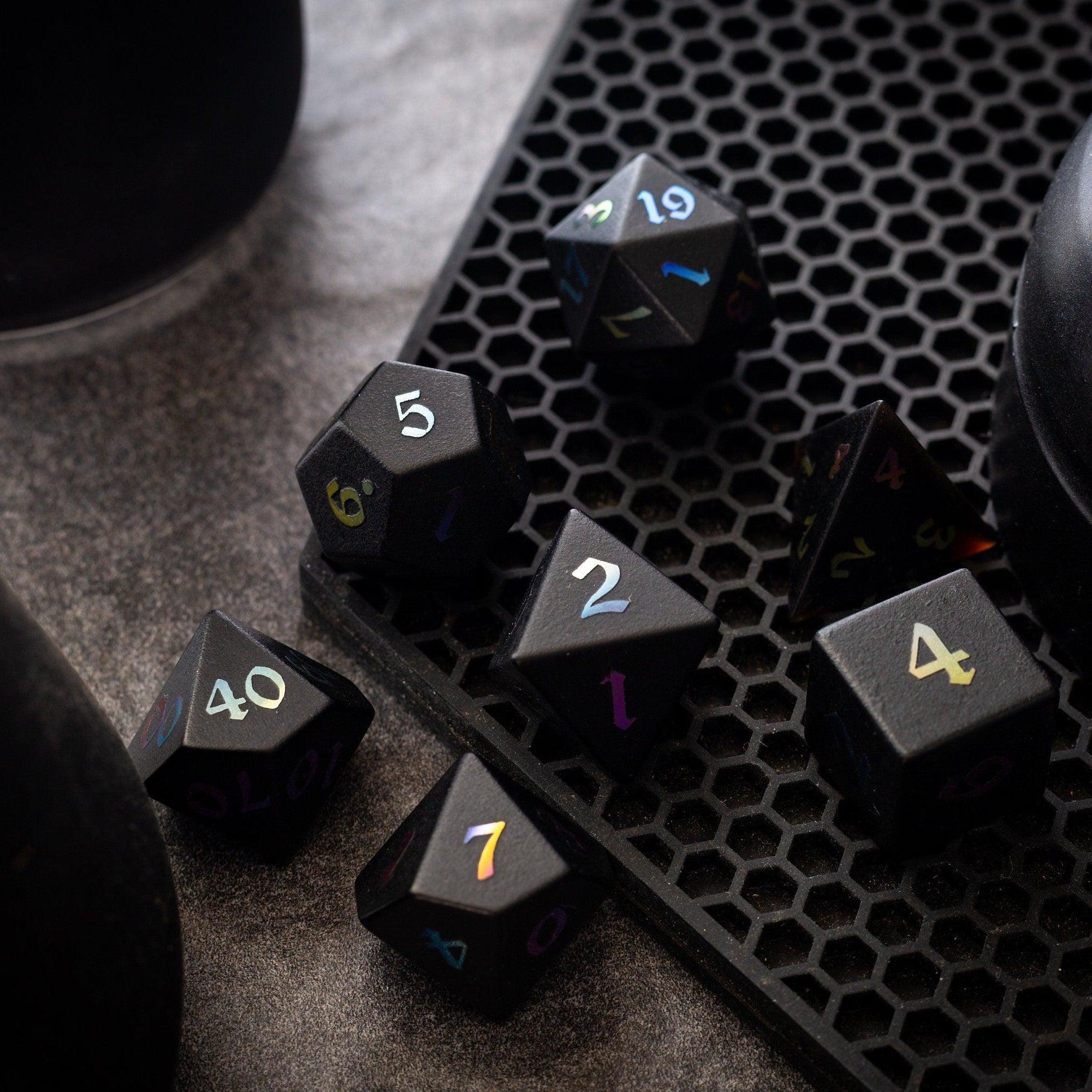
- Cons: Some finishes glare under bright lights; choose matte or etched numerals if needed.
-
Dice towers and trays
- Pros: Controlled rolls; fewer cocked dice; less table scatter improves speed and fairness. Browse robust dice towers.
- Cons: Small footprint; may limit large handfuls of dice without a tray.
Bottom line: Favor clarity and consistency. If everyone can read results instantly, the game moves and stays exciting.
Summary & Recommendations
Small habits compound into smoother sessions. Time turns gently, batch low-stakes rolls, and keep rulings moving so the story never stalls. Prep in modular beats, not scripts. Use visual aids and high-contrast dice for speed and clarity, and reserve precision tools for big moments.
- Create a 1-page table primer: pacing policy, ruling policy, and spotlight rotation.
- Prep three reusable encounters (social, exploration, challenge) you can drop anywhere.
- Pick one visibility upgrade (clearer dice, initiative tracker, or shared turn timer).
- End scenes on a high note; start the next beat with an immediate, actionable hook.
If you want smoother Dungeons and Dragons gameplay, start with a simple checklist and one gear upgrade that increases clarity. That combination keeps focus where it belongs—on your friends, your story, and the next memorable roll.
Q&A
How do I speed up combat without rushing?
Use “intent, then roll.” Ask each player what they hope to achieve before diving into mechanics. Encourage rolling attack and damage together, batch enemy actions when possible, and keep a visible turn timer for decision-making. Most groups find that 60–90 seconds per turn preserves creativity while keeping momentum.
What should I bring to a session for smoother play?
Bring a compact kit: character sheet, pencils, a high-contrast dice set, condition reference cards, and a small rolling tray. DMs benefit from a one-page rules index, a few prebuilt encounters, and printed initiative trackers. If you enjoy tactile flair, consider a signature set like a gemstone style for easy readability and a little table sparkle.
How can a DM balance roleplay and rules?
Set expectations up front: explain that you’ll rule quickly and review between sessions. When a rules question pops up mid-scene, make a fair call that favors engaged play, jot a note, and move on. After the game, confirm the official rule and let the table know if anything changes next time. This keeps scenes vivid and prevents stall-outs.





Leave a comment
This site is protected by hCaptcha and the hCaptcha Privacy Policy and Terms of Service apply.