

Dungeons and Dragons Attack Roll Outcomes and Fair Rolling
Updated on: January 26, 2026
Whether you're a seasoned Dungeon Master or just rolling your first character, understanding how to make an attack roll is fundamental to Dungeons & Dragons gameplay. This guide breaks down the mechanics of rolling to hit, explains modifiers, and shows you how to interpret your results. We'll cover everything from the basic d20 roll to advantage and disadvantage, so you'll feel confident when it's time to swing your sword or cast a spell.
- The Basics of Rolling to Hit
- Step-by-Step Guide to Making an Attack Roll
- Understanding Attack Modifiers
- Advantage and Disadvantage Explained
- Expert Tips for Better Combat
- Frequently Asked Questions
The Basics of Rolling to Hit

When your character wants to attack an enemy in D&D, you're performing one of the most exciting moments at the table. An attack roll determines whether your weapon connects or misses. The core mechanic is simple: roll a twenty-sided die (d20) and add your relevant ability modifier plus any bonuses from your equipment or class features.
The total you get becomes your attack roll result. Your Dungeon Master compares this number to the target's Armor Class (AC). If your roll meets or exceeds the AC, you hit and get to roll for damage. If you don't meet the AC, your attack misses and nothing happens. It's that straightforward, yet the tension around that d20 roll keeps combat exciting for everyone at the table.
Different weapons use different ability modifiers. A sword fighter typically adds their Strength modifier, while an archer adds Dexterity. Spellcasters might use Intelligence or Wisdom for their spell attacks. Understanding which modifier applies to your attack is crucial for success.
Step-by-Step Guide to Making an Attack Roll
Step 1: Declare Your Attack
First, tell your Dungeon Master which enemy you're targeting and what attack you're using. This could be a melee weapon like a sword, a ranged weapon like a bow, or a magical spell. Being clear about your intention helps everyone understand what's happening.
Step 2: Roll the d20
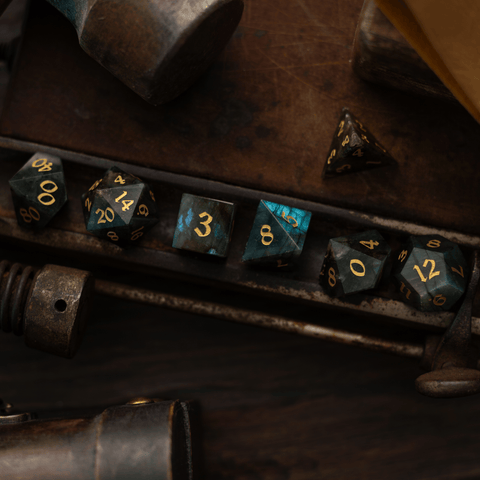
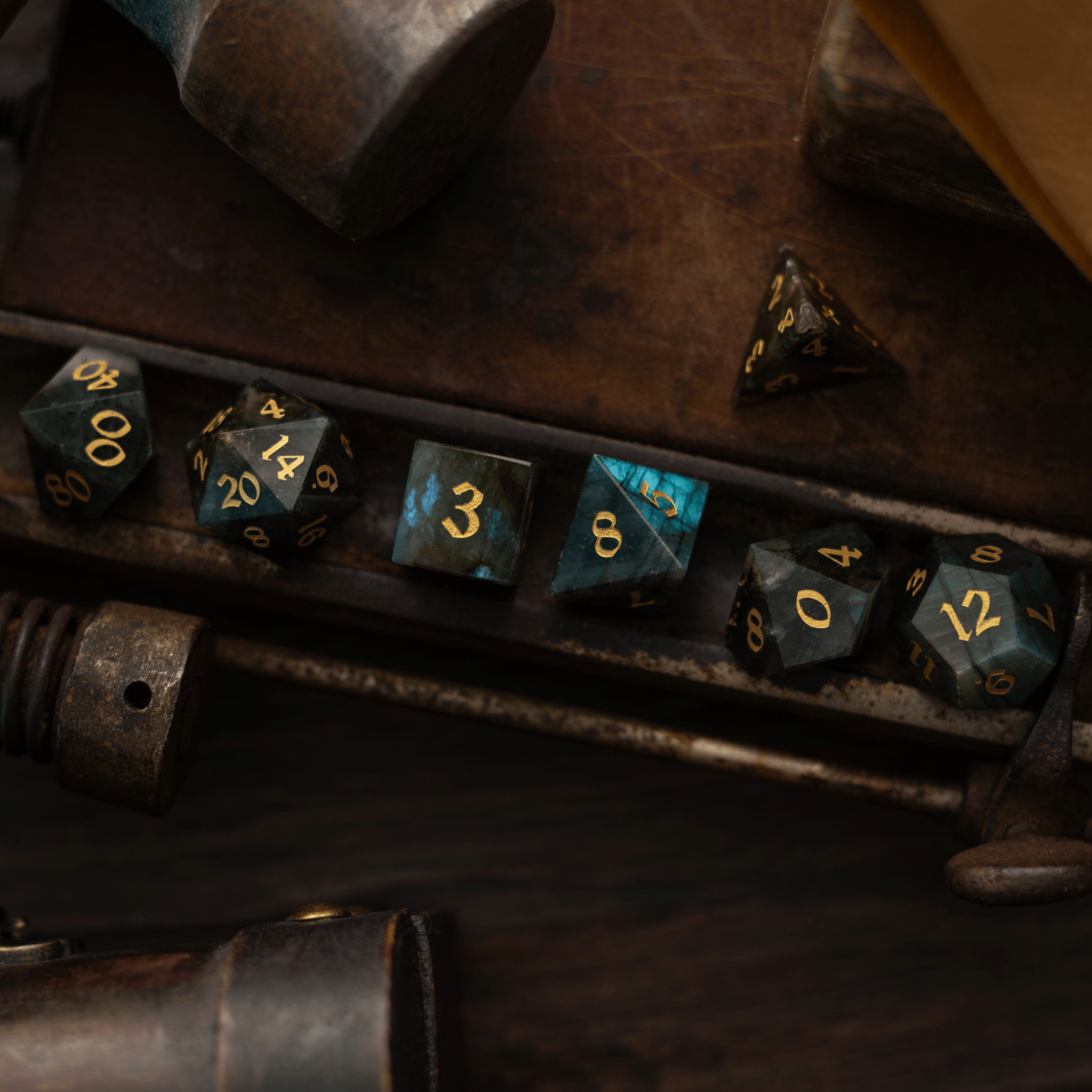
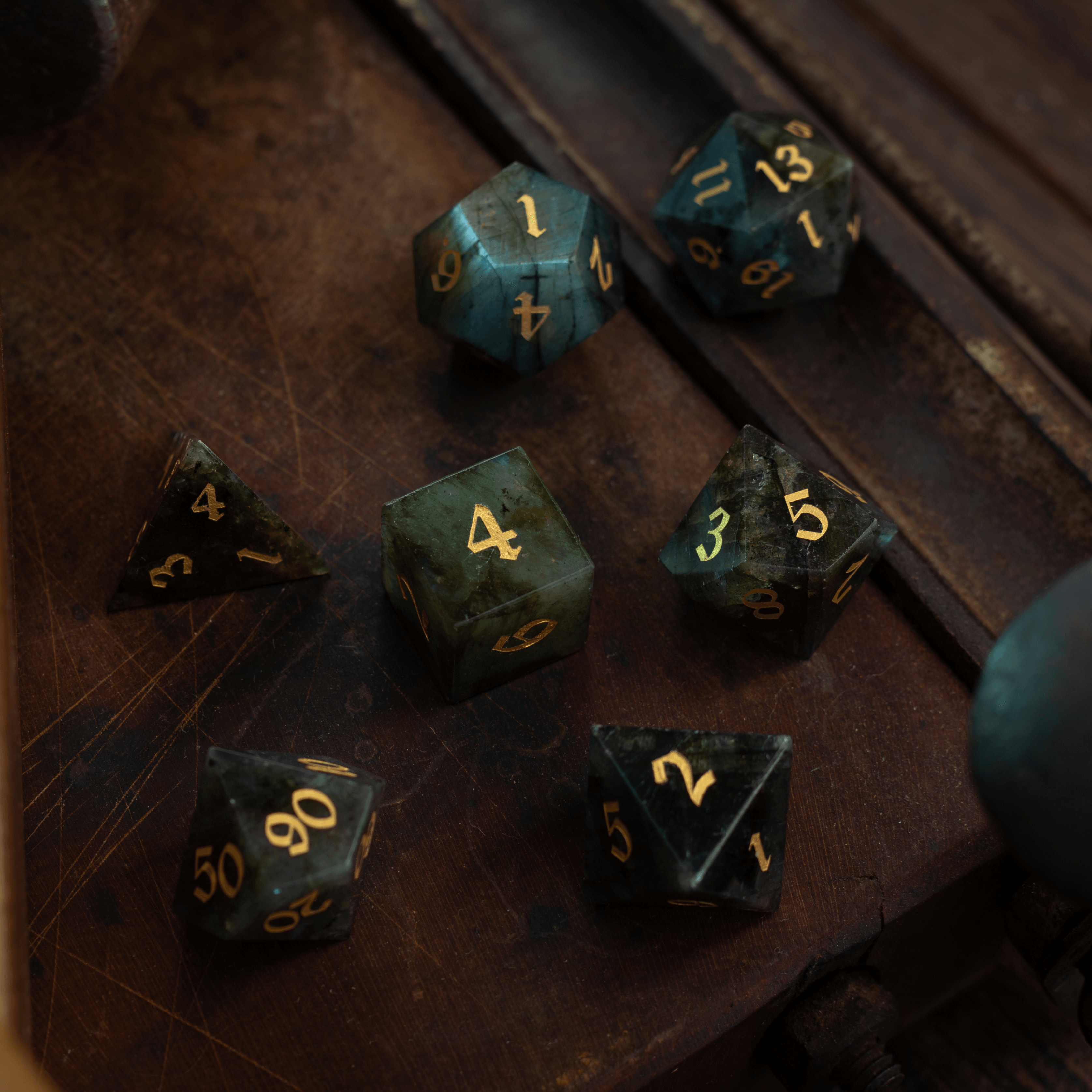
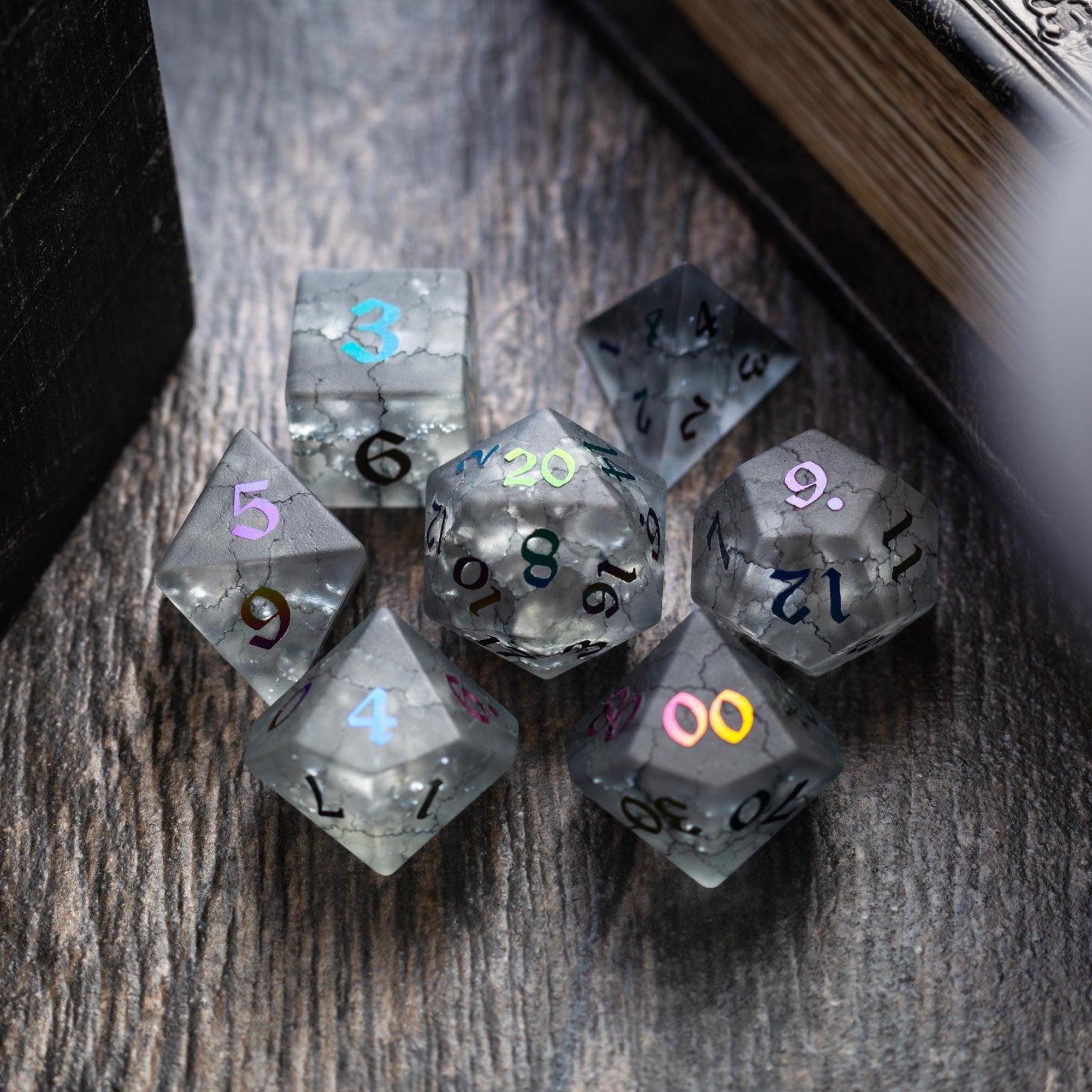
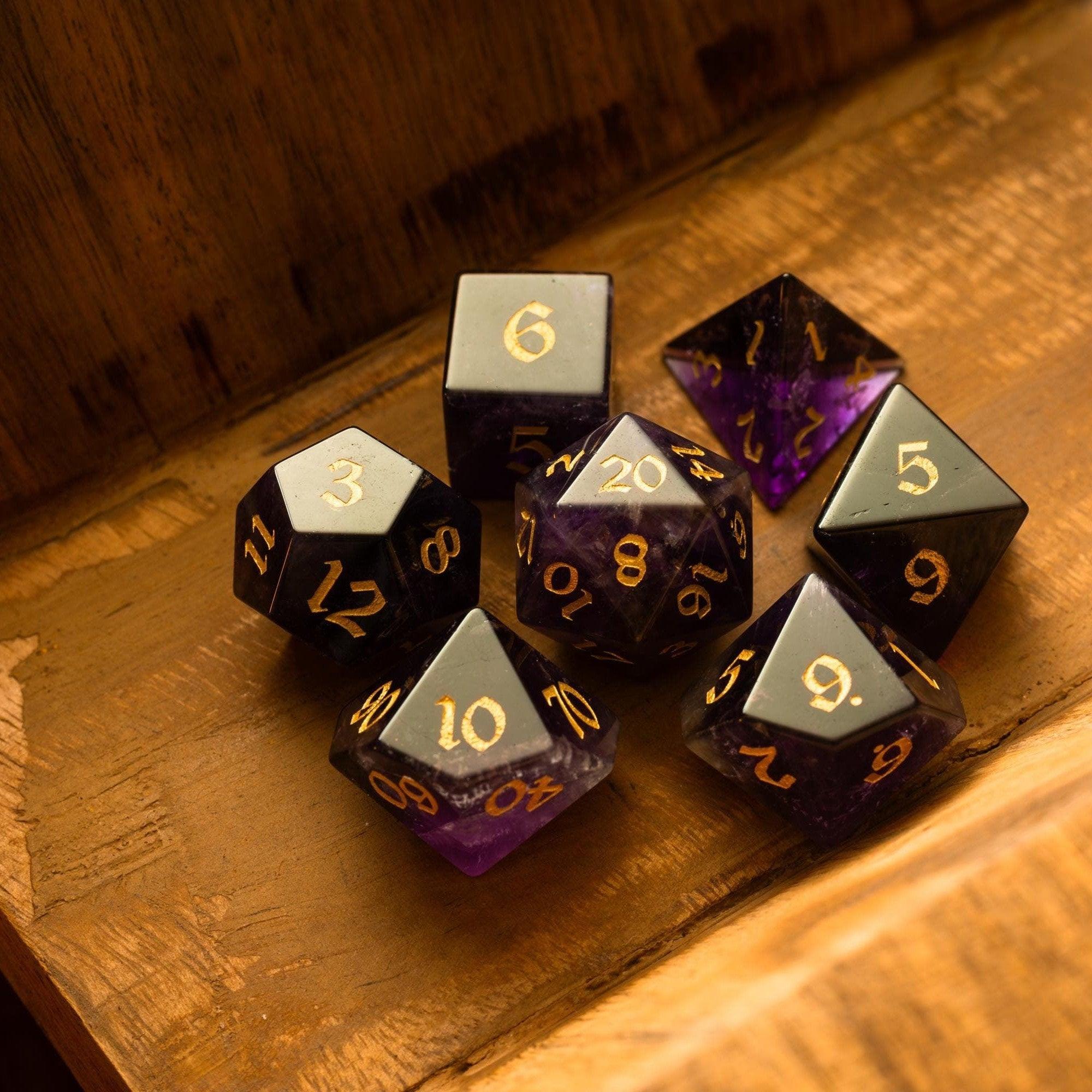
Grab your trusty d20 and roll it. You can use a physical die or a digital roller, though rolling actual dice adds to the fun and drama. This roll is the foundation of everything that follows. Some players swear by their favorite dice for luck, which is why many adventurers invest in quality sets like beautiful gemstone dice that feel great in your hand.
Step 3: Identify Your Modifiers
Now it's time to add your modifiers. Look at your character sheet and find the ability modifier that applies to your attack. If you're making a melee attack with a longsword, that's typically your Strength modifier. For a ranged attack with a shortbow, it's Dexterity. Add this modifier to your d20 roll.
Step 4: Add Any Bonuses
Check if your weapon or armor provides any bonuses. Magic weapons, certain class features, and special abilities might grant additional bonuses to your attack roll. Add all applicable bonuses to your total.
Step 5: Compare to AC
Your Dungeon Master will tell you the enemy's Armor Class. Compare your final attack roll to that AC. If your number is equal to or higher than the AC, congratulations—you hit! If it's lower, your attack misses.
Step 6: Roll for Damage (If You Hit)
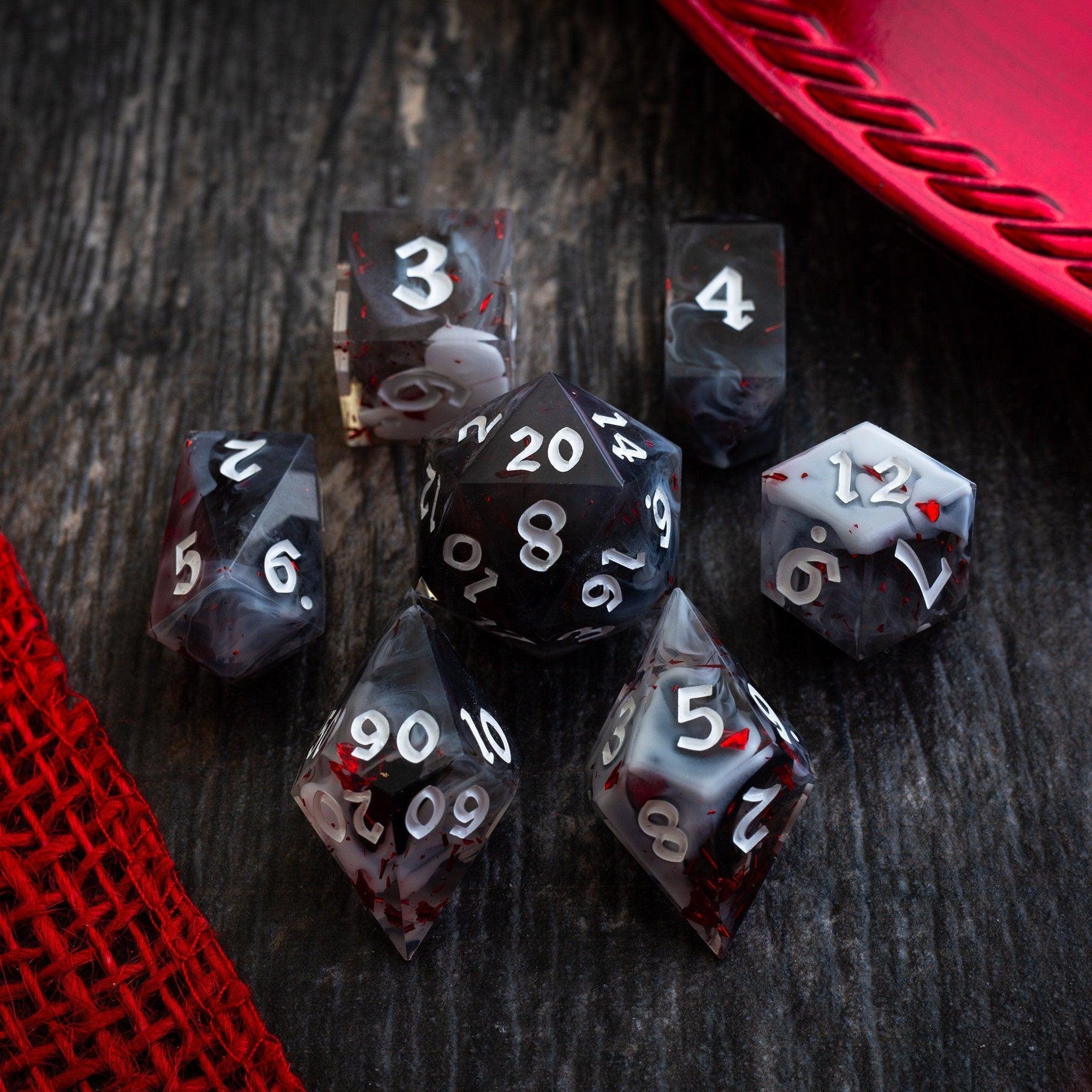
If your attack succeeds, you get to roll for damage. Each weapon has a specific damage die associated with it. A longsword deals 1d8 damage, while a great axe deals 1d12. Add your ability modifier to the damage roll as well. Many players find that rolling damage with dice sets that match their style—like eye-catching liquid core dice—makes the moment feel even more rewarding.
Understanding Attack Modifiers
Your attack roll's success depends heavily on modifiers, so let's break down what they are and how they work. A modifier is a number you add to your base roll, calculated from your character's abilities and equipment.
Ability modifiers come from your six core stats: Strength, Dexterity, Constitution, Intelligence, Wisdom, and Charisma. Each ability score of 10 or 11 gives you a modifier of +0. Every two points above or below that adjusts your modifier. A Strength score of 16 gives you a +3 modifier, while a Dexterity of 8 gives you a -1 modifier.
Proficiency bonuses also play a major role. If you're proficient with a weapon, you add your proficiency bonus (determined by your character level) to the attack roll. A 1st-level character has a +2 proficiency bonus, which increases as you level up. This represents your training and expertise with specific weapons.
Magic items and special abilities can provide additional bonuses. A magical sword might grant a +1 bonus to attack rolls, while a bard's special ability might give you a bonus to your allies' attack rolls through inspiration. Always check your character sheet and spell descriptions for any bonuses you might have overlooked.

Advantage and Disadvantage Explained
Sometimes circumstances work in your favor or against you. D&D handles this through advantage and disadvantage, two special mechanics that change how you roll.
When you have advantage on an attack roll, you roll two d20s instead of one and use the higher result. This represents favorable conditions—maybe you're attacking from behind cover, or your ally helped set up the perfect opening. Rolling advantage feels amazing because you've got two chances to succeed.
Disadvantage works the opposite way. You roll two d20s and use the lower result. This happens when conditions make success harder, like attacking in poor visibility or from an awkward position. It's a tough moment, but that's what makes it dramatic.
You can't combine multiple advantages or disadvantages. If two effects would give you advantage, you still just roll twice. The same applies to disadvantage. However, if you have both advantage and disadvantage from different sources, they cancel each other out and you roll normally. This balanced approach keeps the game fair while making special circumstances feel meaningful.
Expert Tips for Better Combat
- Know Your Bonuses: Before combat starts, write down your total attack bonus (ability modifier plus proficiency plus any other bonuses). This speeds up play and prevents mistakes during exciting moments.
- Understand Your Weapons: Different weapons have different properties. Some are versatile, some deal extra damage when used two-handed, and some have special features. Review your weapon's description so you can maximize its effectiveness.
- Use Your Environment: Talk to your Dungeon Master about how terrain and obstacles might affect your attack. High ground, cover, and positioning can grant advantage or disadvantage, changing your odds of success.
- Stack Your Bonuses: Look for class features, spells, and abilities that grant bonuses to attack rolls. A rogue's sneak attack, a paladin's divine smite, and a fighter's extra attack all add layers to your combat strategy.
- Remember Action Economy: You get one attack per turn as a standard action, but bonus actions, extra attacks, and special abilities might let you attack multiple times. Know what your character can do each round.
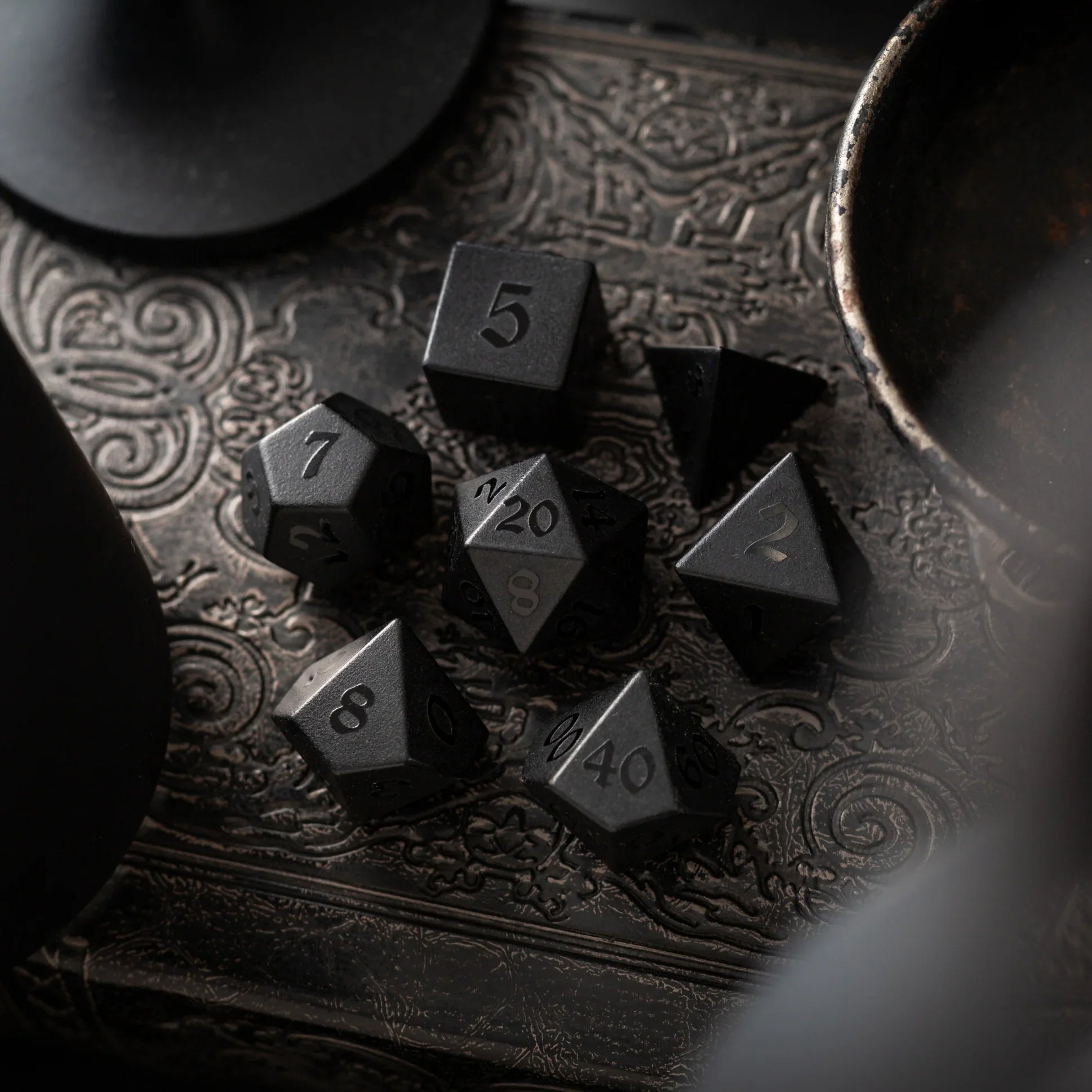
- Invest in Quality Dice: Rolling with dice that feel good in your hand makes every attempt more enjoyable. Whether it's premium gemstone sets or stunning resin dice, the right tools matter.
- Ask Your DM for Clarity: If you're unsure whether you have advantage, what your AC modifier is, or how a spell affects your attack, always ask. Clear communication prevents disputes and keeps the game fun.
- Practice Mental Math: Get comfortable adding numbers quickly. When you can add your d20 roll plus your modifier without hesitation, combat moves faster and stays exciting.
Frequently Asked Questions
What's the Difference Between an Attack Roll and a Damage Roll?
An attack roll determines whether you hit your target. You roll a d20 and add your modifiers, then compare to the enemy's AC. A damage roll only happens if you hit, and it determines how much harm your attack causes. You roll the weapon's damage die and add your ability modifier to find the total damage dealt.
Can I Add My Strength Modifier to a Ranged Attack?
No, ranged attacks typically use Dexterity modifiers. However, some weapons like javelins are melee weapons you can throw, and they use Strength. Check your weapon's description for whether it uses Strength or Dexterity. Spells have their own rules and might use Intelligence, Wisdom, or Charisma instead.
What Happens if I Roll a Natural 20?
A natural 20 is an automatic hit, no matter what the AC is. You then roll for damage normally. Some tables treat a natural 20 as critical damage (rolling double damage dice), though the official rules require you to just roll damage once. Talk with your Dungeon Master about your table's house rules.
Do I Add Proficiency Bonus to Spell Attack Rolls?
Yes, if you're making a spell attack (like with a magic missile spell), you add your proficiency bonus plus your relevant ability modifier (usually Intelligence, Wisdom, or Charisma depending on your class). Saving throws work differently—enemies roll their own dice against a DC you set.
How Do Penalty Modifiers Work?
Sometimes you have negative modifiers that reduce your attack roll. A character with low Strength or a weapon that's not suited to you might give you a penalty. You subtract these negative modifiers from your d20 roll, making it harder to hit. This is why choosing the right weapon for your character's abilities matters.
Mastering the mechanics of making an attack roll opens up the full potential of combat in Dungeons & Dragons. Whether you're sneaking past guards, engaging in epic battles, or negotiating with powerful adversaries, understanding how your character interacts with the world makes every decision meaningful. Practice these steps, get comfortable with your modifiers, and soon you'll be rolling attacks without thinking twice. The adventure awaits, and your next critical hit is just one die roll away.














Leave a comment
This site is protected by hCaptcha and the hCaptcha Privacy Policy and Terms of Service apply.