
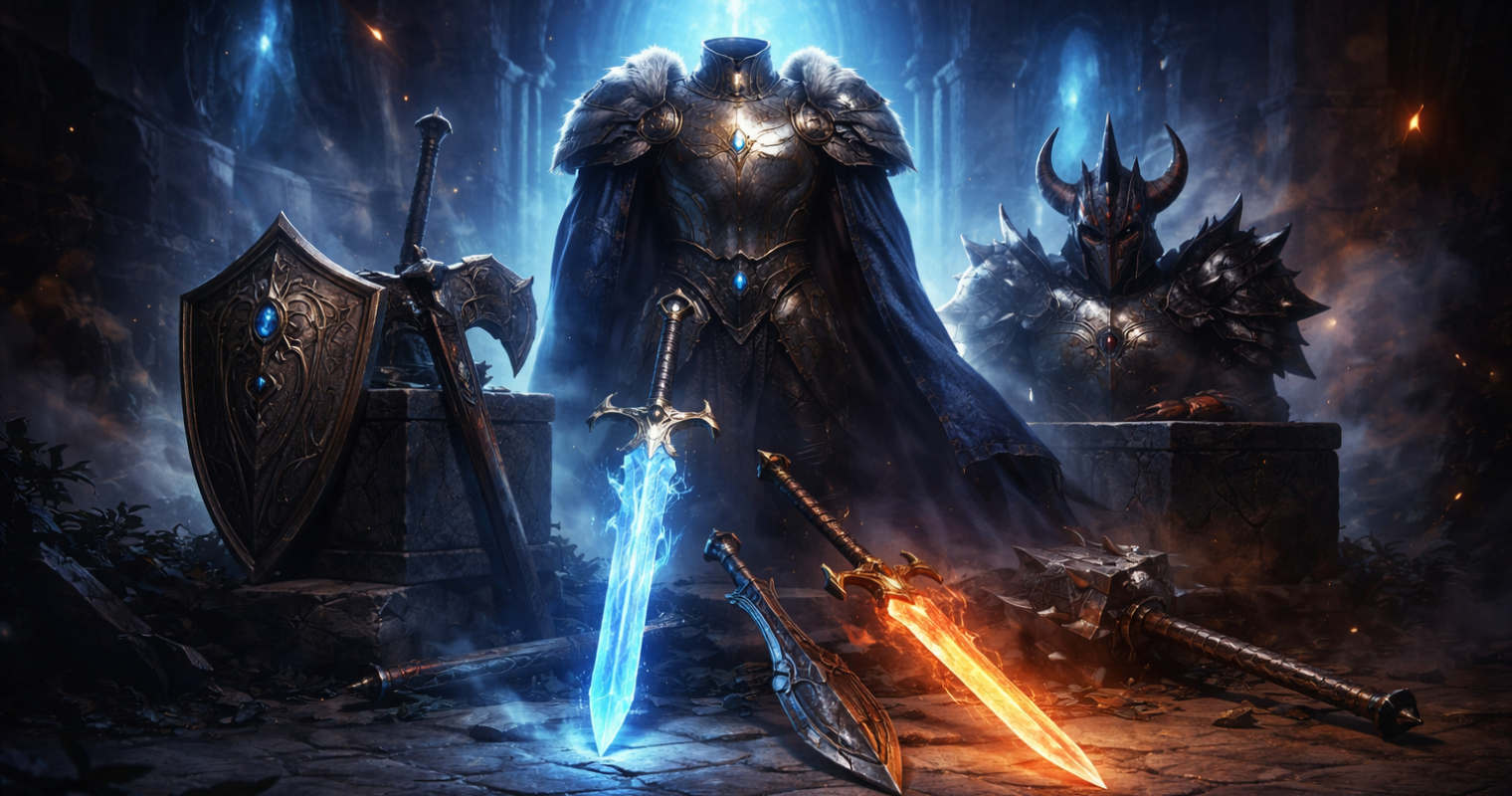
D&D Weapons and Armor Guide: How to Optimize Defense and Damage

When creating a character in Dungeons & Dragons, few decisions matter more than choosing the right weapons and armor. Your equipment directly affects how much damage you deal, how long you survive in battle, and how effectively you contribute to your party.
A heavily armored fighter can stand toe-to-toe with powerful monsters, while a lightly armored rogue relies on agility and precision strikes. Even spellcasters benefit from understanding how armor and weapons influence combat.
Whether you're building your first character or refining an existing one, understanding D&D weapons and D&D armor can make a huge difference at the table.
This D&D combat guide breaks down the essentials so you can make smarter equipment choices without getting lost in complicated rules.
Understanding D&D Weapon Categories
Weapons in Dungeons & Dragons are generally divided into several categories that determine who can use them effectively.
Simple Weapons
Simple weapons are easy to use and require minimal training.
Examples include:
-
Club
-
Dagger
-
Spear
-
Mace
-
Light Crossbow
Most classes can use simple weapons, making them common starting equipment for clerics, druids, wizards, and many other characters.
Martial Weapons
Martial weapons require specialized training and typically offer better combat performance.
Examples include:
-
Longsword
-
Greatsword
-
Battleaxe
-
Halberd
-
Longbow
Fighters, paladins, barbarians, and many rangers often gain proficiency with martial weapons.
When players discuss the best weapons 5e has to offer, martial weapons are usually at the center of the conversation because of their versatility and higher damage potential.
Melee Weapons
Melee weapons are used in close combat.
Popular examples:
-
Longsword
-
Rapier
-
Warhammer
-
Greataxe
These weapons are ideal for front-line characters who expect to engage enemies directly.
Ranged Weapons
Ranged weapons allow attacks from a distance.
Common choices include:
-
Longbow
-
Shortbow
-
Crossbows
-
Darts
Ranged combat helps characters stay safer while still contributing meaningful damage.
Understanding Armor Types
Armor determines how difficult you are to hit and often shapes your entire combat style.
Light Armor
Light armor provides modest protection while allowing maximum mobility.
Examples:
-
Leather Armor
-
Studded Leather
Best for:
-
Rogues
-
Bards
-
Dexterity-focused characters
Advantages:
-
No mobility penalties
-
Works well with high Dexterity scores
Drawbacks:
-
Lower Armor Class compared to heavier options
Medium Armor
Medium armor balances defense and flexibility.
Examples:
-
Scale Mail
-
Breastplate
-
Half Plate
Best for:
-
Rangers
-
Some Clerics
-
Druids
Advantages:
-
Good protection
-
Doesn't require extremely high Strength
Drawbacks:
-
Less effective than heavy armor for pure defense
Heavy Armor
Heavy armor offers the highest protection available.
Examples:
-
Chain Mail
-
Splint Armor
-
Plate Armor
Best for:
-
Fighters
-
Paladins
-
Certain Clerics
Advantages:
-
Excellent Armor Class
-
Strong survivability
Drawbacks:
-
Often requires significant Strength
-
More expensive
Shields
A shield provides a simple but effective defensive boost.
Best used by:
-
Fighters
-
Paladins
-
Clerics
Advantages:
-
Increased Armor Class
-
Excellent for tank-style characters
Drawbacks:
-
Prevents use of certain two-handed weapons
Weapon Properties That Matter Most
Many dungeons and dragons weapons include special properties that influence how they perform.
Finesse
Allows you to use Dexterity instead of Strength.
Common examples:
-
Rapier
-
Dagger
-
Shortsword
Ideal for rogues and agile fighters.
Heavy
Heavy weapons deal significant damage but are best suited for larger, stronger characters.
Examples:
-
Greatsword
-
Greataxe
Popular among barbarians and fighters.
Reach
Reach weapons allow attacks from farther away.
Examples:
-
Halberd
-
Glaive
Useful for controlling battlefield space.
Versatile
Can be used with one or two hands.
Example:
-
Longsword
Provides flexibility depending on the situation.
Two-Handed
Requires both hands to use.
Examples:
-
Greatsword
-
Maul
Typically offers increased damage potential.
Thrown
Can be used in melee or at range.
Examples:
-
Spear
-
Handaxe
Excellent for characters who need flexibility.
Loading
Limits how quickly certain ranged weapons can be fired.
Examples:
-
Heavy Crossbow
-
Light Crossbow
Important to understand before building around crossbows.
Weapons and Armor Comparison Table
| Equipment Type | Best For | Strengths | Weaknesses |
|---|---|---|---|
| Light Armor | Rogues | Mobility | Lower AC |
| Medium Armor | Rangers | Balanced | Moderate protection |
| Heavy Armor | Fighters | Highest AC | Strength requirements |
| Shield | Frontliners | Extra defense | Limits weapon options |
Best Equipment for Popular Classes
Fighter
Strong choices include:
-
Plate Armor
-
Shield
-
Longsword
-
Greatsword
Fighters can excel with either defensive or offensive builds.
Barbarian
Popular options:
-
Greataxe
-
Greatsword
-
Handaxes
Many barbarians rely on offense and durability rather than heavy armor.
Paladin
Recommended equipment:
-
Plate Armor
-
Shield
-
Longsword
-
Warhammer
Excellent balance of defense and damage.
Ranger
Good choices include:
-
Half Plate
-
Longbow
-
Shortswords
Rangers benefit from versatility.
Rogue
Effective equipment:
-
Studded Leather
-
Rapier
-
Shortbow
Mobility and precision are key.
Cleric
Recommended options:
-
Medium or Heavy Armor
-
Shield
-
Mace
-
Warhammer
Clerics often combine durability with support abilities.
Wizard
Typical equipment:
-
Quarterstaff
-
Dagger
Wizards usually rely on spells rather than physical protection, making positioning especially important.
Common Equipment Mistakes
Many players make similar mistakes when selecting D&D equipment.
Avoid these common problems:
Choosing Armor That Limits Key Abilities
A Dexterity-focused rogue gains little from armor that restricts mobility.
Ignoring Weapon Properties
Damage isn't everything. Properties like finesse, reach, and versatile often provide valuable advantages.
Prioritizing Damage Over Survivability
A character that falls unconscious can't deal damage. Defense matters.
Carrying Ineffective Backup Weapons
Always have an alternative option when your primary weapon isn't ideal.
Optimizing Defense and Damage Together
The strongest characters balance offense and defense rather than focusing entirely on one.
Consider your role in the party:
Tank Builds
Focus on:
-
Heavy armor
-
Shields
-
High survivability
Ideal for protecting allies.
Damage Builds
Focus on:
-
High-damage weapons
-
Offensive abilities
-
Mobility
Designed to eliminate threats quickly.
Balanced Builds
Many successful characters combine:
-
Reliable defense
-
Consistent damage
-
Tactical flexibility
Adaptability often wins more encounters than specialization alone.
How Dice Influence Combat Outcomes
Equipment choices are only part of the equation.
Combat frequently involves:
-
Attack rolls
-
Damage rolls
-
Critical hits
-
Saving throws
-
Initiative checks
A powerful weapon still depends on successful attack rolls. Likewise, strong armor helps characters survive incoming attacks and damaging effects.
Combat-heavy campaigns often involve hundreds of dice rolls across an adventure. Attack rolls determine whether your weapon connects, damage rolls measure its impact, and saving throws often decide whether your character withstands dangerous effects.
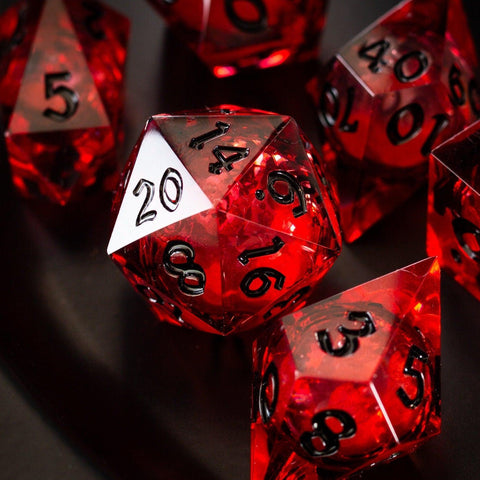
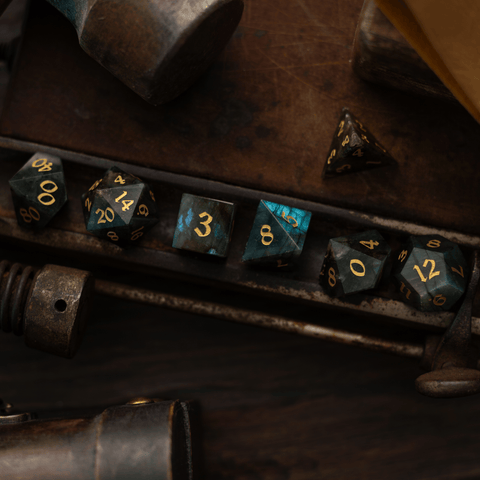
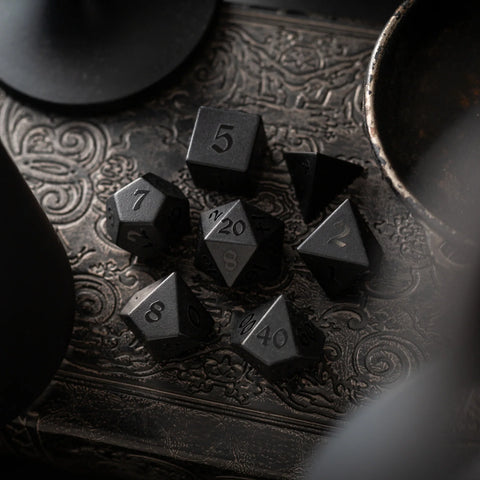
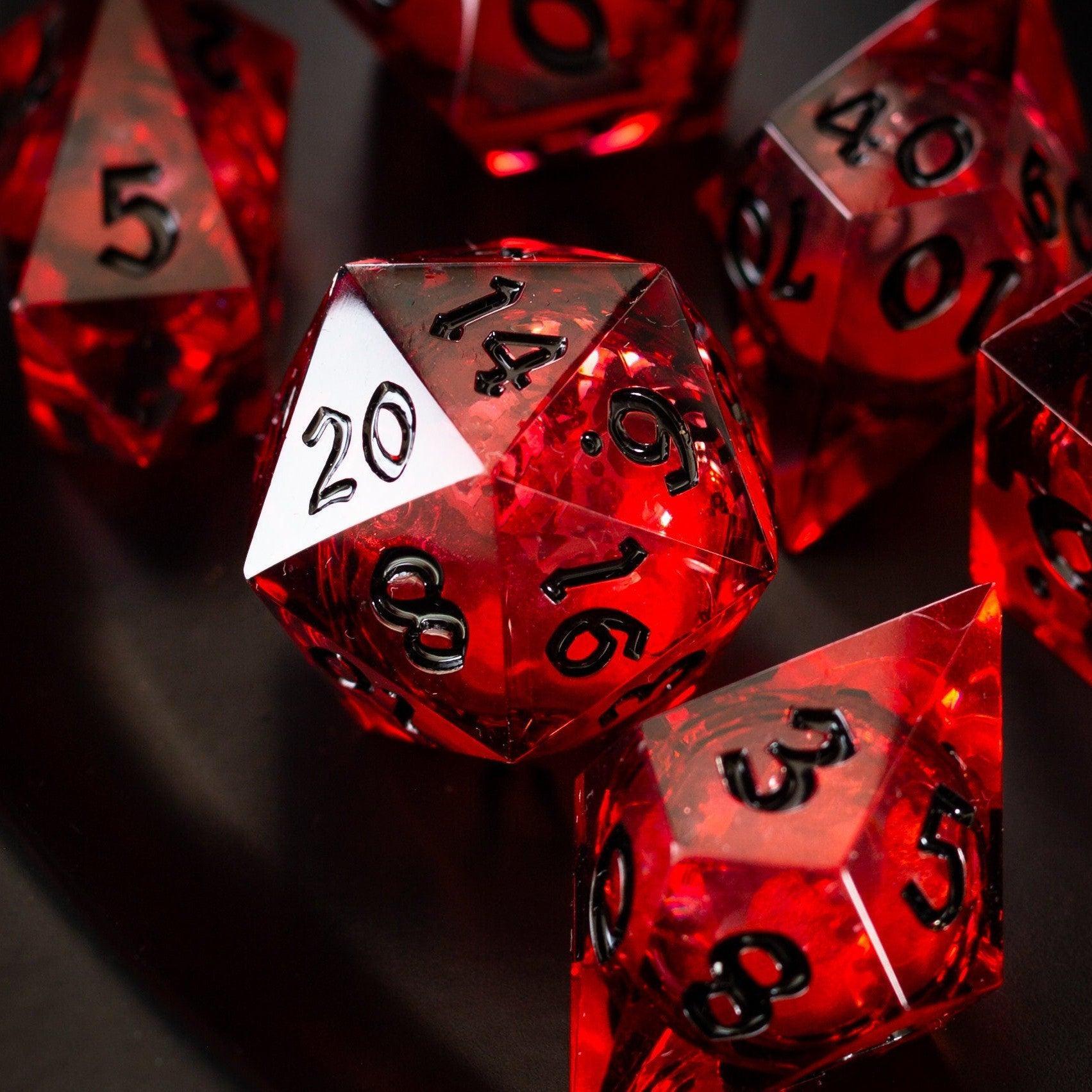
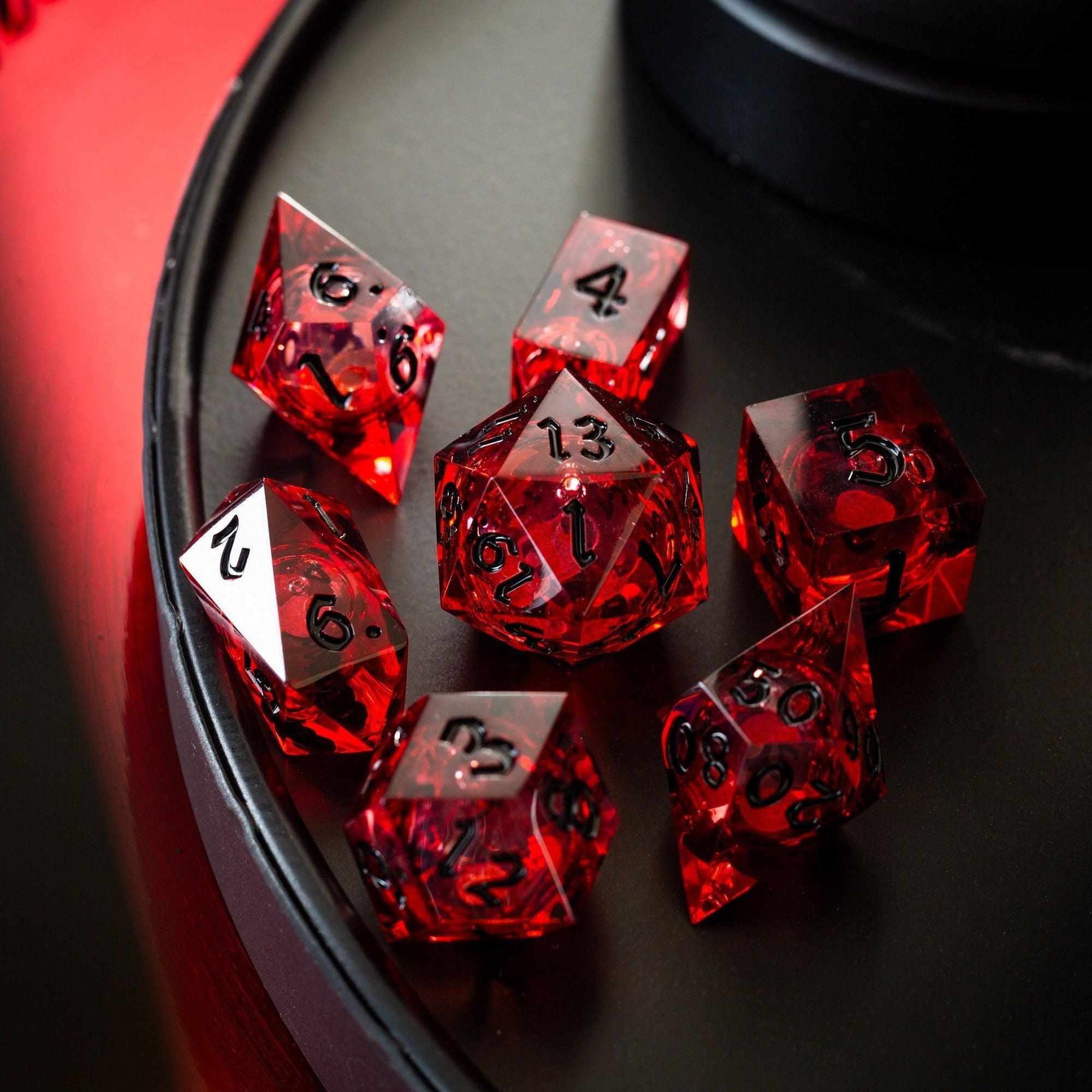
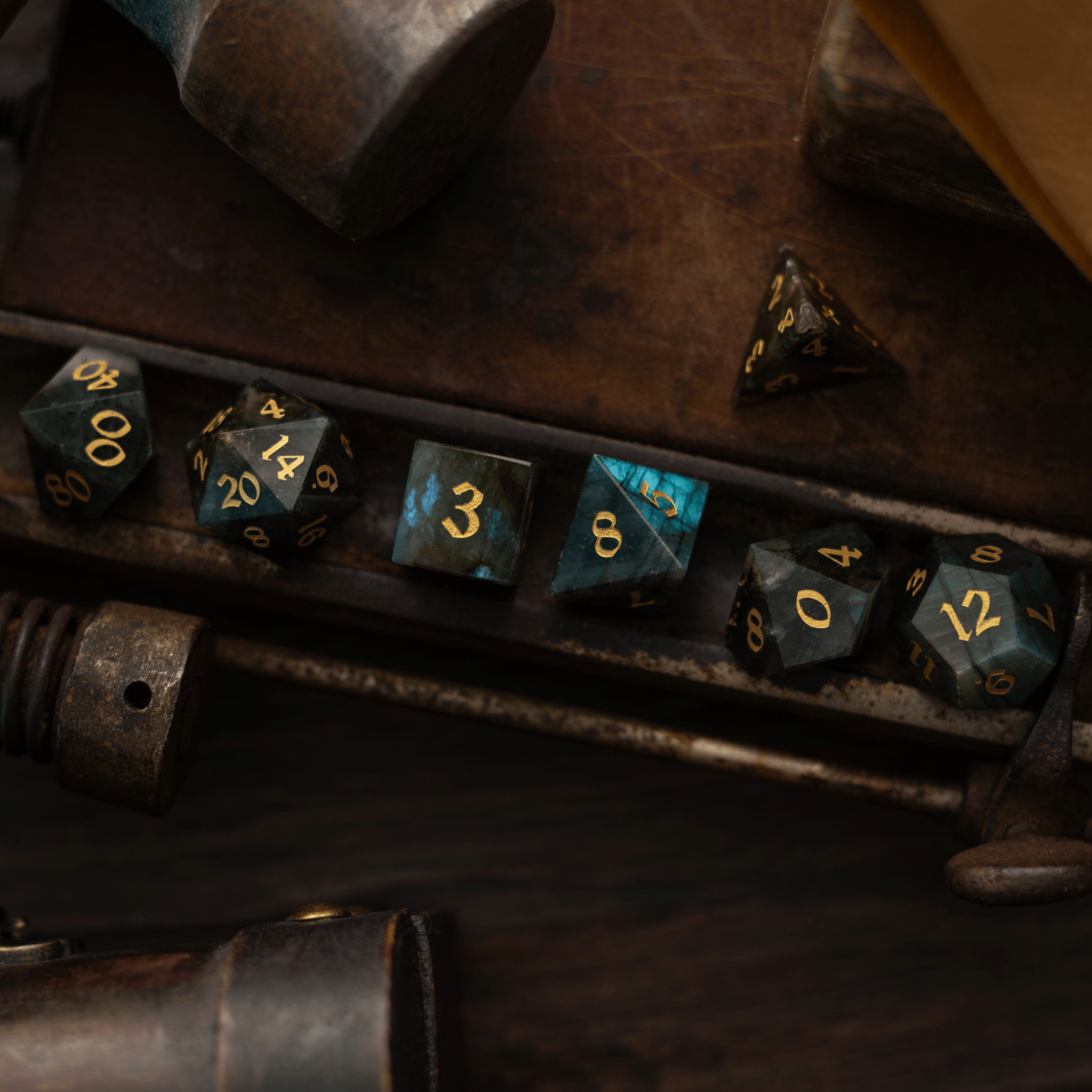
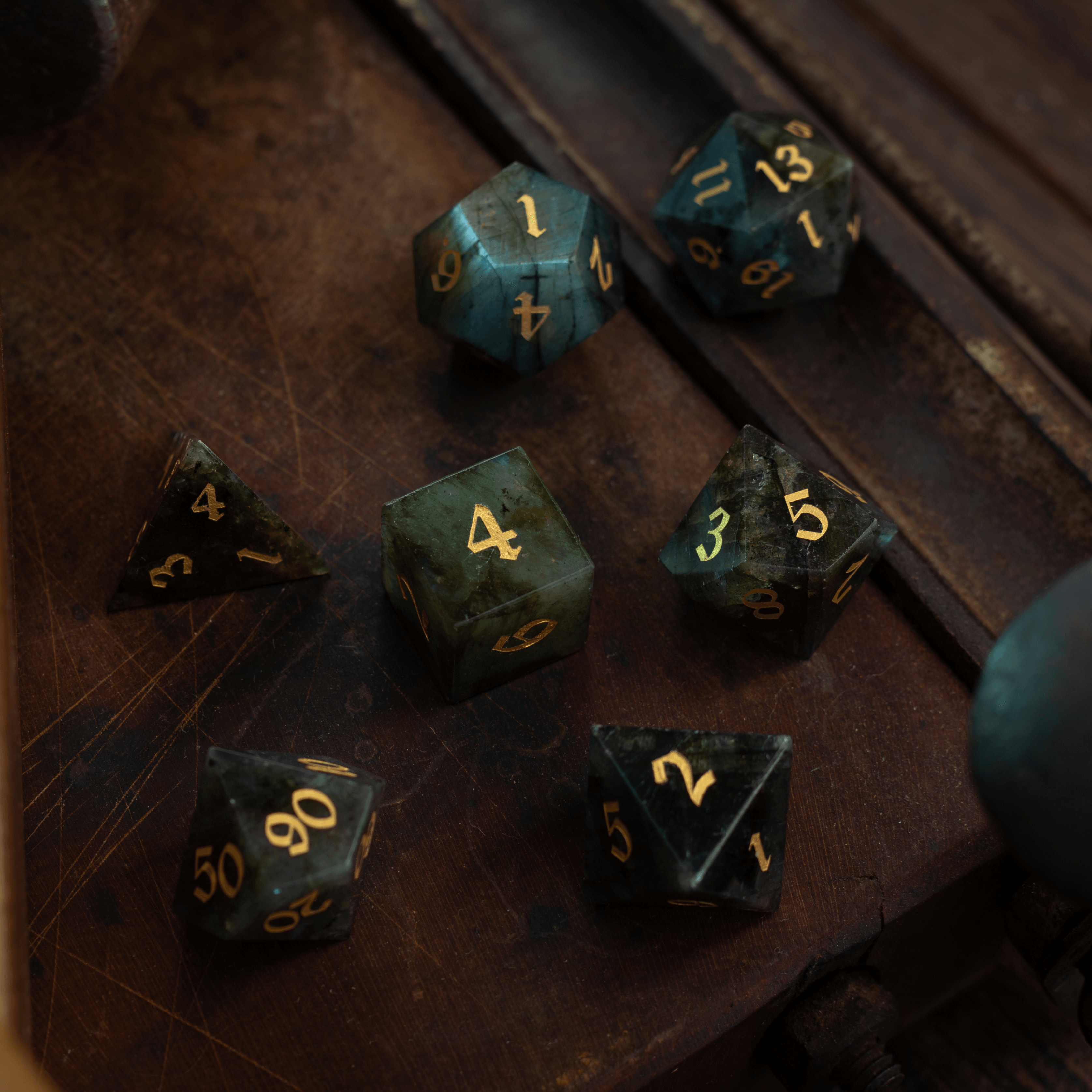
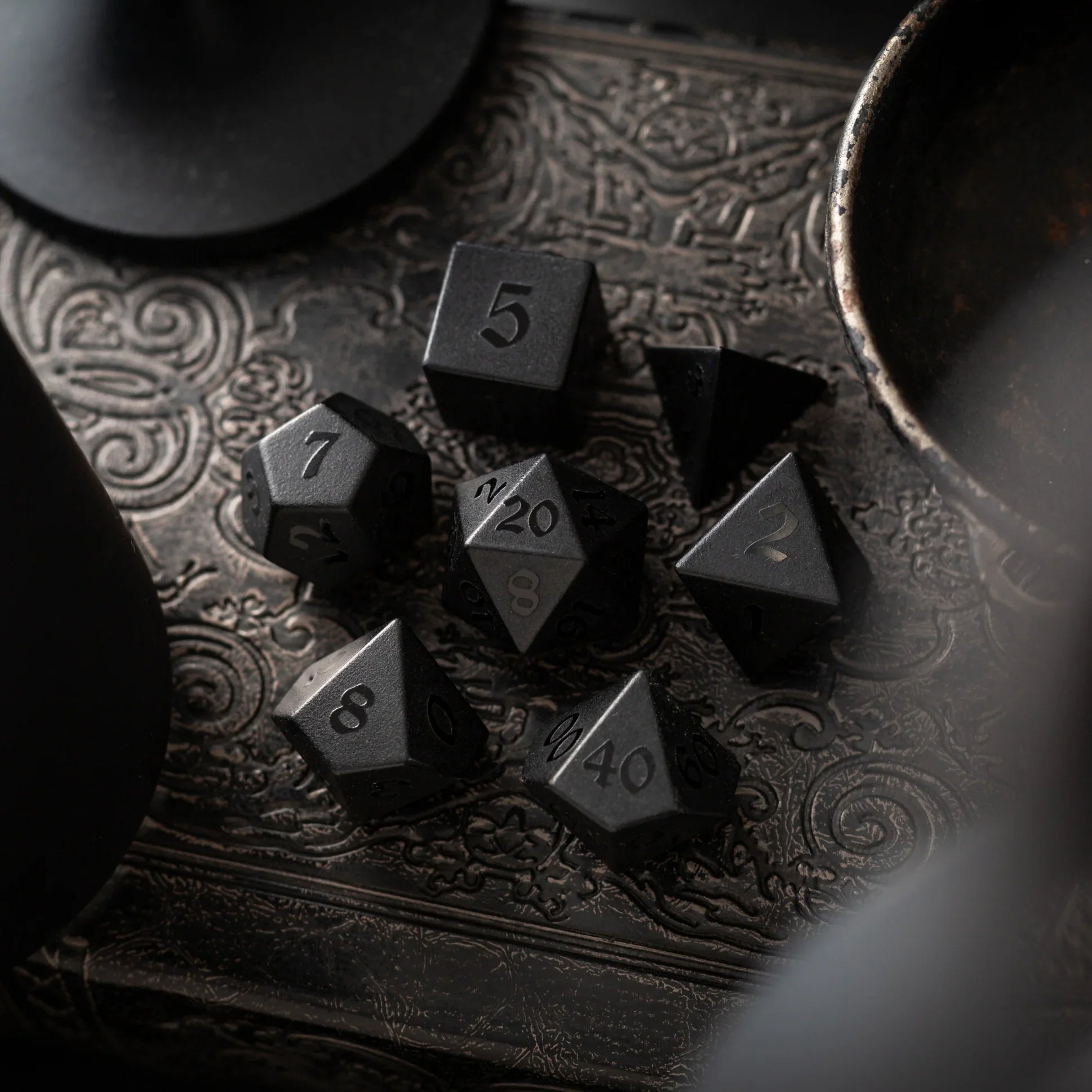
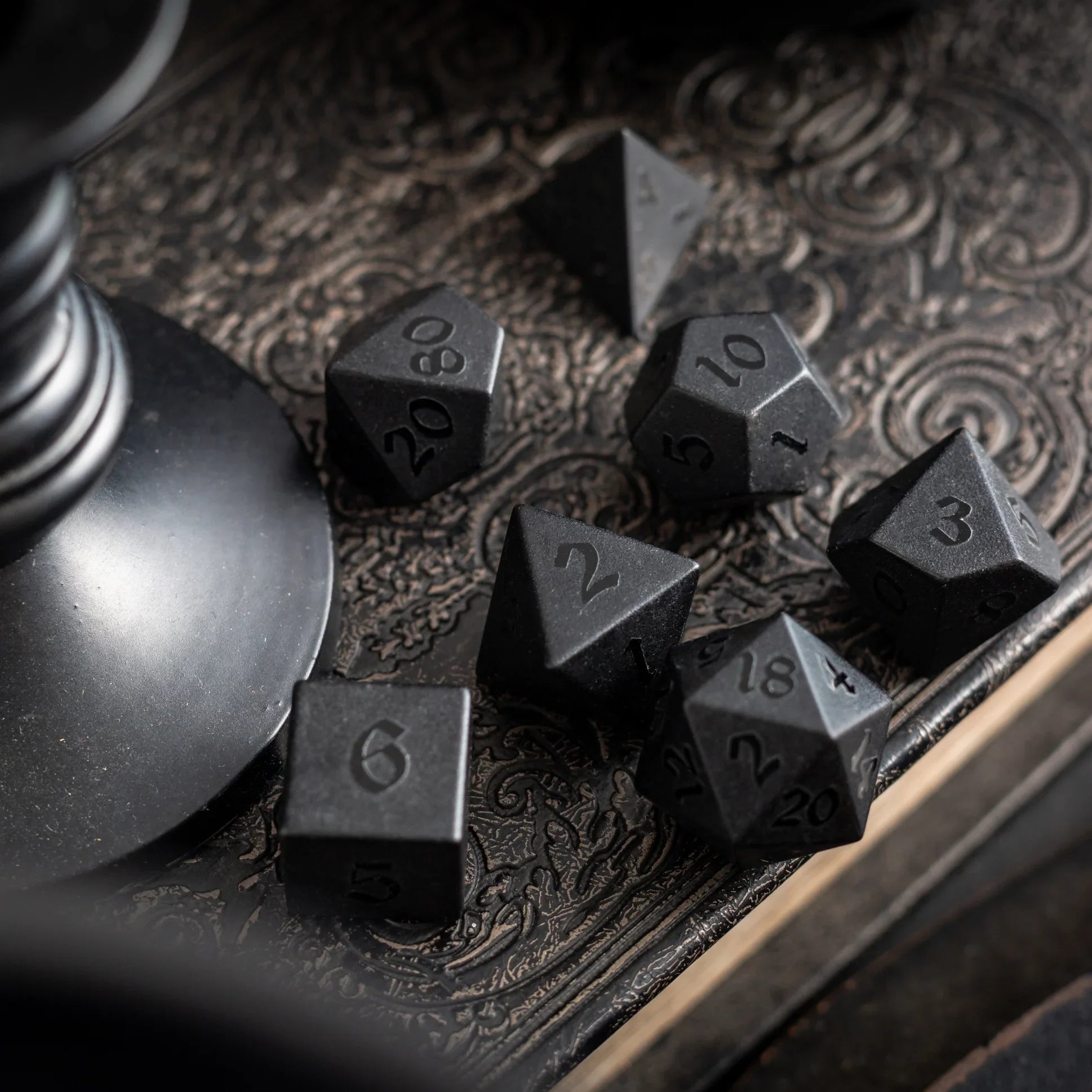
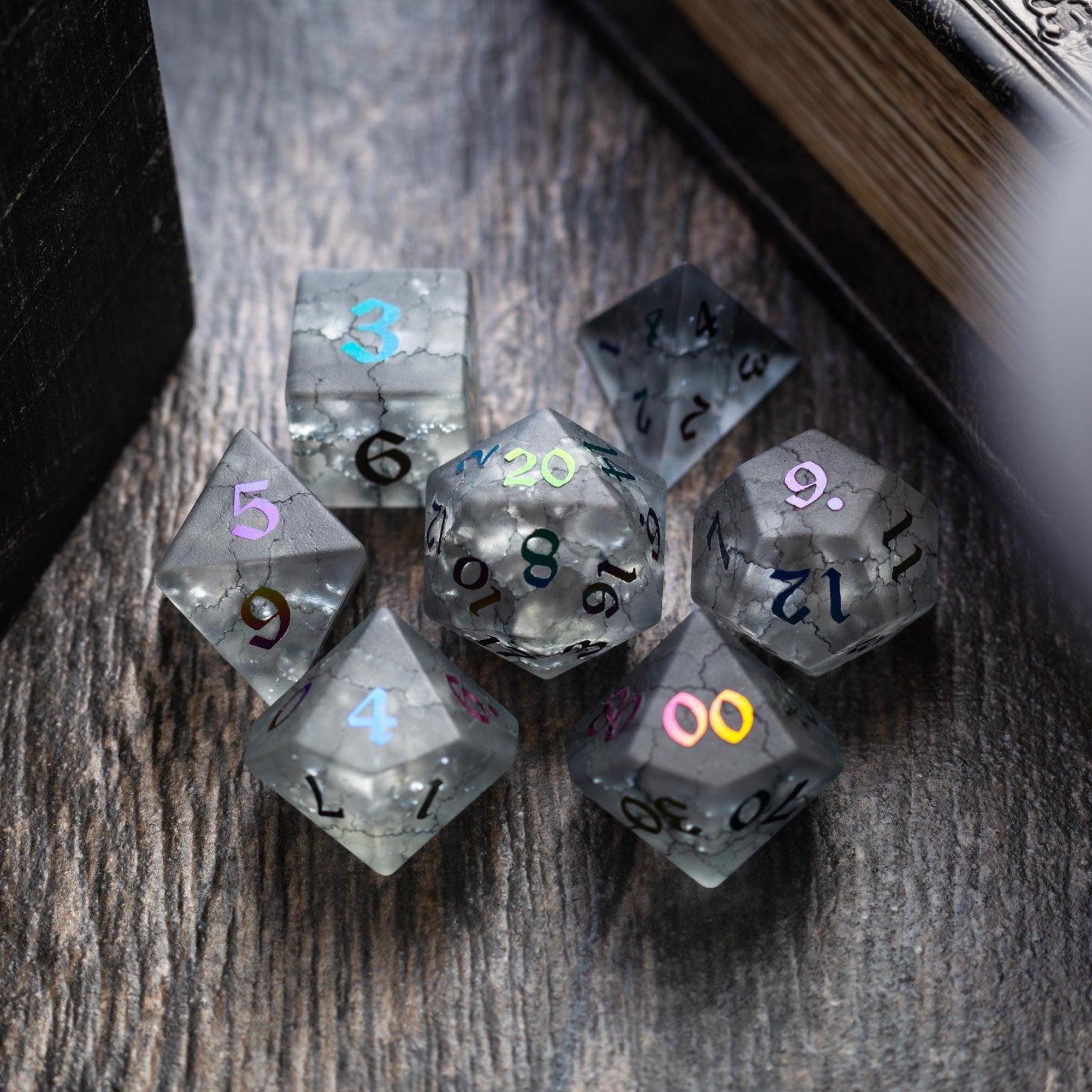
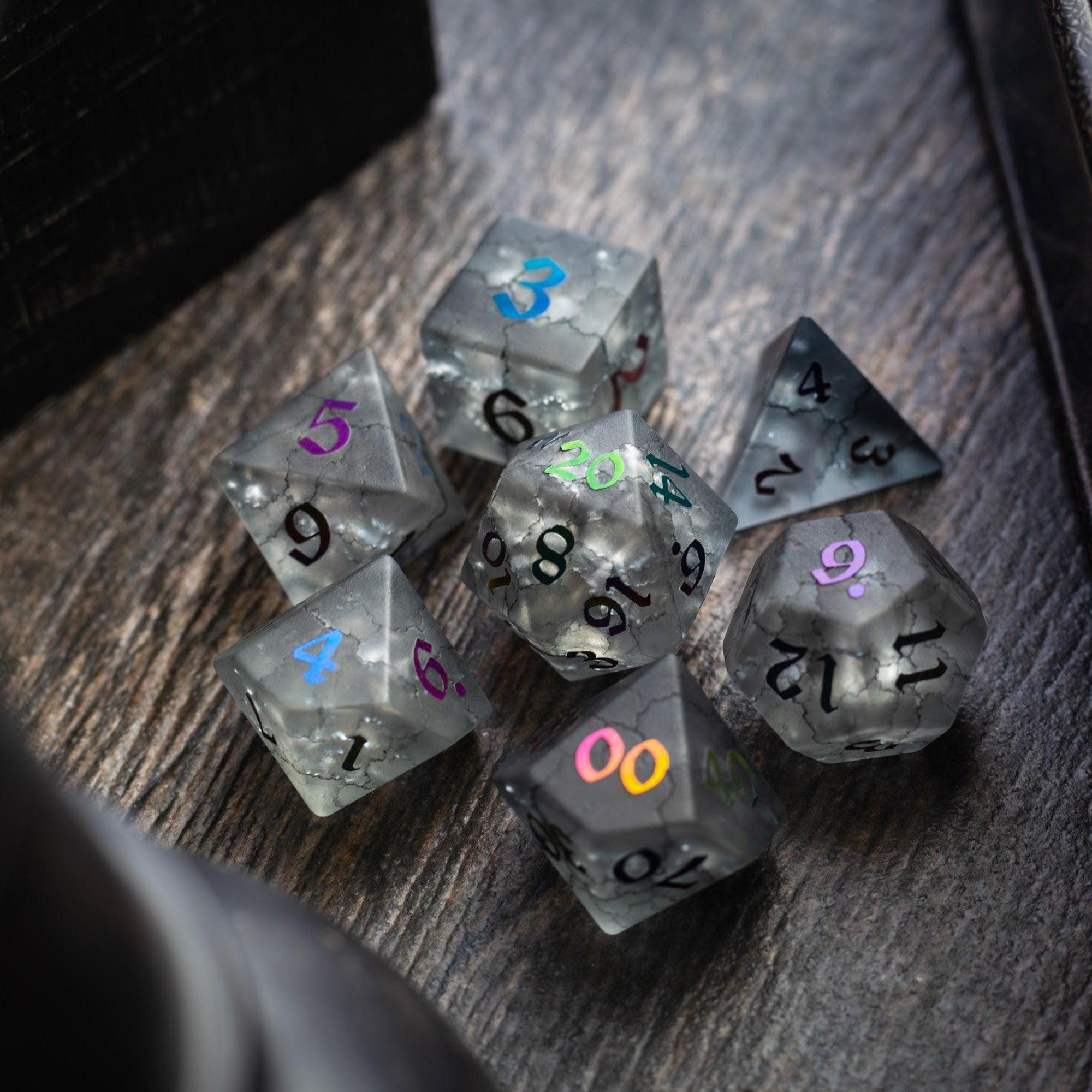
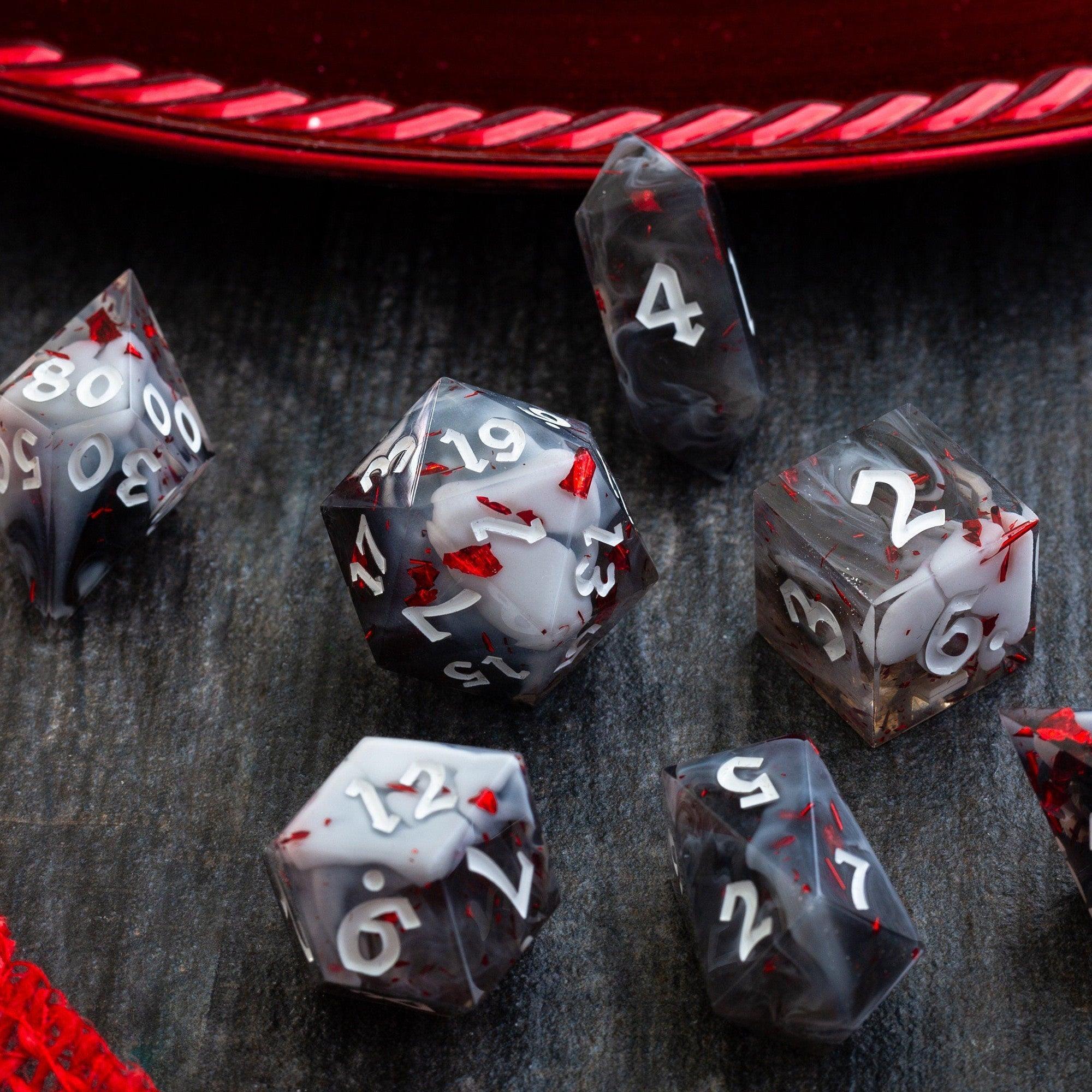
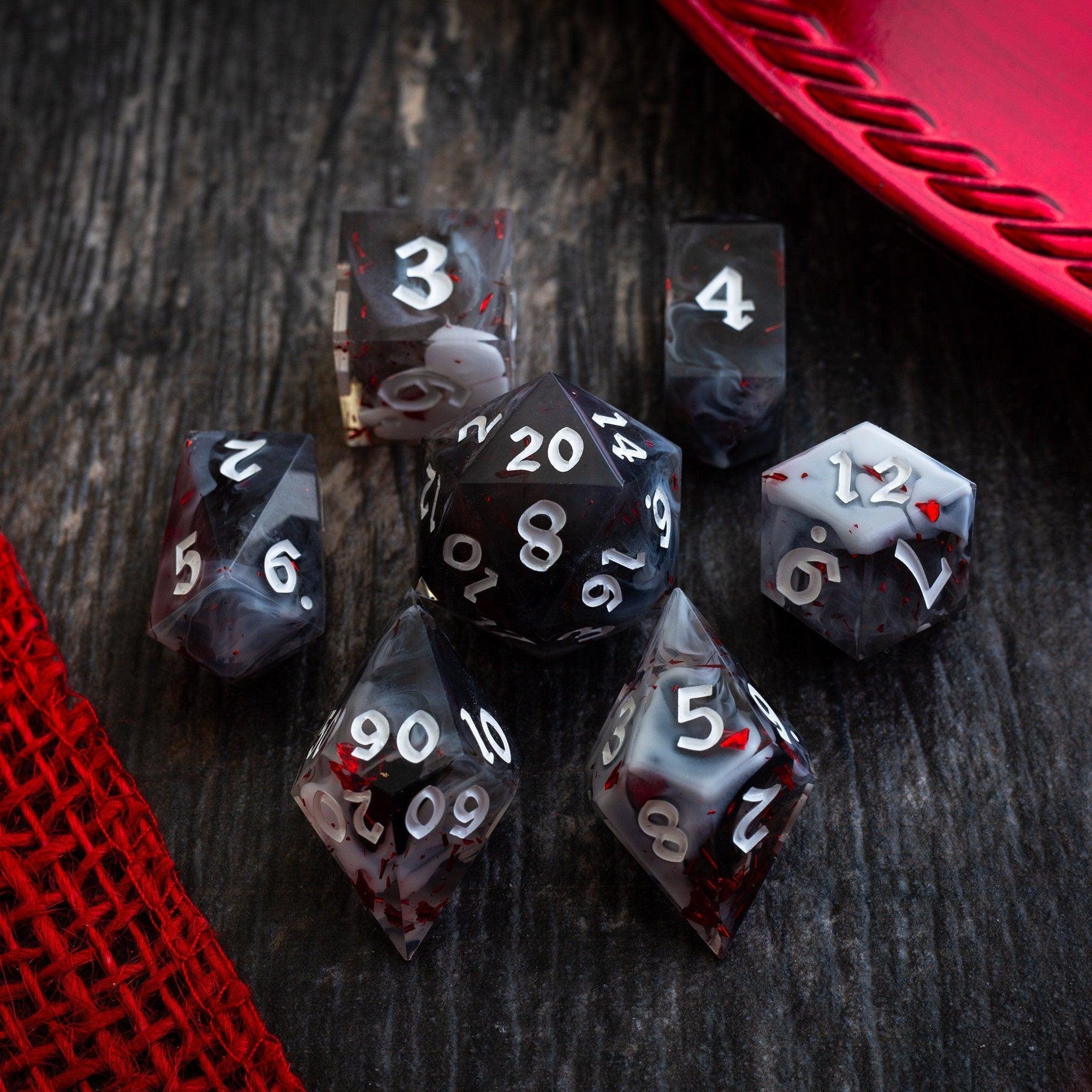
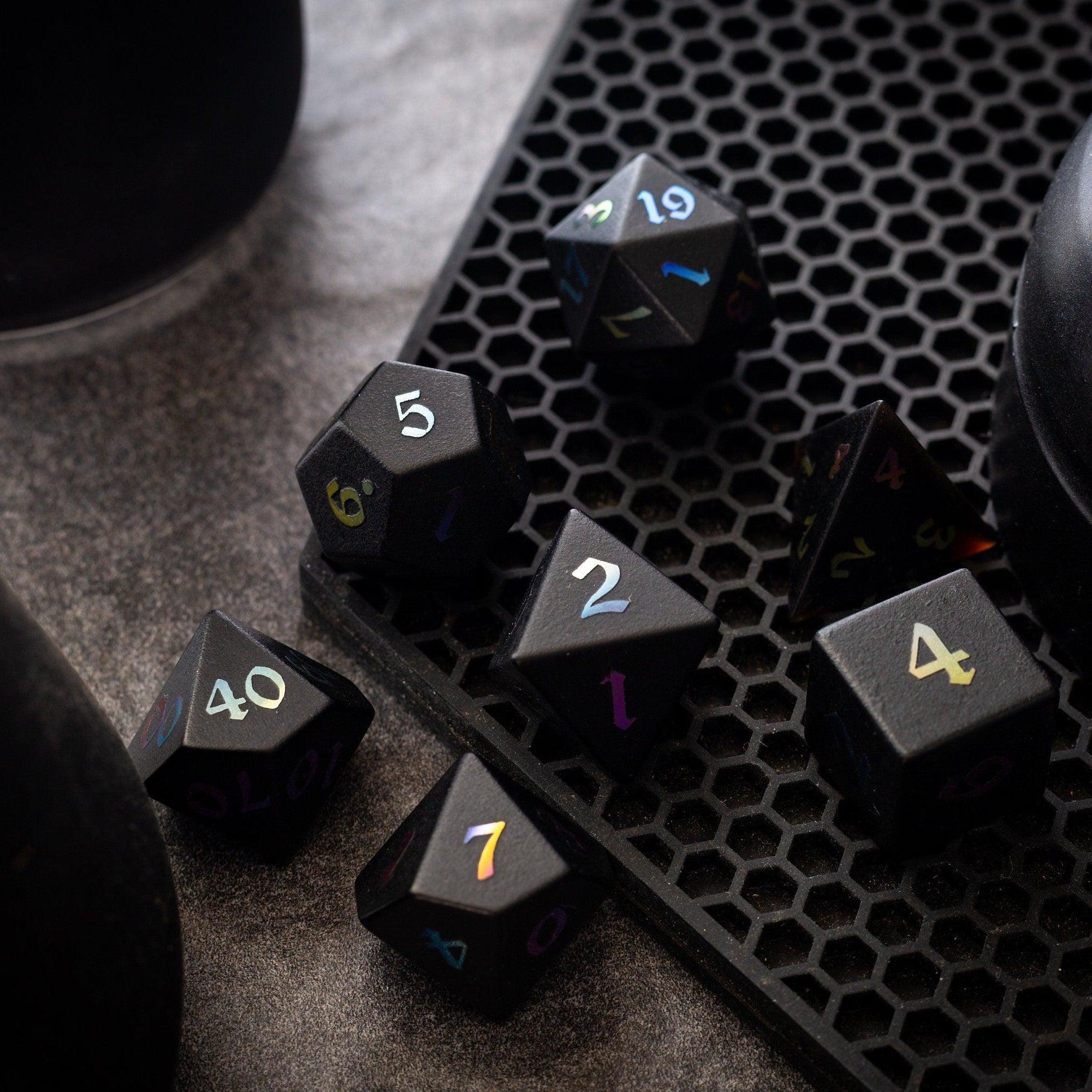
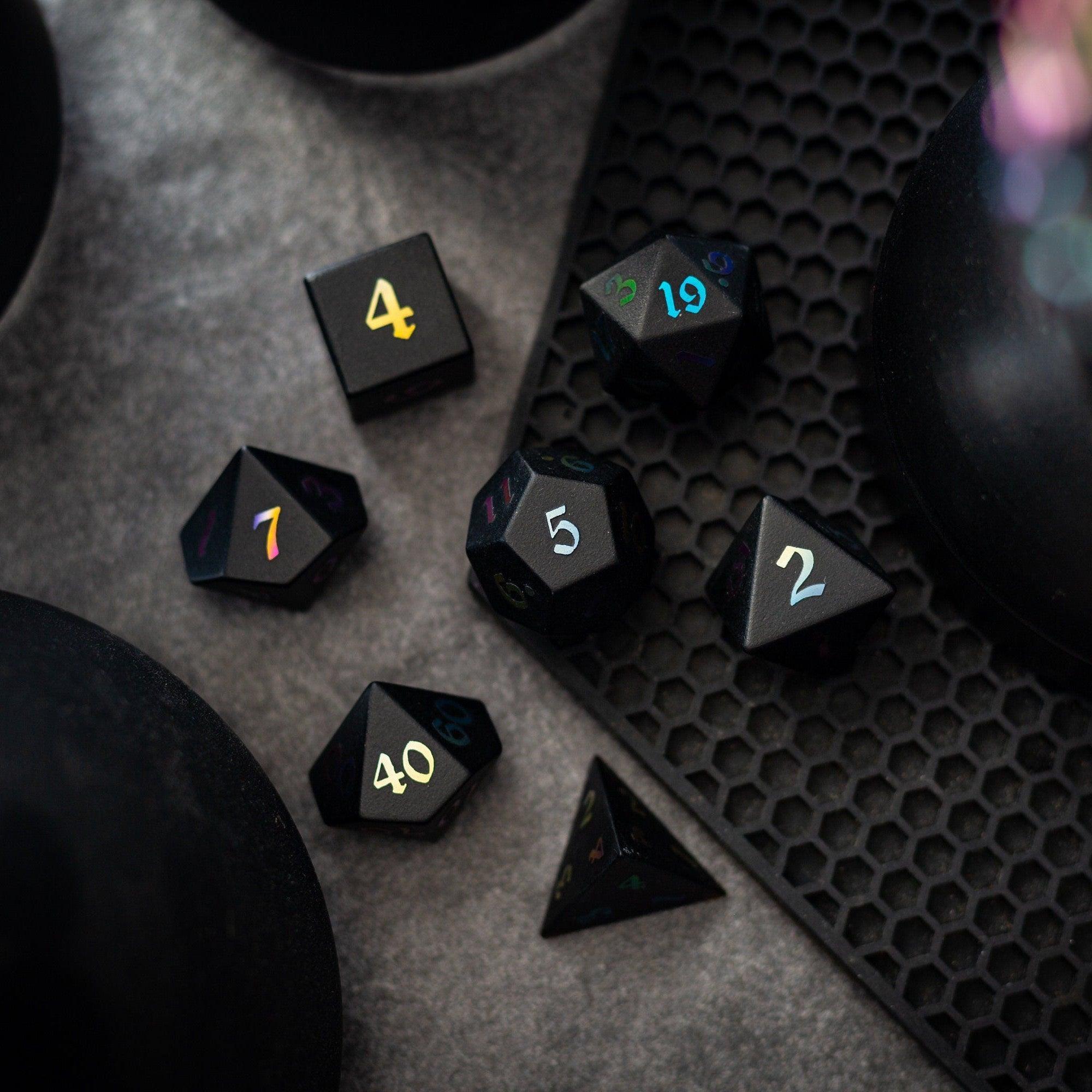
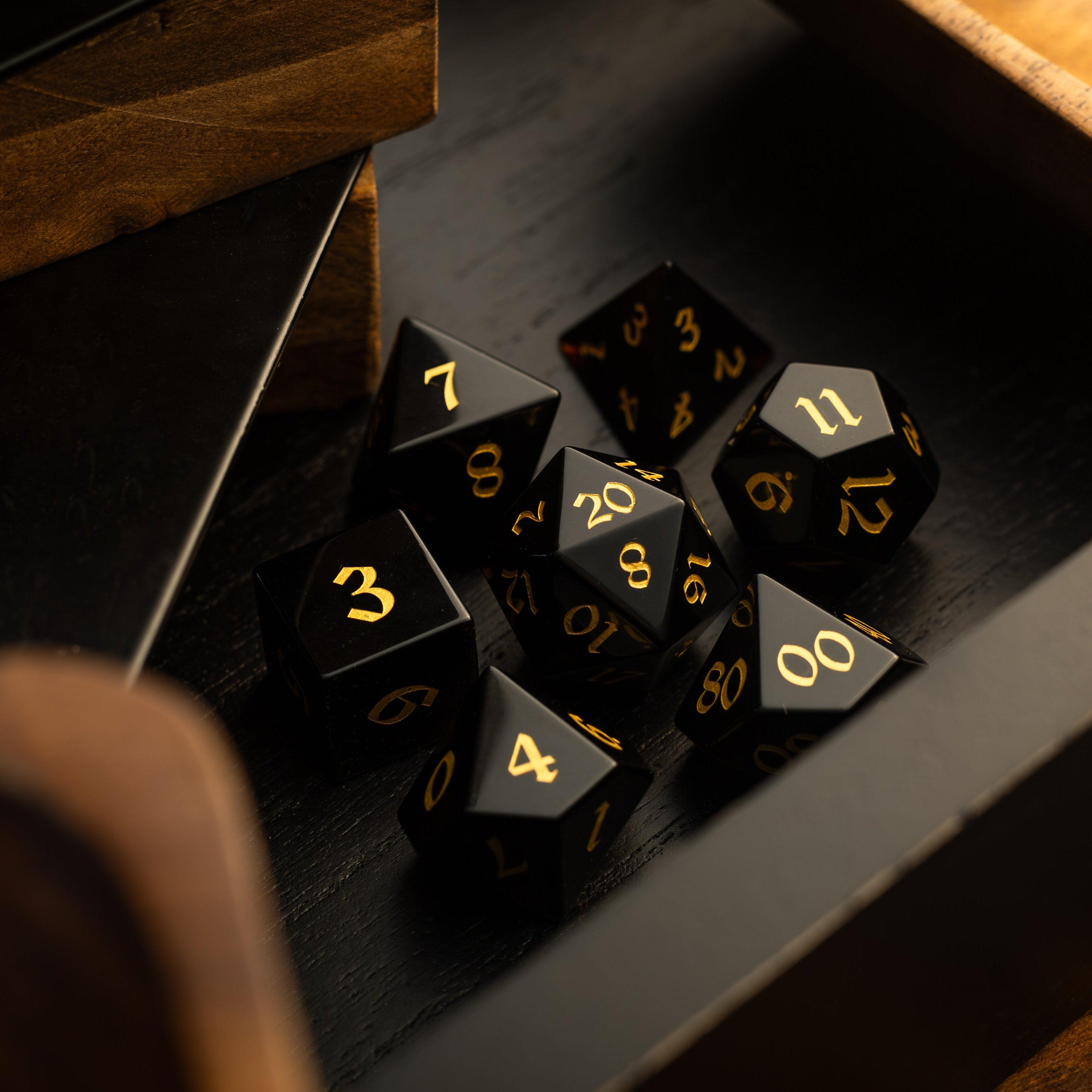
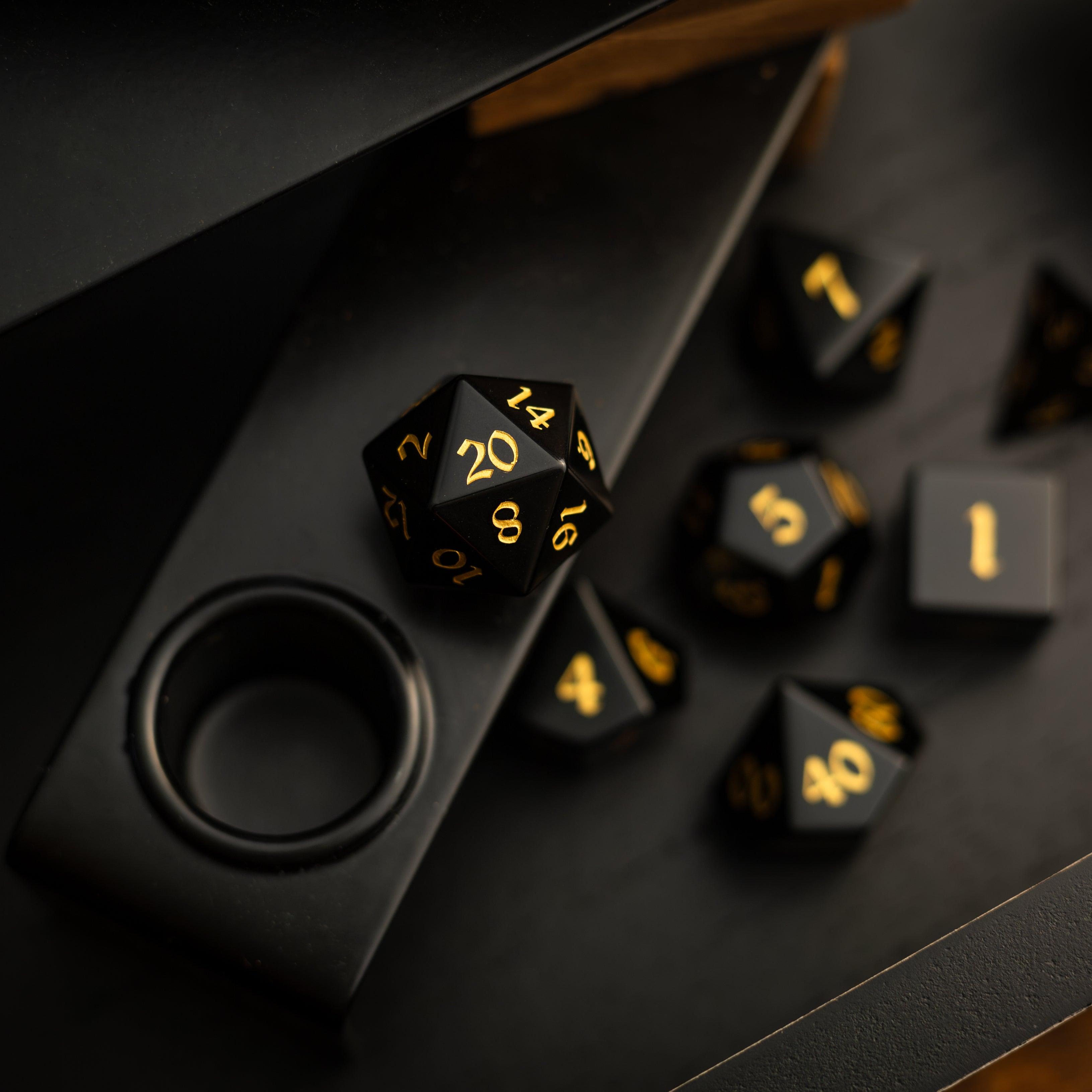
Because of this, many players enjoy using premium D&D dice during combat-focused campaigns. Consistent rolling and clear readability can help keep encounters moving smoothly while adding to the overall tabletop experience.
Understanding how your equipment works alongside these dice-based mechanics is a key part of effective D&D character optimization.
Conclusion
Weapons and armor are more than just items on a character sheet. They define how your character approaches combat, survives dangerous encounters, and contributes to the party's success.
The best armor 5e offers may not be the right choice for every build, and the best weapons 5e players recommend often depend on class, playstyle, and campaign goals.
Experiment with different combinations, learn which weapon properties complement your abilities, and think carefully about the balance between offense and defense.
Ultimately, the best equipment choice is the one that helps your character perform effectively while making the game more enjoyable. With a solid understanding of D&D weapons, D&D armor, and smart combat strategy, you'll be ready to face whatever challenges your next adventure brings.



Leave a comment
This site is protected by hCaptcha and the hCaptcha Privacy Policy and Terms of Service apply.