D&D Half-Elf Race Guide: Traits, Charisma Builds, and Best Classes
Updated on: March 20, 2026

Half-Elves are one of those races that just feel right the moment you start building a character. They’re adaptable, naturally charismatic, and incredibly flexible in how you play them.
If you’re new to Dungeons & Dragons, the Half-Elf is one of the easiest and most rewarding choices you can make. You get strong social skills, useful abilities, and the freedom to shape your character however you want.
Whether you picture a charming bard, a mysterious warlock, or a noble paladin, Half-Elves fit the role beautifully.
What Is a Half-Elf in D&D 5e?
In D&D 5e, Half-Elves are exactly what they sound like: characters born from both human and elven heritage.
That mix creates something unique.
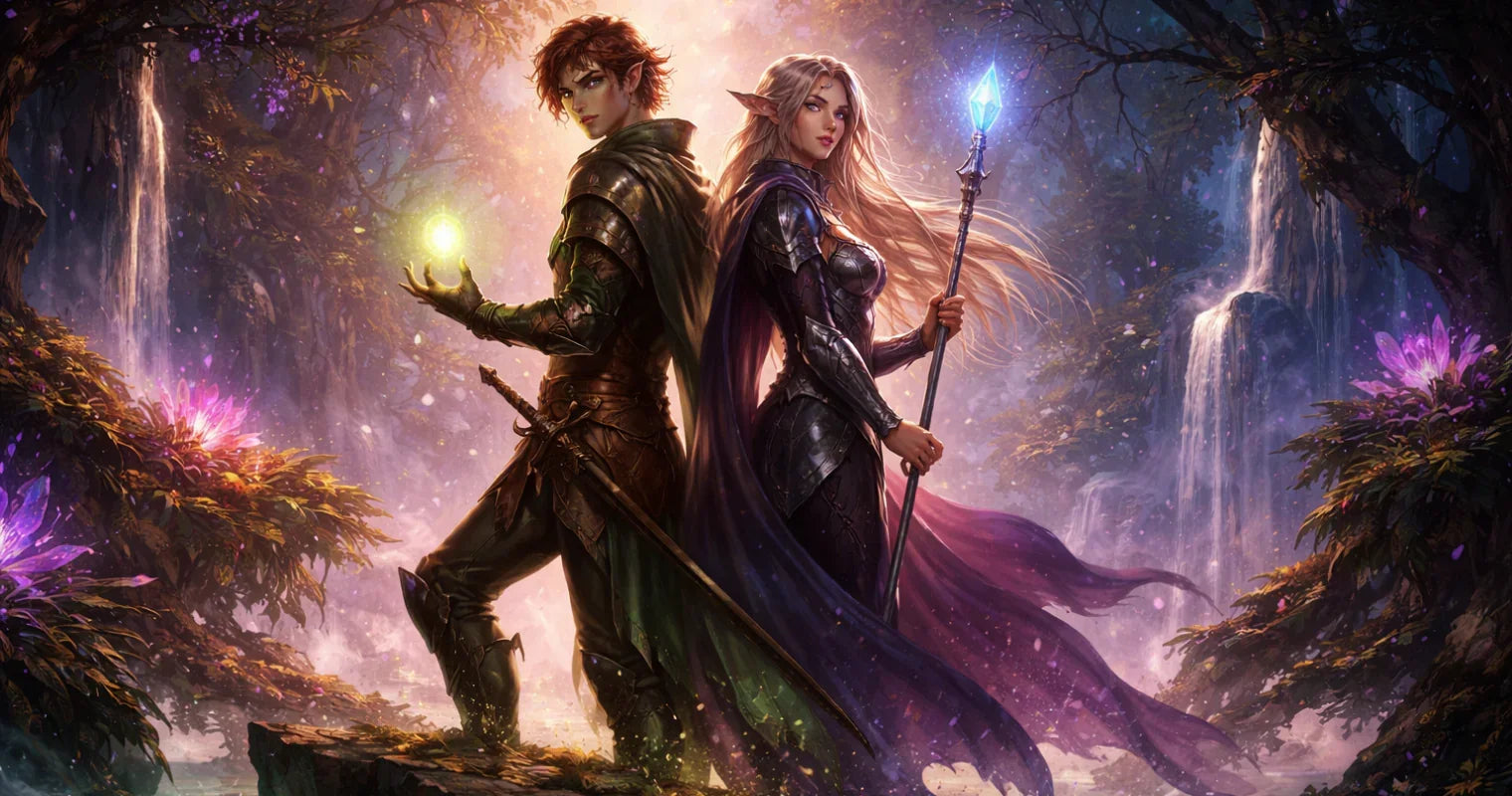
They don’t fully belong to either world, which often shapes their personality and story. Some grow up among humans, learning adaptability and ambition. Others are raised in elven communities, surrounded by grace, art, and long-lived traditions.
Because of this, Half-Elves tend to be:
- Socially aware and emotionally intelligent
- Curious about the world around them
- Comfortable adapting to different situations
From a roleplay perspective, they’re incredibly rich. From a gameplay perspective, they’re one of the most flexible races in the game.

Half-Elf Traits Explained
Here’s what you get when you choose a Half-Elf in 5e, broken down in a simple, practical way.
+2 Charisma
Charisma is your ability to influence others, whether through charm, confidence, or presence.
- Helps with skills like Persuasion, Deception, and Performance
- Powers spellcasting for classes like Bard, Sorcerer, and Warlock
This is the Half-Elf’s biggest strength and what makes them shine in social situations.
+1 to Two Other Ability Scores
You get to choose two other ability scores to increase by +1.
That means you can customize your character right from level one.
- Want to be stealthy? Add Dexterity
- Want to be tougher? Add Constitution
- Want better spellcasting for certain classes? Add Intelligence or Wisdom
This flexibility is a huge advantage, especially for beginners still figuring out what they like.
Darkvision
You can see in darkness up to 60 feet as if it were dim light.
In gameplay, this means:
- You’re useful in caves, dungeons, and nighttime travel
- You don’t always need a torch (which can give away your position)
It’s a small feature that comes up surprisingly often.
Fey Ancestry
You have advantage on saving throws against being charmed, and magic can’t put you to sleep.
In simple terms:
- You’re harder to manipulate or control
- Certain enemy abilities won’t affect you as easily
It adds a nice layer of defense, especially in magical encounters.
Skill Versatility
You gain proficiency in two skills of your choice.
This is one of the most underrated features in the game.
- You can specialize in social skills like Persuasion and Insight
- Or mix it up with Stealth, Acrobatics, Investigation, and more
It gives you a strong identity right away and helps your character feel useful in many situations.
Why Half-Elves Excel at Charisma Builds
Charisma is one of the most impactful abilities in D&D.
It affects:
- How well you interact with NPCs
- Your ability to lead, persuade, or deceive
- Spellcasting for several powerful classes
Half-Elves start with a +2 bonus to Charisma, which immediately puts them ahead in any Charisma-based role.
But what really makes them stand out is their flexibility.
You’re not locked into one specific build. You can combine Charisma with:
- Dexterity for agile, skill-based characters
- Constitution for survivability
- Strength if you want a more martial presence
This makes Half-Elves one of the best choices for players who want strong social abilities and solid performance in combat.
Best Classes for Half-Elves (Beginner Guide)
If you’re not sure what class to pick, these are some of the easiest and most rewarding options for Half-Elves.
Bard
Why it works:
- Uses Charisma for spellcasting
- Benefits from extra skills (which you already have)
- Plays perfectly into the Half-Elf’s social strengths
Playstyle:
You’re the party’s support, storyteller, and face. You inspire allies, cast versatile spells, and often lead conversations.
Warlock
Why it works:
- Charisma-based spellcasting
- Strong roleplay themes with patrons and mysterious powers
- Flexible combat style
Playstyle:
You make a pact with a powerful being and gain unique abilities. Warlocks are great at consistent damage and interesting story hooks.
Sorcerer
Why it works:
- Charisma-based magic
- Simple spellcasting system compared to other casters
- Feels natural for a character with magical heritage
Playstyle:
You channel magic from within. Sorcerers are powerful, flashy, and straightforward once you learn a few core spells.
Paladin
Why it works:
- Uses Charisma for abilities and spells
- Combines offense, defense, and support
- Benefits from flexible ability scores
Playstyle:
You’re a frontline warrior with a strong sense of purpose. You deal heavy damage, protect allies, and bring a heroic presence to the group.
Rogue
Why it works:
- Skill Versatility makes you even more skilled
- Works well with Dexterity + Charisma builds
- Great for social and stealth gameplay
Playstyle:
You’re quick, clever, and adaptable. Rogues excel at sneaking, scouting, and dealing precise damage.
Quick Comparison Table
|
Class |
Why It Works |
Playstyle |
|
Bard |
Charisma + skills synergy |
Support, social, versatile magic |
|
Warlock |
Charisma spells + strong flavor |
Consistent damage, roleplay heavy |
|
Sorcerer |
Natural magic + simple casting |
Burst damage, magical focus |
|
Paladin |
Charisma + durability |
Tanky frontline, holy warrior |
|
Rogue |
Skills + flexibility |
Stealth, precision, utility |

Half-Elf Playstyle: What It Feels Like
Playing a Half-Elf feels like having options at every turn.
You’re often:
- The one talking to NPCs and guiding conversations
- The character who can adapt when plans change
- A flexible contributor in both combat and exploration
You’re rarely stuck in one role. Instead, you move between roles depending on what the party needs.
That’s what makes Half-Elves so fun. You’re not limited. You’re adaptable.
Roleplaying a Half-Elf
This is where Half-Elves really shine.
Because they exist between two worlds, they naturally come with built-in story depth.
Here are a few ideas to get you started:
-
The Diplomat
Someone who understands both human and elven cultures and works to bridge the gap -
The Wanderer
Always searching for a place to belong, traveling from city to forest and back again -
The Performer
A bard, actor, or storyteller who uses charm and talent to win hearts -
The Outsider
Someone who never fully fit in and now defines their own identity
Lean into that sense of dual identity. It can make even simple moments feel meaningful.
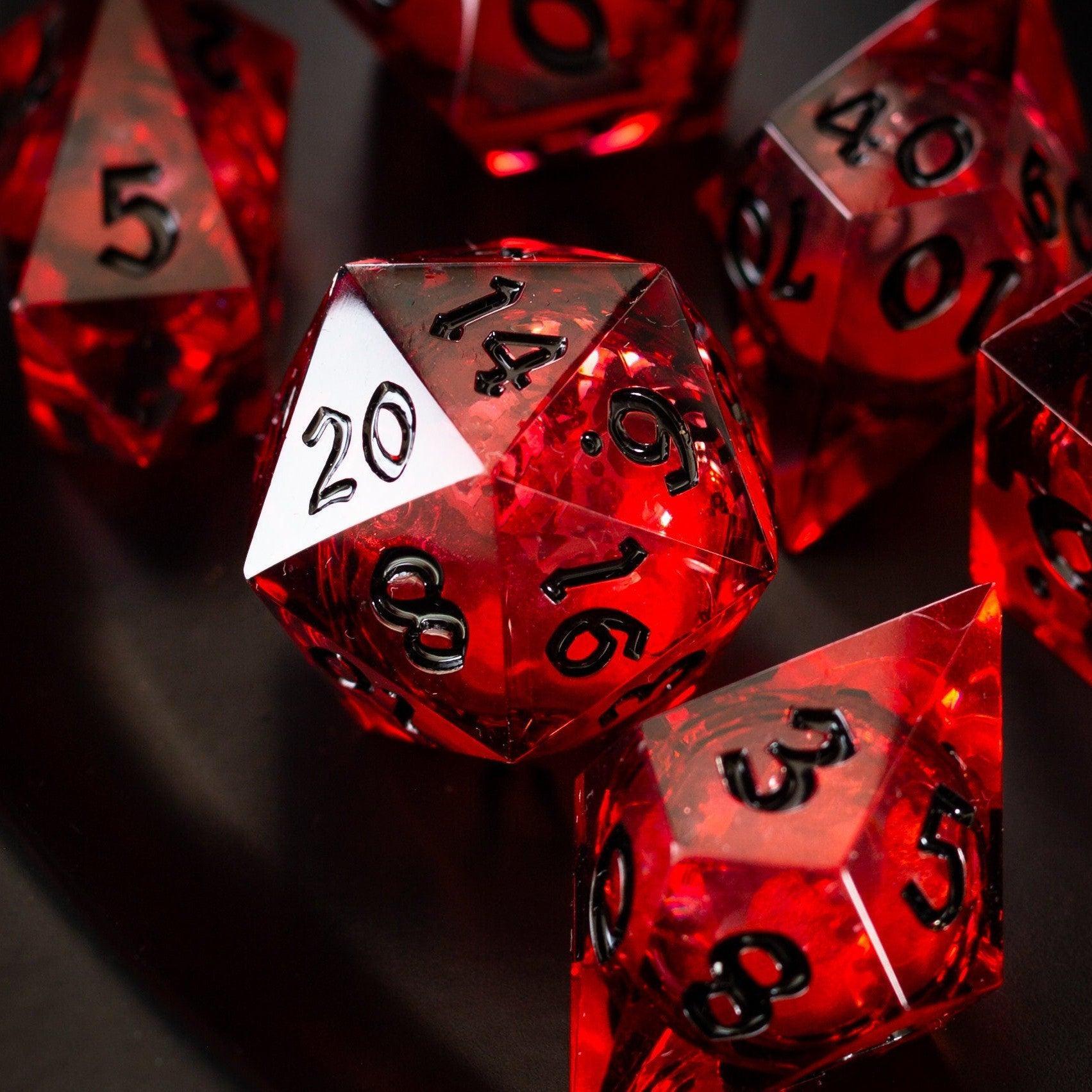
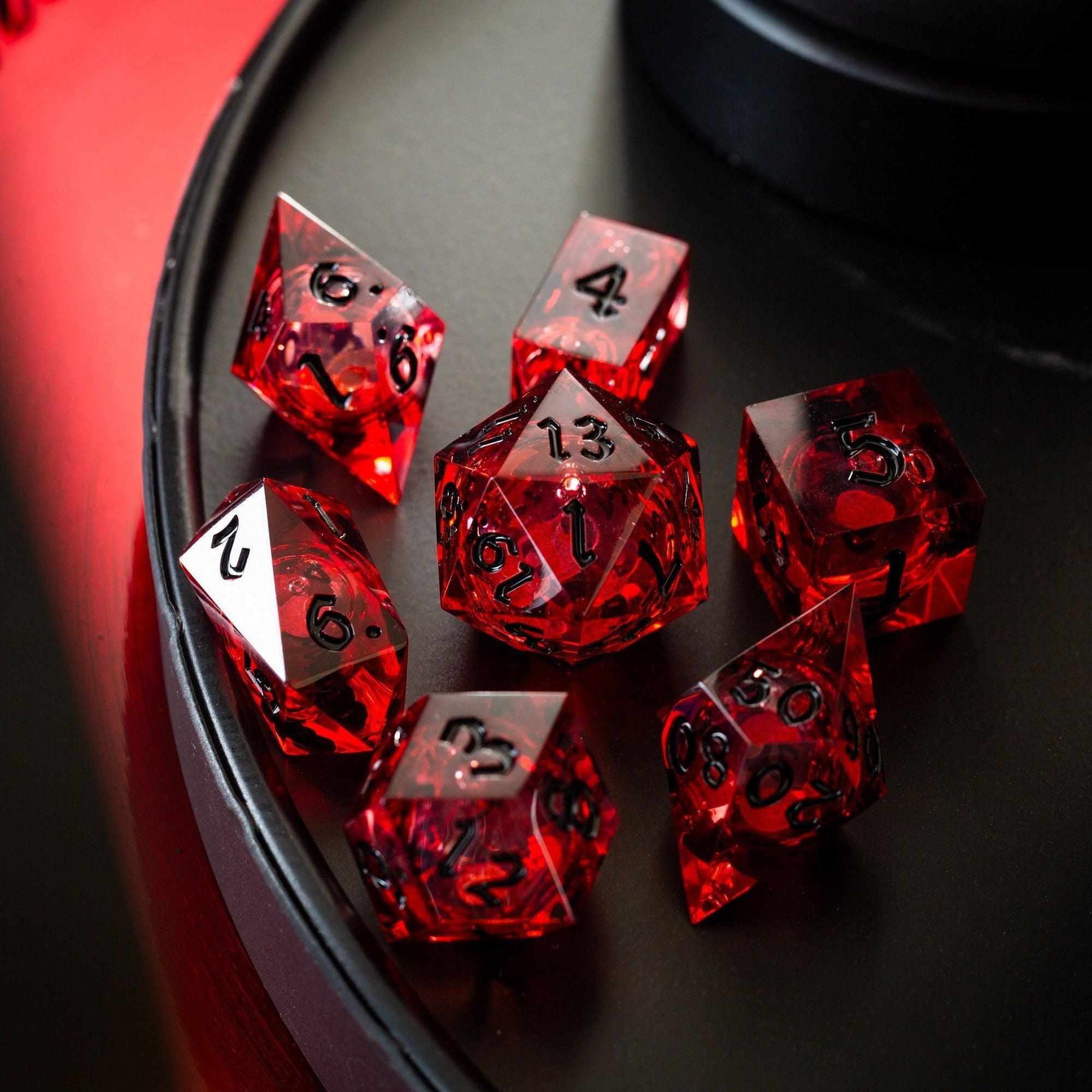
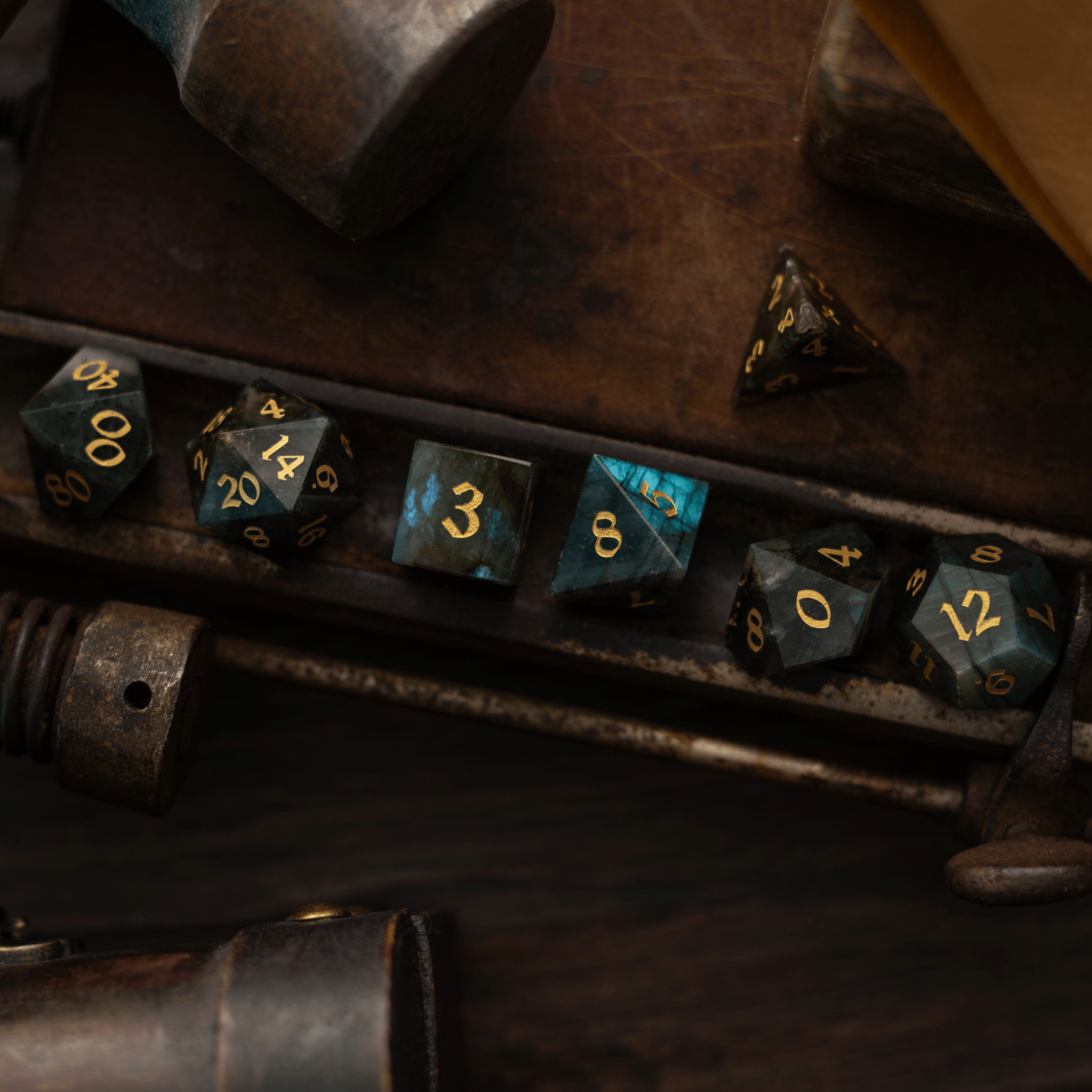
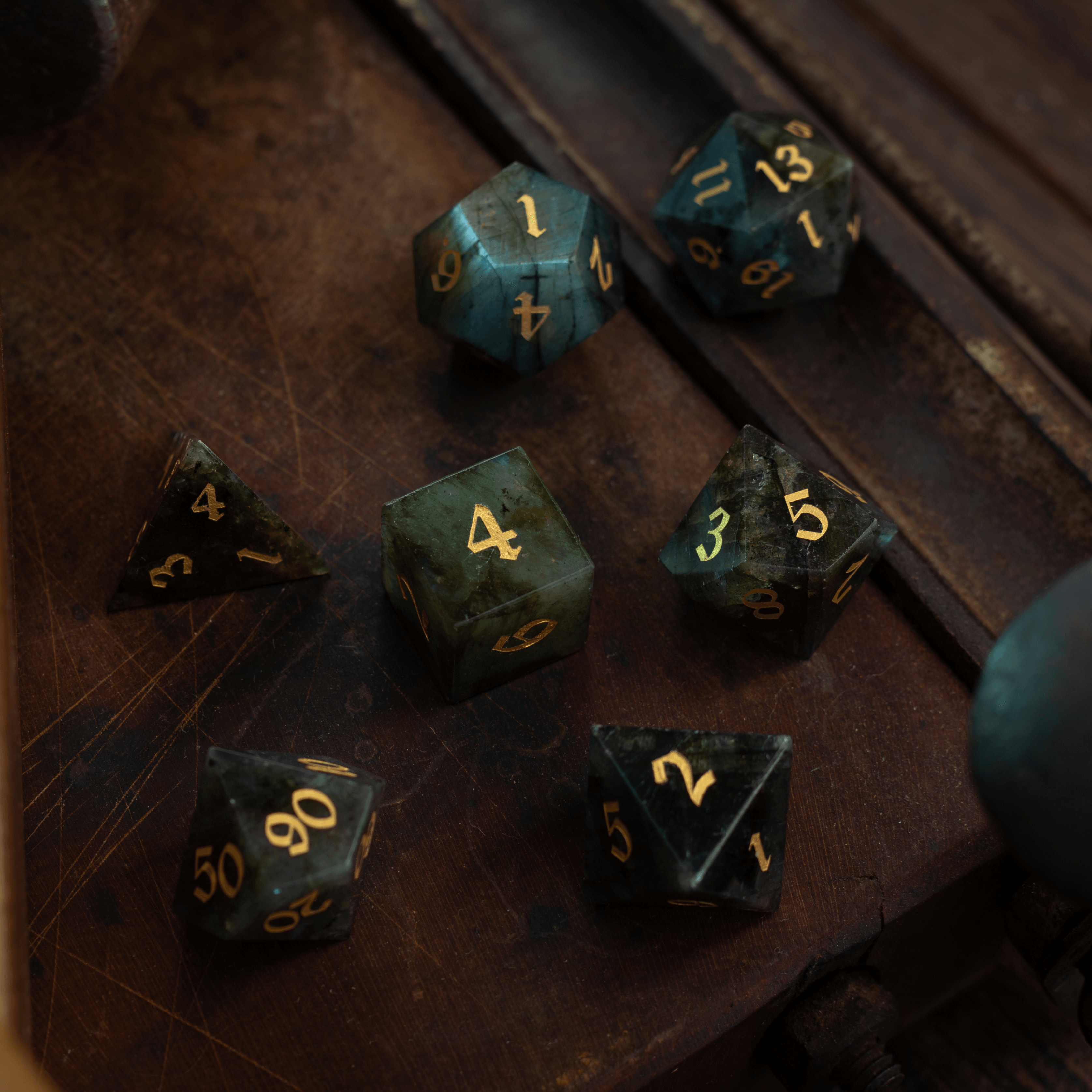
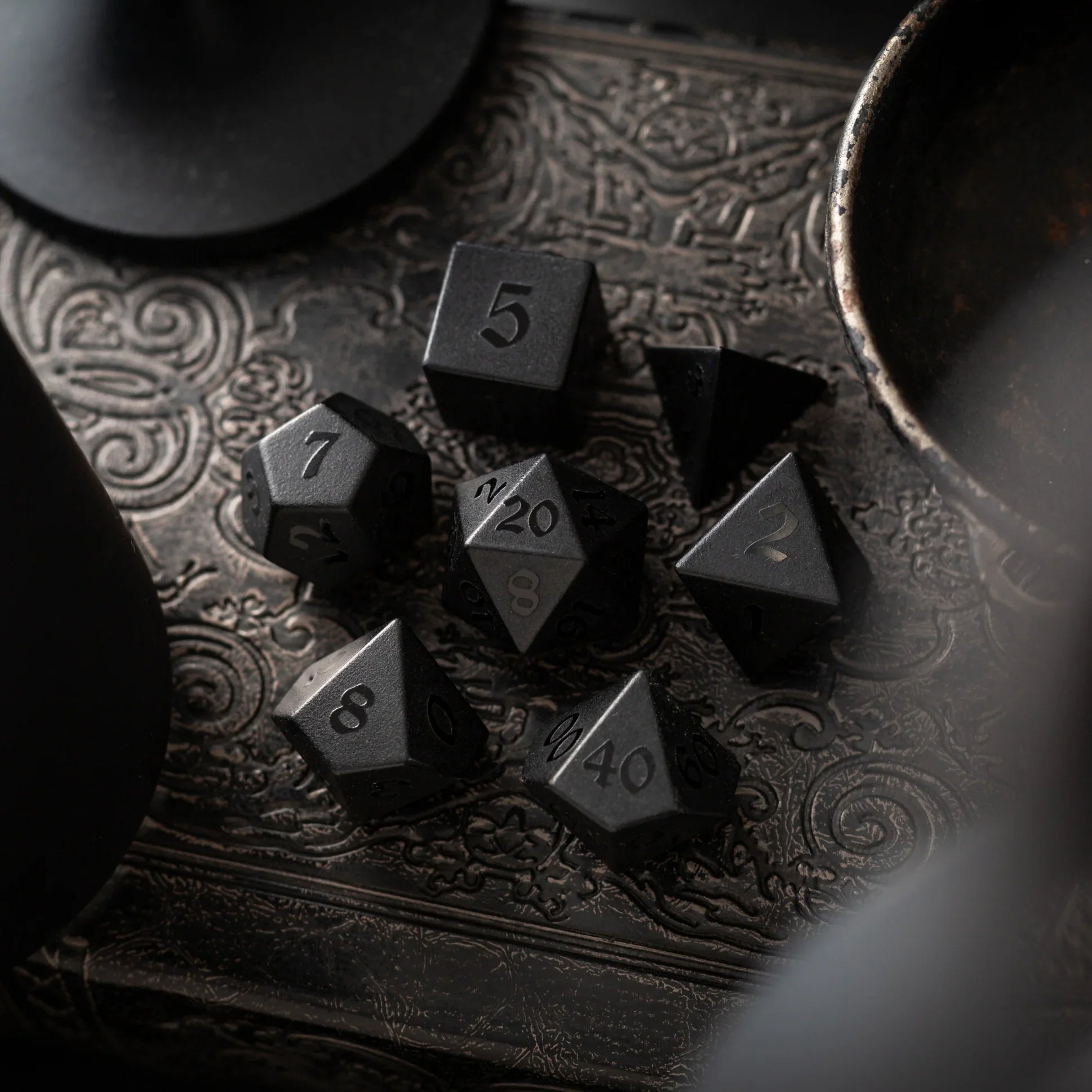
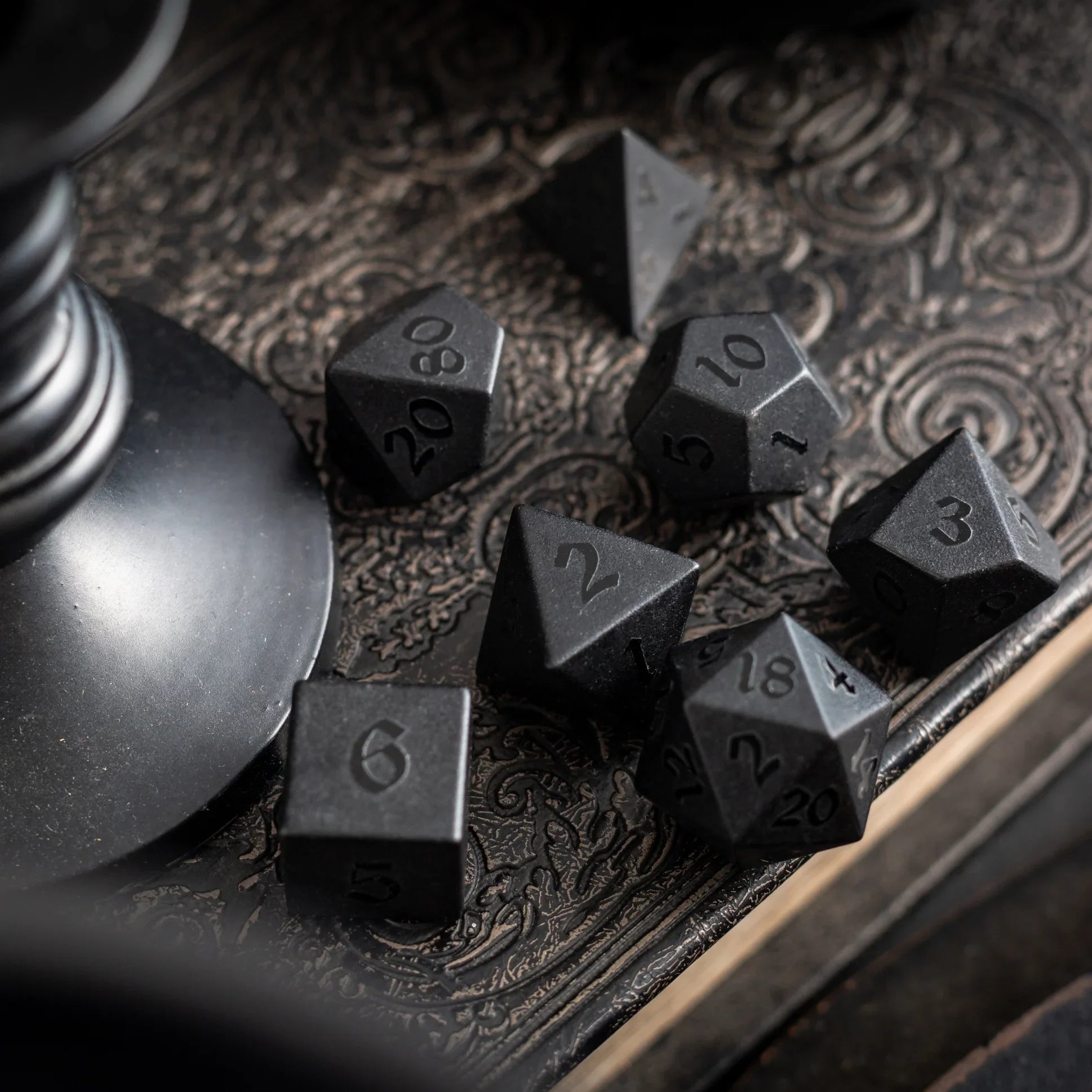
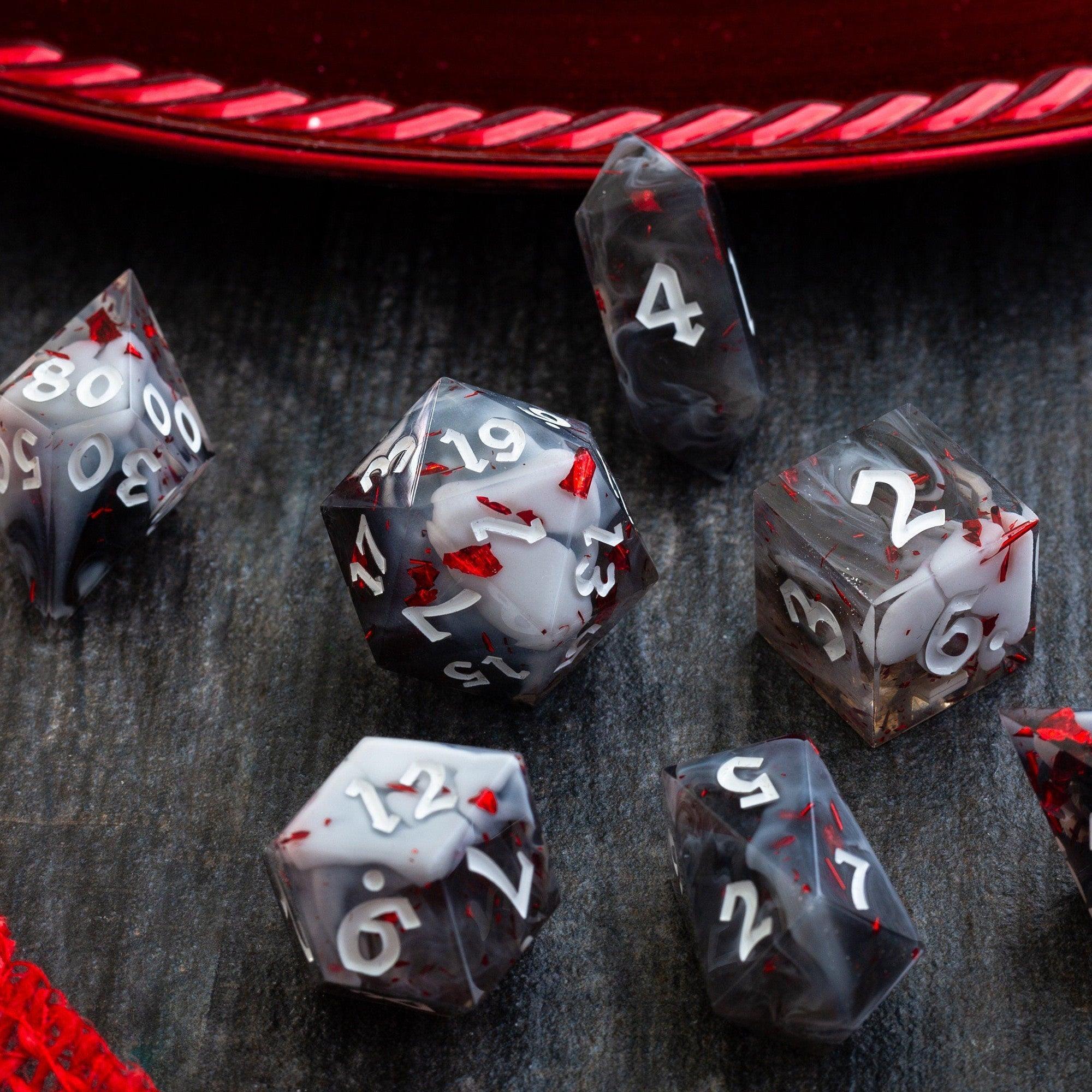
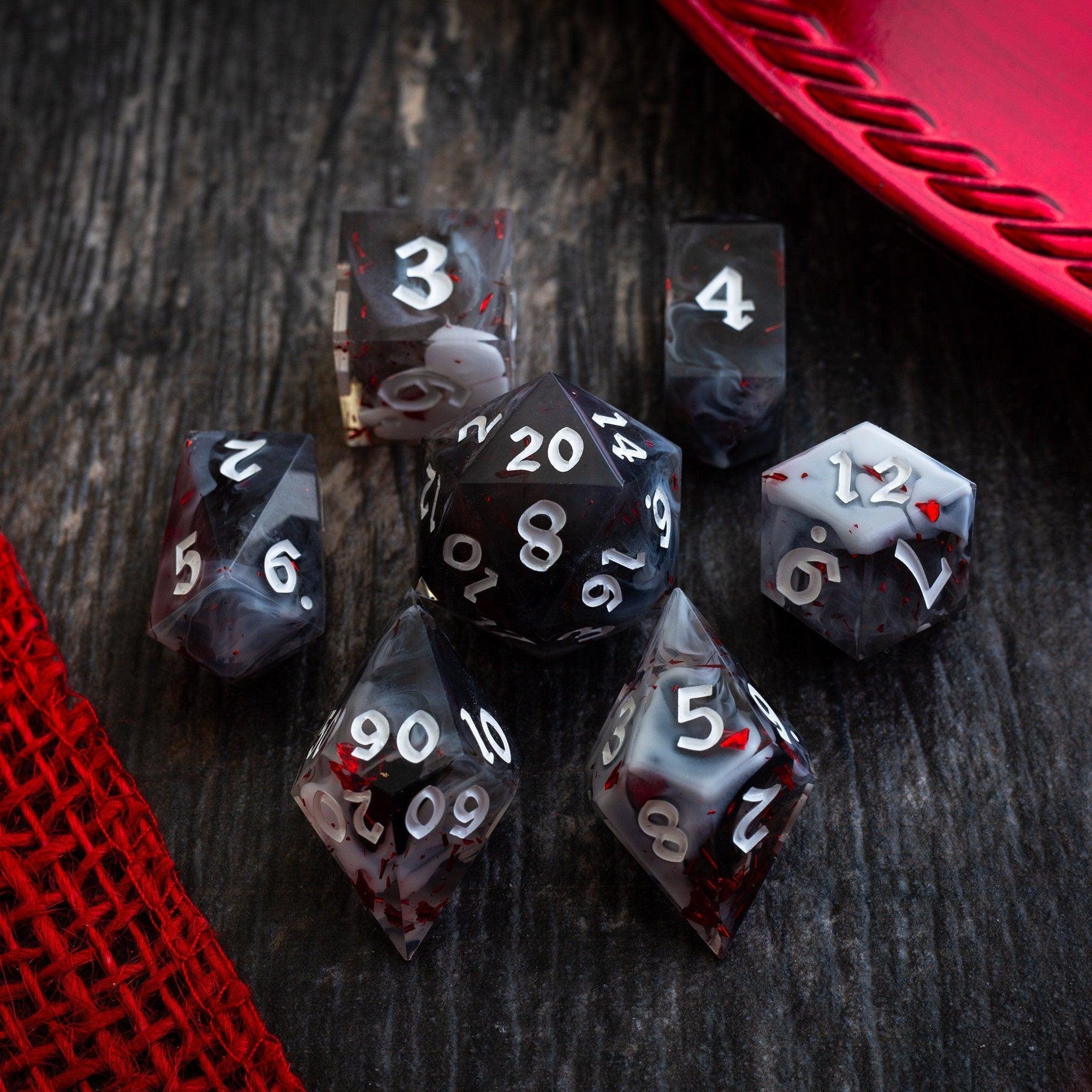
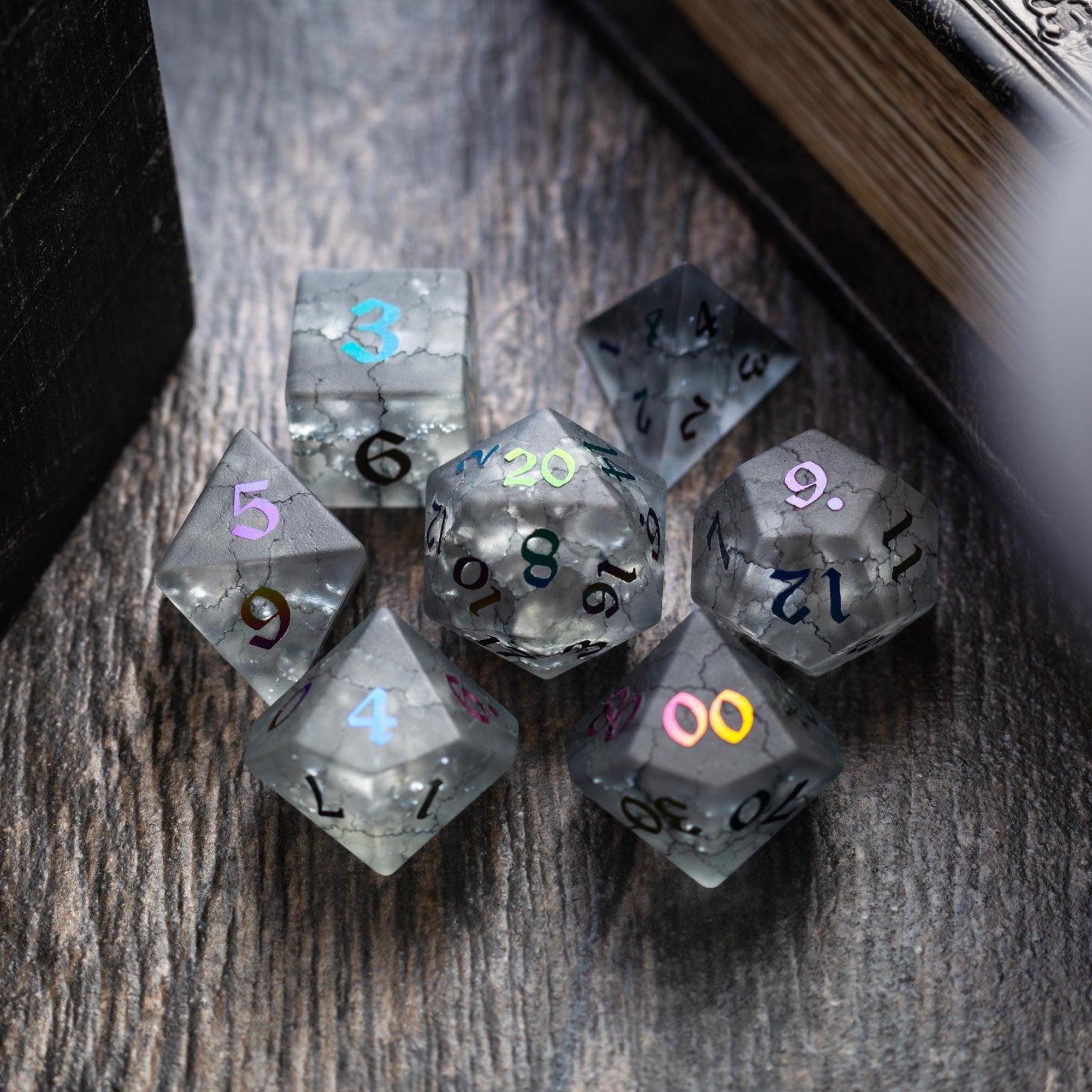
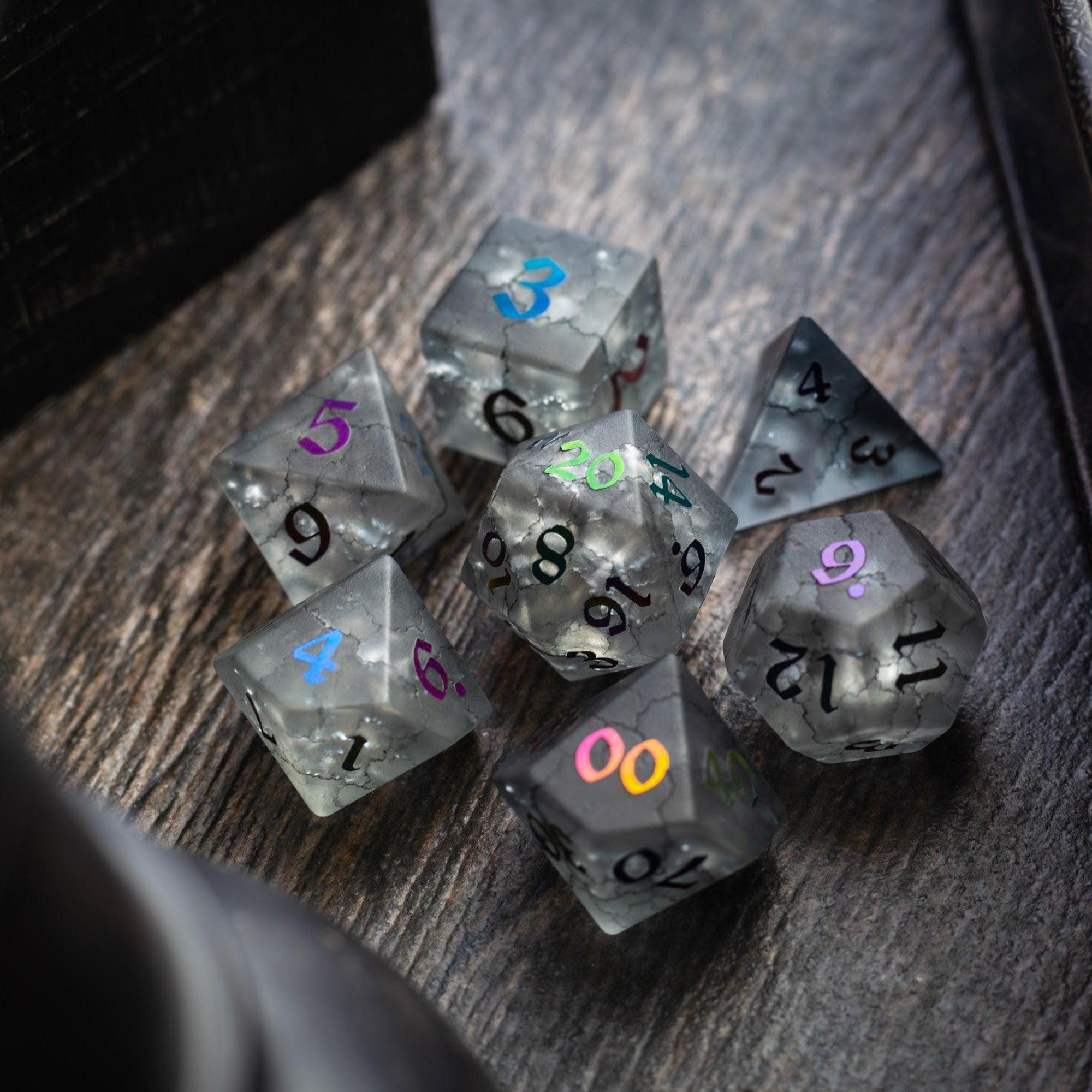
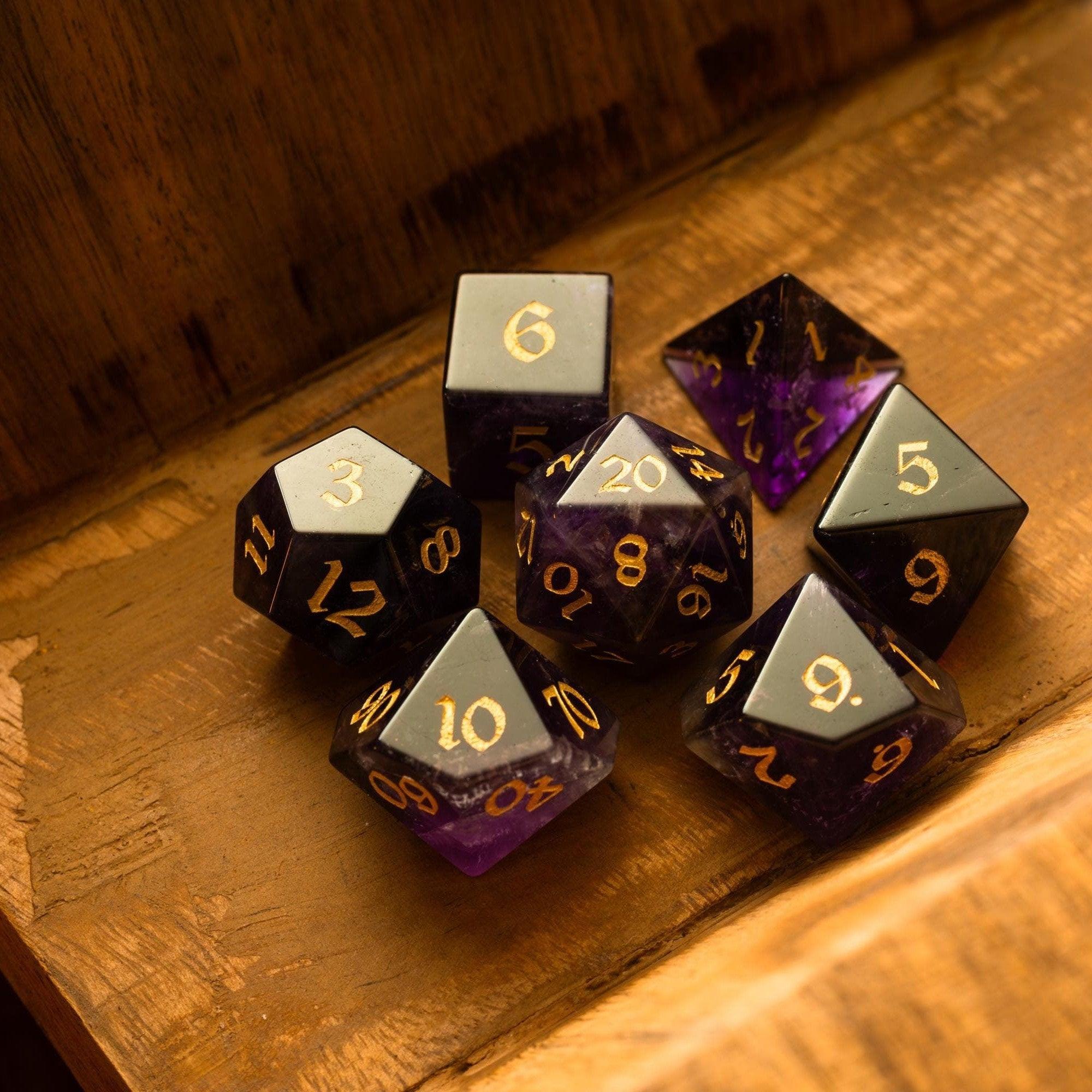
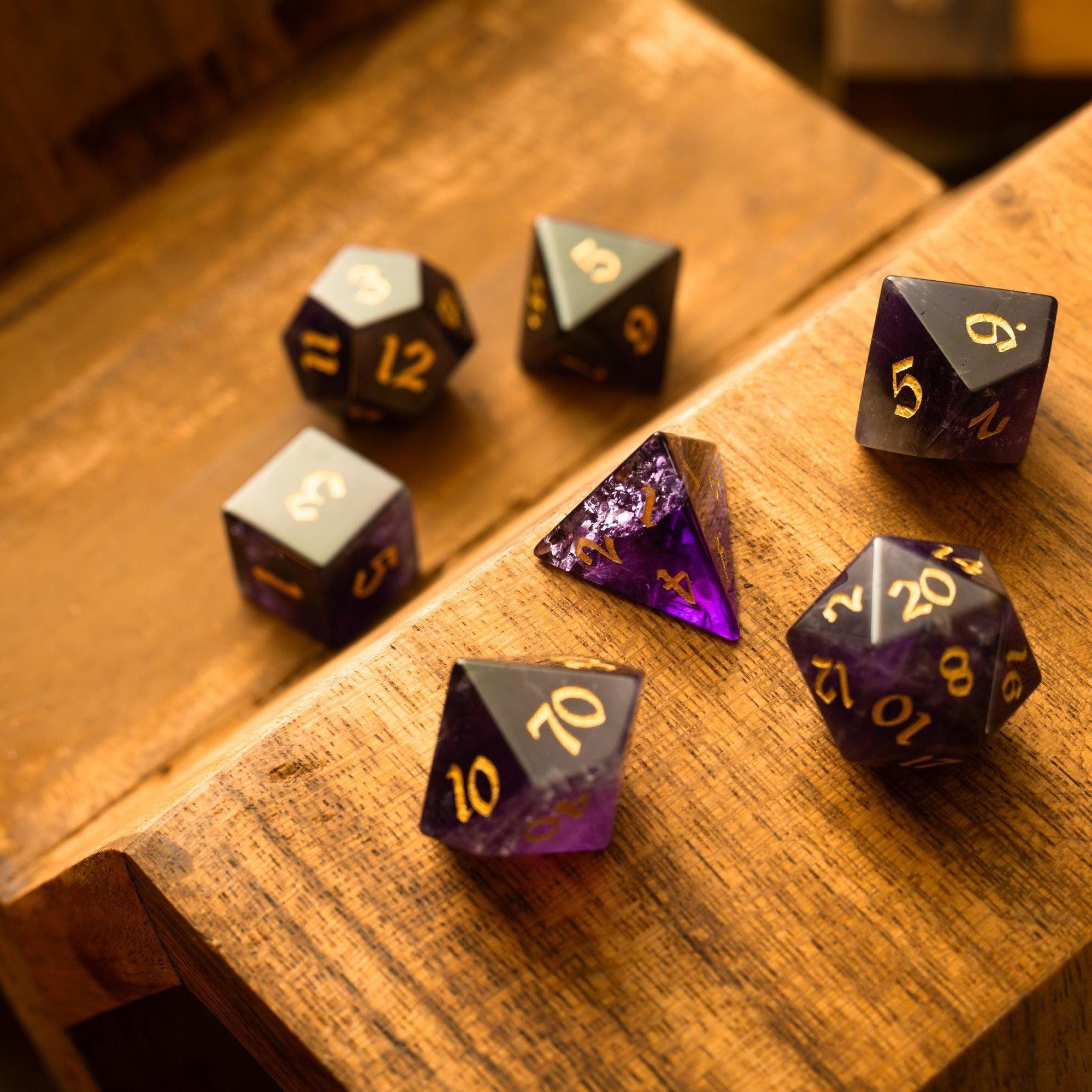
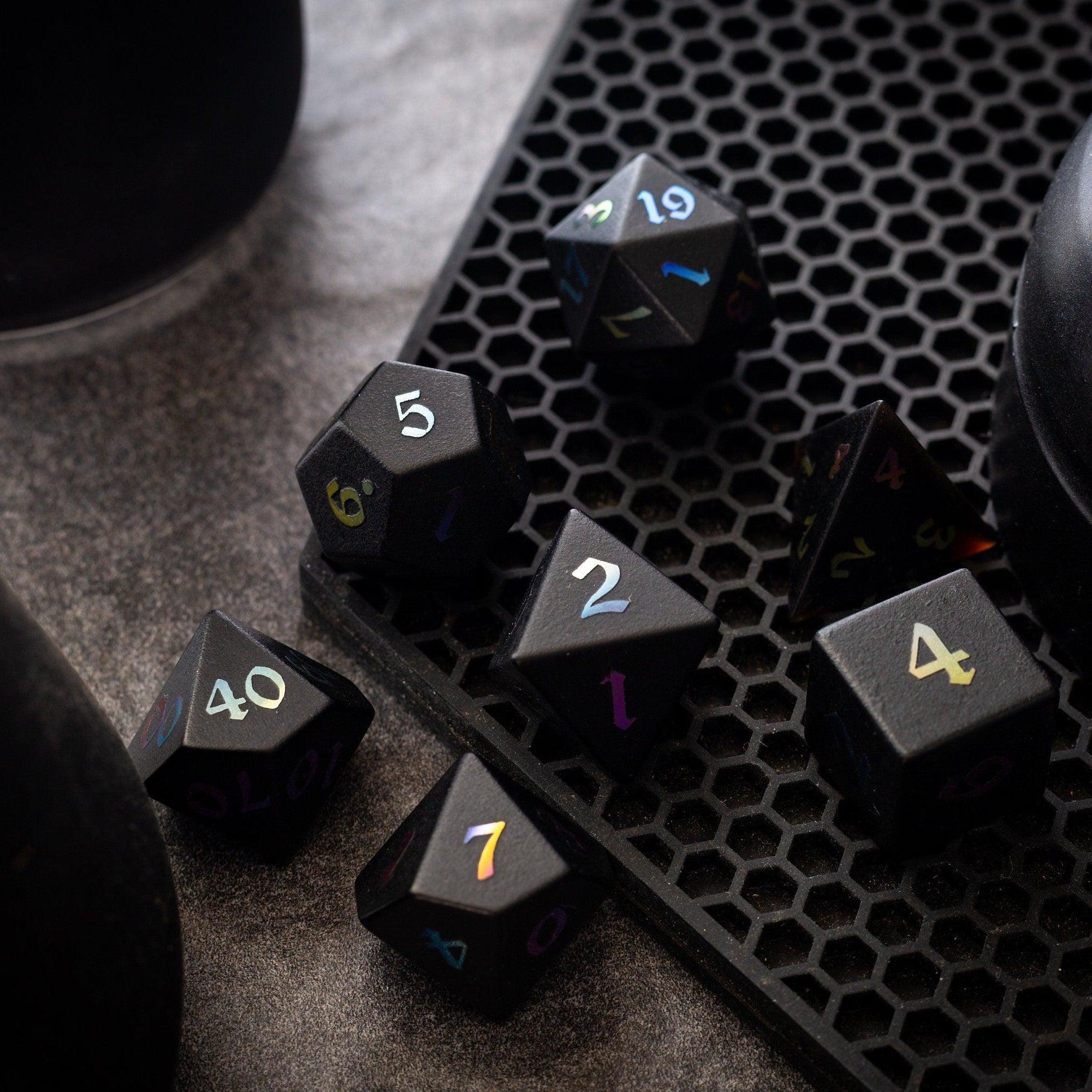
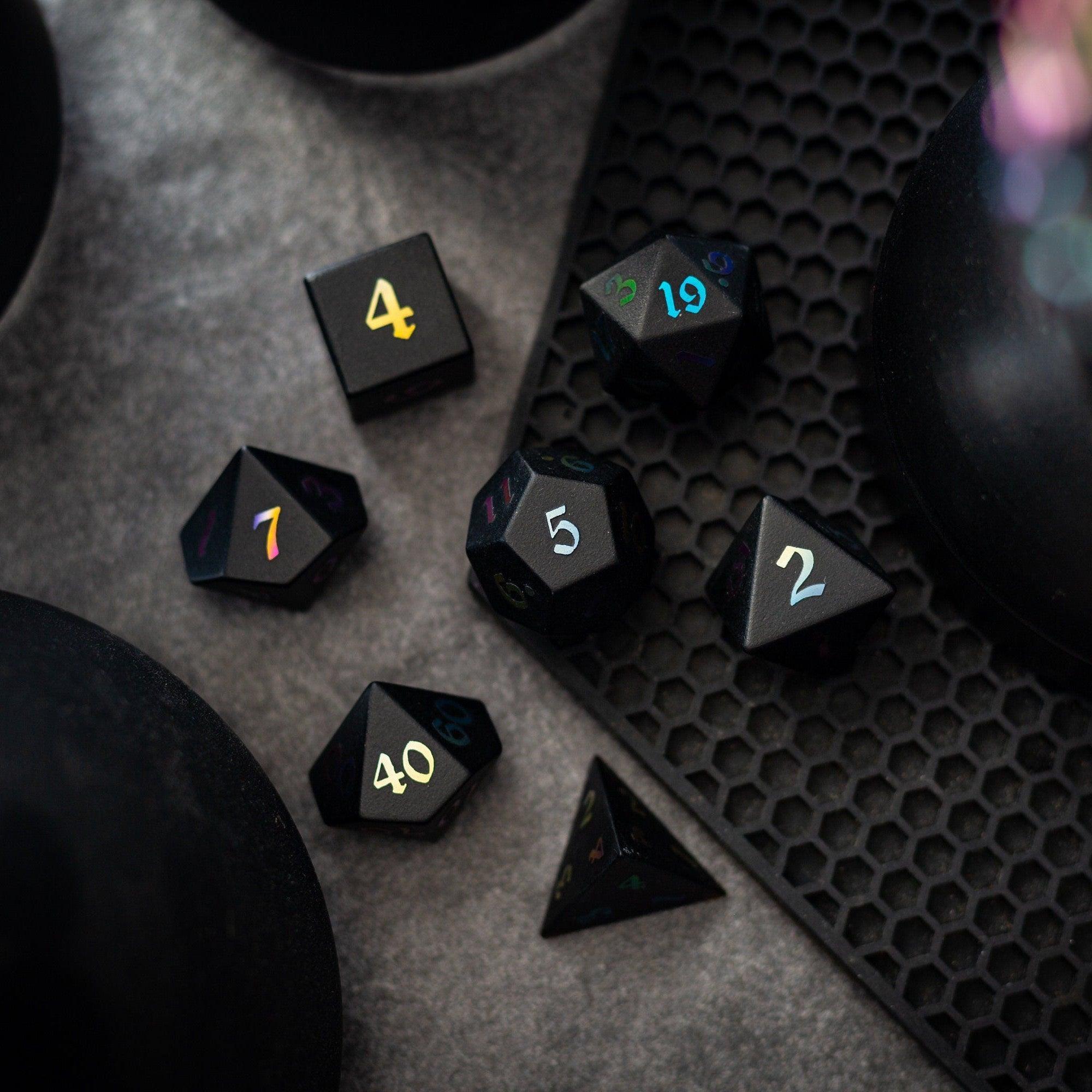
Dice Recommendations for Half-Elf Characters
If you like matching your dice to your character’s vibe, Half-Elves open up some really fun options.
Think about their dual nature and natural charisma.
-
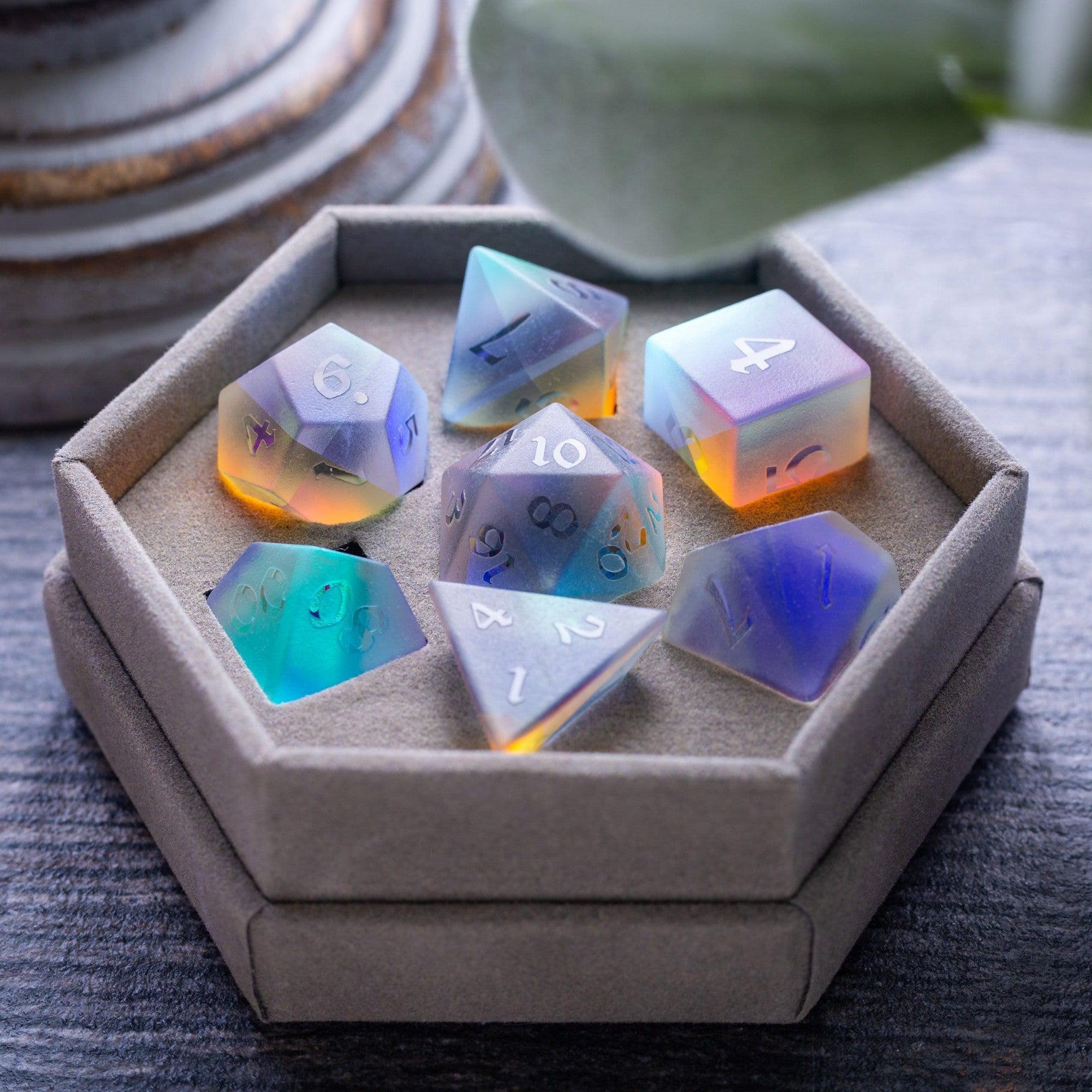
Elegant gemstone dice
Reflect their refined, elven side with smooth, polished beauty -
Mixed-color or layered dice
Perfect for representing their blended heritage -
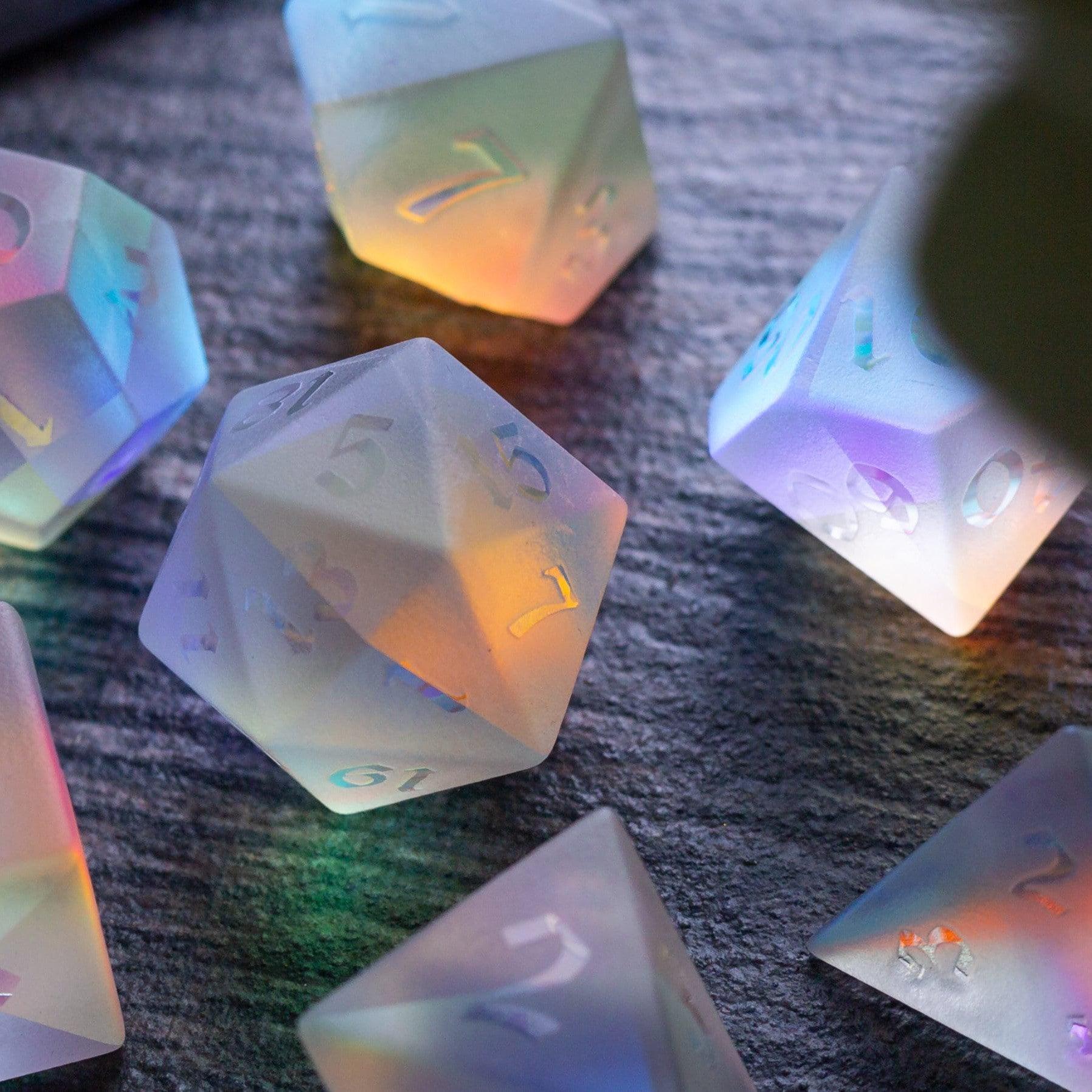
Purple, blue, or iridescent tones
These colors feel magical, charismatic, and a little mysterious -
Balanced resin sets
A great all-around choice that matches their versatility
At Runic Dice, these styles tend to feel especially fitting for characters who live between worlds and bring both grace and adaptability to the table.
Beginner Tips for Playing a Half-Elf
If you’re just starting out, here are a few simple ways to get the most out of your character:
-
Use your skills often
You have extra proficiencies. Take advantage of them in conversations and exploration -
Lean into Charisma
Don’t be afraid to speak up, negotiate, or roleplay interactions -
Experiment with builds
Your flexible ability scores mean you can try different playstyles -
Be the party connector
Half-Elves often shine as the glue that holds a group together
Conclusion
Half-Elves are one of the most versatile and beginner-friendly races in D&D 5e.
They give you:
- Strong Charisma for social and magical power
- Flexible ability scores for customization
- Useful features that matter in real gameplay
But more than that, they offer something deeper.
They’re characters caught between worlds, shaped by both, and free to become something entirely their own.
If you want a character who can talk their way through danger, adapt to any situation, and still shine in combat, the Half-Elf is an incredible choice.
And once you start playing one, it’s easy to see why so many players keep coming back to them.

Leave a comment
This site is protected by hCaptcha and the hCaptcha Privacy Policy and Terms of Service apply.