

DND Encounter Design for Engaging RPG Campaign Sessions
Updated on: March 16, 2026
Creating unforgettable tabletop moments starts with mastering the art of building dynamic encounters. Whether you're a seasoned dungeon master or just starting your adventure, understanding how to craft engaging battles and challenges will transform your game sessions. This guide walks you through proven strategies, practical tips, and creative frameworks that'll help you bring your world to life and keep your players coming back for more.
- Understanding the Fundamentals of Encounter Design
- Balancing Difficulty and Player Agency
- Pacing and Tension in Your Encounters
- Environmental Design and Terrain Strategy
- Non-Player Characters and Enemy Motivation
- Frequently Asked Questions
Understanding the Fundamentals of Encounter Design

Building compelling combat and social encounters is one of the most rewarding aspects of running a tabletop campaign. At its core, encounter design is about creating moments that challenge your players while remaining fair and fun. It's not just about throwing monsters at your adventurers—it's about crafting scenarios that tell a story, present meaningful choices, and generate those epic moments everyone talks about for months.
The foundation of any good encounter starts with understanding your players' expectations and the tone of your campaign. Are you running a gritty, survival-focused game where resources matter? Or is your world more heroic and dramatic? Your answer shapes everything from enemy selection to reward structure. When you know what your table enjoys, you can design encounters that resonate deeply with your group.
One essential element is considering the encounter's purpose within your larger narrative. Is this a random roadside ambush, a climactic boss battle, or a tense negotiation with a rival faction? Each serves a different narrative function. A random encounter might introduce unexpected complications, while a major boss fight should feel earned and significant. This clarity helps you determine what resources to invest in preparation and what complexity level feels appropriate.
Balancing Difficulty and Player Agency
One of the trickiest aspects of encounter design is hitting that sweet spot where your players feel challenged without becoming frustrated or overwhelmed. Too easy, and they'll feel bored. Too hard, and fun quickly evaporates. The good news? You have more control over this balance than you might think.
Start by understanding the challenge rating system, but don't treat it as gospel. These are guidelines, not absolute rules. What matters more is knowing your specific group—their character levels, available resources, and tactical experience. A party of optimized characters with careful planning might handle a difficult encounter with ease, while a group of newer players with average gear might struggle with something listed as moderate.
Player agency transforms a simple combat encounter into a memorable experience. Give your players meaningful choices that impact the outcome. Maybe they can scout ahead, find alternate routes, negotiate with enemies, or use the terrain creatively. When players feel they have options and their decisions matter, they stay engaged and invested. This isn't about letting them win easily—it's about ensuring their success (or failure) feels earned through their own choices.
Consider using tiered difficulty approaches. Start encounters at a manageable level, but include elements that can escalate if things go too smoothly. Maybe enemy reinforcements arrive, or the environment becomes more hazardous. Conversely, provide off-ramps for encounters that are proving too deadly. An enemy might attempt to flee, offer terms, or create a tactical retreat opportunity. This flexibility keeps things interesting without requiring you to fudge dice rolls.
Pacing and Tension in Your Encounters
The best encounters follow a rhythm that keeps tension rising and falling in satisfying waves. Think of it like a musical composition—you need quiet moments, building crescendos, dramatic peaks, and resolutions. Without this variety, even exciting encounters can feel flat.
Start your encounters with a hook that captures attention immediately. This could be a dramatic description, an unexpected revelation, or a sudden complication. Once you've grabbed everyone's focus, raise the stakes progressively. Maybe enemies have a specific goal they're working toward, or the environment itself becomes increasingly dangerous. This forward momentum keeps everyone engaged and thinking strategically.
Include moments where tension dips slightly—these are actually your friends. Maybe an enemy falls, or the party gets a brief advantage. These moments let players breathe, celebrate small victories, and feel like they're making progress. Then build tension back up toward your climax. This creates a satisfying narrative arc that mirrors story structure itself.
Remember that pacing extends beyond combat rounds. A well-designed encounter might include investigation phases, conversation opportunities, and environmental interactions alongside combat. A dragon encounter might start with mysterious earthquakes, shift to discovery of the dragon's lair, include social interaction with treasure guardians, and culminate in dramatic combat. This variety maintains interest and rewards creative problem-solving.

Environmental Design and Terrain Strategy
Never underestimate how much a thoughtfully designed environment elevates your encounters. The same combat against goblin raiders plays completely differently in a narrow canyon, an abandoned fort, or a moving caravan. Terrain isn't just window dressing—it's a tool that shapes tactical decisions and creates interesting complications.
When designing your encounter space, think about multiple levels and barriers. Verticality creates interesting movement challenges and tactical decisions. Maybe enemies occupy elevated positions, or characters can climb toward advantage. Difficult terrain—rubble, water, dense vegetation—forces players to make decisions about positioning and resource expenditure. A room filled with stone pillars plays very differently from an open field.
Environmental hazards add flavor and complexity without requiring additional enemies. Precarious ledges, unstable structures, magical anomalies, or environmental damage creates tension and forces adaptation. Just ensure these hazards threaten everyone equally, including your enemies. Nothing frustrates players faster than hazards that only affect them.

Tactical battlefield map with elevation, obstacles, and strategic positioning markers.
Consider creating a quick visual reference—even a rough sketch—of your encounter space. This doesn't require artistic skill; simple symbols and notes help you describe the environment consistently and help players visualize the scene. When everyone shares mental imagery of the encounter space, tactical discussions become clearer and more satisfying.
Non-Player Characters and Enemy Motivation
What elevates a good encounter into an unforgettable one is when enemies feel like actual characters with motivations rather than just stat blocks. Even generic monsters become interesting when you give them personality, goals, and reasonable tactical awareness.
Ask yourself why these enemies are here and what they actually want. Are they defending territory? Hunting for something specific? Fleeing from something worse? This motivation informs their tactics. A desperate enemy might fight to the death, while an enemy with escape routes might attempt to flee. Intelligent enemies might try negotiation, lay traps, or use terrain advantage. This makes combat feel like a dynamic interaction rather than a mechanical exercise.
Give enemies distinctive personality traits, speech patterns, or visual details. Maybe a bandit leader has an obvious tell before attacking, or a monster has unusual behavioral quirks. These small touches help players remember encounters and build connection to the world. When they recall fighting the scarred warlord who always laughs before major attacks, you've created a memorable experience.
Don't forget that combat isn't the only option. Encounters that include social elements—opportunities to negotiate, intimidate, or deceive—create richer experiences. Some of your best table moments will come from unexpected roleplayed interactions during what started as a combat encounter.
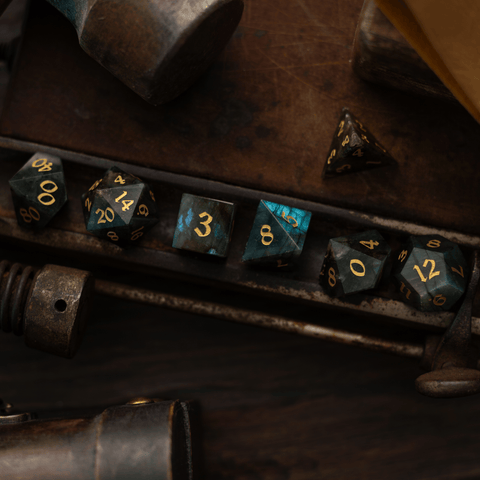
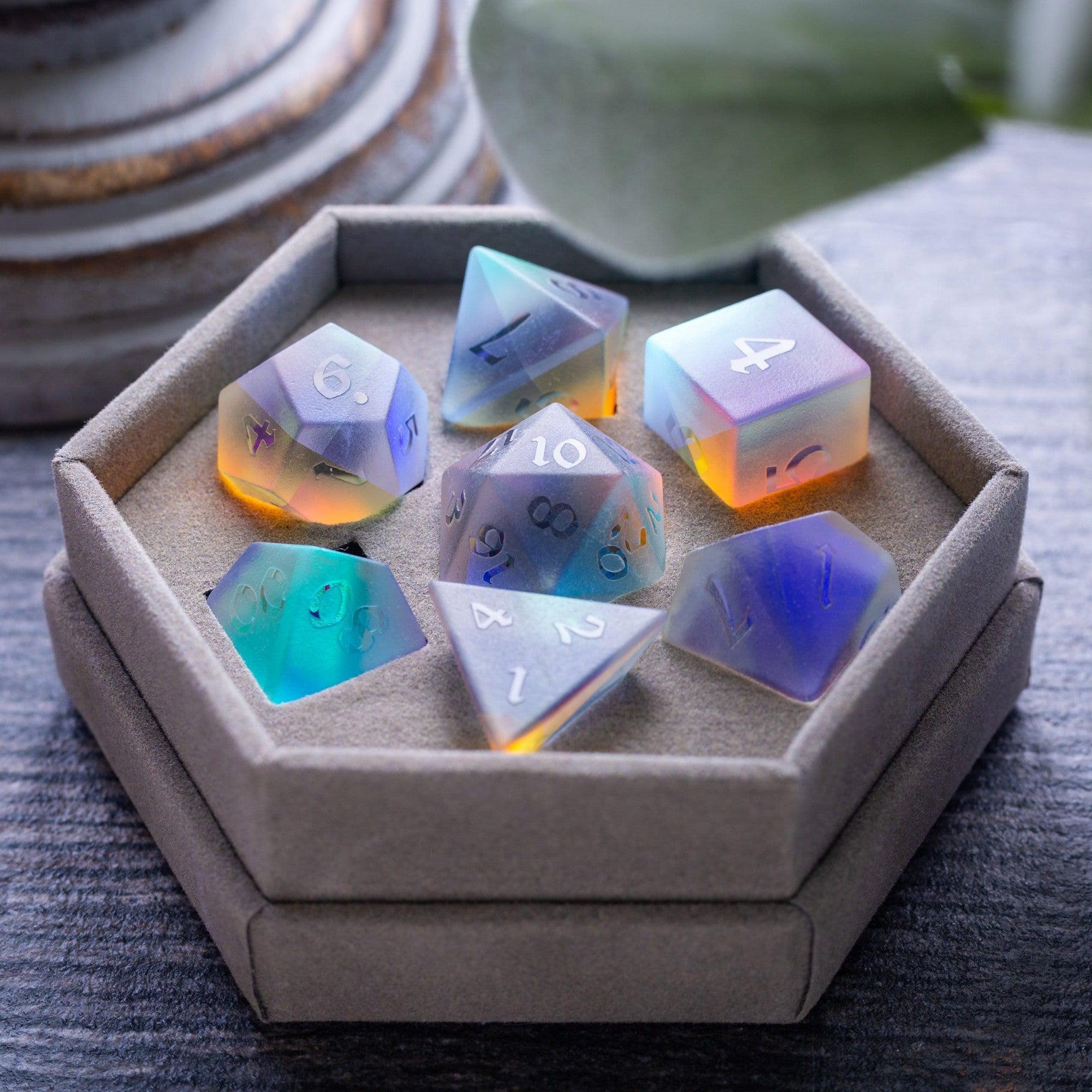
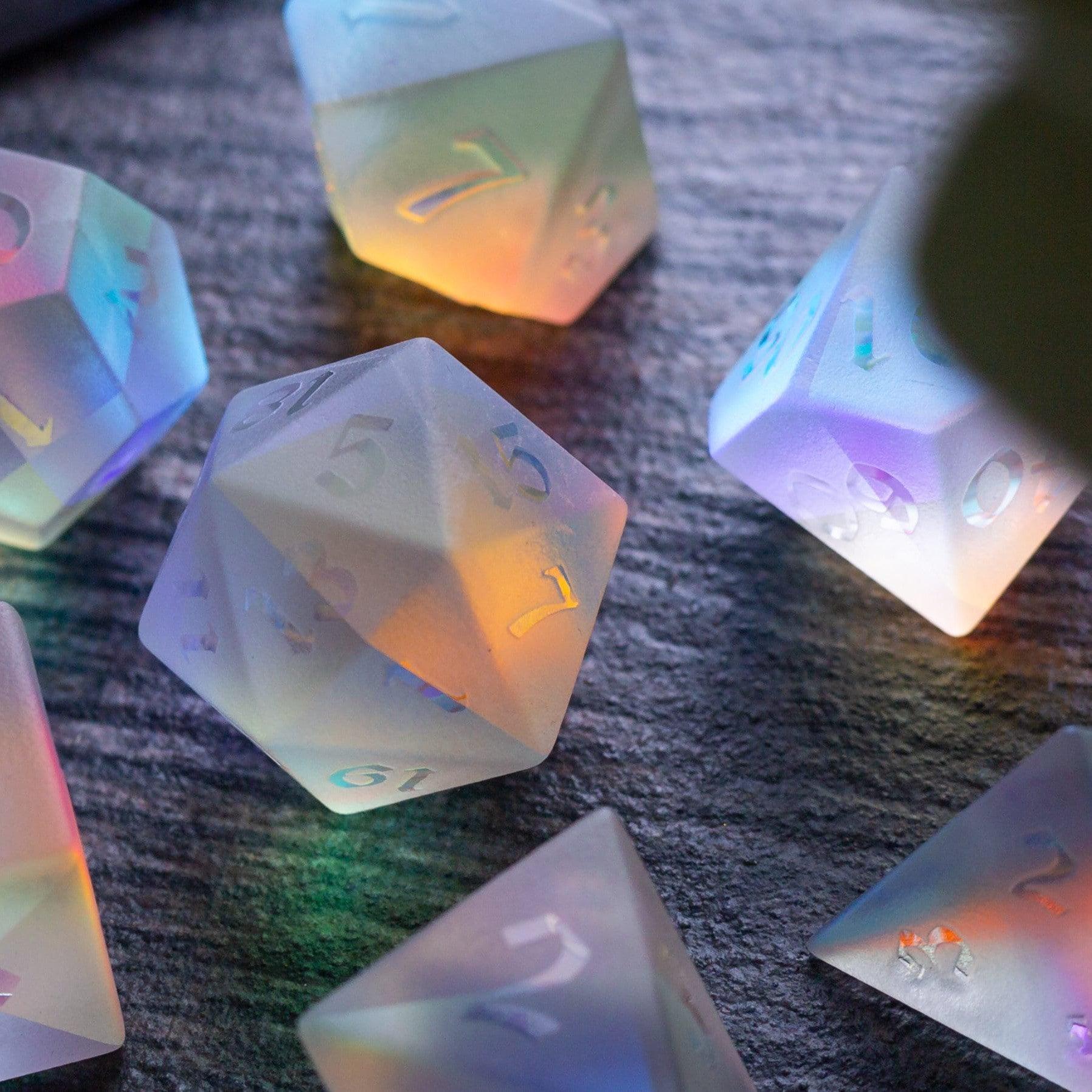
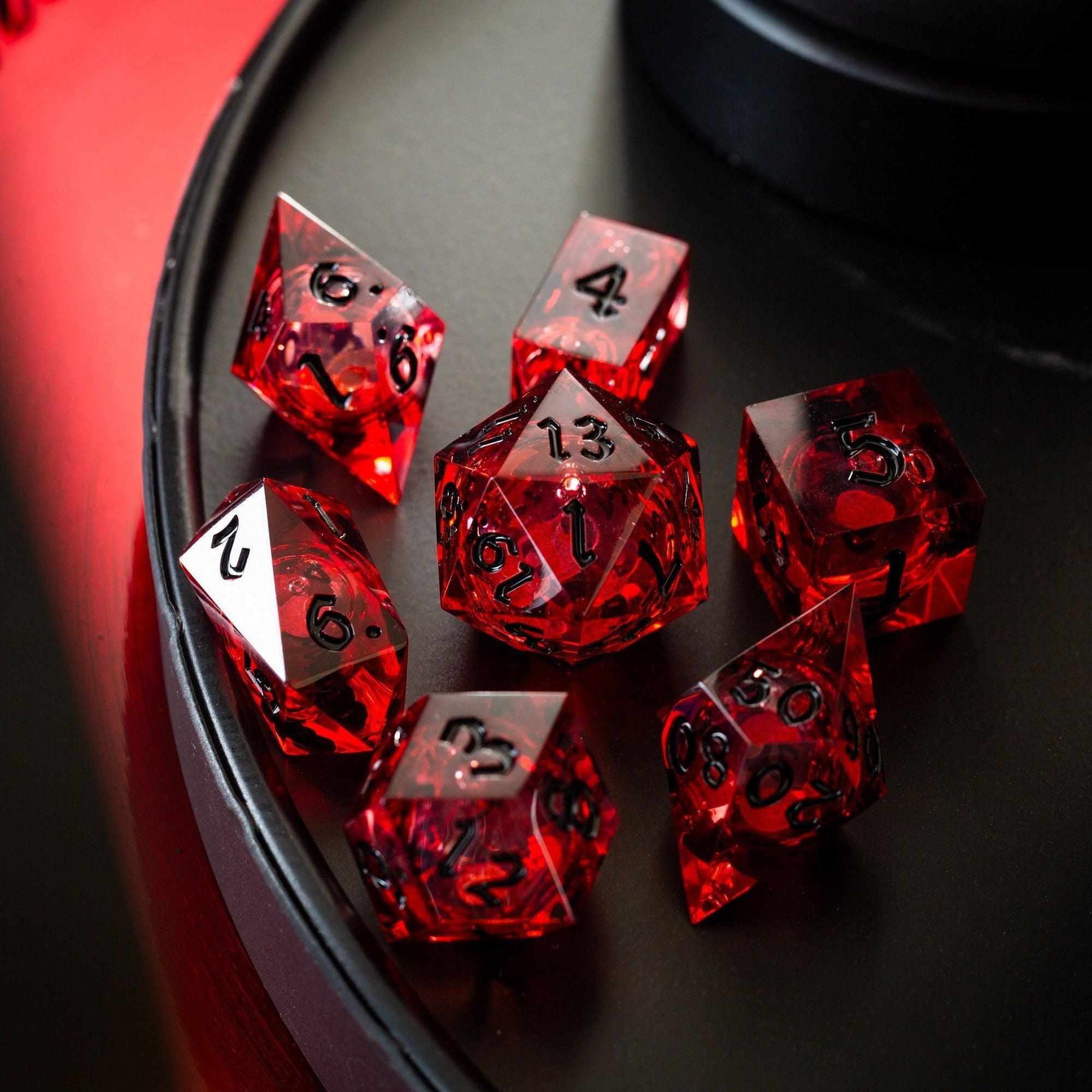
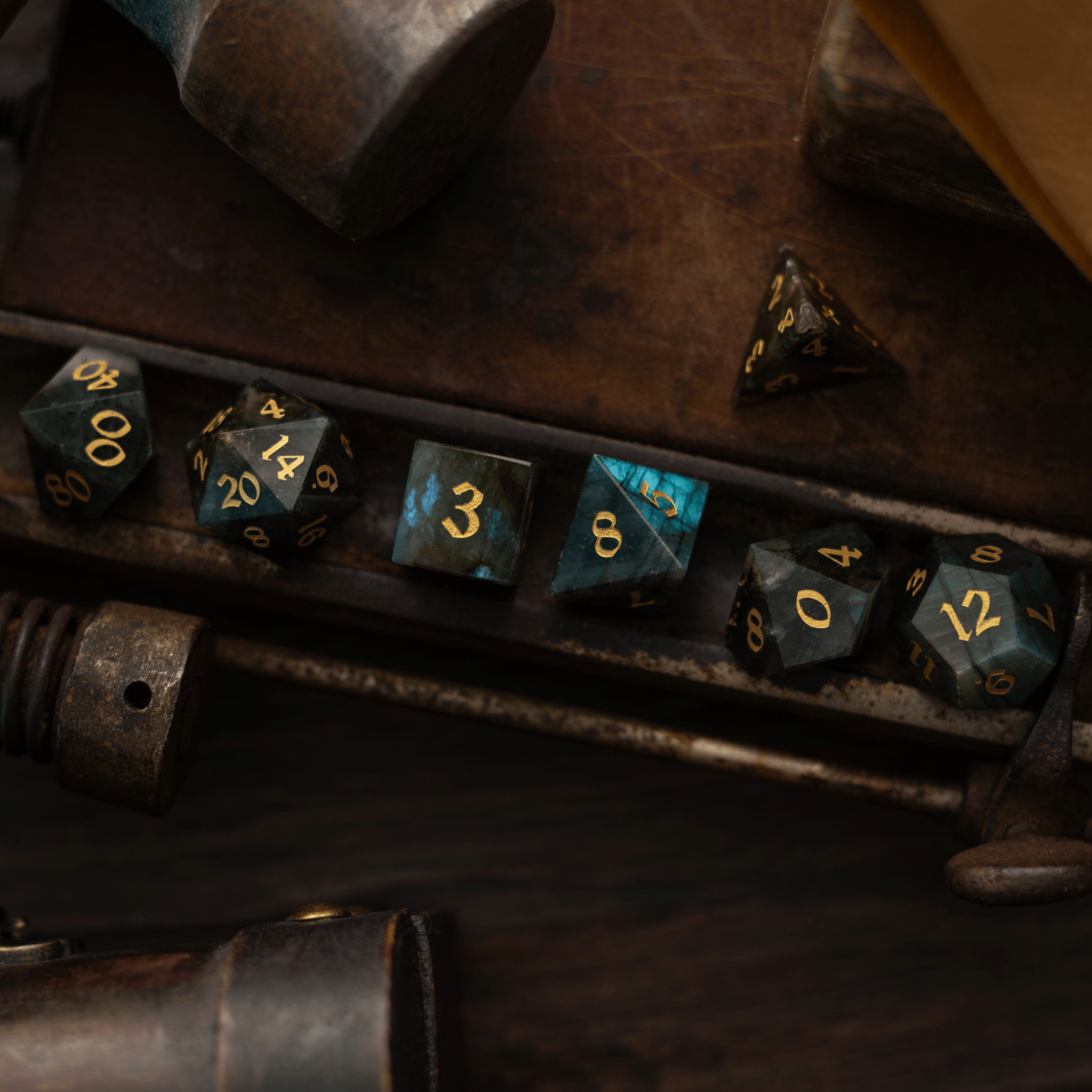
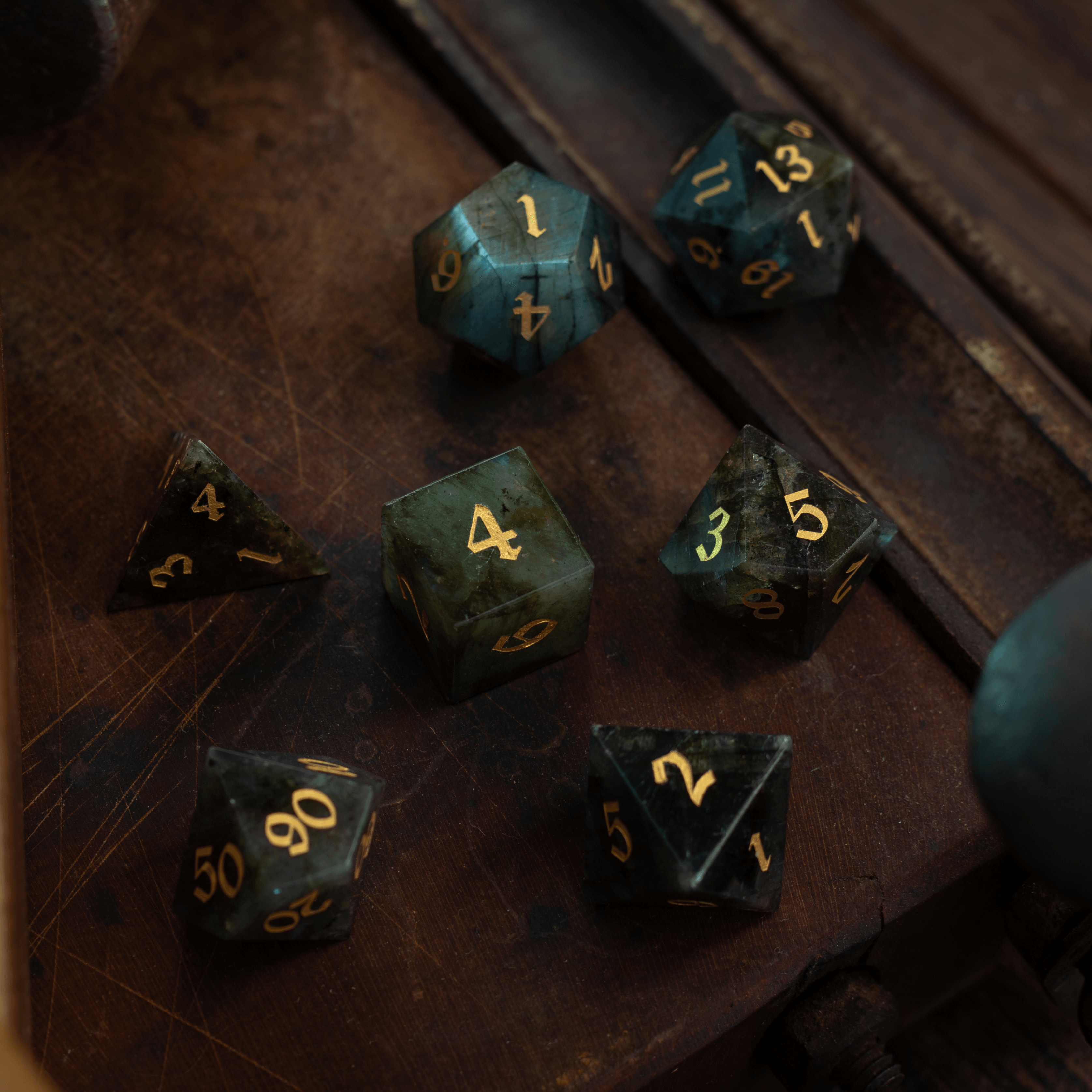
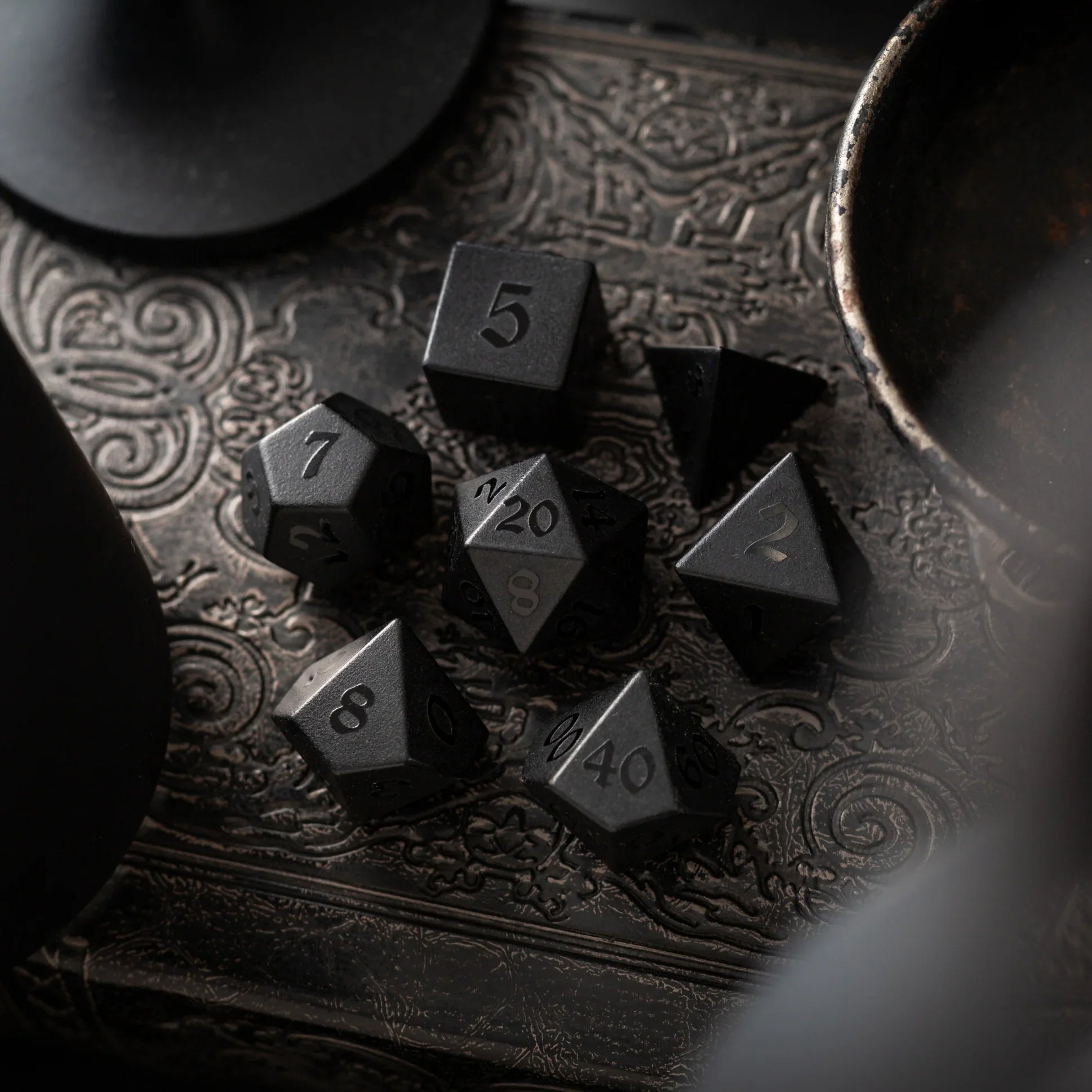
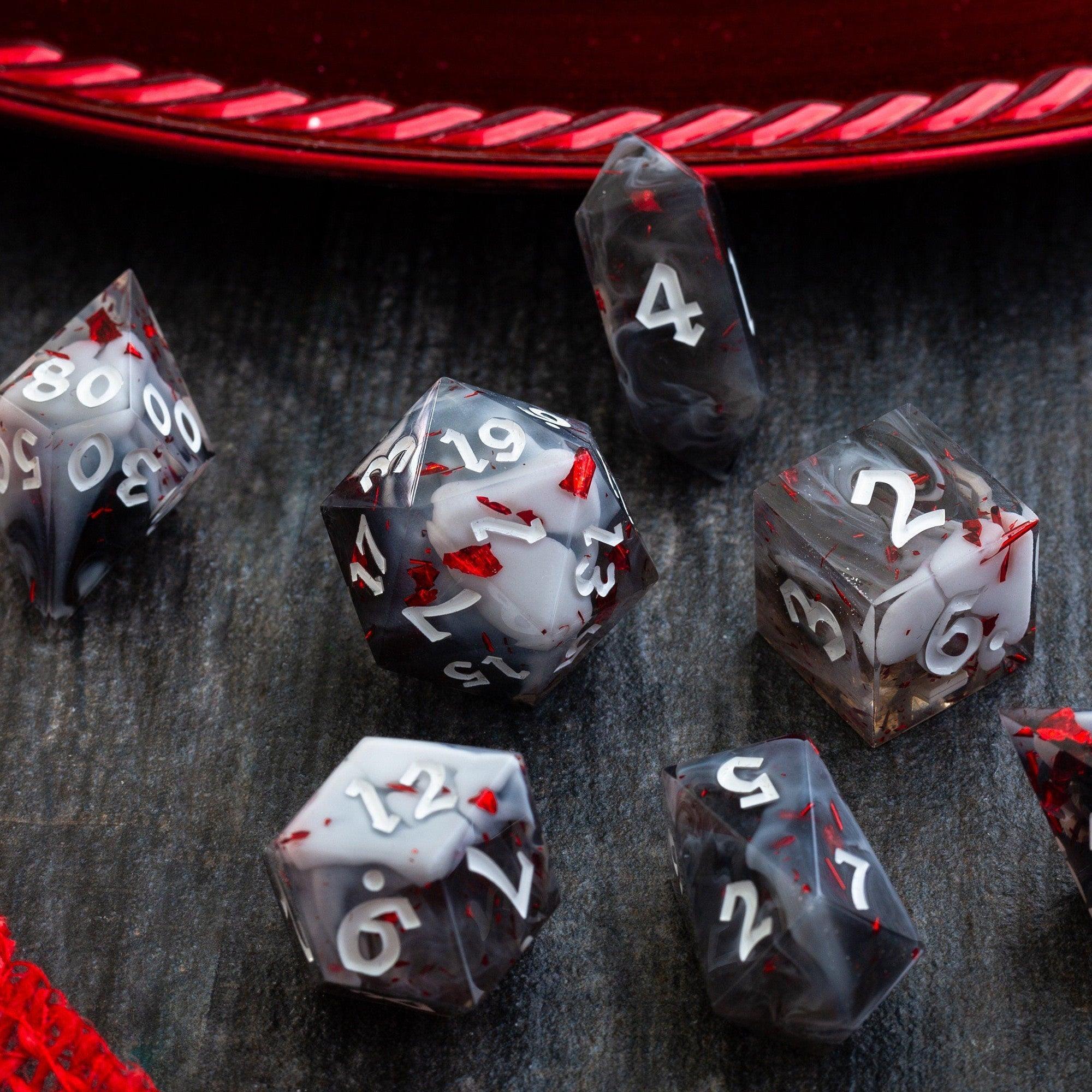
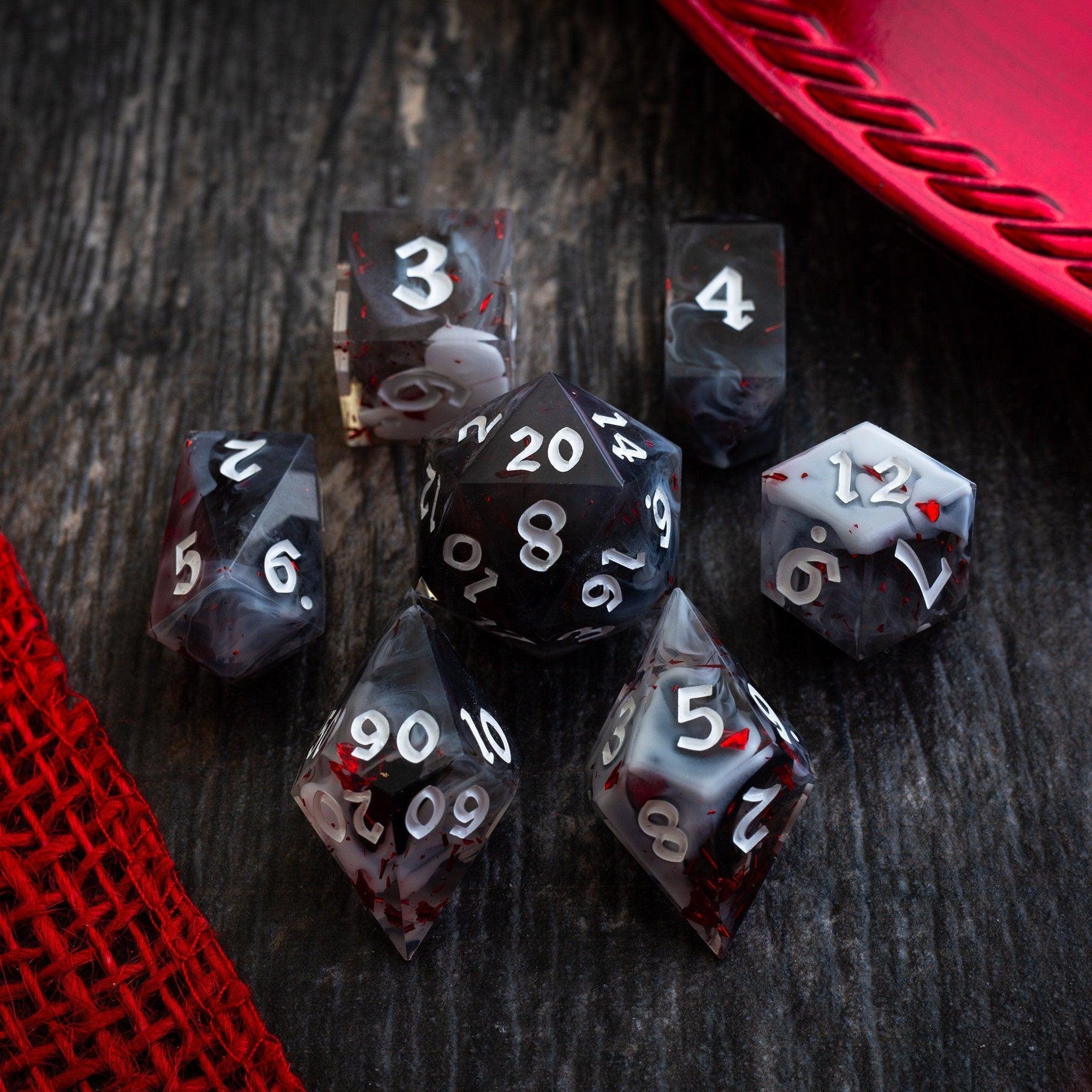
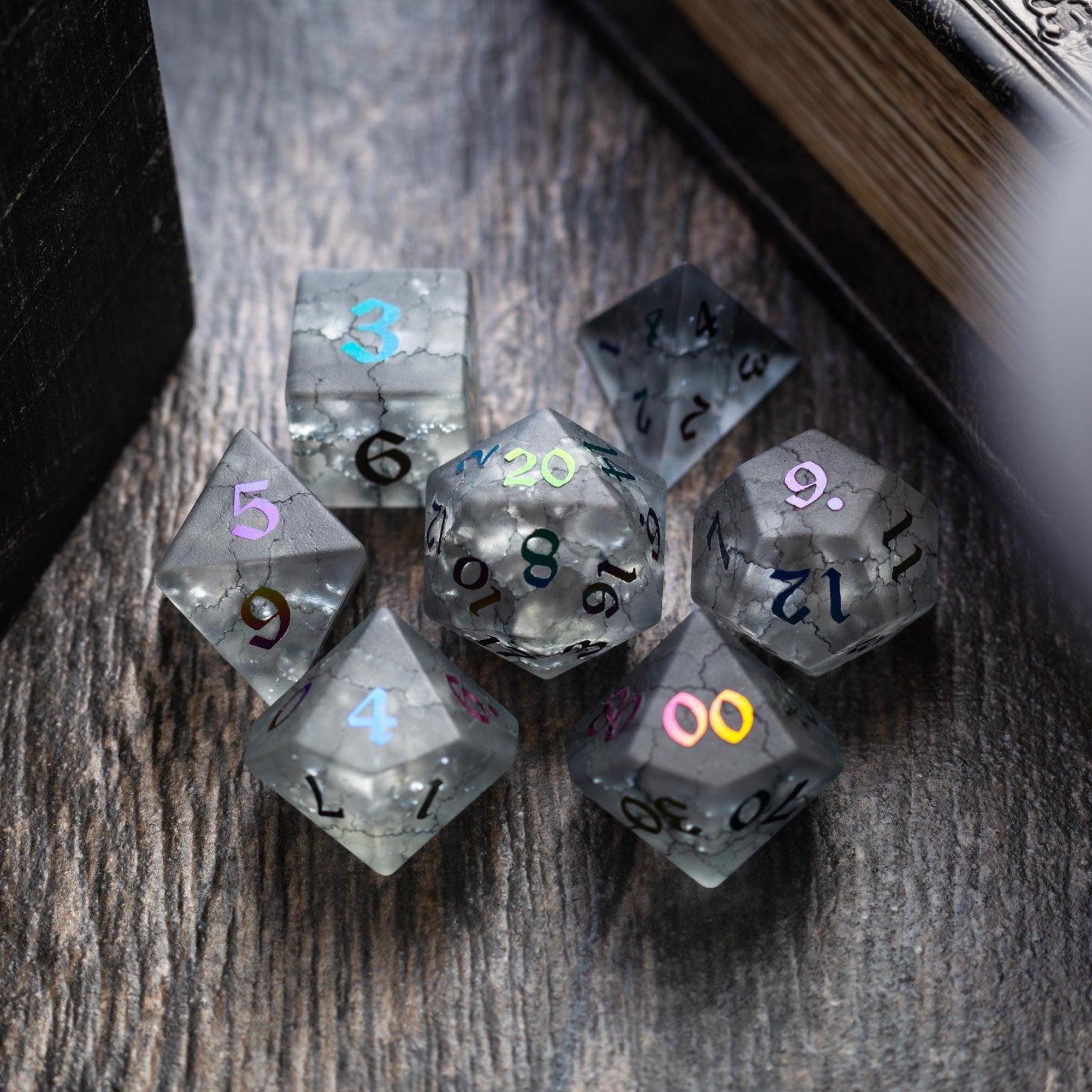
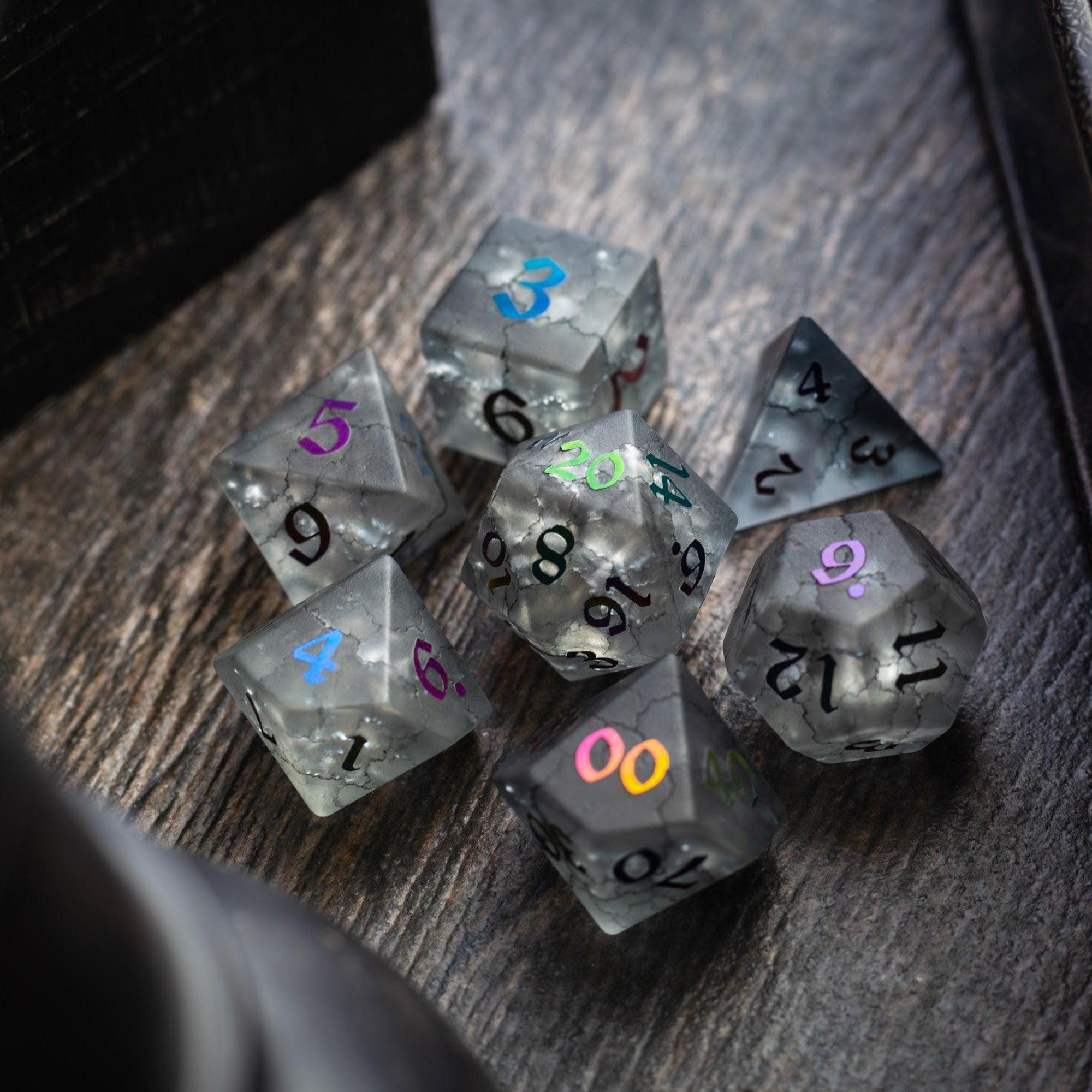
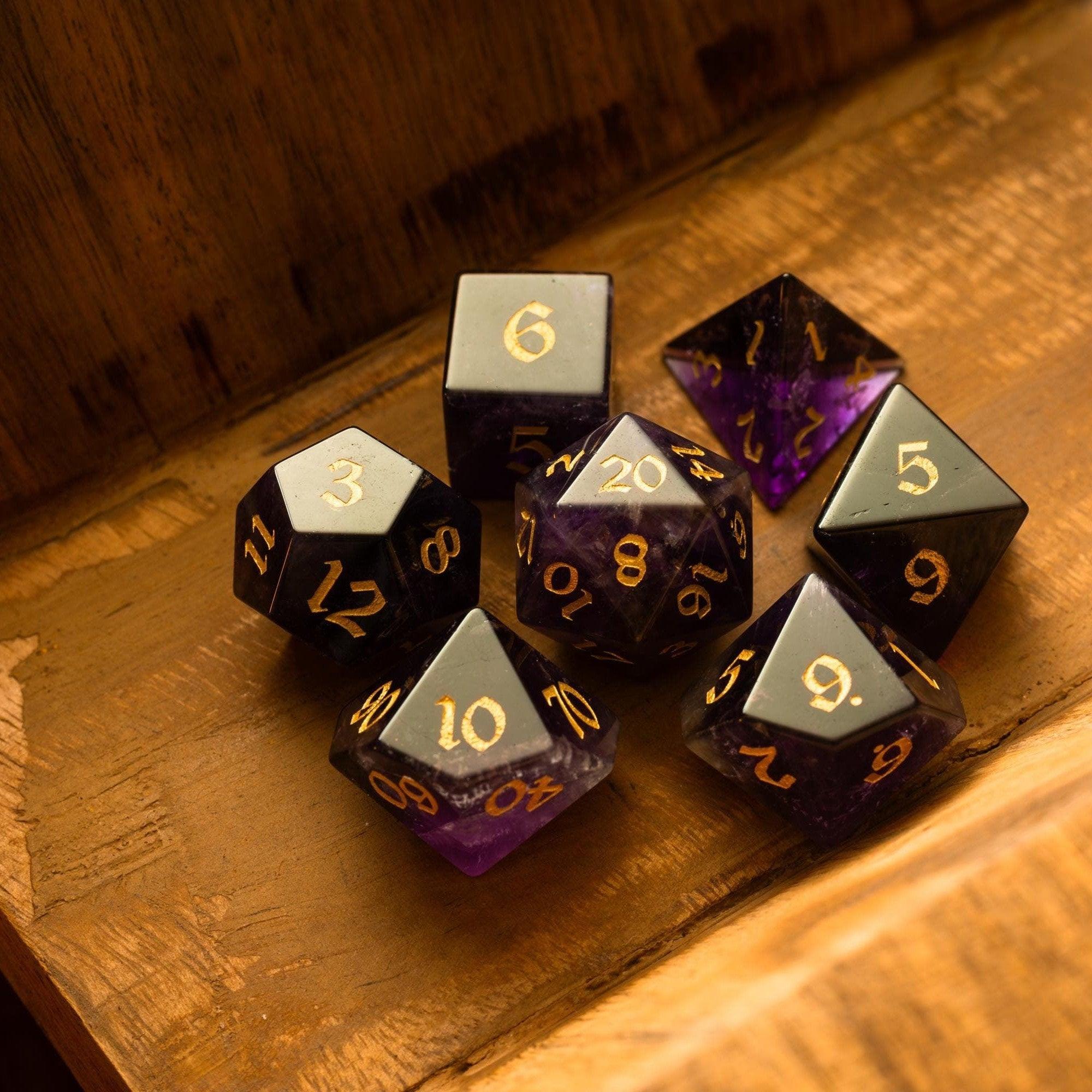
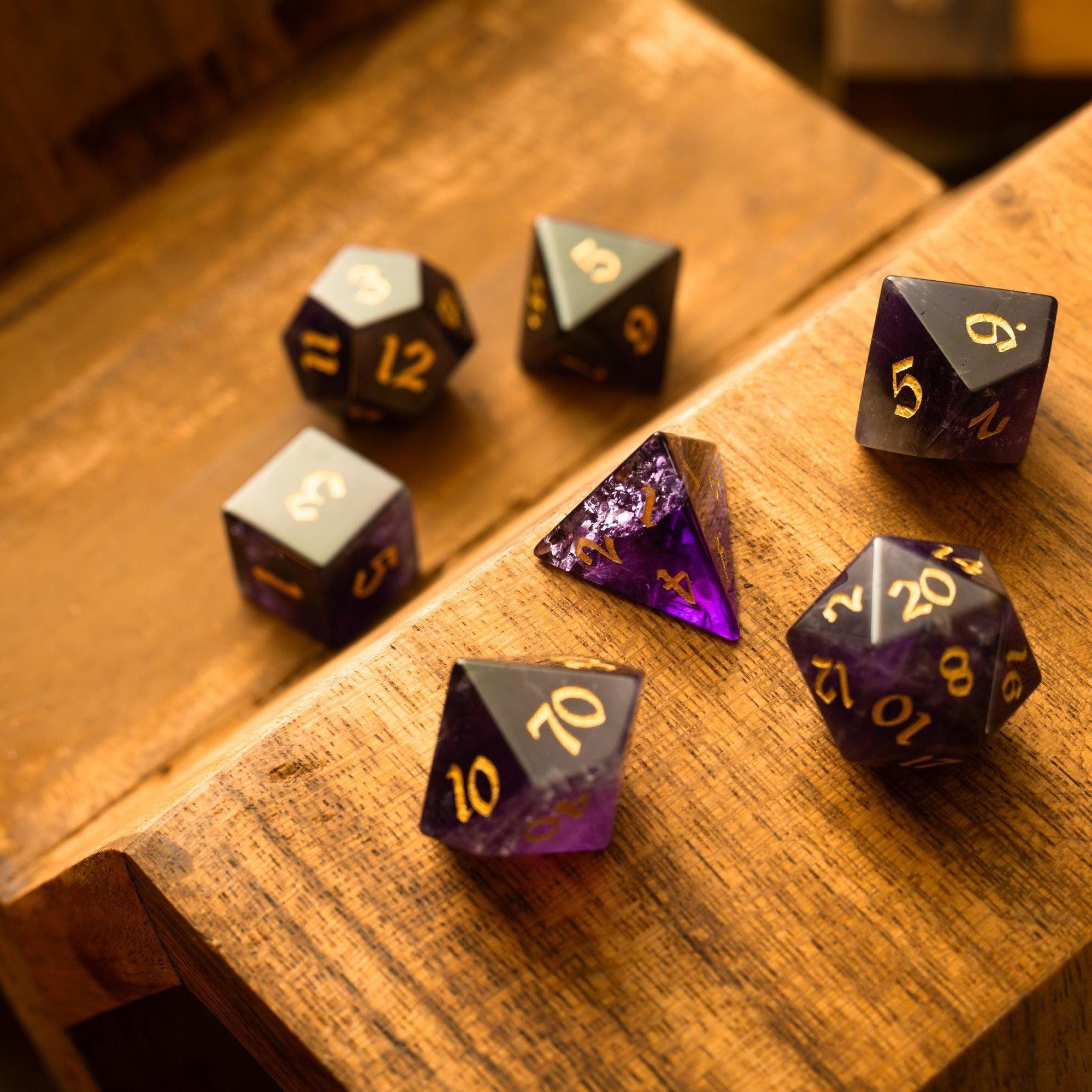
To enhance your tabletop sessions, consider investing in quality gaming supplies. Gemstone dice sets bring both aesthetic beauty and satisfying weight to your rolls, making every die check feel significant. When you're rolling for important decisions during your encounters, quality dice elevate the entire experience.
Frequently Asked Questions
How do I know if my encounter is the right difficulty?
The best indicator is your players' reactions during and after the session. They should feel challenged but not helpless. Look for signs of engagement—are people thinking carefully about their actions? Are they celebrating victories? Are they strategizing together? If everyone feels the encounter was fair but required genuine effort, you've nailed it. Keep notes on what worked and adjust your future designs accordingly. Every group is different, so calibration takes experience with your specific players.
What should I do if an encounter is going badly wrong during play?
Stay flexible and adjust on the fly. If enemies are dominating too heavily, maybe some flee, or reinforcements are delayed. If your players are breezed through too easily, introduce complications like unexpected allies of your enemies arriving, or environmental hazards escalating. The goal is keeping the game fun and challenging, not forcing an outcome. Your players would rather adapt to an evolving encounter than feel manipulated by invisible hands.
How much time should I spend preparing encounters?
This depends on importance. A random roadside encounter might take fifteen minutes to sketch out. A major dungeon complex with multiple encounters might take several hours. A climactic boss battle deserves significant preparation—map design, stat block review, multiple scenarios, and backup plans. Don't over-prepare routine content, but invest properly in encounters that'll define your campaign. Your preparation time should match the encounter's narrative importance.
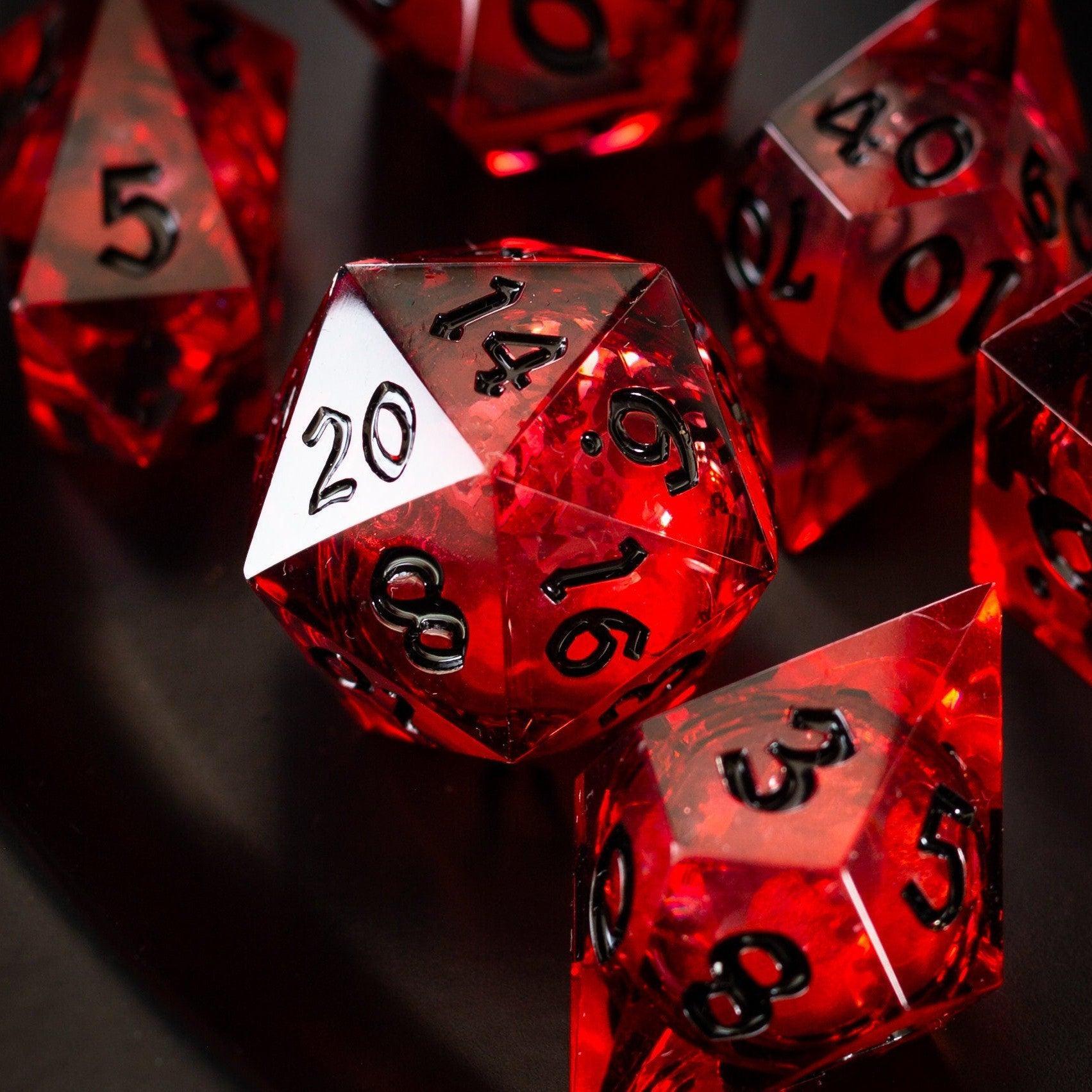
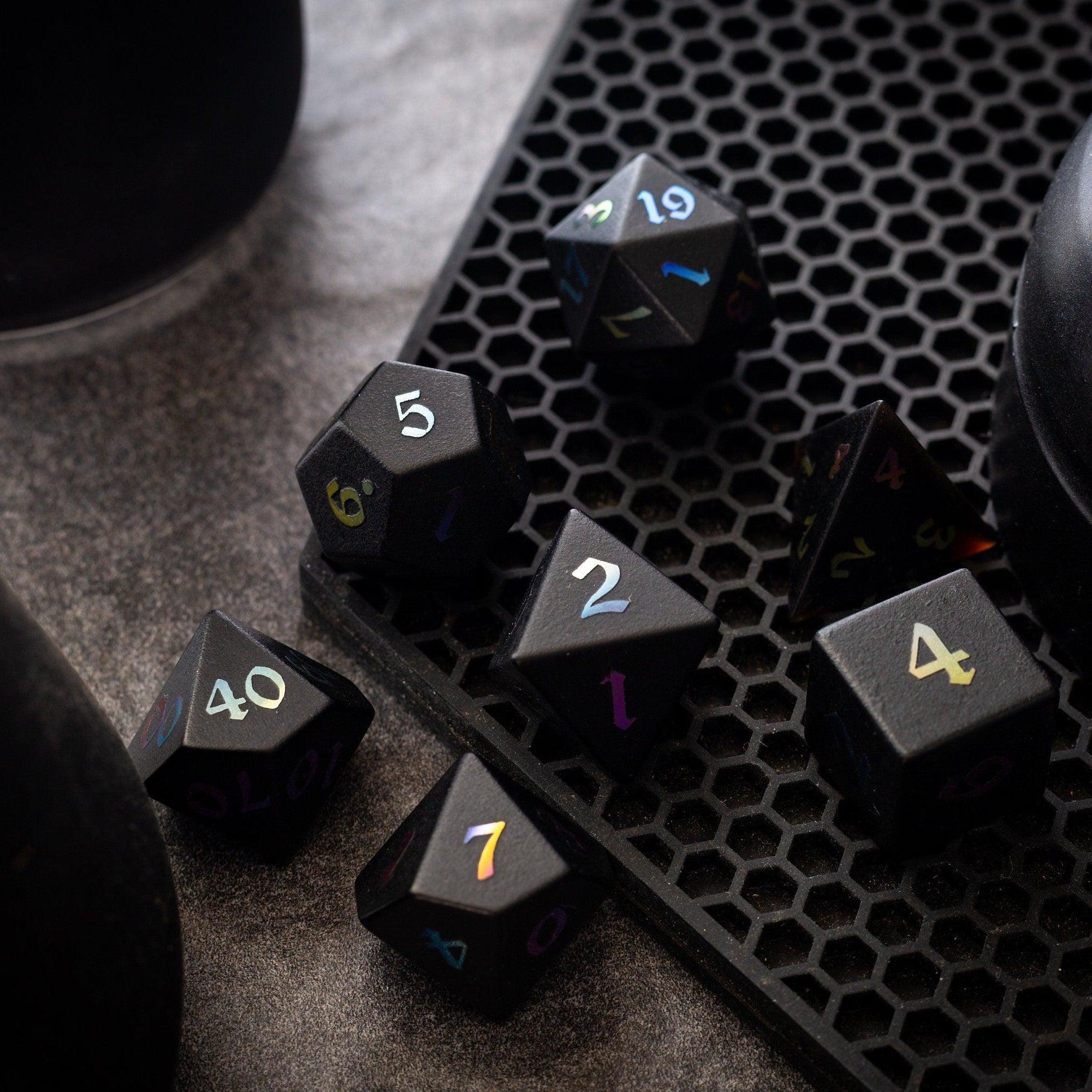
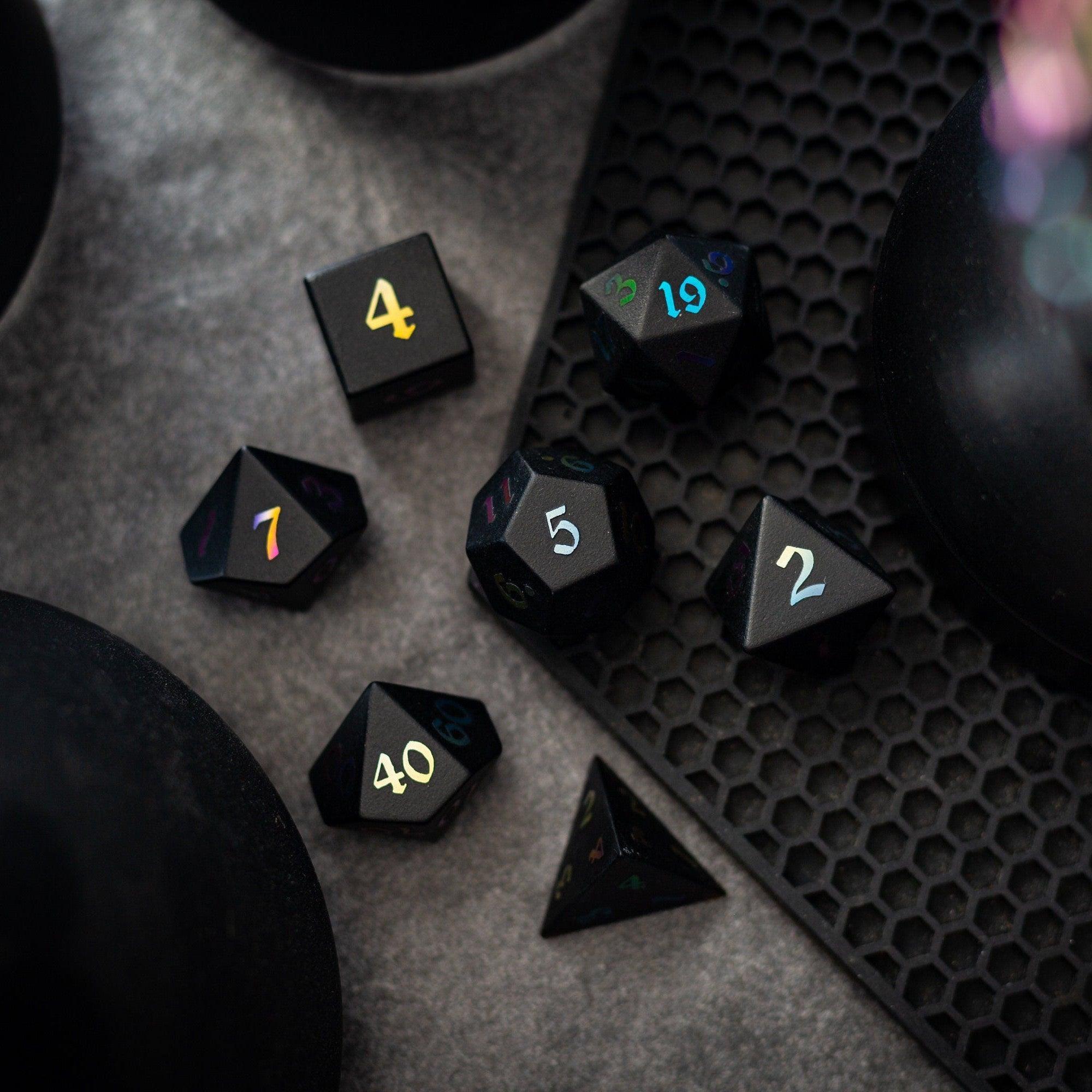
For an additional boost to your presentation, handmade resin dice sets create a tactile experience that makes each roll feel momentous. When your players roll dice from a beautiful set, it adds ceremony and weight to crucial moments in your encounters, enhancing the overall atmosphere and player immersion in the experience.
Creating memorable encounters takes practice, but the fundamental principles remain consistent. Focus on clear purpose, meaningful player choices, appropriate challenge, and vivid description. Design encounters that serve your story, respect your players' time and investment, and leave them talking about your campaign for weeks afterward. Start with these foundations, trust your instincts, and continuously refine your approach based on what your table responds to. Your players will appreciate the thoughtfulness you bring to each encounter, and you'll find increasing joy in crafting moments that become legendary at your table.




Leave a comment
This site is protected by hCaptcha and the hCaptcha Privacy Policy and Terms of Service apply.