
D&D Dwarf Race Guide: Traits, Subraces, and Best Builds for Beginners
Updated on: March 20, 2026

If you’re looking for a character who can take a hit, hold the line, and keep swinging long after others fall back… you can’t go wrong with a Dwarf.
In D&D 5e, Dwarves are one of the most reliable and beginner-friendly races in the game. They’re tough, straightforward, and built to survive. Whether you want to be a frontline warrior, a resilient healer, or a stubborn defender of ancient halls, the Dwarf has your back.
Let’s break down everything you need to know.
What Is a Dwarf in D&D 5e?
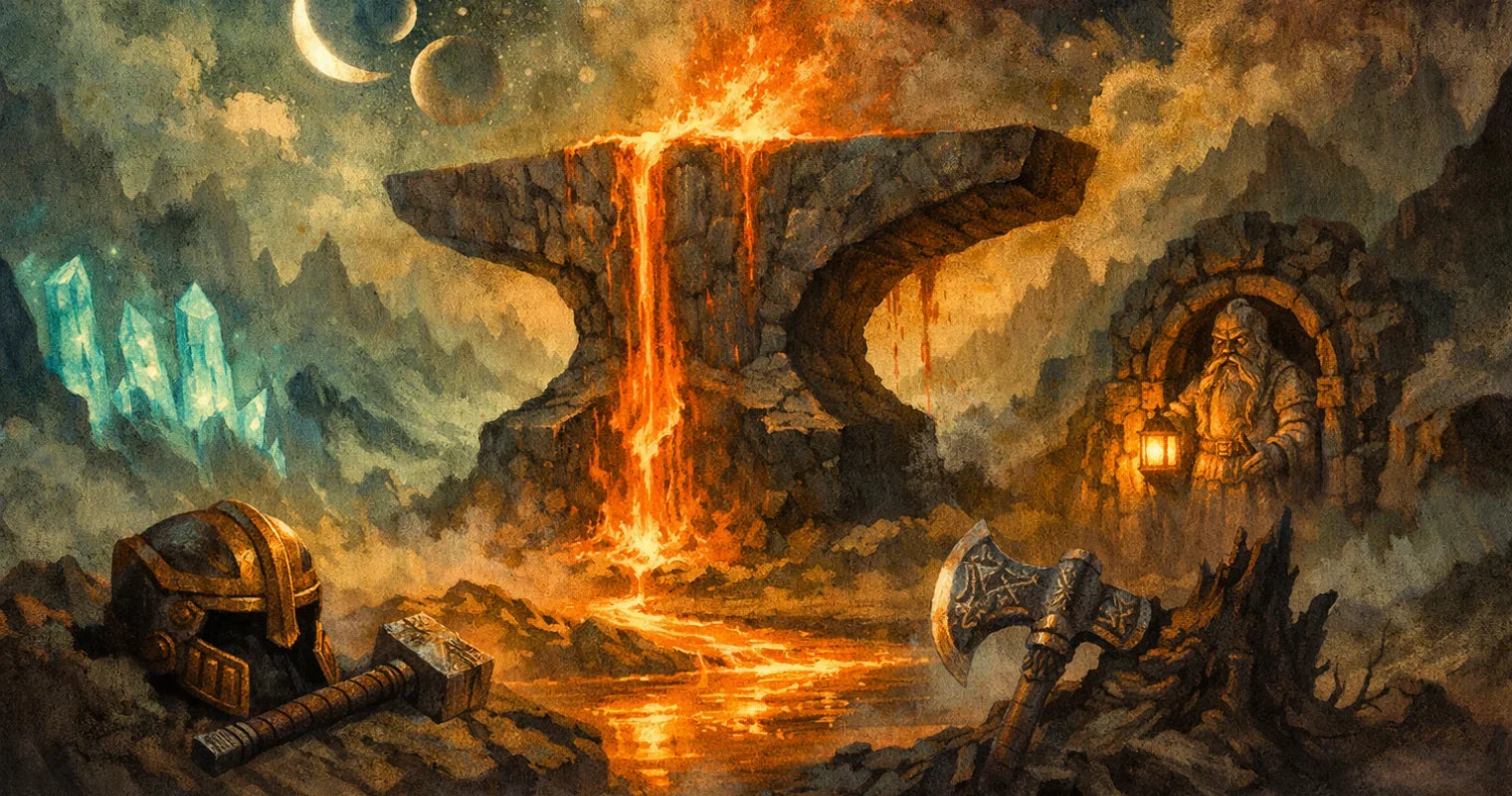
Dwarves are a proud, ancient people known for their craftsmanship, resilience, and deep connection to stone and mountain.
They live in vast underground cities carved into mountains, filled with forges, halls, and centuries of history. To a Dwarf, tradition matters. Loyalty matters. And once they set their mind to something, they don’t back down.
In gameplay terms, Dwarves are:
- Durable and hard to kill
- Naturally suited for frontline roles
- Reliable in almost any party
They’re the kind of character who stands firm when everything else starts to fall apart.

Core Dwarf Traits Explained
Let’s go through what makes a dnd dwarf race so strong, especially for beginners.
Ability Score: +2 Constitution
- Constitution affects your hit points (HP)
- More Constitution = more health
What this means:
You can take more damage before going down. This is one of the biggest reasons Dwarves are so beginner-friendly.
Darkvision
- You can see in darkness up to 60 feet
- You treat darkness like dim light
In-game example:
Exploring a cave or dungeon? You won’t need a torch, and you won’t be blind if the lights go out.
Dwarven Resilience
- Advantage on saving throws against poison
- Resistance to poison damage
What this means:
Poison is common in D&D. Traps, monsters, and spells often use it.
Dwarves are much harder to take down with poison than most races.
Dwarven Combat Training
-
Proficiency with:
- Battleaxe
- Handaxe
- Light hammer
- Warhammer
In-game impact:
Even if your class doesn’t normally give you these weapons, you can still use them effectively.
Stonecunning
-
Double proficiency bonus on History checks related to stonework
What this means:
You’re great at recognizing:
- Ancient ruins
- Hidden stone doors
- Dwarven architecture
It’s a flavorful ability that shines in dungeon-heavy campaigns.
Armor and Speed
-
Your speed is not reduced by wearing heavy armor
Why this matters:
Most characters slow down in heavy armor.
Dwarves don’t.
You can wear the heaviest armor in the game and still move at full speed. That’s huge for frontline builds.
Dwarf Subraces Explained
In 5e, there are two main Dwarf options: Hill Dwarf and Mountain Dwarf. Both are excellent, but they lean in different directions.
Hill Dwarf
Key Features:
- +1 Wisdom
- Dwarven Toughness: +1 hit point per level
What this feels like:
Hill Dwarves are incredibly hard to kill.
At level 5, you already have 5 extra HP just from your race. That adds up fast.
Best for:
- Clerics
- Support characters
- Defensive builds
If you want to survive anything the game throws at you, Hill Dwarf is one of the safest choices in all of dwarf 5e options.
Mountain Dwarf
Key Features:
- +2 Strength
- Proficiency with light and medium armor
What this feels like:
Mountain Dwarves are built for combat.
You hit harder, wear better armor early, and step into the role of frontline fighter immediately.
Best for:
- Fighters
- Paladins
- Melee builds
If you want to feel powerful right from level 1, this is your pick.
Best Dwarf Builds for Beginners
Here are some of the easiest and strongest best dwarf builds 5e players can start with.
|
Build |
Best Class |
Why It Works |
|
The Iron Wall |
Fighter |
High durability, simple mechanics, great with heavy armor |
|
The Stone Priest |
Cleric (Hill Dwarf) |
Extra HP + healing makes you incredibly hard to drop |
|
The Oathbound Guardian |
Paladin |
Strong defenses, healing, and frontline presence |
|
The Unbreakable Berserker |
Barbarian |
Massive health and damage resistance stack well |
|
The Stalwart Scout |
Ranger |
Durable compared to other ranged characters |
Fighter (Beginner Favorite)
- Simple and effective
- Heavy armor + Dwarf traits = extremely durable
Playstyle:
Walk into combat, hold your ground, and keep swinging.
Cleric (Especially Hill Dwarf)
- High survivability + healing magic
- Wisdom bonus fits perfectly
Playstyle:
Support your team while being tough enough to survive on the front line.
Paladin
- Durable + healing + strong attacks
- Great mix of offense and defense
Playstyle:
Protect allies, smite enemies, and stay standing.
Barbarian
- Huge health pool
- Resistance to damage while raging
Playstyle:
Charge in and absorb damage while dealing heavy hits.
Ranger
- More durable than most ranged characters
- Good hybrid option
Playstyle:
Fight at range, but still survive when enemies get close.
Dwarf Playstyle: What It Feels Like
Playing a dnd dwarf feels solid.
You’re not fragile. You’re not easily pushed around. You’re the character who:
- Holds the front line
- Survives bad situations
- Keeps going when others would fall
Dwarves are forgiving. If you make a mistake, you’re more likely to survive it.
That’s a big deal for new players.
Roleplaying a Dwarf
Dwarves have a strong identity, but there’s still plenty of room to make the character your own.
Here are a few ideas:
- A gruff warrior loyal to their clan above all else
- A master blacksmith seeking rare materials
- A stoic guardian protecting ancient ruins
- A wandering adventurer who loves ale and good stories
Dwarves often value:
- Honor
- Craftsmanship
- Loyalty
- Tradition
But you can always twist the mold. Maybe your Dwarf left their mountain home to see the world. Maybe they reject tradition entirely.
That tension can make for great storytelling.
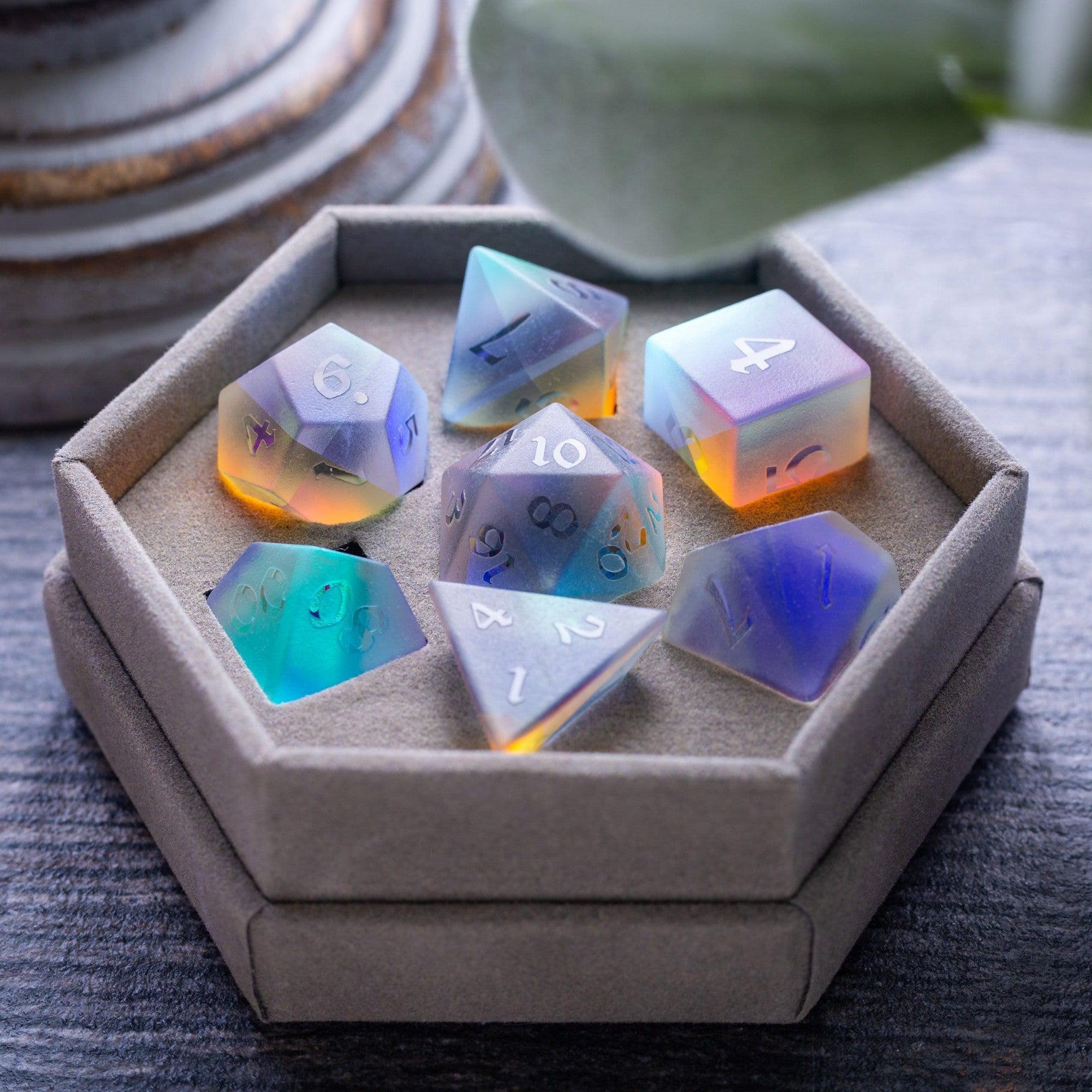
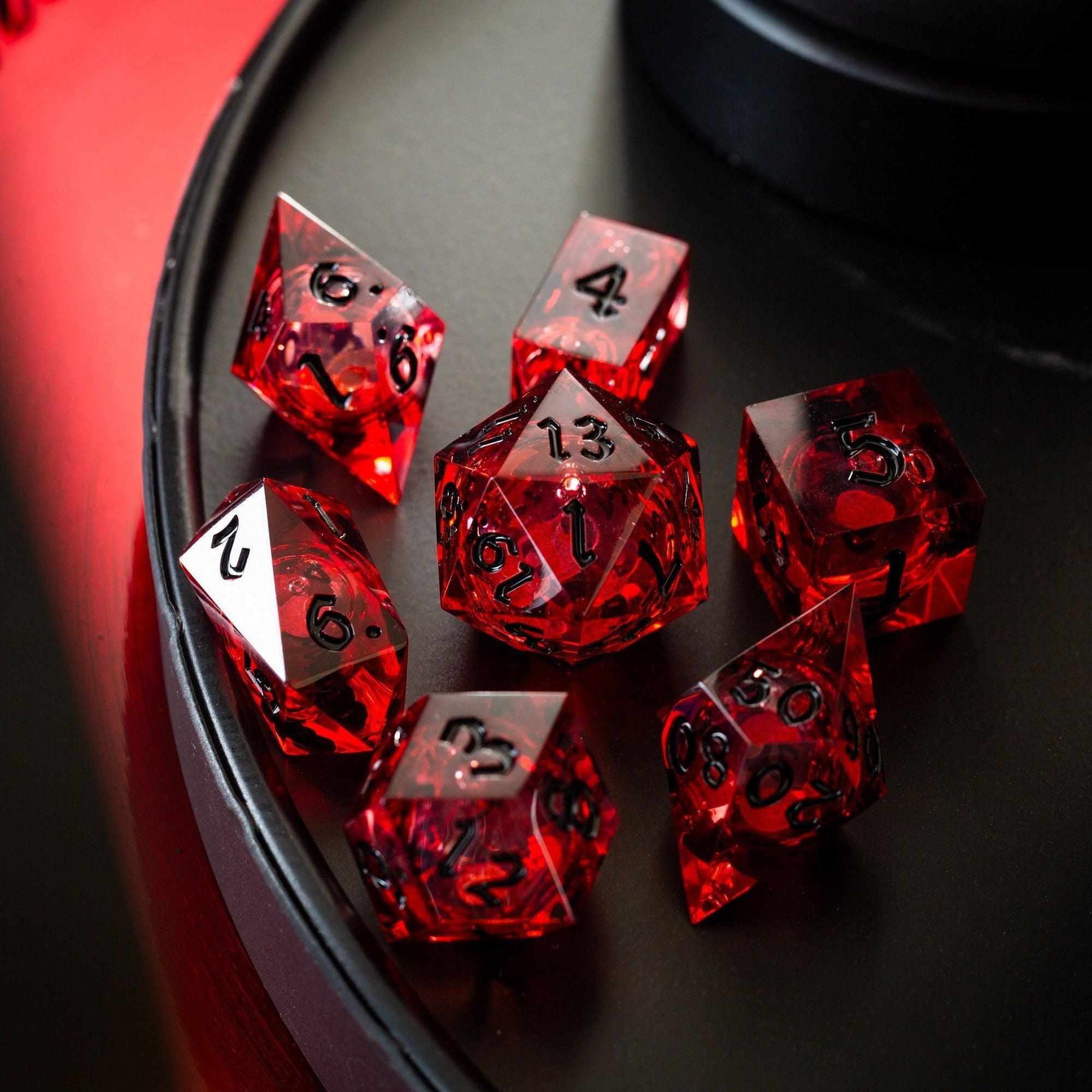
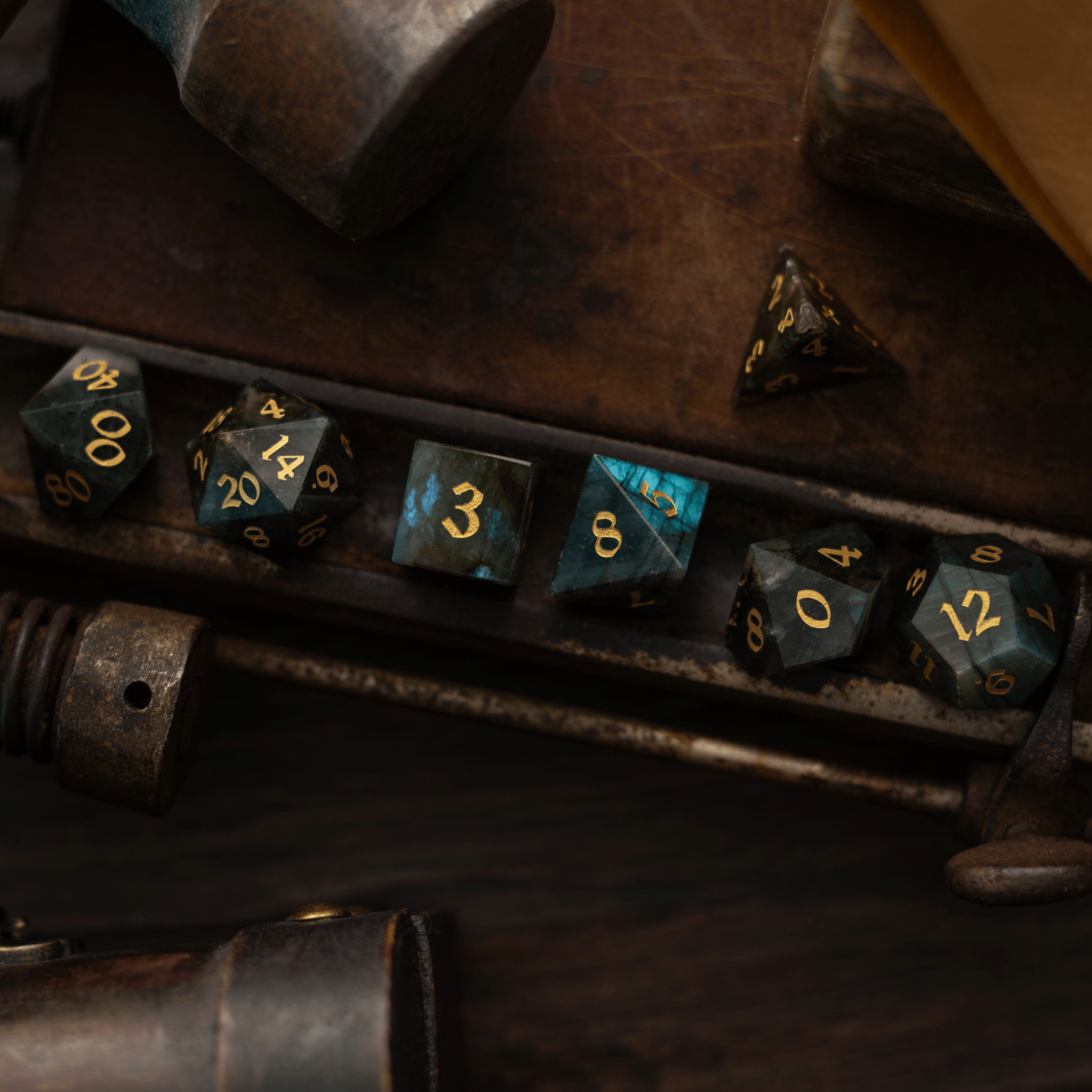
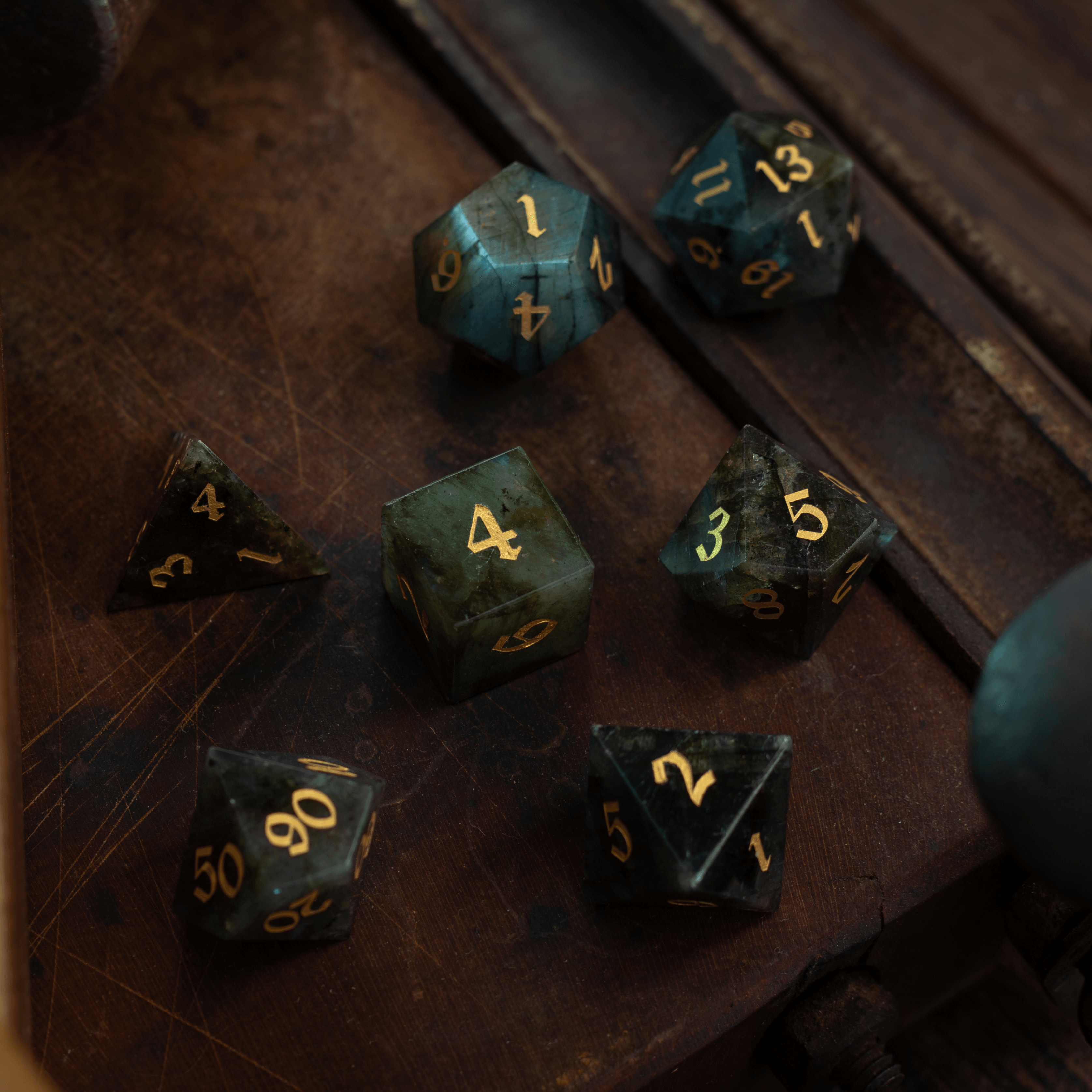
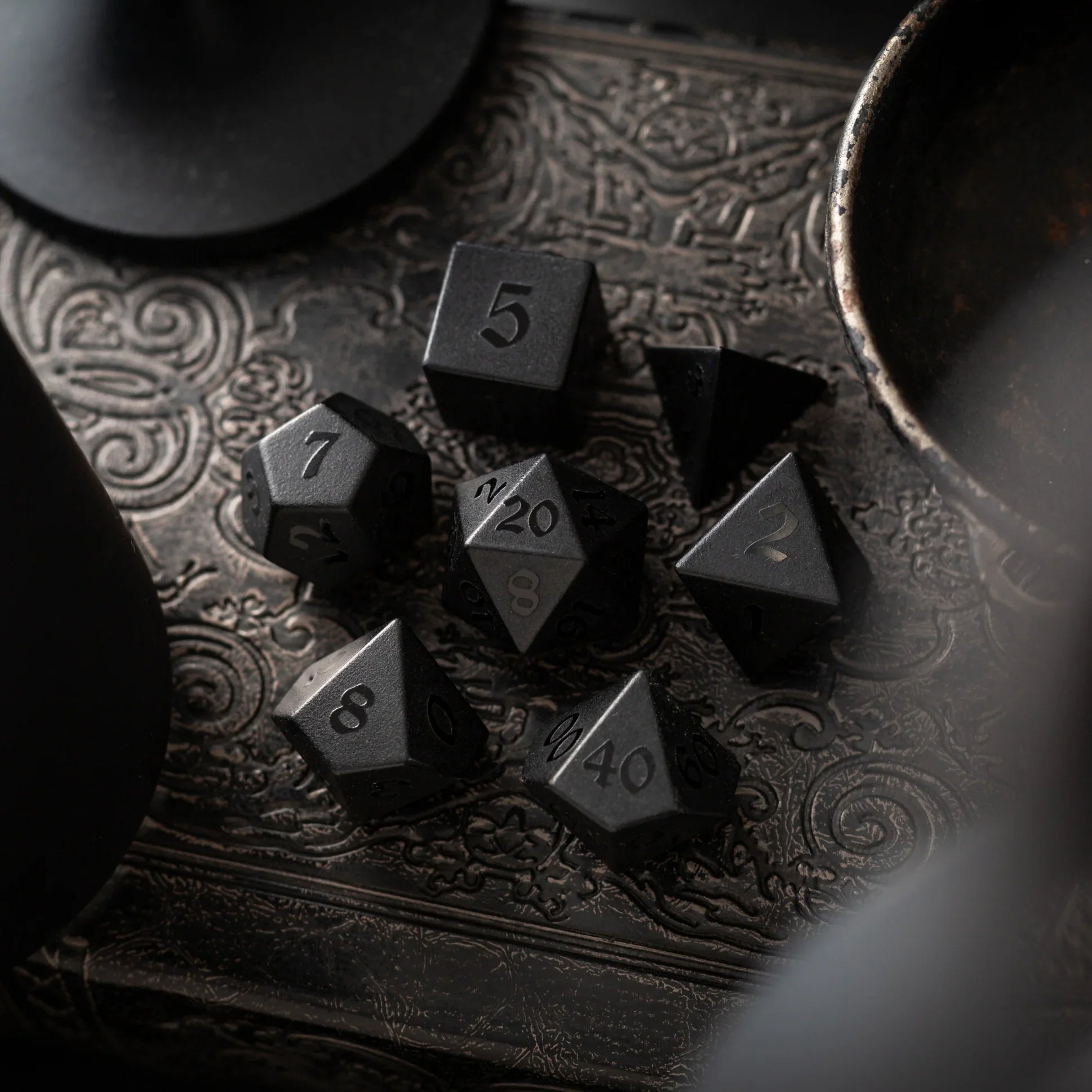
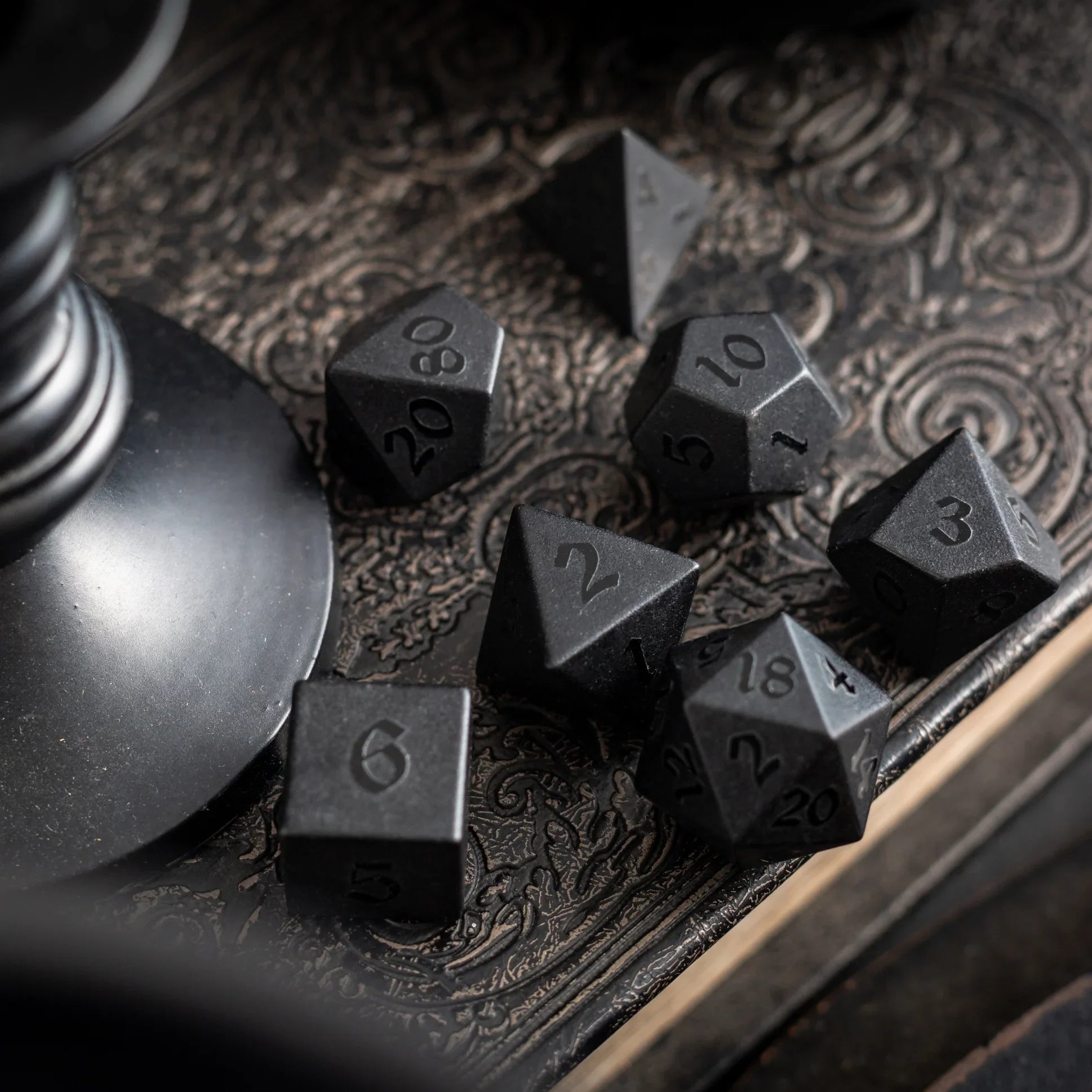
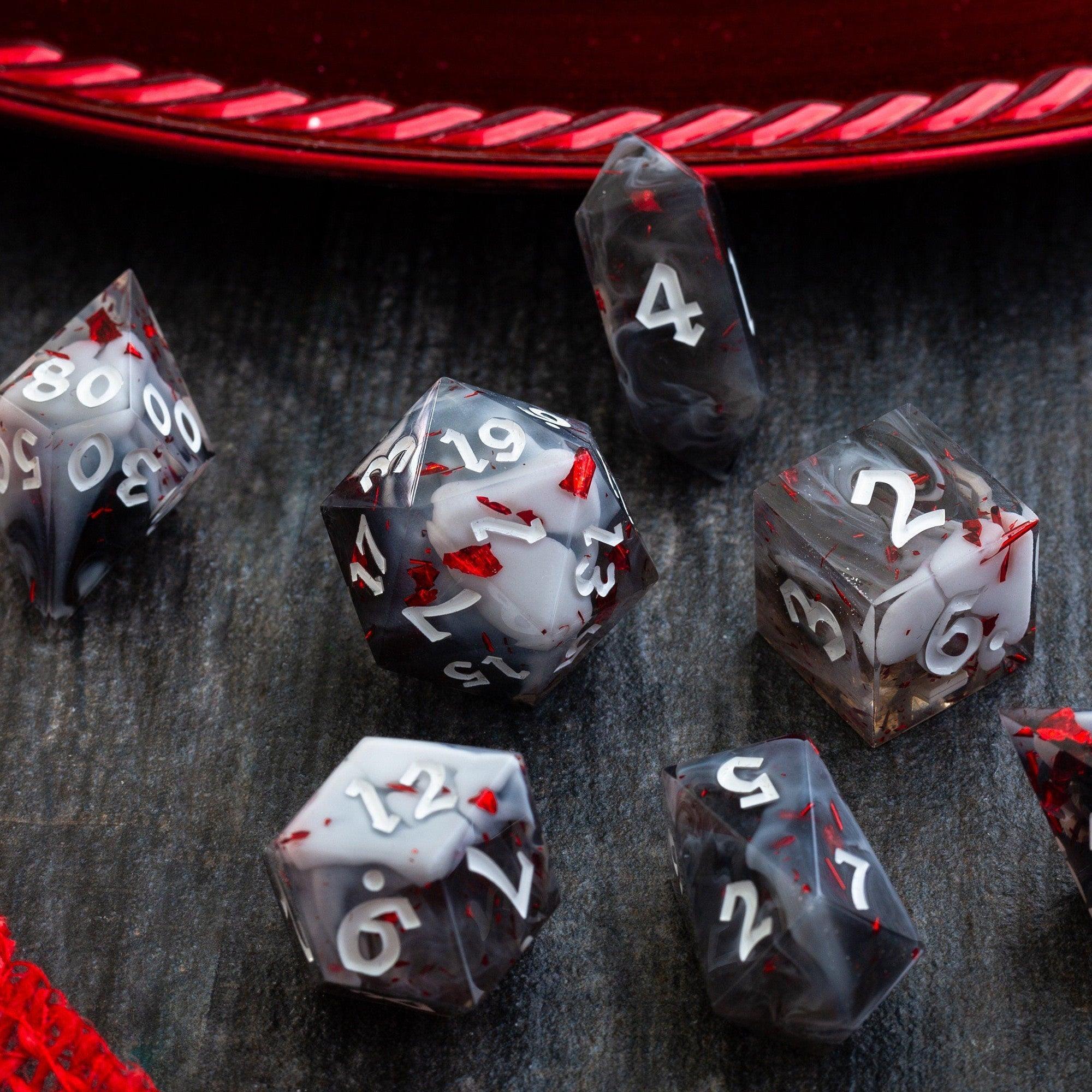
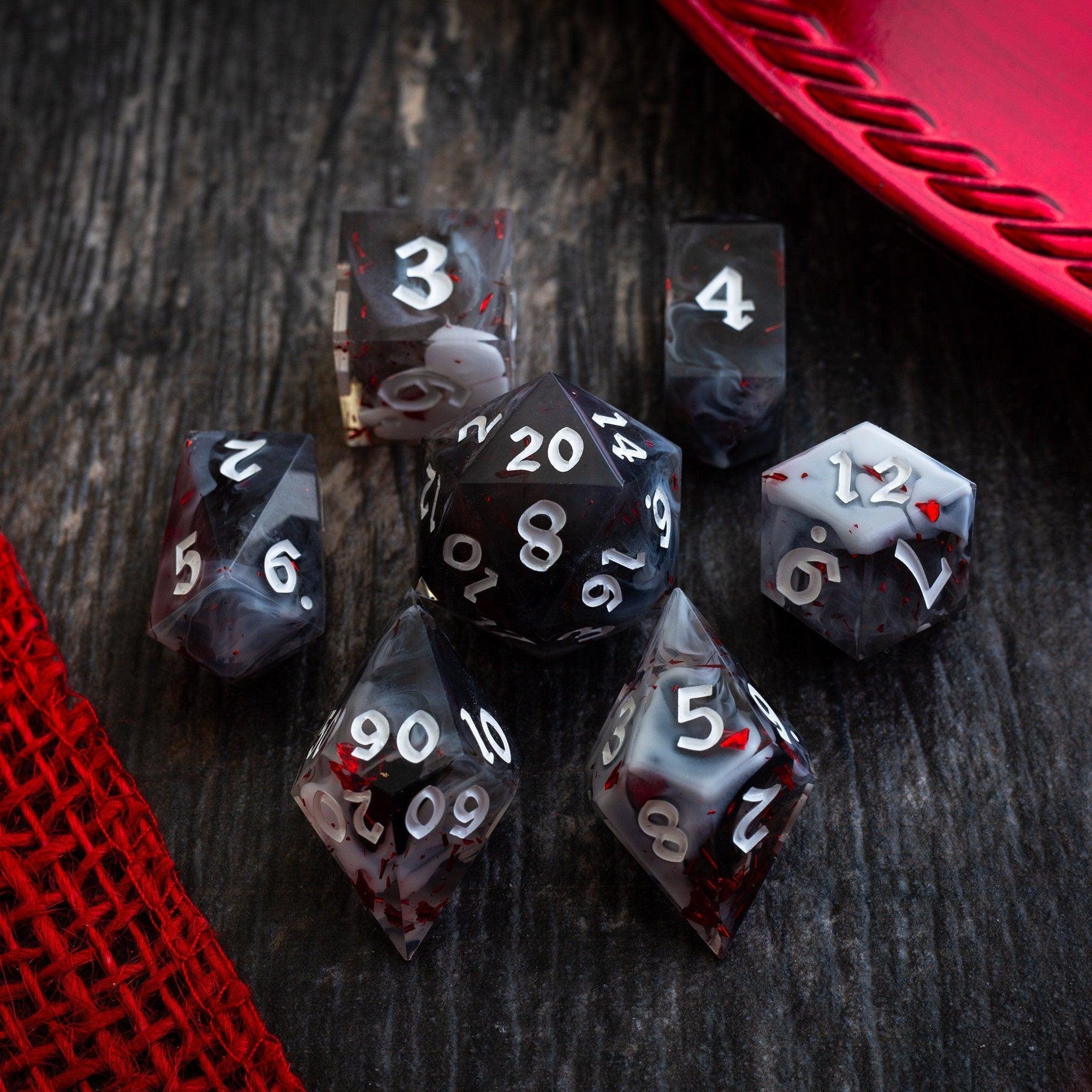
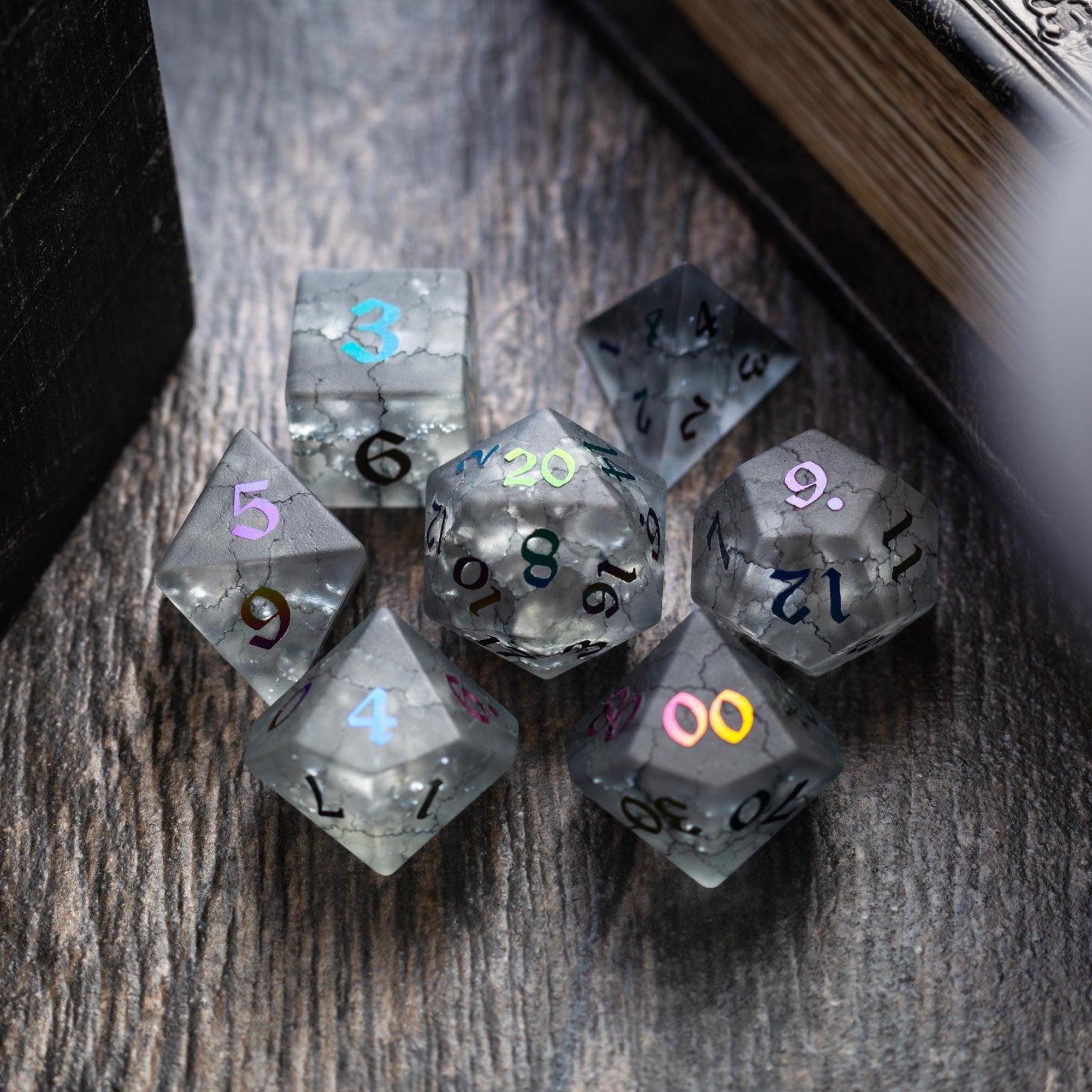
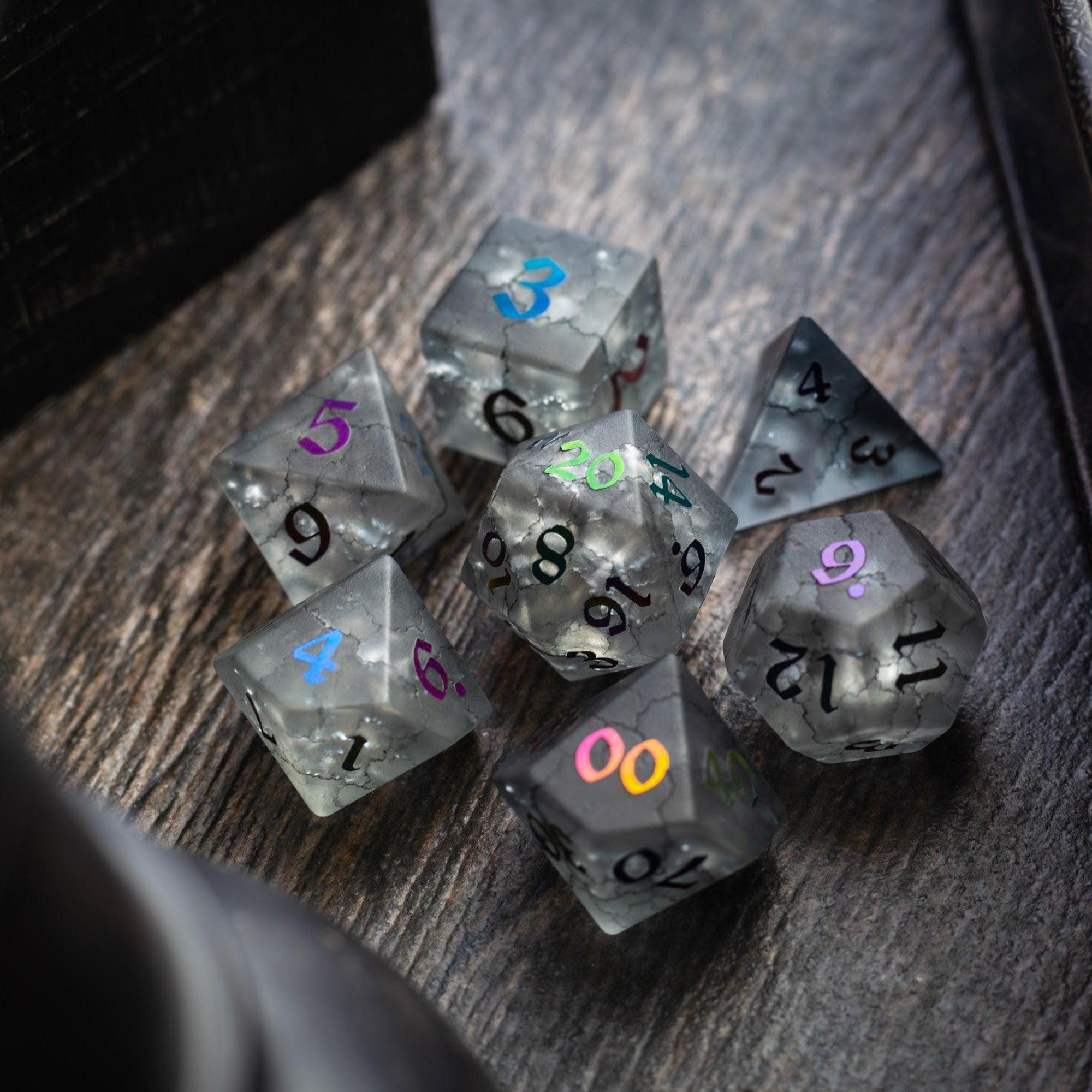
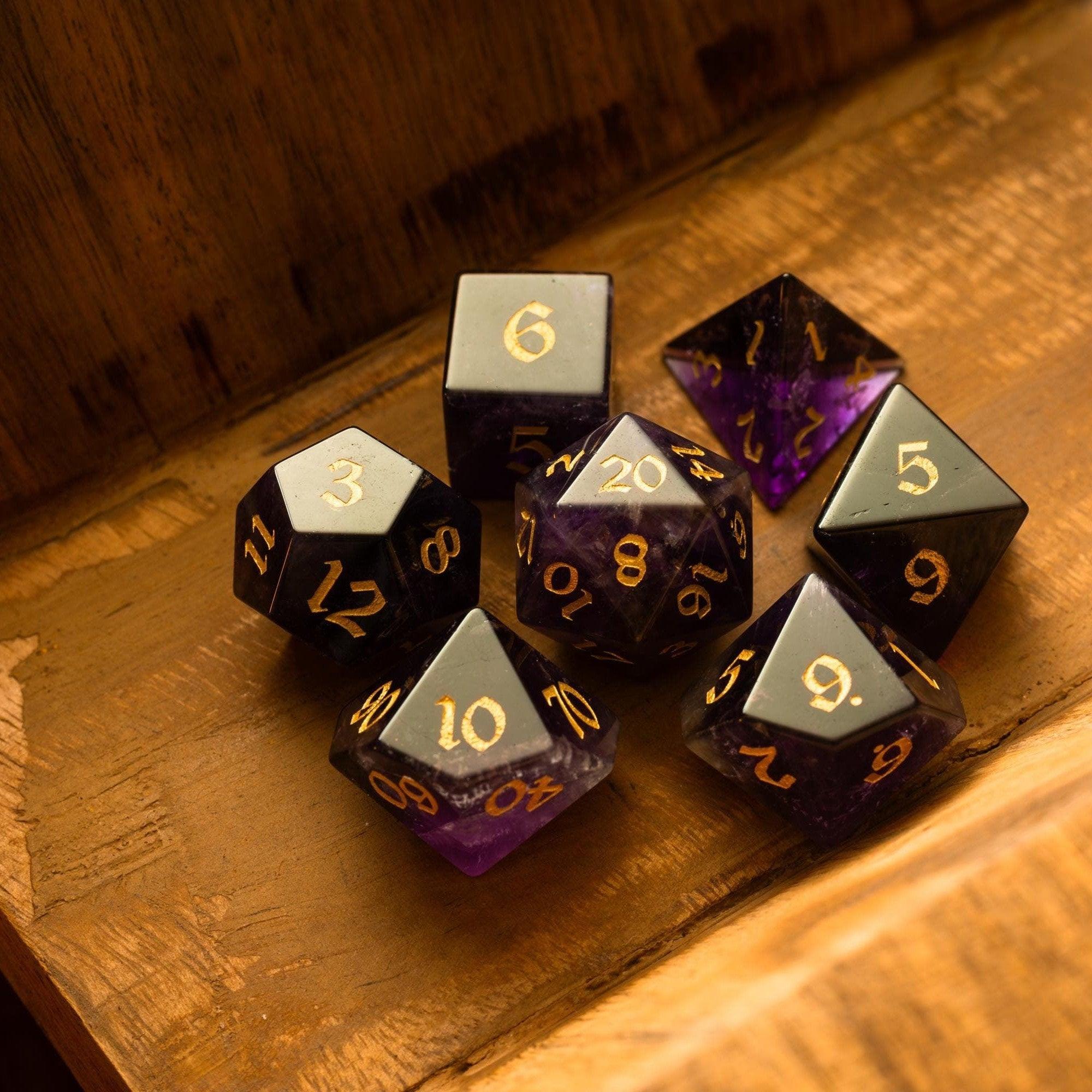
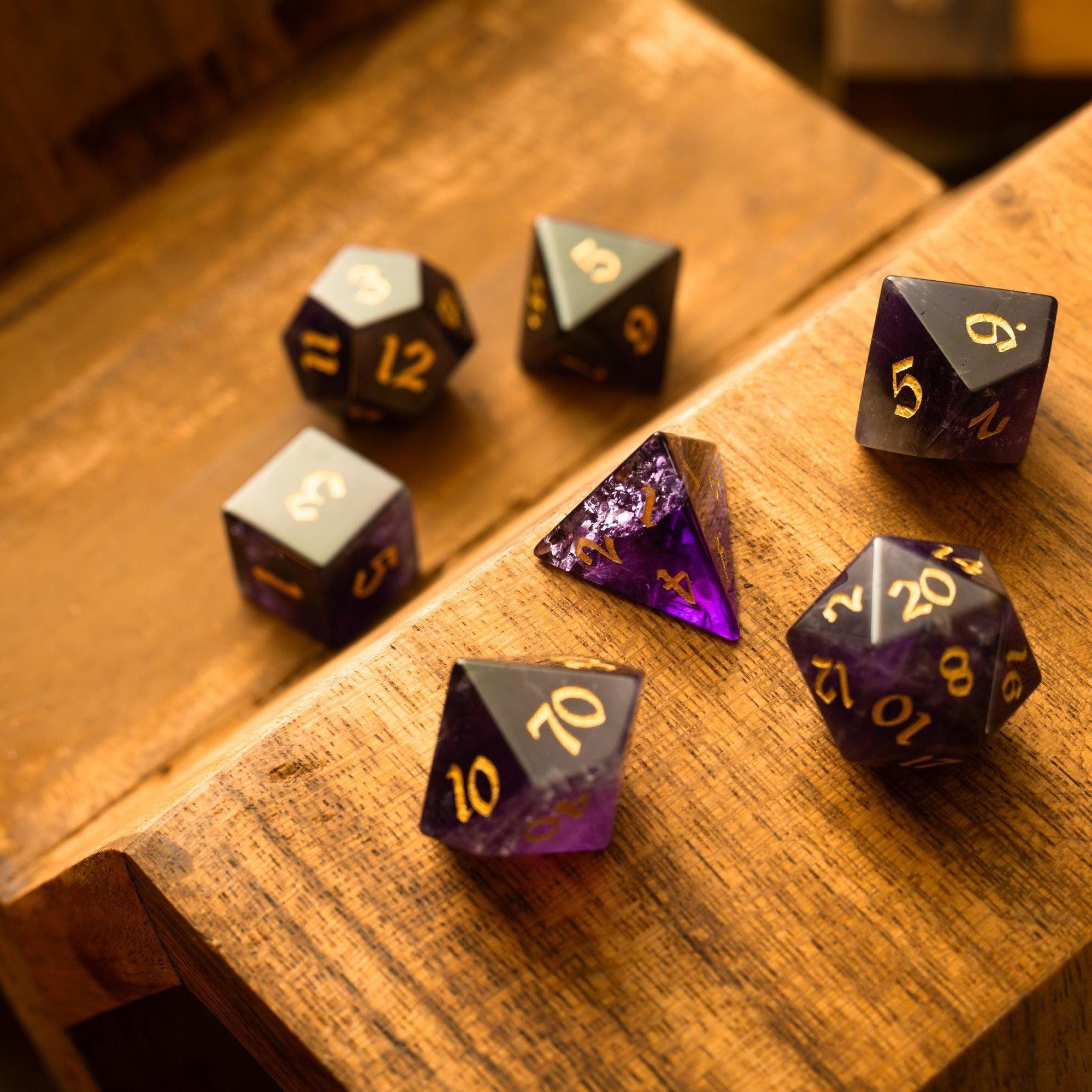
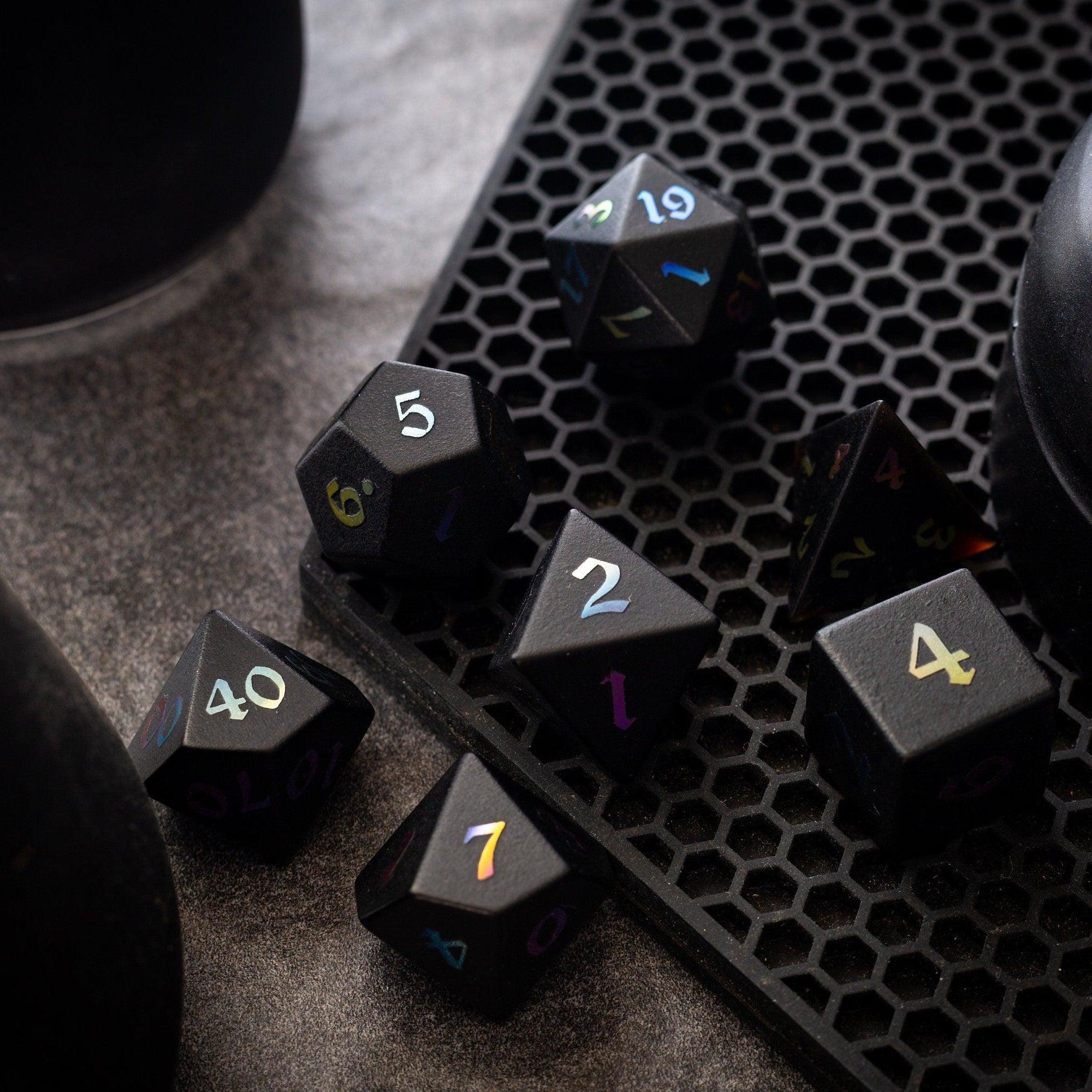
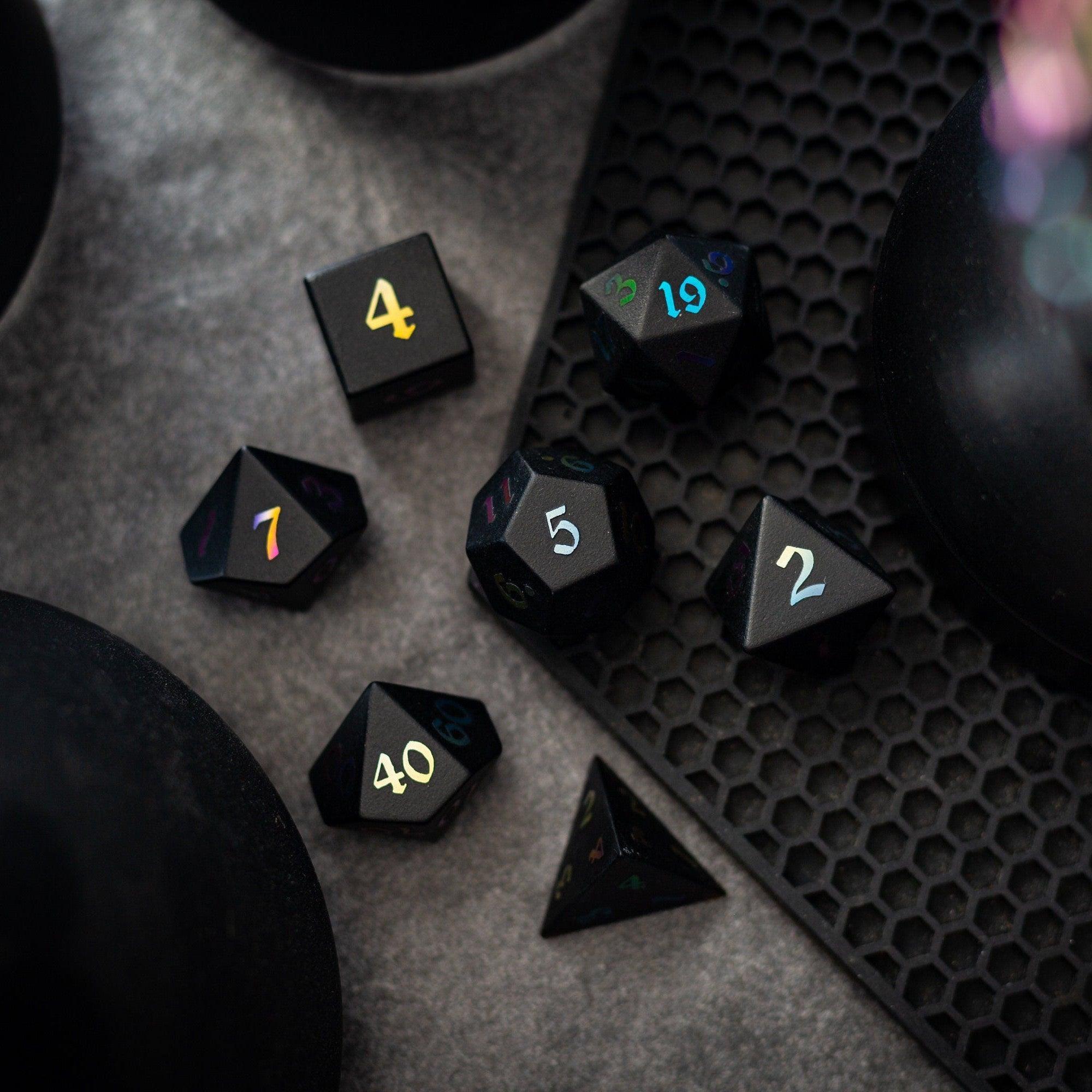
Dice Recommendations for Dwarf Characters
When you’re playing a Dwarf, your gear should feel just as solid as your character.
A few dice styles that match the Dwarf theme:
-
Metal dice
- Heavy, weighty, and satisfying
- Feels like something forged in a mountain smithy
-
Earth-tone gemstone dice
- Colors like granite, jade, or obsidian
- Reflect the deep stone halls of Dwarven cities
-
Dark iron or steel-colored dice
- Clean, rugged aesthetic
- Perfect for a no-nonsense warrior
-
Gold-accented sets
- A nod to Dwarven craftsmanship and treasure
Think of your dice as part of your character’s story. Something they might carry in their pack, forged or found along the way.
Beginner Tips for Playing a Dwarf
If you’re just starting out, keep these in mind:
-
Don’t be afraid to stand in front
You’re built for it -
Use your durability
You can take hits others can’t -
Pick simple classes first
Fighter, Cleric, and Paladin are great starting points -
Lean into your strengths
Toughness, consistency, and reliability
Conclusion
Dwarves are one of the most dependable choices in dnd races explained for a reason.
They’re tough. They’re reliable. And they give you room to learn the game without being punished for every mistake.
Whether you’re holding the line as a Fighter, calling on divine power as a Cleric, or charging into battle as a Barbarian, the Dwarf stands strong.
If you want a character who can take a hit, stand their ground, and keep fighting…
You’ll feel right at home in Dwarven steel.

Leave a comment
This site is protected by hCaptcha and the hCaptcha Privacy Policy and Terms of Service apply.