
DnD build optimization tips for stronger smarter characters
Updated on: March 16, 2026
Creating the perfect Dungeons and Dragons character requires more than luck—it demands strategic thinking and smart choices. Our guide walks you through character optimization techniques that'll transform your gameplay and make your adventurer truly memorable. Learn how to balance stats, select powerful abilities, and leverage synergies that turn your player into a force to be reckoned with at the table.
- Myths vs. Facts About Character Development
- Step-by-Step Guide to Building Your Ideal Character
- Understanding Stat Allocation and Ability Scores
- Frequently Asked Questions
- Summary and Key Takeaways
Myths vs. Facts About Character Development

When you're diving into the world of tabletop roleplaying, you'll hear plenty of advice about crafting your character. Some of it's gold, and some of it'll lead you down the wrong path entirely. Let's clear up the confusion with some straight talk about common misconceptions.
Myth: High Strength is essential for every combat-focused character.
Fact: While Strength matters for melee fighters, Dexterity often provides superior benefits. It affects armor class, initiative, and ranged attacks. Many optimized builds skip heavy Strength investment entirely, relying instead on finesse weapons and tactical positioning.
Myth: You should dump your lowest ability scores into Intelligence and Wisdom.
Fact: This approach backfires more often than not. Wisdom affects perception checks, saving throws, and spell attacks for clerics and druids. Intelligence determines your effectiveness as a wizard. Dumping either one limits your character's utility across multiple scenarios.
Myth: Multiclassing always weakens your character.
Fact: Strategic multiclassing creates synergies that single-class characters can't match. The key is understanding how abilities stack. A well-planned two or three-class combination often outperforms a straight progression to higher levels.
Myth: You need the absolute highest numbers to be effective.
Fact: Smart ability selection, resource management, and positioning matter more than raw stats. A character with average numbers but excellent synergies will outshine someone who's just chasing bigger numbers.
Step-by-Step Guide to Building Your Ideal Character
Now that we've cleared up the misconceptions, let's walk through the process of creating an optimized character. This approach works whether you're playing a new campaign or rolling up a backup adventurer.
Step 1: Define Your Role and Playstyle
Start by asking yourself what you want to do at the table. Are you the party's tank, soaking damage and protecting allies? Do you want to deal massive damage output? Perhaps you're interested in crowd control and utility. Your answer determines everything that follows. Once you know your role, you can prioritize which abilities matter most for your character concept.
Step 2: Choose Your Race and Class Combination
Not all combinations are created equal. Certain racial bonuses synergize beautifully with specific classes. A Half-Elf Rogue gets ability score boosts that enhance multiple core statistics. A Dragonborn Barbarian can leverage that extra damage die. Research combinations that multiply your effectiveness rather than simply adding to it.
Step 3: Allocate Ability Scores Strategically
This is where DnD build optimization truly begins. You've got several methods to determine your ability scores—rolling, point buy, or standard array. Whichever you use, prioritize your primary ability score first. A Wizard needs Intelligence, a Rogue needs Dexterity, a Cleric needs Wisdom. Then allocate your secondary ability scores based on your character's needs. Constitution always deserves attention because it determines your hit points and concentration saving throws. Secondary abilities depend on your subclass selections and planned progression.
Step 4: Select Feats That Amplify Your Strengths
Ability score improvements are tempting, but powerful feats often provide better returns. Feats like Polearm Master, Great Weapon Master, or Spell Sniper create the kind of synergies that define optimized builds. Look for feats that combine with your class features or create new tactical options. A single well-chosen feat can transform your character's effectiveness.
Step 5: Plan Your Progression Path
Think ahead to future levels. Which subclass choice will unlock powerful combinations? What spells or abilities will you select at each opportunity? Planning your progression prevents dead levels where you feel ineffective. Knowing where you're headed helps you make smarter choices now.
Step 6: Test Your Build at the Table
Theory and practice don't always align. Run your character through a session or two and pay attention to what actually works. Maybe you thought you'd need more damage output and you're actually fine. Perhaps a utility ability you overlooked became invaluable. Stay flexible and adjust your approach based on real gameplay experience.

Understanding Stat Allocation and Ability Scores
Your ability scores represent the foundation of your character's capabilities. Understanding how to distribute them effectively separates optimized characters from competent ones.
The standard ability scores in most campaigns are sixteen, fifteen, fourteen, thirteen, twelve, and ten. These numbers need to find homes in Strength, Dexterity, Constitution, Intelligence, Wisdom, and Charisma. Your class and role determine which numbers go where.
For martial characters like fighters and rogues, Dexterity becomes your priority. It affects your armor class, making you harder to hit. It applies to attack rolls with finesse weapons. It even determines your initiative, putting you first in combat rounds. Constitution follows closely because surviving hits matters more than avoiding all of them.
For spellcasters, your spellcasting ability—whether Intelligence, Wisdom, or Charisma—determines both your spell attack bonus and spell save difficulty class. This ability score directly correlates to how effective your magic becomes. Constitution still matters significantly because many spells require concentration, and concentration checks rely on Constitution saving throws.

Wisdom deserves special attention across all character types. It affects Perception checks, arguably the most commonly rolled check in the game. It applies to Insight checks that detect deception. For clerics and druids, it determines spell effectiveness. Even characters who don't cast spells benefit from having decent Wisdom.
Many optimized characters deliberately sacrifice one or two ability scores to maximize their primary statistics. This is called "dumping" and it's a legitimate strategy when done consciously. If your character has no reason to use Strength, there's no shame in dropping it to eight or nine. Invest those points where they matter.
Remember that racial bonuses apply after you assign your base scores. A character that looks mediocre before applying bonuses might become powerful afterward. Factor racial bonuses into your planning before finalizing your allocation.
Frequently Asked Questions
What's the difference between optimization and power gaming?
Optimization means making thoughtful, strategic choices that maximize your character's effectiveness within the rules. Power gaming prioritizes mechanical dominance over fun and story. An optimized character is still enjoyable to play and fits naturally into the campaign. A power-gamed character often feels broken and overshadows other players. Optimization respects the game and your group's experience; power gaming doesn't.
Can I optimize my character without min-maxing?
Absolutely. You can make smart choices without deliberately crippling secondary abilities. Maybe you don't drop Intelligence to eight, but you assign it thirteen instead of eighteen. Your character remains functional across multiple scenarios while still benefiting from strategic planning. This approach keeps your character interesting without creating weird weaknesses.
How do I optimize a character when I don't know the campaign setting yet?
Build flexibility into your character. Prioritize versatility over specialization. Select spells and abilities that work in multiple scenarios. Choose feats that apply broadly rather than niche situations. Talk with your Dungeon Master about what kind of campaign to expect. Even general information helps you make smarter allocation decisions.
Summary and Key Takeaways
Character optimization isn't about breaking the game or creating an unbeatable character. It's about understanding the mechanics and using them thoughtfully to create a character that plays exactly how you want while remaining genuinely effective at the table.
Start by knowing your character's role. Allocate ability scores strategically rather than randomly. Choose racial and class combinations that work together synergistically. Select feats that amplify your strengths rather than fixing weaknesses. Plan your progression so future choices build on current decisions. Test your build through actual gameplay and adjust based on experience.
Remember that the best optimized character is one that's fun for you and balanced for your group. Great optimization enhances enjoyment rather than detracting from it. If your character build makes the game less fun for others, it's time to recalibrate.
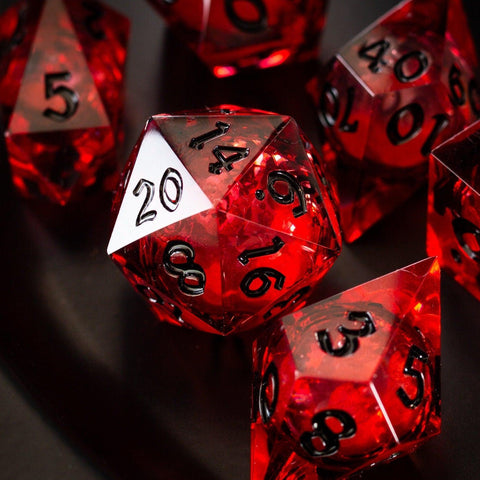
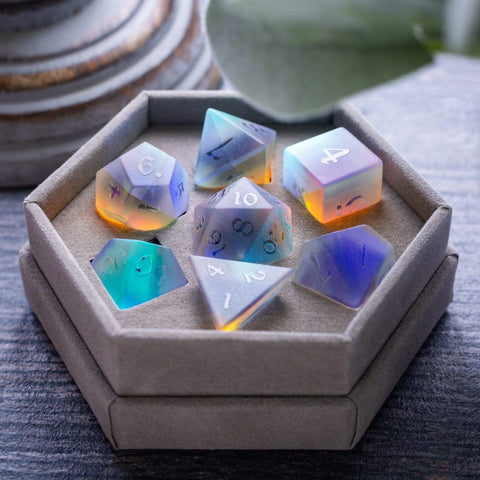
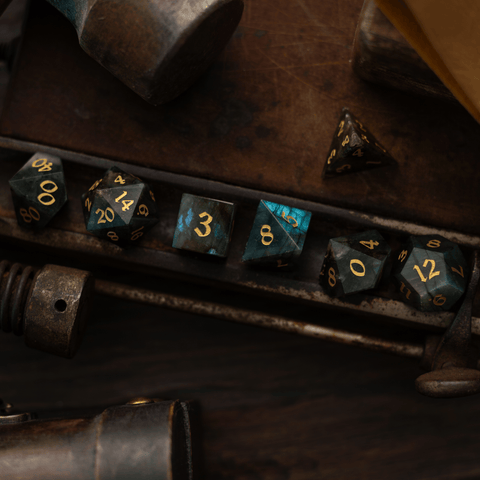
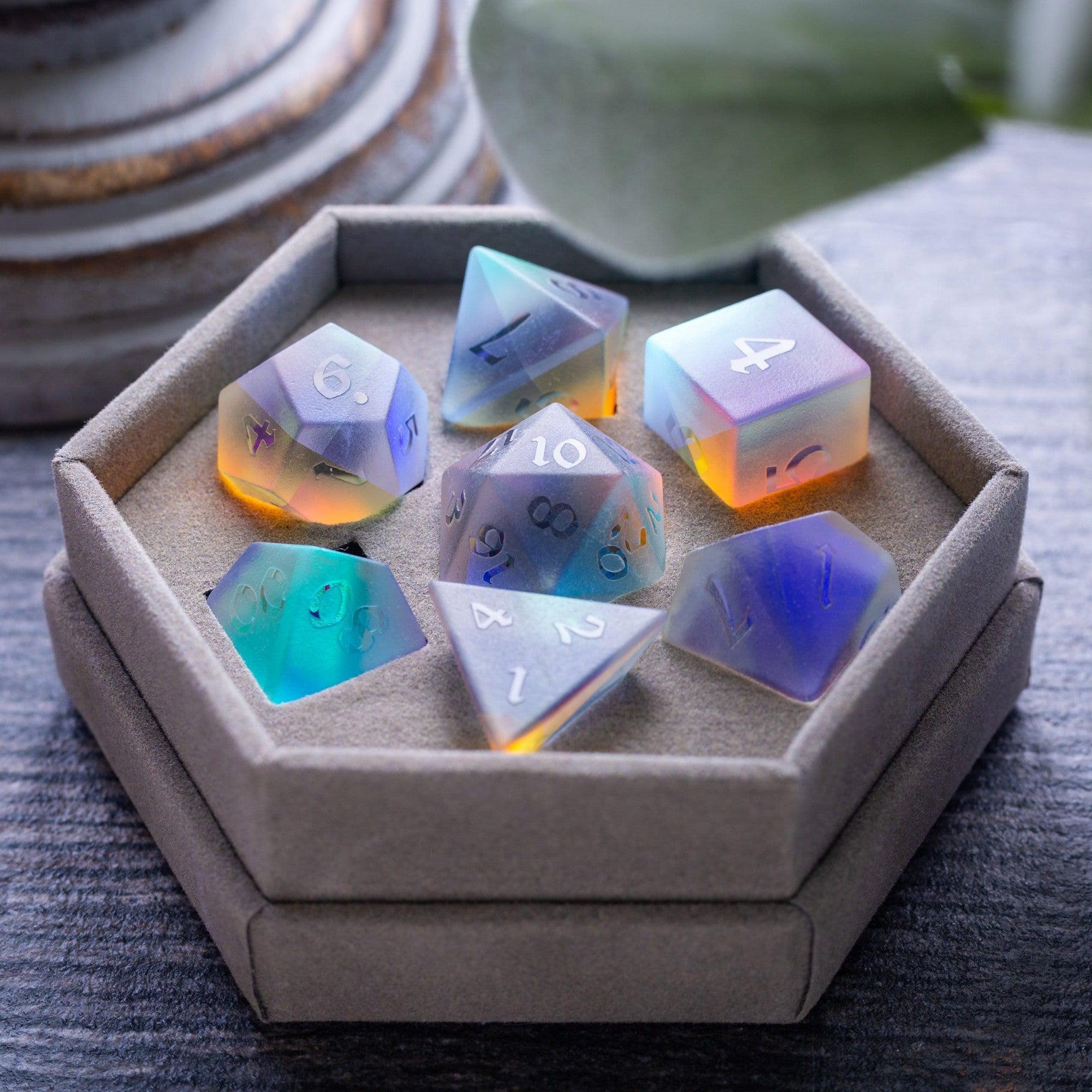
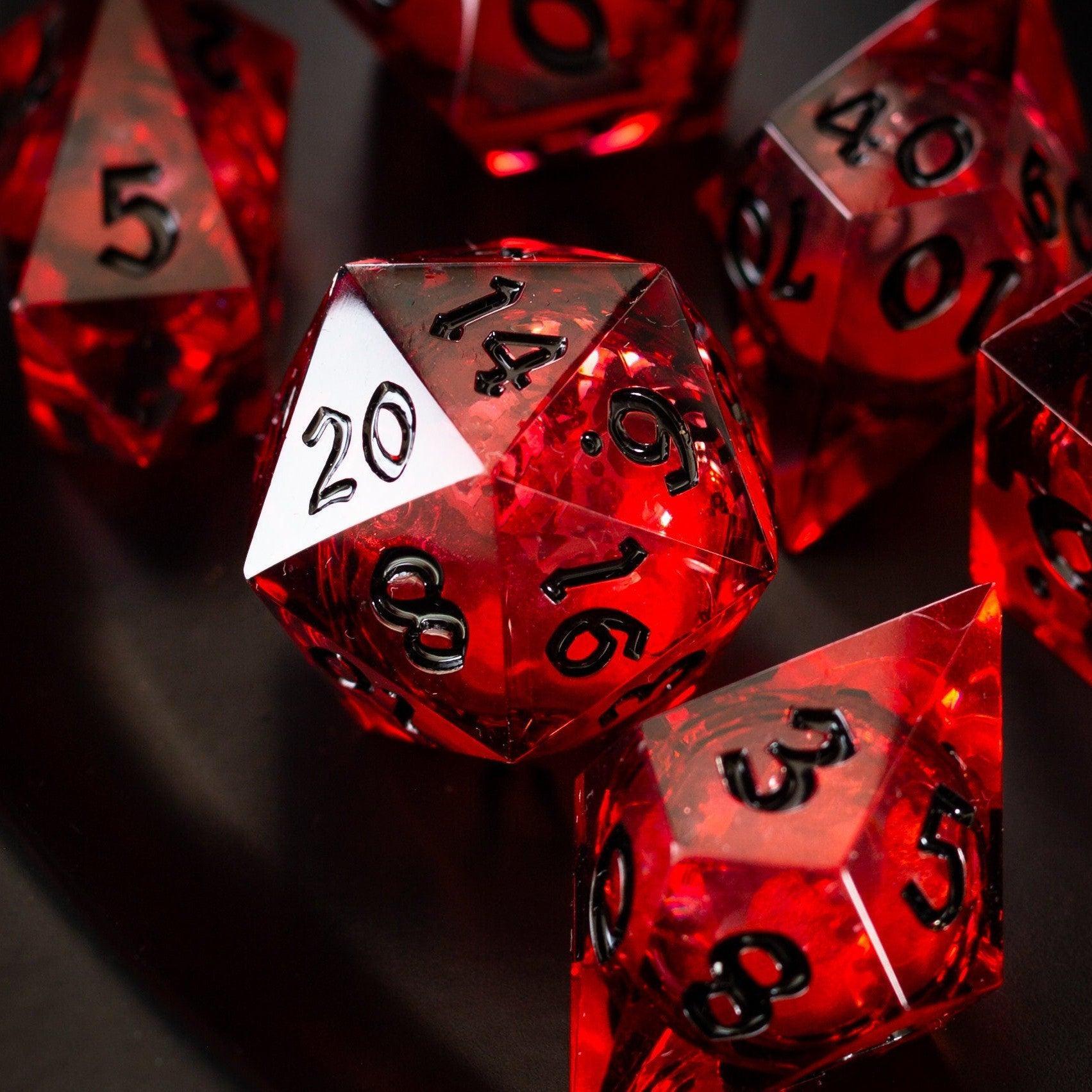
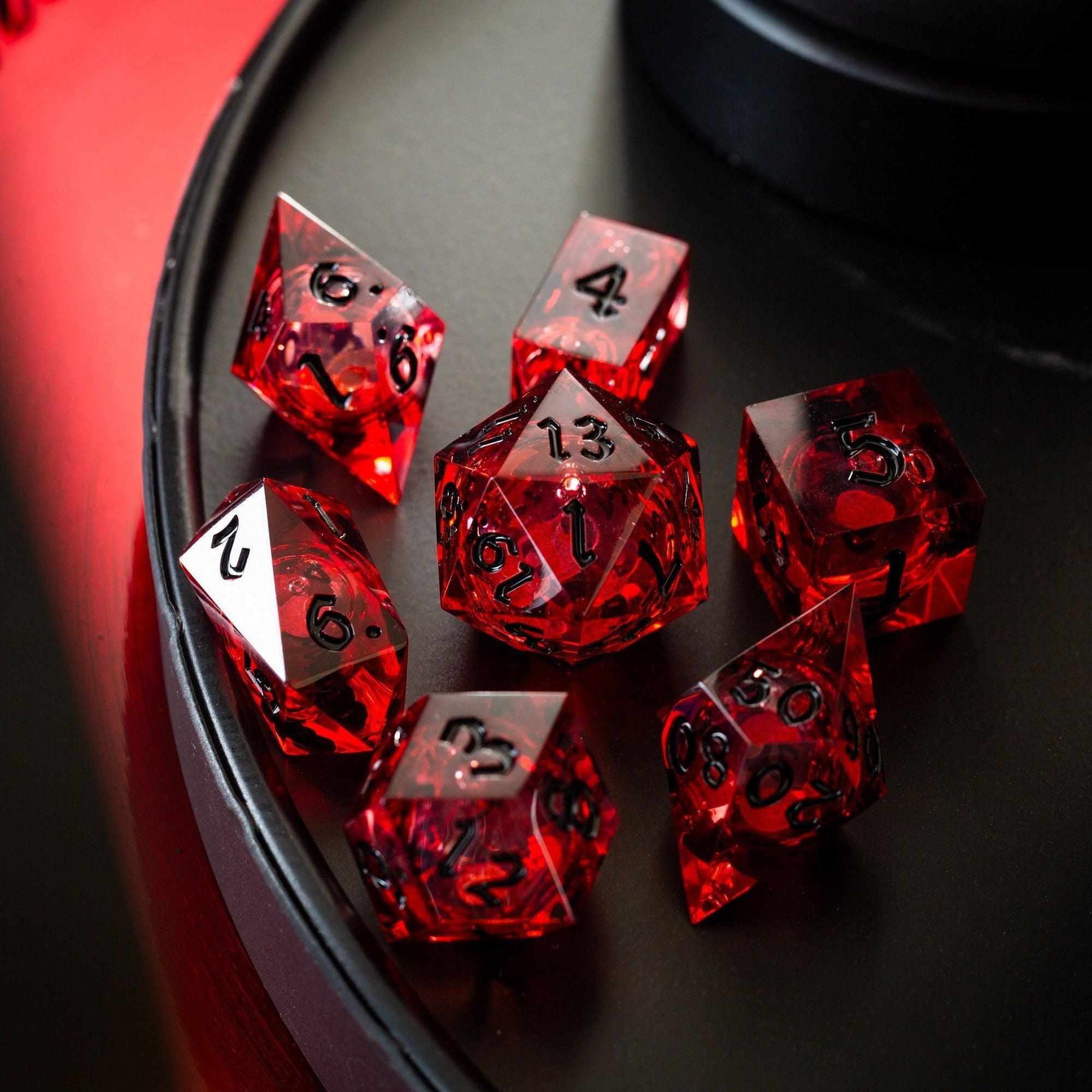
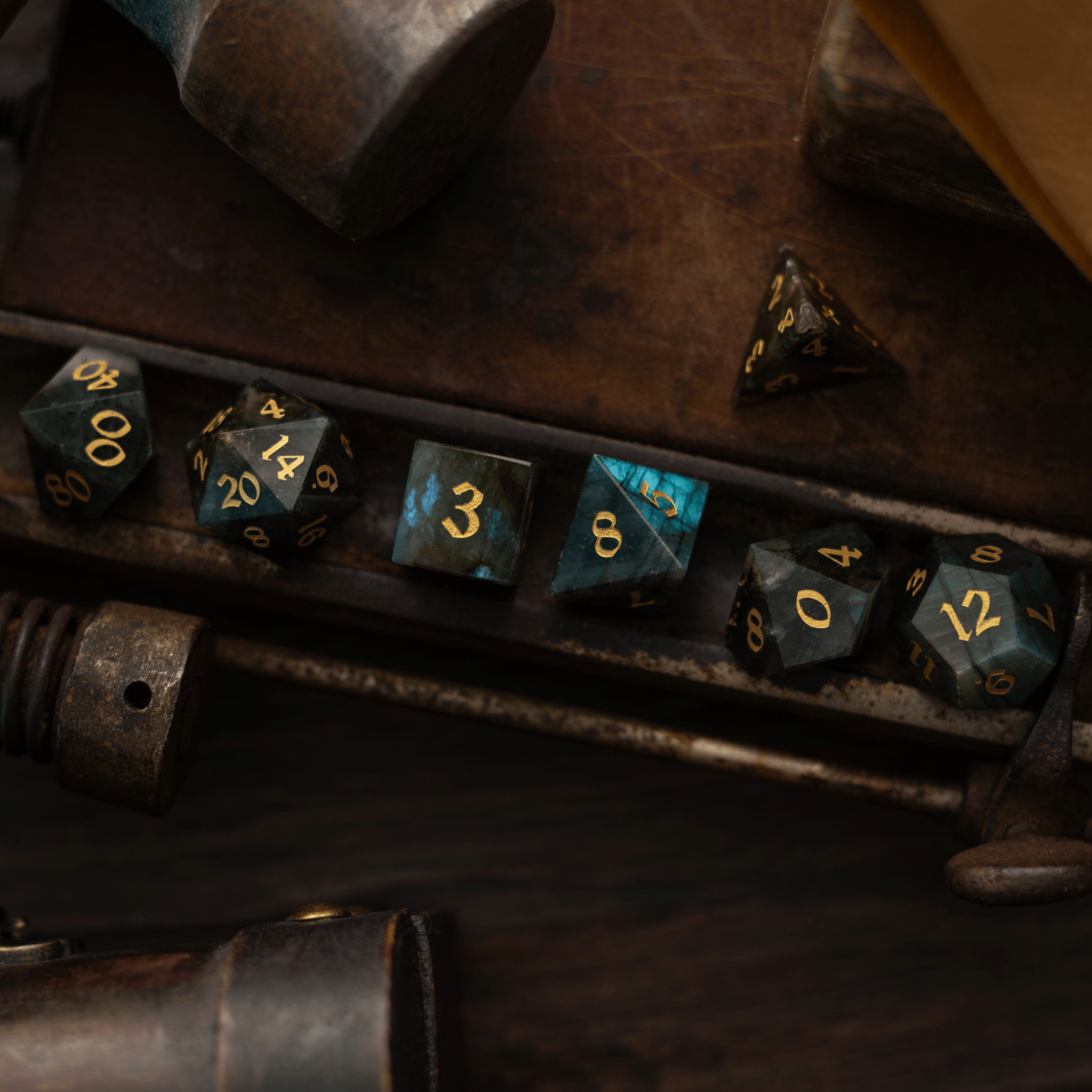
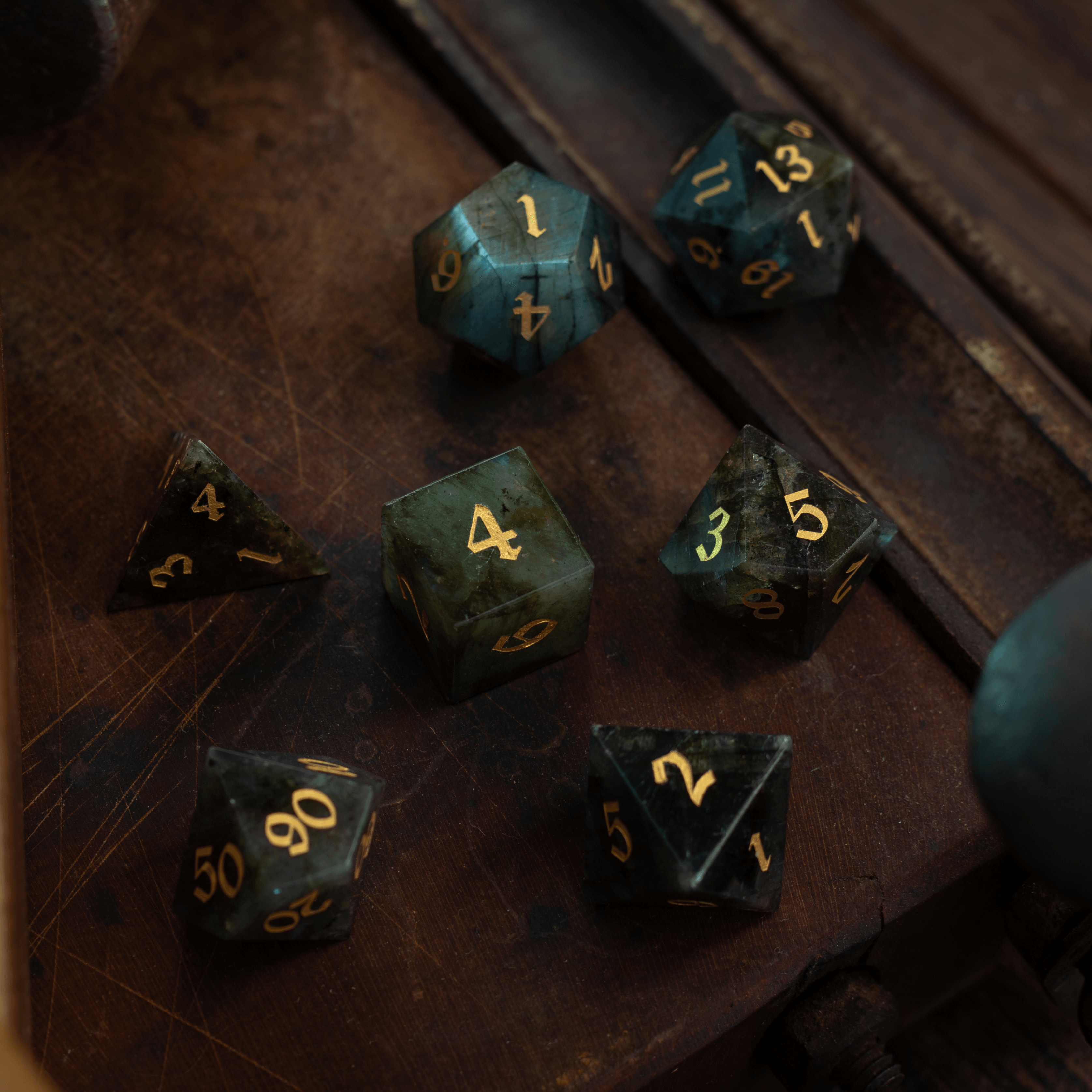
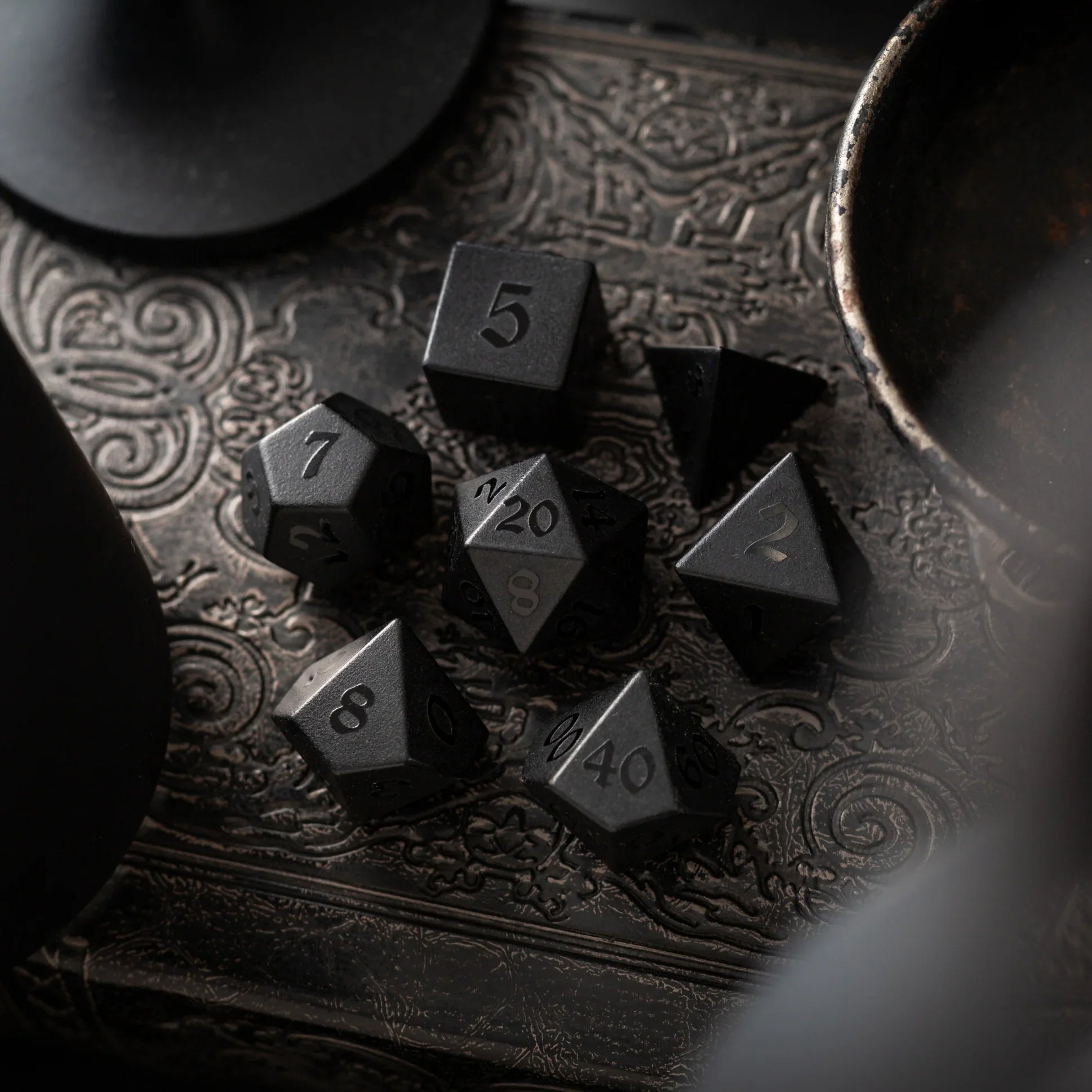
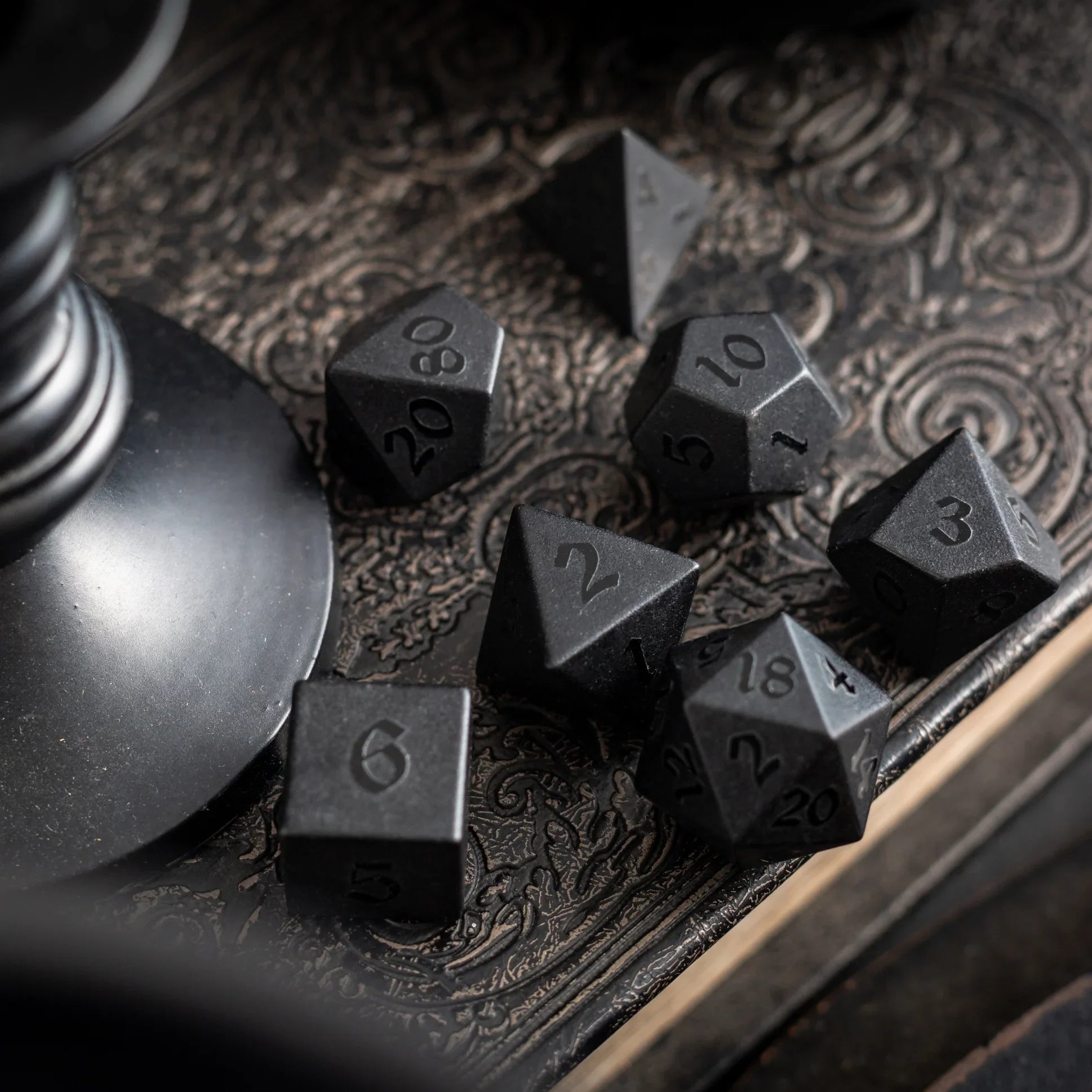
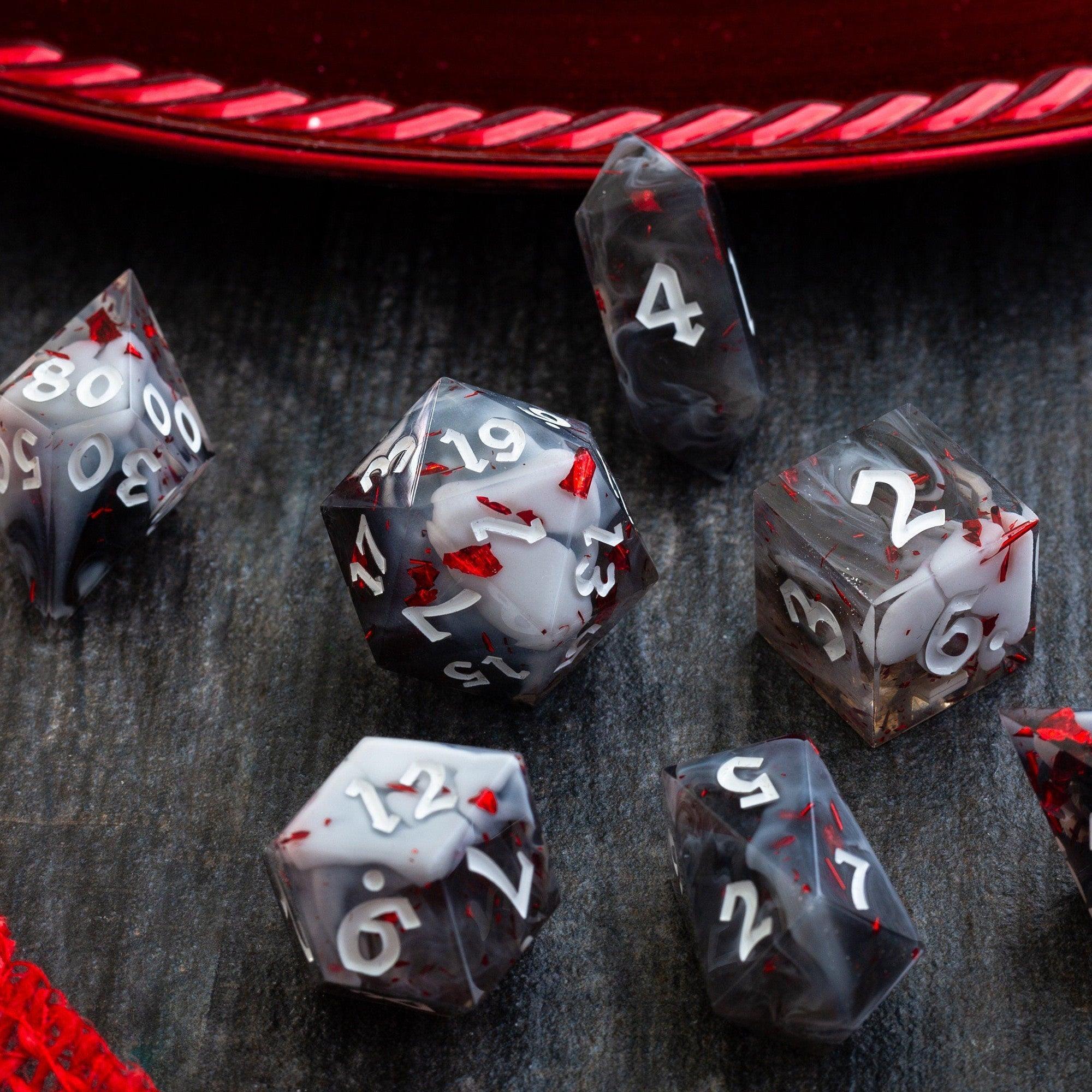
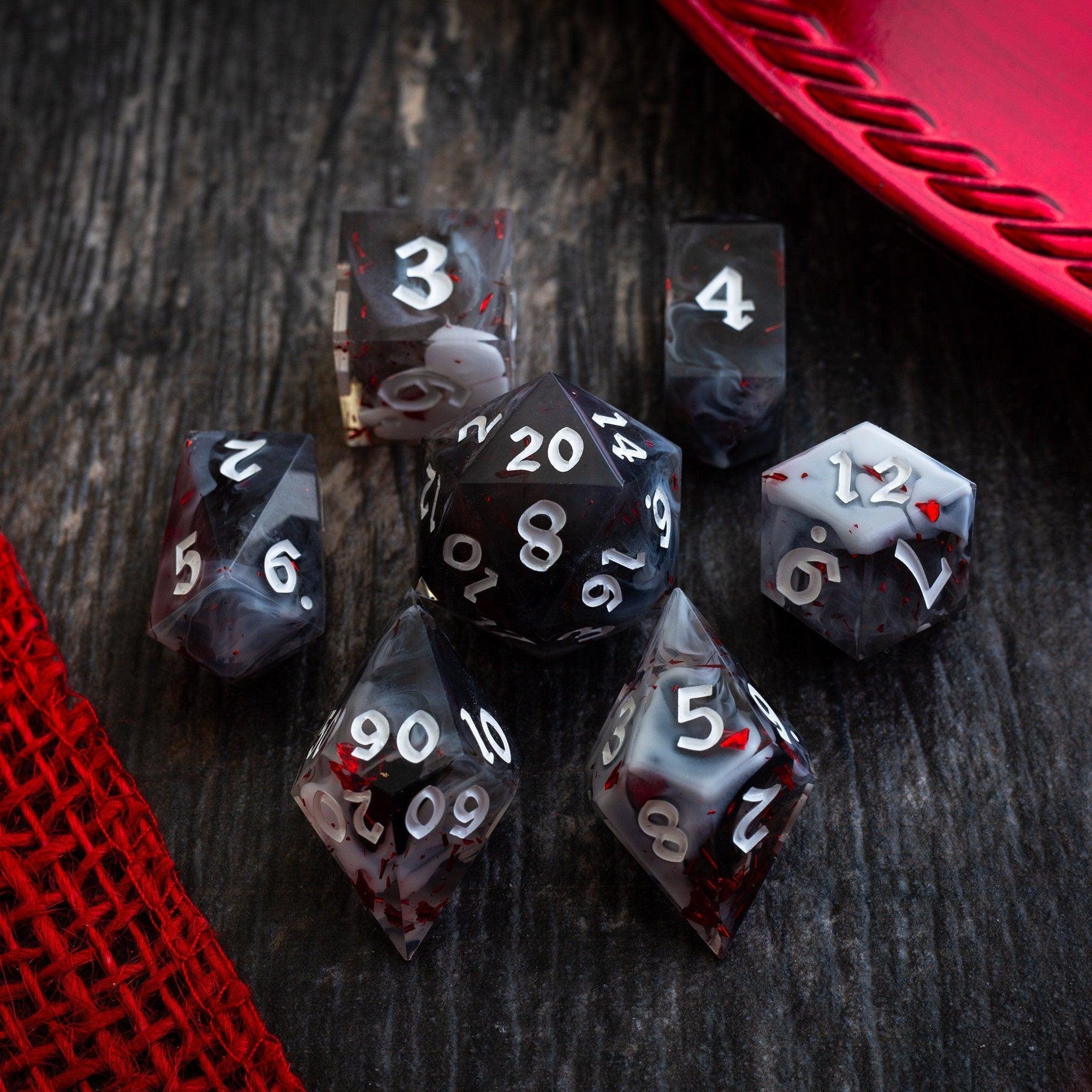
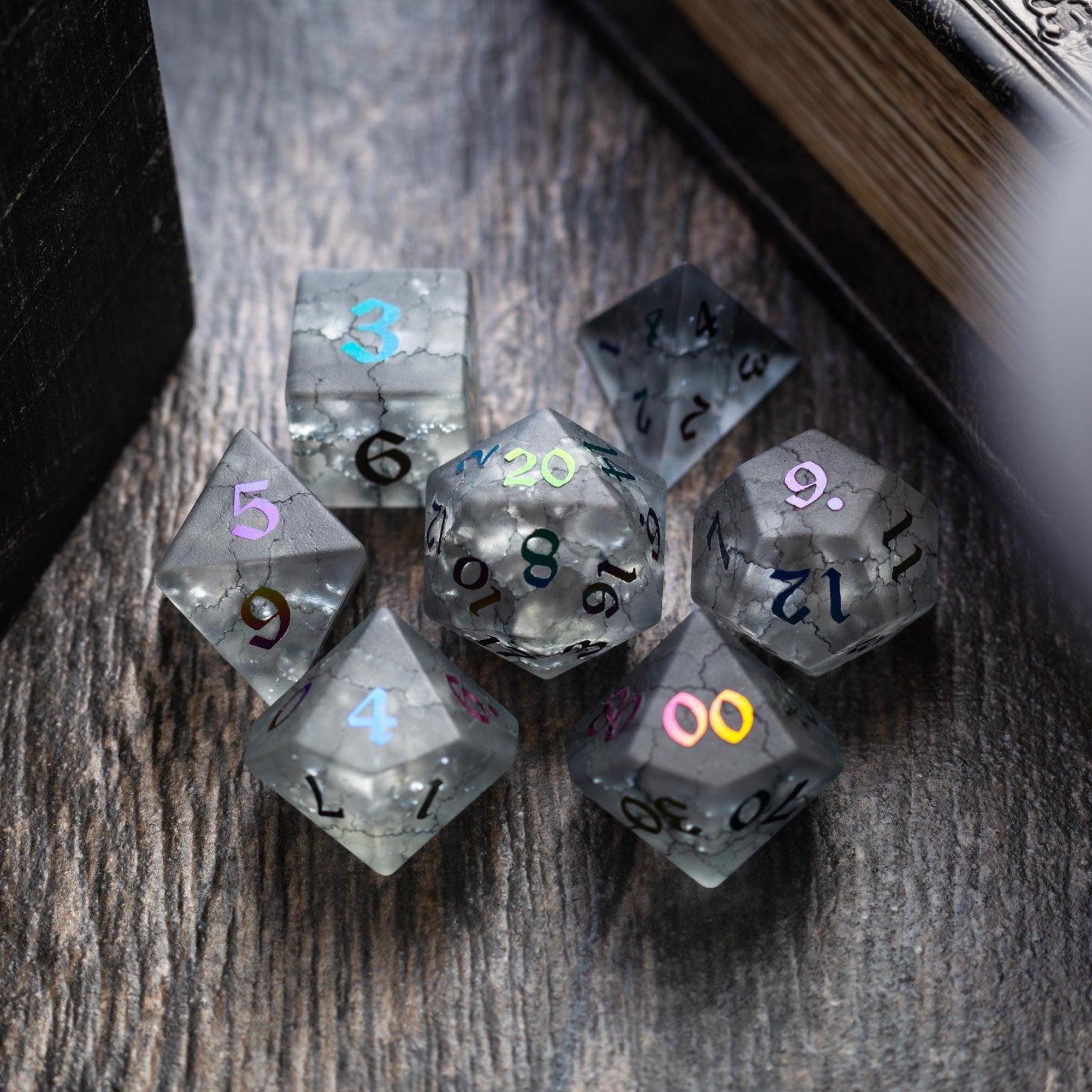
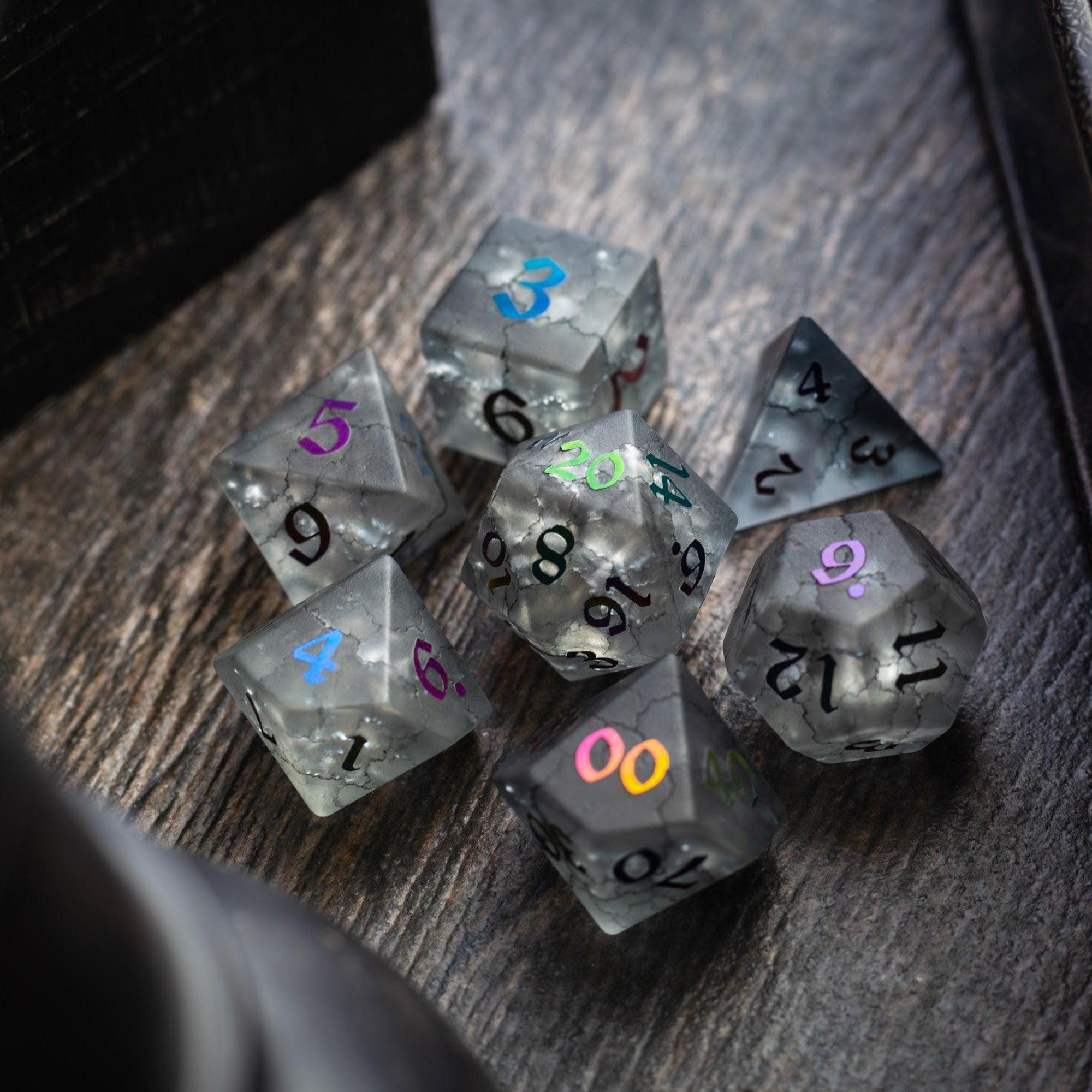
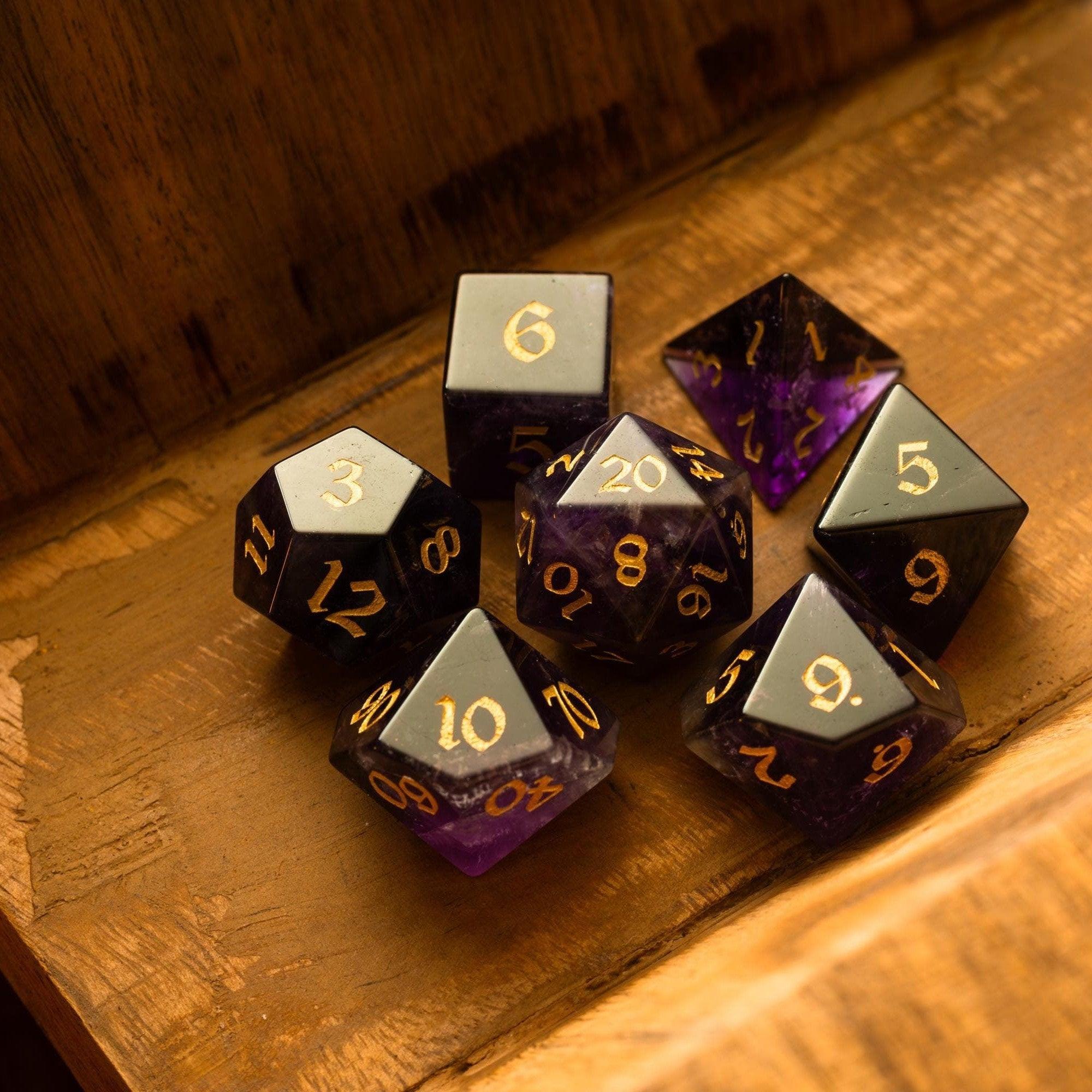
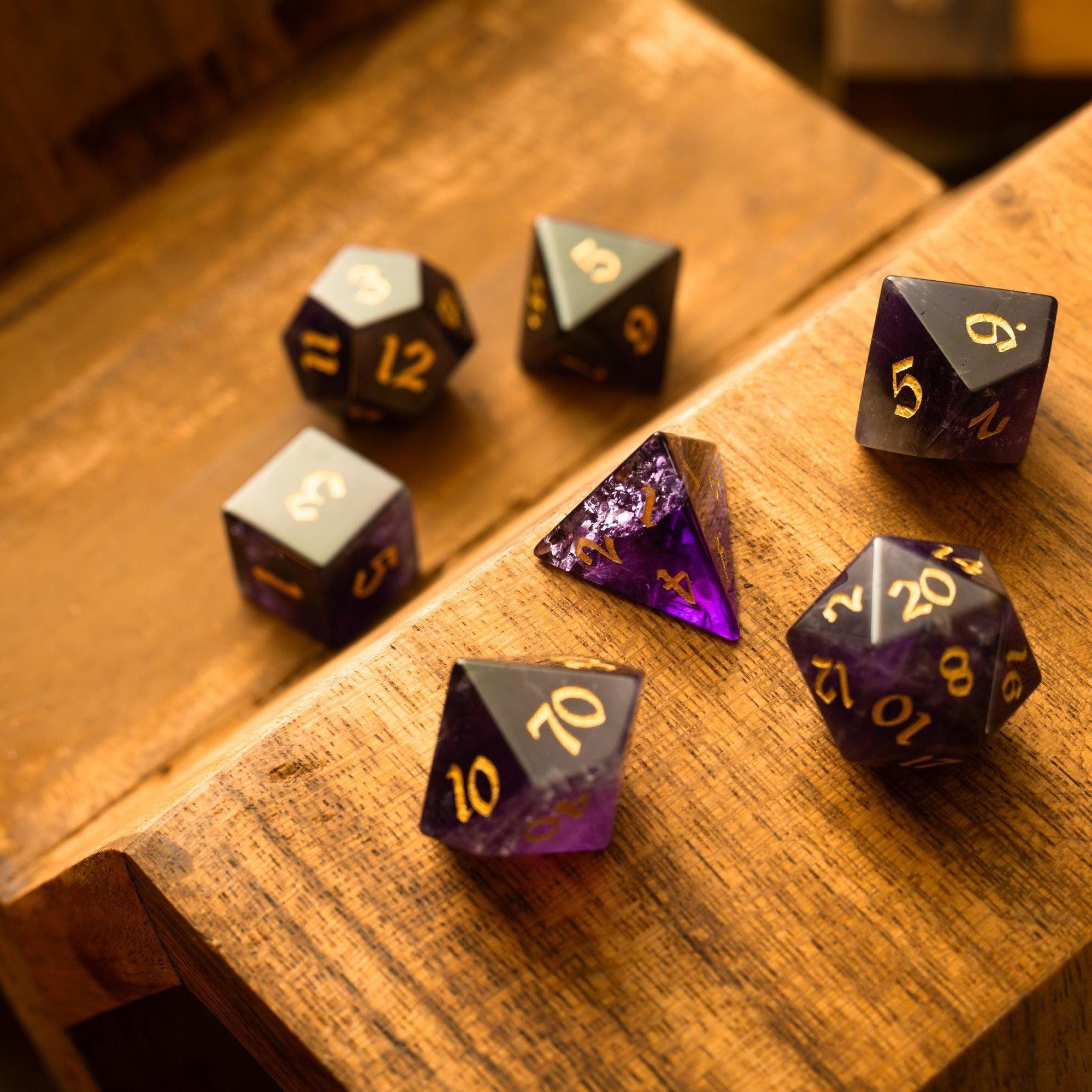
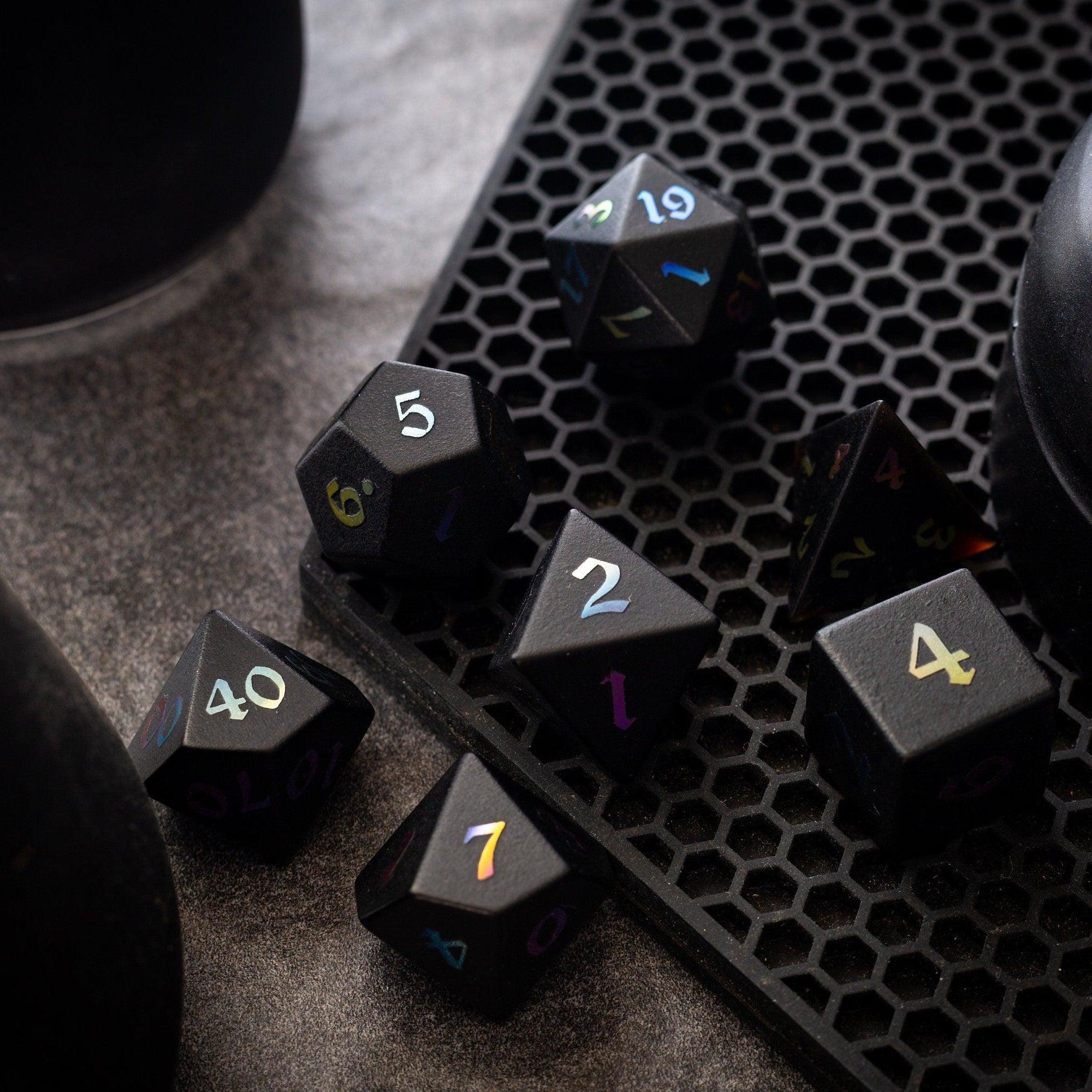
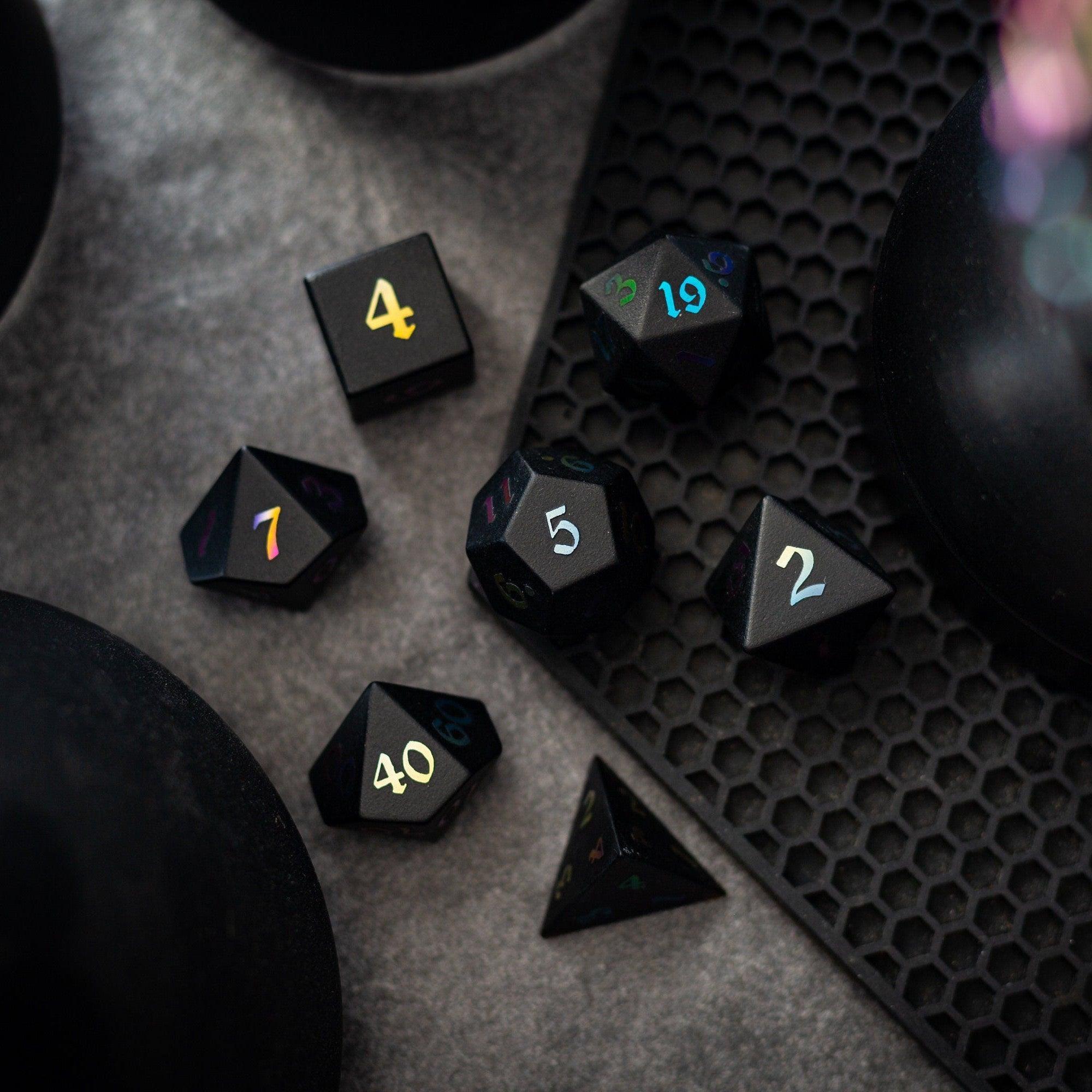
When you're ready to bring your optimized character to life, make sure you've got everything you need at the table. Quality dice matter—they're not just tools, they're part of the experience. Check out sharp edge resin dice sets that combine durability with beautiful aesthetics. Whether you prefer gemstone dice sets or handcrafted resin options, the right dice enhance every roll.
Your optimized character deserves quality components. Explore gemstone collections for elegant options or browse specialty dice collections for unique designs that reflect your character's personality.
Building an optimized Dungeons and Dragons character takes thought and planning, but the payoff is tremendous. You'll find yourself more effective in combat, more useful to your party, and genuinely excited about your character's capabilities. That's what smart optimization looks like—better gameplay that keeps you engaged session after session.


Leave a comment
This site is protected by hCaptcha and the hCaptcha Privacy Policy and Terms of Service apply.