

DnD Spellcasting Rules Explained for Seamless Turns
Spellcasting is one of the most exciting parts of Dungeons & Dragons. A well-timed spell can protect allies, change the course of a battle, solve a difficult puzzle, or create memorable roleplaying moments. At the same time, spellcasters often take longer turns because they need to manage spell slots, remember components, track concentration, and understand when a spell can actually be cast.
Learning the core DnD spellcasting rules helps every player make quicker decisions while reducing confusion during combat. Whether you play a wizard studying ancient tomes, a cleric calling upon divine power, or a bard inspiring companions through magic, understanding the fundamentals keeps the game moving smoothly.
Specific classes, subclasses, feats, and magical abilities can change how certain rules work. However, the official core spellcasting rules provide the foundation for nearly every spellcaster in D&D spellcasting.
Understanding Spell Slots and Prepared Spells
One of the biggest sources of confusion is the difference between spell slots, known spells, and prepared spells. While they work together, they are not the same thing.
What Are Spell Slots?
Spell slots represent the magical energy your character can spend to cast spells.
Think of spell slots as fuel rather than individual spells. Casting Magic Missile with a 1st-level slot does not permanently use that spell. Instead, it spends one available slot.
Once a spell slot is used, it usually returns after a long rest unless a class feature says otherwise.
Known Spells
Some classes learn a fixed list of spells.
Examples include:
-
Sorcerers
-
Bards
-
Warlocks
Once learned, these spells remain available unless replaced through level advancement or another class feature.
Prepared Spells
Other spellcasters prepare spells after finishing a long rest.
Examples include:
-
Wizards
-
Clerics
-
Druids
-
Paladins
These characters choose a selection of available spells from a larger list each day. Only prepared spells can normally be cast using spell slots.
This flexibility lets players adjust to different adventures by preparing defensive, offensive, or utility magic before setting out.
Remember that preparing a spell does not consume a spell slot. The slot is only spent when the spell is cast.
Casting Times: Actions, Bonus Actions, and Reactions
Every spell lists a casting time that determines when it can be used.
Understanding casting times is one of the easiest ways to speed up D&D combat.
Action
Most spells require one action.
Examples include:
-
Fireball
-
Cure Wounds
-
Guiding Bolt
If you cast one of these, your action for that turn is spent.
Bonus Action
Some spells use a bonus action instead.
Examples include:
-
Healing Word
-
Misty Step
A character only receives one bonus action each turn, and only if something allows them to use it.
One important rule is that if you cast a spell with a bonus action, the only other spell you can cast during the same turn is a cantrip with a casting time of one action.
Reaction
Reaction spells occur outside your own turn when a trigger happens.
Common examples include:
-
Shield
-
Counterspell
-
Feather Fall
Each character has only one reaction per round, which refreshes at the start of their next turn.
Longer Casting Times
Some powerful rituals or magical effects require:
-
One minute
-
Ten minutes
-
One hour
-
Longer
These spells are usually intended for exploration or preparation rather than combat.
Verbal, Somatic, and Material Spell Components Explained
Every spell lists the components required to cast it. These requirements appear near the beginning of each spell description.
Understanding spell components helps avoid delays during play.
Verbal Components (V)
Verbal components require spoken words.
A character who cannot speak or is affected by magical silence generally cannot cast spells requiring verbal components.
Somatic Components (S)
Somatic components require precise hand movements.
If both hands are occupied, casting may become difficult unless another rule or feature allows otherwise.
Material Components (M)
Material components require specific objects.
Many spells use a component pouch or spellcasting focus instead of individual materials.
However, if a spell lists a material component with a specific gold cost or says the material is consumed, that exact component must usually be provided.
Understanding this distinction helps prevent confusion during important encounters.
Spellcasting Reference Table
| Rule | What It Means | Why It Matters |
|---|---|---|
| Spell Slots | Magical resources spent to cast spells | Manage them carefully throughout the adventuring day |
| Known vs. Prepared Spells | Some classes know fixed spells while others prepare daily | Check your available spell list before each session |
| Action Casting | Uses your action | Most combat spells fall into this category |
| Bonus Action Casting | Uses your bonus action | Limits what other spells you can cast that turn |
| Reaction Casting | Triggered outside your turn | Excellent for defense and interruption |
| Verbal Components | Spoken words required | Silence can prevent casting |
| Somatic Components | Hand gestures required | Keep a free hand when needed |
| Material Components | Physical items or focus required | Expensive or consumed materials must still be supplied |
| Concentration | Only one concentration spell at a time | Losing concentration can end powerful effects |
| Duration | Indicates how long a spell lasts | Some effects remain long after casting |
How Concentration Works and When It Ends
Many of the strongest concentration spells require ongoing focus.
Examples include:
-
Bless
-
Hold Person
-
Fly
-
Haste
A character can concentrate on only one concentration spell at a time.
If you begin concentrating on another spell, the previous one immediately ends.
Concentration can also end when:
-
You choose to end it.
-
You become incapacitated.
-
You fail a Constitution saving throw after taking damage.
-
A spell or ability specifically ends concentration.
Because concentration is so important, many players use condition rings to mark who is concentrating on a spell. During busy encounters, placing a concentration marker beside your miniature helps both players and the Dungeon Master remember ongoing magical effects without repeatedly asking who is maintaining which spell.
Managing Spellcasting Efficiently During Combat
Good preparation leads to faster turns.
Here are several habits that experienced spellcasters develop.
Know Your Most Common Spells
Keep frequently used spells bookmarked or written on spell cards.
Knowing range, duration, and effects before your turn begins prevents unnecessary pauses.
Plan Before Your Turn
While other players act, consider:
-
Which enemy is the biggest threat?
-
Does the party need healing?
-
Are you concentrating already?
-
Which spell slot should you spend?
Having a plan before your initiative comes up keeps combat flowing.
Organize Your Dice
Many spells require several dice.
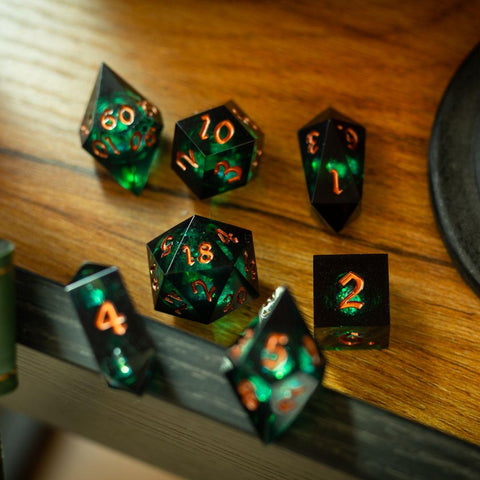
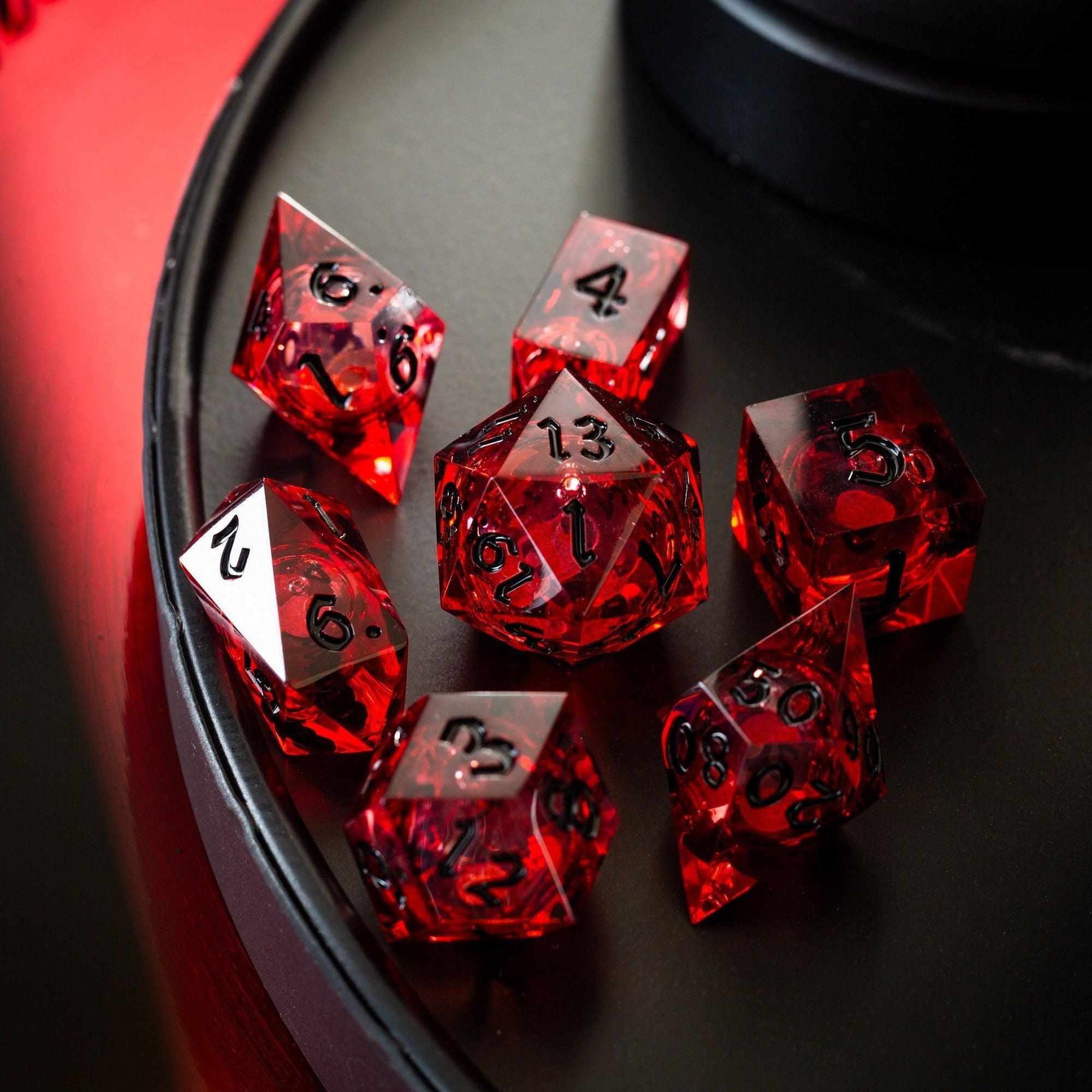
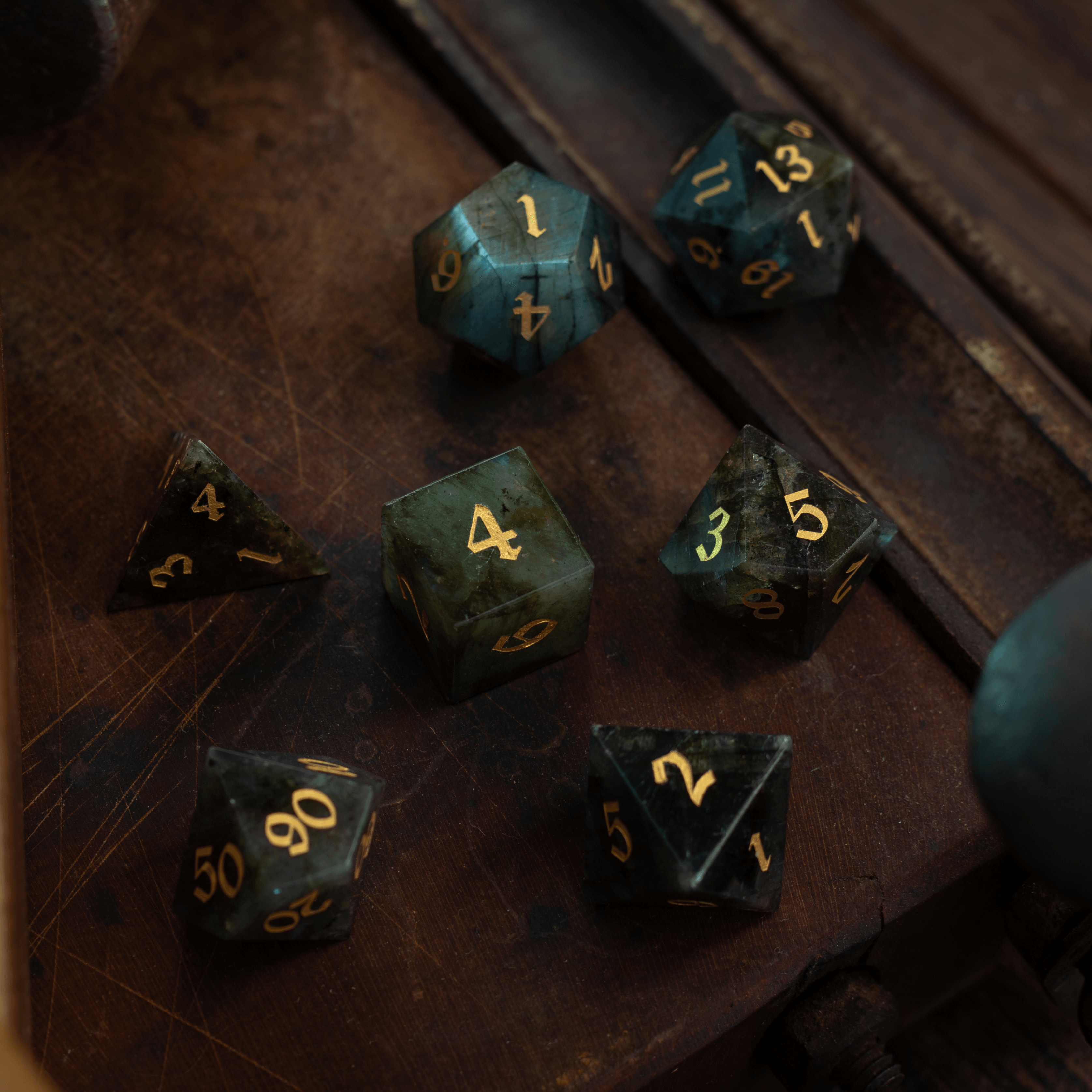
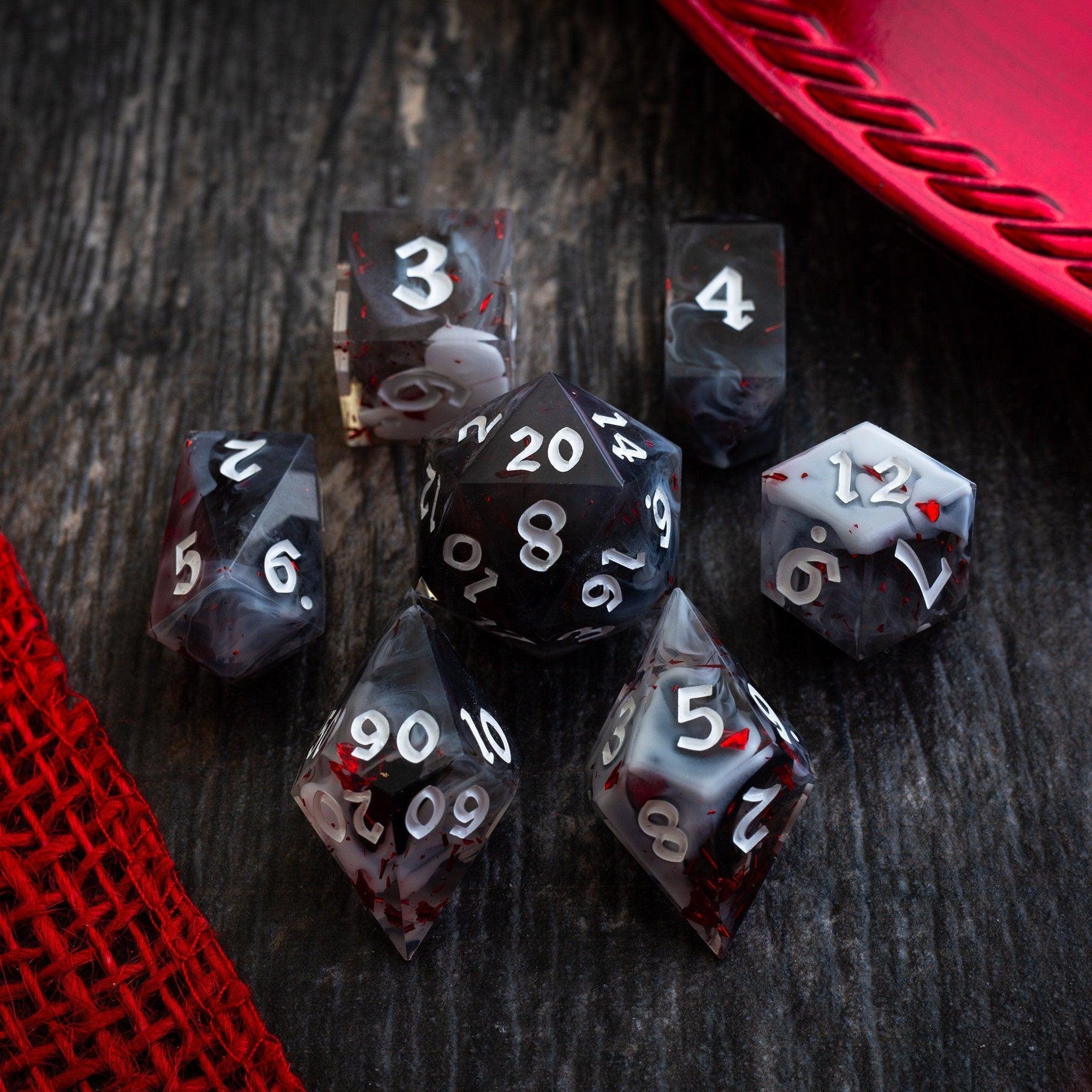
Keeping easy-to-read gemstone, resin, or metal dice nearby makes damage rolls easier to read, especially when rolling multiple dice for spells like Fireball or Guiding Bolt. Using a dice tray also keeps dice contained so players spend less time chasing rolls across the table.
Track Ongoing Effects
Conditions often remain active for several rounds.
Condition rings make it easier to identify creatures affected by magical effects, while dice towers provide consistent rolls that reduce accidental cocked dice or unclear results during fast-paced encounters.
Common Spellcasting Mistakes That Slow Down Gameplay
Even experienced players occasionally forget important spellcasting rules.
Here are some common mistakes to watch for.
Confusing Spell Slots With Prepared Spells
Preparing a spell does not spend a slot.
Casting the spell does.
Forgetting Concentration
Players sometimes cast another concentration spell without realizing the first one immediately ends.
Checking concentration before every spell helps avoid accidental mistakes.
Ignoring Components
Some spells cannot be cast if their required components are unavailable.
Always verify:
-
Verbal
-
Somatic
-
Material
before announcing the spell.
Choosing a Spell Too Late
Waiting until your turn starts to read every spell description slows combat considerably.
Review likely options while other players are acting.
Forgetting Reactions
Reaction spells often protect both the caster and allies.
Knowing when Shield or Counterspell can be used makes encounters feel much smoother.
Misunderstanding Action Economy
Players occasionally assume they can freely cast multiple leveled spells in one turn.
Remember that bonus action spellcasting has specific restrictions under the official rules.
Quick Spellcasting Checklist for Smoother Turns
Before casting a spell, quickly ask yourself:
-
Is this spell prepared or known?
-
Do I have the correct spell slot?
-
What is the casting time?
-
Does it require concentration?
-
Am I already concentrating on another spell?
-
What components are required?
-
Is my target within range?
-
What saving throw or attack roll is needed?
-
How long does the effect last?
-
Do I need to track an ongoing condition afterward?
Running through this checklist takes only a few seconds and helps avoid rule corrections later in the encounter.
The more familiar you become with the core DnD spellcasting rules, the more naturally your turns will flow. Understanding how spell slots, casting times, spell components, concentration, and action economy work together allows you to focus less on searching through rulebooks and more on making meaningful decisions alongside your party. Every spellcaster develops their own style through class features, subclasses, and feats, but a solid grasp of the official rules gives everyone the confidence to cast D&D spells efficiently. As both players and Dungeon Masters grow comfortable with these mechanics, combats become faster, roleplaying becomes more immersive, and every magical moment at the table feels more rewarding.
















Leave a comment
This site is protected by hCaptcha and the hCaptcha Privacy Policy and Terms of Service apply.