

Clockwork Soul Sorcerer Guide for Beginners: Mastering the Orderly Sorcerer in D&D 5e

The Clockwork Soul Sorcerer channels the power of cosmic order, often linked to Mechanus, a plane shaped by perfect systems. First introduced in Tasha's Cauldron of Everything, this D&D 5e subclass is built around protecting allies and controlling dangerous situations.
The revised 2024 Player's Handbook, now labeled 5.5e on D&D Beyond, calls it Clockwork Sorcery and starts the subclass at Sorcerer level 3 instead of level 1. This guide follows those rules and notes important older differences.
Why Play a Clockwork Soul Sorcerer?
Key Benefits
- Control Advantage and Disadvantage: Restore Balance can remove either from a roll at an important moment.
- More Defensive Spells: Your subclass adds useful protection, restoration, and battlefield control spells.
- Protect Teammates: Bastion of Law reduces damage before it reaches an ally's hit points.
- Flexible Support: You can help the frontline while still casting powerful Sorcerer spells.
- Distinct Roleplay: Play a perfectionist or someone who believes in fairness.
Compared with Wild Magic or Draconic Sorcery, this subclass emphasizes defense and timely reactions.
Core Features
Key Mechanics and Abilities
Clockwork Spells (Level 3)
- You always have certain spells prepared, and they do not count against your normal number of prepared Sorcerer spells.
- At level 3, you gain Alarm, Aid, Lesser Restoration, and Protection from Evil and Good. Later additions include Dispel Magic, Protection from Energy, Freedom of Movement, Summon Construct, Greater Restoration, and Wall of Force.
- Unlike the original version, you cannot swap these subclass spells.
Restore Balance (Level 3)
- When a creature you can see within 60 feet is about to roll a d20 with Advantage or Disadvantage, use your reaction to cancel that benefit or penalty for the roll.
- You can use it a number of times equal to your Charisma modifier, at least once, and regain uses after a Long Rest.
- Example: Cancel an enemy's Advantage or an ally's Disadvantage. It does not guarantee success or stop Wild Magic Surges.
Bastion of Law (Level 6)
- Spend a Magic action and 1 to 5 Sorcery Points to ward yourself or a visible creature within 30 feet.
- The ward holds one d8 per point spent. The protected creature rolls and spends those dice when taking damage, reducing the damage by the result.
- Unlike temporary hit points, this is damage reduction. The ward ends after your Long Rest or when you create another one.
Trance of Order (Level 14)
- As a Bonus Action, enter a one-minute trance. Attack rolls against you cannot benefit from Advantage, and you may treat your own d20 rolls of 9 or lower as 10.
- Regain its use after a Long Rest or by spending 5 Sorcery Points. A roll of 10 still might fail.
Clockwork Cavalcade (Level 18)
- As a Magic action, summon spirits of order into a 30-foot cube originating from you.
- Divide up to 100 points of healing among chosen creatures in the area, repair damaged objects entirely inside it, and end spells of level 6 or lower on chosen creatures and objects there.
- Use it once per Long Rest, or spend 7 Sorcery Points to restore its use.
Suggested Ability Scores
- Primary: Charisma. Improves your spell attacks, spell save DC, and uses of Restore Balance.
- Secondary: Constitution. Helps you survive hits and maintain Concentration.
- Tertiary: Dexterity. Improves initiative and Armor Class when you are not wearing armor.
Recommended Races
In 2024 rules, your background determines ability score increases. Consider these species:
- Warforged: A natural mechanical theme with defensive benefits, if your DM allows this older Eberron option.
- Aasimar: A celestial connection and useful survival features fit a protector of balance.
- High Elf: Extra magical options and an orderly scholarly background make a convincing arcane specialist.
- Triton: An appealing guardian concept with useful magic, if permitted.
- Human: The revised Human offers an additional Origin feat, creating more build flexibility. Variant Human belongs to the older rules.
Playing as a Clockwork Soul Sorcerer
Role in a Party
- Support and Battlefield Control: Protect allies with Aid and restrict enemy movement with Wall of Force later on.
- Damage Prevention: Place Bastion of Law on whoever expects to take several hits.
- Reaction Defense: Save your reaction for Restore Balance.
Tips for New Players
- Manage resources: Restore Balance uses your reaction, while Bastion of Law competes with Metamagic for Sorcery Points.
- Prepare for concentration: Cast control spells from a safe position.
- Remember your regular spells: You can prepare Counterspell separately; it is not automatically granted by the revised Clockwork Spells list.
- Build example: At level 6, prioritize Charisma, take Shield for emergencies, and save two Sorcery Points for a 2d8 Bastion of Law ward before a dangerous encounter.
Gear and Dice Recommendations
Suggested Equipment
Weapons & Arcane Focus
- Arcane Focus: A crystal, wand, or clock-shaped focus suits the theme and handles applicable spell material components.
- Rod of Absorption: A high-level item that can absorb certain spells targeting only you and store their energy for spellcasting.
Armor & Defensive Items
- Cloak of Protection: Helps Armor Class and saving throws.
- Ring of Spell Storing: Holds spells for emergencies, subject to its normal casting and storage rules.
Magic Items
- Bloodwell Vial: A Sorcerer-focused item from Tasha's Cauldron of Everything that supports spellcasting and Sorcery Point recovery, if allowed.
- Pearl of Power: Restores an expended spell slot when you need more magic.
- Clockwork Amulet: Lets you take a 10 on an attack roll once per day instead of rolling. It is especially useful before Trance of Order becomes available.
Important: A Staff of Healing requires attunement by a Bard, Cleric, or Druid, and an Amulet of the Devout requires a Cleric or Paladin. A single-class Sorcerer cannot normally attune to either.
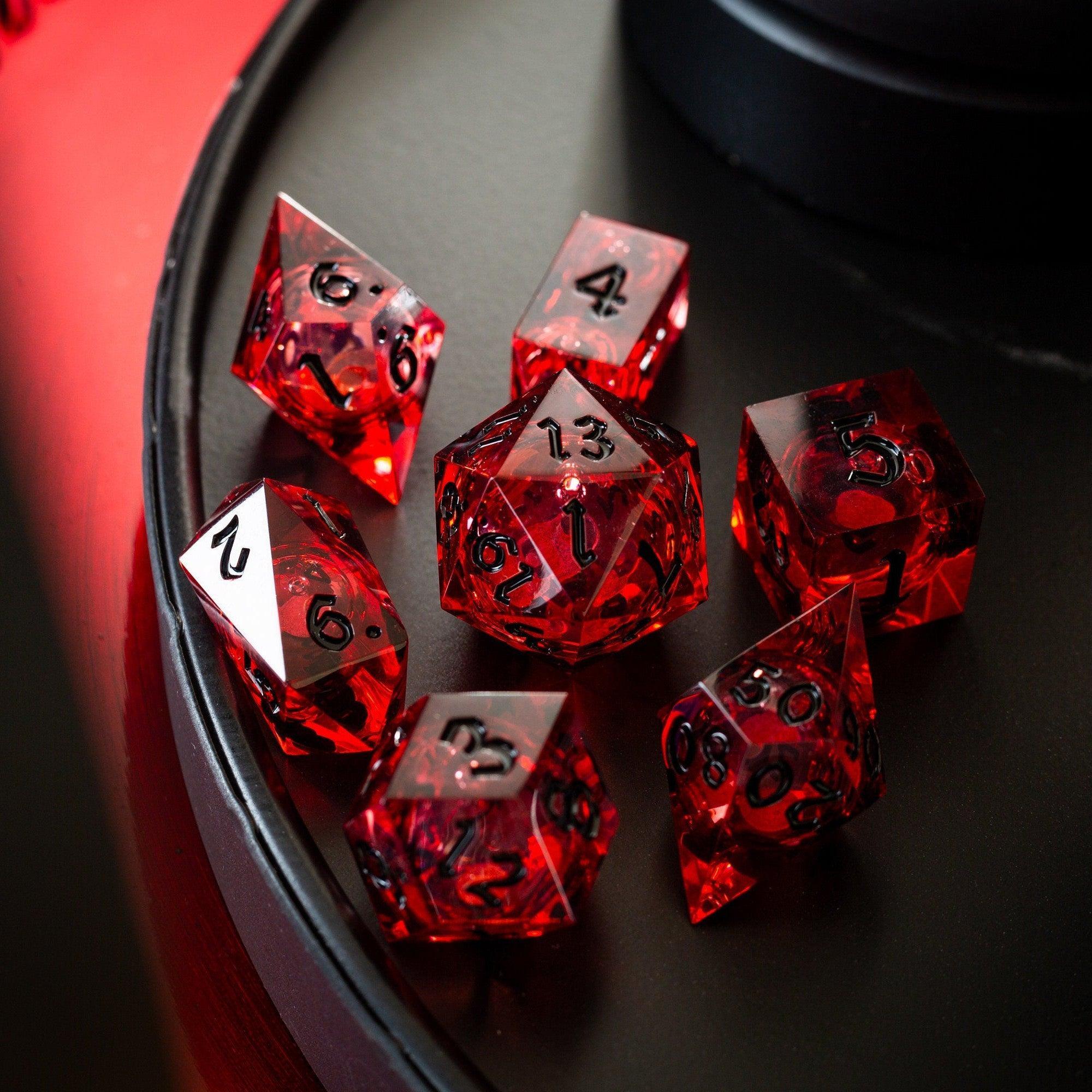
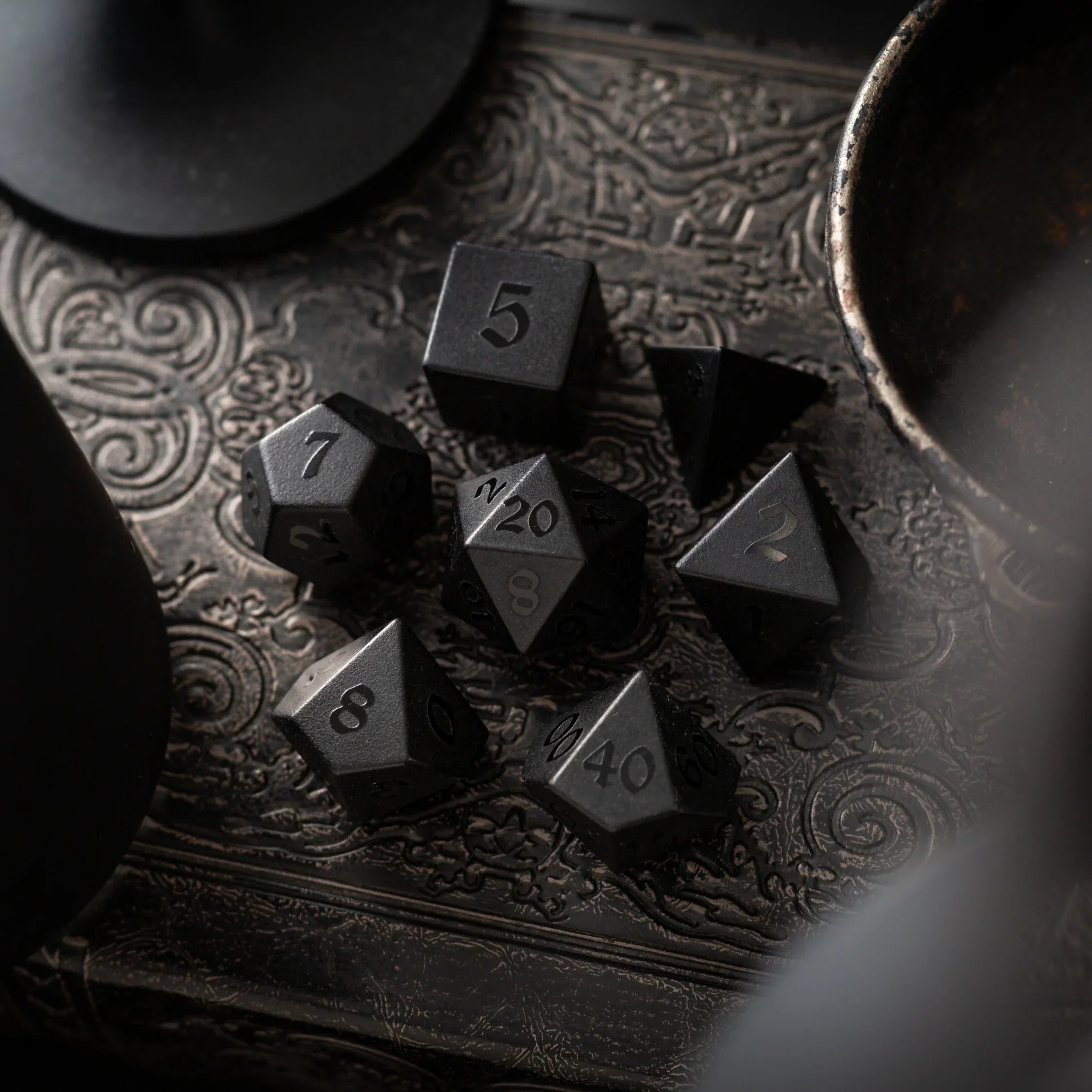
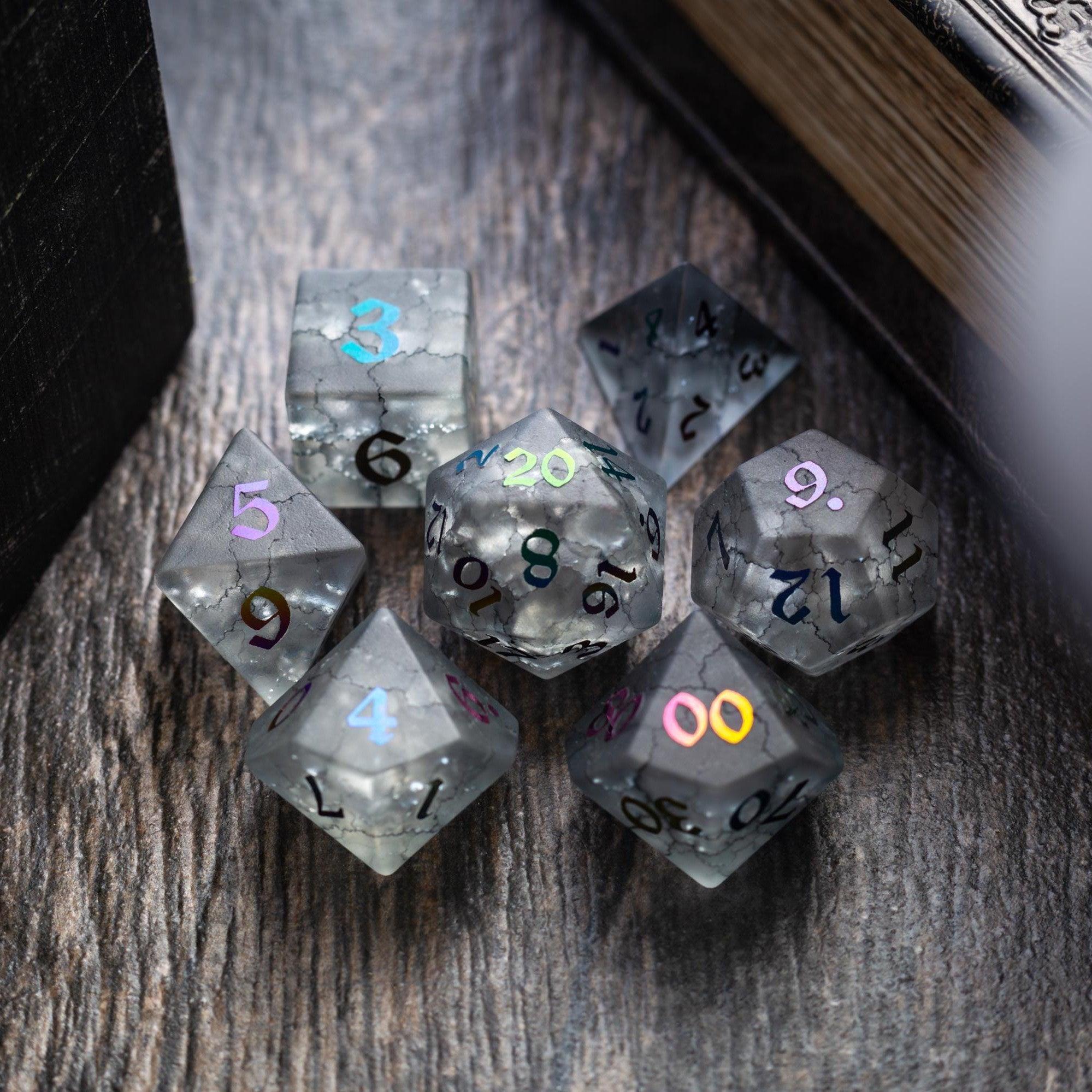
Dice Recommendations from Runic Dice
The Clockwork Soul Sorcerer embodies balance and design, so your DND dice set should reflect order meeting magic. Where Wild Magic thrives on chaos, Clockwork Soul radiates harmony, your dice should roll with both beauty and precision.
- Mechanized Order: For a gold and silver combination symbolizing mechanical precision, consider the Skulls Hollow Black/Gold Metal DND Dice Set. This set features intricate skull designs with a striking black and gold finish, capturing the essence of a mechanized order with its meticulous craftsmanship.
- Chrono-Shift: To embody cosmic balance with blue and white tones, the Christmas Blue Snowflake Resin DND Dice Set is an excellent choice. These dice showcase a stunning blue hue adorned with delicate white snowflakes, reflecting the harmonious flow of time and space inherent in chrono-shifting abilities.
- Arcane Calculation: For a metallic gray and gold combination perfect for a logic-driven caster, the Black Inked Lightning Cracked Glass DND Dice Set offers a striking cracked glass design with black inked numerals, symbolizing the fusion of arcane knowledge and precise calculation.
Clockwork Soul Sorcerers bring stability to battle, and the dice you choose should inspire that same confidence. Whether you prefer gemstone dice that gleam like artifacts, resin dice that shimmer with subtle design, or liquid core dice that seem alive within their structure, your rolls can reflect the precision and symmetry of your subclass.
Advanced Tips and Tricks
Optimization Strategies
Best Feats for a Clockwork Soul Sorcerer
- War Caster: Helps you maintain Concentration when injured.
- Resilient (Wisdom): Improves Wisdom saves. Sorcerers already have Constitution saving throw proficiency, so choosing Constitution is usually redundant.
- Lucky: Adds chances to influence key d20 tests using the revised feat's Luck Points.
- Telekinetic: A useful older feat for repositioning creatures, with DM approval.
- Metamagic Adept: An older feat that expands Metamagic options if your campaign allows it.
Best Multiclass Options
Sorcerer 6 / Cleric (Order Domain) 14: The Balance Keeper
- Best for: A support character combining divine magic with Clockwork Sorcery.
- Strategy: Use Cleric spells such as Bless while protecting allies. You need Wisdom 13 to multiclass, and the split delays higher-level Sorcerer features.
Sorcerer 6 / Wizard (Abjuration) 14: The Arcane Sentinel
- Best for: Extra protective magic and the Wizard's Arcane Ward.
- Strategy: Protect allies with layered defenses, but remember this build needs Intelligence 13 and spreads spellcasting across two ability scores.
Sorcerer 10 / Bard (College of Lore) 10: The Cosmic Strategist
- Best for: Flexible support, skills, and Bardic Inspiration.
- Strategy: Both classes use Charisma, but you lose late Sorcerer features.
For most beginners, staying a single-class Clockwork Soul Sorcerer is simpler and lets you reach every subclass ability. Use the official Sorcerer rules comparison if your group is deciding between the original and revised versions. With good timing and sensible spell choices, you can make the entire party harder to defeat.

















Leave a comment
This site is protected by hCaptcha and the hCaptcha Privacy Policy and Terms of Service apply.