
Rare Rolls, Big Dice Energy, and The Wildest Dice Ever Made
You’ve got your basics. You’ve got your aesthetics. Now it is time to explore the stranger side of the dice hobby: oversized dice, tiny sets, unusual shapes, handmade resin pieces, and collector-focused designs. From D100 dice to DnD dice for kids, niche dice can be useful gaming tools, display pieces, travel companions, or simply a fun way to give a character more personality.
Unusual dice are not automatically better than a standard polyhedral set. The most useful choices still need to be readable, comfortable to handle, and suited to the game you are playing. Before buying something purely because it looks different, consider how it rolls, how much table space it needs, and whether you plan to play with it regularly or keep it mainly as a collectible.
Big, Tiny, Flat, and Fantastic

Dice do not have to follow one standard size. Players can find big DnD dice that fill much of your palm, miniature travel sets, and alternative designs created for compact storage. Size changes the playing experience, so the largest or smallest option is not always the most practical.
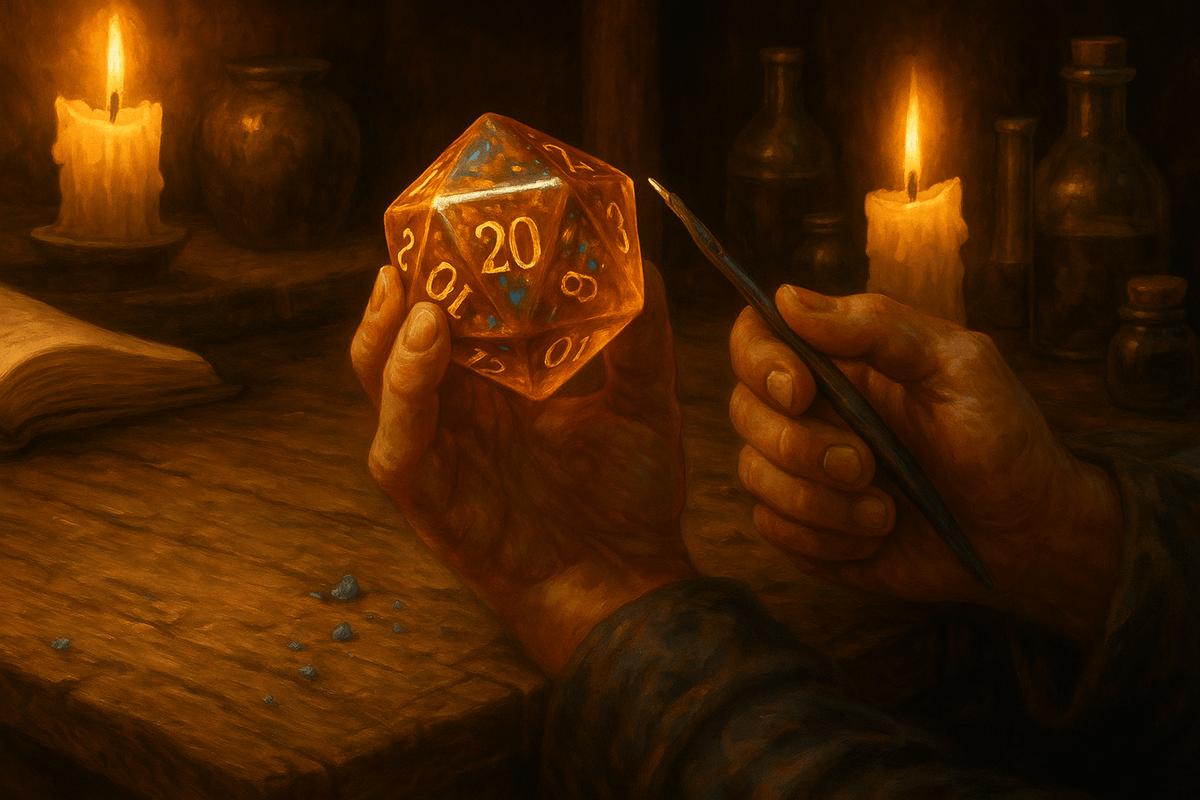
Oversized dice are easy to see and can make an important roll feel dramatic, but they need plenty of open space. Runic Dice, for example, currently carries resin chonk d20s measuring 95 mm. A die that large can easily collide with miniatures, terrain, books, or drinks if you roll it across a crowded table, so a large rolling area or tray makes more sense.
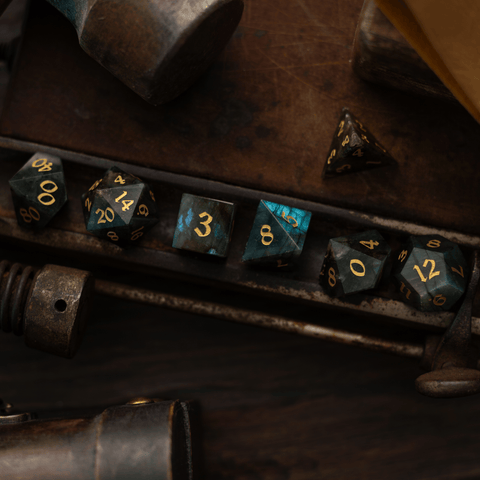
Tiny DnD dice solve the opposite problem. They are easy to carry in a travel kit or convention bag and take up little room beside a character sheet. Their biggest drawback is readability. Small numbers, low color contrast, and very small edges can make a miniature set harder to read or pick up during a long game.
How D100 Dice Actually Work in D&D
D100 dice are one of the most misunderstood unusual dice. A physical 100-sided die does exist, but you do not need one to make a d100 roll in Dungeons & Dragons. The current official D&D Basic Rules explain that the normal method uses two ten-sided dice. One represents the tens digit and the other represents the ones digit.
For example, if the tens die shows 40 and the ones die shows 7, the result is 47. A result of 00 on the tens die and 0 on the ones die represents 100. Some sets make this easier by printing one d10 with 00, 10, 20, 30, and so on while the second d10 uses single digits.
D100 rolls appear when a game needs a result from 1 to 100. D&D uses them for percentage chances and random tables. The official rules also use a d100 for tables such as random trinkets. That makes percentile dice useful for Dungeon Masters even though they are not rolled as often as a d20.
| Dice | Typical Role in D&D | What to Know |
|---|---|---|
| d20 | D20 Tests such as attack rolls, ability checks, and saving throws | The most frequently recognized D&D die |
| d4, d6, d8, d10, d12 | Damage, healing, effects, and random quantities | The rules specify which die to use for each effect |
| d100 | Percentages and random tables | Usually rolled with two d10s rather than one 100-sided die |
D&D’s official dice notation uses the letter “d” followed by the number of sides, such as d4, d6, d8, d10, d12, and d20. An expression such as 3d8 means to roll three eight-sided dice and combine their results, with any listed modifier then applied as instructed by the rule.
What Are Flat DnD Dice?
Flat DnD dice is not an official D&D rules term or one standardized type of die. The phrase is commonly used for compact alternatives to traditional polyhedral dice, including coin-like randomizers, cards, spinners, and other designs intended to generate numbered results without using a full-size three-dimensional die.
If you are considering flat dice for travel, look at the mechanism rather than the name. A good alternative should provide the correct range of possible results, make the outcome clear, and be easy for everyone at the table to understand. For normal D&D play, traditional polyhedral dice remain the format described in the official rules.
DnD Dice for Kids: Readability and Safety Matter
When choosing DnD dice for kids, bright colors are less important than clear numbers, comfortable handling, and age-appropriate safety. Larger numerals and strong contrast between the numbers and the die make it easier for a new player to identify a result without repeatedly asking someone else to read it.
Small dice also require extra care around very young children. The U.S. Consumer Product Safety Commission explains that products intended for children under three cannot contain small parts that create choking, aspiration, or ingestion hazards. A small part is defined using a standardized test cylinder that approximates the size of a young child’s fully expanded throat.
That does not mean every large die is automatically a children’s toy. Always follow the product’s stated age guidance and supervise young children around loose gaming pieces. For a family campaign, older children who are ready for tabletop games generally benefit more from clearly marked dice and simple rules explanations than from extremely tiny or highly decorative sets.
Resin Dice and Handmade Marvels

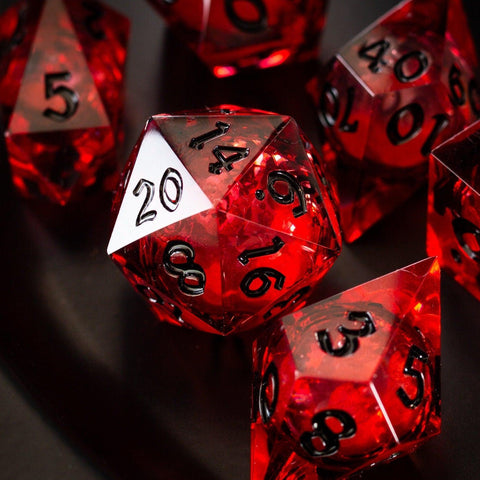
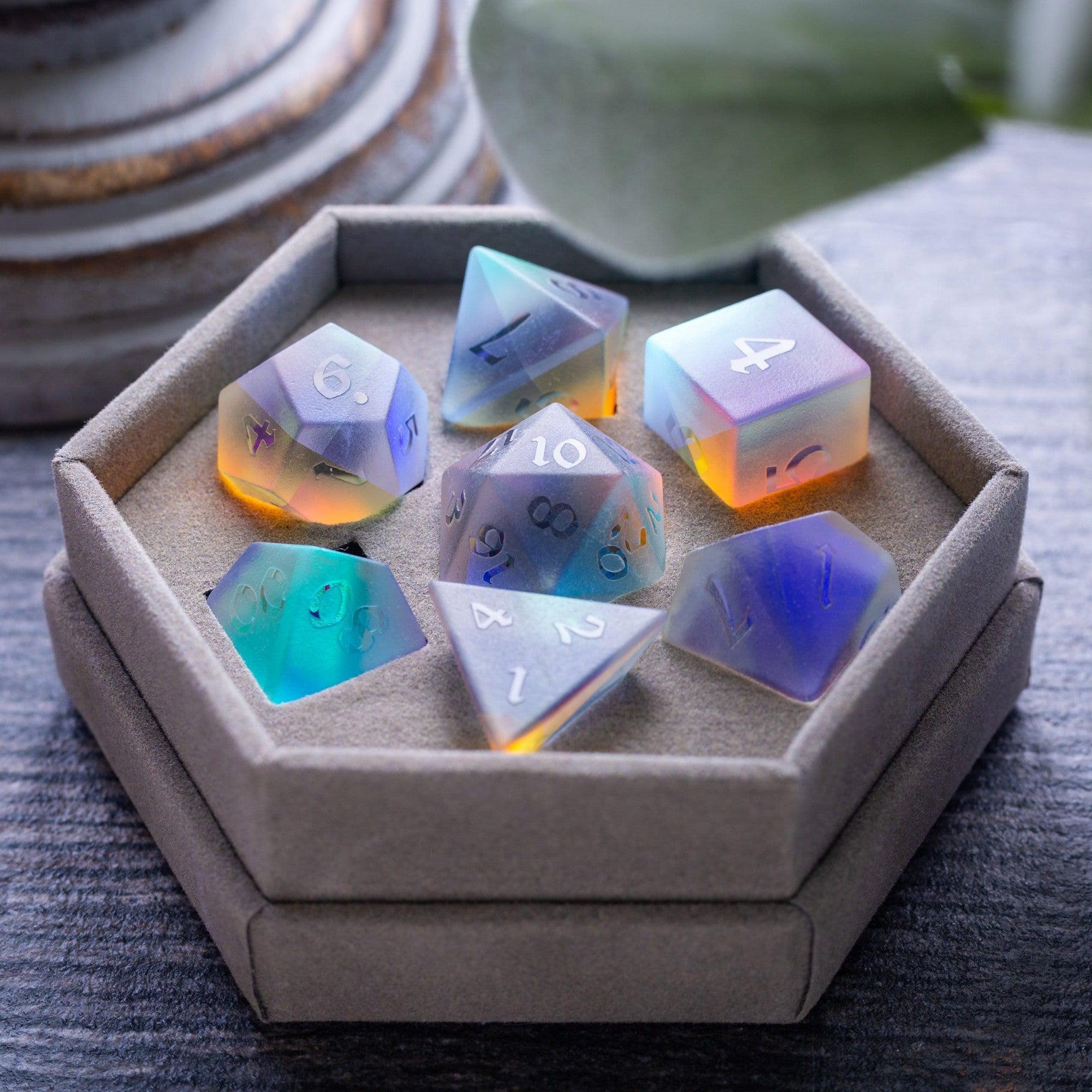
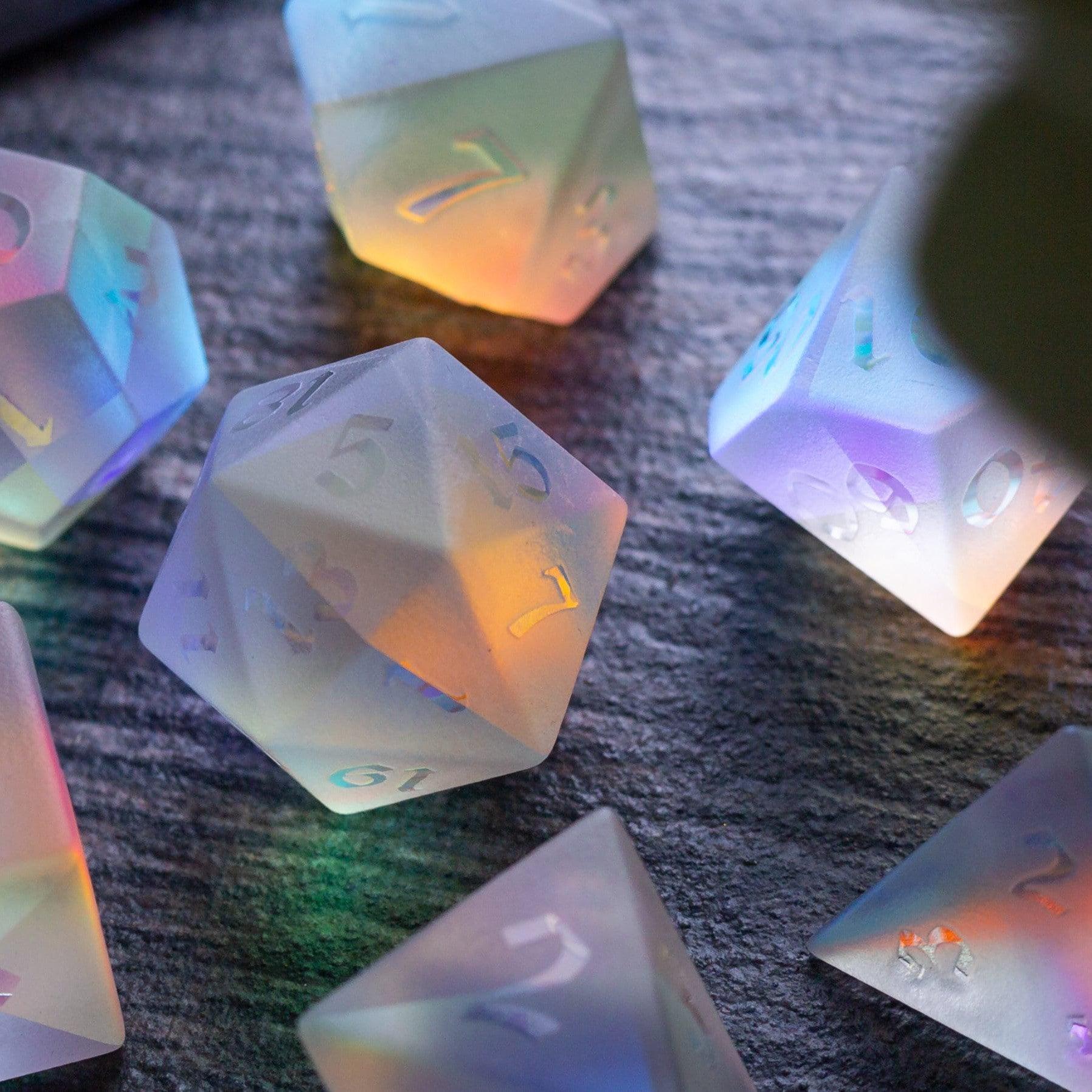
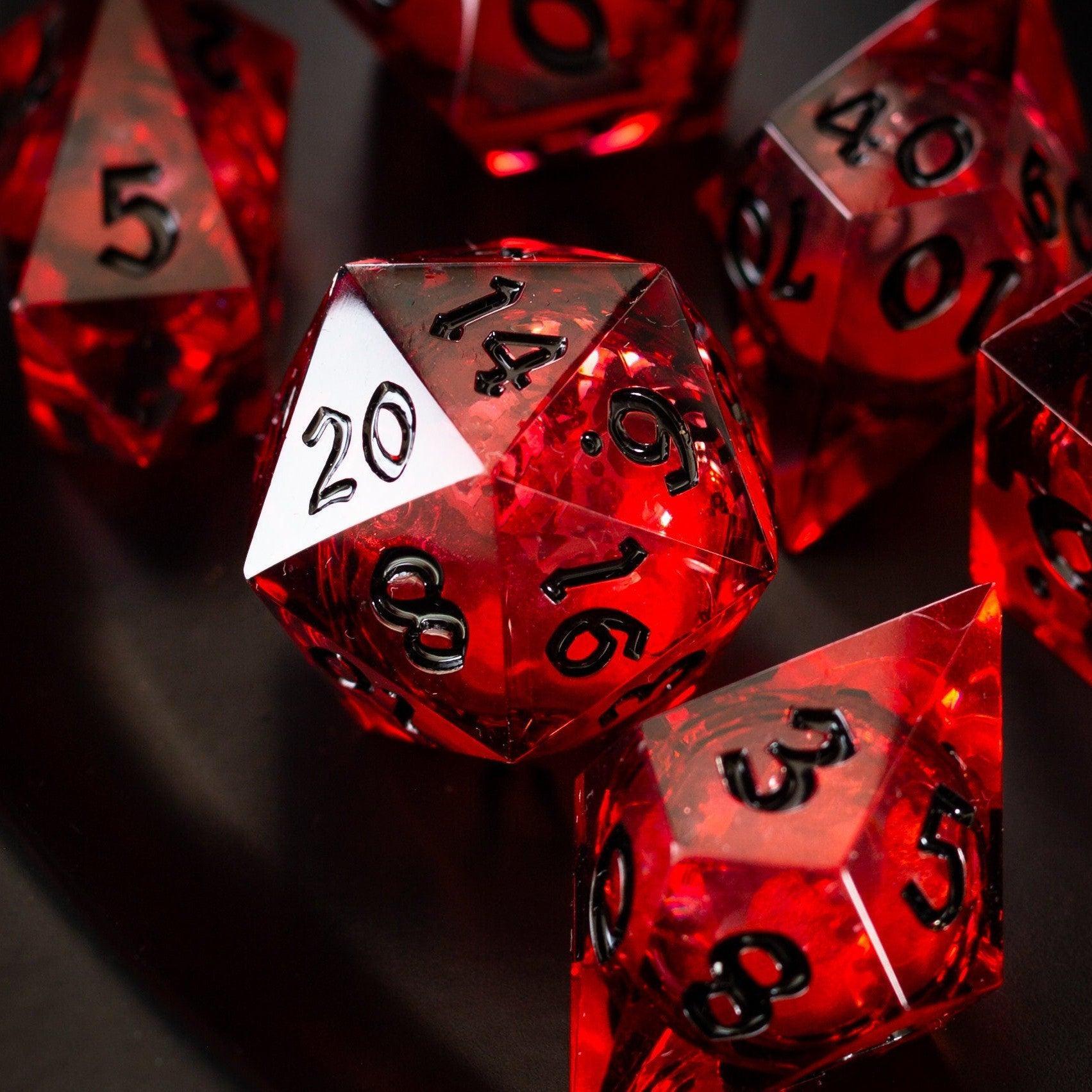
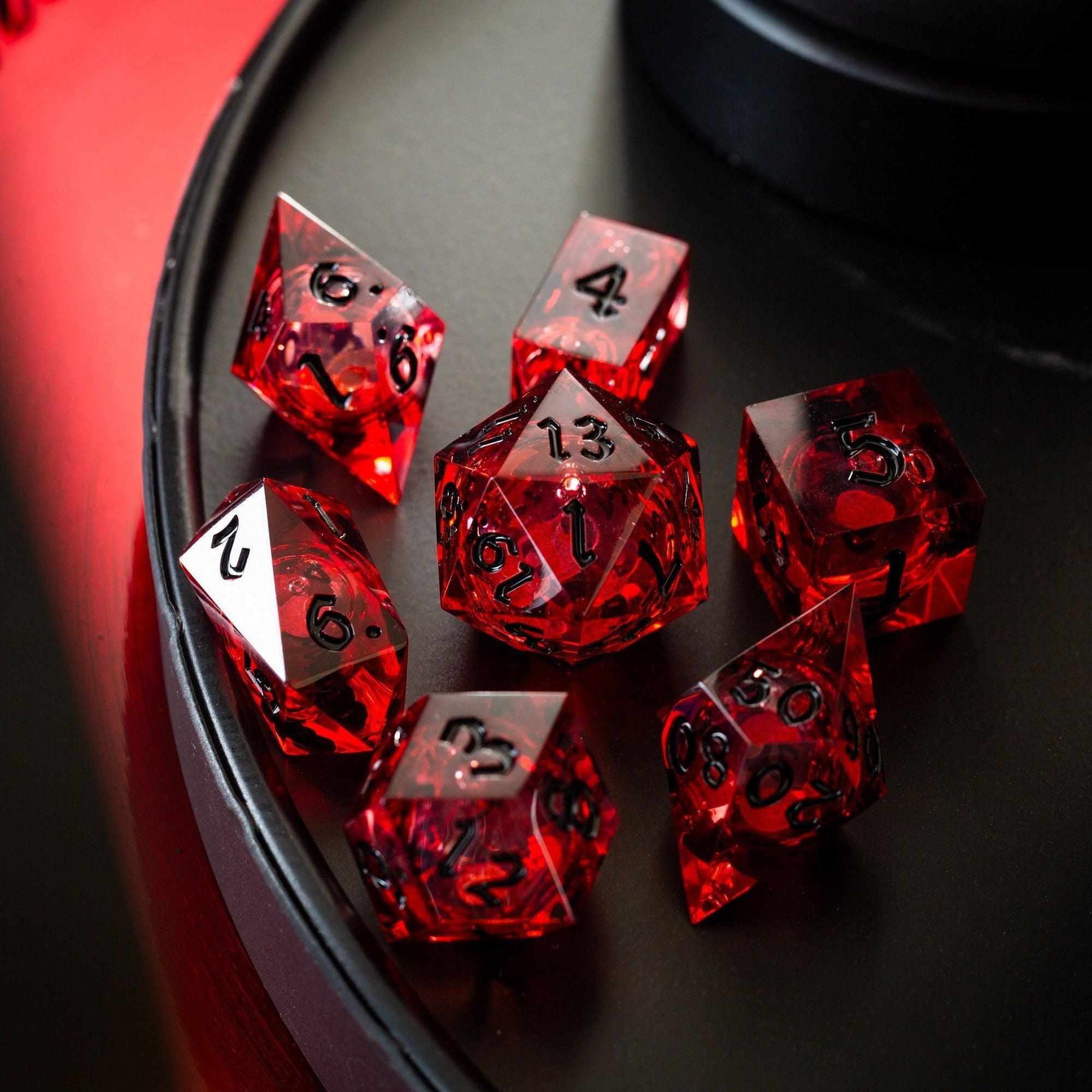
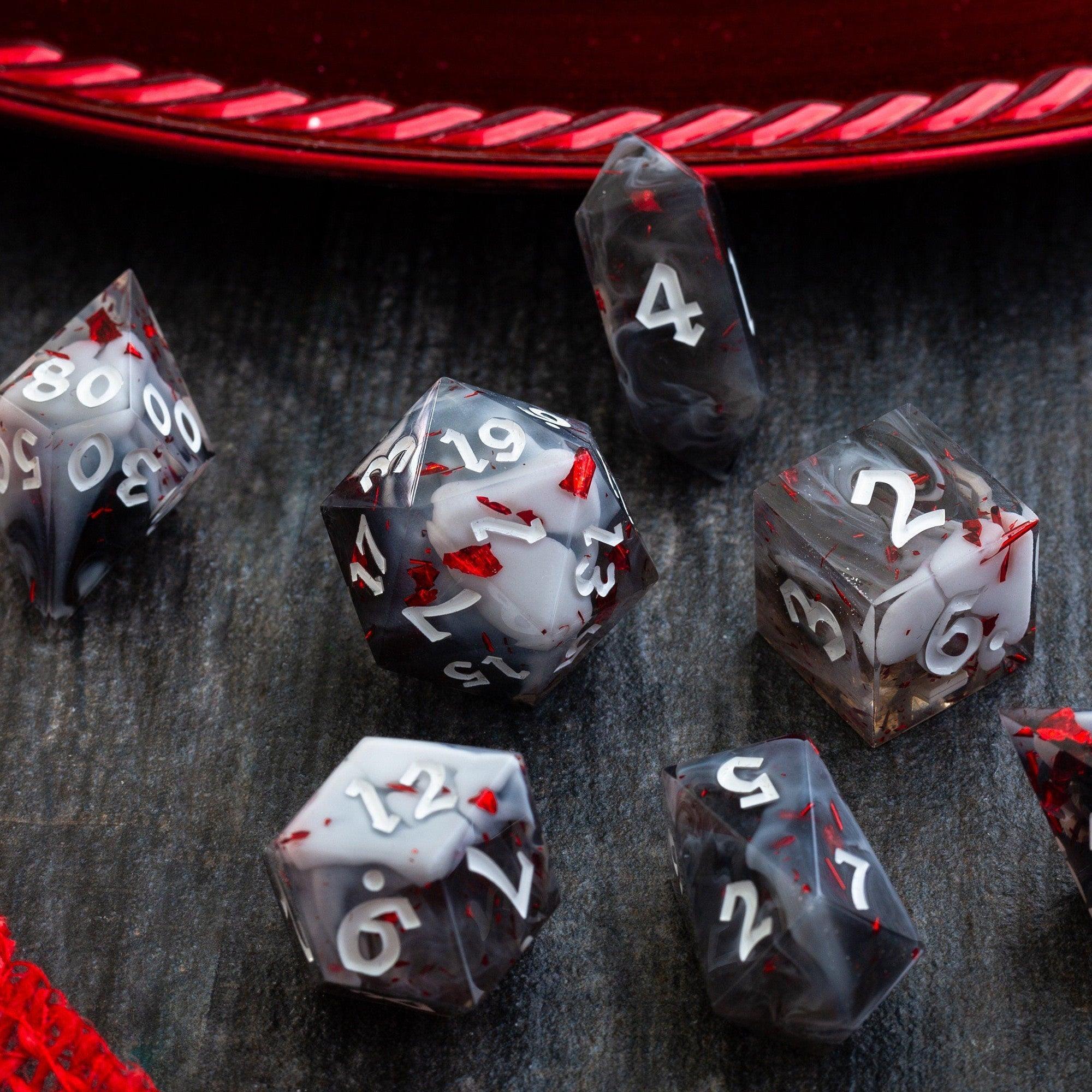
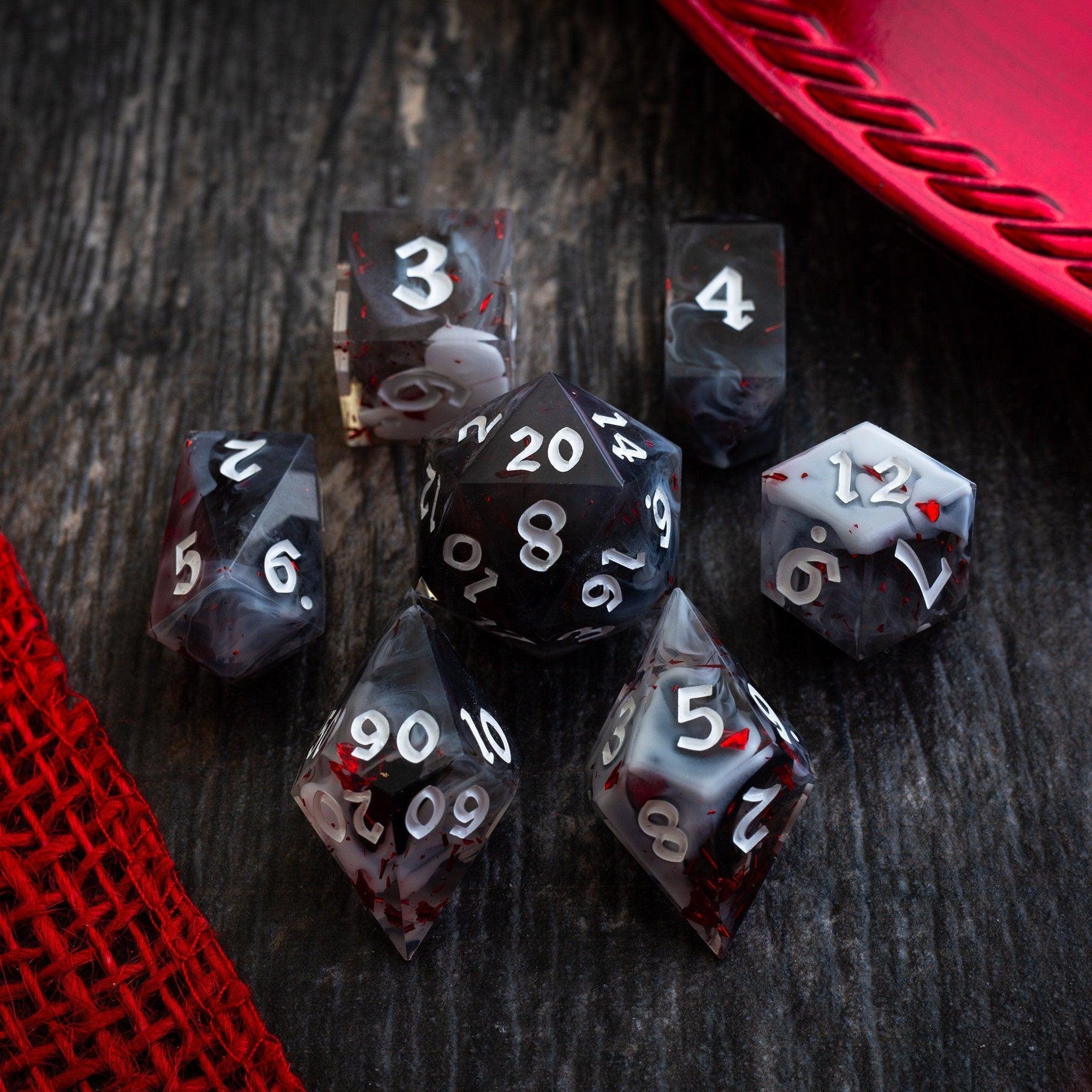
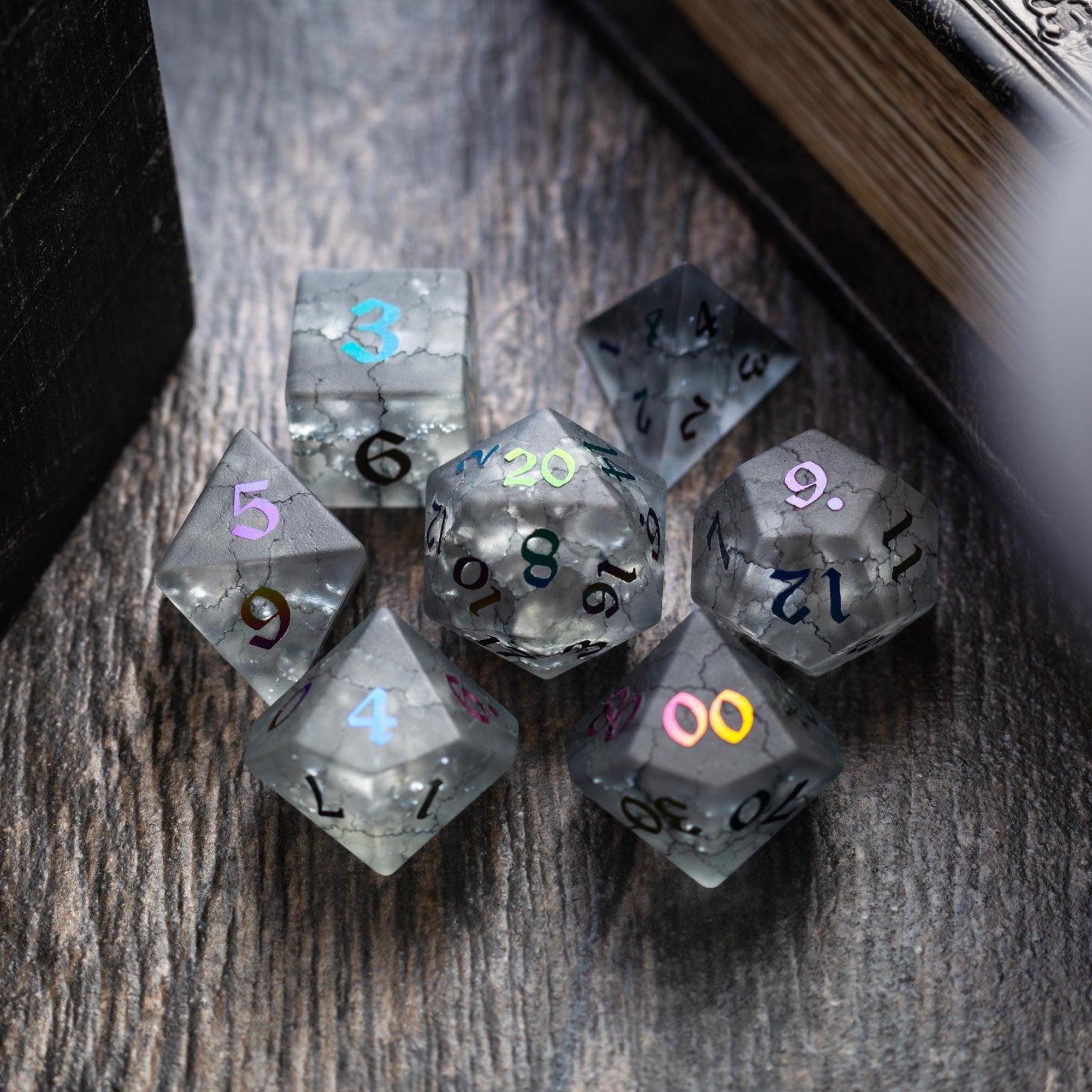
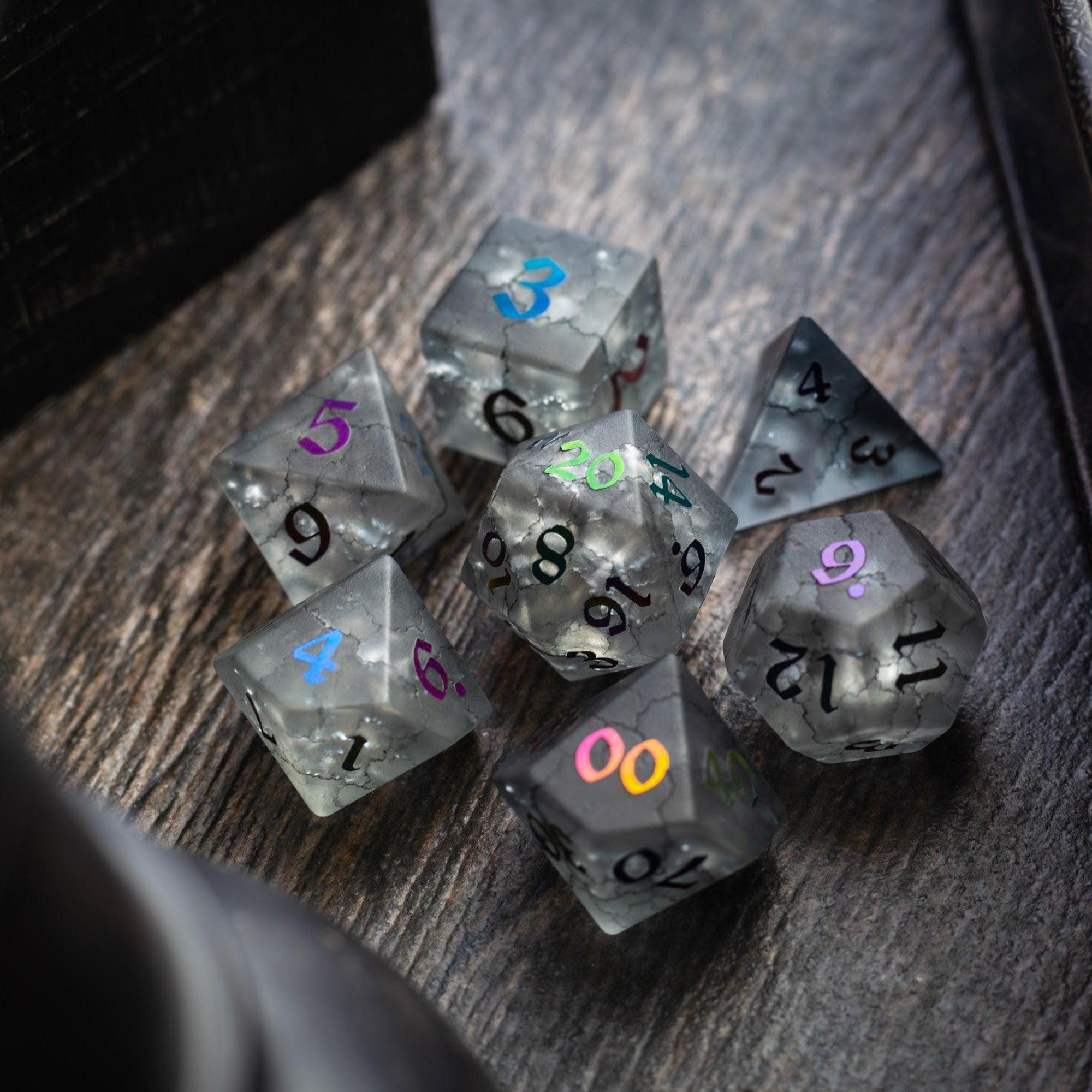
Resin DnD dice are popular with players who enjoy decorative inclusions, transparent layers, glitter, foil, flowers, and unusual color combinations. Current Runic Dice listings include handmade resin sets as well as liquid-core designs where decorative material moves inside the die.
DnD dice handmade in small batches may show slight differences in color, pattern, transparency, or the placement of decorative inclusions. Those variations can be part of their appeal. When choosing a handmade set for regular play, however, readability still matters. A beautiful design with numbers that disappear against glitter or a busy background may become frustrating after several hours at the table.
Making DnD Dice Yourself
Players who want to make DnD dice can cast custom resin sets using molds, pigments, and decorative inclusions. It can be a rewarding craft because you control the colors and theme, but resin casting should be treated as a real materials project rather than a simple no-risk hobby.
The exact precautions depend on the resin and hardener being used, so read the manufacturer’s instructions and Safety Data Sheet before mixing anything. The CDC’s National Institute for Occupational Safety and Health includes epoxy resins, hardening agents, and tacky resin surfaces among materials where preventing skin exposure and using appropriate protective equipment can be important.
Work in an appropriate area, use the protective equipment specified for your product, and do not assume every resin formula has the same handling requirements. Beginners should focus first on learning correct mixing and curing rather than trying complicated inclusions immediately.
How to Choose Niche Dice You Will Actually Use
A niche die can look fantastic online but still be inconvenient at the table. Before adding one to your collection, think about how you intend to use it.
- Check readability: High contrast between the numbers and the surrounding material makes results easier to read.
- Consider rolling space: Giant dice need more room than a normal polyhedral set.
- Think about portability: Tiny dice and compact alternatives are easier to carry, but may sacrifice visibility.
- Match the die to its purpose: A 95 mm chonk d20 can be an entertaining centerpiece, while a standard d20 is more practical for repeated rolls.
- Separate display pieces from everyday dice: You do not have to use every collectible in every session.
The Final Accessories You Didn’t Know You Needed
Once your collection grows, storage and rolling space become more important. The right accessories help keep unusual dice organized while protecting your table and preventing pieces from disappearing under books, character sheets, or furniture.
- A DnD dice tray creates a defined rolling area and is especially helpful for larger or heavier dice.
- A DnD dice box keeps a favorite set together between sessions.
- A D&D dice holder or divided case makes it easier to organize several sets.
- A dice bag works well when you want lightweight storage for multiple standard sets.
You do not need every accessory at once. Solve the problem you actually have. If your dice regularly leave the table, start with a tray. If sets get mixed together in your backpack, improve your storage first.
Your Dice, Your Identity
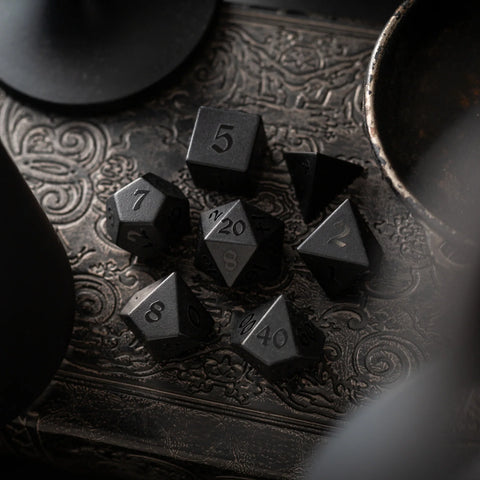
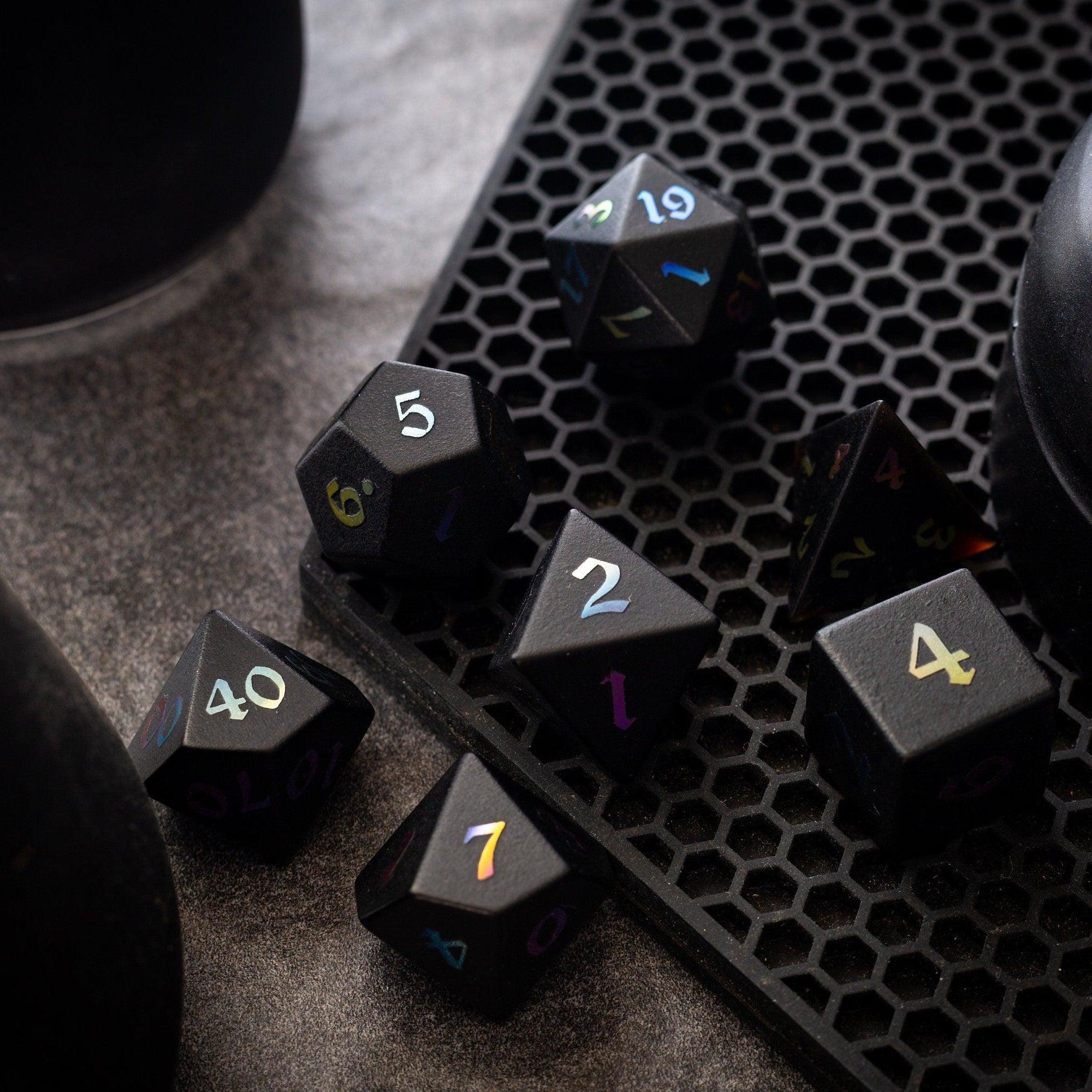
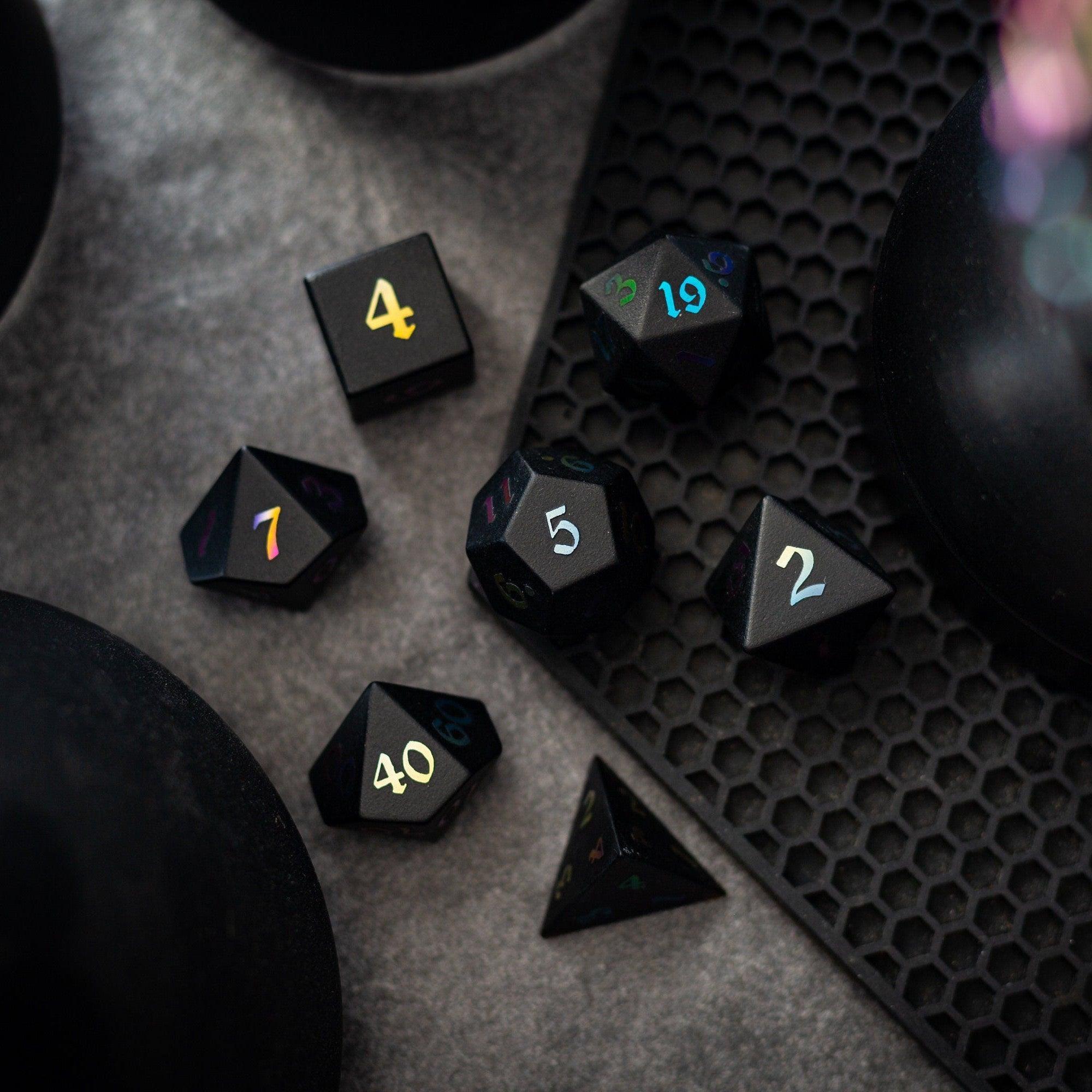
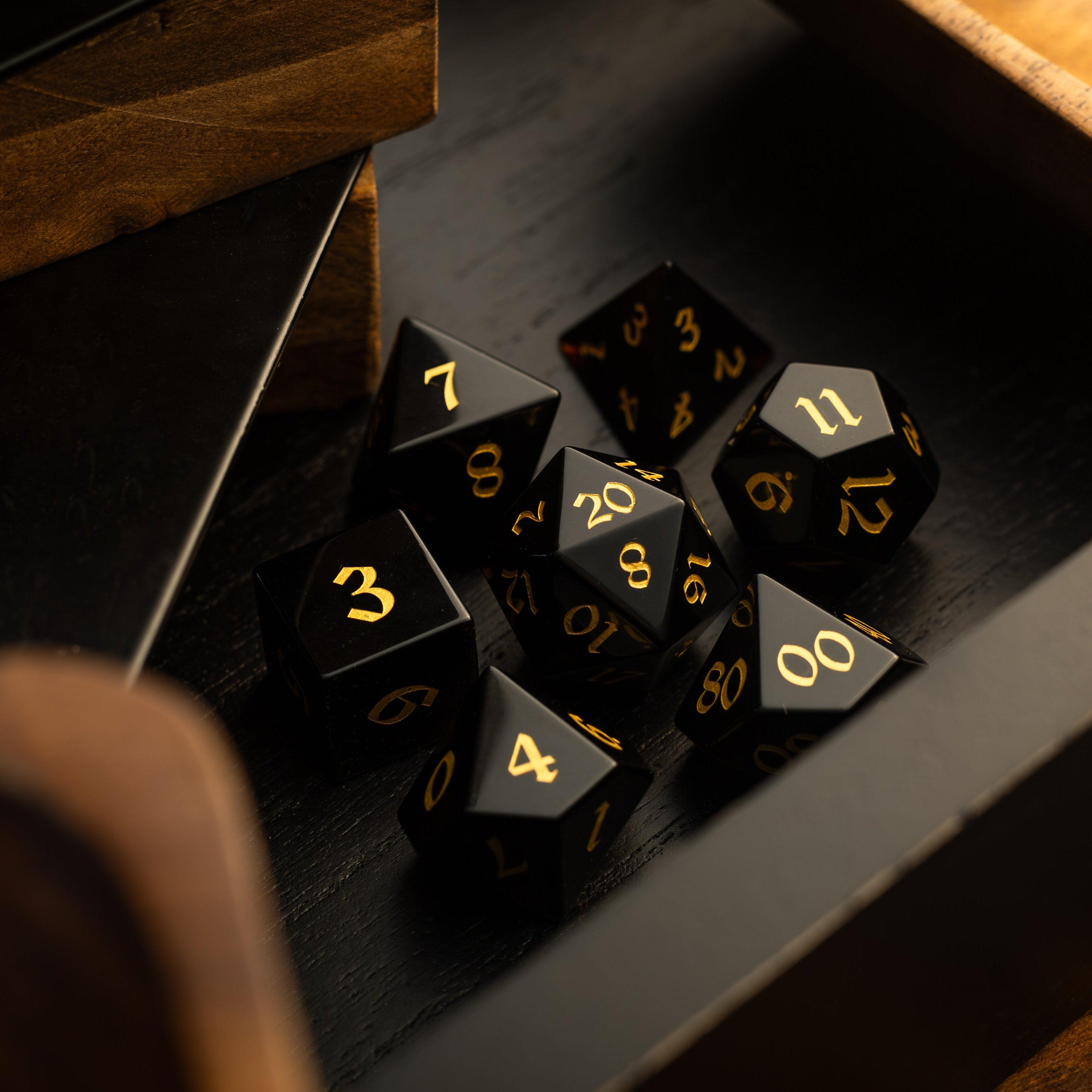
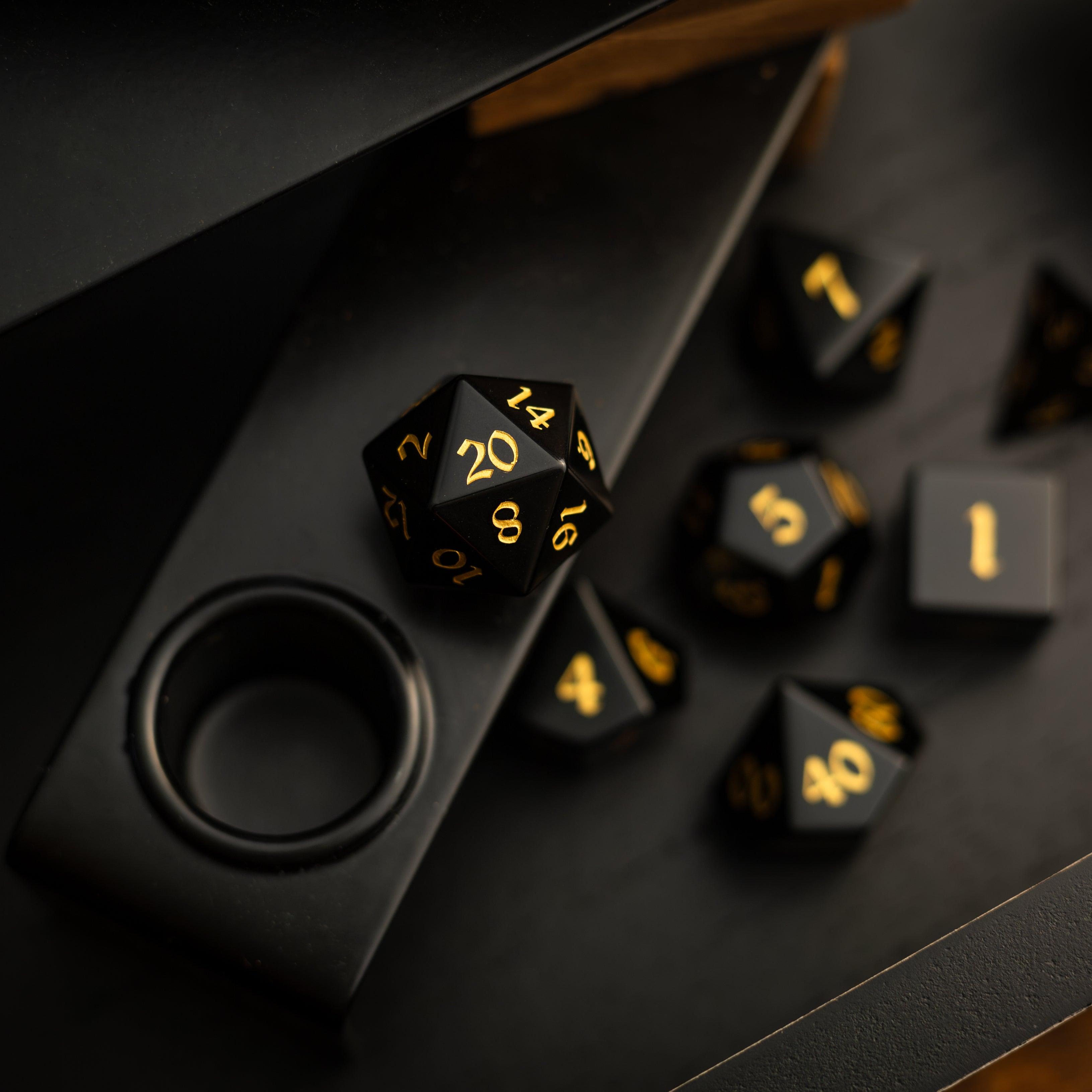
Whether you're rolling with a traditional 7-piece D&D dice set, experimenting with a physical D100, collecting giant chonk d20s, or looking for a pink D&D dice set that fits a favorite character, niche dice give you another way to make tabletop gaming personal.
The best collector piece is not automatically the rarest or most expensive one. A useful collection balances personality with practical details such as readable numbers, appropriate size, safe storage, and enough rolling space. Some dice may become everyday tools, while others come out only for an important saving throw, a special campaign, or a place on the display shelf.
Dice are randomizers first, but players have turned them into one of the most recognizable parts of tabletop gaming. Choose pieces you can enjoy for more than a photograph, understand how unusual designs work before using them, and build a collection that fits the way you actually play.

Leave a comment
This site is protected by hCaptcha and the hCaptcha Privacy Policy and Terms of Service apply.