
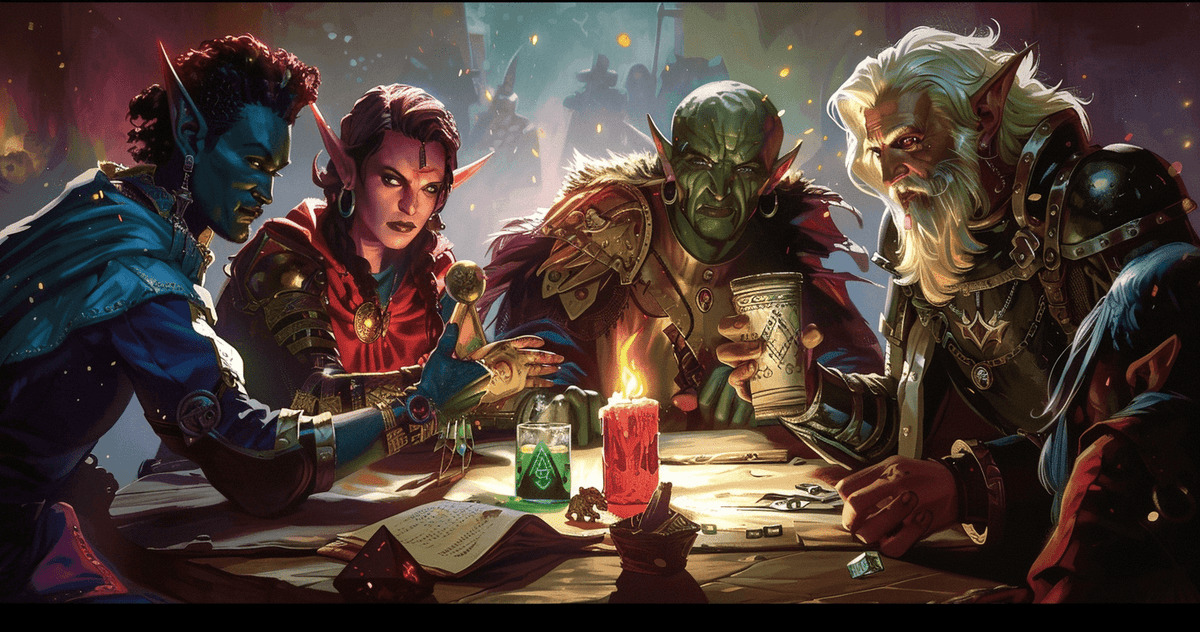
9 Tabletop Games Beyond D&D Worth Exploring
Tabletop gaming goes far beyond Dungeons & Dragons. If you enjoy group problem-solving, memorable stories, tactical choices, or simply sitting around a table with friends, there are plenty of other games worth trying. Some take only minutes to teach, while others can support long-running campaigns with very different rules, settings, and styles of play.
If you love D&D but want something new for your next game night, these nine tabletop games cover party games, strategy games, cooperative challenges, and alternative RPGs. You can use them to fill a shorter game night, introduce new players to tabletop gaming, or experience a completely different approach to role-playing.
Quick and Easy Thrills: Gateway Games
Gateway games are useful when your group wants a shorter session or when someone at the table is new to modern tabletop gaming. They usually have approachable rules, clear goals, and enough variety to stay interesting after the first play.
Exploding Kittens
 Exploding Kittens is a fast card game built around a simple danger: drawing an Exploding Kitten can knock you out unless you can play a Defuse card. Players use action cards to manipulate the draw pile, avoid dangerous cards, and interfere with one another. The rules are quick to understand, while the uncertainty of the deck creates plenty of tension. It works especially well for groups that want humor and direct player interaction without a long setup or complicated strategy.
Codenames
Codenames is a word-association party game in which two teams try to identify their agents from a grid of words. Each team has a spymaster who gives a one-word clue and a number intended to connect several possible answers. Players must identify their own agents while avoiding innocent bystanders, opposing agents, and the assassin, which ends the game immediately if selected. A refreshed edition released in 2025 updated the word list, artwork, insert, and rulebook while preserving the familiar core game. It is a good choice for D&D groups that enjoy creative communication and trying to understand how their friends think.
Ticket to Ride
Ticket to Ride is a route-building board game that is easy to learn but still gives players meaningful choices. You collect colored train cards, claim routes between cities, and try to complete Destination Tickets for additional points. Much of the tension comes from deciding whether to keep gathering cards or claim an important route before another player takes it. It is a strong next step for people moving from classic family board games into modern tabletop strategy games because turns are straightforward while long-term route planning still matters.
Board Games with More Tactical Tension
If your group enjoys risk, changing board states, cooperation, and decisions that can quickly alter the outcome, these games add more pressure without requiring the commitment of a full role-playing campaign. They can also work well when your regular D&D group cannot meet for a full session.
King of Tokyo
 King of Tokyo puts players in control of giant monsters competing for points and survival. On a turn, you roll the game's custom symbol dice to attack, heal, gain energy, or score Victory Points. Entering and holding Tokyo can earn points, but being there also makes your monster a target for other players. The first monster to reach 20 Victory Points wins, unless one monster eliminates all the others first. Because the game depends on its own symbols, standard polyhedral D&D dice are not direct substitutes for the included dice.
Betrayal at House on the Hill
Betrayal at House on the Hill begins with players exploring a haunted house together as new rooms, events, items, and omens appear. Eventually, a haunt changes the situation and may turn one explorer against the others, depending on the scenario. The third edition includes 50 haunts and was designed to make the game easier for new players to enter. The changing house and different scenarios give each session an unpredictable horror-story structure that may appeal to D&D players who enjoy exploration and sudden plot twists. It also includes eight special dice, so the game is best played with its own components rather than a regular D&D dice set.
Pandemic
Pandemic is a cooperative board game for two to four players. Rather than competing against one another, the group works together to contain four diseases, travel between cities, treat infections, and collect the cards needed to discover cures. Each role has a different ability, so coordinating turns is often more important than making the strongest move for yourself. The standard Pandemic board game does not use dice, making it a useful change of pace for players accustomed to resolving uncertain situations with dice rolls.
Stepping Into New Roles: Alternative RPGs
D&D is only one approach to tabletop role-playing. Other RPG systems can shift the focus toward investigation, crime, horror, difficult choices, or narrative consequences. Trying another system can also teach a group different approaches to pacing, character decisions, and collaborative storytelling when they eventually return to D&D.
Call of Cthulhu
 Call of Cthulhu is an investigation-and-horror RPG inspired by the Cthulhu Mythos. Players usually take the roles of investigators rather than heroic fantasy adventurers, and uncovering a mystery is often more important than defeating enemies in combat. Chaosium identifies Seventh Edition as the current edition. Many checks use percentile dice, while Sanity is an important mechanic when investigators encounter disturbing or unnatural events. The different approach to danger can be refreshing for D&D players accustomed to characters becoming increasingly powerful as a campaign progresses.
Blades in the Dark
Blades in the Dark follows a crew of scoundrels trying to survive and grow in a haunted industrial-fantasy city. Instead of spending a long time planning every detail before a job, the game uses mechanics such as engagement rolls and flashbacks to move quickly into the action. Its core system uses pools of six-sided dice, with the highest result helping determine how well an action goes. Stress, position, effect, consequences, resistance, and teamwork all shape risky choices. If your group likes heists, improvisation, and dealing with the consequences of dangerous decisions, it offers a very different rhythm from D&D.
Vampire: The Masquerade
Vampire: The Masquerade Fifth Edition, often called V5, is a role-playing game centered on personal and political horror. Players portray vampires dealing with Hunger, secrecy, dangerous factions, and the struggle to retain their humanity. The system uses pools of ten-sided dice, with Hunger dice replacing some normal dice as a character becomes hungrier. This makes a character's vampiric nature part of ordinary checks rather than something that appears only during major story moments. The game deals with mature themes, so groups should discuss expectations and comfort levels before beginning a campaign.
How to Choose the Right Tabletop Game for Your Group
The best tabletop game is not simply the one with the most rules or the biggest box. Think about what your group enjoys, how much time everyone has, and whether players want competition, cooperation, or an ongoing story. A party game such as Codenames works when you want a short social challenge, while Pandemic suits players who prefer cooperation. King of Tokyo fits groups that like direct competition and dice-based risk. For longer storytelling, Call of Cthulhu, Blades in the Dark, and Vampire: The Masquerade each create a distinct kind of campaign.
- For new tabletop players: Start with clear, shorter games such as Ticket to Ride, Codenames, or Exploding Kittens.
- For cooperative groups: Try Pandemic when you want everyone working toward the same goal.
- For groups that love dice: King of Tokyo centers its gameplay on custom dice, while RPGs such as Call of Cthulhu, Blades in the Dark, and Vampire: The Masquerade use very different dice systems.
- For story-focused players: Choose an RPG whose tone matches the group, from investigative horror and criminal heists to vampire politics.
Do You Need Different Dice for Games Beyond D&D?
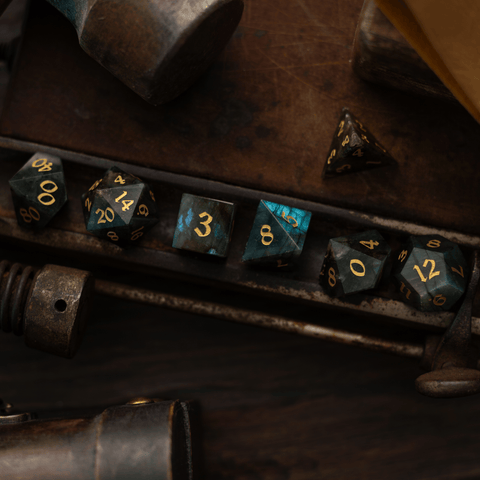
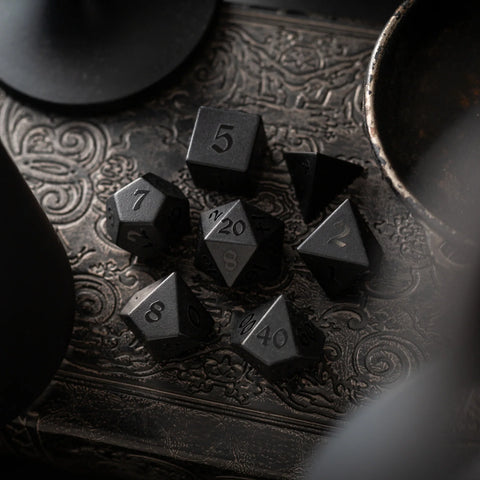
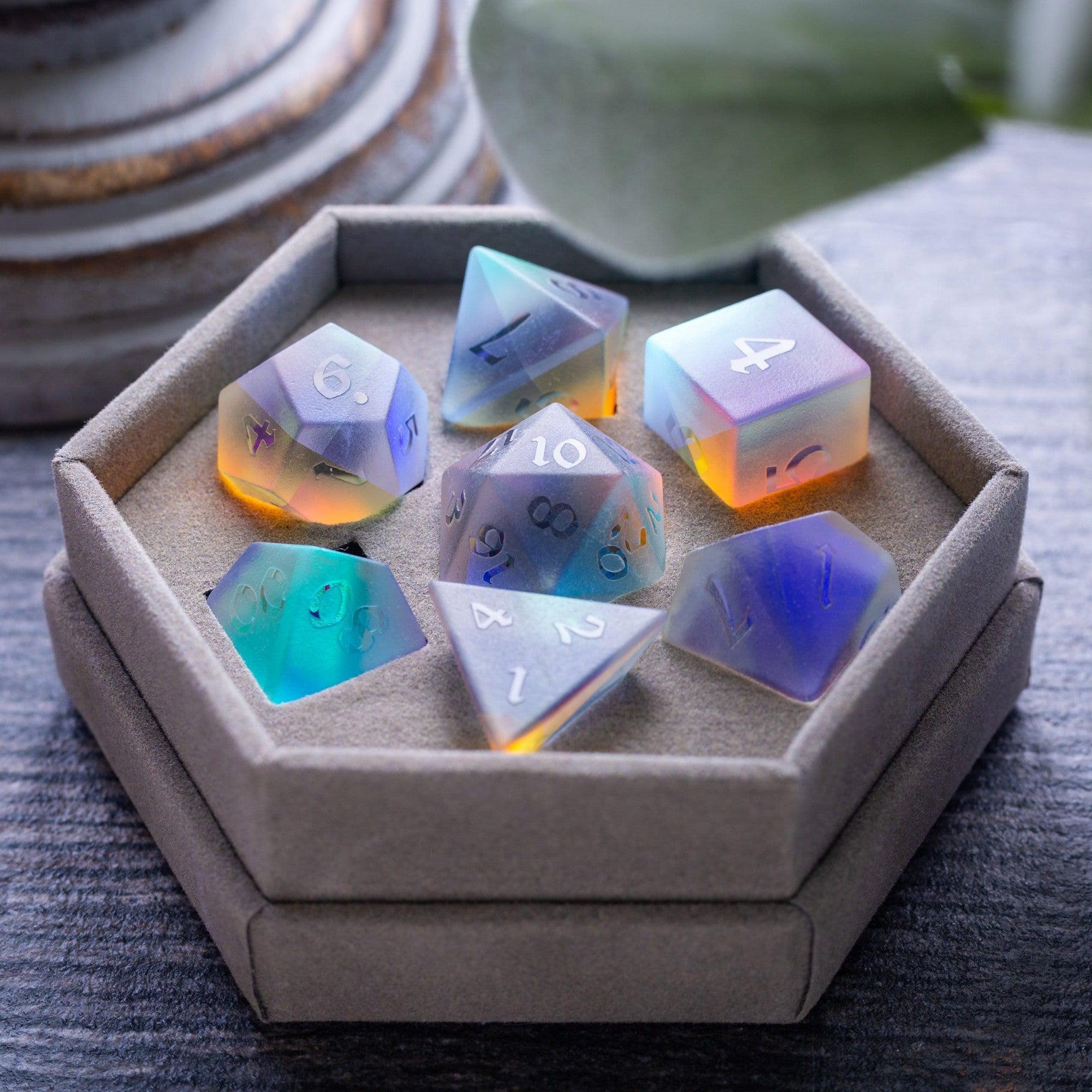
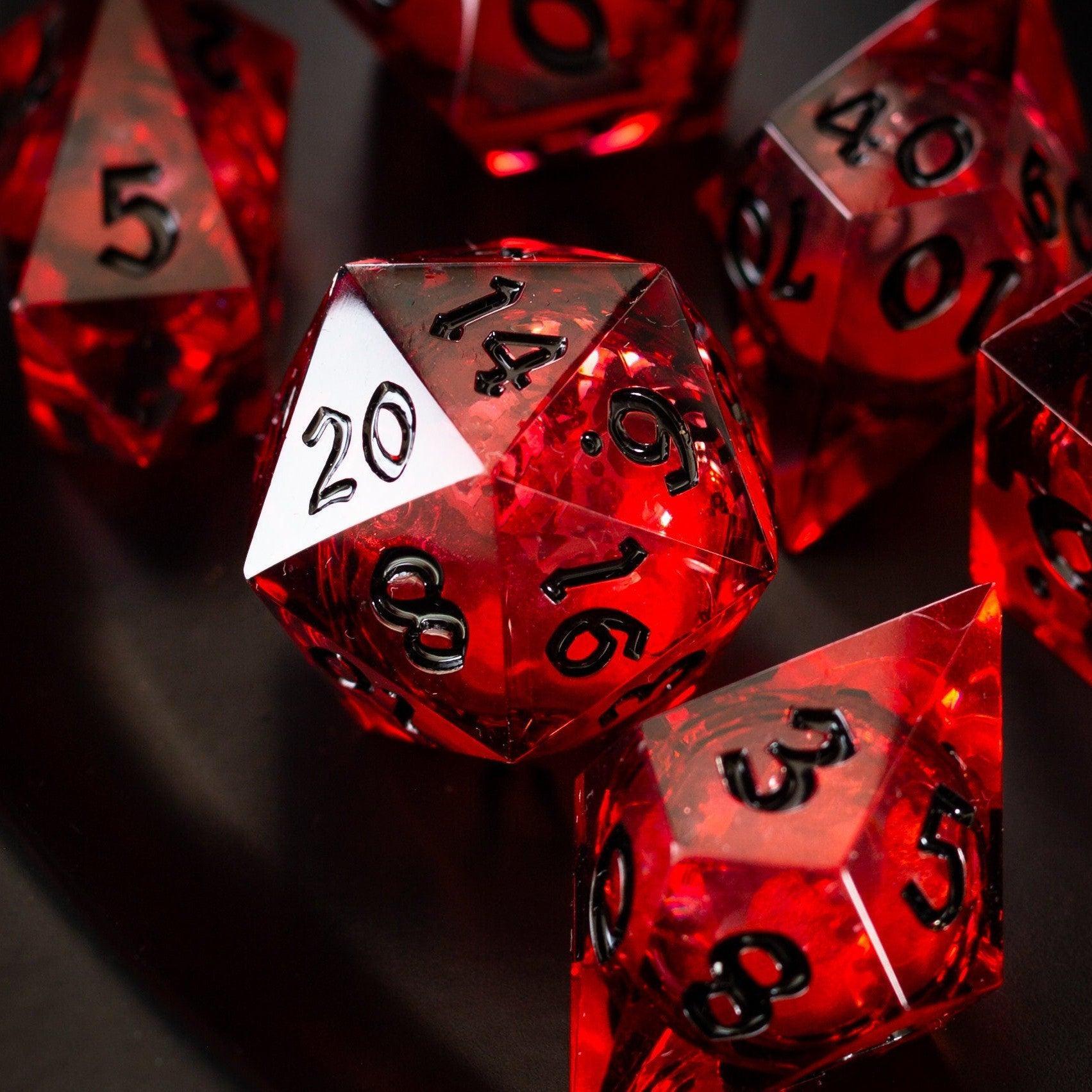
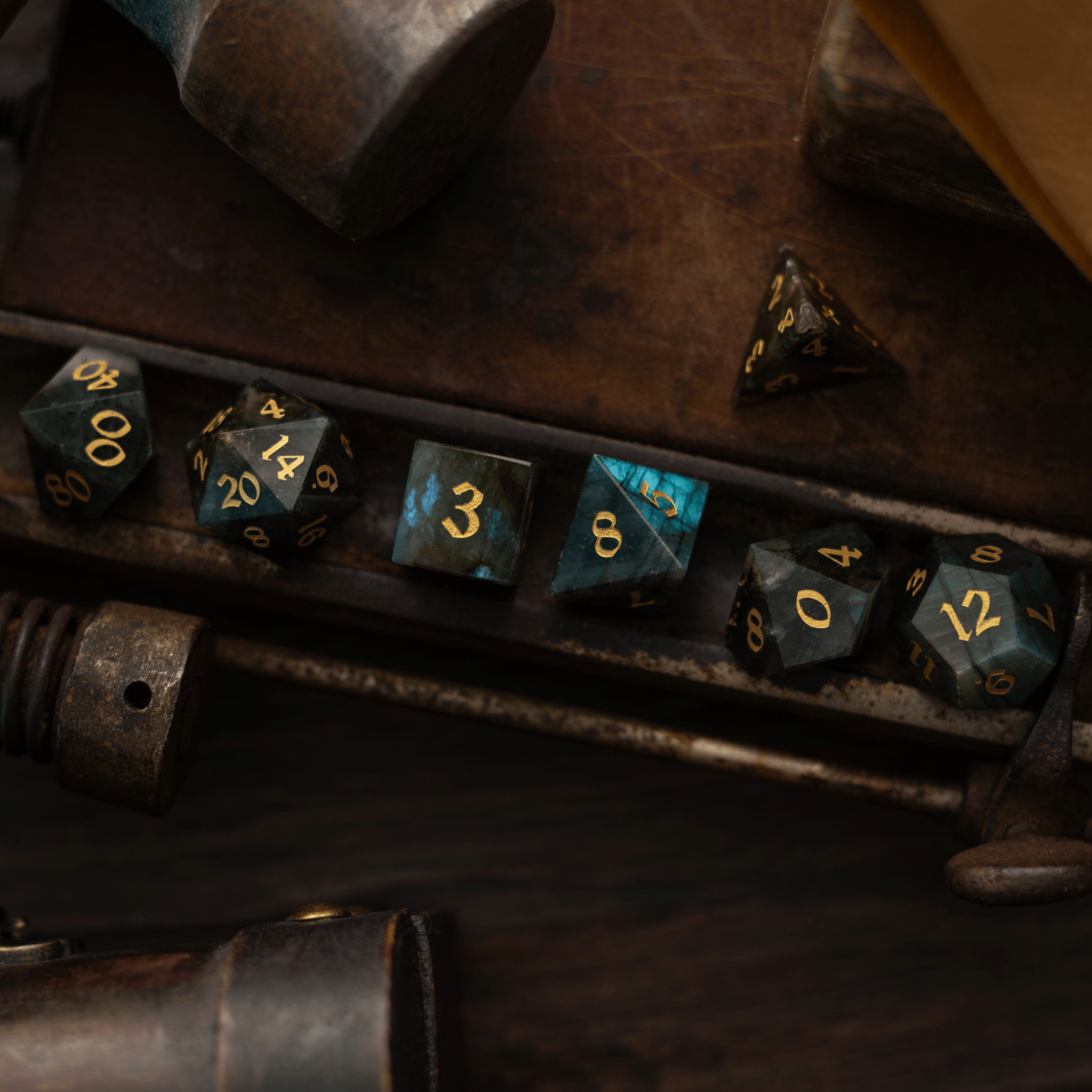
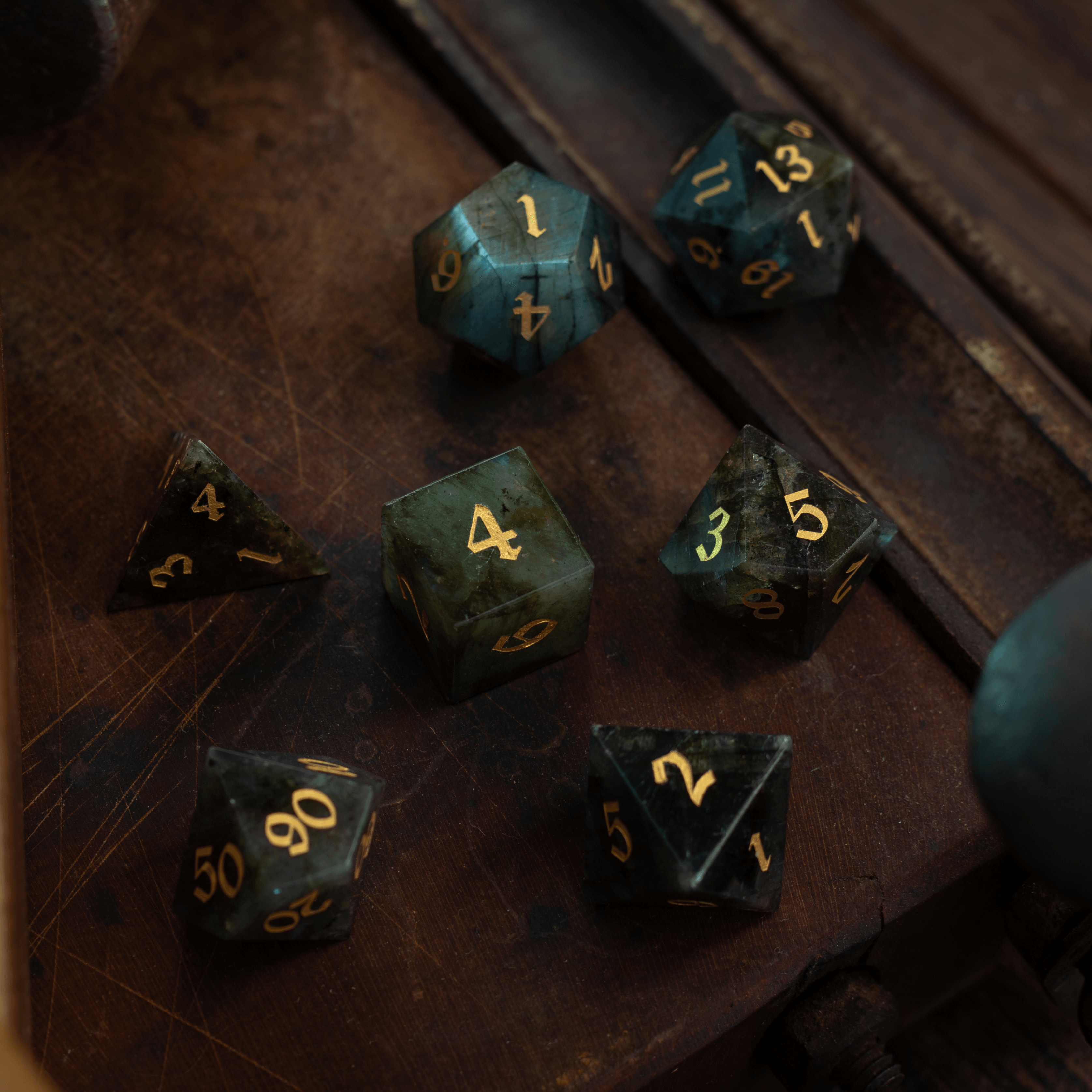
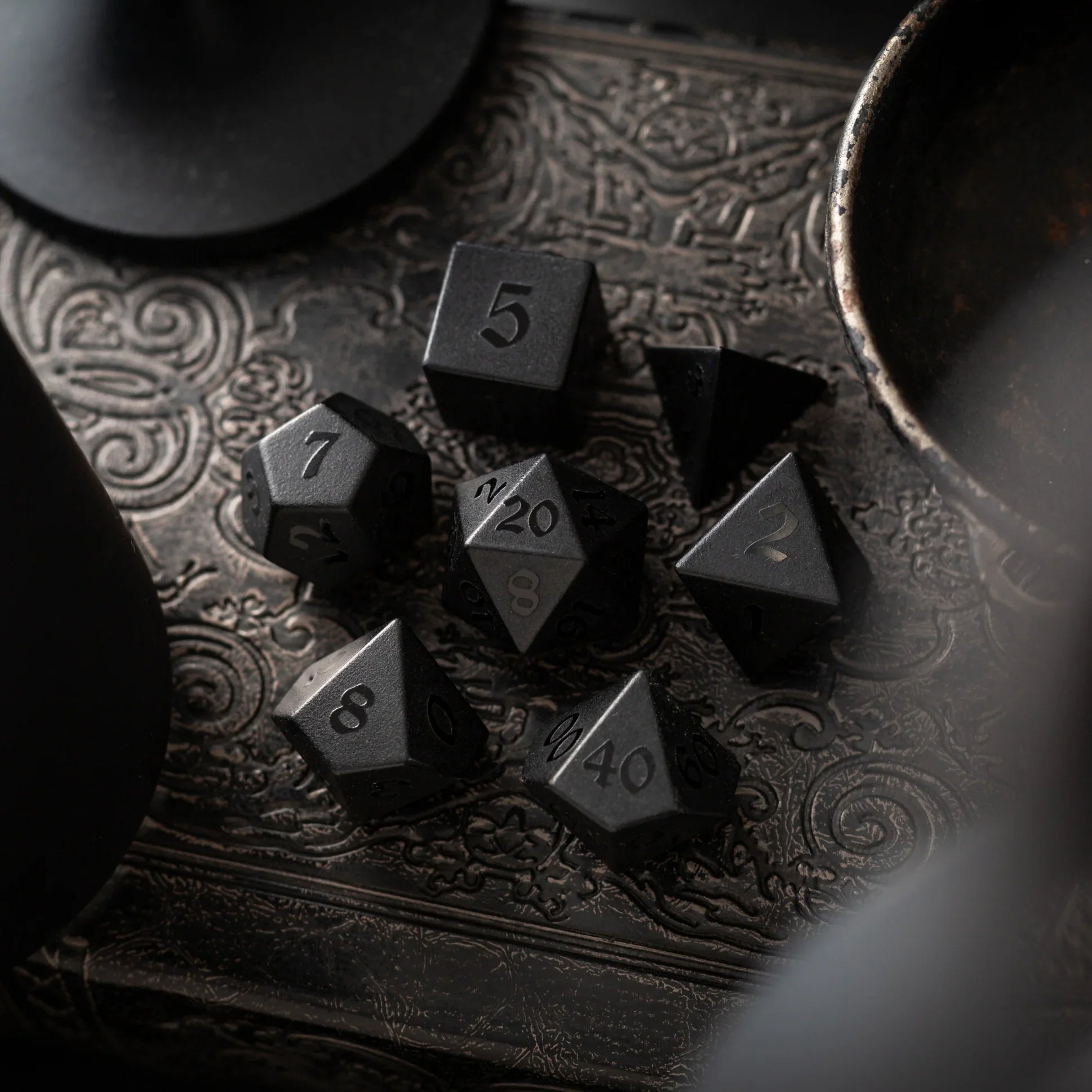
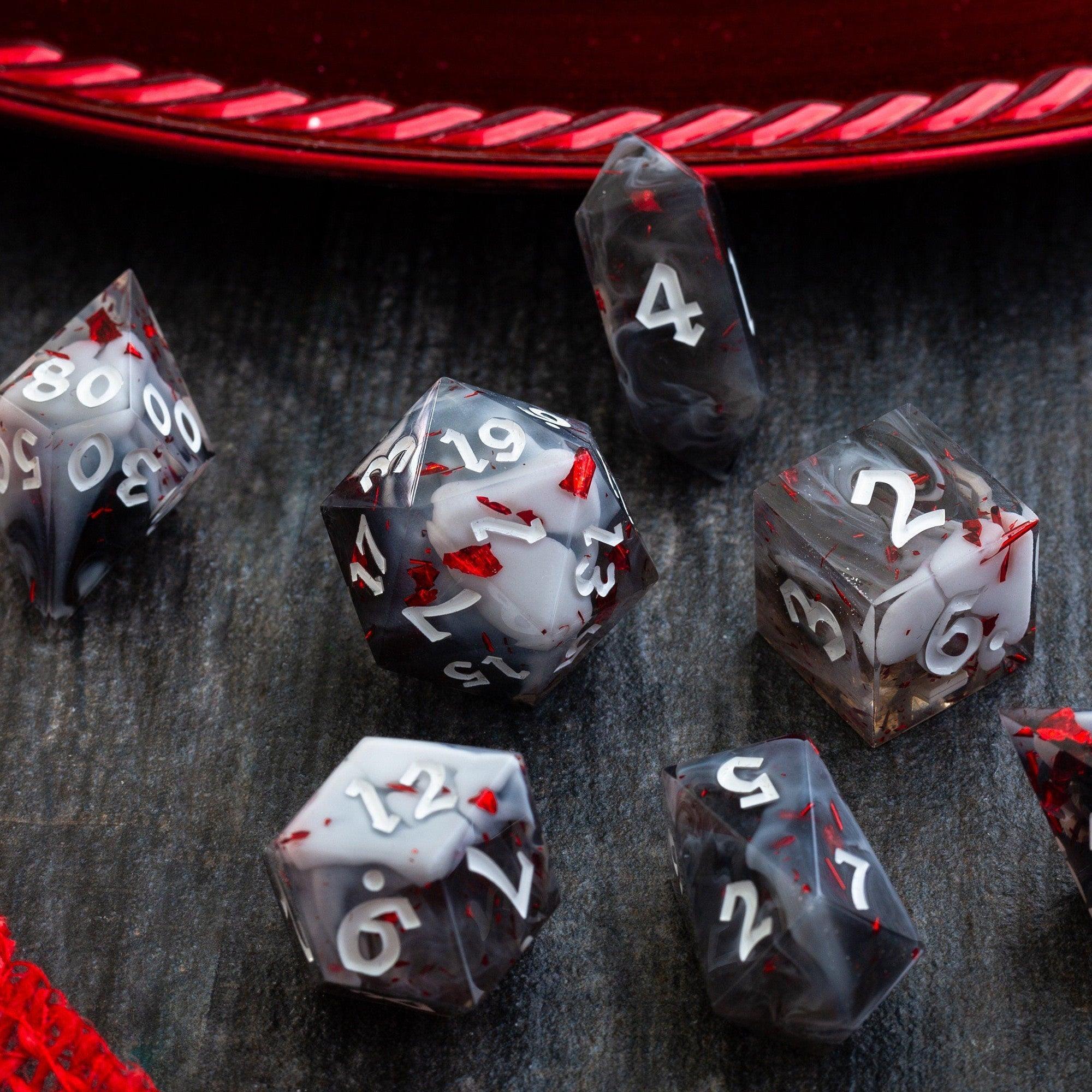
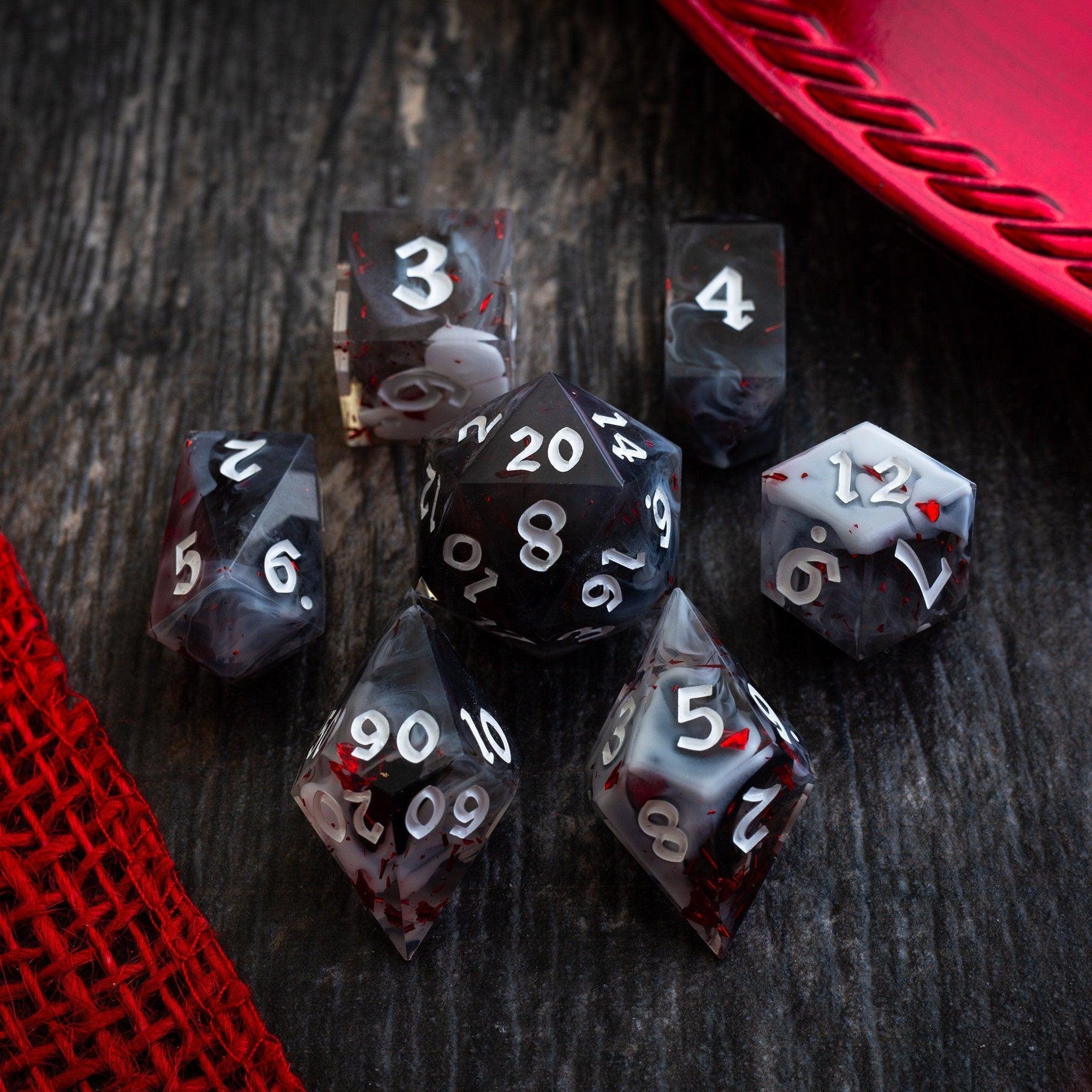
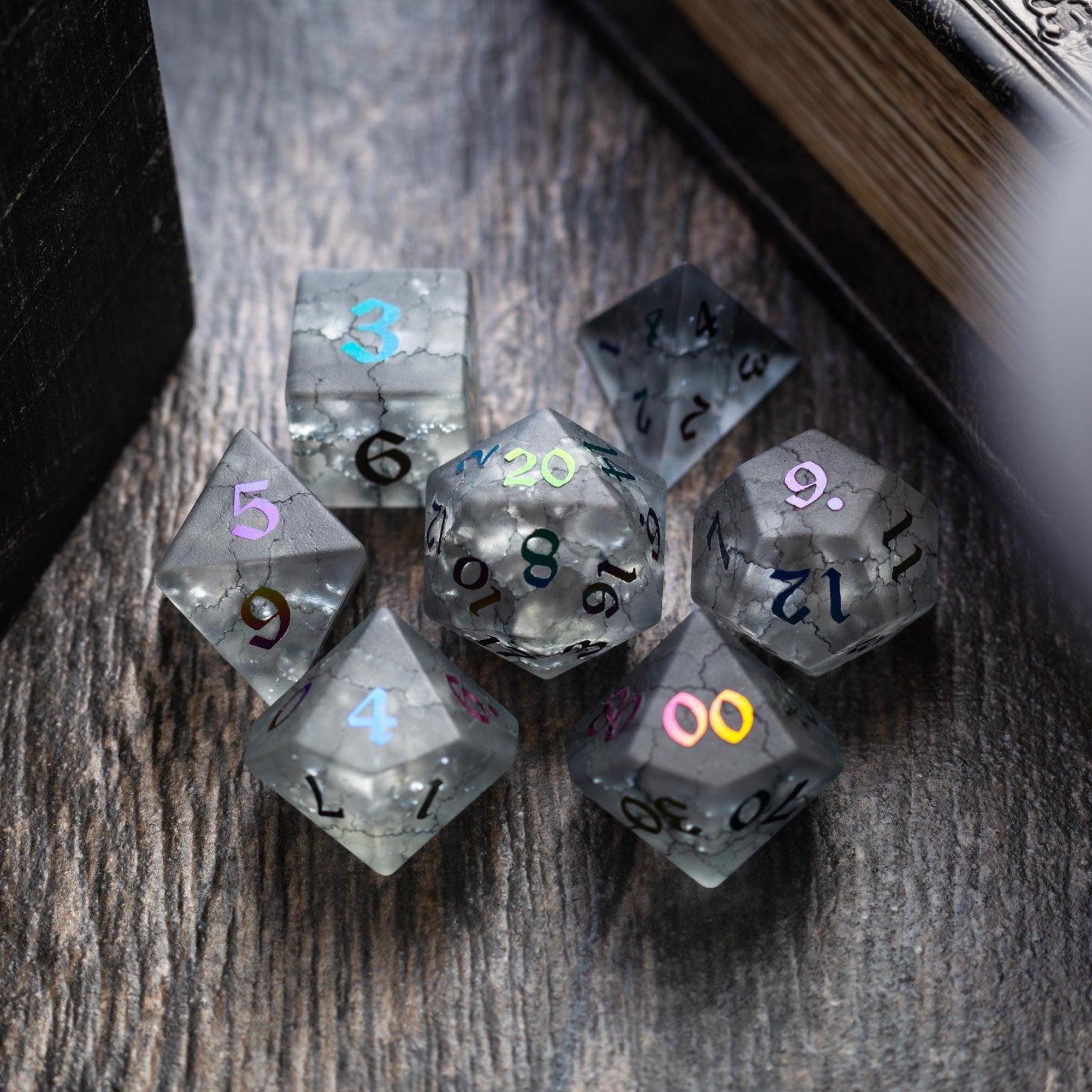
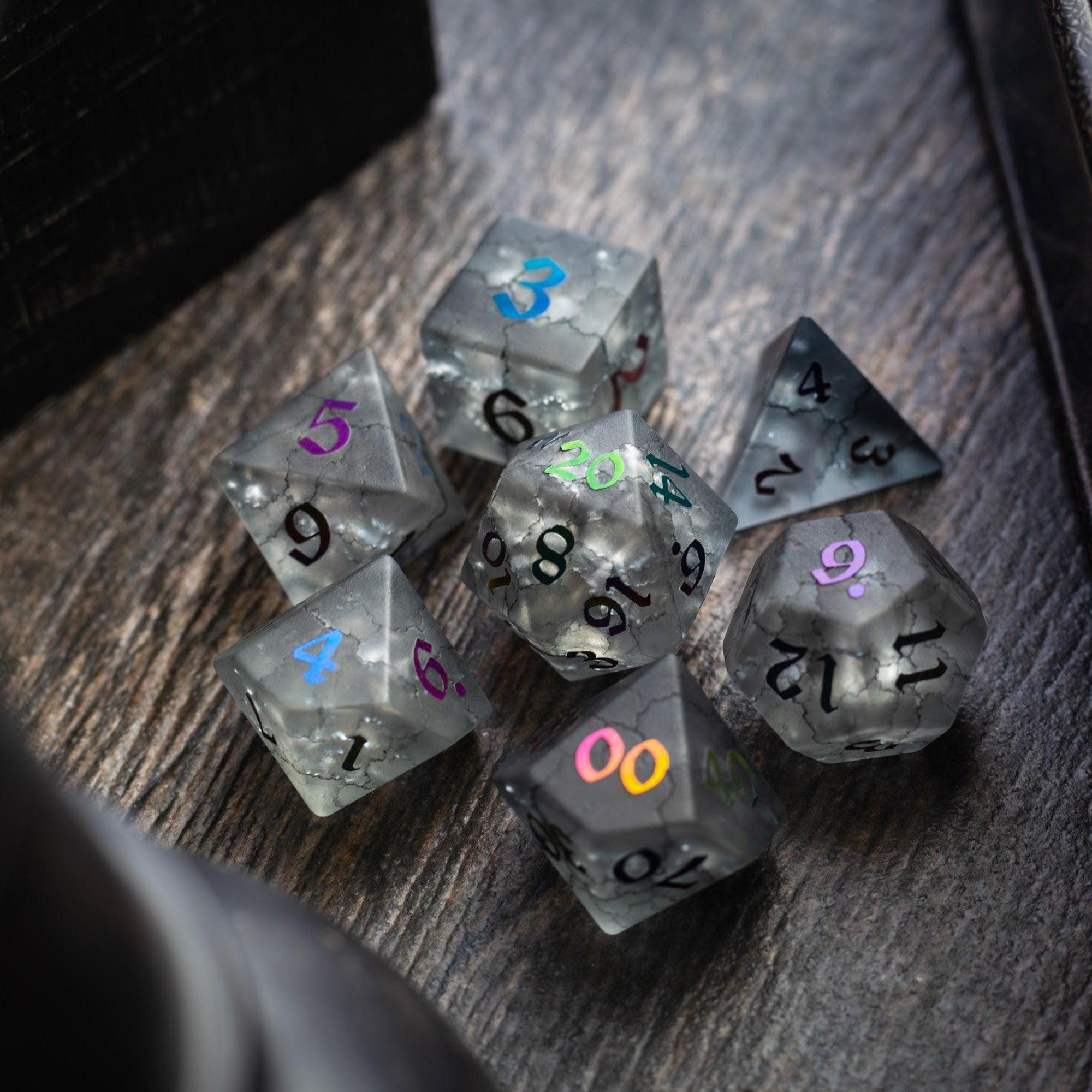
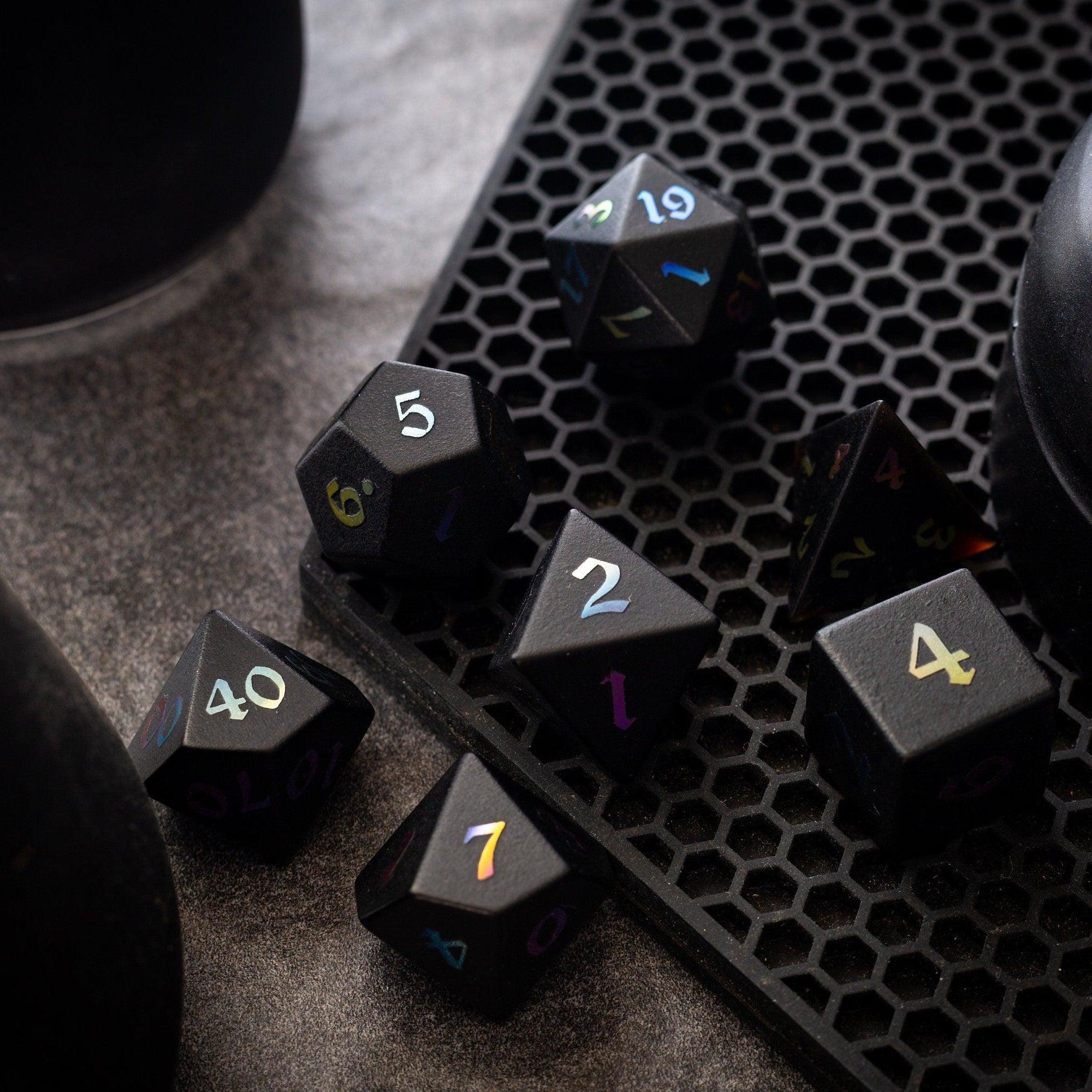
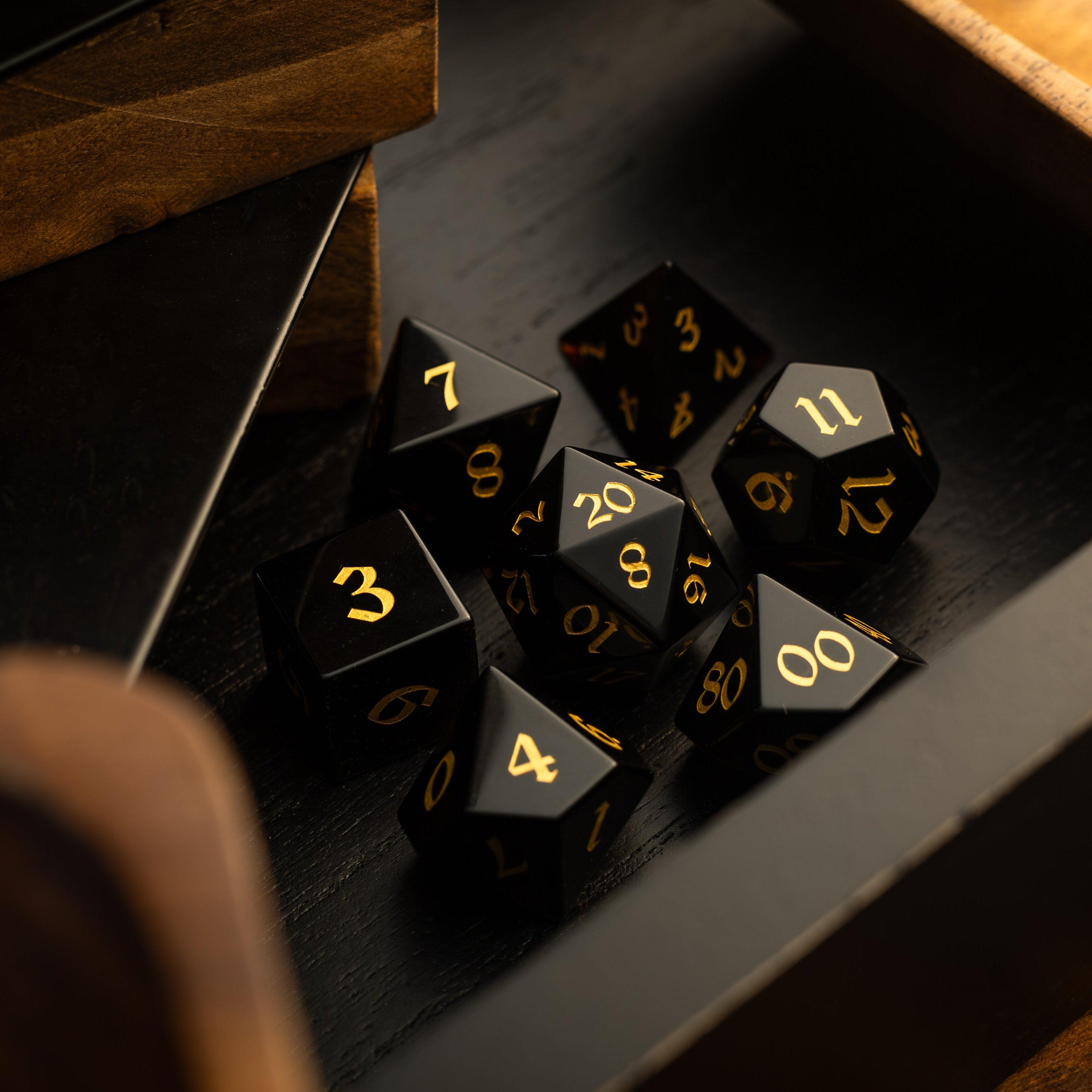
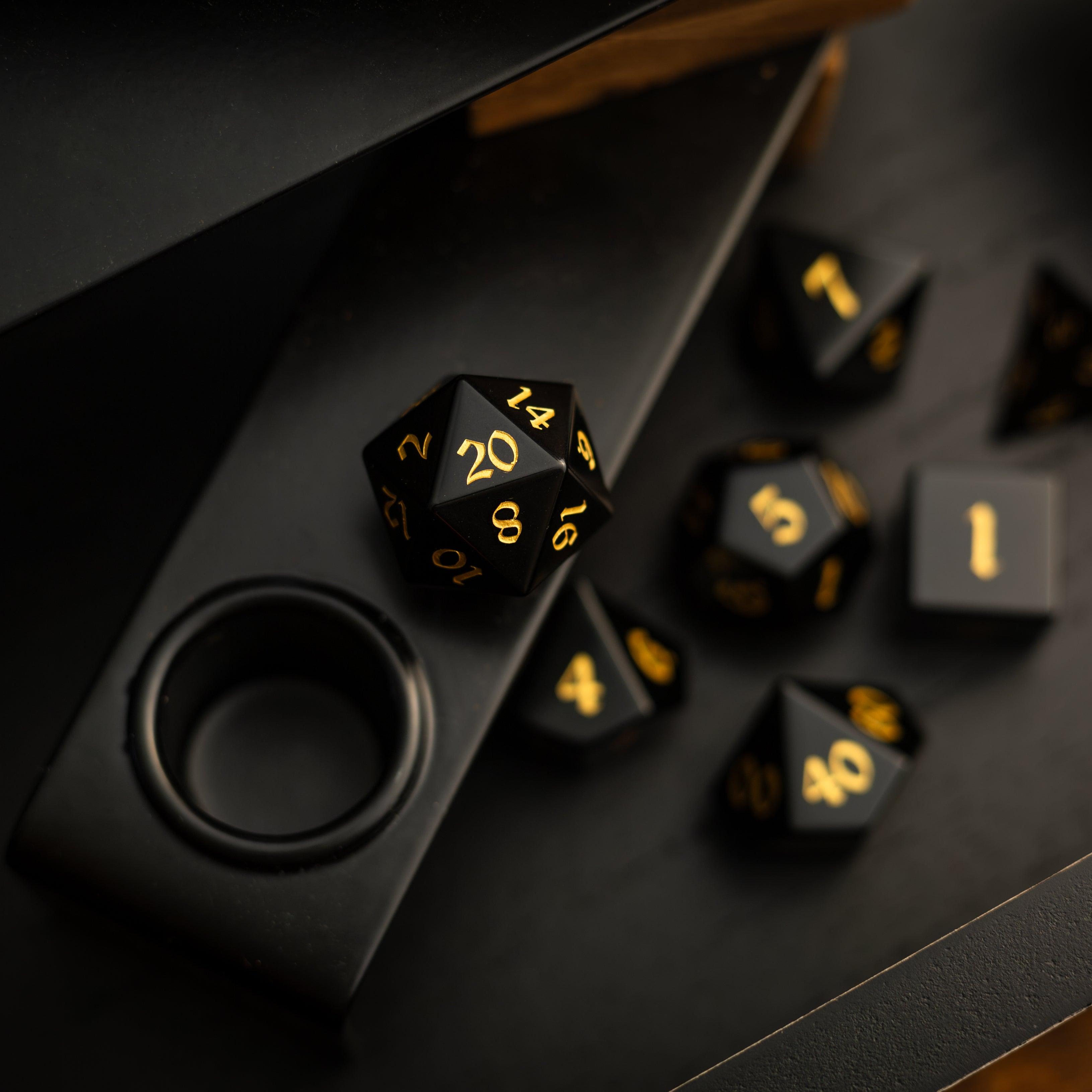
Sometimes. A standard seven-piece DND dice set is useful for many tabletop RPGs, but not every game uses the same dice. Call of Cthulhu can use common polyhedral dice and relies heavily on percentile rolls. Blades in the Dark uses six-sided dice, while Vampire: The Masquerade Fifth Edition uses pools of d10s. Board games such as King of Tokyo and Betrayal at House on the Hill include special dice designed for their own rules, while the standard version of Pandemic does not use dice at all.
That difference is part of the fun of exploring tabletop gaming beyond D&D. Each system asks players to think, cooperate, take risks, and tell stories in its own way. You do not need to abandon D&D to enjoy them. A shorter board game can fill an off-week between campaign sessions, while another RPG can give your group a completely different kind of story to tell.






Leave a comment
This site is protected by hCaptcha and the hCaptcha Privacy Policy and Terms of Service apply.