

Beyond Basics Tabletop Gaming Guides for Masterful Campaigns
Understanding Tabletop Gaming Guides and Their Value
Tabletop gaming guides serve as invaluable companions for players navigating complex rule systems, character creation processes, and strategic gameplay mechanics. These resources exist in many forms—from printed rulebooks and online wikis to video tutorials and community forums—each offering unique perspectives and learning approaches. When you engage with well-crafted guides, you gain more than just rule clarification. You discover proven strategies, understand game balance, and learn how experienced players approach challenges and problem-solving situations.
The beauty of quality tabletop gaming guides lies in their accessibility and diversity. Whether you prefer reading detailed explanations, watching visual demonstrations, or learning through interactive examples, there are resources designed to match your learning style. Many guides also include beginner-friendly sections alongside advanced tactics, allowing you to progress at your own pace without feeling overwhelmed or limited by your current experience level.
A Journey Into the World of Guided Gaming
Consider the experience of someone stepping into a tabletop gaming store for the first time. The variety of games, the complexity of rules, and the enthusiasm of seasoned players can feel intimidating. However, when this newcomer discovers a well-organized guide—perhaps one created by the game designer or trusted community members—everything shifts. Suddenly, the overwhelming complexity becomes manageable. Step-by-step instructions demystify character creation. Example scenarios illustrate how abilities work in practice. The guide becomes a patient mentor, answering questions without judgment and encouraging experimentation.
This transformation happens because effective guides meet players where they are. They acknowledge the learning curve while celebrating the journey. They provide scaffolding that supports growth, allowing players to build confidence gradually before tackling more intricate aspects of gameplay. Many experienced players credit such resources with their early success and continued enjoyment of their favorite games.
Key Advantages of Learning Through Structured Resources
- Accelerated Learning: Well-organized guides compress months of trial-and-error learning into manageable, digestible information, allowing you to enjoy games sooner and more confidently.
- Rule Clarity and Consistency: Clear explanations of mechanics ensure you and your fellow players interpret rules the same way, reducing disputes and maintaining game flow during sessions.
- Strategic Foundation: Quality resources teach not just what to do, but why certain approaches work, enabling you to develop your own strategies rather than simply copying tactics.
- Character Depth: Guides help you understand your character's capabilities, backstory potential, and narrative possibilities, creating more engaging and memorable personas.
- Community Connection: Many guides are created by passionate communities, and following them connects you to a wider network of enthusiasts who share your interests and gaming goals.
- Confidence Building: Understanding rules and strategy reduces anxiety about making mistakes, allowing you to focus on having fun and enjoying the social experience.
- Continuous Improvement: As you advance, guides help you refine your approach, discover advanced techniques, and stay engaged even after hundreds of hours of play.
Quick Tips for Getting the Most From Your Gaming Sessions
- Read the relevant guide section before your gaming session to arrive prepared and confident in your understanding of mechanics you will use.
- Keep a bookmark or quick reference guide at your table for rules clarification during play without disrupting game flow.
- Take notes on rulings and house rules your group establishes, creating your own personalized reference for consistency across multiple sessions.
- Watch demonstration videos or actual play recordings from your guide's creator to see mechanics in action before you experience them yourself.
- Join online communities or forums related to your game where you can ask questions and learn from experienced players in real-time conversations.
- Review character sheets and build examples to understand the range of possibilities before you create your own character.
- Start with basic rules and expand gradually into advanced options rather than attempting to master everything at once.
- Share useful guide resources with your gaming group to ensure everyone has access to the same foundational knowledge.
Character Development and Storytelling Fundamentals
One of the most rewarding aspects of tabletop gaming involves creating and developing characters that feel real, interesting, and personally meaningful to you. Effective guides in this area teach both mechanical character building and narrative development. They explain ability scores and skill selections while also offering prompts for character history, personality traits, and motivations that make your character more than a collection of statistics.
Strong character development often involves understanding how your choices affect your character's relationships with other party members and how they interact with the game world. Guides help you see these connections, showing how a character background might naturally lead to conflict or cooperation with other players' characters. They demonstrate how personality traits, ideals, bonds, and flaws create opportunities for meaningful roleplay and engaging storylines.

Many players find that the best gaming experiences emerge when everyone at the table has created nuanced, interconnected characters. Guides that teach character development help you achieve this goal. They encourage you to think beyond optimization, exploring motivations and relationships that enrich every session. This depth transforms gaming from a tactical exercise into a collaborative storytelling experience where every decision carries emotional weight.
Building Community and Finding Your Gaming Circle
Tabletop gaming is fundamentally a social activity. While guides provide knowledge and structure, the real magic happens when you gather with others who share your enthusiasm. Many gaming guides naturally point you toward communities—local game stores, online forums, convention gatherings, and social media groups where players connect and support one another.
Finding your gaming circle transforms how you experience these games. You meet people who understand the appeal, who invest time in developing their characters, and who genuinely want everyone at the table to have fun. Within these communities, you discover different playstyles, learn alternative strategies, and develop friendships that often extend beyond the gaming table.
Starting conversations about games you love and guides you have found helpful opens doors to new friendships and gaming opportunities. Many communities actively welcome newcomers and appreciate enthusiasm, no matter your experience level. Experienced players often share resources with newcomers, creating a welcoming environment where learning and growth flourish naturally.
Consider exploring diverse gaming collections to find the games that resonate most with you, then seeking out communities built around those specific games. This targeted approach helps you find players with similar interests and gaming goals, making it easier to build lasting connections.
Frequently Asked Questions
Where should I begin if I am completely new to tabletop gaming?
Start with a beginner-friendly guide for the specific game that interests you most. Many game designers provide free introductory materials or starter guides on official websites. Additionally, seeking out experienced players in your local gaming community who can teach you directly while you reference guides together creates an excellent learning environment. This combination of written guidance and personal instruction accelerates your understanding while building social connections.
How do I know if a gaming guide is reliable and well-written?
Look for guides created by game designers, official publishers, or well-established community members with years of experience. Check reviews and recommendations from other players. Guides should explain concepts clearly, include examples to illustrate mechanics, and remain updated when games receive new editions or expansions. A reliable guide should be organized logically, make it easy to find information quickly, and balance comprehensive coverage with accessibility for beginners.
Can I enjoy tabletop gaming without following guides strictly?
Absolutely. Guides are tools designed to support your enjoyment, not rigid rules you must follow. Many successful gaming groups create their own house rules, modify mechanics to suit their preferences, and develop unique playing styles. Guides provide a foundation and common language, but your gaming group has freedom to adapt, experiment, and create the experience you all find most enjoyable. Think of guides as helpful references rather than mandatory restrictions.
How do I improve my gameplay skills beyond what guides teach?
Play frequently and intentionally. Each session teaches you something new about strategy, character interaction, and rule application. Study how experienced players approach decisions and ask them why they choose certain tactics. Watch recorded gameplay sessions to see advanced players in action. Reflect after sessions on what worked well and what you would approach differently. Most importantly, maintain curiosity and openness to learning from every gaming experience.
Summary and Next Steps
Tabletop gaming guides transform your experience by providing clear information, strategic insight, and connection to broader gaming communities. Whether you are creating your first character, learning complex rule systems, or seeking to deepen your strategic understanding, quality resources support your growth and enjoyment at every stage.
Your next steps might include identifying the specific game or games that capture your interest most, finding well-regarded guides suited to those games, and connecting with local or online communities of fellow enthusiasts. Start with beginner-friendly resources that match your learning style, whether that means reading, watching, or learning alongside experienced players. Allow yourself time to develop at your own pace, celebrating each small milestone in your gaming journey.
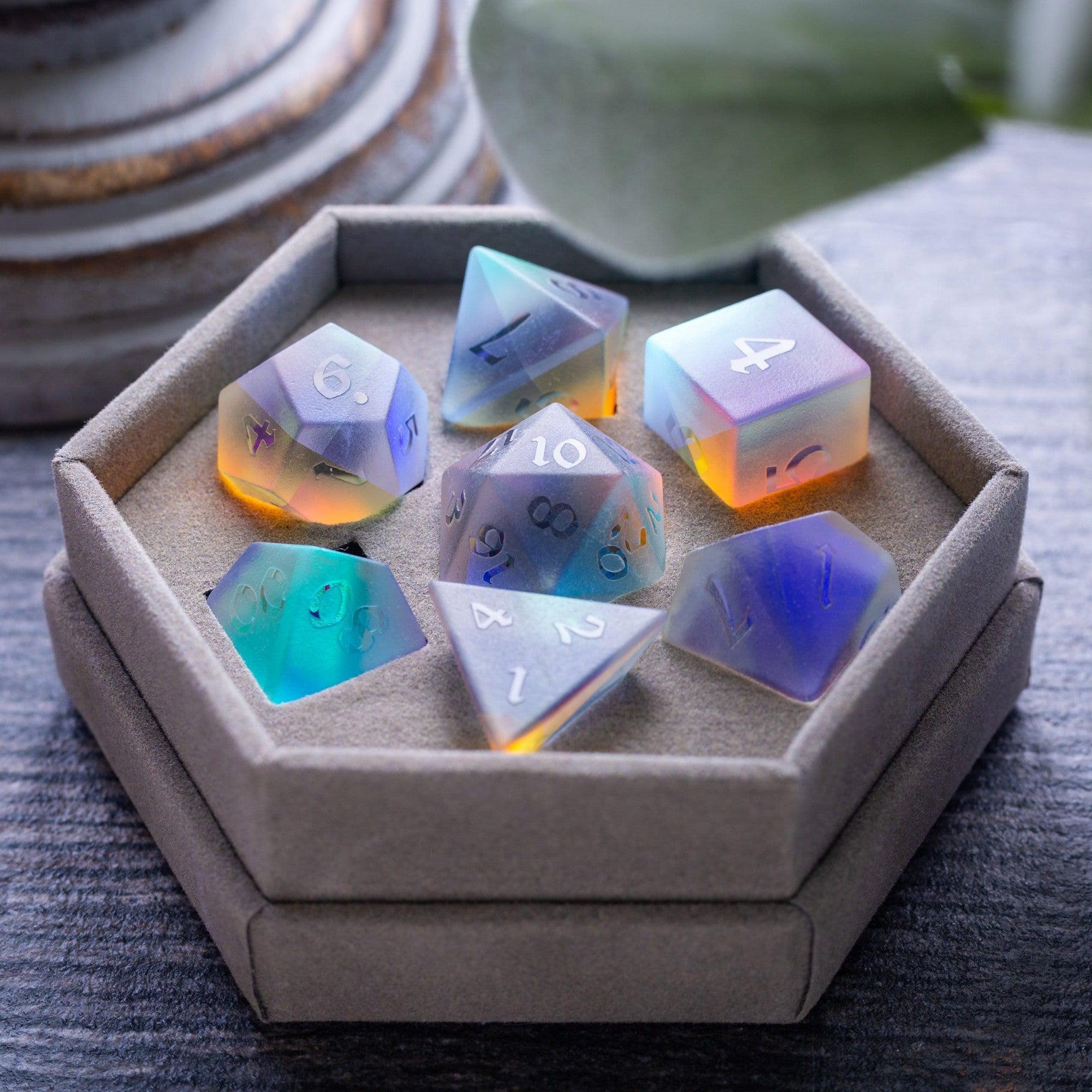
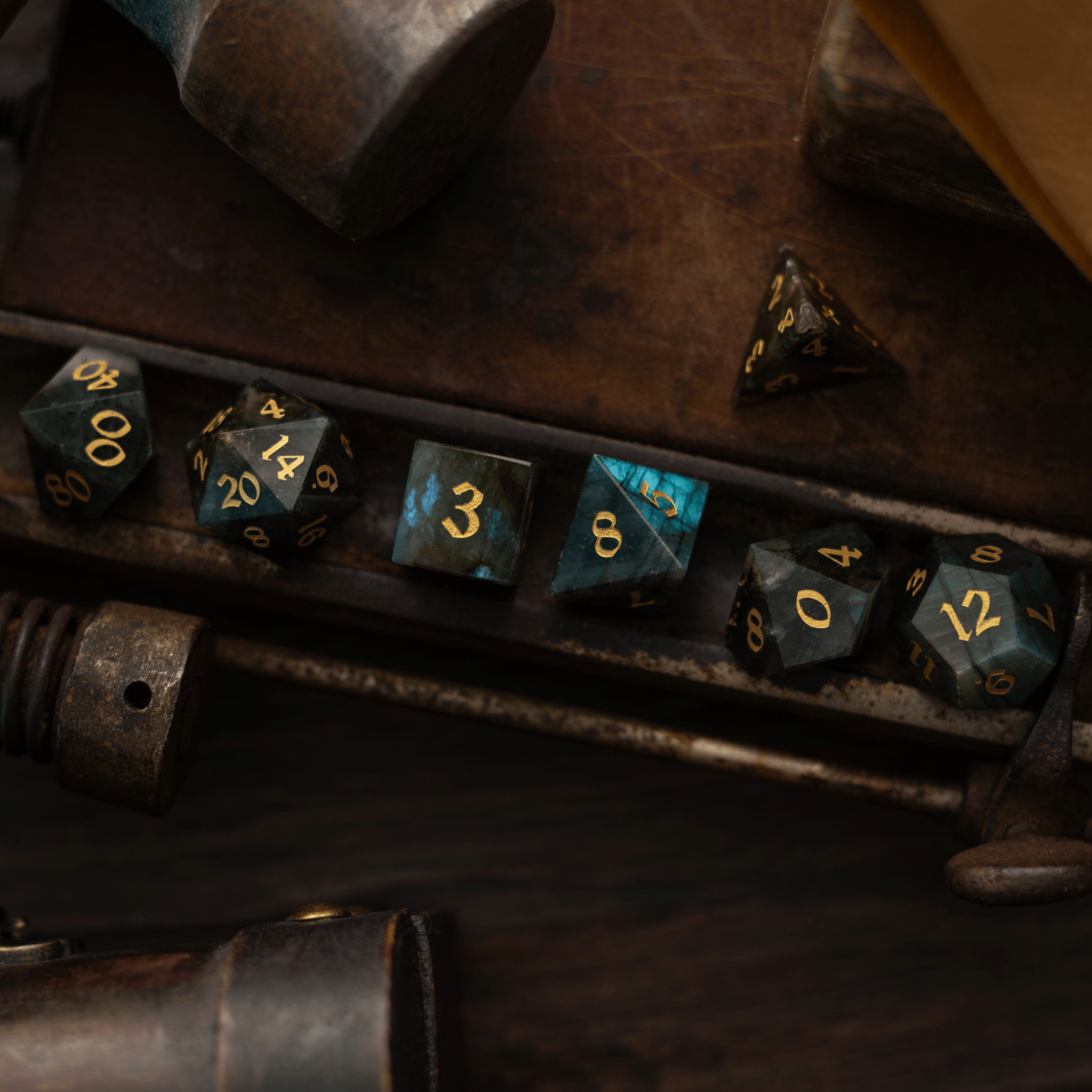
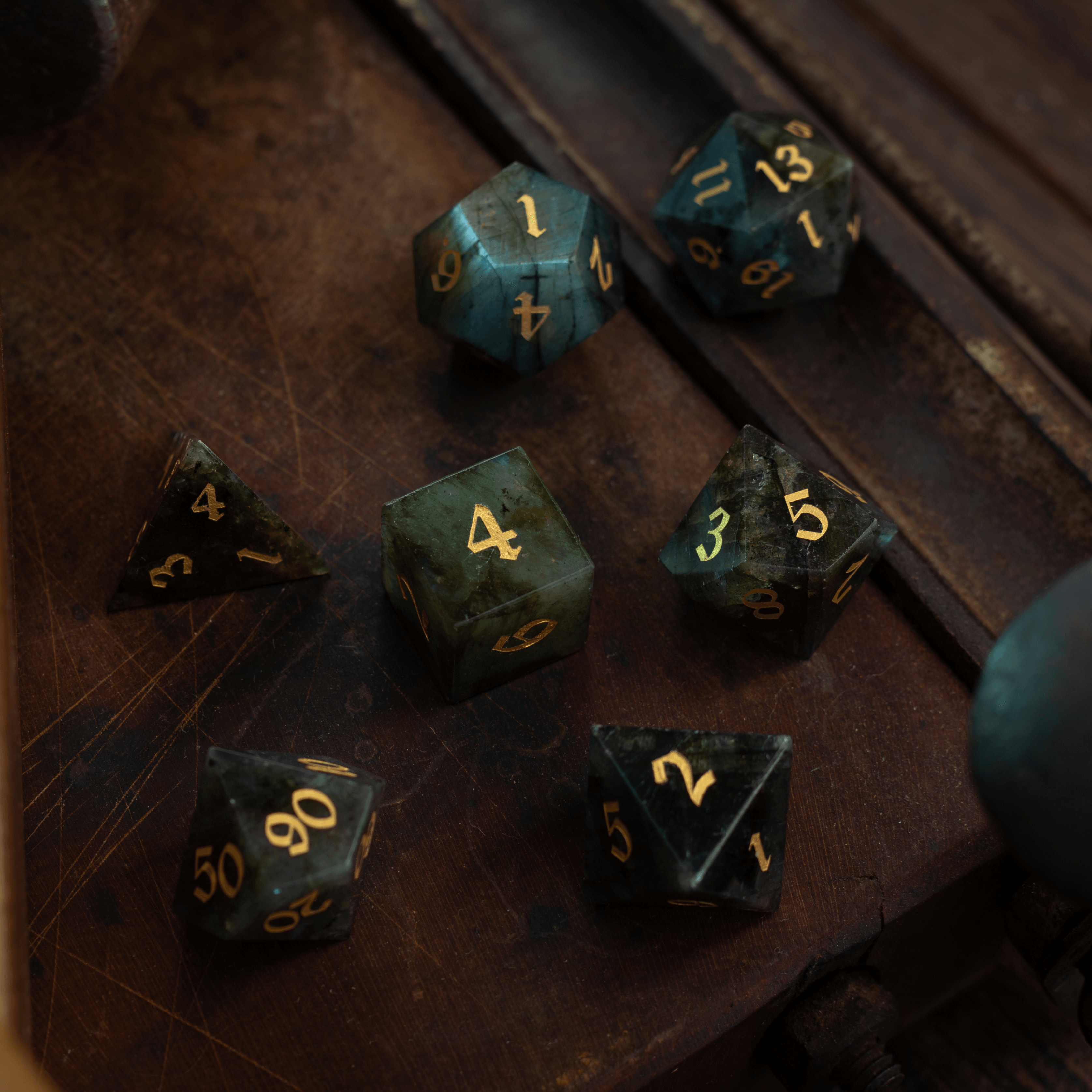
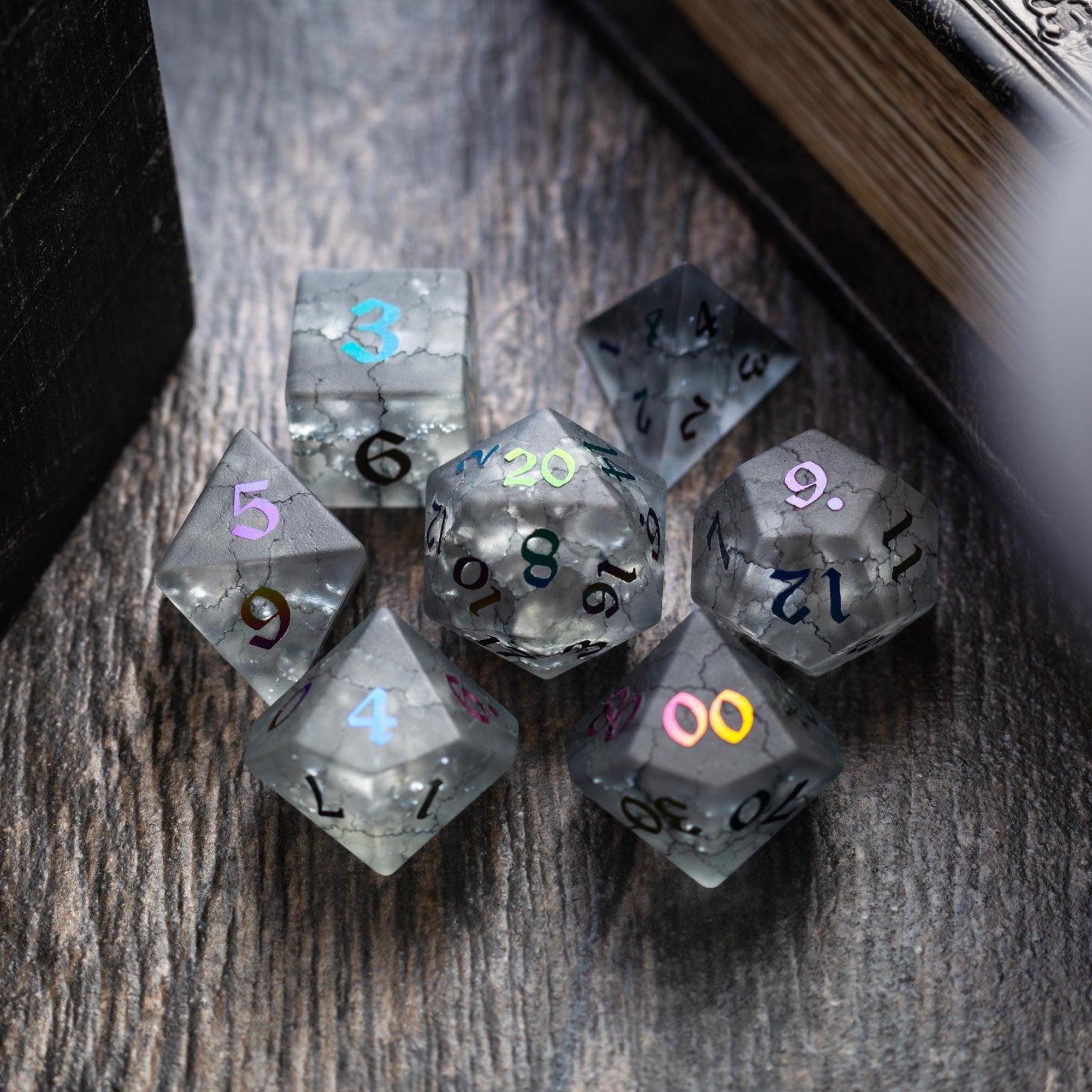
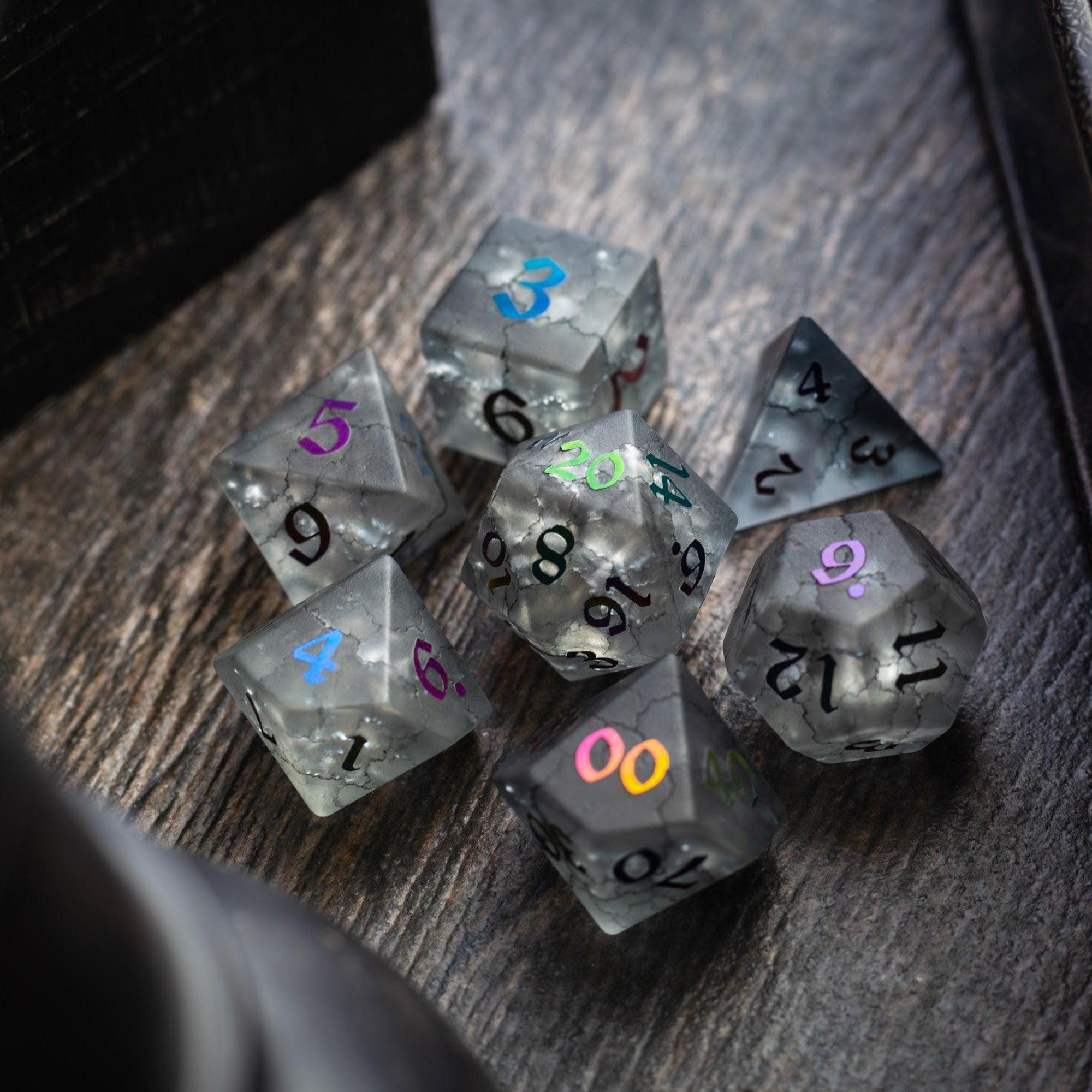
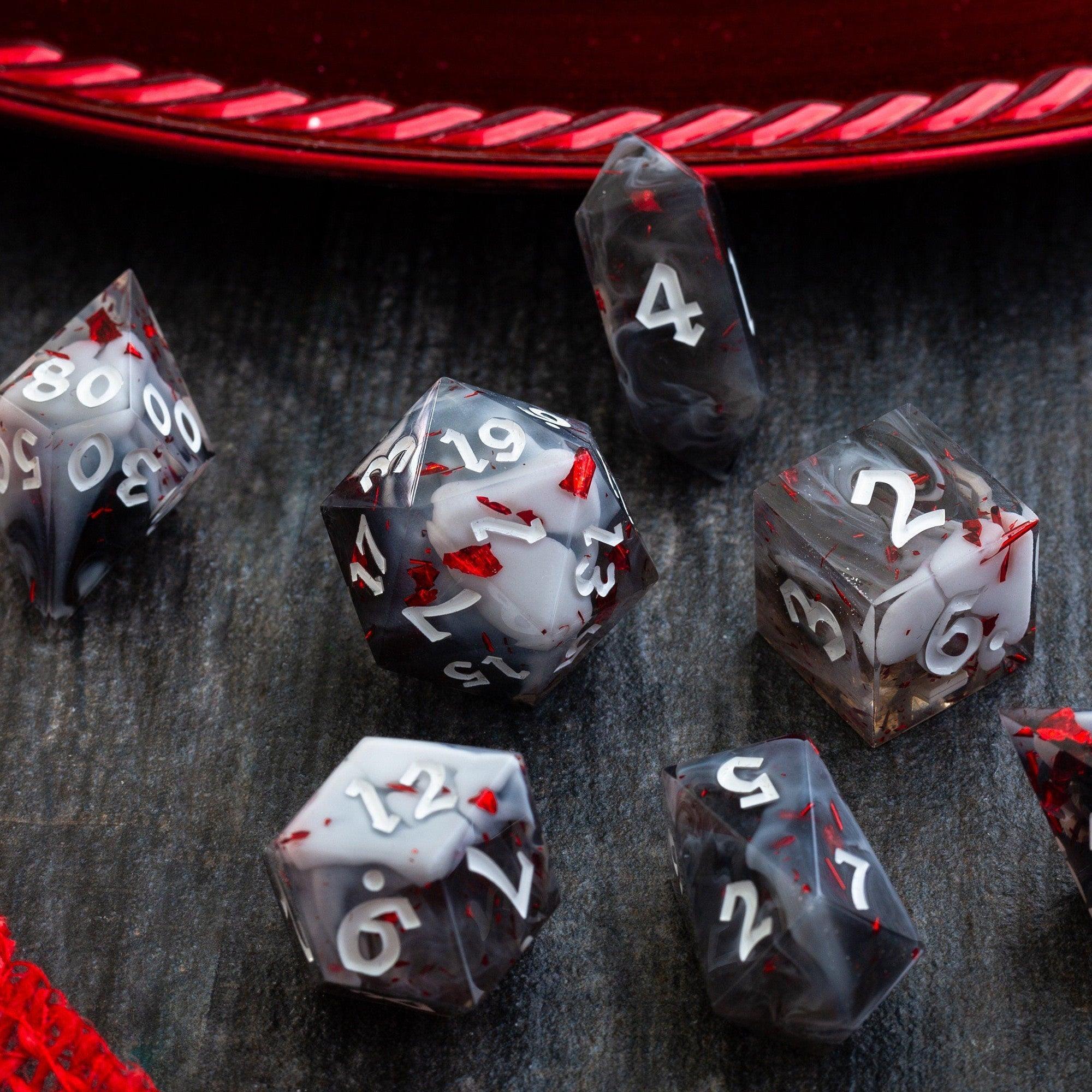
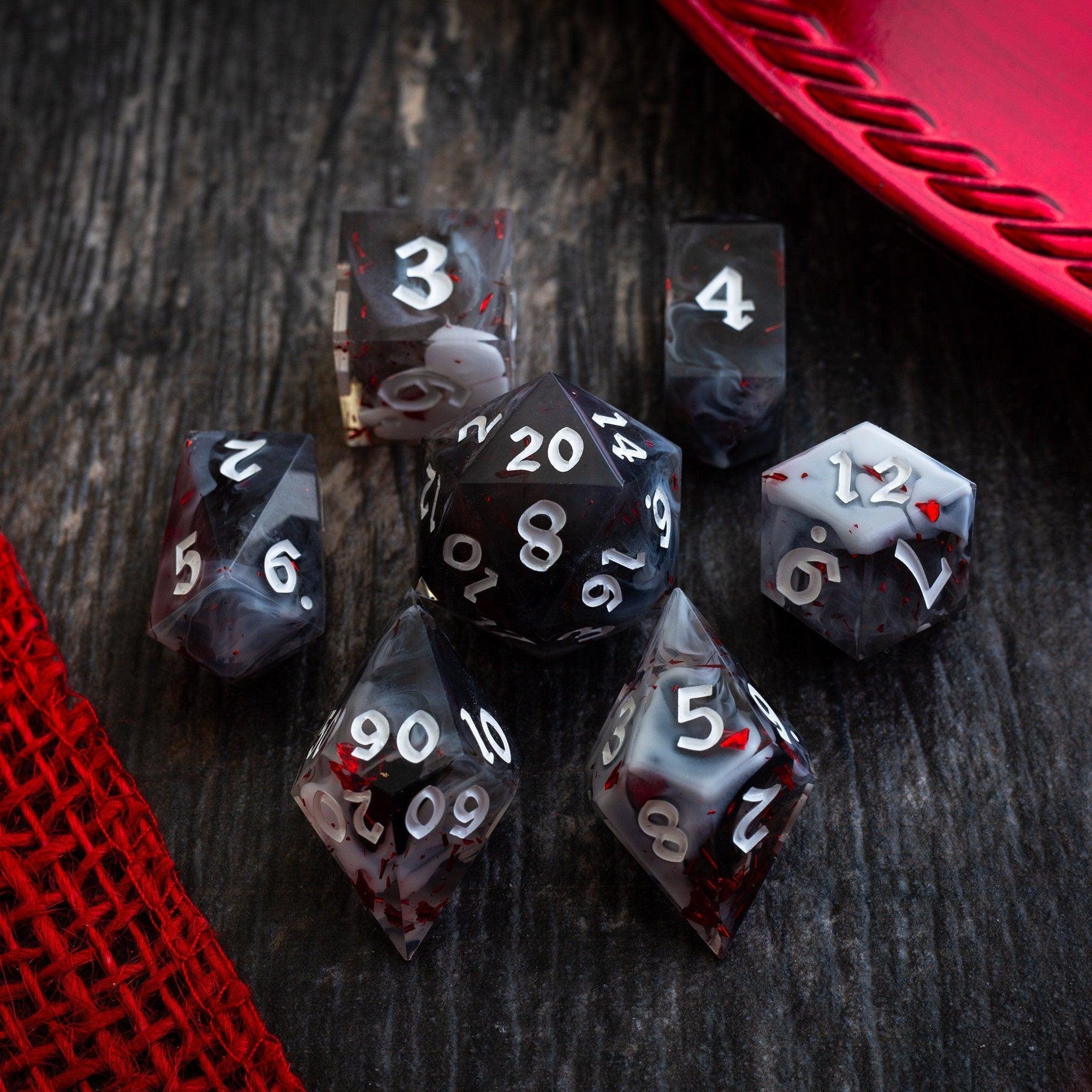
Consider exploring beautiful dice sets that enhance your gaming experience, as having quality tools often deepens your engagement with these wonderful games. Most importantly, remember that tabletop gaming exists to bring joy and connection. Use guides as helpful companions on your journey, but always prioritize the social experience and enjoyment you share with fellow players. The best gaming experiences emerge when knowledge combines with genuine enthusiasm, creativity, and respect for everyone at the table.












Leave a comment
This site is protected by hCaptcha and the hCaptcha Privacy Policy and Terms of Service apply.