

Beginner Friendly Fantasy Adventure A Simple Starter Guide
If you’ve wanted to dip your toes into magic, monsters, and quests but felt overwhelmed, you’re in the right place. A beginner friendly fantasy adventure eases you into the fun without the confusion—think clear goals, a small cast, and worldbuilding that invites you in instead of shutting you out. Whether you’re shopping for accessible fantasy books for new readers or prepping your first game session, this guide keeps things simple, actionable, and welcoming. We’ll look at what makes an easy fantasy adventure for beginners work, what to avoid, and how to pick options you’ll actually finish and love.
What Makes a Beginner Friendly Fantasy Adventure Work
Not every epic quest suits newcomers. The best beginner friendly fantasy adventure balances wonder with clarity. It offers a steady on-ramp into the genre while still delivering high stakes and memorable moments. Here’s what to look for.
Clear stakes and simple goals
New readers and players feel more confident when they understand the “why” right away. Save the village. Find the missing heirloom. Cross the haunted forest before dawn. Clear stakes make choices easier, keep attention on the story, and ensure a satisfying payoff. In a truly beginner-friendly fantasy adventure, the immediate goal is obvious, with bigger mysteries introduced gradually.
Approachable worldbuilding
Rich settings are great, but walls of lore can frustrate beginners. Look for stories that explain terms in plain language, introduce cultures as they become relevant, and use familiar touchstones (a market, an inn, a festival) to ground you. Visual aids help, too—maps, chapter headings with location tags, or a short glossary at the back. For tabletop play, a one-page handout beats a dense rulebook excerpt.
Short arcs and satisfying wins
A beginner-friendly fantasy adventure builds momentum through small victories. Rescue one villager before saving the town. Learn a basic spell before mastering a whole school of magic. These short arcs boost confidence, reward curiosity, and create a sense of progress—even if the world is bigger than it first appears.
Tips to craft a beginner friendly fantasy adventure story
If you’re writing or running a session, keep it simple and fun. Here are quick tips that work well for a fantasy adventure for beginners:
- Limit the cast to three to five named characters early on.
- Introduce the magic system with one rule and one cost.
- Use a familiar structure—quest, chase, rescue, or heist—to guide pacing.
- Start scenes in motion. Open with a choice, not a council meeting.
- Explain setting details on demand—only when they affect a decision.
These ideas make an easy fantasy adventure for beginners feel exciting, not exhausting.
Common Mistakes When Designing a Beginner-Friendly Fantasy Adventure
Even good stories can overwhelm new readers or first-time players. Watch for these common pitfalls and keep your beginner friendly fantasy adventure on track.
Jargon overload and lore dumps
Throwing ten fantasy terms into chapter one can push new readers away. If a term isn’t plot-critical yet, save it. When you do introduce something, use context to define it quickly.
Cast bloat and tangled plots
Dozens of named characters or three competing quests make it hard to care about any of them. Keep one core objective and a small party at the start. Expand only when readers feel confident.
Opaque magic systems
If magic can do everything, nothing feels earned. A beginner-friendly fantasy adventure usually shows a clear exchange: a spell has a cost, a limit, and a tell. Readers learn what’s possible and anticipate clever uses.
Slow starts and endless prologues
Newcomers don’t need a thousand years of history before the first scene. Begin with a relatable moment and a problem to solve. Let lore surface as the hero explores.
Buyer’s Checklist for Beginner-Friendly Fantasy Adventure Books and Games
Shopping for accessible fantasy books for new readers or picking your first campaign module? Use this checklist to spot the best beginner friendly fantasy adventure options fast.
Format and length
- Target length: short novel, novella, or a contained campaign that runs in a few sessions.
- Chapters or scenes that end with decisions, cliffhangers, or small resolutions.
- Clear chapter titles or scene summaries for quick scanning.
Tone and content
- Friendly, encouraging narration or GM guidance.
- Violence and intensity levels that match the reader or group’s comfort.
- Humor or heart beats to offset darker moments.
Series commitment
- Standalone or book one with a self-contained arc.
- For games, a one-shot or starter set that expands later.
- Optional side quests or bonus content—not required to understand the main plot.
Accessibility features
- Map, glossary, dramatis personae, or quick rules overview.
- Readable fonts and good contrast.
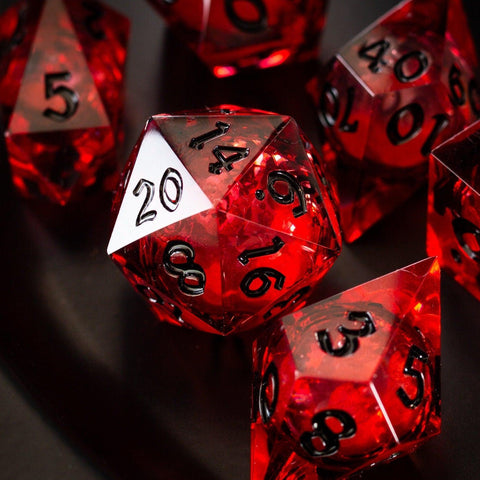
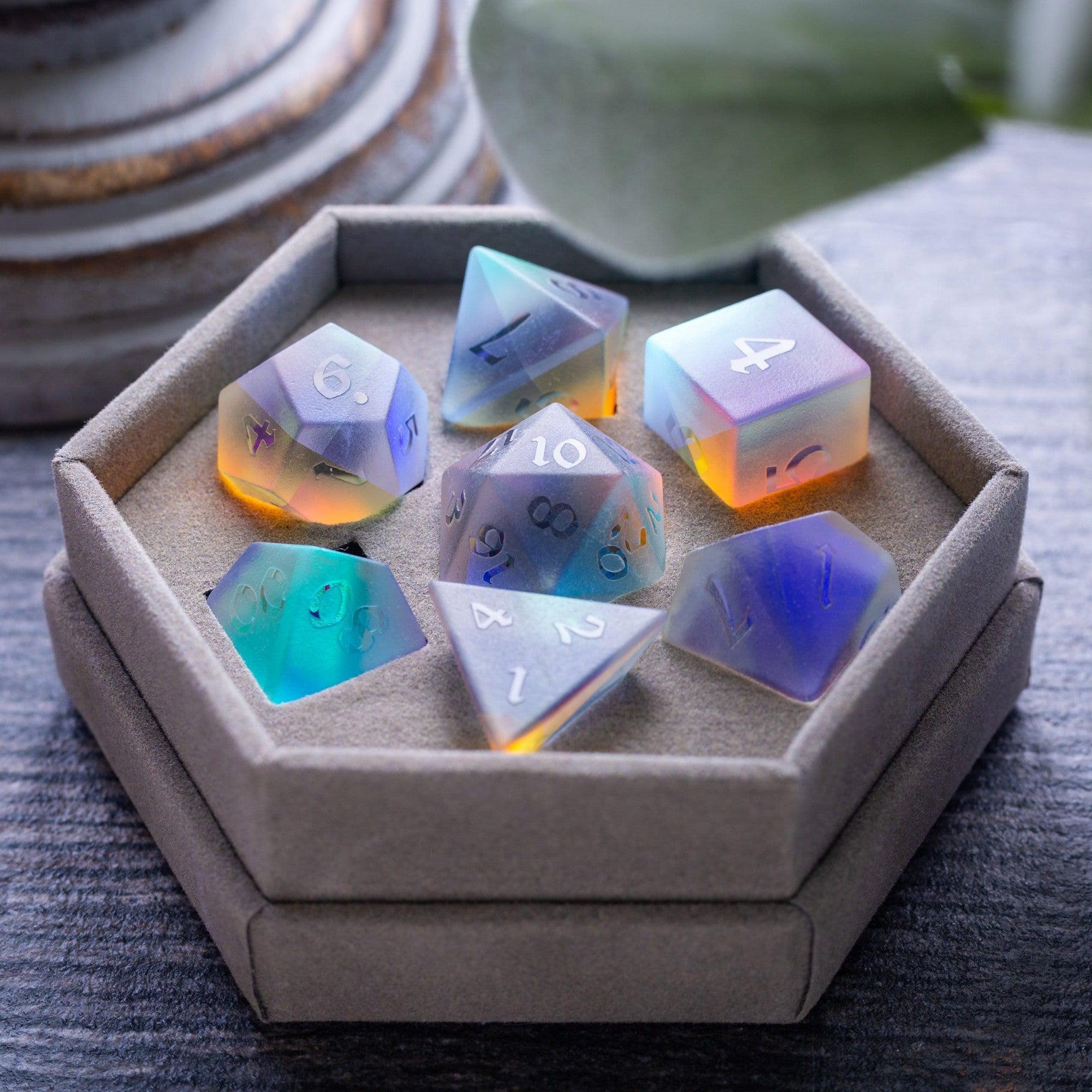
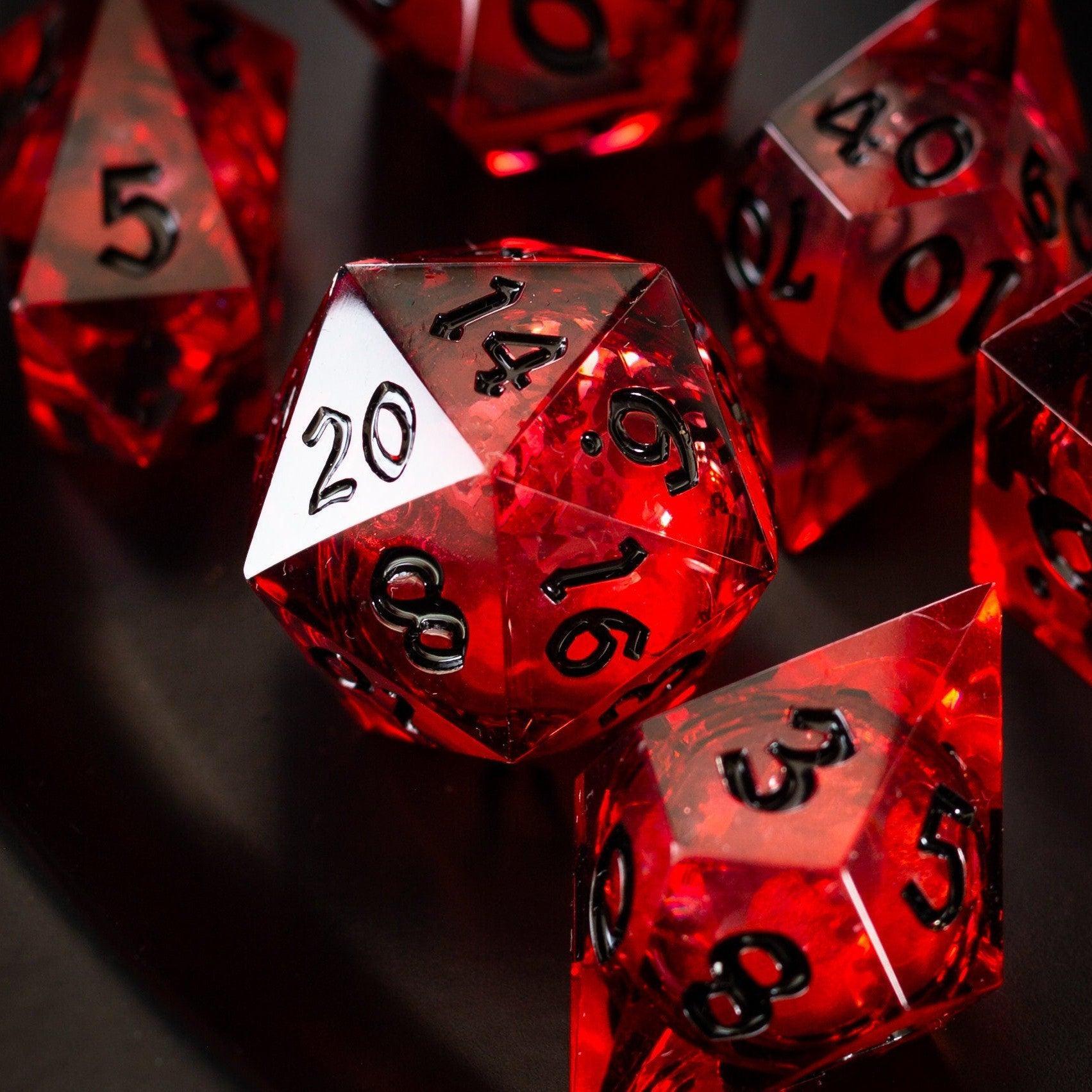
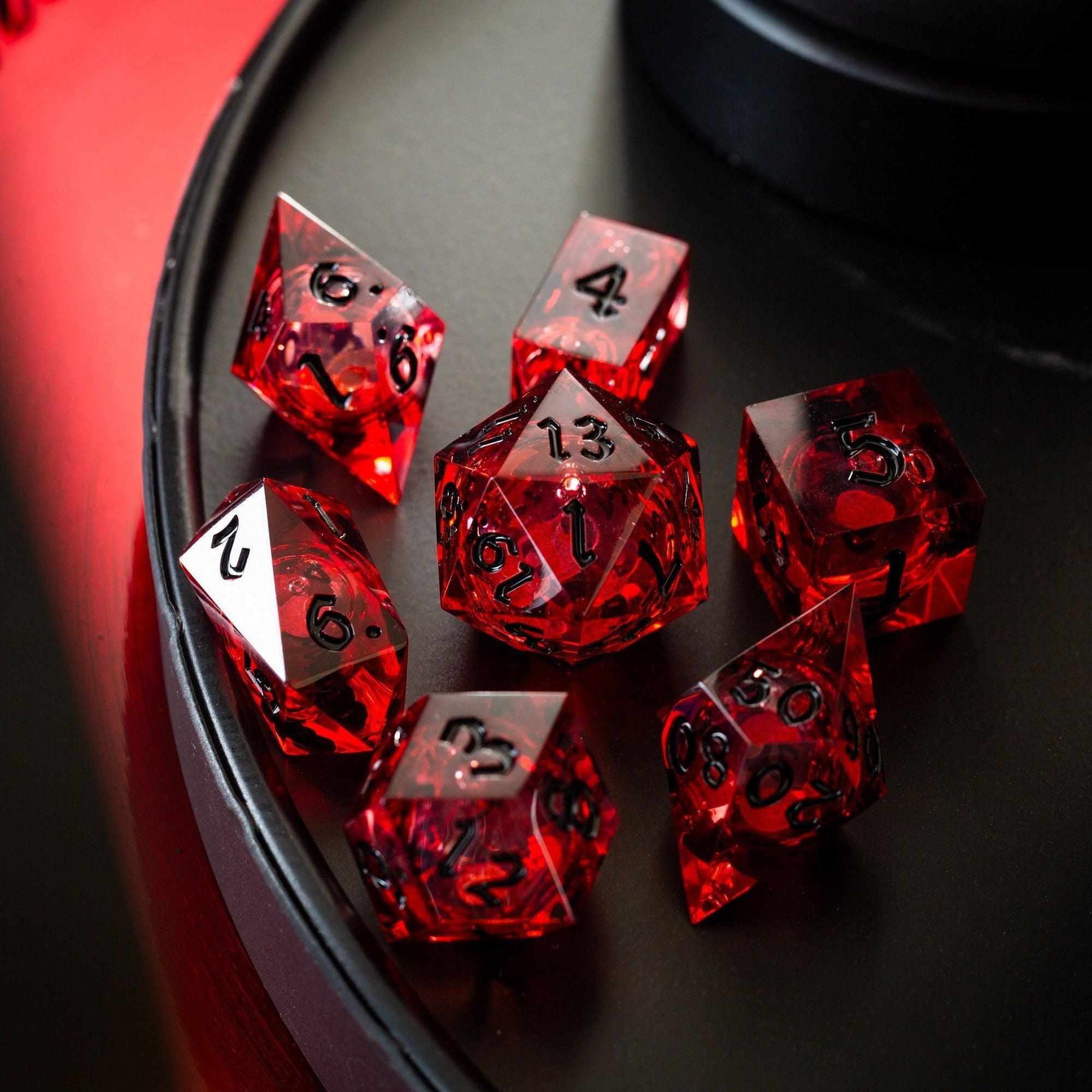
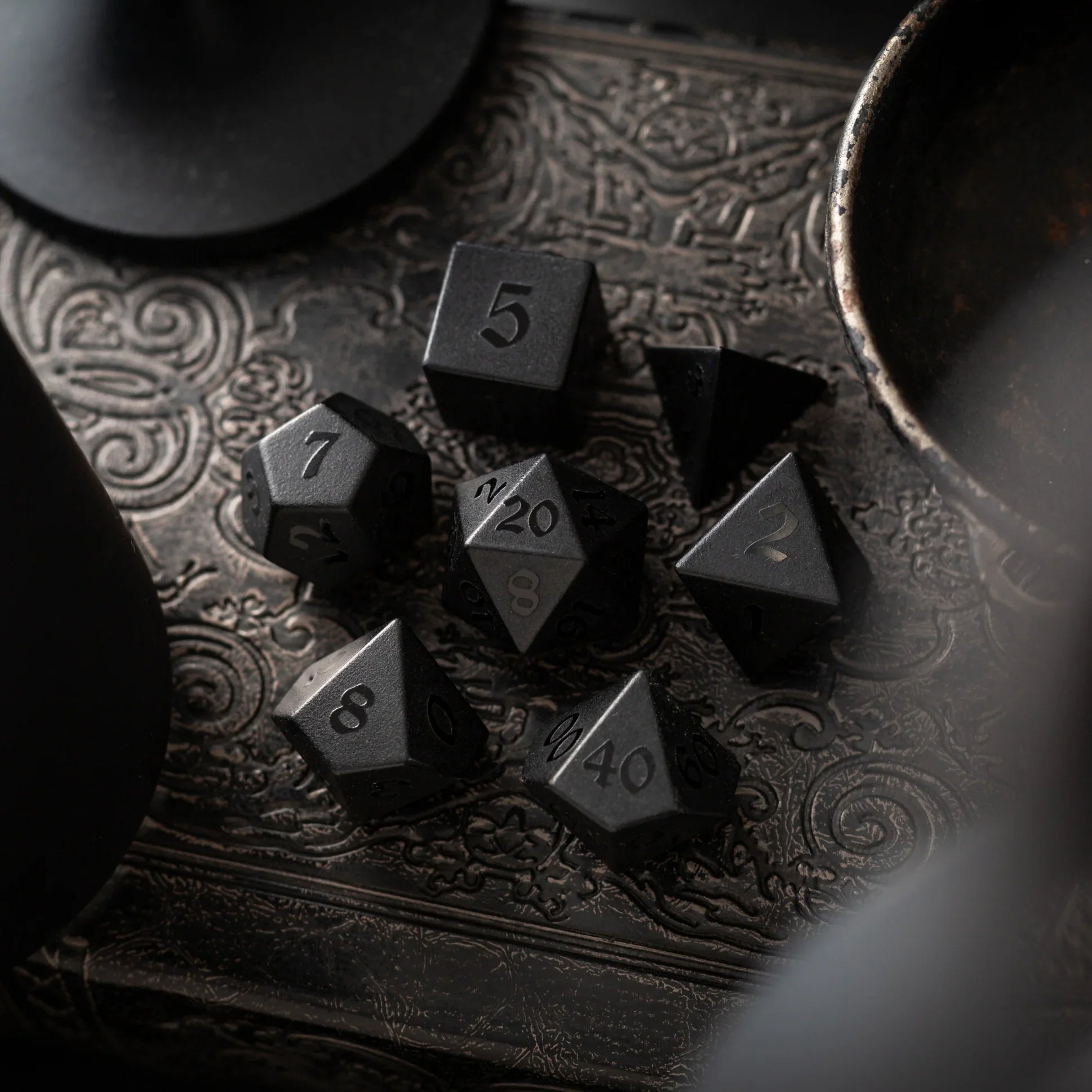
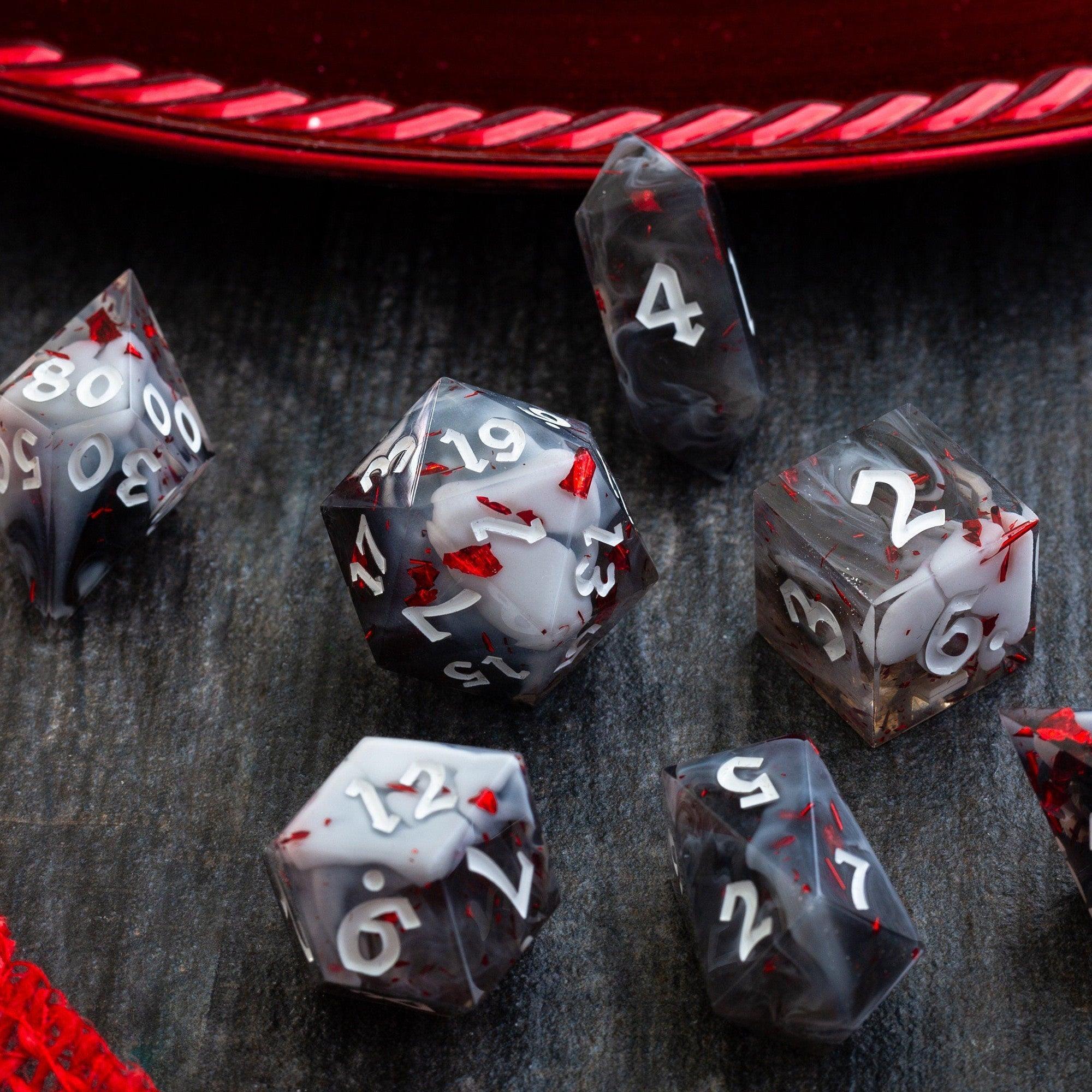
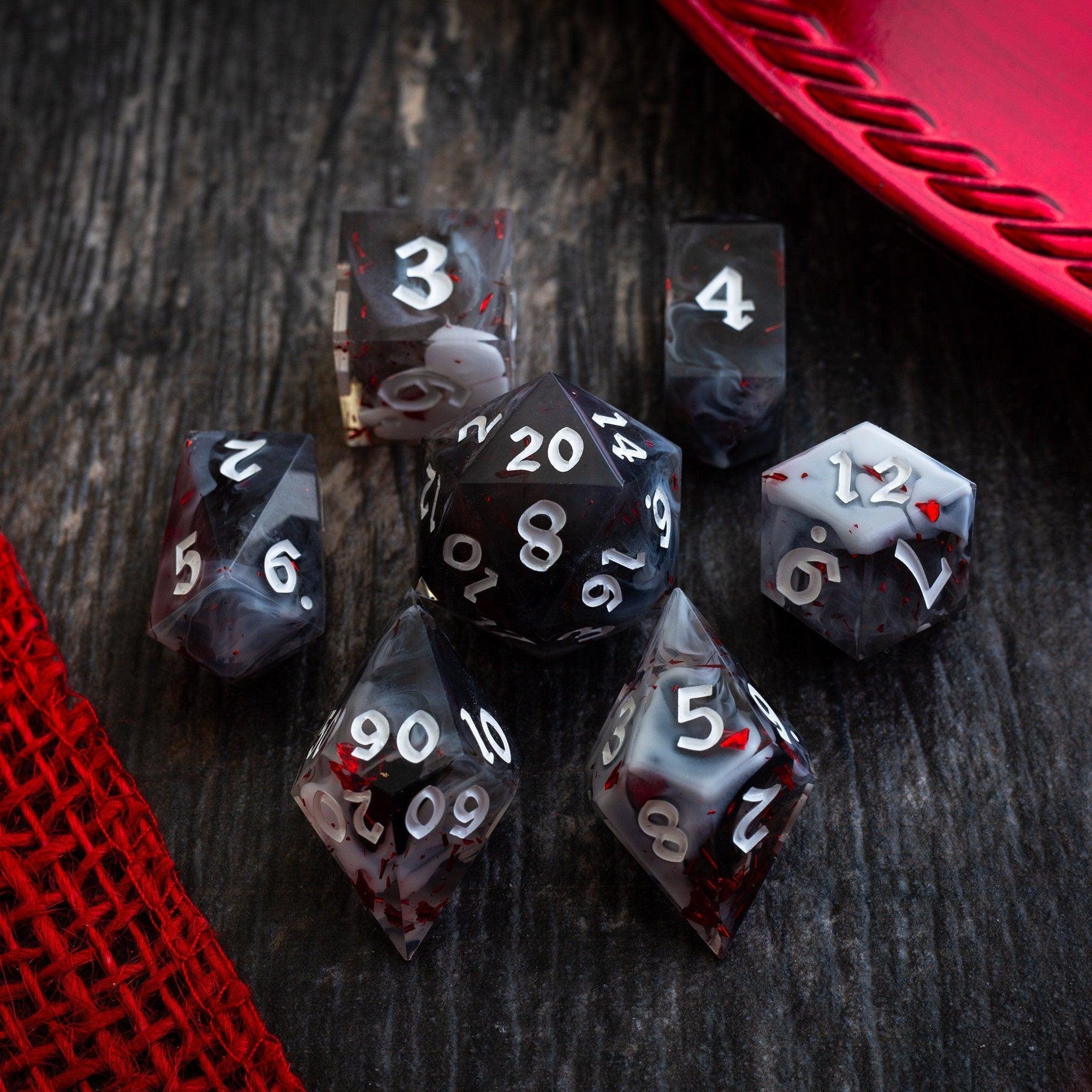
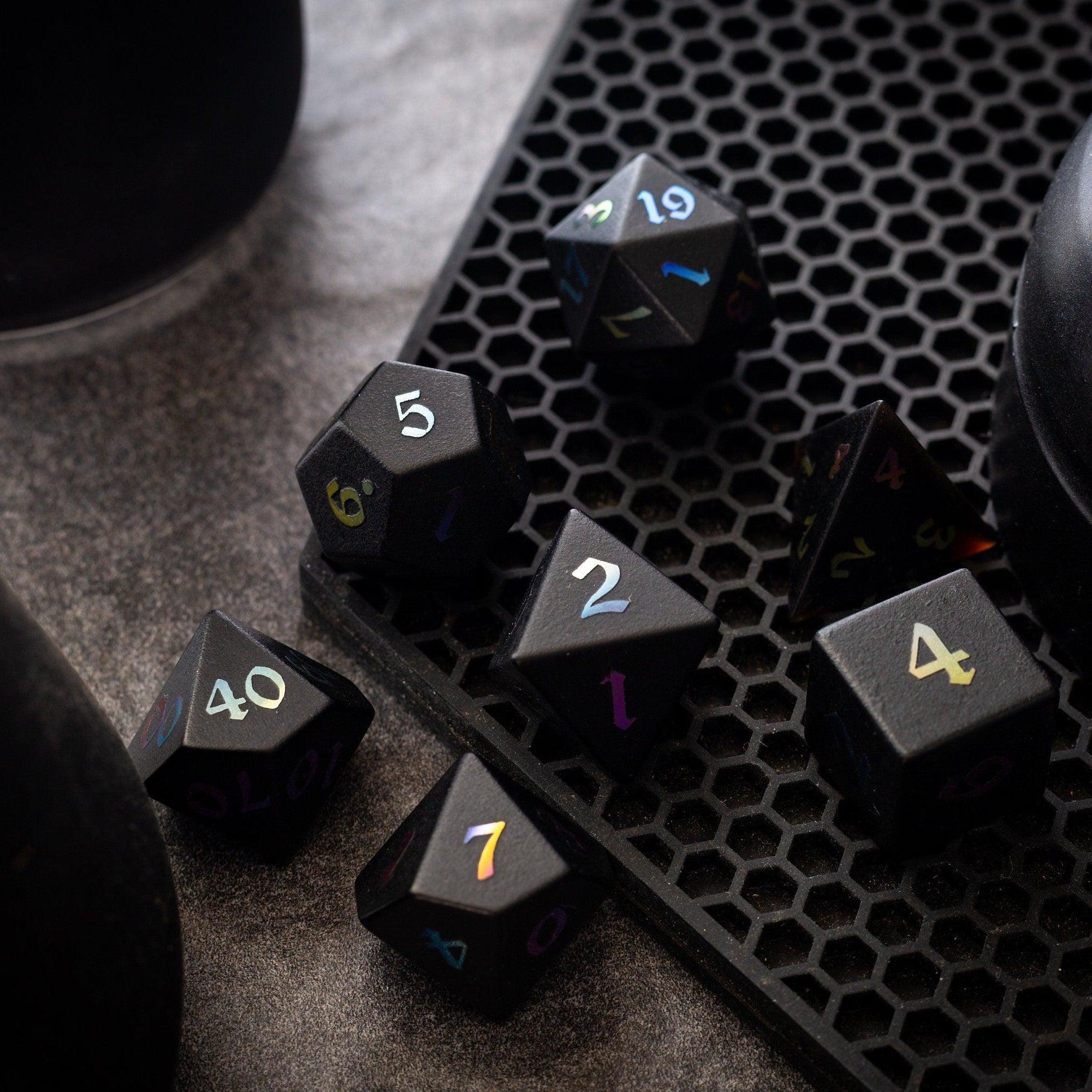
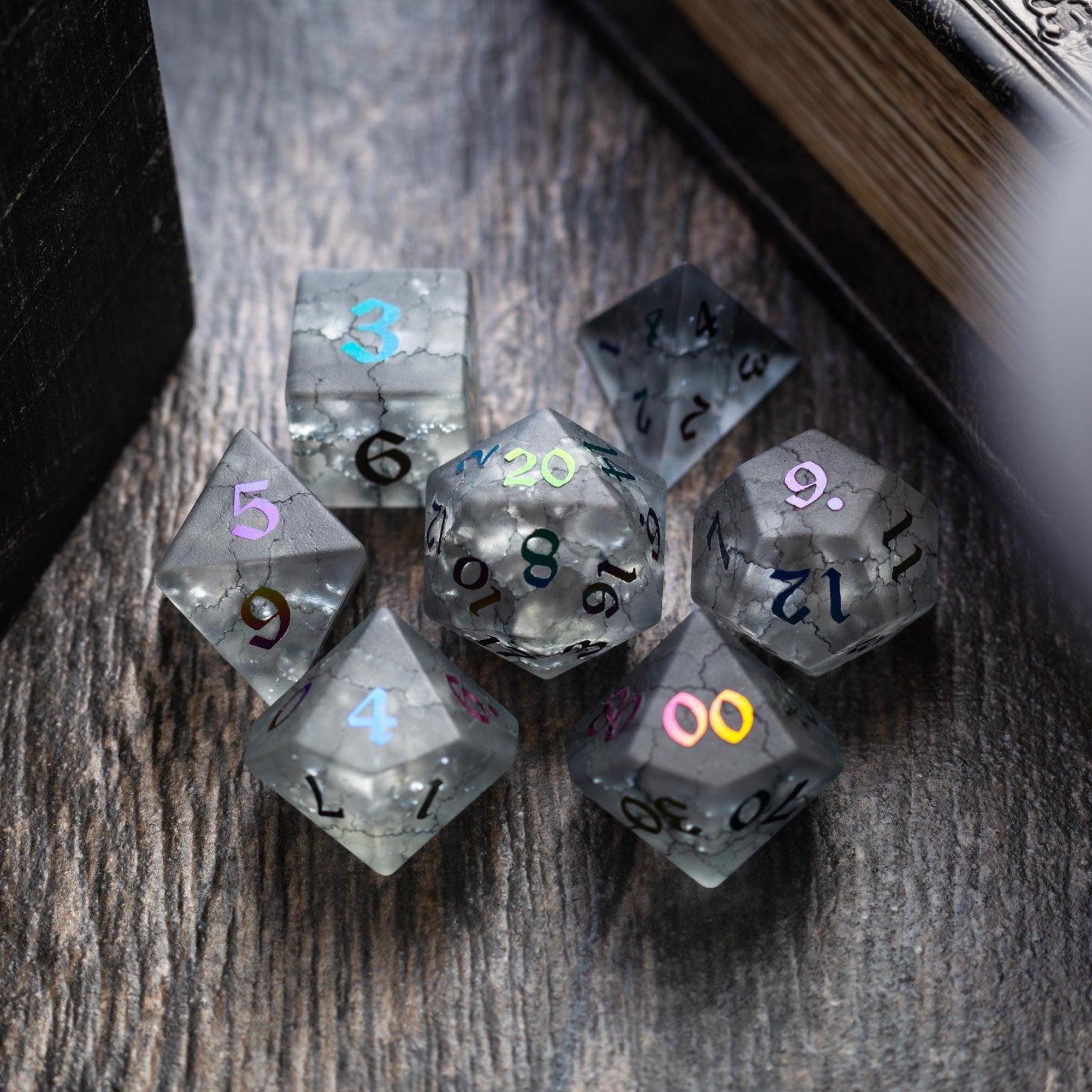
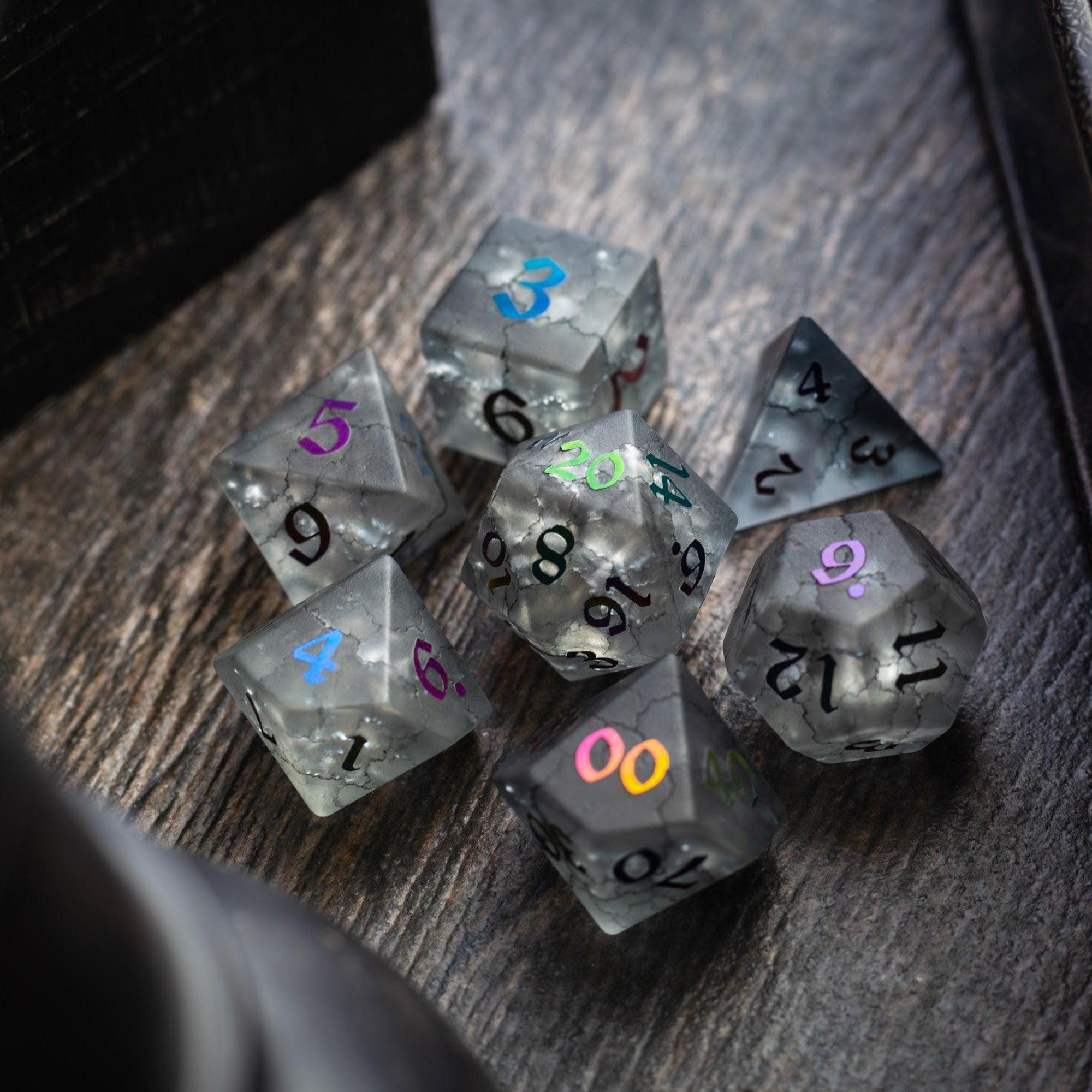
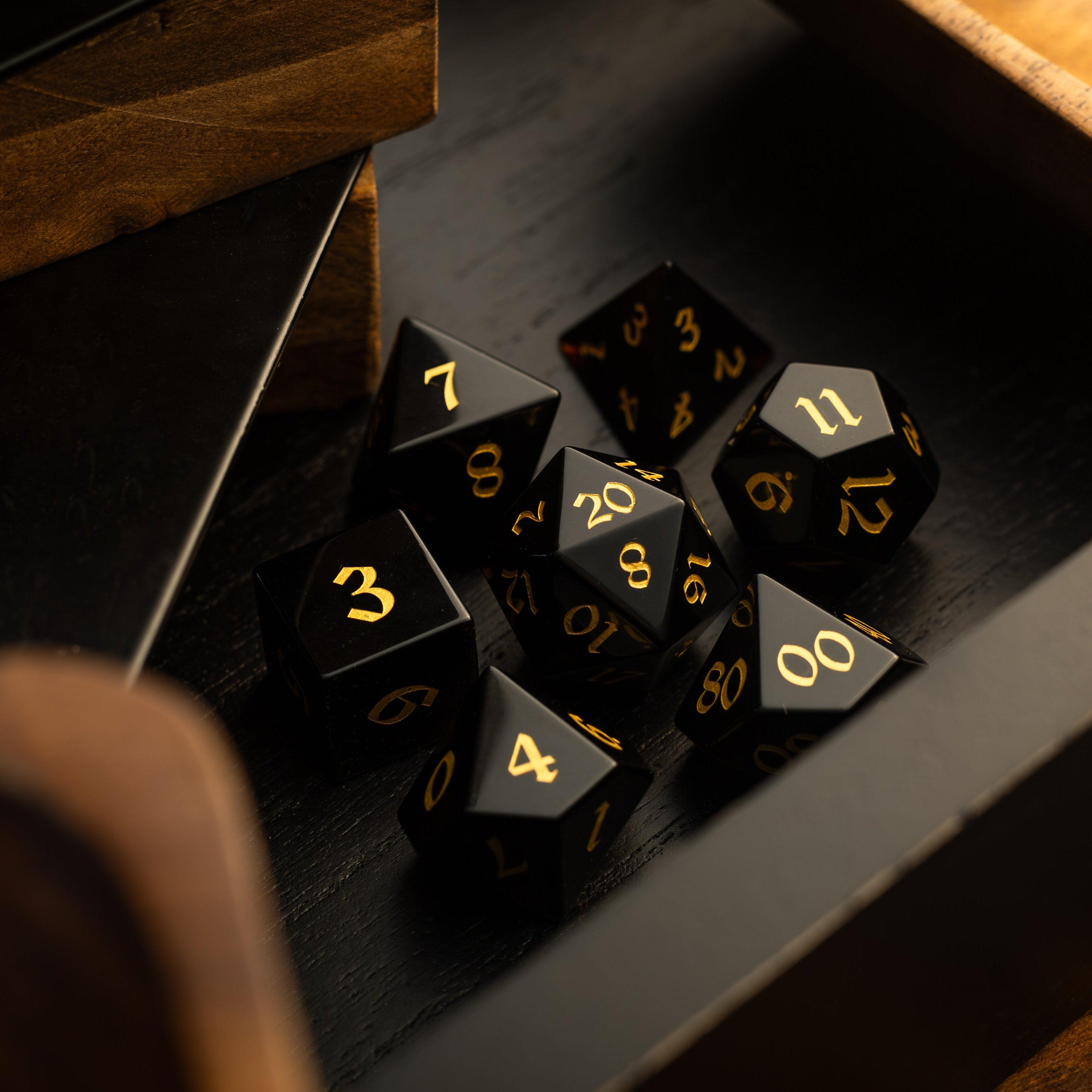
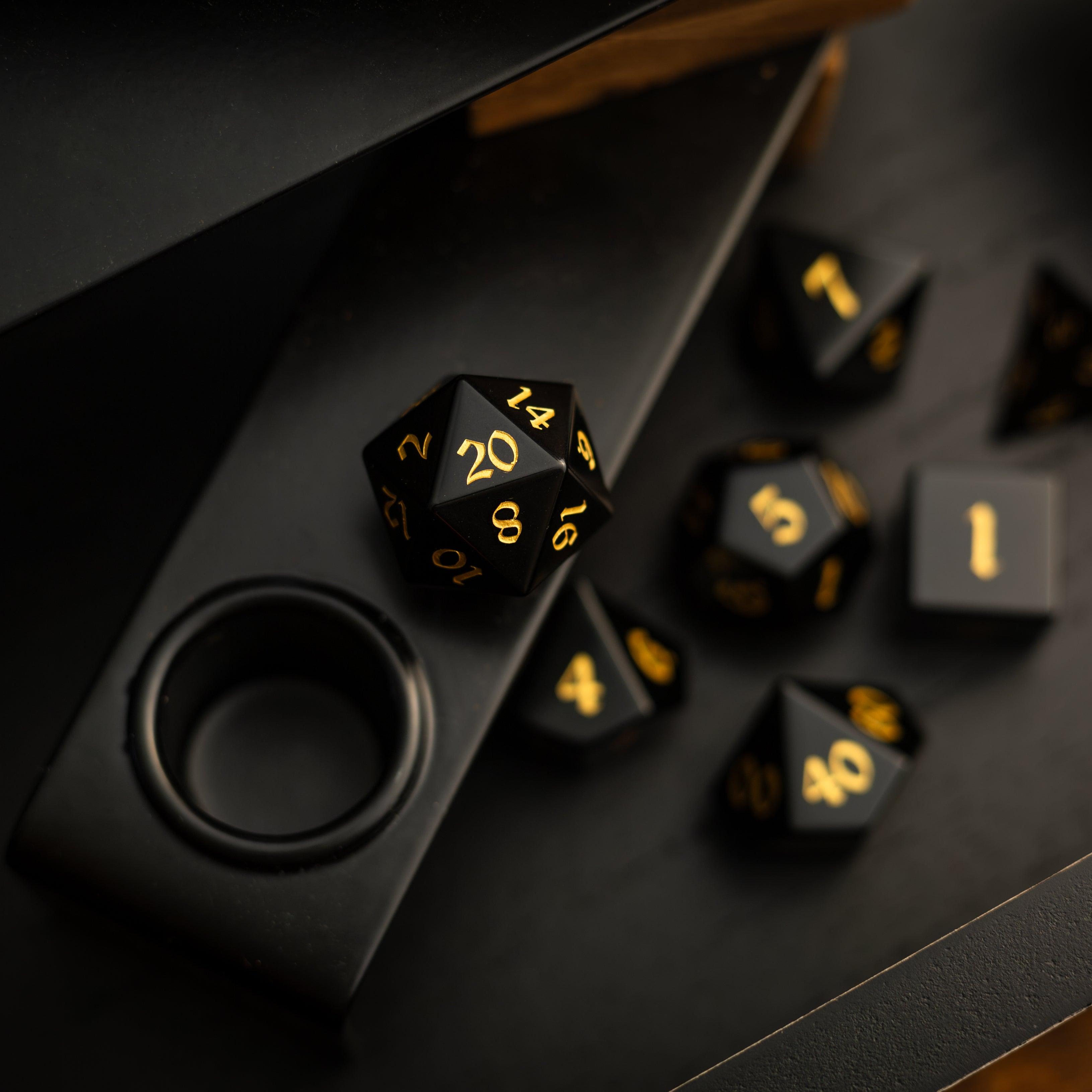
- Tools that help new players—initiative trackers, simple condition markers, or a dice tower for reliable rolls. If you’re building a starter kit, browse dice towers or pick a high-visibility set like the shimmering Starlit Rift set to keep the table focused and the vibe magical.
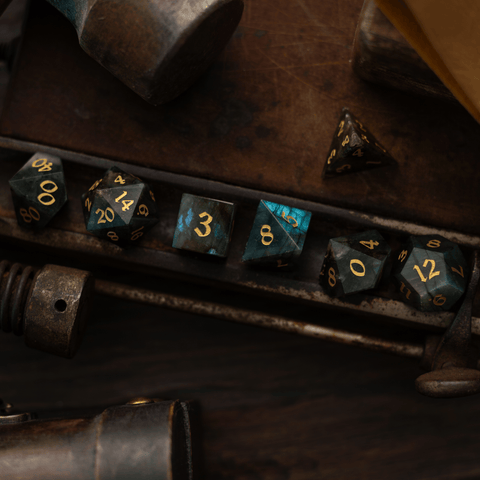
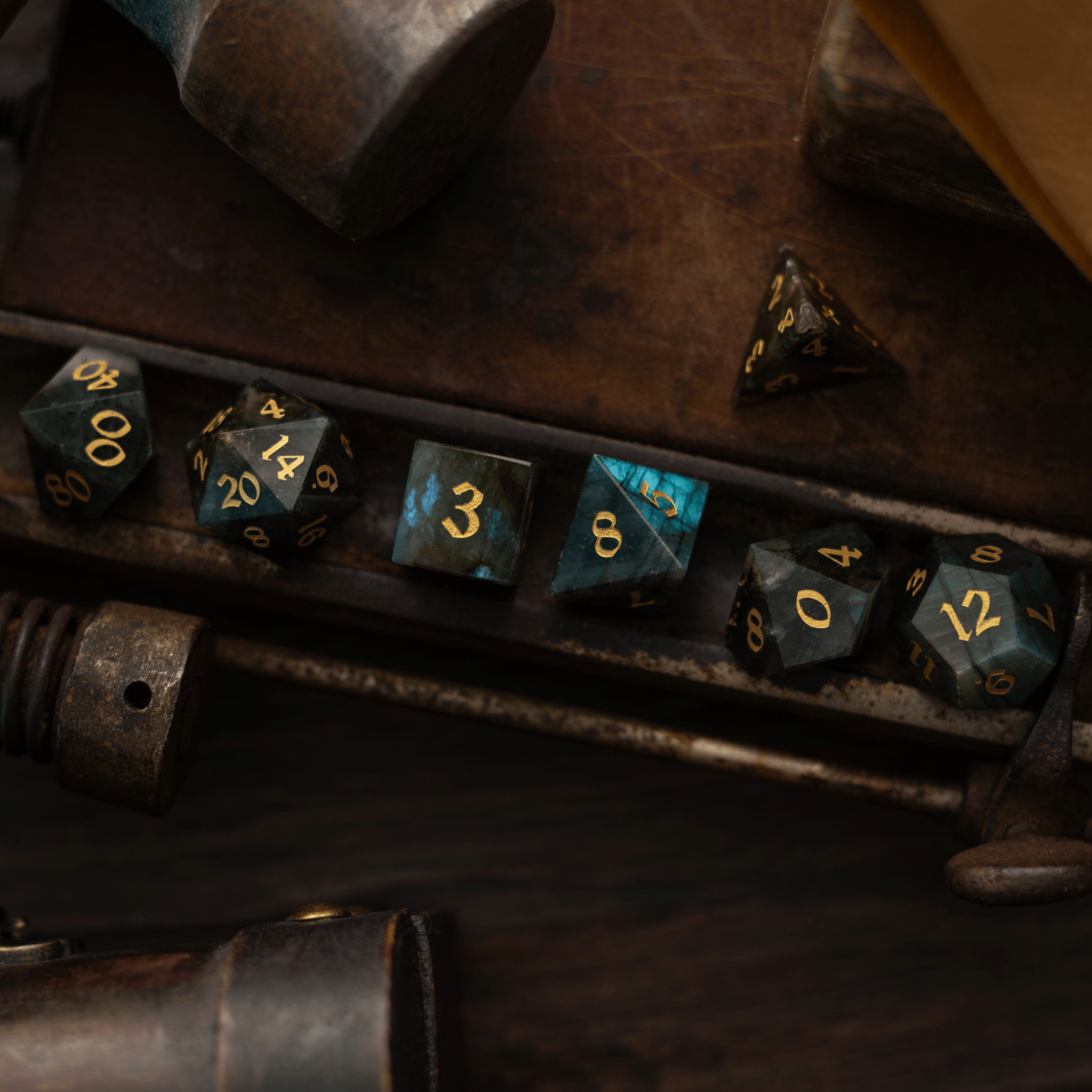
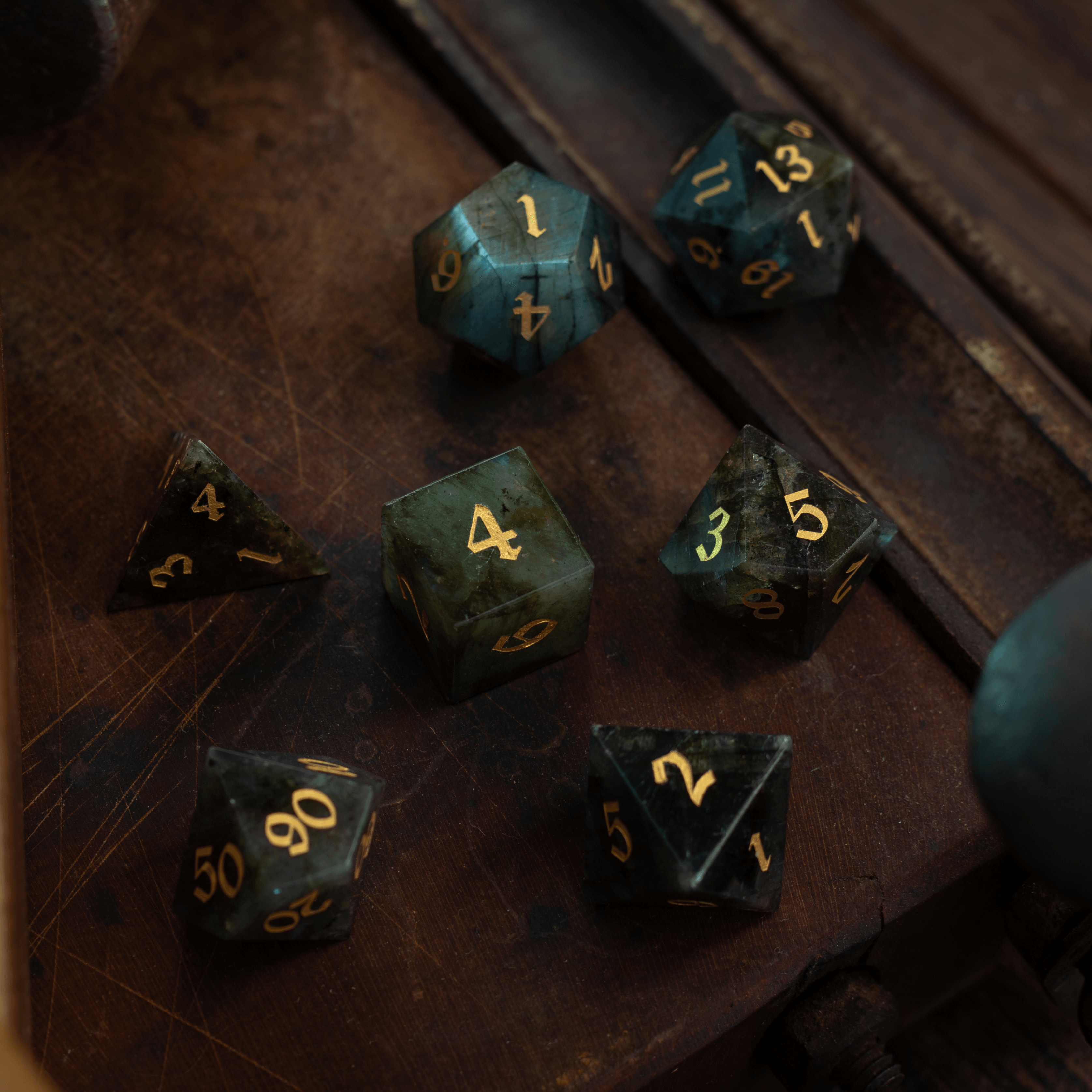
Curating a beginner-friendly kit? It can help to choose one tactile “showpiece” to spark excitement at session zero. A luminous set such as the Labradorite gemstone dice sets the tone without adding complexity, and you can explore more options in the full dice collections.
FAQ: Beginner Friendly Fantasy Adventure Basics
What makes a fantasy adventure beginner friendly?
Three things: clarity, momentum, and support. Clarity means goals you can summarize in a sentence. Momentum means short arcs that deliver regular payoffs. Support means tools that help you track what’s going on—maps, simple rules, and a glossary if needed. When those pieces align, a beginner friendly fantasy adventure feels inviting and fast-moving, not complicated or intimidating.
What are some good beginner friendly fantasy adventure books for new readers?
Look for standalones or first-in-series with self-contained plots. Many readers enjoy approachable classics and modern hits with clear stakes and warm tone. For example, a light quest comedy, a fairy-tale retelling, or a cozy fantasy with a small cast often fits the bill. If you want a short commitment, try novellas or anthologies that wrap in a single sitting. For the best beginner friendly fantasy adventure books, prioritize titles with clean prose, modest worldbuilding, and a map or character list to guide you.
How do I start a fantasy adventure as a first-time tabletop player?
Keep your first session simple: pick a one-shot, create characters together at the table, and agree on a clear goal (“rescue,” “heist,” or “escape”). Use visible tools to speed play—initiative trackers, pre-printed conditions, and a dice tower for consistent rolls. A distinctive set like the dice towers collection pairs well with high-contrast dice so everyone can read results at a glance. Limit rules to what hits the table right now; save advanced options for later sessions.
Should I start with a standalone or a series?
If you’re brand new, start with a standalone or a first book that closes its main arc. You’ll get full closure without a big commitment. Once you’ve learned what you like—tone, magic style, pacing—you can dive into a longer series with confidence. This approach mirrors how you’d run a campaign: begin with a one-shot, then expand into a broader world after a win.
Wrap-Up & Final Thoughts on Beginner Friendly Fantasy Adventure
Stepping into fantasy shouldn’t feel like homework. The right beginner friendly fantasy adventure gives you a clear goal, a cozy on-ramp, and a string of small victories that make you want to keep going. If you’re buying, use the checklist above to find accessible fantasy books for new readers or straightforward starter modules. If you’re crafting, stick to simple rules, a small cast, and vivid scenes that start in motion.
Above all, prioritize joy. Pick tools and table gear that make play smooth and memorable—whether that’s a standout resin set like Starlit Rift or a curated selection from the wider dice collections. With the right setup, an easy fantasy adventure for beginners becomes a gateway to countless worlds, page after page and session after session.





Leave a comment
This site is protected by hCaptcha and the hCaptcha Privacy Policy and Terms of Service apply.