
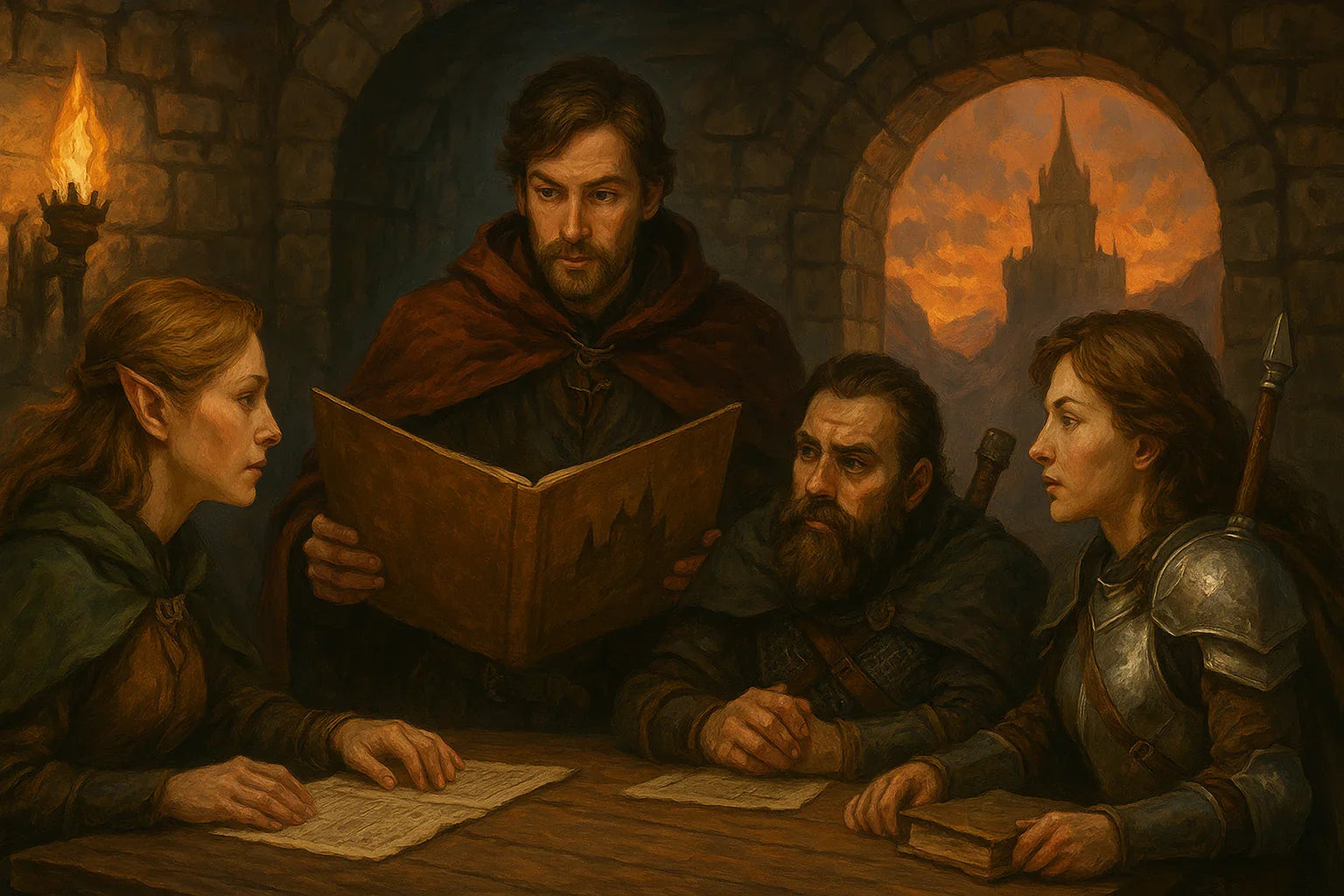
Beginner DM Resources Quick Guide to Running Great Sessions
If you’re searching for beginner dungeon master resources, you’re in the right place. Think of this as your friendly starter kit: simple rules to focus on, quick-reference sheets, an easy prep workflow, and a few table tools that punch above their weight. You don’t need to memorize every detail or buy a ton of extras. With a straightforward plan and a small set of aids, you can run an exciting one-shot or kick off a campaign without stress. I’ll walk you through what to prepare, what to print, and what to skip—plus how to stay calm when the party runs off your map (it happens, and it’s fine!).
Step-by-Step Guide: Beginner dungeon master resources in action
-
Step 1: Define the vibe and the finish line. Pick a tone (heroic, spooky, or lighthearted) and a simple goal for the session, like “retrieve the relic” or “rescue the villager.” Clarity keeps your prep focused and helps players know what to expect. Aim for a one-shot or a short arc so you can learn fast and iterate.
-
Step 2: Choose a short adventure and limit the rules. Select a compact scenario with 3–5 scenes. Read only the core mechanics you’ll use: dice checks, combat basics, rests, and common conditions. Make a one-page cheat sheet with DC guidelines and action options. If something obscure comes up, make a fair ruling now and look it up later.
-
Step 3: Run a friendly Session Zero. In 20–30 minutes, confirm boundaries, table tone, character hooks, and how leveling or rewards will work. Agree on a “fails forward” approach: setbacks move the story, not stall it. This tiny meeting prevents 90% of surprises and gets everyone aligned.
-
Step 4: Prep in scenes, not scripts. Outline three beats per scene: the goal, a twist, and an exit. Write one sentence per beat. Add two obstacles and one clue that points to the next location. Keep stat blocks minimal—name, AC, HP, and a signature move. If players skip a scene, repurpose its best idea later.
-
Step 5: Build a quick-reference toolbox. Create a folder with your cheat sheet, encounter notes, names list, and treasure ideas. Add index cards for conditions and initiative. Keep a simple “difficulty ladder” handy (easy, medium, hard). The less you flip, the more you facilitate.
-
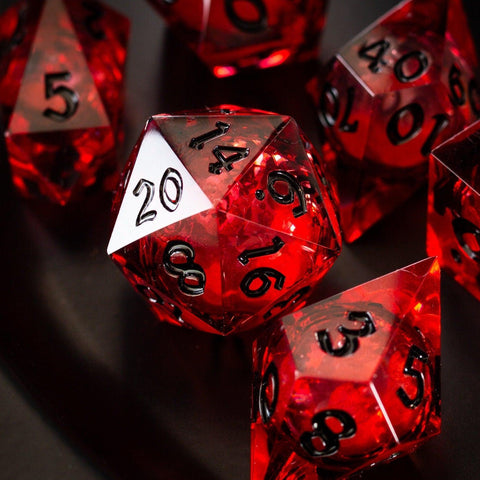
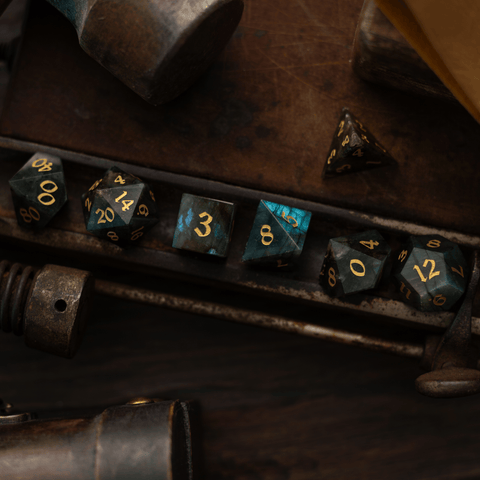
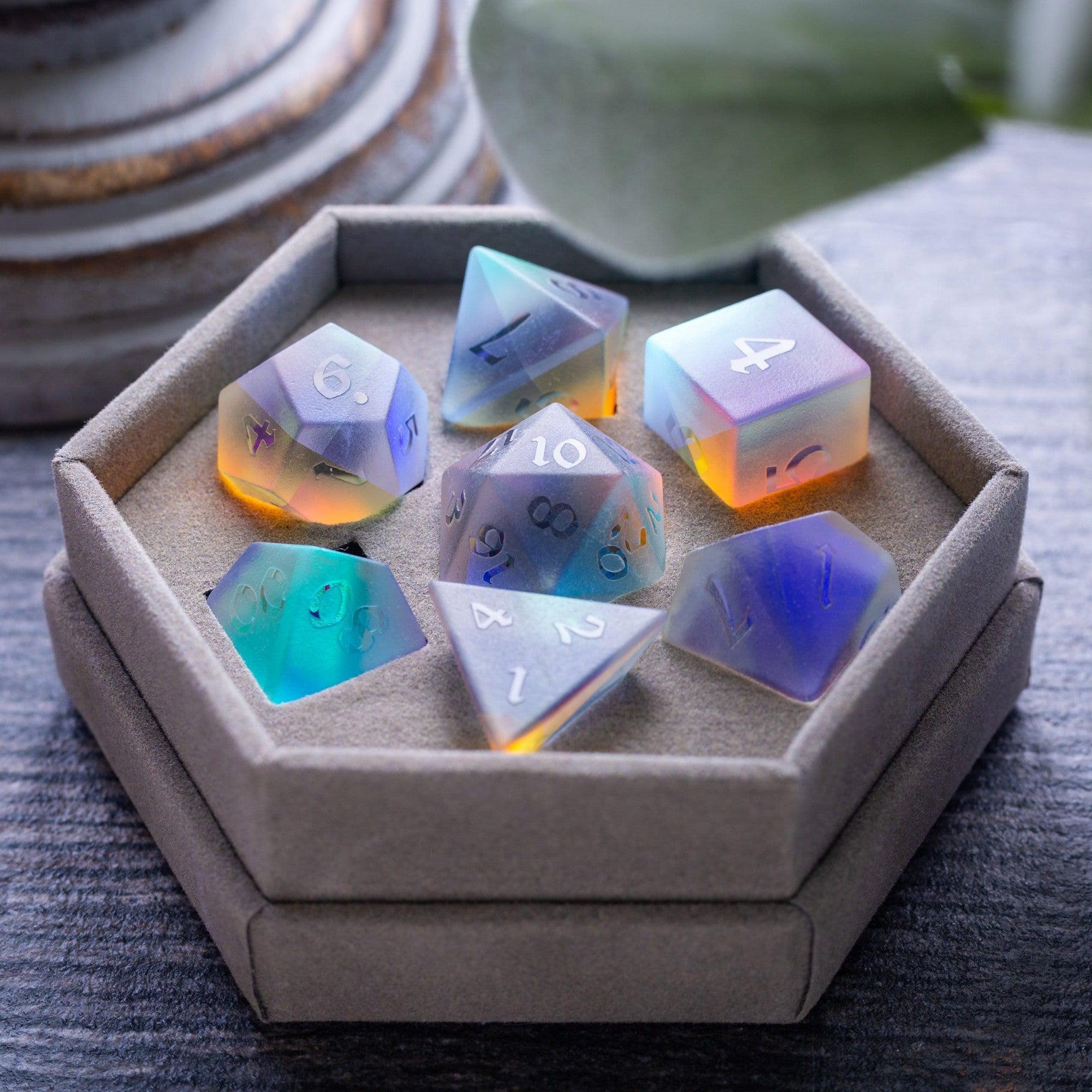
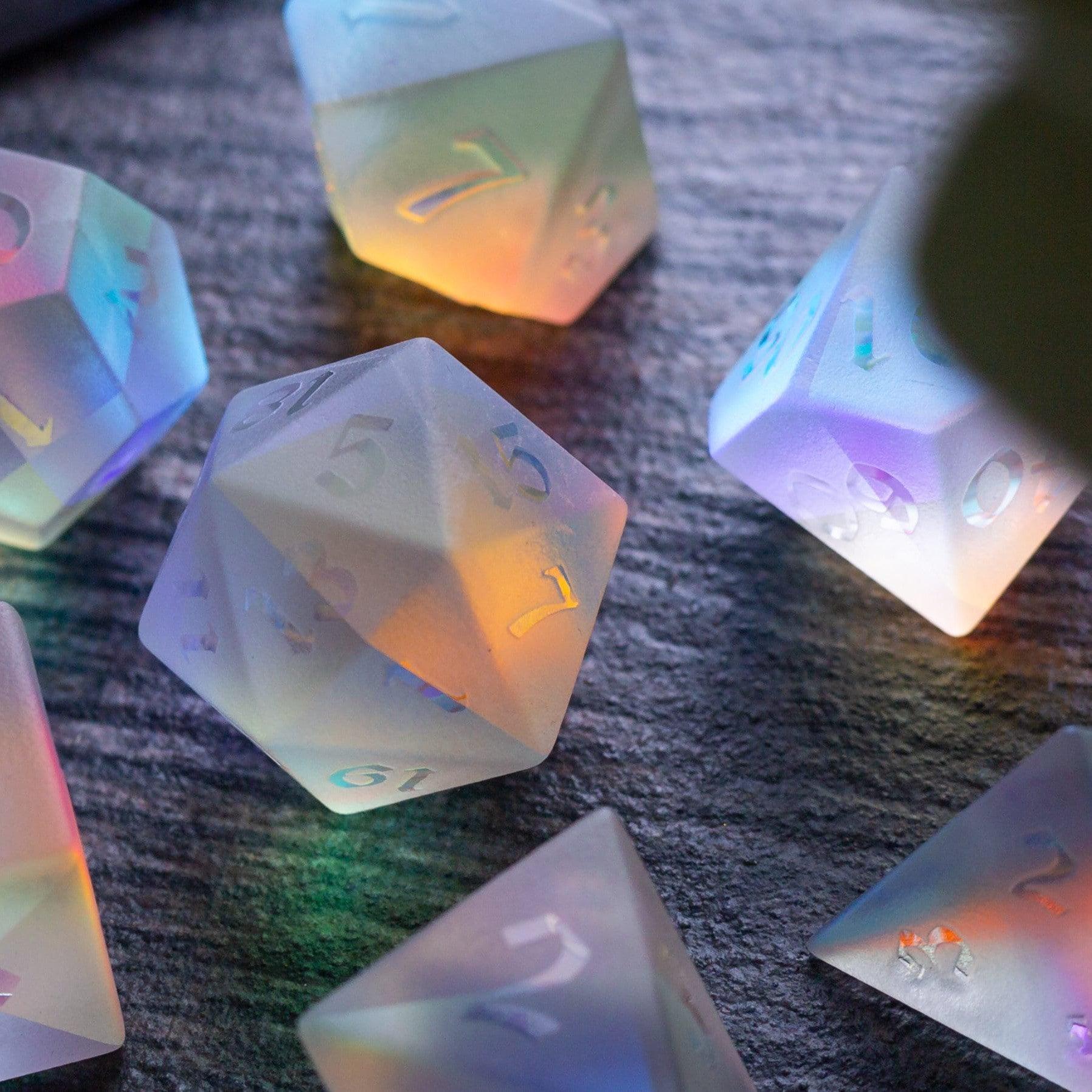
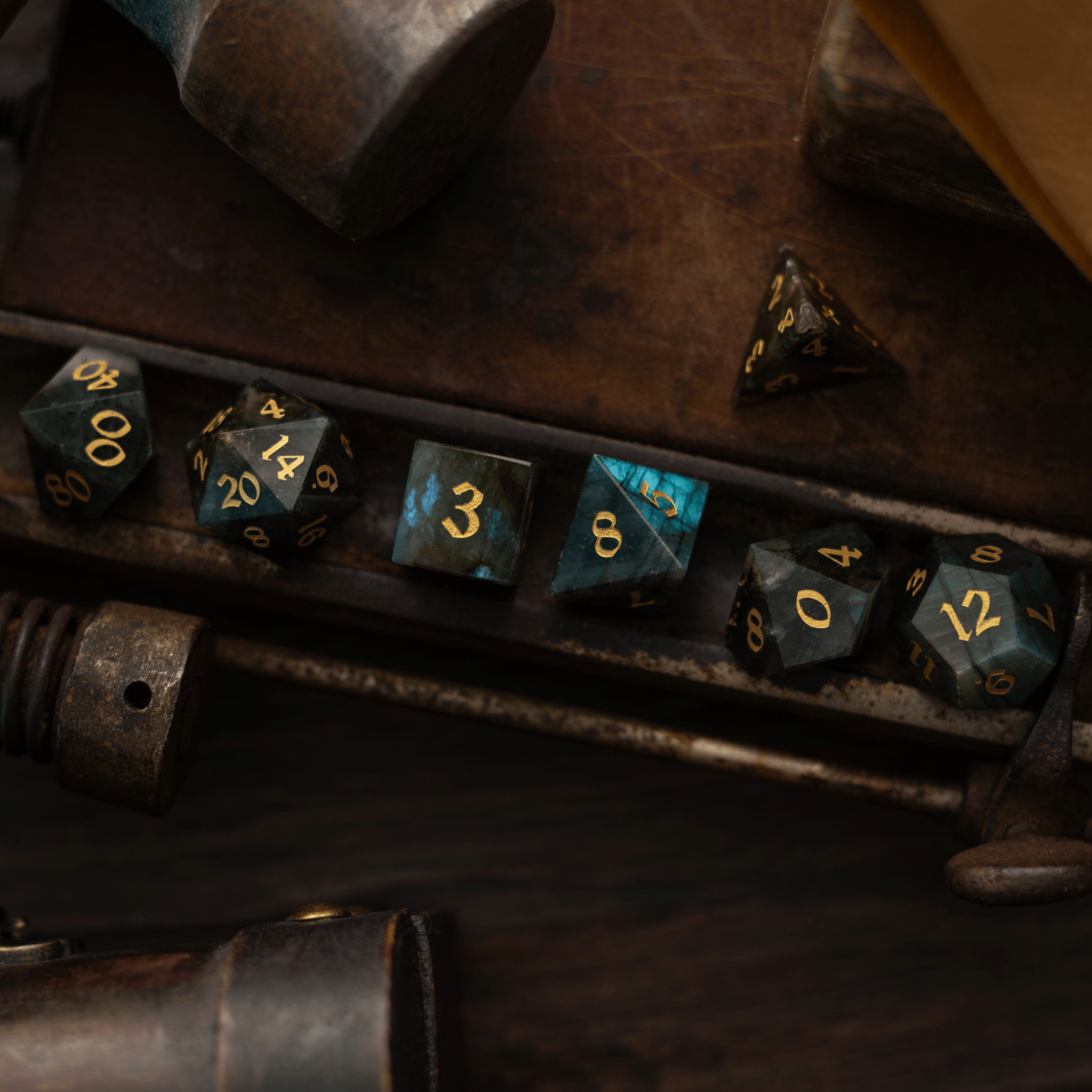
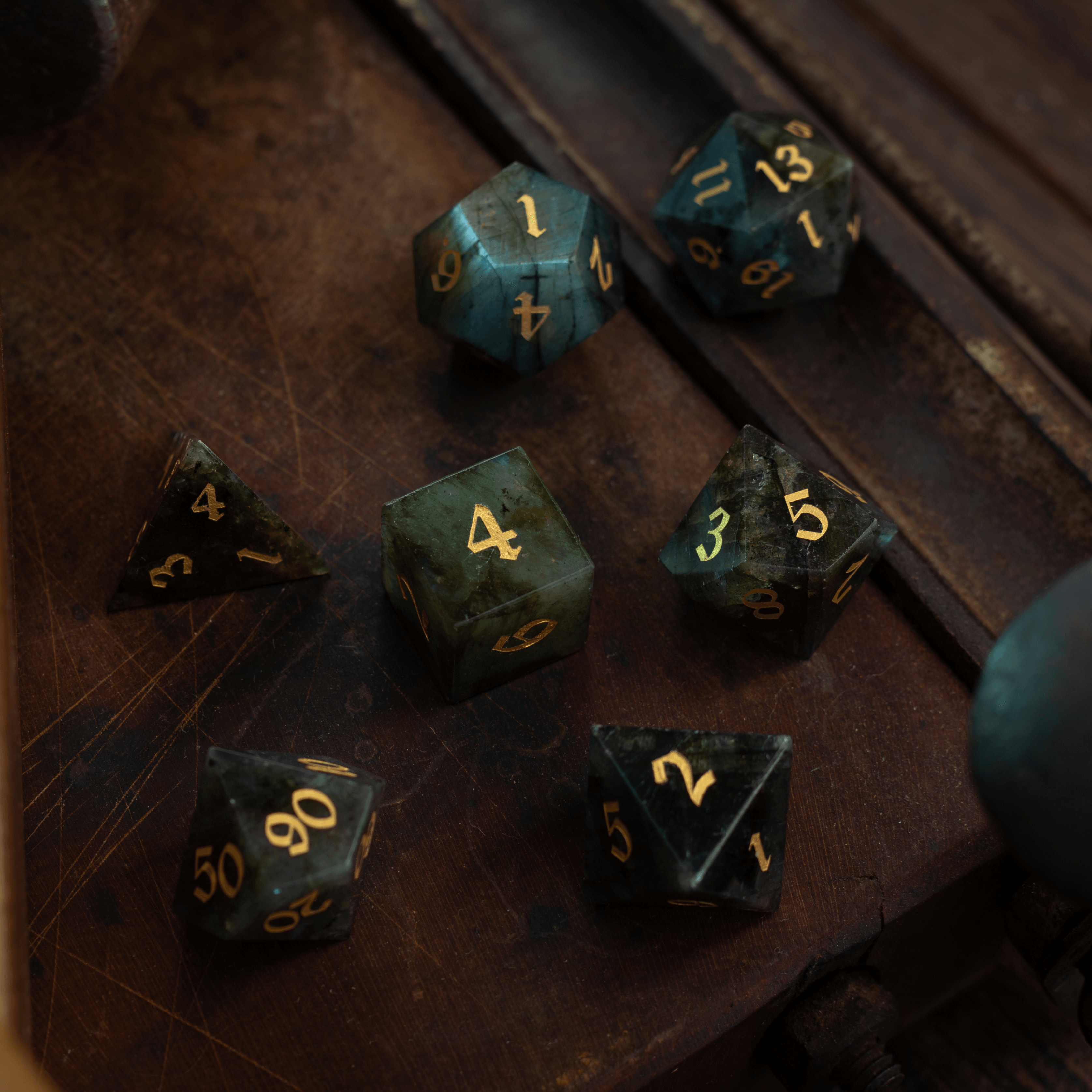
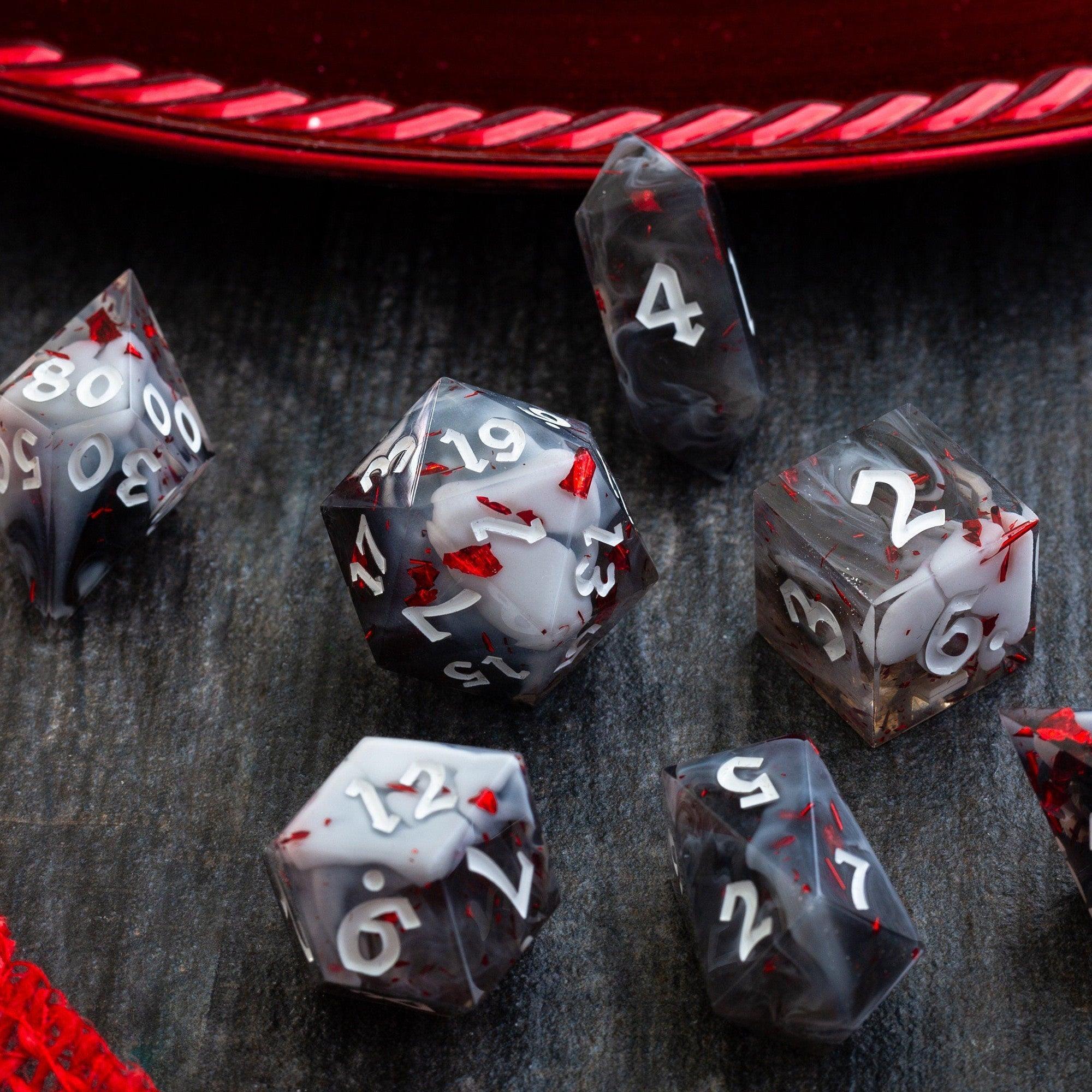
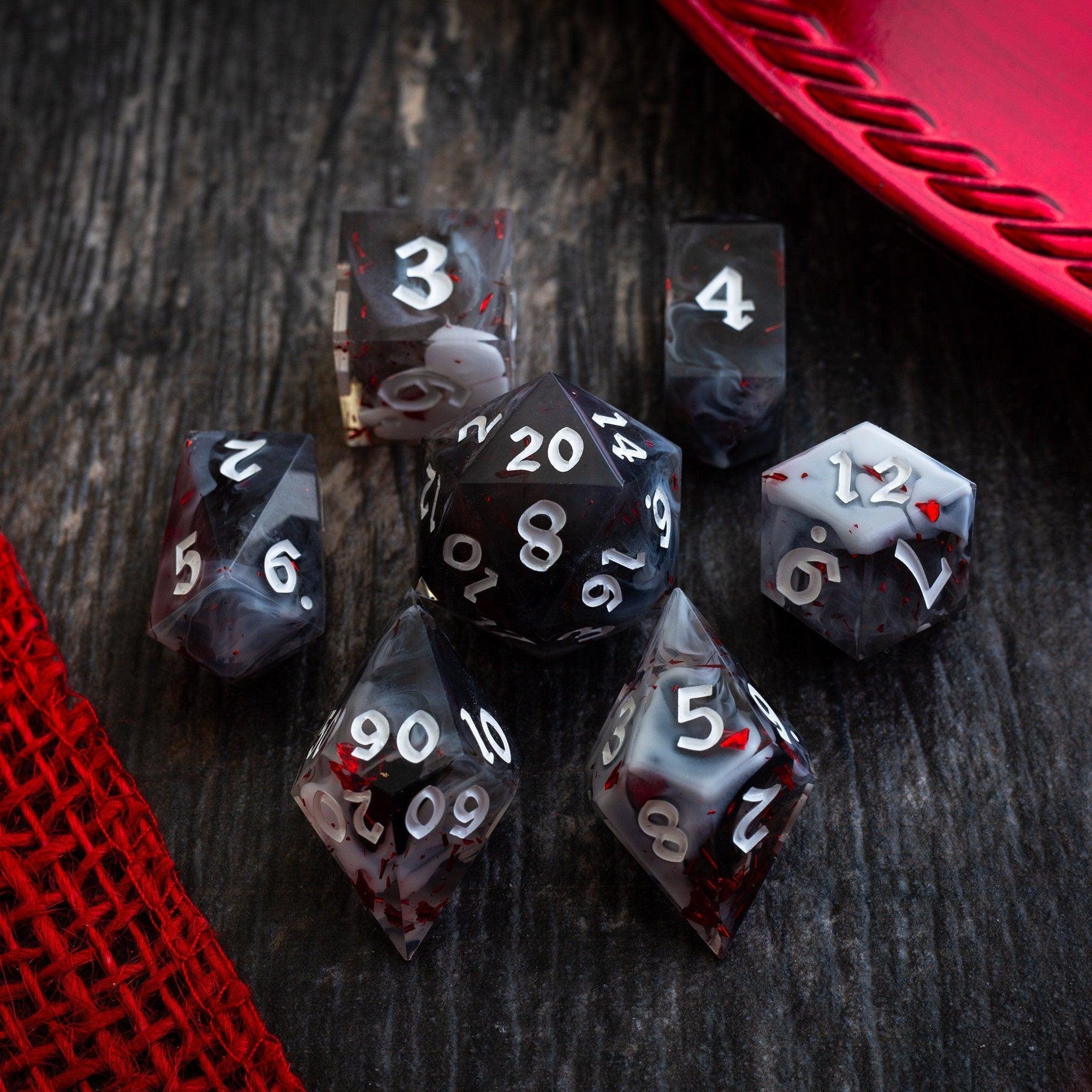
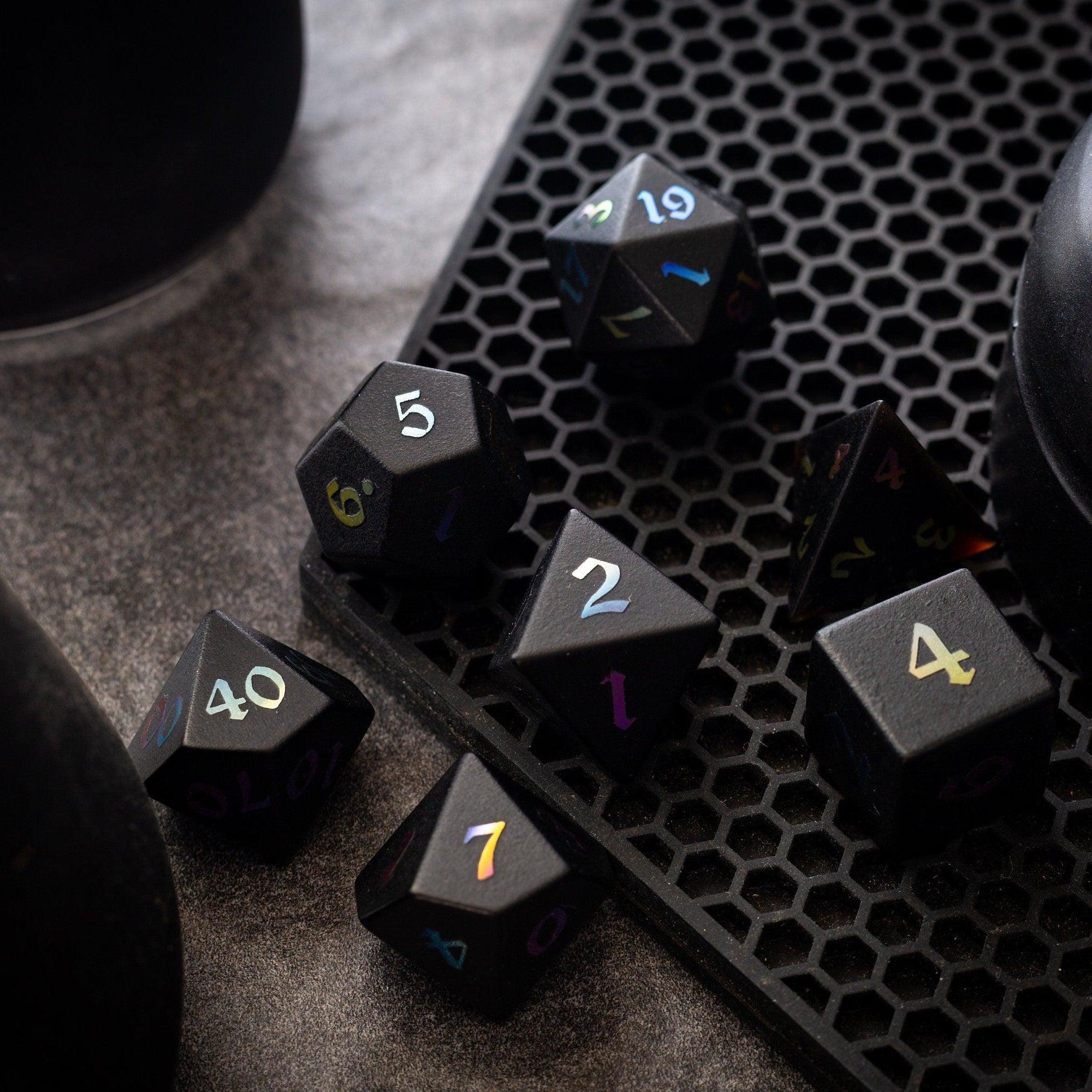
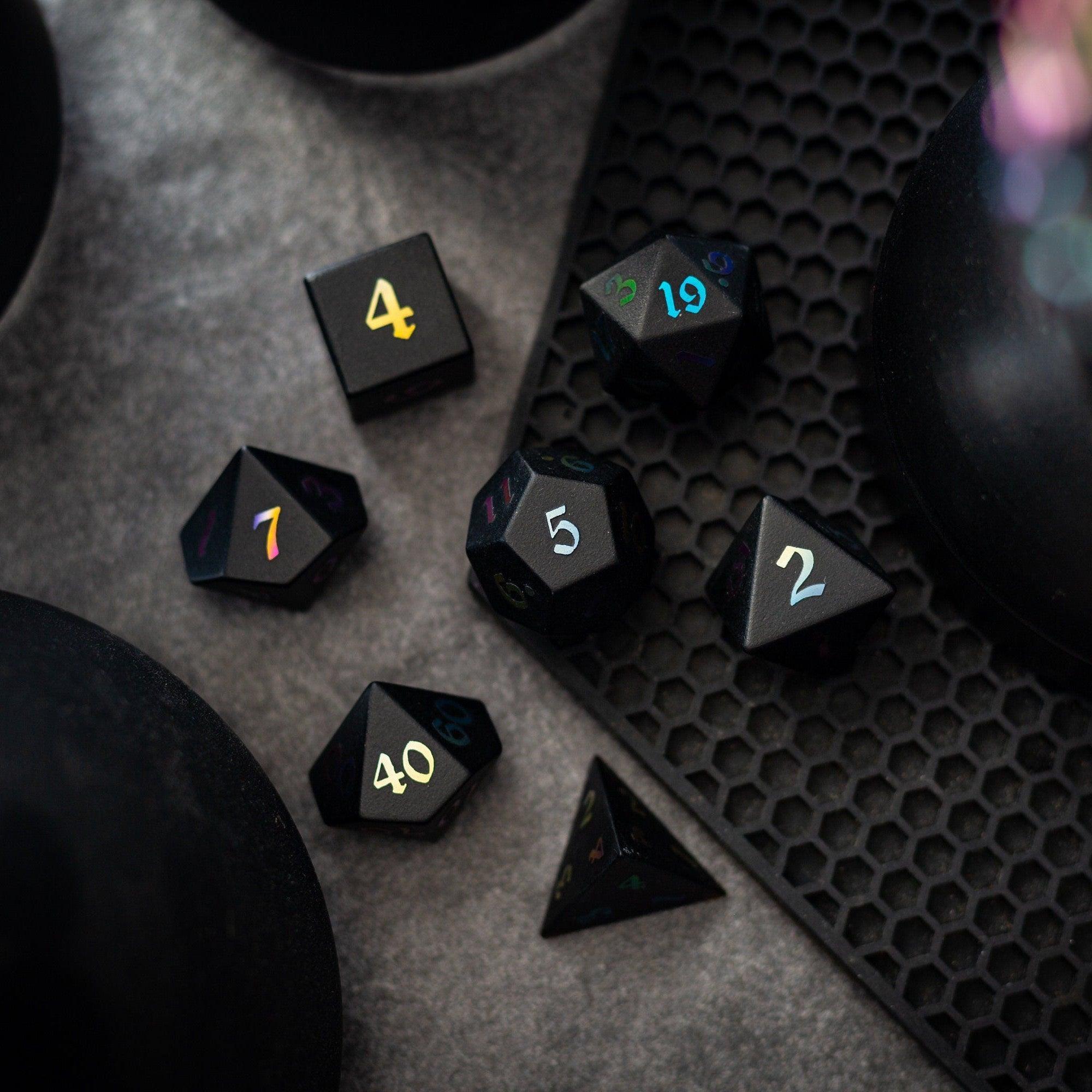
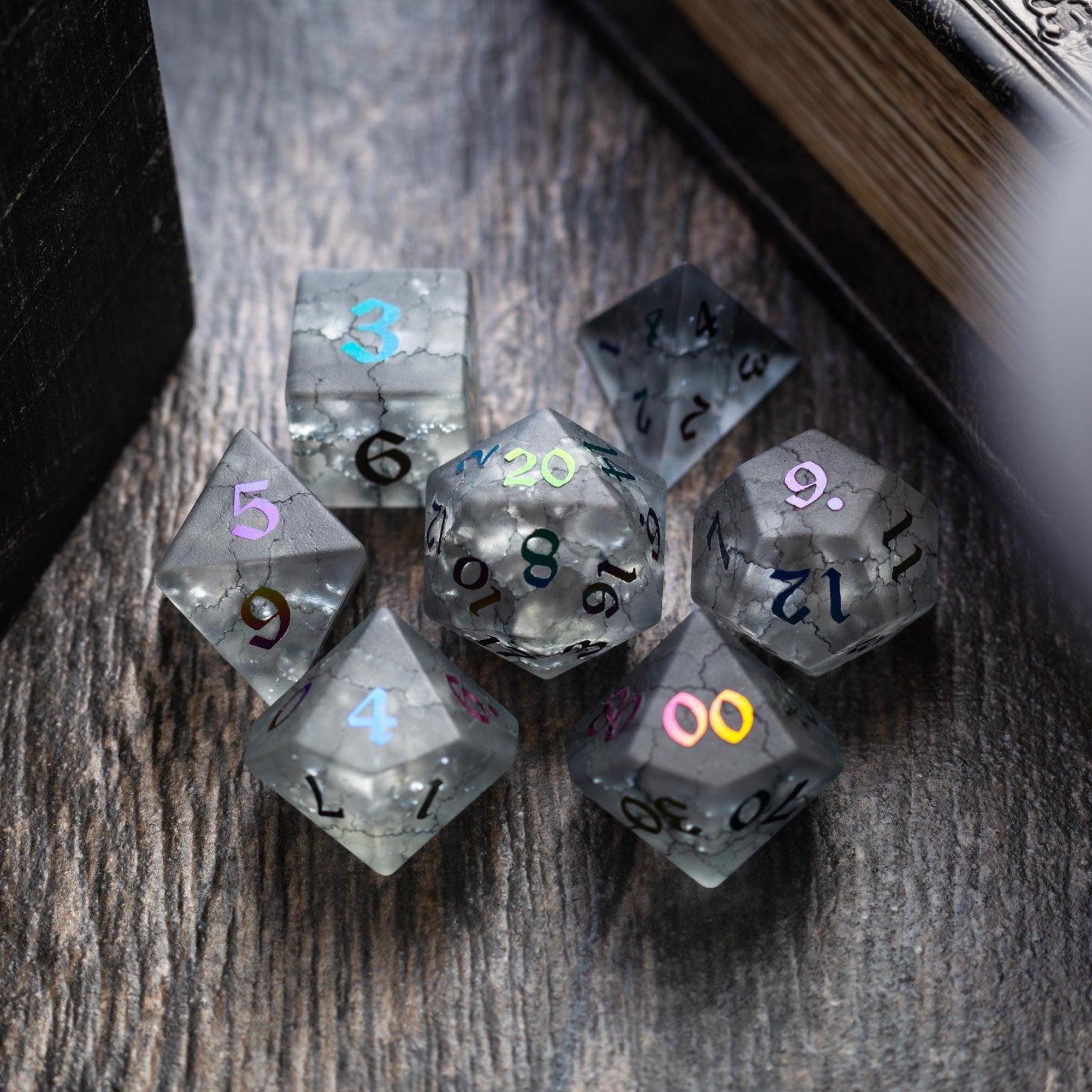
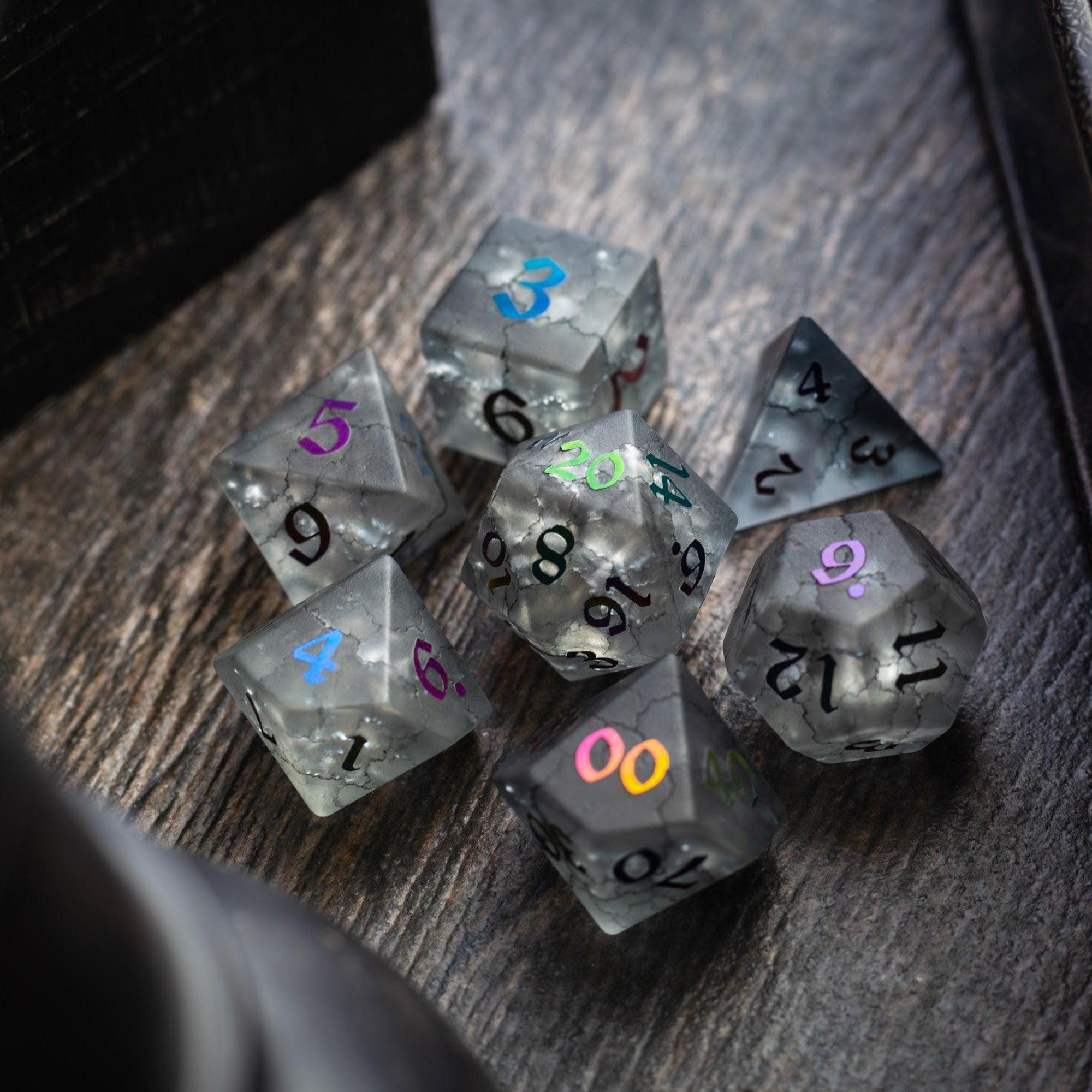
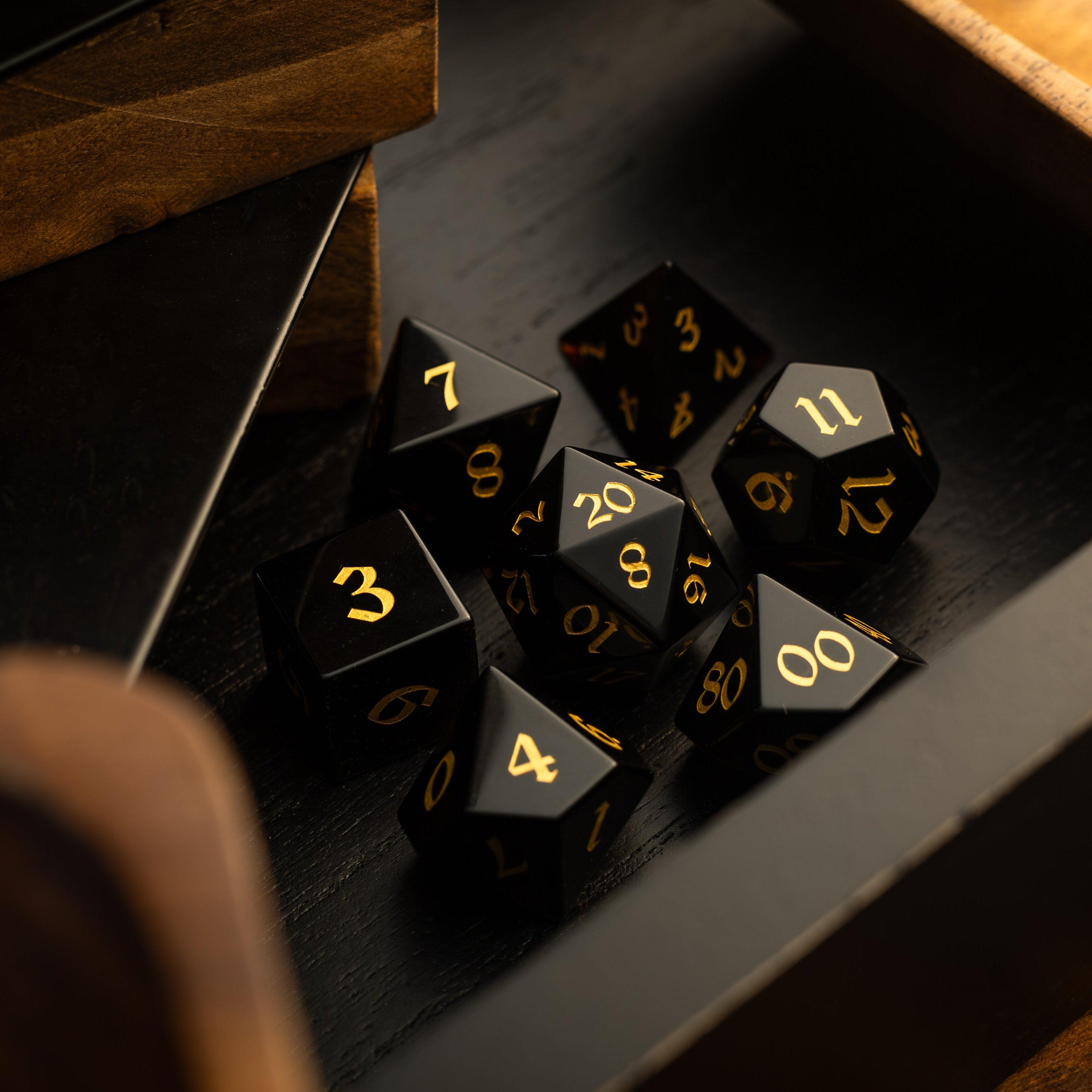
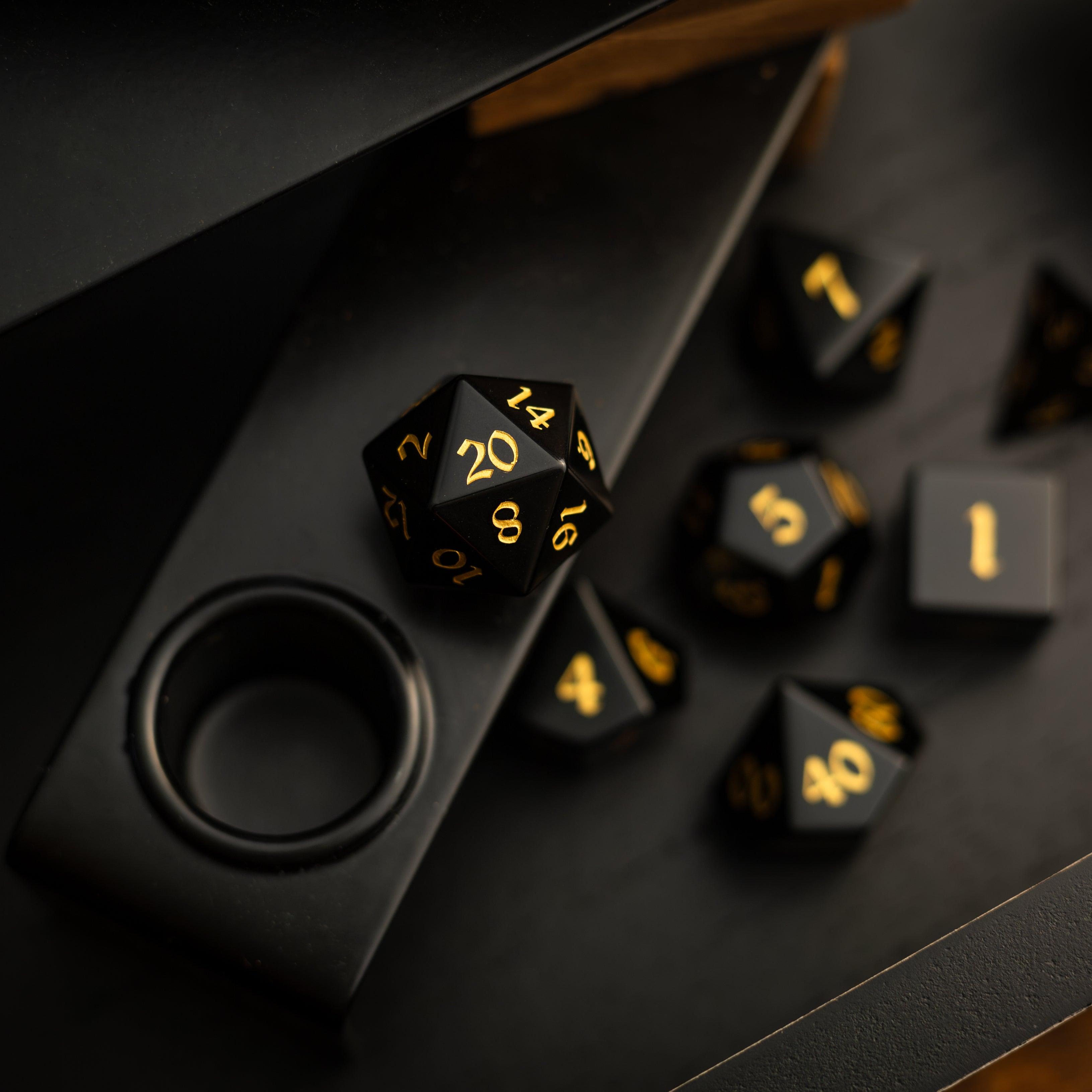
Step 6: Set your table for flow. Place pencils, paper, and a visible initiative tracker. Use tactile dice to reinforce the moment: big visible rolls keep tension high. If you enjoy premium designs, explore gemstone dice for a table centerpiece, or keep a few backup sets ready for guests.
-
Step 7: Pace with clocks, not pressure. Give each scene a soft timer (10–20 minutes) to keep momentum. Rotate spotlight every few minutes so quieter players get turns to shine. If things stall, drop a rumor, a sound, or an NPC nudge. You control pacing with information, not with force.
-
Step 8: Debrief and iterate. After the session, ask two questions: “What was fun?” and “What would you like more or less of next time?” Capture three takeaways. Update your toolbox and prep the next session with those insights. Growth as a game master is compounding—it builds quickly when you reflect.
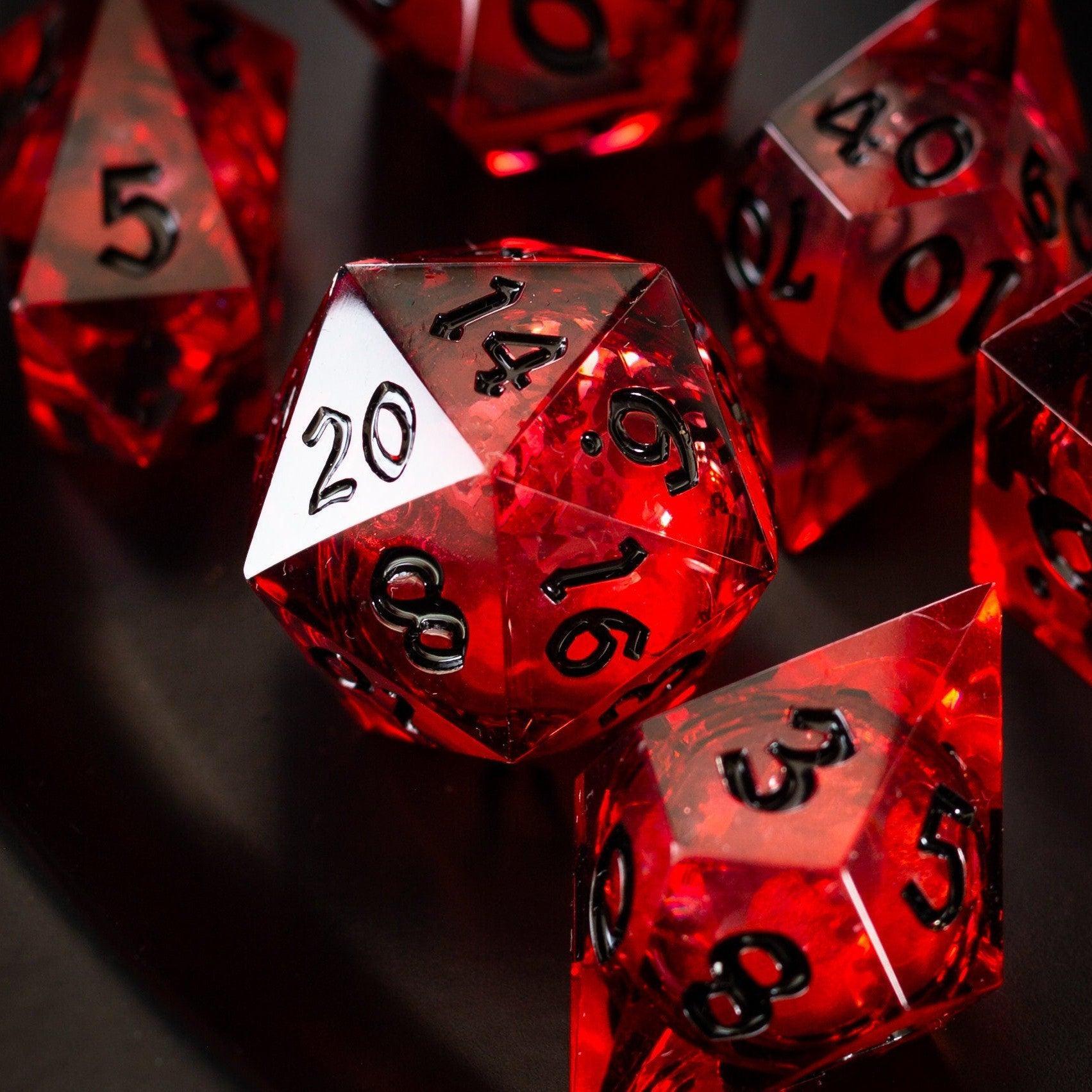
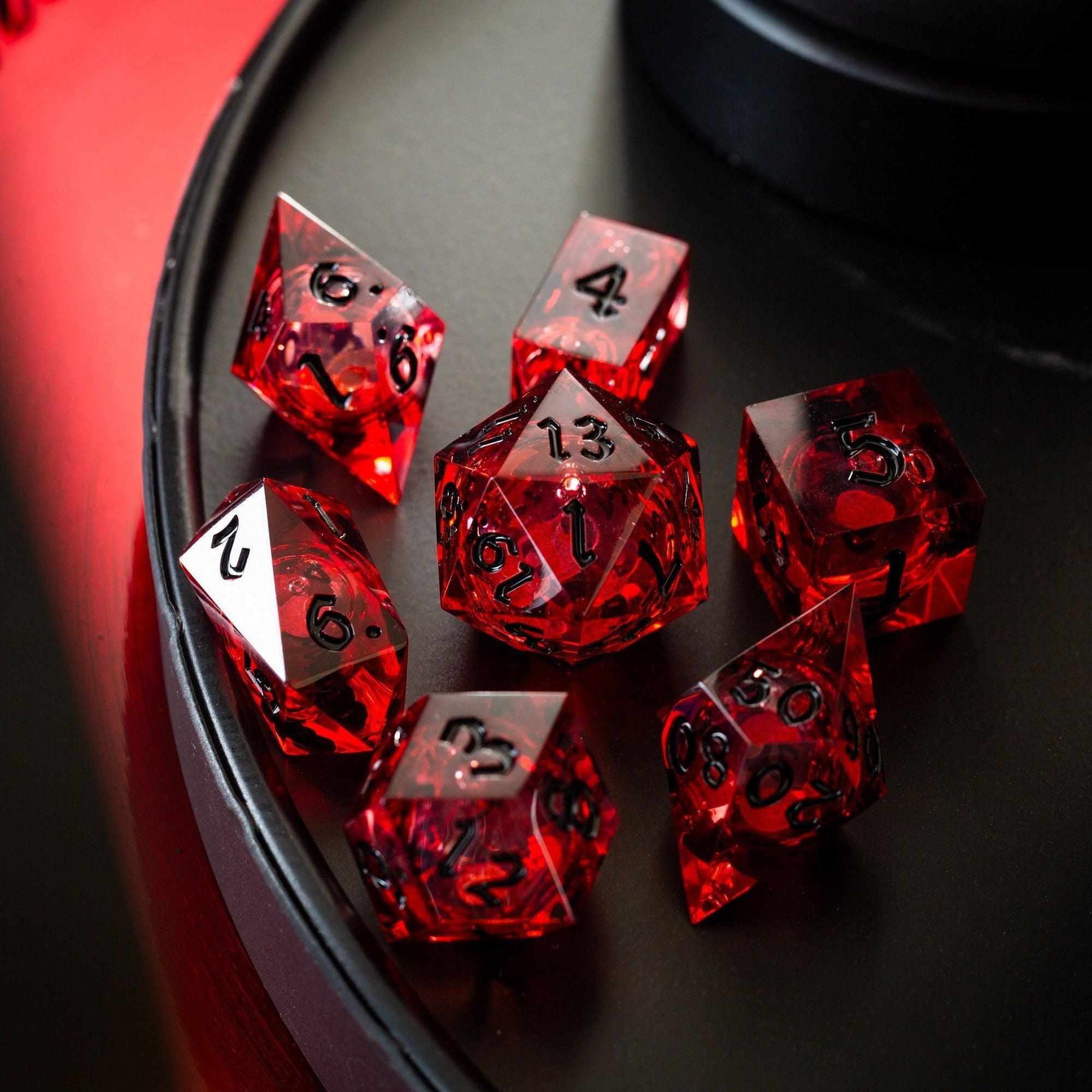
Optional table upgrades: A sturdy tower speeds rolls and keeps dice contained. If that sounds helpful, browse compact dice towers. Prefer a bit of spectacle for big boss moments? Sets with swirl or shimmer pop on the table; try the animated look of liquid core dice for dramatic finales.
Last, keep your physical kit small: rule summary, scene notes, index cards, and two sets of dice. A lean setup means less clutter and clearer decisions when the party zigzags off the planned path.
Tips
- Prep with a timer. Give yourself 60 minutes. When the timer ends, you’re done. Focus on beats and clues, not paragraphs.
- Use reusable tools. Names lists, rumor tables, and a DC ladder work in any adventure. Keep them in your folder forever.
- Start combat small. Fewer, tougher foes are easier to run than many weak ones. Spotlight stays cleaner and rounds go faster.
- Reskin relentlessly. Change a creature’s look and motive to fit your story while keeping the same stats. It saves prep time.
- Say “yes, and” or “yes, but.” Reward creative ideas while preserving challenge. Let clever plans shift the odds, not delete them.
- Narrate misses. Describe what a failure looks like so it still feels exciting—chips fly, sparks flare, the floor groans.
- Call short breaks. A three-minute break resets attention better than pushing through confusion. Use it to check your next beat.
- Track initiative in the open. Visibility keeps everyone engaged and smooths handoffs between turns.
- Use distinct voices, not accents. A single posture or catchphrase per NPC is enough to make them memorable without stress.
- Upgrade slowly. Add one new tool at a time. If you enjoy fresh designs, peek at new arrivals for inspiration and table flair.
If you want a handy phrase to remember: “Scene beats, open rolls, steady spotlight.” Keep those three in mind and you’ll guide even a chaotic party with confidence. And whenever you tweak your kit, choose items that reduce friction or add delight—never both at once.
FAQs
How long should a first session be?
Plan for two to three hours of play, plus 15 minutes up front for a quick Session Zero. That’s long enough to explore, talk to an NPC, and finish a small climax. If the group is brand-new, consider a 90-minute “pilot” with one social scene and one short encounter. Ending a bit early feels better than rushing the finale.
What dice do I need to start?
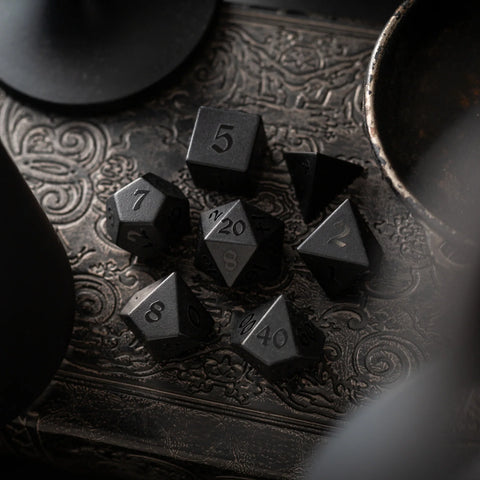
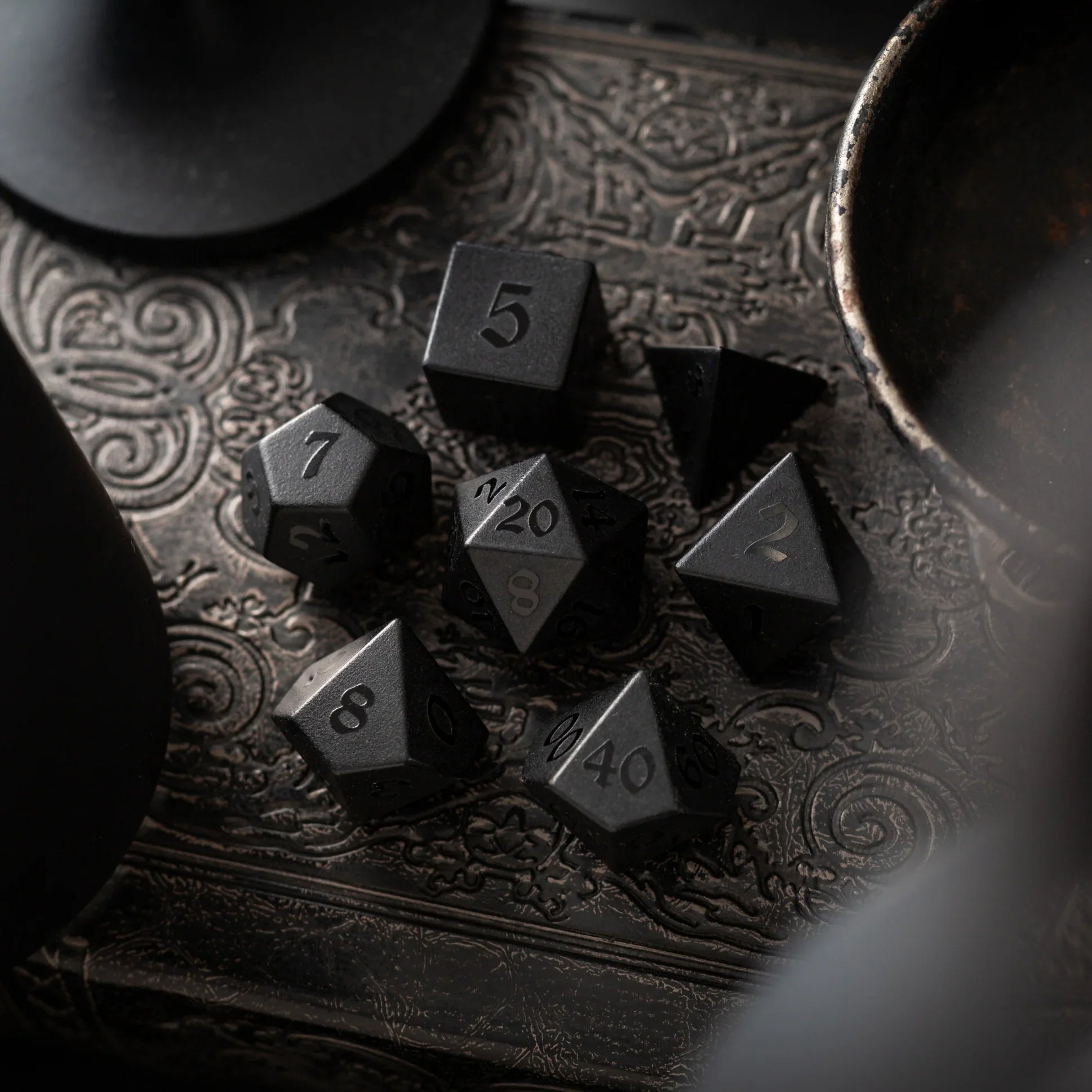
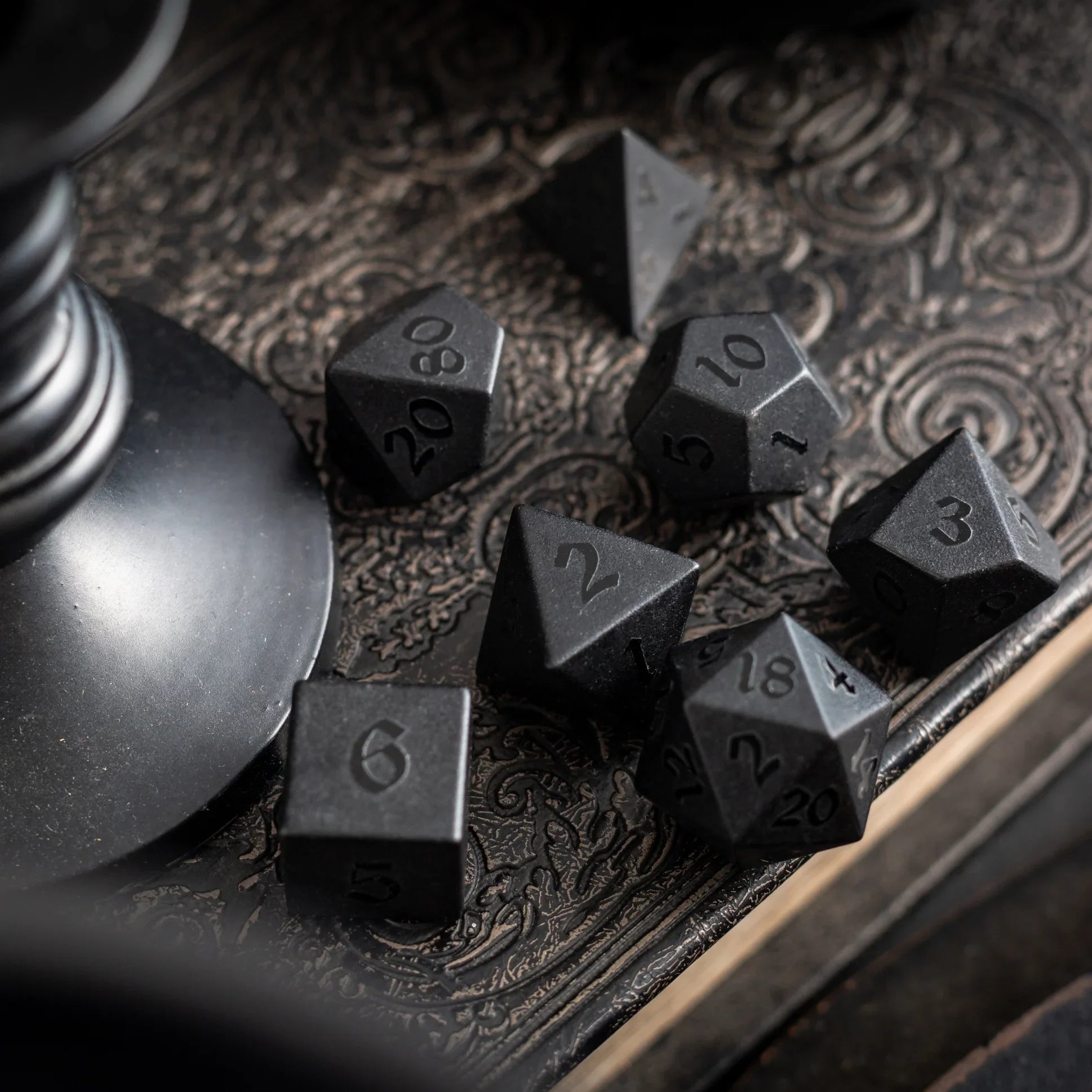
A standard polyhedral set (d4, d6, d8, d10, percentile d10, d12, d20) covers almost everything. Having two d20s speeds advantage/disadvantage. Keep a spare set for guests. If you like a premium feel or a visible table centerpiece, consider durable, easy-to-read sets like polished stone or glass; curated options such as elegant gemstone dice are popular for this reason.
How many monsters are too many for a new table?
As a rule of thumb, start with one creature per two players, or a single showcase foe with a minion or two. Fewer stat blocks mean faster turns and clearer stakes. If the party is steamrolling, add a terrain effect or a mid-fight twist rather than doubling the enemies.
How do I handle rules disagreements on the spot?
Use a simple approach: make a quick, fair ruling, note the page to check later, and move on. Tell the table you’ll look it up between sessions and will be consistent next time. This keeps the pace while showing respect for the rules and your players’ input.
Disclaimer: This guide offers general advice for tabletop roleplaying. Always adapt tools and pacing to your group’s comfort and preferences.
Ready to assemble your kit? Keep it lean, fun, and functional. Start with a clear plan, a couple of handy sheets, and dice you love to roll. Bookmark this list of beginner dungeon master resources, and grow it as your confidence does. When you want a bit of sparkle or a sturdier rolling experience, take a look at statement pieces and fan favorites in new arrivals. Your table, your style—have fun with it.

Leave a comment
This site is protected by hCaptcha and the hCaptcha Privacy Policy and Terms of Service apply.