
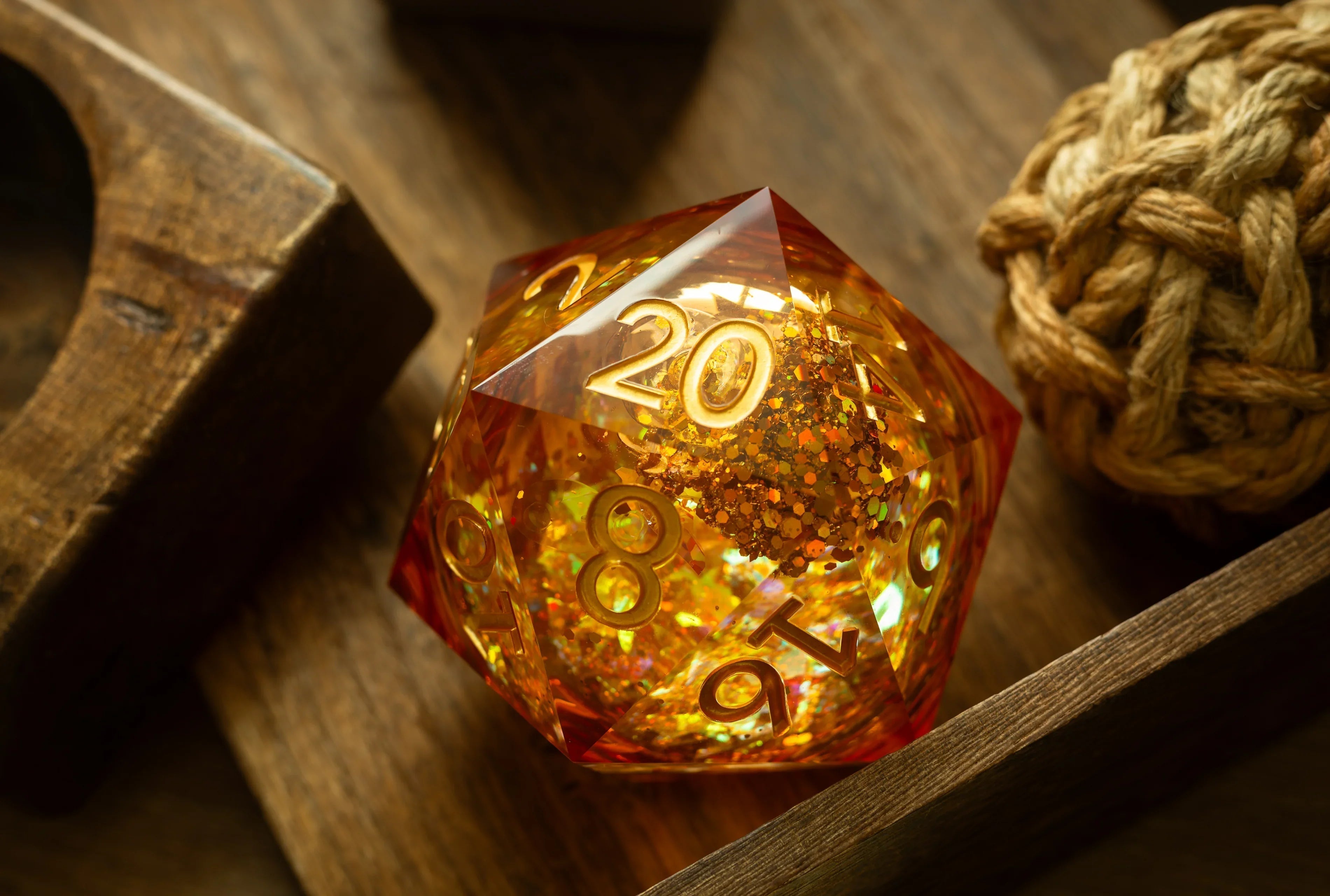
Oversized D20 Dice: The Best Picks for Epic Rolls and Legendary Moments
Whether it's a last-second death saving throw, the final attack against an ancient dragon, or a dramatic initiative roll that determines the fate of an entire party, some moments deserve more than an ordinary toss of the dice. That's one reason oversized D20 dice have become increasingly popular among tabletop RPG players.
A giant twenty-sided die doesn't change the rules of the game, but it can completely change how a moment feels. When a Dungeon Master slowly reaches for a giant D20 dice, everyone at the table pays attention. Conversations stop, players lean forward, and suddenly one roll becomes part of the campaign's story.
In this guide, we'll explore why oversized D20 dice have earned a place alongside traditional D&D dice, what makes a quality oversized die, and how to choose one that fits your gaming style.
Why Oversized D20 Dice Have Become So Popular
Unlike a complete polyhedral set, an oversized D20 usually serves a special purpose. Most players continue using their regular tabletop dice throughout the session, saving the larger die for moments that deserve extra attention.
Some of the most common occasions include:
-
Critical attack rolls
-
Final boss encounters
-
Death saving throws
-
Campaign-ending battles
-
Legendary monster abilities
-
Important skill checks
-
Dramatic initiative rolls
-
Milestone story events
The excitement comes from simple psychology. A larger die naturally draws the eye. Everyone watches it tumble across the table, making important moments feel even more memorable.
Dungeon Masters often enjoy using oversized twenty sided dice because they add theatrical flair to encounters. Instead of quietly rolling behind a screen, an enormous D20 landing in front of the party immediately signals that something significant is happening.
Collectors appreciate them for a different reason. Many oversized dice showcase intricate craftsmanship that simply isn't possible on smaller dice, making them attractive display pieces even between game nights.
What Makes an Oversized D20 Different?
An oversized D20 offers more than increased dimensions. Several characteristics separate it from a standard gaming die.
Physical Size
Most standard D20 dice measure around 20 mm. Large D20 dice often range from 35 mm to over 60 mm, making them much easier to see from anywhere around the table.
Weight
Depending on the material, oversized dice can feel substantially heavier. A larger metal die delivers a satisfying heft, while oversized resin options remain comfortable for extended use.
Visibility
Big numbers are easier to read during fast-paced encounters. This is especially useful for Dungeon Masters running games with larger groups.
Rolling Feel
An oversized die rolls differently than a standard one. The additional size and weight often create a slower, more deliberate tumble that builds anticipation before it settles.
Display Appeal
Many players proudly display oversized RPG dice on shelves, gaming desks, or inside display cases between sessions.
It's worth remembering that an oversized D20 usually complements rather than replaces your standard dice set. Most players still use a complete polyhedral set for everyday gameplay while reserving the larger die for especially meaningful rolls.
When Should You Roll an Oversized D20?
There aren't official rules governing when to use a giant D20. Every table develops its own traditions, but certain moments naturally feel worthy of a dramatic roll.
Initiative Rolls
Some groups begin every combat encounter with an oversized initiative roll to signal the transition from roleplaying into battle.
Death Saving Throws
Few moments create more suspense than rolling to see whether a fallen character survives. An oversized die turns those tense seconds into unforgettable memories.
Critical Attacks
When your paladin attempts a divine smite against the campaign's final villain, rolling a giant D20 can make the success feel even more rewarding.
Boss Battles
Dungeon Masters often reserve oversized D20 dice for legendary monsters, dragon breath attacks, or powerful villain abilities. Players quickly recognize that the larger die usually means something dangerous is about to happen.
Campaign Milestones
Defeating a long-running villain, discovering an ancient artifact, or completing a major quest all make excellent opportunities to bring out an oversized die.
Important Skill Checks
Negotiating peace between kingdoms or attempting an impossible stealth check can deserve the same dramatic treatment as combat.
The oversized die becomes less about mechanics and more about storytelling.
Features to Look For
Choosing a quality oversized D20 involves more than selecting an attractive color.
Balanced Construction
A well-made die should roll consistently. Good manufacturing practices help distribute weight evenly across the die.
Clear Numbering
Large numbers should remain easy to read under different lighting conditions.
Comfortable Weight
Some players enjoy the substantial feel of heavy dice, while others prefer lighter options that are easier to roll repeatedly.
Material Quality
Higher-quality materials generally produce better finishes and improved durability.
Edge Design
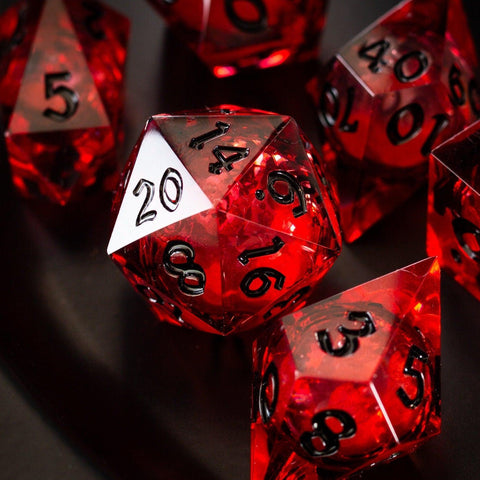
Rounded edges provide a classic appearance, while sharp-edge designs showcase crisp geometry and detailed craftsmanship.
Durability
Oversized dice experience more impact because of their weight. Quality construction helps them withstand years of regular gaming.
Craftsmanship
Small details matter. Smooth finishes, consistent numbering, polished surfaces, and careful casting all contribute to a premium gaming experience.
Comparing Important Features
| Feature | Why It Matters | Best For |
|---|---|---|
| Large size | Easy visibility across the table | Dramatic table moments |
| High readability | Faster identification of results | Dungeon Masters |
| Premium materials | Better durability and finish | Long-term collections |
| Balanced rolling | Consistent gameplay | Regular gaming sessions |
| Decorative finish | Attractive display piece | Collectors |
Materials Used in Oversized D20 Dice
The material you choose affects appearance, weight, durability, and rolling experience.
Resin
Resin remains one of the most versatile materials available.
Benefits include:
-
Wide variety of colors
-
Embedded glitter and effects
-
Moderate weight
-
Comfortable rolling feel
-
Affordable pricing
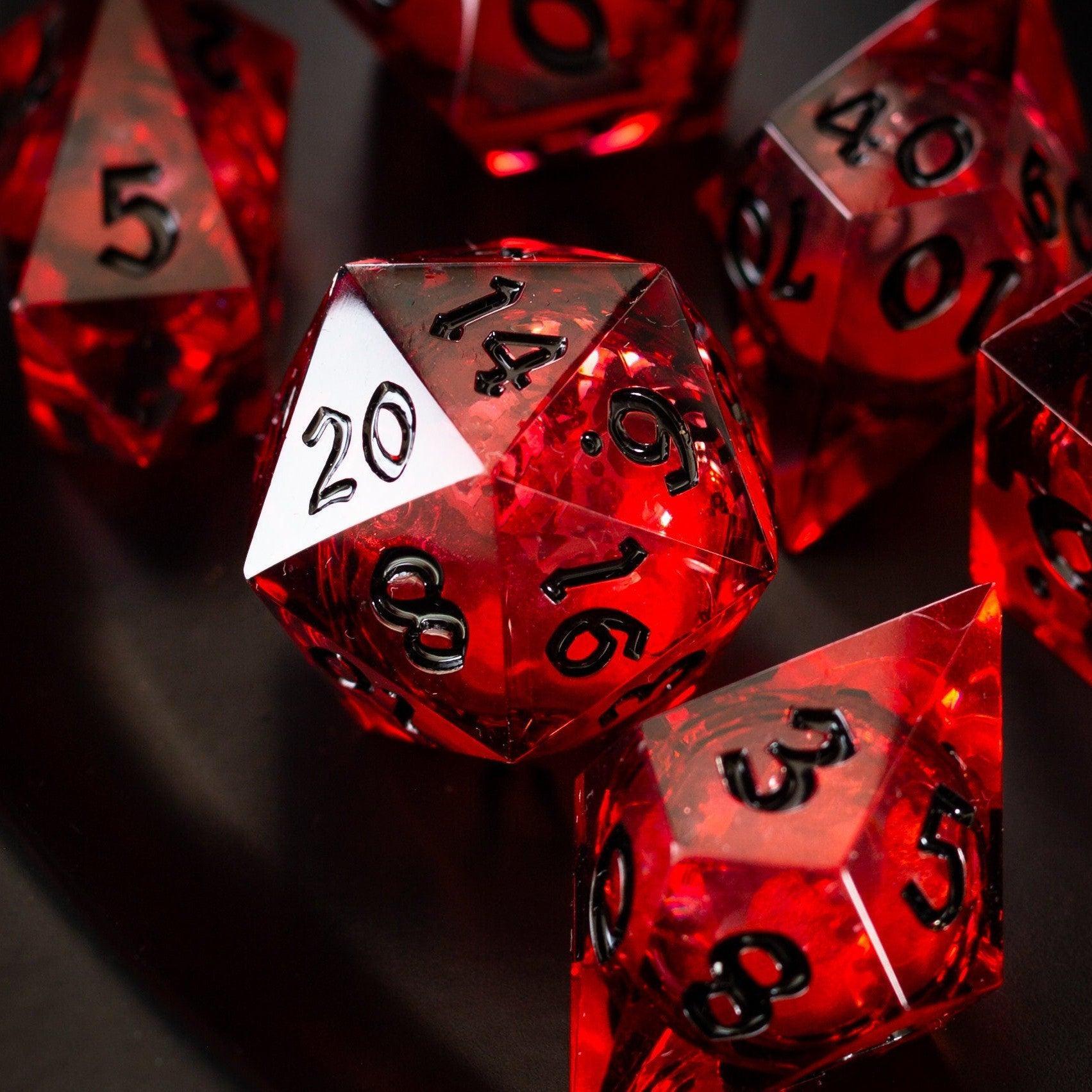
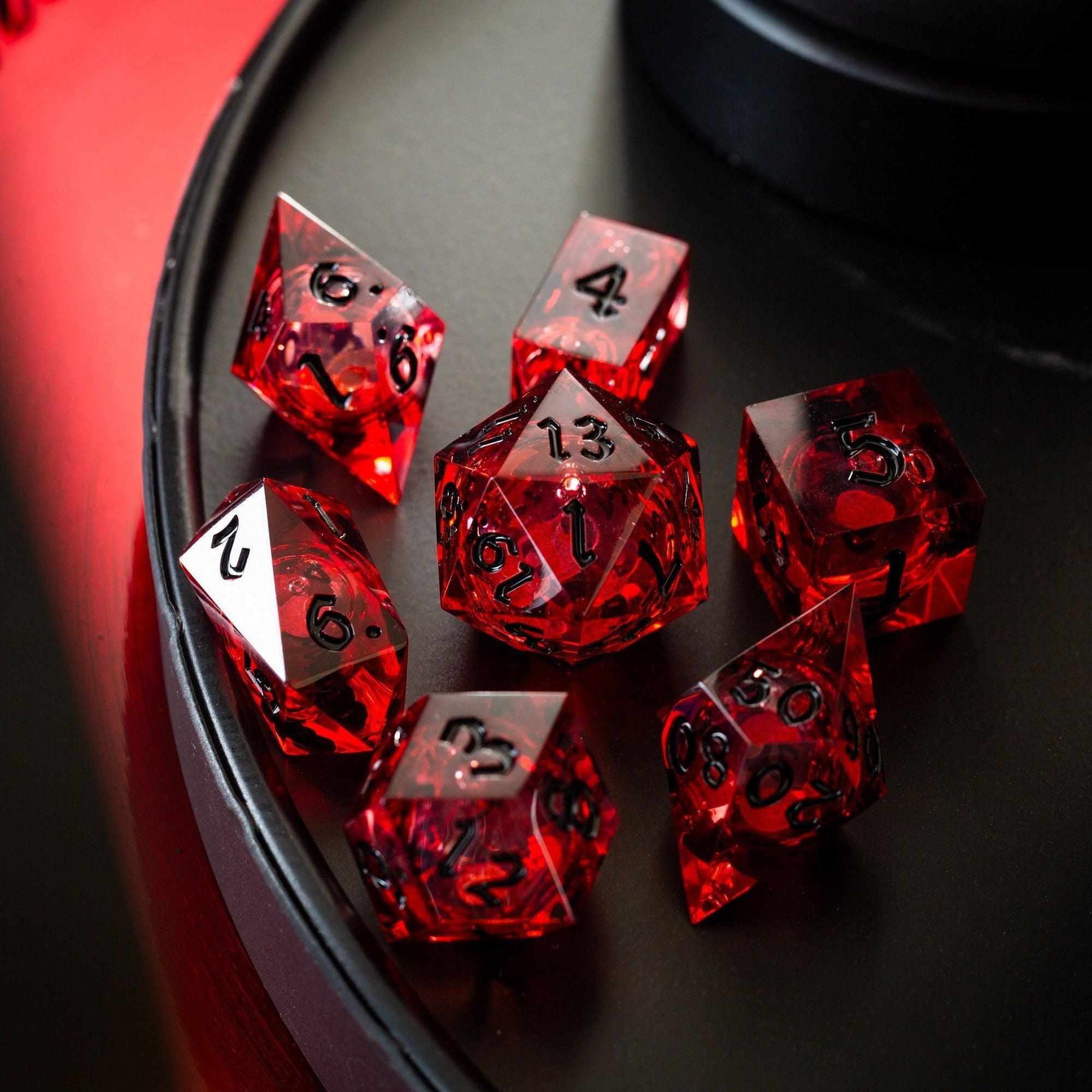
Oversized liquid core resin dice add swirling visual effects that are especially popular for spellcasters and magical-themed characters.
Metal
Metal oversized D20 dice provide unmatched heft.
Advantages include:
-
Solid feel
-
Distinctive sound when rolling
-
Excellent durability
-
Premium appearance
Because of their weight, many players use metal dice with padded dice trays to protect gaming tables.
Gemstone
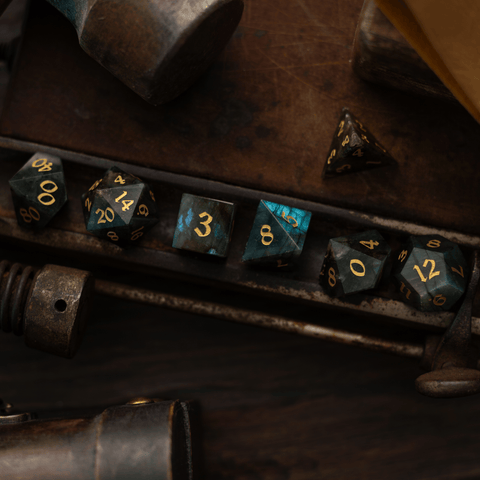
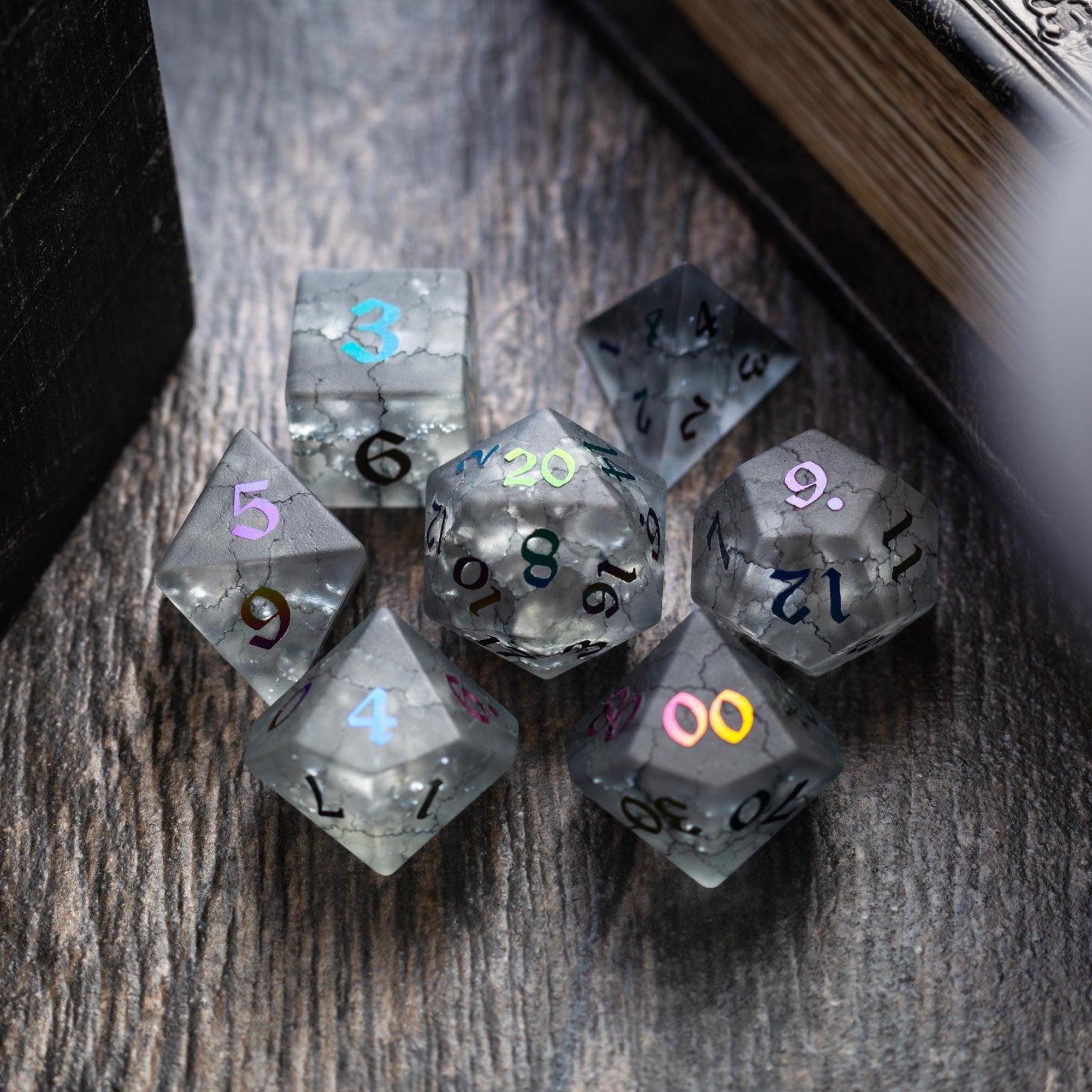
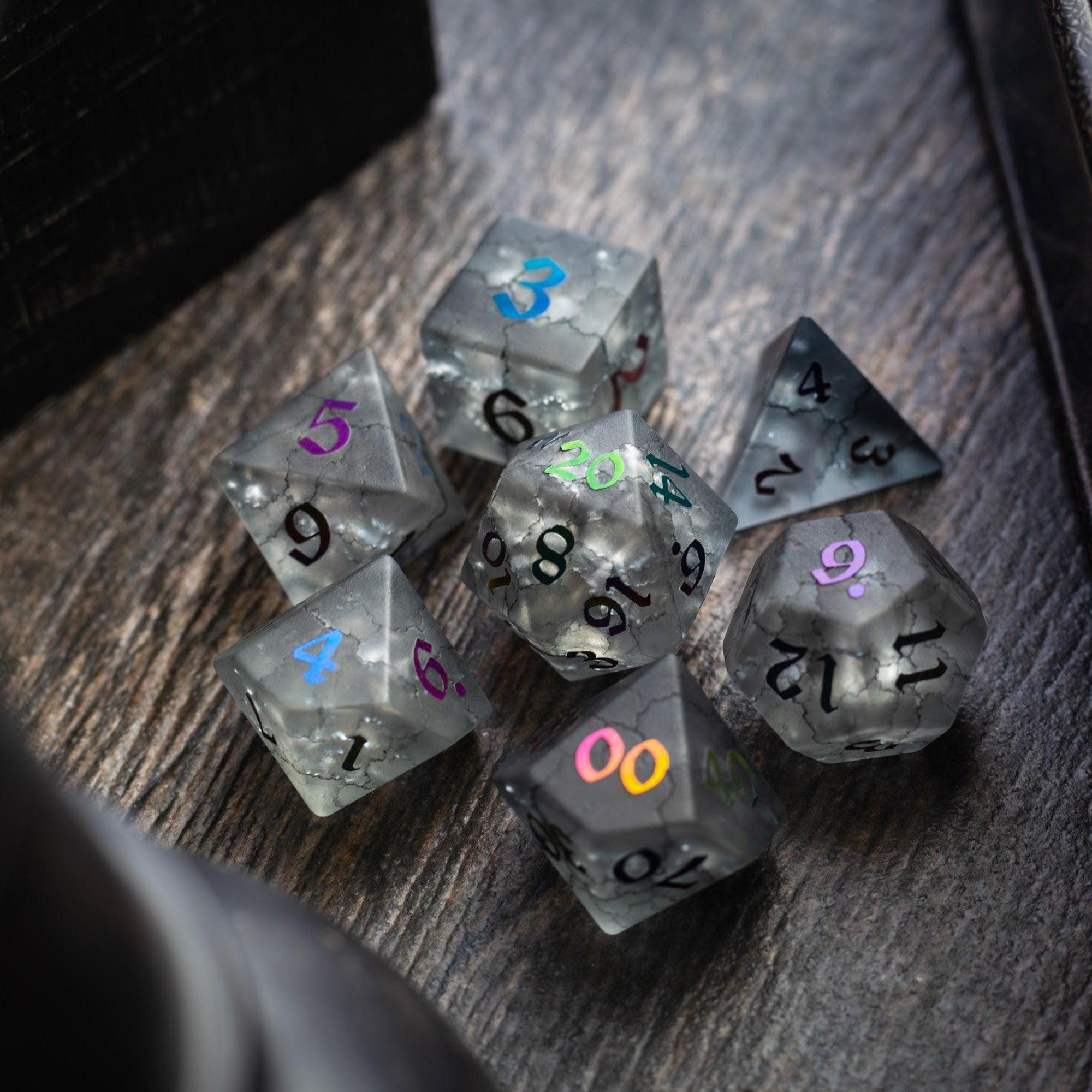
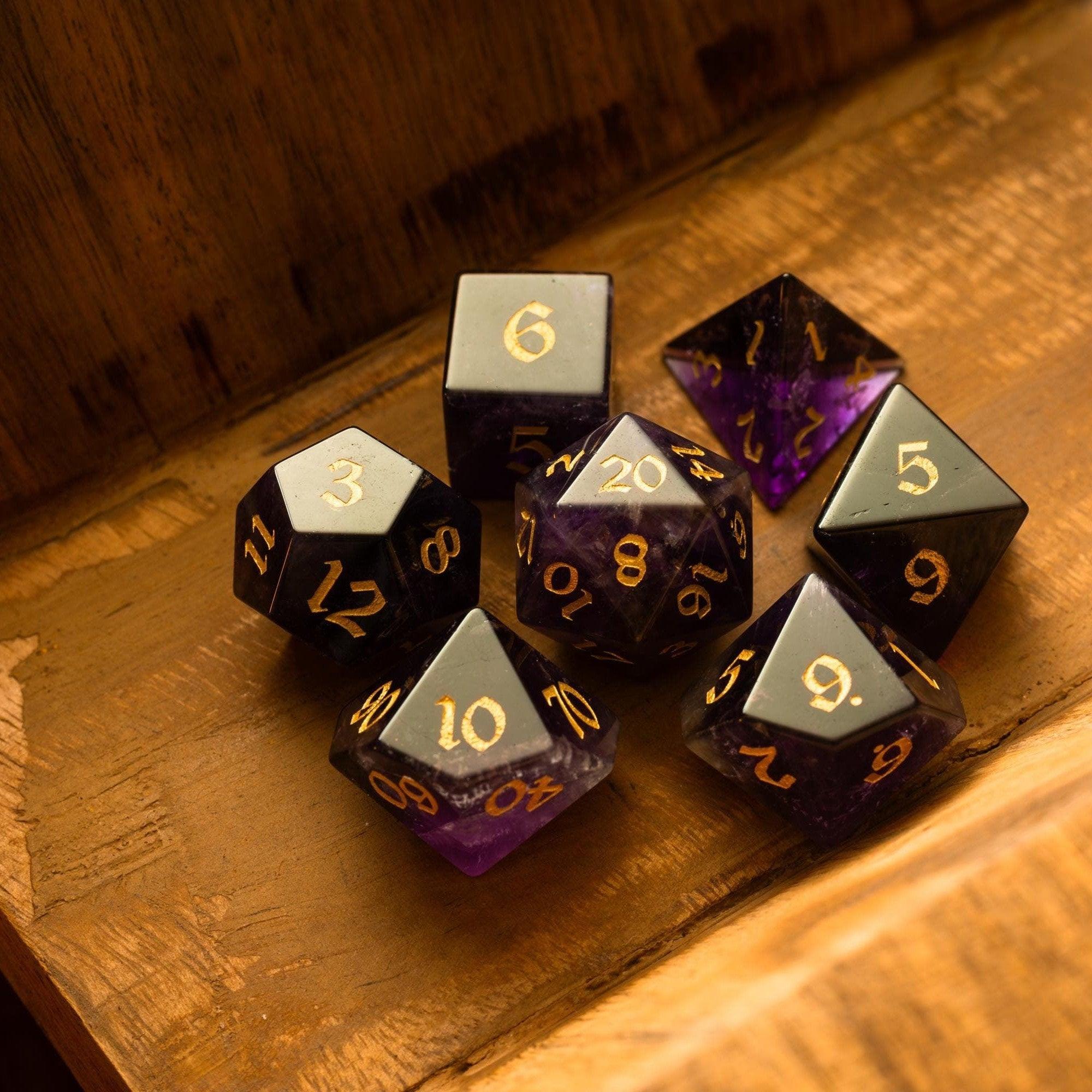
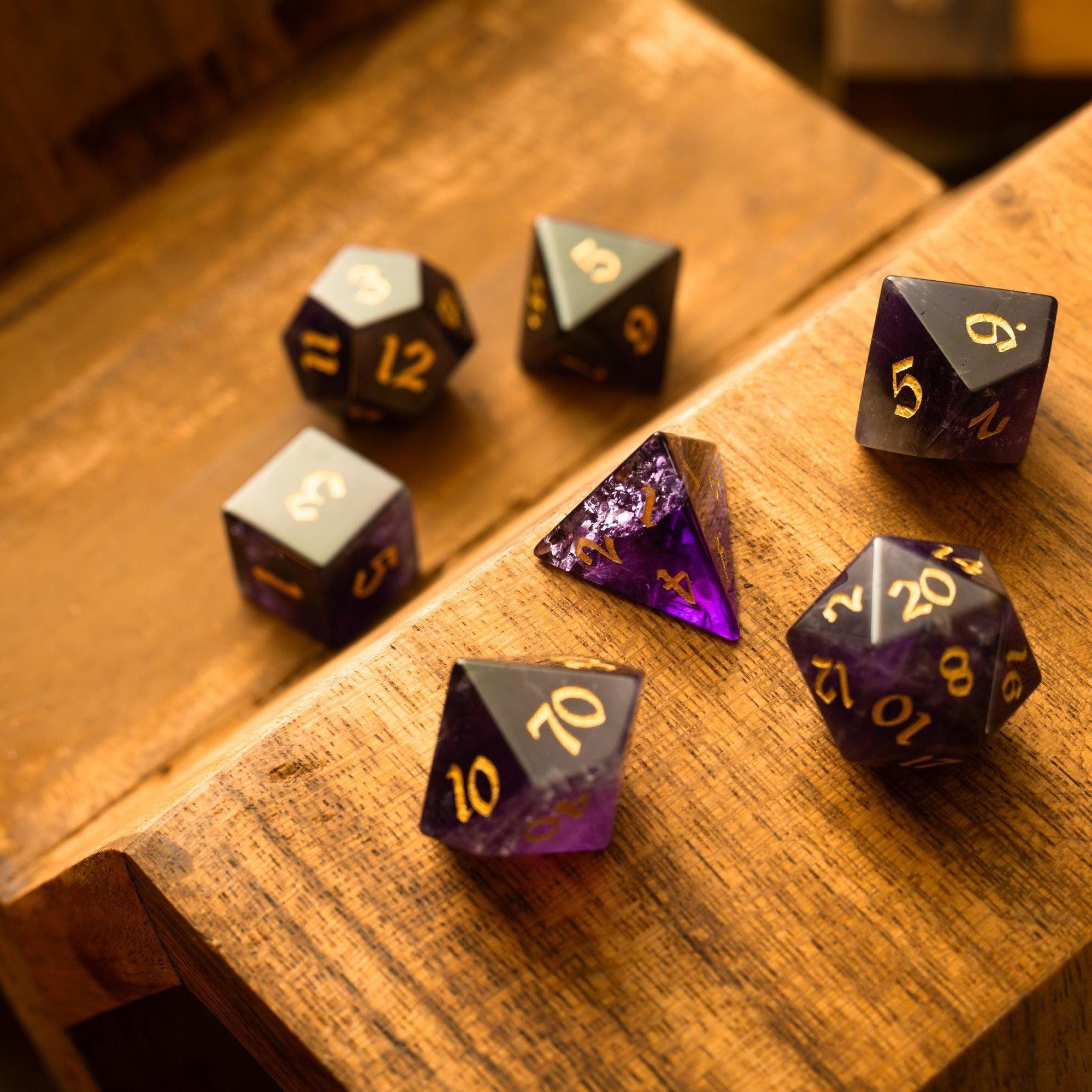
Natural gemstone dice offer remarkable visual character since every stone contains unique patterns.
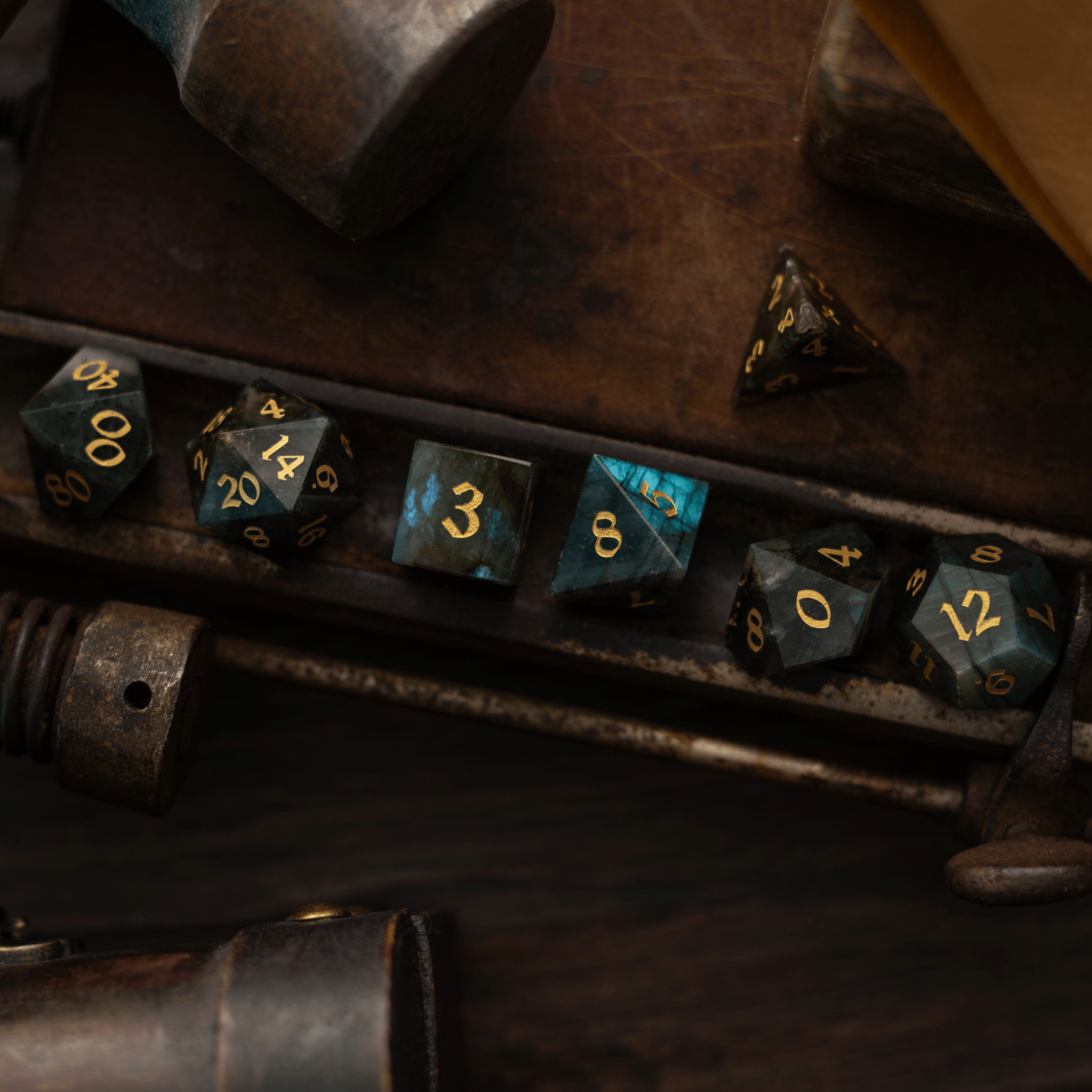
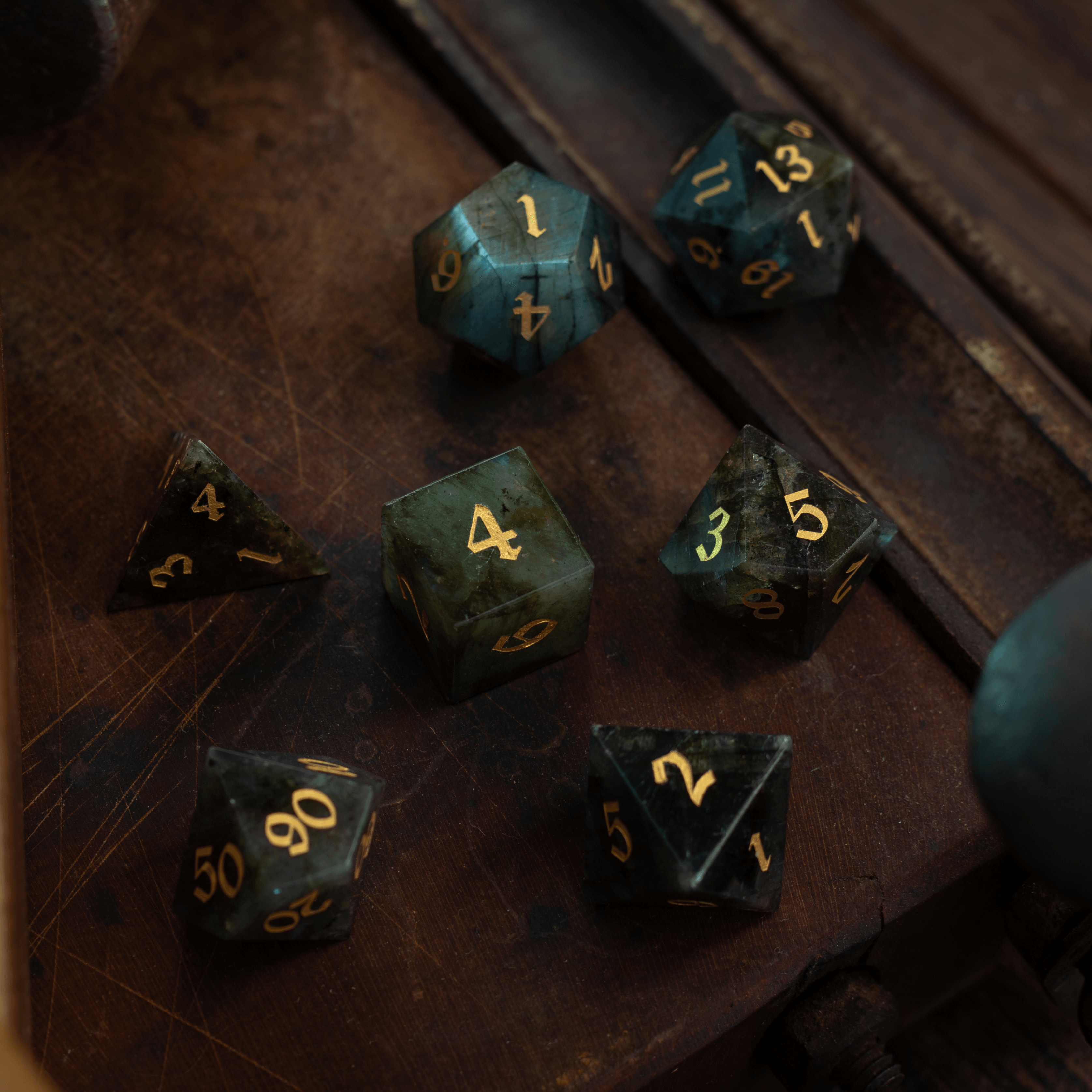
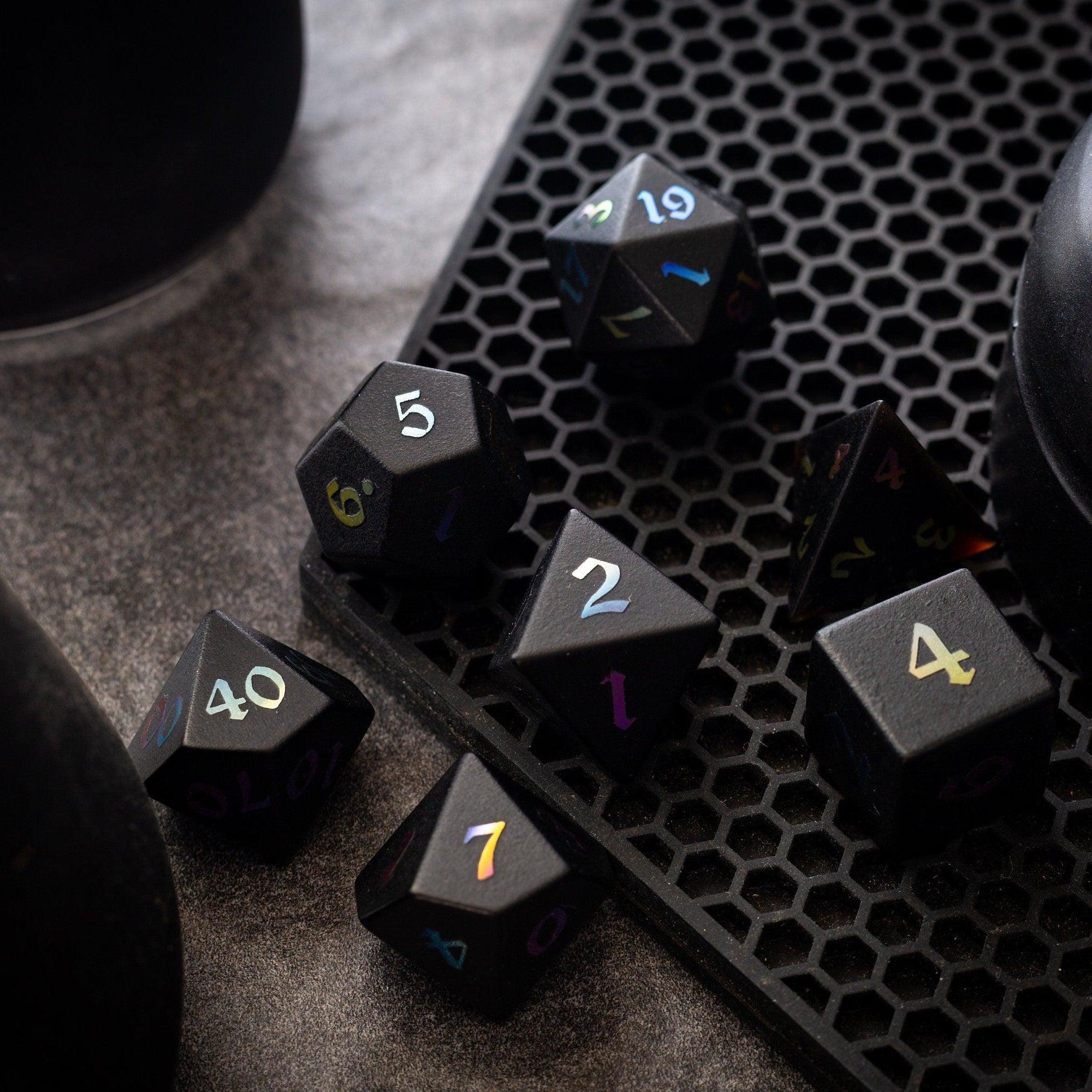
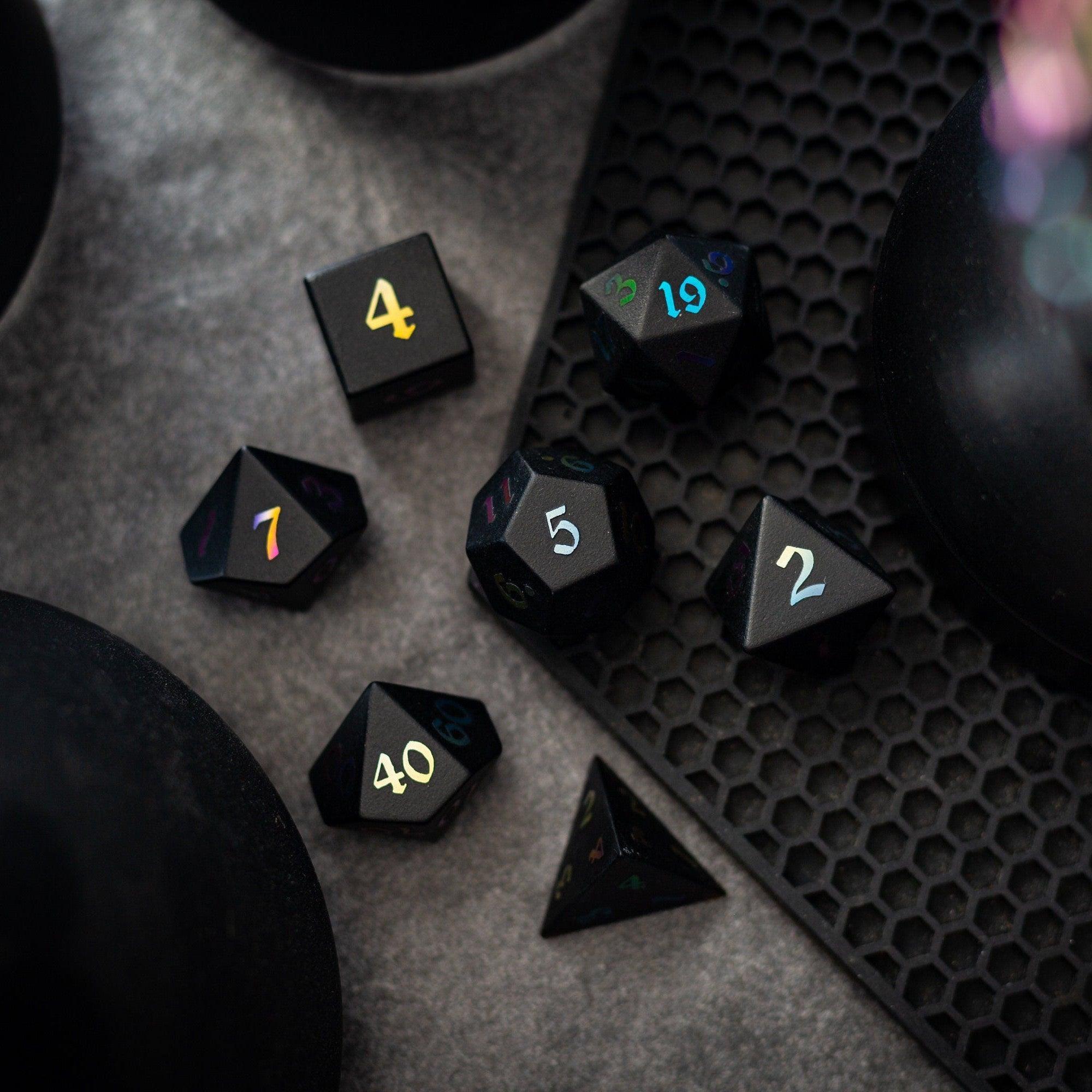
Materials such as labradorite, amethyst, tiger's eye, and obsidian each create distinctive appearances that appeal to collectors.
Oversized gemstone dice often become display pieces as much as gaming accessories.
Glass
Glass dice combine elegance with vibrant color.
They reflect light beautifully and create impressive centerpieces for gaming collections. Because glass can chip on hard surfaces, many players reserve these dice for special occasions.
Acrylic
Acrylic remains a lightweight, practical choice.
While often simpler in appearance than premium materials, acrylic oversized dice are durable, colorful, and accessible for players trying oversized dice for the first time.
No single material is objectively best. The ideal choice depends on how you intend to use your die and what qualities matter most to you.
Oversized Dice for Different Types of Players
Different gamers appreciate oversized D20s for different reasons.
Dungeon Masters
Large dice help emphasize dramatic encounters and create memorable storytelling moments.
Collectors
Collectors often seek unusual materials, handcrafted finishes, or distinctive artistic styles that stand out in a display cabinet.
Competitive Players
Some players simply enjoy the improved visibility and satisfying feel during important tournament or organized-play sessions.
Casual Players
For casual groups, oversized dice add fun without changing gameplay mechanics.
Streamers
Oversized dice are easier for viewers to see during live streams or recorded sessions, making rolls more engaging for audiences.
Convention Gamers
Busy convention halls can make smaller dice difficult to follow. Larger dice improve visibility for everyone gathered around the table.
Caring for Oversized Dice
Oversized dice deserve the same care as any premium gaming accessory.
A few simple habits help preserve their appearance for years.
-
Store dice individually or in padded compartments.
-
Clean with a soft microfiber cloth after play.
-
Keep gemstone and glass dice away from hard impacts.
-
Transport heavy dice inside protective cases.
-
Roll on dice trays or padded mats whenever possible.
-
Avoid concrete, stone, or glass rolling surfaces.
These precautions become especially important for heavier materials that may damage either themselves or the table during repeated use.
Pairing Oversized D20s with Your Standard Dice Set
Most players don't replace their regular D20 dice with oversized versions. Instead, they create combinations that enhance both gameplay and presentation.
For example:
-
An oversized gemstone D20 pairs beautifully with a matching gemstone polyhedral set for an elegant fantasy aesthetic.
-
Oversized liquid core D20s complement colorful resin dice, making spellcasters feel even more magical during important casting moments.
-
Oversized metal D20s naturally accompany durable metal polyhedral sets favored by fighters, paladins, and barbarians.
-
Oversized sharp-edge resin D20s create eye-catching display pieces alongside matching collector-quality sets.
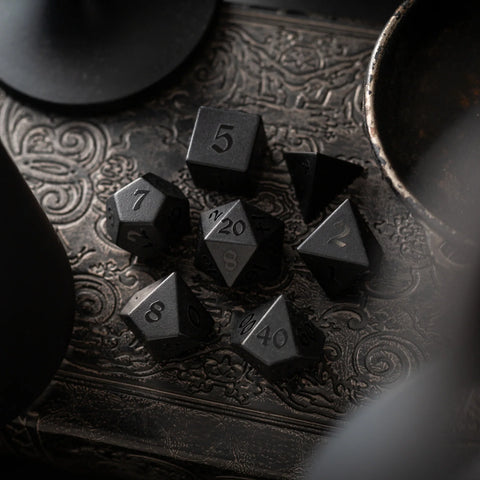
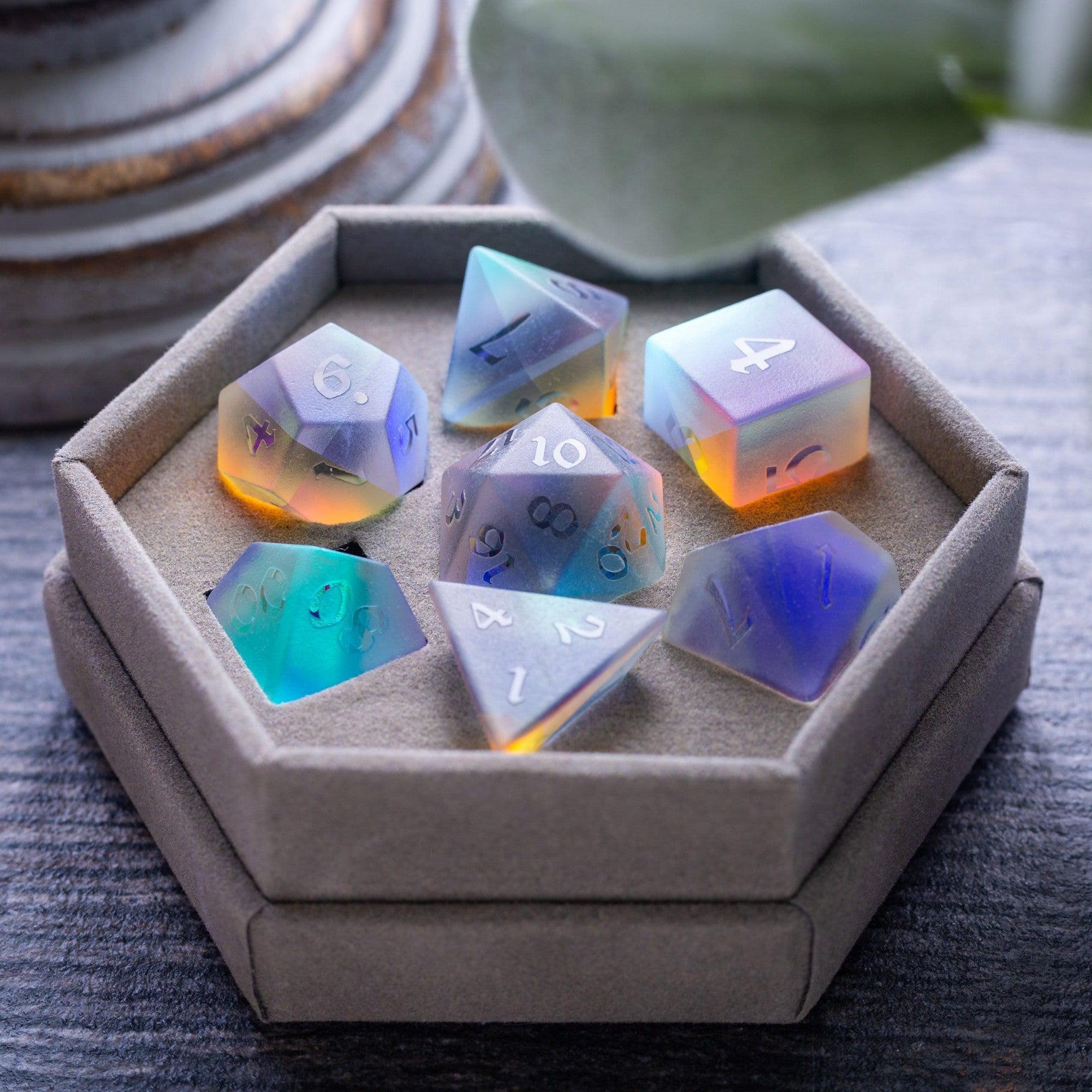
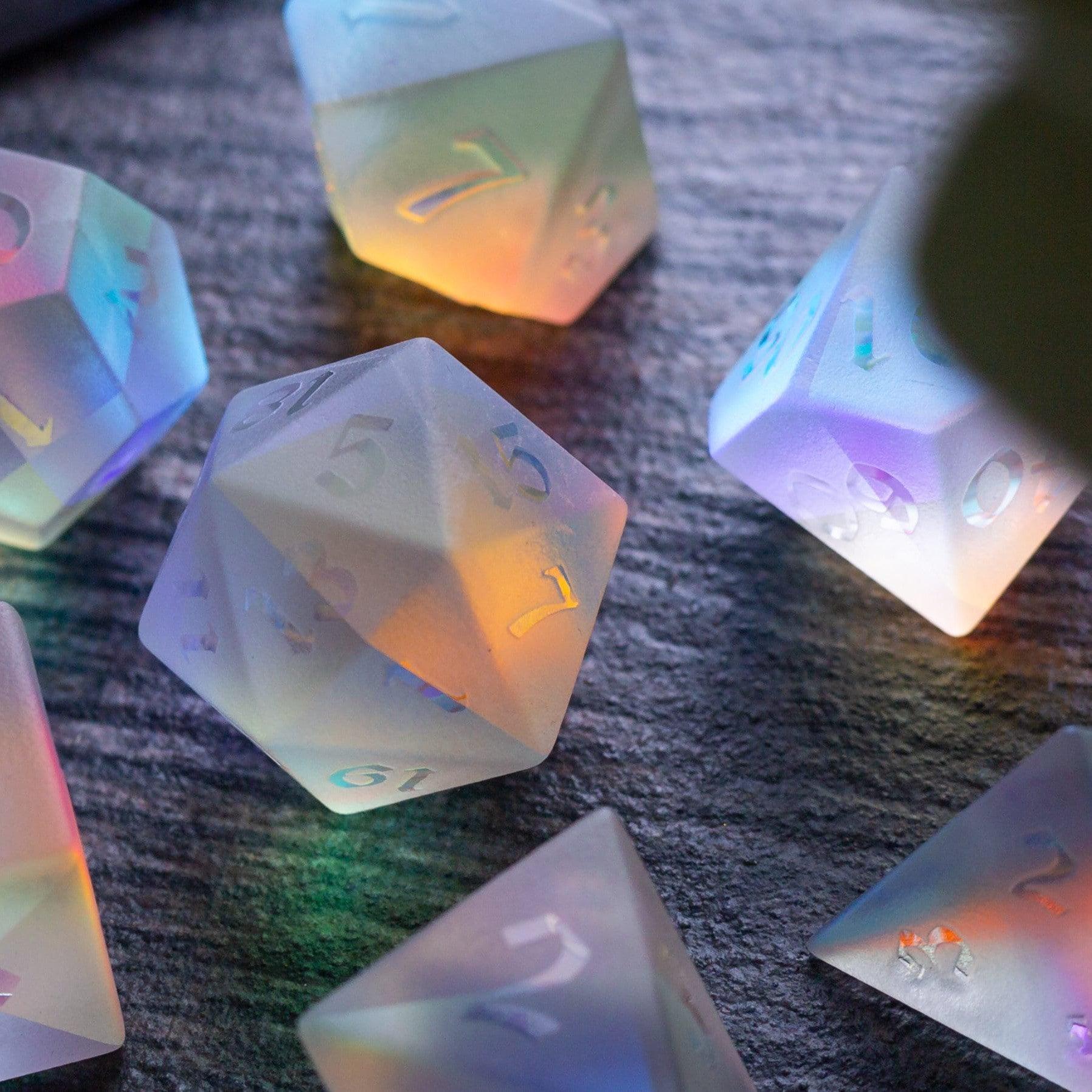
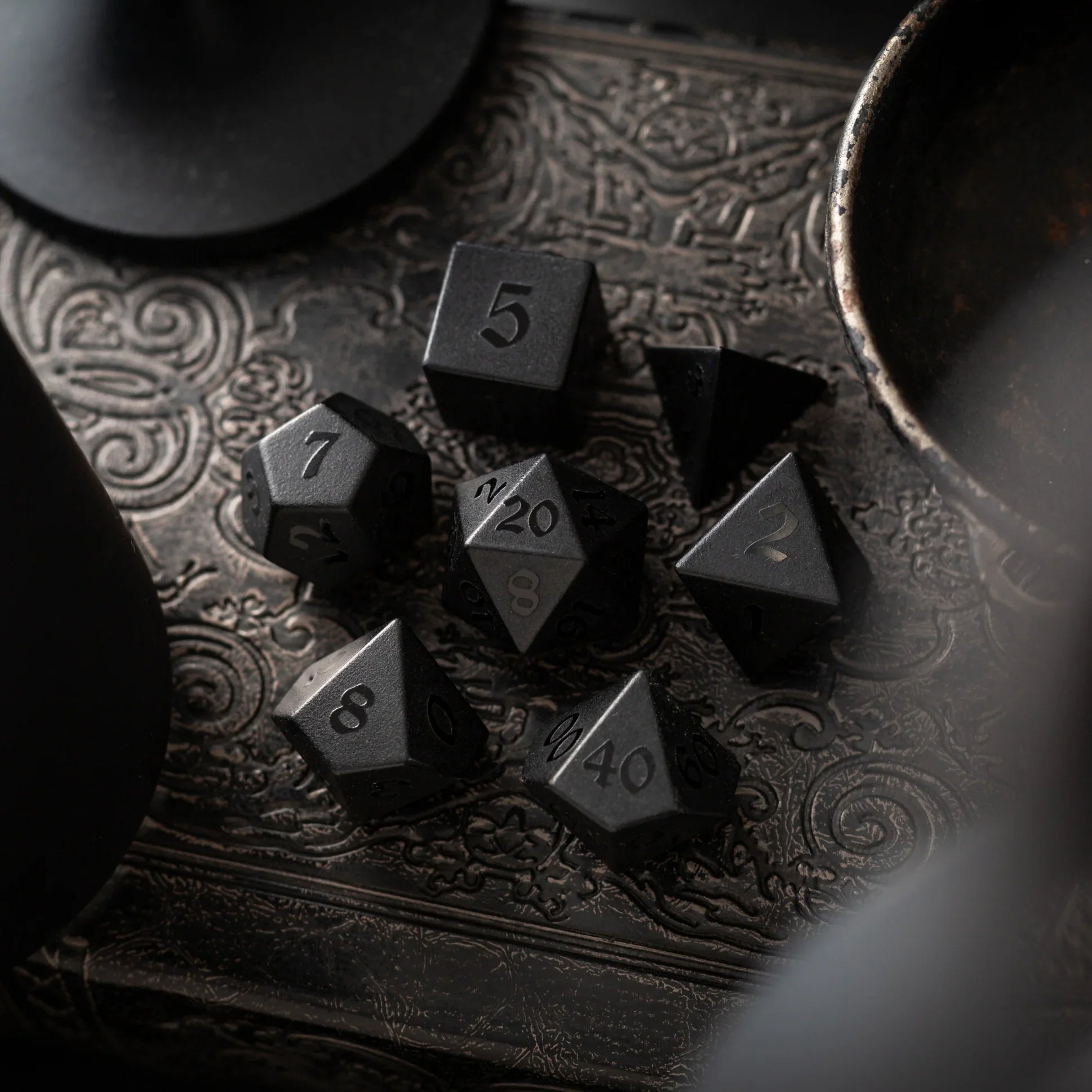
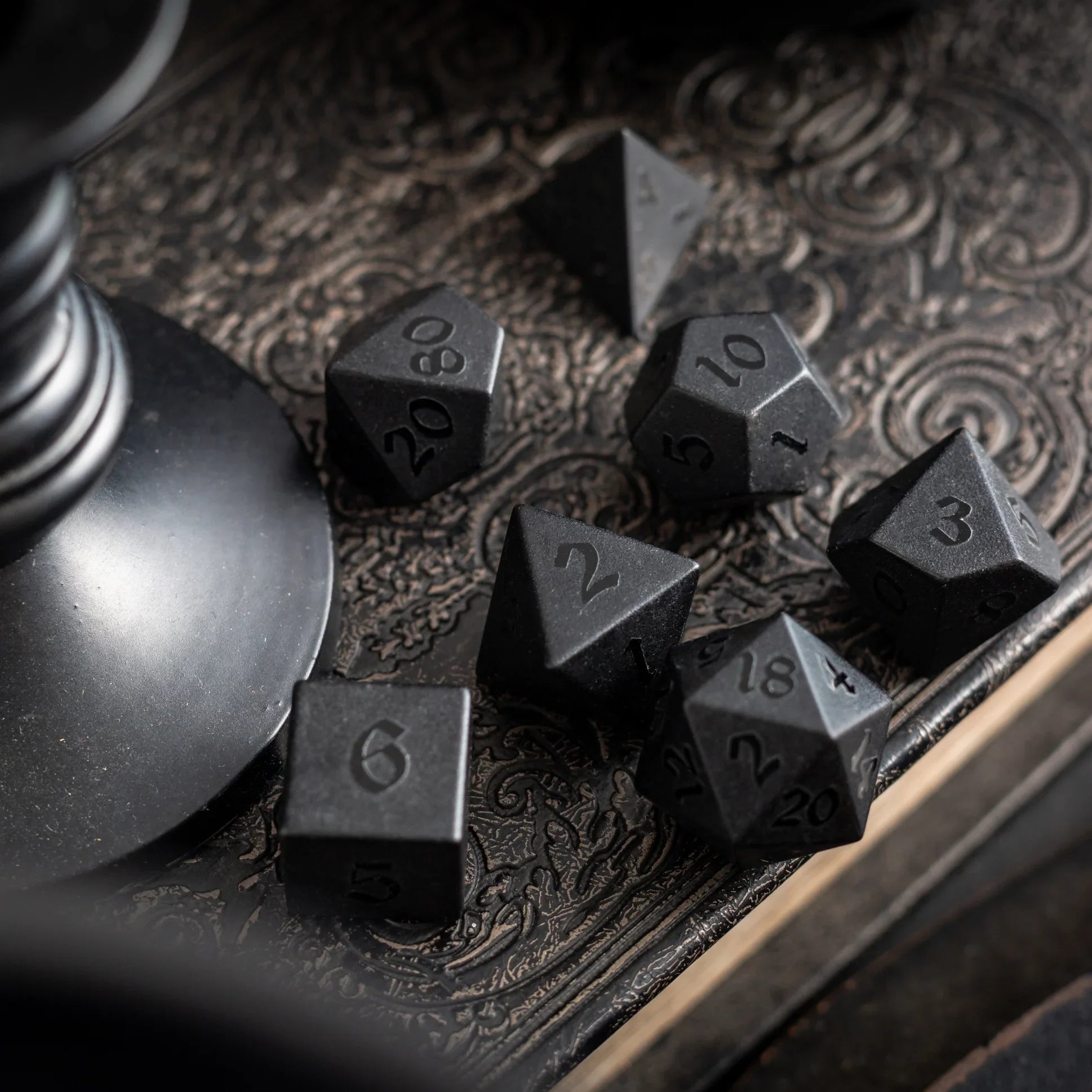
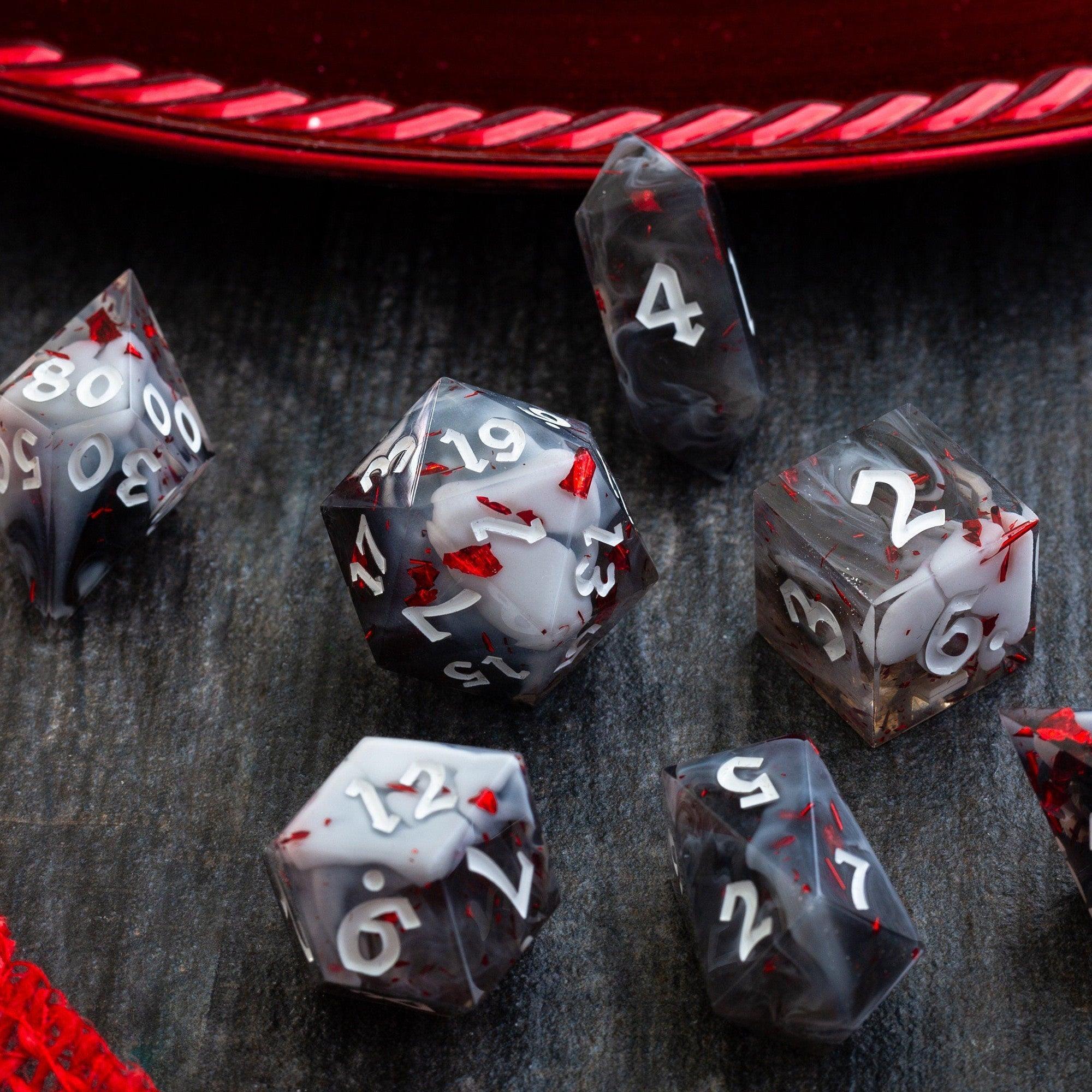
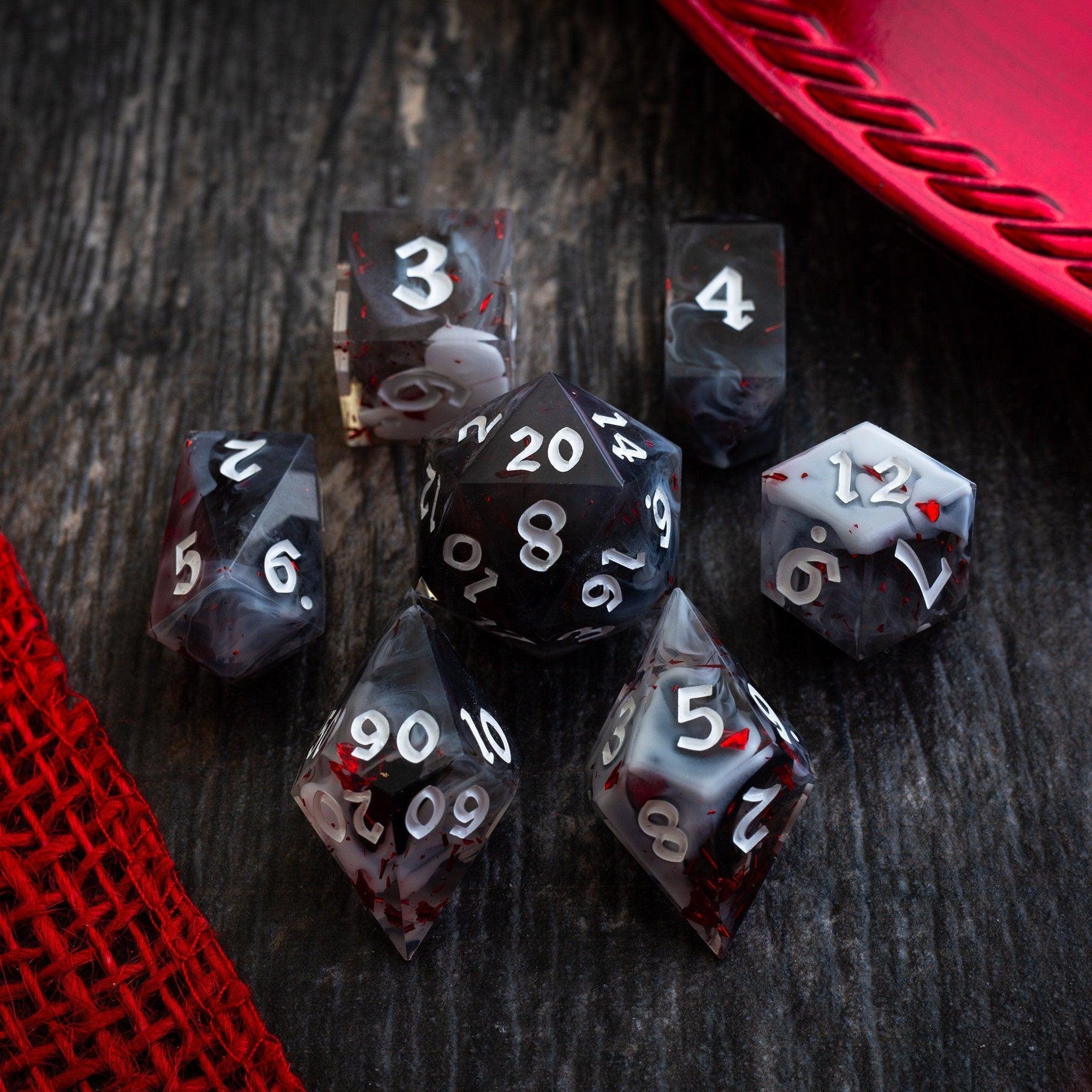
Many experienced players also enjoy mixing complementary materials. A translucent resin dice set can pair surprisingly well with a polished glass oversized D20, while a darker obsidian-inspired collection may look striking alongside a substantial metal centerpiece.
At Runic Dice, this variety of materials and finishes illustrates how players can build collections around themes rather than matching every die exactly. The oversized D20 becomes the centerpiece without replacing the versatility of a complete gaming set.
Choosing the Right Oversized D20
With so many options available, narrowing your choices becomes much easier when you focus on how you'll actually use the die.
Consider these questions before deciding.
How Do You Play?
If you're a Dungeon Master, readability and visibility may matter most.
Players may prioritize appearance and rolling feel instead.
What Campaign Are You Playing?
A gothic horror campaign might inspire darker gemstone or metal finishes, while a bright high-fantasy adventure could pair nicely with colorful resin or liquid core designs.
Which Material Appeals to You?
Every material offers a different experience.
-
Resin balances affordability and creativity.
-
Metal emphasizes weight.
-
Gemstone highlights natural beauty.
-
Glass creates elegant displays.
-
Acrylic offers lightweight practicality.
Is It for Play or Display?
Collectors may prioritize intricate craftsmanship, while active players often value durability and comfortable handling.
What's Your Budget?
Premium craftsmanship typically reflects the materials and manufacturing involved. Choosing a die that fits your budget while meeting your gameplay goals often leads to greater long-term satisfaction than simply selecting the most expensive option.
Roll Bigger, Remember Longer
Some of the best tabletop memories aren't created by the numbers on the dice but by the stories surrounding the roll itself.
An oversized D20 transforms ordinary mechanics into shared experiences that players remember years later. Whether it's the final strike against a legendary villain, a miraculous natural 20, or a desperate saving throw that keeps a beloved character alive, the larger die adds a sense of occasion that standard dice sometimes can't match on their own.
When chosen thoughtfully, giant D20 dice become more than gaming accessories. They become part of a group's traditions, a collector's showcase, and a symbol of the unforgettable moments that make tabletop roleplaying games so rewarding. By considering factors like material, craftsmanship, readability, durability, and how you plan to use it, you'll find an oversized die that fits naturally into your adventures and helps turn every legendary roll into a memory worth telling again.

Leave a comment
This site is protected by hCaptcha and the hCaptcha Privacy Policy and Terms of Service apply.