Unlock D&D Resources: Build Richer Campaigns Faster with the Right Tools
A memorable Dungeons & Dragons campaign rarely comes from improvisation alone. While creativity fuels every adventure, the right D&D resources help turn ideas into organized, engaging sessions that players look forward to every week.
Whether you're preparing your first homebrew world or managing a campaign that's been running for months, good preparation isn't about creating hundreds of pages of notes. It's about having reliable systems that help you spend less time searching for information and more time telling great stories.
The best Dungeons and Dragons resources don't replace imagination. Instead, they give that imagination structure by keeping encounters organized, characters memorable, and adventures consistent from one session to the next.
Why Great Resources Lead to Better Campaigns
Every Dungeon Master eventually discovers that preparation is really about reducing friction.
Instead of flipping through multiple books during combat or trying to remember the name of an NPC from six sessions ago, good resources keep everything within easy reach.
Well-organized Dungeon Master resources help you:
-
Spend less time preparing each session
-
Keep campaign lore consistent
-
Create more believable worlds
-
Respond confidently to unexpected player choices
-
Focus on storytelling instead of searching for notes
Players notice the difference, too. Sessions move more smoothly, the world feels more alive, and everyone stays immersed in the adventure.
Types of D&D Resources Every Table Should Use
Not every campaign needs every tool, but most successful groups rely on several different categories of tabletop RPG resources.
Rulebooks
Rulebooks remain the foundation of every campaign.
Beyond explaining mechanics, they establish consistency. When everyone understands how abilities, spells, and combat work, the game flows with fewer interruptions.
They're best used for:
-
Learning mechanics
-
Resolving rules questions
-
Creating balanced characters
-
Understanding monsters and spells
Character Builders
Character builders simplify one of the most detailed parts of D&D.
Instead of calculating every statistic manually, players can focus on building personalities, backgrounds, and goals.
These tools are especially helpful for:
-
New players
-
Multiclass characters
-
High-level campaigns
-
Level-up planning
Campaign Planners
Campaign planners organize dozens of moving pieces into one manageable location.
A good planner keeps track of:
-
Session summaries
-
NPCs
-
Important locations
-
Ongoing quests
-
Treasure
-
Party decisions
-
Future story hooks
Without organization, even experienced Dungeon Masters can lose track of important details.
Encounter Generators
Creating encounters from scratch every week takes time.
Generators can quickly provide inspiration for:
-
Wilderness encounters
-
Dungeon rooms
-
Social interactions
-
Environmental hazards
-
Random discoveries
The key is using them as starting points rather than final products.
Initiative Trackers
Combat often slows because everyone loses track of turn order.
Initiative trackers make battles faster by keeping:
-
Turn order visible
-
Conditions organized
-
Status effects easy to remember
Small improvements like these keep players engaged instead of waiting for updates.
Worldbuilding Tools
Creating believable settings becomes much easier with organized worldbuilding resources.
These can help develop:
-
Kingdoms
-
Cities
-
Trade routes
-
Religions
-
Noble families
-
Political alliances
-
Historical events
Rather than inventing everything during a session, you already have answers ready when players ask unexpected questions.
NPC and Name Generators
Players have an incredible talent for speaking to the one person you hadn't prepared.
NPC generators allow you to instantly create:
-
Names
-
Personalities
-
Occupations
-
Motivations
-
Secrets
Even randomly generated characters become memorable once you personalize them.
Campaign Journals
Campaign journals aren't just for Dungeon Masters.
Encouraging players to keep notes helps everyone remember:
-
Major story events
-
Party relationships
-
Important clues
-
Character development
Long-running campaigns become much richer when everyone contributes to remembering the story.
Resources That Save Dungeon Masters Time
The most valuable D&D campaign tools aren't necessarily the most advanced. They're the ones that eliminate repetitive work.
Focus your preparation on resources that simplify:
Session Planning
Create a simple outline instead of scripting every conversation.
Include:
-
Opening scene
-
Three to five major encounters
-
Important NPCs
-
Likely player decisions
-
Possible conclusions
Encounter Organization
Keep monster information together before the session begins.
Organized encounters reduce pauses during combat and let you focus on describing exciting action instead of searching through notes.
Treasure Tracking
Recording treasure prevents confusion later.
Maintain one running list for:
-
Magic items
-
Gold rewards
-
Quest rewards
-
Consumables
-
Party inventory
NPC Management
Instead of writing lengthy biographies for every character, track only what matters.
A simple entry might include:
-
Appearance
-
Personality
-
Goals
-
Relationship with the party
-
Current location
Quest Organization
Rather than one enormous campaign document, separate quests into:
-
Active quests
-
Completed quests
-
Future story hooks
Players appreciate knowing what still needs attention.
Resources That Help Players Stay Engaged
Good organization isn't only for Dungeon Masters.
Players benefit just as much from simple systems that reduce confusion during gameplay.
Helpful resources include:
-
Character journals
-
Spell tracking sheets
-
Equipment inventories
-
Initiative trackers
-
Condition markers
-
Shared party notes
These tools reduce repeated questions like:
-
"How many spell slots do I have?"
-
"Who has the key?"
-
"Which NPC hired us?"
-
"What was our next objective?"
The less time spent remembering details, the more time everyone spends roleplaying.
Building Better Worlds
One of the biggest advantages of quality D&D worldbuilding resources is consistency.
Players quickly notice when a world feels connected rather than randomly assembled.
Useful resources help develop:
Settlements
Create villages and cities with:
-
Distinct cultures
-
Local economies
-
Memorable landmarks
-
Political tensions
Every town should feel different.
Dungeons
Interesting dungeons include more than monsters.
Preparation tools can help design:
-
Puzzles
-
Traps
-
Ancient history
-
Environmental hazards
-
Hidden passages
Factions
Organizations create ongoing storylines.
Think about:
-
Goals
-
Rivals
-
Resources
-
Leadership
-
Influence
Factions make the world feel alive even when players aren't present.
Maps
Well-designed D&D maps improve exploration by giving players meaningful choices.
Maps don't need elaborate artwork.
Even simple sketches showing:
-
Roads
-
Rivers
-
Mountains
-
Cities
-
Ruins
can dramatically improve navigation and immersion.
Random Encounters
Random encounters should reinforce the setting rather than simply interrupt travel.
Instead of another monster fight, consider:
-
Merchants
-
Pilgrims
-
Strange weather
-
Lost travelers
-
Ancient ruins
-
Local festivals
These encounters tell stories while expanding the world.
Digital vs Physical Resources
Both approaches offer unique advantages.
| Resource Type | Best Used For | Benefits |
|---|---|---|
| Rulebooks | Learning mechanics | Reliable rules reference |
| Campaign planners | Long-term adventures | Better organization |
| Map tools | Exploration | Visual immersion |
| NPC generators | Session prep | Saves preparation time |
| Character journals | Players | Improves roleplaying |
Digital resources excel at:
-
Searching information quickly
-
Updating notes
-
Sharing documents
-
Remote play
-
Backing up campaigns
Physical resources remain excellent for:
-
Running games at the table
-
Reducing screen distractions
-
Sketching ideas quickly
-
Remembering information visually
Many Dungeon Masters use both.
For example, digital notes can organize campaign lore while handwritten notebooks capture ideas during play.
Building an Efficient Campaign Workflow
Strong D&D campaign preparation follows a repeatable process.
Instead of reinventing your workflow each week, try this sequence.
1. Outline the Adventure
Start with the major story beats.
Don't plan every possible decision.
2. Prepare Encounters
Organize monsters, puzzles, exploration, and social scenes.
Keep statistics together.
3. Organize NPCs
Review motivations, personalities, and current events before the session begins.
4. Review Player Goals
Think about each character.
Ask yourself:
-
What motivates them?
-
Which plot hooks interest them?
-
What unfinished stories remain?
5. Gather Reference Materials
Keep important rules, maps, monster notes, and campaign summaries within easy reach.
6. Prepare Maps
Whether hand-drawn or printed, maps reduce confusion and encourage exploration.
7. Review Previous Session Notes
A five-minute review often reveals forgotten story hooks worth bringing back.
Common Resource Mistakes to Avoid
Even the best tools become obstacles if they're used poorly.
Watch out for these common mistakes.
Collecting Too Many Tools
Every new planner or generator promises to improve preparation.
Too many systems usually create more work instead.
Choose a small toolkit you know well.
Ignoring Organization
Information only helps if you can find it.
Use consistent folders, tabs, or notebooks.
Over-Preparing Every Session
Players rarely follow every planned path.
Prepare situations rather than scripts.
Depending Entirely on Random Generators
Generators provide ideas.
You provide context.
Always customize random results to fit your campaign.
Forgetting Player Feedback
Some of the best improvements come directly from your table.
Ask players:
-
What moments stood out?
-
Which NPCs did they enjoy?
-
What would they like to explore next?
Their answers become valuable resources for future sessions.
Small Accessories That Make a Big Difference
Organization extends beyond notes.
Simple physical accessories often improve the experience for everyone.
Many groups appreciate:
-
Dice trays that keep rolls contained
-
Dice vaults that protect favorite sets between sessions
-
Campaign notebooks for handwritten ideas
-
Initiative trackers that keep combat moving
-
Condition markers that reduce confusion
-
Storage organizers for maps, miniatures, and tokens
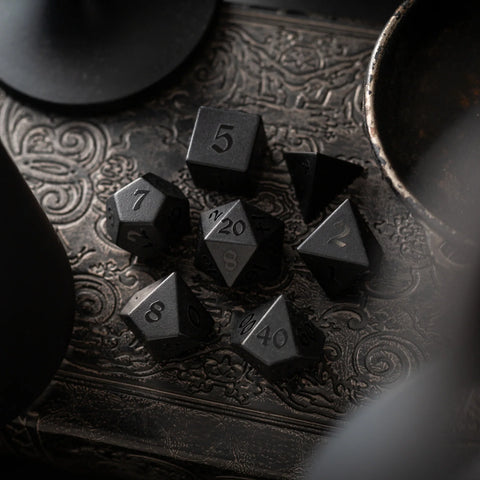
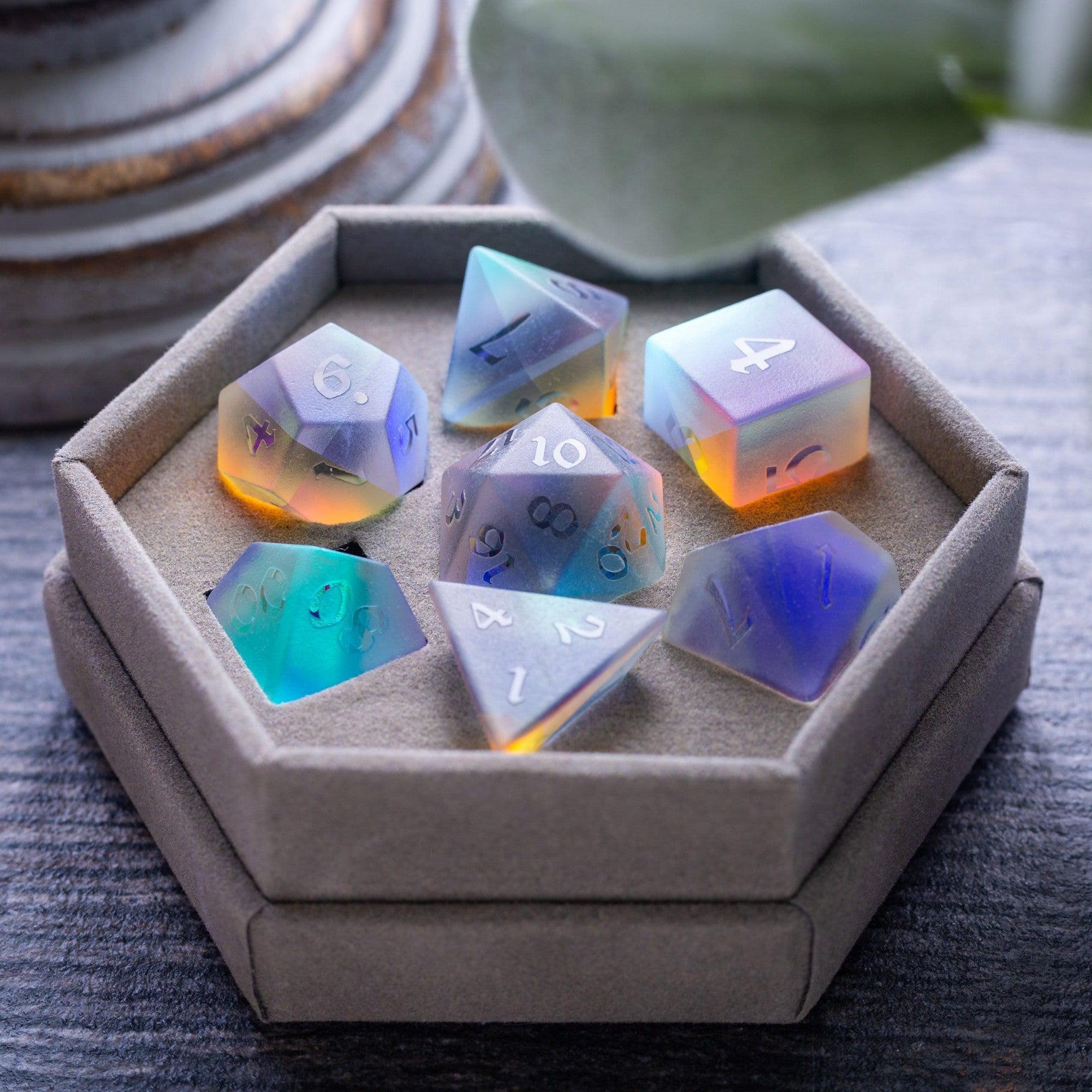
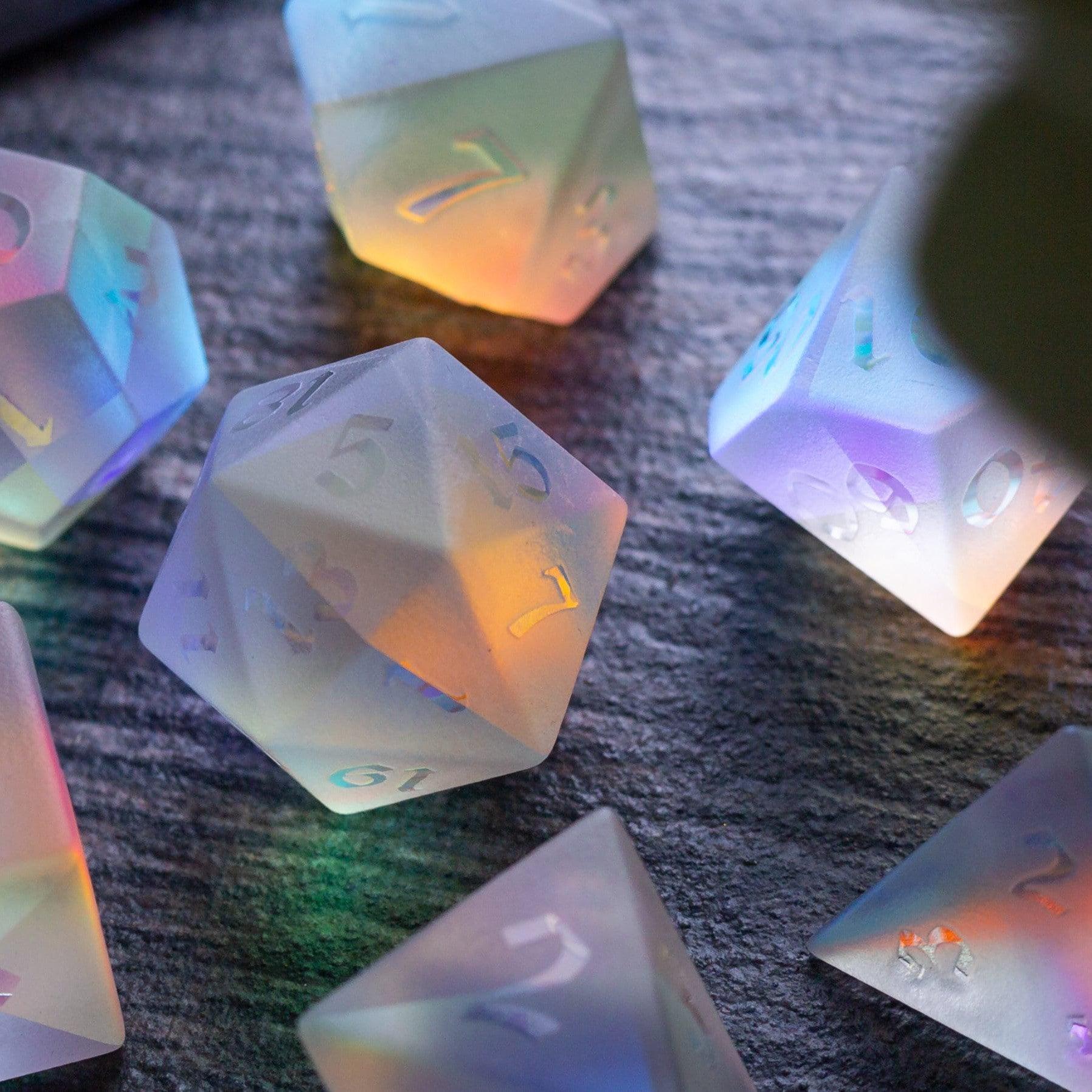
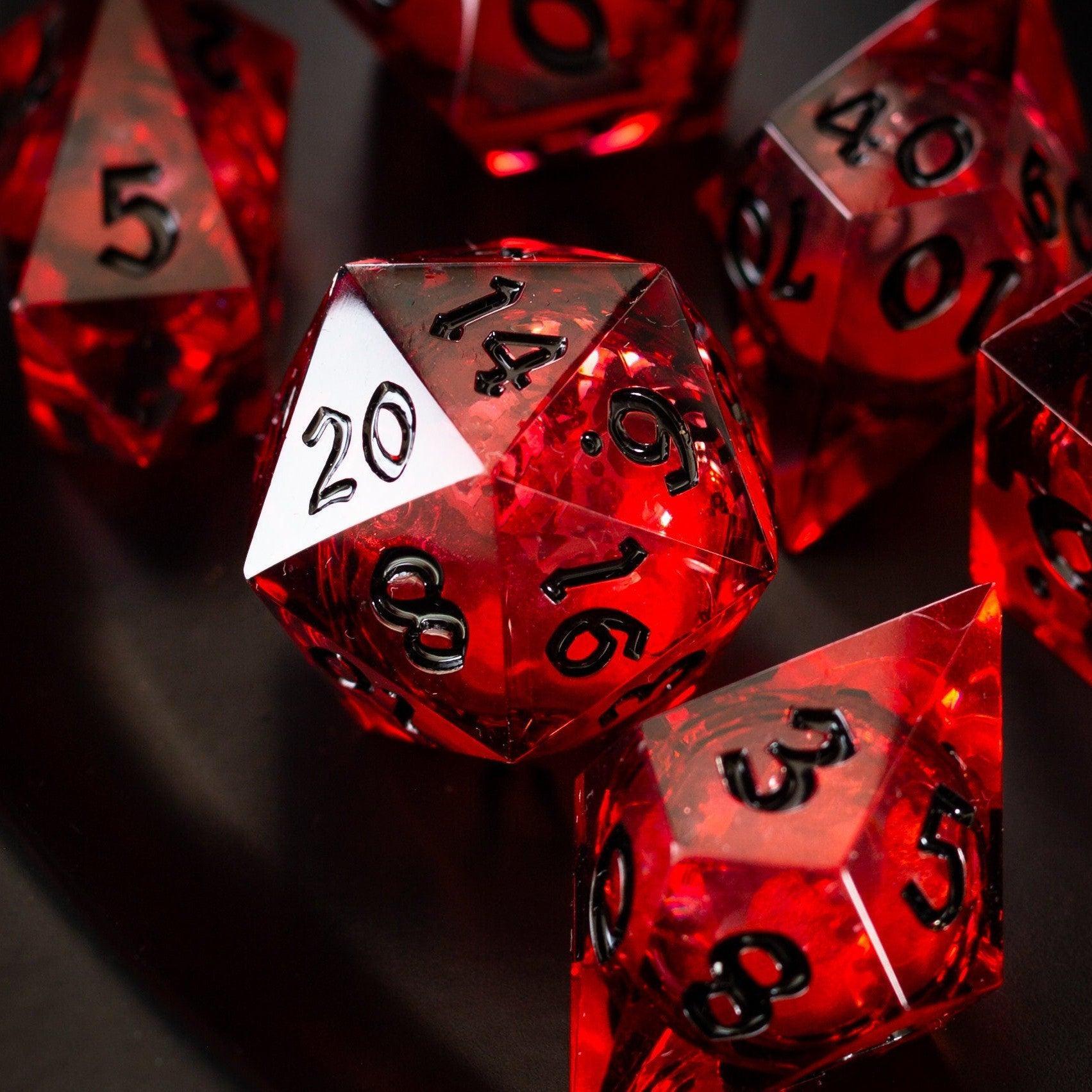
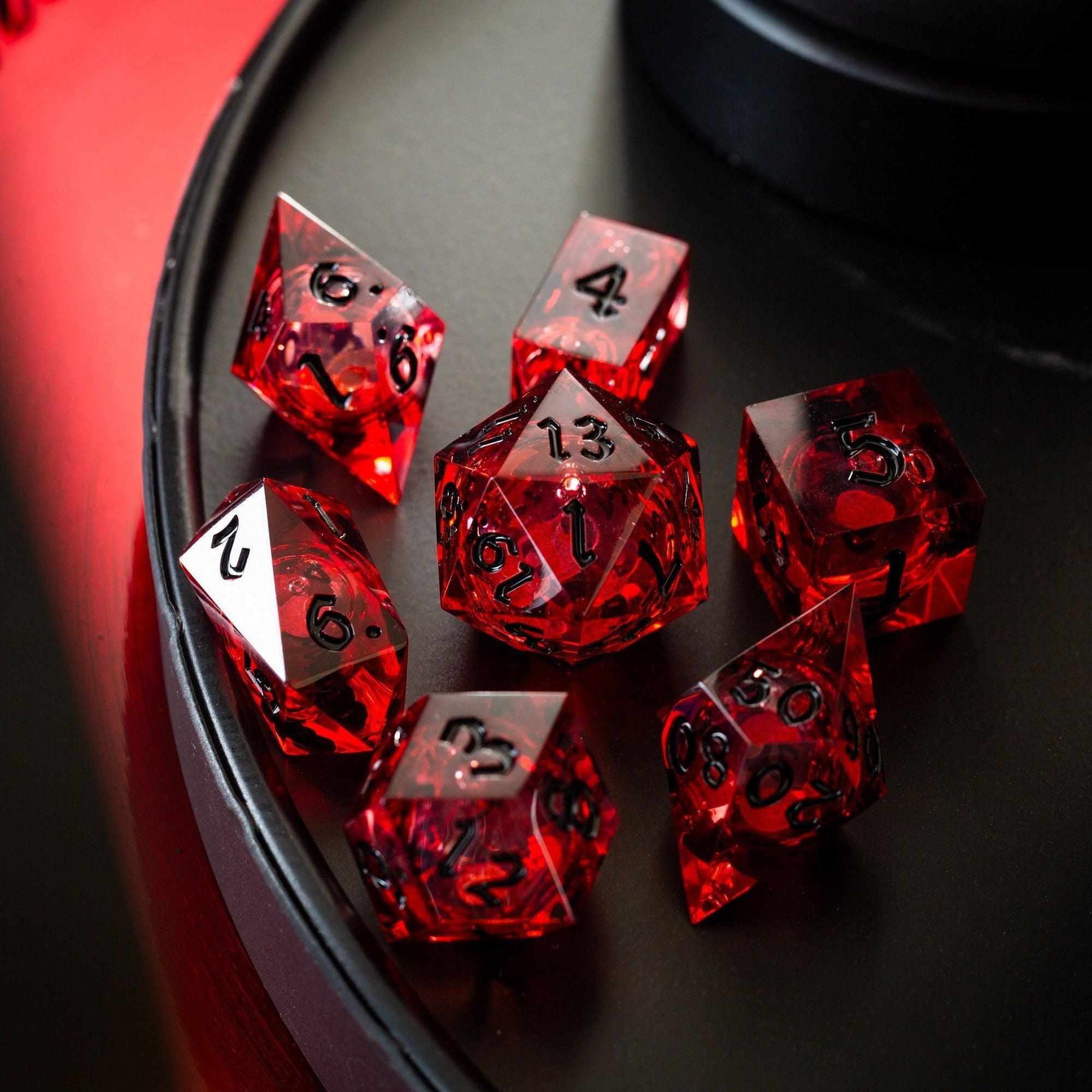
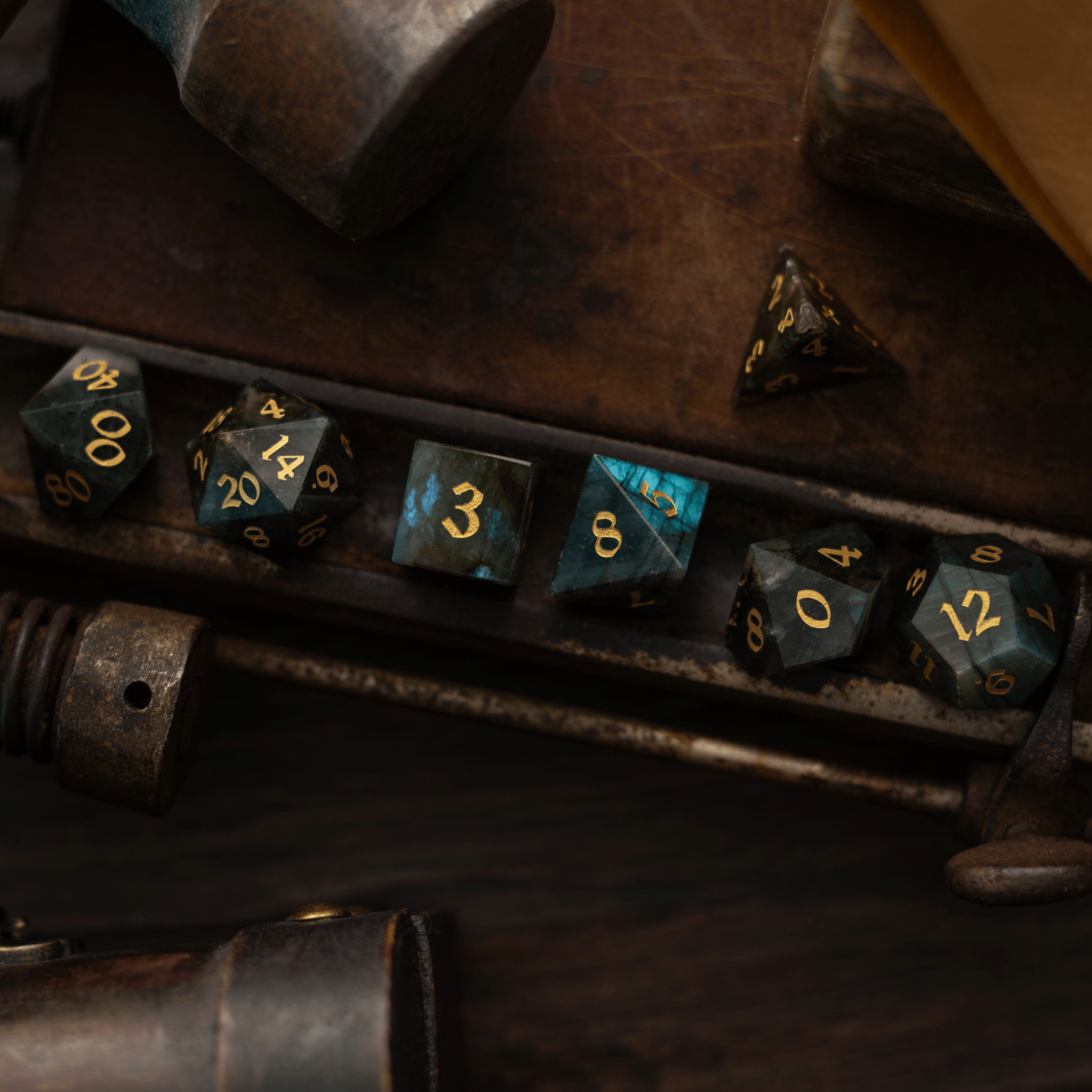
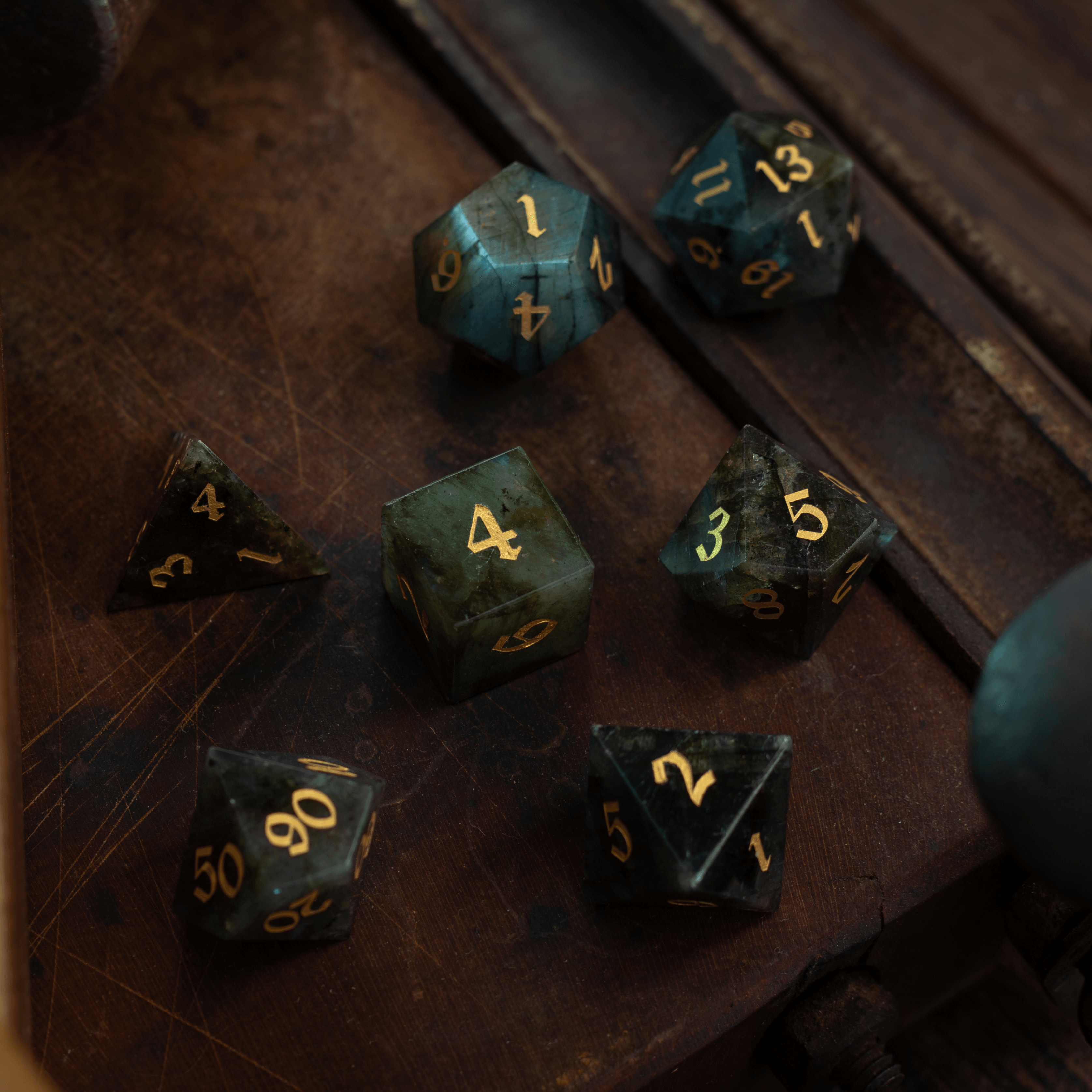
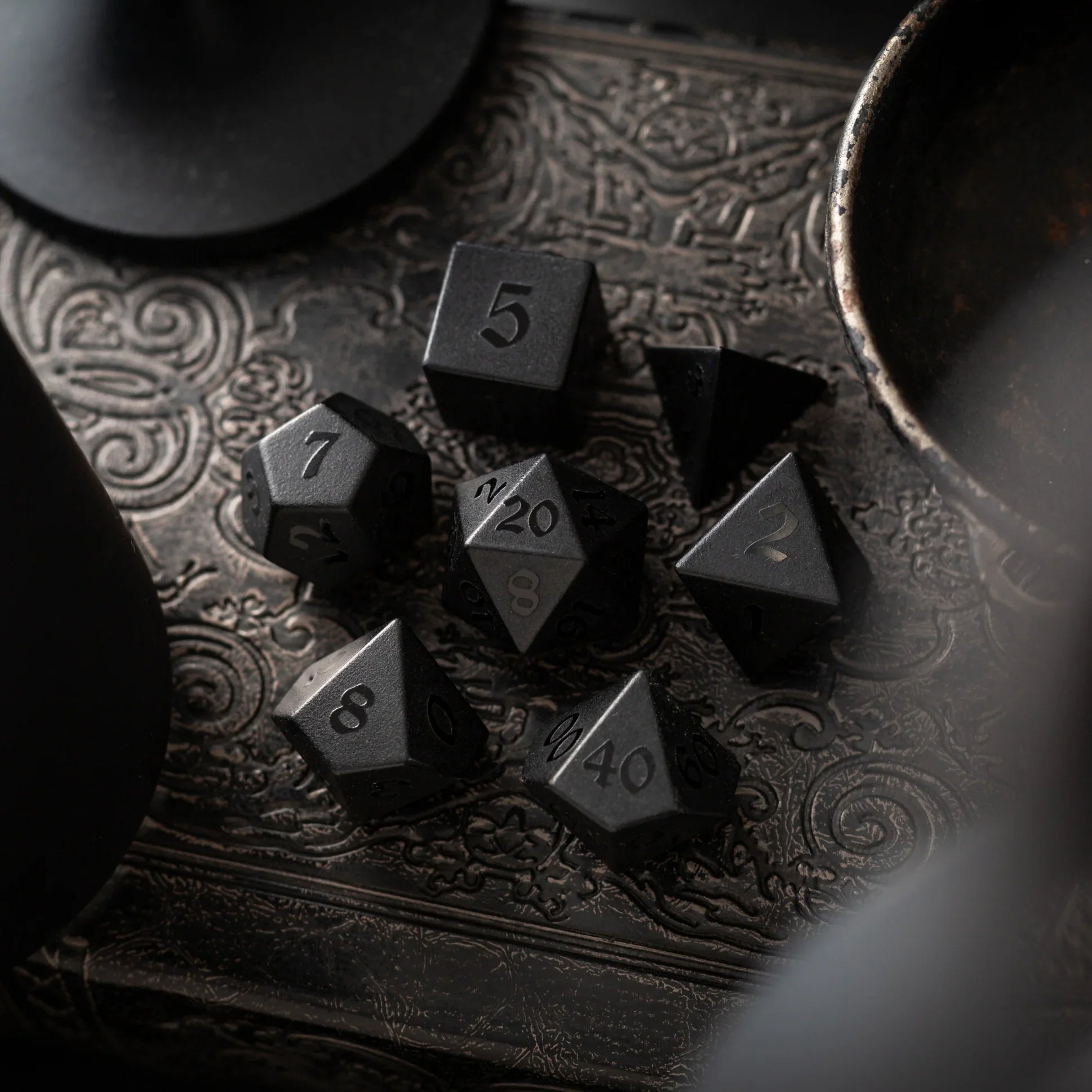
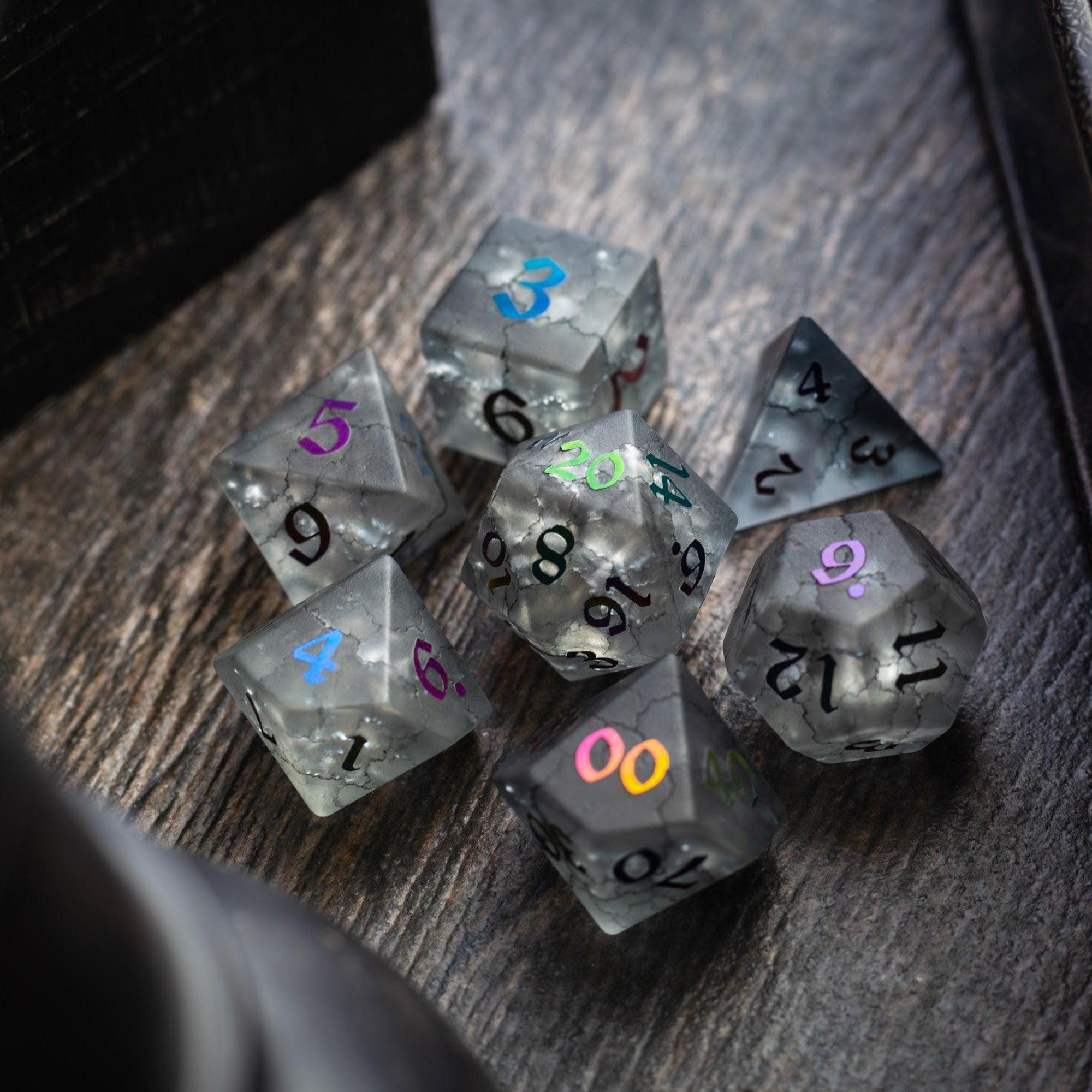
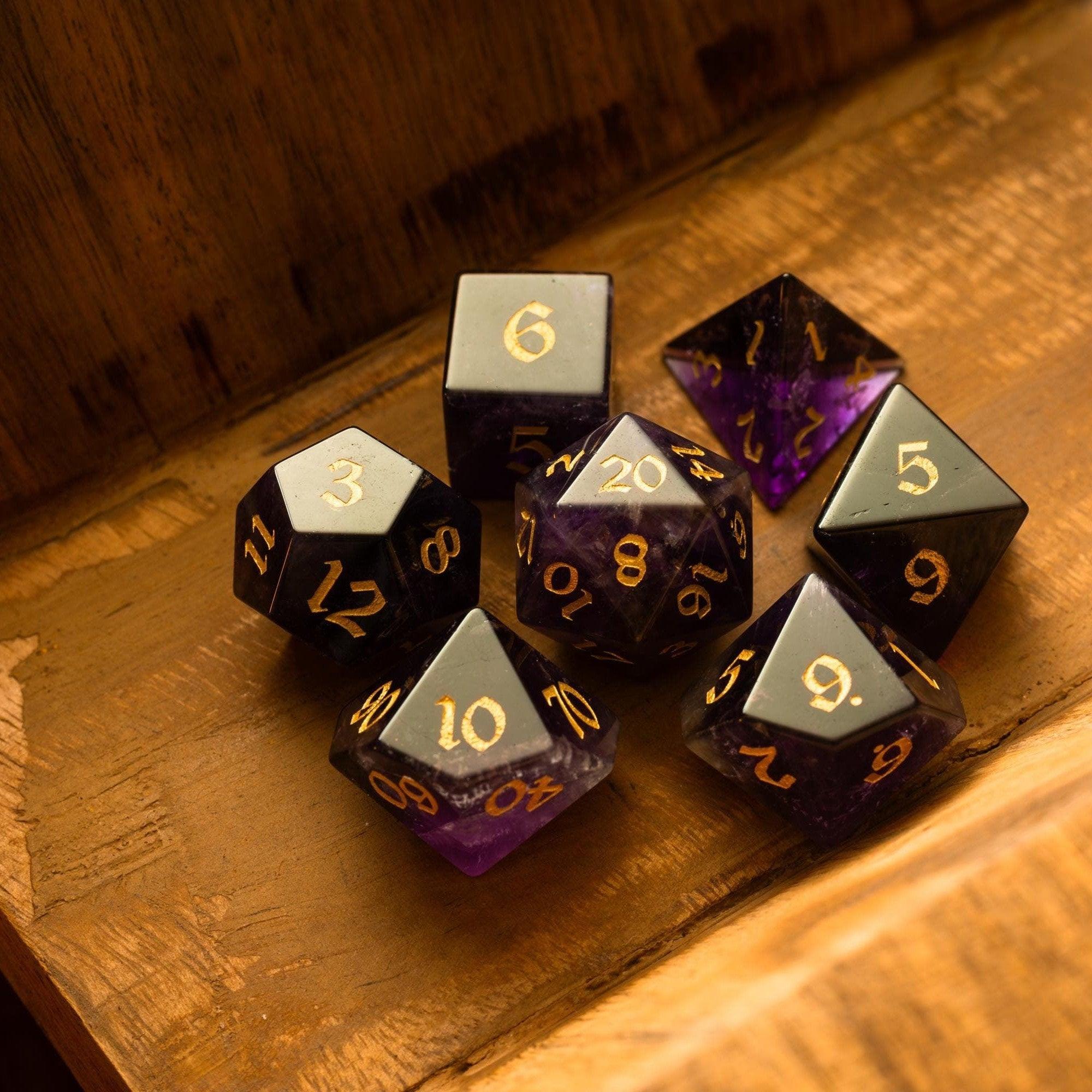
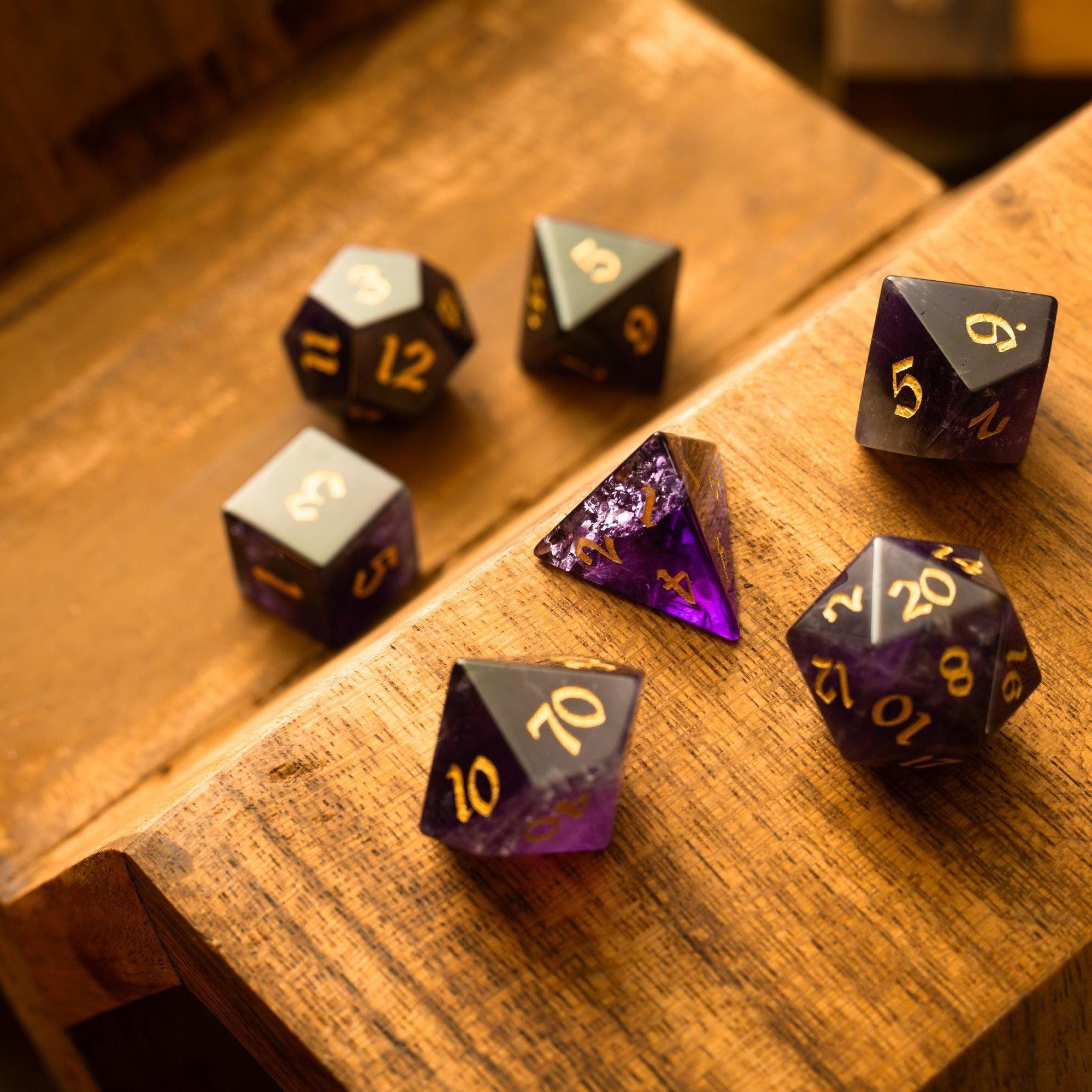
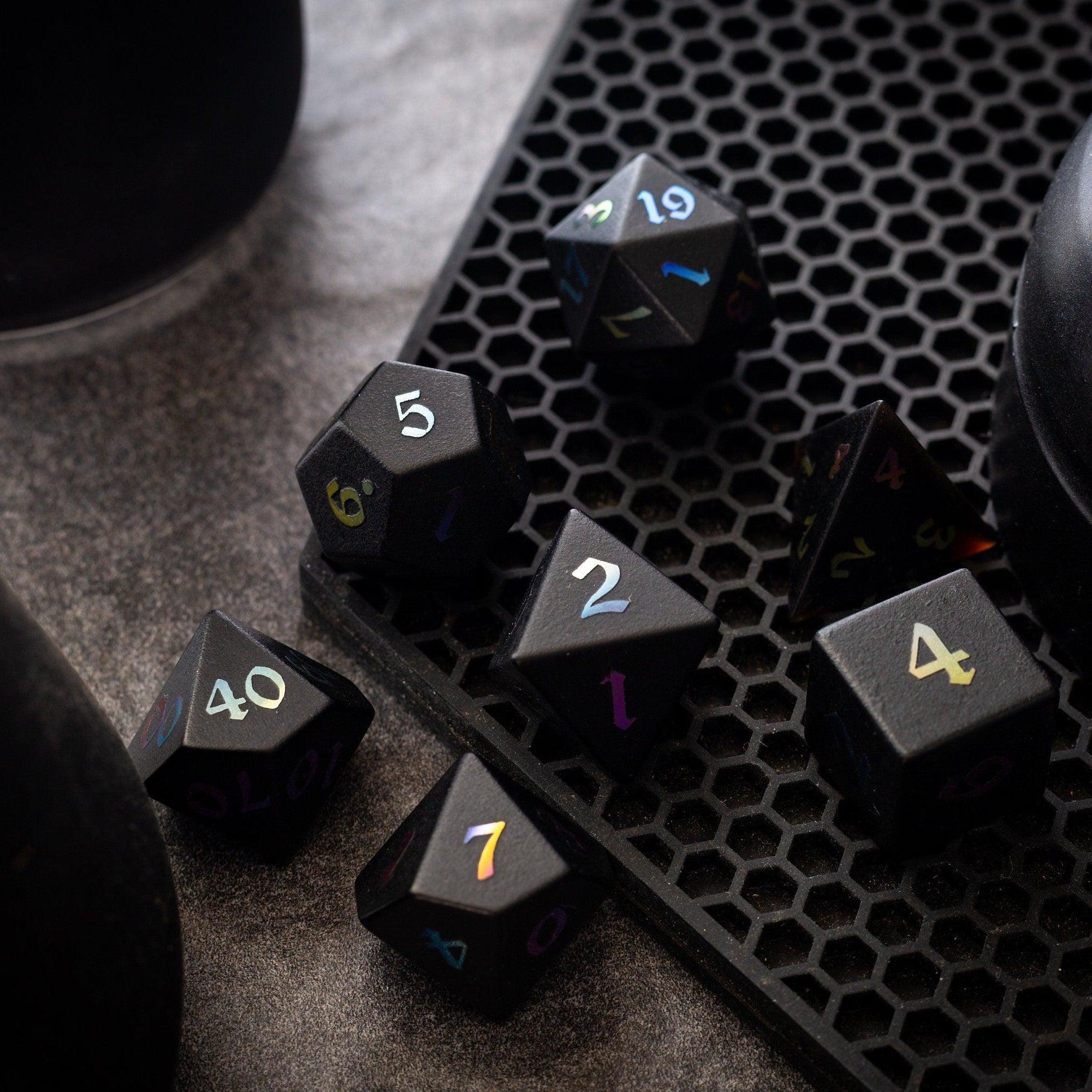
Dice themselves also contribute to the atmosphere of a campaign without becoming the center of attention.
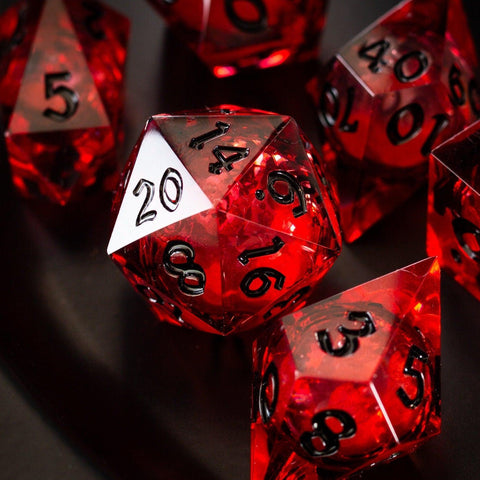
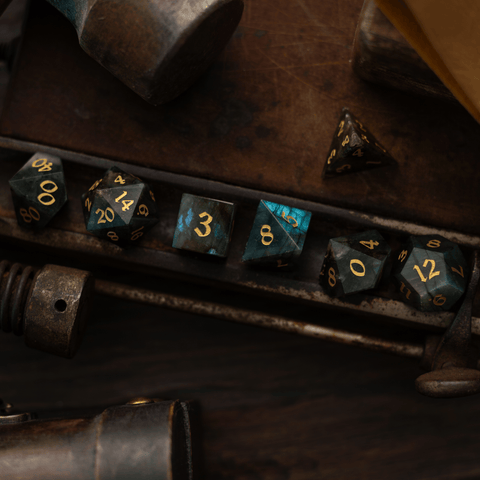
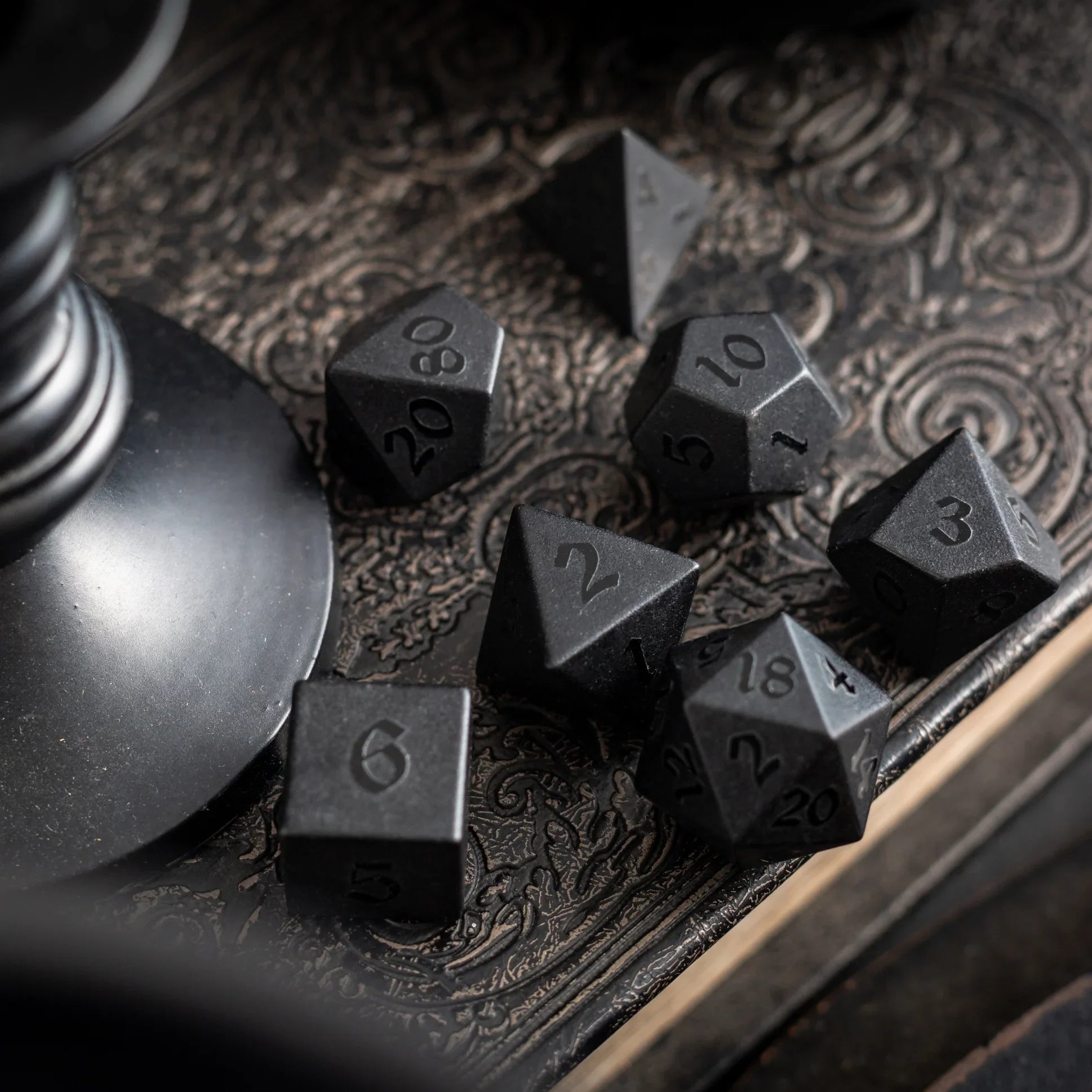
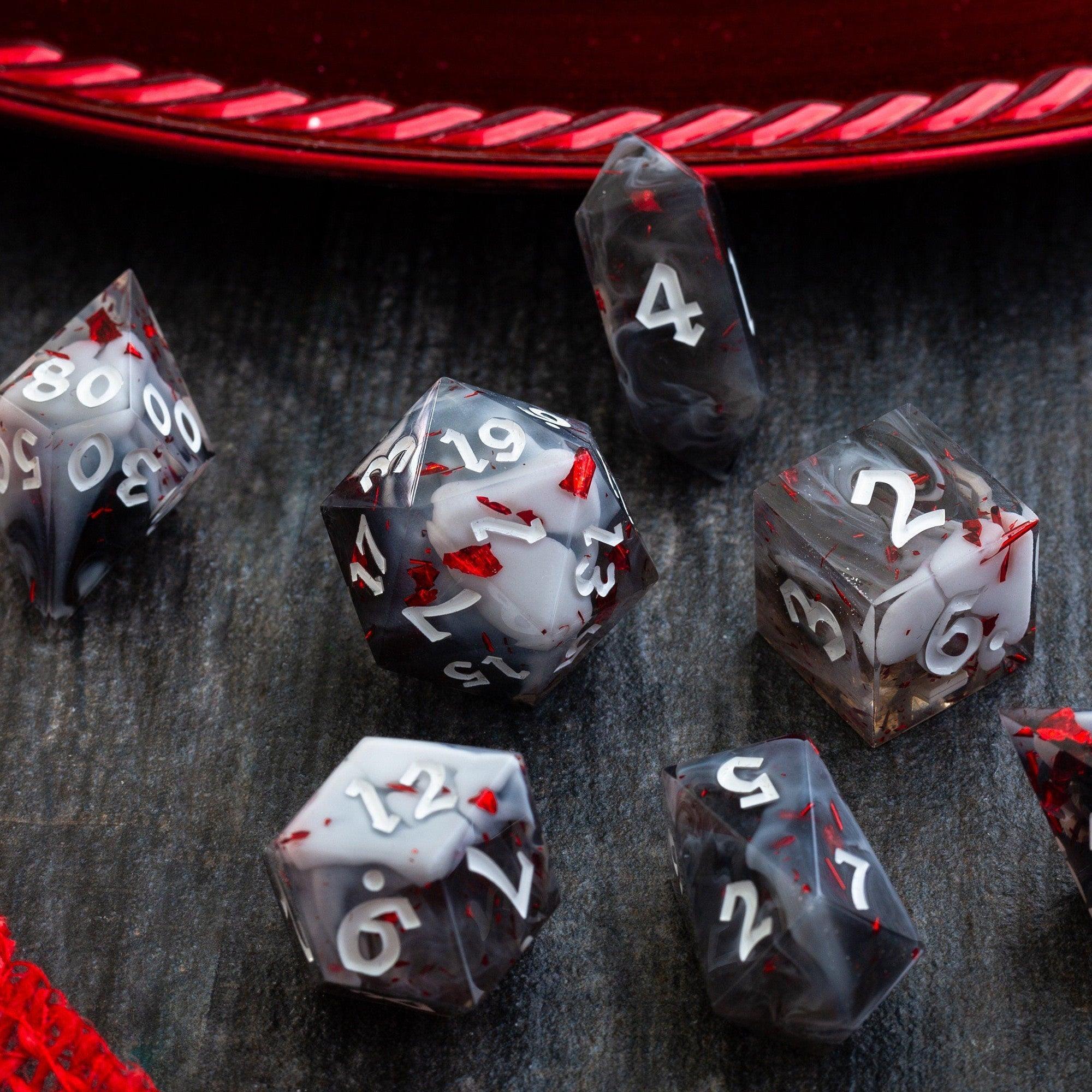
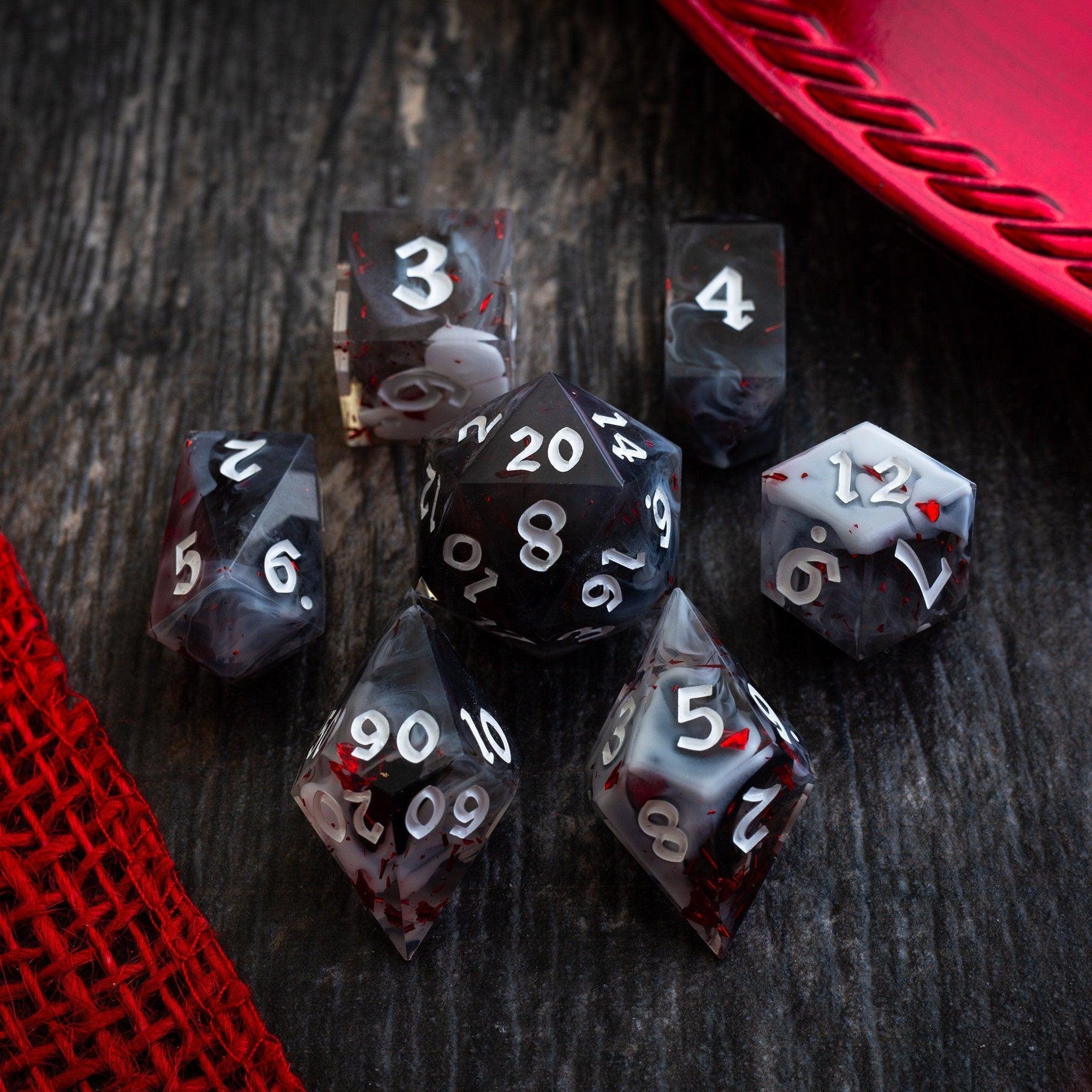
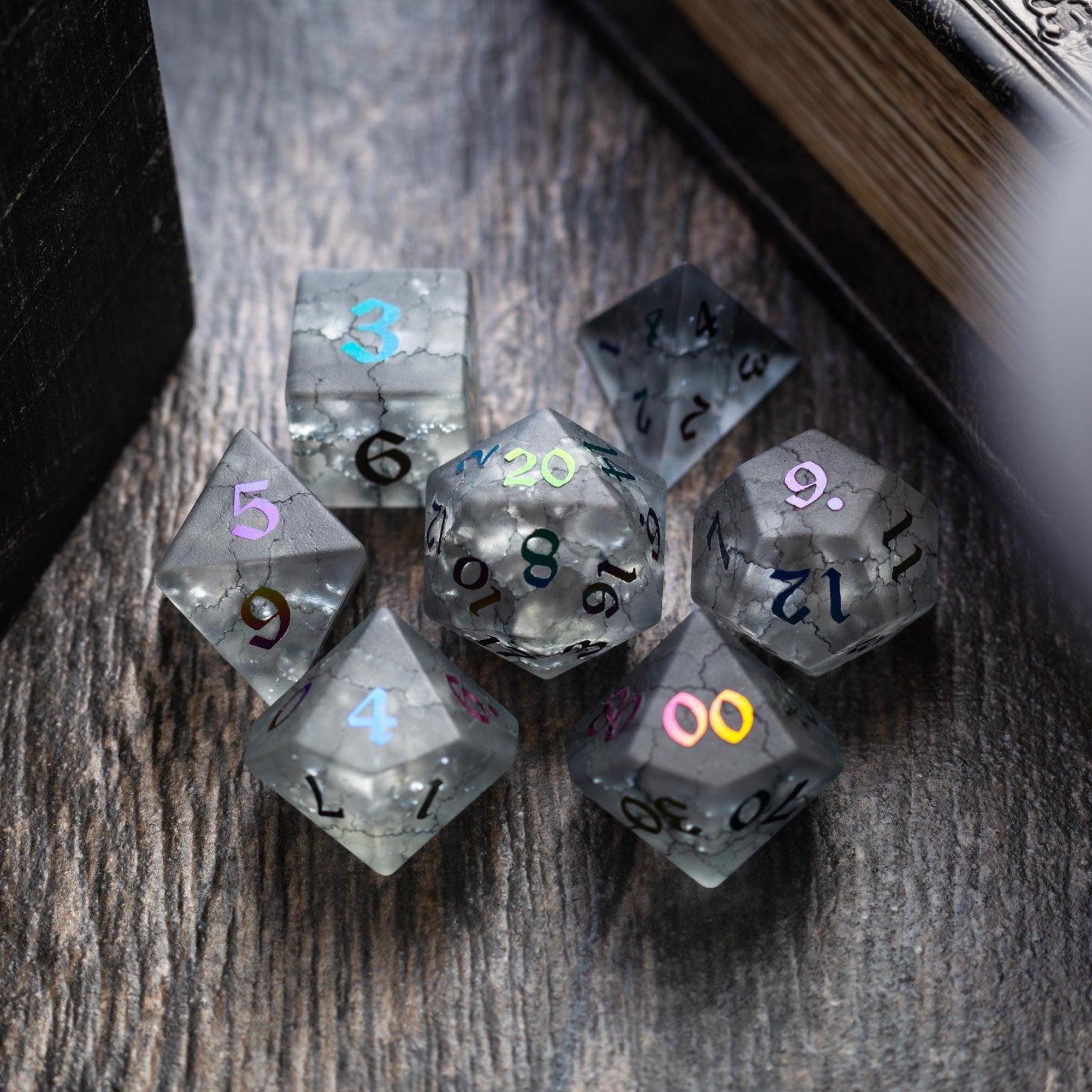
A grim gothic adventure might feel especially fitting with obsidian-inspired gemstone dice, while a vibrant high-magic setting can be complemented by colorful liquid core dice that echo the world's magical energy. Long-running campaigns often see players reaching for durable resin dice or sturdy metal dice that stand up to years of weekly sessions.
Those kinds of choices don't change the rules, but they can enhance the ritual of gathering around the table and make each campaign feel a little more distinctive.
Growing as a Dungeon Master
No collection of D&D resources can replace experience.
The best Dungeon Masters continually improve because they treat every session as an opportunity to learn.
Over time, you'll naturally build your own library of reusable adventures, memorable NPCs, encounter templates, world maps, and campaign notes.
Keep experimenting with new preparation methods, listen carefully to your players, and don't be afraid to simplify your process when something isn't working. Flexible preparation almost always beats perfect preparation.
As your confidence grows, you'll spend less time worrying about managing the game and more time enjoying the shared stories unfolding around the table.
Building Adventures Players Will Remember
The most successful campaigns aren't built on endless preparation or shelves full of books. They're built on using the right resources at the right time.
Whether you're organizing campaign notes, designing memorable D&D maps, tracking evolving factions, or helping players stay engaged with journals and reference sheets, thoughtful preparation creates room for better storytelling.
Start with a handful of reliable Dungeon Master resources, refine your workflow after each session, and keep building tools that serve your own style of running games. Over time, those small improvements add up to richer worlds, smoother sessions, and adventures your players will still be talking about long after the final dice have been rolled.


Leave a comment
This site is protected by hCaptcha and the hCaptcha Privacy Policy and Terms of Service apply.