
Tabletop RPG Starter Set Buying Checklist for Beginners
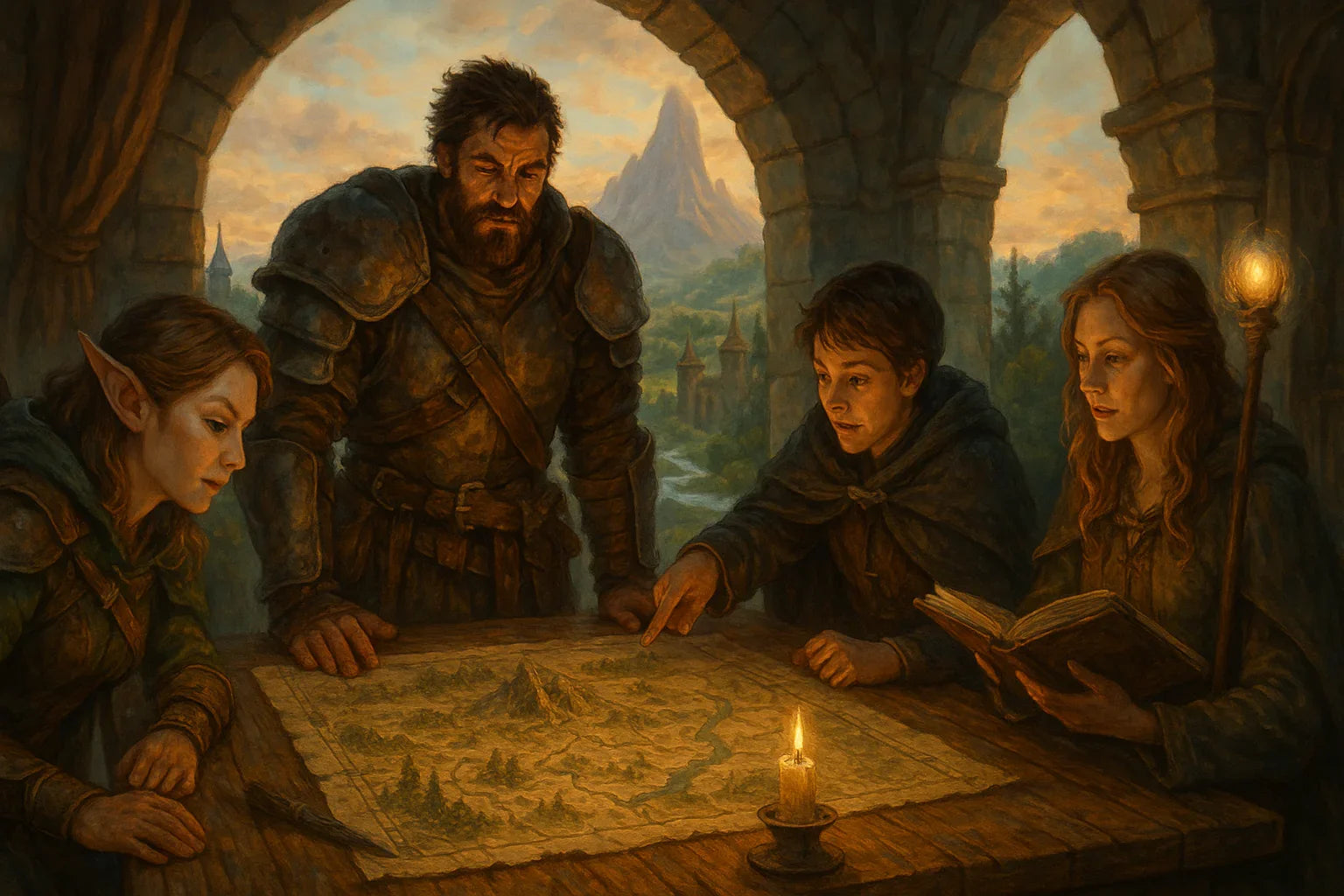
Starting your first tabletop roleplaying game is exciting. Whether you want to explore dangerous dungeons, solve mysteries, travel through distant galaxies, or tell stories with friends, the right tabletop RPG starter set makes it much easier to learn the game.
The good news is that you do not need shelves full of books or expensive accessories to get started. Most publishers design their beginner products to teach the rules step by step while providing everything needed for your first adventure. As you gain experience, you can expand your collection with additional books and accessories that match your style of play.
This RPG buying guide explains what to look for in your first starter set, what accessories are truly essential, and how to build your collection over time without overspending.
What Is a Tabletop RPG Starter Set?
A tabletop RPG starter set is a beginner-friendly package designed to introduce new players to a roleplaying game. Instead of requiring several rulebooks, starter sets focus on teaching the basics while providing an adventure that helps players learn as they play.
Although every publisher creates its own version, most starter sets include:
-
A simplified rulebook
-
One introductory adventure
-
Pre-generated character sheets
-
Dice or instructions about required dice
-
Maps, handouts, or reference materials
Some games include additional accessories, while others expect players to bring their own dice or writing supplies.
If you're looking for a tabletop RPG for beginners, choosing a starter set is usually easier than buying the full game immediately.
What a Beginner Starter Set Typically Includes
Understanding what's inside a starter set helps you compare different products before buying.
Beginner Rulebook
The rulebook teaches core mechanics without overwhelming new players.
Instead of hundreds of pages, beginner books usually explain:
-
Character actions
-
Skill checks
-
Combat basics
-
Simple spellcasting
-
Running adventures
Many players eventually purchase the full rulebooks, but a starter book is often enough for many enjoyable game sessions.
Introductory Adventure
Most starter adventures gradually introduce new mechanics while telling an engaging story.
Rather than expecting players to know every rule, the adventure teaches concepts naturally during gameplay.
Pre-Made Characters
Creating characters can be one of the most enjoyable parts of tabletop RPGs, but it also introduces many new rules.
Starter sets often include ready-to-play characters so new players can begin almost immediately.
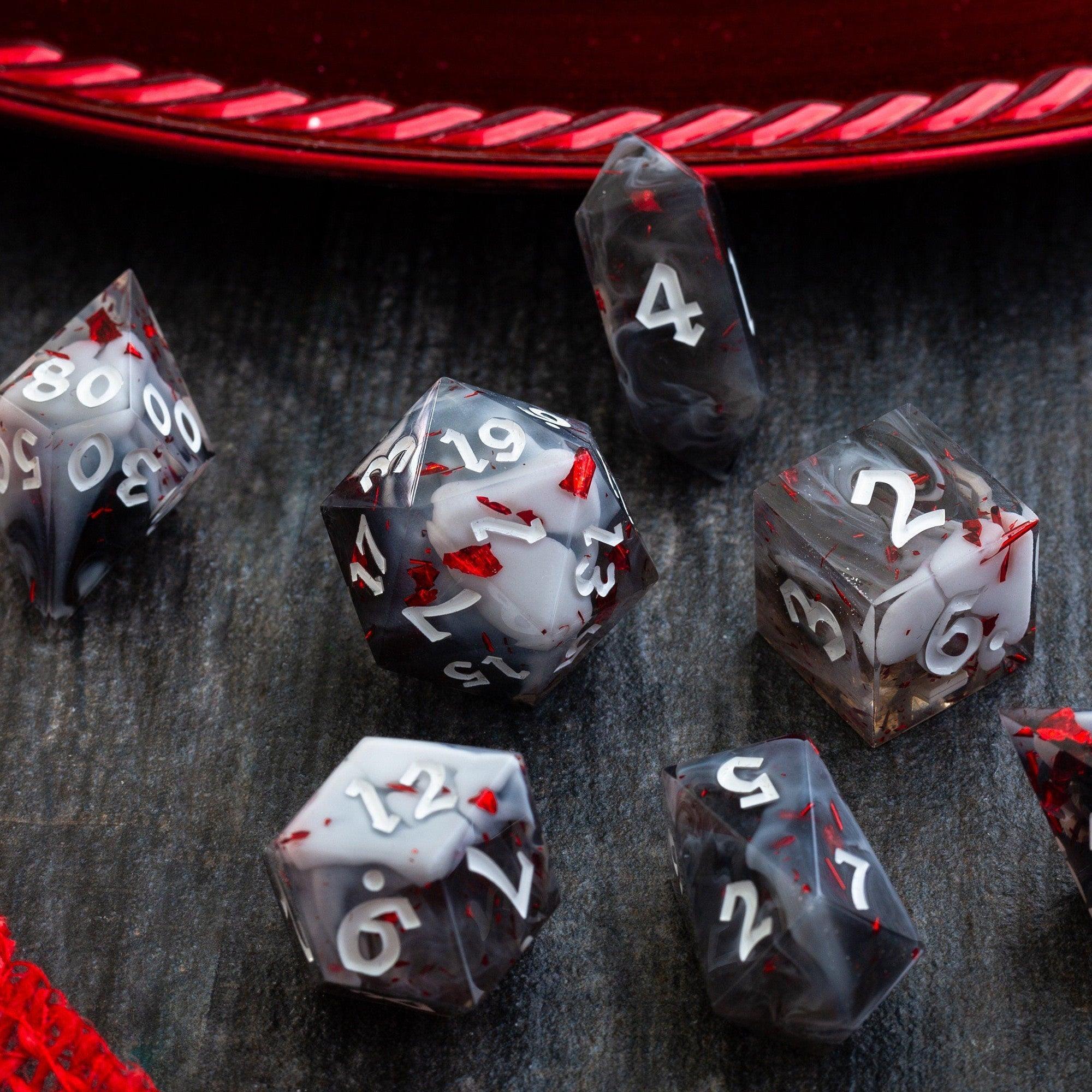
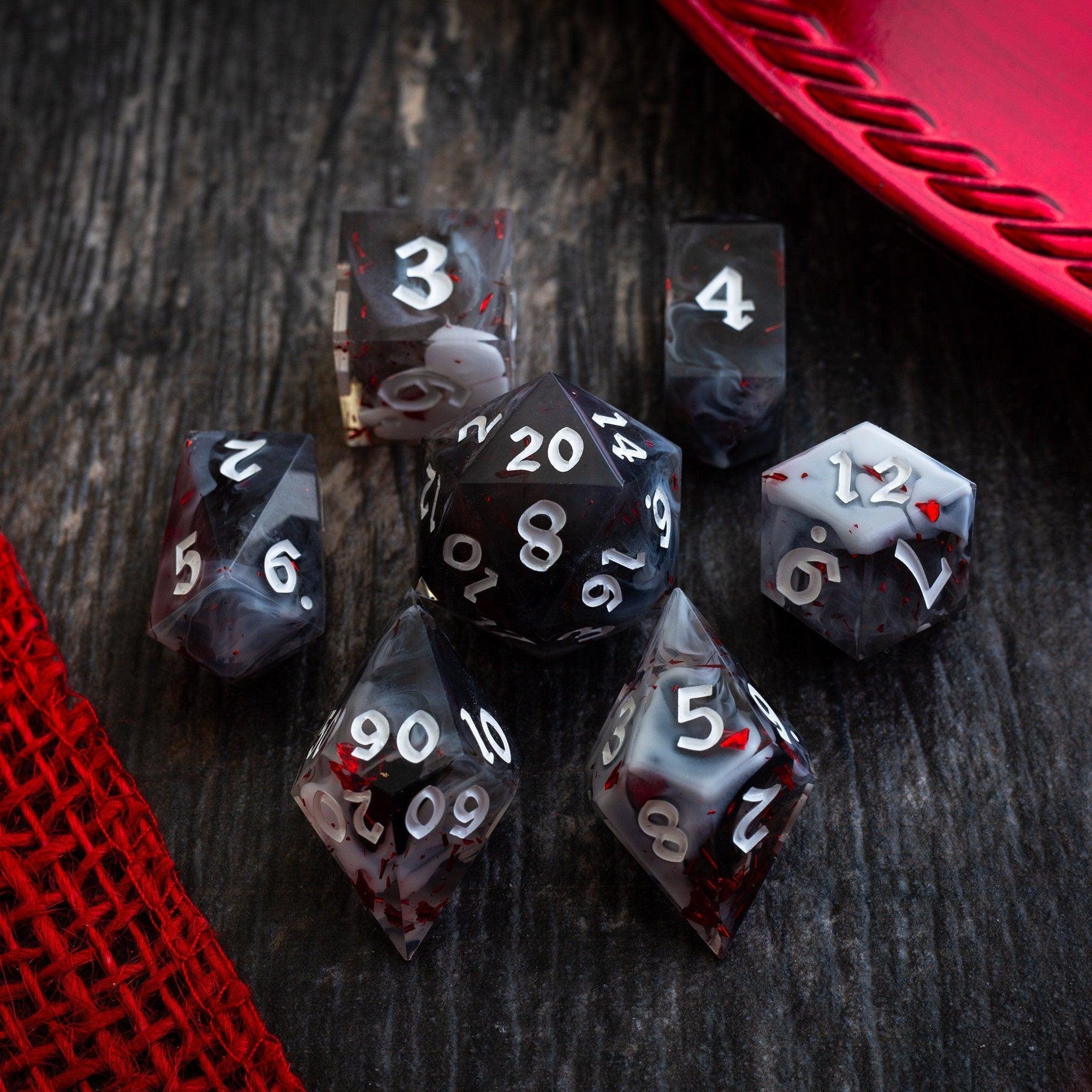
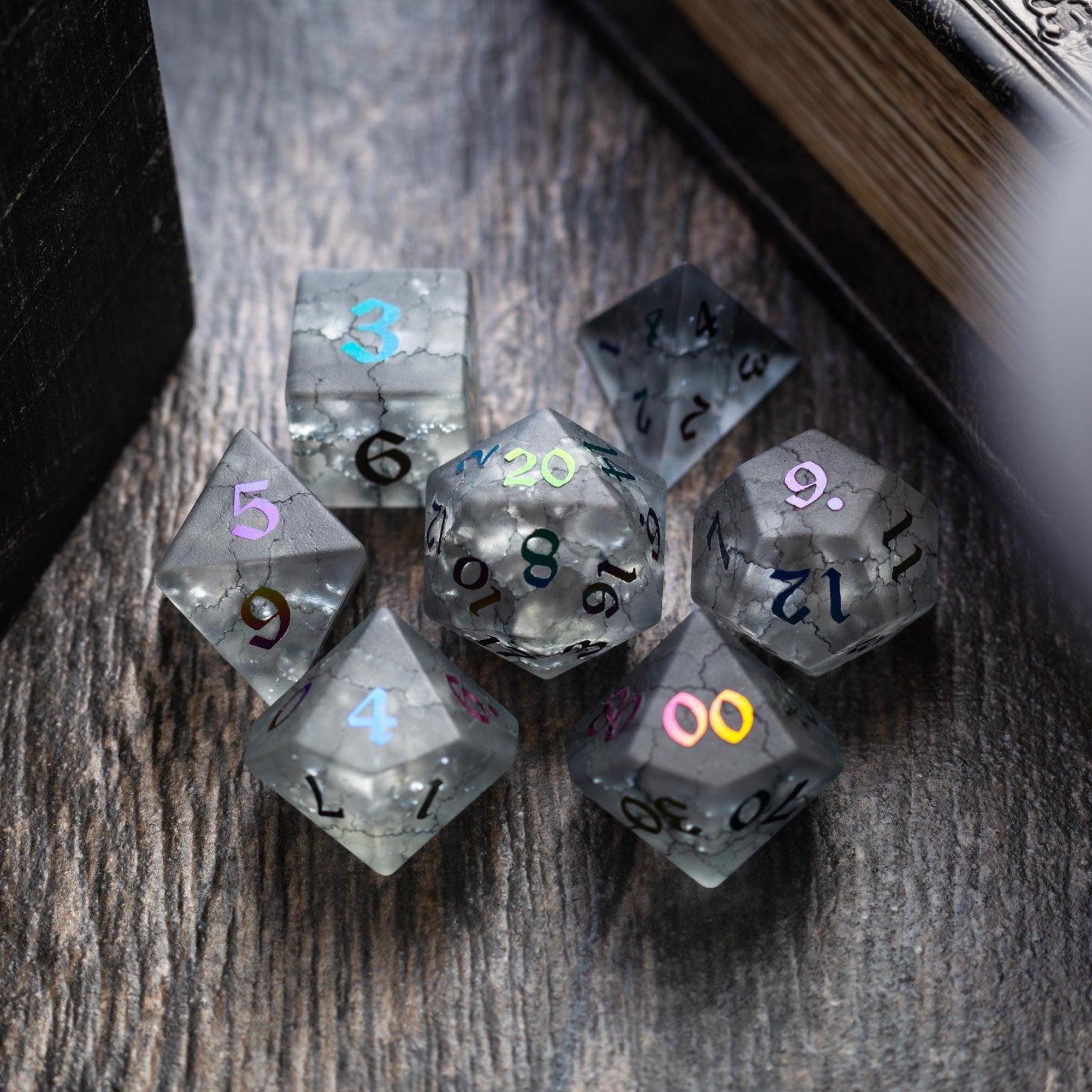
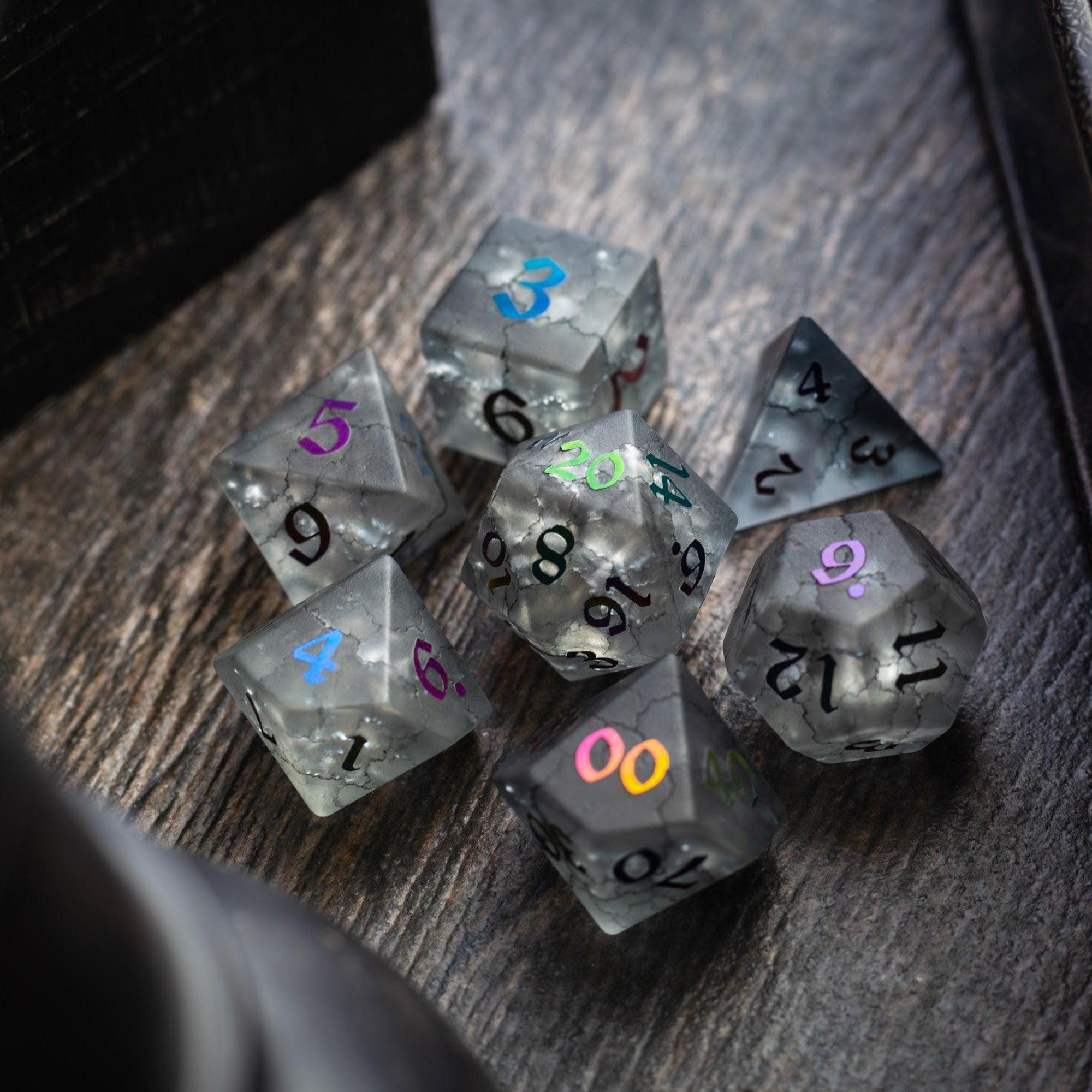
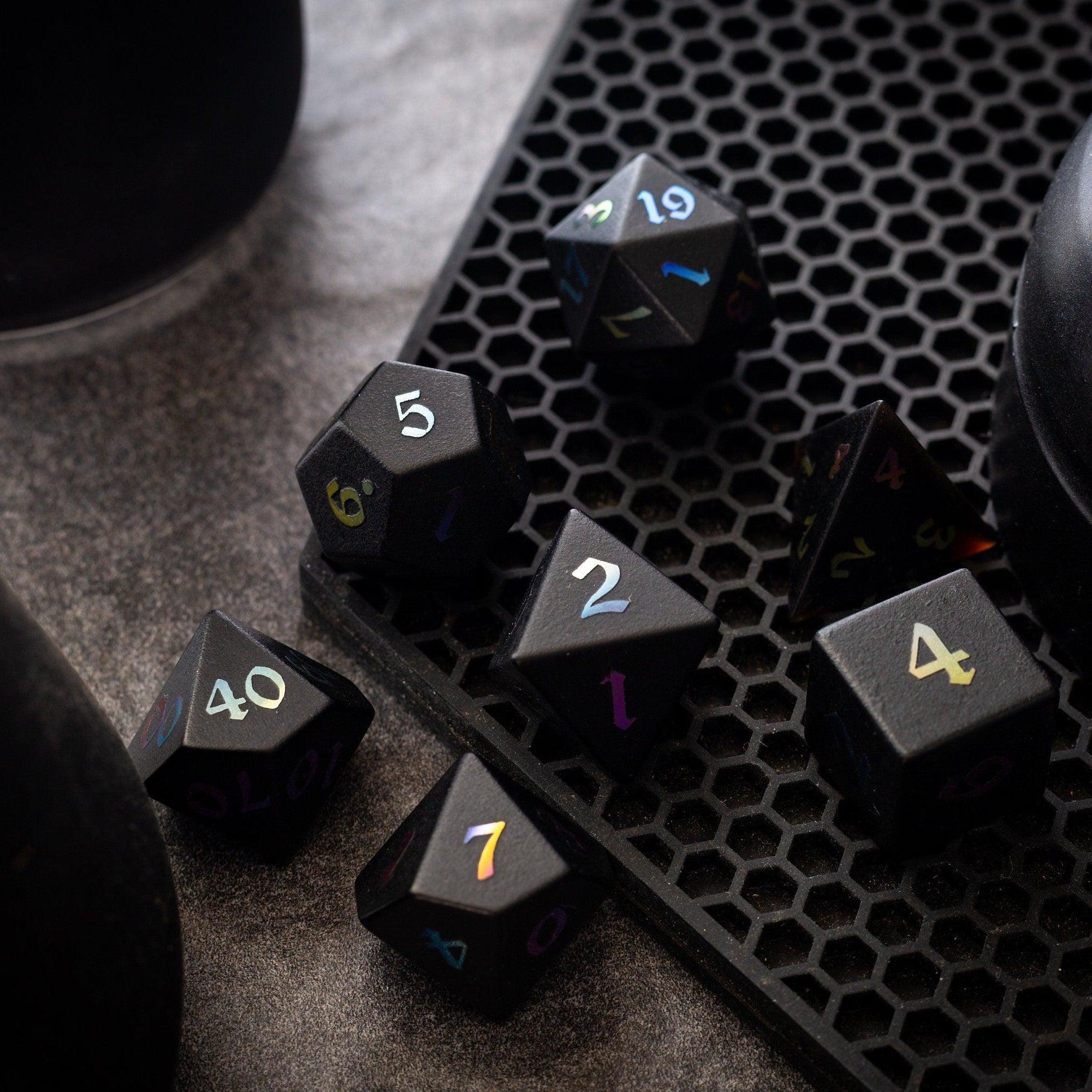
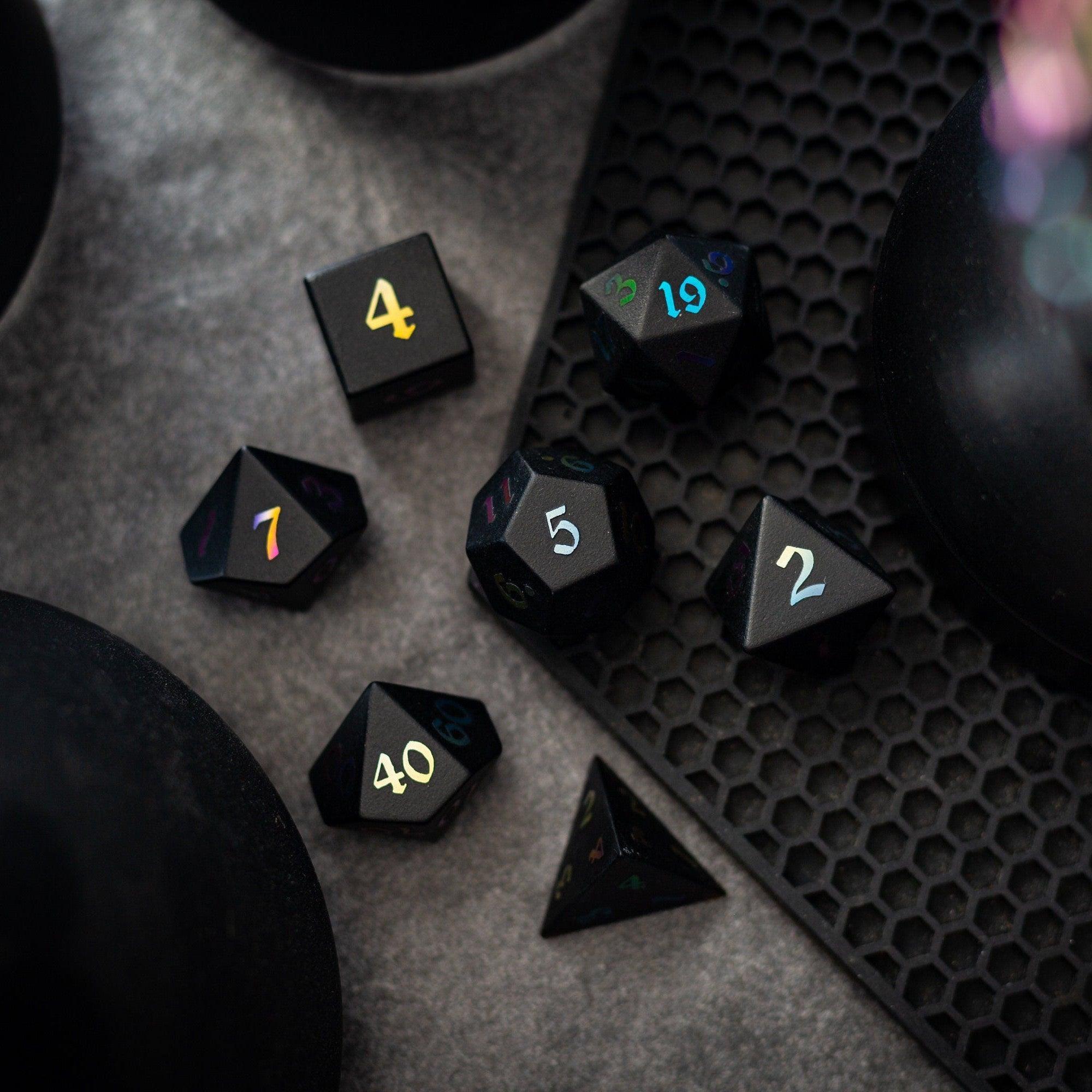
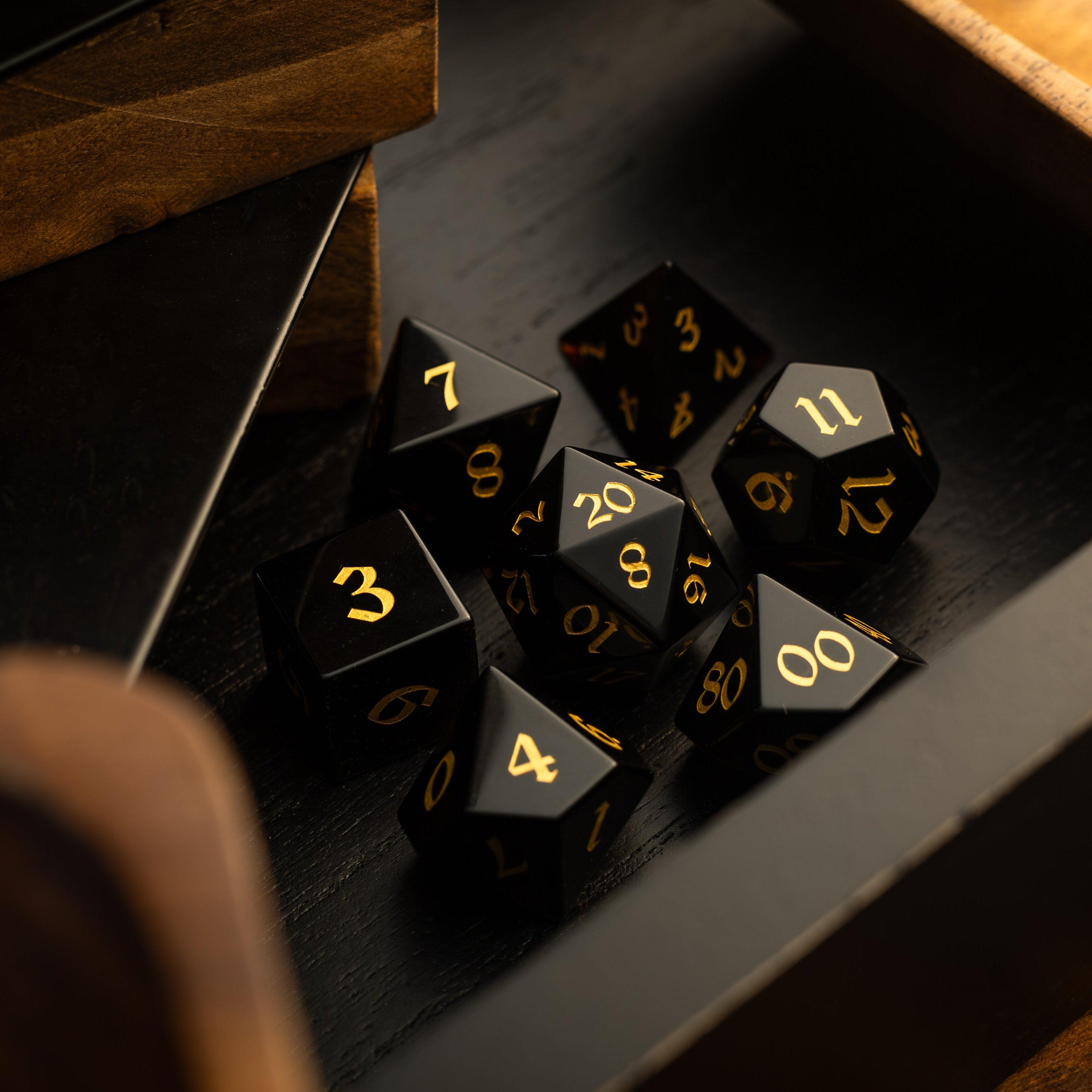
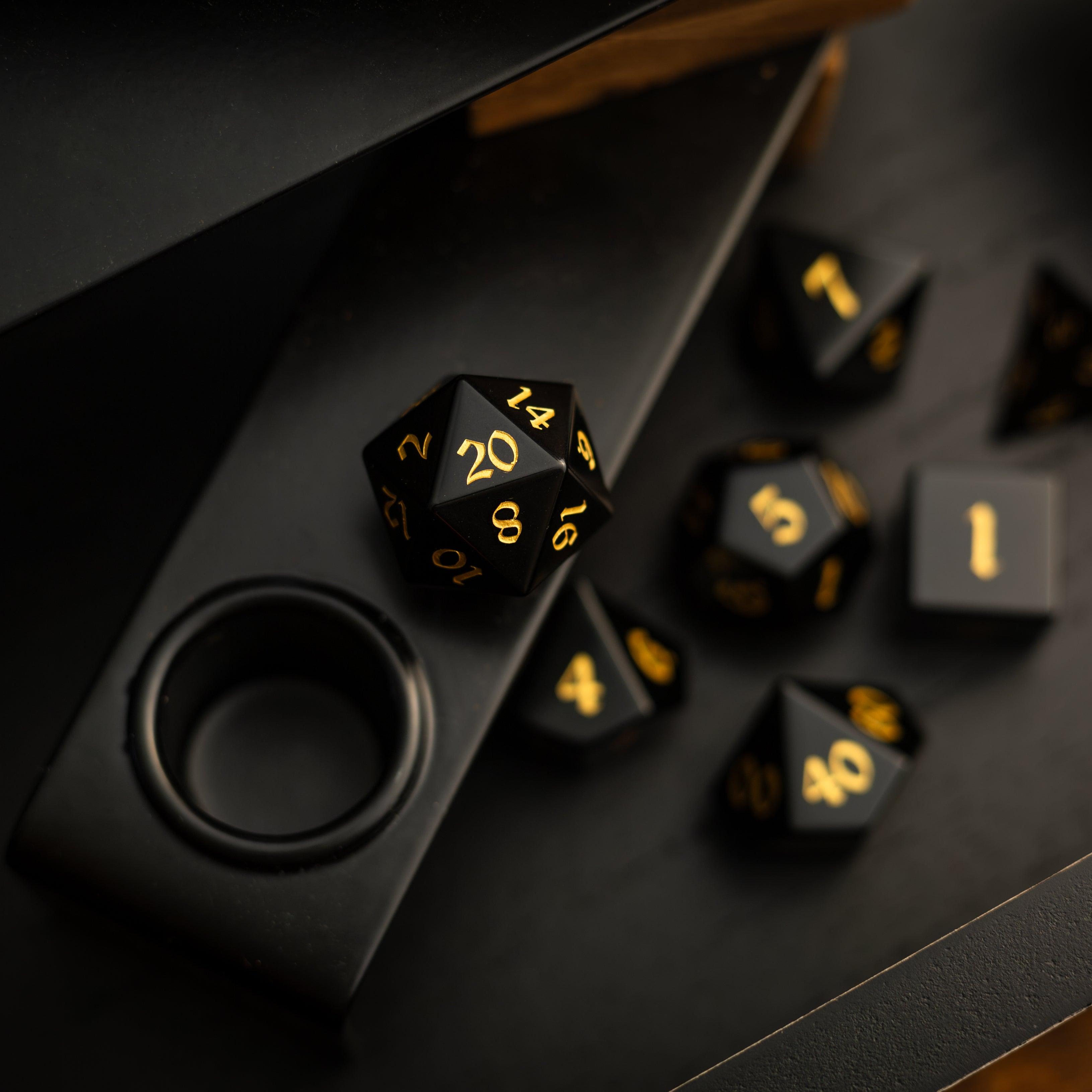
Dice
Many products include an RPG dice set, while others require players to purchase one separately.
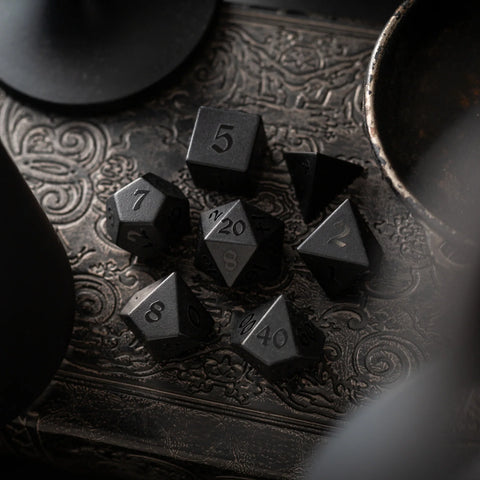
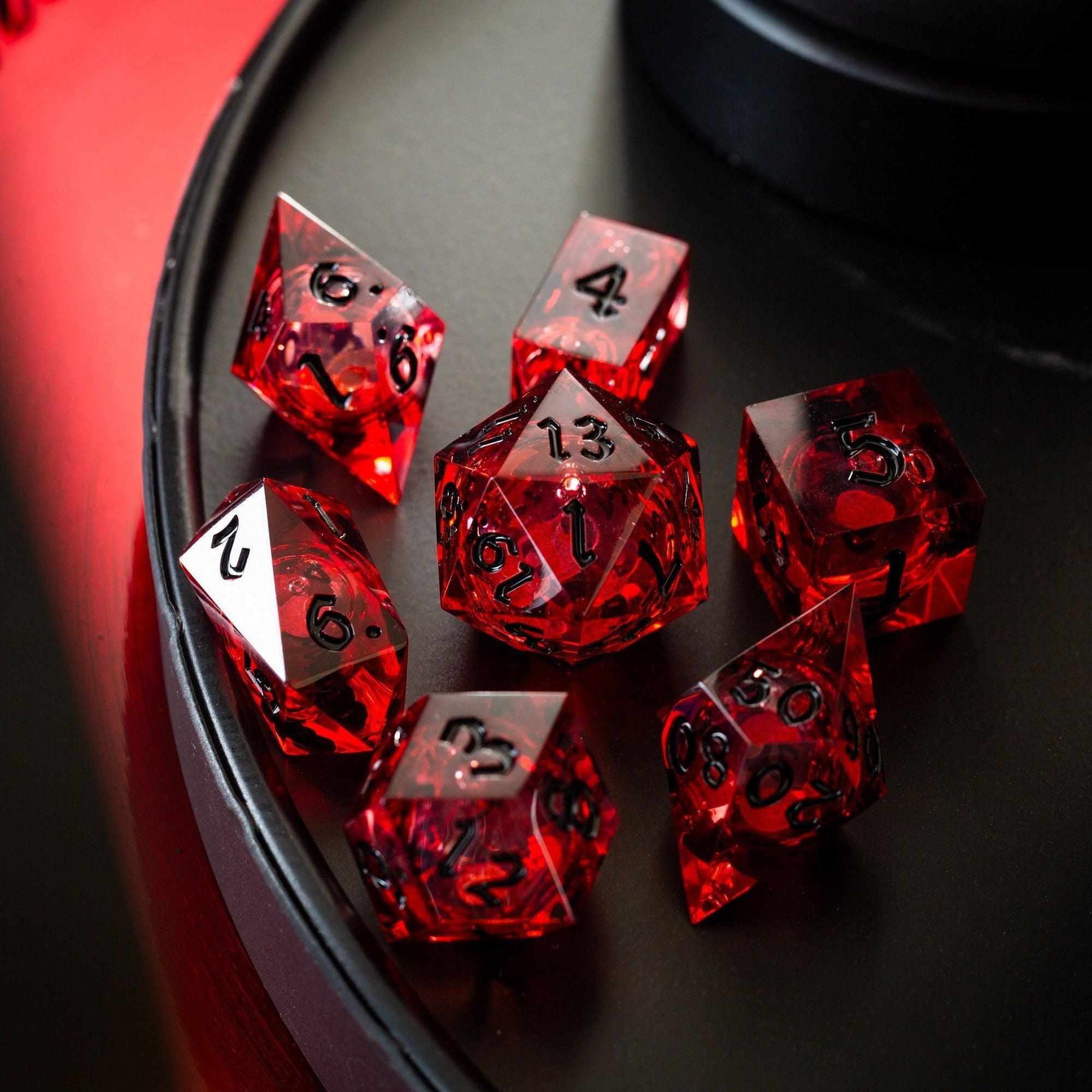
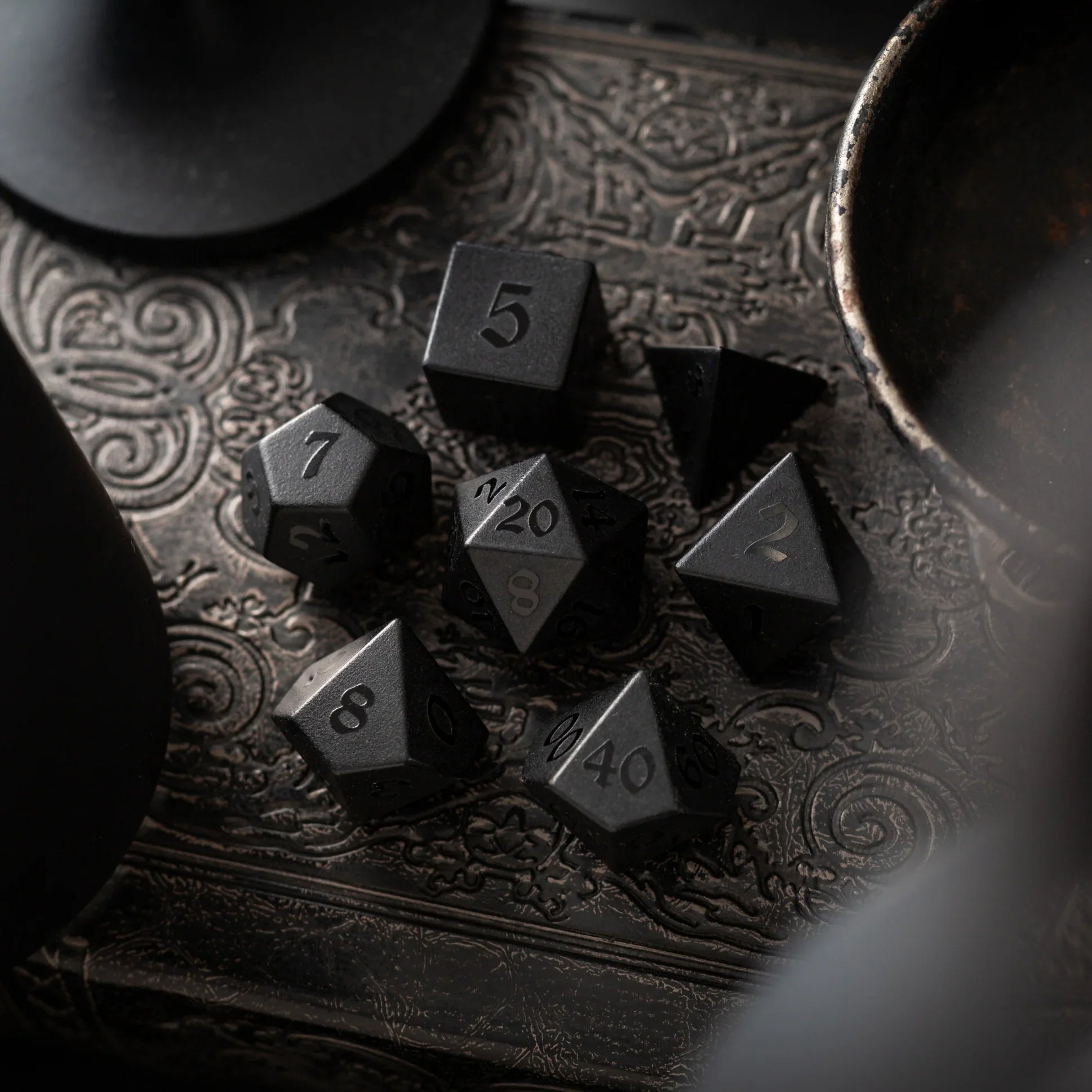
For Dungeons & Dragons, a complete set usually includes:
-
d4
-
d6
-
d8
-
d10
-
percentile die
-
d12
-
d20
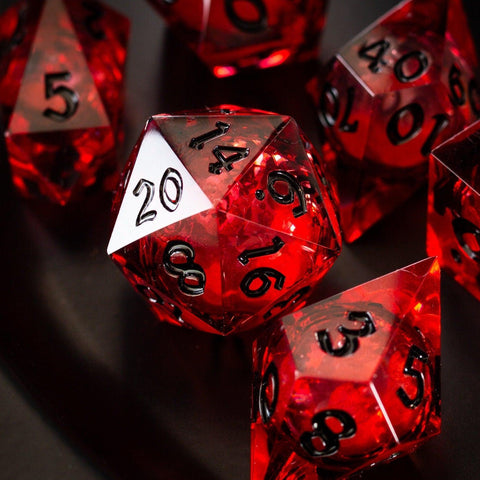
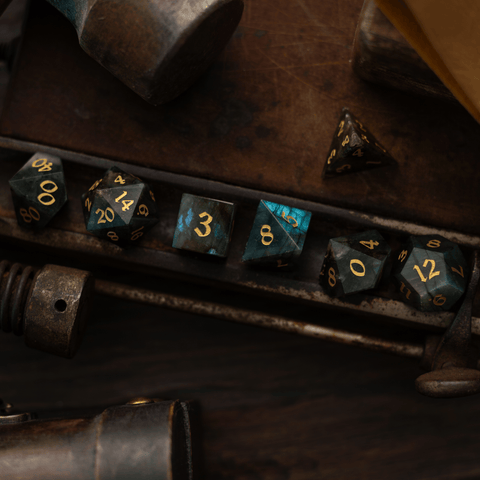
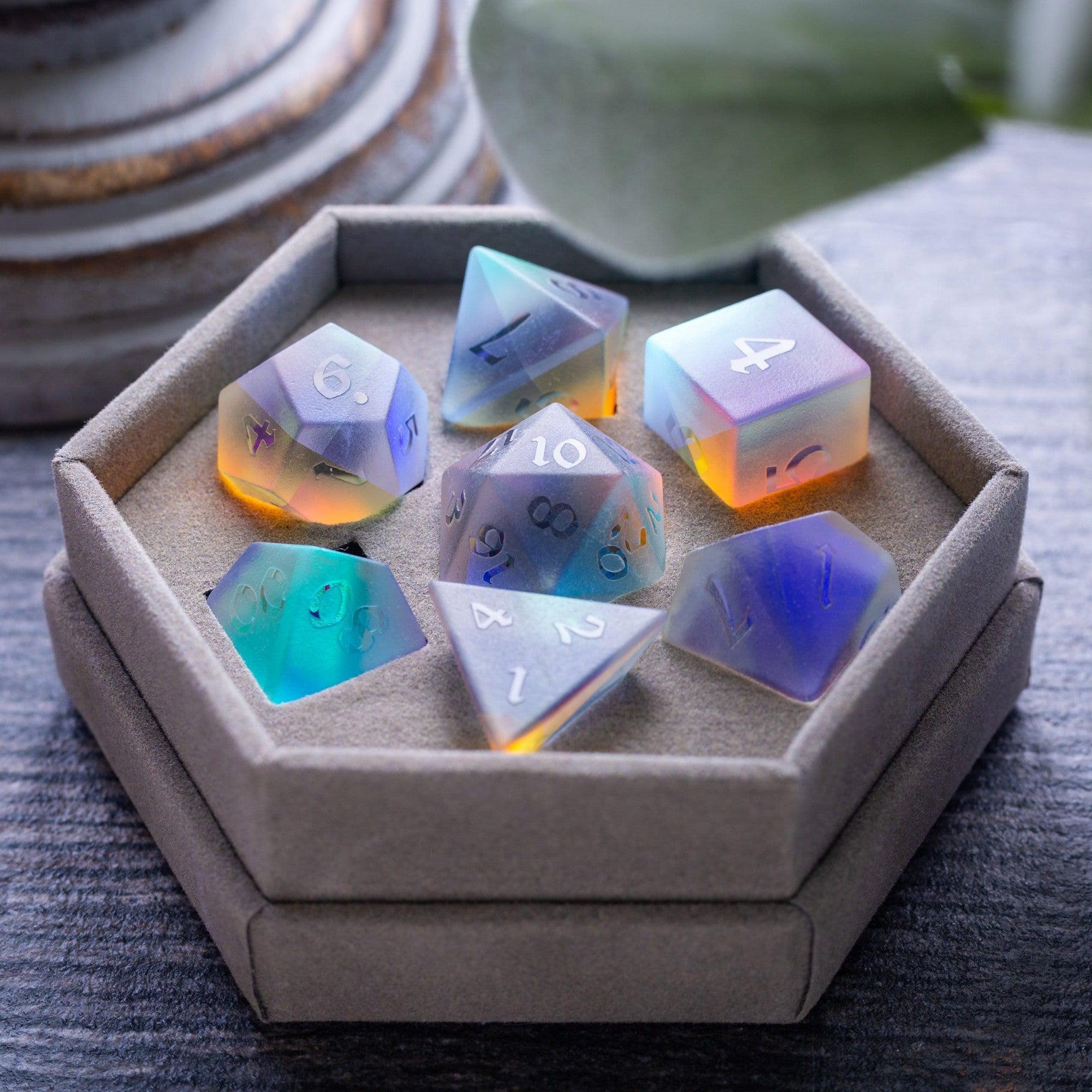
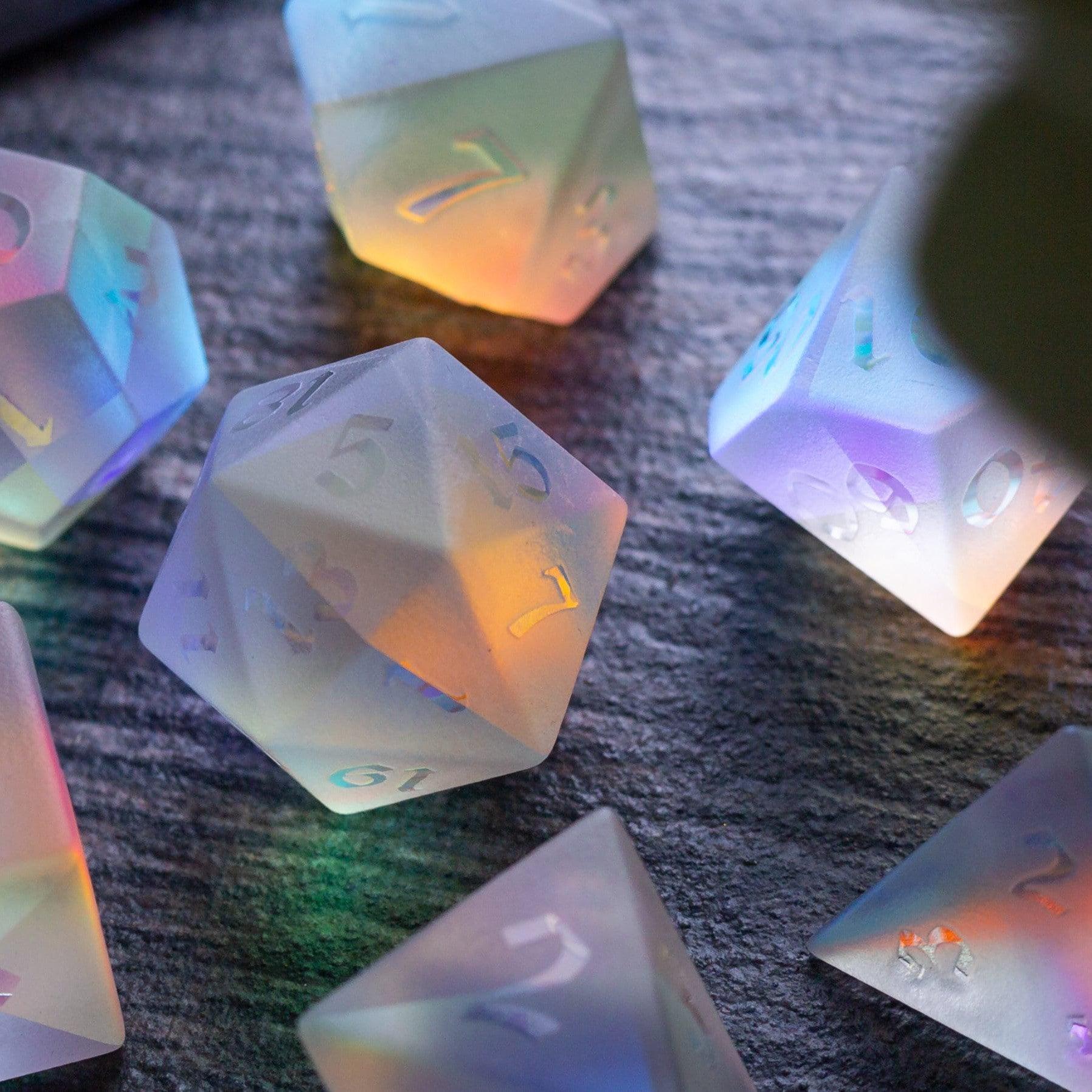
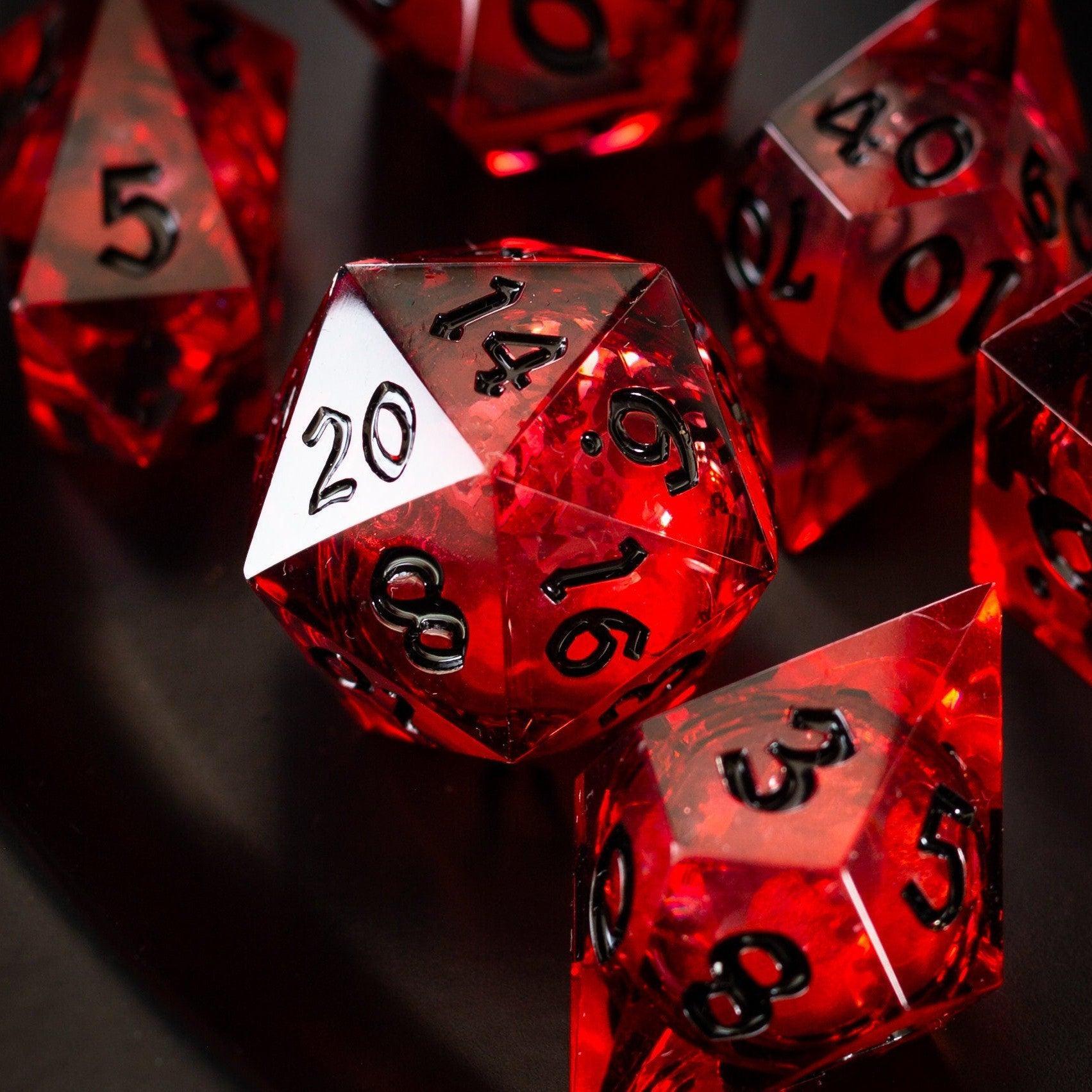
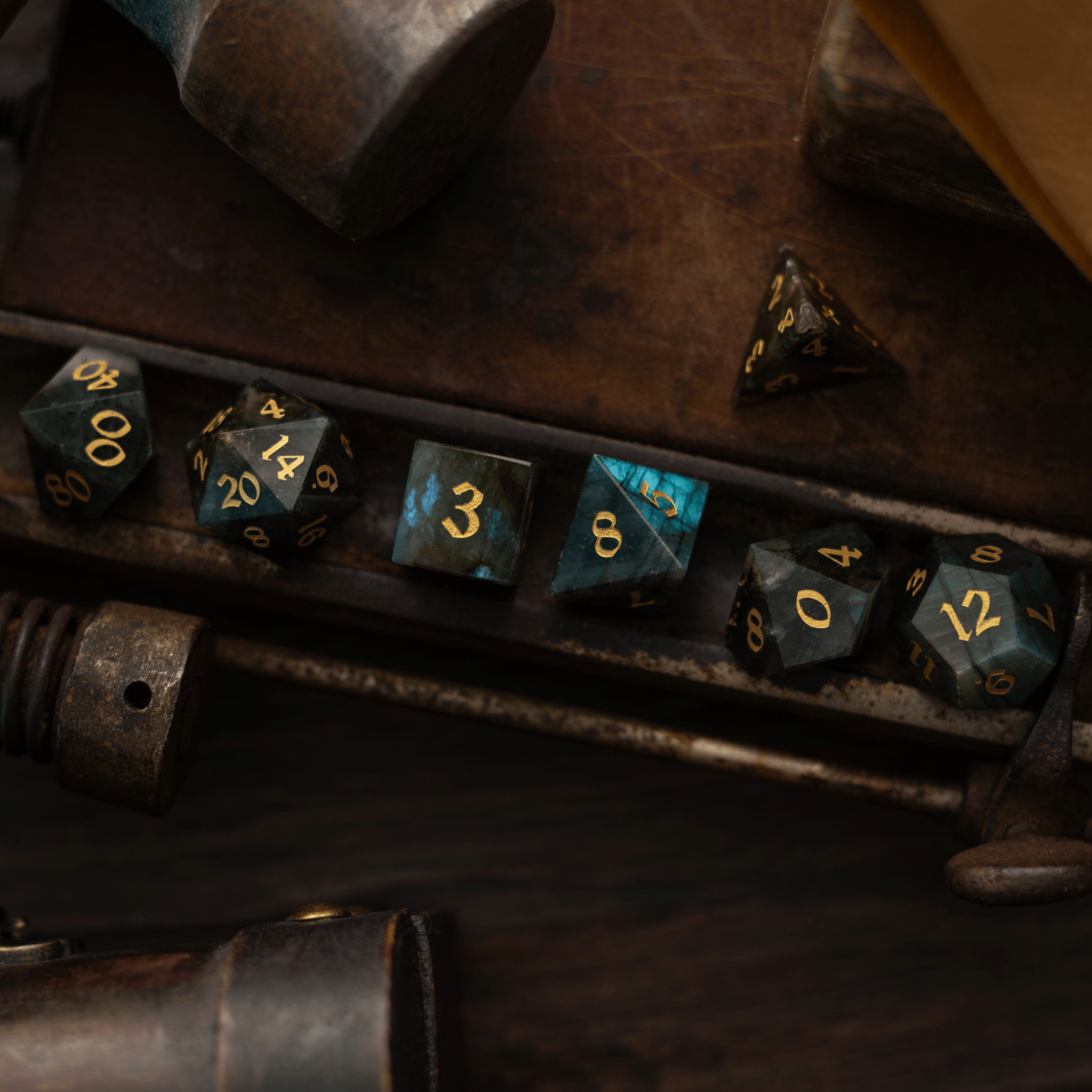
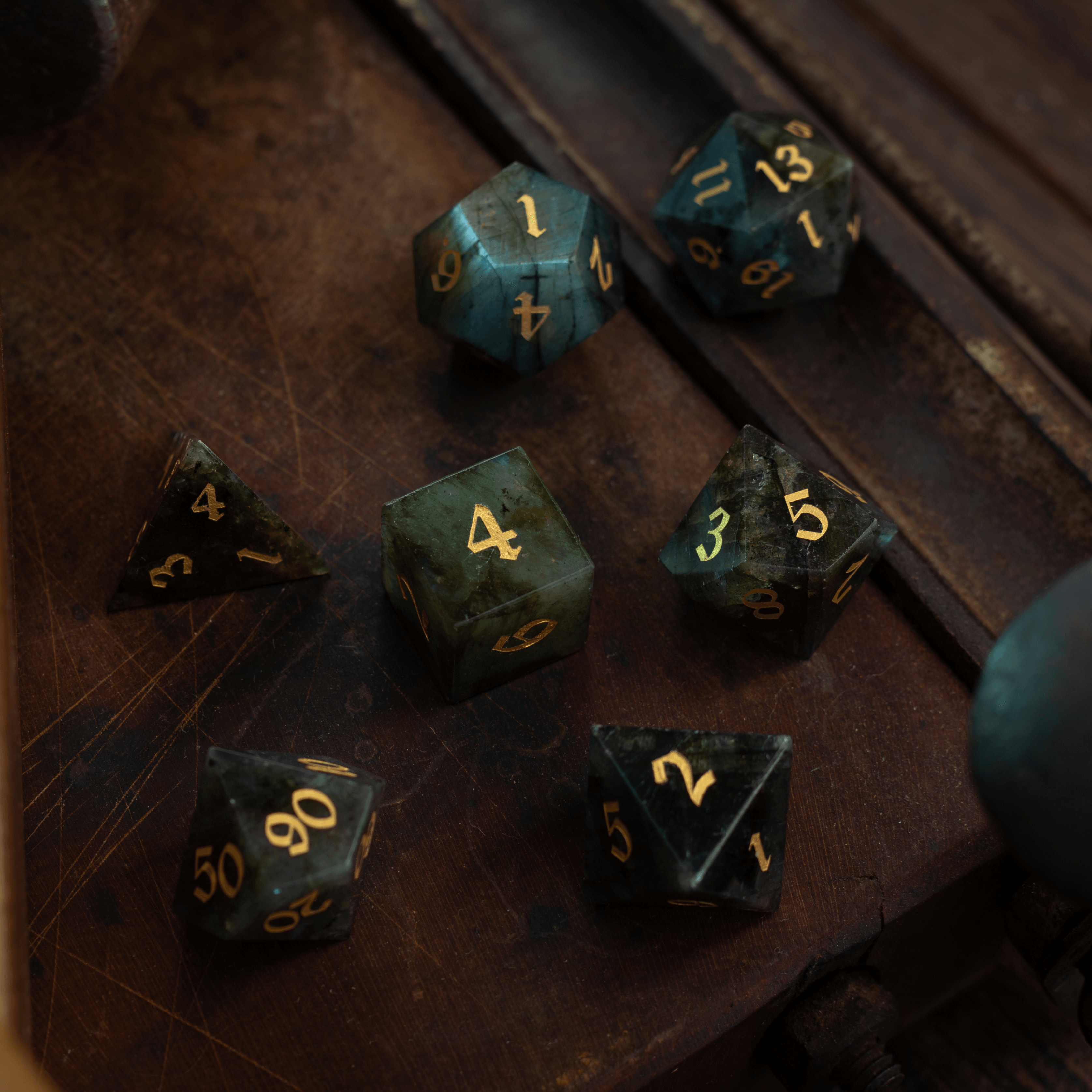
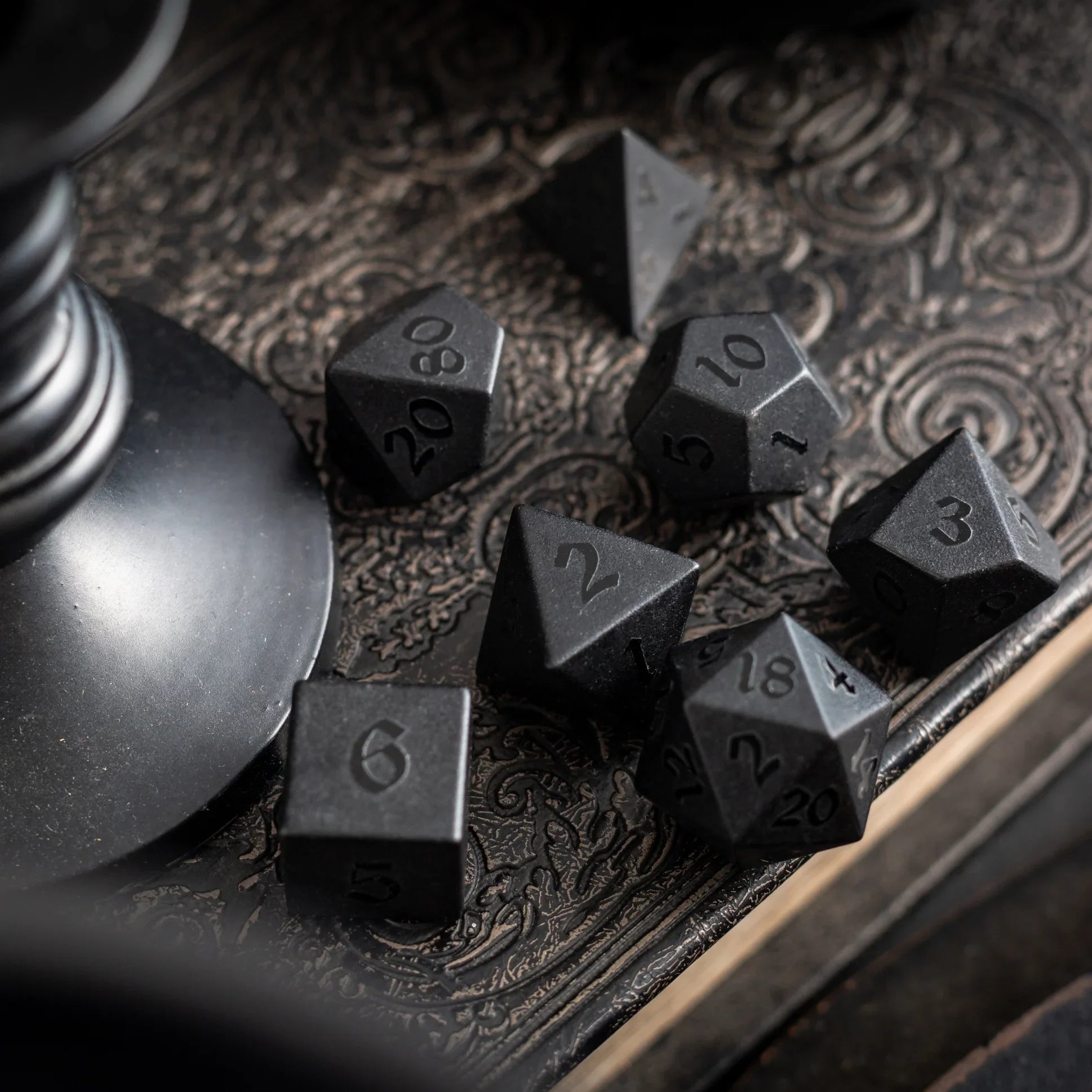
A beginner-friendly resin dice set offers excellent readability and durability for new players. As collections grow, some players eventually enjoy adding gemstone dice for special characters or memorable campaigns.
Essential Accessories Versus Optional Upgrades
It can be tempting to buy everything at once, but most new players only need a few basics.
Essential Accessories
For your first game, focus on:
-
RPG starter set
-
Complete RPG dice set
-
Pencil
-
Character sheet
-
Notebook for campaign notes
That's enough to enjoy many adventures.
Helpful Upgrades
Once you've played a few sessions, you might consider:
-
Dice tray
-
Dice bag
-
Dice tower
-
Dry erase battle map
-
Miniatures
-
Extra dice
A dice tray keeps rolls contained and protects tables from repeated impacts. A simple dice bag helps keep your growing collection organized between sessions. Dice towers can also make rolling easier, especially during crowded game nights or classroom sessions.
These are examples of useful tabletop gaming accessories, but none of them are required for beginners.
Choosing a Starter Set Based on Game System, Group Size, and Budget
No single beginner D&D set or RPG starter set is perfect for everyone.
Consider these factors before buying.
Game System
Different roleplaying games focus on different experiences.
For example:
-
Dungeons & Dragons emphasizes fantasy adventure and heroic exploration.
-
Pathfinder offers detailed character customization.
-
Call of Cthulhu focuses on investigation and horror.
-
Kids' RPGs simplify rules for younger audiences.
Choose the game that matches your group's interests.
Group Size
Check how many players the starter adventure supports.
Some starter adventures work well with:
-
One Game Master and two players
-
Four or five players
-
Larger gaming groups
Knowing your expected group size helps avoid disappointment.
Budget
Starter sets range from inexpensive introductions to deluxe boxed editions.
Ask yourself:
-
Does it include dice?
-
Does it include an adventure?
-
Can you begin playing immediately?
-
Will you need additional purchases?
Sometimes a modestly priced set provides better value than a larger box filled with accessories you may not use immediately.
Starter Set Comparison Table
| Starter Set Type | Typical Contents | Ideal Players | Complexity | Overall Value |
|---|---|---|---|---|
| Basic Beginner Box | Rules, adventure, pre-made characters | First-time players | Very Easy | Excellent |
| Deluxe Starter Box | Basic contents plus maps, tokens, extra accessories | Families and regular groups | Easy | Very Good |
| Digital Starter Bundle | PDFs, printable sheets, digital rules | Online groups | Easy | Good |
| Family-Friendly RPG Set | Simplified rules and shorter adventures | Parents and younger players | Very Easy | Excellent |
| Core Rulebook Only | Full rules with few beginner aids | Experienced hobby gamers | Moderate | Best after learning basics |
Remember that starter sets vary between publishers and game systems. Always check the product description before purchasing.
What New Players Should Buy First
Many beginners worry about buying too little.
In reality, your first purchases can stay very simple.
A practical starting list includes:
-
One D&D starter kit or another RPG starter set
-
One RPG dice set per player
-
Notebook
-
Pencil
-
Character sheets
That's enough for dozens of hours of gameplay.
If you're buying a gift, adding a colorful resin dice set or an easy-to-read gemstone-inspired dice set makes the experience feel more personal without making the purchase overly expensive.
Accessories That Can Be Added as Your Collection Grows
As you become more comfortable with the hobby, your collection can grow naturally.
Popular additions include:
Additional Dice
Many experienced players own several dice sets.
Extra dice make combat faster and allow players to match different characters with different colors or themes.
Dice Bags
A quality dice bag keeps everything together while protecting your dice during travel to game nights.
Dice Trays
Rolling inside a tray helps prevent dice from bouncing across the table and keeps play organized.
Dice Towers
Dice towers produce consistent rolls while reducing the chance of dice scattering across maps or knocking over miniatures.
Campaign Accessories
Later, you may also enjoy:
-
Initiative trackers
-
Condition markers
-
Storage boxes
-
Spell cards
-
Miniatures
These upgrades improve convenience rather than being necessary for learning the game.
Common Beginner Buying Mistakes to Avoid
New players often make the same purchasing mistakes.
Fortunately, they're easy to avoid.
Buying Too Many Rulebooks
The starter rules usually provide everything needed for your first campaign.
Learn those before expanding.
Assuming More Expensive Means Better
Premium accessories are enjoyable, but they are not required to have fun.
Focus on learning the game first.
Forgetting About Dice
Not every starter set includes dice.
Always verify what's included before purchasing.
Buying for the Wrong Game
Different RPG systems use different rules.
Make sure everyone in your group plans to play the same game.
Purchasing Too Many Accessories Immediately
Large collections develop naturally over time.
There's no need to buy every accessory before your first session.
Quick Tabletop RPG Starter Checklist
Use this tabletop RPG checklist before making your purchase.
Essentials
-
Starter set
-
RPG dice set
-
Character sheets
-
Pencil
-
Notebook
Helpful Later
-
Dice bag
-
Dice tray
-
Dice tower
-
Extra dice
-
Miniatures
-
Storage organizer
Keeping this simple checklist in mind makes shopping much less intimidating for new players.
Tips for Preparing Your First Game Session
Your first game doesn't need to be perfect.
Instead, focus on creating a relaxed environment where everyone can learn together.
Helpful preparation includes:
-
Read the adventure before game night.
-
Organize character sheets.
-
Keep pencils and dice nearby.
-
Read only the rules needed for the first session.
-
Encourage players to ask questions.
-
Accept that everyone will make mistakes while learning.
Remember that tabletop RPGs are collaborative games. The goal is to enjoy the story together rather than memorize every rule immediately.
Begin with the Essentials and Let Your Collection Grow Naturally
Every experienced Game Master and longtime player once opened their very first beginner tabletop RPG box, rolled their first twenty-sided die, and learned the rules one session at a time.
A well-chosen tabletop RPG starter set provides everything needed to begin that journey without unnecessary complexity or expense. Start with a game system that interests your group, confirm what the box includes, and pick up the basic accessories that support comfortable play. A reliable RPG dice set is an essential companion, while practical additions like a dice tray, dice bag, or dice tower can make future sessions more organized as your experience grows.
There is no need to collect everything at once. Learning the game, sharing memorable adventures, and building confidence around the table are far more important than owning every accessory from the beginning. As your campaigns expand, your collection can grow alongside them, giving you the freedom to choose new books, dice, and tabletop gaming accessories that fit your own style of adventure.

Leave a comment
This site is protected by hCaptcha and the hCaptcha Privacy Policy and Terms of Service apply.