

Sidekick Rules for RPG: Master Supporting Characters
Adding a trusted companion can be a warm, memorable way to enrich any tabletop session. When handled with care, sidekick rules for RPG ensure a helpful presence that supports the party without overshadowing it. Many tables enjoy a sidekick system for RPGs because it brings steady assistance, narrative heart, and tactical choices, while staying simple and quick to run. This article offers a polite, practical framework you can adapt to your favorite system, along with answers to common questions about companion rules for RPGs, henchman rules for RPGs, and more.
How-To Guide: Sidekick Rules for RPG
Step 1: Define the sidekick’s purpose
Before any numbers, kindly agree on the sidekick’s role at the table. Is the companion a scout, healer, or sturdy guard? Clarifying purpose helps keep the sidekick focused and balanced. Players and game masters might decide together whether the companion mainly solves a gap (for example, observation, survival skills, or social support) rather than duplicating what the party already does well. This first step also frames tone and expectations, making your RPG sidekick rules easy to apply later.
Step 2: Choose a simple build template
To keep play smooth, select a streamlined stat template. A simple template ensures quick turns and less bookkeeping. In many tables, a sidekick has:
- Core attributes or a modest array that suits the role (for example, nimble scout or sturdy defender).
- A small set of abilities or features that define their specialty.
- A single proficiency bonus or an equivalent “competence tier” that scales slowly.
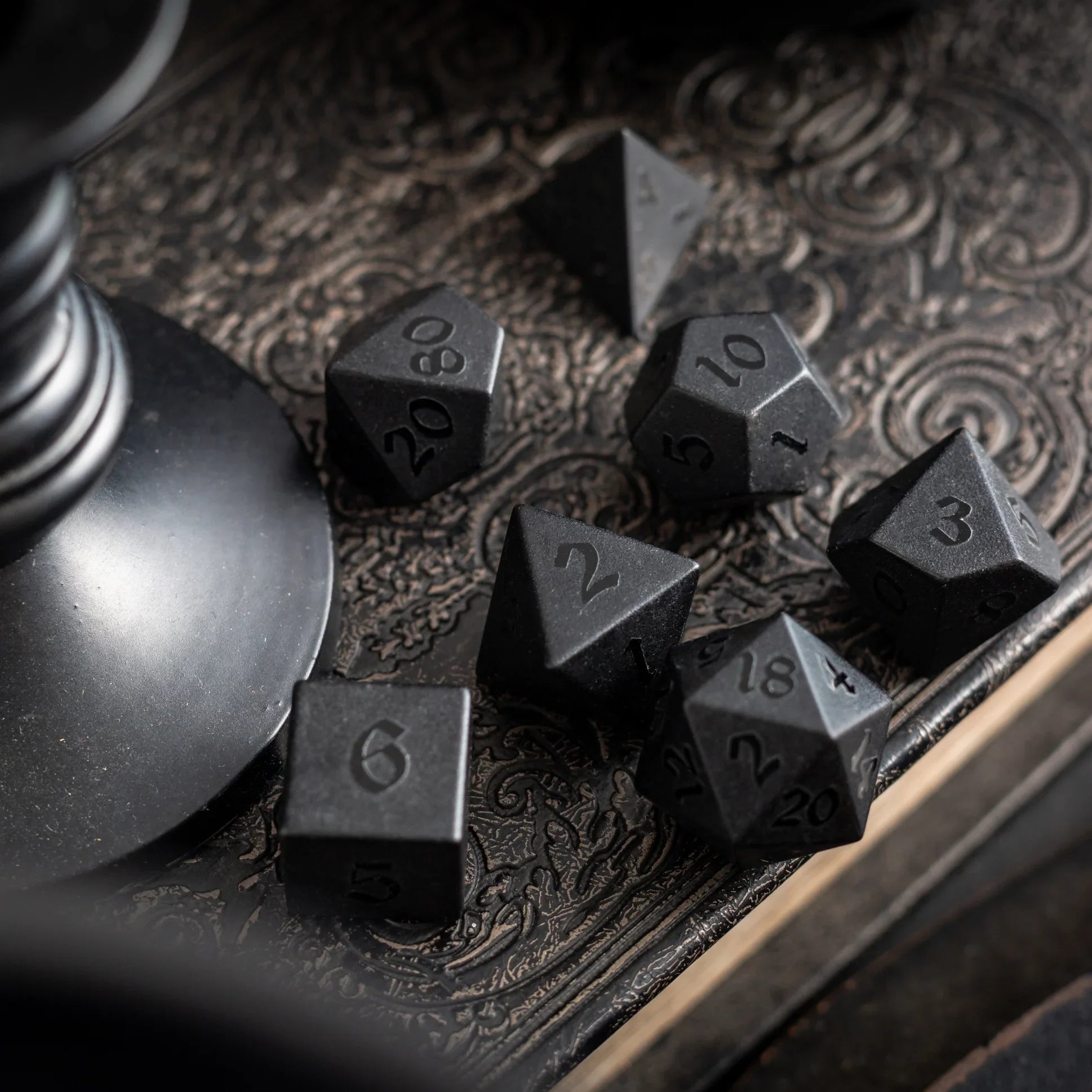
Keeping the template concise makes the sidekick system for RPGs easy to teach and faster to run. If you prefer a tactile table experience, refreshing your dice can add a little delight to each roll; you might browse the collections for inspiration.
Step 3: Set level and scaling
Next, decide how the sidekick grows. A gentle, consistent rule works best. Common options include:
- Sidekick level equals the sponsoring character’s level minus one.
- Sidekick proficiency or bonus scales whenever the party’s average level increases past set thresholds.
- Ability improvements occur at wide intervals (for example, every few milestones), not every session.
This step answers the longtail questions, “What are the core sidekick rules in RPGs?” and “How do you balance a sidekick in an RPG?” by giving clear, predictable progress. For many game masters, this becomes the heart of RPG sidekick rules for game masters: steady growth, narrow focus, and no sudden spikes in power.
Step 4: Limit actions and spotlight
A kind guideline is to keep the sidekick quick and supportive. Helpful limits include:
- The sidekick acts on the sponsoring character’s initiative or immediately before/after that turn.
- One meaningful action per round (or an equivalent lightweight contribution) unless the scene requires more.
- No stacking of complex reactions or bonus effects that would slow turns or crowd the narrative.
By setting limits with care, companion rules for RPGs maintain pace while preserving the party’s spotlight. This is also where henchman rules for RPGs often cap damage, restrict spell lists, or simplify skill checks to keep the game flowing.
Step 5: Add personality and bonds
Sidekicks feel special when they have a distinct voice and a reason to stay. A short bond statement can anchor them to the story, such as “Protect the ruins,” “Repay a debt,” or “Learn from the cleric.” Grant two or three traits that guide roleplay, and consider a simple growth arc tied to milestones. Personality helps the group care about the companion without making them the center of attention. It also informs how to create a sidekick in RPGs that fits your tone—lighthearted or dramatic—without complicating rules.
Step 6: Clarify equipment and rewards
Clarity about gear and rewards prevents awkward moments. Establish a gentle policy:
- Basic equipment is provided by the sponsor or from common loot.
- Magic or rare items are rare for sidekicks and should support their role, not surpass a player’s signature item.
- Share of treasure is modest (for instance, supplies and a small stipend), unless the story suggests a larger boon.
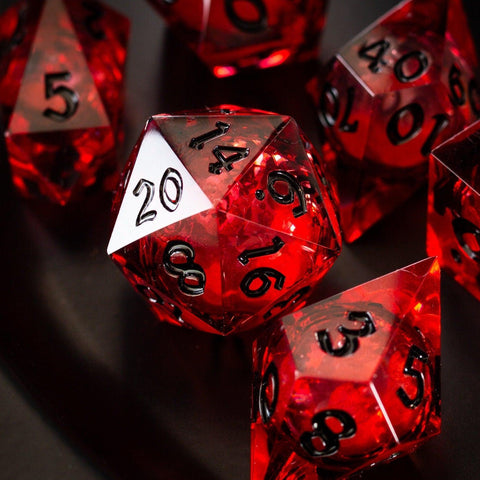
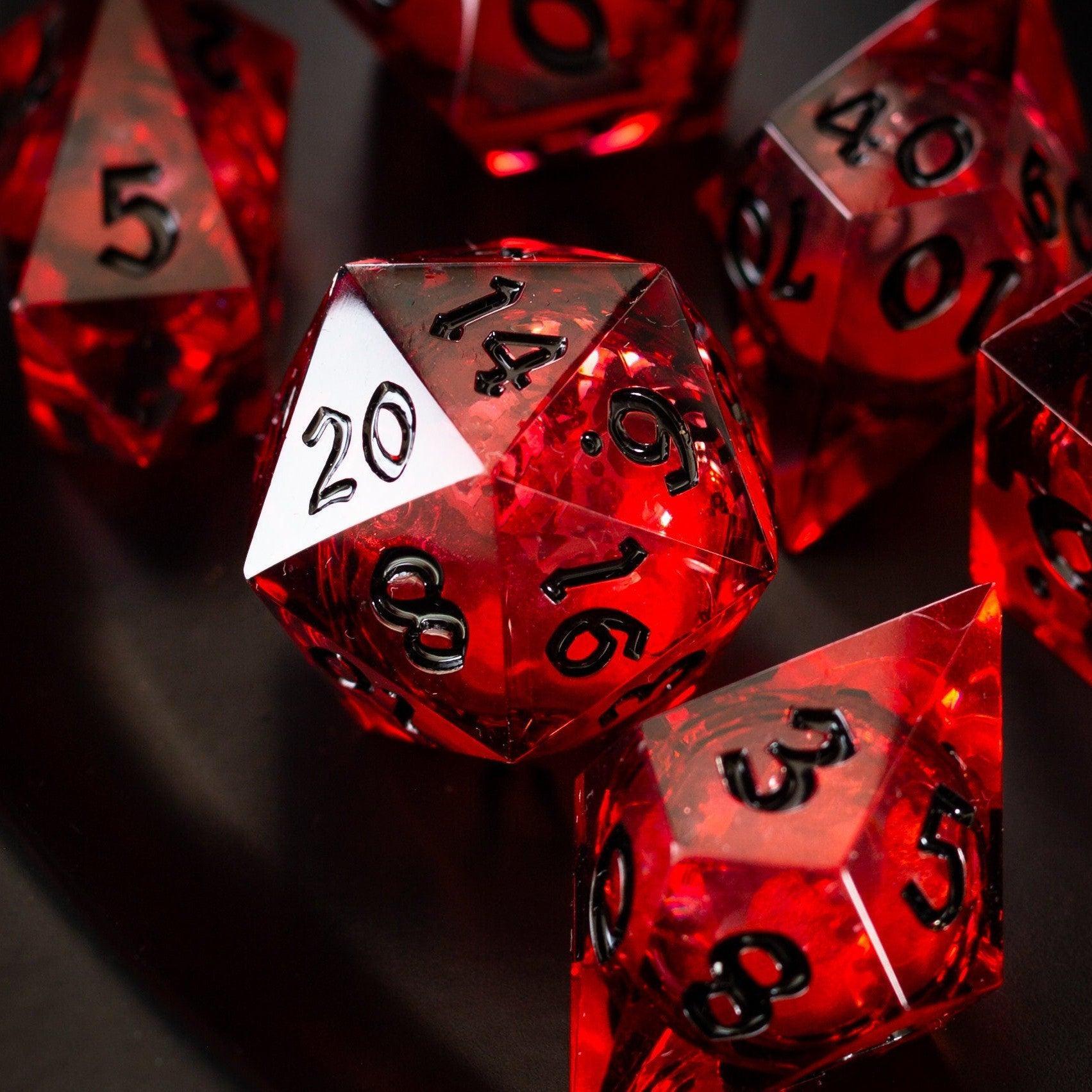
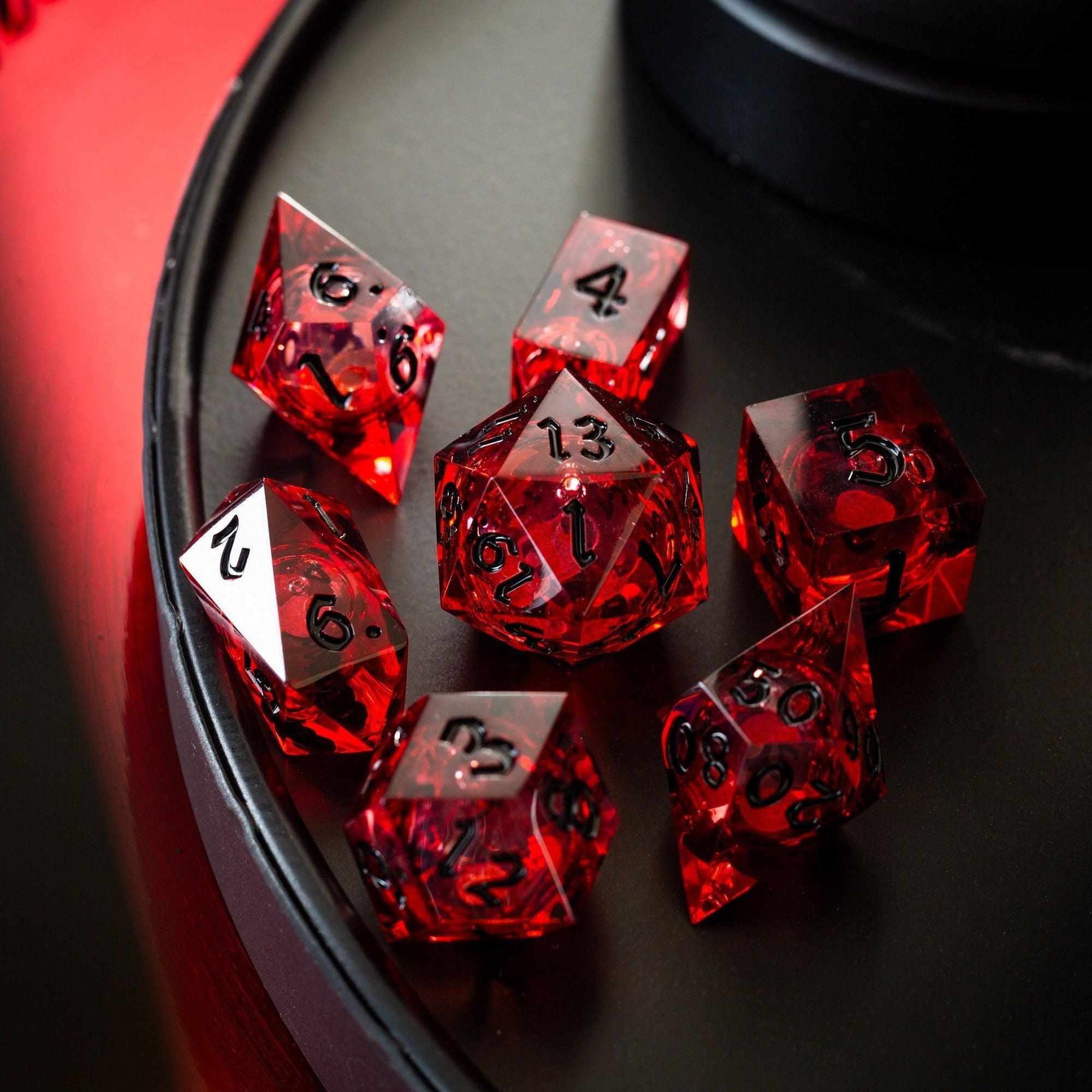
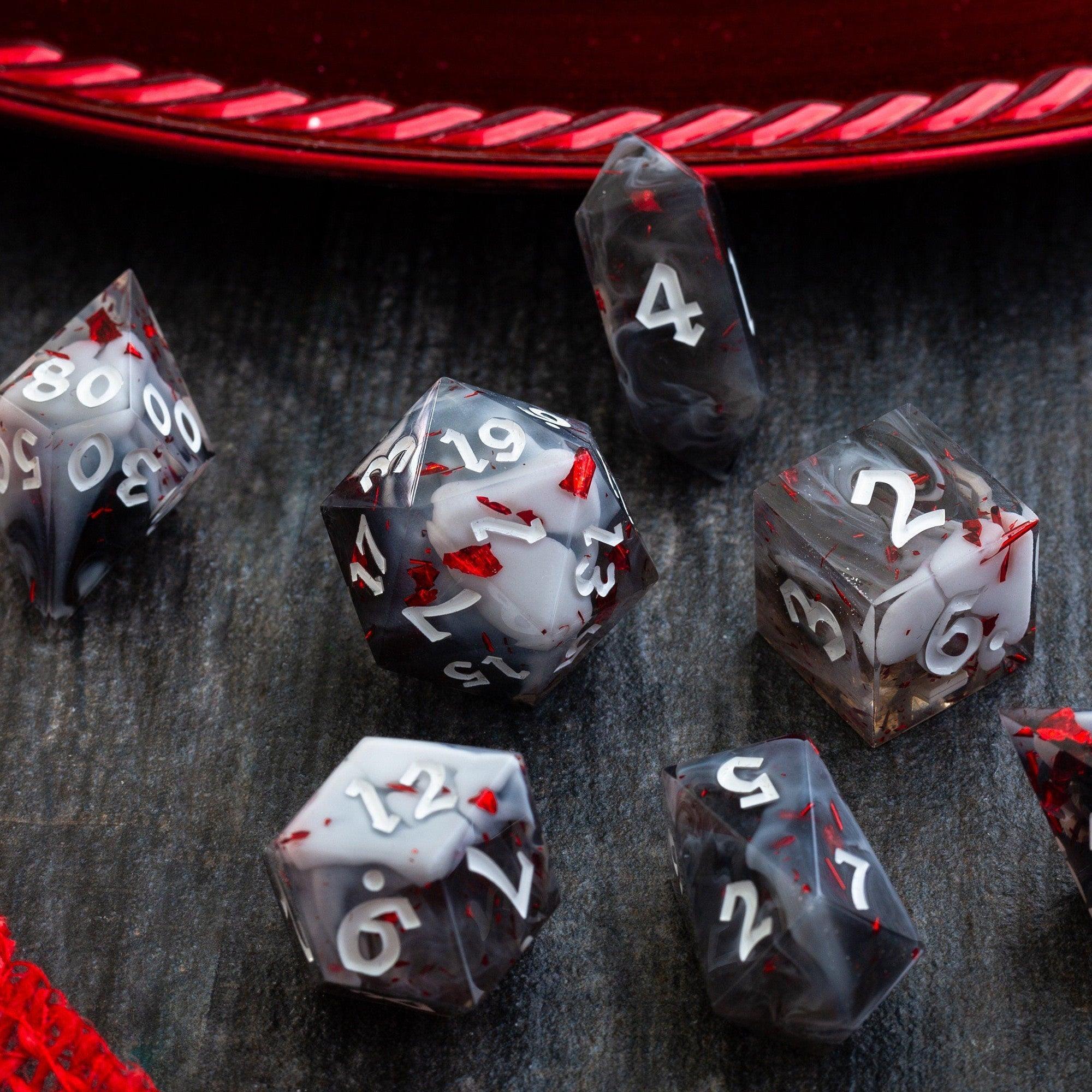
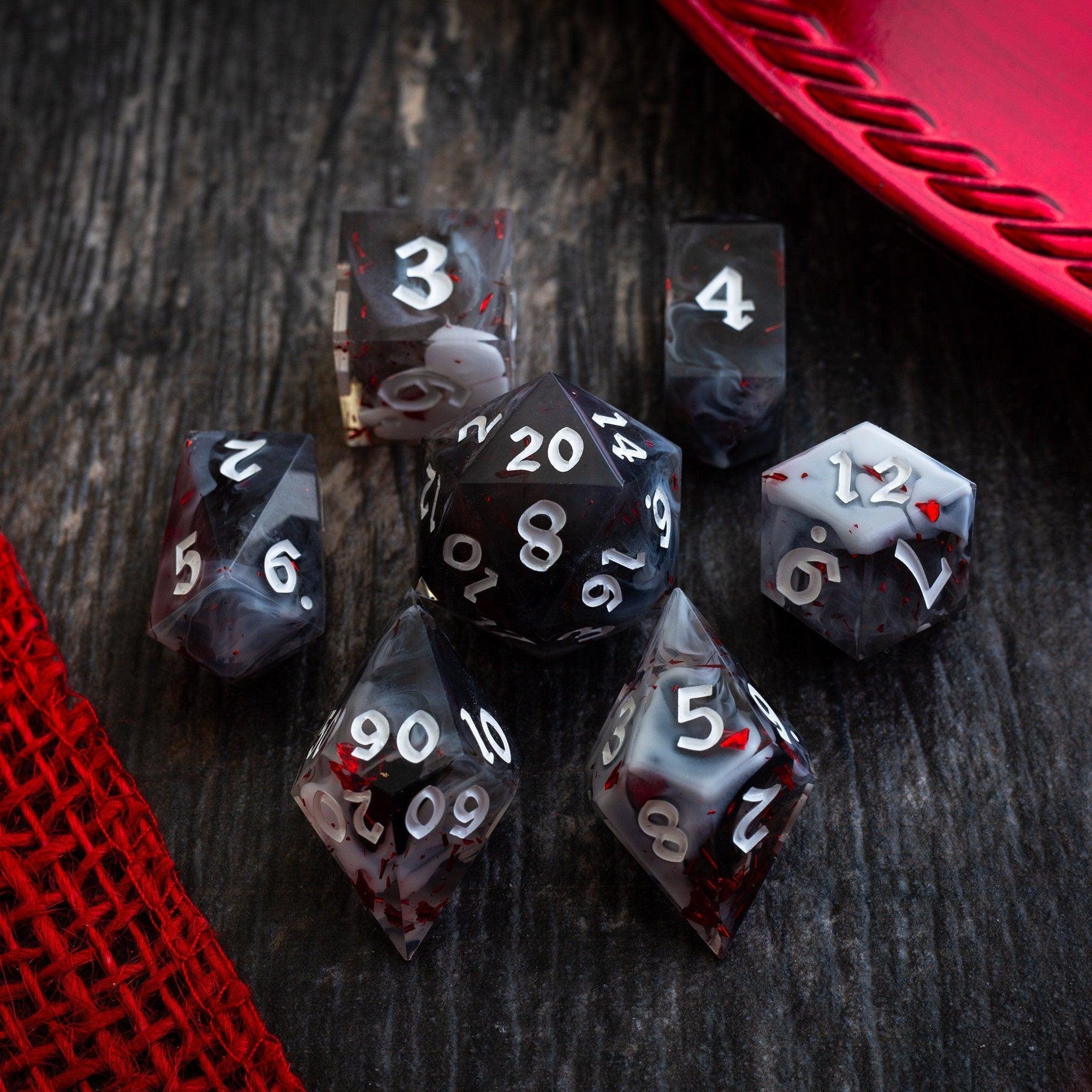
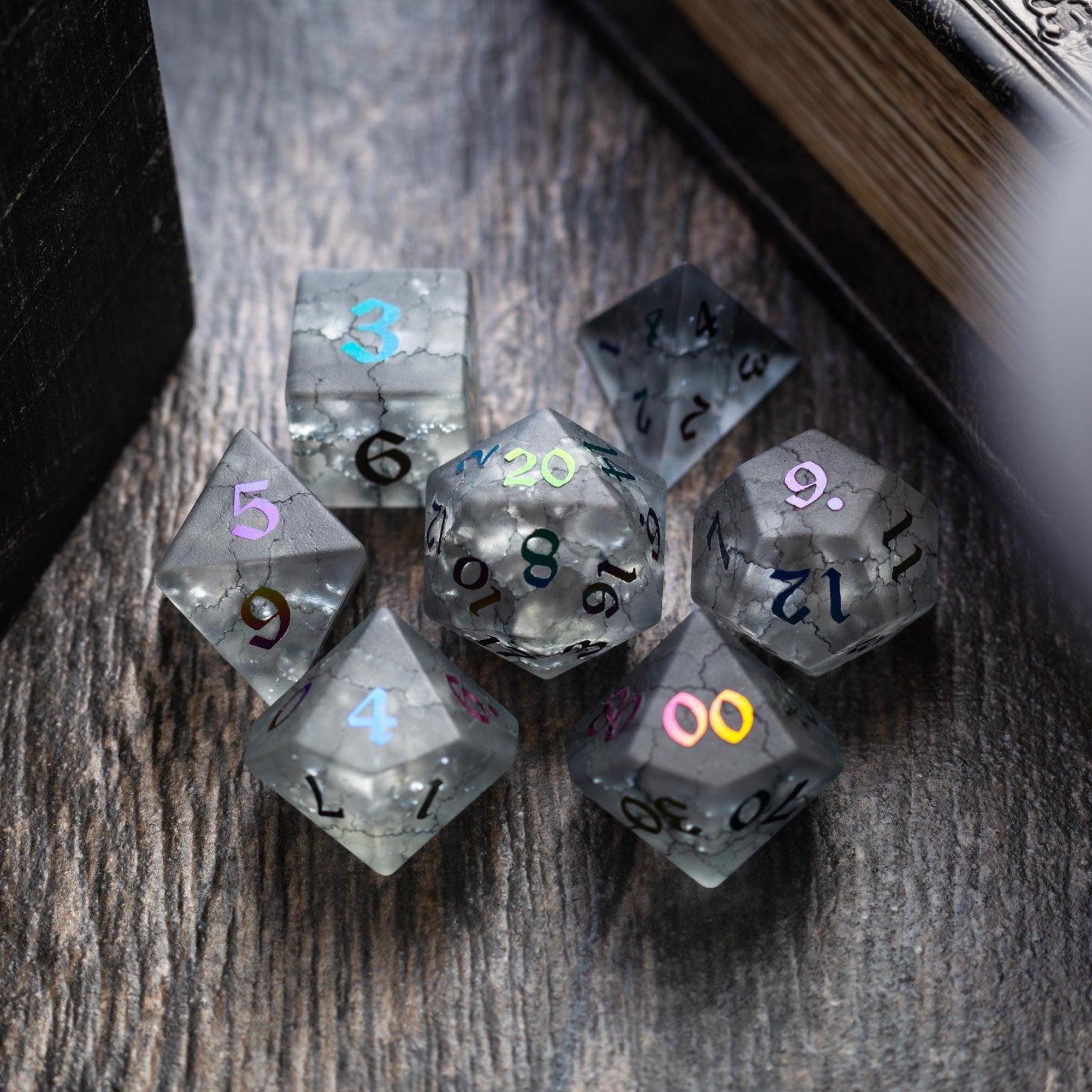
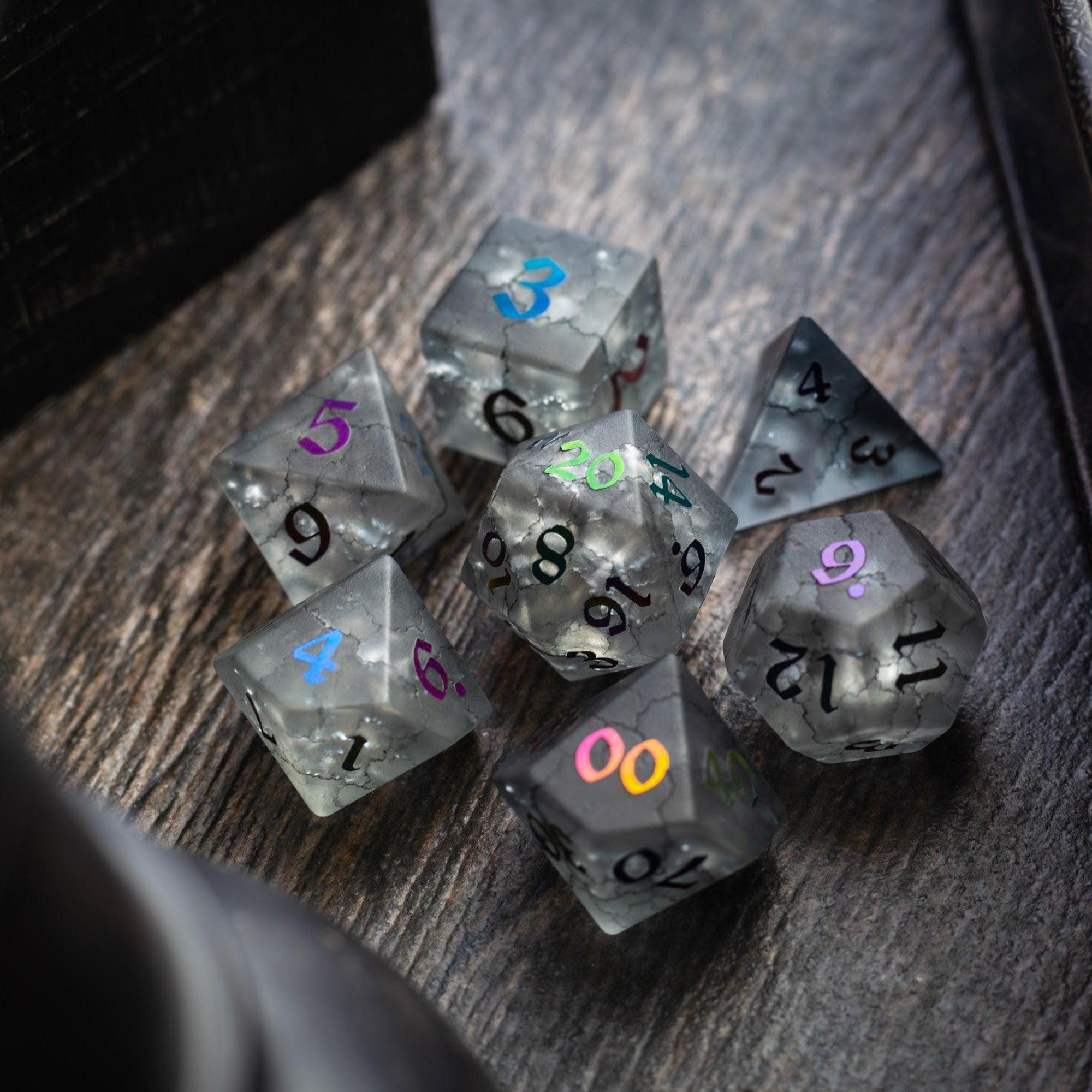
These guidelines keep sidekick rules for RPG fair and predictable. If you enjoy matching your companion’s aesthetic at the table, the shimmering Starlit Rift set offers a vivid, readable look that feels special without overpowering your layout.
Step 7: Safety tools and graceful exits
It is thoughtful to agree on boundaries. Decide what risks the sidekick may take, when they fall back, and what happens if they are injured or captured. A polite table contract also covers retirement: perhaps the companion establishes a shop, tends a shrine, or returns home after a meaningful goal is met. Clear exit paths honor the narrative and prevent tension. These considerations create sidekick rules for RPG that are resilient across long campaigns.
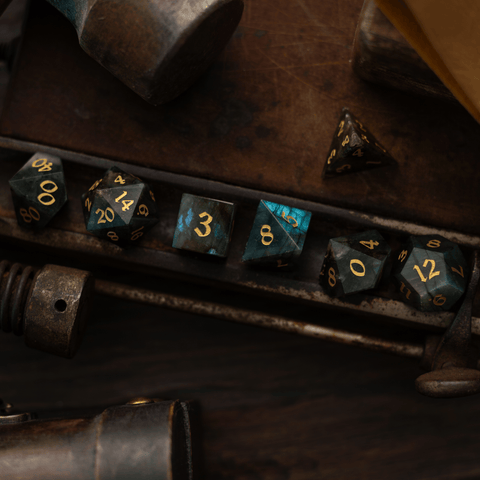
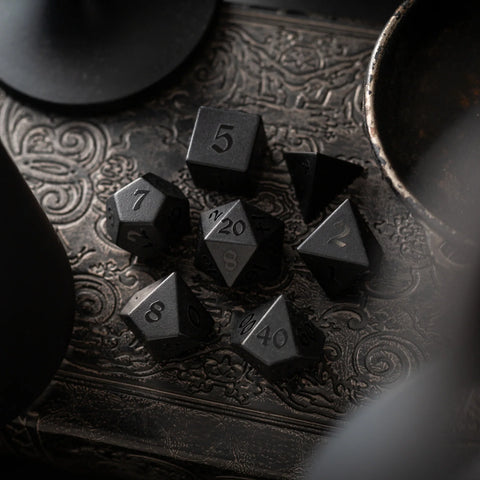
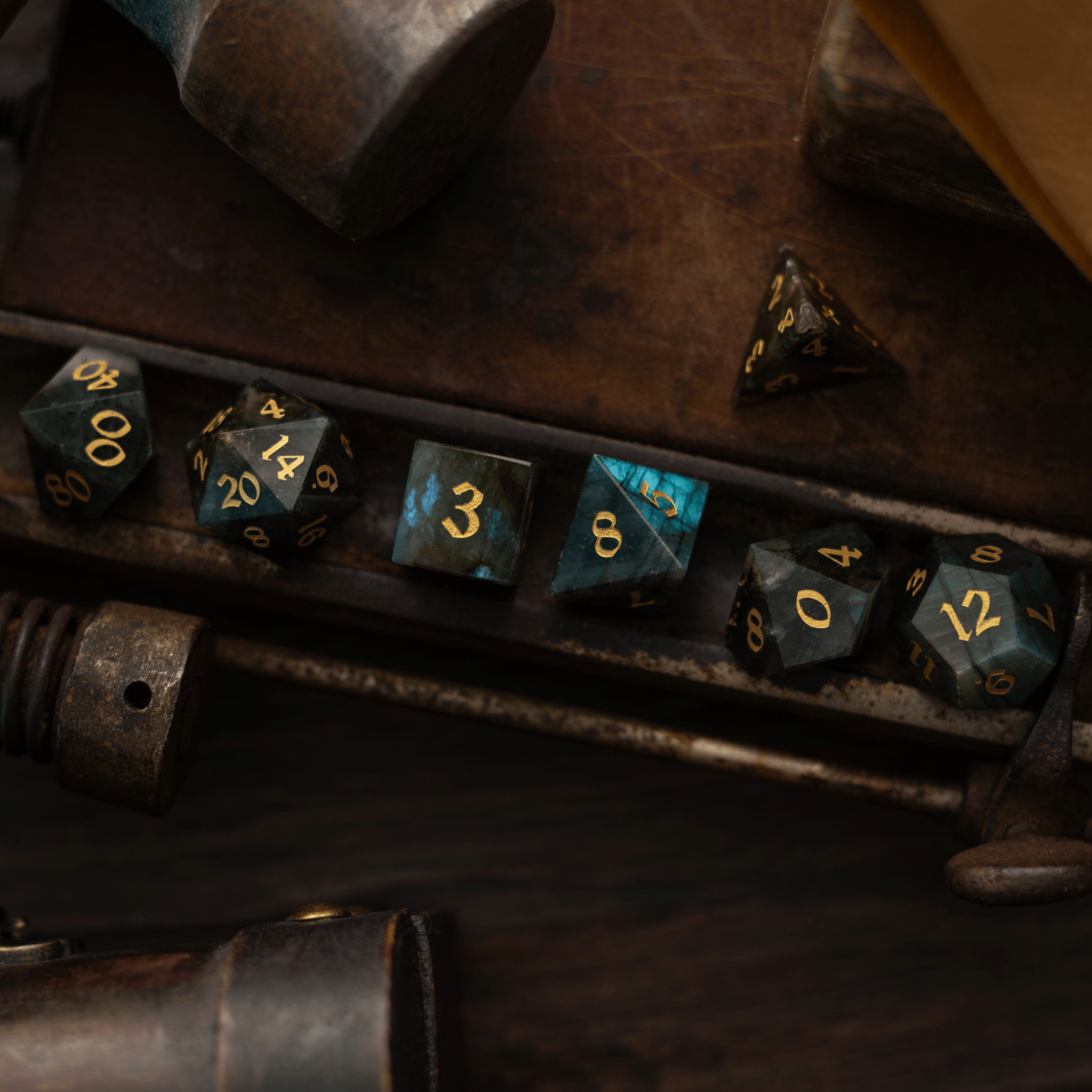
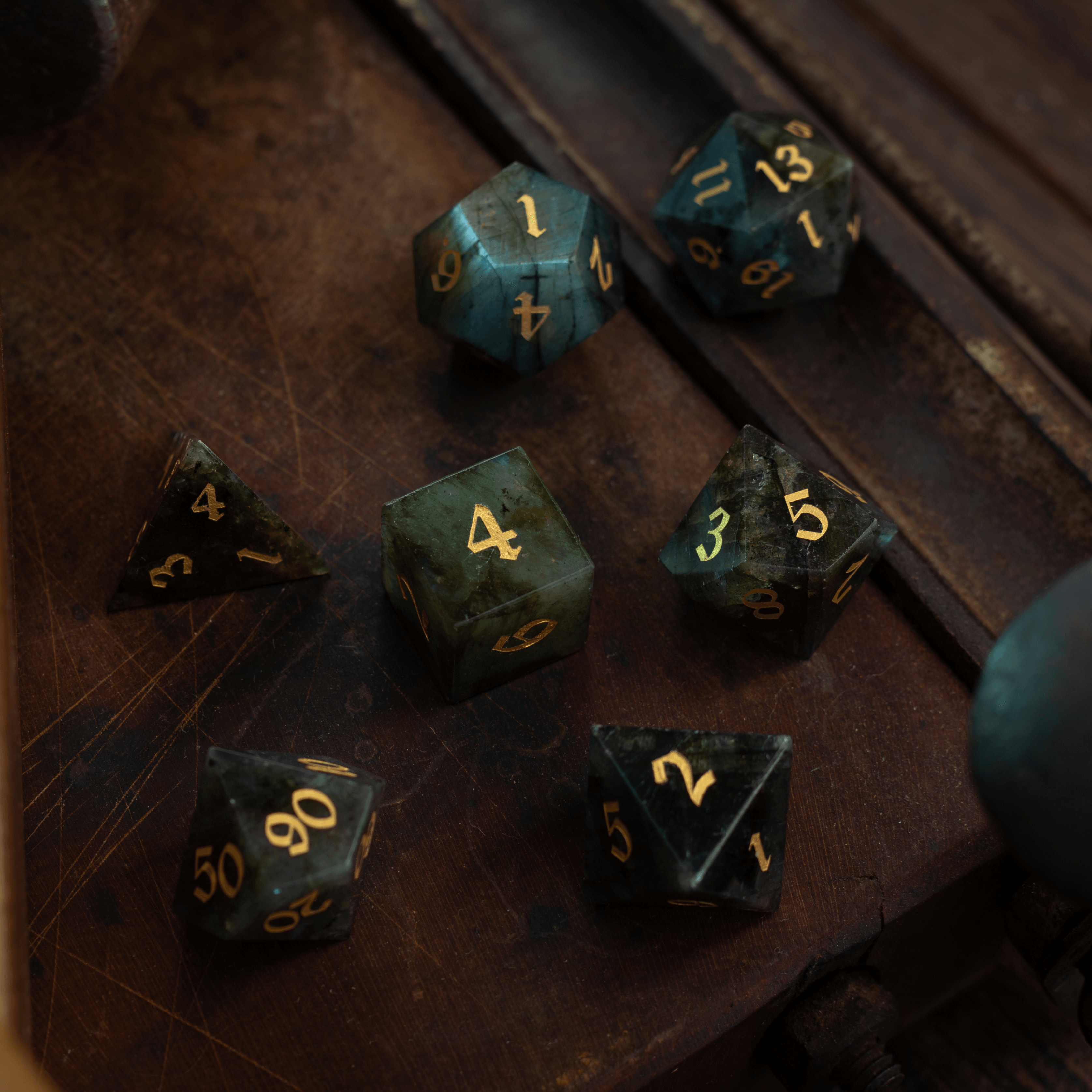
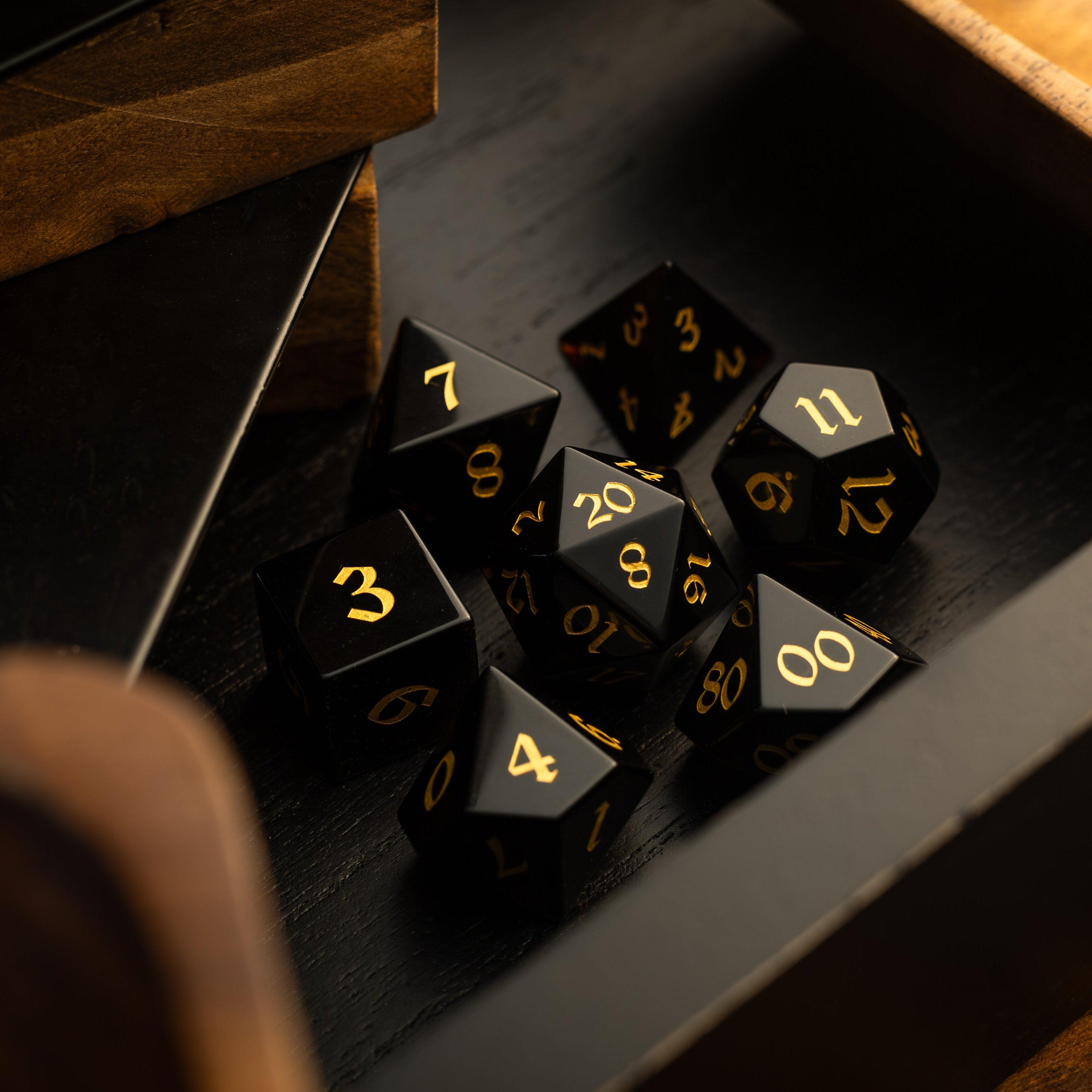
With these seven steps, you have a complete, flexible sidekick system for RPGs. It scales gently, respects spotlight time, and welcomes all play styles. If you want tactile variety for sidekick rolls versus main-character rolls, the deep shimmer of Labradorite dice or the earthy tones in the gemstone dice page can help you track separate pools with ease.
Common Questions Answered: Sidekick Rules for RPG
What are the core sidekick rules in RPGs?
At their core, sidekick rules keep the companion simple, supportive, and slightly behind the main characters in power. The essentials are a focused role, a streamlined template, predictable scaling, and action limits that protect the party’s spotlight. This combination forms dependable RPG sidekick rules and makes it easy for game masters to adjudicate edge cases.
How do you balance a sidekick in an RPG?
Begin by setting a clear power ceiling. A sidekick should contribute meaningfully, yet not dominate encounters or social scenes. Common balancing dials include a lower level than the sponsor, fewer spell or ability options, single-action turns, and modest gear. If a scene feels crowded, allow the sidekick to take supportive actions—help, guard, or aid—so the main characters still shape the outcome.
Who controls the sidekick: player or game master?
Either approach can work, and it often depends on comfort and pacing. Many groups let the sponsoring player run the sidekick’s basic actions while the game master handles personality, big decisions, and moments of dramatic tension. This shared approach keeps turns efficient while ensuring the companion remains a story character, not just a stat block, aligning well with gentle RPG sidekick rules for game masters.
How should loot and rewards be handled?
It may help to keep rewards modest and practical. Provide basic upkeep, consumables, and occasional role-appropriate upgrades. Reserve signature items and rare artifacts for player characters. If the story suggests a special reward for the sidekick—such as a badge from a grateful order—consider narrative benefits rather than raw combat power.
When is a sidekick a good fit for a campaign?
Sidekicks shine when a party lacks a critical role, when a smaller group needs a little durability, or when a character’s backstory invites a loyal companion. They can also serve as guides in a new region or custodians of local knowledge. If scenes begin to slow or feel crowded, gently scale back their involvement or transition them to off-screen support.
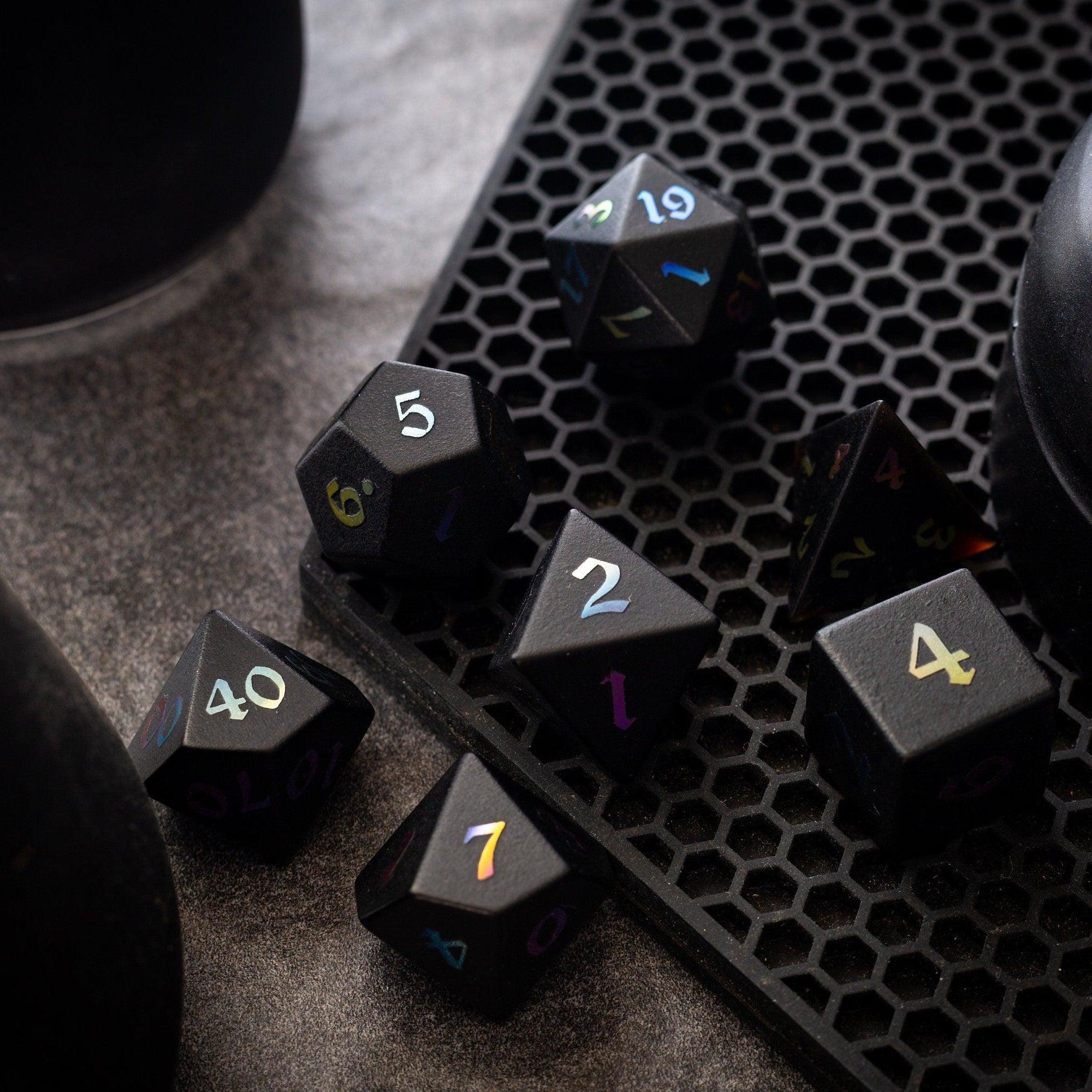
Sidekicks are most rewarding when everyone understands the purpose and boundaries. With clear companion rules for RPGs—and a steady, respectful tone—these characters become trusted fixtures of your tale. As your group journeys further, you might appreciate a distinct roll for the companion’s checks; the crisp readability of the Mystic Violet set can make that separation pleasant and easy to track.
To summarize, effective sidekick rules for RPG focus on clarity, kindness, and pacing. They help the story move forward, give players gentle support, and respect the spotlight. With a simple sidekick system for RPGs and thoughtful table agreement, companions can enhance every scene—from quiet campfire moments to decisive battles—without adding strain. If you keep the framework light and the intent clear, your sidekick will feel like part of the party while remaining delightfully unobtrusive.





Leave a comment
This site is protected by hCaptcha and the hCaptcha Privacy Policy and Terms of Service apply.