
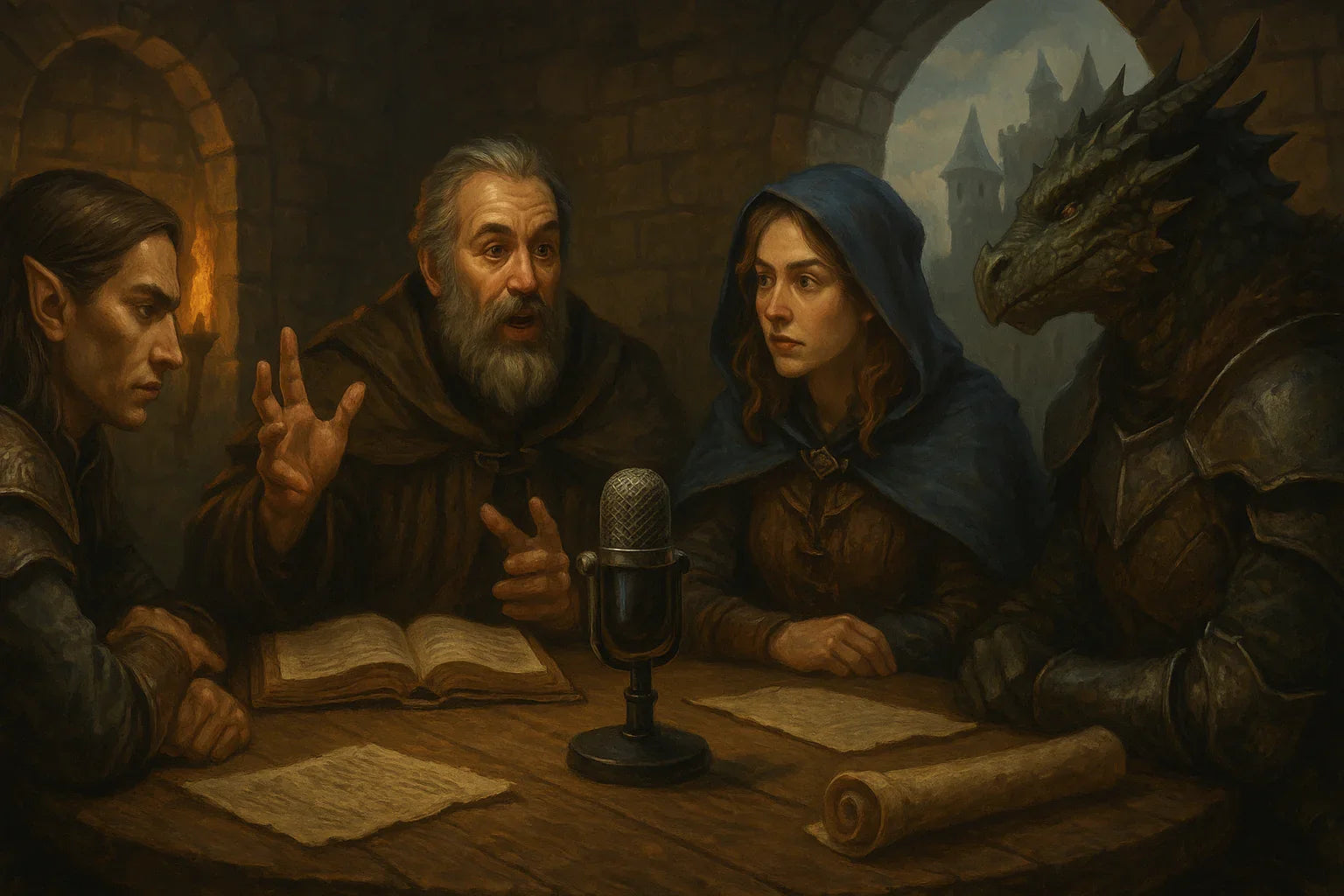
Roleplaying Podcast Episodes and Discussions for GM Insights
Roleplaying podcasts have become one of the most valuable learning resources for Game Masters and tabletop RPG players. Whether they feature a group playing through a campaign or hosts discussing game design and storytelling, these shows offer a behind-the-scenes look at how experienced players approach challenges, create memorable characters, and keep sessions engaging.
Unlike reading rulebooks alone, listening to a roleplaying podcast lets you hear pacing, improvisation, player interaction, and decision making unfold naturally. Many Game Masters discover fresh ways to prepare adventures, handle unexpected player choices, and create richer worlds simply by observing how other groups play.
The key is remembering that every podcast reflects the style and preferences of its own hosts and players. There is no single "correct" way to run a tabletop RPG. Instead, podcasts provide ideas that you can adapt to fit your own campaign, players, and game system.
Why Podcasts Have Become Valuable Learning Resources for Game Masters
Years ago, Game Masters primarily learned from rulebooks, magazines, and advice from local gaming groups. Today, podcasts provide an ongoing source of inspiration and practical education.
A quality Game Master podcast often explores topics such as:
-
Campaign preparation
-
Session pacing
-
Encounter design
-
Character development
-
Improvisation techniques
-
Worldbuilding
-
Managing player expectations
-
Collaborative storytelling
Listening regularly exposes GMs to different approaches without suggesting that one method is universally correct. A mystery-focused campaign, for example, may benefit from different storytelling techniques than a fast-paced dungeon crawl.
Discussion-based episodes also allow experienced Game Masters to explain why certain decisions worked, making it easier to understand the thinking behind successful sessions.
Actual Play Podcasts vs. Discussion-Based RPG Shows
Not every RPG podcast serves the same purpose. Understanding the differences helps you choose episodes that match your current goals.
Actual Play Podcasts
An actual play podcast records a real game session or edited version of one. Rather than teaching directly, these episodes demonstrate how groups interact during play.
You may observe:
-
Character roleplaying
-
Combat pacing
-
Creative problem solving
-
Rules discussions
-
Improvised storytelling
-
Player teamwork
Actual play shows are excellent for seeing how storytelling develops naturally at the table. However, they are entertainment first and should not be treated as official rules guidance.
Discussion-Based RPG Podcasts
Discussion shows focus on explaining ideas rather than demonstrating them.
Topics often include:
-
Campaign planning
-
Encounter balance
-
NPC creation
-
Adventure design
-
Session zero preparation
-
Player communication
-
Long-term campaign management
These conversations often provide practical GM insights that can immediately improve your own preparation.
How to Identify Practical Advice Worth Applying
Not every entertaining episode contains advice that will work for every gaming group.
When listening to a tabletop RPG podcast, ask yourself several questions:
-
Does this fit my campaign style?
-
Will my players enjoy this approach?
-
Does it support our preferred game system?
-
Can I simplify this idea for my table?
-
Is this based on house rules or official rules?
-
Does it encourage collaboration?
Some podcasts feature highly theatrical roleplaying, while others emphasize tactical combat or sandbox exploration. None of these styles is inherently better than another.
The most useful lessons usually focus on communication, preparation, flexibility, and keeping players engaged.
Podcast Comparison Table
| Podcast Style | Primary Focus | Ideal Audience | Learning Opportunities | Best Use Cases |
|---|---|---|---|---|
| Actual Play | Live gameplay and storytelling | Players and GMs | Improvisation, pacing, roleplaying | Learning table dynamics |
| Discussion Show | GM advice and design conversations | New and experienced GMs | Campaign planning, leadership, preparation | Improving session management |
| Rules Discussion | Mechanics and system analysis | Players learning new systems | Rules interpretation and character options | Understanding game mechanics |
| Interview Podcast | Conversations with designers and experienced GMs | Experienced players and creators | Different philosophies and creative processes | Broadening storytelling perspectives |
| Community Roundtable | Group discussions and shared experiences | Entire gaming groups | Problem solving and multiple viewpoints | Finding adaptable campaign ideas |
Each style contributes something different to tabletop storytelling. Mixing several podcast formats often provides the most balanced learning experience.
Lessons Game Masters Can Learn from Experienced Hosts and Players
Experienced podcast hosts rarely rely on elaborate preparation alone. Instead, they demonstrate habits that make sessions smoother and more enjoyable.
Flexible Preparation
Many successful Game Masters prepare situations rather than fixed outcomes.
Instead of forcing players toward one solution, they create:
-
Interesting locations
-
Memorable NPCs
-
Motivated villains
-
Flexible encounters
-
Multiple story hooks
This approach allows campaigns to respond naturally to player choices.
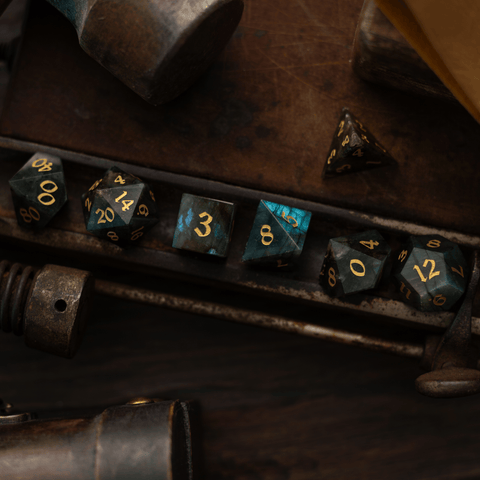
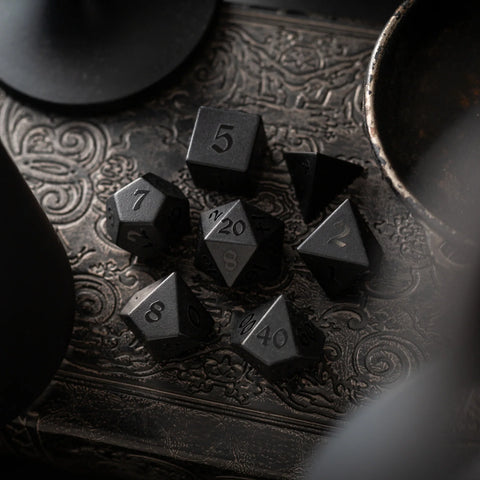
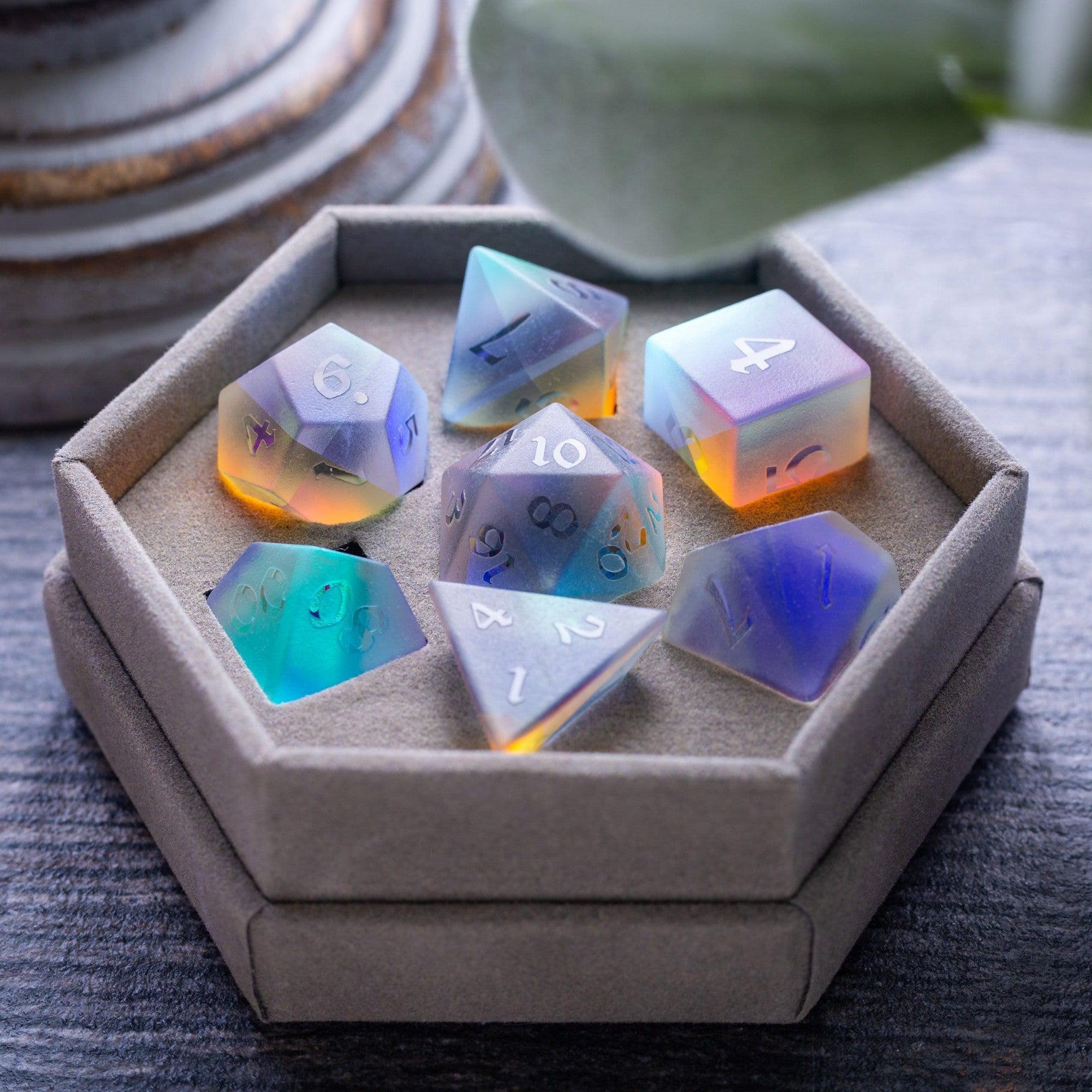
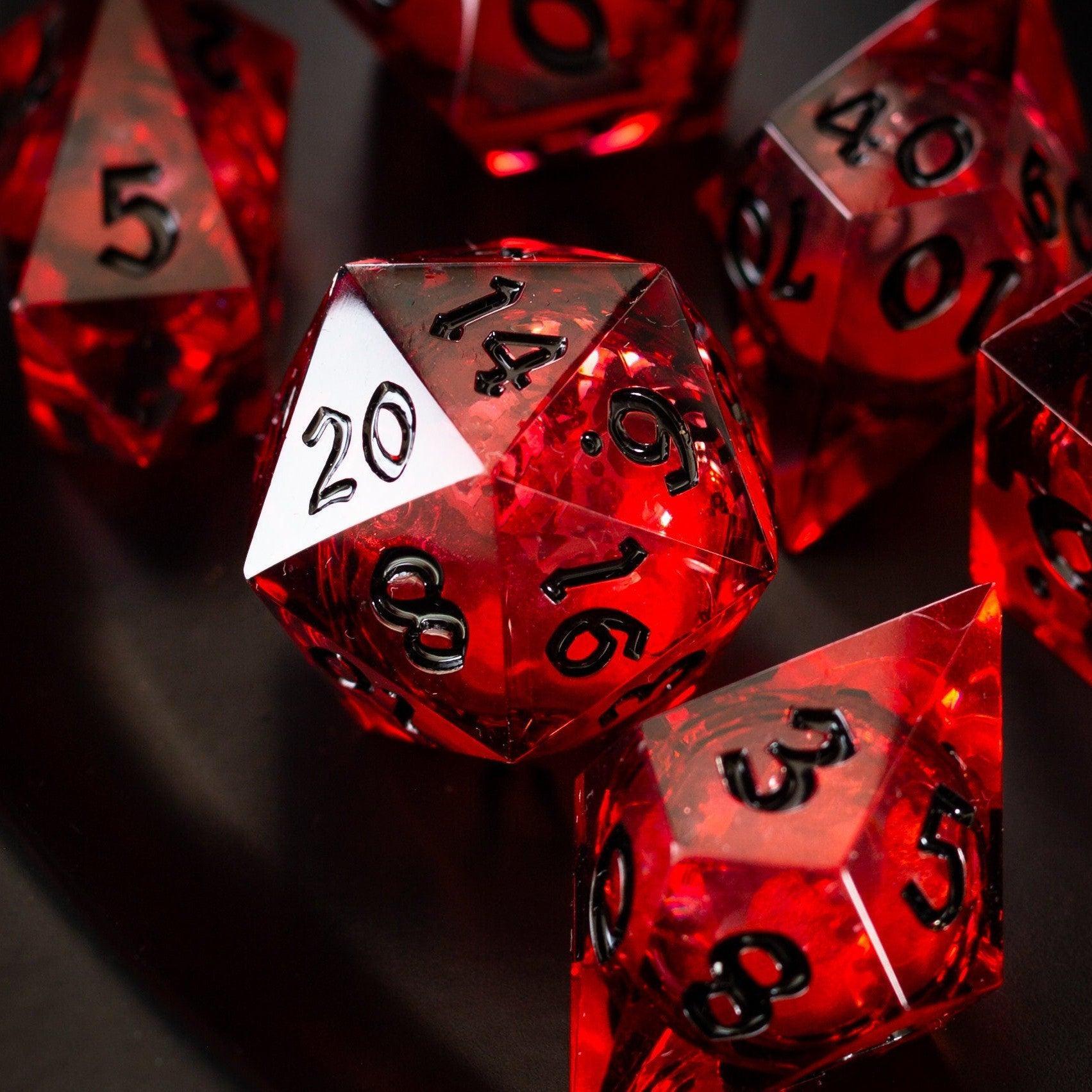
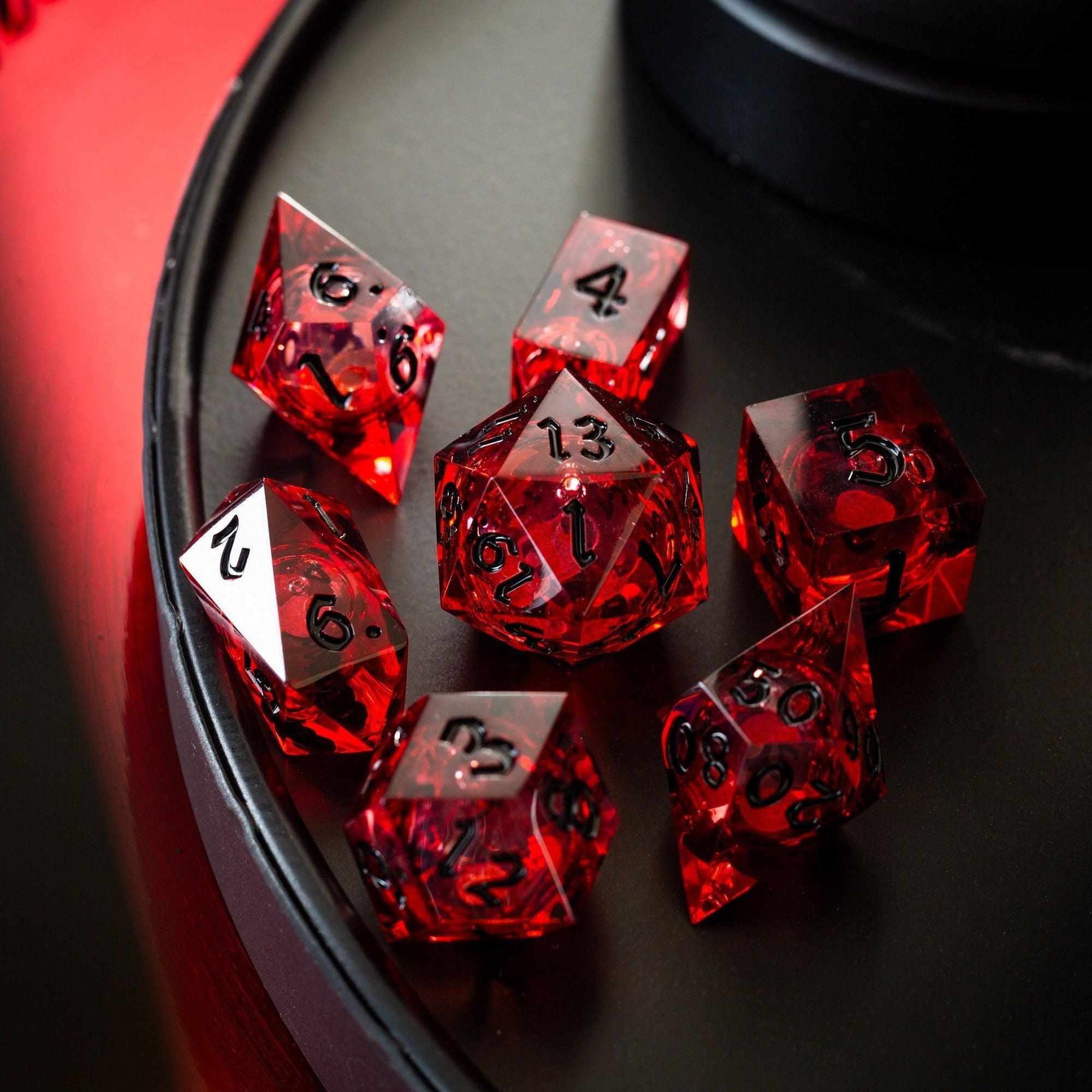
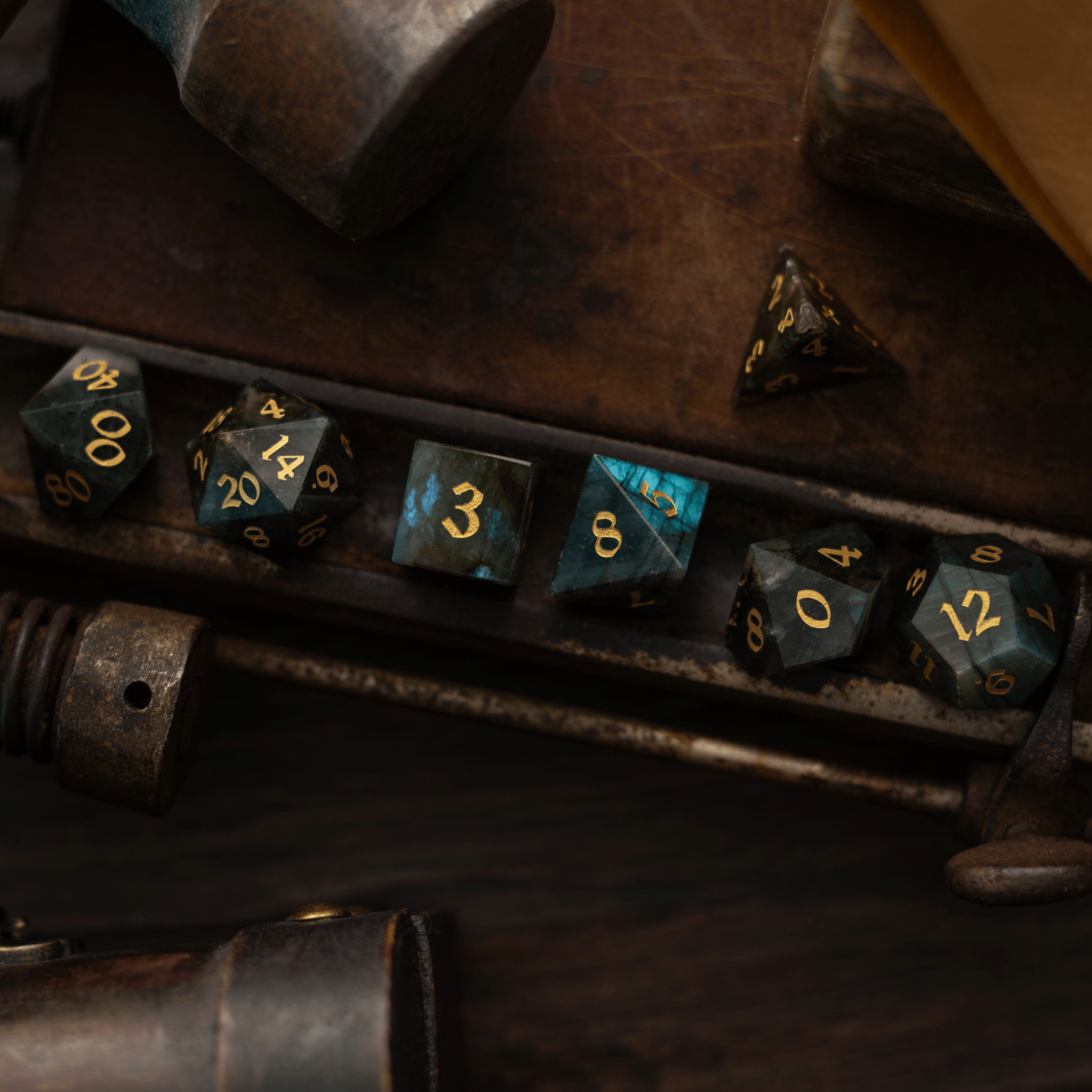
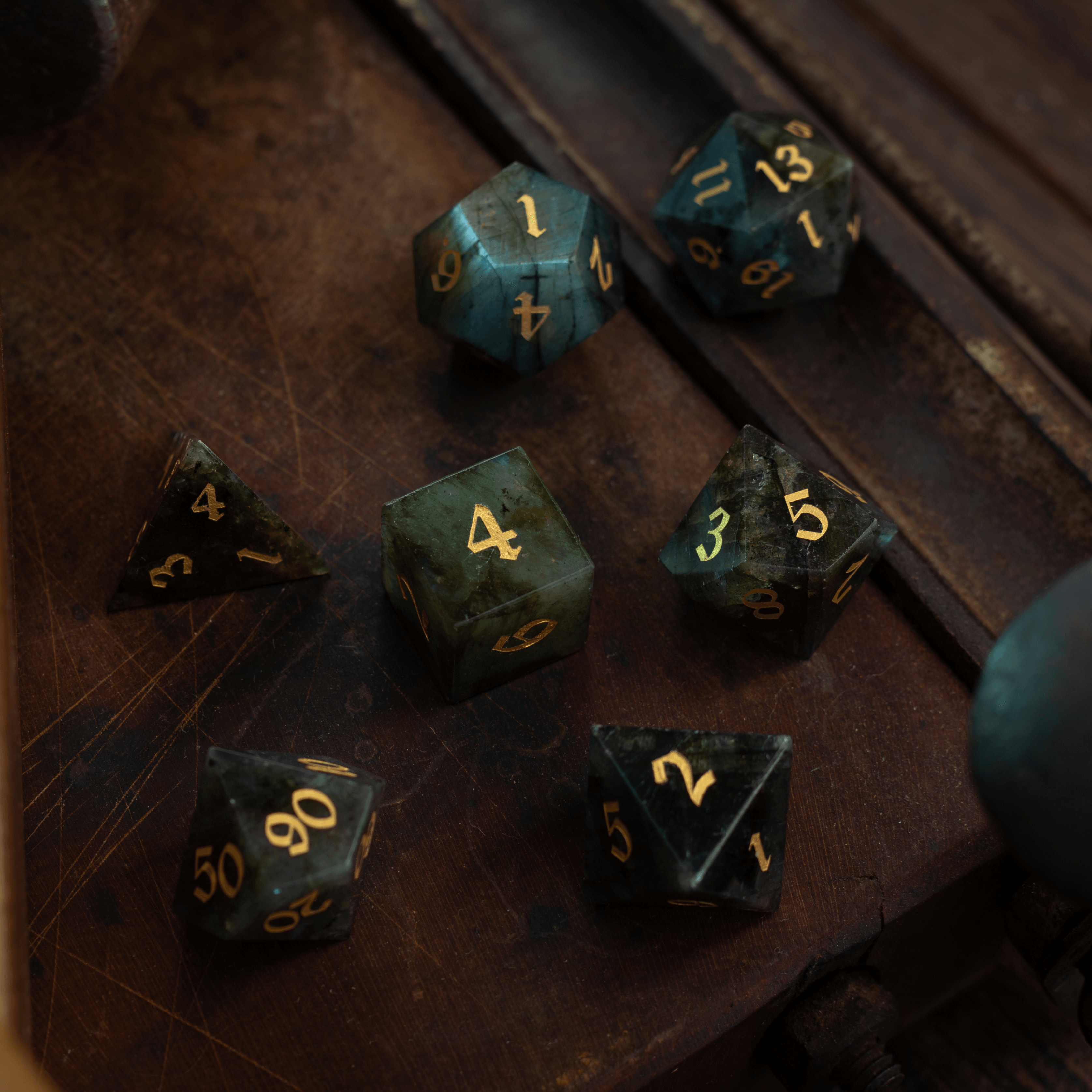
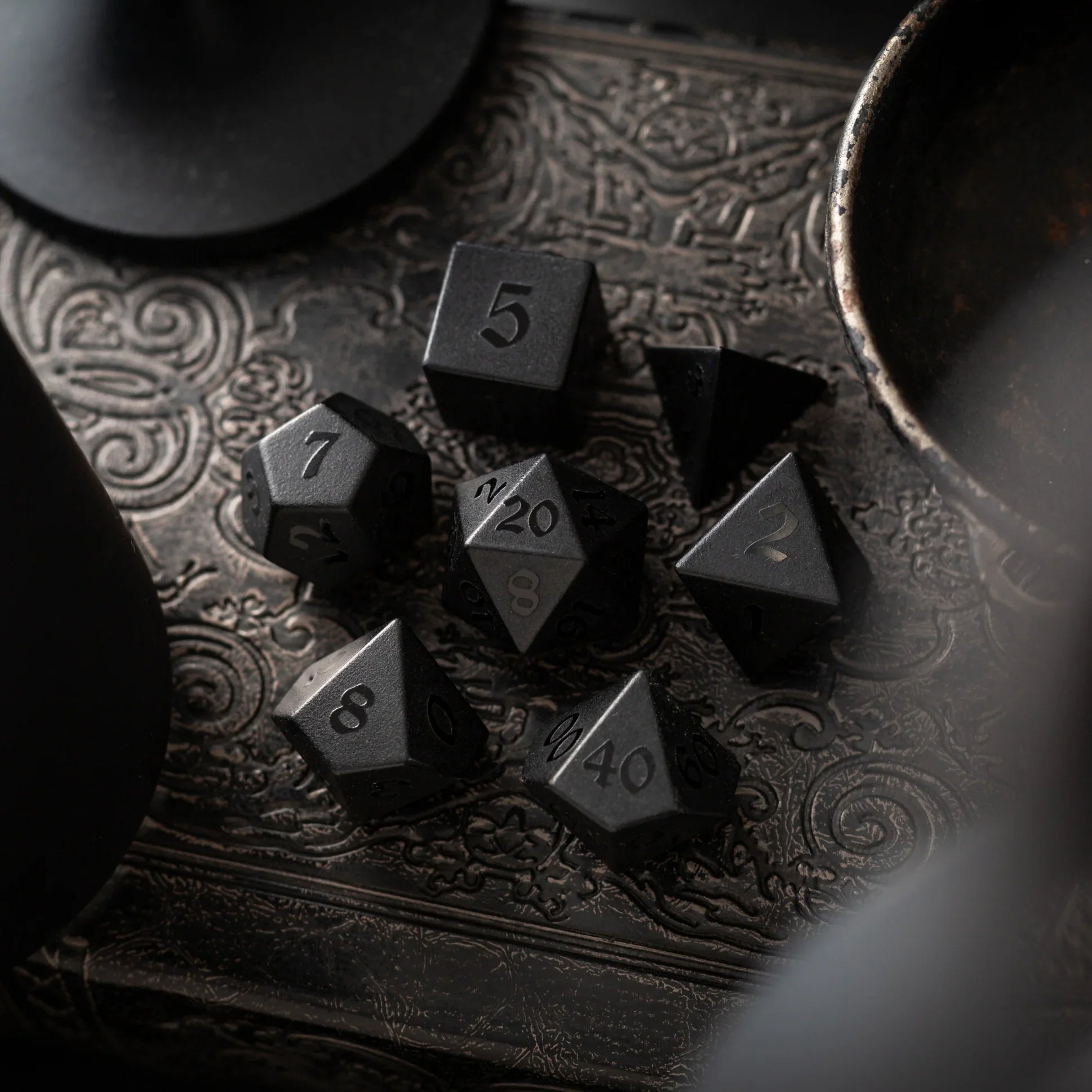
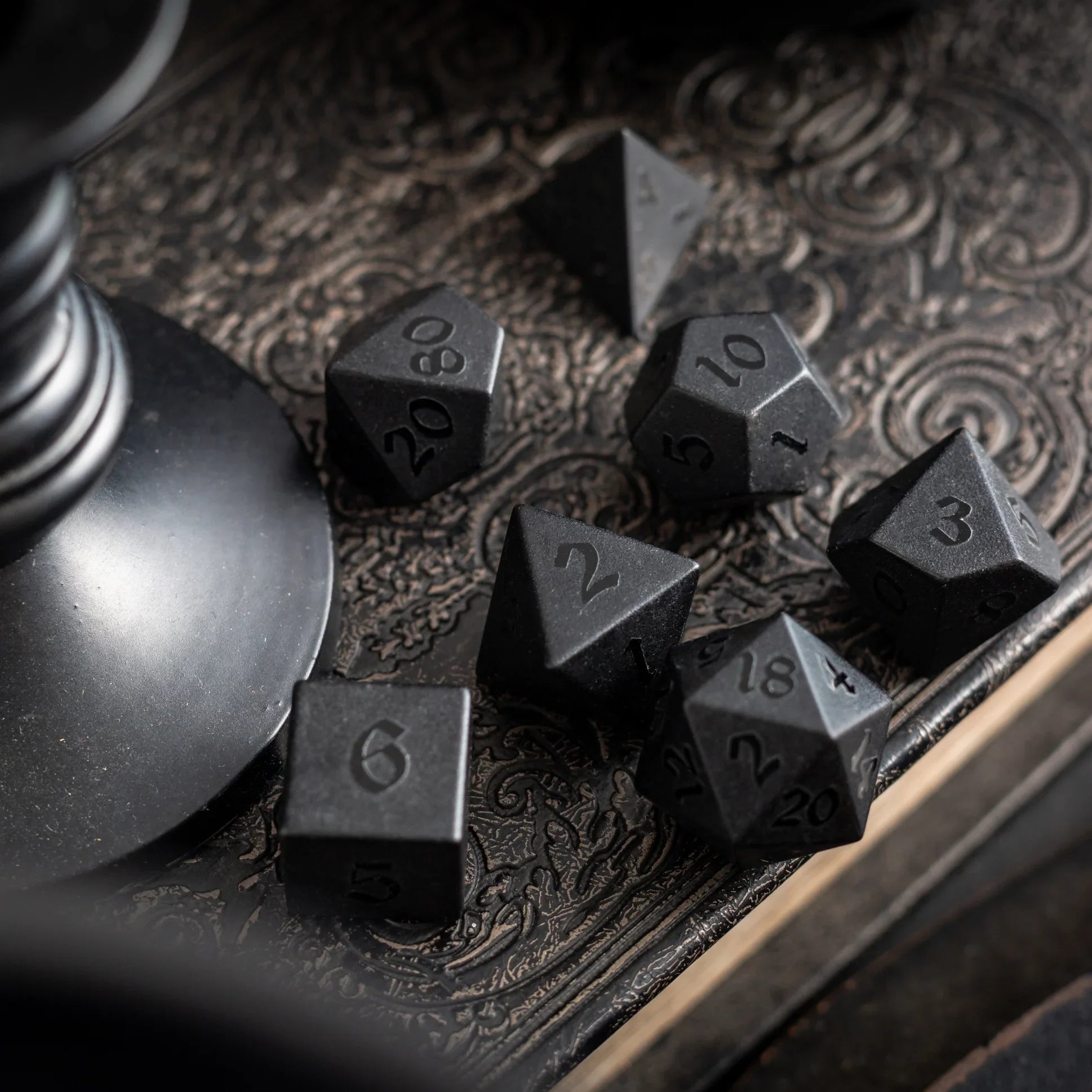
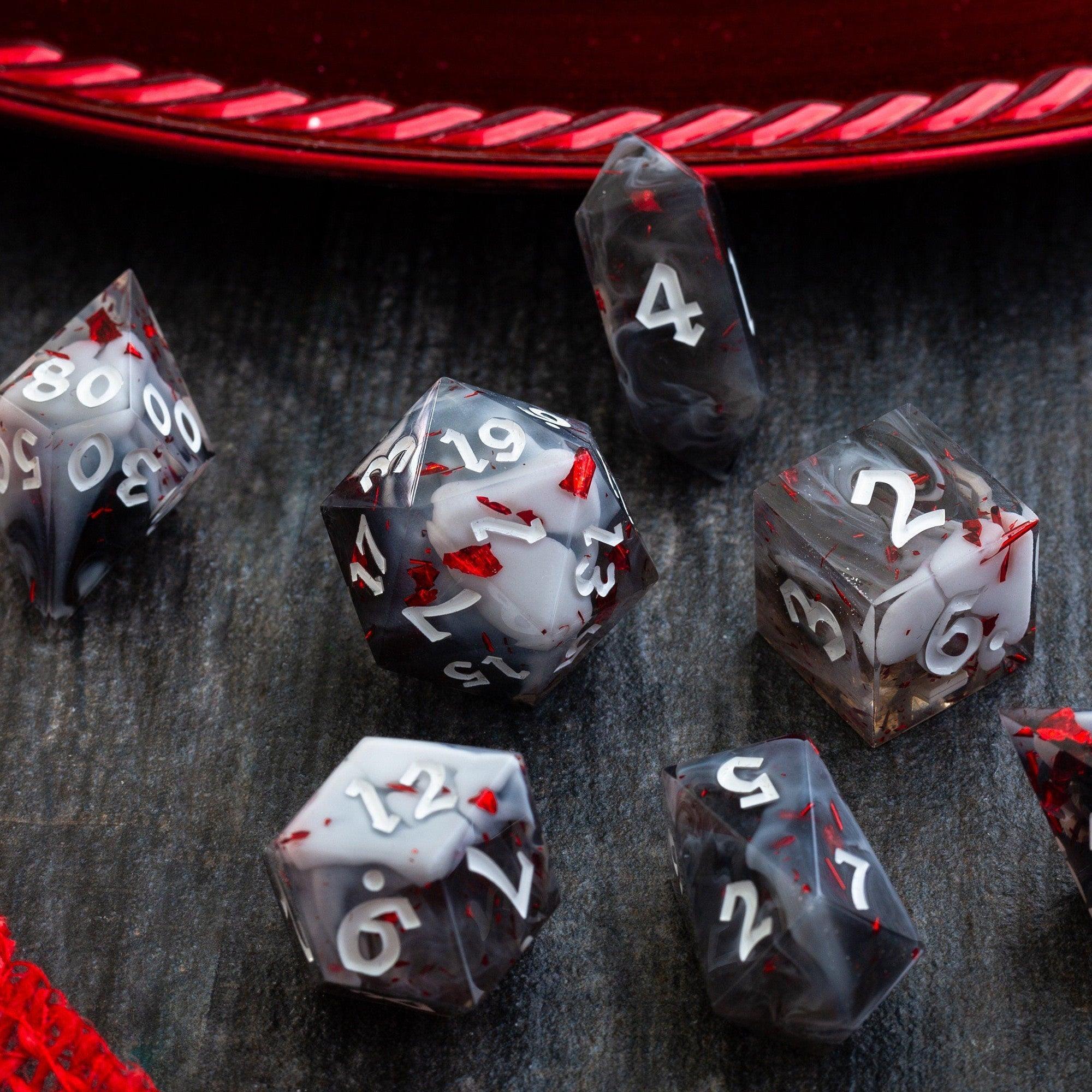
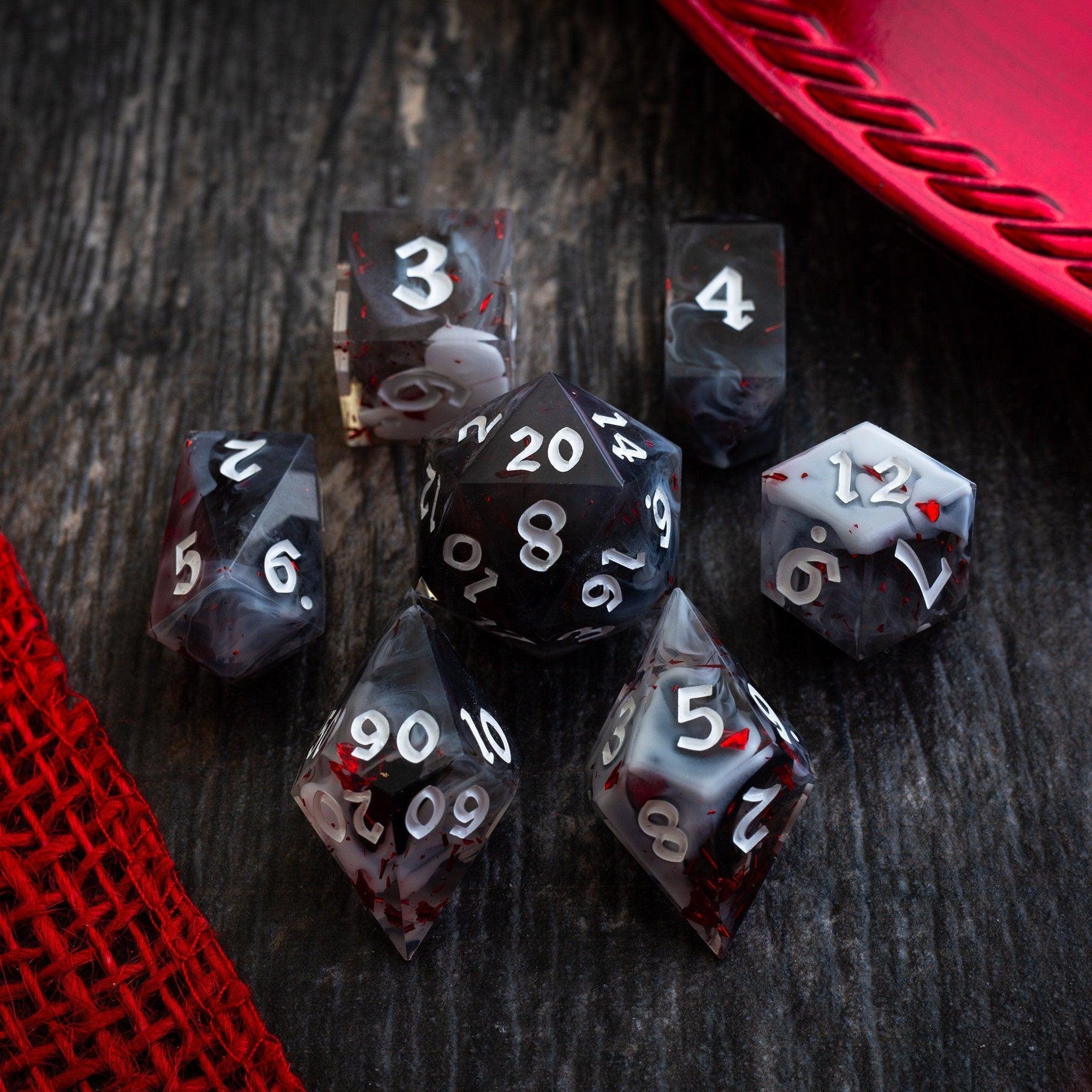
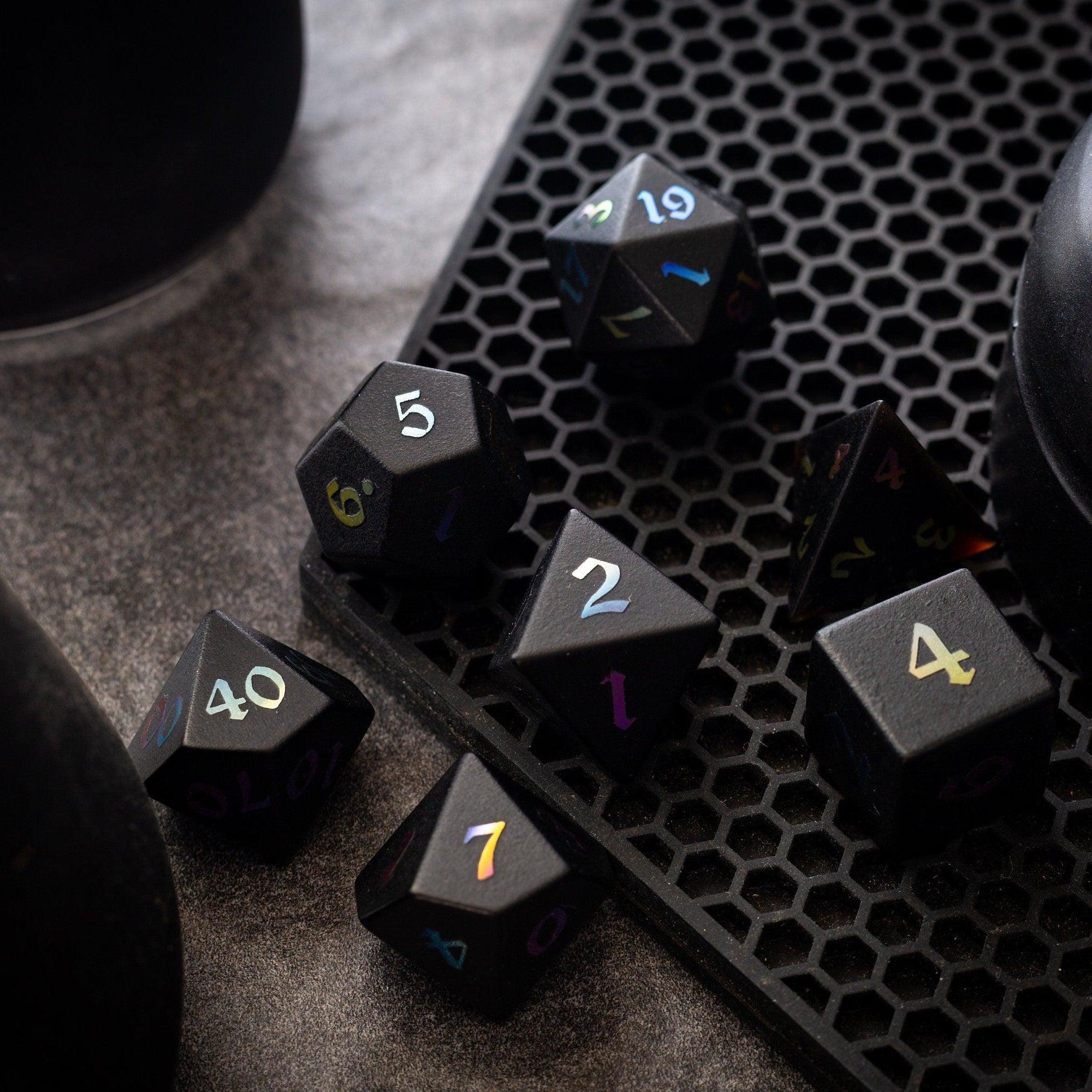
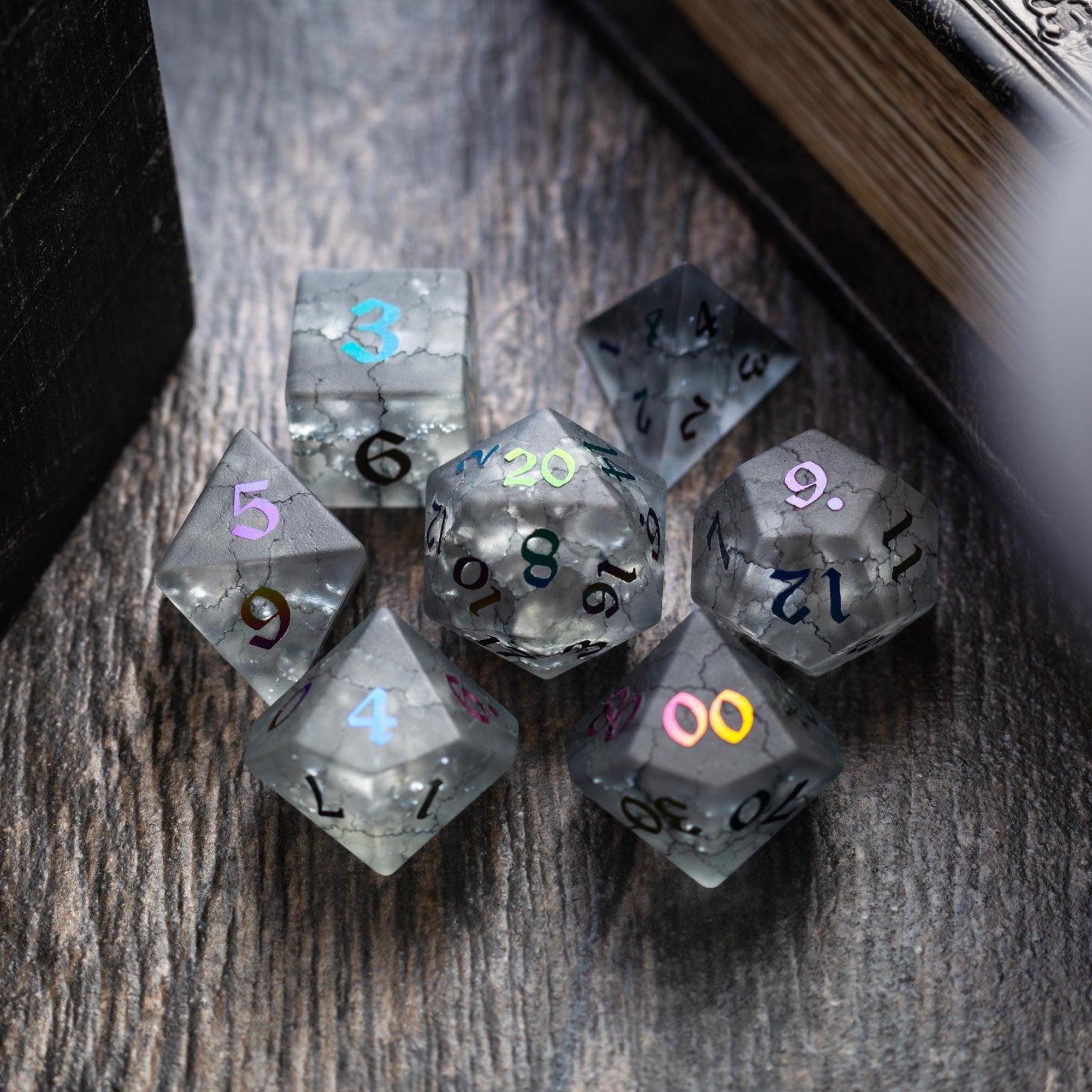
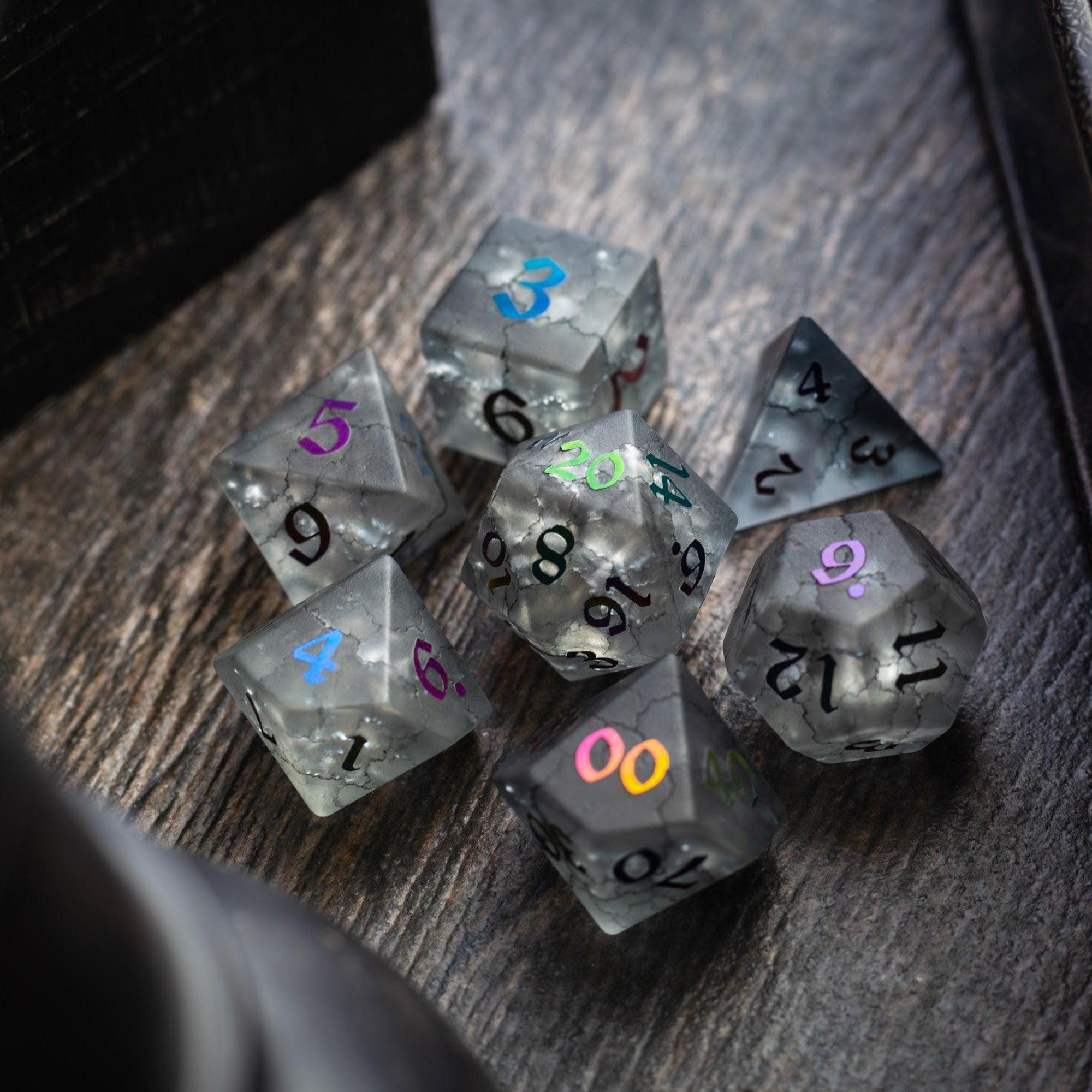
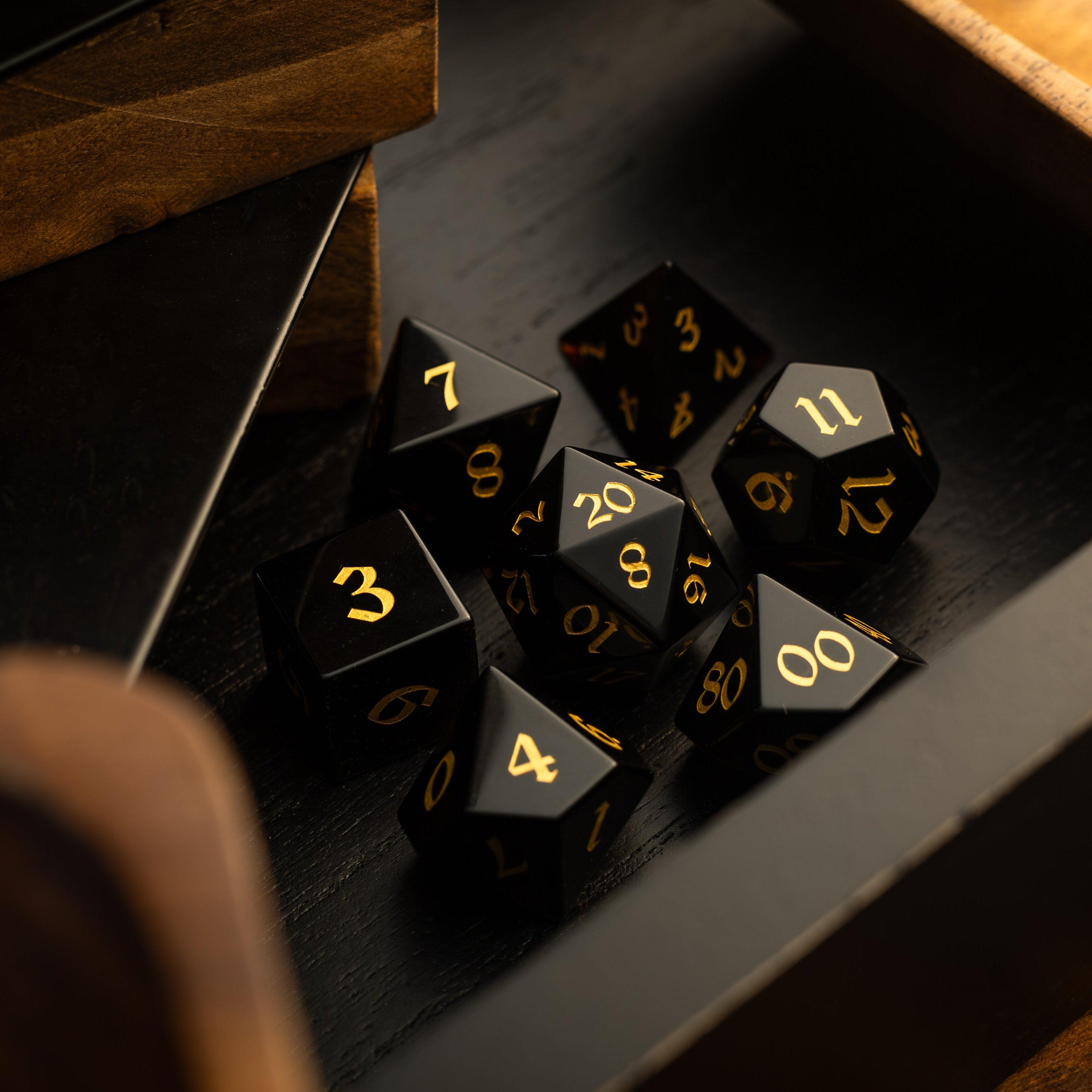
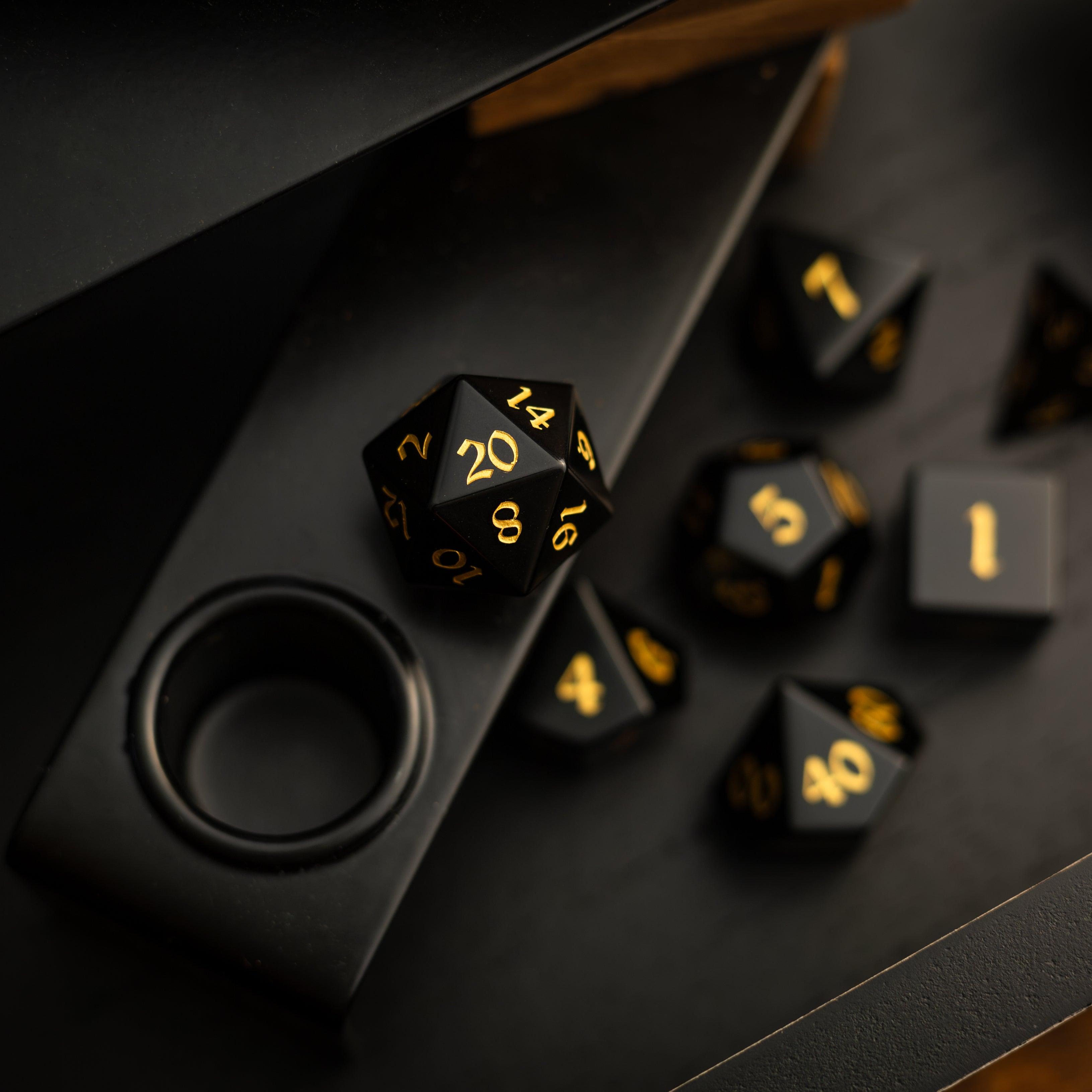
While organizing your own campaign notes, keeping premium resin, gemstone, or metal dice from Runic Dice alongside a dice tray can help keep rolls, notes, and encounter materials neatly organized throughout longer preparation sessions.
Managing Session Pacing
Listening carefully reveals how experienced Game Masters vary the rhythm of a session.
Most memorable adventures alternate between:
-
Exploration
-
Social interaction
-
Investigation
-
Combat
-
Downtime
These changes prevent fatigue while giving every character opportunities to contribute.
Encouraging Player Participation
Great hosts often ask open-ended questions rather than providing immediate answers.
Examples include:
-
What does your character do?
-
How do you respond?
-
What are you hoping to accomplish?
-
How do you approach the problem?
This style encourages players to shape the story instead of simply reacting to it.
Staying Calm During Unexpected Choices
One common lesson from many RPG discussions is that players rarely follow the original plan.
Rather than resisting unexpected decisions, experienced Game Masters adapt.
Improvisation becomes easier when campaign goals remain flexible instead of rigid.
Turning Podcast Inspiration into Better Storytelling and Campaign Preparation
The best learning happens after the episode ends.
Instead of copying an entire campaign, identify individual techniques that suit your own table.
For example:
-
Borrow an NPC introduction style.
-
Try a new method of revealing clues.
-
Experiment with encounter pacing.
-
Improve your session recap format.
-
Introduce stronger player choices.
These small adjustments gradually strengthen your confidence as a Game Master.
When testing new encounter ideas, condition rings from Runic Dice can make tracking ongoing effects much easier, allowing everyone to focus on the story instead of remembering status conditions. Likewise, a dice tower can keep important combat rolls organized during encounters inspired by techniques you've heard discussed on podcasts.
Common Mistakes When Applying Podcast Advice Directly
While podcasts are excellent learning tools, blindly copying another group's style can create problems.
Avoid these common mistakes:
Copying Without Understanding
A memorable scene often succeeds because of the players involved, not simply because of the idea itself.
Consider why it worked before recreating it.
Ignoring Your Group's Preferences
Every table enjoys different experiences.
Some groups prefer:
-
Tactical combat
-
Character drama
-
Political intrigue
-
Exploration
-
Lighthearted adventures
Choose ideas that support your players rather than forcing them into someone else's style.
Treating Entertainment as Official Rules
Many actual play productions modify rules for pacing or storytelling.
Always distinguish between:
-
Official published rules
-
House rules
-
Narrative shortcuts
-
Dramatic editing
Entertainment-focused content should inspire creativity, not replace your rulebooks.
Expecting Immediate Results
Improving as a Game Master takes practice.
Rather than changing everything at once, introduce one new technique per session and evaluate how your players respond.
Quick Podcast Evaluation Checklist
When trying a new roleplaying podcast, use this checklist to decide whether it provides useful learning opportunities.
-
Does it explain why decisions are made?
-
Are the hosts respectful of different play styles?
-
Does it distinguish house rules from official rules?
-
Are storytelling techniques adaptable?
-
Does it encourage collaboration?
-
Can the lessons fit your preferred RPG system?
-
Does it inspire ideas without suggesting one "correct" way to play?
-
Will your players benefit from the techniques discussed?
If you answer "yes" to most of these questions, the podcast is likely a valuable resource for ongoing learning.
Every campaign offers opportunities to grow as a Game Master, and roleplaying podcasts provide an accessible way to keep learning between game nights. Listening to actual play sessions can reveal how experienced groups handle unexpected moments, while discussion-based shows often provide thoughtful perspectives on campaign preparation, tabletop storytelling, and player engagement. The most valuable takeaway is not to imitate another table exactly, but to understand the reasoning behind successful techniques and adapt them to your own group. By approaching each tabletop RPG podcast with curiosity and a willingness to experiment, you can continue developing your skills, create more memorable adventures, and build campaigns that reflect the unique personalities and goals of the players gathered around your table.




Leave a comment
This site is protected by hCaptcha and the hCaptcha Privacy Policy and Terms of Service apply.