
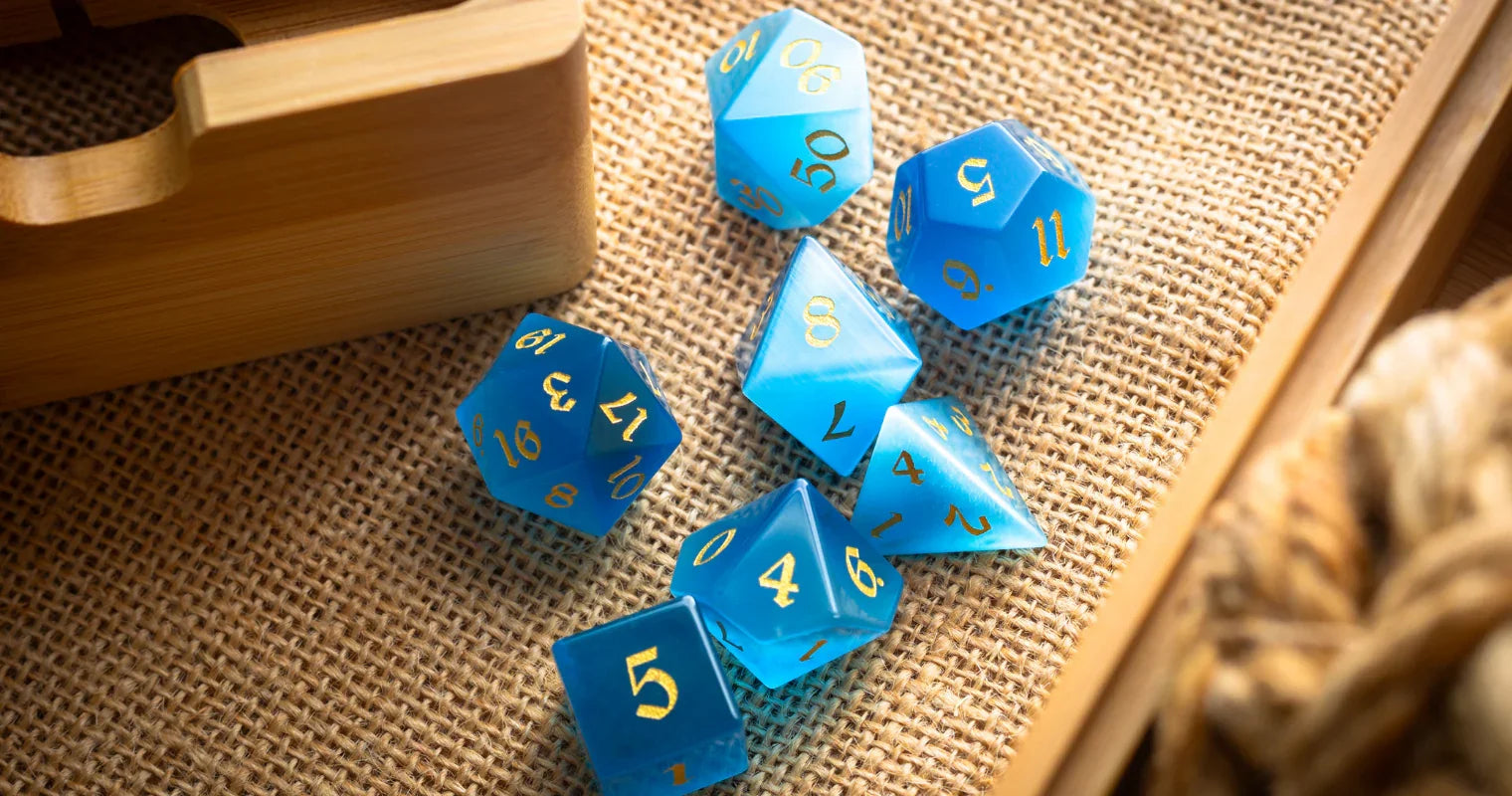
Rethinking Non Conventional Dice for Bold RPG rolls
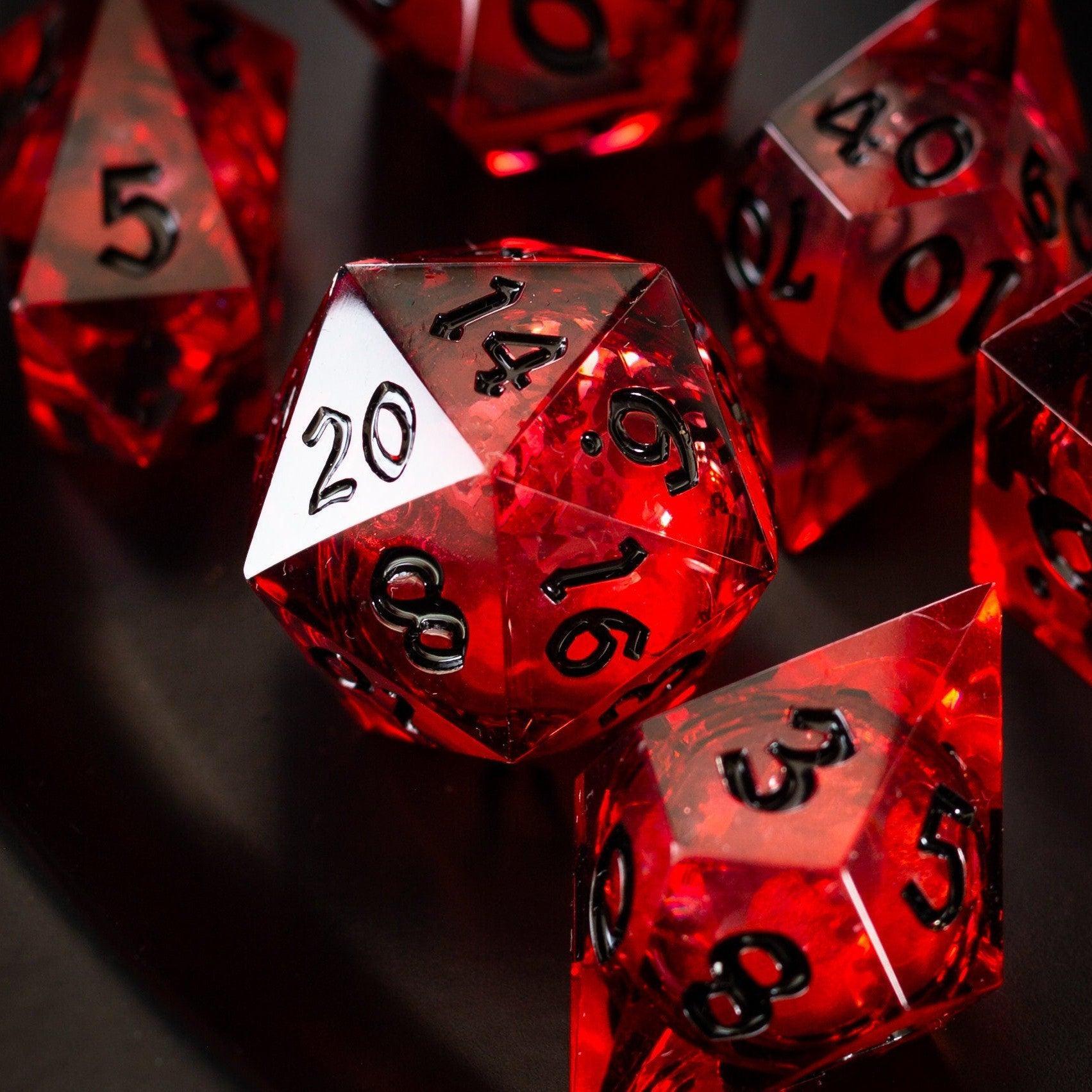
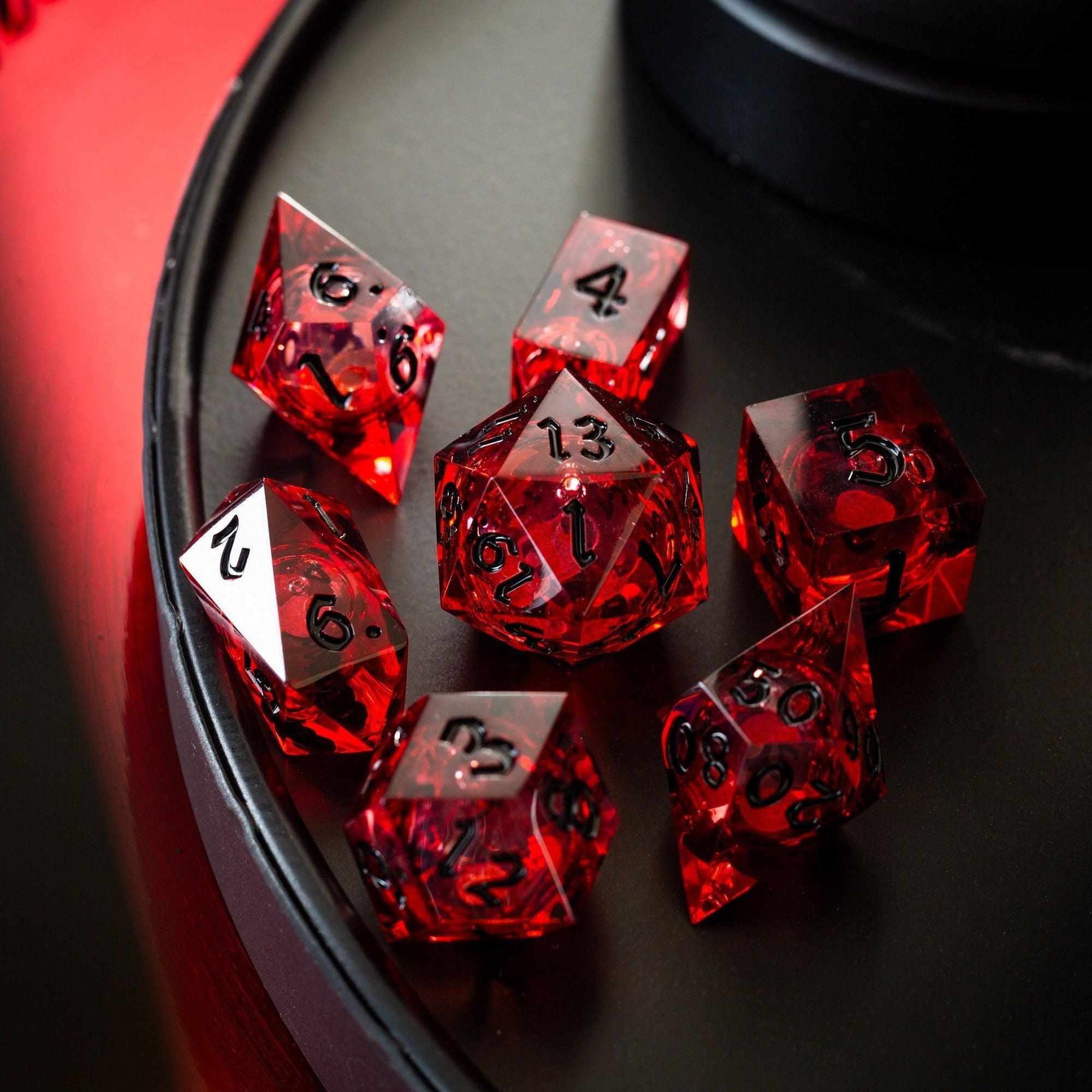
If you’ve only ever rolled standard plastic polyhedrals, non conventional dice can feel like a small upgrade that makes a huge difference. Think gemstone sets with glittering facets, liquid-core designs that swirl in motion, or razor‑clean sharp-edge resin that shows off crisp numbers. Beyond the looks, these pieces offer different weights, textures, and roll behaviors that can add drama to every check, save, and damage roll.
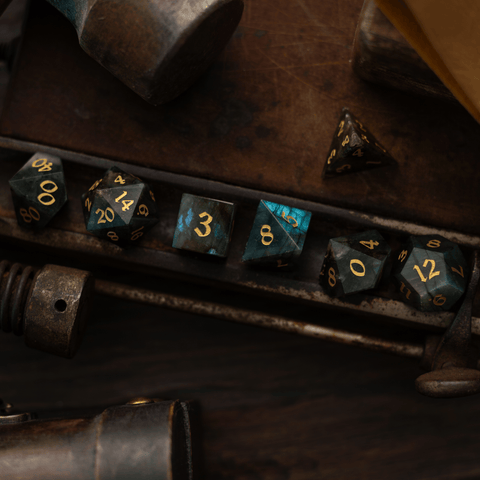
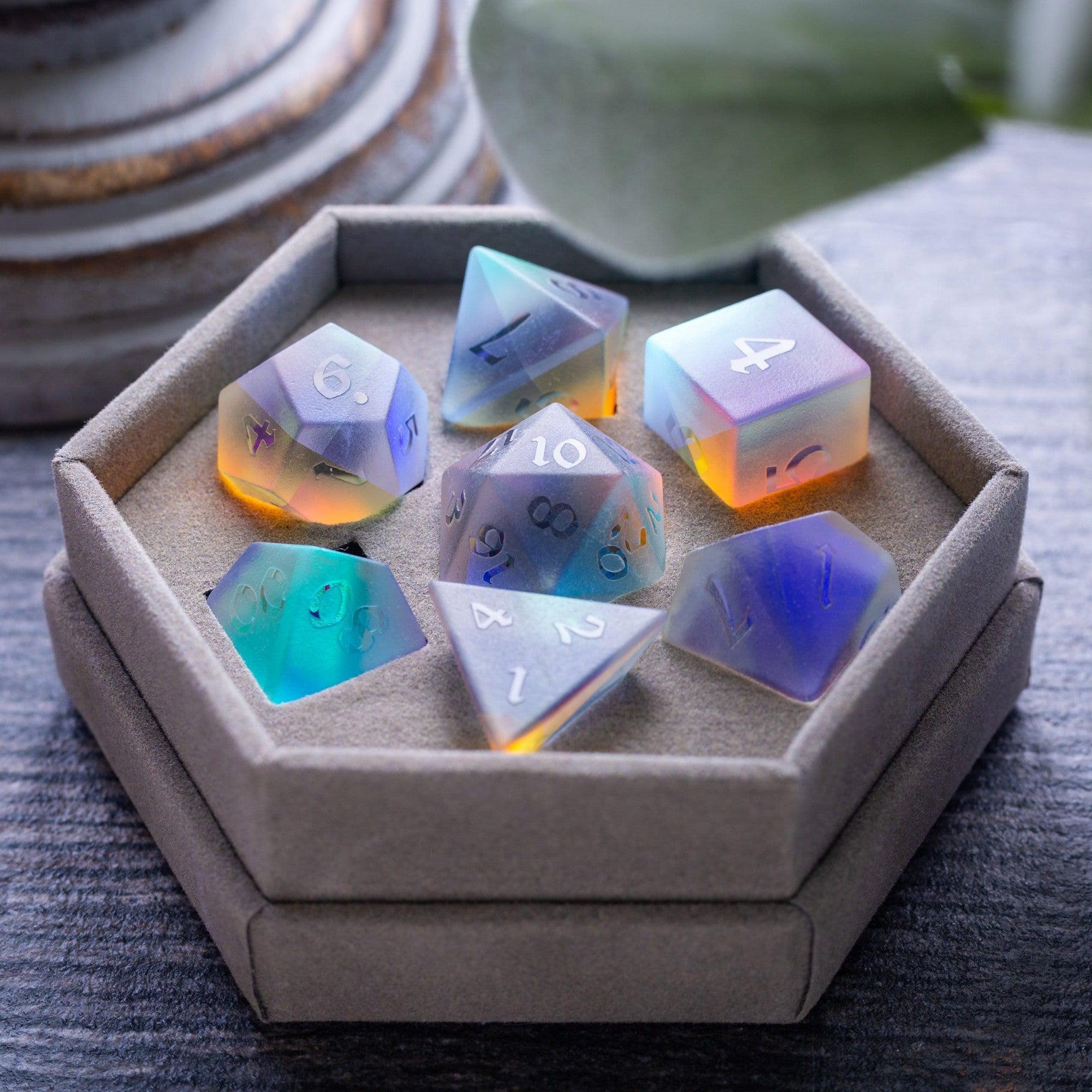
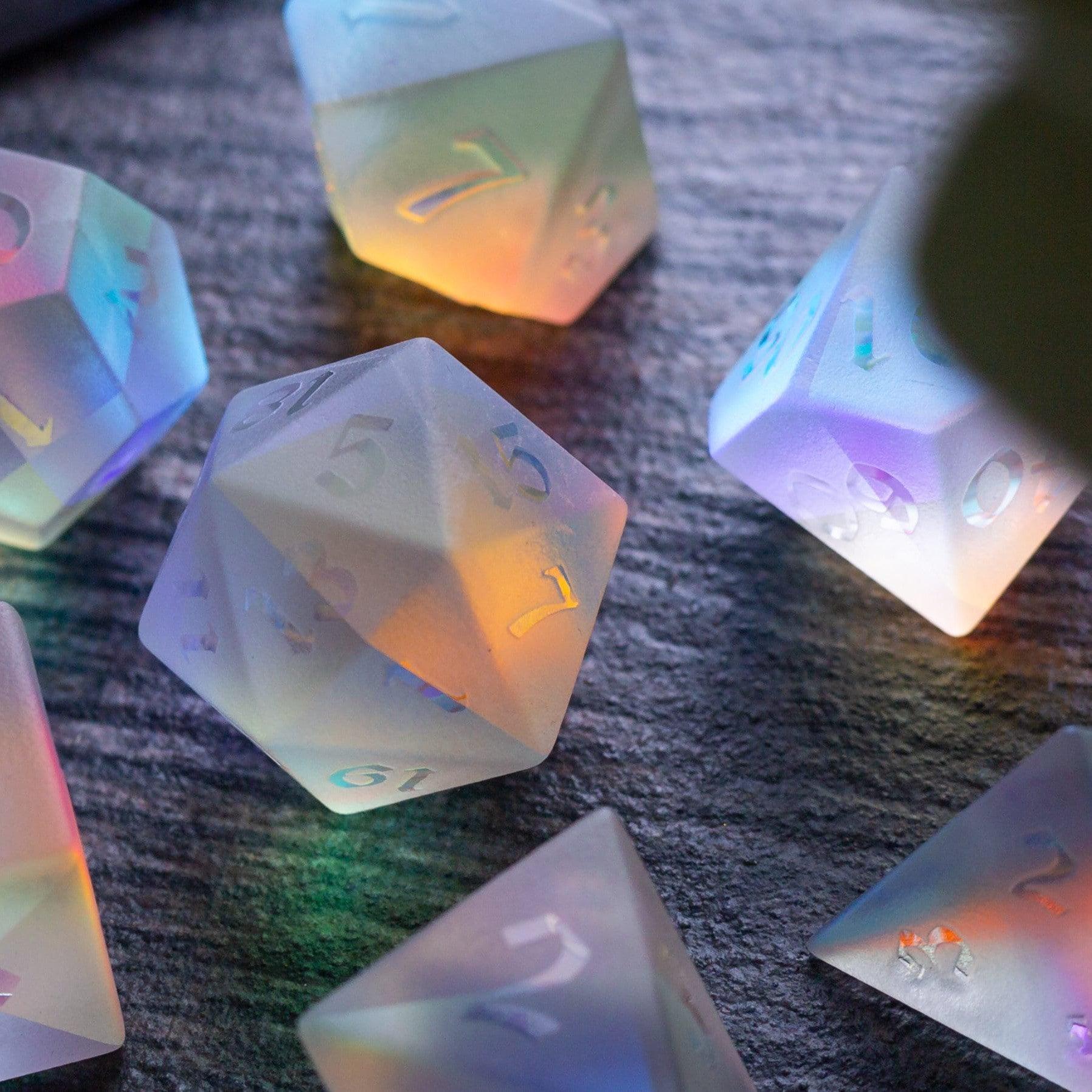
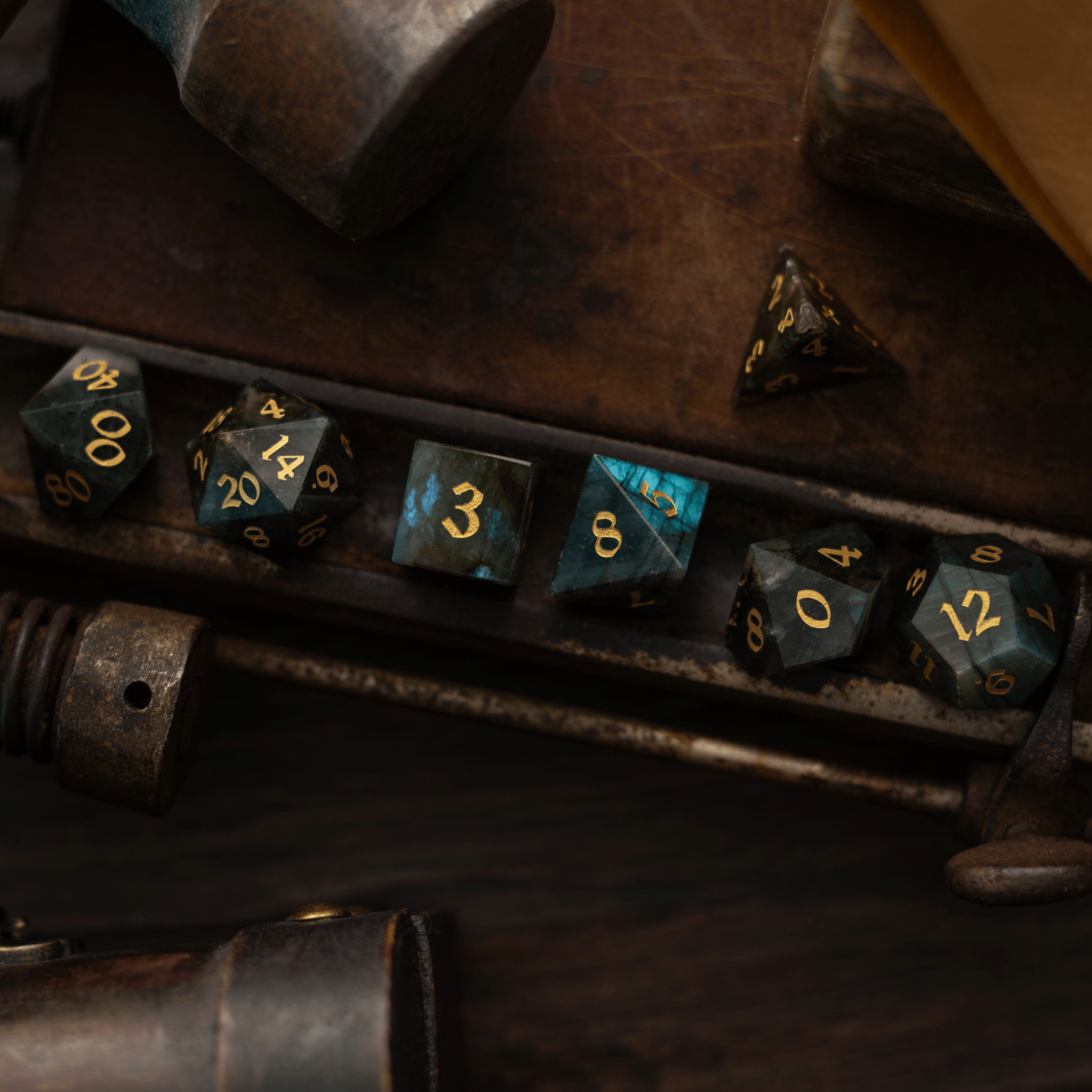
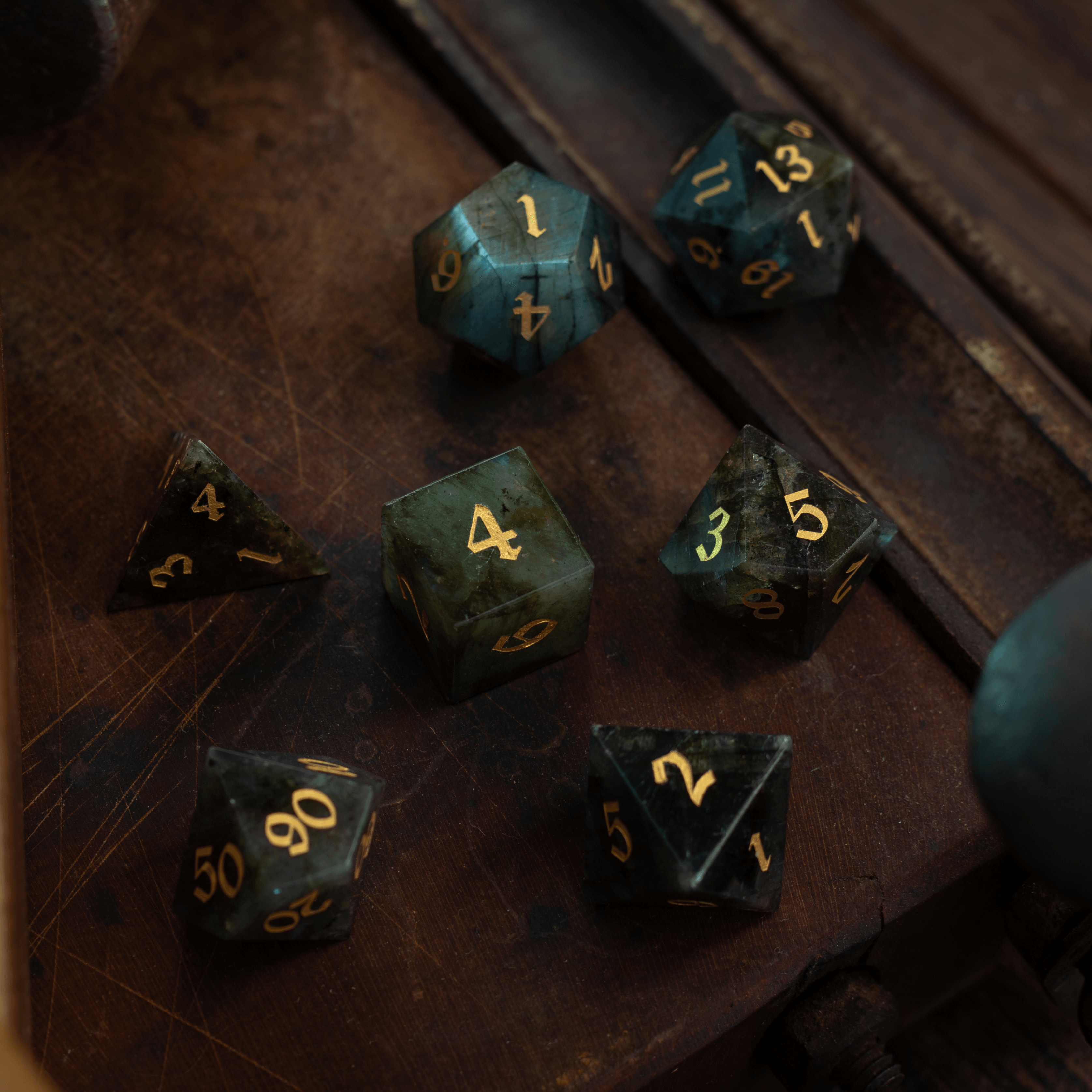
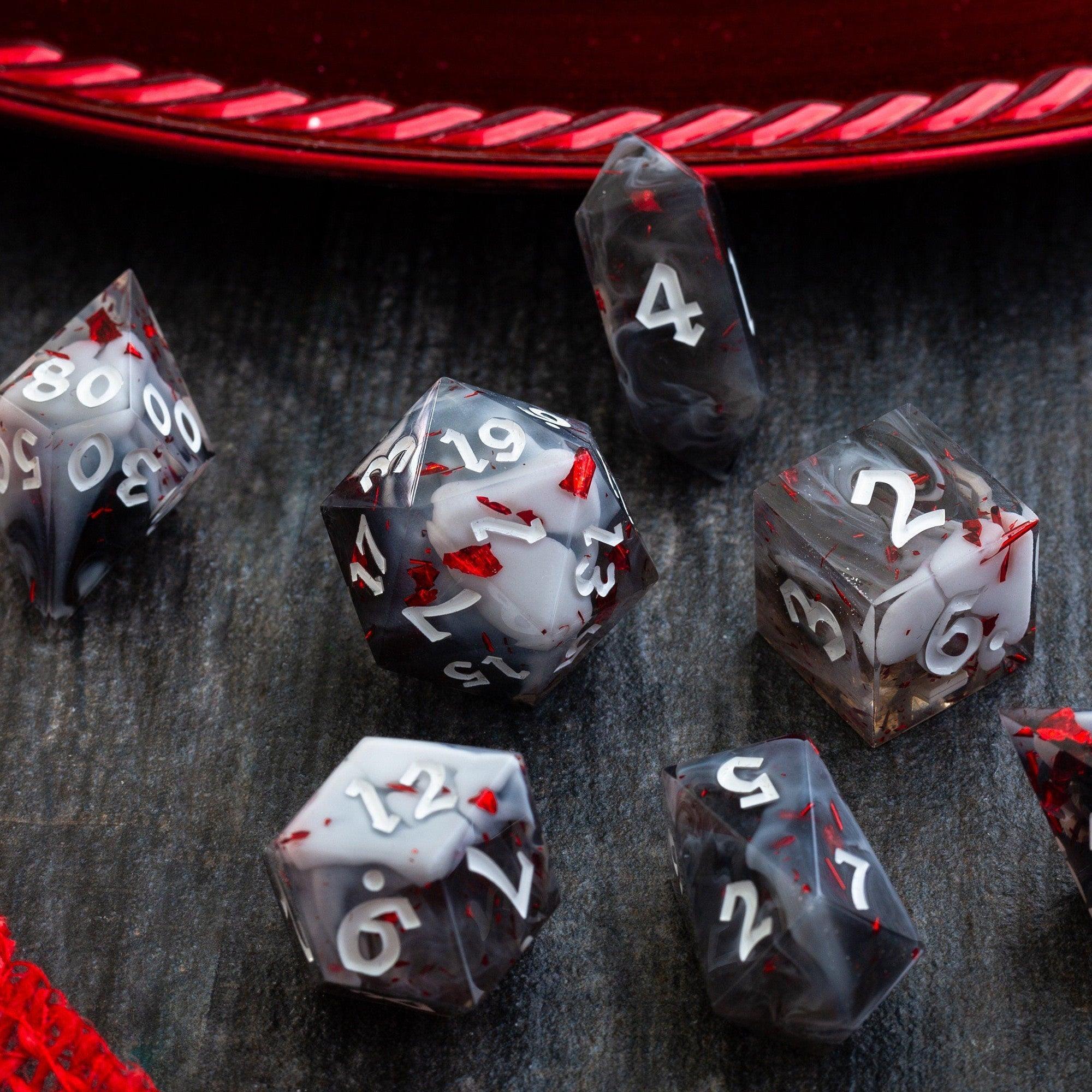
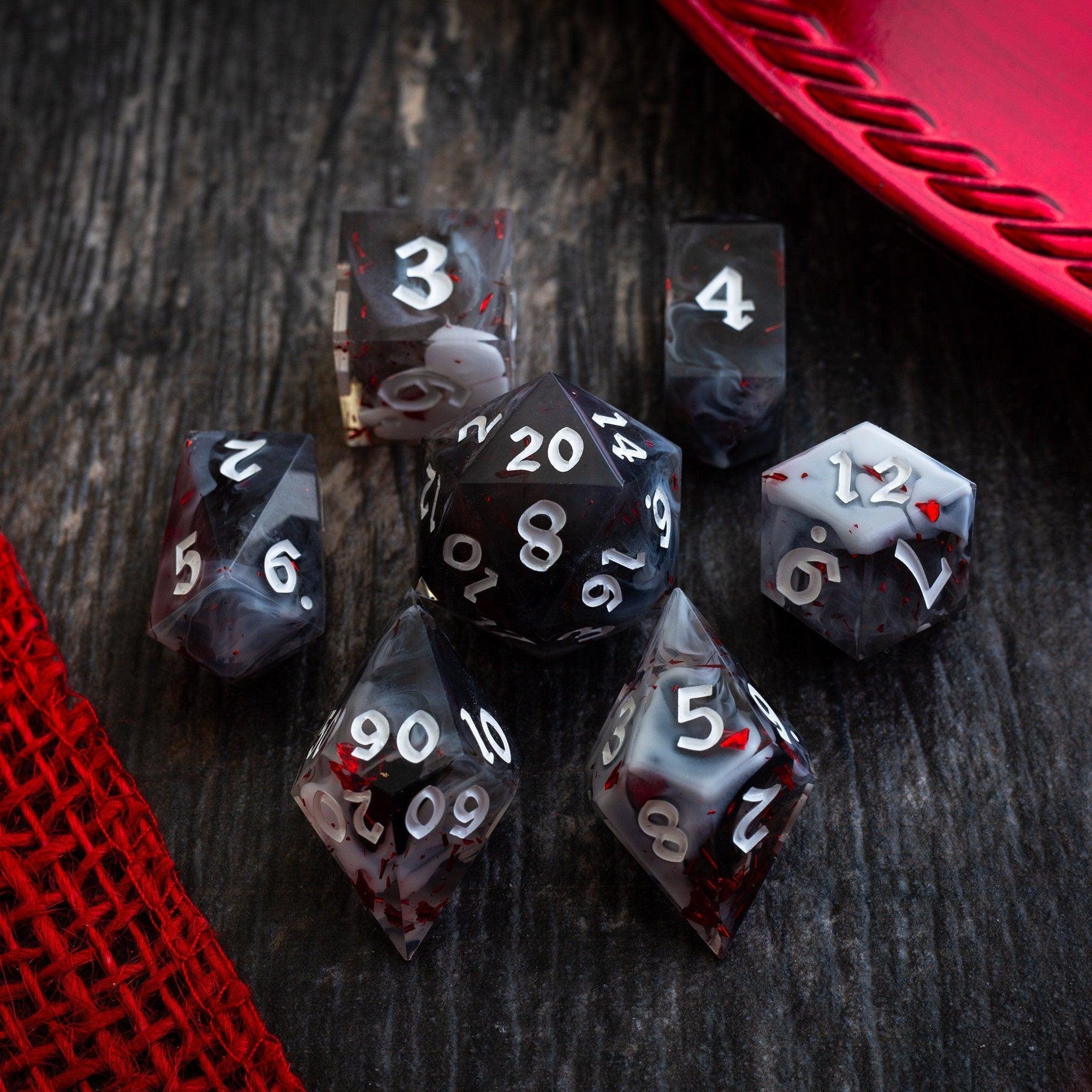
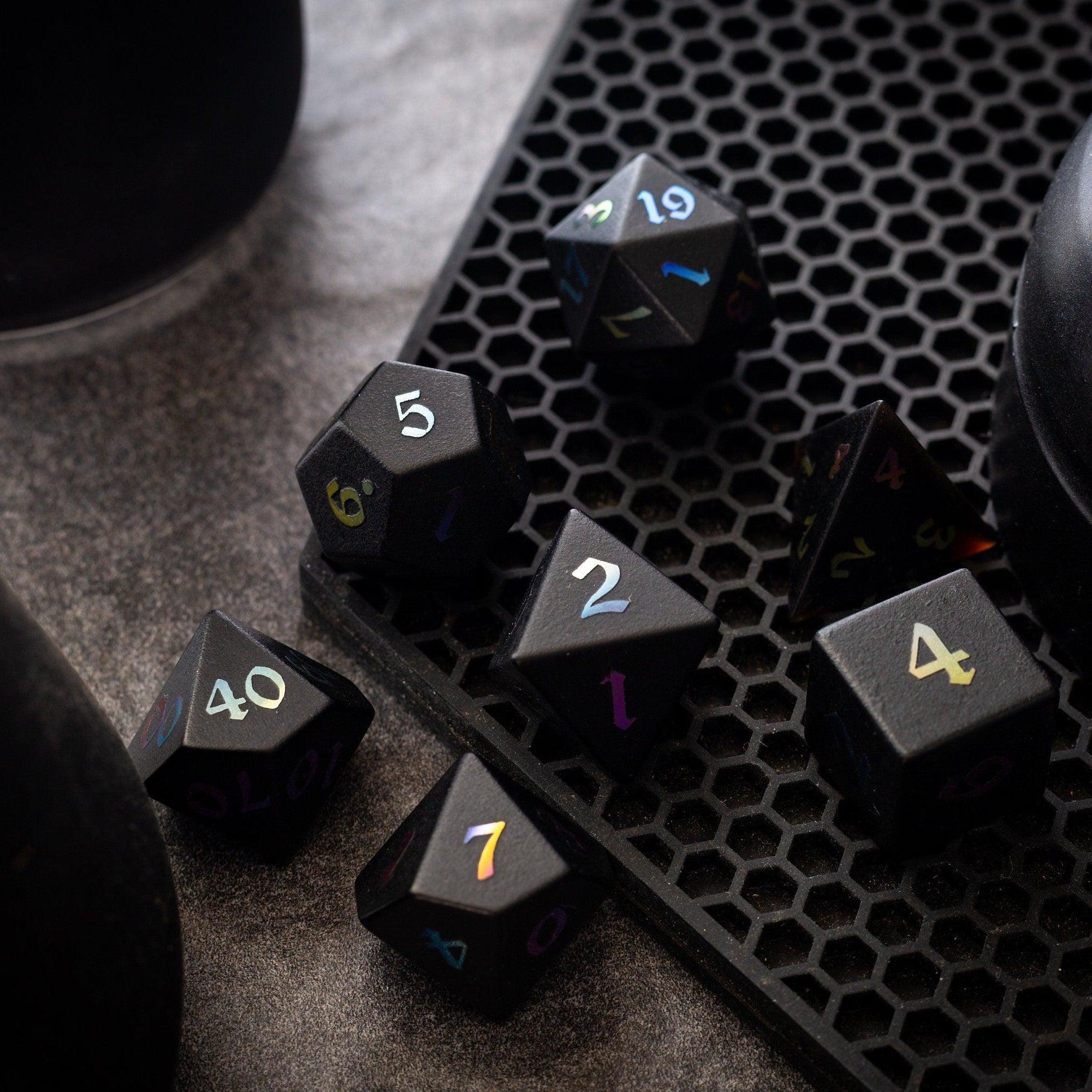
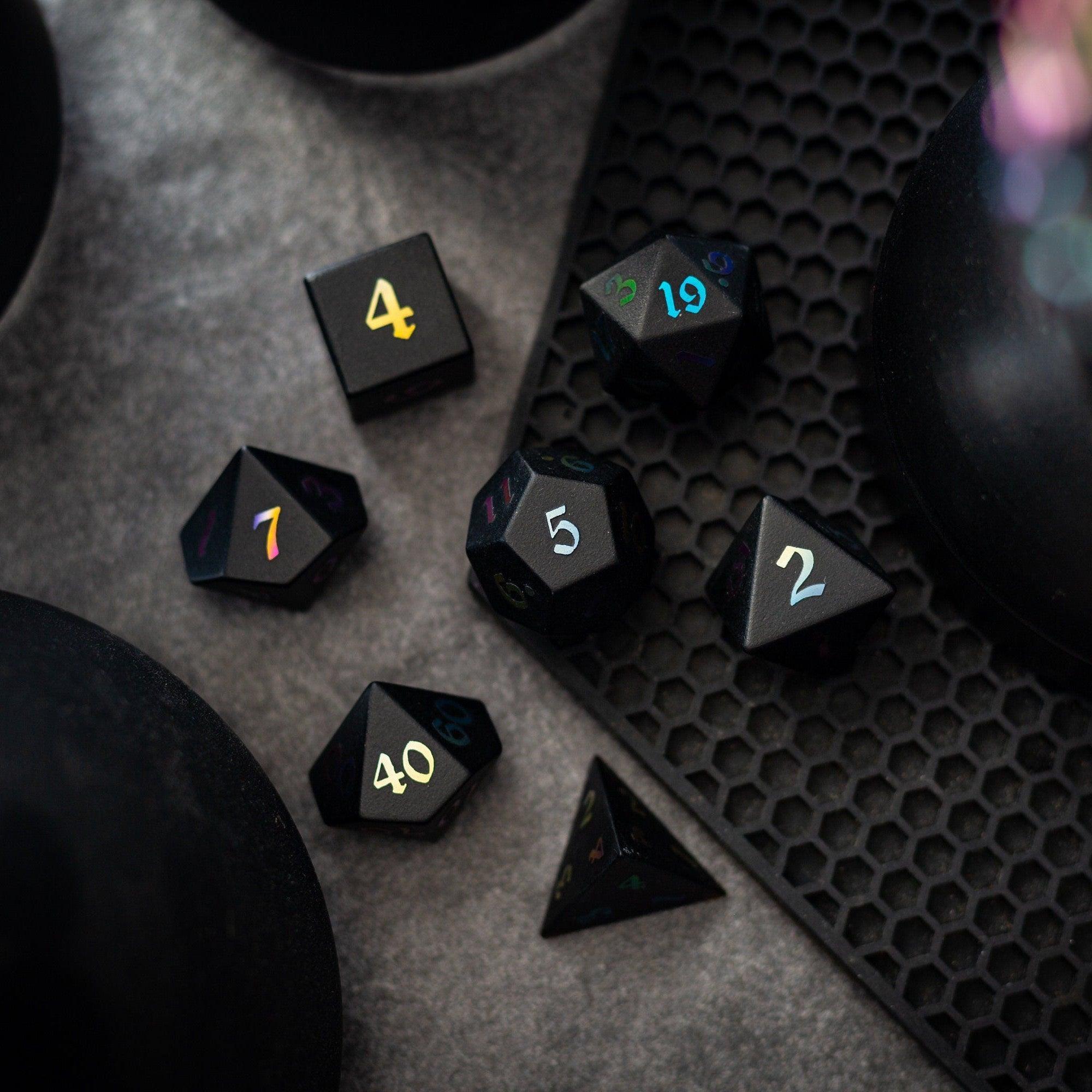
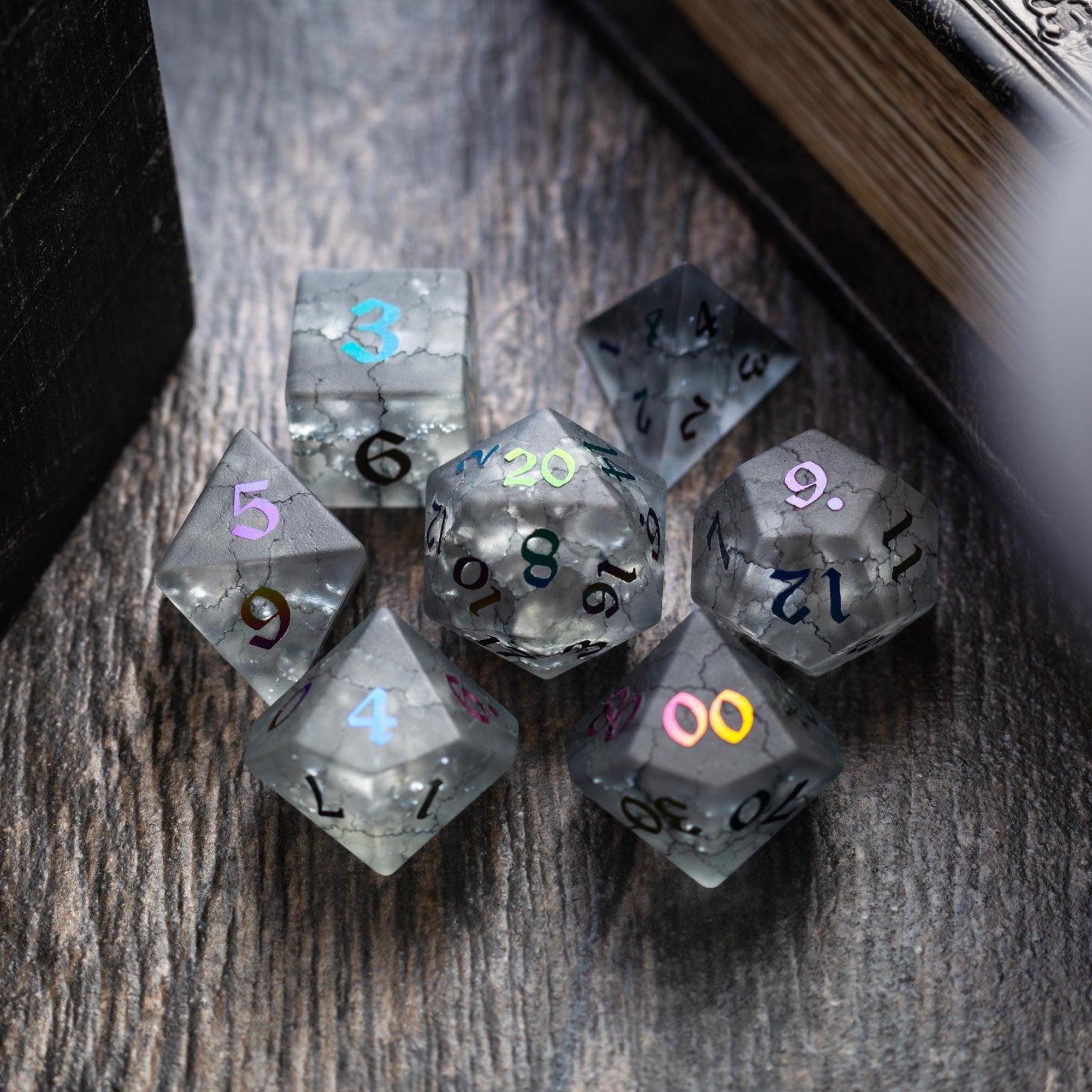
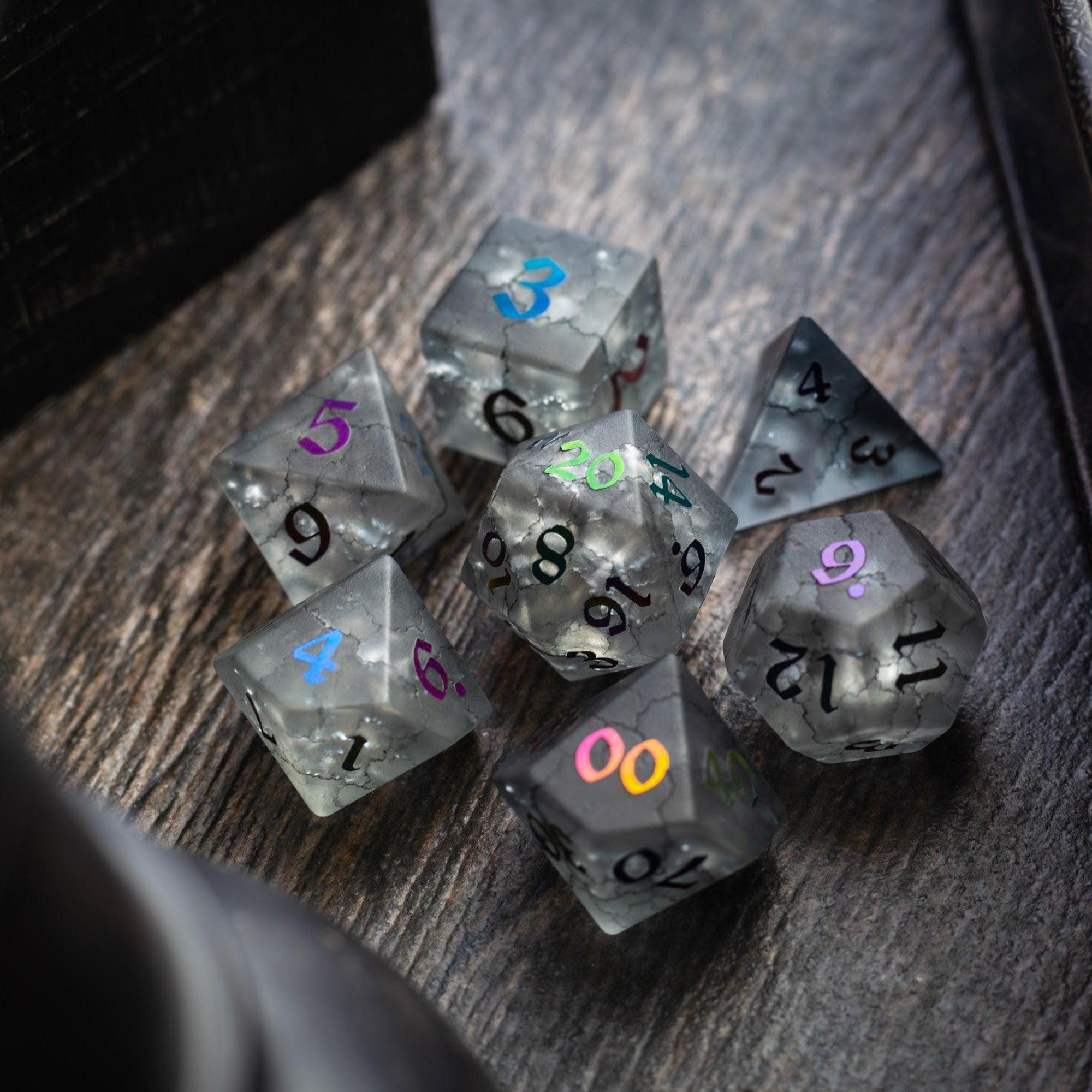
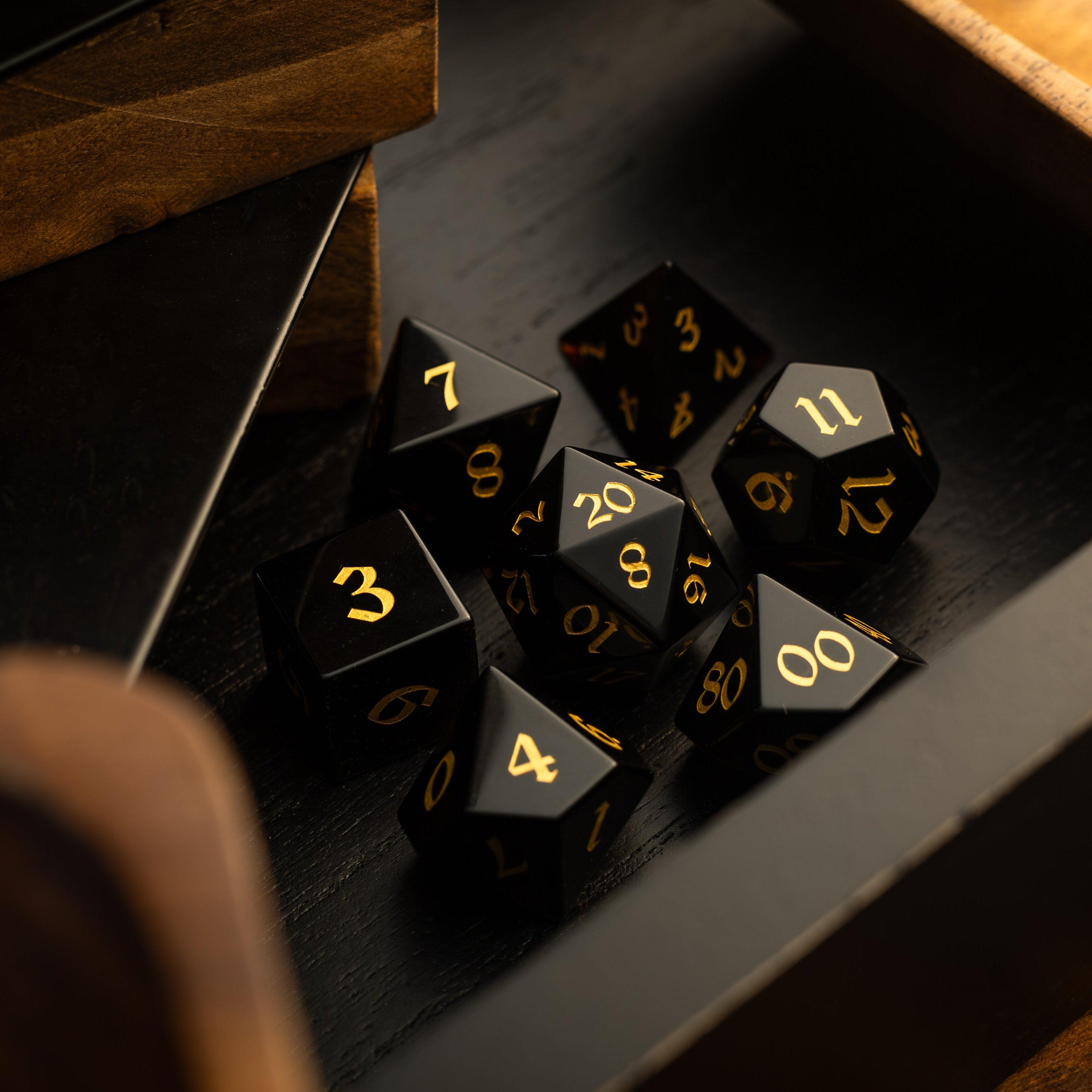
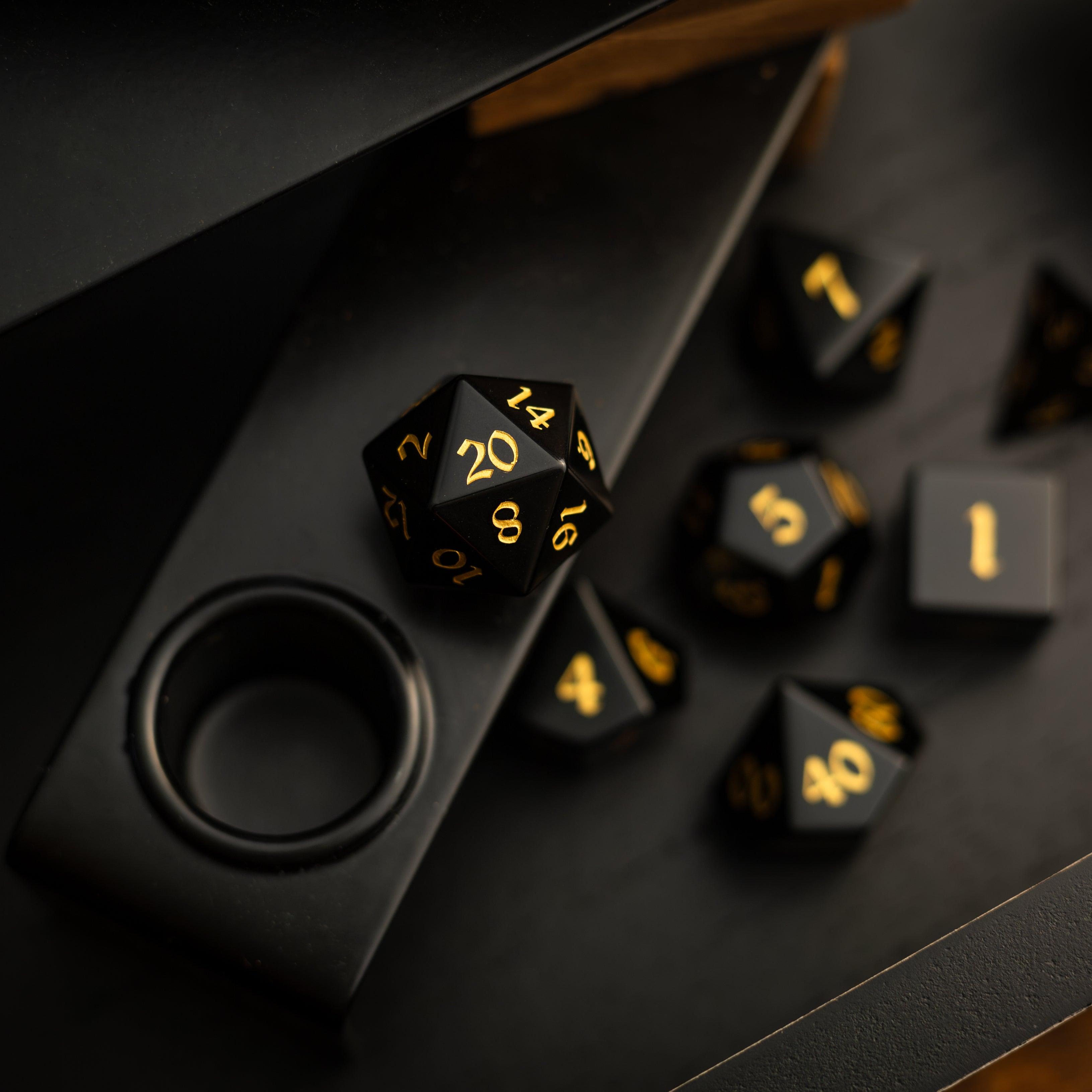
Materials change the experience. Stone and glass have heft and tactile feedback you can’t get from common plastic. Resin often delivers clarity, suspended inclusions, and creative colorways that almost look alive under light. If you want to browse premium options, check out curated gemstone dice that sparkle at the table while remaining playable and durable when handled well.
Of course, not every flashy set is right for every table. You’ll want to think about balance, legibility, rolling surface, and storage. And yes, you can absolutely keep your beautiful pieces pristine with a few simple habits. Let’s dig into the most common mistakes first, so you can skip the pain and jump straight to the good rolls.
Common Mistakes to Avoid
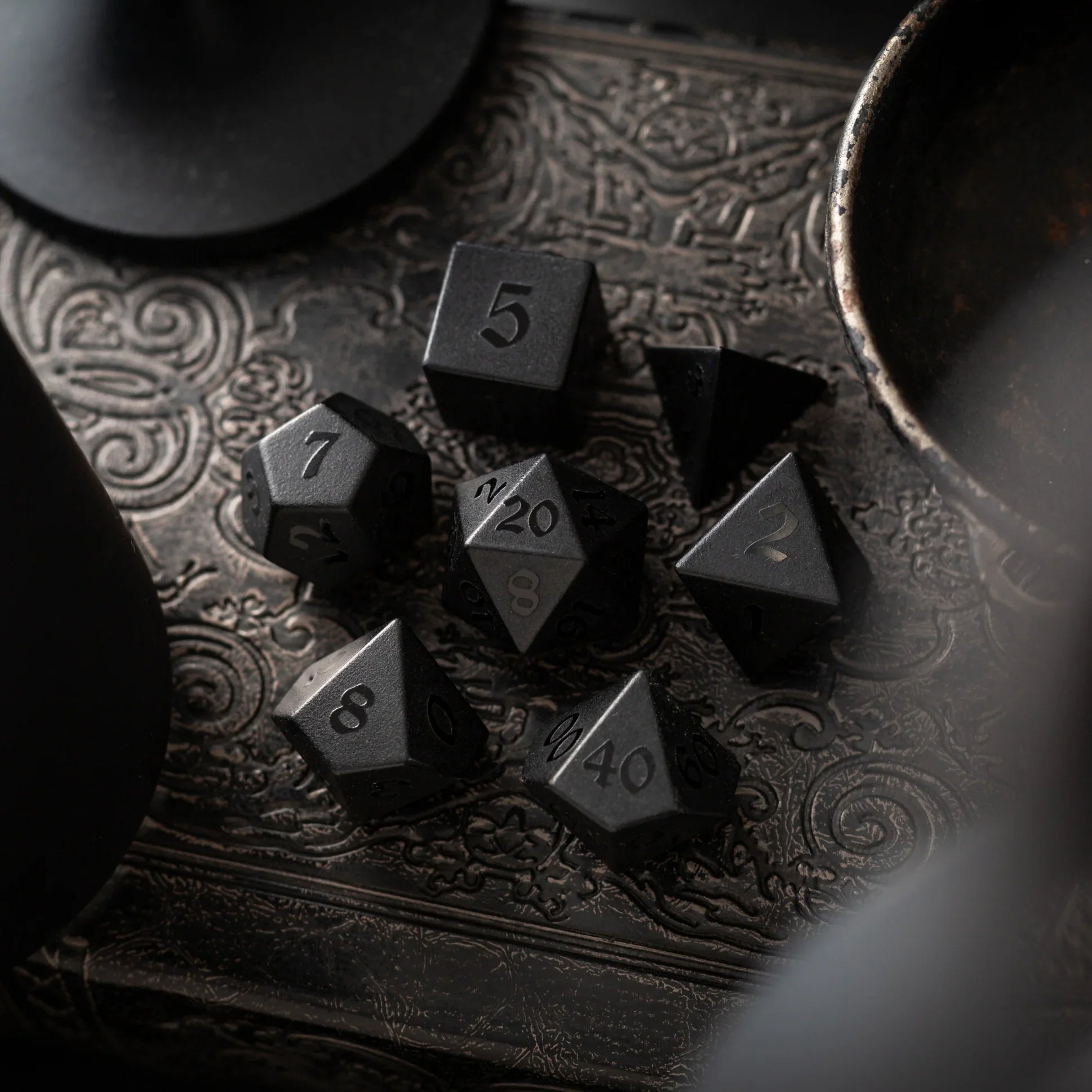
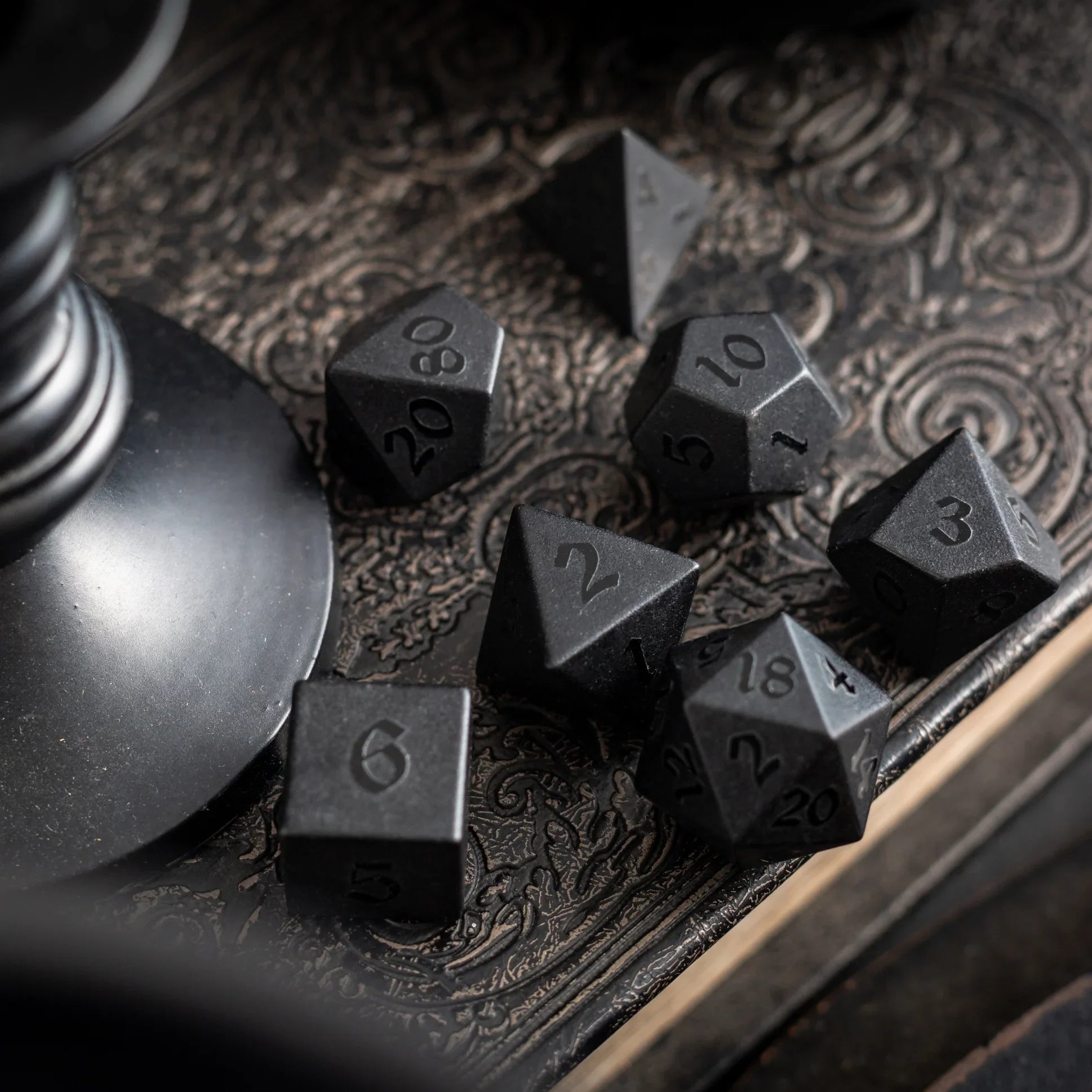
- Ignoring legibility. If the numbers blend into the design, you’ll slow the game or misread results. Prioritize high contrast inking or etched faces that pop in low light.
- Rolling heavy dice on hard tables. Stone, glass, and metal deserve a padded tray or mat. Rolling on bare wood or glass can chip edges or leave dents.
- Assuming all shapes roll the same. Deep-cut edges and unusual forms may prefer a tray with higher walls to keep bounces contained and results honest.
- Overlooking storage. Tossing premium sets into a loose pouch can cause micro-scratches. Use foam inserts, a lined box, or separate compartments.
- Buying for looks only. A stunning set that’s hard to read or inconsistent on your surface won’t see play. Test readability at arm’s length under normal room lighting.
- Skipping a test roll session. Give new sets 20–30 practice rolls. You’ll quickly feel if they tumble smoothly, stay in bounds, and land cleanly.
Pros & Cons Analysis
Pros
- Show-stopping aesthetics. Unique materials and finishes create memorable table presence and make great gifts.
- Tactile satisfaction. Extra weight or glassy smoothness adds a premium, satisfying roll feel.
- Personal expression. Your set can match your character concept, campaign vibe, or personal style.
- Collectible value. Limited runs, hand-poured resins, and rare stones can become treasured keepsakes.
- Focus and fun. Players pay attention when the dice themselves feel special—great for spotlight moments.
Cons
- Higher cost. Premium materials and craftsmanship raise the price compared to standard plastic.
- Care requirements. Some sets need gentler handling, a padded tray, and thoughtful storage.
- Potential weight issues. Heavier sets may feel awkward on cramped tables or thin mats.
- Readability trade-offs. Certain designs favor art over clarity; choose contrasting inks to fix this.
- Variation in roll behavior. Unusual forms and deep edges can bounce differently; test before game night.
If you want a showpiece that still performs at the table, an elegant option is an amethyst set with crisp faces and readable numerals. It balances beauty with practical playability when you use a tray or mat.
Quick Tips
- Use a padded dice tray for stone, glass, and metal to prevent chips and protect your table.
- Check number contrast from your seated distance; if you squint, consider higher-contrast inking.
- Give every new set 20+ test rolls on your actual play surface before a live session.
- Store each set in a lined box or soft compartments to avoid scuffs and edge rub.
- Wipe with a microfiber cloth after sessions to remove oils and dust.
- Rotate sets to extend lifespan; don’t make one favorite do all the work.
- Match materials to table vibe: resin for versatility, stone or glass for premium feel, metal for punch.
- Prefer balanced, crisp faces if you track lots of advantage/disadvantage rolls.
- Choose collections tailored to your style, like sharp-edge resin dice that read cleanly and look dramatic.
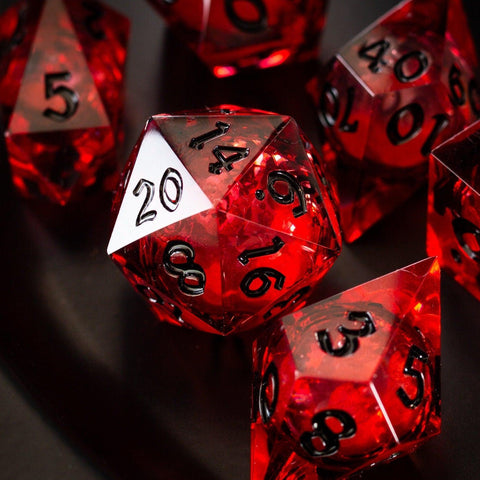
- Want mesmerizing motion? Explore curated liquid core dice for a swirling centerpiece that still plays smoothly in a tray.
Wrap-Up & Key Insights
There’s real joy in rolling pieces that match your character, your campaign tone, and your aesthetic. The secret is pairing style with function: clear numerals, safe rolling surfaces, and proper storage. Start with a single standout set, test it on your table, and build from there. Whether you prefer minimalist clarity or bold, glittering faceted designs, you can find a set that delights you every time the dice hit the tray—yes, even when experimenting with non conventional dice.
Q&A: Your Top Questions
Are specialty dice fair for tabletop play?
Most well-made sets are fair enough for casual and even serious home games. The key is consistent tumbling. Use a tray, give the dice room to bounce, and avoid tiny rolling spaces that stop them too quickly. If you’re worried, do a quick “distribution check”: roll the d20 100 times over a few sessions, record results, and watch for obvious bias. In practice, quality manufacturing plus good technique delivers reliable outcomes.
How do I protect glass, stone, or metal sets?
Use a padded tray, roll gently, and store each set in a lined case or foam slots. Keep them away from hard edges, and don’t mix materials loosely in a single pouch. Wipe the faces with a microfiber cloth after games. For a premium look with table-safe habits, pair a stone or glass favorite with a dedicated tray and a soft-lined organizer. If you love curated options, the broader gemstone dice selection is a good starting point.
Do odd shapes roll well on terrain and gridded maps?
They can, but the surface matters. Textured battle mats, foam hills, and 3D terrain can stop a tumble too quickly or cause strange bounces. The fix is simple: roll in a tray next to the terrain, then place the result on the map. This keeps the outcome fair and the scene intact. If you use tall walls or deep trays, even lively designs settle fast and stay readable without knocking over minis.

Leave a comment
This site is protected by hCaptcha and the hCaptcha Privacy Policy and Terms of Service apply.