
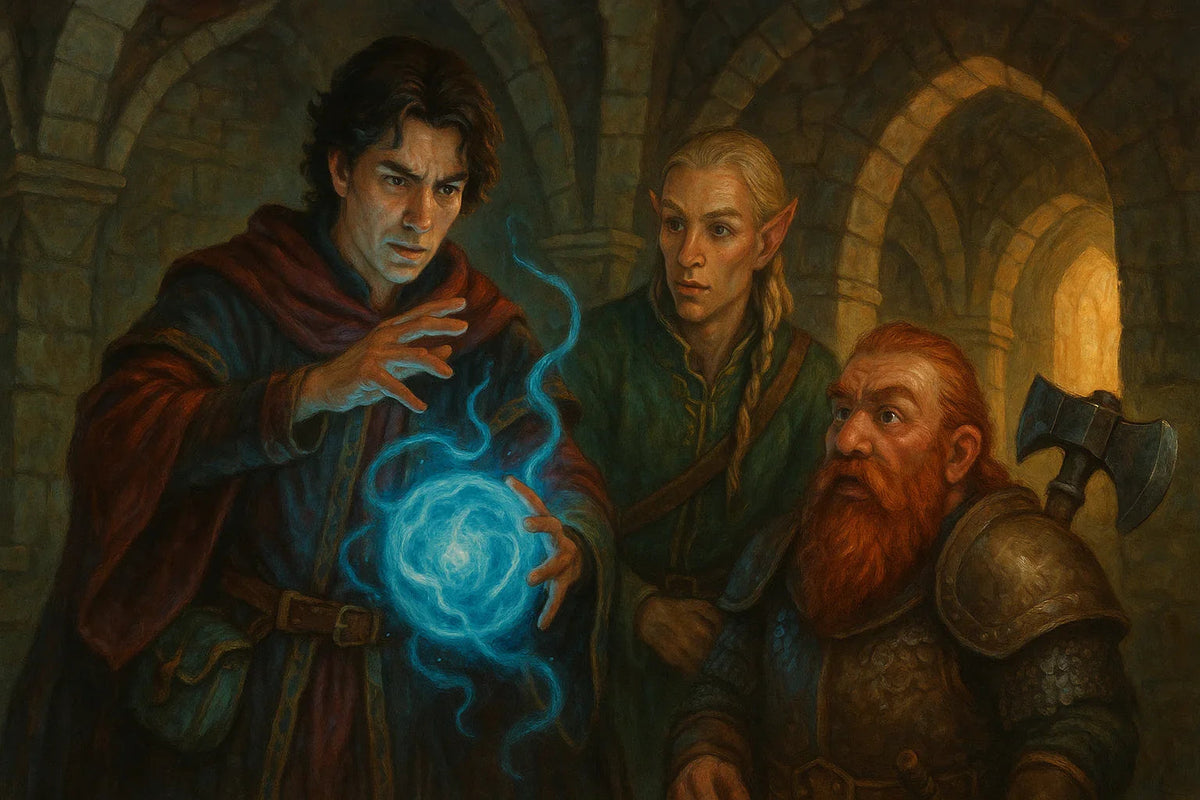
Optional Rules Spell Points: How the D&D Spell Point System Works in 2026
Magic is one of the defining features of Dungeons & Dragons, and most spellcasters use spell slots to manage how much magic they can cast between rests. D&D also has an older alternative called Spell Points, which replaces normal spell-slot progression with a shared pool of points that a caster spends to create spell slots.
For groups playing with the current 5.5e rules in 2026, there is an important distinction: Spell Points come from the legacy 2014 Dungeon Master’s Guide. The current 5.5e Dungeon Master’s Guide replaces the 2014 rules when you use the updated book, and Spell Points were not carried forward as a current optional rule. A Dungeon Master can still choose to bring the older system into a campaign, but it should be treated as a legacy variant rather than a standard 5.5e rule.
What Are Optional Rules Spell Points?
The spell point system changes how a character with the Spellcasting feature pays for spell slots. Instead of receiving a fixed number of slots at each spell level, the character receives a pool of spell points. The player spends points to create a slot of the needed level and then uses that slot to cast a spell normally.
Cantrips do not cost spell points because they do not require spell slots. Once a slot is created, the spell still follows its normal rules for casting time, range, components, concentration, targets, saving throws, attack rolls, and effects.
Spell Point Cost by Spell Slot Level
| Spell Slot Level | Spell Point Cost |
|---|---|
| 1st | 2 |
| 2nd | 3 |
| 3rd | 5 |
| 4th | 6 |
| 5th | 7 |
| 6th | 9 |
| 7th | 10 |
| 8th | 11 |
| 9th | 13 |
A caster cannot spend points to create a slot above the maximum spell level allowed for that character’s spellcasting level. Spell points are also restored after a long rest under the legacy rule.
Spell Points by Level
For full spellcasters covered by the original variant, the number of available spell points grows with spellcasting level. This table is one of the most useful references to keep beside a character sheet.
| Spellcasting Level | Spell Points | Maximum Slot Level |
|---|---|---|
| 1 | 4 | 1st |
| 2 | 6 | 1st |
| 3 | 14 | 2nd |
| 4 | 17 | 2nd |
| 5 | 27 | 3rd |
| 6 | 32 | 3rd |
| 7 | 38 | 4th |
| 8 | 44 | 4th |
| 9 | 57 | 5th |
| 10 | 64 | 5th |
| 11 | 73 | 6th |
| 12 | 73 | 6th |
| 13 | 83 | 7th |
| 14 | 83 | 7th |
| 15 | 94 | 8th |
| 16 | 94 | 8th |
| 17 | 107 | 9th |
| 18 | 114 | 9th |
| 19 | 123 | 9th |
| 20 | 133 | 9th |
The original rule also gives special handling to partial casters. Paladins and Rangers use a reduced effective spellcasting level for this table, while the Eldritch Knight Fighter and Arcane Trickster Rogue use an even slower progression. Because those instructions were written for the 2014 class structure, a DM using Spell Points with current 5.5e classes should review how the legacy calculation interacts with the updated class and subclass rules before play begins.
How Spell Points Differ from Traditional Spell Slots
Traditional spell slots divide a caster’s daily resources by spell level. A character may have several 1st-level slots, fewer 3rd-level slots, and only one slot at a much higher level. Once every slot of a certain level is gone, the caster must rely on other available slot levels or features.
With D&D spell points, most of those resources are combined into one total. Instead of asking, “Do I have a 3rd-level slot left?” the player asks, “Do I have enough points to create a 3rd-level slot?” That flexibility is the main reason some groups enjoy the system.
| Feature | Spell Slots | Spell Points |
|---|---|---|
| Resource type | Separate slots by level | One shared point pool |
| Flexibility | Fixed slot progression | Points can fund different slot levels |
| Tracking | Mark off individual slots | Subtract points from one total |
| 2026 rules status | Standard 5.5e system | Legacy 2014 5e variant |
Advantages of Using Spell Points
More Flexible Spellcasting
Spell Points let a caster shape the day’s resources around the situation. If the party needs several low-level defensive or utility spells, the caster can spend more of the pool on those. If a difficult encounter is expected later, the player can save points for more expensive slots.
One Main Resource Total to Track
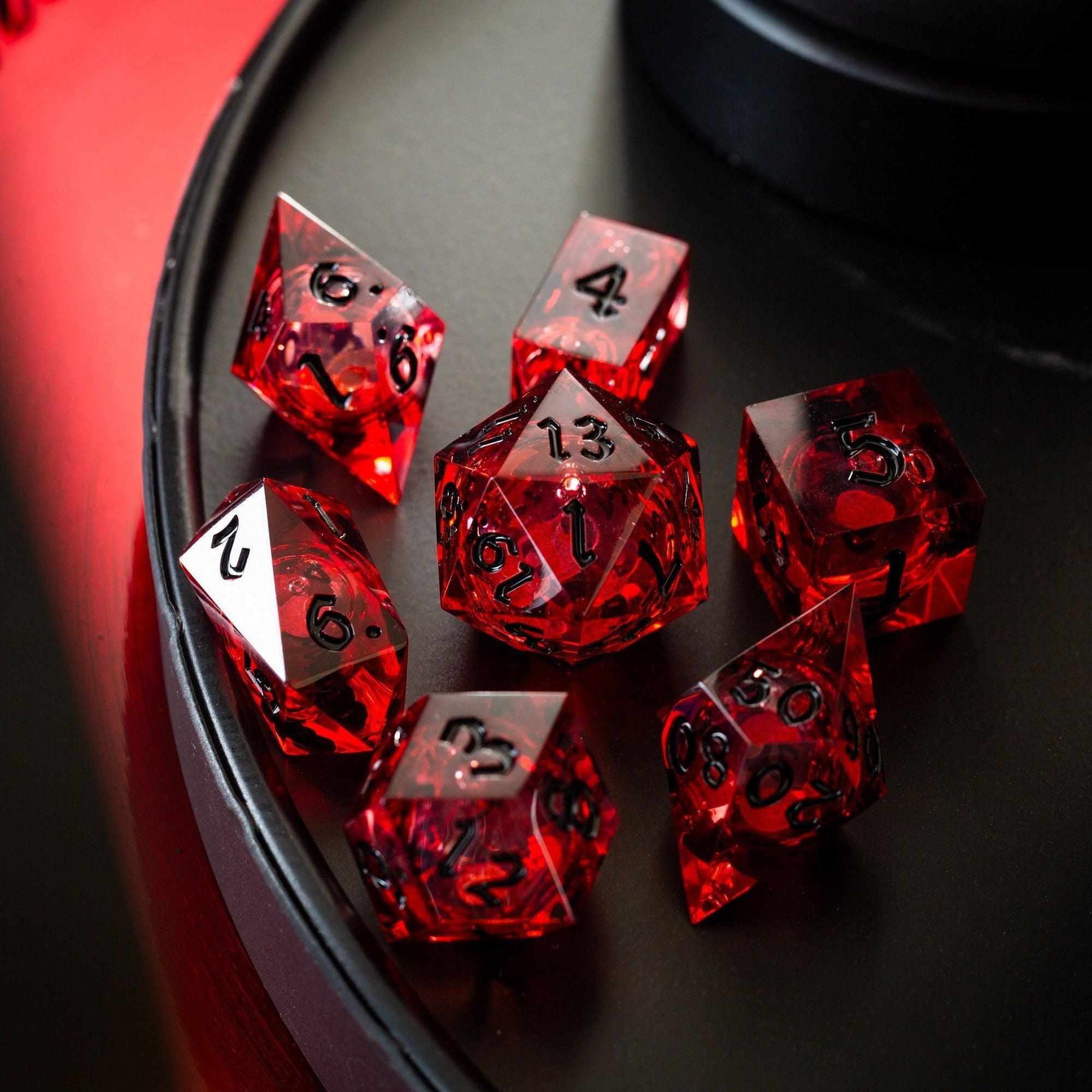
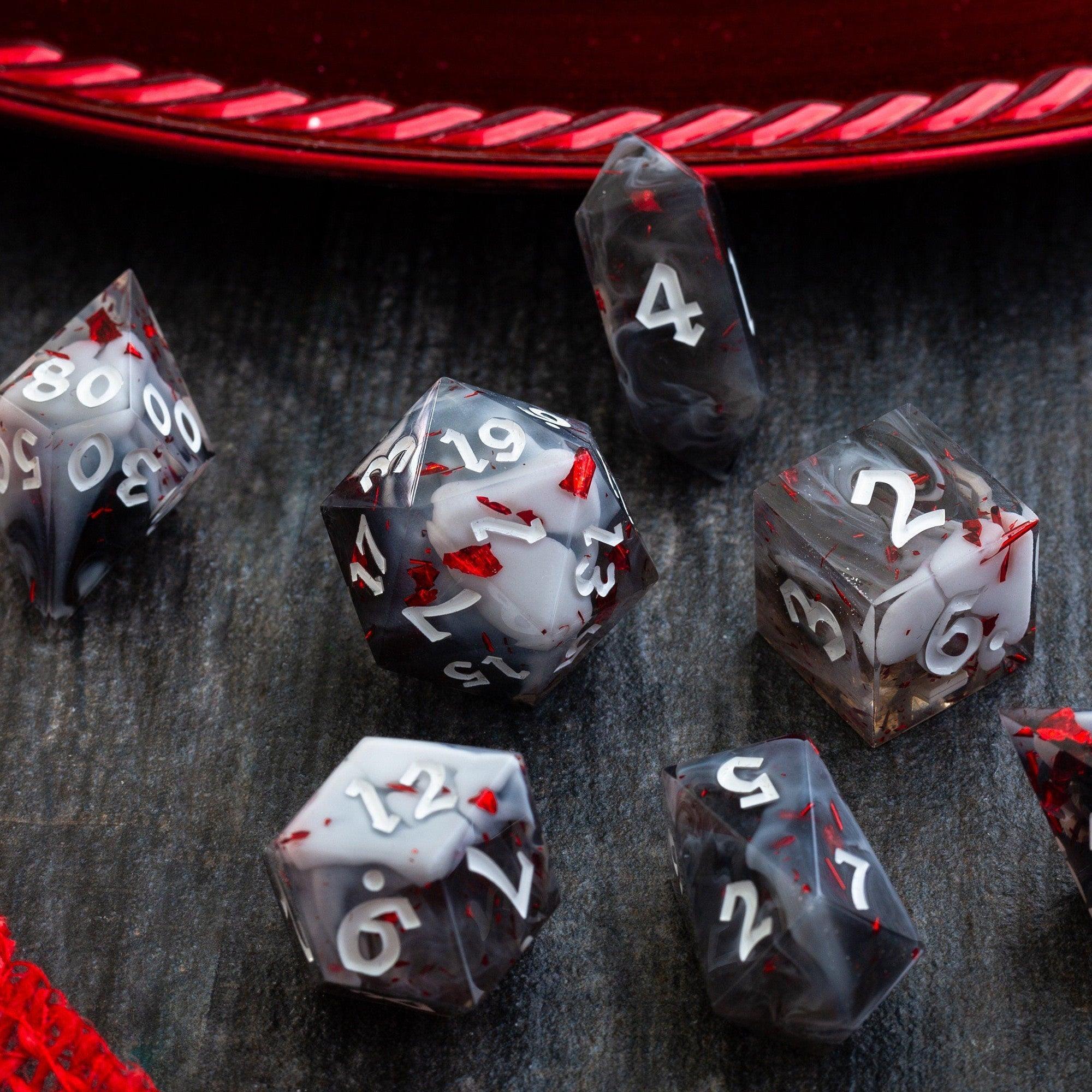
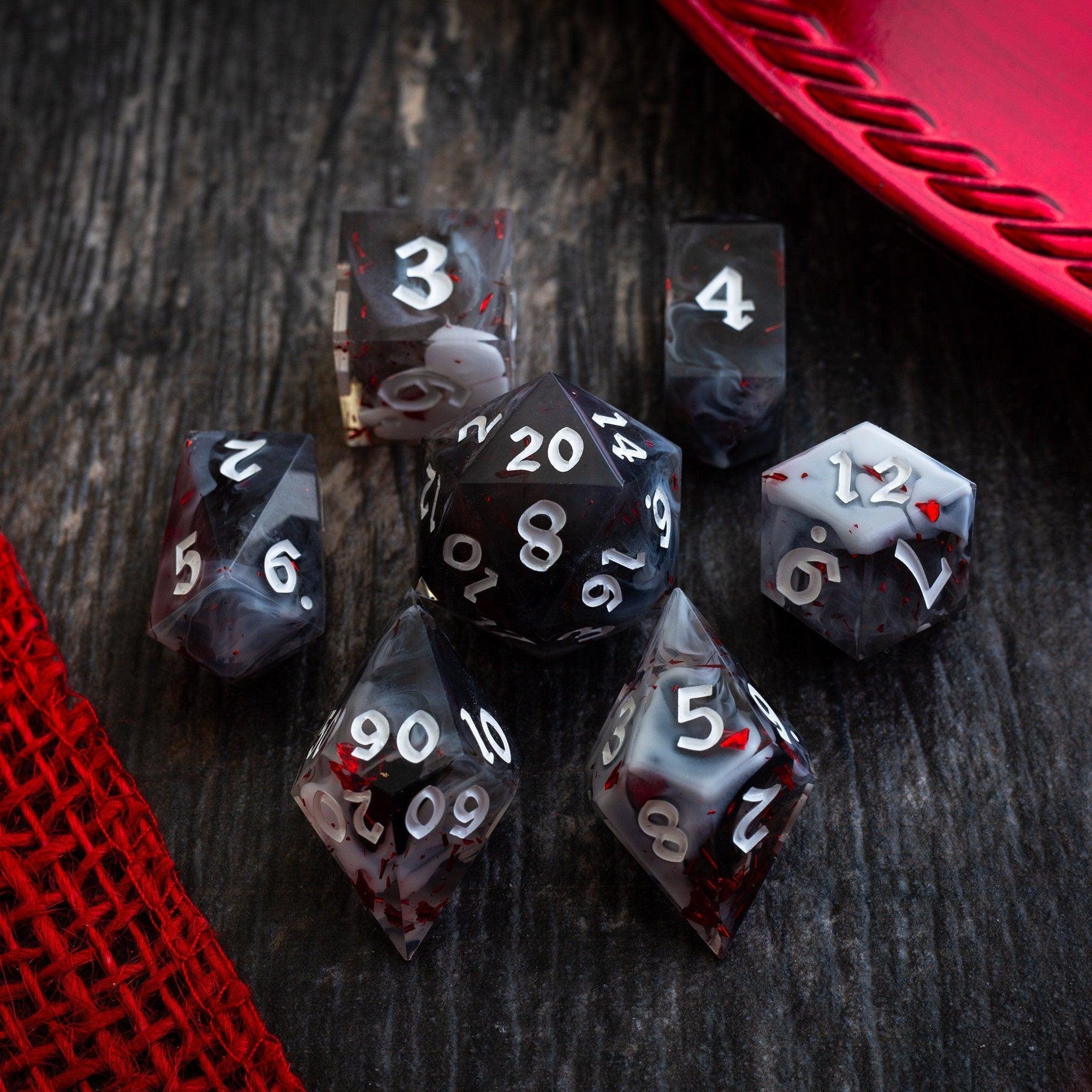
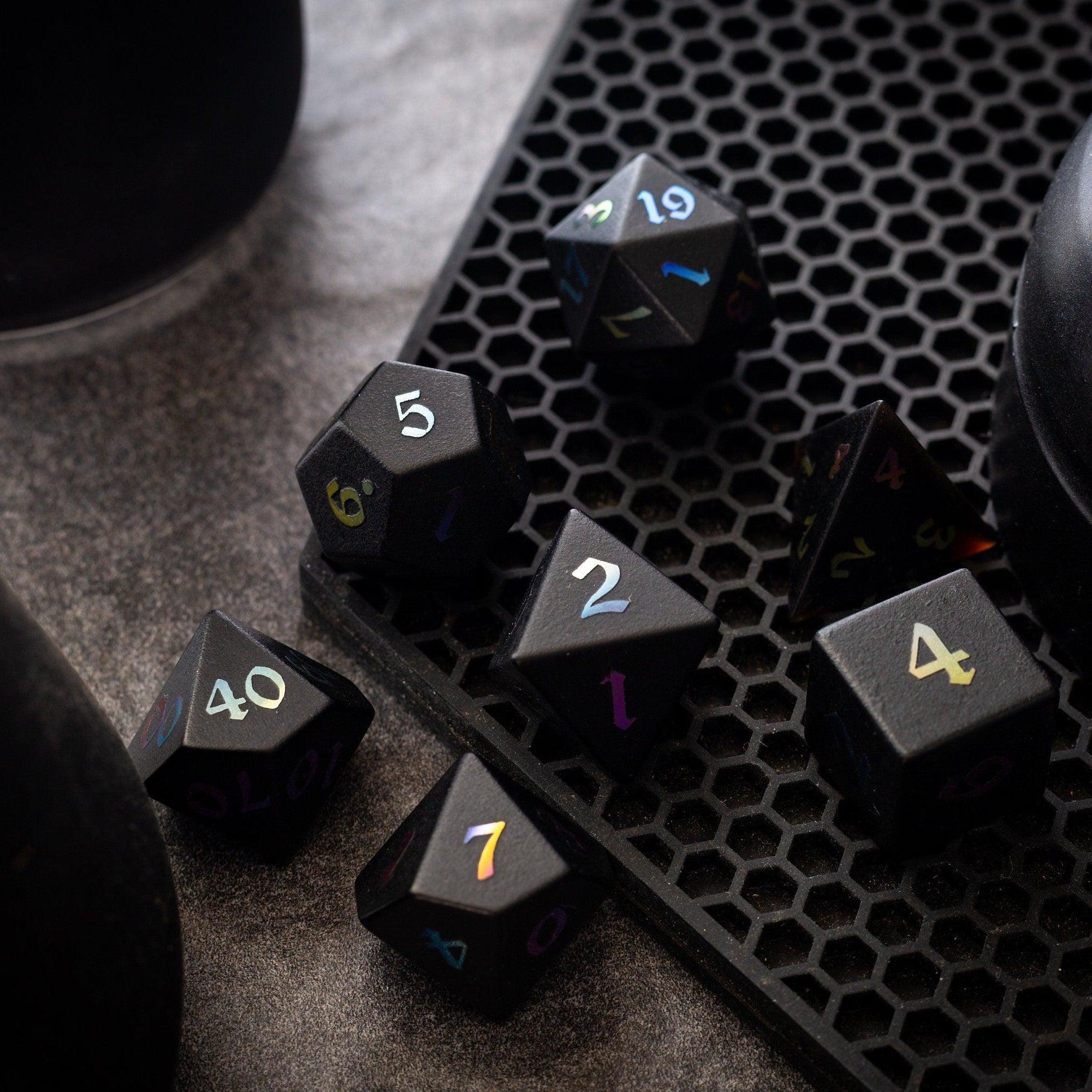
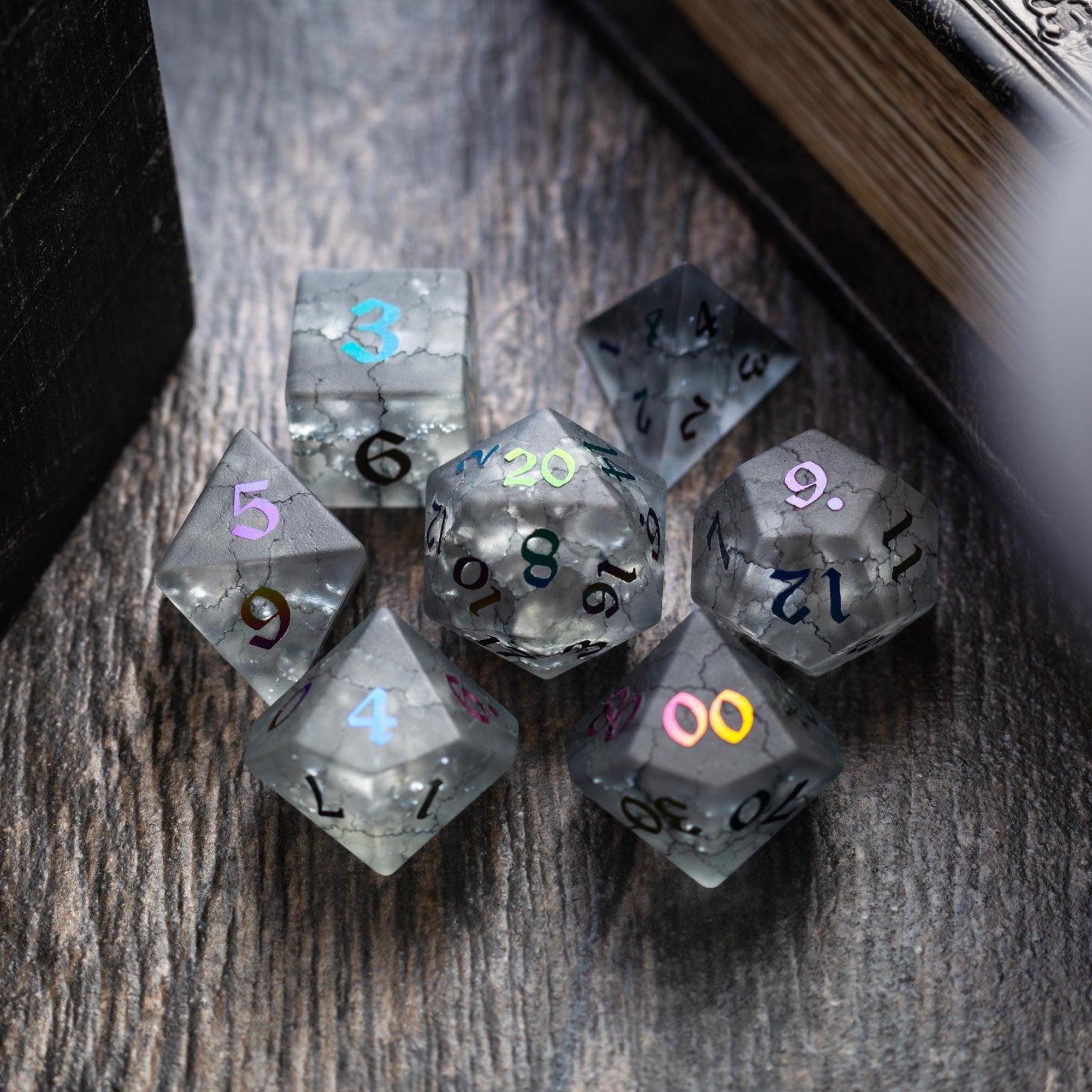
Some players find a single number easier to follow than several rows of spell slots. A written total, tokens, or another simple tracker can make it easy to see how much magic remains. A dice tray can also keep physical resource markers from getting mixed with other game pieces.
Potential Drawbacks and Balance Considerations
Spell Points provide flexibility, but they are not simply “more spell slots.” The legacy rule includes an important restriction for powerful magic: a character can use spell points to create only one slot of each level from 6th through 9th before finishing a long rest. This prevents the point pool from being converted into repeated casts of the same highest-level spell slot.
The system can still change the rhythm of adventuring. A caster may spend far more resources on one favorite low-level spell than standard slots normally allow, or burn through a large part of the pool in one encounter. DMs may notice different patterns in encounter pacing, especially in games with only one or two fights between long rests.
More Flexibility Can Mean More Decisions
A single pool is easy to count, but deciding how to spend it can take more thought. Players need the cost table nearby and may need to plan around later encounters. For someone who prefers quick resource tracking, ordinary spell slots may actually be simpler.
Legacy Rules Need a Clear Table Agreement
If a 5.5e campaign uses Spell Points, the group should agree on the exact version before character creation. The DM should also decide how the variant interacts with current class features that create, restore, or modify spell slots. Mixing old and updated rules without a clear plan can produce confusion even when each rule makes sense on its own.
Which Classes Need Extra Attention?
The original Spell Points variant was written around the 2014 Spellcasting progressions. Full casters such as Bards, Clerics, Druids, Sorcerers, and Wizards fit the main progression most directly. Paladins, Rangers, Eldritch Knights, and Arcane Tricksters used adjusted calculations.
Warlocks are different because their Pact Magic feature does not use the standard Spellcasting progression in the same way. A DM should not assume that the legacy Spell Points table automatically replaces Pact Magic.
Sorcerers also deserve special attention. Sorcery Points and Spell Points are separate resources. In current 5.5e rules, Sorcery Points still power Font of Magic and Metamagic, including the ability to create certain spell slots. They do not automatically merge with the legacy Spell Points pool unless the DM creates a house rule.
Tips for Dungeon Masters Introducing Spell Points
- Tell the group clearly that Spell Points are a legacy 2014 5e variant.
- Decide which classes and subclasses can use the system before the campaign starts.
- Keep the original spell-point costs and high-level slot restrictions visible during play.
- Record both the character’s maximum spell points and current remaining points.
- Review features that restore, create, or modify spell slots before they become relevant in combat.
- Use the same tracking method every session so the player and DM can quickly confirm the remaining total.
- Revisit the rule after several sessions if it is slowing play or producing interactions the group did not expect.
Common Spell Point Questions
Are Spell Points a Current 5.5e Optional Rule?
No. Spell Points come from the legacy 2014 5e Dungeon Master’s Guide. They are not included as a standard optional rule in the current 5.5e Dungeon Master’s Guide.
Can Spell Points Create Unlimited High-Level Spell Slots?
No. Under the legacy rule, spell points can create only one slot of each level from 6th through 9th before a long rest.
Do Spell Points Change How a Spell Works?
No. The variant changes how spell slots are created. It does not change a spell’s casting time, duration, concentration requirement, components, targets, attack rolls, saving throws, or effects.
Are Spell Points and Sorcery Points the Same?
No. Sorcery Points are a Sorcerer class resource. Spell Points belong to a separate legacy variant that replaces normal spell-slot progression.
Should Your Group Use the Spell Point System?
Spell Points can work well for groups that enjoy flexible resource management and do not mind extra decision-making. They make a caster less tied to a fixed spread of slot levels while keeping a limit on the total magic available between long rests.
For current 5.5e campaigns in 2026, normal spell slots remain the standard approach. If your table wants to use optional rules spell points, treat them as an imported legacy rule, keep the original limits clear, and decide in advance how they interact with current class features. A consistent ruling matters more than trying to force the older system into every character build.







Leave a comment
This site is protected by hCaptcha and the hCaptcha Privacy Policy and Terms of Service apply.