
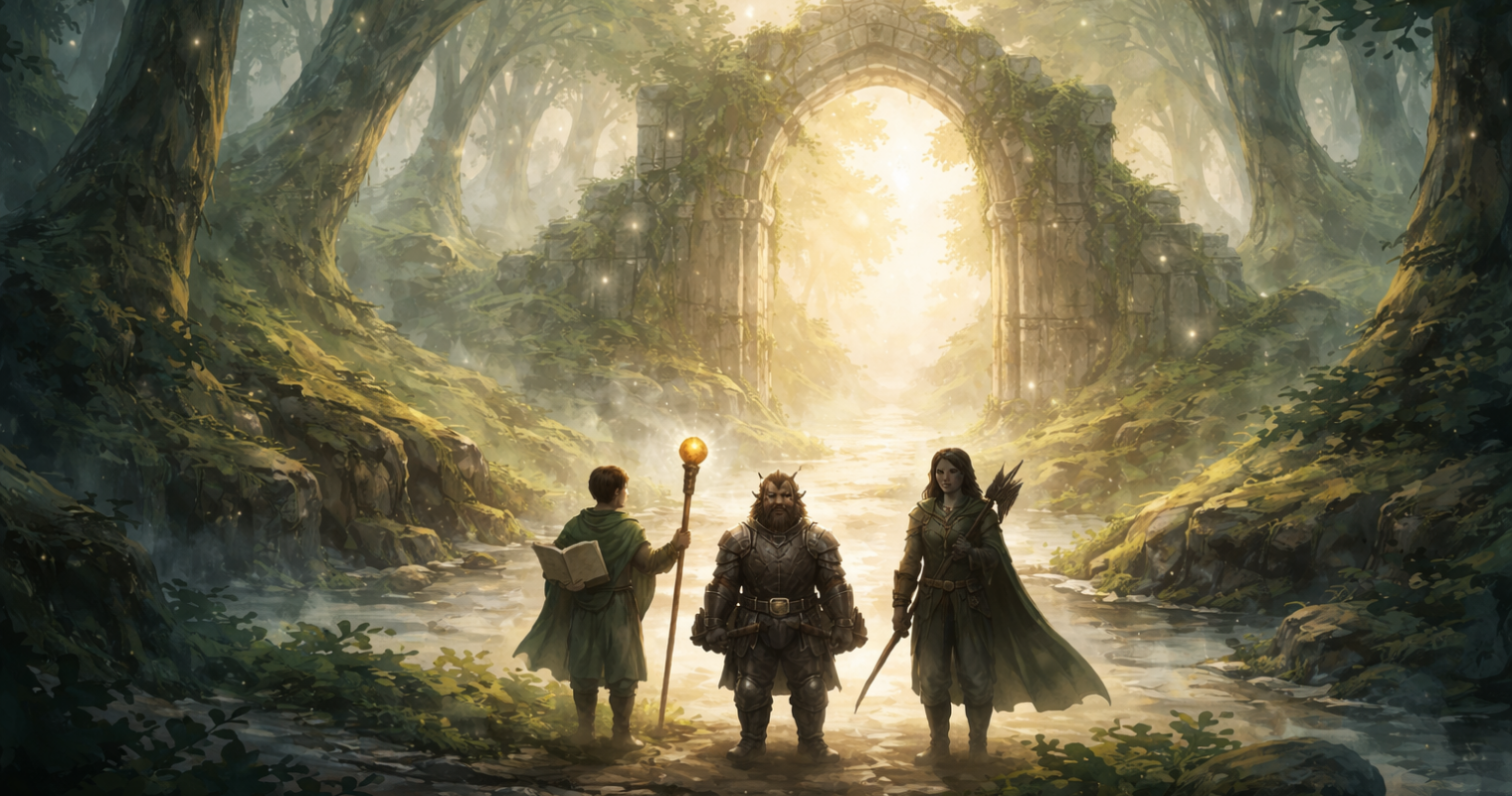
New DnD Player Guides Fresh Tips for Your First Campaign
Updated on: 2026-01-23
Starting your journey into Dungeons and Dragons can feel overwhelming, but it doesn't have to be. This beginner's guide walks you through everything you need to know before rolling your first dice, from understanding the basics to setting expectations with your gaming group. Whether you're interested in combat mechanics, roleplay, or simply want to join friends for an adventure, we've got you covered with practical tips and encouragement every step of the way.
- Understanding the Fundamentals of Tabletop Roleplaying
- Essential Gear and What You Actually Need
- Practical Guide to Getting Started
- Key Advantages of Joining the Community
- Creating Your First Character
- Summary and Next Steps
- Frequently Asked Questions
Understanding the Fundamentals of Tabletop Roleplaying

So you've heard about Dungeons and Dragons and you're curious what all the fuss is about. Here's the thing: it's basically collaborative storytelling mixed with game mechanics. Imagine playing a video game where you're not limited by what the programmers coded—instead, you work with a friend called the Dungeon Master (DM) who describes the world and responds to whatever wild ideas your character dreams up.
At its heart, new DnD player guides emphasize that D&D is about imagination, dice rolls, and hanging out with friends. You're not competing against each other (usually). Instead, you're all working together to tell an epic story. The DM acts as referee, storyteller, and referee for the world you're exploring. The other players control characters in that world, making decisions and facing consequences.
The rules might seem dense at first glance, but beginners don't need to memorize everything. You'll learn as you go, and experienced players are happy to help. Think of it like learning a sport—you don't master everything before your first game.
Essential Gear and What You Actually Need
Here's where it gets fun. You'll need polyhedral dice (the seven-sided kind you see in fantasy shops), character sheets, a pencil, and snacks if you're feeling fancy. Seriously, that's the core of what you need.
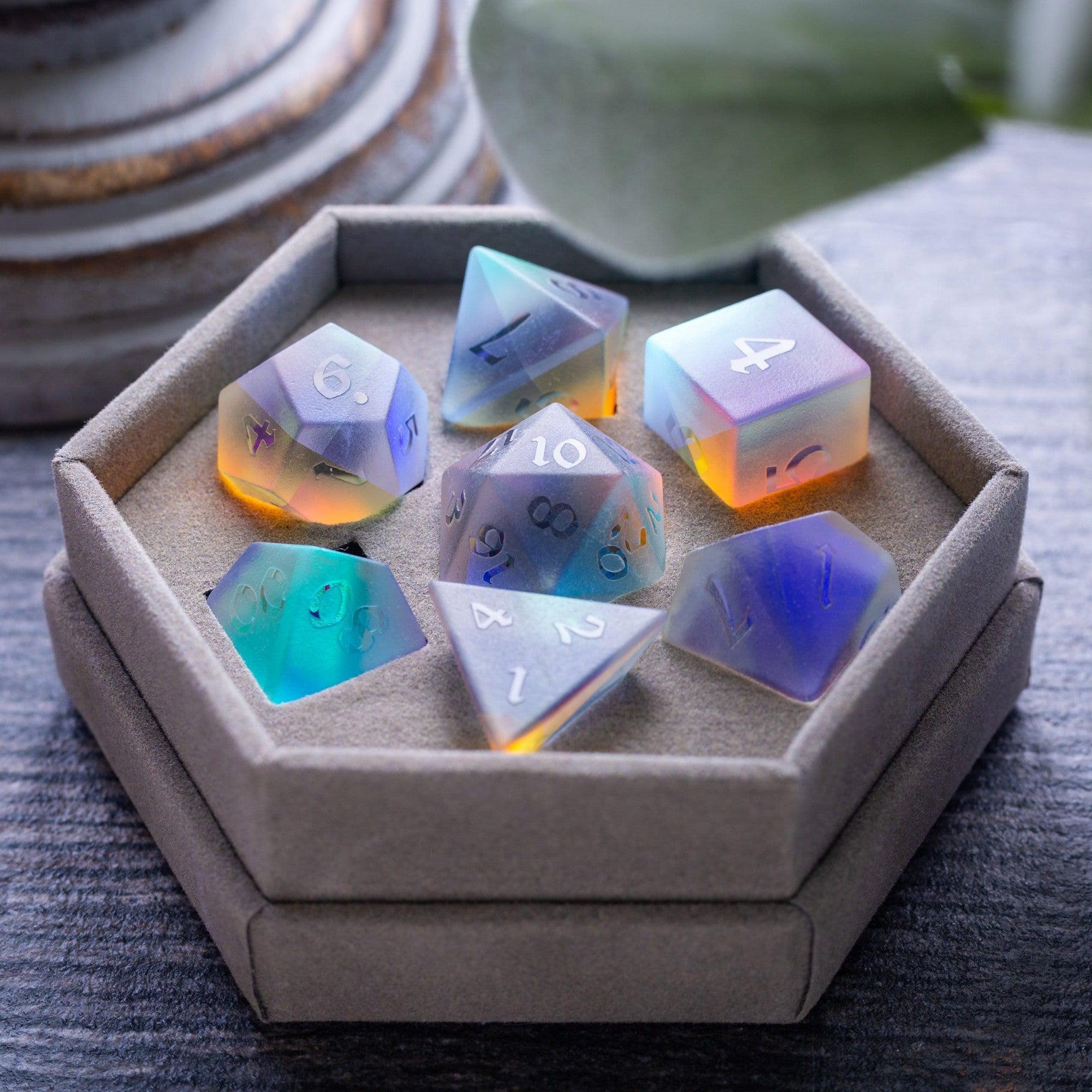
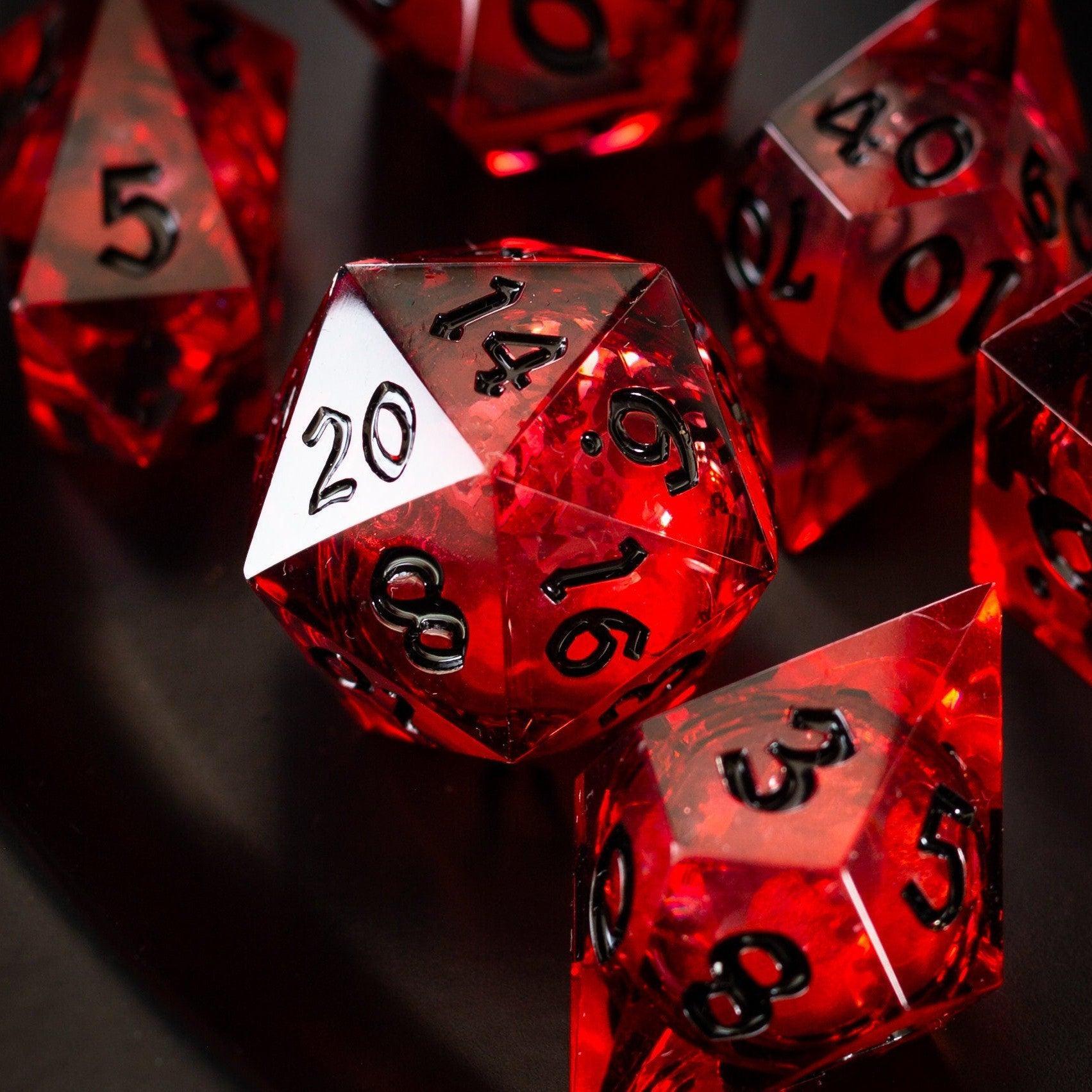
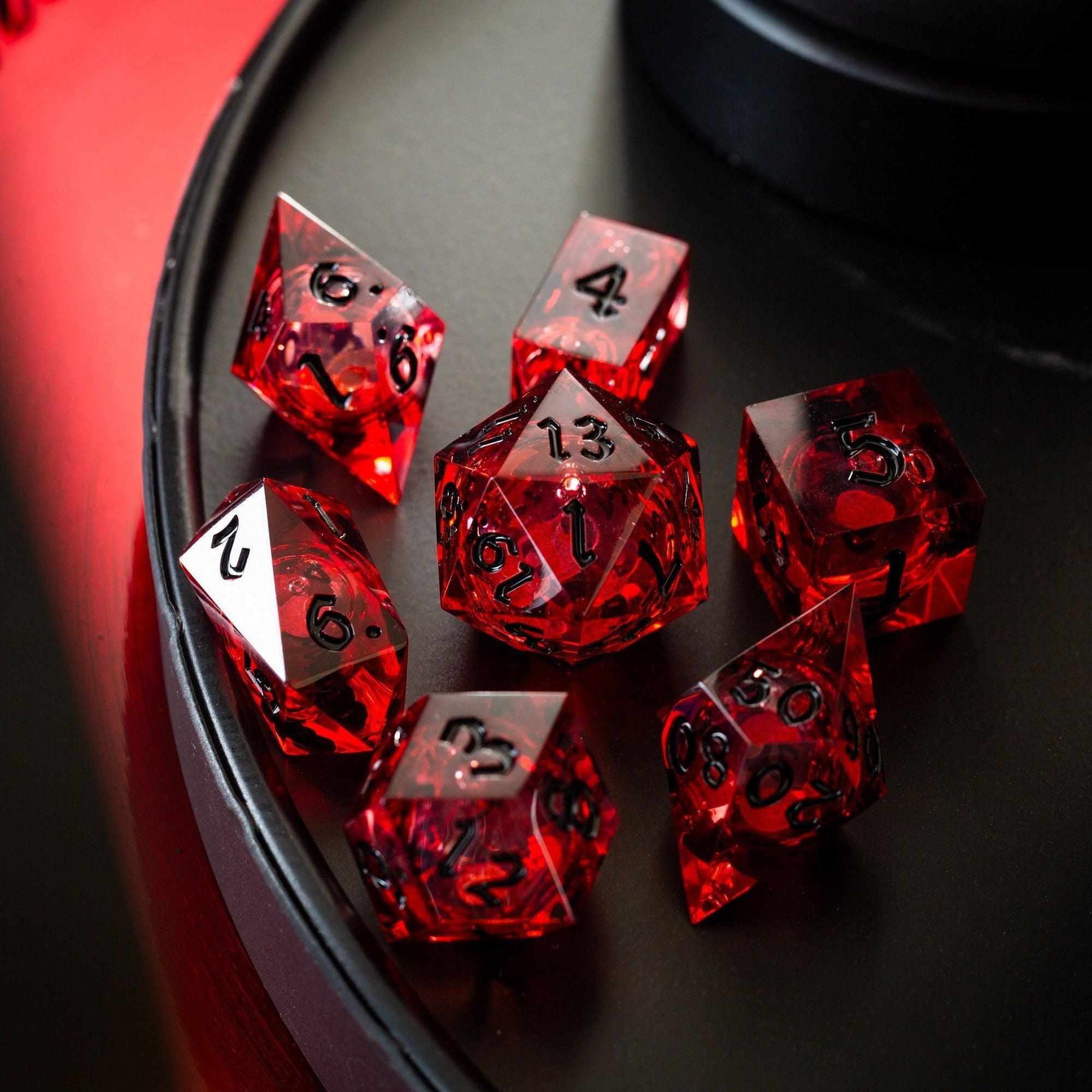
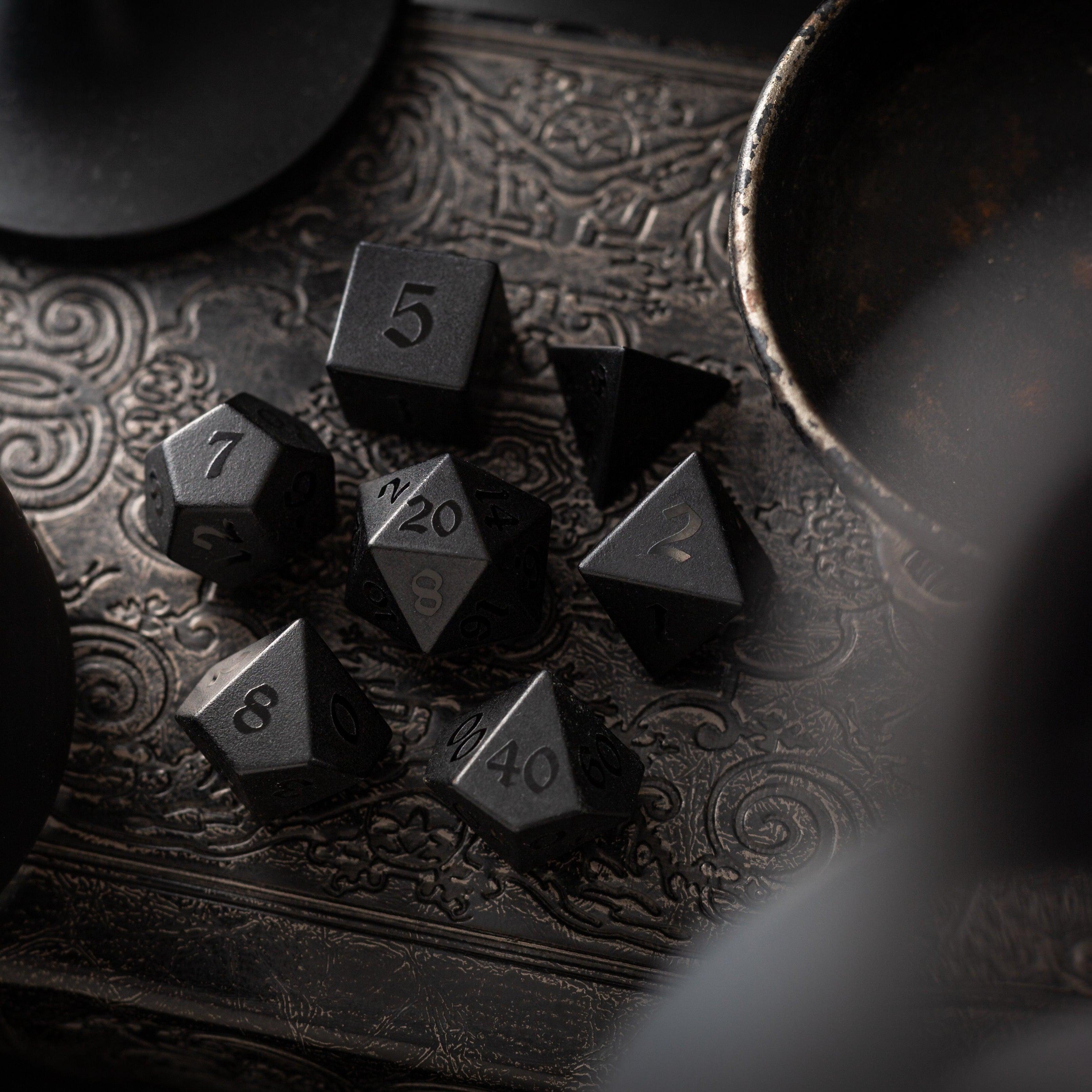
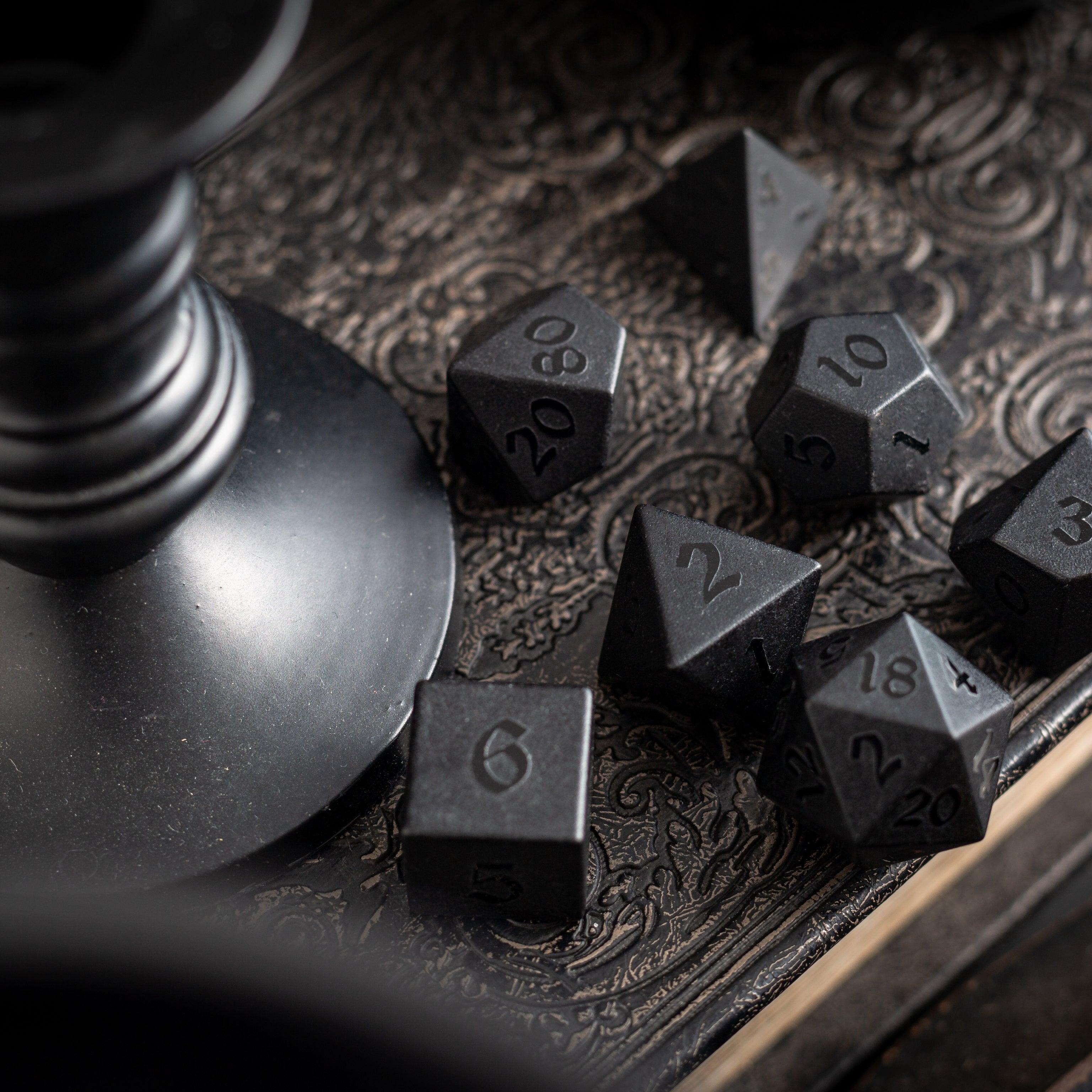
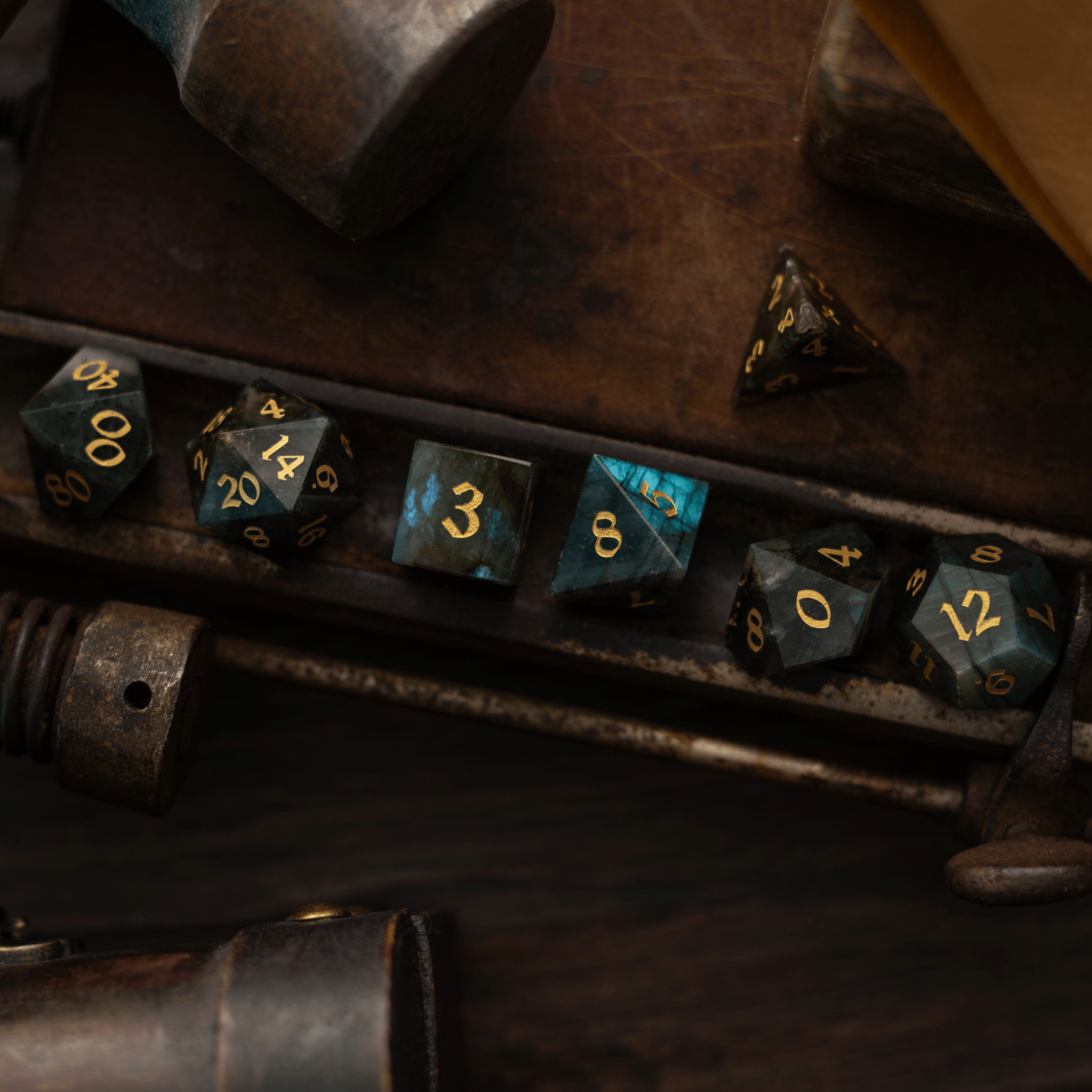
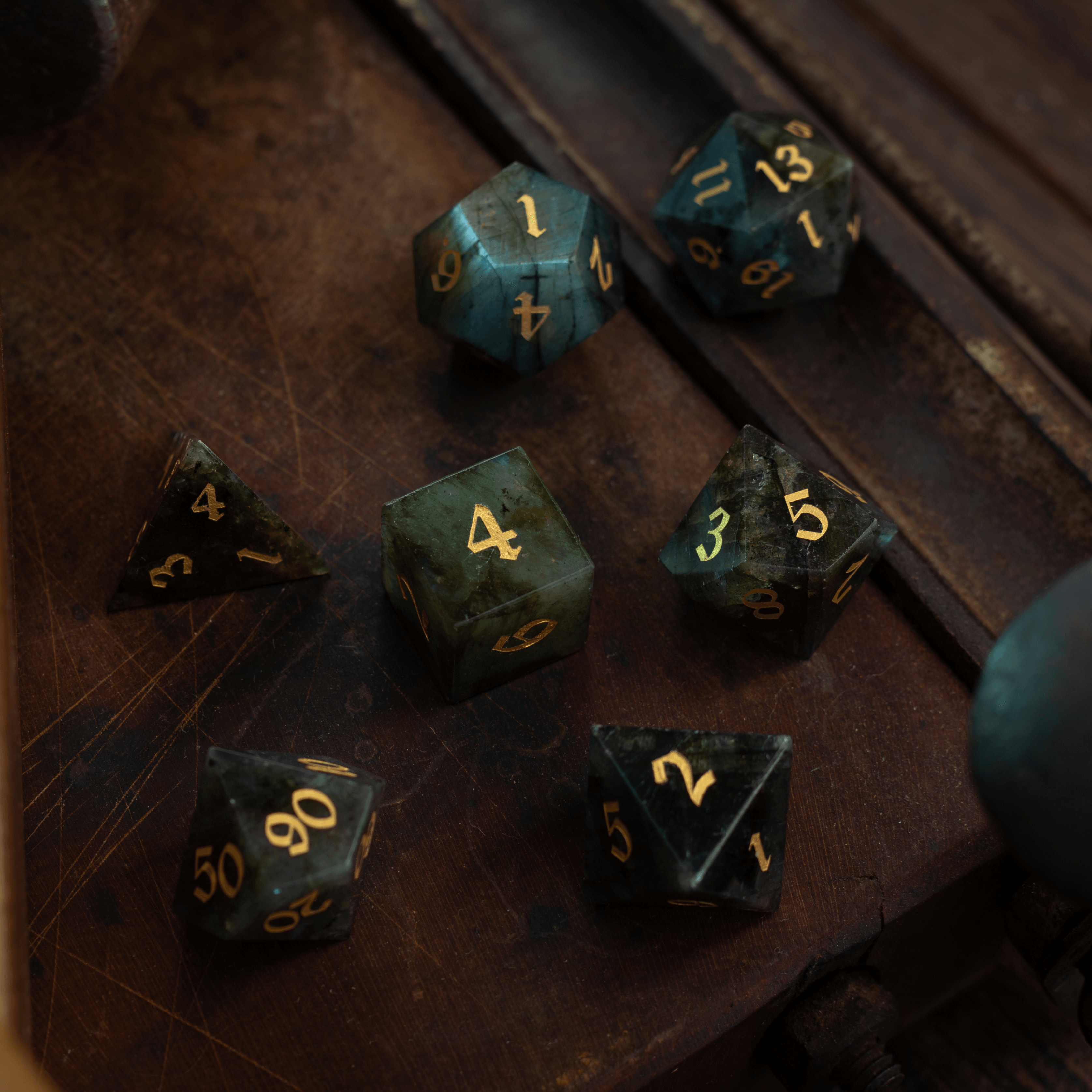
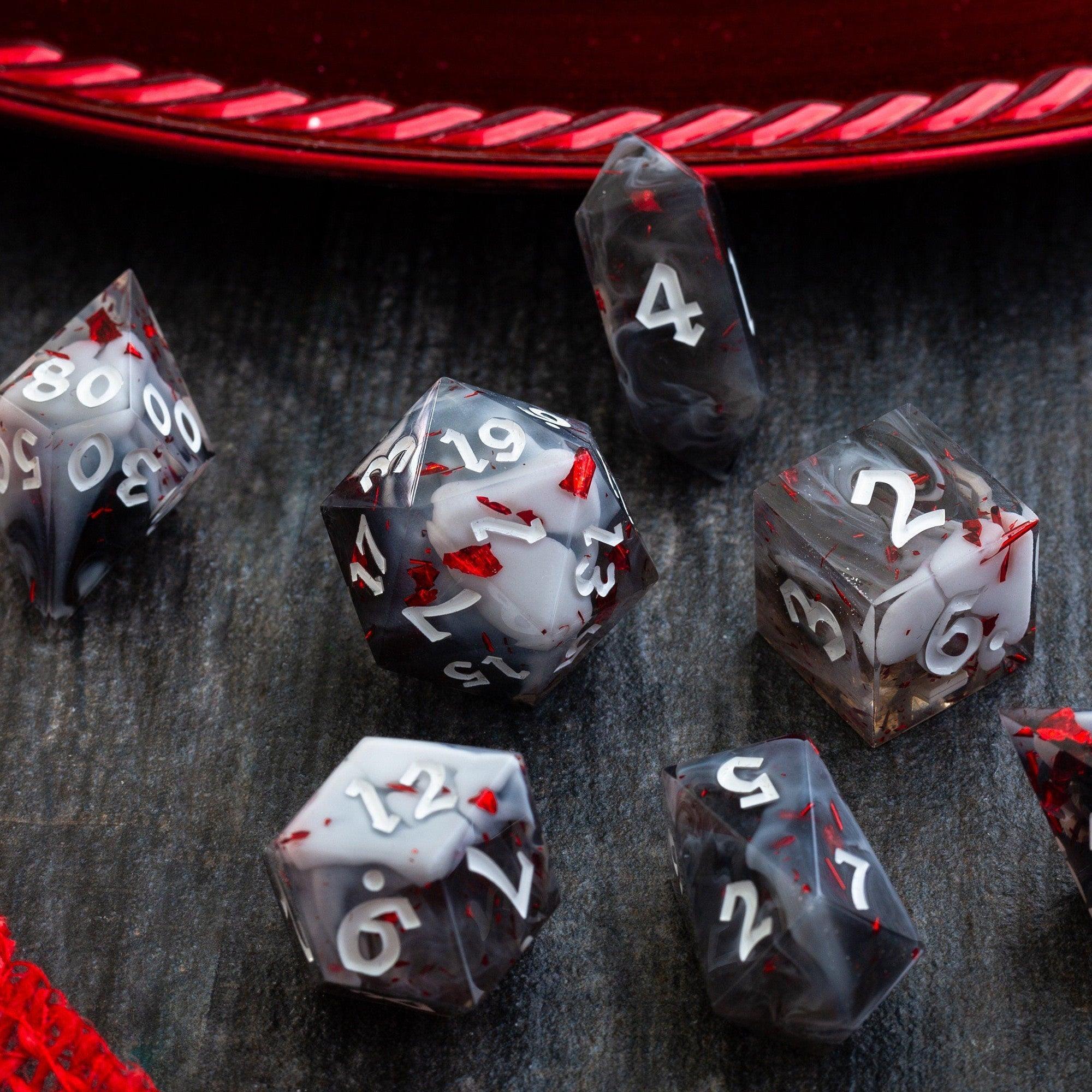
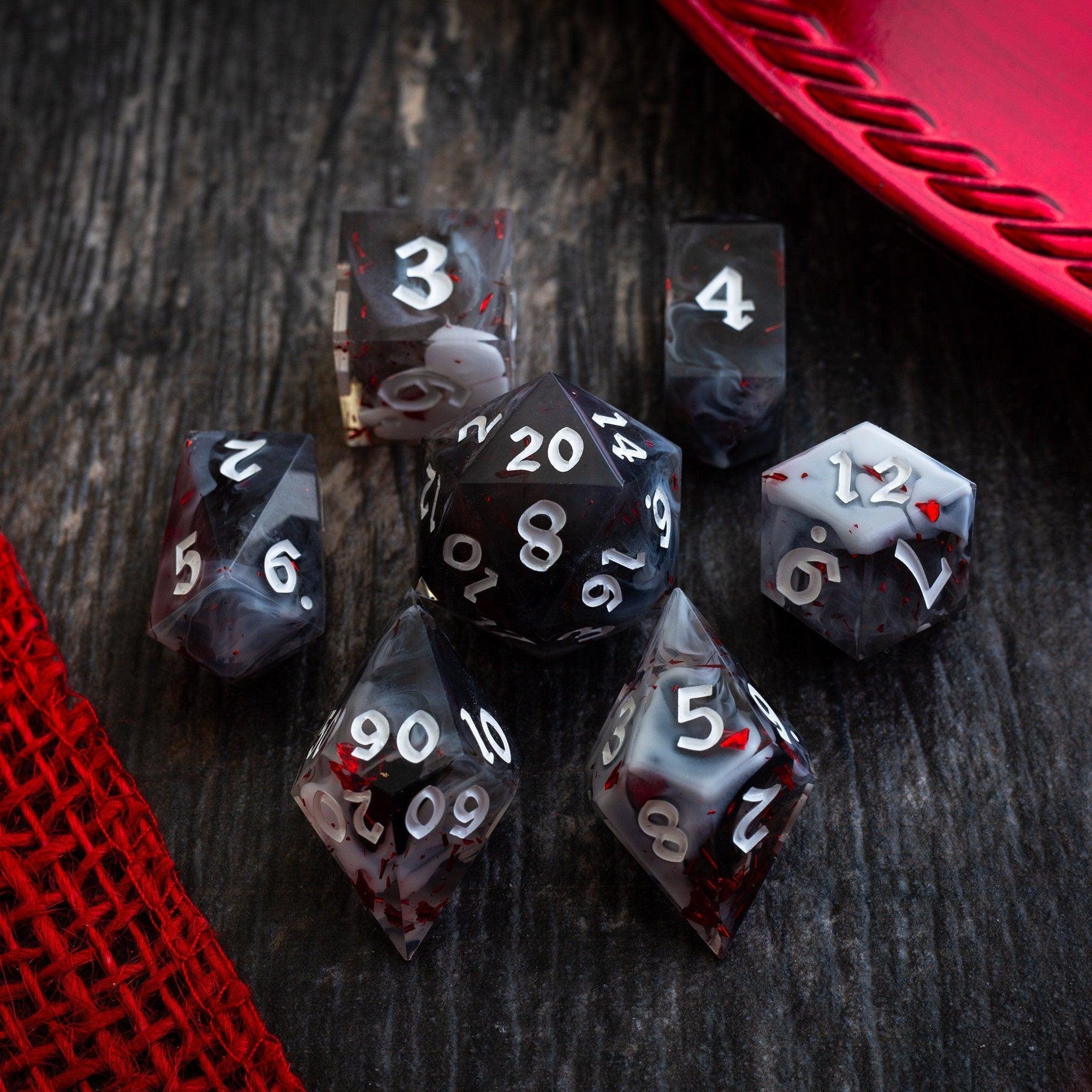
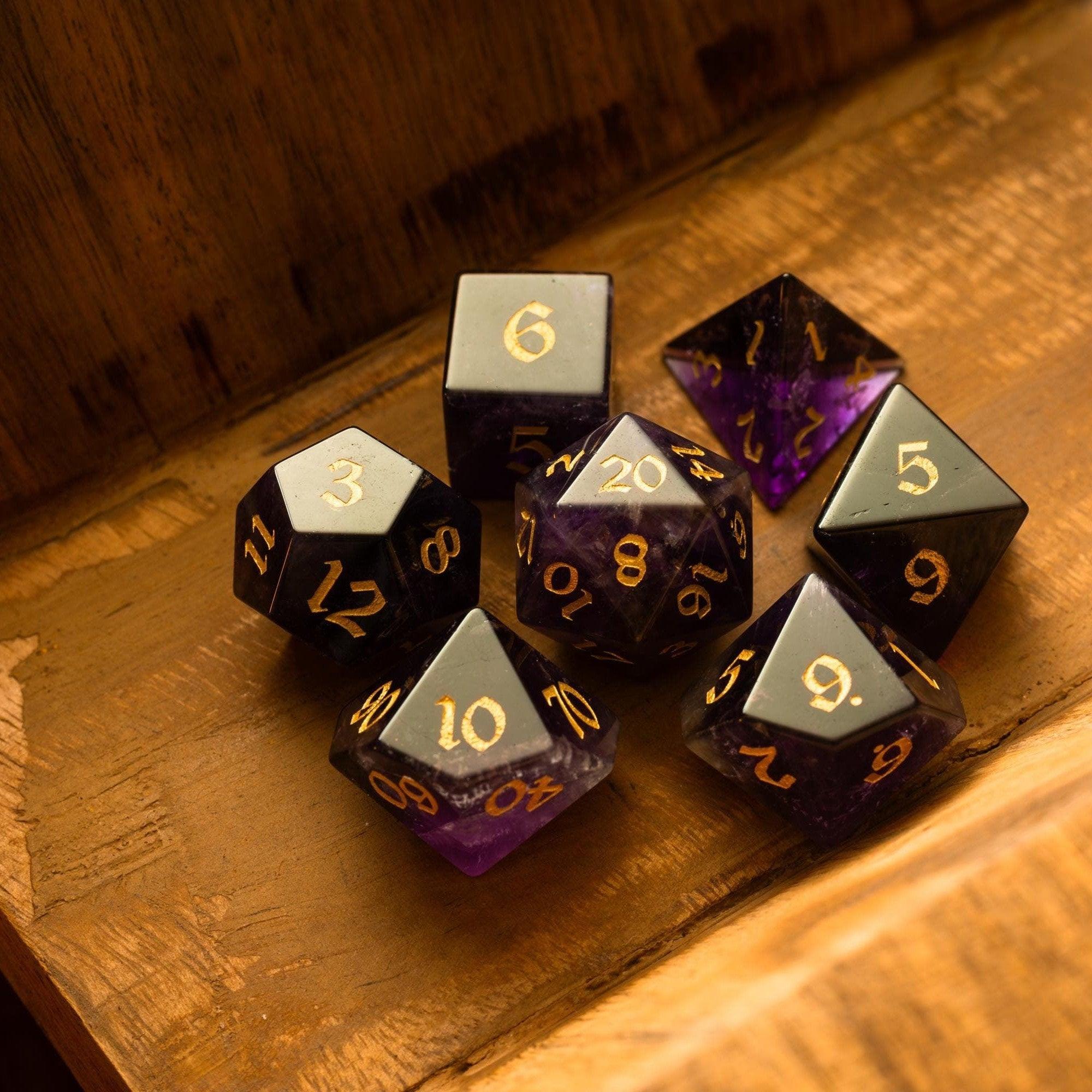
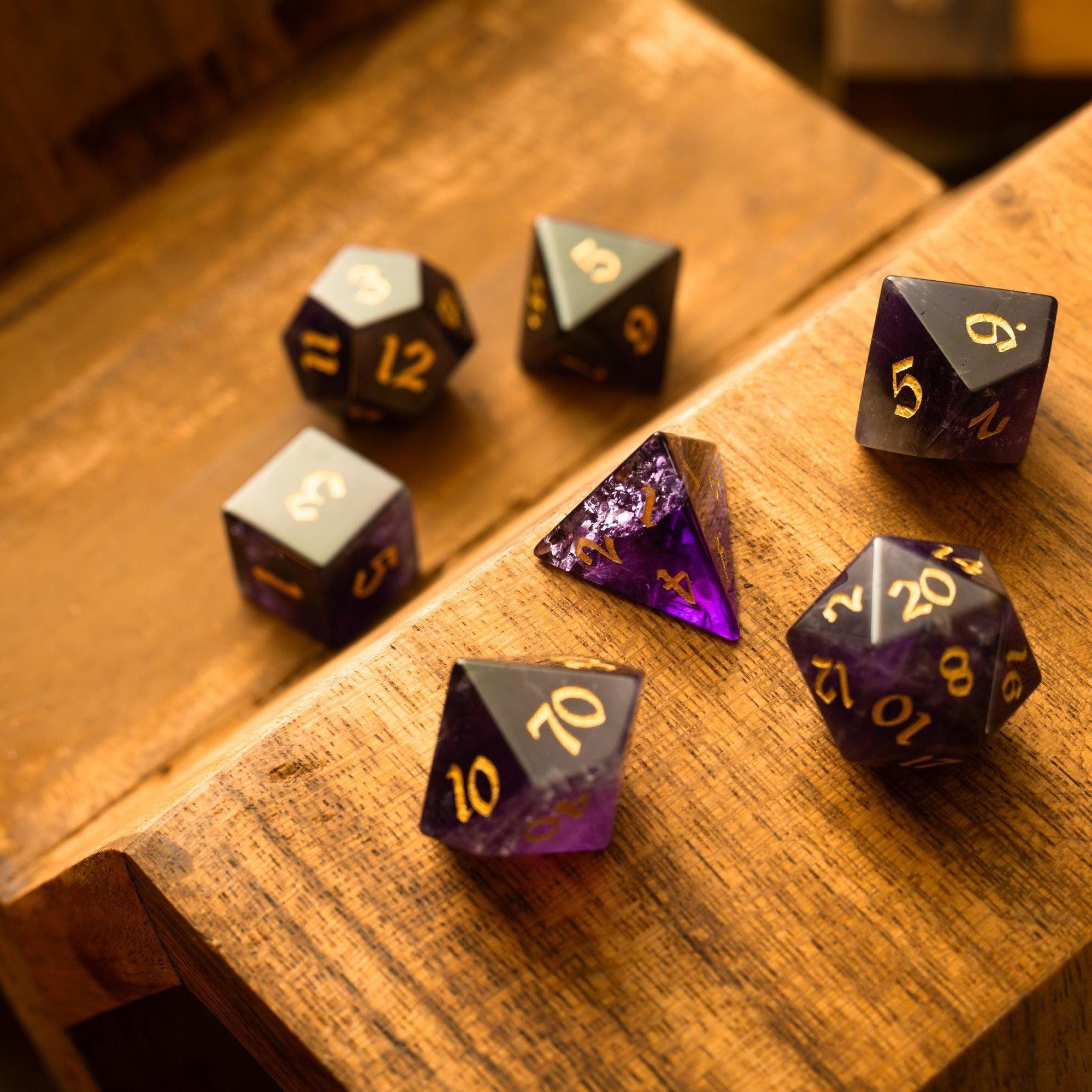
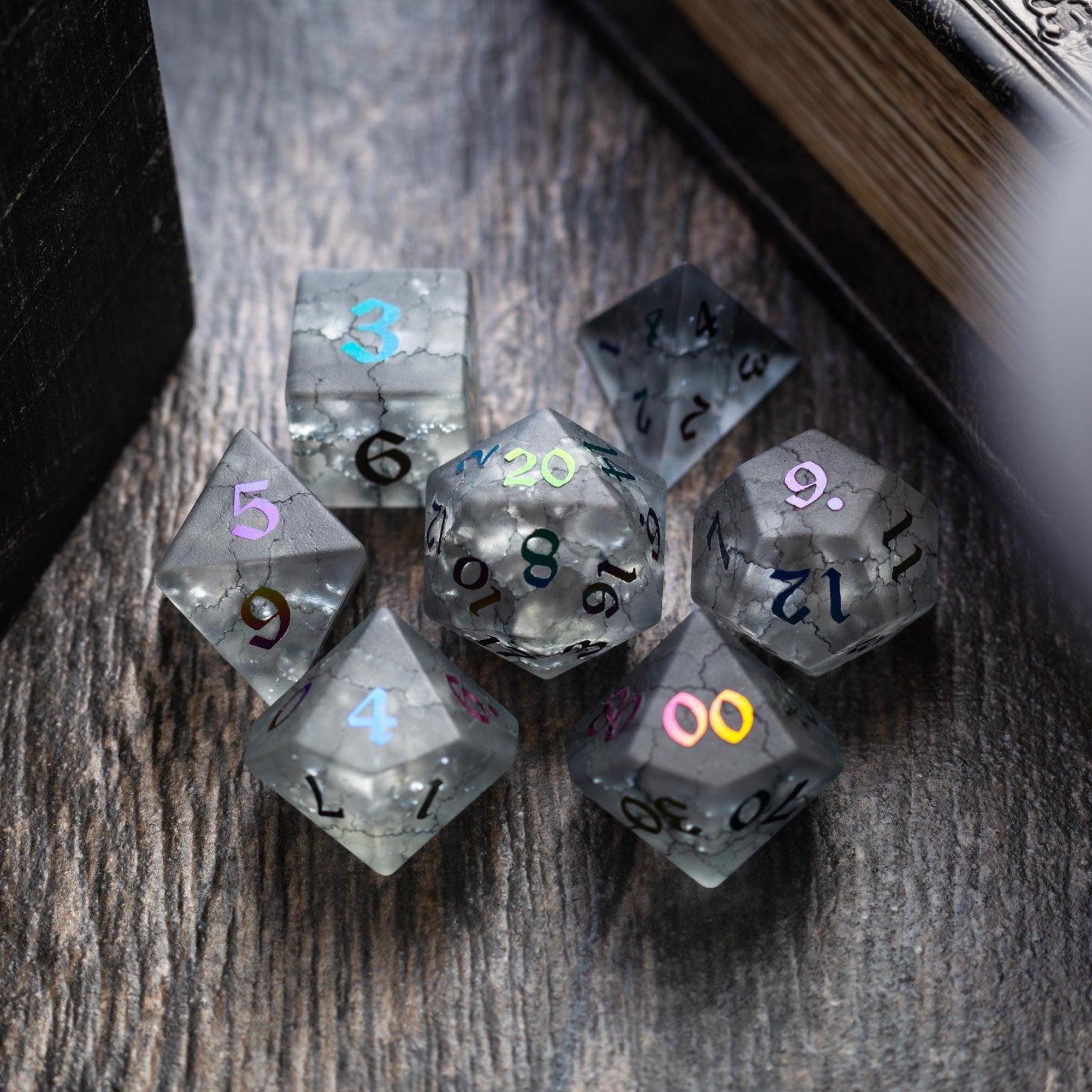
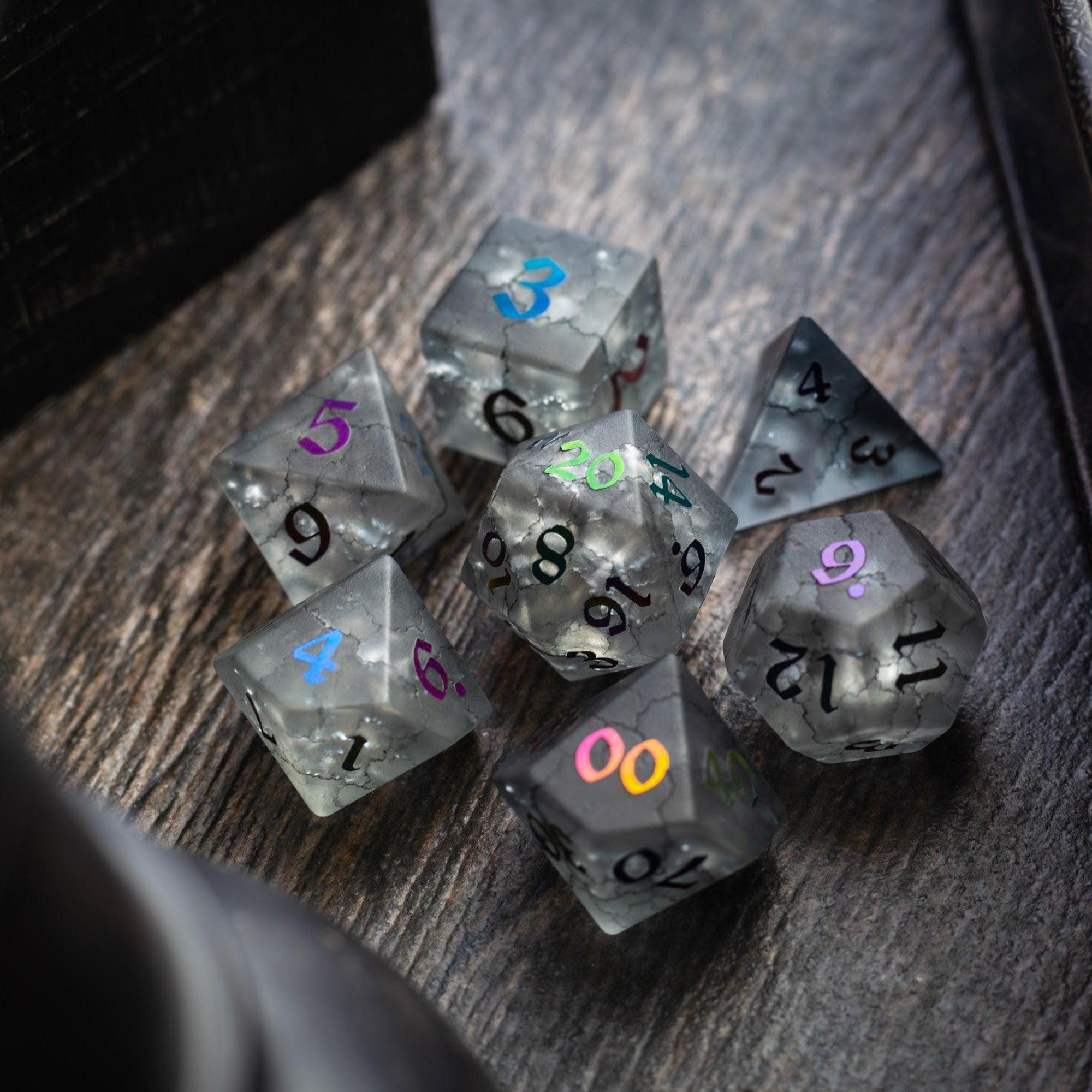
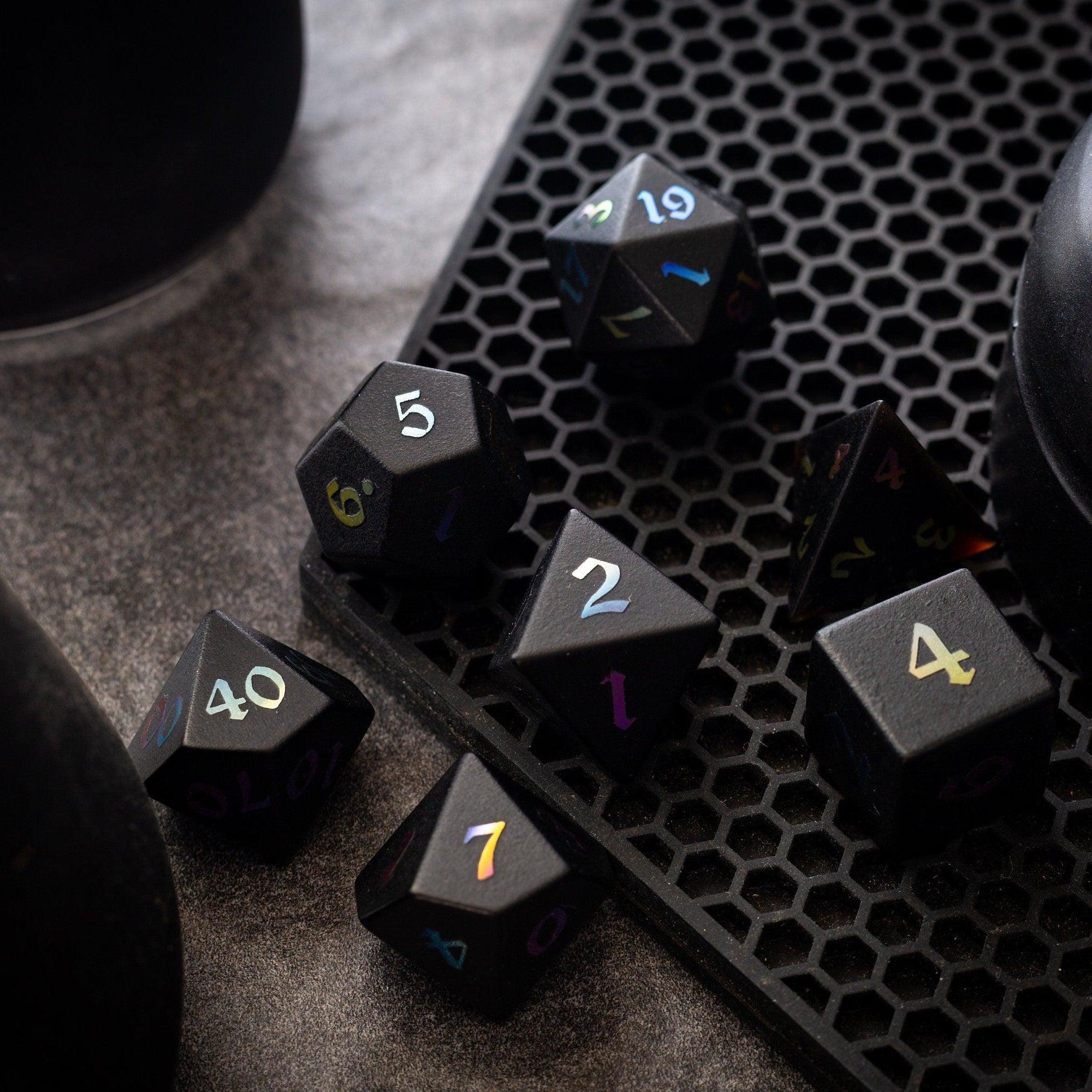
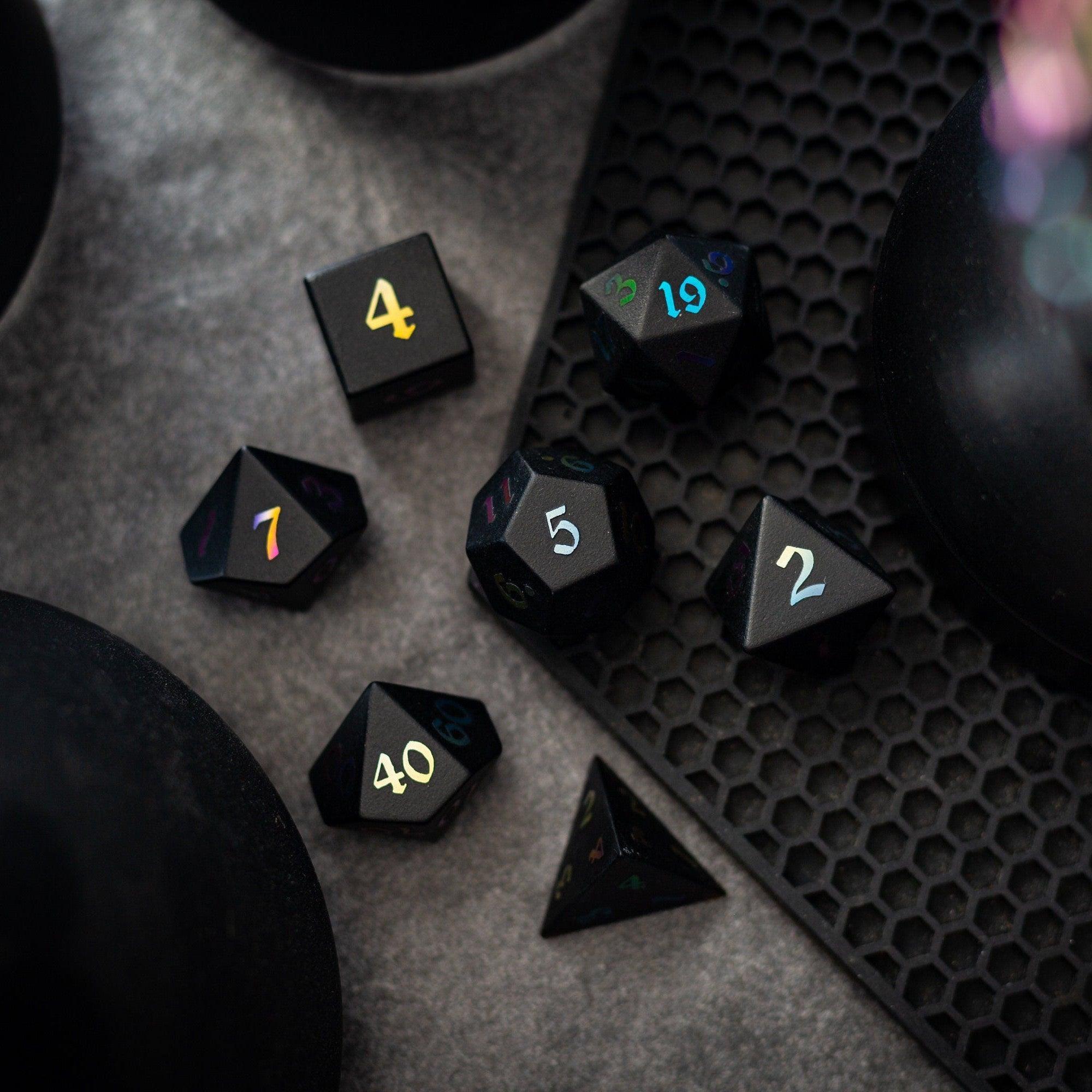
Most beginners start with a standard dice set, which includes a d4, d6, d8, d10, d12, and d20. The d20 is what you'll roll most often to determine success or failure. Some folks go all out and collect beautiful dice sets in different colors and materials, but your first game? A basic set works perfectly fine.
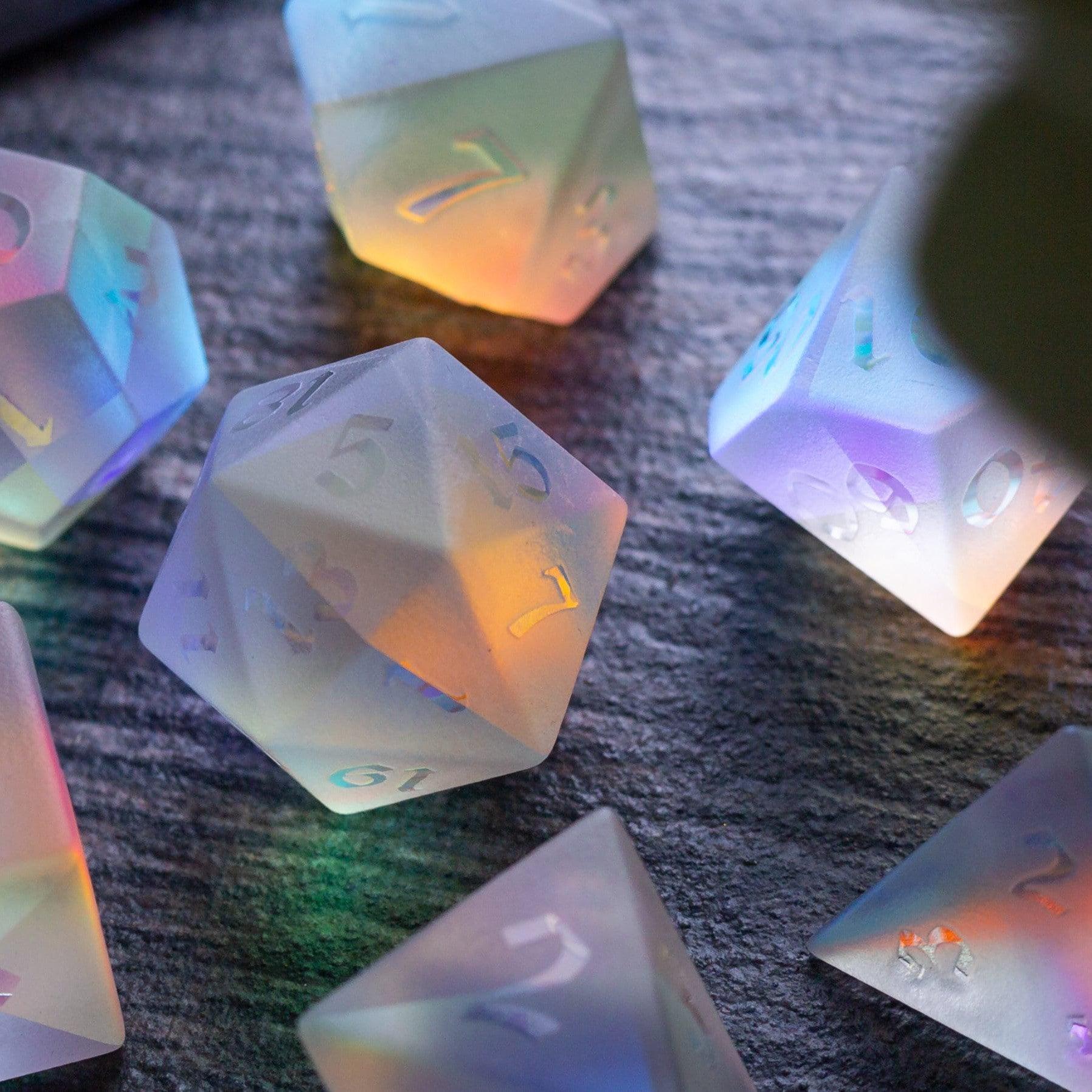
If you want something special to inspire your adventure, consider grabbing a quality dice set that makes you excited to roll. Gemstone dice collections add a wonderful tactile experience to your gameplay, or if you prefer something with a bit of magic, enchanting resin dice sets bring personality to your table.
Character sheets are provided in starter sets or online for free. Graph paper or a notebook works for note-taking. A pencil (not pen—trust me on this) lets you erase mistakes. Some groups use miniatures and battle maps, but honestly, many experienced players skip this altogether and use imagination instead.
Practical Guide to Getting Started
Step One: Find Your Group
The most important part of starting your adventure is finding people who want to play. Maybe you've got friends interested, or perhaps you're looking to join a local gaming store. Many communities have organized play groups where newcomers are genuinely welcome. Online platforms also offer opportunities to join remote games with players worldwide.
Step Two: Choose Your Role
Decide whether you want to be a player or a Dungeon Master. Most beginners start as players, which means less preparation and more fun exploring someone else's world. Being a DM is rewarding but requires more work upfront. There's no wrong choice—just pick what sounds more appealing right now.
Step Three: Learn the Basics
Read through a beginner's guide or watch an introductory video. You don't need to understand every rule. Focus on learning how ability checks work, what your character can do, and how combat flows. Your DM and fellow players will answer questions as they come up. Most gaming tables have a patient, encouraging atmosphere where curiosity is welcomed.
Step Four: Create Your Character
This is where personality comes in. Your character is your avatar in the story. Work with your DM on character creation—they'll guide you through assigning abilities, choosing a race and class, and developing personality traits. Don't stress about making the "perfect" character. Your first character will be fun regardless, and future characters will be even better as you understand what you enjoy playing.
Step Five: Show Up and Play
Attend your first game session with an open mind and willingness to laugh at yourself. You'll mess up, misunderstand rules, and make questionable decisions. That's completely normal and part of the fun. Every experienced player was once where you are now.

Key Advantages of Joining the Community
-
Creative Expression
- You're not limited by game design or graphics. Your imagination is the only boundary. Want your barbarian to fight a dragon with a whisk? Your DM will figure out how that works.
-
Social Connection
- Gaming brings people together in a meaningful way. You'll form genuine friendships with your fellow adventurers through shared stories and experiences.
-
Stress Relief
- Focusing on a game world provides a wonderful escape from daily pressures. For a few hours, you're someone else having fantastic adventures.
-
Problem-Solving Skills
- Games constantly present challenges that require creative thinking and collaboration. These skills transfer to real-world situations.
-
Inclusive Community
- The gaming community is more diverse and welcoming than ever. You'll find groups that match your interests, playstyle, and values.
-
Confidence Building
- Public speaking and performing improves naturally as you roleplay and interact with other players and the DM.
-
Tangible Progress
- Your character grows stronger, gains new abilities, and accomplishes meaningful goals throughout your campaign.
-
Never the Same Twice
- No two gaming sessions are identical. The unpredictability keeps things fresh and exciting.
Creating Your First Character
Character creation might seem intimidating, but it's genuinely fun once you get started. Your Dungeon Master will walk you through the process step by step. You'll assign six ability scores—Strength, Dexterity, Constitution, Intelligence, Wisdom, and Charisma—that represent your character's strengths and weaknesses.
Next, you'll choose a race (elf, dwarf, human, halfling, tiefling, etc.) and a class (barbarian, rogue, wizard, cleric, ranger, and more). Your race provides cultural background and minor bonuses. Your class determines what abilities and skills you have access to. A barbarian plays very differently from a wizard, so pick something that appeals to you.
Then comes the fun part: personality. What's your character's name? What motivates them? Are they funny, serious, impulsive, or cautious? Do they have any quirks or fears? These details make your character memorable and fun to play.
Don't overthink this. Simple character concepts work wonderfully. Your DM and fellow players will help you refine things as you play. Most importantly, choose something that excites you. When you're genuinely interested in your character, everyone at the table has more fun.
If you want to add some tangible magic to your experience, beautiful gemstone dice sets can make rolling for character creation feel extra special.
Summary and Next Steps
Starting with new tabletop roleplaying games like D&D is an adventure in itself. You've learned that you don't need fancy equipment, that the community is welcoming, and that the game is fundamentally about having fun together. The barrier to entry is genuinely low—just enthusiasm and an open mind.
Your next steps are simple: find a group, show up ready to have fun, and embrace the experience without worrying about being "good" at it. Every experienced player started exactly where you are. The magic happens when you relax, let your imagination run wild, and enjoy the company of your fellow adventurers.
Consider exploring unique dice collections that inspire your creativity, join a gaming community this week, and prepare for an incredible journey ahead. Welcome to the adventure.
Frequently Asked Questions
Is D&D expensive to get started?
Not at all. Many groups share dice and books. A basic starter set costs around thirty to fifty dollars and includes everything you need for multiple sessions. Beyond that, your only costs are optional—like purchasing your own dice set or snacks for game night. The game itself requires minimal investment to begin playing.
What if I'm not creative or don't like acting?
You don't need to be an actor or professional storyteller. You don't even need to roleplay extensively. Many players describe their character's actions rather than acting them out. "My character tries to intimidate the guard" works perfectly fine. Creativity improves naturally as you play, and you'll find your own comfort level with character expression.
How long does a typical game session last?
Most sessions run between three to five hours, though some are shorter or longer depending on the group. Sessions typically happen weekly or biweekly. You're never locked into a specific schedule either—groups adjust timing to work for everyone's lives. Talk with your DM about session frequency that works for your situation.
Can I play D&D online?
Absolutely. Online gaming has become incredibly popular and works wonderfully. Platforms like Roll20, Fantasy Grounds, and Foundry provide digital spaces for gaming. Many groups simply use video calls and share screen to show maps and information. Online play opens up opportunities to find groups beyond your geographic area.
What happens if I make a mistake during the game?
Just acknowledge it and move forward. Everyone makes mistakes—your DM, other players, and especially new players. Gaming groups are incredibly forgiving about this. If you forget a rule or misunderstand something, speak up. Most mistakes create funny moments that become part of your group's shared stories.
How do I know what class to play?
Think about what sounds fun. Do you want to cast spells? Sneak around? Bash things with a big weapon? Talk your way out of situations? Each class feels distinctly different. Your DM can describe classes to help you choose, and honestly, your first character choice doesn't lock you in. You can play different characters in future campaigns as you discover your preferences.

Leave a comment
This site is protected by hCaptcha and the hCaptcha Privacy Policy and Terms of Service apply.