
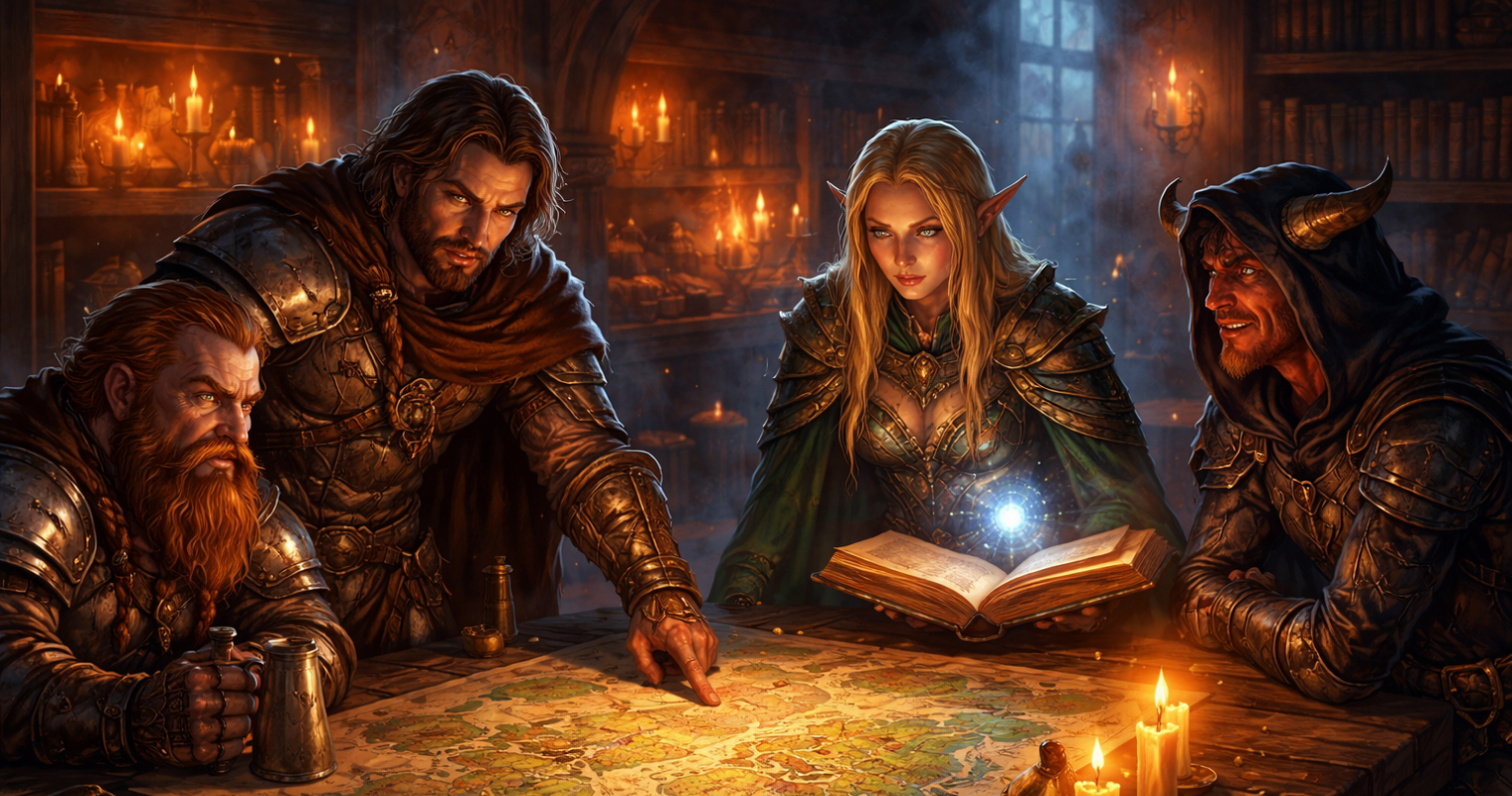
Narrative Design for Tabletop RPGs Crafting Campaigns
Updated on: 2025-12-29
This guide offers a calm, practical approach to building richer tabletop stories without overcomplicating your prep. You will learn simple structures, session-ready tools, and gentle prompts that help every player feel involved. We focus on clarity, pacing, and collaboration so your table can enjoy satisfying arcs and memorable scenes. Whether you are a new GM or an experienced designer, these strategies are designed to fit any system and style.
Thoughtful narrative design for tabletop roleplaying can make every game night feel purposeful and kind, even when the story takes surprising turns. Instead of writing a rigid script, we can guide play with flexible beats, clear stakes, and evocative details. This approach helps players understand what matters in each scene and where their choices may lead. It also eases the GM’s workload by turning big, vague ideas into small, usable tools. The result is a table that collaborates with confidence, enjoys consistent pacing, and celebrates each character’s spotlight. If you have ever felt uncertain about where a session should go next, the ideas below may offer gentle structure without limiting creativity.
Personal Experience or Anecdote
In one home campaign, our group loved character drama but often drifted during exploration. I tried heavy plotting once, but it felt stiff. So I changed course. I prepared only three “beats” per session: a strong opening image, a choice with consequences, and a reflective moment to end the night. I also wrote one sentence for each character about how the session could touch their goals. That small plan did not dictate outcomes, yet it gave us enough shape to keep energy high.
During one session, the party entered a fog-bound harbor where lanterns glowed like dim stars on the water. The opening image set a mood without telling anyone what to do. Then came the choice: escort a risky ally or protect the townsfolk. The players debated kindly, weighed values, and split into pairs. I had not written exact scenes, only stakes and a few sensory notes. The night ended with a quiet reflection on a pier, where characters spoke about trust. We wrapped on time, and everyone felt seen. That was the moment I realized how a light, respectful framework can carry a whole evening.
Key Advantages: narrative design for tabletop roleplaying
- Clear stakes without railroading: Define what could change if the party acts or waits. This keeps decisions meaningful while preserving freedom.
- Gentle pacing: Using beats (hook, rising tension, turning point, and resolution) creates a rhythm that feels natural and calm.
- Shared spotlight: Short character prompts invite quieter players in, helping each voice become part of the story.
- Less prep pain: Reusable templates—like scene goals and sensory notes—prevent over-preparing and reduce stress.
- Better retention: Simple motifs (a song, a symbol, a color) help players remember clues and themes over many sessions.
- Flexible tone control: You can adjust mood with small details: weather, lighting, or the way an NPC speaks.
- Consistent world logic: If factions have clear wants and methods, your world feels fair and coherent.
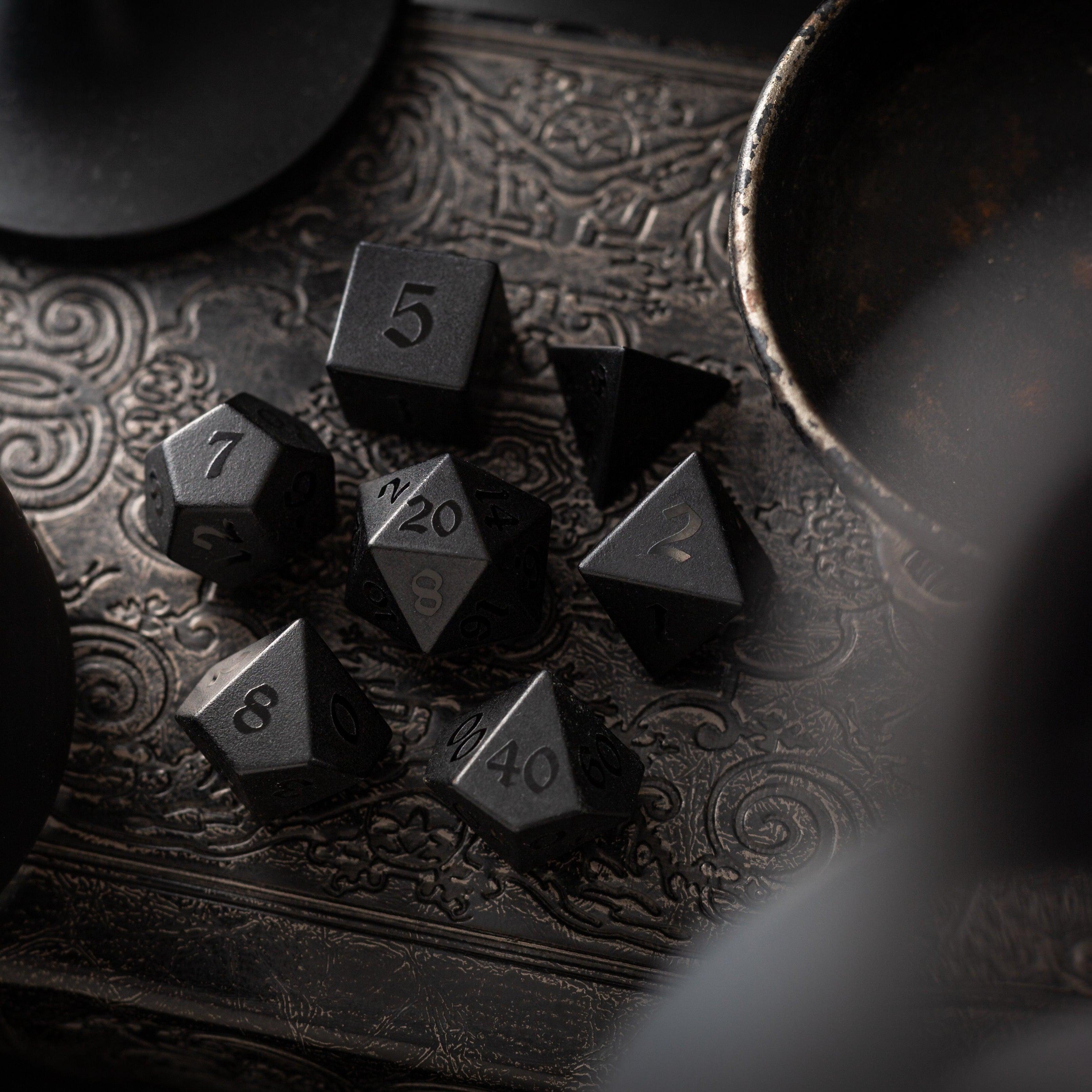
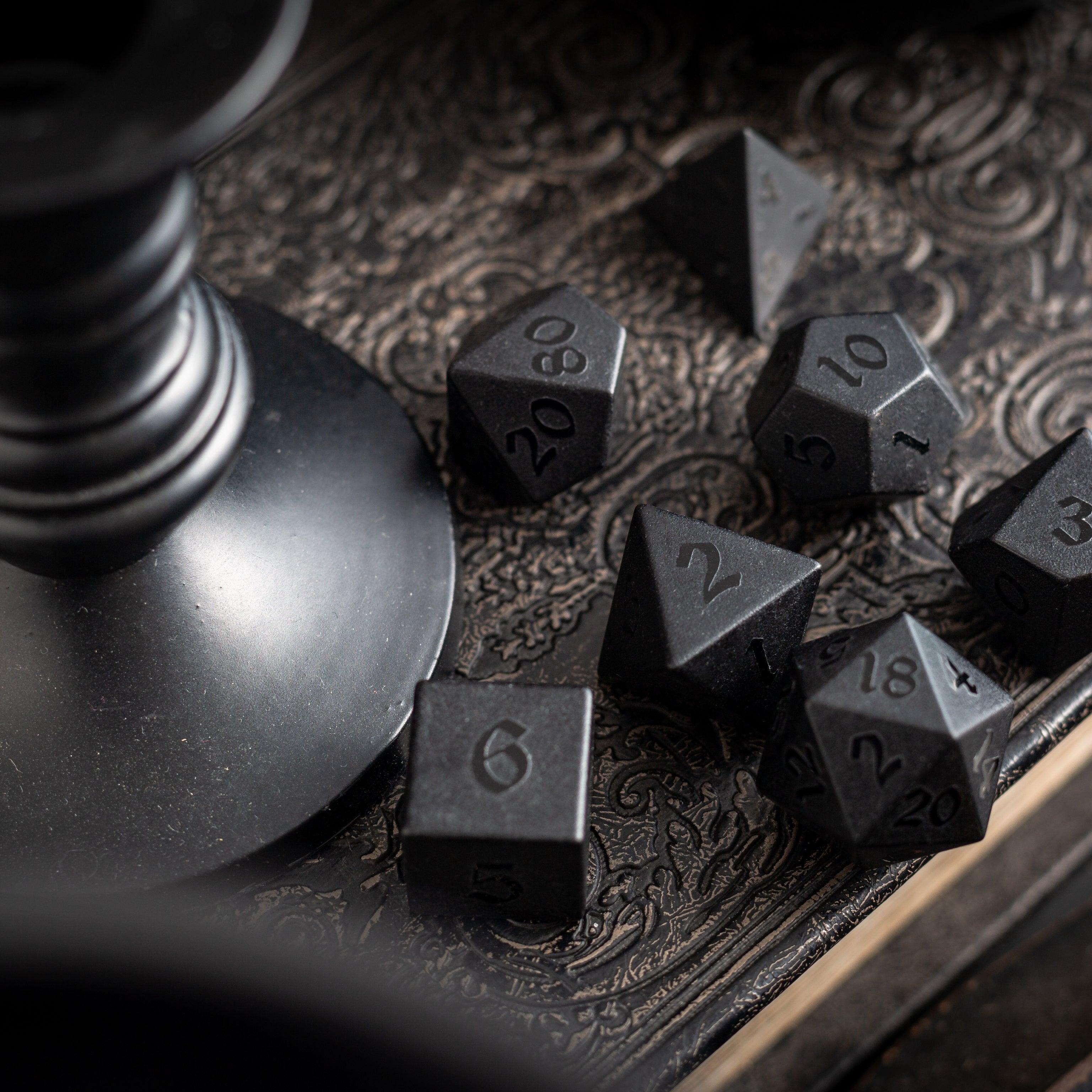
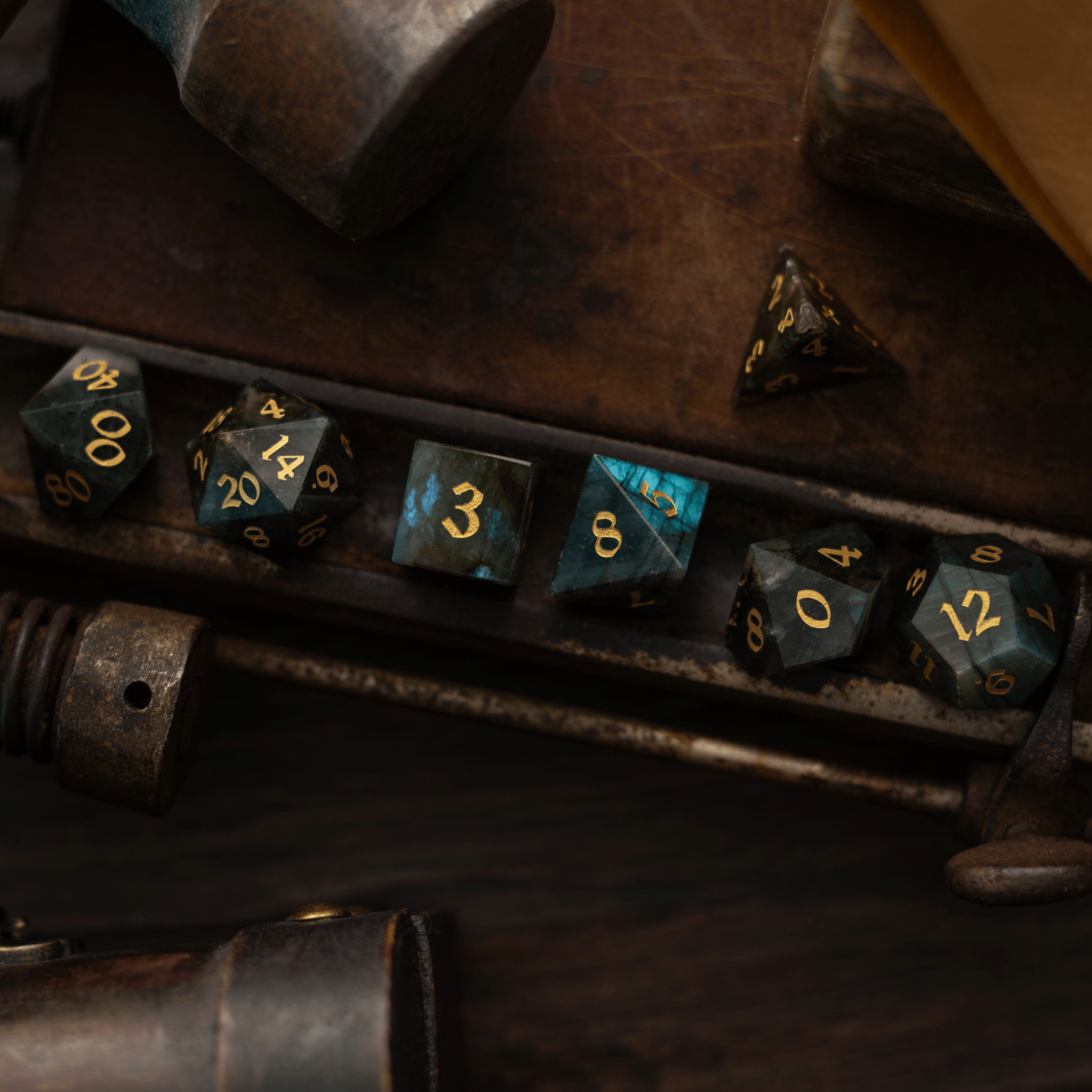
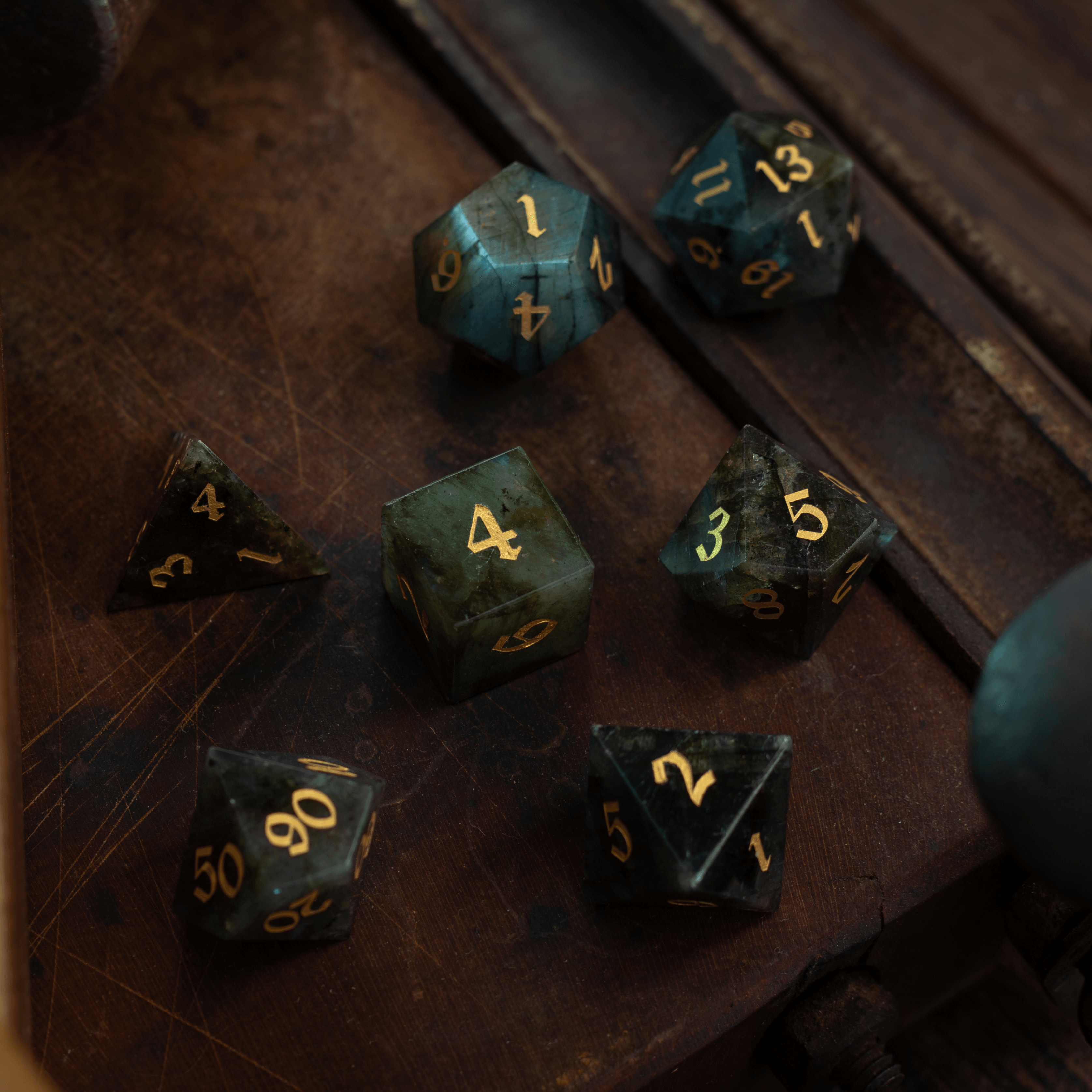
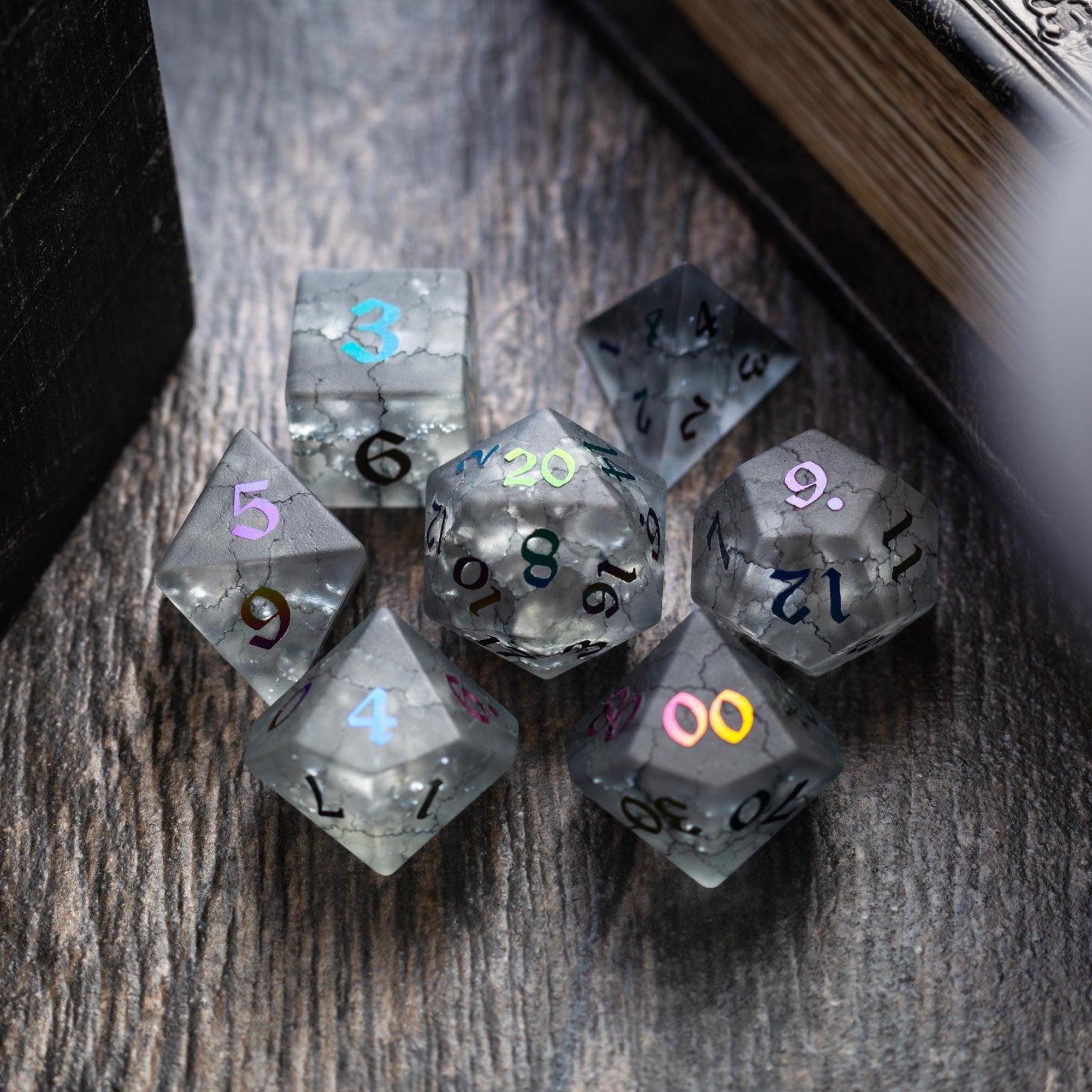
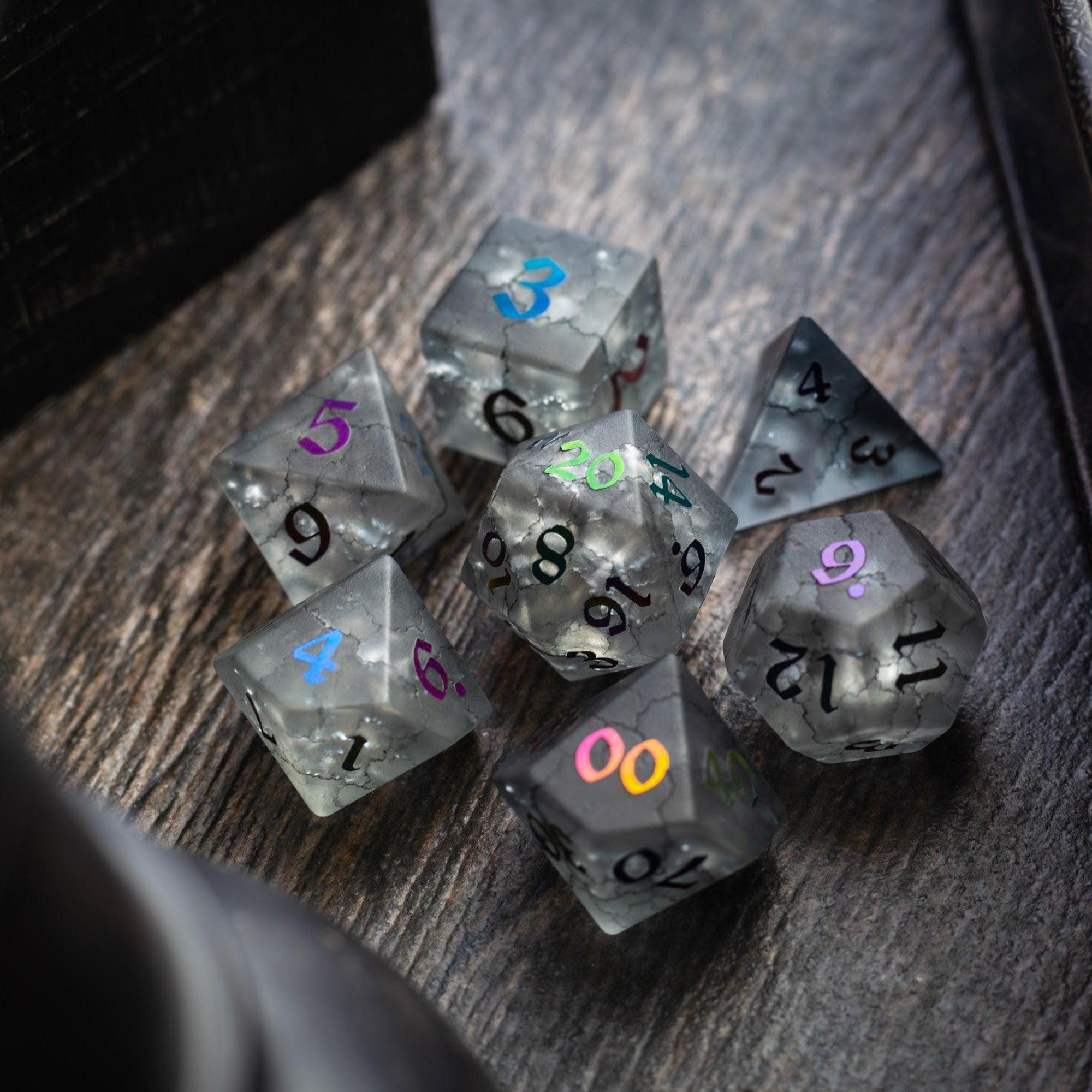
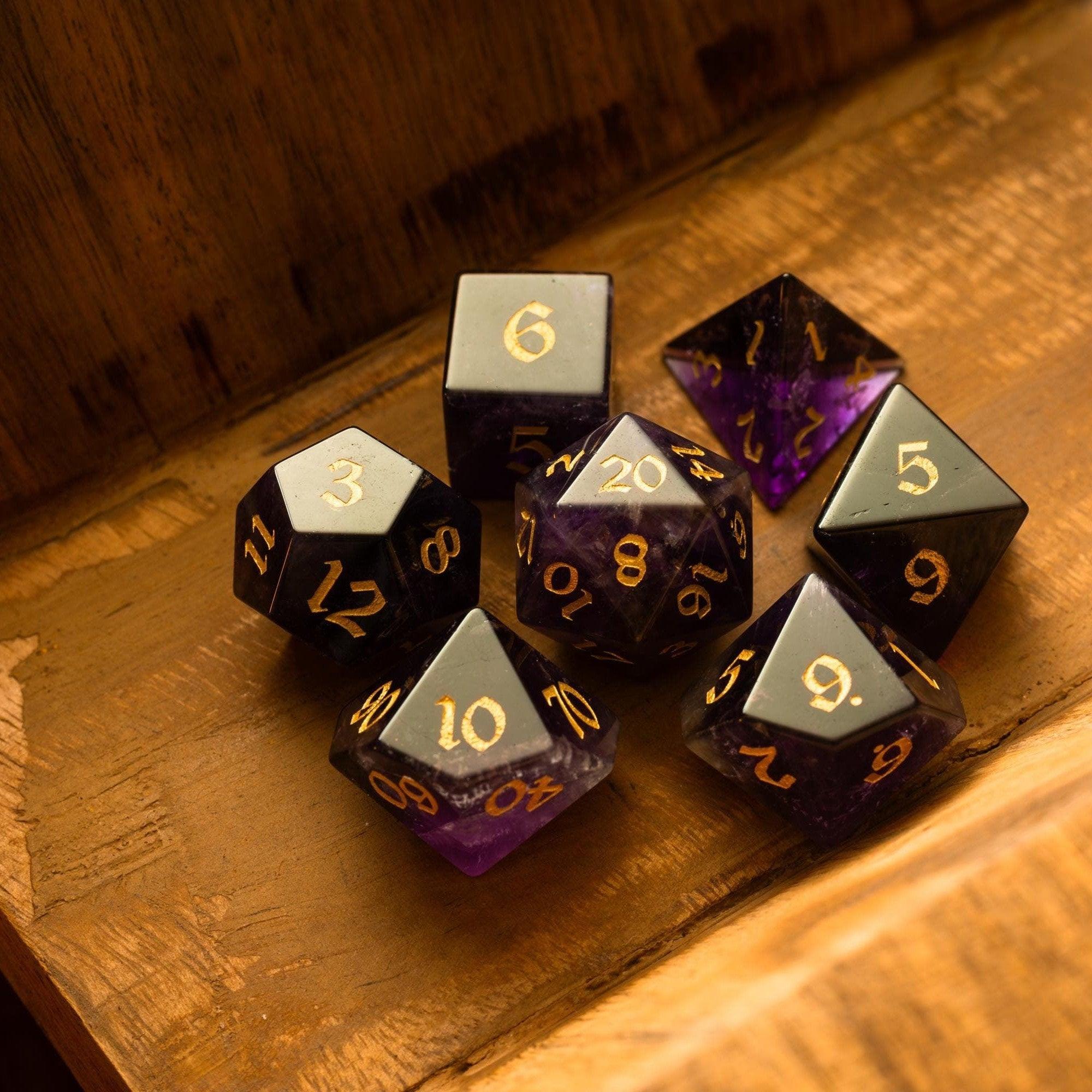
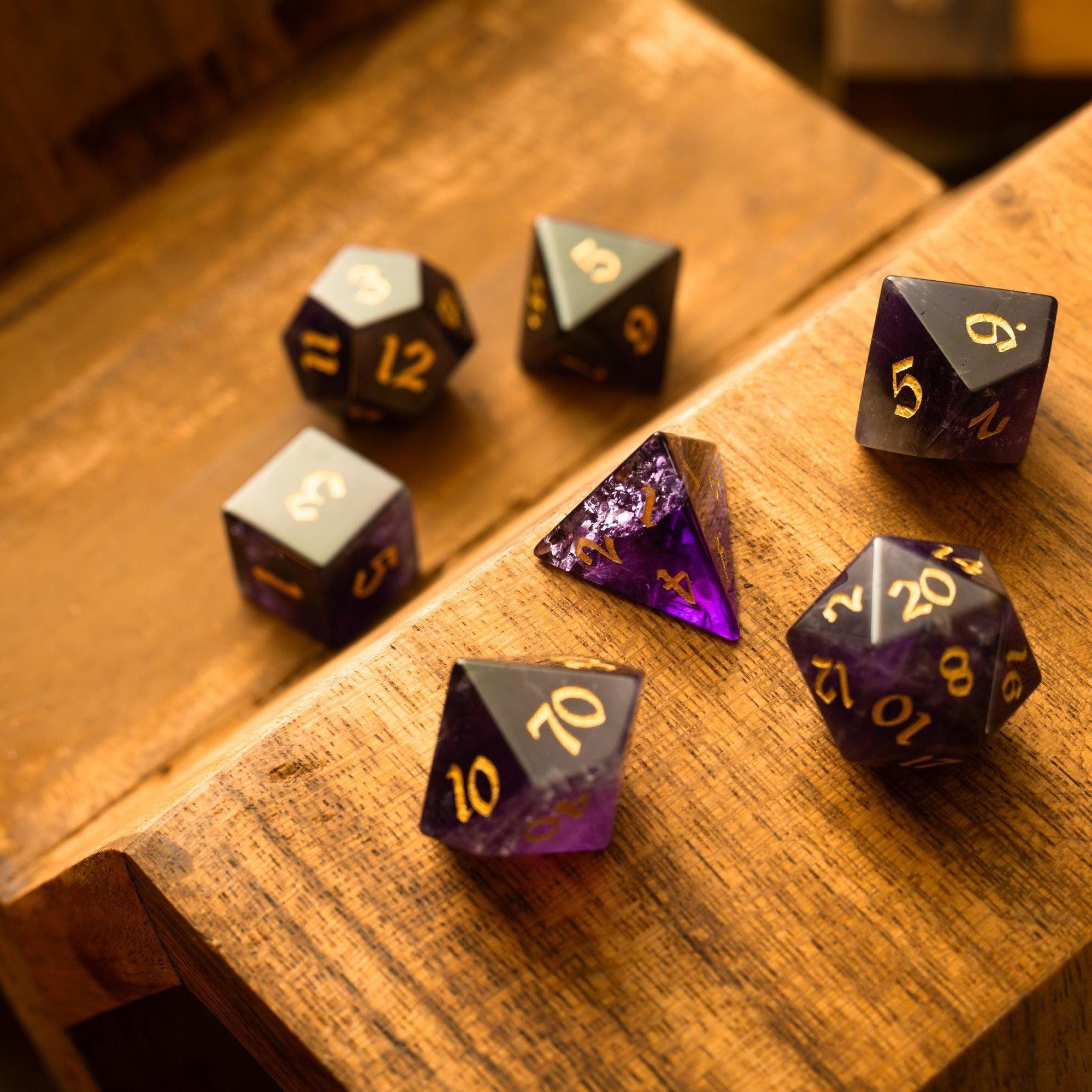
- Physical anchors: Tactile items can signal mood shifts. For example, letting players roll a vivid set from the gemstone dice collection during pivotal scenes can make moments feel special.
- Safety and comfort: A few safety tools and check-ins keep the table considerate and welcoming.
Quick Tips
- Outline three beats per session: an opening image, one meaningful choice, and a reflection.
- Write a one-sentence goal for each character that tonight’s scenes could touch.
- Use sensory notes (sound, texture, light) to set tone with minimal words.
- Frame scenes with clear stakes: what might be won, lost, or changed.
- Offer two or three approaches in every challenge (talk, explore, or act), then follow player leads.
- Keep NPC motivations simple: what they want, how they act, and what they will never do.
- Mark time gently. If the table lingers, introduce a soft countdown (closing gates, setting sun, dwindling fuel).
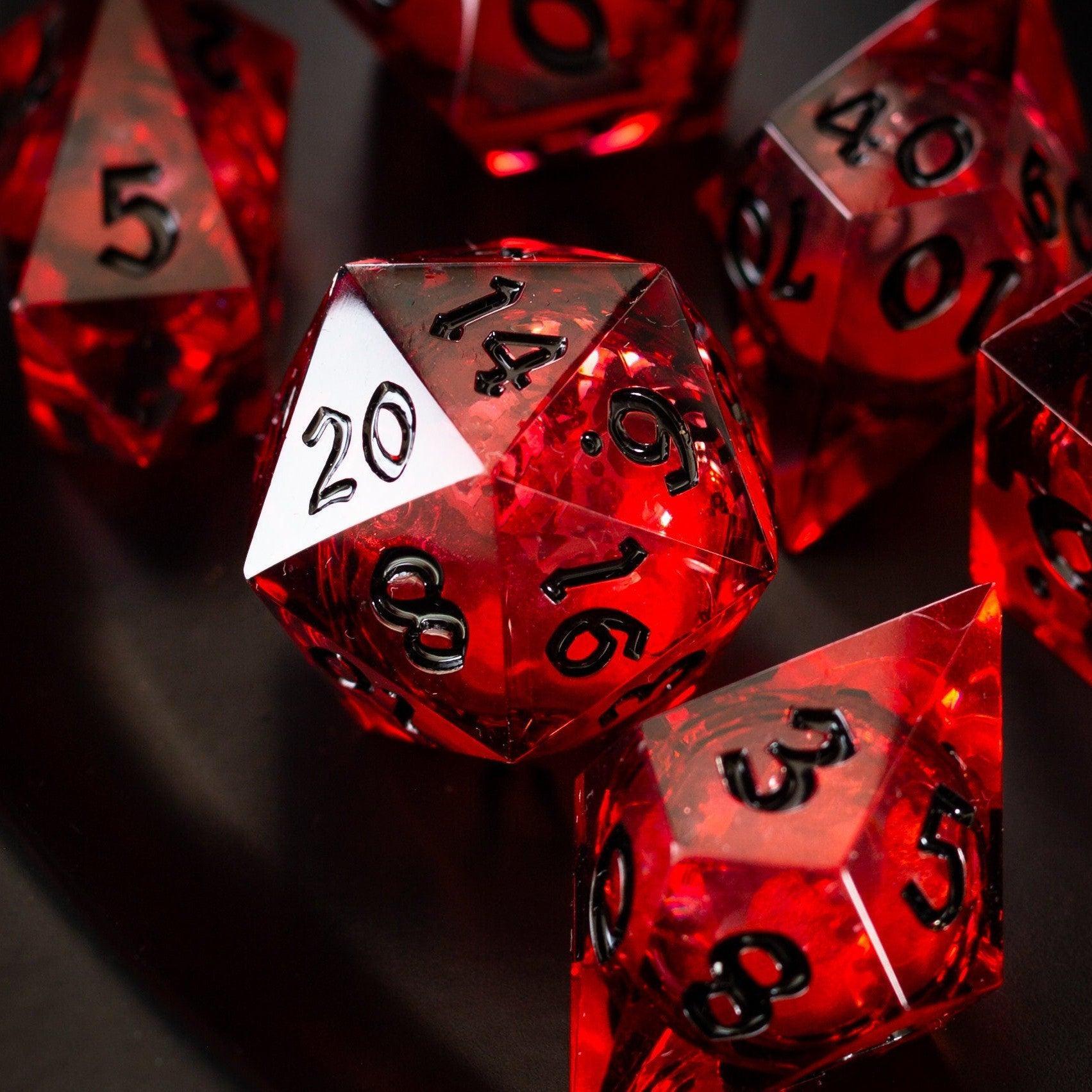
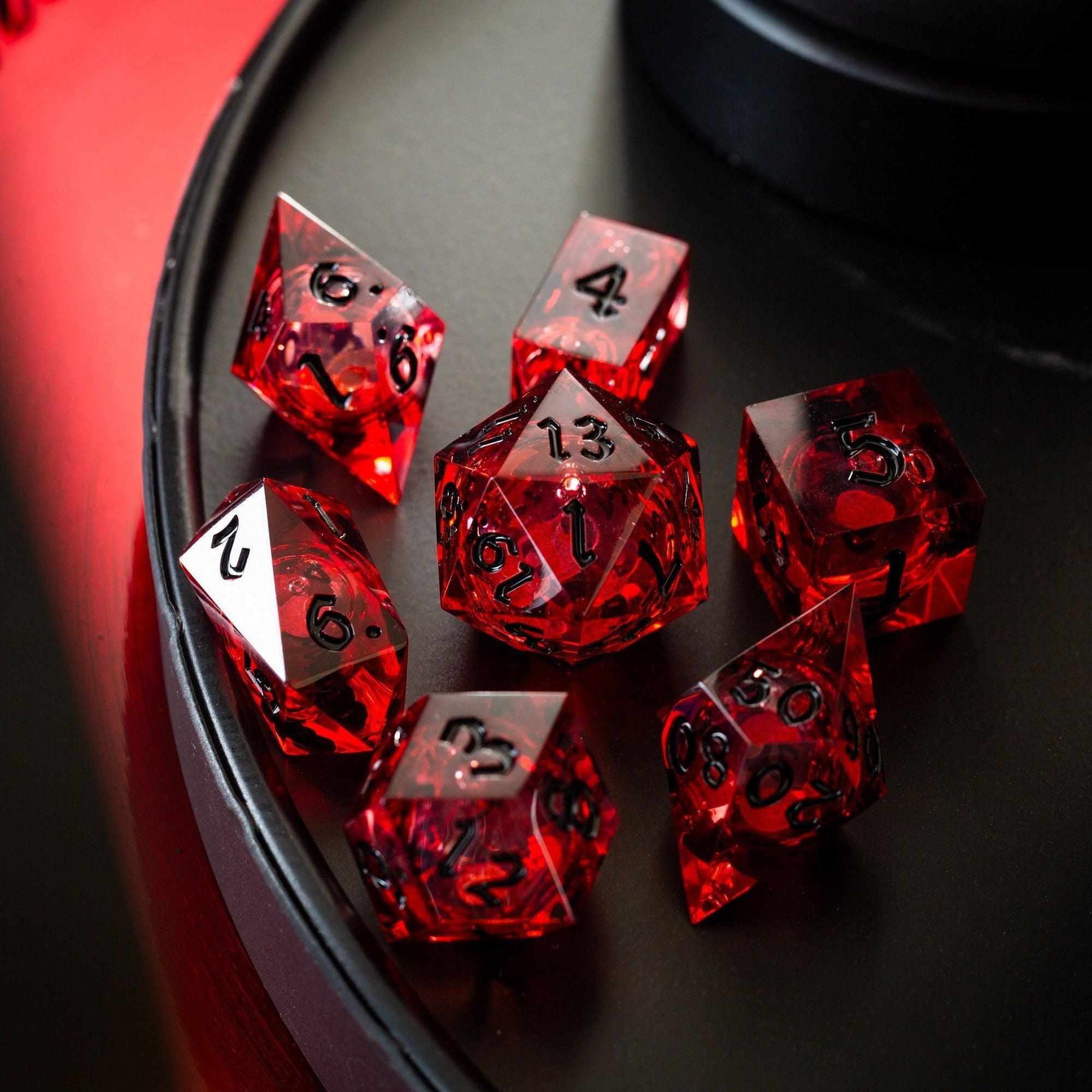
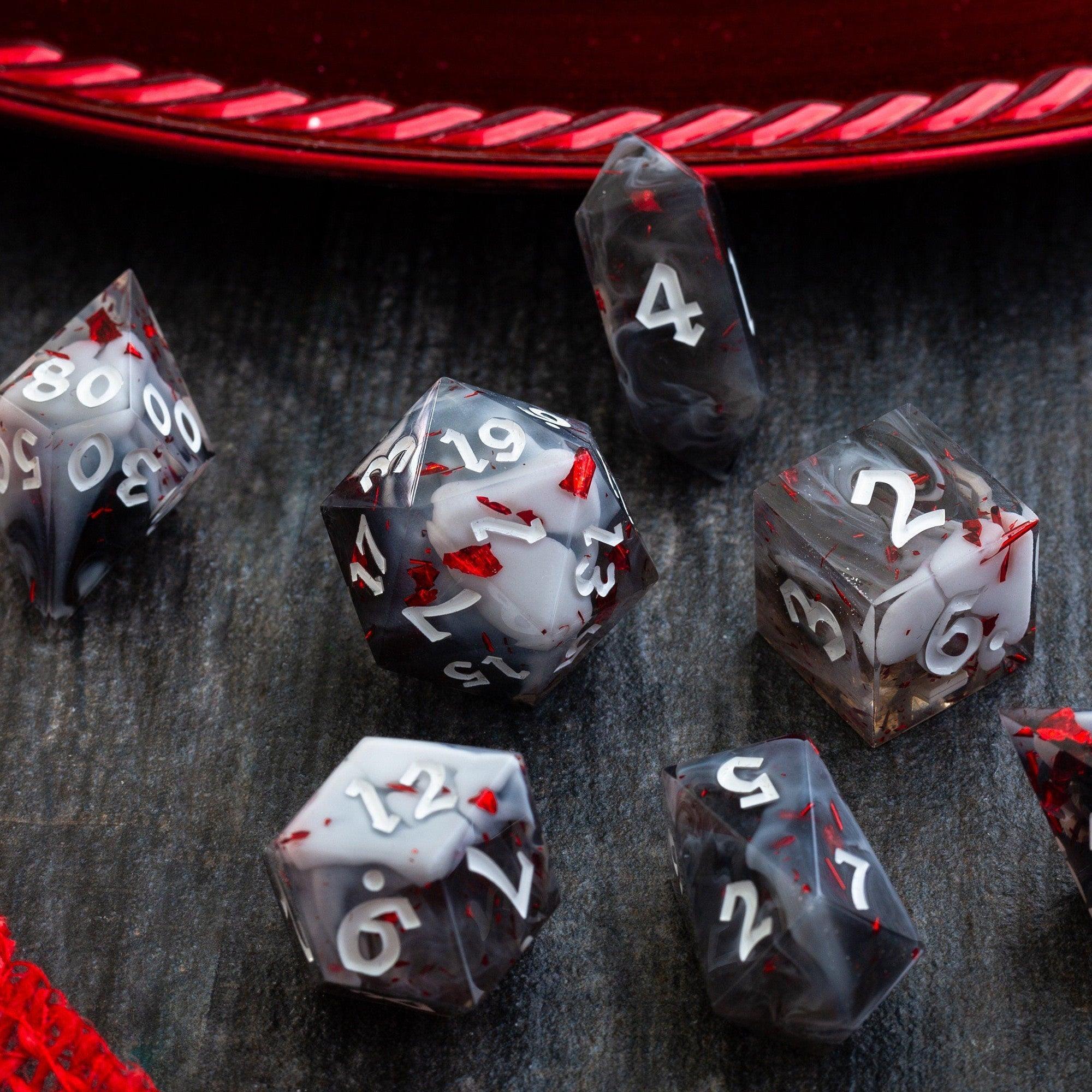
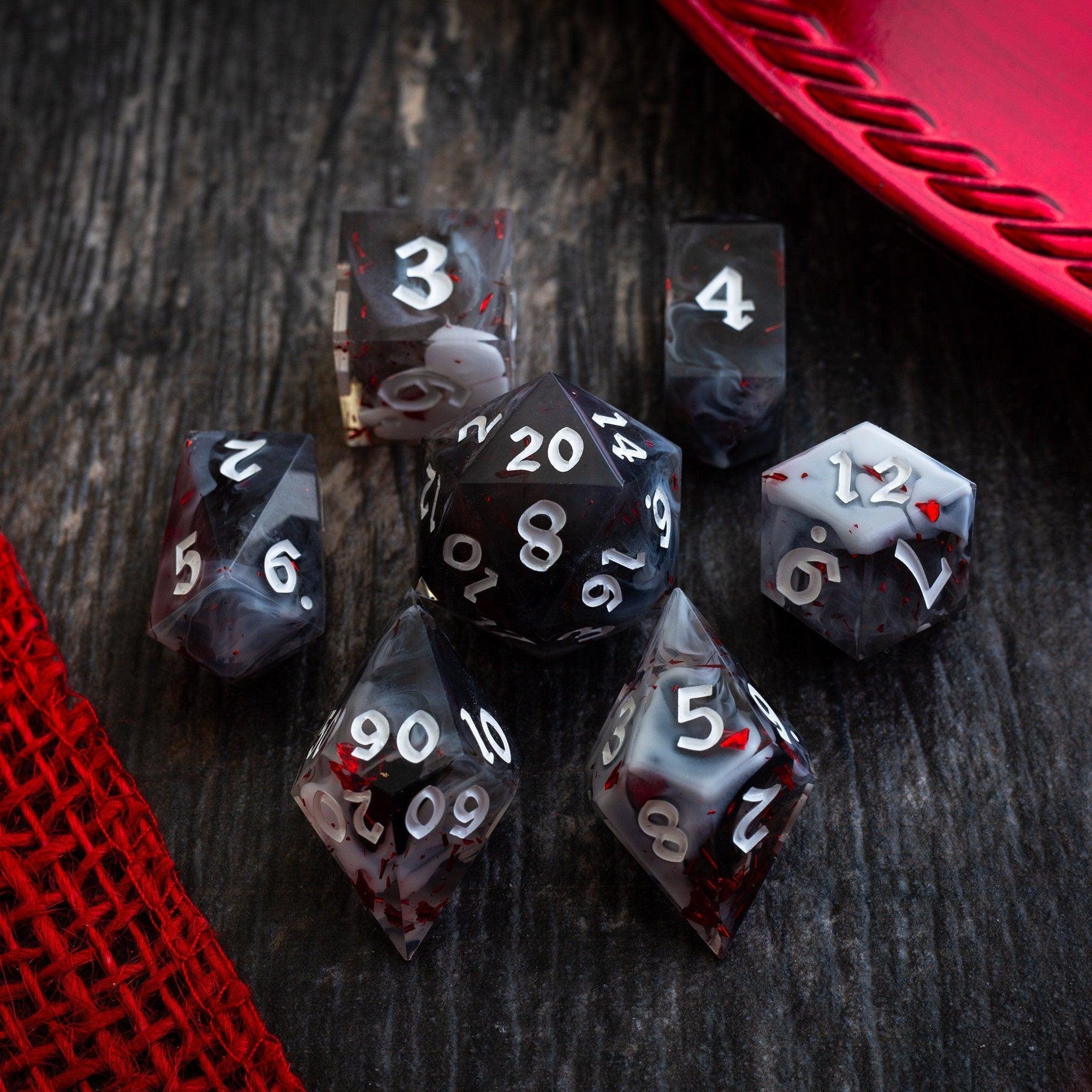
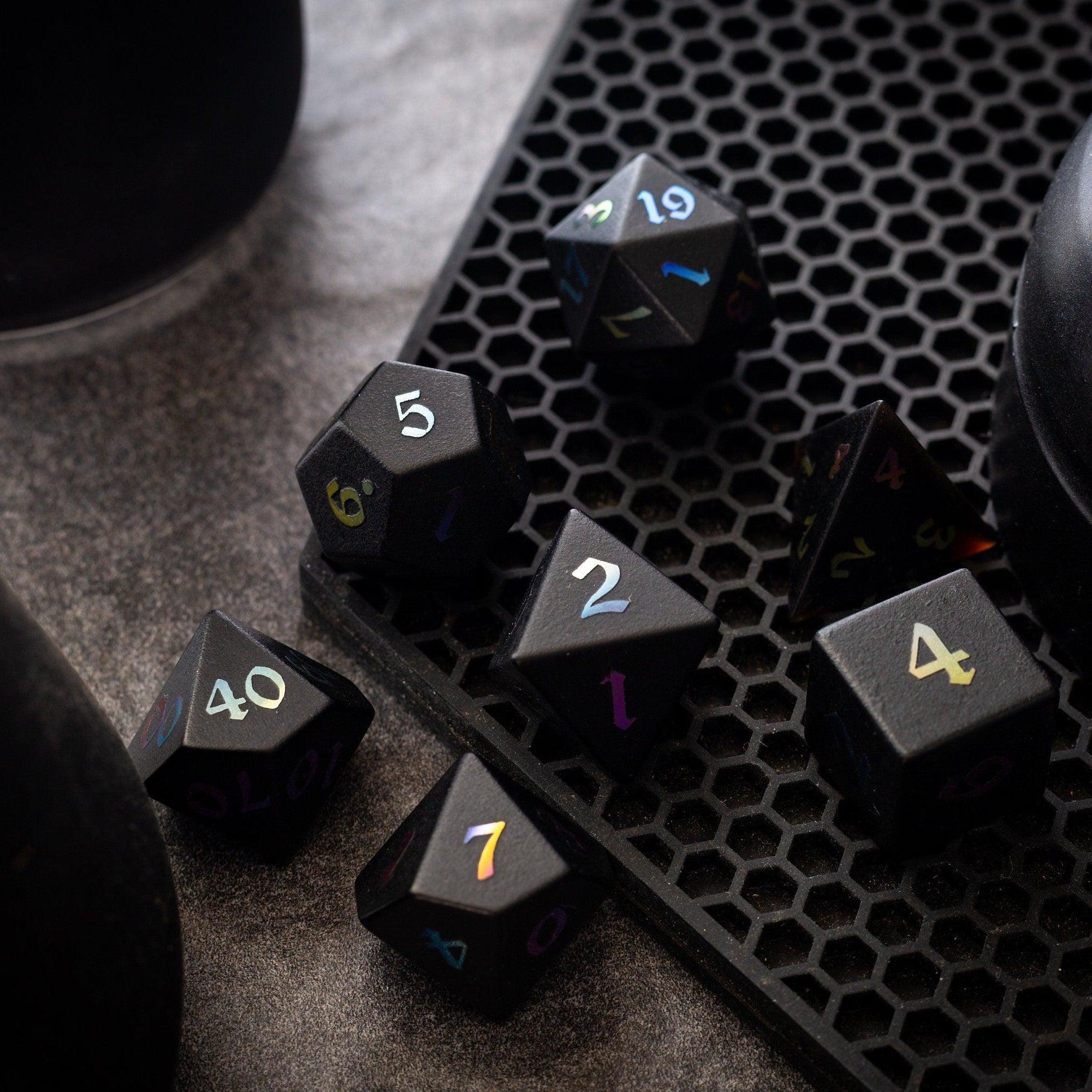
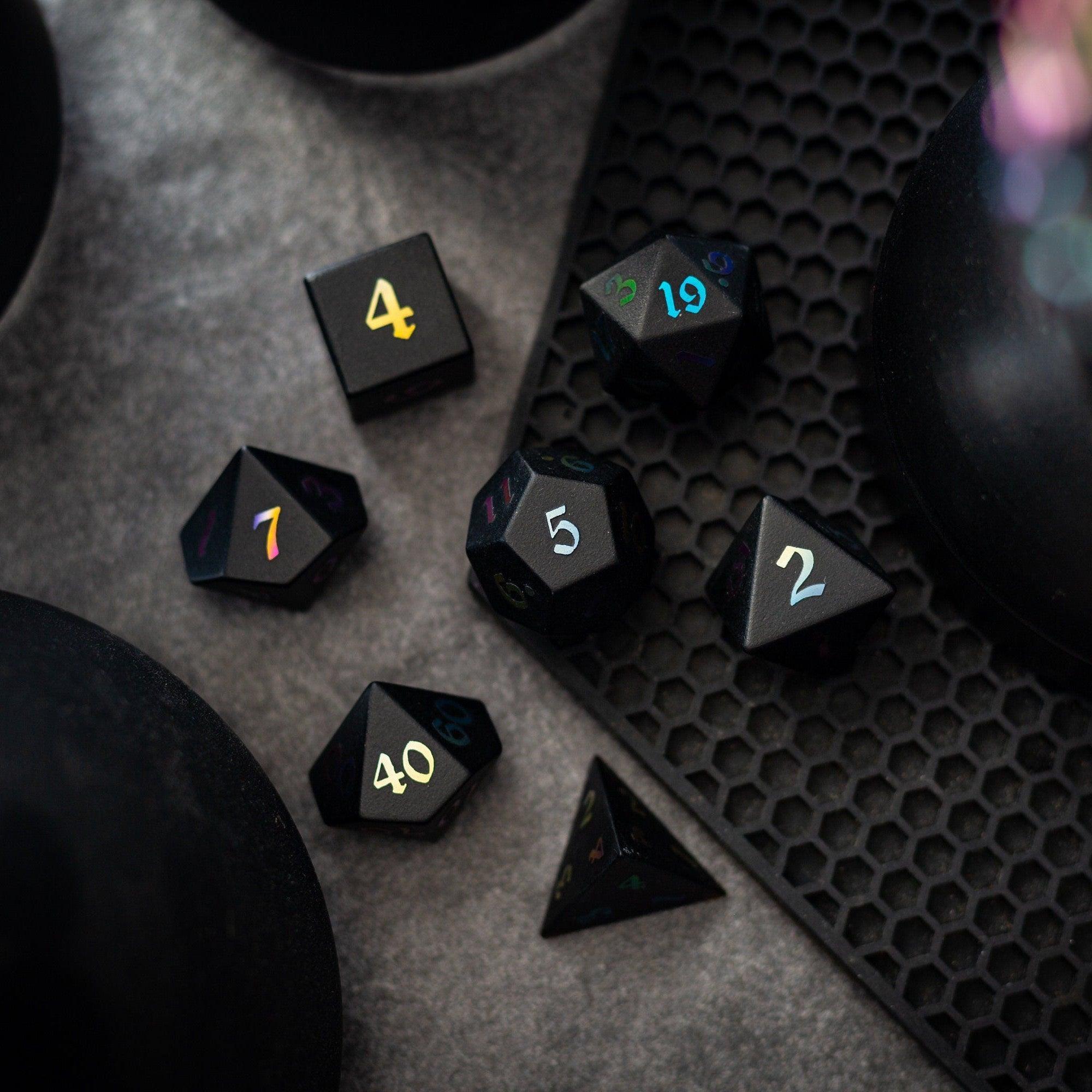
- Use props to mark pivotal beats. A thematic set like the Starlit Rift resin set can signal “important roll” moments and heighten focus.
- Color-code clues with dice or tokens. A bright option such as the dwarf-cut green glass set can represent “truths” found in the scene.
- Close every session with a short debrief: what felt good, what to adjust, and what each character wants next.
Summary & Next Steps
A gentle story framework can guide your table without narrowing choice. Begin with a vivid opening, present a meaningful decision, and end with reflection. Invite players to share goals so scenes can connect with their characters. Use small sensory details to set tone, and keep factions simple but driven. These habits create rhythm, clarity, and a welcoming table culture.
If you would like a tactile cue for key moments, consider using distinctive pieces during climactic scenes, such as a set from the liquid core dice collection. You might reserve them for final rolls, vows, or revelations to mark the gravity of the moment. Above all, stay flexible and kind. With measured preparation and collaborative play, your group can enjoy long, satisfying arcs one calm session at a time.
Q&A Section
What is narrative design in TTRPGs?
It is a set of tools that shape player experience through structure, pacing, and theme. Instead of dictating outcomes, you define stakes and create flexible beats that guide scenes. You also set up clear motivations for factions and NPCs, plus small motifs that help players remember key information. This approach keeps sessions focused while allowing surprises. If the group chooses an unexpected path, your framework still holds because it is built on goals, not scripts. When in doubt, return to what could change in the world if the party acts now or later.
How do I balance story and player freedom?
Present choices with honest consequences, then follow player intent. You may offer two or three avenues in each scene—parley, investigate, or take action—and respond to their approach. Keep a few “floating” encounters ready that can attach to any location or NPC. That way, preparation stays useful even as plans shift. It can also help to share a short session agenda at the start: goals, tone, and safety notes. With a clear frame, the party understands the shape of play, and their decisions are easier to support.
What if my group has very different play styles?
Consider rotating spotlights. Plan alternating beats that cater to exploration, social play, and tactical moments, so everyone receives attention over time. Short pre-session check-ins also help; ask each player what they hope to do tonight. If needs conflict, set expectations kindly and look for small compromises, such as dividing a session into two acts with different focuses. You can also let players propose one personal goal per arc. This gives you guidance for scene framing and offers them a sense of agency. With respectful communication, variety becomes a strength, not a difficulty.




Leave a comment
This site is protected by hCaptcha and the hCaptcha Privacy Policy and Terms of Service apply.