

Modular Rules Expansions to Deepen Tabletop RPG Play
Tabletop roleplaying games thrive because every group can shape the experience to fit its own style. Some tables enjoy tactical combat with detailed positioning, while others prefer rich storytelling, political intrigue, or long journeys across dangerous wilderness. One of the easiest ways to customize a campaign is by using modular rules expansions.
Rather than rewriting an entire game, modular rules let Game Masters introduce optional mechanics one piece at a time. Whether they come from official rulebooks, third-party supplements, or carefully tested homebrew content, these additions allow groups to explore new aspects of play without changing the foundation of the game.
The key is choosing rules that support the campaign instead of making it more complicated. When introduced thoughtfully, modular rules can create memorable adventures while keeping gameplay smooth and enjoyable for everyone.
What Are Modular Rules?
Modular rules are optional mechanics that can be added to a tabletop RPG without replacing its core system. Think of them as building blocks that enhance specific parts of gameplay.
Many tabletop RPGs, including Dungeons & Dragons, provide optional systems that groups may choose to use or ignore depending on their preferences.
Examples include:
-
Advanced combat options
-
Expanded crafting mechanics
-
Detailed travel systems
-
Downtime activities
-
Reputation tracking
-
Survival mechanics
-
Alternate character progression
These systems exist alongside the core rules rather than replacing them.
It is also helpful to understand where these rules come from.
Official Optional Rules
These are published by the game's creators and are generally designed to work alongside the existing rules. Examples include optional combat rules, downtime activities, and alternate character creation methods found in official D&D books.
Third-Party Rules Expansions
Independent publishers often create additional systems that focus on areas such as kingdom management, naval adventures, crafting, or exploration. These supplements may require more testing to ensure they fit your campaign.
Homebrew Rules
Homebrew content is created by Game Masters or players. Some homebrew rules solve small problems at a specific table, while others introduce entirely new mechanics. Because they have not gone through official playtesting, they usually benefit from careful review before becoming permanent additions.
Why Add Optional Rules Gradually?
A common mistake is introducing several new mechanics at once. While every rule may sound exciting on paper, players can quickly become overwhelmed if they must learn multiple systems during the same session.
Adding modular rules gradually offers several advantages.
Easier Learning
Players only need to understand one new mechanic at a time.
Better Feedback
The group can discuss whether the new system improves gameplay before adding another.
Faster Sessions
Core gameplay remains familiar while everyone adjusts to the optional rules.
Greater Flexibility
If a rule does not work well, it can be removed without affecting the rest of the campaign.
Starting small also helps the Game Master identify which additions genuinely improve the experience instead of simply increasing complexity.
Popular Areas for Modular Rules Expansions
One of the strengths of modular rules is that they can focus on the parts of the game your group enjoys most.
Expanded Combat
Combat often receives the most optional support because many groups enjoy tactical battles.
Optional combat systems may include:
-
Flanking variants
-
Called shots
-
Alternate initiative methods
-
Morale systems
-
Lingering injuries
-
Weapon properties
-
Advanced cover rules
Groups using additional combat conditions may find condition rings especially helpful for tracking ongoing effects without repeatedly checking character sheets. Visible reminders keep everyone focused on the action rather than searching for forgotten status effects.
Exploration
Exploration rules can make the world feel larger and more rewarding.
Possible additions include:
-
Navigation challenges
-
Weather effects
-
Hex crawling
-
Mapping procedures
-
Random discoveries
-
Environmental hazards
These mechanics encourage players to think beyond combat while making travel feel like its own adventure.
Crafting
Many players enjoy creating equipment between adventures.
Crafting systems often include:
-
Gathering materials
-
Item recipes
-
Crafting time
-
Specialized tools
-
Rare components
-
Improved equipment options
Some campaigns only need simple crafting, while others enjoy detailed progression that rewards long-term planning.
Downtime
Not every session revolves around dangerous quests.
Downtime rules let characters:
-
Train new skills
-
Research forgotten lore
-
Build businesses
-
Craft equipment
-
Develop relationships
-
Earn income
-
Manage organizations
These mechanics help characters grow even when they are not exploring dungeons.
Travel and Survival
Long journeys become more meaningful when travel involves real decisions.
Optional travel rules may include:
-
Food and water management
-
Fatigue
-
Campsite selection
-
Weather hazards
-
Mount care
-
Supply tracking
These systems work especially well in wilderness campaigns but may feel unnecessary in adventures focused on cities.
Social Encounters
Roleplaying-focused groups often enjoy mechanics that support diplomacy and intrigue.
Optional social systems may introduce:
-
Reputation
-
Influence points
-
Faction relationships
-
Court politics
-
Negotiation challenges
-
Long-term alliances
Rather than replacing roleplaying, these mechanics provide structure for important conversations and political storylines.
Choosing Rules That Match Your Group
Not every optional rule belongs in every campaign.
Before introducing new mechanics, ask a few simple questions.
-
What parts of the game does the group enjoy most?
-
Which activities feel too simple?
-
Which parts already take too long?
-
Are players asking for greater realism or faster gameplay?
-
Will the rule encourage more interesting decisions?
For example:
A dungeon-heavy campaign might benefit from tactical combat and exploration systems.
A political campaign may gain more from reputation mechanics and social encounters.
A survival campaign can shine with weather, supplies, and travel management.
The goal is not to use the largest number of rules. The goal is choosing the right ones.
Modular Rules Comparison Table
| Rule Expansion | Primary Purpose | Complexity | Best For |
|---|---|---|---|
| Advanced Combat | More tactical battles | Medium | Combat-heavy campaigns |
| Exploration Systems | Reward discovery and navigation | Medium | Wilderness adventures |
| Crafting Rules | Create equipment and items | Low to Medium | Long campaigns |
| Downtime Activities | Character growth between adventures | Low | Story-driven campaigns |
| Travel & Survival | Make journeys meaningful | Medium | Exploration campaigns |
| Social Mechanics | Support diplomacy and politics | Low to Medium | Roleplay-focused groups |
| Kingdom Management | Run organizations or settlements | High | Epic campaigns |
| Homebrew Character Progression | Customize advancement | Varies | Experienced groups comfortable with testing |
Keeping Additional Mechanics Balanced
Every new rule increases the number of decisions players must make.
That is not automatically a problem, but balance should always remain a priority.
Helpful guidelines include:
-
Introduce only one major system at a time.
-
Test rules for several sessions before making them permanent.
-
Remove mechanics that slow the game.
-
Avoid giving one character significantly more opportunities than others.
-
Watch for rules that accidentally make existing class abilities less valuable.
Balance is not only about numbers. It also includes pacing, player engagement, and fairness.
For example, if an expanded crafting system gives one player twenty minutes of solo activity every session, the rest of the table may lose interest.
Likewise, if combat gains several new status effects, organized play becomes even more important. Rolling in a dice tower can help keep turns moving consistently, while a dice tray keeps extra dice, tokens, and markers contained when additional mechanics introduce more pieces to manage.
Introducing Modular Rules During an Ongoing Campaign
You do not need to start a brand-new campaign to use modular rules.
Instead, introduce them naturally as the story develops.
Examples include:
-
A blacksmith teaches advanced crafting.
-
A military academy introduces tactical combat techniques.
-
Characters enter an unexplored wilderness where survival becomes important.
-
A kingdom recognizes the party's growing reputation.
Connecting new mechanics to the story helps players accept them more naturally.
Avoid introducing multiple systems during the same session unless they are extremely simple.
Communicating Rule Changes with Players
Good communication prevents confusion.
Before using a new rule, explain:
-
Why you are adding it.
-
What problem it solves.
-
How it works.
-
Whether it is temporary or permanent.
-
When the group will review it again.
Many Game Masters discuss optional systems during Session Zero, but ongoing campaigns can benefit from regular check-ins as well.
Encourage honest feedback.
Sometimes the best decision is removing a rule that sounded exciting but does not improve actual gameplay.
Common Mistakes When Adding Too Many Systems
More mechanics do not automatically create deeper campaigns.
Watch out for these common problems.
Expanding Everything at Once
Adding combat, crafting, survival, kingdom management, and social mechanics simultaneously can overwhelm even experienced players.
Ignoring Player Preferences
Some groups love tactical depth.
Others simply want faster adventures.
Listen to what your players enjoy.
Keeping Unpopular Rules
If everyone forgets a mechanic or avoids using it, consider removing it.
Adding Complexity Without Purpose
Every new rule should solve a problem or improve a specific part of the campaign.
Skipping Playtesting
Homebrew mechanics often need adjustment after several sessions.
Treat them as experiments instead of permanent additions.
Quick Checklist for Introducing Modular Rules Successfully
Before adding a new optional system, ask yourself:
-
Does this support our campaign's style?
-
Have I explained it clearly?
-
Will it improve player decisions?
-
Can everyone learn it quickly?
-
Have I introduced only one major system?
-
Will I ask for player feedback?
-
Am I willing to remove it if it does not work?
A simple checklist helps prevent unnecessary complexity while keeping the campaign flexible.
Building a Better Game One Rule at a Time
The best modular rules are the ones your players actually enjoy using. Some groups will appreciate deeper combat tactics, while others will remember the campaign because of meaningful travel, engaging downtime, or memorable political negotiations. There is no single combination that works for every table.
Official optional rules provide a reliable starting point, third-party RPG rules expansions can introduce fresh ideas, and carefully tested RPG homebrew rules allow Game Masters to tailor their worlds even further. The important thing is to treat every addition as a tool rather than a requirement.
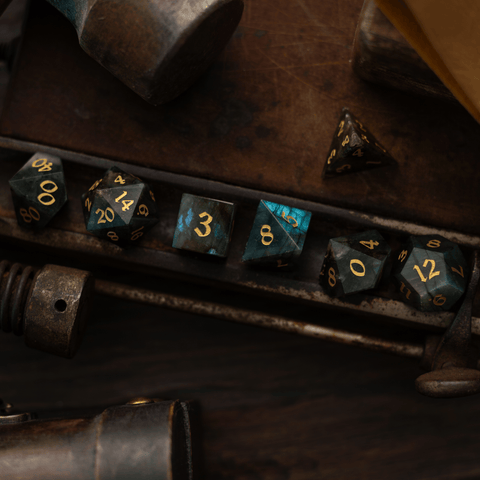
As your campaign grows, revisit your tabletop RPG mechanics regularly. Keep the systems that create interesting choices, refine the ones that need adjustment, and set aside those that add more bookkeeping than enjoyment. Organized tables also become more valuable as campaign customization increases. Premium resin, gemstone, or metal dice make frequent rolling satisfying, while accessories such as dice trays help keep expanded gameplay tidy without distracting from the adventure.
By adding modular rules thoughtfully, communicating openly with players, and remaining flexible, Game Masters can create campaigns that feel richer without losing the simplicity and excitement that make tabletop RPG rules so enjoyable in the first place.



















Leave a comment
This site is protected by hCaptcha and the hCaptcha Privacy Policy and Terms of Service apply.