

Alchemist Artificer Guide for Beginners: Mastering the Alchemist in D&D 5e

The Alchemist Artificer is a support-focused Dungeons & Dragons subclass built around magical elixirs, healing, and practical inventions. First published in Eberron: Rising from the Last War and later in Tasha's Cauldron of Everything, it received updated rules in Eberron: Forge of the Artificer in 2025.
For D&D games using the updated 5.5e rules in 2026, this version offers more elixirs, improved effects, and new higher-level abilities. You won't usually deal as much damage as a dedicated attacker, but you can keep allies standing and help prevent problems before combat begins.
Why Play an Alchemist?
- Healing and Buffing: Restore Hit Points, improve defenses, and help teammates make important rolls.
- Versatile Elixirs: Prepare mixtures that provide healing, extra movement, protection, or temporary flight.
- Flavorful Roleplay: Play a traveling physician, potion brewer, or curious magical botanist.
Choose this subclass if you enjoy planning ahead, supporting friends, and finding unusual solutions with limited resources.
Alchemist Artificer Features
Level 3: Tools of the Trade
You gain proficiency with Alchemist's Supplies and the Herbalism Kit. If you already know one, you can choose another eligible Artisan's Tools proficiency. You also take half the normal time to brew potions under the Dungeon Master's Guide crafting rules.
Level 3: Experimental Elixir
After each Long Rest, you make two elixirs and roll separately to determine their effects. You know those results before anyone drinks them. Your free daily supply increases to three elixirs at level 5, four at level 9, and five at level 15.
Possible effects include:
- Healing: Restore 2d8 plus your Intelligence modifier in Hit Points, improving to 3d8 at level 9 and 4d8 at level 15.
- Swiftness: Increase Speed by 10 feet for one hour, with larger bonuses at higher levels.
- Resilience: Grant +1 AC for 10 minutes, lasting longer as you level up.
- Boldness: Add 1d4 to attack rolls and saving throws for a limited duration.
- Flight: Gain a 10-foot Fly Speed for 10 minutes, improving at higher levels.
- Choice: On a roll of 6, choose one of the other five effects.
Drinking an elixir, or giving one to another creature within 5 feet, takes a Bonus Action. To make an additional elixir with a chosen effect, spend a spell slot and take a Magic action while holding your supplies. Unused elixirs vanish when you finish your next Long Rest. These benefits do not require Concentration, making them useful alongside your spells.
Level 5: Alchemical Savant
When you cast a spell using Alchemist's Supplies as your focus, add your Intelligence modifier (minimum +1) to one qualifying healing roll or Acid, Fire, or Poison damage roll. This makes Cure Wounds and Fire Bolt stronger. Unlike some older rules, Necrotic damage does not qualify.
Level 9: Restorative Reagents
You can cast Lesser Restoration without a spell slot or preparing it, using Alchemist's Supplies as your focus. You get uses equal to your Intelligence modifier, minimum one, and regain them after a Long Rest. The revised feature does not give temporary Hit Points when someone drinks an elixir.
Level 15: Chemical Mastery
- Gain Resistance to Acid and Poison damage and Immunity to the Poisoned condition.
- Deal an extra 2d8 Force damage to one target of an Artificer spell dealing Acid, Fire, or Poison damage, once on each of your turns.
- Cast Tasha's Bubbling Cauldron once per Long Rest without a spell slot or material components, using Alchemist's Supplies as your focus.
Best Races for Alchemist Artificer
The updated rules call these choices species. Your background generally provides ability score increases, so choose a species for useful traits and character concept rather than a fixed Intelligence bonus.
- Human: An additional Origin feat offers more flexibility.
- Rock Gnome: Thematic tinkering abilities suit a magical inventor.
- High Elf: Extra magical options provide helpful utility.
- Tiefling: Magical traits and resistance add defensive possibilities.
Prioritize Intelligence for spells and subclass features, followed by Constitution for durability and Dexterity for defense. A beginner-friendly target is Intelligence 16, Constitution 14, and Dexterity 14, if your ability scores allow it.
Best Spells for Alchemist Artificer
Core Spell Picks
Early Game
- Cure Wounds: Restore an ally's Hit Points at touch range.
- Faerie Fire: Help allies land attacks against affected creatures.
- Healing Word: Bring an injured ally back into the fight from a distance with a Bonus Action.
Mid Game
- Lesser Restoration: End certain harmful conditions.
- Aid: Increase the party's durability before danger.
- Web: Control a passage or restrain enemies.
Late Game
- Death Ward: Help protect an ally from a potentially fatal hit.
- Vitriolic Sphere: Damage groups of enemies with Acid.
- Cloudkill: Create an area of dangerous poisonous gas.
- Raise Dead: Bring a deceased creature back if its conditions are met.
Alchemist subclass spells are always prepared at specific Artificer levels: Healing Word and Ray of Sickness at 3, Flaming Sphere and Melf's Acid Arrow at 5, Gaseous Form and Mass Healing Word at 9, Death Ward and Vitriolic Sphere at 13, then Cloudkill and Raise Dead at 17.
Spell strategy: Use battlefield control to stop damage before it happens, save healing for urgent situations, and remember you can concentrate on only one spell at a time. A Bonus Action spell and a Bonus Action elixir also compete for the same action on your turn.
Playing as an Alchemist
Your Role in the Party
Stay close enough to support allies, but avoid standing beside enemies without a reason. Before entering a dangerous room, ask who would benefit from extra AC, Speed, or flight. During a fight, decide whether an ally needs healing now or whether controlling enemies would do more good.
Tips for New Alchemist Players
- Roll and record your elixir effects after each Long Rest.
- Give allies suitable elixirs before a fight when timing allows.
- Track Bonus Actions so they do not conflict with Healing Word.
- Protect Concentration and use replicated magic items to support your team.
Roleplay Ideas for Your Alchemist
An eccentric brewer might label every flask with strange symbols. A field medic could document treatments after each adventure. A curious botanist may search ruins and forests for plants that inspire new experiments.
Gear and Dice Recommendations
Best Equipment for Alchemists
- Weapons: A light crossbow works as a backup, though damaging cantrips often fit better.
- Armor: Medium armor and a shield help you survive while supporting allies.
- Magic Items: The updated Artificer uses Replicate Magic Item instead of Infuse Item. A Wand of the War Mage +1 or Shield +1 can be useful when available through your plans.
Alchemist Dice Recommendations
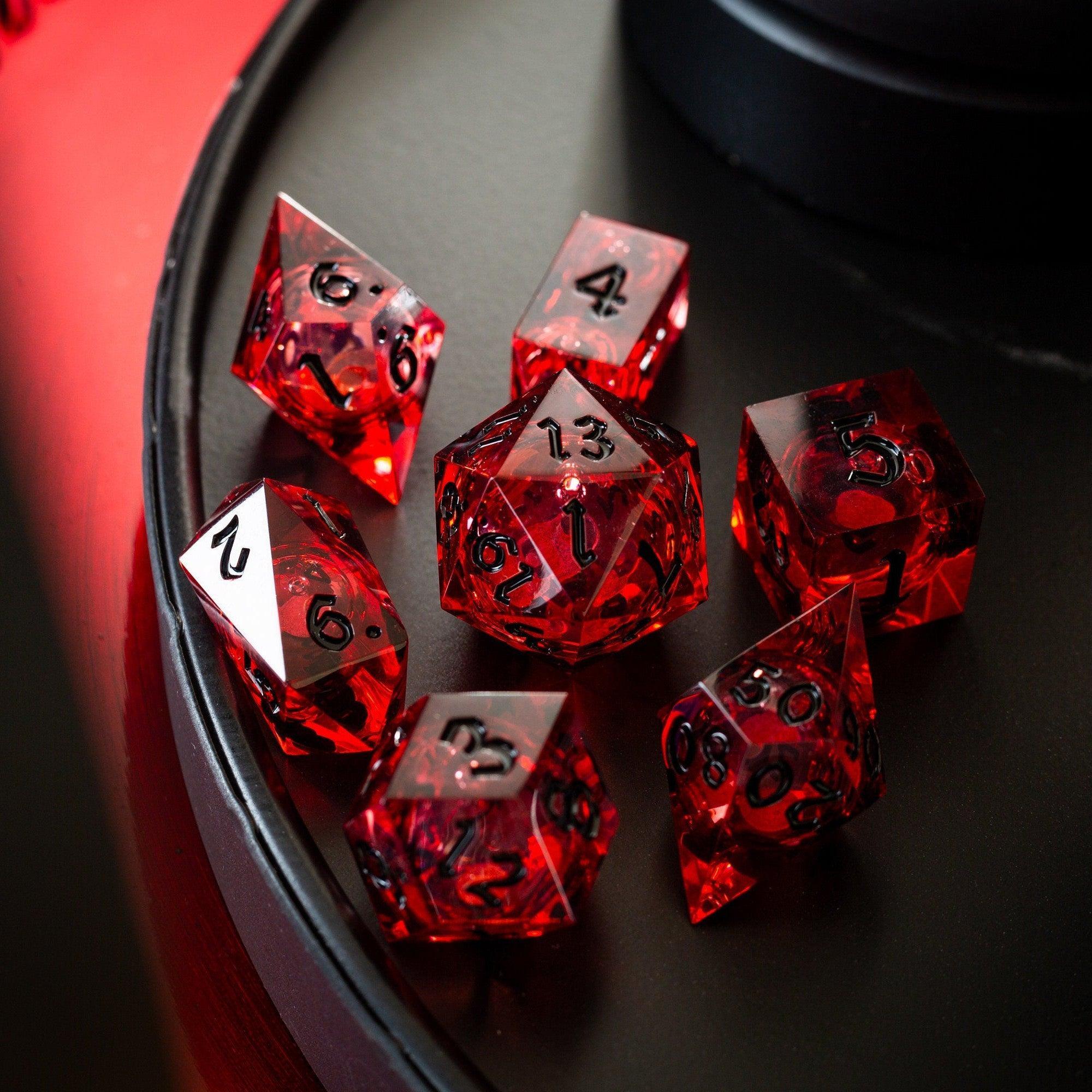
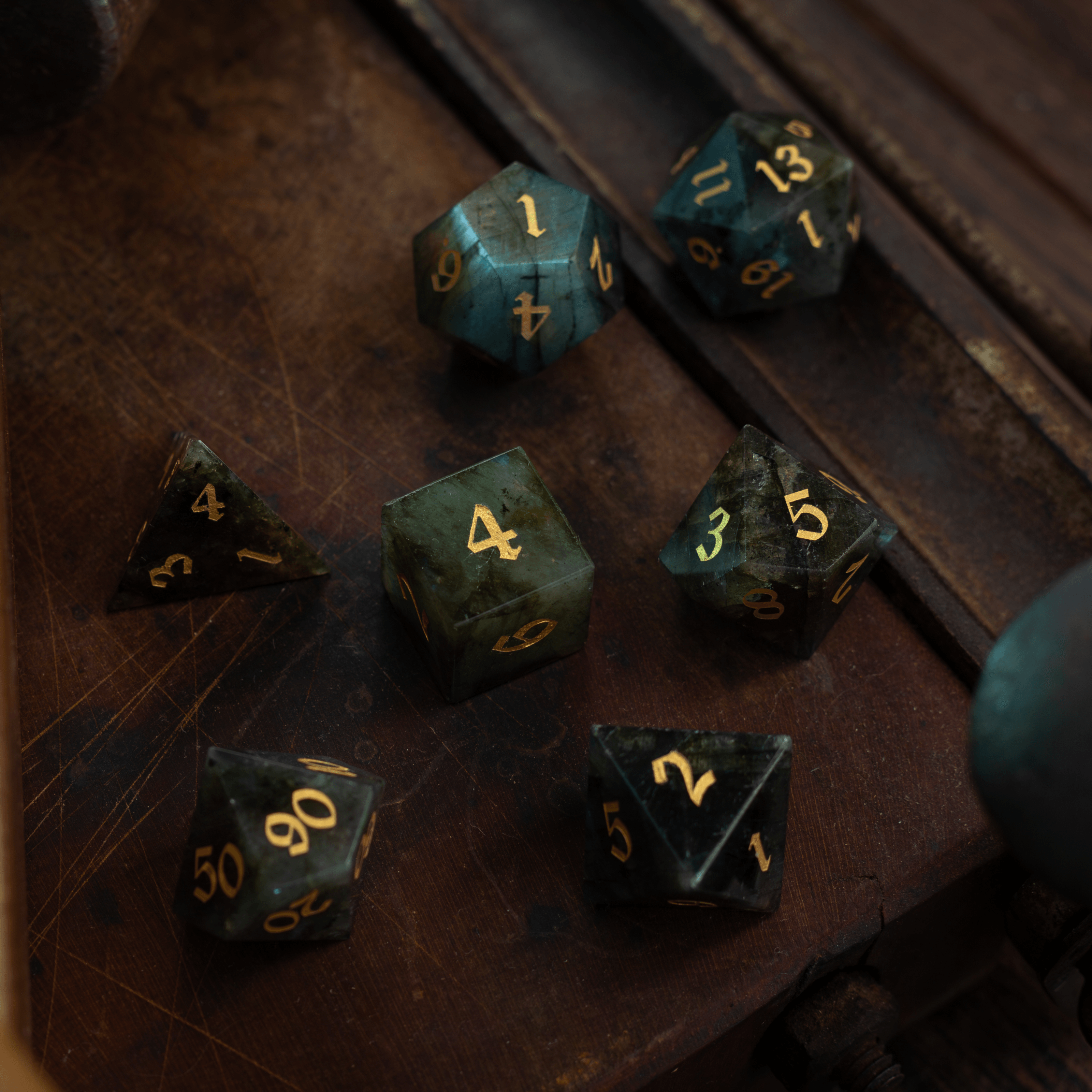
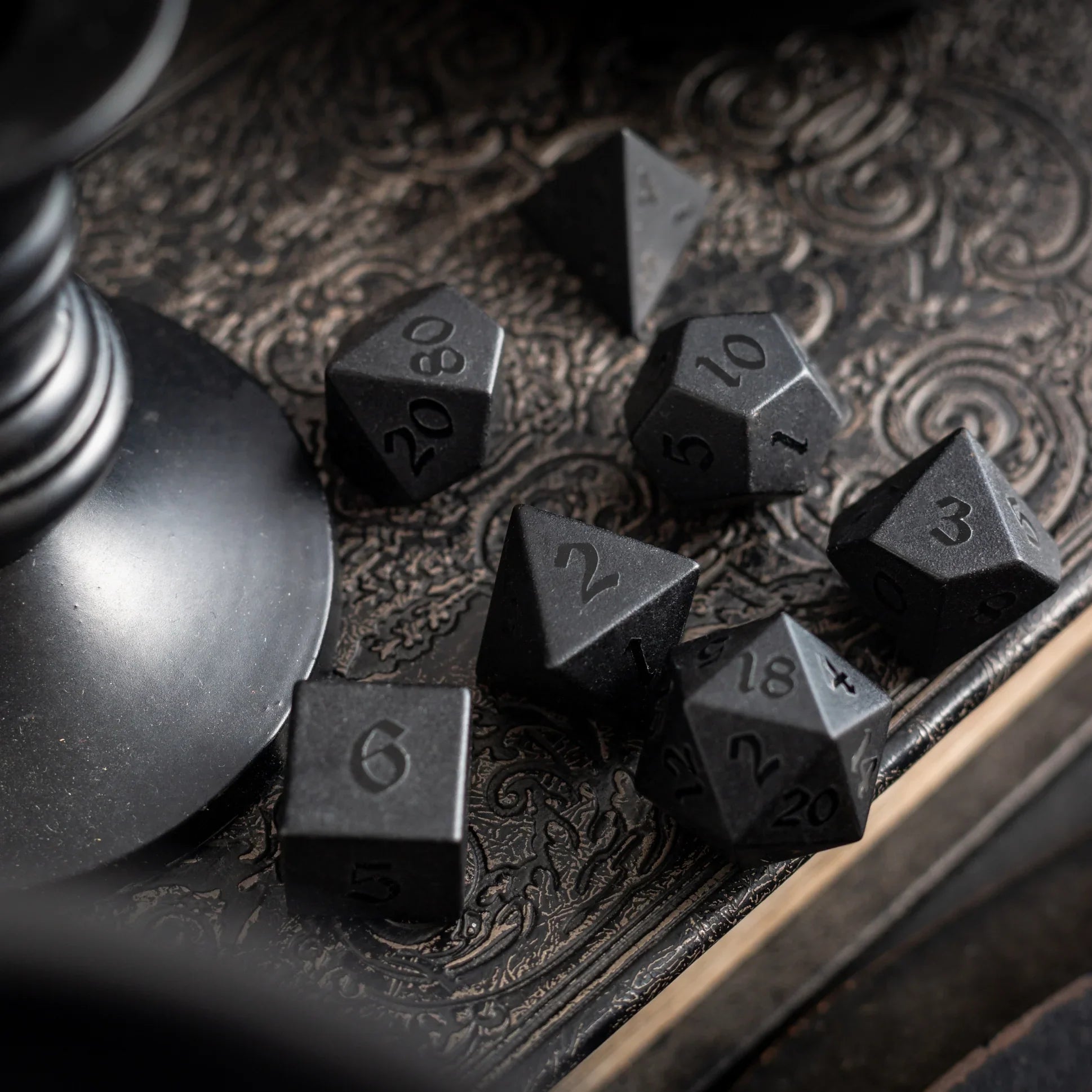
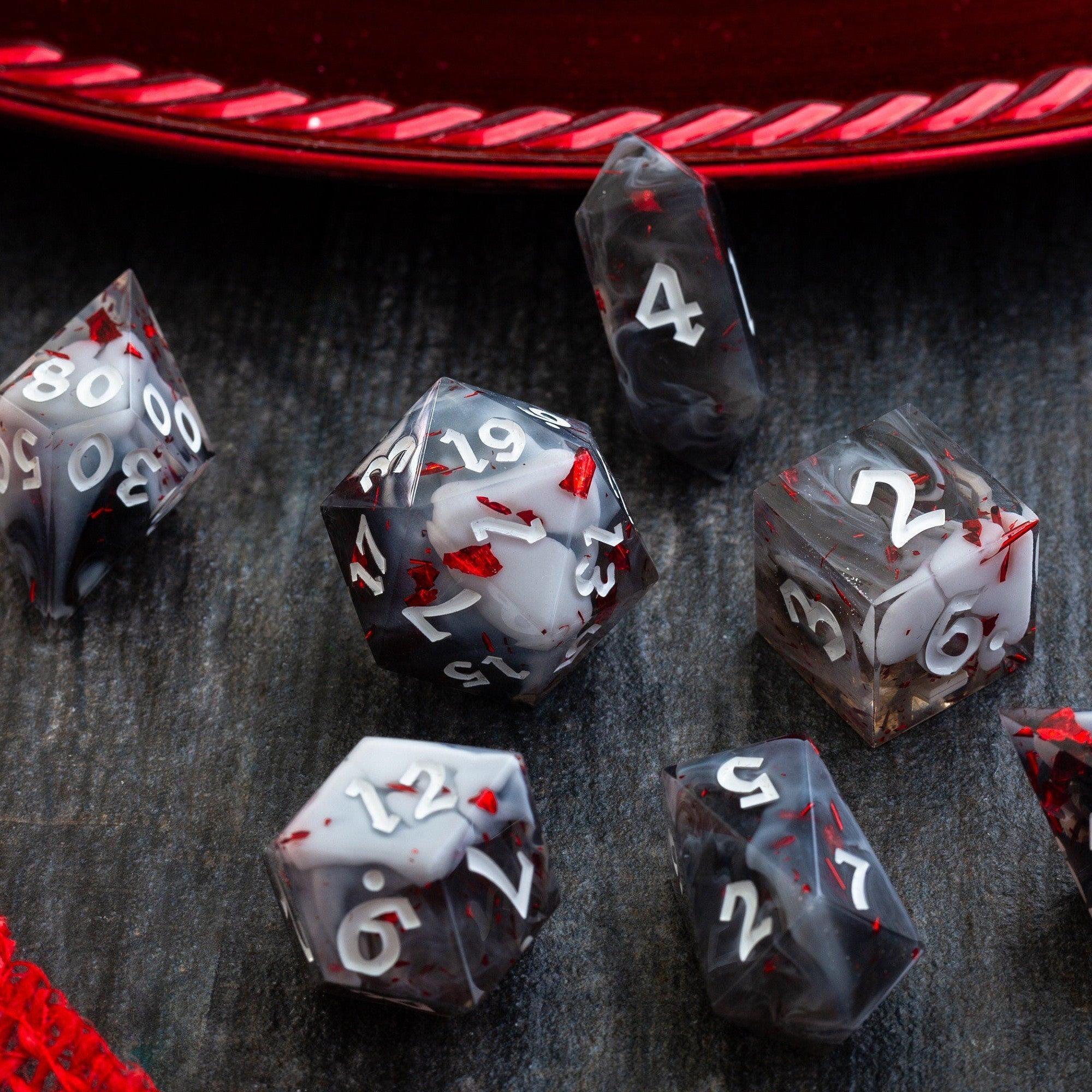
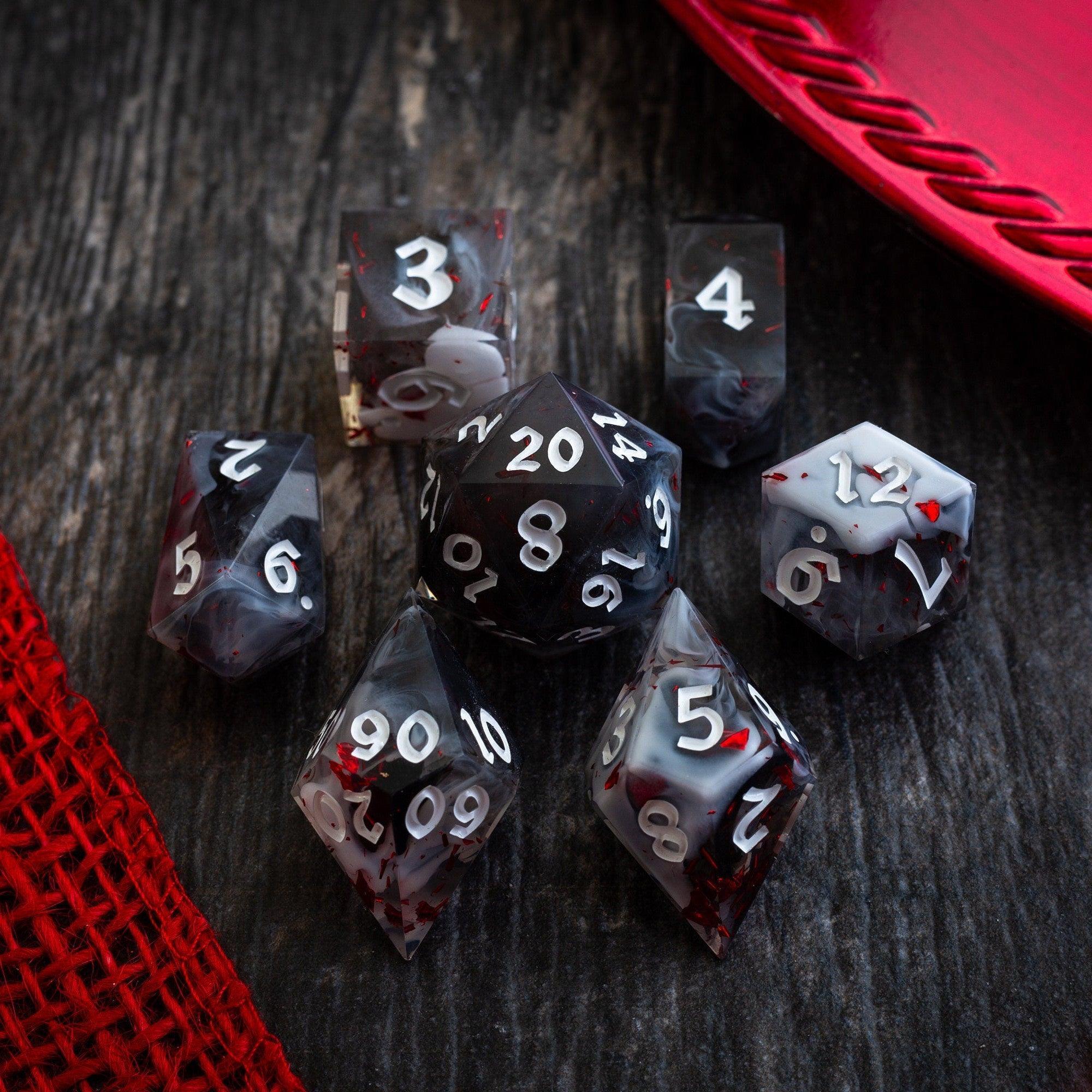
As an Alchemist, your dice should reflect experimentation, unpredictability, and the spark of invention. Choosing the right DND dice sets adds to the fun of brewing potions, casting support spells, and testing your magical concoctions.
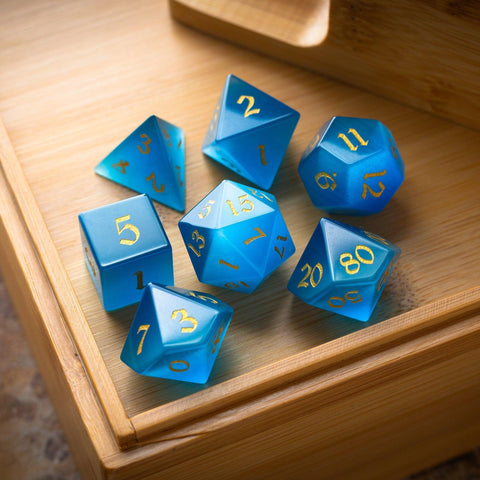
Mystic Blue Brew
Gemstone Light Blue Cat’s Eye DND Dice Set – With a shimmering, polished surface, these hand-carved dice capture the calm, calculated magic of a master potion-maker. The ethereal glow of the Cat’s Eye stone mirrors the swirling mysteries inside your alchemical vials.
Emerald Elixir Essence
Green Zircon Glass DND Dice Set – Vivid and vibrant, these green glass dice evoke the bubbling power of jungle elixirs and rejuvenating potions. Their raised, hand-carved design adds an organic feel, perfect for an alchemist who draws power from both nature and arcane chemistry.
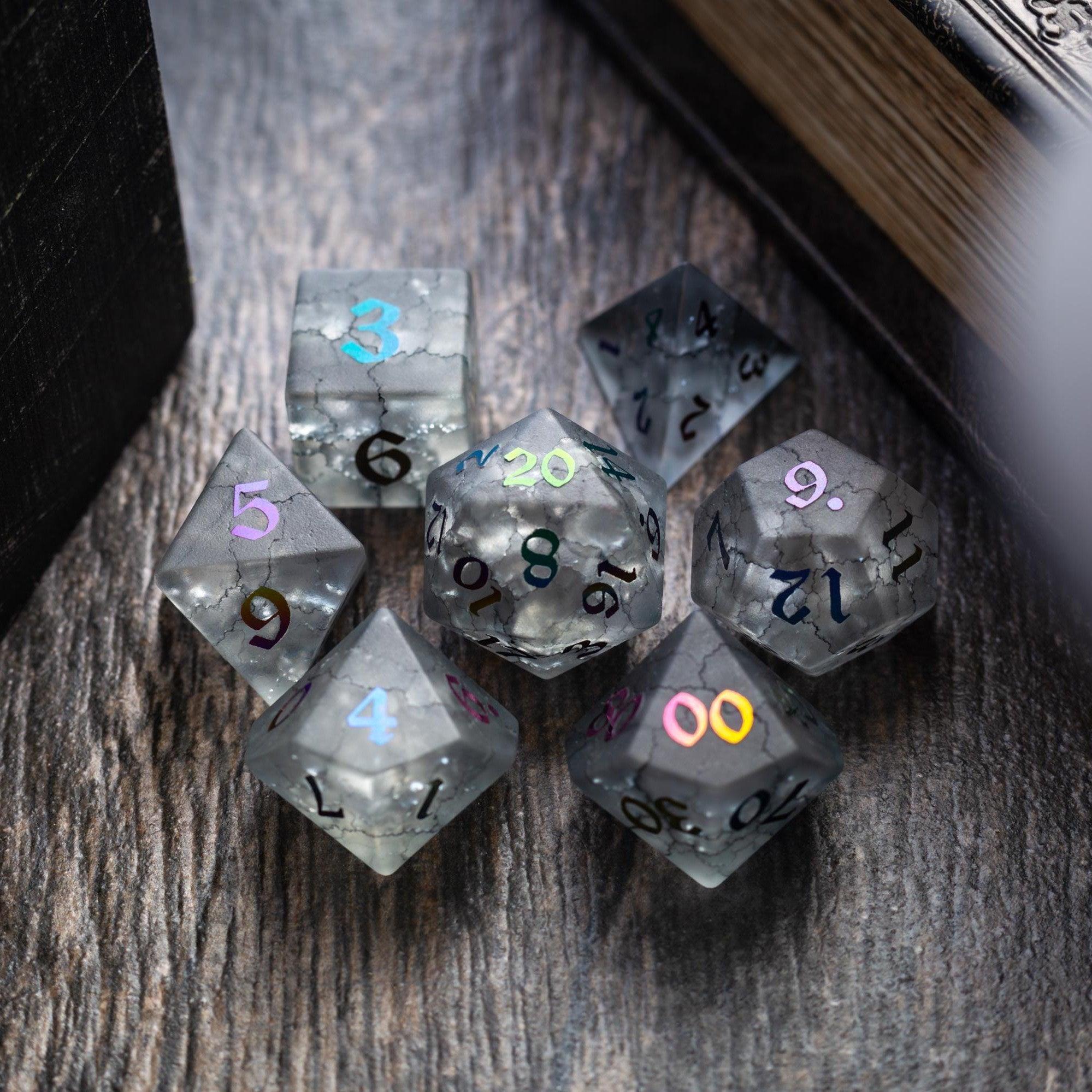
Prismatic Concoction
Gemstone Raised Dichroic Glass DND Dice Set – Reflecting a spectrum of colors like shifting magical brews, these dichroic glass dice capture the experimental and unpredictable side of alchemy. Every roll feels like discovering a new and wondrous formula.
Whether you prefer the shimmer of resin dice or the heft of gemstone dice, your choice of dice can match the unpredictable brilliance of your Alchemist. Every roll can feel like mixing a brand-new formula.
Advanced Alchemist Tips
Optimization Strategies
- Feats: Healer adds recovery options. Inspiring Leader can provide temporary Hit Points if you qualify.
- Multiclassing: Life Domain Cleric offers healing benefits but requires suitable ability scores and delays Artificer features.
- Magic Items: Consider a Headband of Intellect or Alchemy Jug if one becomes available in your campaign.
Advanced Builds
- Battlefield Brewer: Combine Web or Grease with elixirs that improve allies' mobility.
- Healing Chemist: Focus on Intelligence, restoration, and protective spells.
- Control Crafter: Use Faerie Fire and Web to make dangerous enemies easier to handle.
Is Alchemist Artificer Good in 2026?
Yes, especially if you prefer support and preparation over dealing the most damage. The 2025 revision gives Alchemists more useful elixirs throughout a campaign, while spellcasting and replicated items provide options when a potion is not the answer.
For a beginner, start by learning your elixir table, preparing reliable support spells, and keeping track of your spell slots. The Alchemist rewards teamwork: a timely healing spell, a well-placed Web, or the right elixir can change how an encounter plays out.













Leave a comment
This site is protected by hCaptcha and the hCaptcha Privacy Policy and Terms of Service apply.