
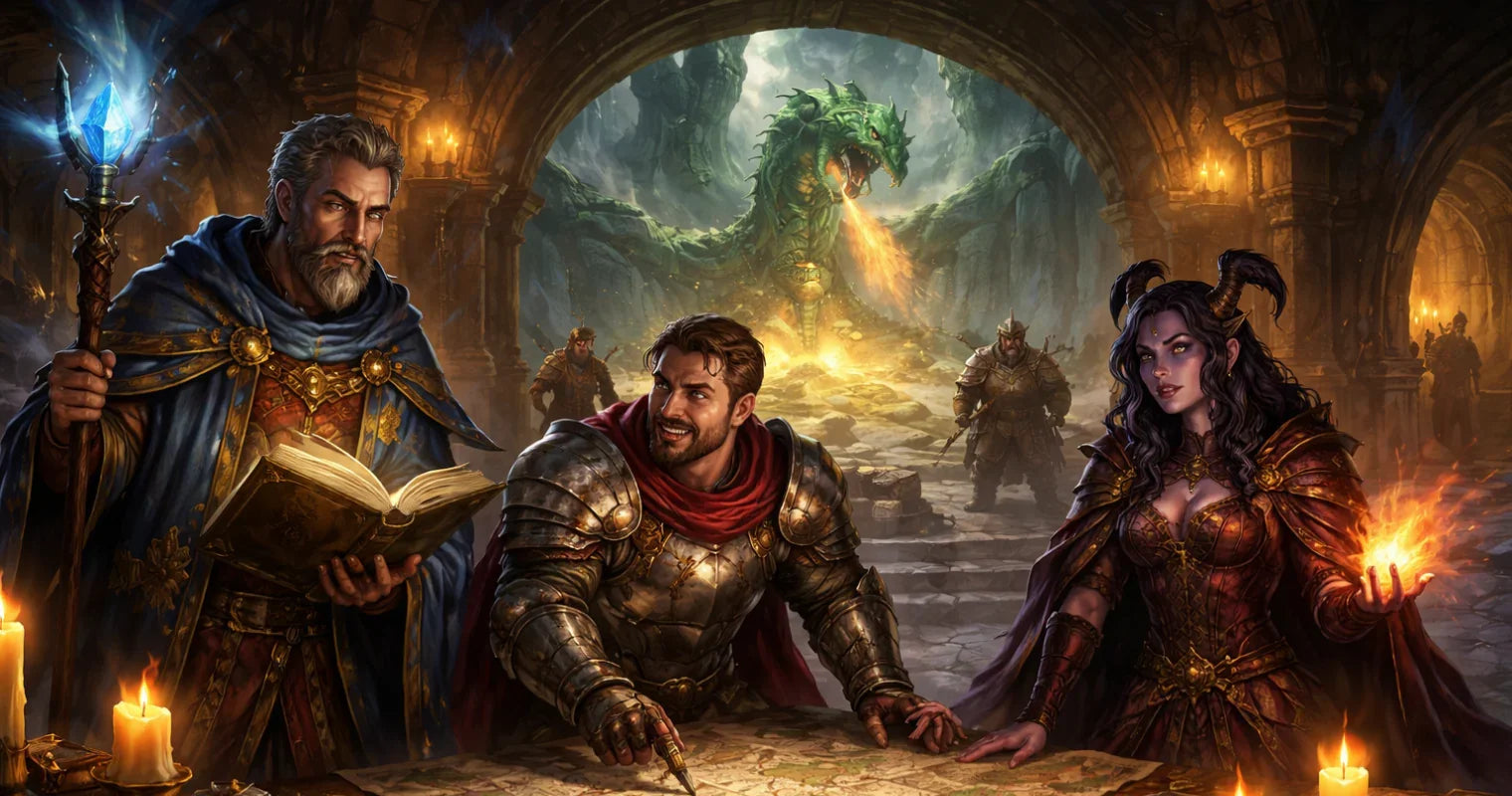
How to Play Dungeons & Dragons: A Beginner's Guide to Your First Adventure

If you've ever wondered how to play Dungeons & Dragons, you're not alone. Every year, thousands of new players discover the excitement of creating heroes, exploring fantasy worlds, and embarking on unforgettable adventures with friends.
Dungeons & Dragons (D&D) is the world's most popular tabletop roleplaying game. Unlike video games or board games with fixed outcomes, D&D is built around imagination, teamwork, and storytelling. Players work together to overcome challenges, solve mysteries, battle monsters, and shape a shared story that unfolds one decision at a time.
The good news is that you don't need to memorize hundreds of pages of rules to get started. This D&D beginner guide will walk you through the basics and help you feel ready for your very first adventure.
What Is Dungeons & Dragons?
At its core, Dungeons & Dragons is a collaborative storytelling game.
Each player creates a character who lives in a fantasy world filled with dragons, magic, ancient ruins, and dangerous creatures. Together, the group experiences adventures guided by a special player called the Dungeon Master.
Unlike many games, there is no single path to victory. Players can solve problems in creative ways, interact with characters, explore mysterious locations, and influence the story through their choices.
Some examples of what players might do include:
-
Investigate a haunted castle
-
Negotiate with a king
-
Explore forgotten ruins
-
Search for hidden treasure
-
Battle monsters
-
Rescue villagers from danger
The beauty of Dungeons & Dragons for beginners is that imagination is often more important than knowing every rule.
The Role of the Dungeon Master
[Image: Dungeon Master guiding a fantasy adventure]
The Dungeon Master (DM) acts as the game's storyteller, referee, and world builder.
Think of the DM as the person who describes what is happening around the players while presenting challenges and opportunities for adventure.
A Dungeon Master typically:
-
Describes locations and events
-
Controls non-player characters (NPCs)
-
Runs monsters and enemies
-
Explains the results of player actions
-
Guides the story forward
For example, the DM might say:
"You enter a dark cave. Water drips from the ceiling, and you hear strange sounds deeper inside."
The players then decide what their characters want to do next.
The DM doesn't compete against the players. Instead, they help create an exciting and memorable experience for everyone at the table.
Creating Your First Character
One of the most exciting parts of learning how to play DND is creating your first character.
Your character is your hero in the story.
Choose a Species
Your species determines some of your character's traits and abilities.
Popular beginner choices include:
-
Human
-
Elf
-
Dwarf
-
Halfling
Choose a Class
Your class defines what your character does best.
Some beginner-friendly classes include:
Fighter
-
Strong and straightforward
-
Great for learning combat
Rogue
-
Sneaky and skillful
-
Excellent at solving problems
Wizard
-
Uses powerful magic
-
Offers lots of creative options
Cleric
-
Supports allies with healing and magic
-
Helpful in many situations
Choose a Background
Backgrounds represent your character's life before becoming an adventurer.
Examples include:
-
Soldier
-
Criminal
-
Scholar
-
Entertainer
Determine Ability Scores
Ability scores measure your character's strengths and weaknesses.
The six main abilities are:
-
Strength
-
Dexterity
-
Constitution
-
Intelligence
-
Wisdom
-
Charisma
Add Personality
Think about:
-
What your character believes
-
What motivates them
-
How they interact with others
Remember, your first character doesn't need to be perfect. Part of the fun is discovering who they become during the adventure.
Understanding the Dice
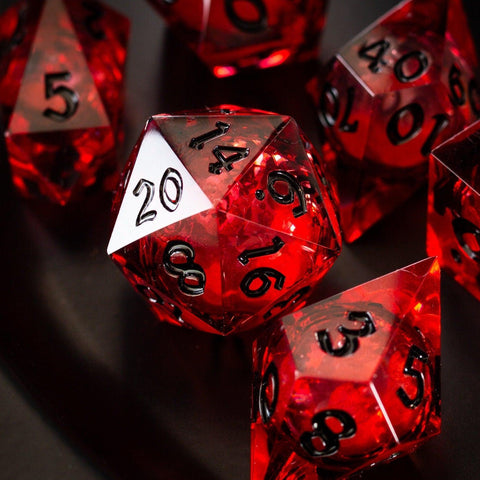
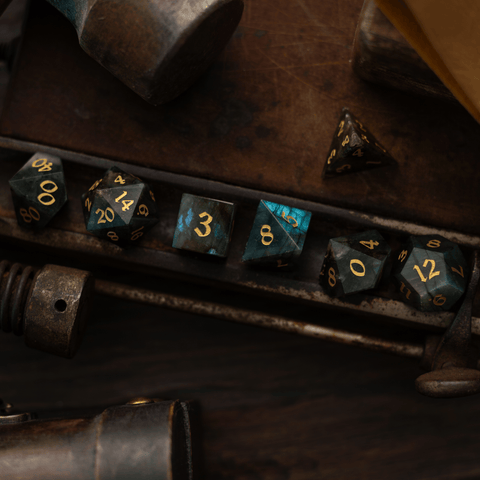
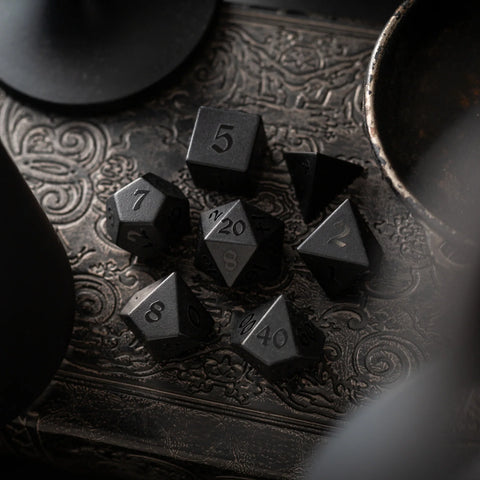
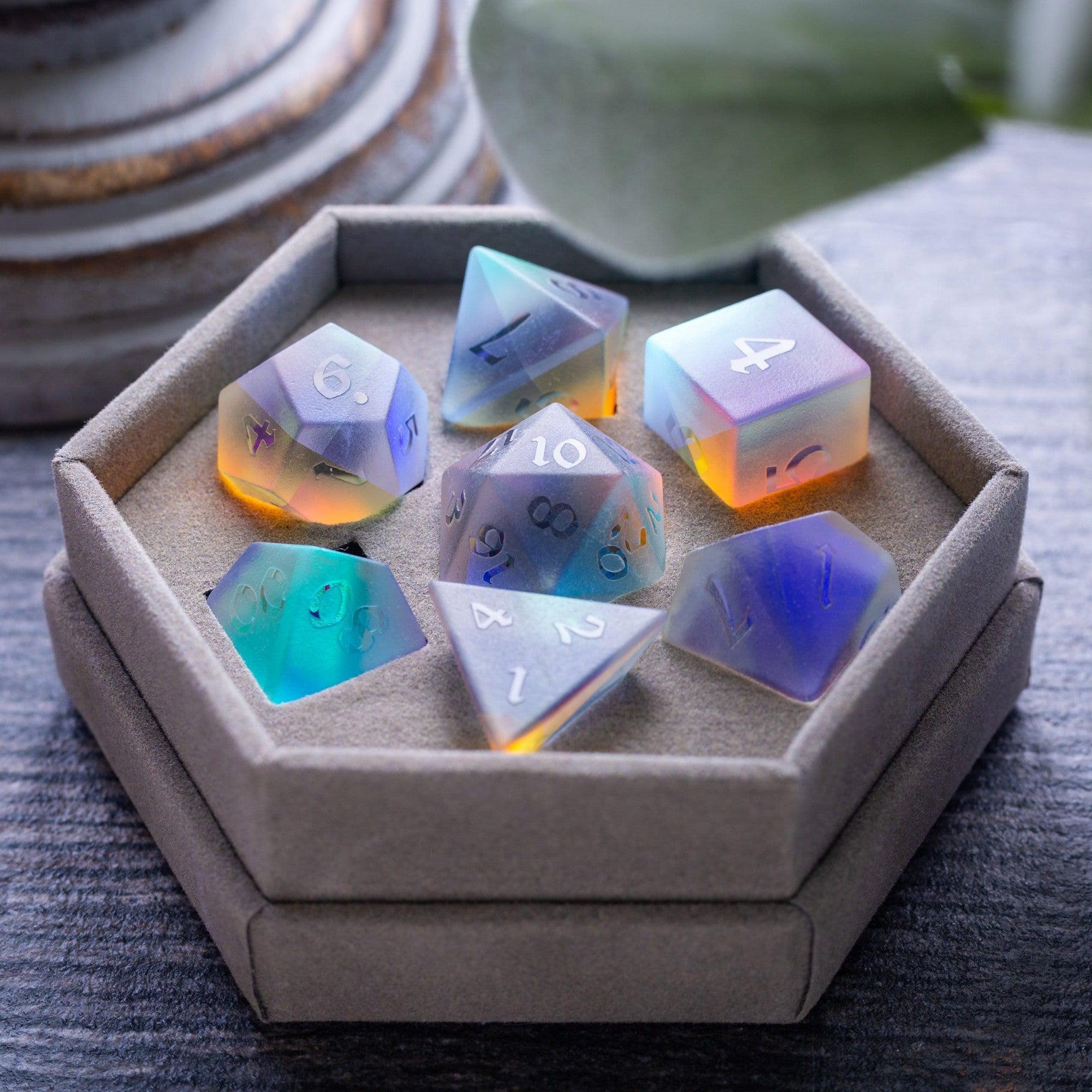
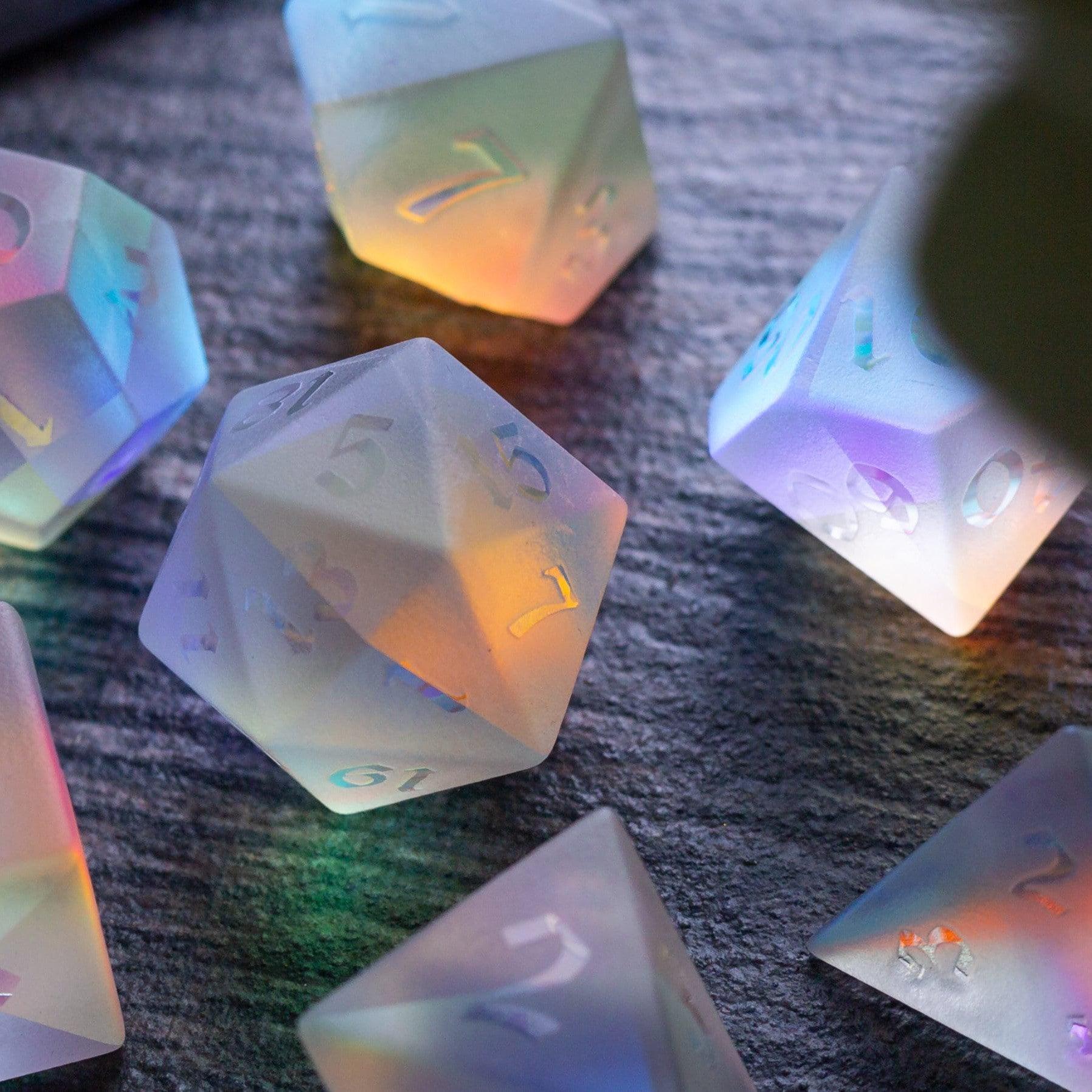
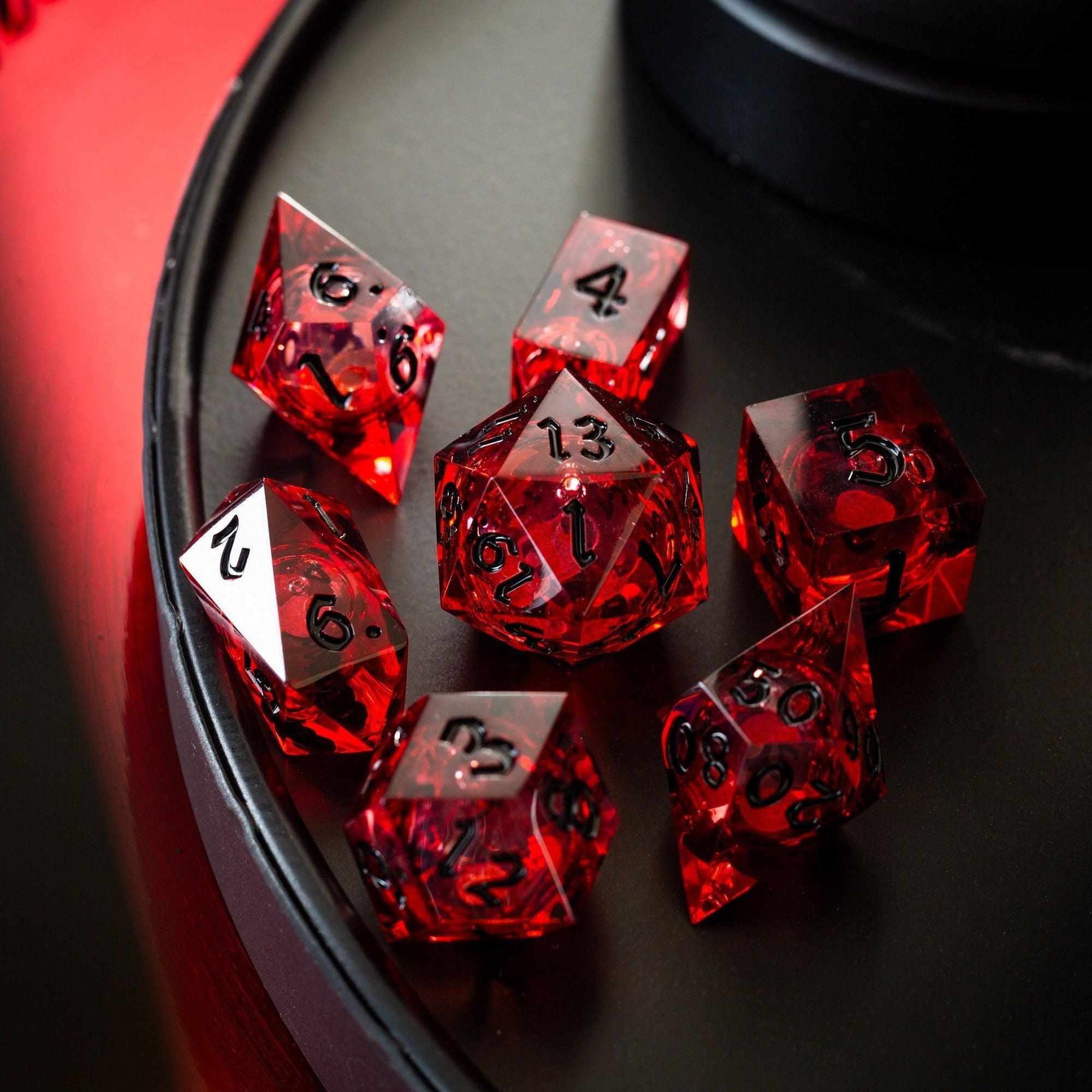
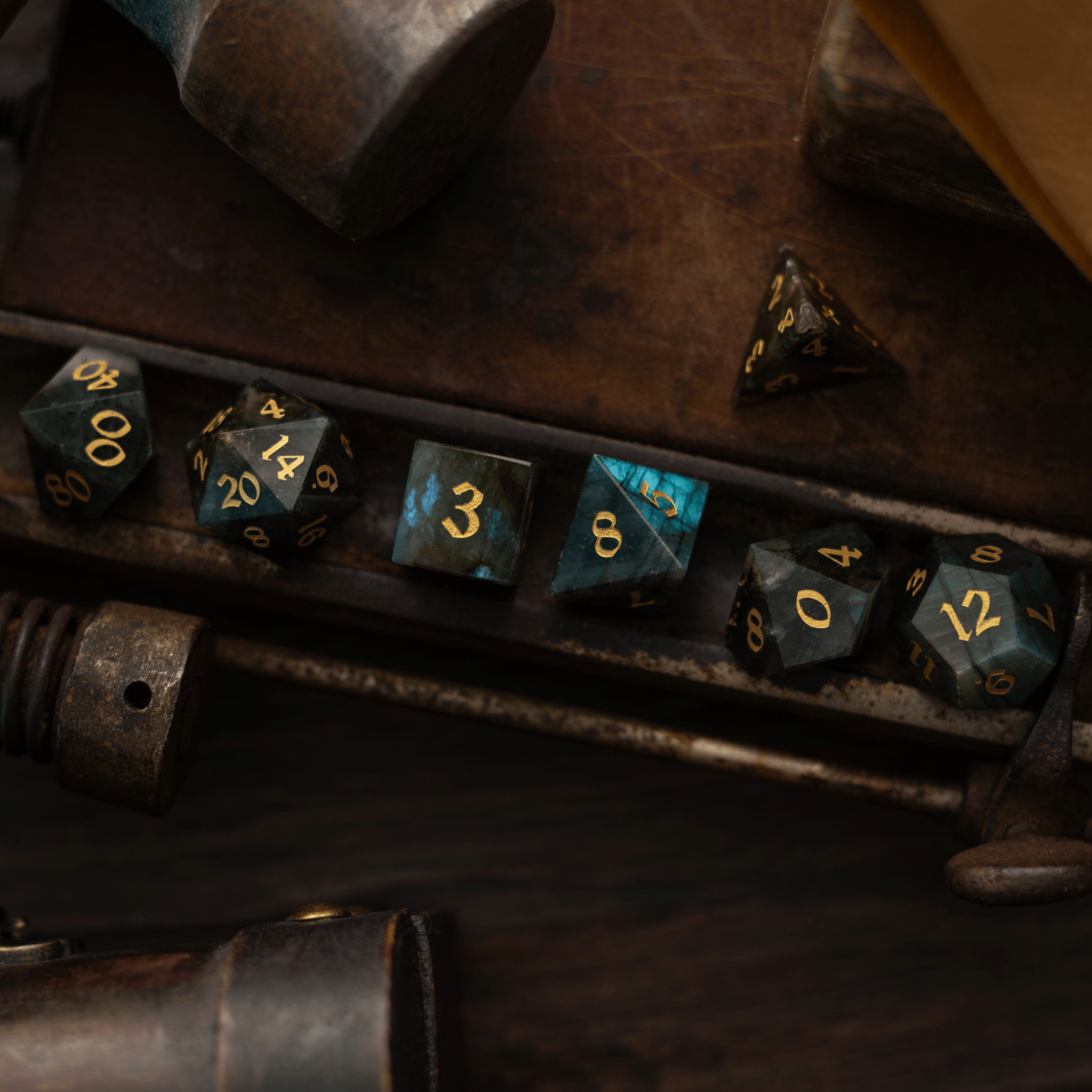
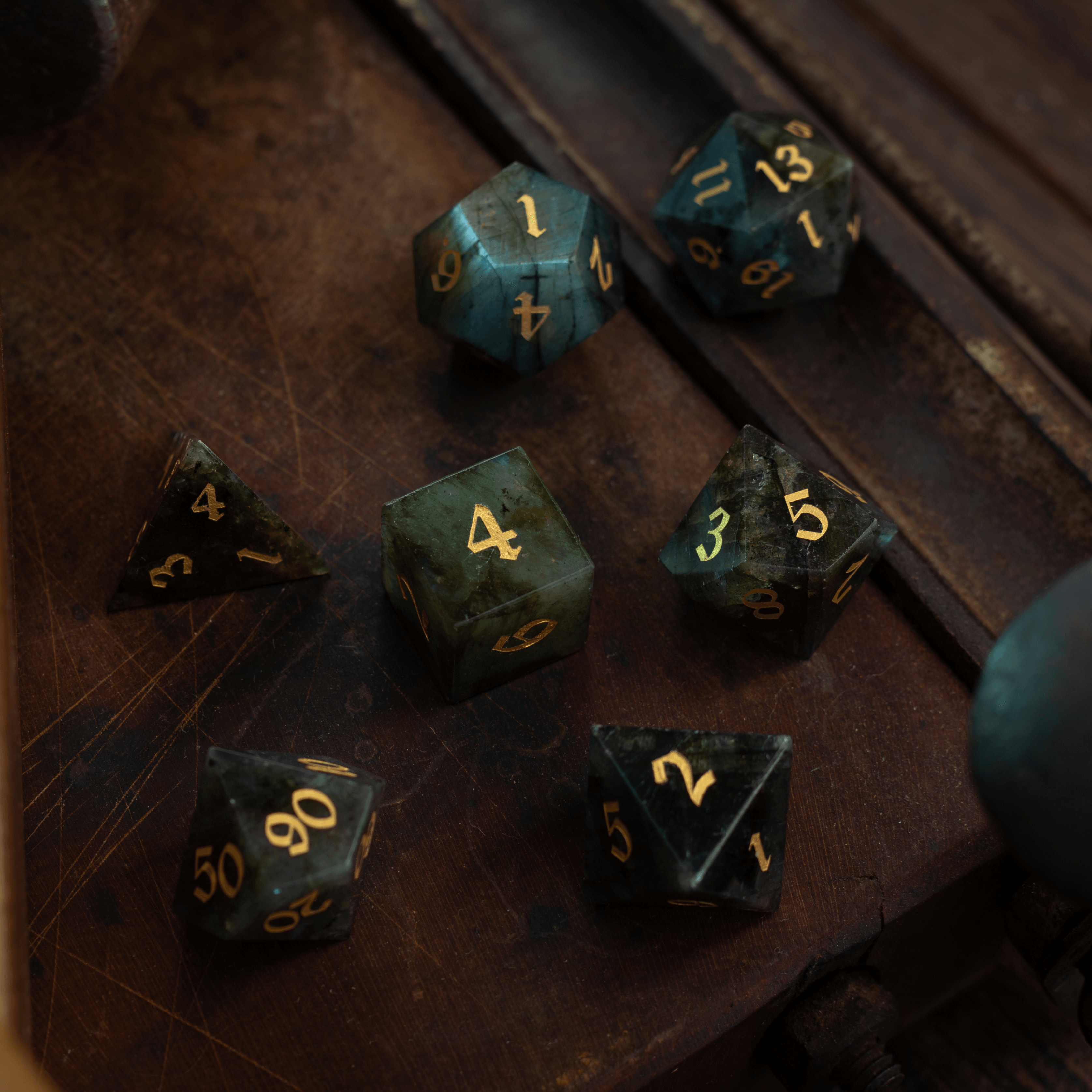
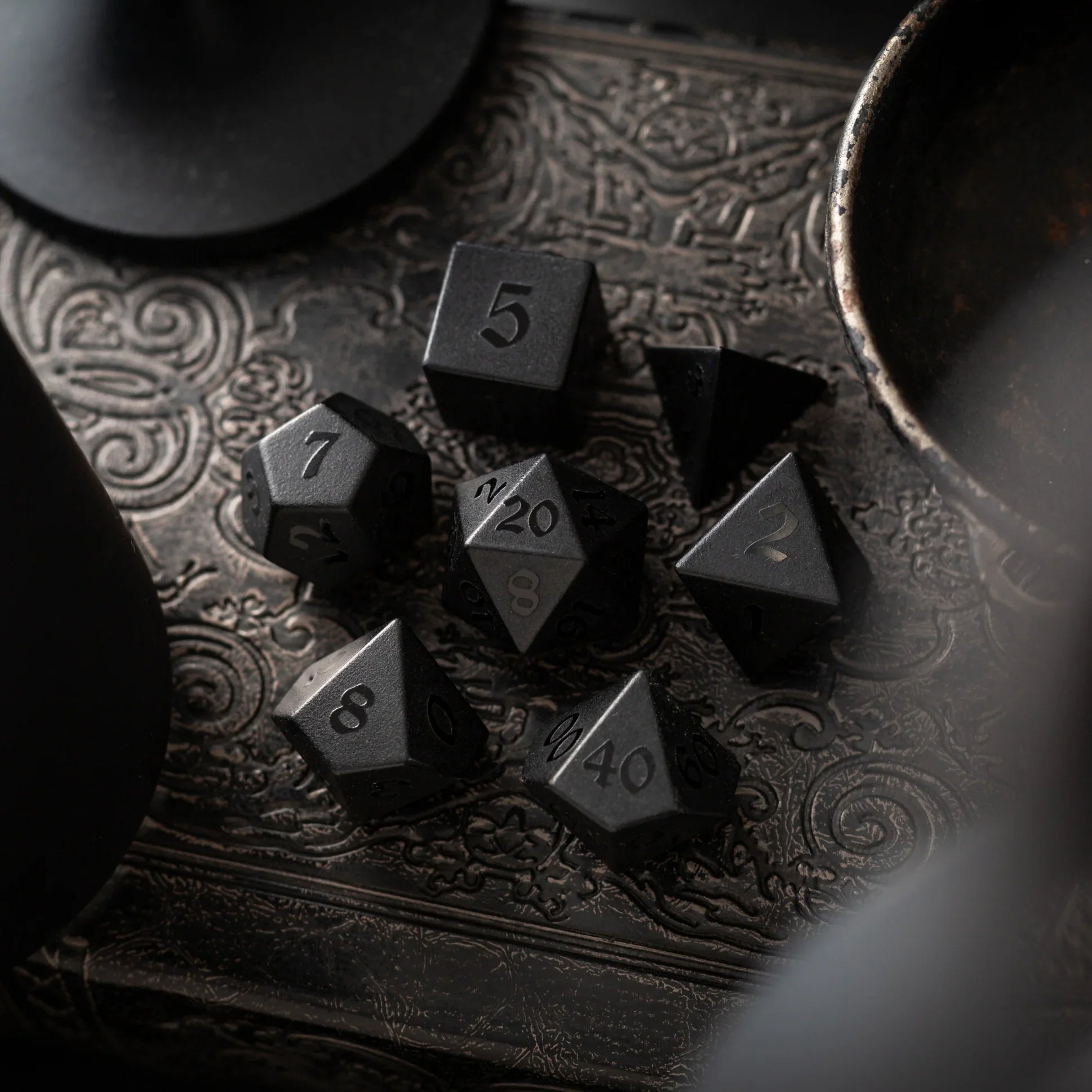
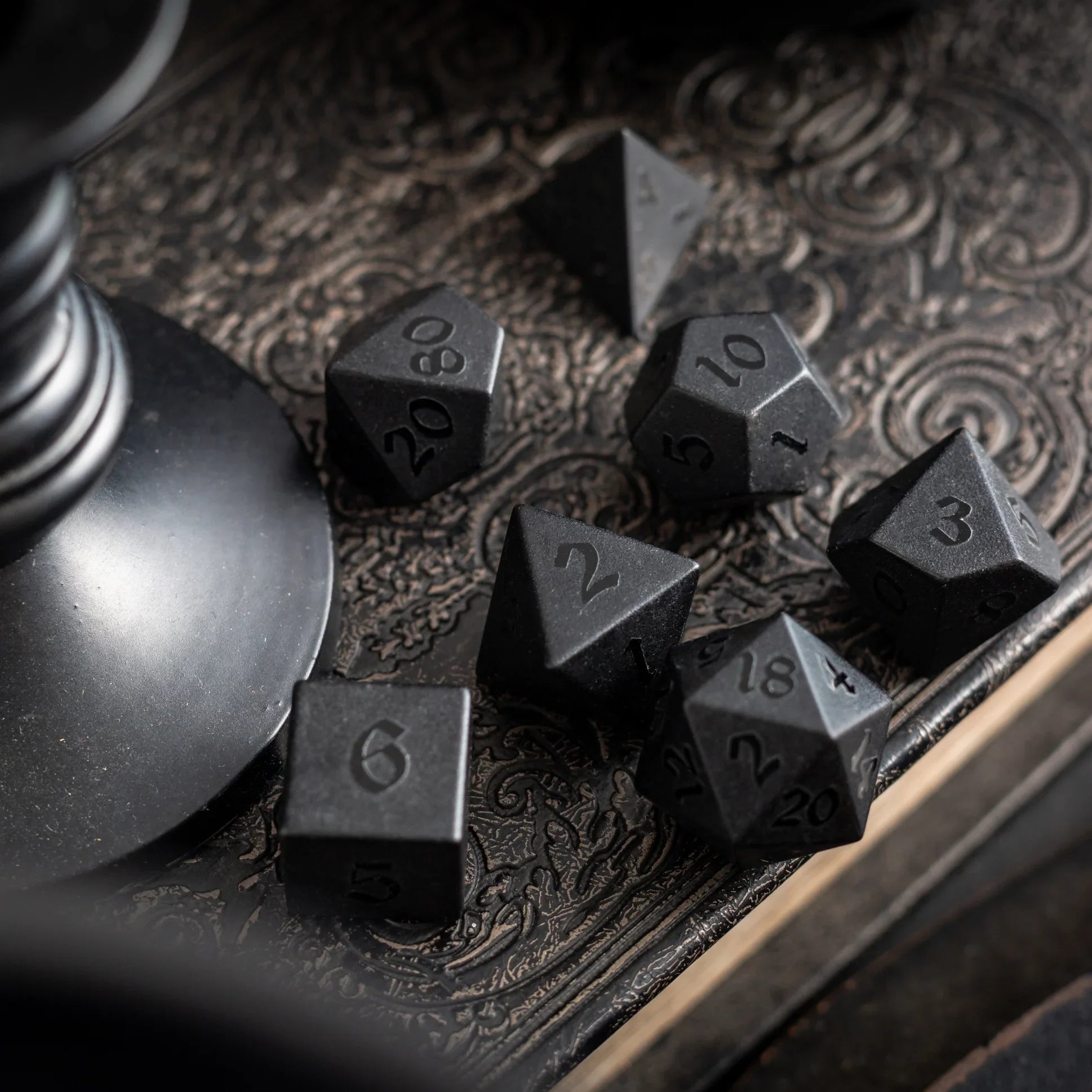
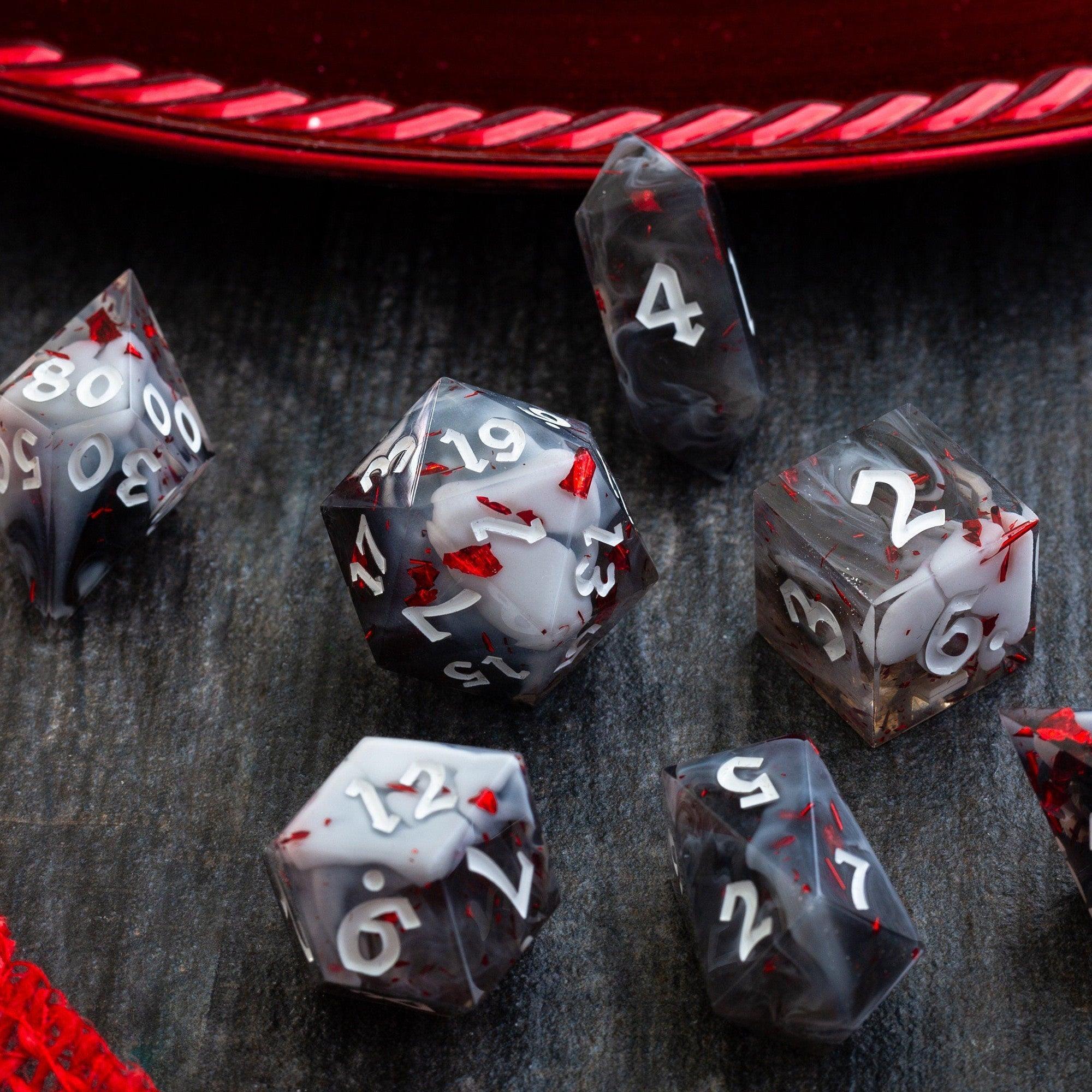
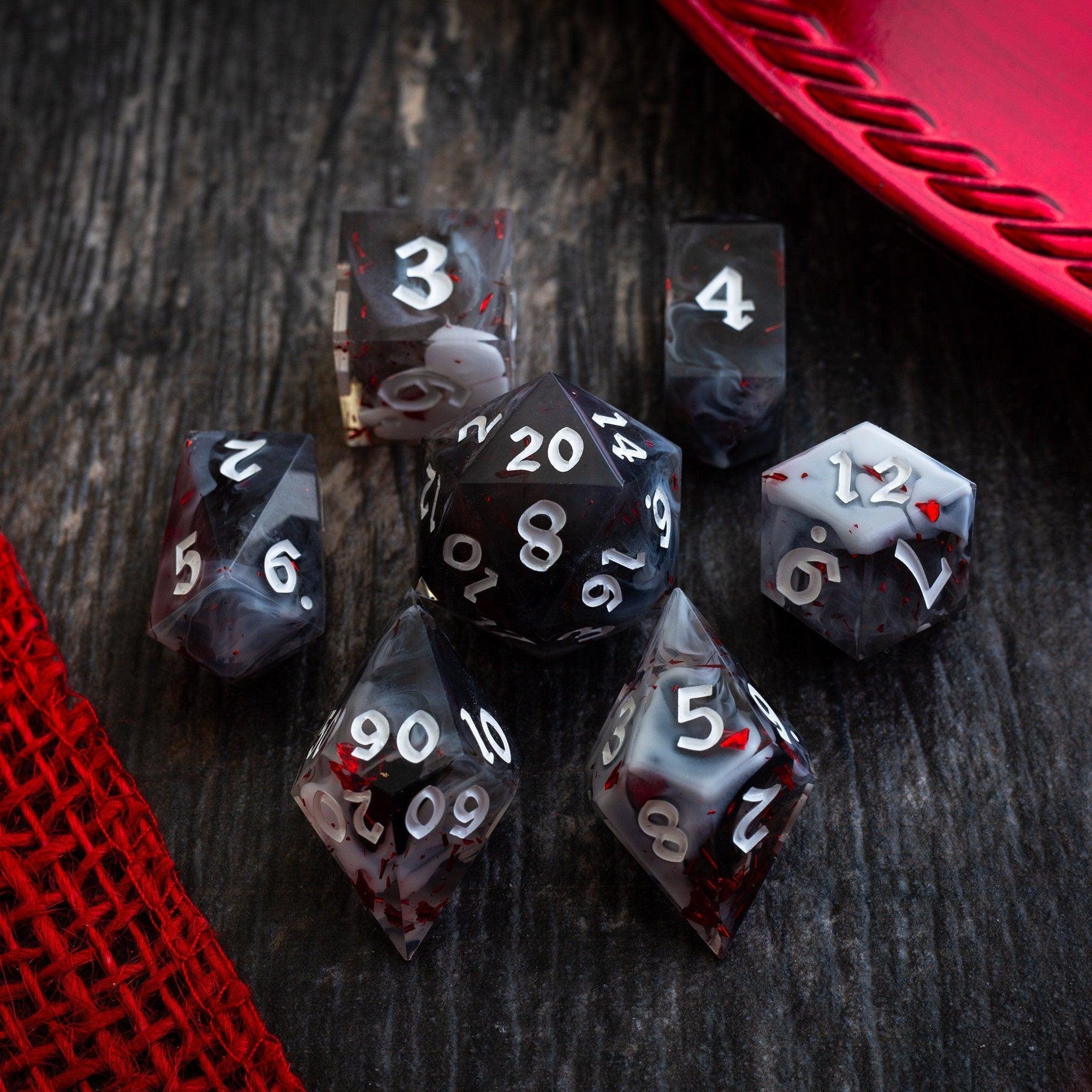
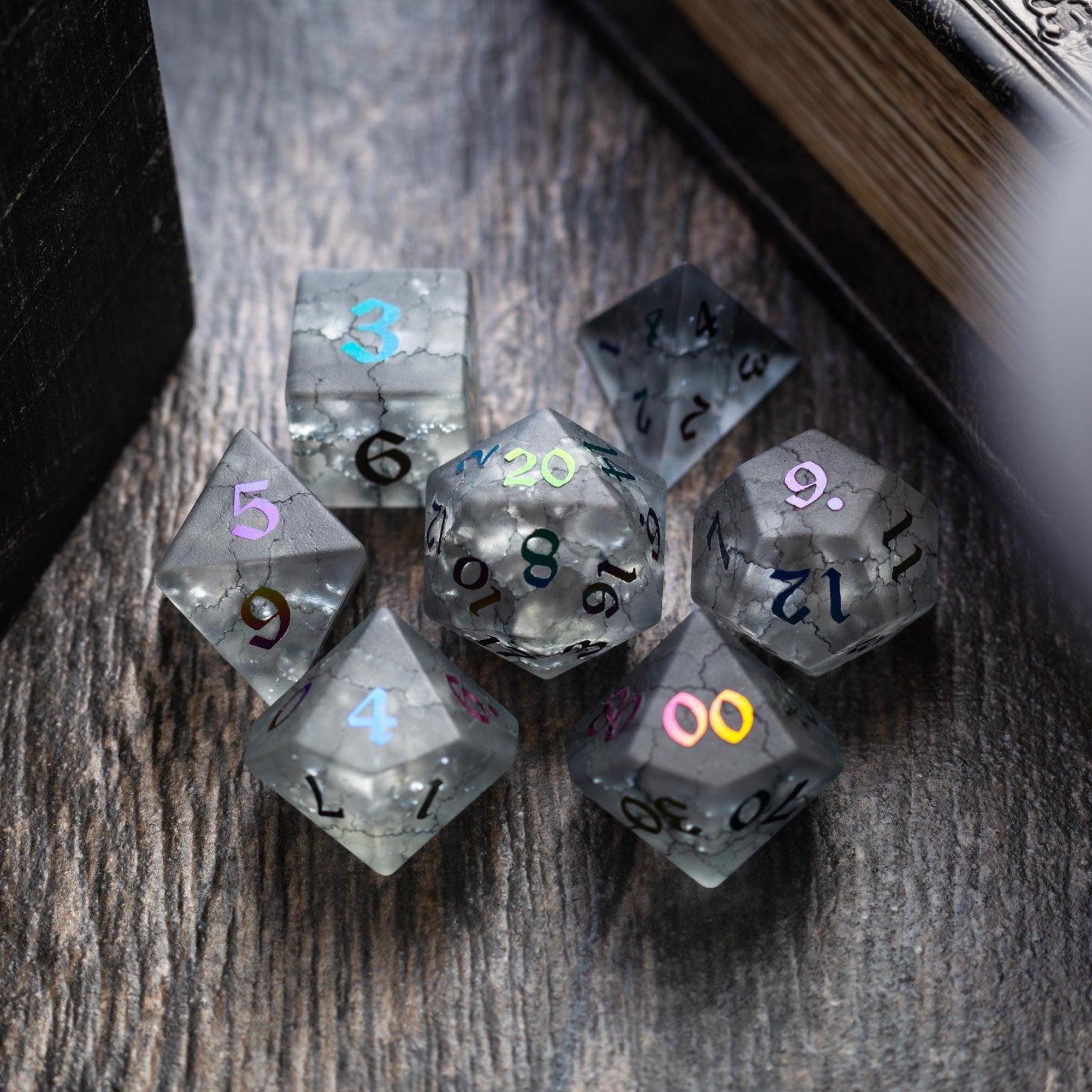
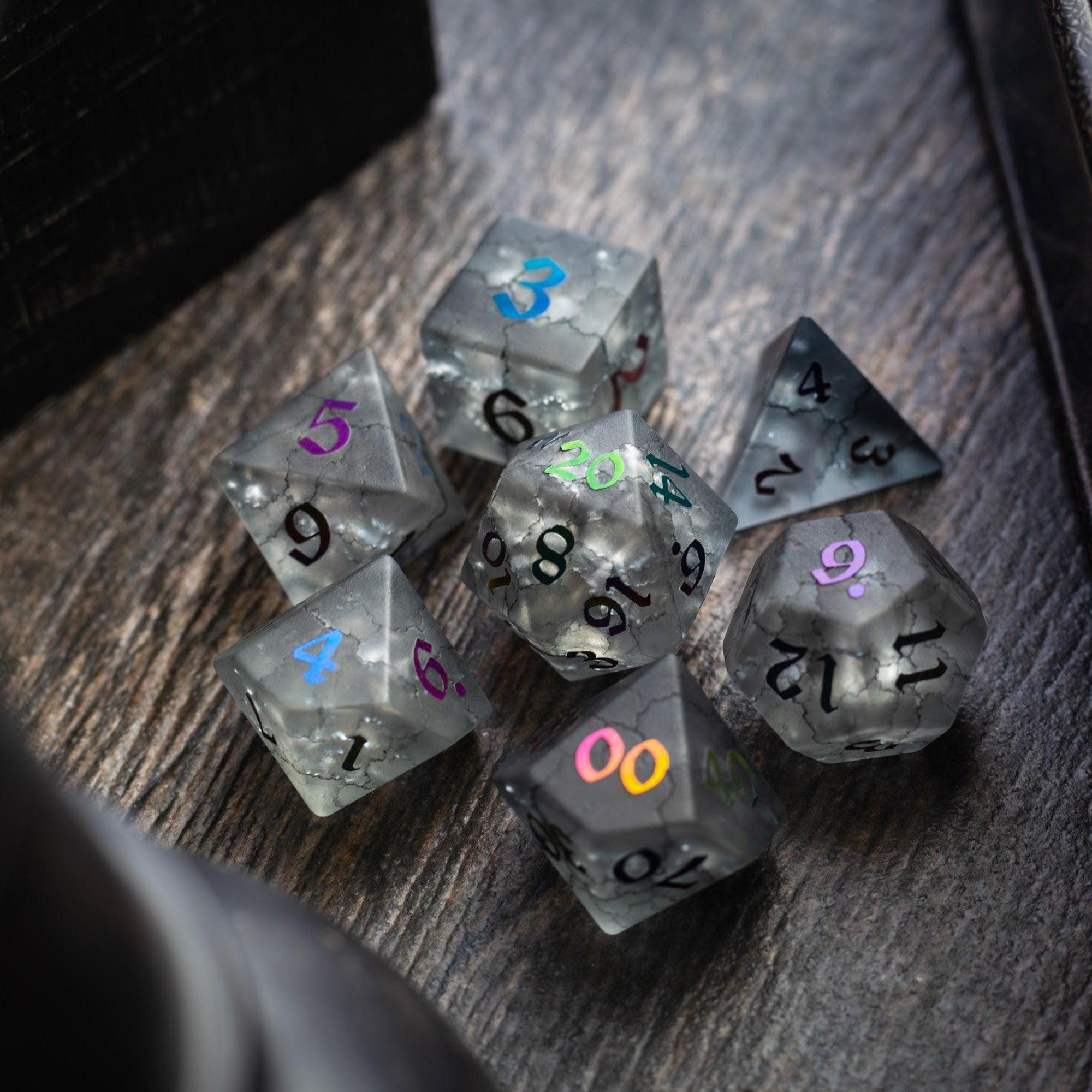
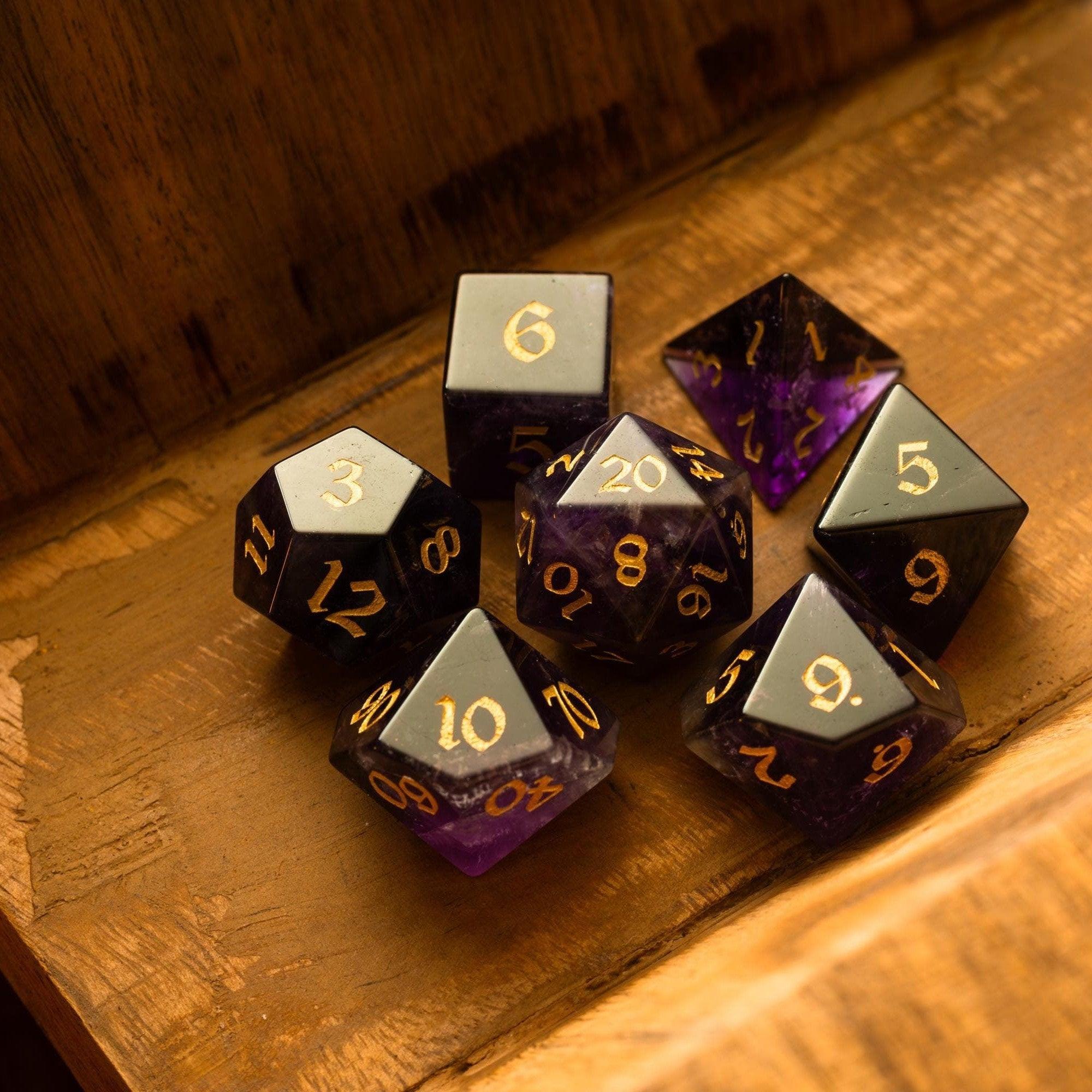
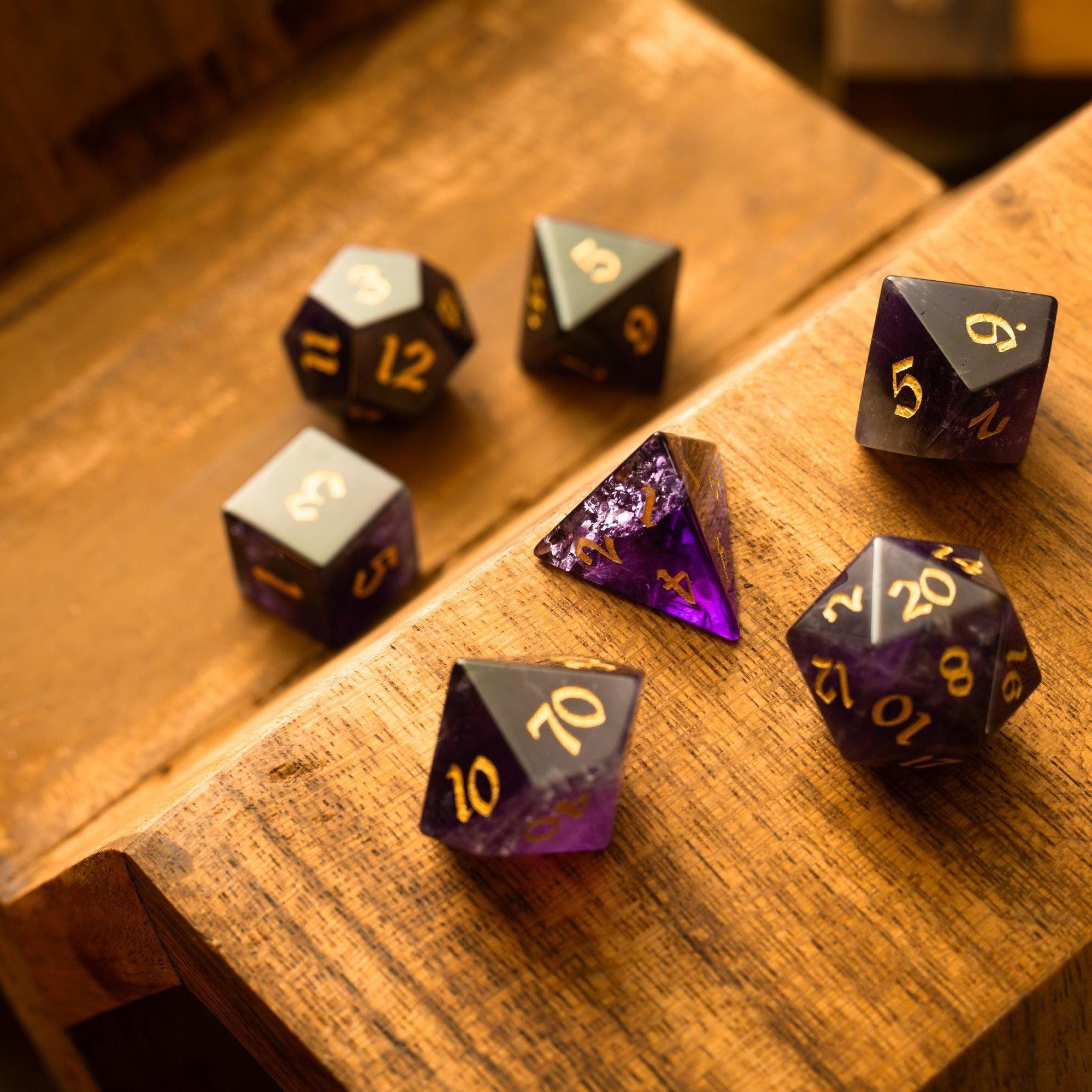
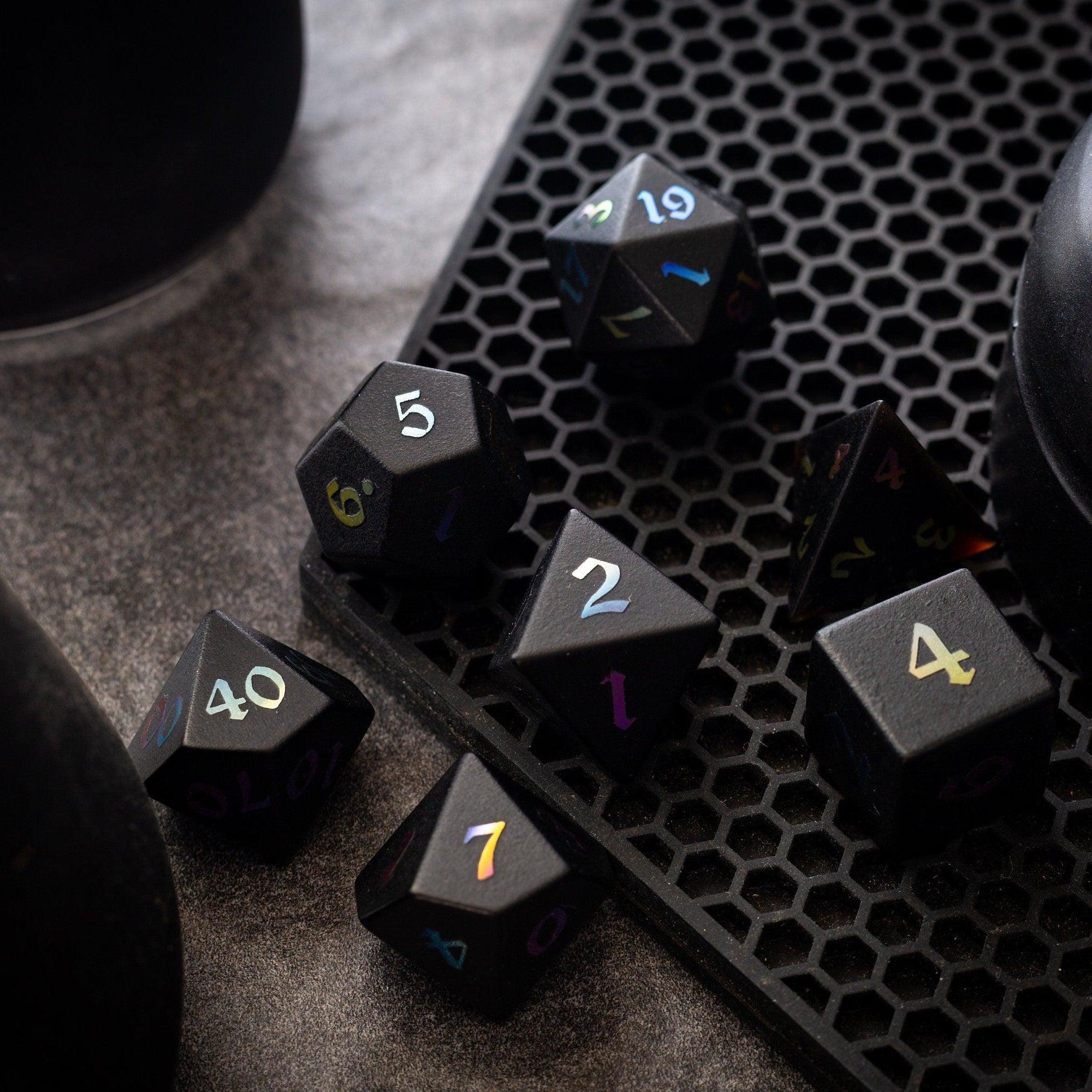
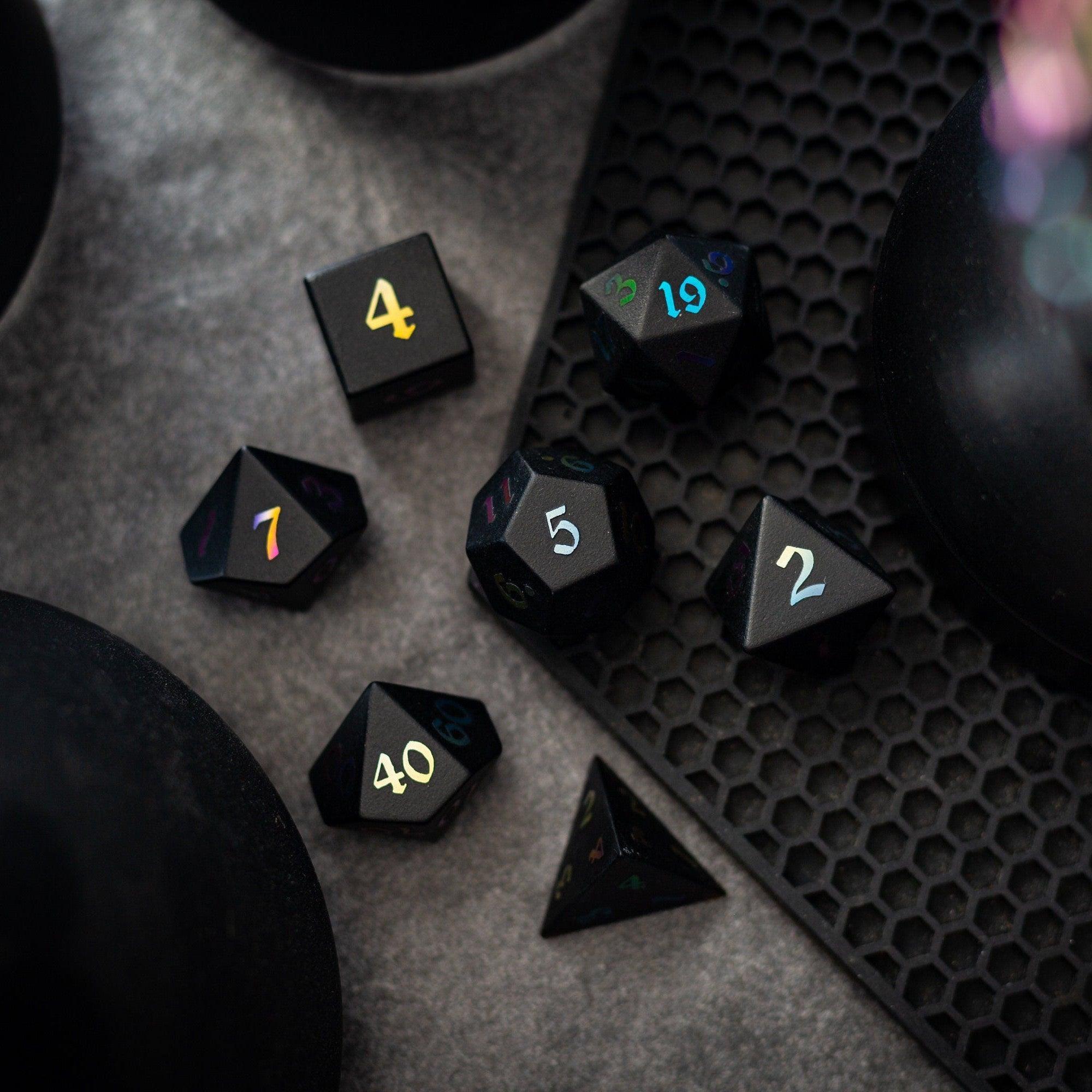
One thing that makes D&D unique is its collection of polyhedral dice.
A standard set contains several different dice, each used for specific situations.
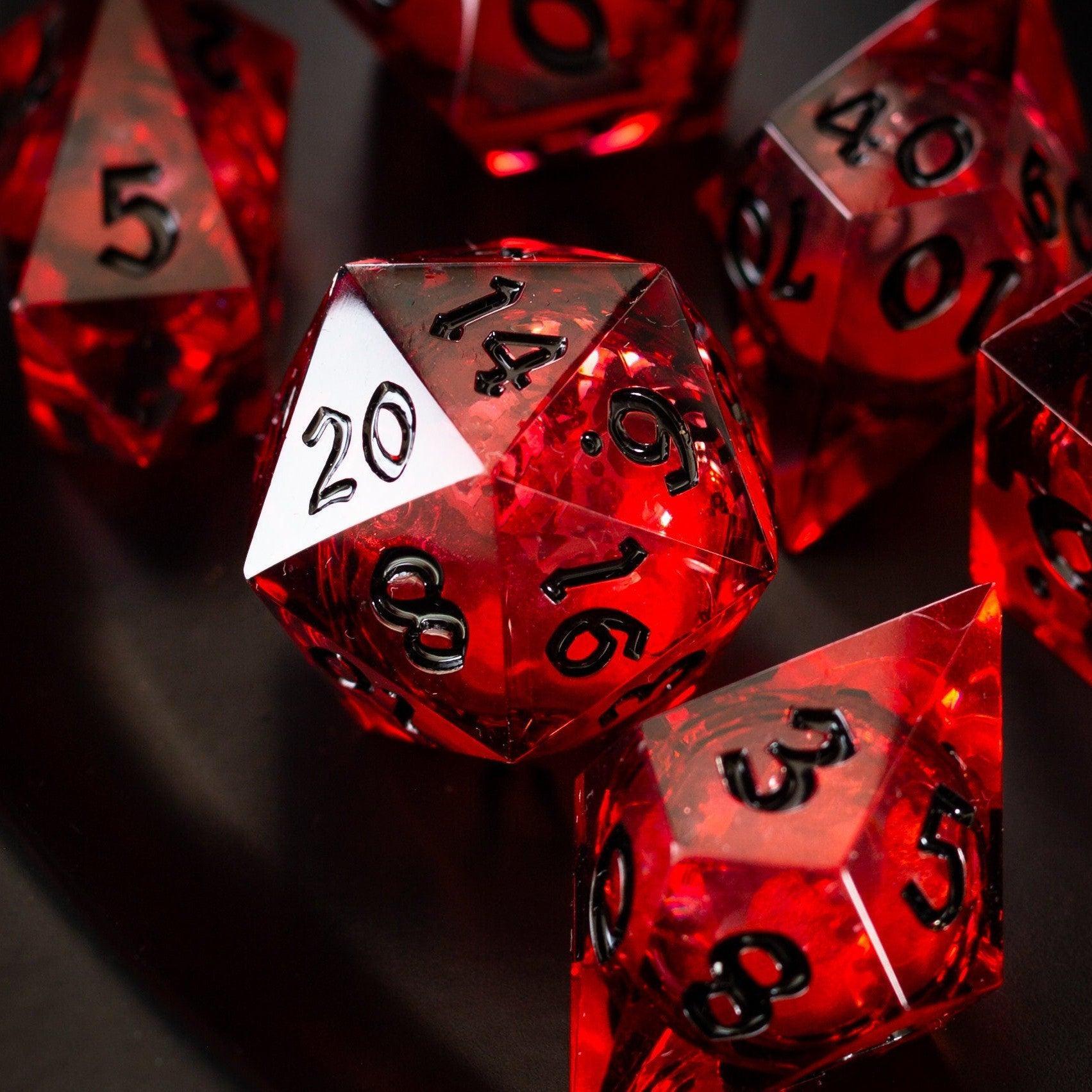
The Most Important Die: The d20
The d20 is a twenty-sided die and the most frequently rolled die in the game.
Players use it for:
-
Skill checks
-
Attack rolls
-
Saving throws
Whenever you attempt something challenging, you'll usually roll a d20.
Common D&D Dice
| Die | Common Use |
|---|---|
| D20 | Skill checks, attacks, saving throws |
| D12 | Large weapon damage |
| D10 | Damage rolls and percentage rolls |
| D8 | Weapon and spell damage |
| D6 | Common damage rolls and effects |
| D4 | Small damage rolls and healing |
The d20 gets most of the attention, but every die in a polyhedral dice set plays an important role during gameplay.
Basic D&D Gameplay
Most adventures revolve around three main activities.
Exploration
Players travel through the world, investigate locations, search for clues, and uncover secrets.
Examples include:
-
Exploring dungeons
-
Crossing wilderness areas
-
Searching rooms for hidden objects
Social Interaction
Not every challenge requires a sword.
Players often:
-
Talk with NPCs
-
Gather information
-
Negotiate deals
-
Solve conflicts through conversation
Roleplaying can be as simple as describing what your character says or does.
Combat
Combat occurs when negotiations fail or monsters attack.
During combat, players take turns performing actions such as:
-
Attacking
-
Casting spells
-
Moving
-
Helping allies
While combat is an important part of D&D, it is only one piece of the overall experience.
Beginner D&D Reference Table
| Game Element | What It Does |
|---|---|
| Dungeon Master | Runs the world |
| Character | Represents the player |
| D20 | Most common die |
| Skills | Help resolve actions |
| Combat | Battles and encounters |
| Roleplay | Character interactions |
What Happens During a Typical Session?
Many new players wonder what a normal game session looks like.
While every group is different, most sessions follow a similar structure.
Arrival
Players gather around the table or join an online game.
Story Introduction
The Dungeon Master explains the current situation and presents new challenges.
Exploration
Players investigate locations, gather clues, and interact with the world.
Encounters
The party meets NPCs, discovers mysteries, or faces unexpected obstacles.
Combat
Some sessions include battles against monsters or villains.
Session Wrap-Up
The group reviews what happened and prepares for the next adventure.
A typical session can last anywhere from two to four hours, though some groups play longer.
Beginner Tips for Your First Campaign
Starting your first campaign can feel intimidating, but these beginner D&D tips can help.
Focus on Having Fun
Enjoy the story rather than worrying about playing perfectly.
Don't Worry About Memorizing Rules
Most players learn as they go.
Ask Questions
Experienced players are usually happy to help newcomers.
Work With Your Party
D&D is a team game.
Embrace Creativity
Sometimes the most memorable moments come from unexpected ideas.
Common New Player Mistakes
Nearly every player makes mistakes when they start.
Trying to Learn Every Rule at Once
Focus on the basics first.
Being Afraid to Roleplay
You don't need a special voice or acting skills.
Overthinking Character Choices
Almost any character can be fun to play.
Comparing Yourself to Experienced Players
Everyone begins as a beginner.
The players who seem confident today once rolled their first d20 too.
Why D&D Remains So Popular
Dungeons & Dragons has endured for decades because it offers something unique.
Players love:
-
Creative freedom
-
Shared storytelling
-
Exciting adventures
-
Lasting friendships
-
Endless possibilities
No two campaigns are exactly alike. Every group creates its own stories, heroes, and memorable moments.
Whether you're battling dragons, uncovering ancient mysteries, or simply laughing with friends around a table, D&D creates experiences that players remember for years.
Conclusion
Learning how to play Dungeons & Dragons may seem overwhelming at first, but the game is far more approachable than many newcomers expect.
You don't need to know every rule. You don't need a perfect character. You don't need years of experience.
All you need is a willingness to imagine, collaborate, and have fun.
Every veteran player started exactly where you are now: sitting down for their first adventure, rolling their first d20, and wondering what would happen next.
The best way to learn is simply to play. Gather some friends, create a character, and take that first step into a world of adventure. Your story is waiting to begin.

Leave a comment
This site is protected by hCaptcha and the hCaptcha Privacy Policy and Terms of Service apply.