Mastering Dungeons and Dragons Homebrew for Better Campaigns
Updated on: 2026-02-04
Creating your own Dungeons and Dragons homebrew content is one of the most rewarding ways to personalize your tabletop gaming experience. Whether you're crafting custom campaigns, inventing unique monsters, or designing house rules, homebrew lets you shape your world exactly how you envision it. This guide walks you through the essentials of building engaging homebrew that your players will love, plus common pitfalls to avoid and pro tips to level up your creative game.
- Common Mistakes to Avoid
- Builder's Checklist for Custom Content
- Frequently Asked Questions
- Wrap-Up and Final Thoughts
Why Homebrew Gaming Transforms Your D&D Experience

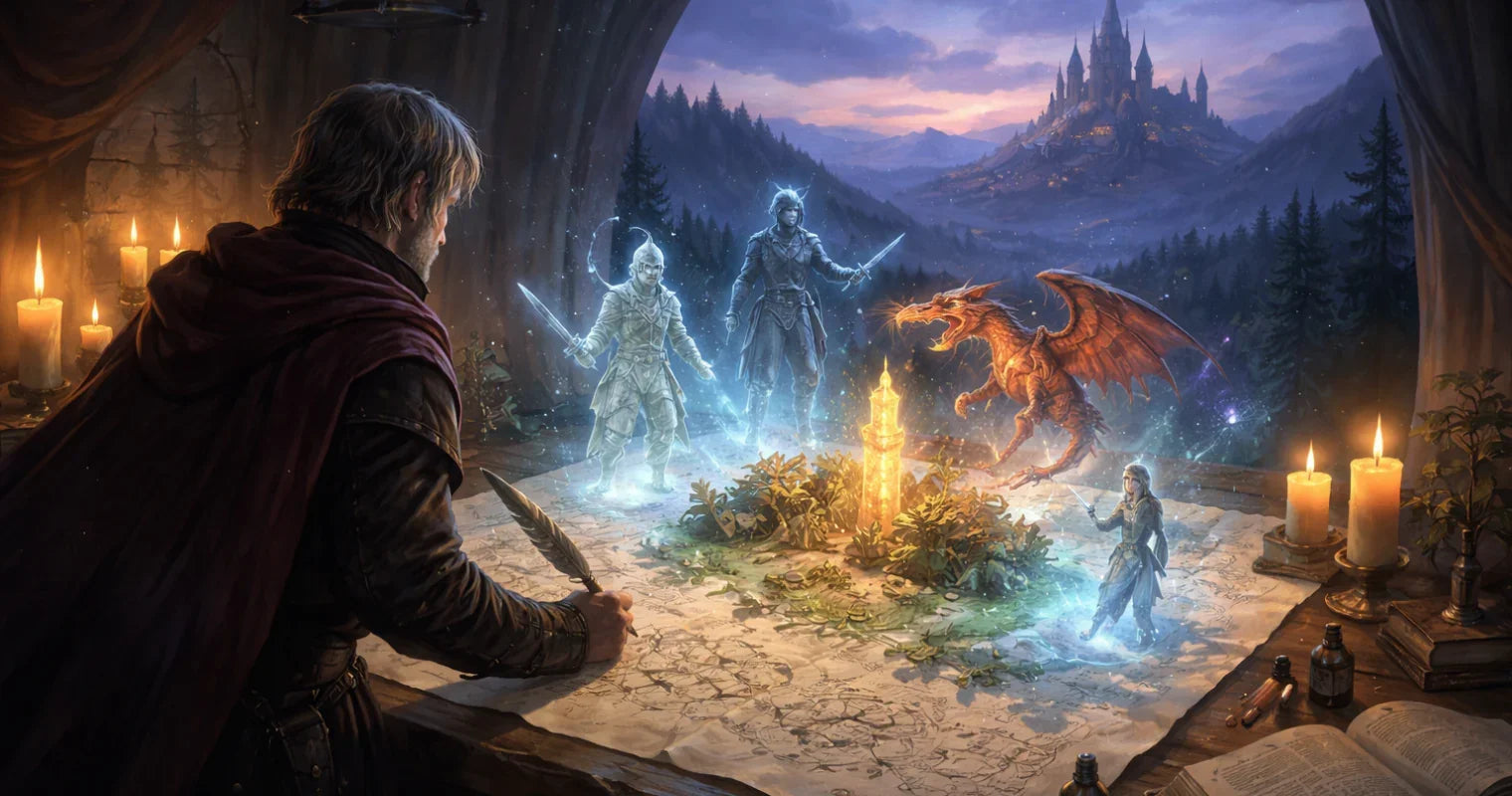
When you start building custom D&D content, you unlock a creative freedom that pre-published materials simply can't match. Homebrew lets you tell stories tailored to your group's interests, introduce mechanics that fit your vision, and create moments your players will remember for years. Maybe your campaign needs a villain with a deeply personal connection to your party, or you want to introduce magical items that reflect your world's unique history. That's where custom-made content shines.
The beauty of creating personalized D&D worlds is that there's no single "right way" to do it. Your homebrew can be as simple as tweaking an existing monster's abilities or as complex as building an entirely new magic system. Many dungeon masters start small—adjusting a few stat blocks here, adding a custom spell there—and gradually develop their own distinctive style. The key is understanding the fundamentals so your creations feel balanced and fun rather than overpowered or underwhelming.
Common Mistakes to Avoid
Even experienced creators sometimes stumble when building homebrew content. Here are the pitfalls that trip up most people:
Ignoring Balance
The biggest mistake? Creating something that sounds awesome in theory but breaks your game in practice. An overpowered magic item or monster can derail encounters and frustrate your players. Before introducing custom content, think about how it stacks up against existing official materials. Will this homebrew overshadow other options? Could it trivialize key challenges? Test your creations during sessions and be willing to adjust on the fly.
Overcomplicating Mechanics
Homebrew doesn't need to be complicated to be fun. Adding unnecessary mechanics or conditions might sound innovative, but it often slows down gameplay and confuses players. Keep your rules clear, concise, and easy to reference during a session. If you're explaining something for more than a minute, it's probably too complex.
Forgetting Your Players' Preferences
Custom content should enhance your group's experience, not impose your vision against their wishes. Talk with your players about what kinds of homebrew excite them. Do they want more roleplay opportunities? Tougher combat challenges? Weird and wonderful magic items? Alignment your creations with what your table actually enjoys.
Skipping Playtesting
Even small tweaks deserve a test run. Use one or two sessions to see how your custom rules, monsters, or items perform in real gameplay. You'll catch balance issues, unclear wording, and unintended interactions that seem fine on paper but cause headaches at the table.
Builder's Checklist for Custom Content
Use this checklist when developing your next piece of homebrew to ensure it's polished and ready:
- Define the Purpose: What problem does this homebrew solve? What does it add to your game?
- Research Existing Options: Check official materials first. Is there already something similar you could modify instead of creating from scratch?
- Write Clear Rules: Use simple language and active voice. Avoid ambiguous wording that could be interpreted multiple ways.
- Compare to Baselines: If creating a monster, compare its damage output and survivability to official creatures of similar challenge ratings. For items, benchmark against published magic items of similar rarity.
- Get Feedback: Share your homebrew with trusted players or fellow DMs before introducing it to your table. Fresh eyes catch things you've missed.
- Plan for Adjustments: Have backup options ready. If your homebrew isn't working, be prepared to nerf it, buff it, or scrap it entirely.
- Document Everything: Keep notes on what you've created. This becomes invaluable when players ask questions or when you need to make rulings mid-session.
- Consider Edge Cases: Think about how your homebrew interacts with other rules, spells, and abilities. Are there combinations that create unbalanced scenarios?
Building Custom Monsters and Encounters

Creating monsters is one of the most enjoyable aspects of running a customized campaign. Start by deciding what role this creature fills. Is it a minor threat, a boss, or something in between? Then choose an appropriate challenge rating and work backward from there. Official monster stat blocks follow predictable patterns—use them as your template. Give your creature unique abilities that reflect its nature and make it memorable. Maybe your custom dragon has a lair action that reshapes the battlefield, or a vampire lord can summon spectral servants.
The key to excellent encounters isn't just individual monsters—it's how they work together. A truly epic battle combines multiple creature types, environmental hazards, and dynamic objectives. Consider adding terrain features, interactive objects, or NPC allies that shift the tactical landscape. This keeps combat engaging and prevents encounters from feeling like simple stat-block slugfests.
Designing Custom Magic Items
Magic items are where many new creators get tempted to go overboard. An item that grants too many benefits or feels absolutely essential will dominate your players' choices and trivialize challenges. Instead, create items that are useful and thematic without overshadowing a character's core abilities. A legendary sword that grants advantage on certain saves is compelling. A legendary sword that grants advantage on everything and lets you cast spells for free is probably too much.
Consider rarity levels as your guide. Common items are nice-to-haves; rare items are genuinely valuable; legendary items are campaign-defining treasures. Make sure your custom items feel appropriately powerful for their rarity. Also think about attunement requirements—they're a balancing tool that prevents players from stacking too many powerful abilities at once.
Creating House Rules That Work
House rules modify existing mechanics to better fit your table's preferences. Maybe you want to change how inspiration works, adjust the short rest mechanics, or introduce a new way to handle critical failures. Whatever you choose, communicate it clearly before your campaign begins. Write your house rules down and reference them during sessions so there's no ambiguity.
The best house rules solve specific problems. If your players feel like healing is too weak, you might tweak potion effectiveness. If combat drags, you could streamline initiative. Test your rules for a few sessions, then gather feedback. Be willing to revise if something isn't working as intended.
Bringing Aesthetic Polish to Your Creations
Great homebrew isn't just mechanically sound—it feels immersive. Write evocative descriptions for your creatures and items. Include flavor text that helps your players visualize what they're experiencing. Describe the eldritch shimmer of a custom spell or the terrifying presence of a unique monster. This narrative layer transforms mechanical content into something that lives in your players' imaginations.
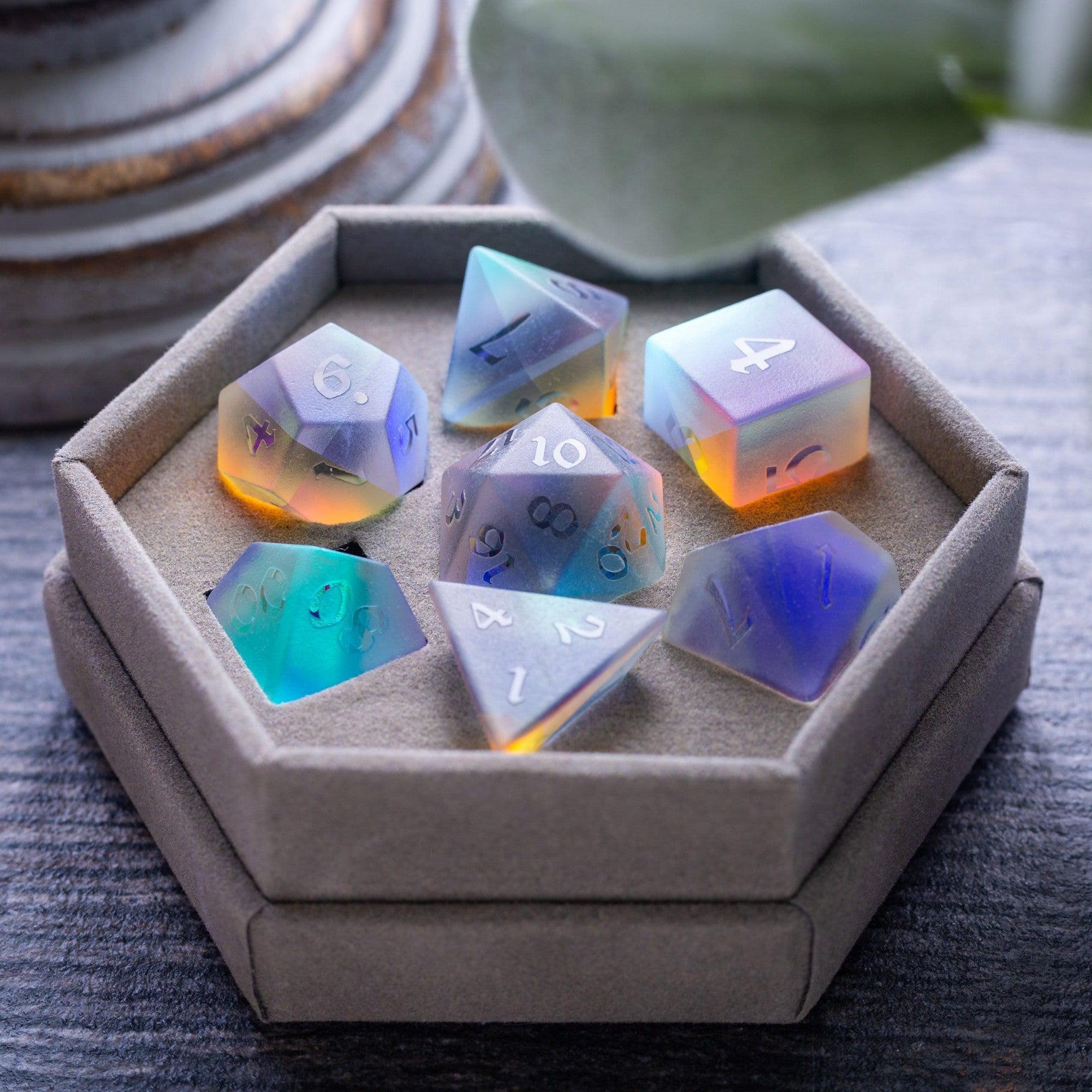
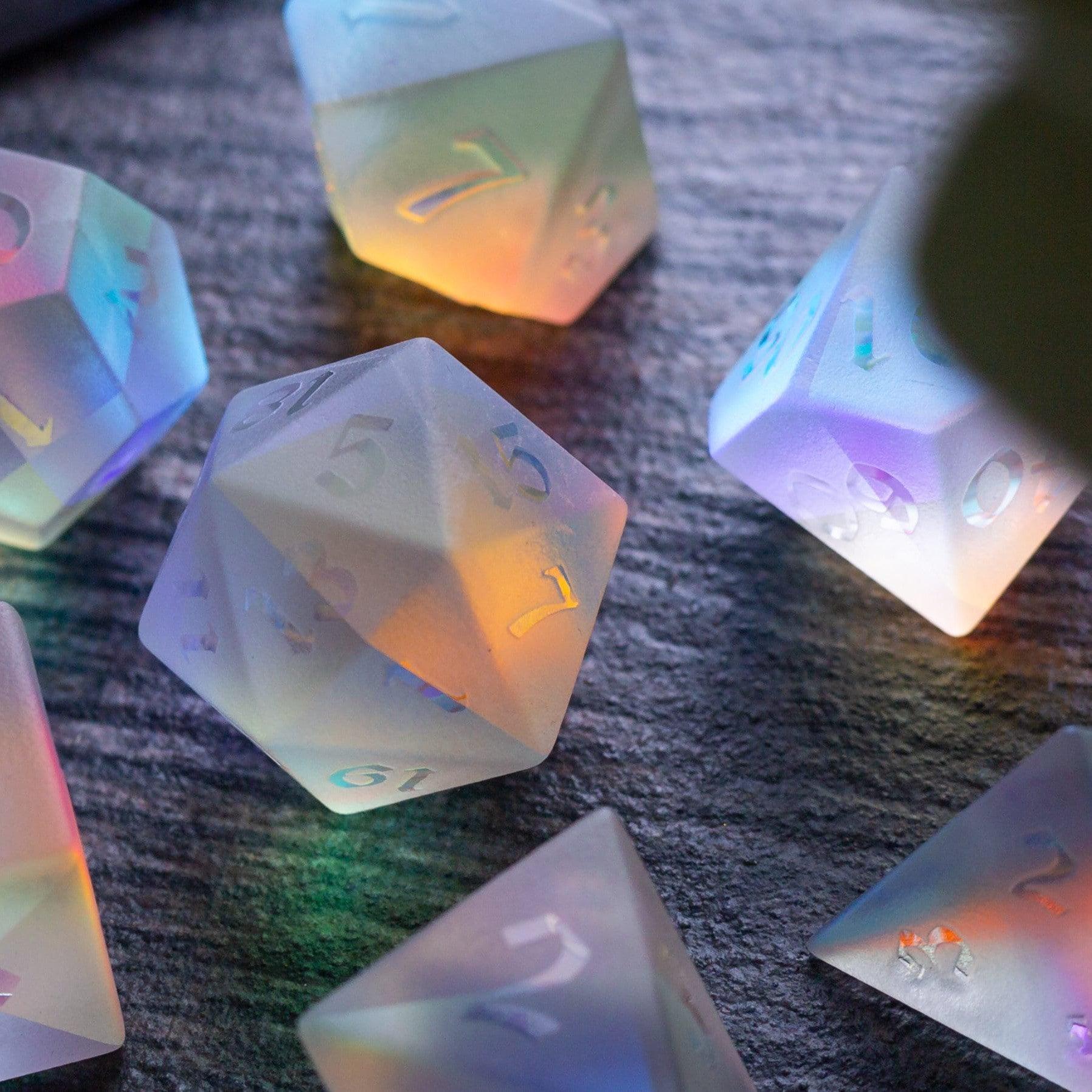
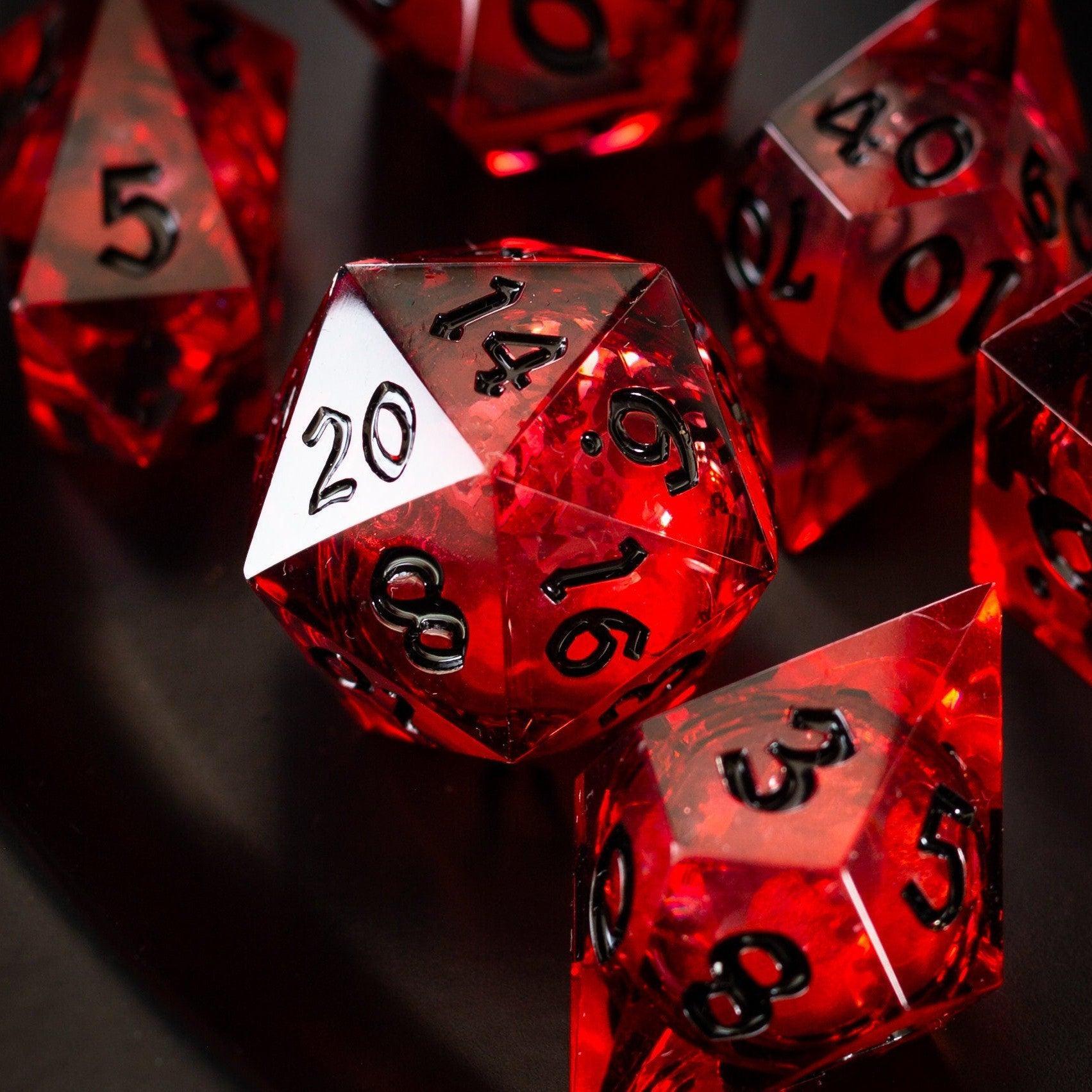
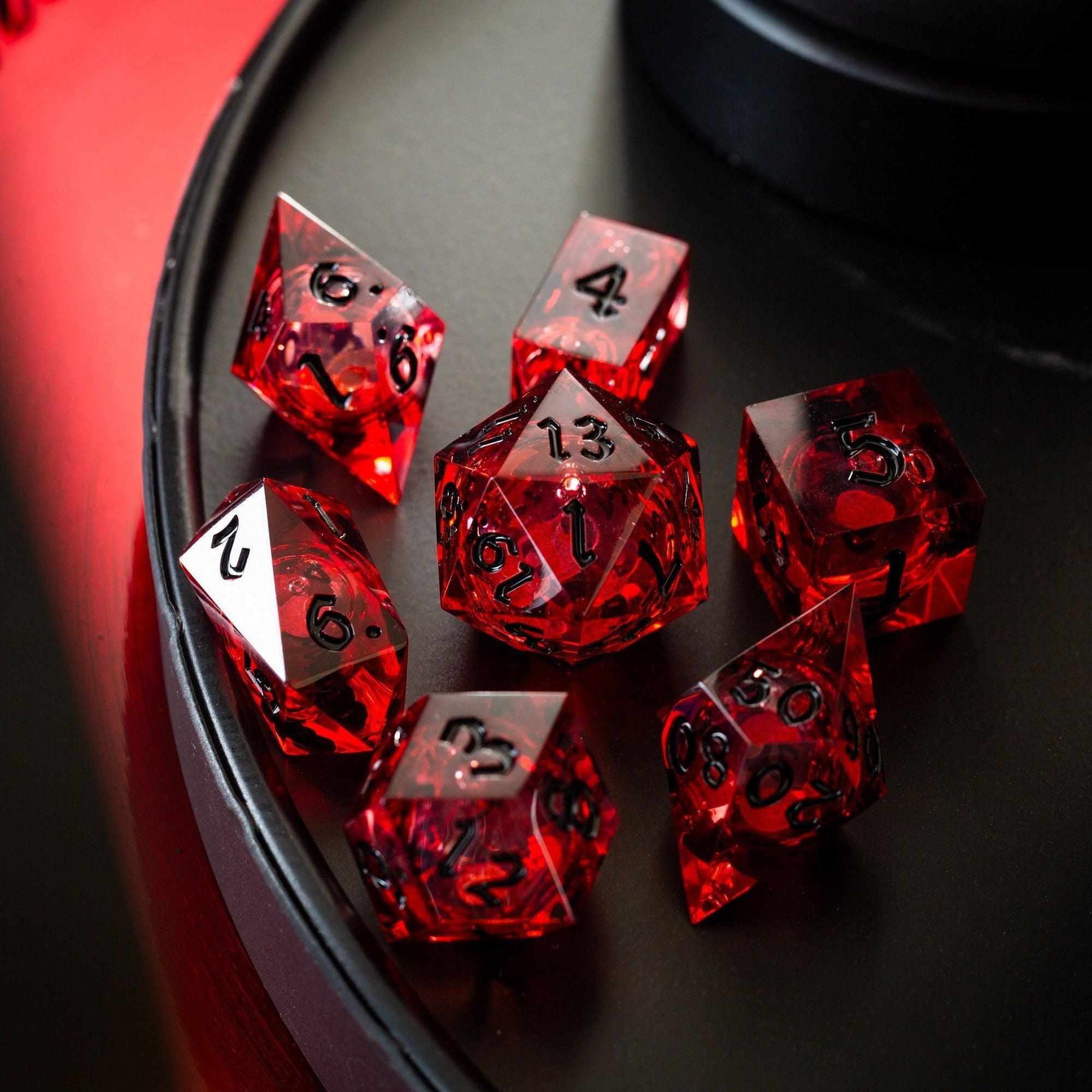
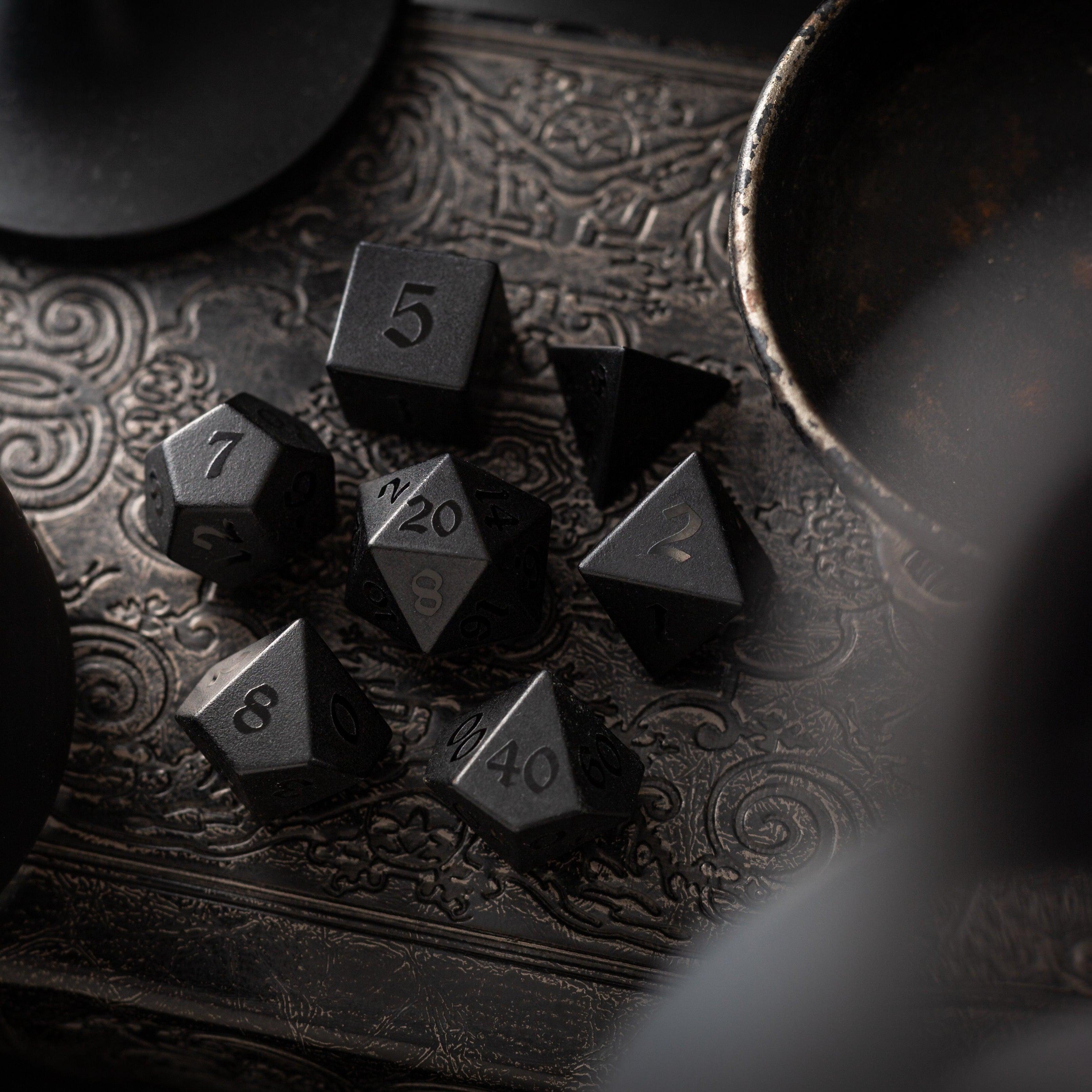
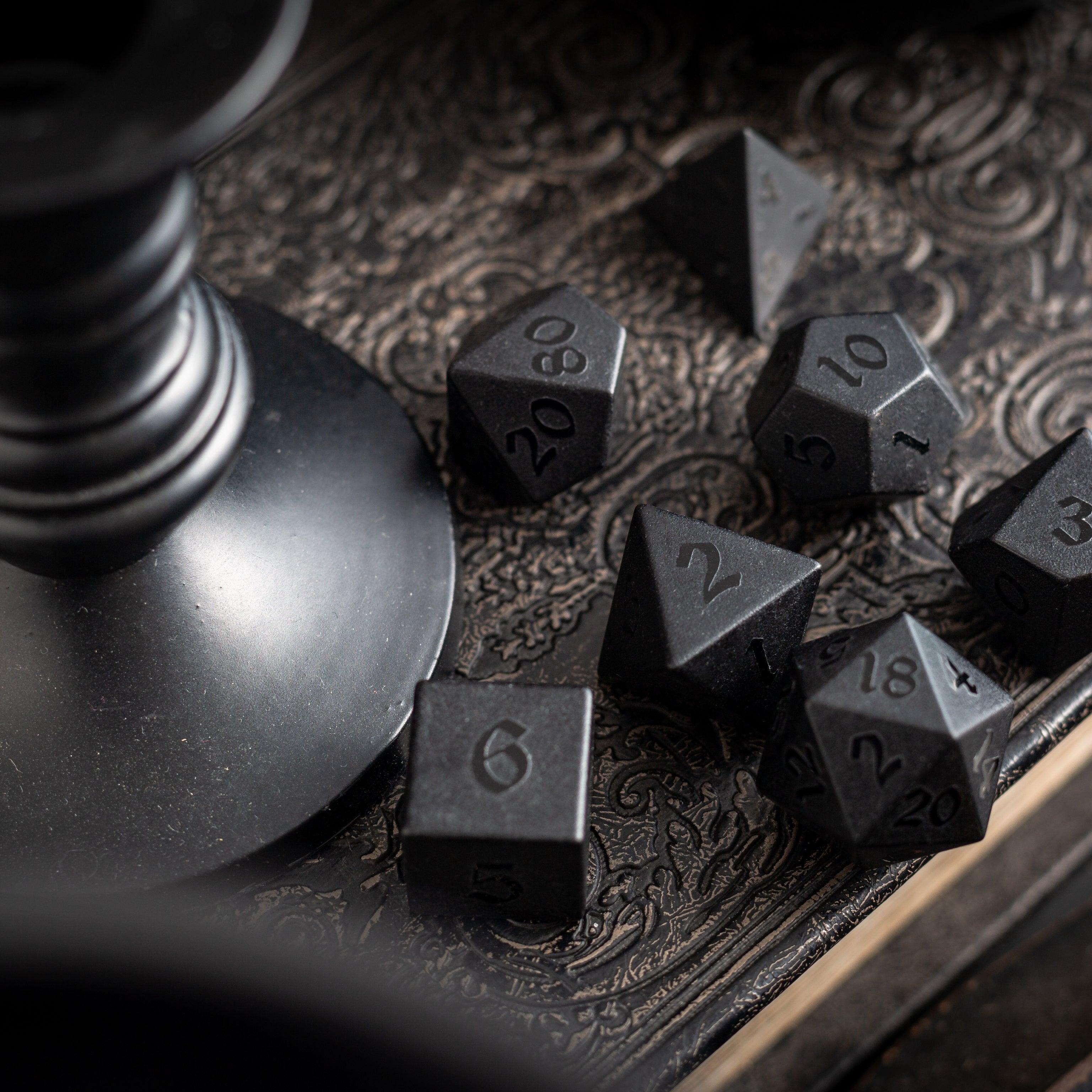
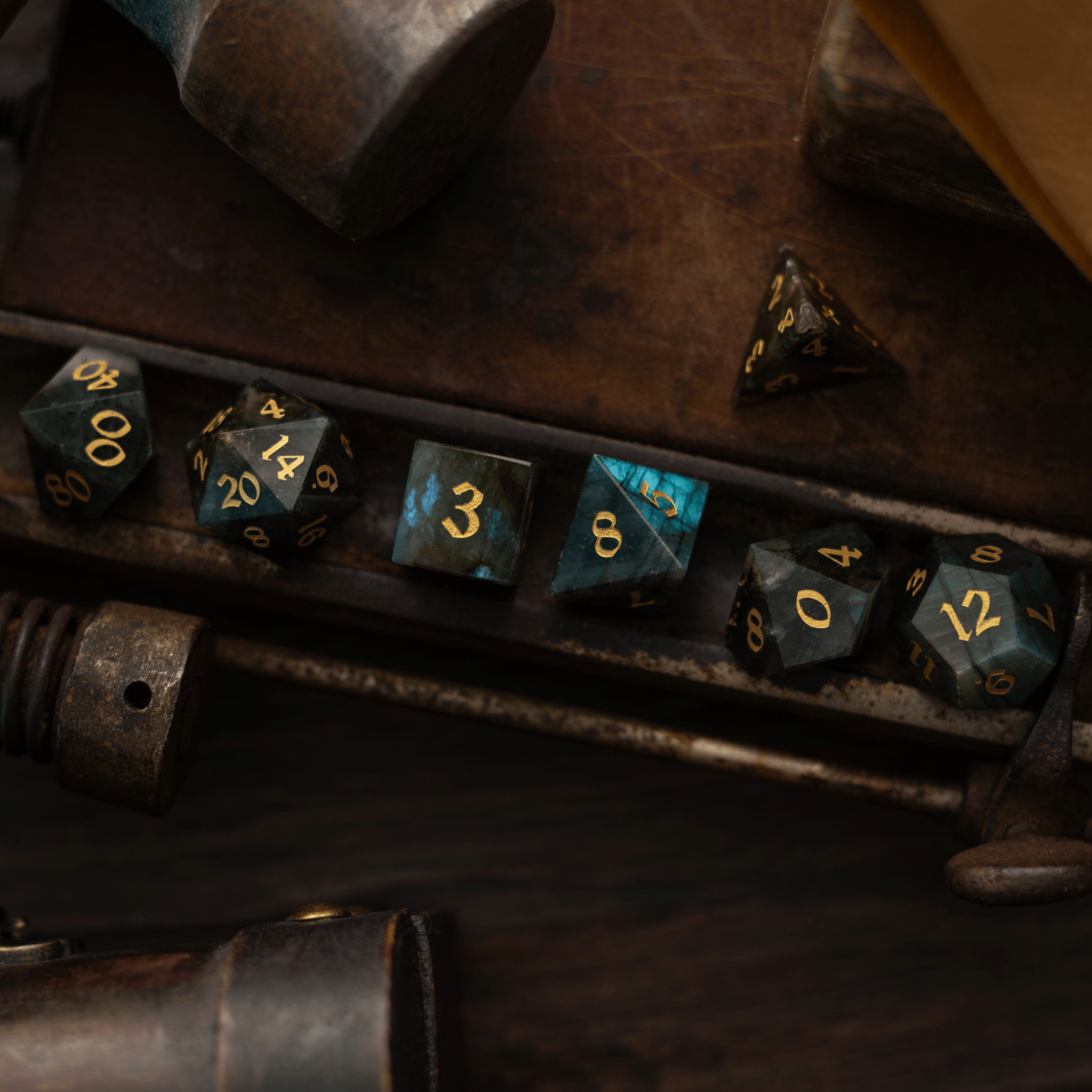
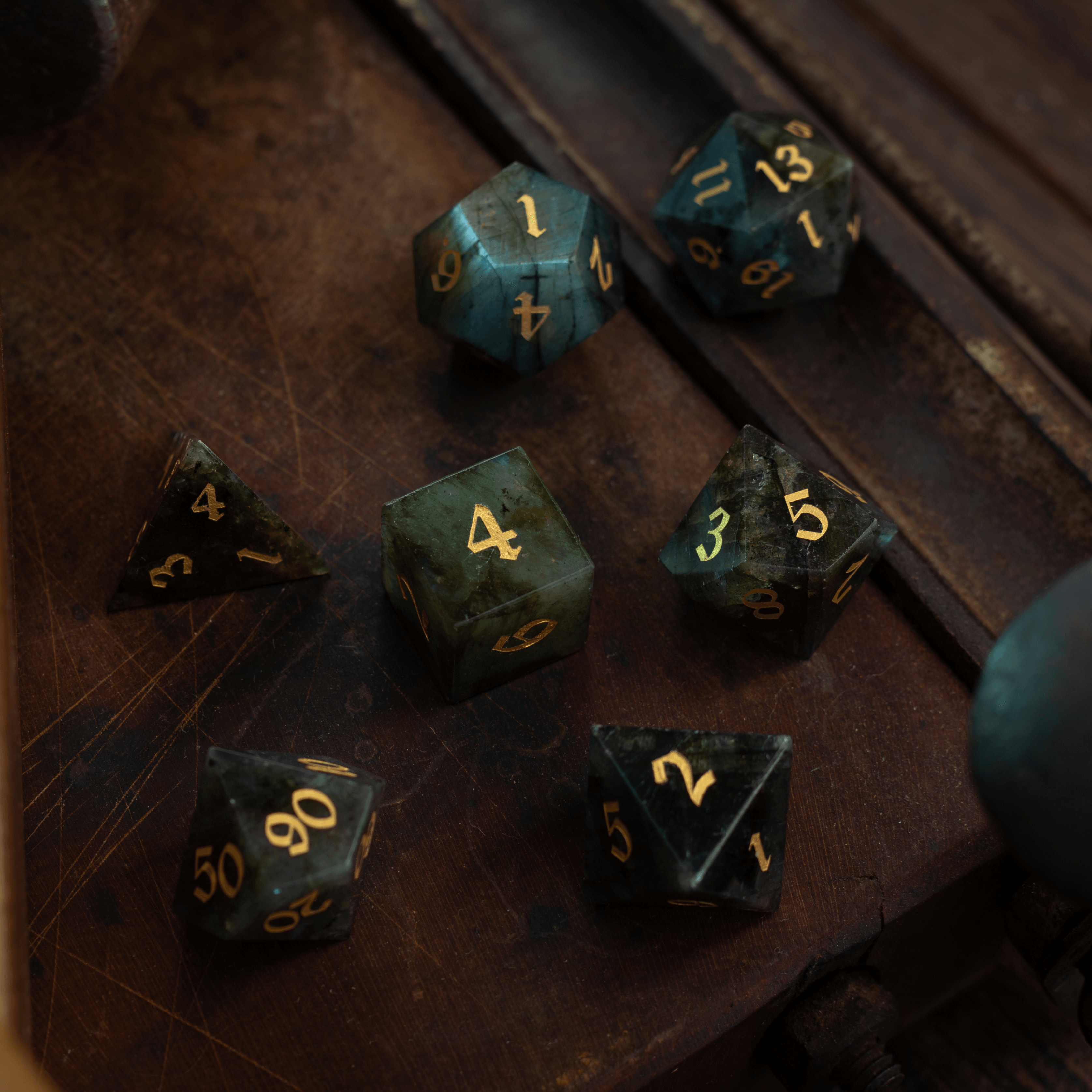
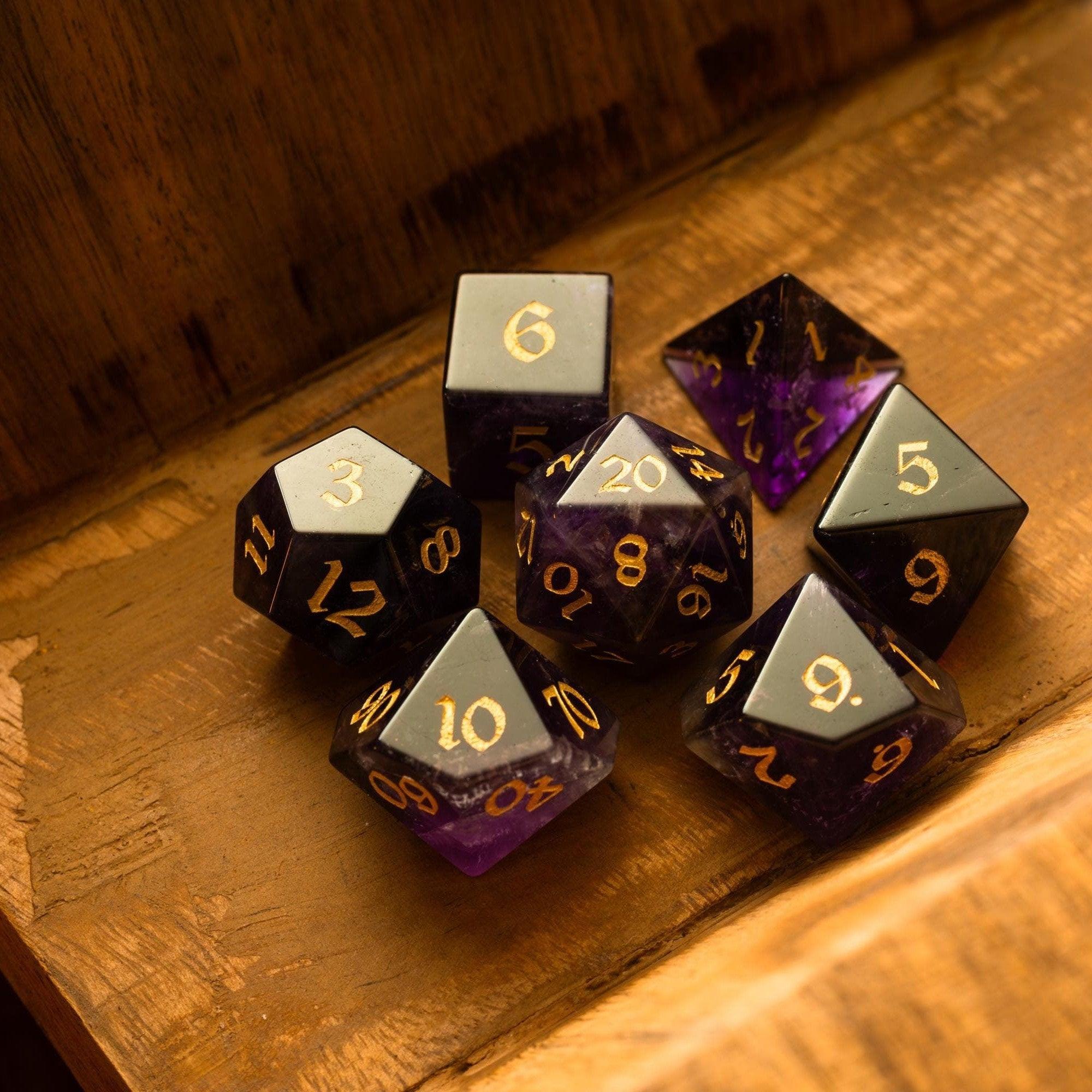
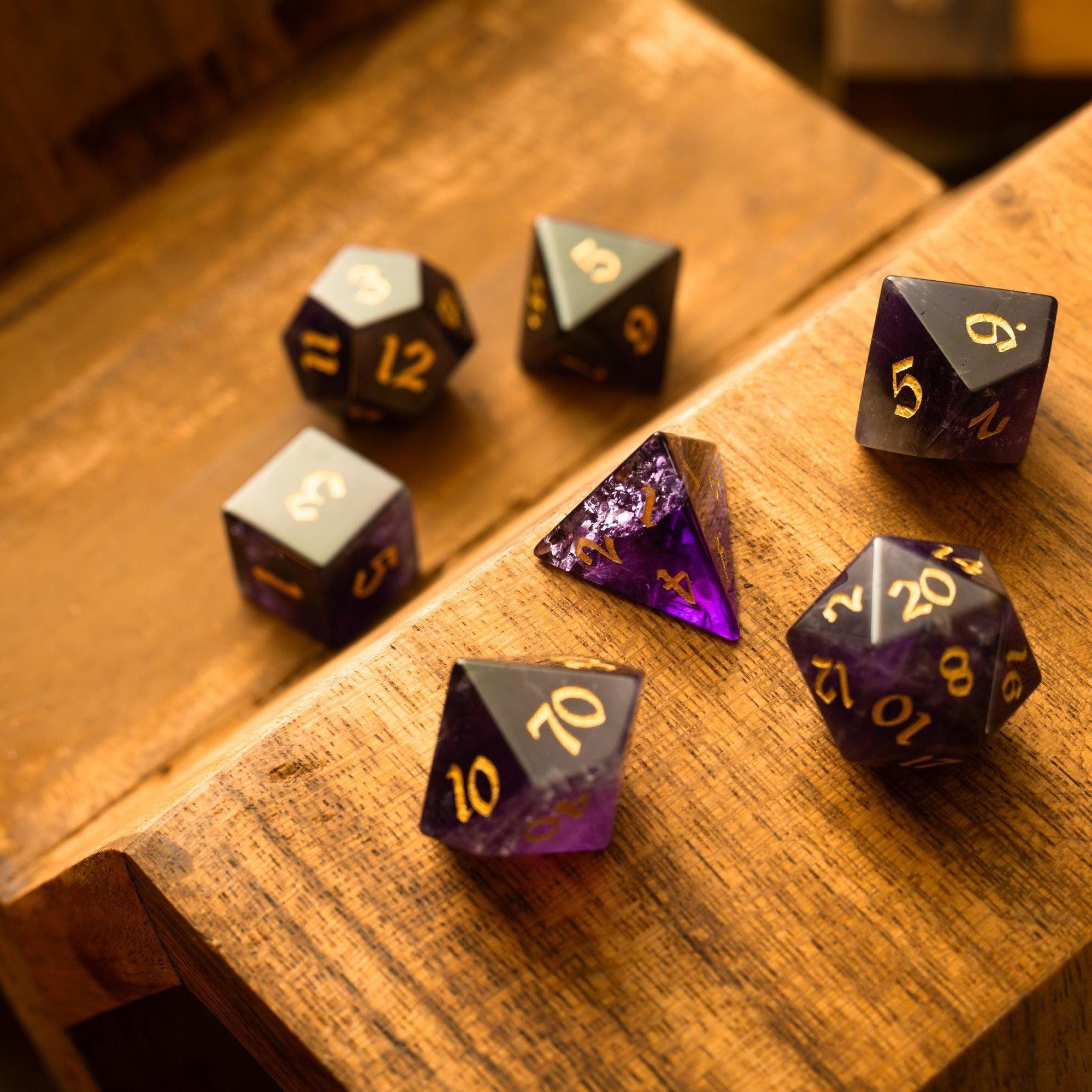
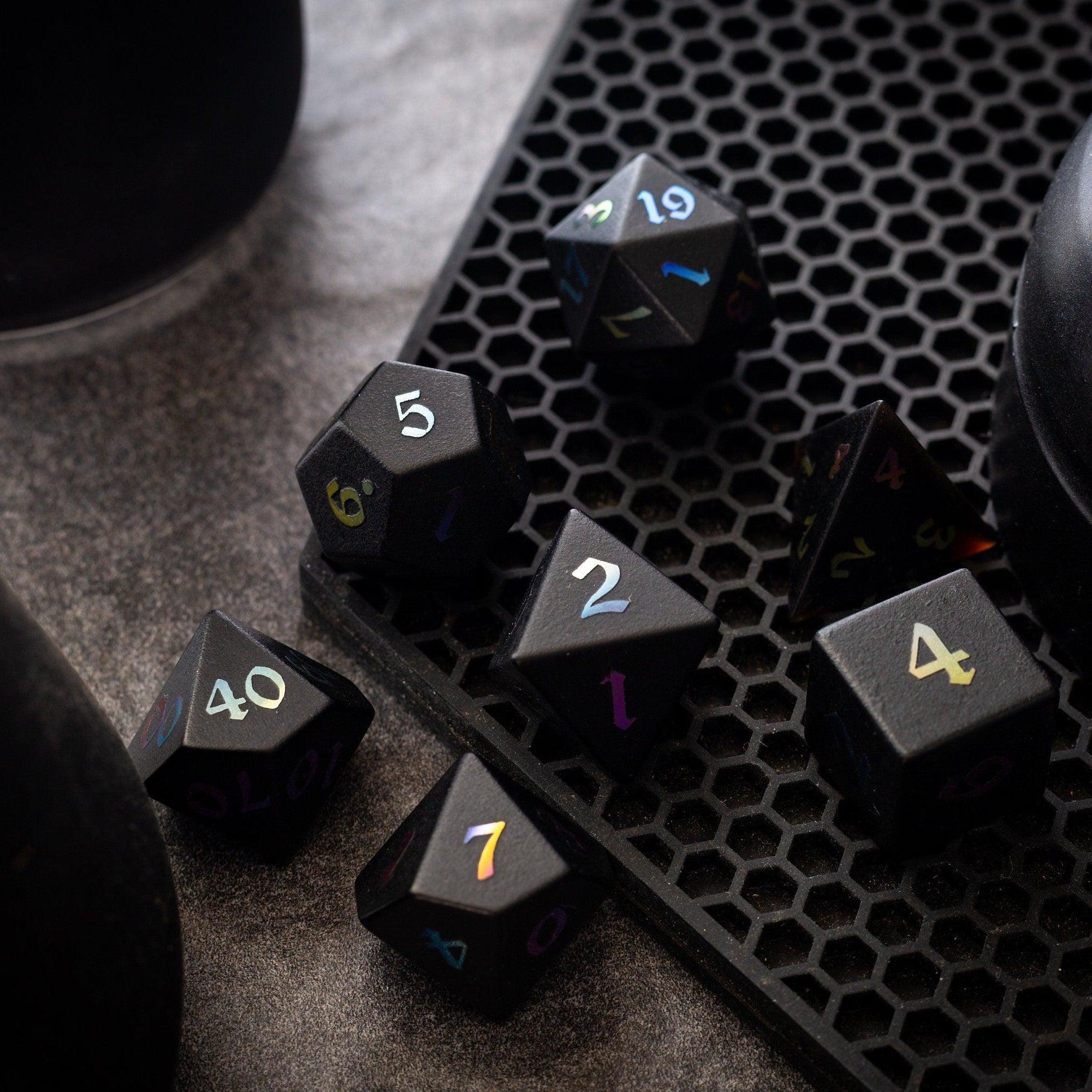
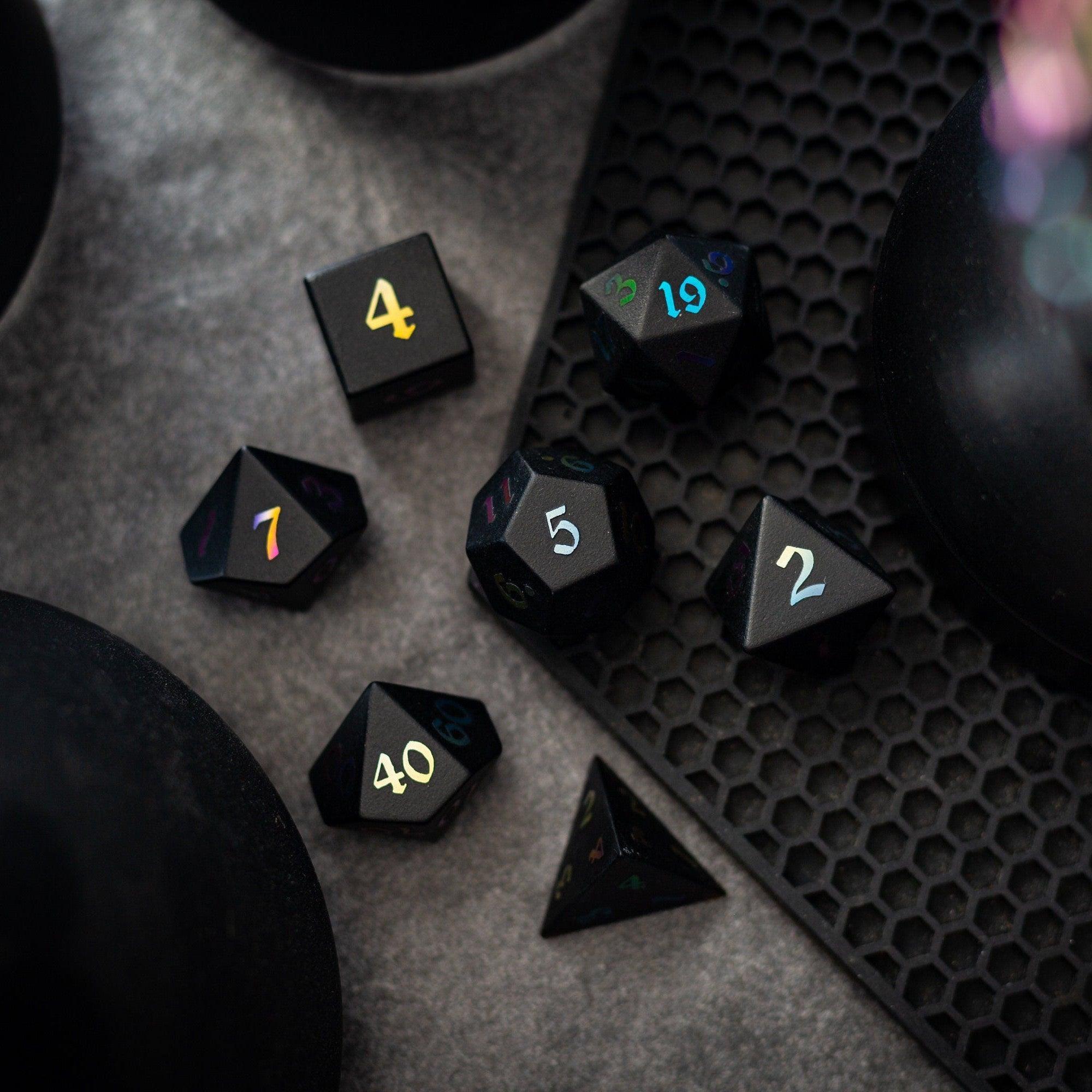
Many DMs pair their custom creations with beautiful dice rolls and atmospheric elements. Gemstone dice sets can enhance the sense of occasion when you're introducing special homebrew encounters. Premium dice feel tangible and exciting, making those crucial moments even more memorable. Whether you're using precision-cut gemstone dice or vibrant liquid core sets, quality dice add polish to your table.
Frequently Asked Questions
How do I know if my homebrew is balanced?
Compare it against official materials with similar power levels. If it's a monster, check its damage output and hit points against published creatures with the same challenge rating. If it's an item, make sure it doesn't trivialize encounters or overshadow normal equipment. Most importantly, playtest it and observe whether it feels fair to both players and you as the DM. If encounters become too easy or too hard, adjust accordingly.
Can I use homebrew in organized play or shared campaigns?
This depends on your group's rules. Many casual groups freely share homebrew with each other. However, official organized play programs like Adventurers League typically restrict custom content. Always check with your community or campaign organizer before introducing homebrew in shared settings. Within your own private table, you have complete creative freedom.
Where can I find inspiration for creating homebrew?
Draw inspiration from books, movies, video games, and real history. Think about mechanics from other TTRPGs. Browse online communities where DMs share their creations. Study how published materials handle similar concepts. Most importantly, listen to what your players want. Their desires and feedback are your best creative compass. You might also explore curated collections of premium gaming accessories, like those found in specialty dice collections, which can inspire thematic elements for your world.
What's the difference between homebrew and house rules?
Homebrew typically refers to entirely new content—custom monsters, items, spells, or mechanics that don't exist in official rules. House rules modify or adjust existing mechanics to suit your table's preferences. Both are valuable and often work together. You might have a house rule about how critical hits work, then use that rule when running custom monsters you've homebrewed.
Wrap-Up and Final Thoughts
Building Dungeons and Dragons homebrew is a creative journey that deepens your love for the game. Start small with simple modifications, gradually building your confidence and skills. Remember that balance and clarity matter more than complexity. Your players will appreciate thoughtful, well-tested custom content far more than overpowered abilities or confusing mechanics.
The most successful homebrew creators stay flexible and player-focused. They playttest regularly, gather feedback honestly, and adjust without ego. They understand that the goal isn't to show off how creative they are—it's to create memorable experiences that your group loves. When you approach homebrew with that mindset, you'll develop content that enhances your table for years to come.
Start with your next session. Maybe introduce one custom monster, one unique magic item, or one experimental house rule. See how it feels. Get feedback from your players. Then build from there. Before you know it, you'll have developed a rich, personalized world that feels entirely your own. That's the real magic of creating custom content—it transforms D&D from a published game into your game, shaped by your imagination and refined through shared experiences with your table.
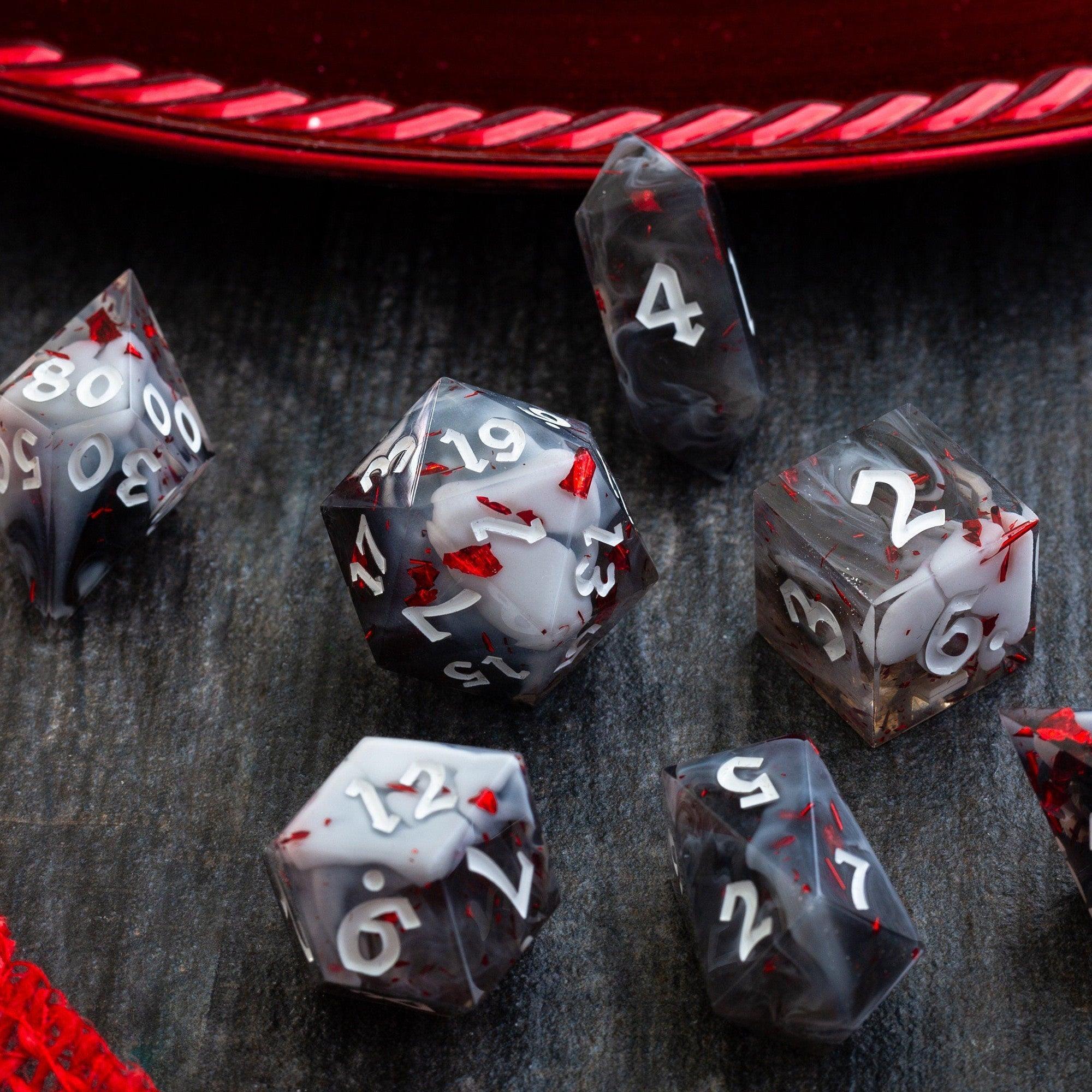
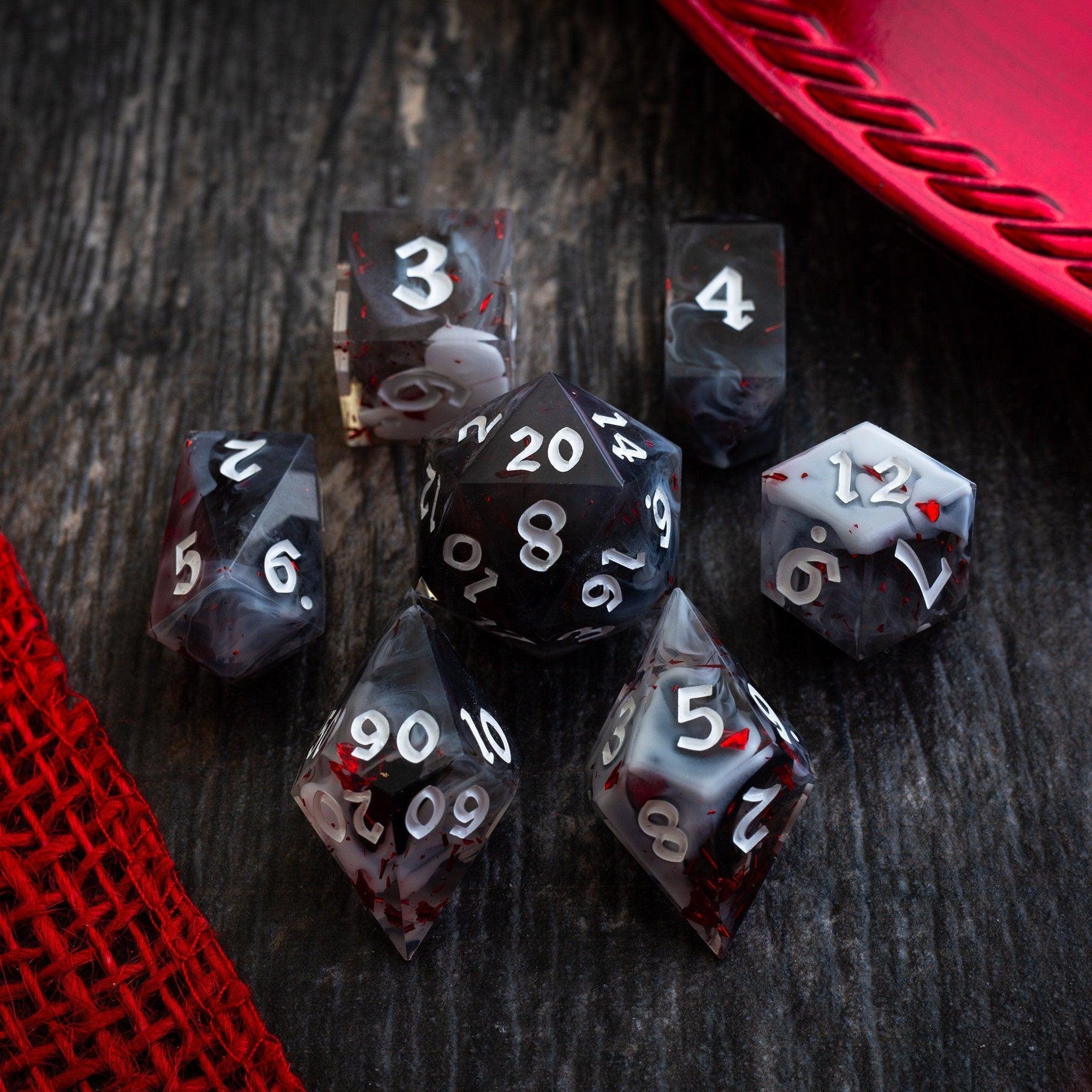
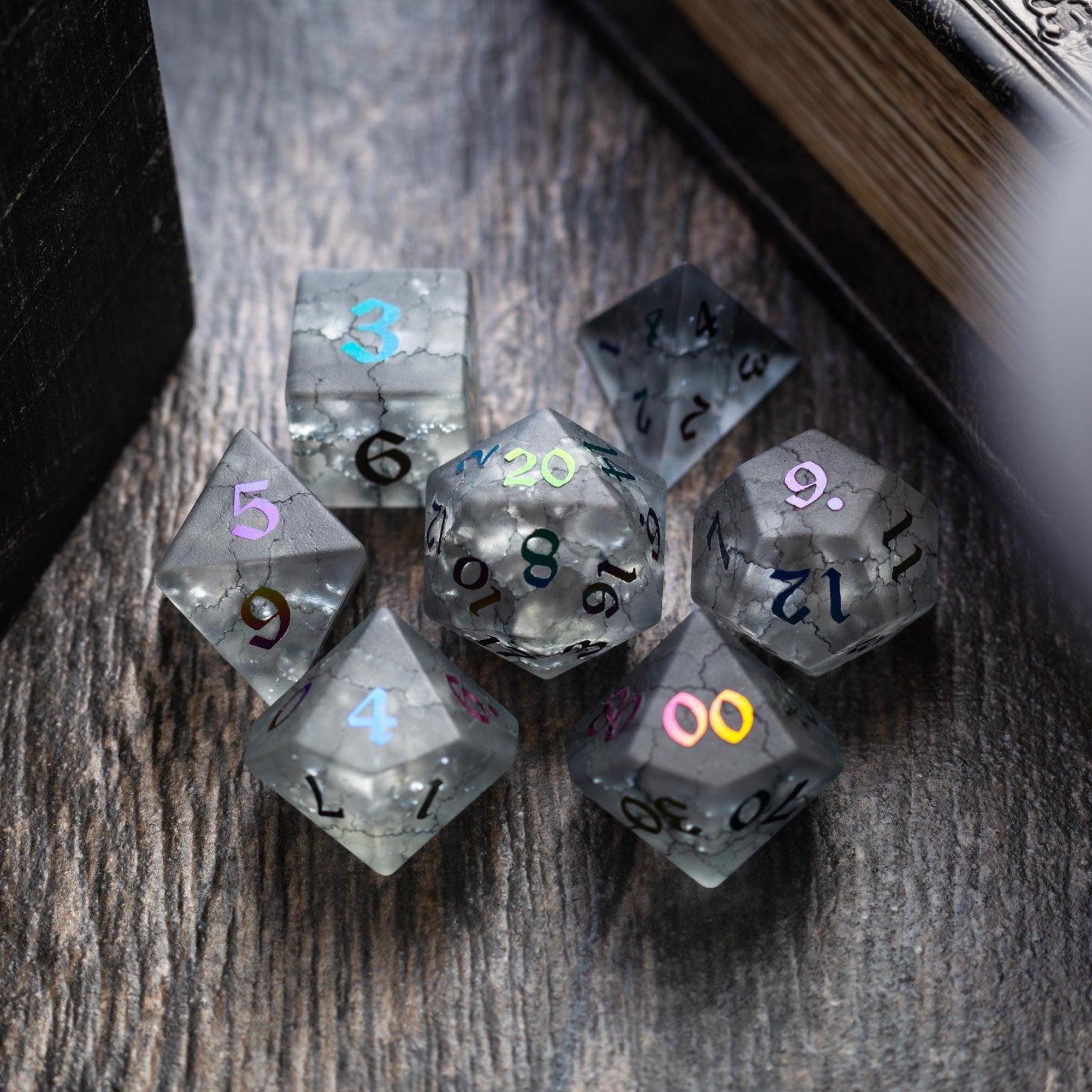
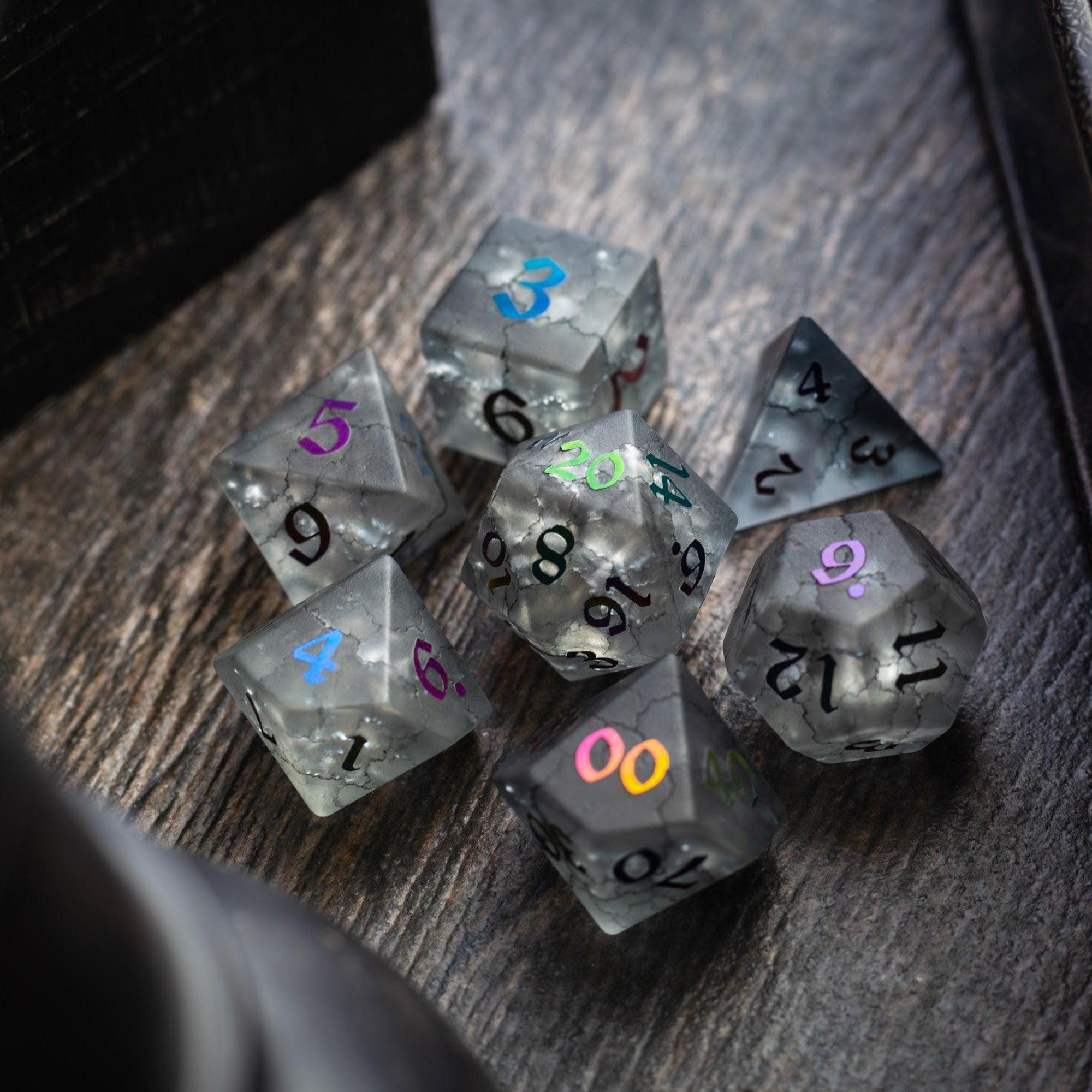
To celebrate your creative journey, consider adding special touches to your sessions—like beautifully crafted resin dice that feel as unique as your homebrew. Quality components elevate the entire experience, making your table feel truly special.

Leave a comment
This site is protected by hCaptcha and the hCaptcha Privacy Policy and Terms of Service apply.