
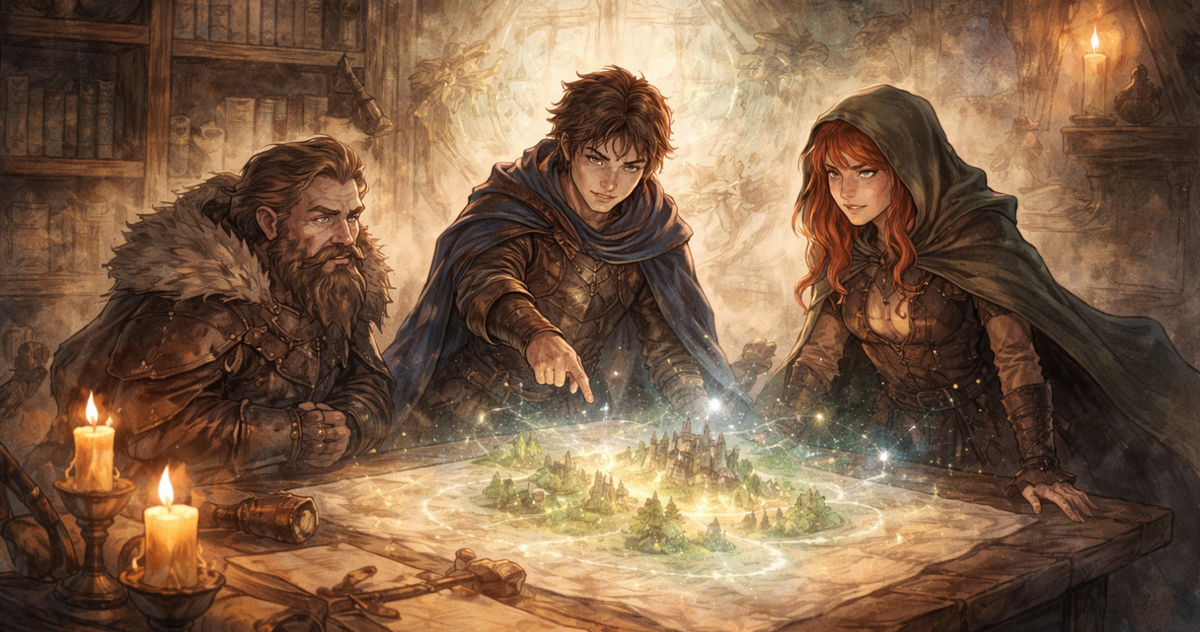
Mastering D&D Play: Smart Strategies Every Player Should Know

Great Dungeons & Dragons players do more than roll dice and wait for their turn. They listen, plan, support the party, make meaningful choices, and help build the kind of story everyone remembers after the session ends.
Whether you are brand new to the game or already have a few campaigns behind you, learning how to play DND better comes down to small habits. You do not need to memorize every rule or build the most powerful character at the table. You need to understand your character, respect the group, pay attention to what is happening, and make choices that move the adventure forward.
This DND player guide covers practical DND tips you can use during your next session, including combat strategy, roleplaying, teamwork, resource management, and table awareness.
Know Your Character Inside and Out
One of the easiest ways to become a better player is to know what your character can actually do.
You do not need to memorize the entire rulebook, but you should understand your own character sheet. Know your main attacks, class features, spells, Armor Class, Speed, important skills, and limited resources. If a feature regains uses after a Short or Long Rest, mark those uses clearly so you know what is available.
Before each session, take a few minutes to review:
-
Your most common actions in combat
-
Your strongest skills and saving throws
-
Your class and subclass features
-
Your prepared spells or other available spell options, if applicable
-
Your character’s personality, goals, and current priorities
-
Useful equipment and magic items you are carrying
This preparation keeps the game moving. Nobody expects you to know every possible rule, but knowing your common options means you spend less time searching your character sheet when your turn begins.
Work With Your Party
D&D is a team game. Even if your character is a lone wolf in the story, the player behind that character should still care about the group.
Some of the best Dungeons and Dragons tips have little to do with dealing damage. Pay attention to what the other characters do well. A rogue may be suited to scouting, a heavily armored character may be able to protect a vulnerable ally, and a character with strong social skills may be useful when the party needs information instead of another fight.
Good teamwork means:
-
Sharing the spotlight
-
Listening to other players’ ideas
-
Building on the party’s plans
-
Creating opportunities for other characters to use their strengths
-
Avoiding choices that repeatedly derail everyone else’s fun
A smart player does not need to dominate every scene. Sometimes the most useful move is helping another character succeed at something they were built to do.
Think Before You Act in Combat
Combat can feel simple at first: find an enemy, attack it, and repeat. Strong DND combat tactics come from looking at the entire battlefield instead of automatically attacking the closest target.
Before your turn, ask yourself:
-
Who is in the most danger?
-
Which enemy is creating the biggest problem?
-
Can I protect or assist an ally?
-
Is this a good time to spend a limited ability?
-
Would movement, cover, control, or positioning help more than direct damage?
For example, attacking the nearest enemy may be useful, but not always. If another enemy is concentrating on an important spell, threatening an injured ally, or controlling a key part of the battlefield, dealing with that threat could matter more.
Plan while the other players are taking their turns. Your plan may need to change as the battle changes, but having a likely action ready helps combat move faster. Under the current D&D rules, attacking is only one option. Depending on the situation, actions such as Dash, Disengage, Dodge, Help, Hide, Influence, Magic, Ready, Search, Study, or Utilize may be available, along with actions granted by your character’s features. Creative actions outside the standard choices may also be possible when the DM determines how to resolve them.
Manage Your Resources Wisely
Many player mistakes come from spending limited resources too quickly or refusing to spend them at all.
If you use every major spell or class feature against minor threats, you may have fewer options when the party reaches a harder encounter. On the other hand, saving everything for a perfect moment that never arrives means those abilities provided no benefit.
Good DND strategy means judging the situation rather than following one rule every time. Use important resources when they can prevent serious damage, solve a difficult problem, protect the party, or significantly change an encounter. Save them when the group clearly has the situation under control. Pay attention to exactly when each resource returns because different class features may recharge under different conditions.
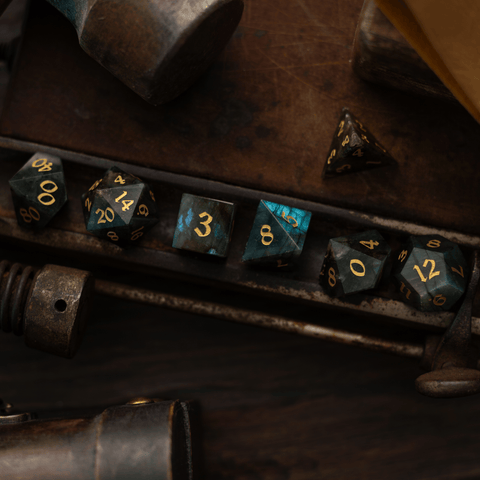
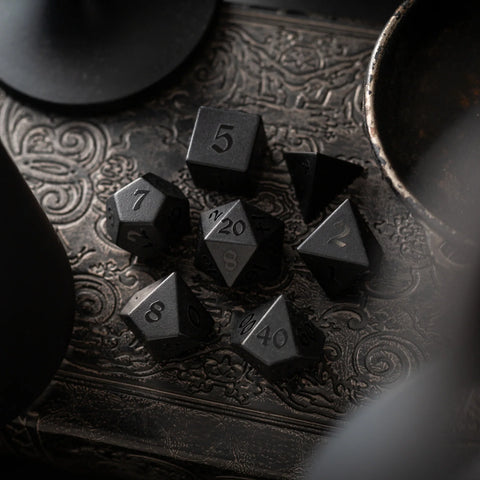
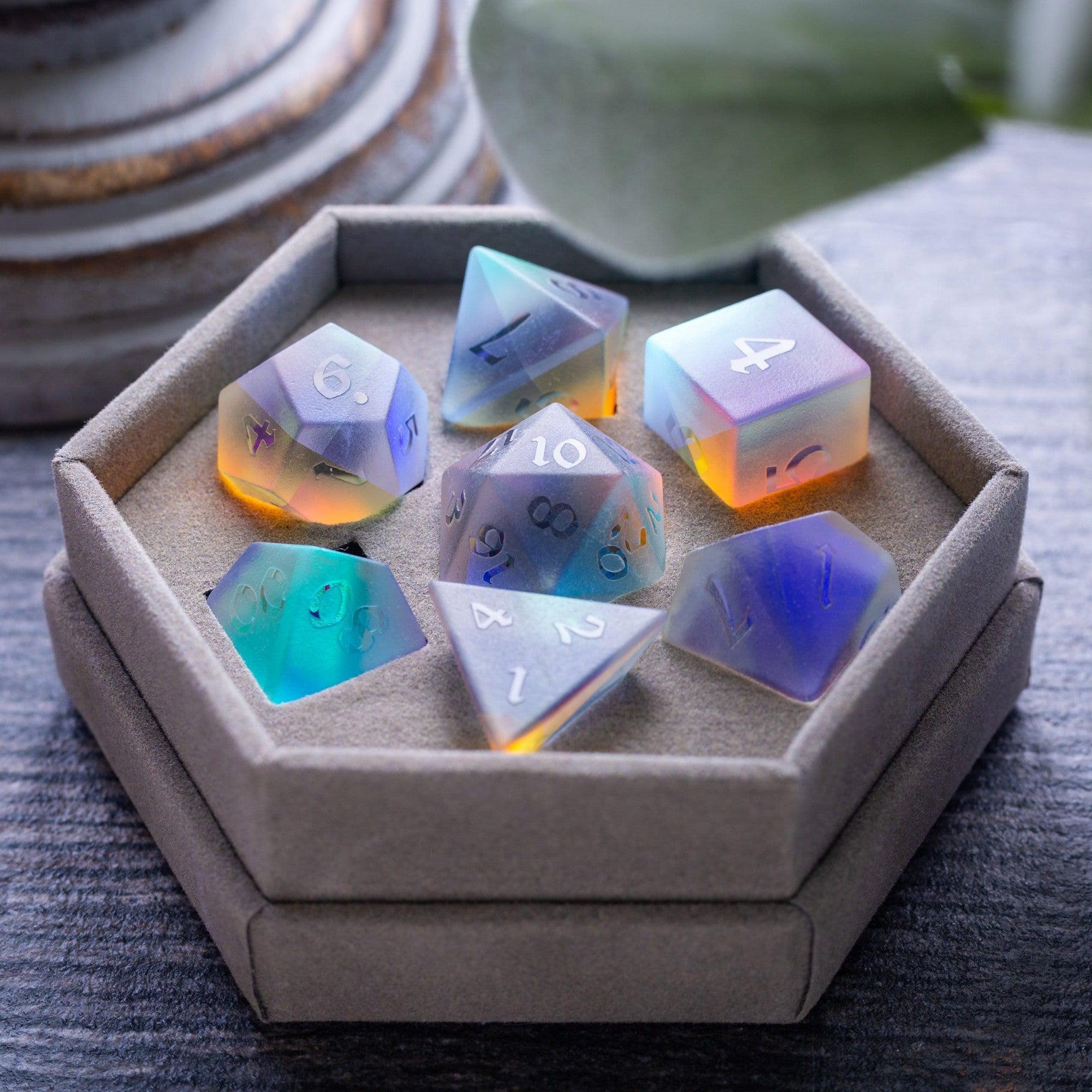
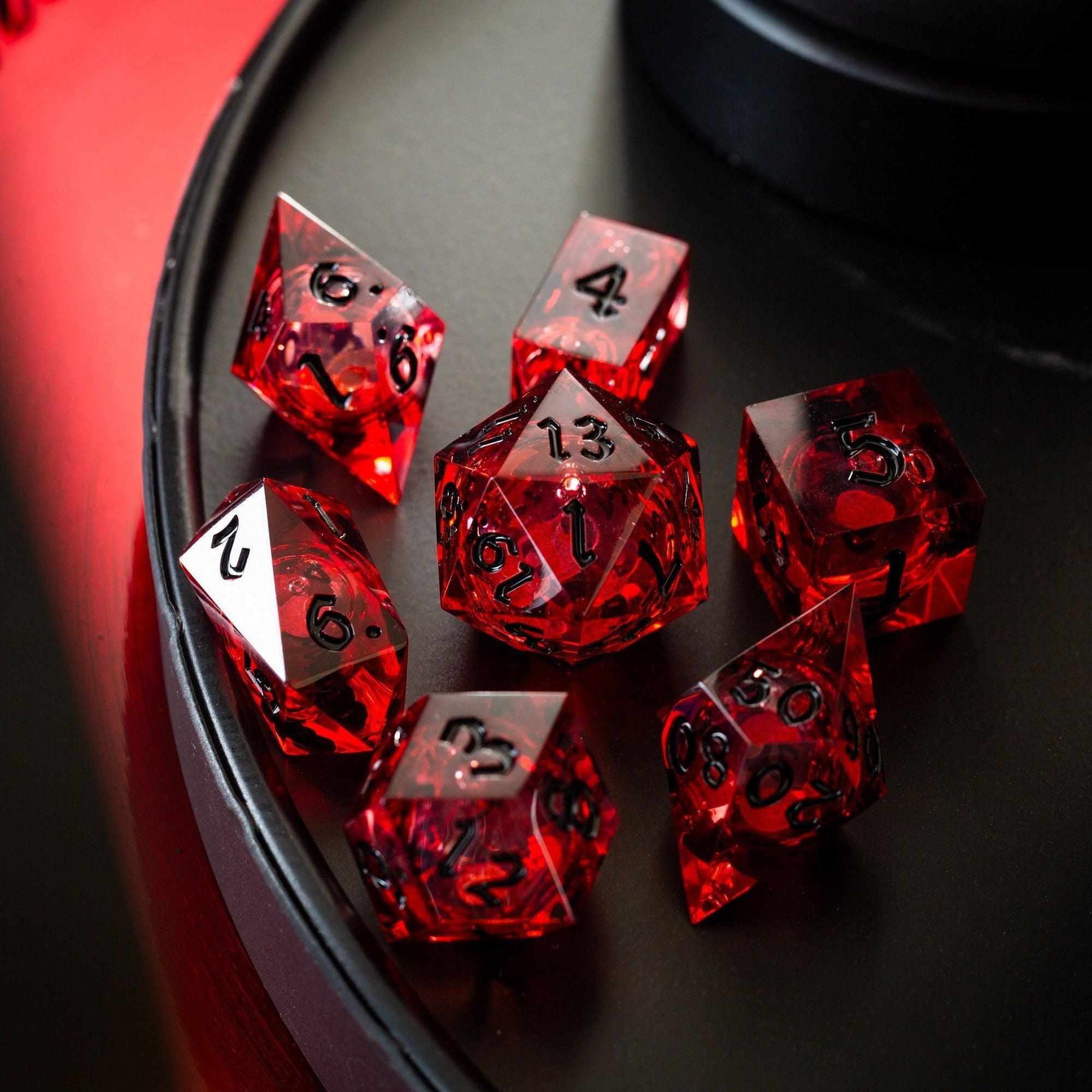
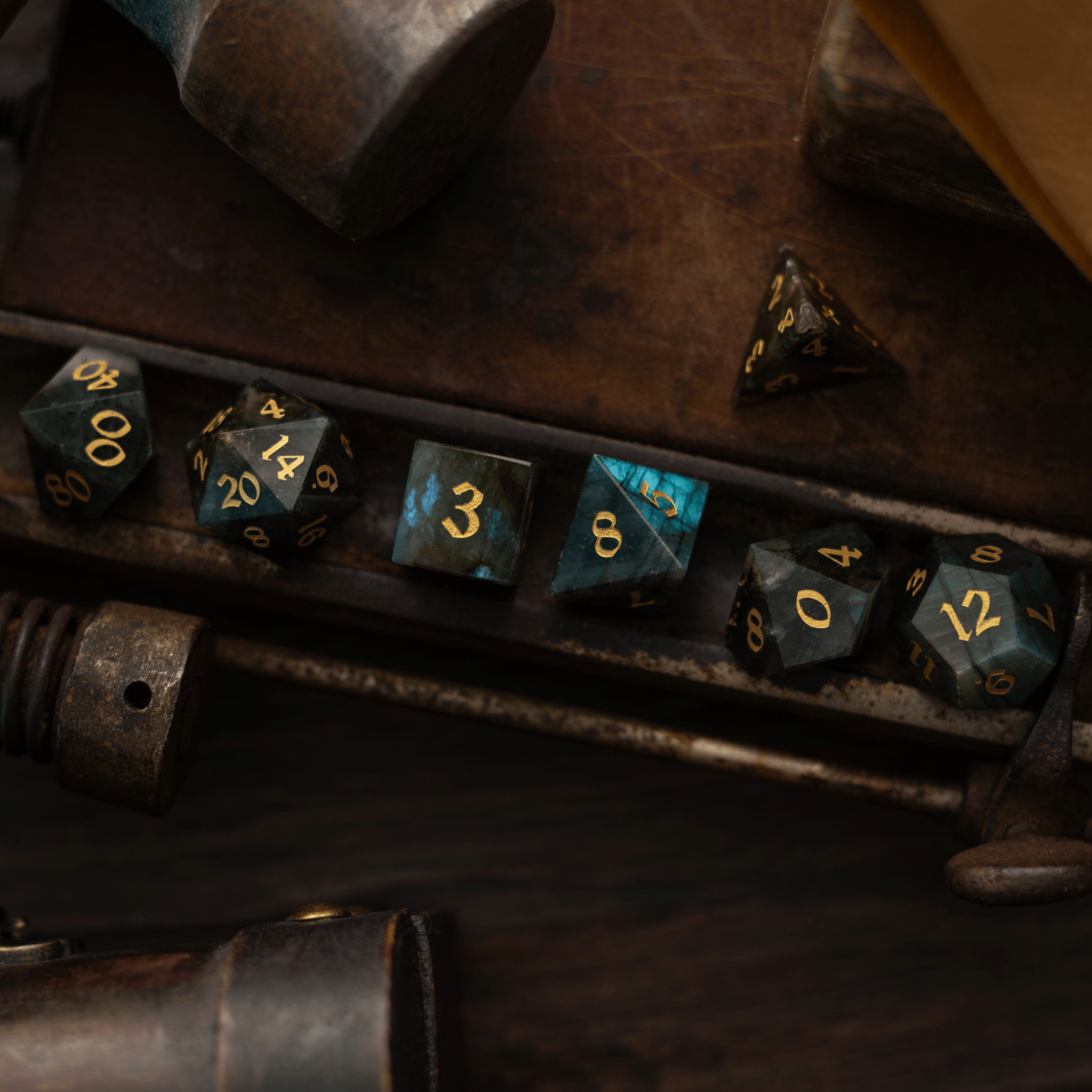
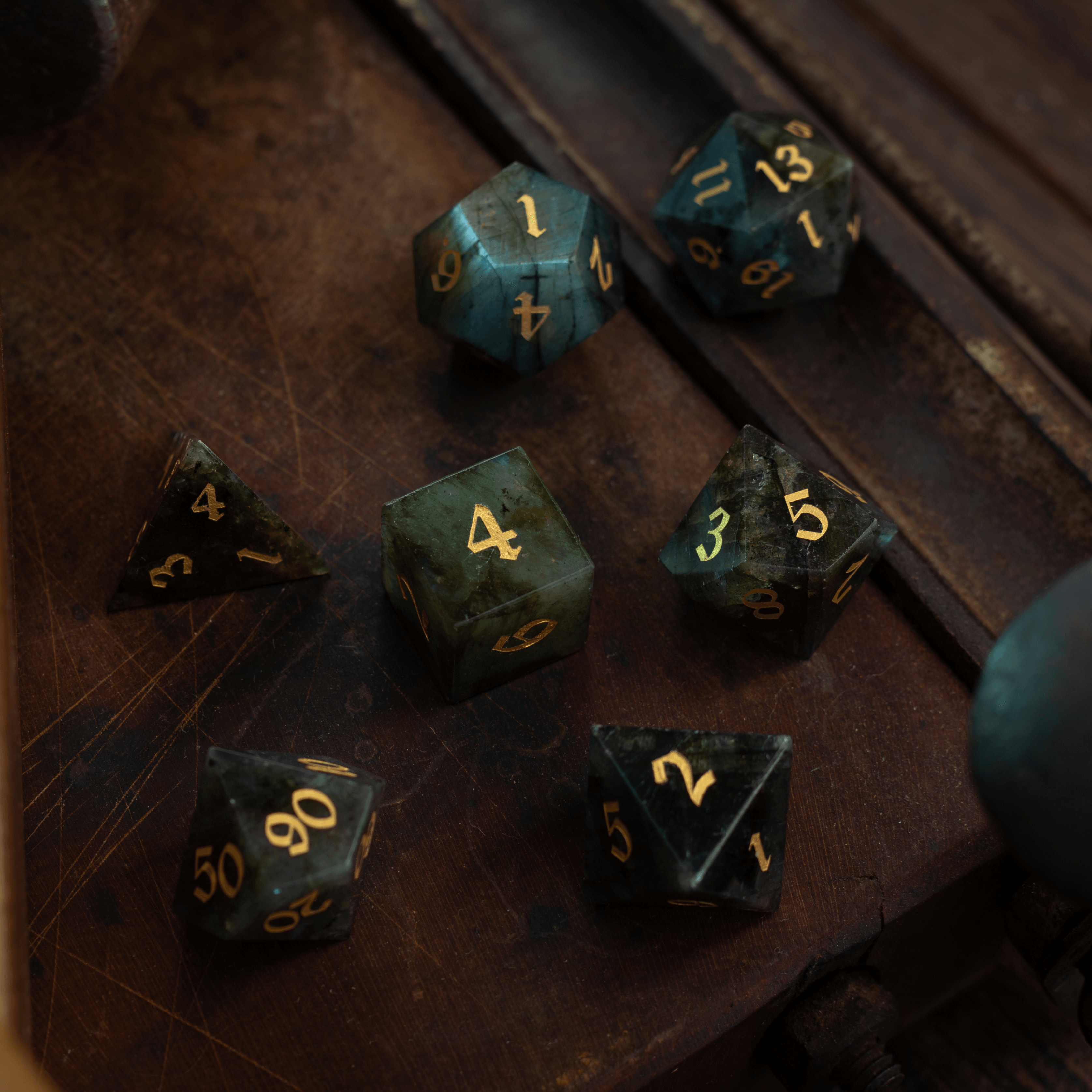
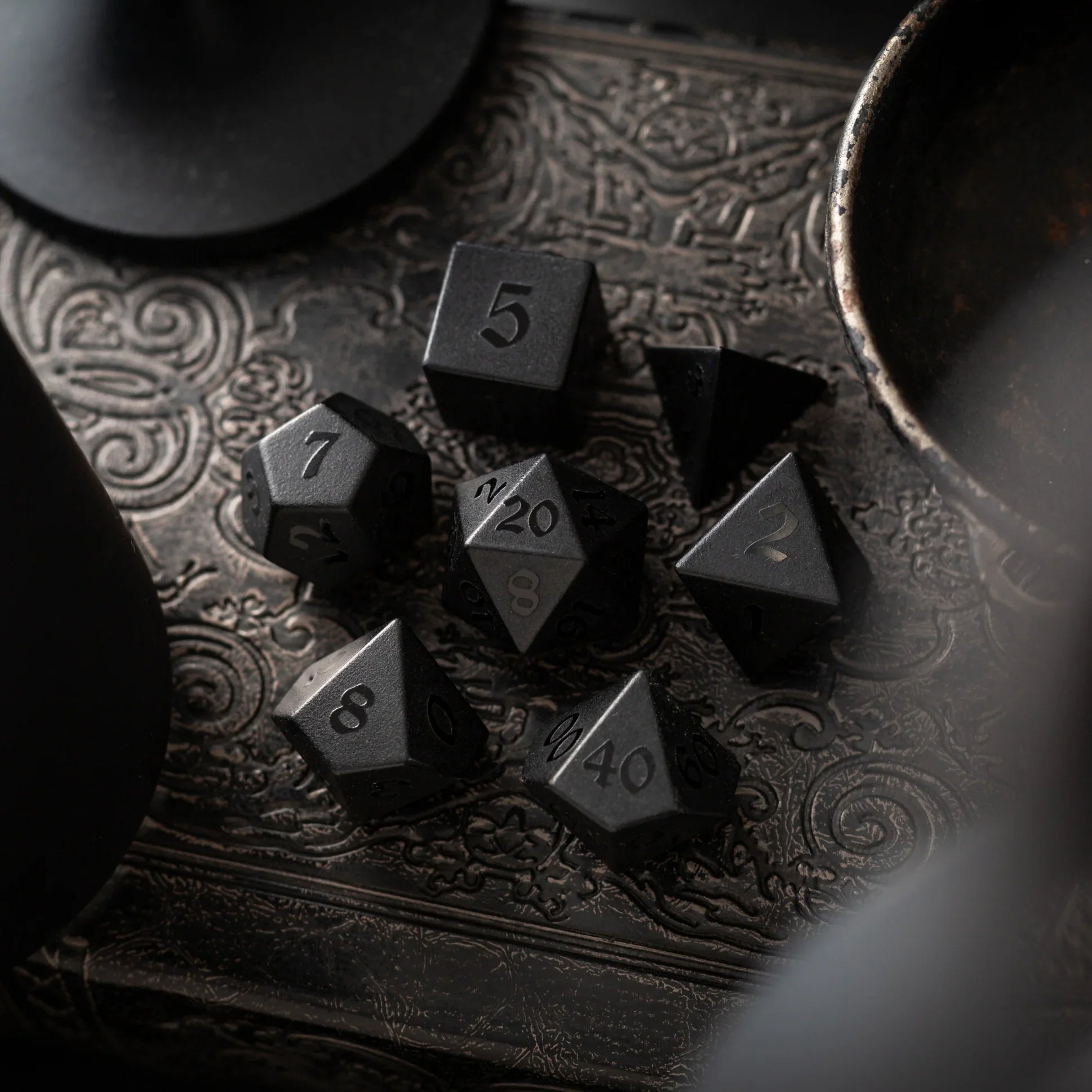
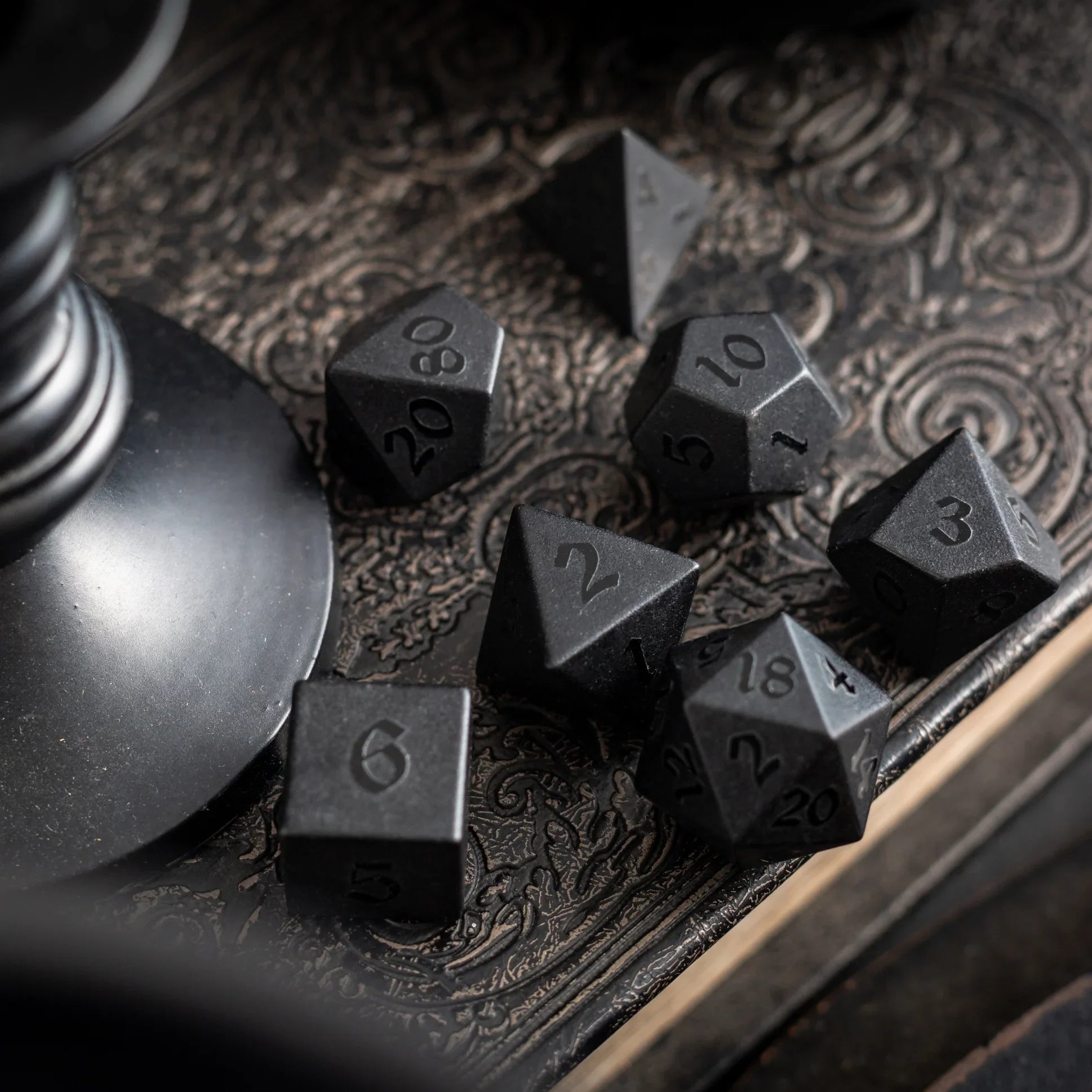
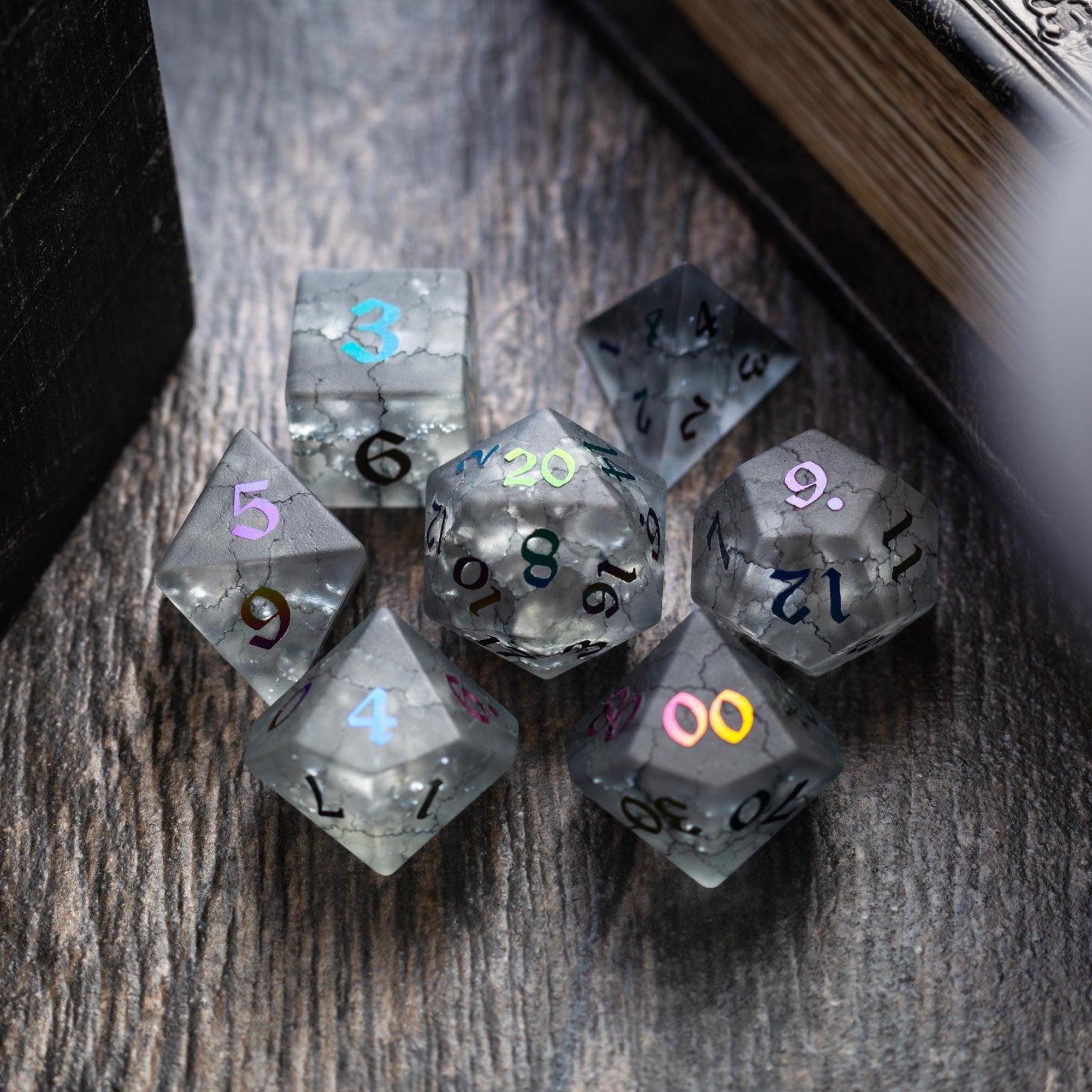
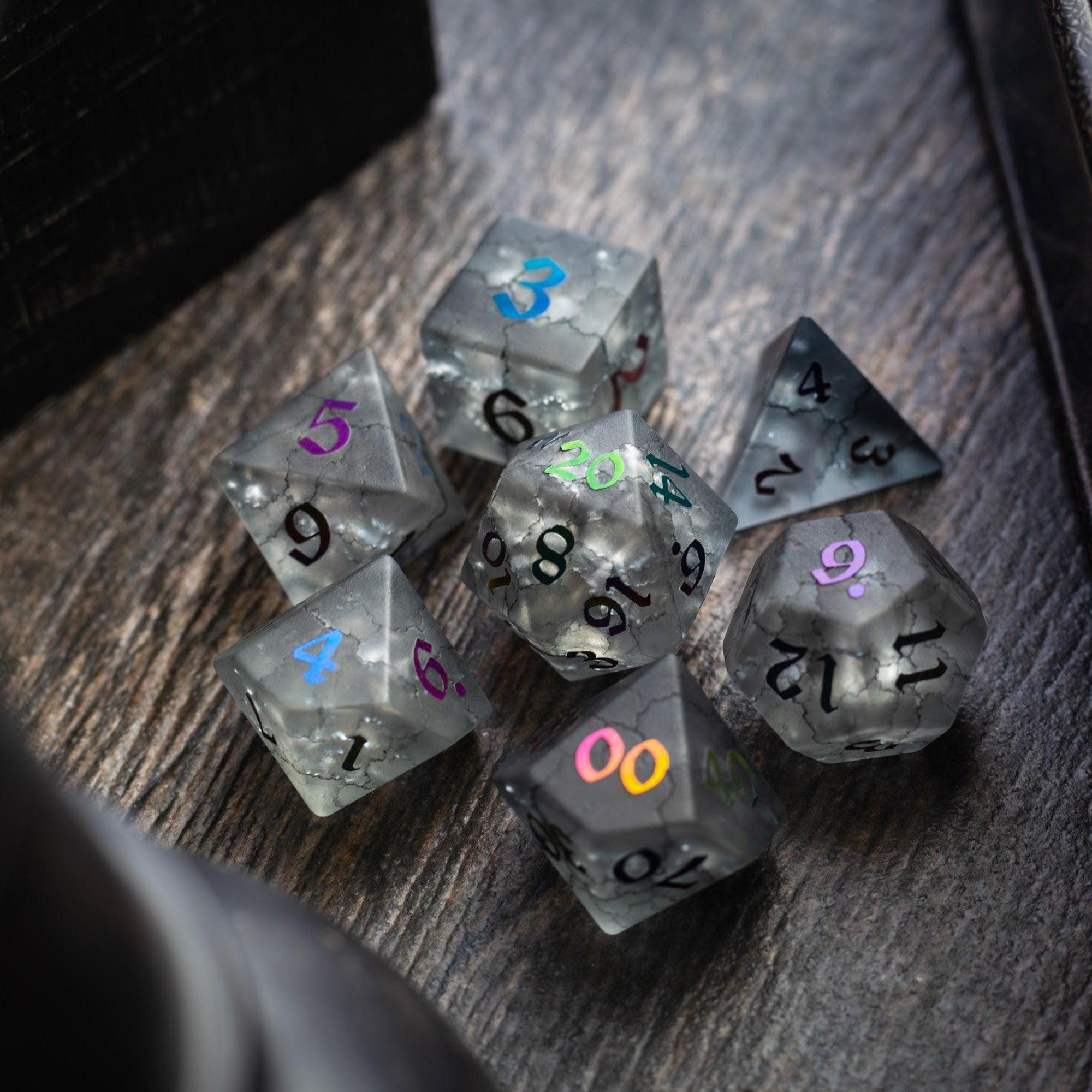
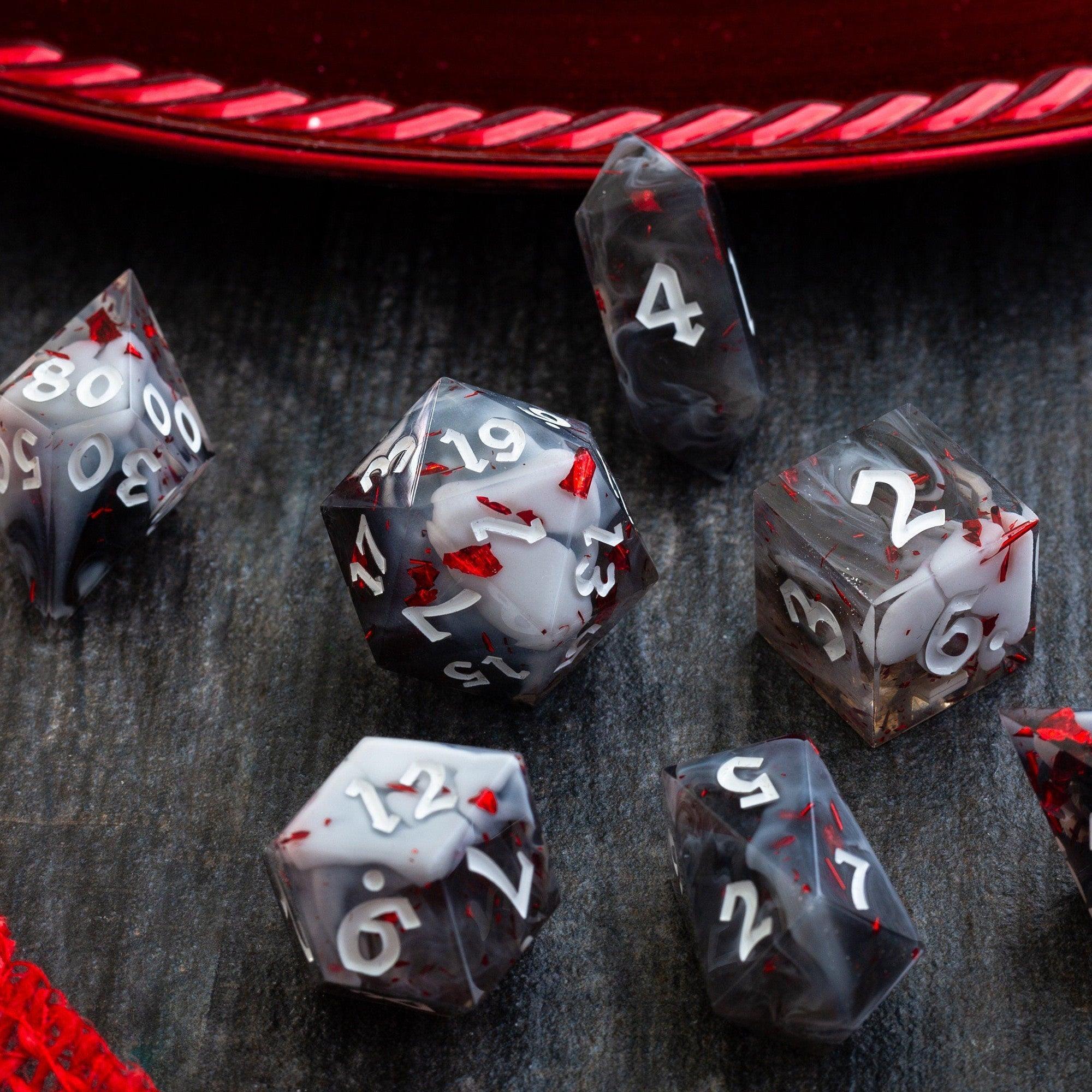
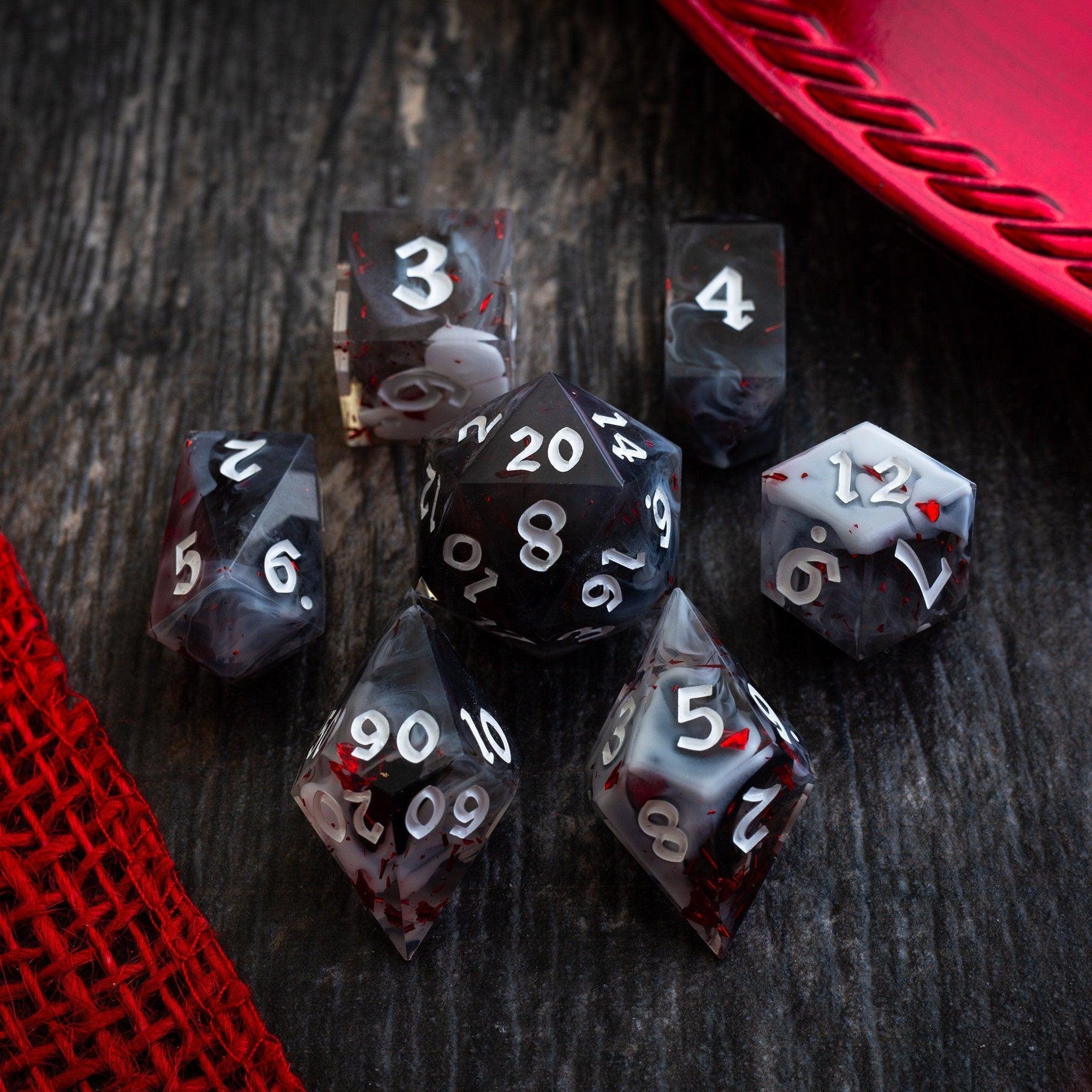
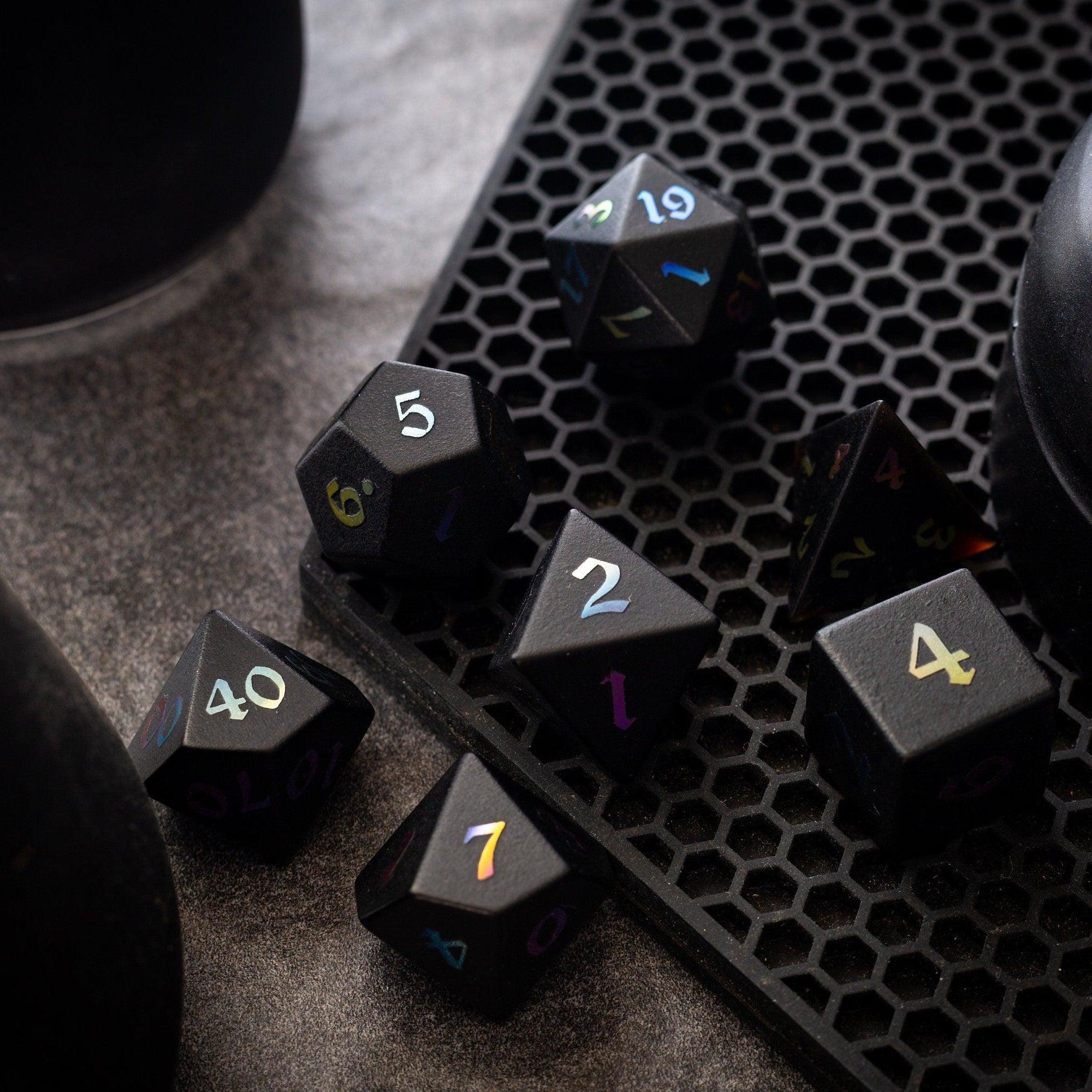
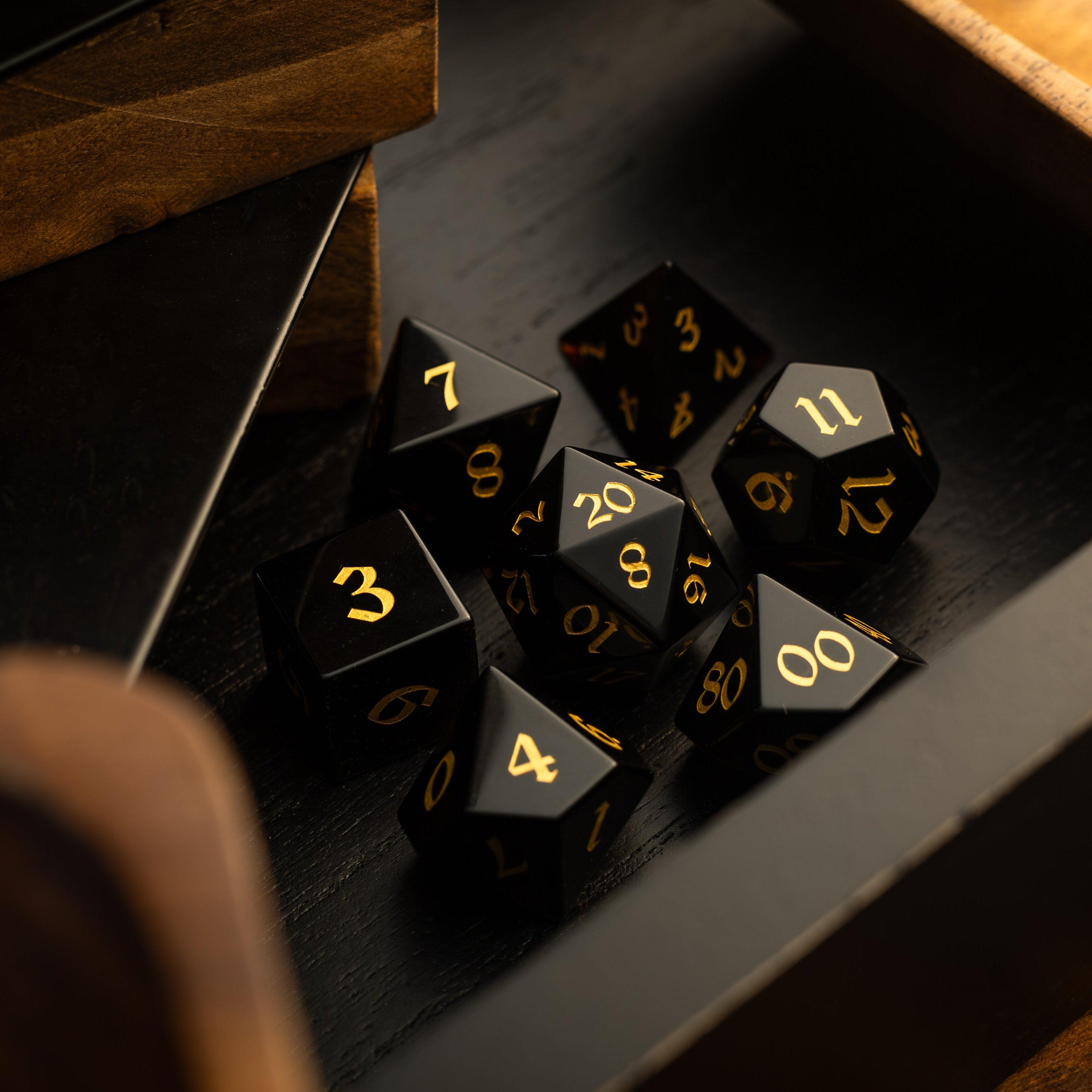
This also applies to keeping your physical play space organized. Dice, character sheets, pencils, spell references, and other tools should be easy to reach. Some players enjoy matching dice to a character, whether that means resin dice for everyday play, metal dice for a heavily armored warrior, or gemstone dice for a mystical character. The material does not change your strategy, but an organized setup can make play smoother.
Roleplay Beyond Your Character Sheet
Roleplaying does not require a perfect voice or a dramatic speech. At its simplest, roleplaying means making decisions based on who your character is.
Useful DND roleplaying tips often begin with a few questions:
-
What does my character want?
-
What scares them?
-
Who do they trust?
-
What line will they refuse to cross?
-
How do they react when their plan fails?
A quiet character can still have a strong personality. A brave character can sometimes hesitate. A humorous character can have serious moments. Good roleplay often grows from small, consistent decisions rather than long speeches.
When the party faces a difficult choice, consider both the practical question and the character question. Instead of thinking only about which option gives the greatest reward, ask what your character would care about and how that choice affects the rest of the party.
Common Player Mistakes to Avoid
Every player makes mistakes, especially while learning. The goal is not perfection. It is recognizing habits that slow down the session or make the game less enjoyable for the group.
Common mistakes include:
-
Ignoring teammates during planning
-
Frequently forgetting important class features
-
Waiting until your turn begins to decide what to do
-
Treating every problem as a combat encounter
-
Interrupting other players’ scenes
-
Not paying attention between turns
-
Turning every rules question into a long argument
-
Rejecting every adventure hook without suggesting another direction
One of the most useful tabletop RPG tips is simply to stay engaged when another player has the spotlight. Listen to new information, follow what the other characters are doing, and use that time to think about your next decision.
Player Improvement Table
| Skill Area | Beginner Habit | Improved Habit |
|---|---|---|
| Combat | Attack the nearest target | Consider threats, allies, objectives, and positioning |
| Roleplay | Speak only when prompted | Show personality through choices and reactions |
| Teamwork | Focus only on personal goals | Support the party and share the spotlight |
| Exploration | Wait for the DM to direct everything | Ask questions and interact with the environment |
| Preparation | Read abilities during your turn | Review common features before the session |
| Resources | Spend everything early or save everything | Use limited abilities when they can make a meaningful difference |
| Table Awareness | Zone out between turns | Listen, plan, and stay ready |
Support Your Dungeon Master
The Dungeon Master manages a large part of the game, including locations, creatures, NPCs, challenges, rulings, and the consequences of player decisions. Players can make that job easier by staying involved and respecting everyone’s table time.
You can support your DM by:
-
Taking useful notes
-
Engaging with clear adventure hooks
-
Asking thoughtful questions about the world
-
Accepting quick rulings during play and discussing complicated questions later when appropriate
-
Helping maintain the session’s momentum
-
Giving other players room to act
-
Sharing useful feedback after the session
This does not mean following every clue exactly as expected. Player choice is a major part of D&D. You can investigate unexpected places, question an NPC, change plans, or find a creative solution. The important part is bringing curiosity to the adventure instead of expecting the DM to create all the momentum alone.
Small Habits That Make a Big Difference
Improving as a player does not require changing your entire play style. A few consistent habits can make sessions easier and more enjoyable.
Try these at your next session:
-
Plan your likely turn before it starts
-
Keep your character sheet organized
-
Write down important NPC names and clues
-
Ask another player what their character thinks
-
Describe an occasional detail when you attack, cast a spell, or attempt something risky
-
Let another character lead when the situation fits their strengths
-
Use character flaws to create interesting choices rather than excuses to disrupt the group
-
Bring the dice, pencils, references, and other tools you need
These habits may seem small, but they address many of the problems that slow sessions down. Knowing your abilities reduces delays. Listening improves teamwork. Taking notes helps you remember the story. Planning ahead gives you more time to make interesting decisions instead of rushing when everyone looks at you.
Final Thoughts
The best D&D players are not necessarily the ones with the strongest builds or highest damage. They are the players who understand their characters, listen to the group, make thoughtful choices, and help create opportunities for everyone at the table.
If you want to know how to play DND better, start with the basics: learn your character, support your party, plan before your turn, manage limited resources carefully, respect the table, and stay curious about the story.
Great D&D is not only about winning encounters. A memorable campaign grows from cooperation, unexpected decisions, character moments, mistakes, victories, and the stories the group creates together.





Leave a comment
This site is protected by hCaptcha and the hCaptcha Privacy Policy and Terms of Service apply.