Best D&D Spellcasting Classes: A Complete Guide to Magical Characters

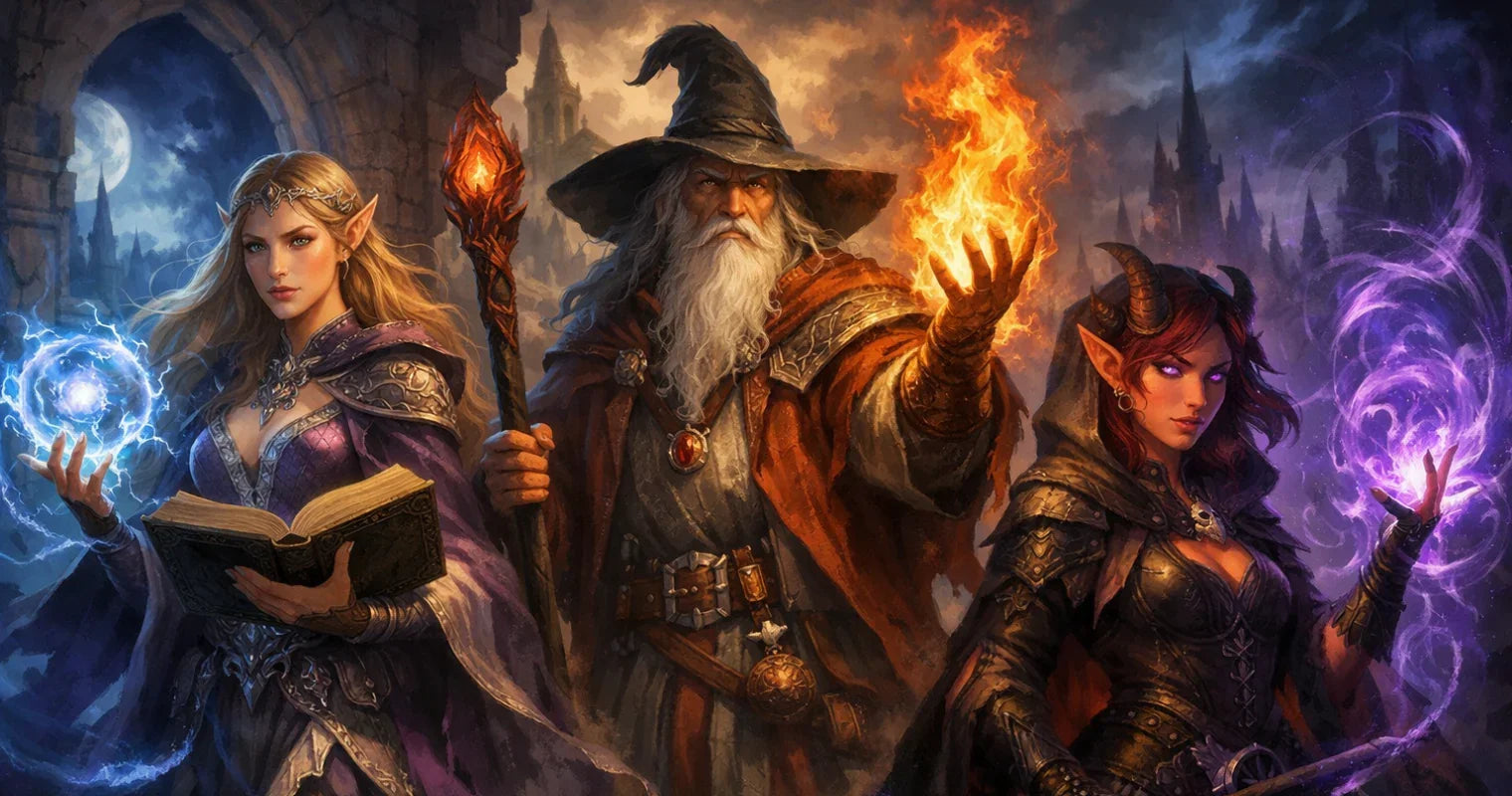
Magic is one of the biggest reasons people fall in love with Dungeons & Dragons. Whether you're hurling fireballs across a battlefield, healing allies in desperate moments, transforming into animals, or making mysterious pacts with otherworldly beings, spellcasting opens the door to some of the most memorable experiences in the game.
The best part is that there isn't just one way to be a spellcaster. The various D&D spellcasting classes each offer their own fantasy, mechanics, and roleplaying opportunities. Some focus on scholarly mastery, while others draw power from nature, divine forces, magical bloodlines, or powerful patrons.
If you're looking for the best spellcasting class 5e has to offer for your playstyle, this guide will help you understand the strengths and identities of the major D&D magic classes so you can find the perfect fit.
Understanding Spellcasting in D&D
Before diving into individual classes, it helps to understand a few basic concepts shared by most D&D spellcasters.
Spell Slots
Spell slots represent the magical energy used to cast spells. More powerful spells typically require higher-level spell slots.
Cantrips
Cantrips are simple spells that can be cast as often as you like. Many spellcasters rely on cantrips when they want to conserve resources.
Prepared Spells
Some classes choose spells from a larger list after each long rest. This gives them flexibility to adapt to different situations.
Known Spells
Other classes permanently learn a limited number of spells. These characters tend to specialize in a smaller collection of magical abilities.
Magical Roles in a Party
Spellcasters can fill many different roles:
-
Damage dealer
-
Healer
-
Support character
-
Battlefield controller
-
Scout
-
Utility specialist
-
Face of the party
This versatility is one reason D&D spellcasting classes remain some of the most popular options in the game.
Wizard: Masters of Arcane Knowledge
When most people imagine a classic fantasy spellcaster, they picture the Wizard.
The Wizard 5e class gains access to the largest spell list in the game, making it one of the most versatile D&D spellcasters available.
Strengths
-
Huge spell selection
-
Excellent utility magic
-
Powerful battlefield control
-
Endless customization through spell choices
Weaknesses
-
Fragile defenses
-
Requires planning and preparation
-
Can feel overwhelming for brand-new players
Ideal Player Type
Wizards are perfect for players who enjoy strategy, preparation, and solving problems creatively.
Their fantasy revolves around mastering magical knowledge through study and practice.
Sorcerer: Power From Within
Unlike Wizards, Sorcerers don't learn magic from books. Their power comes naturally through magical bloodlines, cosmic forces, or supernatural origins.
The Sorcerer 5e class focuses on fewer spells but gains unique flexibility through Metamagic.
Strengths
-
Simple spell selection
-
Powerful spell modification options
-
Excellent damage potential
-
Strong magical identity
Weaknesses
-
Smaller spell list
-
Limited versatility compared to Wizards
Ideal Player Type
Sorcerers are great for players who want powerful magic without constantly managing dozens of spell options.
Metamagic allows them to customize spells in creative ways, making every casting feel unique.
Warlock: Magic Through Powerful Pacts
The Warlock 5e class is one of the most distinctive magical classes D&D offers.
Instead of studying magic or inheriting it, Warlocks gain power through agreements with powerful entities known as Patrons.
Strengths
-
Strong roleplaying opportunities
-
Reliable magical abilities
-
Unique Eldritch Invocations
-
Powerful signature spells
Weaknesses
-
Limited spell slots
-
Smaller spell selection
Ideal Player Type
Warlocks appeal to players who enjoy character-driven stories and unusual magical themes.
Whether serving a celestial being, ancient horror, archfey, or fiend, every Warlock comes with built-in story hooks.
Cleric: Divine Champions
Many new players assume Clerics only heal allies. In reality, the Cleric 5e class is one of the strongest and most versatile spellcasters in the game.
Clerics channel divine power from gods, philosophies, or sacred forces.
Strengths
-
Excellent healing
-
Strong defenses
-
Powerful support magic
-
Impressive damage options
Weaknesses
-
Some domains feel specialized
-
Divine theme may not fit every character concept
Ideal Player Type
Clerics are perfect for team-oriented players who enjoy helping allies while still contributing in combat.
Their wide variety of Domains allows tremendous customization.
Druid: Guardians of Nature
The Druid 5e class combines spellcasting, nature magic, and shapeshifting into one versatile package.
Druids often serve as protectors of wilderness, ancient traditions, and natural balance.
Strengths
-
Incredible versatility
-
Wild Shape transformations
-
Strong battlefield control
-
Excellent exploration abilities
Weaknesses
-
More complex mechanics
-
Requires creativity to maximize effectiveness
Ideal Player Type
Druids are perfect for players who love nature themes and flexible problem-solving.
One day you might summon storms, and the next you could scout ahead as an owl or wolf.
Bard: Masters of Inspiration
Bards prove that magic isn't limited to books, prayers, or nature.
The Bard 5e class combines spellcasting, support abilities, social skills, and creativity into one highly adaptable character.
Strengths
-
Exceptional support magic
-
Strong social abilities
-
Versatile spell selection
-
Bardic Inspiration helps the entire party
Weaknesses
-
Rarely dominates a single specialty
-
Requires creative thinking
Ideal Player Type
Bards excel for players who enjoy roleplaying, teamwork, and solving problems through clever ideas rather than brute force.
They often become the heart of the adventuring party.
Artificer: Magical Inventors
The Artificer blends arcane magic with invention, craftsmanship, and magical technology.
Although newer than many classic classes, Artificers have quickly become fan favorites among D&D magic classes.
Strengths
-
Unique magical gadgets
-
Strong utility options
-
Team support
-
Excellent customization
Weaknesses
-
Requires planning
-
Less traditional fantasy flavor
Ideal Player Type
Artificers are perfect for players who enjoy tinkering, crafting, and building magical solutions to problems.
They feel like fantasy engineers capable of turning imagination into reality.
Spellcaster Comparison Table
| Class | Difficulty | Primary Strength | Best For |
|---|---|---|---|
| Wizard | Medium | Versatility | Strategic Players |
| Sorcerer | Medium | Flexible Casting | Creative Casters |
| Warlock | Easy-Medium | Reliable Magic | Roleplayers |
| Cleric | Easy | Support & Combat | Team Players |
| Druid | Medium | Versatility | Nature Fans |
| Bard | Medium | Utility & Support | Social Players |
| Artificer | Medium | Customization | Tinkerers |
Which Spellcasting Class Is Right for You?
Choosing among D&D spellcasting classes often comes down to the type of fantasy you want to experience.
For New Players
Consider:
-
Cleric
-
Warlock
-
Bard
These classes offer strong abilities without overwhelming complexity.
For Story-Focused Players
Consider:
-
Warlock
-
Bard
-
Cleric
All three naturally create memorable roleplaying opportunities.
For Tactical Players
Consider:
-
Wizard
-
Druid
-
Artificer
These classes reward planning and creative problem-solving.
For Support-Focused Players
Consider:
-
Cleric
-
Bard
-
Artificer
Helping the party succeed can be just as satisfying as dealing damage.
For High-Damage Players
Consider:
-
Sorcerer
-
Wizard
-
Warlock
These classes can unleash devastating magical attacks when used effectively.
Choosing Dice for Your Spellcaster
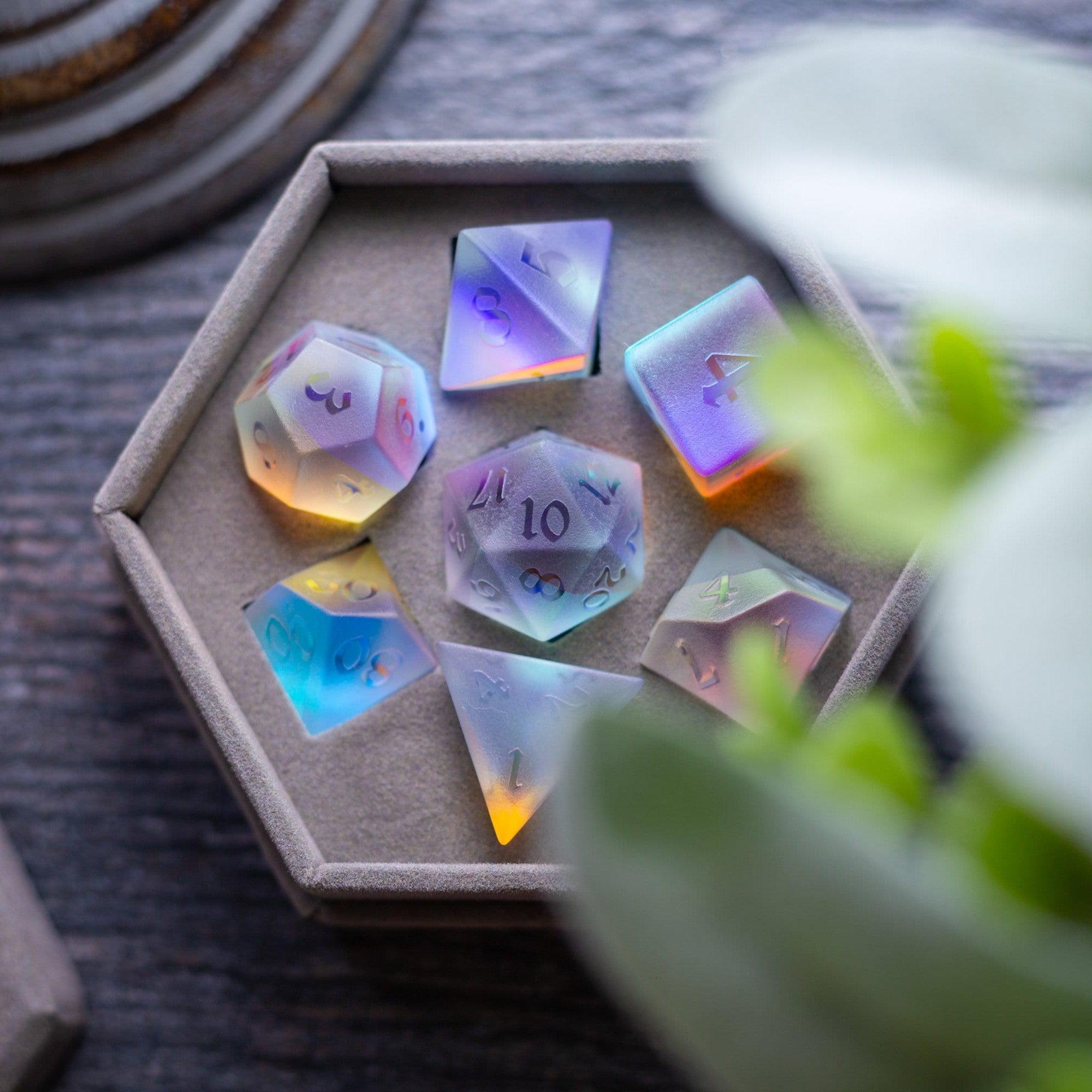
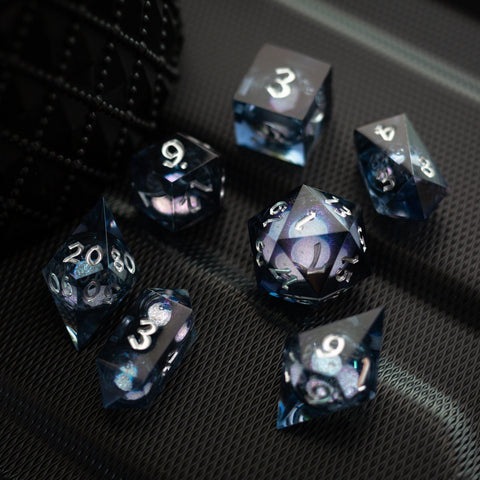
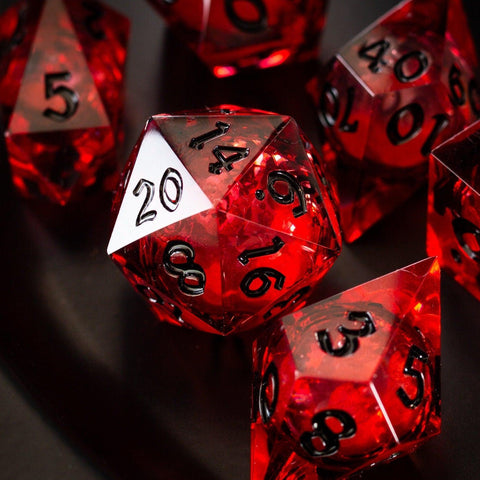
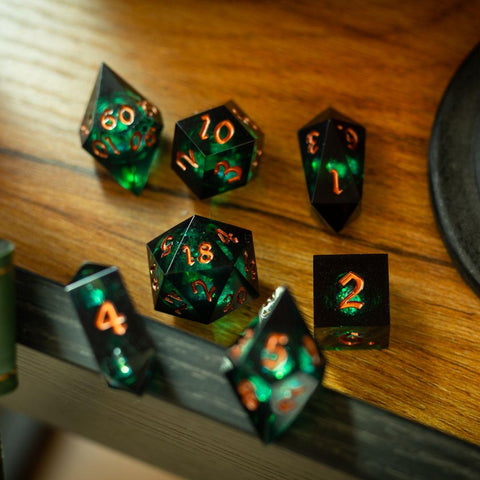
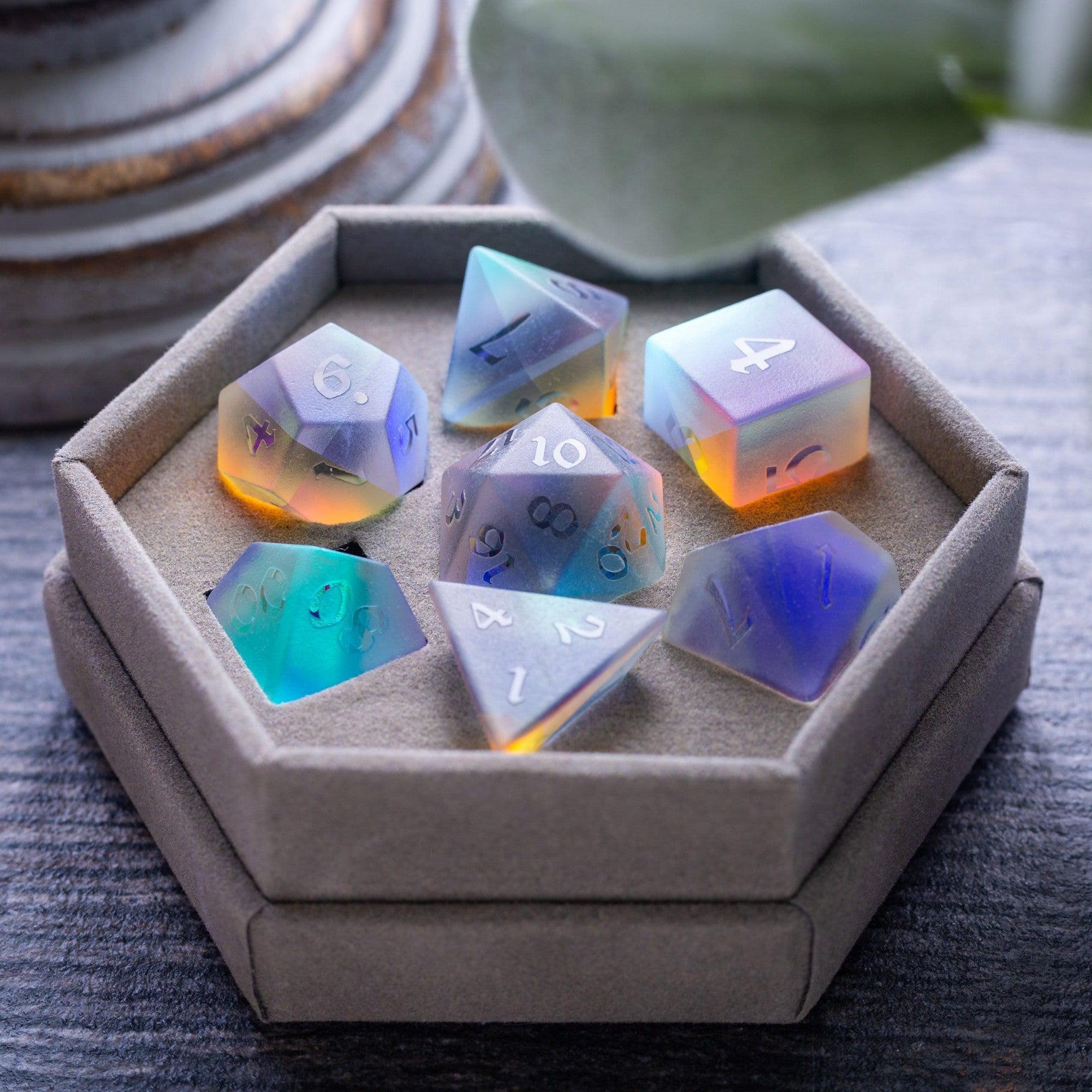
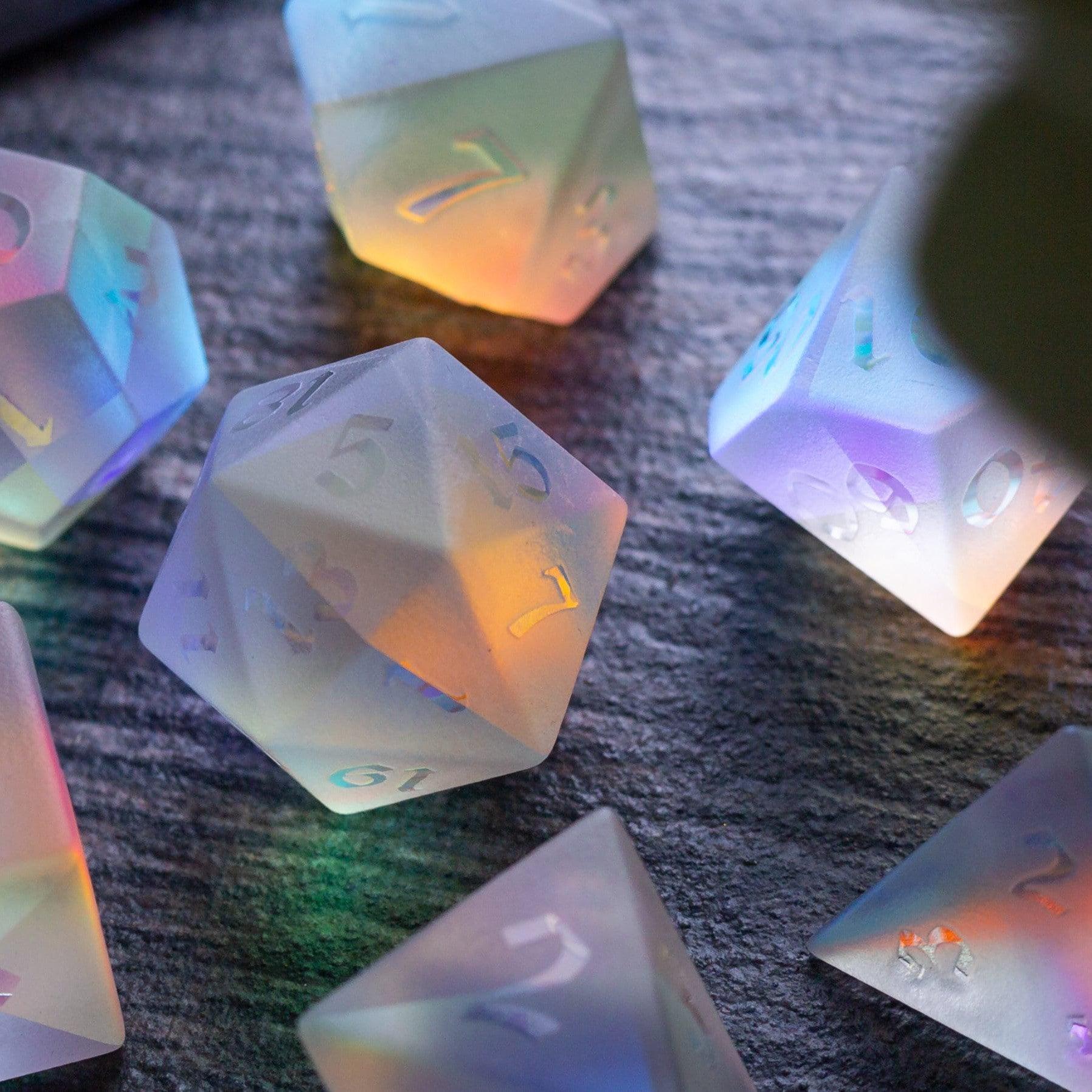
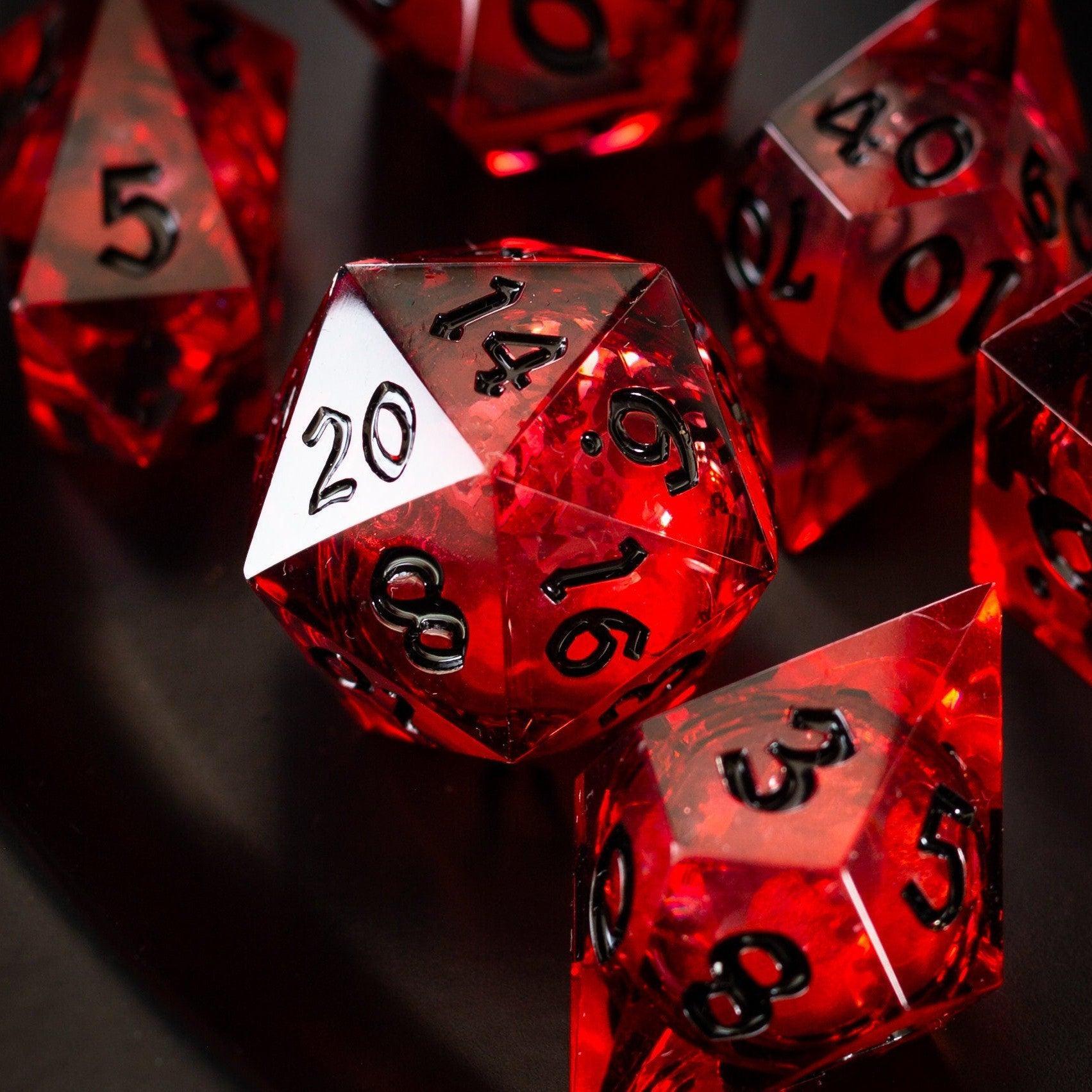
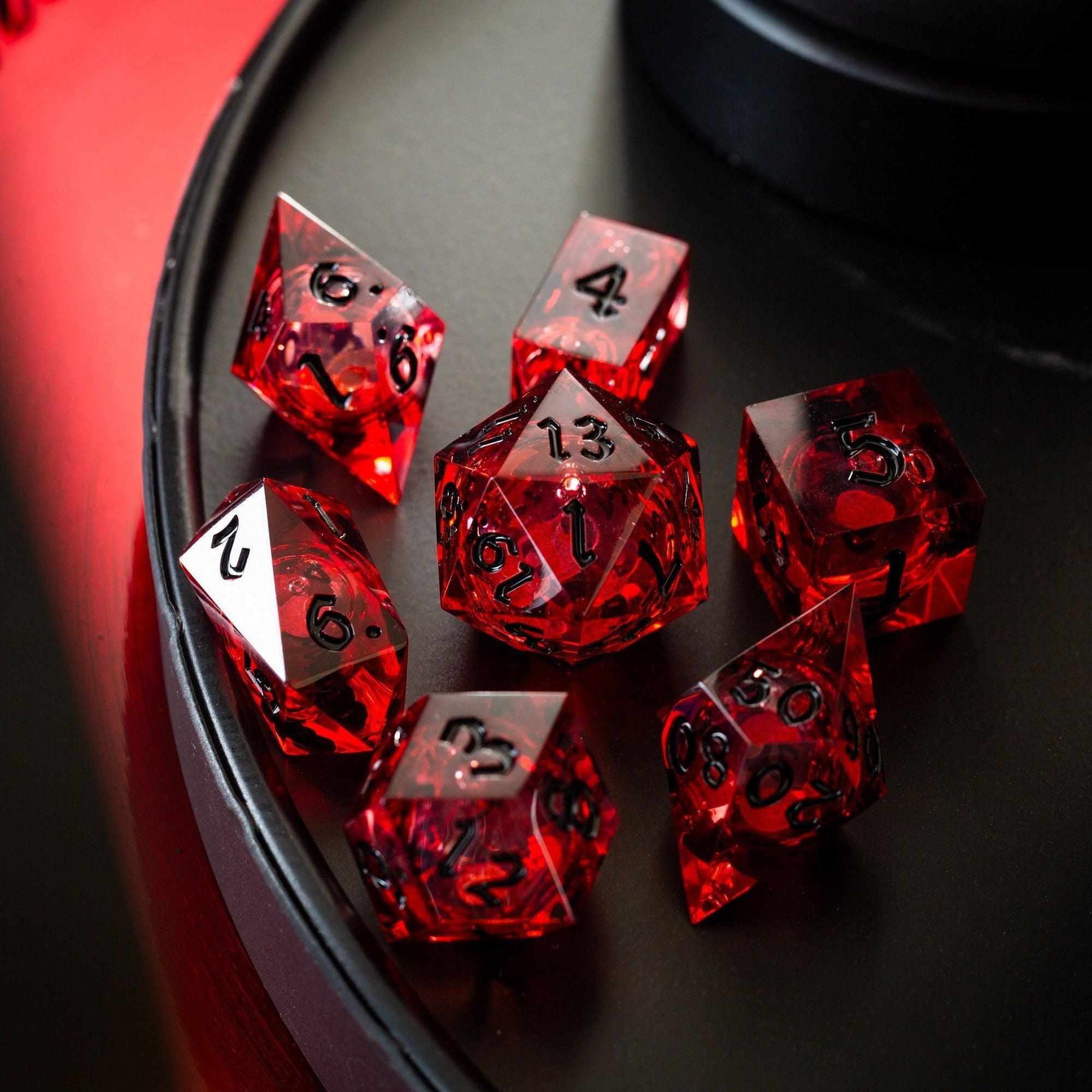
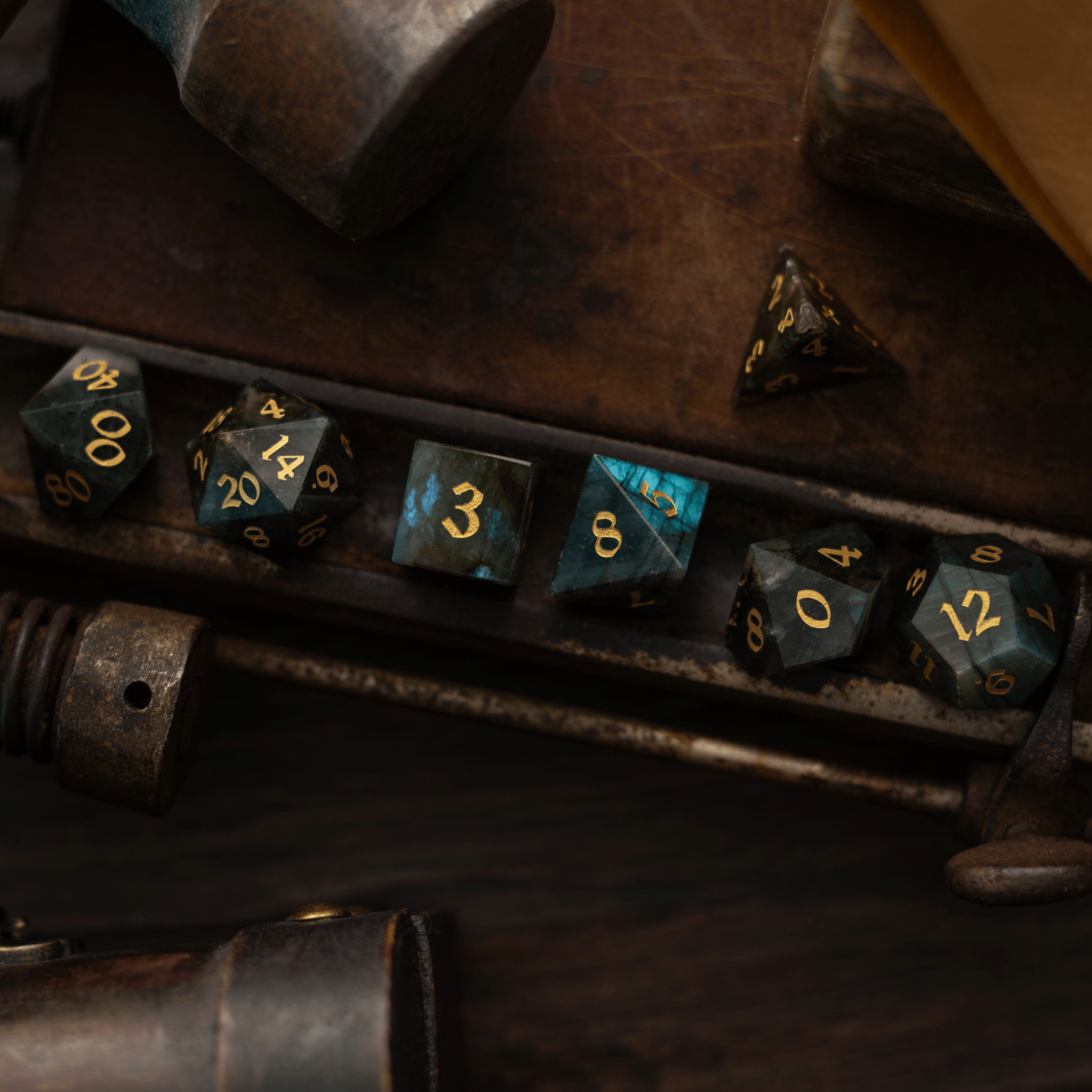
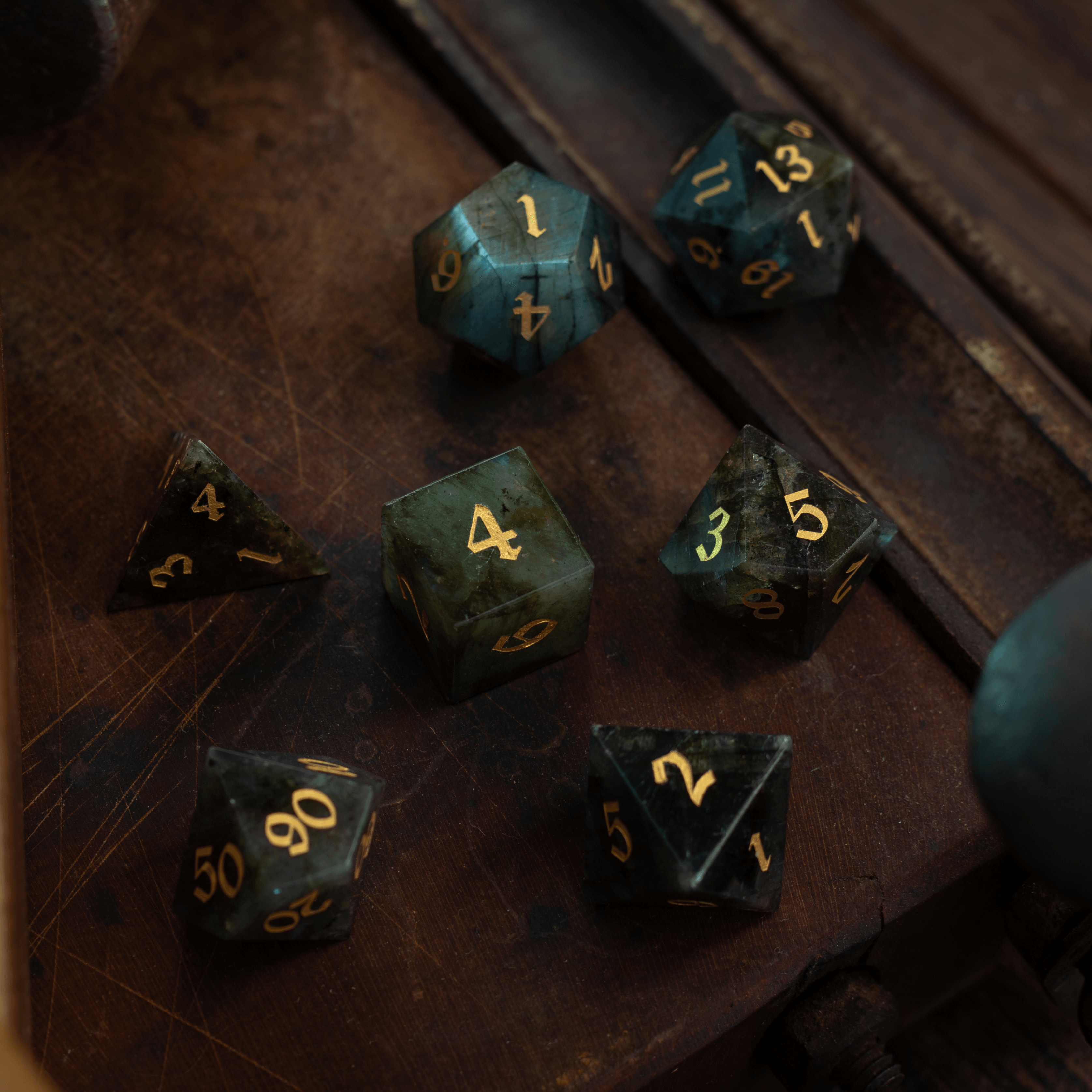
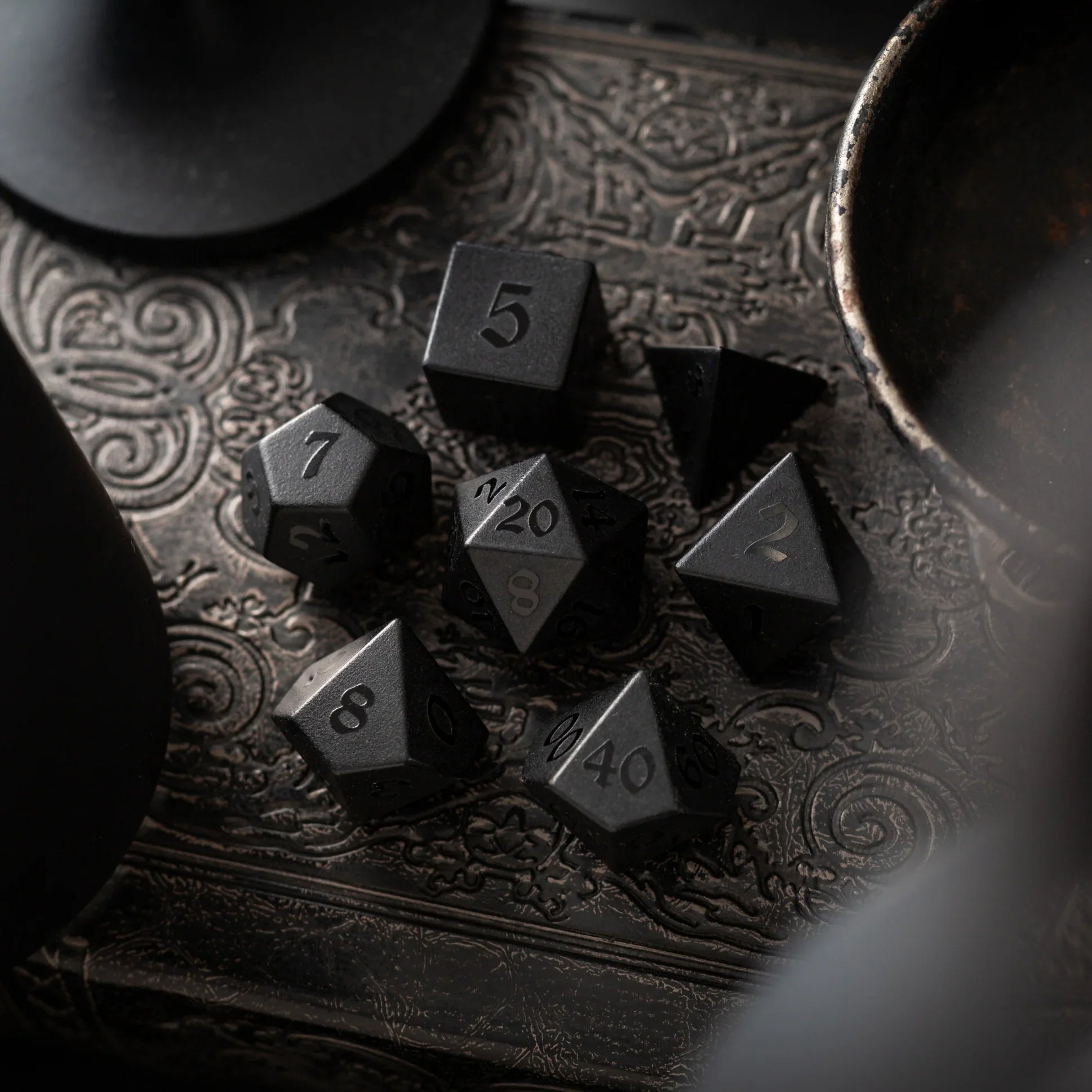
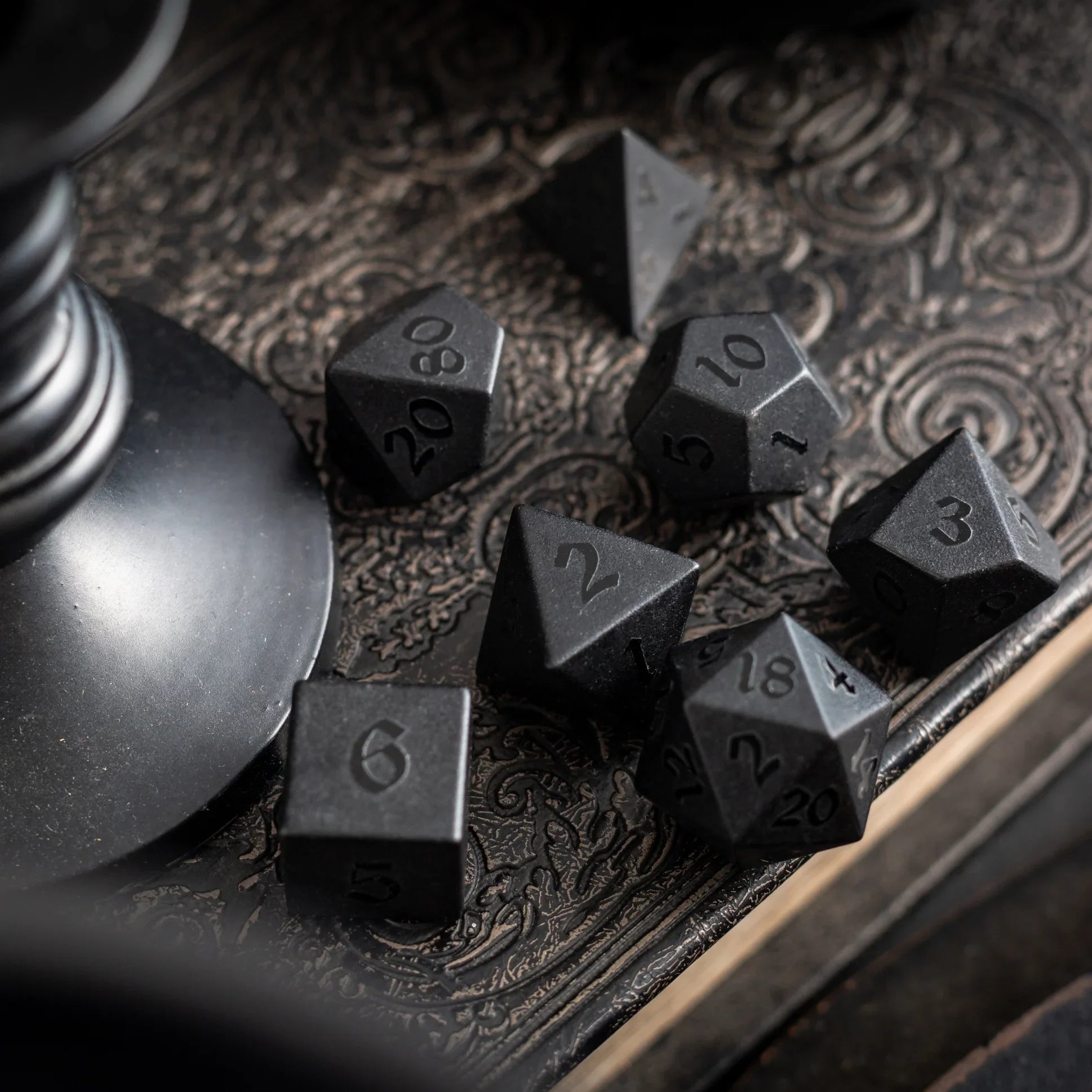
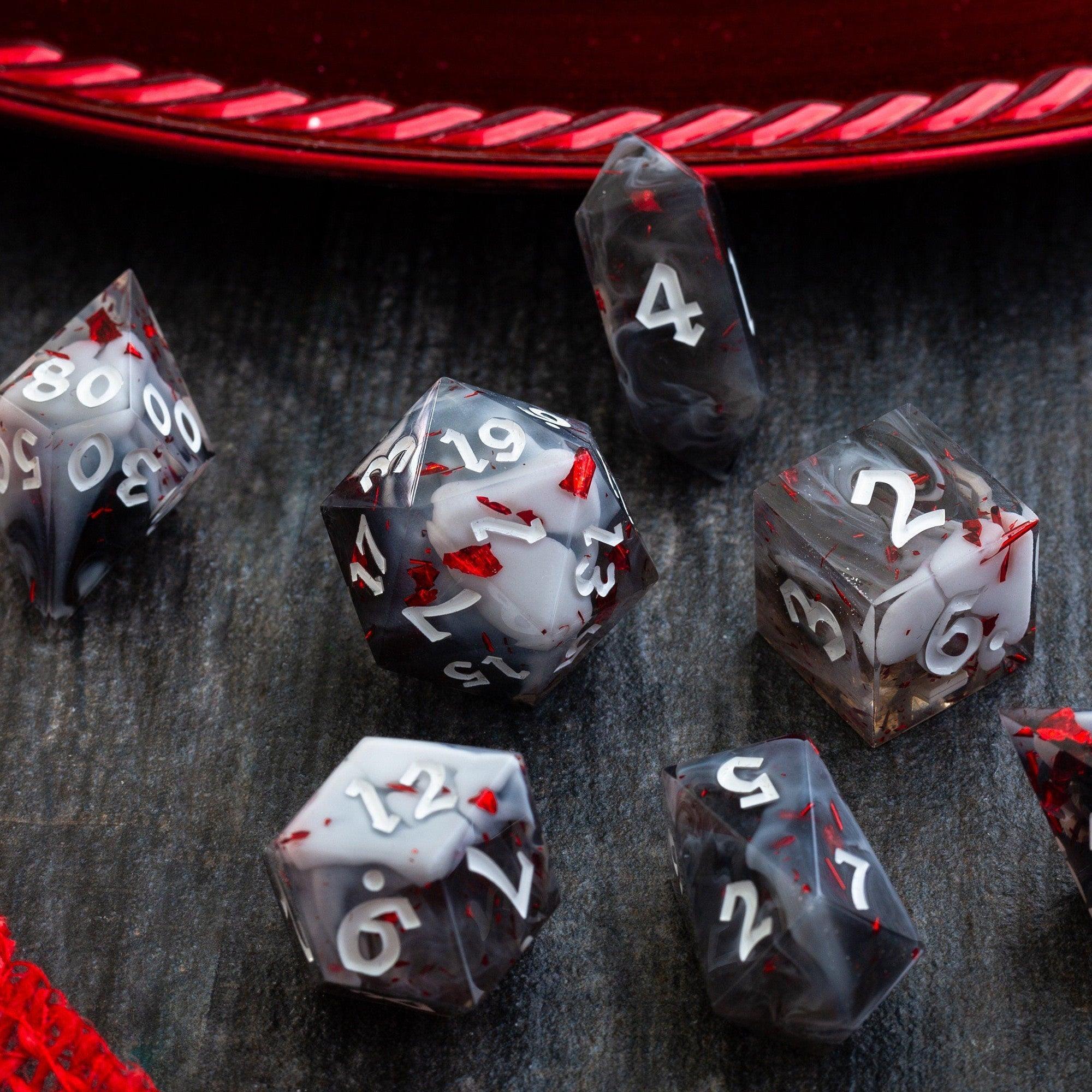
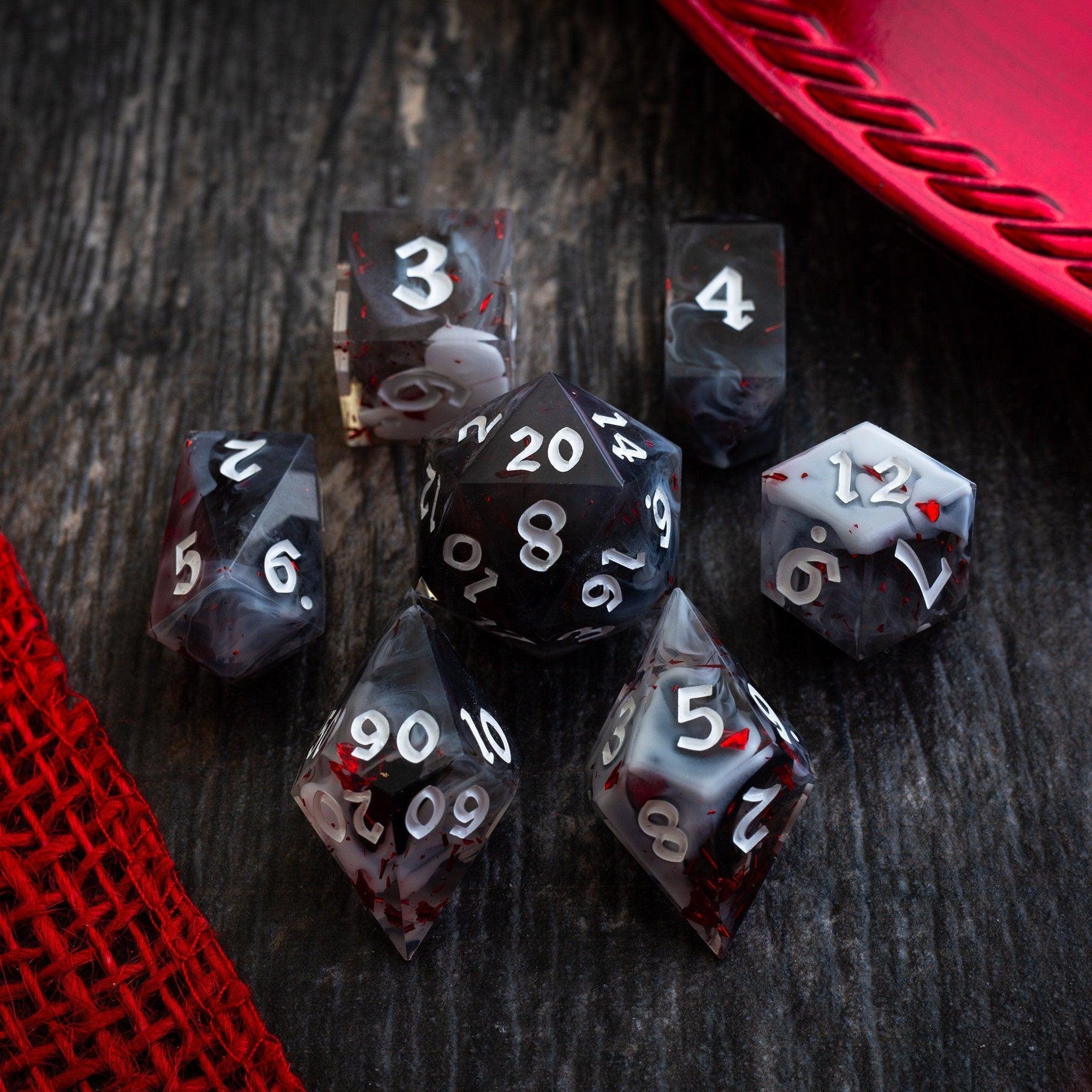
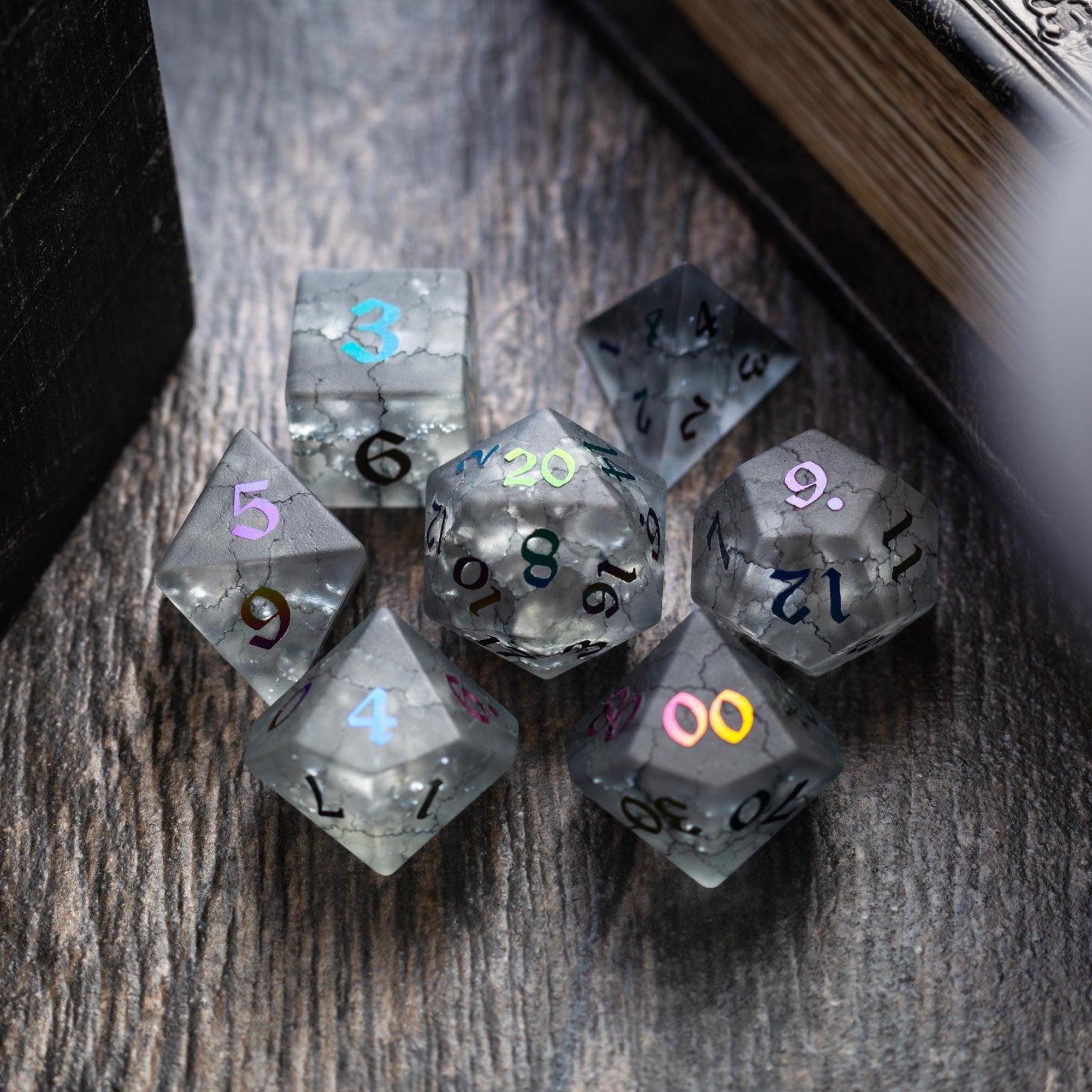
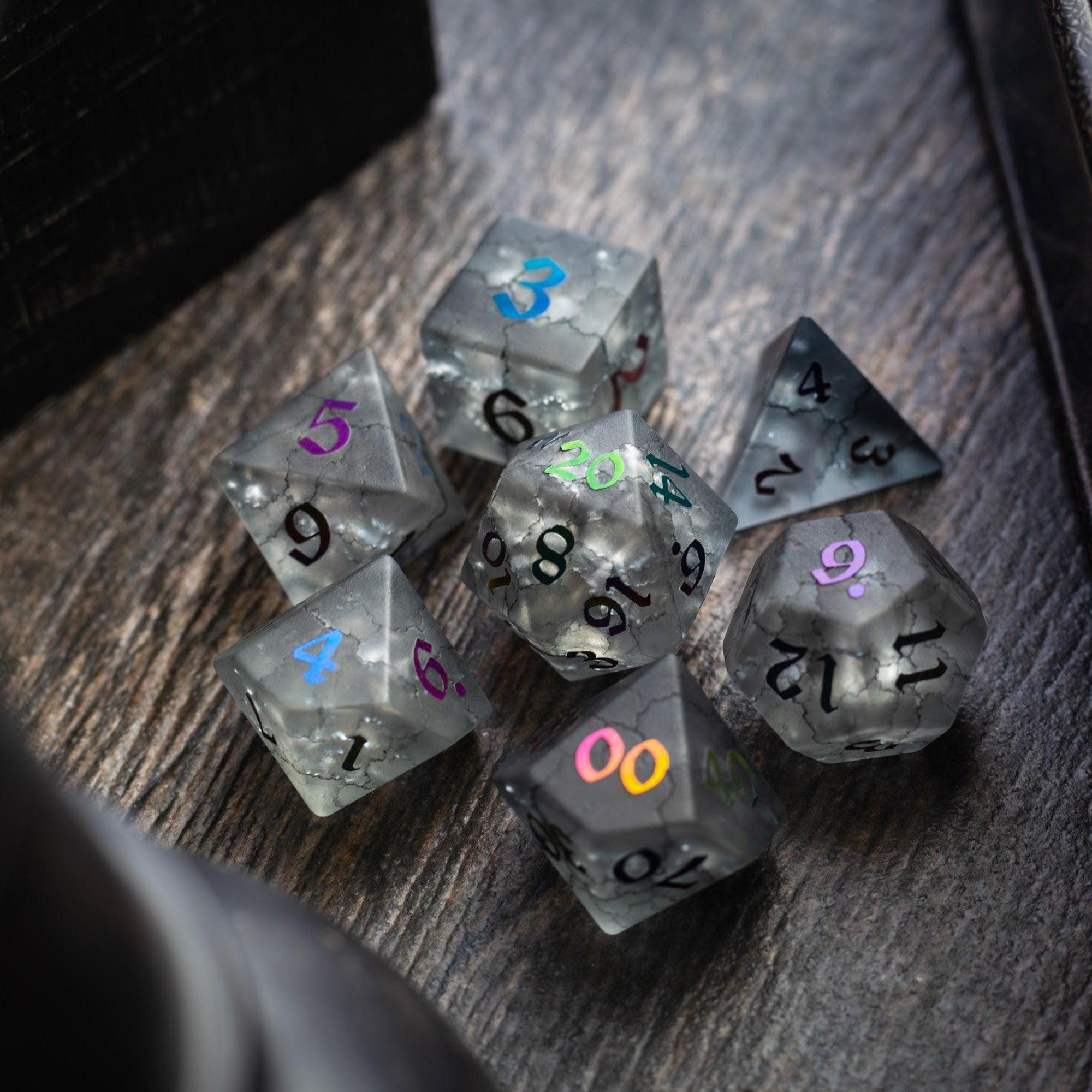
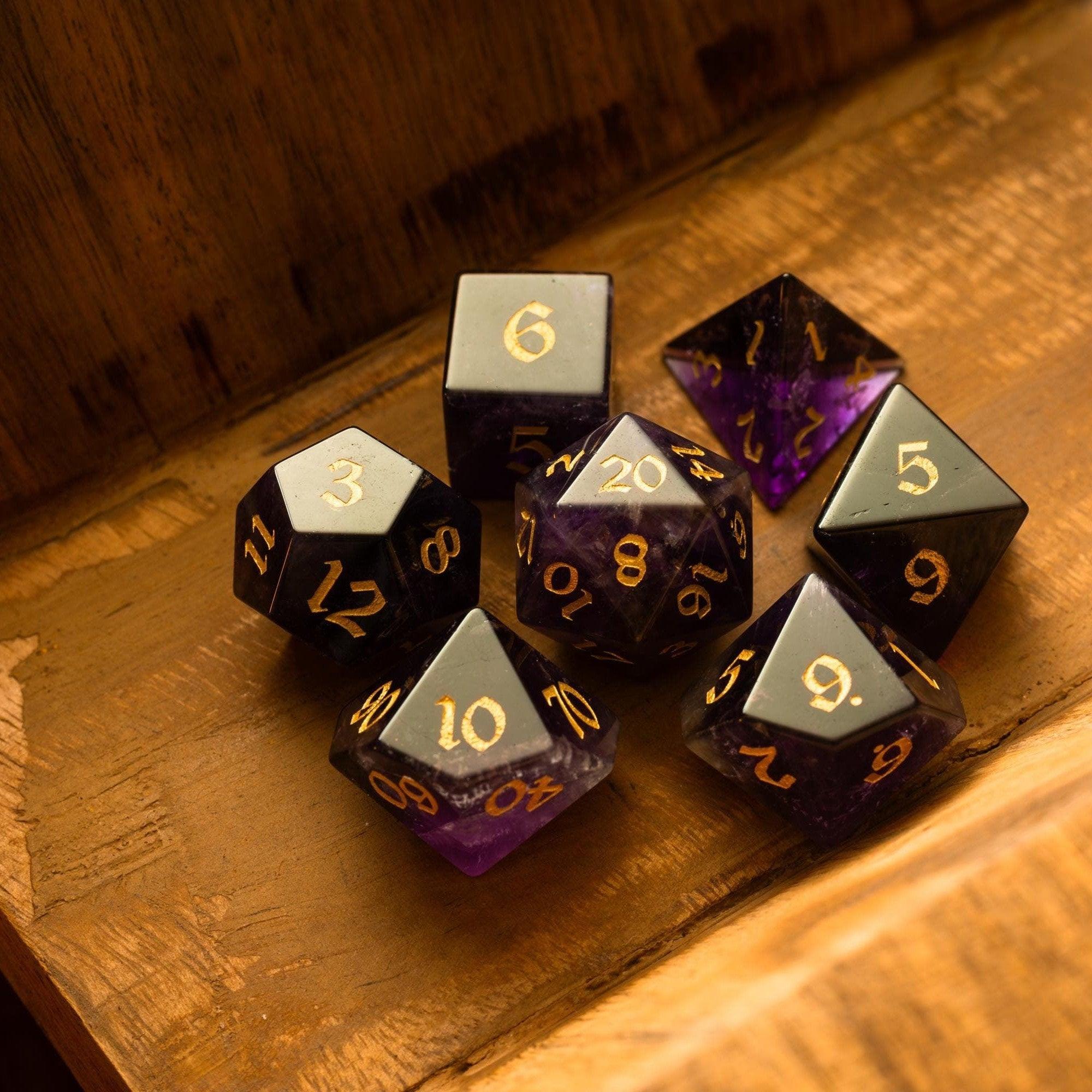
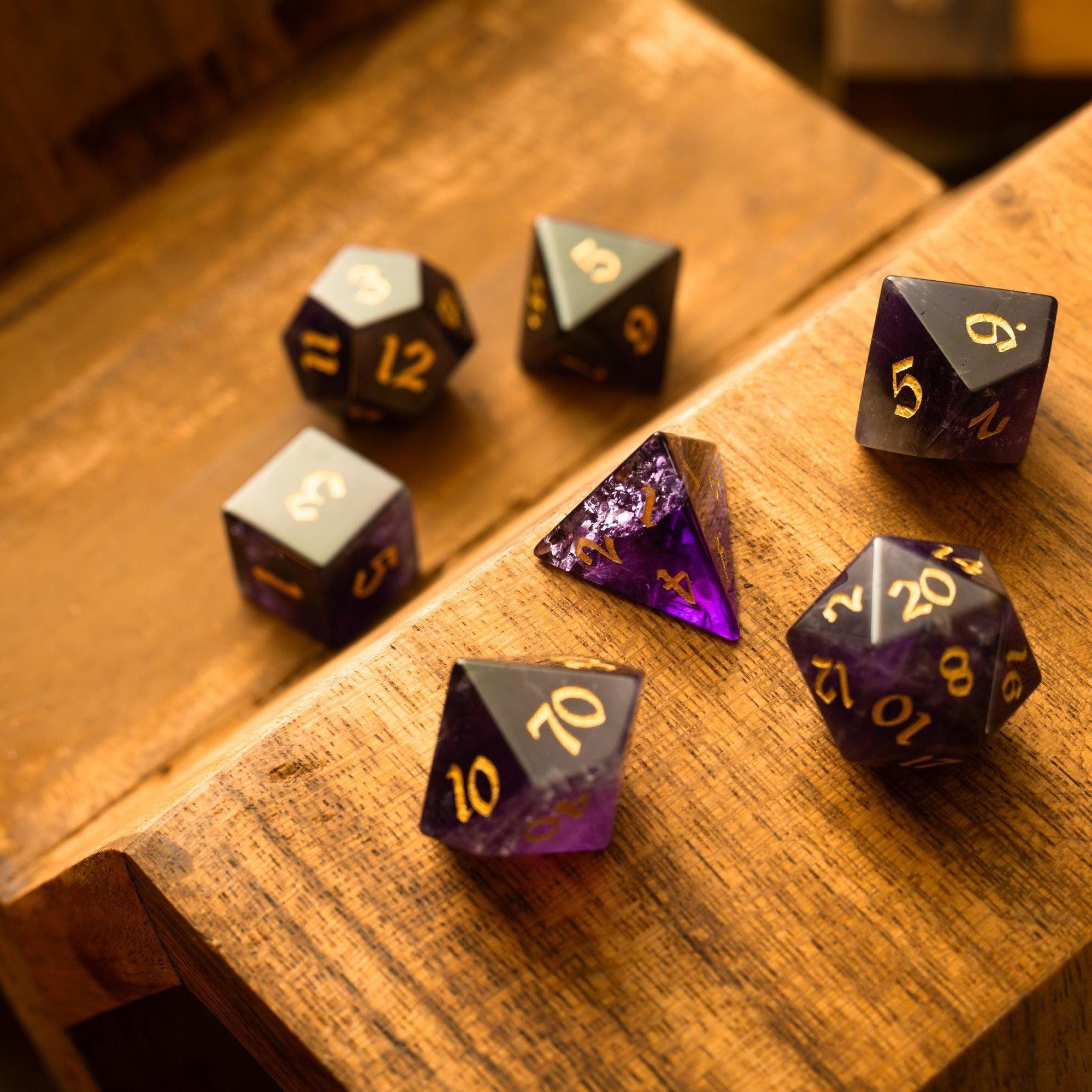
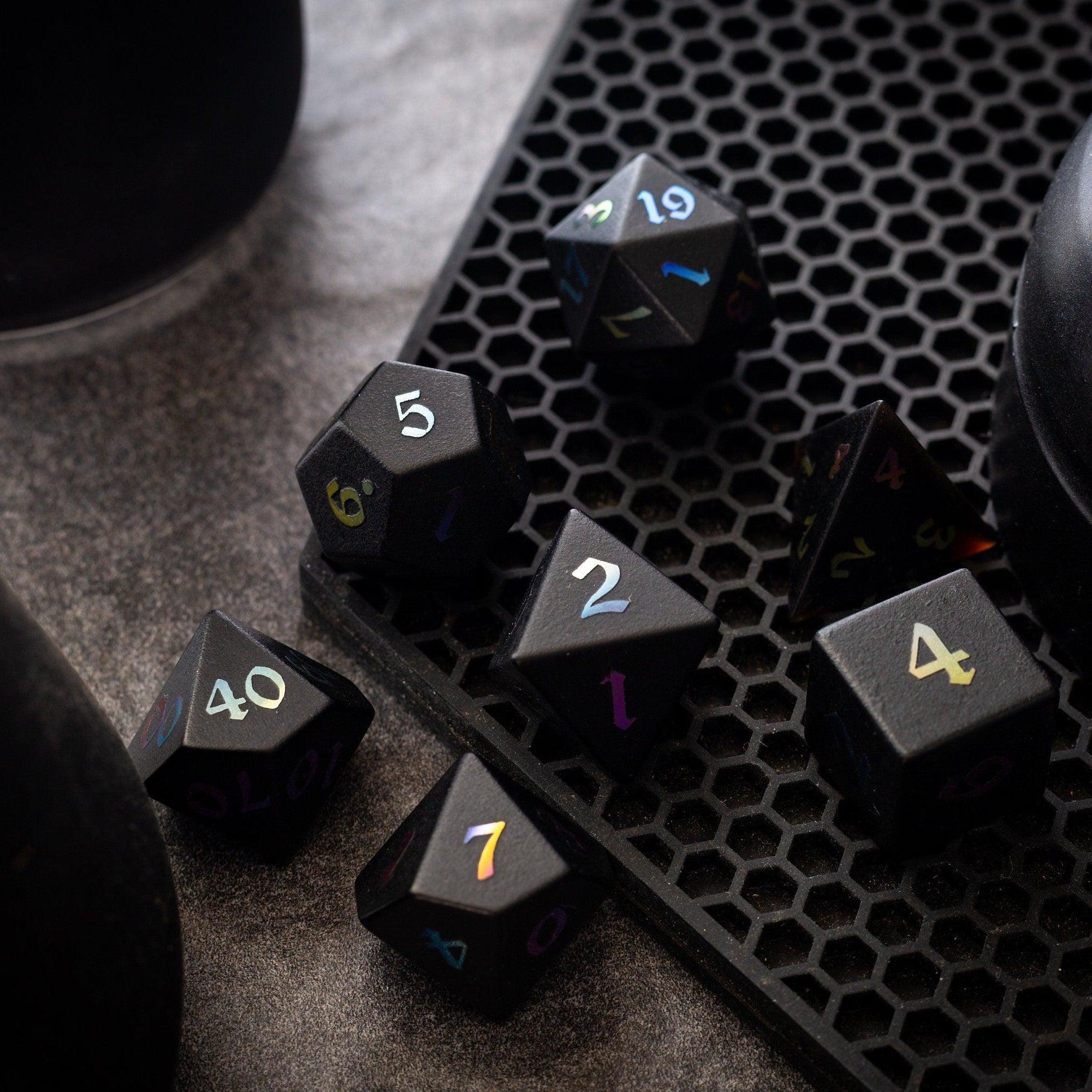
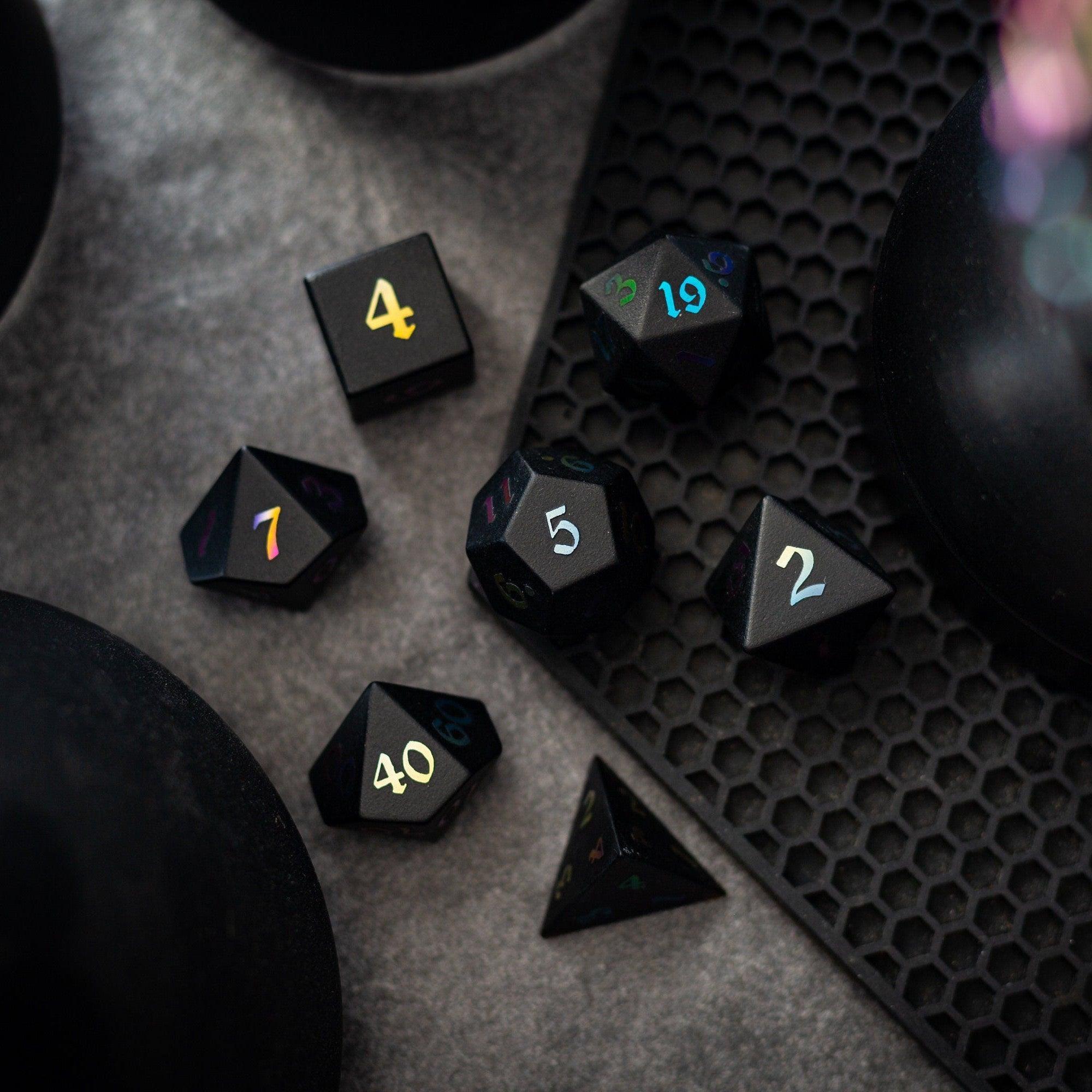
One of the fun traditions among D&D spellcasters is choosing character-themed dice that match their magical identity.
Many players enjoy collecting D&D dice that reflect their class fantasy:
-
Arcane-themed polyhedral dice for Wizards
-
Cosmic or elemental colors for Sorcerers
-
Dark, mysterious designs for Warlocks
-
Gold or radiant themes for Clerics
-
Nature-inspired colors for Druids
-
Vibrant artistic styles for Bards
-
Mechanical or alchemical aesthetics for Artificers
Spellcasters often roll damage dice, attack rolls, saving throws, healing spells, and utility effects throughout a session. Using character-themed dice sets can help reinforce the personality and story of your character while adding a little extra immersion to every spellcasting moment.
Magical Subclasses Expand Your Options
Even within each class, subclasses dramatically change how a character feels.
Examples include:
-
Evocation and Divination Wizards
-
Draconic and Shadow Sorcerers
-
Fiend and Archfey Warlocks
-
Life and Tempest Clerics
-
Moon and Stars Druids
-
Lore and Valor Bards
-
Battle Smith and Alchemist Artificers
These magical subclasses allow players to customize their spellcaster even further while staying true to the fantasy they enjoy most.
Final Thoughts
The best spellcasting class 5e offers isn't necessarily the strongest one. It's the class that makes you excited to sit down at the table and play.
Whether you're mastering ancient arcane secrets as a Wizard, wielding divine power as a Cleric, drawing magic from nature as a Druid, inspiring allies as a Bard, or forging magical inventions as an Artificer, every spellcaster brings something special to a campaign.
The beauty of D&D spellcasters is that there are countless ways to experience magic. Choose the class that sparks your imagination, embrace its unique identity, and you'll create unforgettable stories that last long after the final spell is cast.

Leave a comment
This site is protected by hCaptcha and the hCaptcha Privacy Policy and Terms of Service apply.