
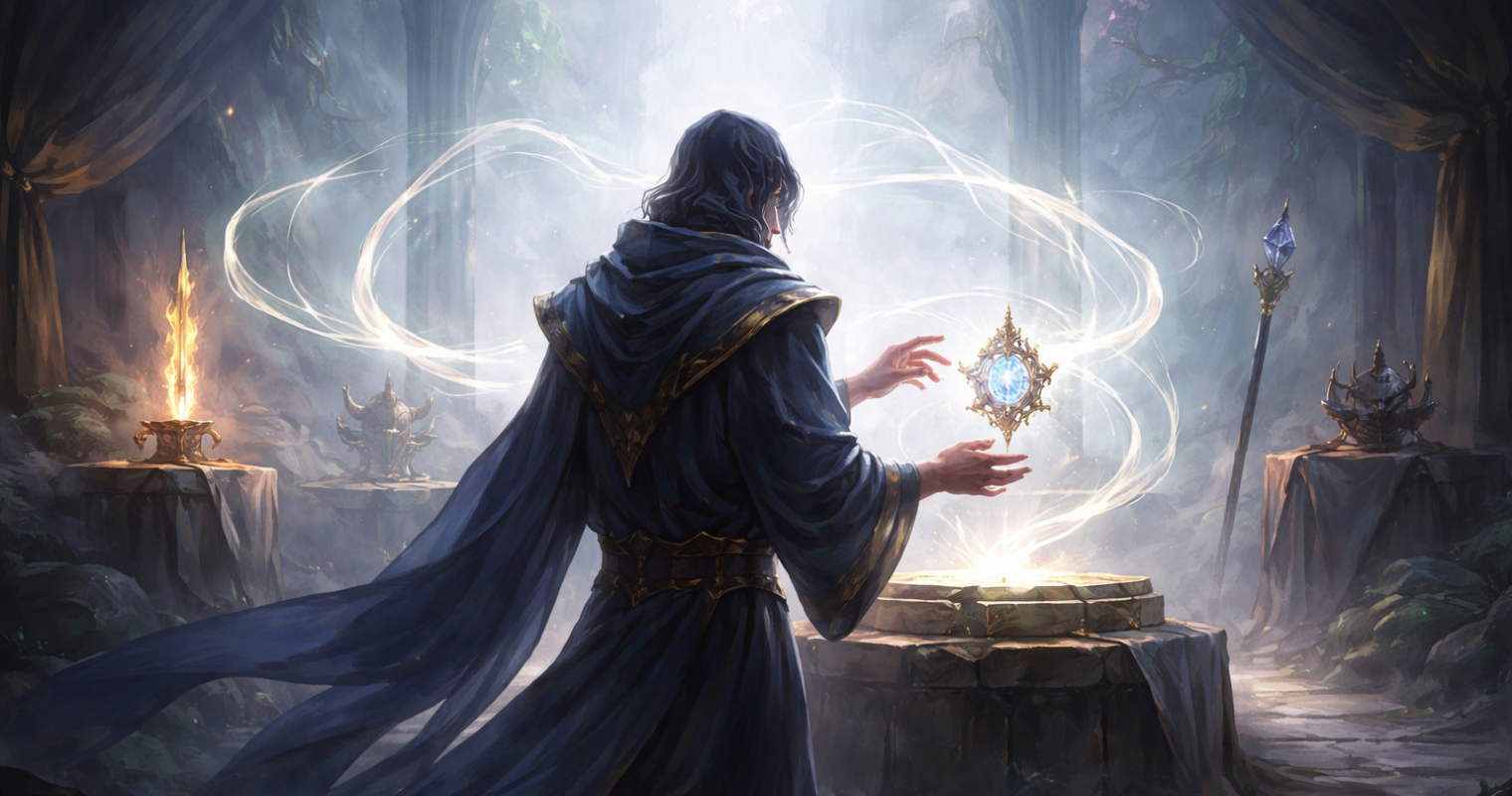
Magic Item Attunement Rules Explained with Pro Tips

There’s a special kind of excitement that happens when a Dungeon Master places a mysterious magic item on the table.
Maybe it’s a frost-covered sword hidden beneath an ancient keep. Maybe it’s a ring humming with unstable arcane energy. Maybe it’s a cracked staff the wizard absolutely should not touch… but touches anyway.
Magic items are one of the best parts of Dungeons & Dragons. They give characters personality, open up creative gameplay, and create unforgettable moments that players talk about long after the campaign ends.
That’s exactly why magic item attunement 5e exists.
Without attunement, characters could pile on endless magical bonuses until every hero looked like a walking treasure chest. Instead, D&D 5e asks players to make meaningful choices about which relics truly matter to their character.
And honestly, those choices are where some of the best storytelling begins.
Whether you’re new to dnd attunement rules or just trying to manage your growing collection of enchanted gear, this guide breaks everything down in simple, practical terms.
What Is Attunement in D&D 5e?
Attunement is a magical bond between a character and a powerful item.
Some magic items 5e are too powerful or complex to use immediately. Before their abilities fully activate, the character has to spend time connecting with the item and learning how its magic works.
In gameplay terms, attunement acts like a limit on how many major magical items a character can actively use at once.
In story terms, it makes legendary gear feel personal.
A holy weapon carried by a paladin for ten levels feels important because that character formed a bond with it. A cursed amulet feels dangerous because the wearer willingly connected themselves to its magic.
That emotional connection is part of what makes magical treasure so memorable in D&D.
Why Some Magic Items Require Attunement
Not every enchanted object in the game requires attunement.
Simple consumables like potions and scrolls usually work instantly. But stronger items with ongoing magical effects often require a deeper connection.
Items that commonly require attunement include:
-
Magical weapons with special abilities
-
Rings and cloaks with passive bonuses
-
Powerful staffs and wands
-
Items that boost spellcasting
-
Artifacts tied to ancient magic
Some items also include restrictions such as:
-
Requires attunement by a wizard
-
Requires attunement by a cleric
-
Requires attunement by a creature of good alignment
-
Requires attunement by a spellcaster
These restrictions help certain items feel unique to the world and its lore instead of becoming generic loot anyone can equip.
How Attunement Works in D&D 5e
The good news is that the actual rules are very straightforward.
Attunement Usually Takes a Short Rest
To attune to a magic item, a character normally spends a short rest focused entirely on the item.
During that rest, the character studies the object, handles it, experiments with its magic, and forms the connection needed to awaken its powers.
No complicated rolls required.
Just:
-
the item
-
uninterrupted focus
-
and enough time to complete the bond
That’s one reason attunement scenes can become such memorable roleplay moments. Some groups describe glowing runes awakening across a sword blade, while others treat attunement like quiet meditation beside a campfire.
Characters Can Normally Attune to Three Items
Under standard d&d 5e attunement rules, most characters can only attune to:
-
3 magic items at a time
That limit matters more than many new players realize.
Once characters start collecting stronger loot, every attunement slot becomes valuable. Eventually, players start asking tough questions like:
-
Do I keep the defensive cloak?
-
Is the teleportation item more useful than the damage boost?
-
Should the wizard keep the staff or hand it to another spellcaster?
Those decisions are part of the fun.
Ending Attunement
Attunement doesn’t last forever.
A magical bond can end if:
-
The character chooses to end it
-
The item is destroyed
-
Another item replaces it
-
The item is removed for a long period
-
The character no longer meets the item’s requirements
This allows characters to swap gear as the campaign evolves.
And trust me, eventually every party reaches the moment where someone stares at a newly discovered artifact and quietly says:
“…okay, what are we unattuning from?”
Why the Attunement System Exists
Attunement is one of the smartest balancing systems in modern D&D because it solves several problems at once.
It Prevents Magic Item Chaos
Without attunement limits, high-level characters could stack dozens of permanent magical bonuses.
The game would become difficult to manage very quickly.
Instead, the system keeps powerful gear meaningful and controlled.
It Makes Players Think Strategically
Attunement forces players to prioritize.
Sometimes the flashy damage item is less useful than the defensive relic keeping your concentration spells active. Sometimes a utility item ends up saving the entire campaign.
Experienced players eventually learn that versatility often matters more than raw damage.
It Makes Magic Feel Rare Again
One reason older magic items become so beloved in long campaigns is because characters can’t keep everything.
The items that remain attuned become part of the hero’s identity.
A ranger might never part with the bow recovered from a haunted forest shrine. A warlock may cling to a whispering gemstone despite obvious signs that the thing is cursed.
That’s the kind of fantasy storytelling attunement encourages.
Attunement Slot Management: Practical Tips
Once players start collecting serious treasure, attunement slot management becomes surprisingly important.
Here are some simple, table-tested strategies that actually help during play.
Build Around Your Character’s Core Strengths
Your attuned items should support what your character already does best.
Examples:
-
Fighters benefit from survivability and mobility
-
Rogues love stealth and repositioning tools
-
Clerics often value concentration protection
-
Wizards usually prioritize spellcasting boosts
The strongest builds are often the ones where class abilities and magic items naturally work together.
Use the “Two Anchors and One Flex Slot” Approach
A lot of experienced players eventually settle into the same pattern:
-
Two items they almost never remove
-
One flexible slot that changes depending on the adventure
That third slot becomes incredibly valuable.
Heading into a vampire castle? Maybe you equip radiant protection.
Exploring frozen ruins? Time to swap into cold resistance gear.
Fighting mind flayers? Suddenly psychic defense sounds much more important.
Don’t Ignore Utility Items
This is one of the biggest beginner mistakes in any dnd magic items guide.
Players often focus entirely on combat bonuses while overlooking items that:
-
solve problems
-
improve mobility
-
gather information
-
avoid danger entirely
In many campaigns, utility items end up creating the most memorable moments.
Magic Item Strategy Table
|
Item Type |
Why It’s Valuable |
Best Character Types |
|
Defensive Items |
Helps characters survive difficult encounters |
Fighters, Clerics, Paladins |
|
Utility Relics |
Opens creative solutions outside combat |
Rogues, Bards, Wizards |
|
Spellcasting Gear |
Improves magical consistency and control |
Wizards, Sorcerers, Warlocks |
|
Mobility Items |
Helps reposition during dangerous fights |
Monks, Rangers, Rogues |
|
Signature Weapons |
Supports core combat abilities |
Martial classes |
|
Information Tools |
Helps scouting and exploration |
Druids, Rangers, Wizards |
Party Synergy Matters More Than Players Think
One underrated part of attunement is how much it encourages teamwork.
Sometimes the best person for an item is not the character who found it.
A ring that boosts saving throws may help the frontline tank more than the backline caster. A utility item might completely transform how the rogue handles scouting.
Good parties learn to treat magic items like shared resources instead of personal trophies.
That collaborative feeling is part of what makes discovering treasure so satisfying at the table.
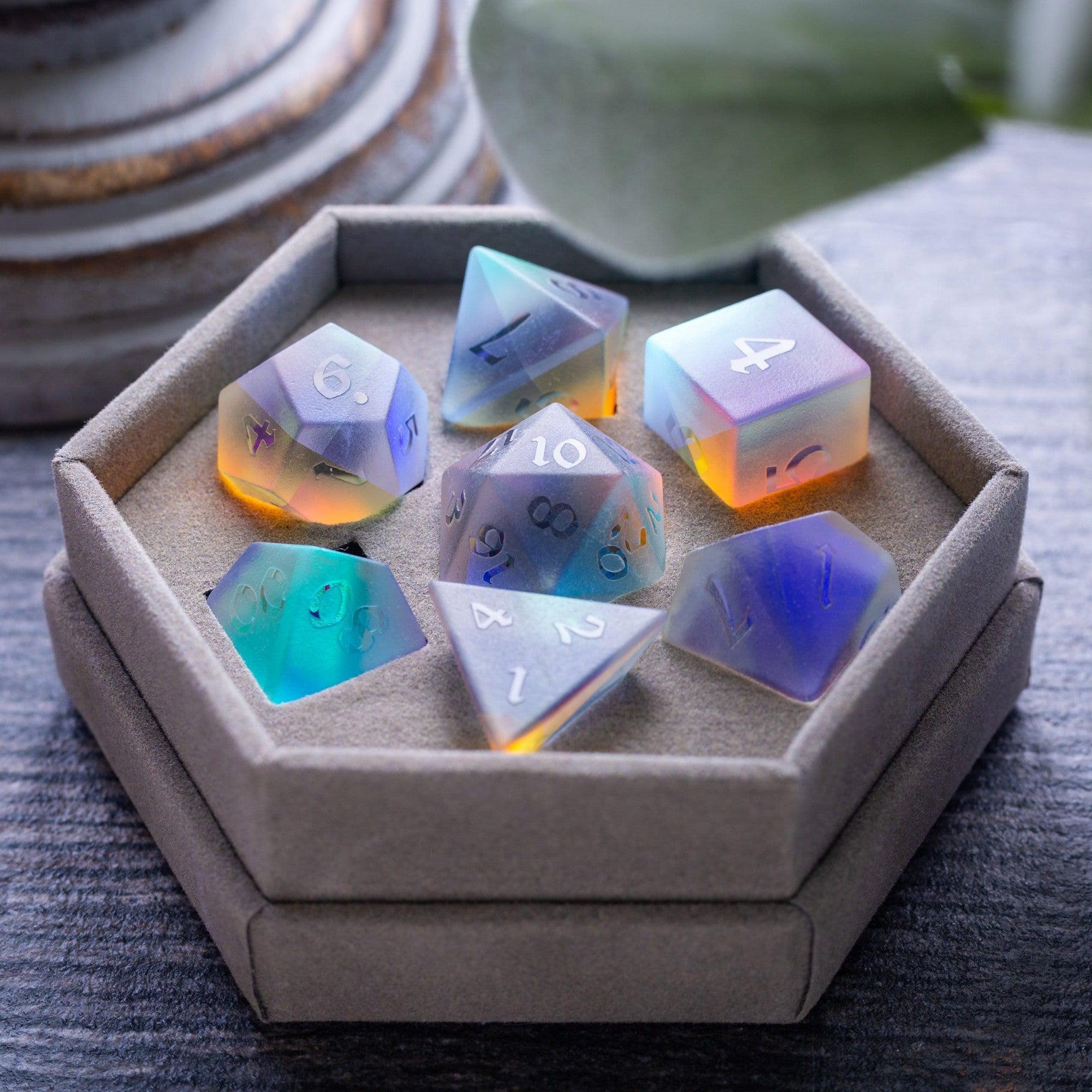
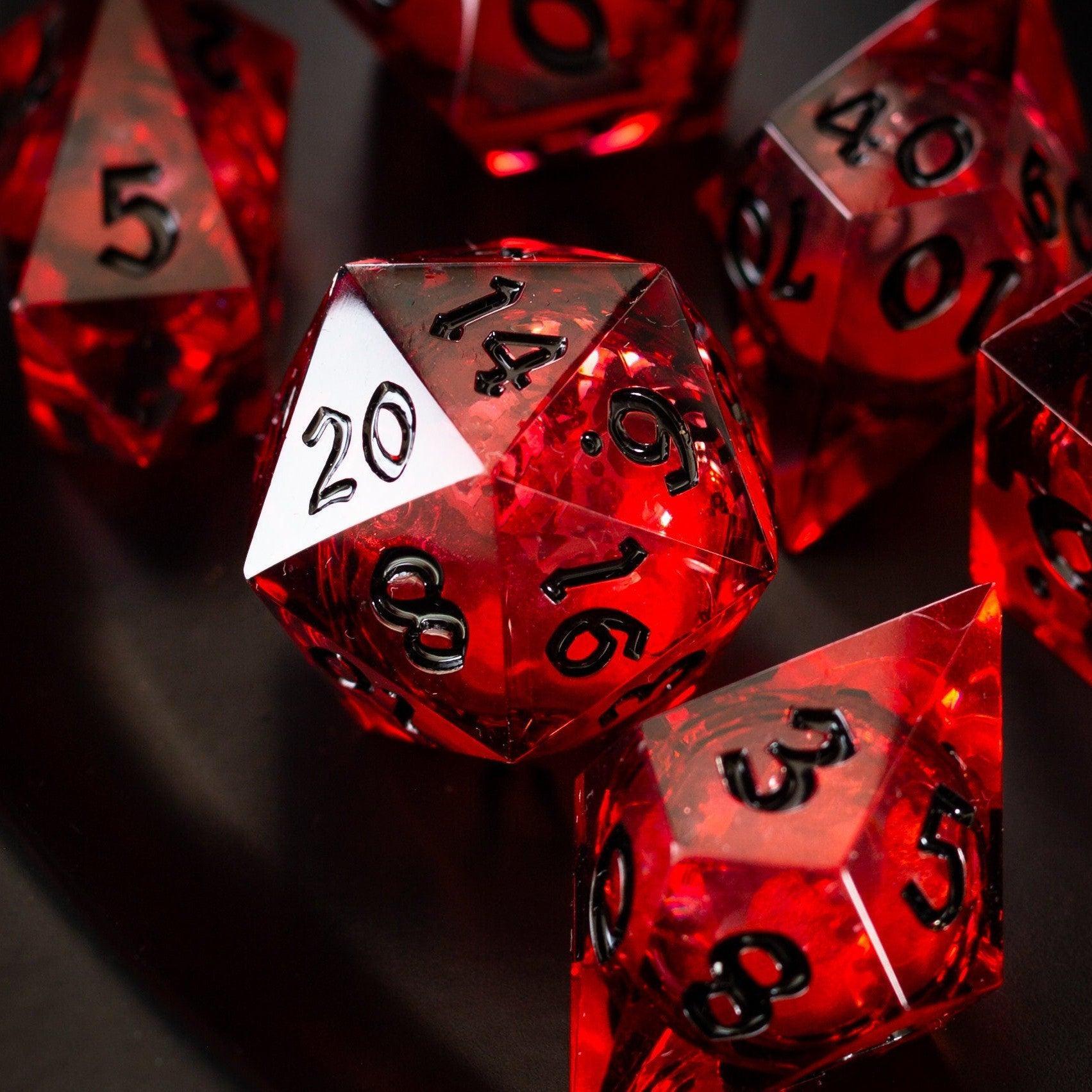
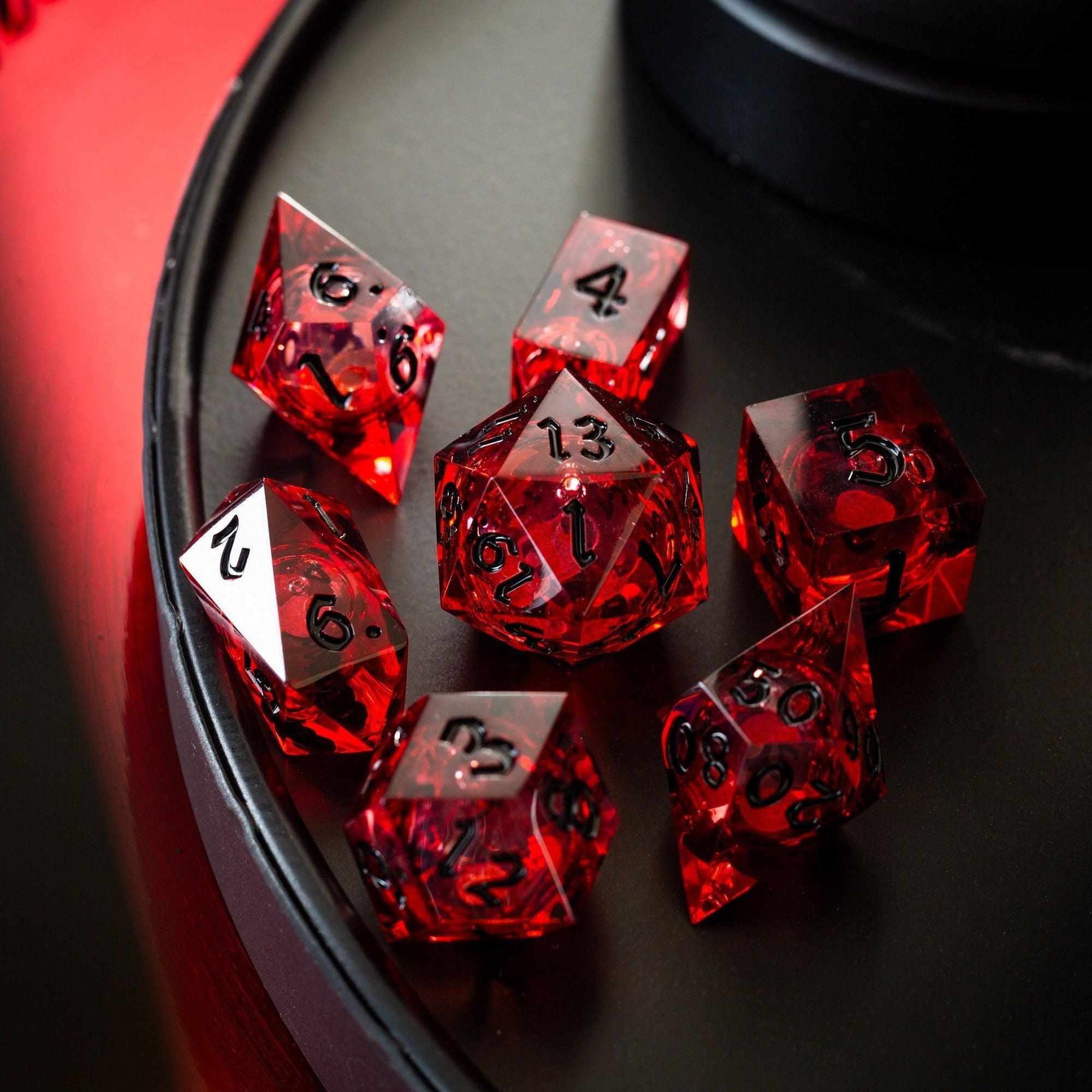
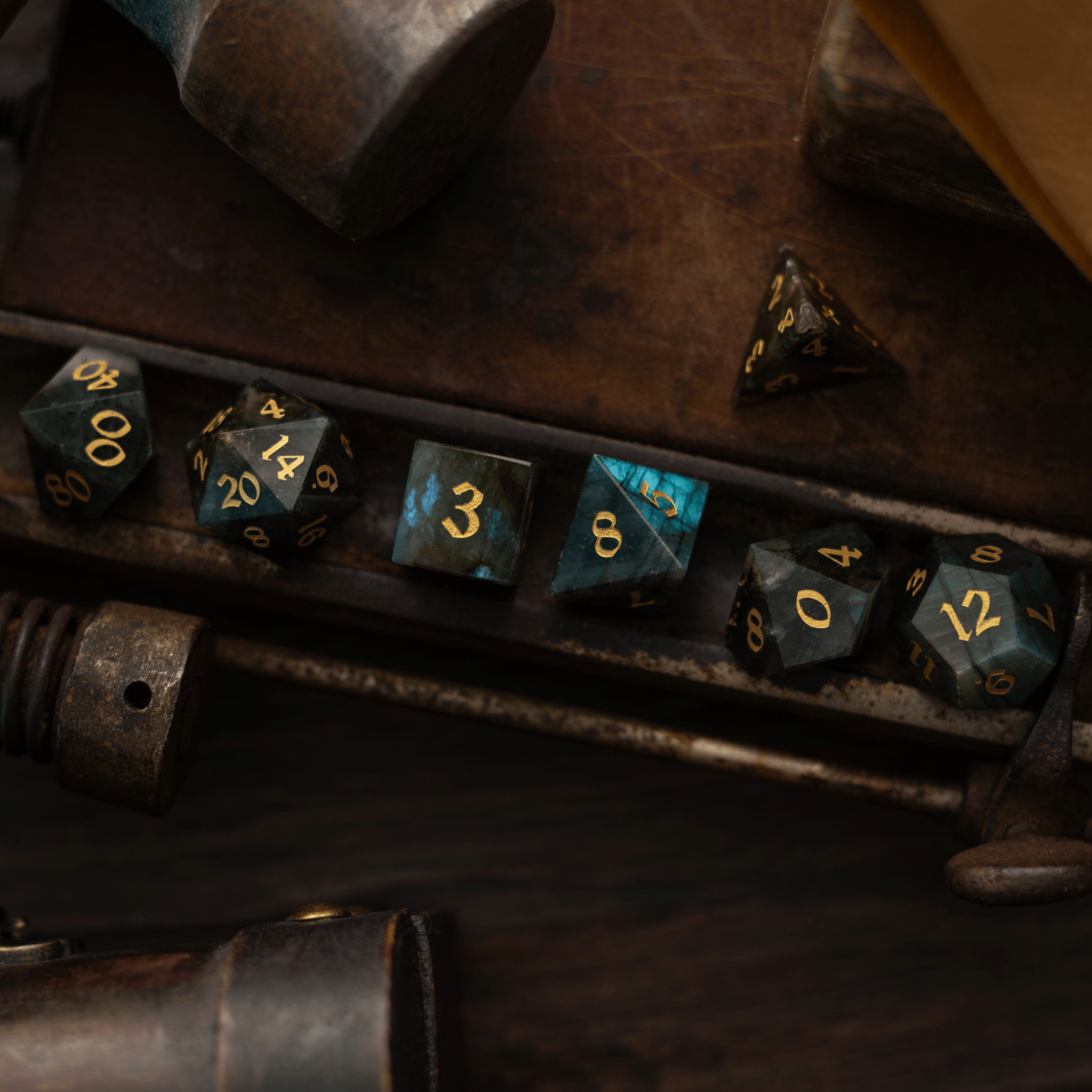
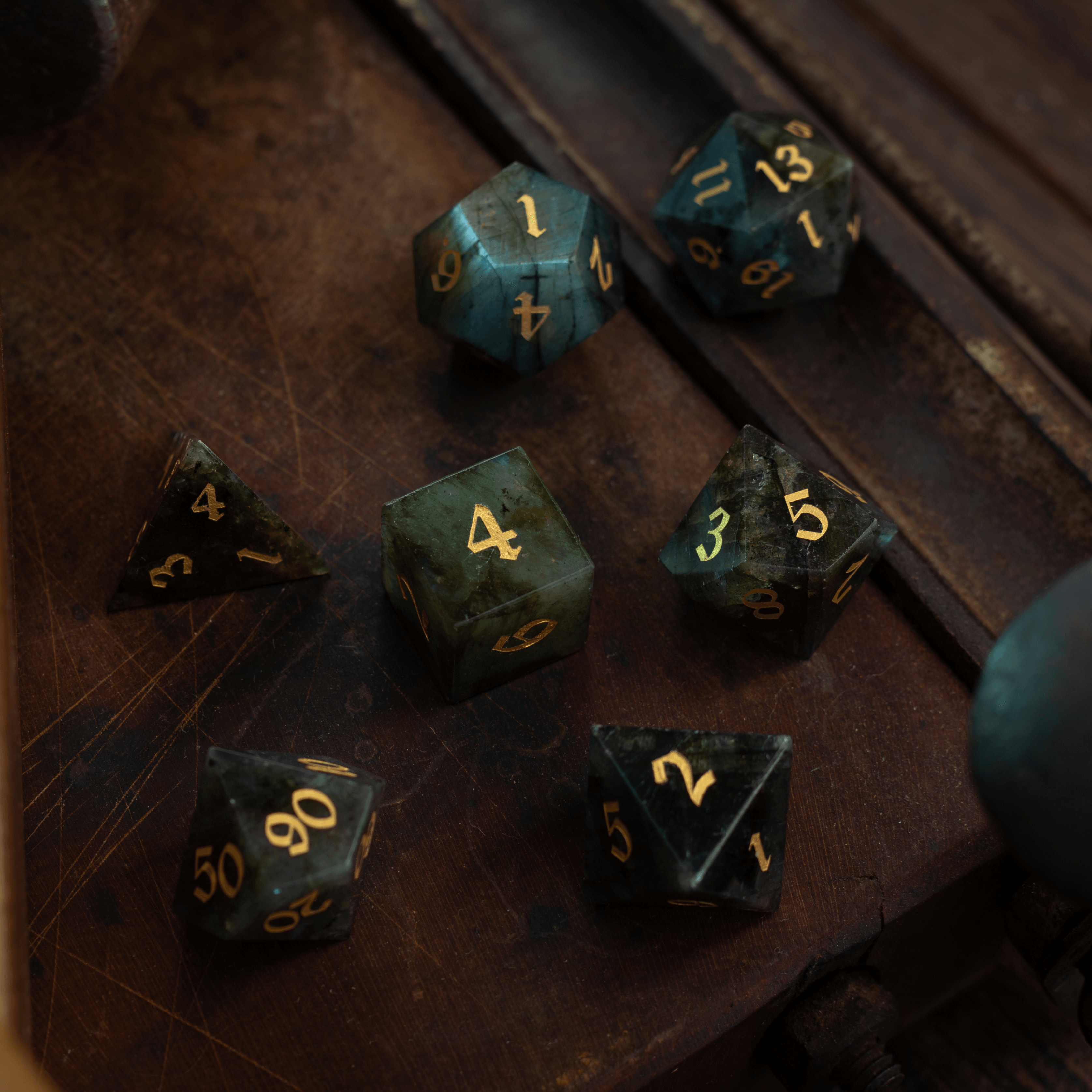
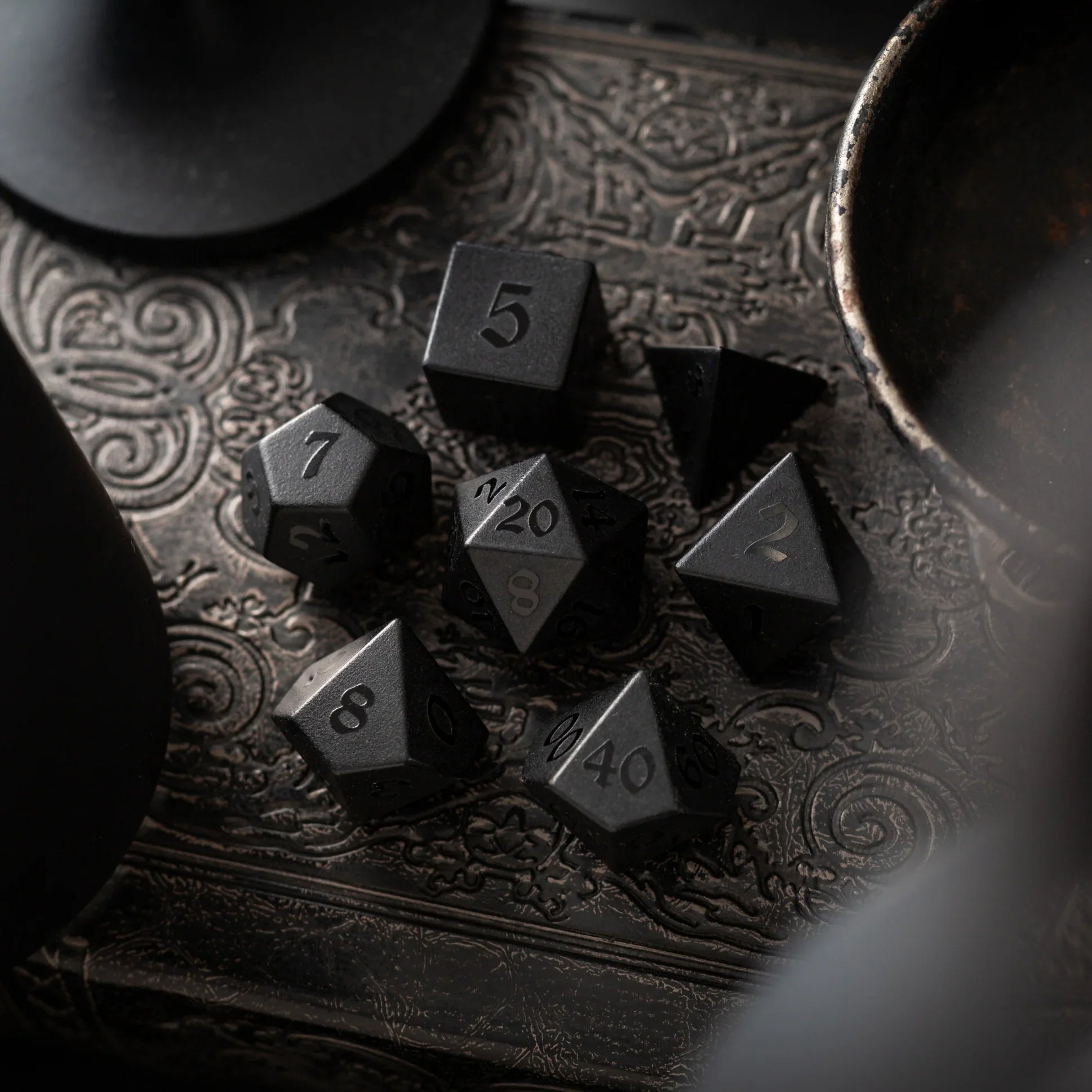
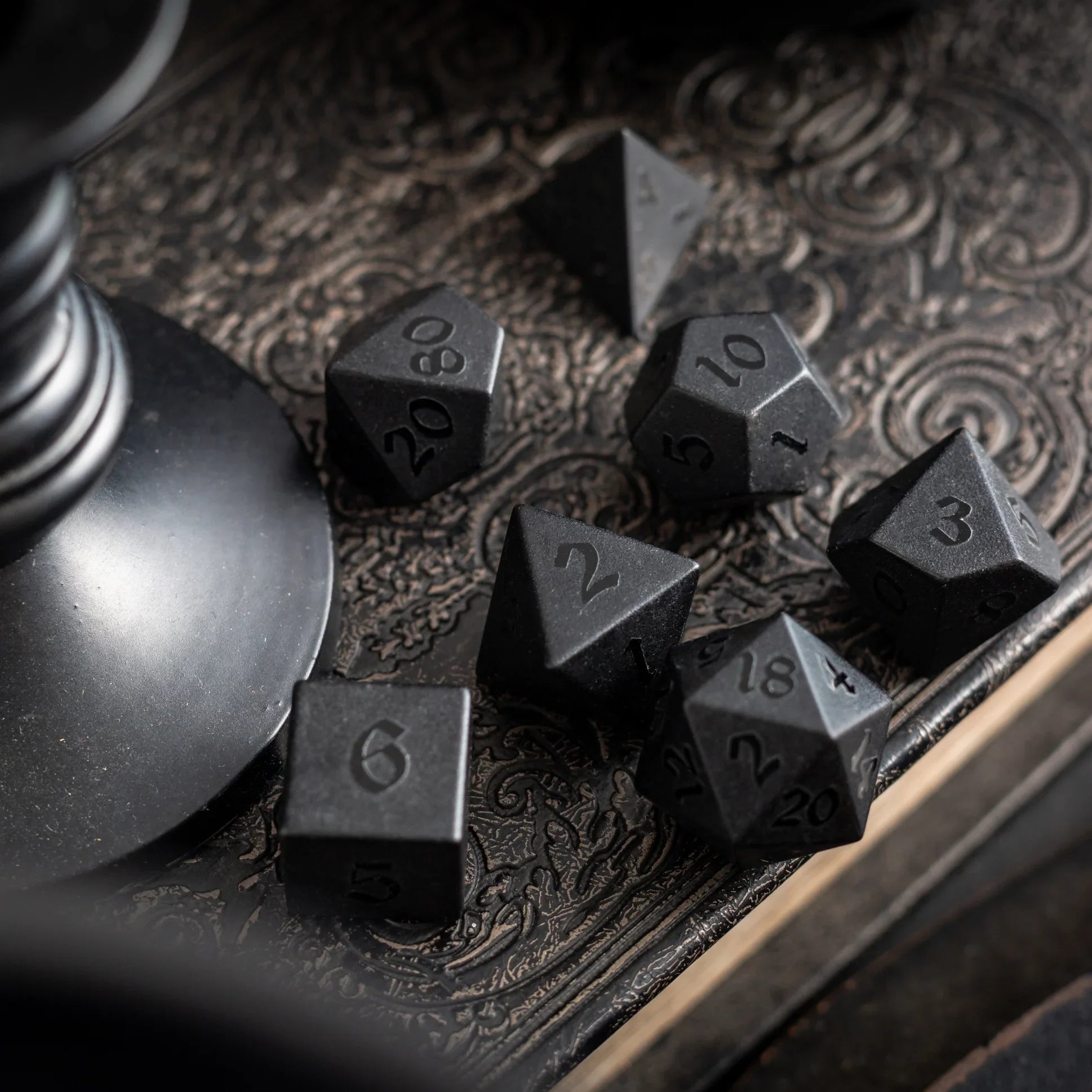
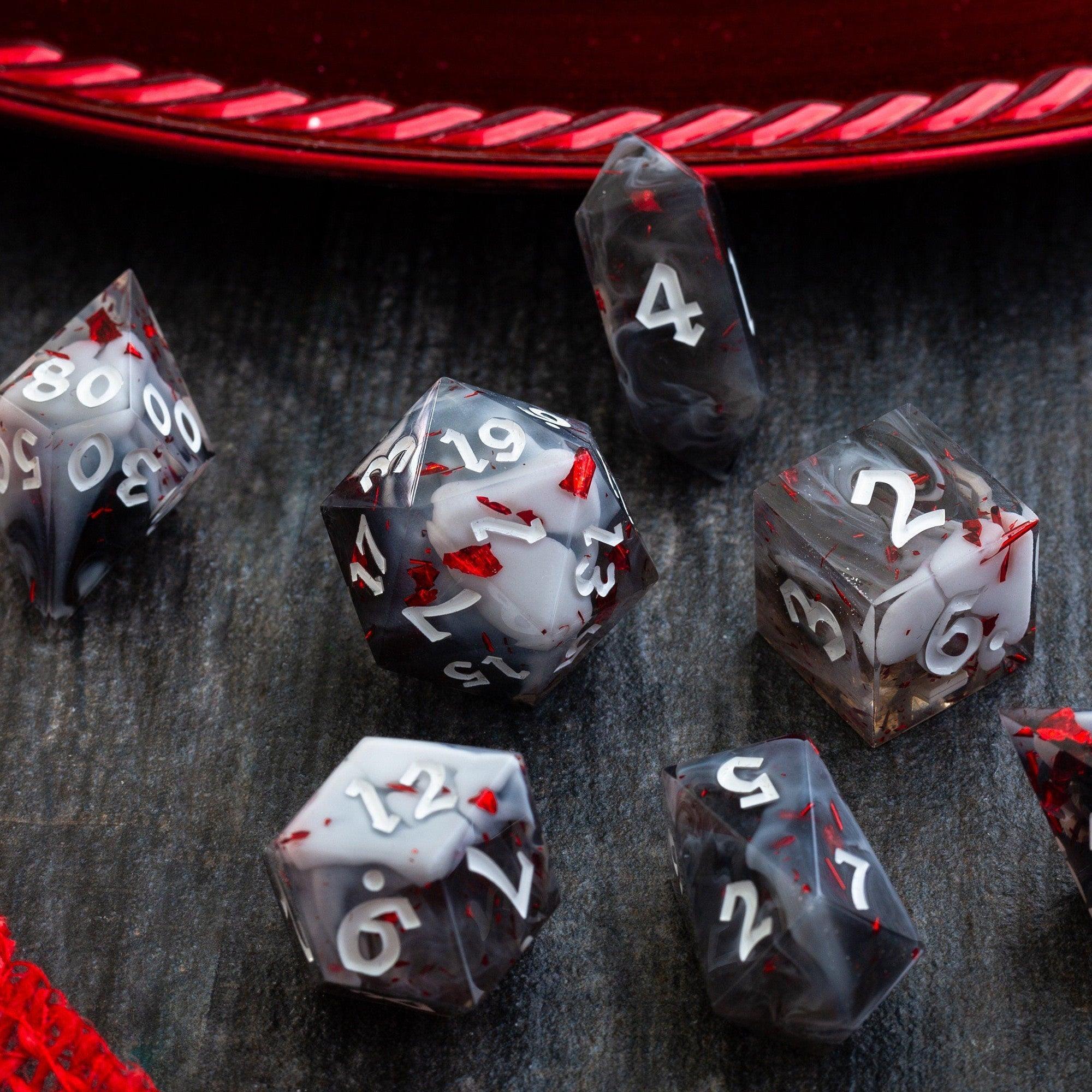
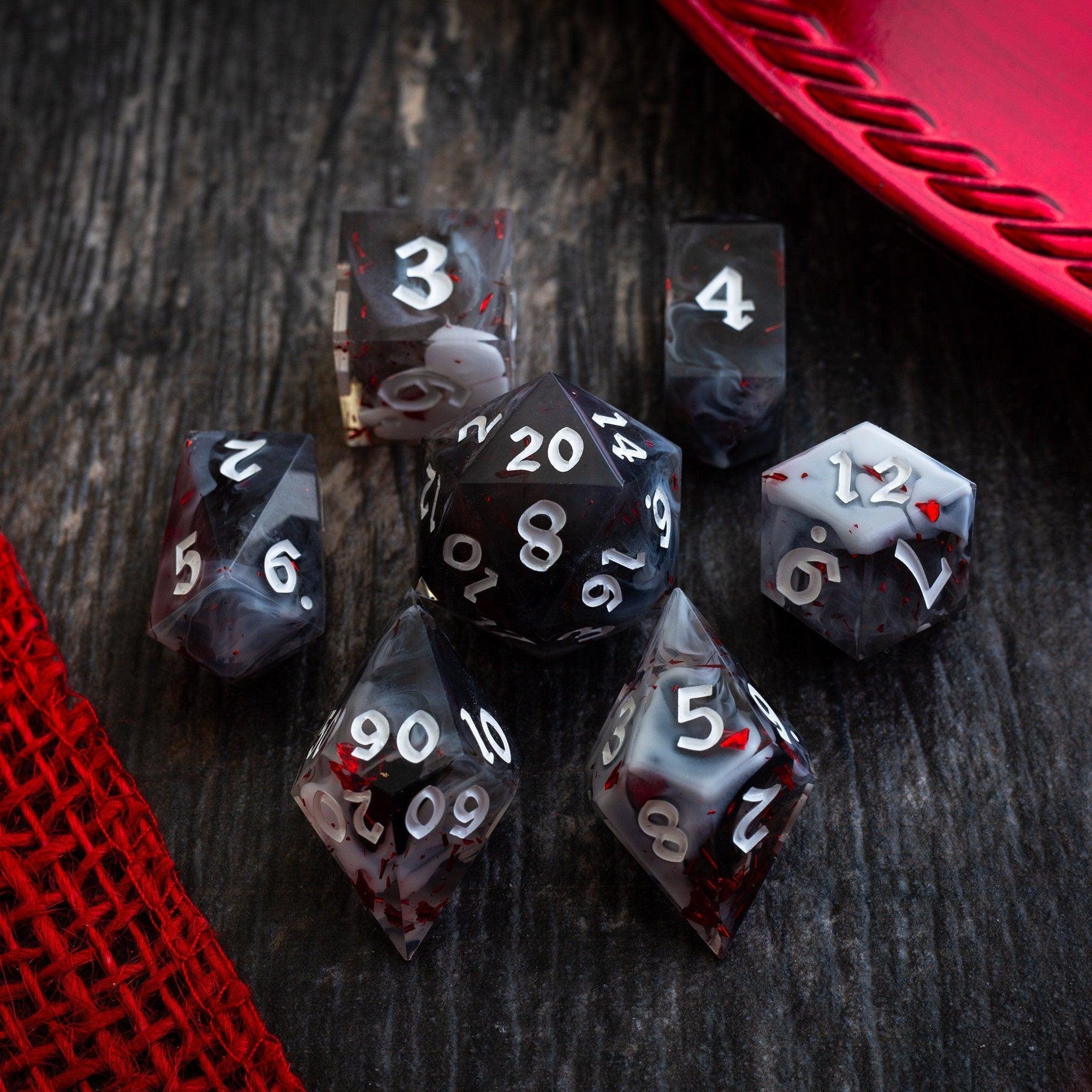
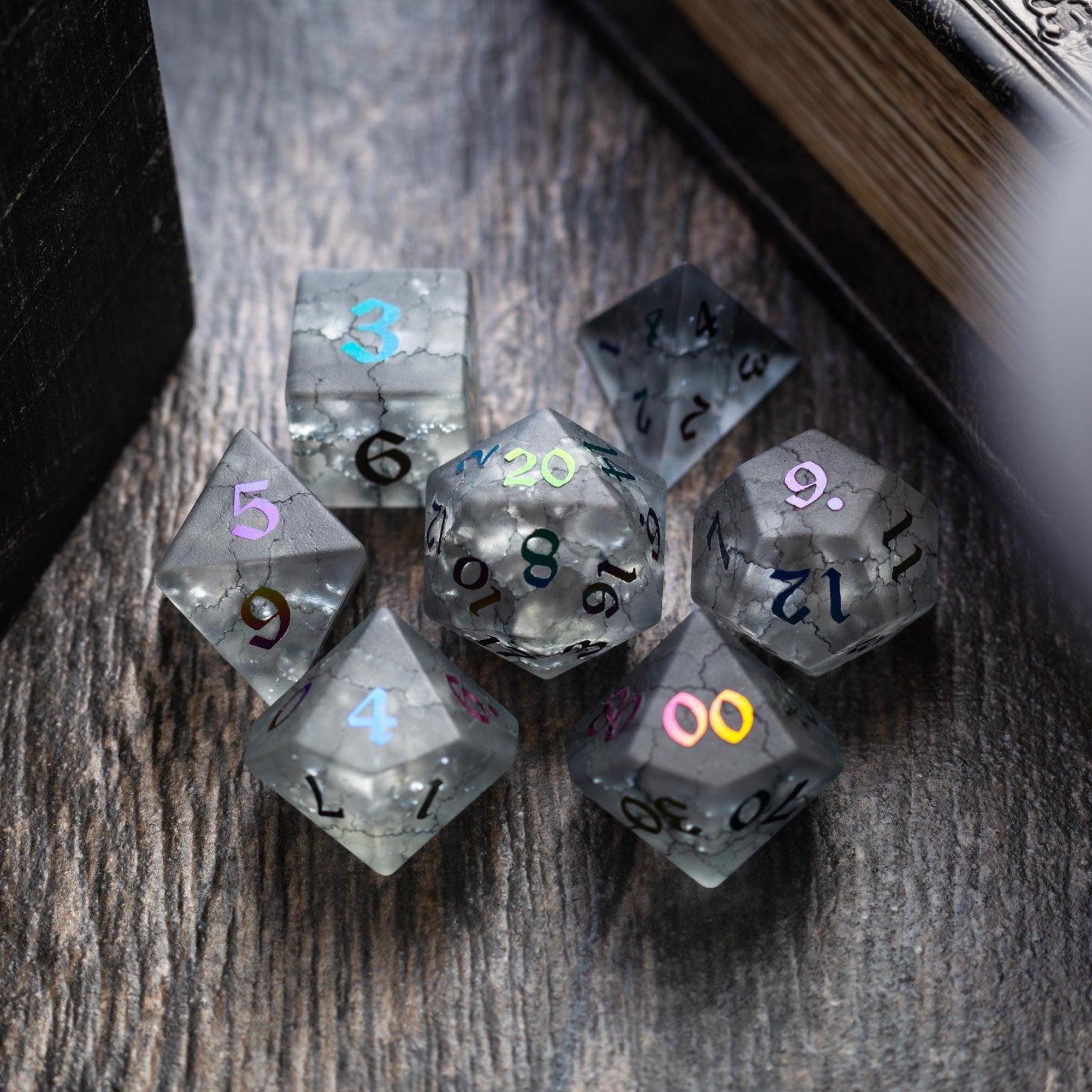
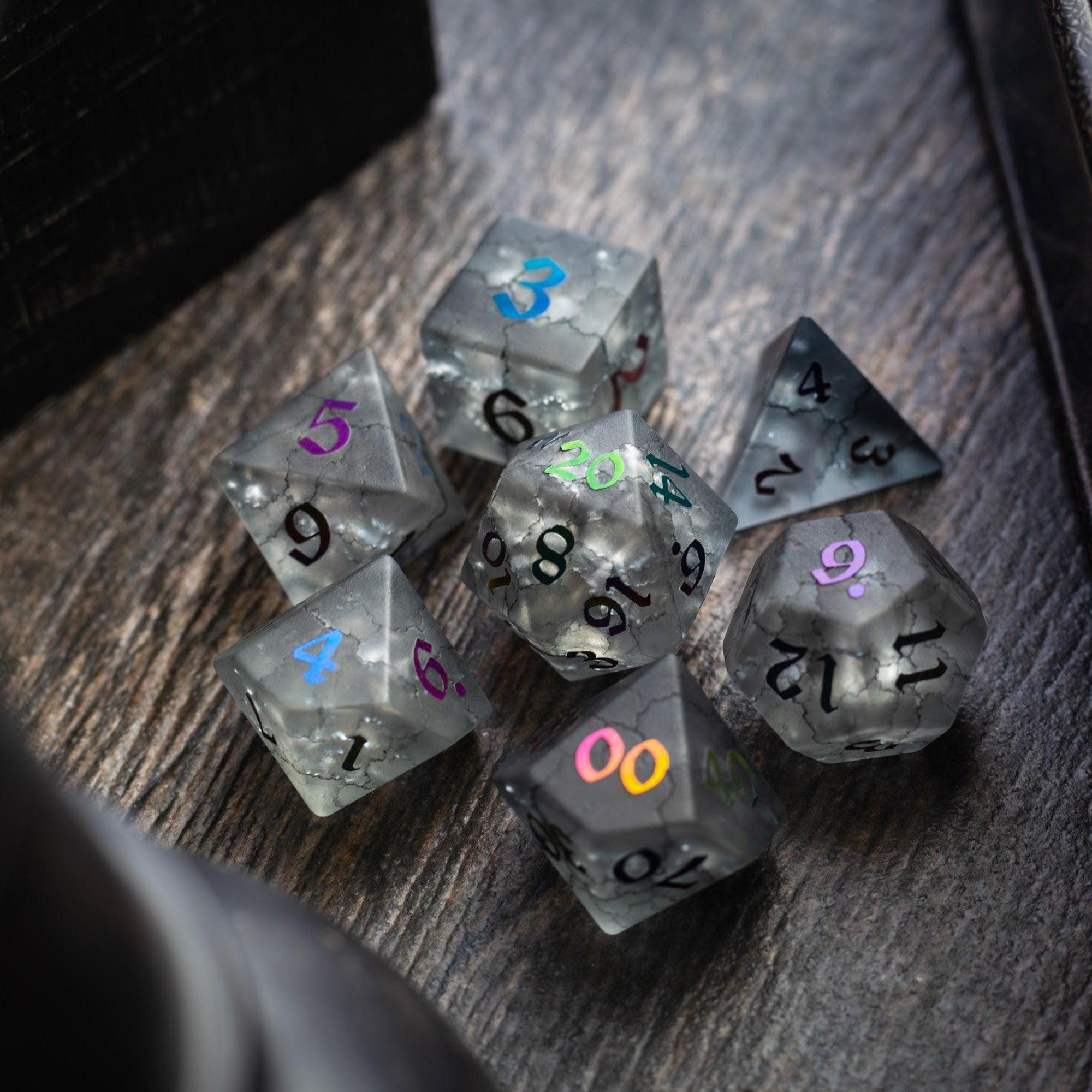
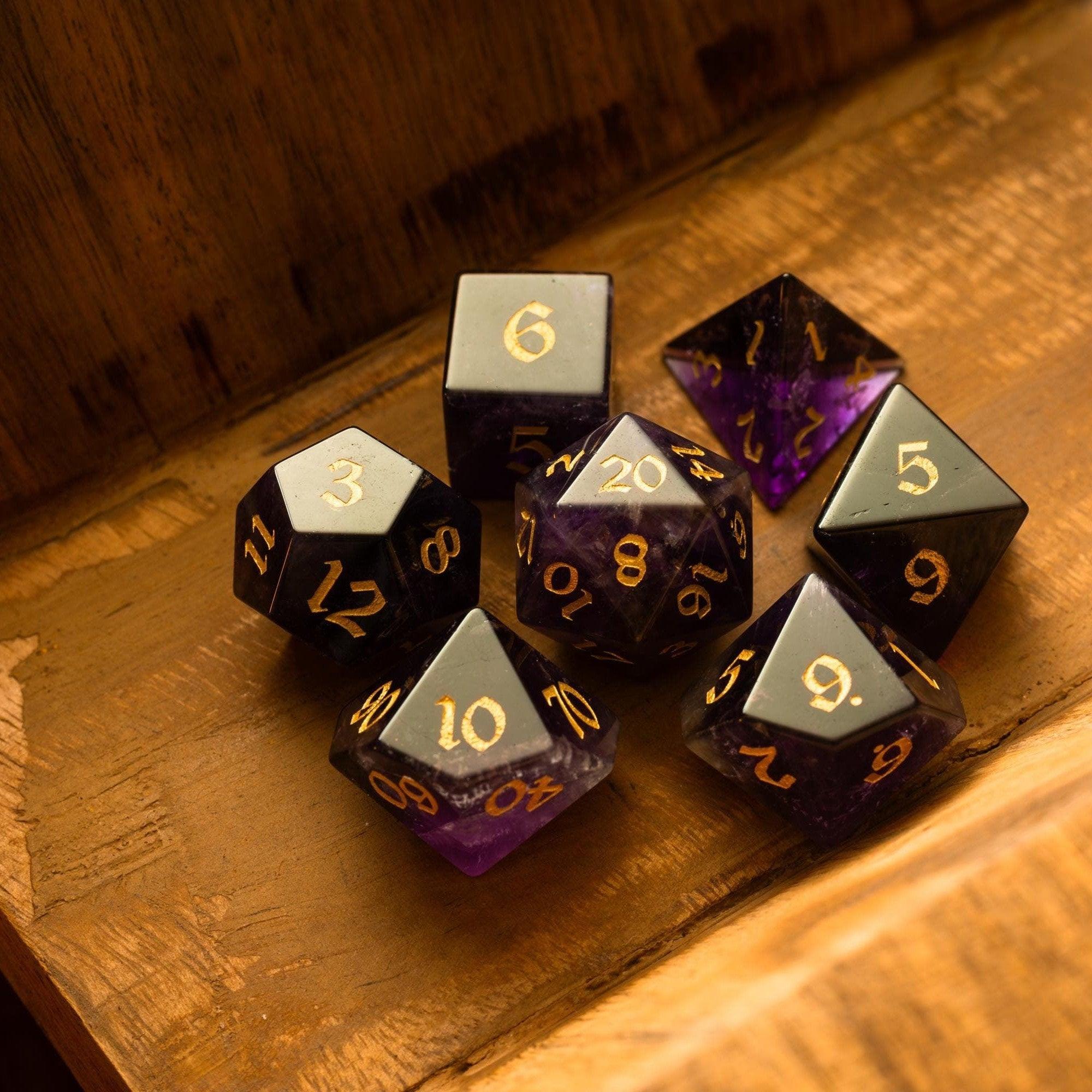
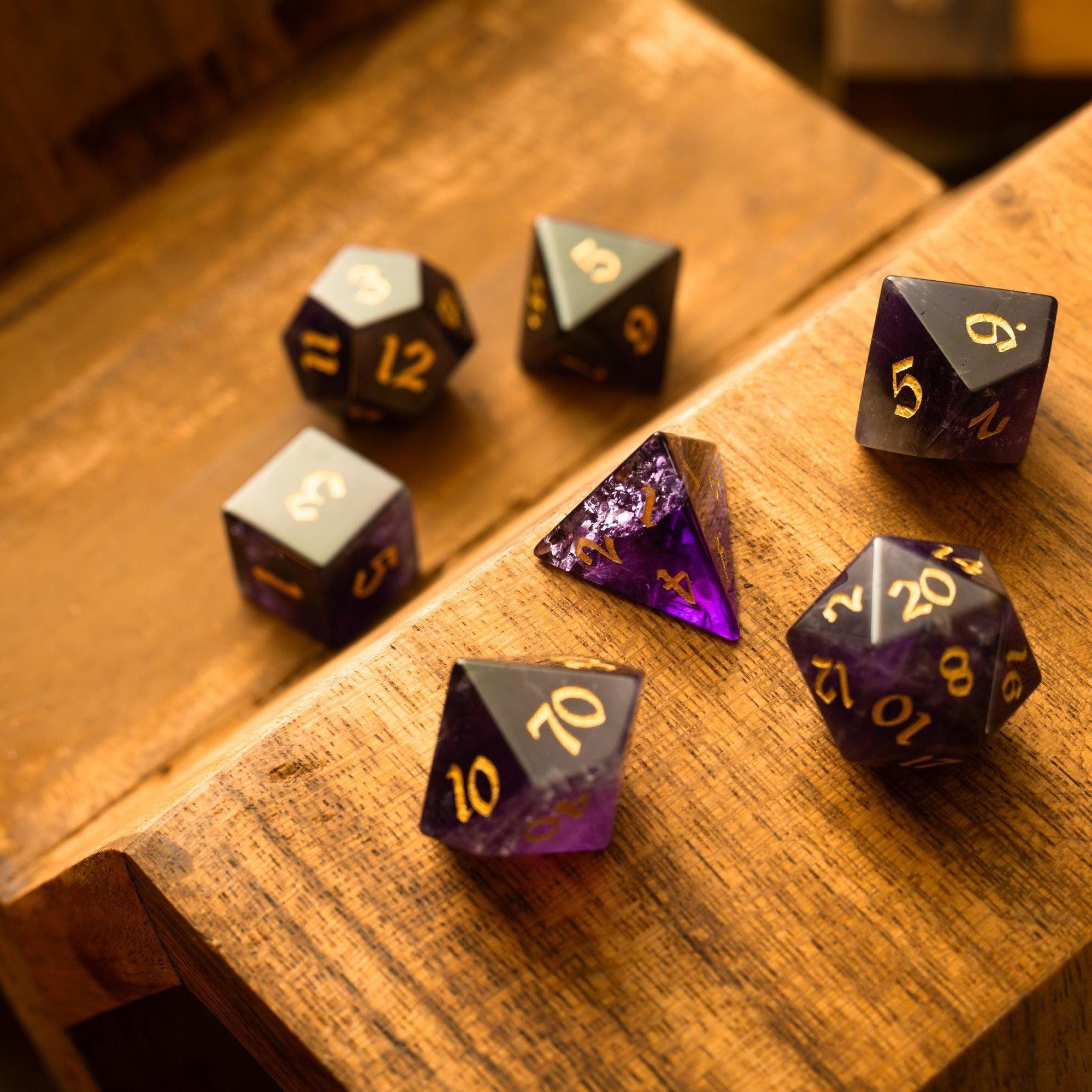
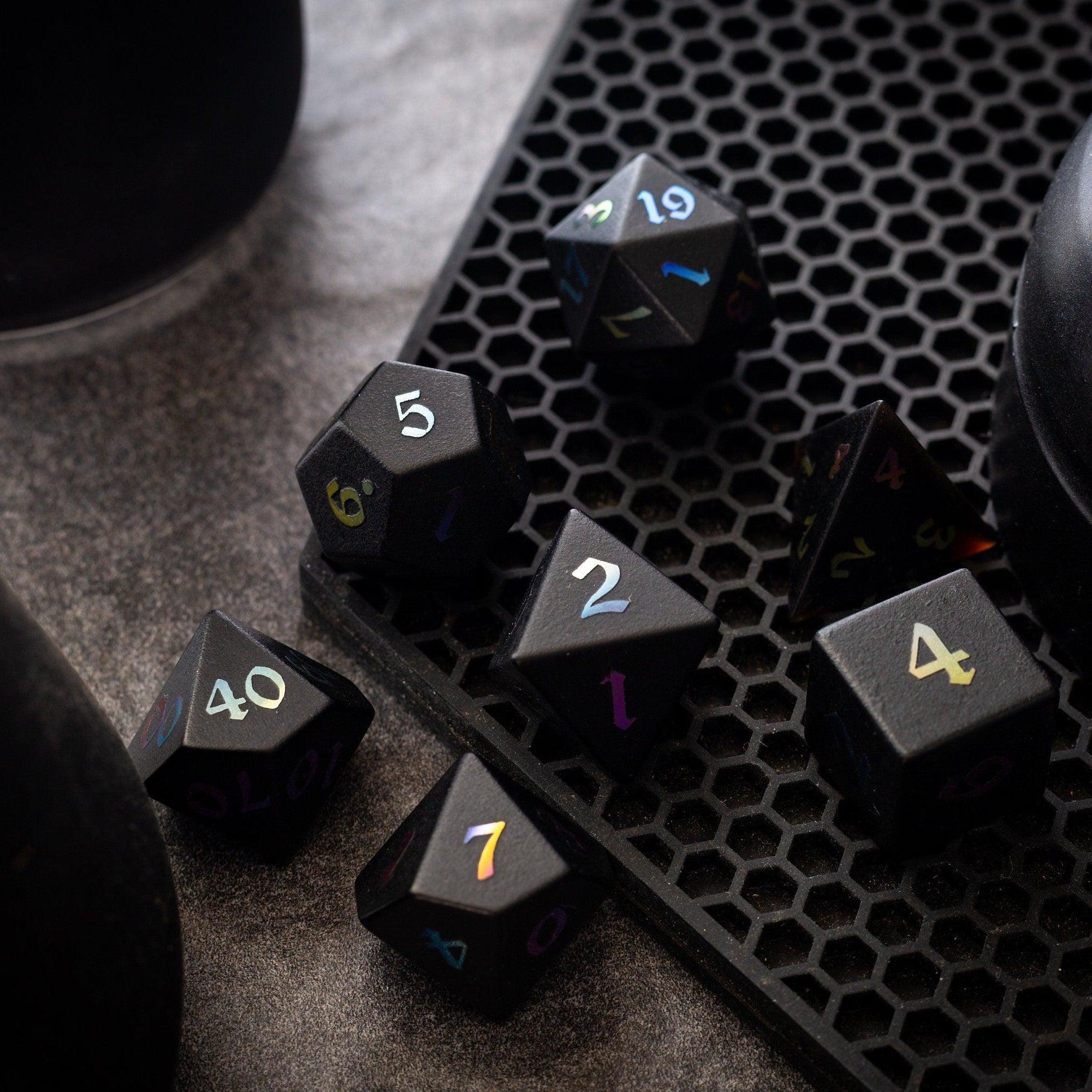
Many groups even lean into that atmosphere physically during big loot scenes. Bringing out swirling liquid core dice during a dangerous artifact reveal or using gemstone dice for legendary relic encounters can make those moments feel even more cinematic and memorable without distracting from the game itself.
Common Attunement Mistakes
Even veteran players occasionally make poor attunement decisions.
Holding Onto Weak Gear Too Long
Players get emotionally attached to older items all the time.
That’s normal.
But sometimes an early-game favorite simply isn’t helping anymore.
Overvaluing Raw Damage
Damage boosts are exciting, but survival and versatility often matter more over the course of a campaign.
A defensive item that prevents a character from going down can easily outperform another small offensive bonus.
Forgetting About Utility
Never underestimate:
-
flight
-
teleportation
-
stealth
-
magical detection
-
environmental protection
Creative utility wins encounters constantly in D&D.
Ignoring Item Requirements
Always double-check restrictions before planning a short rest around a new item.
Nothing hurts worse than discovering the mysterious relic only works for a class nobody in the party plays.
Roleplay Ideas for Attuned Items
Attunement becomes much more interesting when players treat magical items like living parts of the story.
Give the Item Personality
Maybe the sword glows brighter near undead.
Maybe the amulet becomes cold whenever danger approaches.
Maybe the wand slowly changes appearance as its wielder grows stronger.
Tiny details make magical equipment feel alive.
Tie the Item to Your Character’s Story
Some of the best attuned items feel emotionally connected to a character’s journey.
Examples:
-
a family heirloom
-
a relic from a fallen kingdom
-
a corrupted artifact tied to a villain
-
an ancient staff discovered during a near-death experience
Those details instantly make the item feel more meaningful.
Let Powerful Items Feel Dangerous
Not every magical bond should feel safe.
Sometimes the best artifacts come with mystery, temptation, or consequences.
That tension creates fantastic roleplay opportunities for both players and Dungeon Masters.
Tips for Dungeon Masters
Attunement also gives DMs useful tools for balancing treasure and storytelling.
Make Attunement Feel Cinematic
Don’t reduce attunement to bookkeeping.
Describe:
-
flickering runes
-
ghostly whispers
-
flashes of memory
-
sudden warmth
-
strange dreams during the short rest
Those details help legendary gear feel legendary.
Spread Treasure Across the Party
Try to avoid giving all the strongest attunement items to a single player.
Everyone should have moments where their magical gear feels important.
Use Magic Items as Story Hooks
The best artifacts create future adventures.
A mysterious relic might:
-
attract enemies
-
unlock ancient ruins
-
reveal forgotten history
-
slowly corrupt its owner
-
awaken dormant magic elsewhere in the world
That’s where magic items truly shine in D&D storytelling.
Why Magic Items Feel So Memorable in D&D
Players rarely remember every number on their character sheet.
But they absolutely remember:
-
the cursed ring nobody trusted
-
the staff that saved the party during a dragon fight
-
the sword recovered from the lich’s vault
-
the artifact the group argued over for three sessions
Magic items become emotional landmarks inside a campaign.
That’s why attunement works so well. It forces players to choose the relics that genuinely become part of their character’s identity.
And honestly, those choices are often more memorable than the battles themselves.
Conclusion
At first glance, magic item attunement 5e can seem like a simple balancing rule.
But once campaigns start unfolding, it becomes much more than that.
Attunement shapes character identity, encourages teamwork, creates meaningful choices, and turns magical treasure into unforgettable story pieces instead of disposable stat boosts.
The best attuned items are never just equipment.
They become symbols of victories, dangerous decisions, near disasters, and legendary adventures shared around the table.
And somewhere deep inside the next dungeon, hidden beneath layers of dust and ancient stone, there’s probably another relic waiting for your party to decide whether its power is truly worth the bond it demands.



Leave a comment
This site is protected by hCaptcha and the hCaptcha Privacy Policy and Terms of Service apply.