
How to Play Dungeons & Dragons: A Beginner's Guide to D&D
If you've ever wondered how to play Dungeons & Dragons, the game can look more complicated than it really is. D&D has character sheets, unusual dice, spells, combat rules, and decades of published adventures, but a new player only needs a few basics to begin.

Dungeons & Dragons is a tabletop roleplaying game built around imagination, teamwork, and shared storytelling. One player serves as the Dungeon Master, while everyone else controls a character in the adventure. This D&D beginner guide follows the current revised fifth-edition rules used on D&D Beyond, often labeled 5.5e in 2026, while focusing on the parts a first-time player actually needs.
What Is Dungeons & Dragons?
At its core, Dungeons & Dragons is a collaborative storytelling game. The Dungeon Master describes a situation, the players say what their characters want to do, and the DM explains what happens next. When the outcome is uncertain, the rules and dice help decide the result.
There is no single path through an adventure. A party might investigate a haunted castle, negotiate with a suspicious merchant, explore forgotten ruins, rescue prisoners, search for treasure, or fight a monster. Different groups may solve the same problem in completely different ways.
That freedom is one reason Dungeons & Dragons for beginners can feel unusual at first. You are not choosing from a fixed menu of actions. You describe what your character attempts, and the DM uses the rules to resolve it when necessary.
The Role of the Dungeon Master
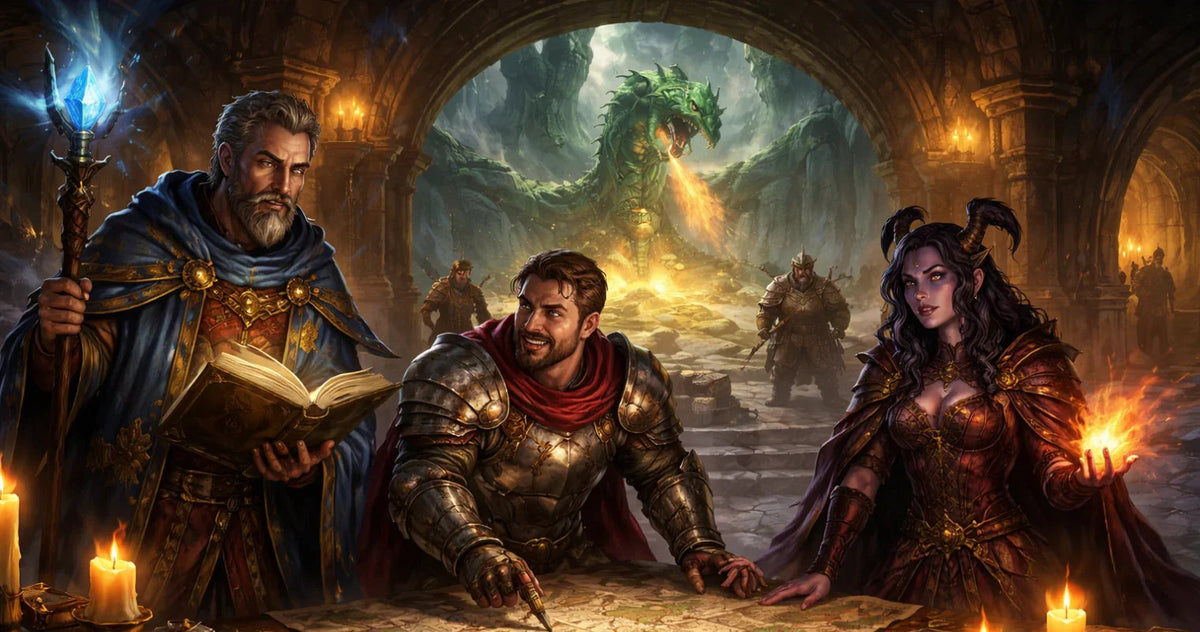
[Image: Dungeon Master guiding a fantasy adventure]
The Dungeon Master, usually called the DM, runs the world around the player characters. The DM describes locations, portrays non-player characters, controls monsters, presents challenges, applies the rules, and narrates the results of the players' choices.
For example, a DM might say, "You enter a dark cave. Water drips from the ceiling, and you hear something moving deeper inside." The players then decide whether to investigate, light a torch, leave, prepare for a fight, or try something else.
The DM is not supposed to "beat" the players. Their job is to present the world fairly and help the group create an enjoyable adventure together.
Creating Your First D&D Character
Your character is the person you control in the story. Under the current character creation rules, you choose a class, determine your origin through a background and species, determine ability scores, choose an alignment, and fill in the remaining details on your character sheet.
Choose a Class
Your class provides many of your character's main abilities. A Fighter focuses on weapons and combat techniques. A Rogue relies on skills, mobility, and precise attacks. A Cleric uses divine magic to support allies and harm enemies. A Wizard has a large selection of spells but requires more spell rules to manage.
You do not need to choose the "best" class. Pick the style of play that sounds most interesting to you.
Choose a Background
In the current rules, your background is mechanically important. It represents what your character did before becoming an adventurer and provides ability score increases, an Origin feat, skill proficiencies, a tool proficiency, and starting equipment. Examples in the revised Player's Handbook include Soldier, Sage, Entertainer, and Wayfarer.
Choose a Species
Your species represents your character's fantasy ancestry and grants species features. Human, Elf, Dwarf, and Halfling are familiar examples. Unlike the 2014 rules, ability score increases are no longer tied to species in the revised rules; they come from your background instead.
Determine Ability Scores
Every character has six ability scores: Strength, Dexterity, Constitution, Intelligence, Wisdom, and Charisma. These scores affect many rolls and help describe what your character is naturally good at. Common methods include the standard array, point-cost method, or rolling for scores, depending on what the DM allows.
Understanding D&D Dice
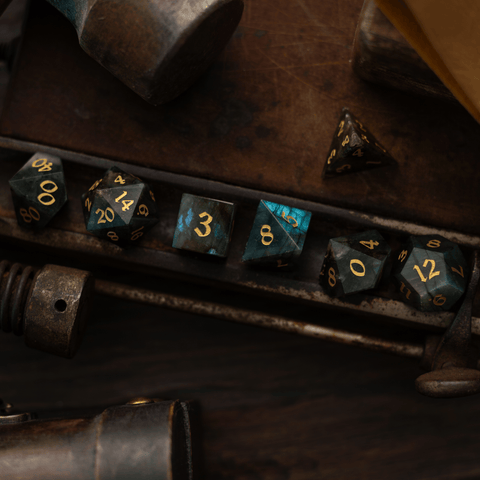
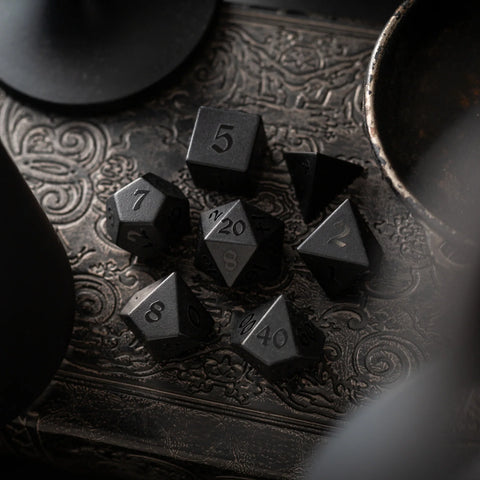
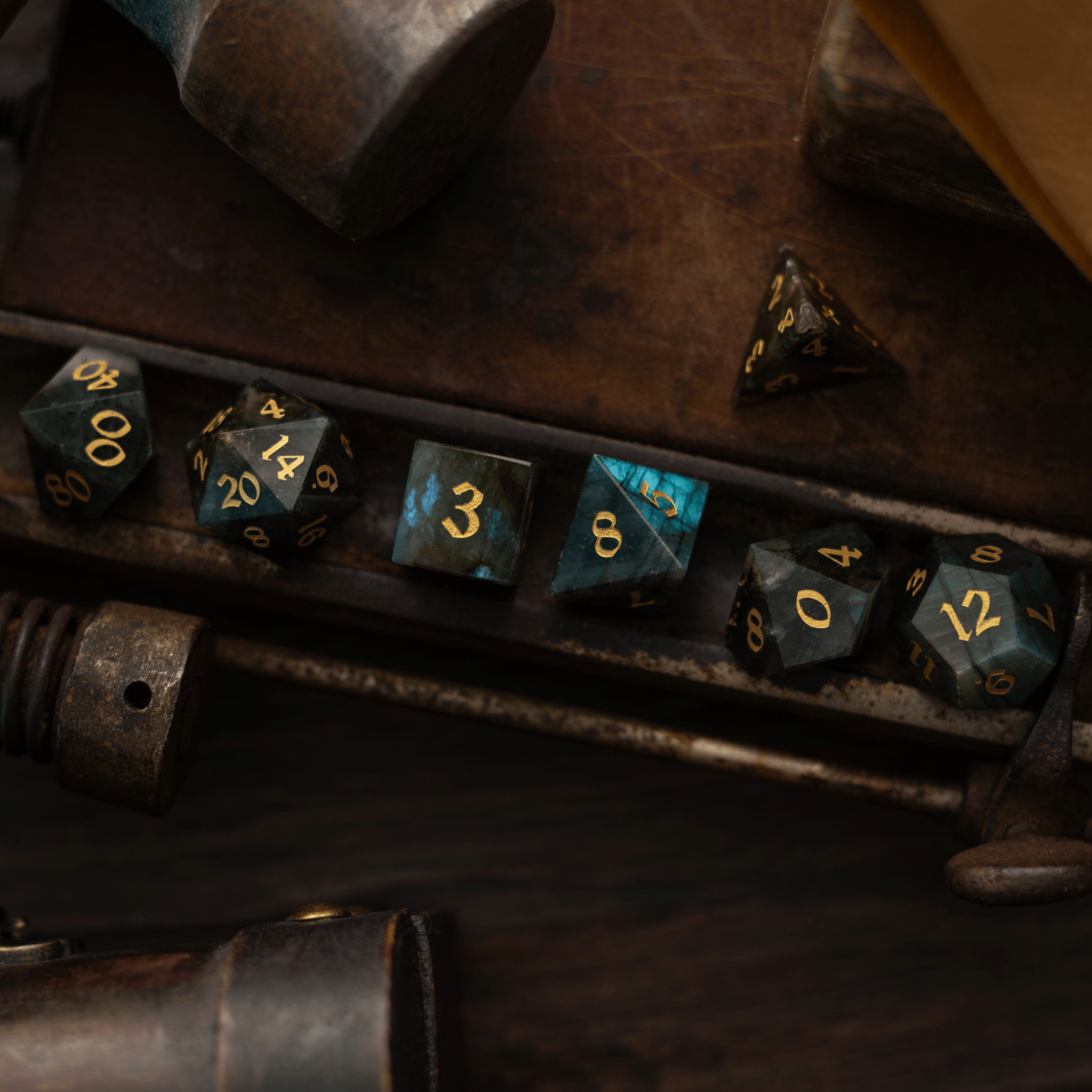
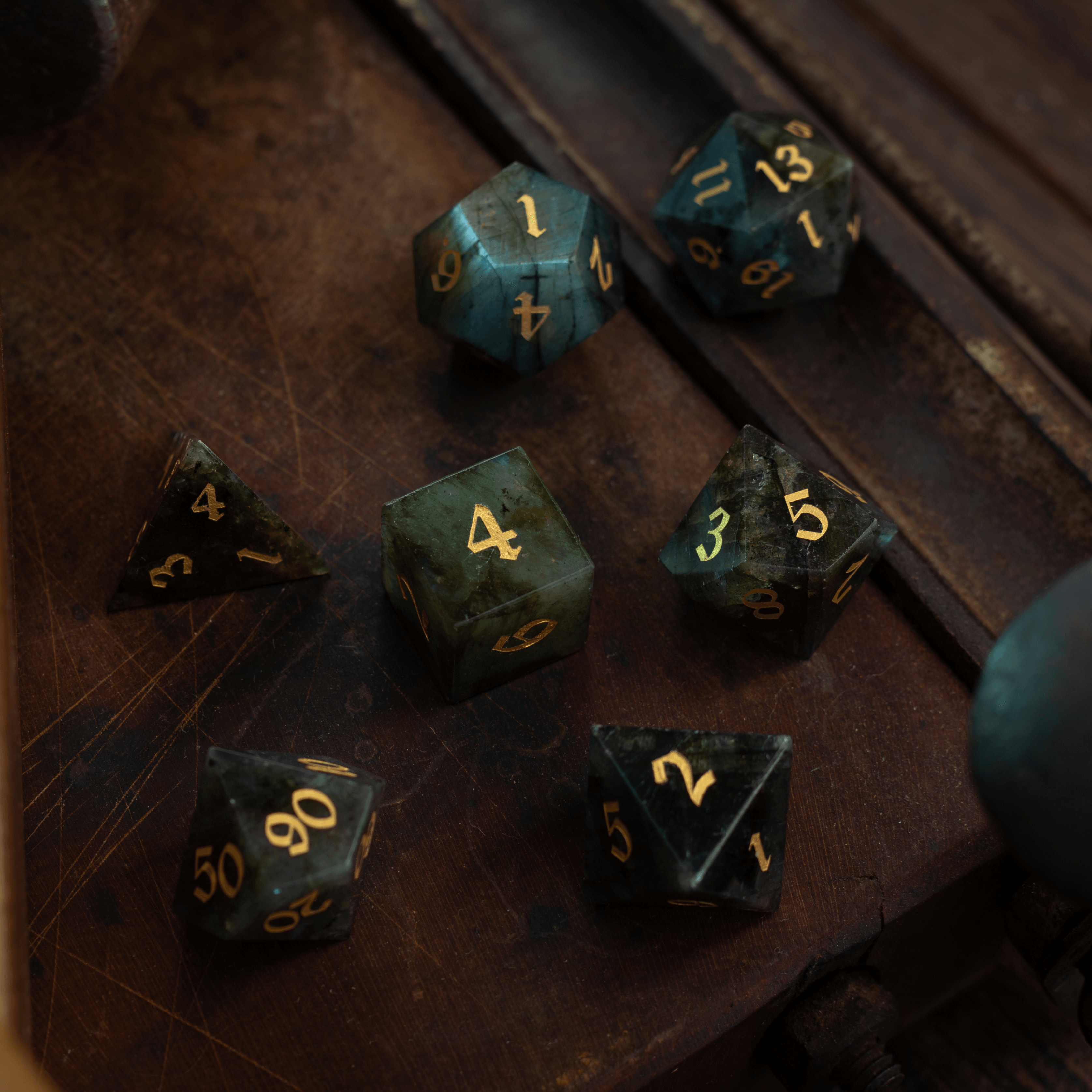
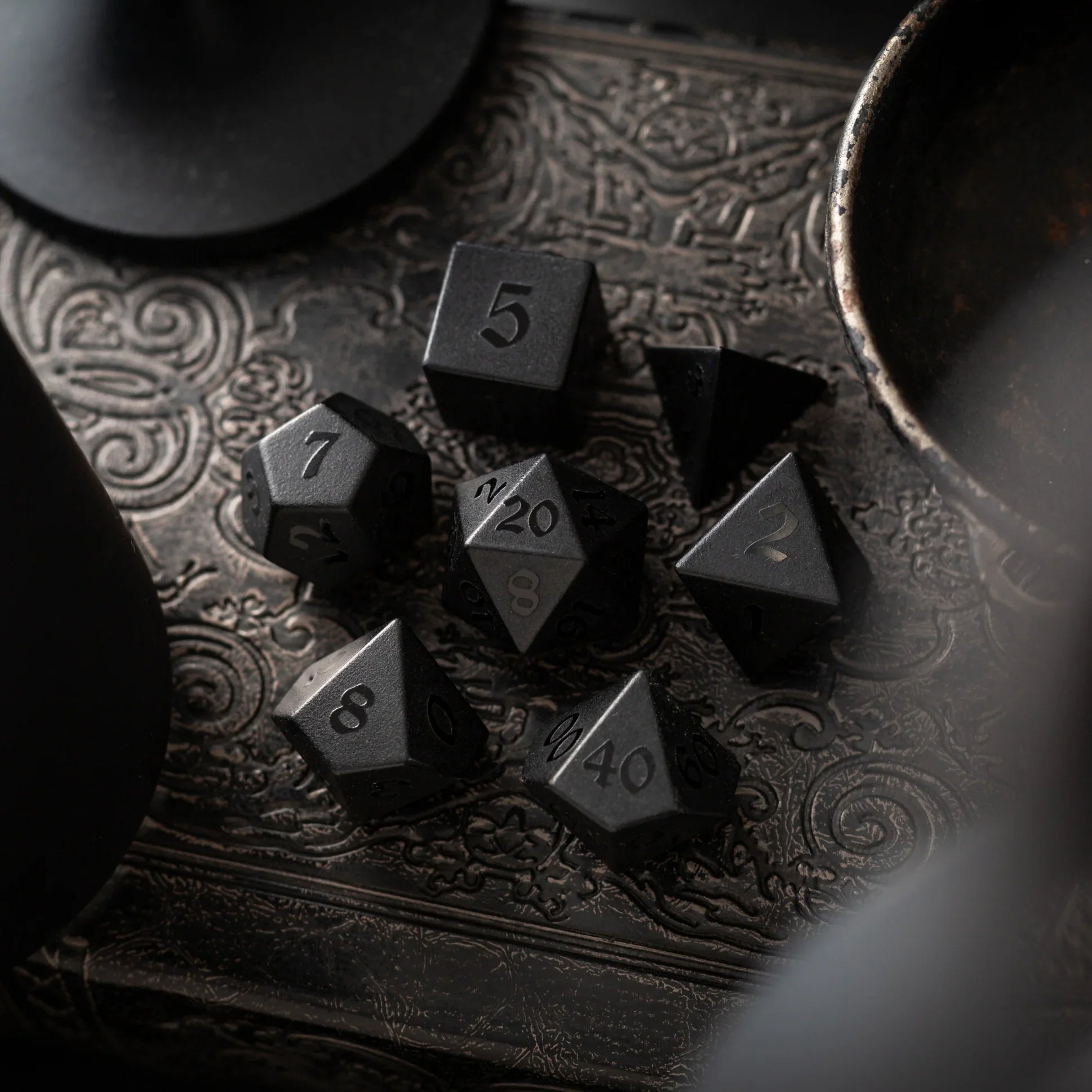
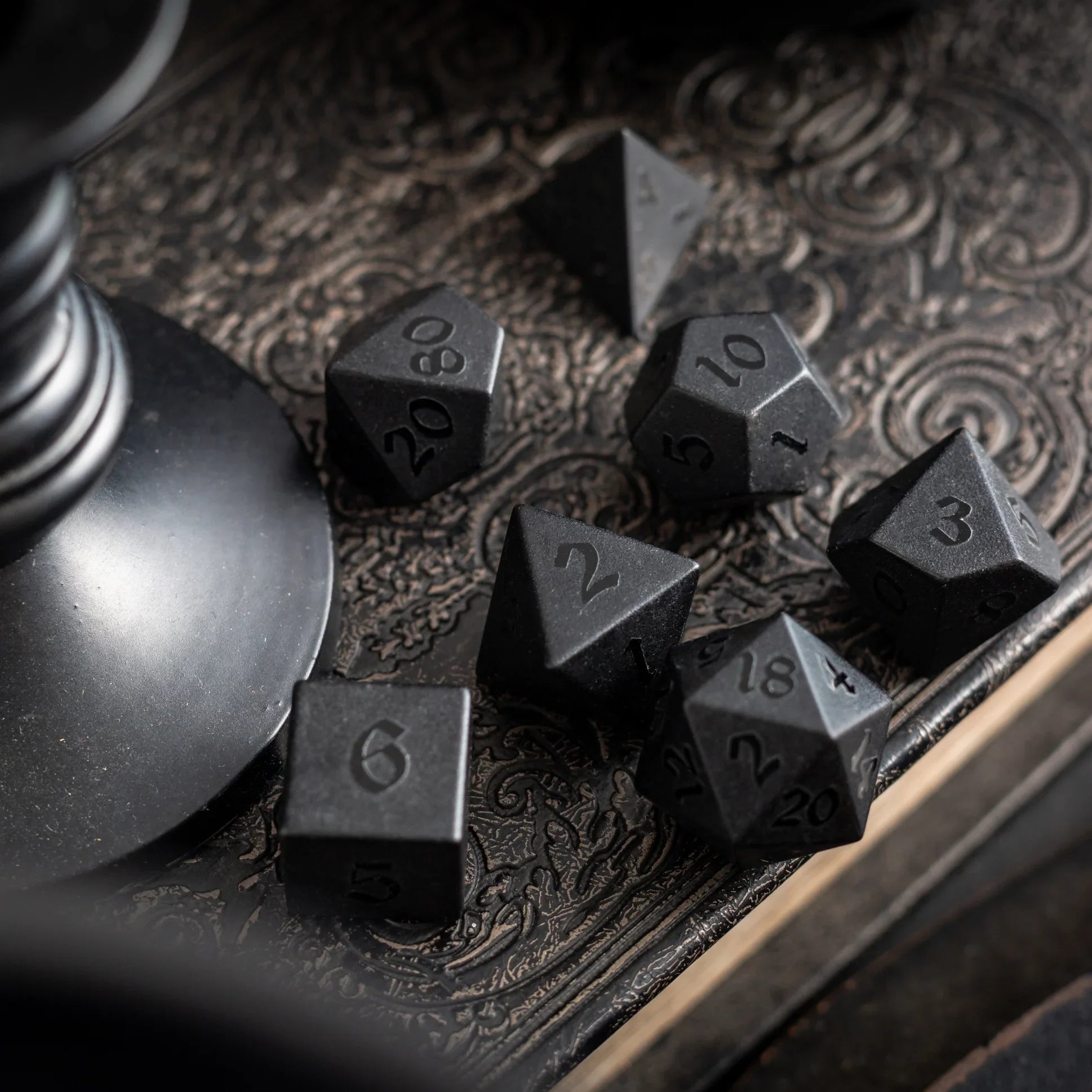
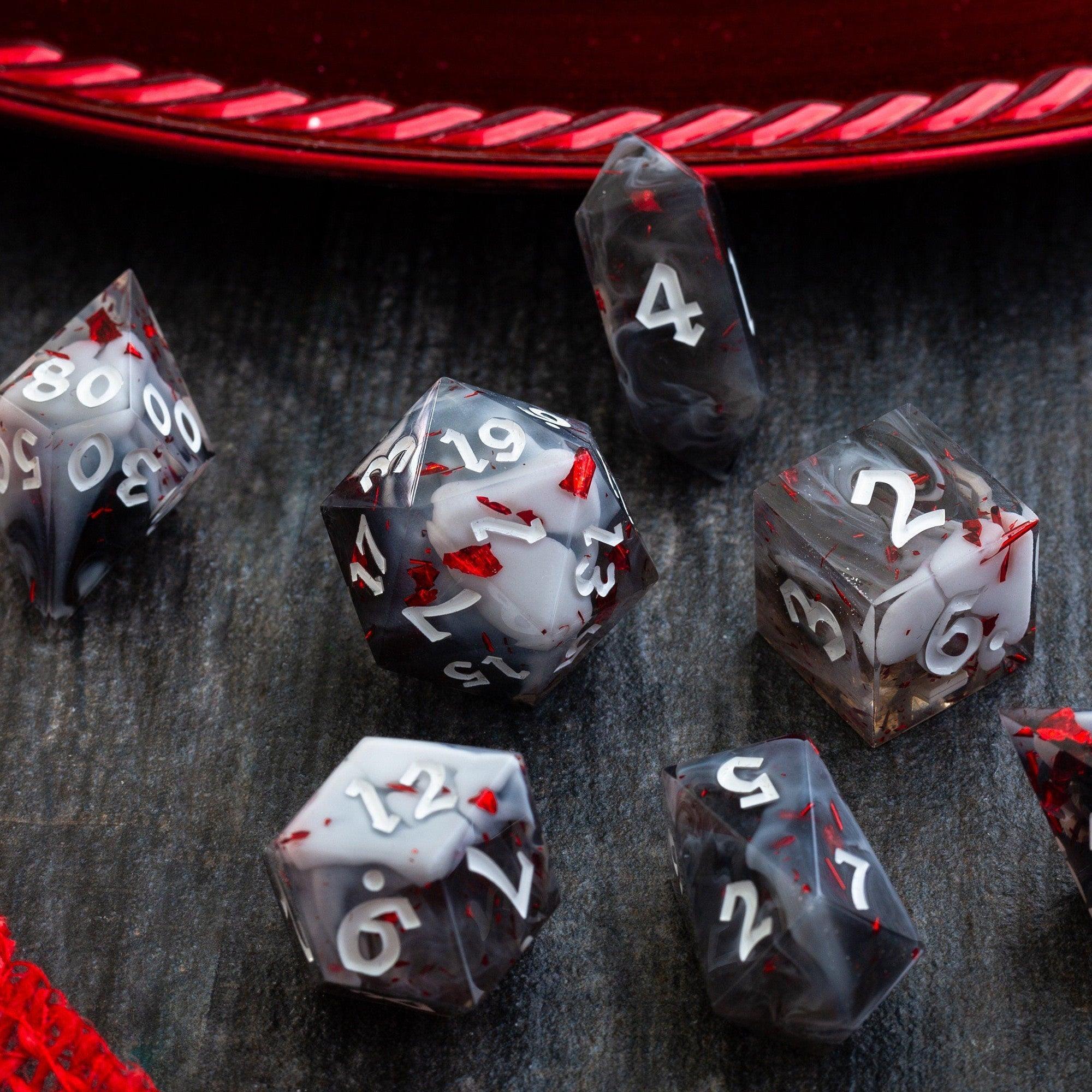
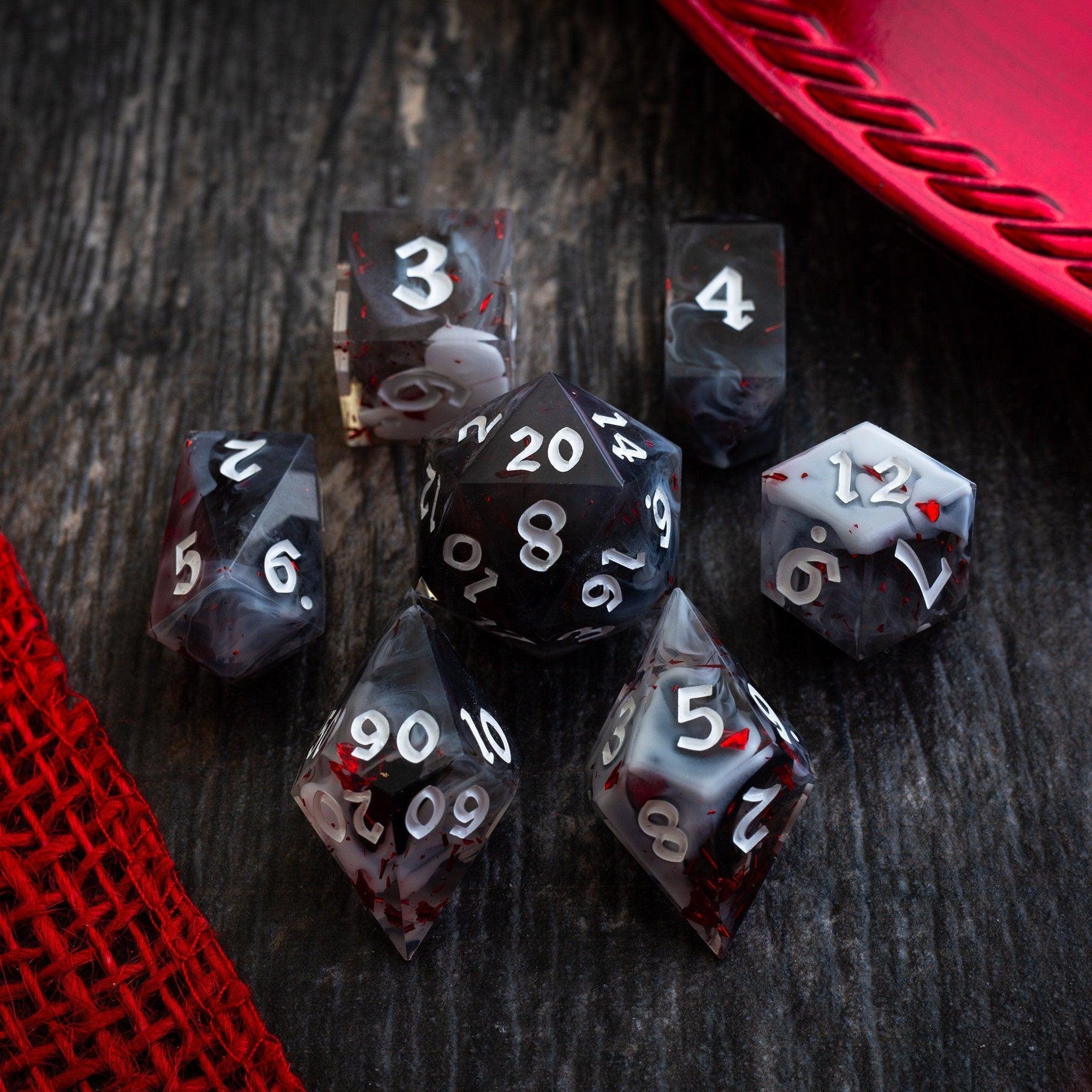
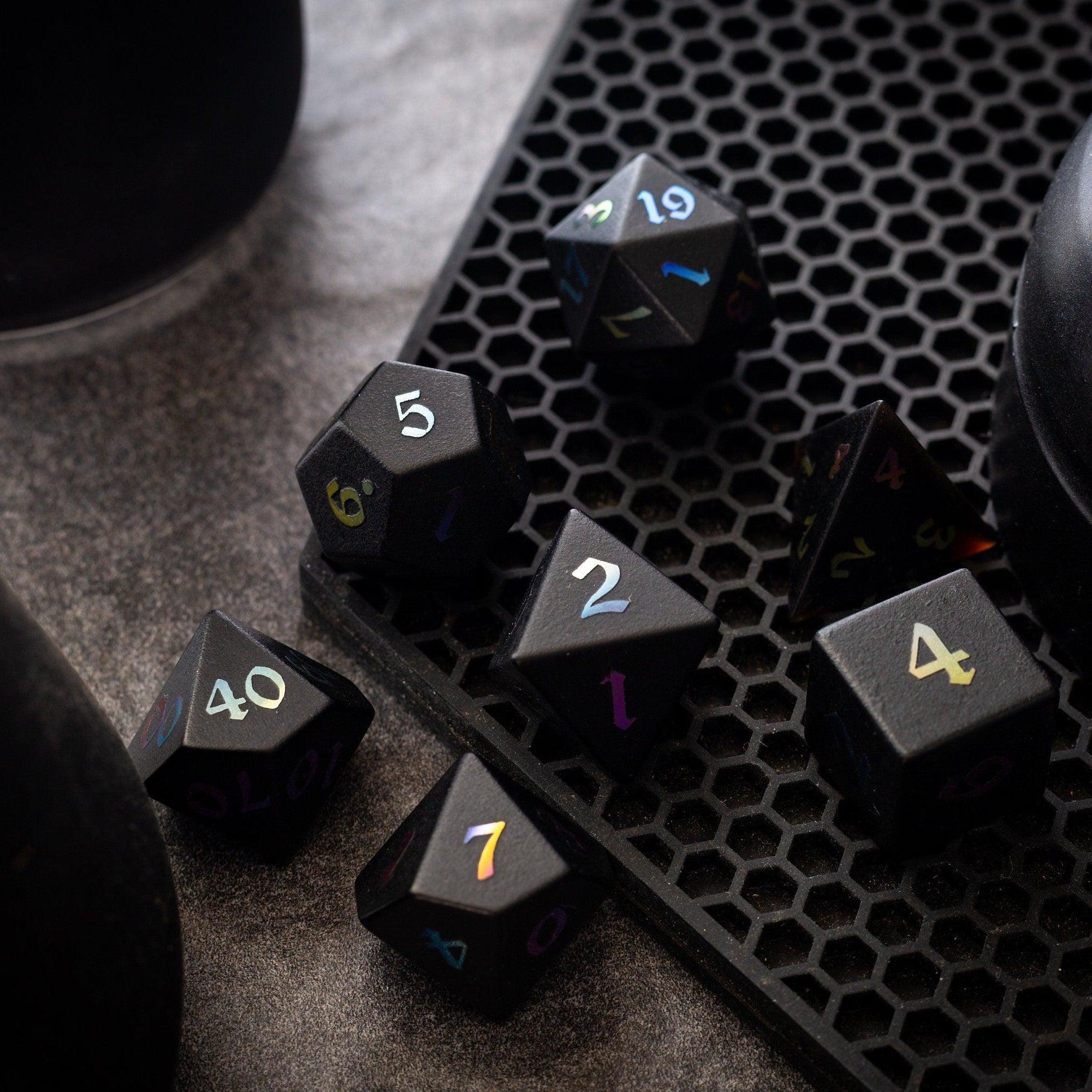
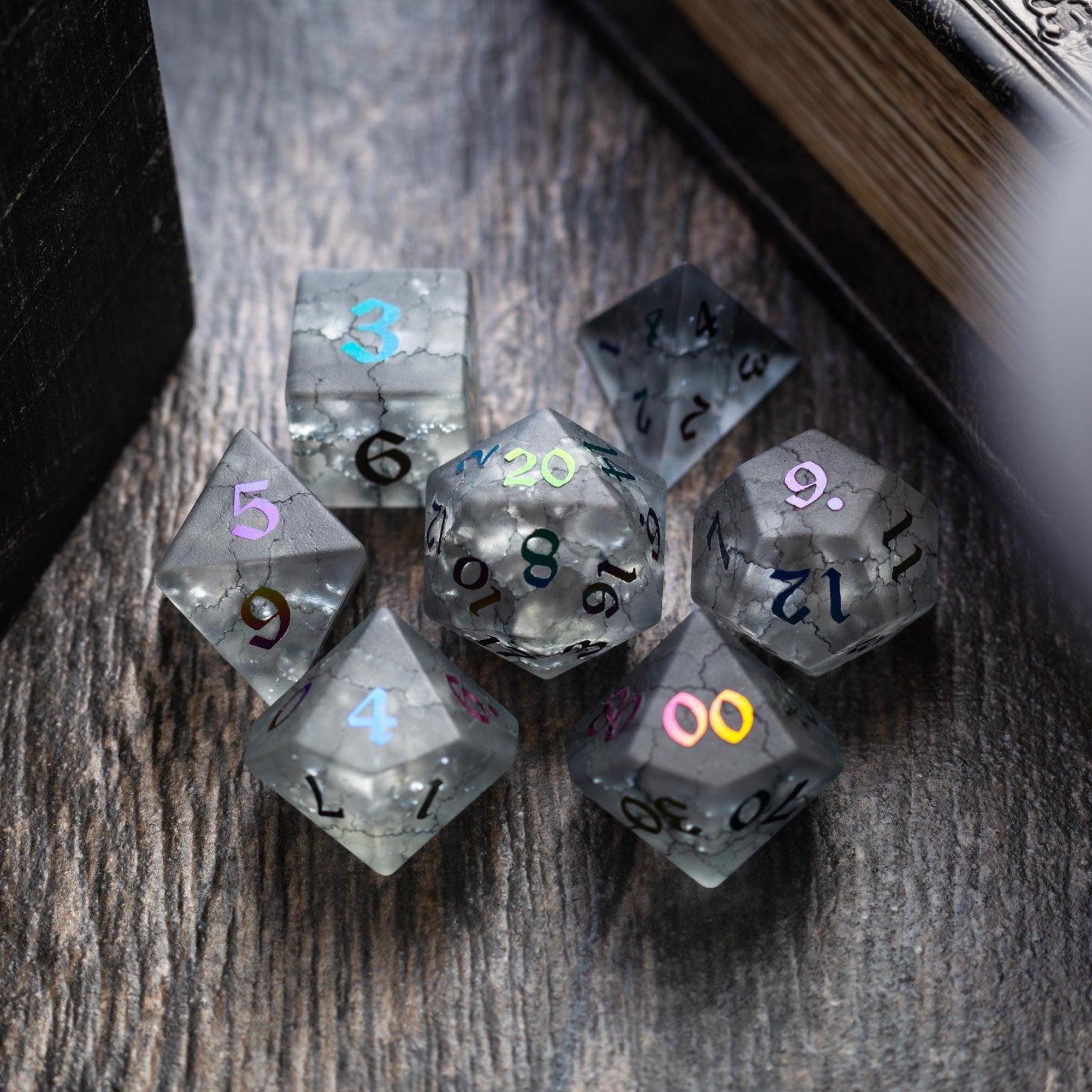
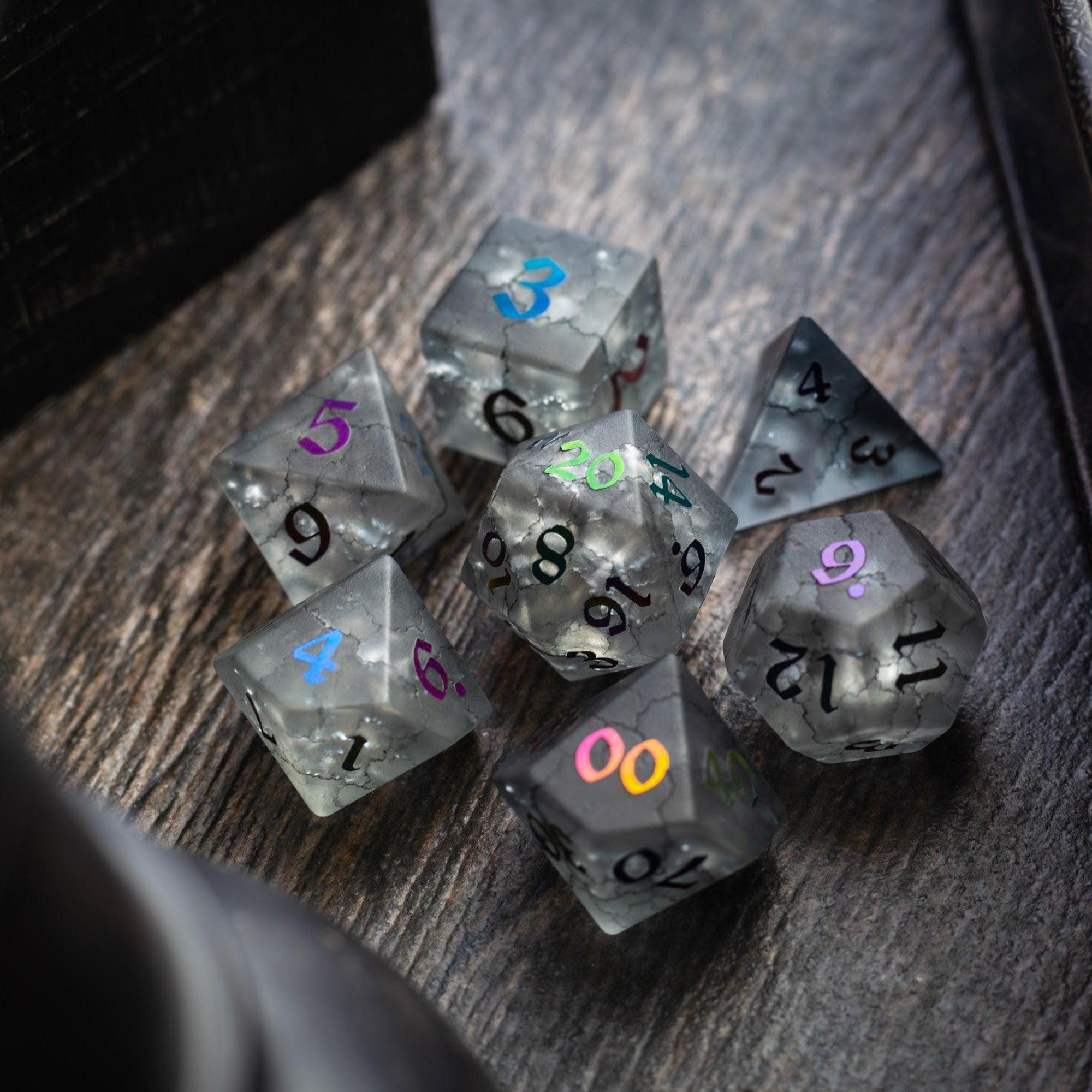
D&D uses polyhedral dice with different numbers of sides. A standard seven-piece set includes a d4, d6, d8, d10, d12, d20, and a percentile die, usually another ten-sided die marked in tens.
The Most Important Die: The d20
The d20 is used for the game's three main types of D20 Tests: ability checks, attack rolls, and saving throws. In simple terms, you roll the d20, add the relevant modifier, and compare the total with a target number such as a Difficulty Class or Armor Class.
| Die | Common Uses |
|---|---|
| d20 | Ability checks, attack rolls, saving throws |
| d12 | Some weapon damage, spells, and class features |
| d10 | Damage, Hit Dice, and percentile rolls |
| d8 | Weapon damage, spells, healing, and Hit Dice |
| d6 | Common weapon and spell damage |
| d4 | Smaller damage rolls, healing, and other effects |
How Basic D&D Gameplay Works
D&D is often described through three main pillars of play: exploration, social interaction, and combat. A single session may move between all three.
Exploration
During exploration, players interact with locations and the environment. You might search a room, follow tracks, examine a strange statue, navigate a forest, or look for a safe way across a ruined bridge. Sometimes no roll is needed. If success is uncertain and failure matters, the DM may call for an ability check.
Social Interaction
Social scenes involve conversations with NPCs and other characters. You might ask questions, negotiate, bluff, persuade someone, or simply roleplay a conversation. You do not need to perform a dramatic voice. Saying, "My character tries to convince the guard that we belong here," is valid roleplaying.
Combat
When a fight begins, the game becomes more structured. Initiative determines the order of turns. On your turn, you can usually move up to your Speed and take one action, such as attacking, casting certain spells, taking the Dash action, or helping an ally. Some features also give you a Bonus Action, and certain situations allow a Reaction.
You do not need to memorize every combat option before your first game. Learn what your own character can do, keep your character sheet nearby, and ask questions when a rule comes up.
What Happens During a Typical D&D Session?
Every group has its own rhythm, but a session often starts with a recap or introduction from the DM. The party then explores, talks with NPCs, makes decisions, and faces encounters. An encounter might be a conversation, a puzzle, a dangerous obstacle, or a battle.
The basic flow is simple: the DM describes the situation, the players describe what their characters do, and the DM narrates the result. Dice are used when the rules call for them or when the outcome is uncertain. Sessions can be short or long depending on the group's schedule, so there is no required session length.
Beginner D&D Reference Table
| Game Element | What It Means |
|---|---|
| Dungeon Master | Runs the world, NPCs, monsters, and rules decisions |
| Player Character | The adventurer controlled by a player |
| d20 | Main die used for D20 Tests |
| Ability Check | Tests whether a character succeeds at a task |
| Armor Class | Target number an attack usually needs to meet or beat |
| Initiative | Determines turn order in combat |
| Roleplay | Describing your character's choices, words, and actions |
Beginner Tips for Your First Campaign
- Learn your character first. You do not need to know every class, spell, or monster.
- Ask questions. D&D has many rules, and new players are expected to learn over time.
- Work with the party. The game is built around cooperation, even when characters disagree in the story.
- Describe your goal. If you do not know which rule applies, tell the DM what you want your character to accomplish.
- Pay attention during other turns. This makes combat faster and helps you understand what your companions can do.
- Do not worry about acting. Roleplaying can be as simple as explaining your character's decision.
Common New Player Mistakes
One common mistake is trying to memorize the entire rulebook before playing. Focus on the basic d20 system, your character's main abilities, and the options you use most often. The rest can be learned during play.
Another mistake is worrying about making the perfect character. A strong concept helps, but your character will change as the campaign develops. It is also easy to overthink roleplay. You do not need a voice, costume, or detailed backstory to participate. Listen to the scene, make a choice, and respond as your character would.
Your First Adventure Starts Here
Learning how to play Dungeons & Dragons is easier once you stop treating the game like a test. You do not need to know every rule or predict every situation. You need a character, a group, a Dungeon Master, and a willingness to make choices together.
Start with the basics: understand what your character can do, know when the d20 is used, listen to the DM's description, and say what you want to try. The rules will make more sense as they appear naturally during play. Before long, terms like ability check, initiative, Armor Class, and saving throw will feel familiar because you have used them at the table.









Leave a comment
This site is protected by hCaptcha and the hCaptcha Privacy Policy and Terms of Service apply.