
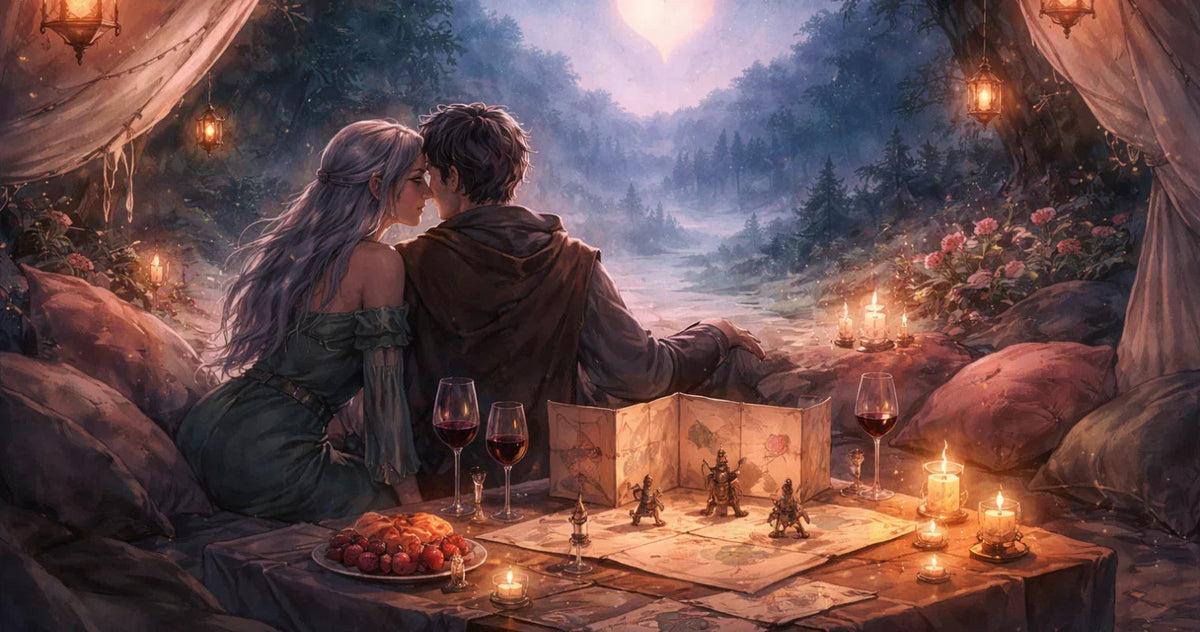
How to Plan the Perfect D&D Date Night for Valentine’s Day

Valentine’s Day does not have to mean a crowded restaurant, an expensive outing, or a night spent watching someone else’s story. A D&D date night gives you a chance to sit together, make choices, laugh at unexpected rolls, and build a small adventure that belongs to the two of you.
Whether you both play regularly or one of you is completely new to tabletop role-playing games, a Dungeons and Dragons date can be relaxed, creative, and personal. Keep the adventure simple enough that the game supports the evening instead of taking it over.
Why D&D Works So Well for a Valentine’s Date
A good date gives you something to do together while still leaving room to connect. D&D naturally creates those moments because the game revolves around shared storytelling, choices, problem-solving, and reacting to surprises.
- You make decisions together instead of sitting through a passive activity.
- You can laugh when a plan goes completely wrong.
- You solve problems as a team instead of competing against each other.
- You create inside jokes and memorable story moments.
- You can shape the tone around your relationship and interests.
A romantic D&D session does not need to be serious or focused on romance. You might protect a village festival, investigate a magical inn, or solve a light mystery together. The story can be sweet, funny, adventurous, or a mix of several tones.
Quick D&D Date Night Checklist
For a simple plan, focus on a short adventure, easy characters, comfortable lighting, simple food, and a clear stopping point. You do not need custom terrain or hours of preparation.
- Choose a one-shot or duet-style adventure that can finish in one evening.
- Use premade or low-level characters if either person is new.
- Decide who will be the Dungeon Master before the date starts.
- Prepare snacks and drinks that are easy to handle at the table.
- Set a loose play window with a break.
- Agree on the tone, especially if the story includes romance or emotional scenes.
Setting the Mood for a Valentine’s D&D Night
You do not need elaborate decorations to make the table feel special. A few practical changes can make an ordinary game night feel more like an occasion.
Lighting
Use warm, soft lighting instead of bright overhead lights. Fairy lights, a table lamp, or flameless candles can create a cozy tavern feeling without putting an open flame near paper character sheets, books, or snacks. Make sure the table is still bright enough to read character sheets and dice clearly.
Music
Choose instrumental background music that matches the tone of the adventure. Quiet tavern music works for roleplay, gentle fantasy tracks fit travel and exploration, and more dramatic music can help during a final encounter. Keep the volume low enough that conversation stays easy.
Food and Drinks
Pick snacks that are easy to eat between turns and unlikely to leave greasy fingers on dice or character sheets. Chocolate-covered strawberries, crackers, pretzels, popcorn, tea, cocoa, or a favorite dessert all work well. The goal is comfort, not a complicated themed menu.
Choosing Dice for the Night
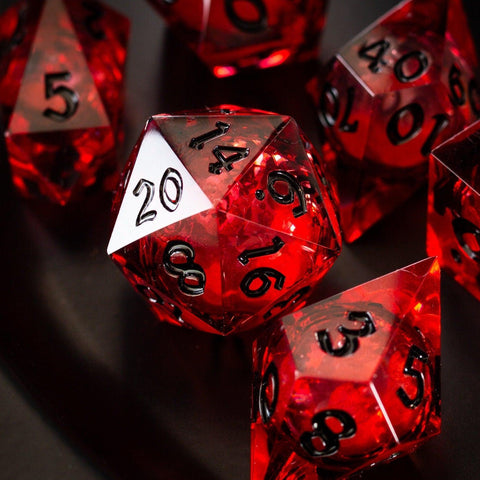
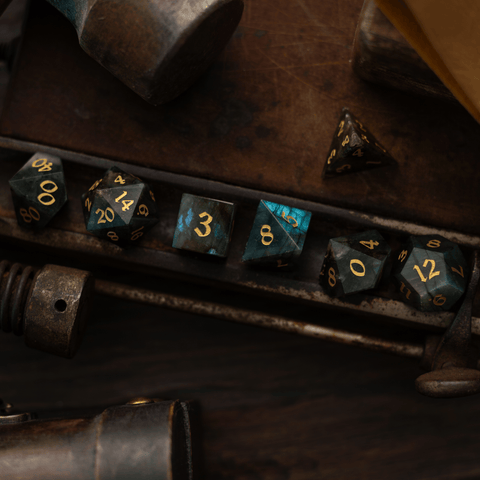
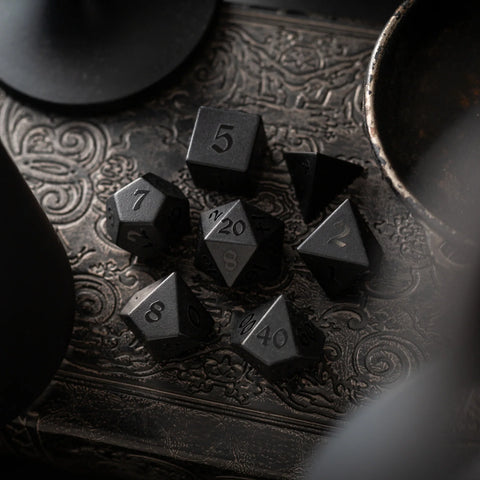
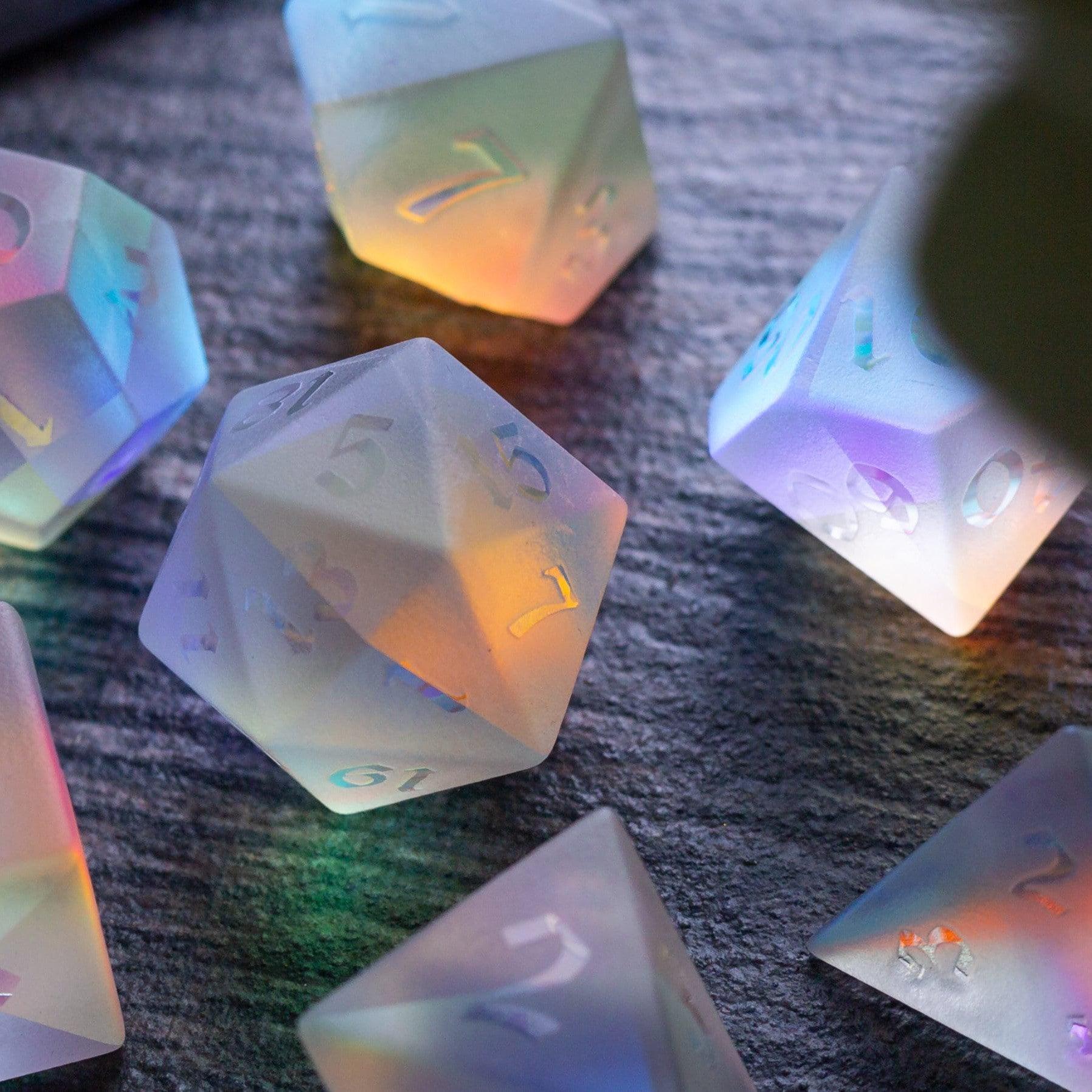
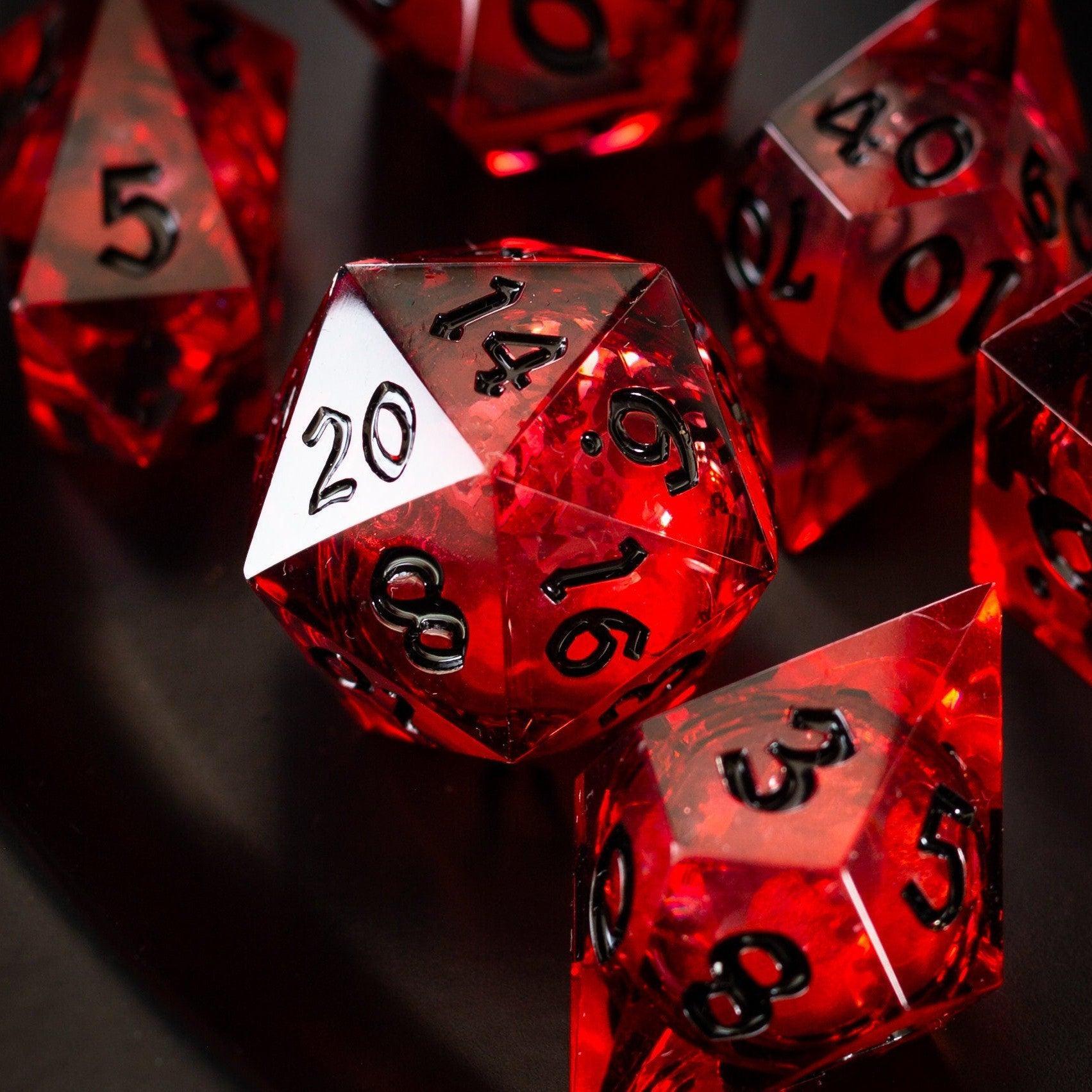
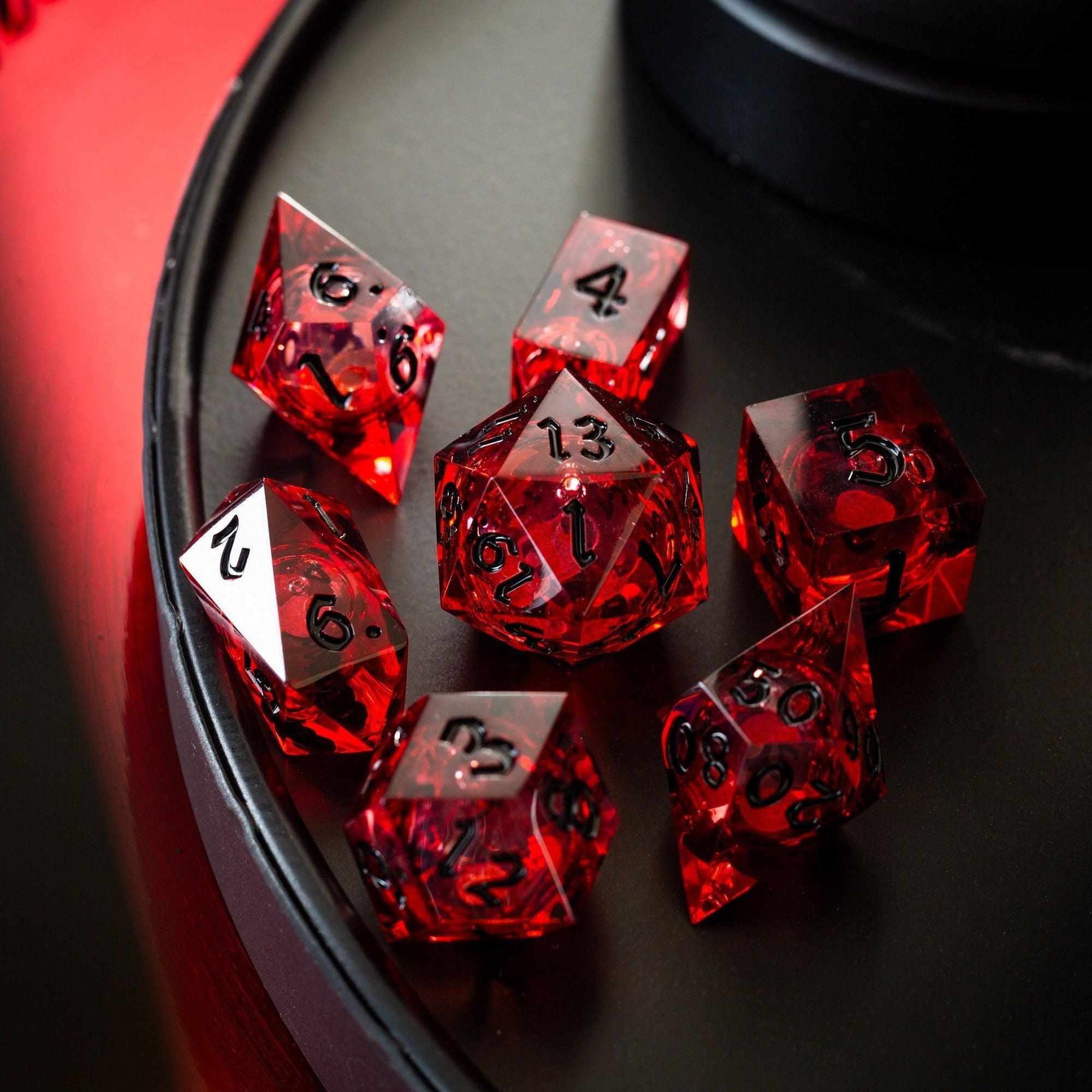
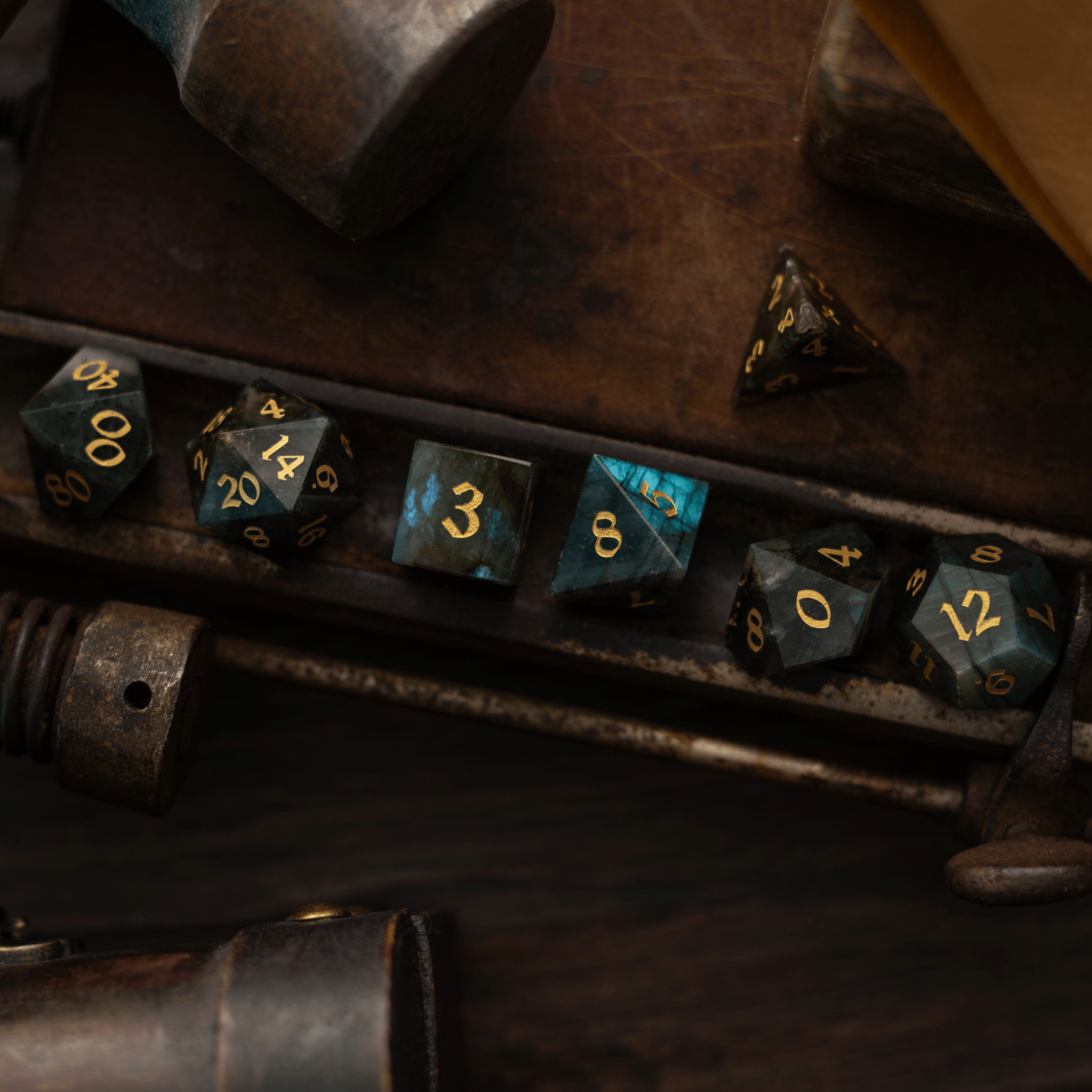
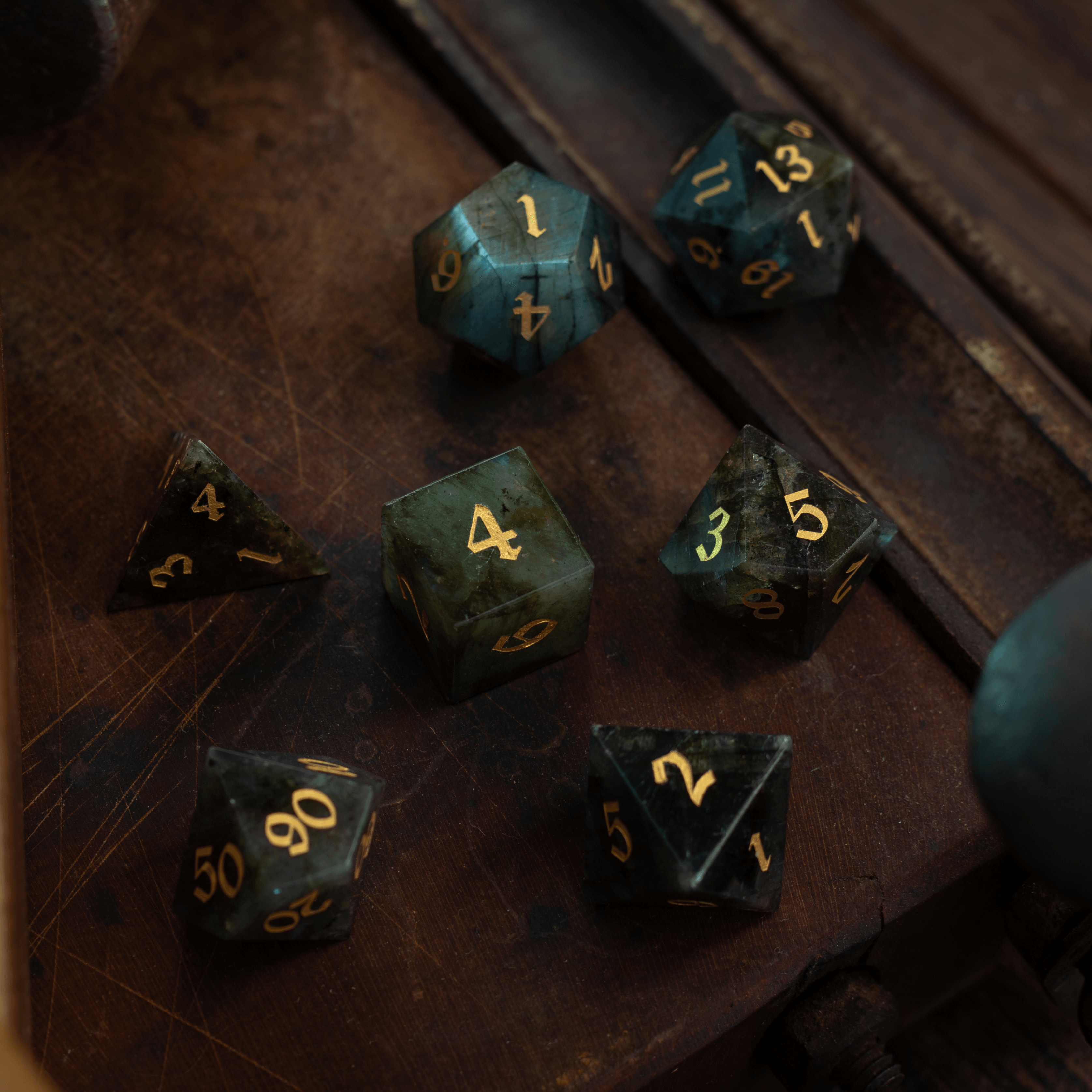
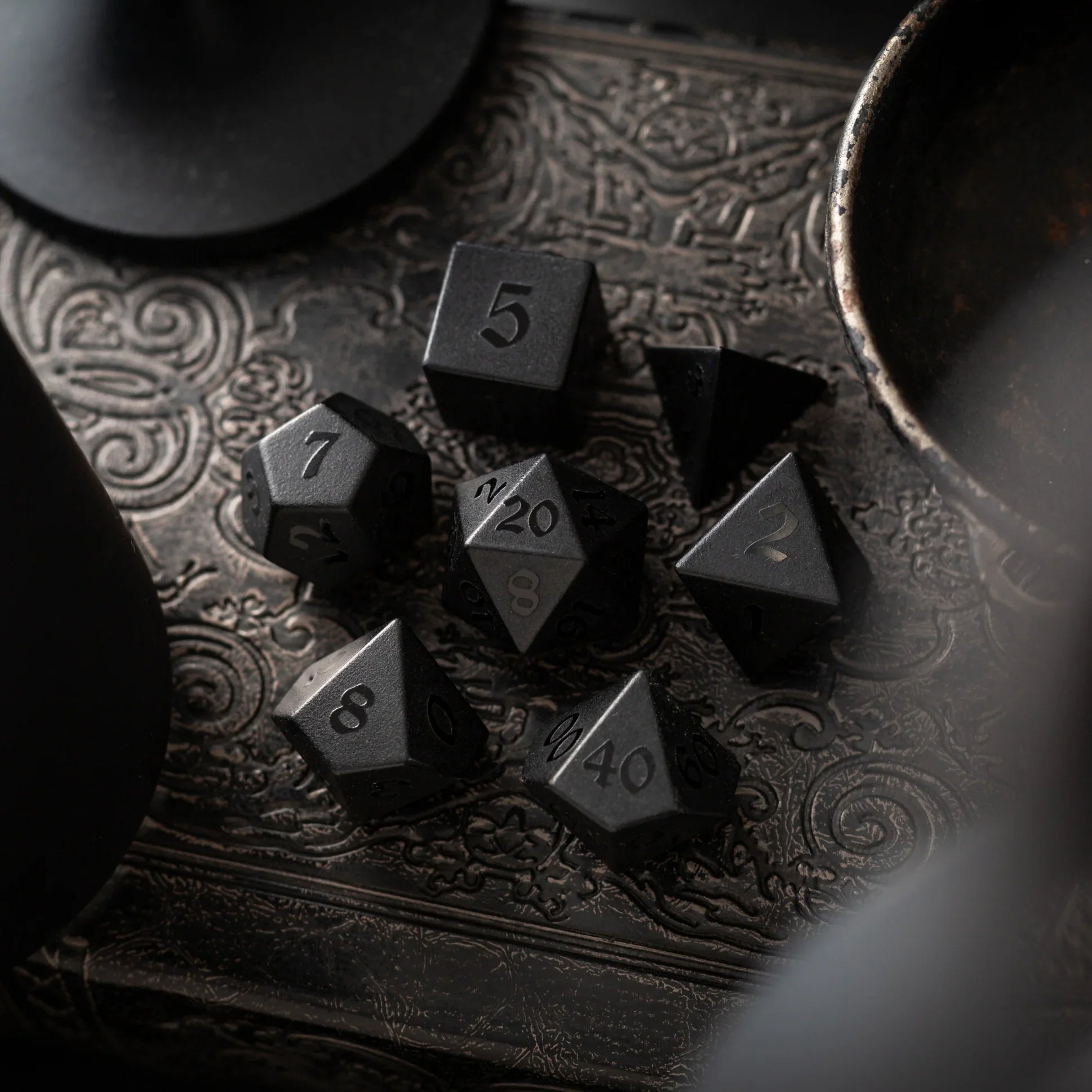
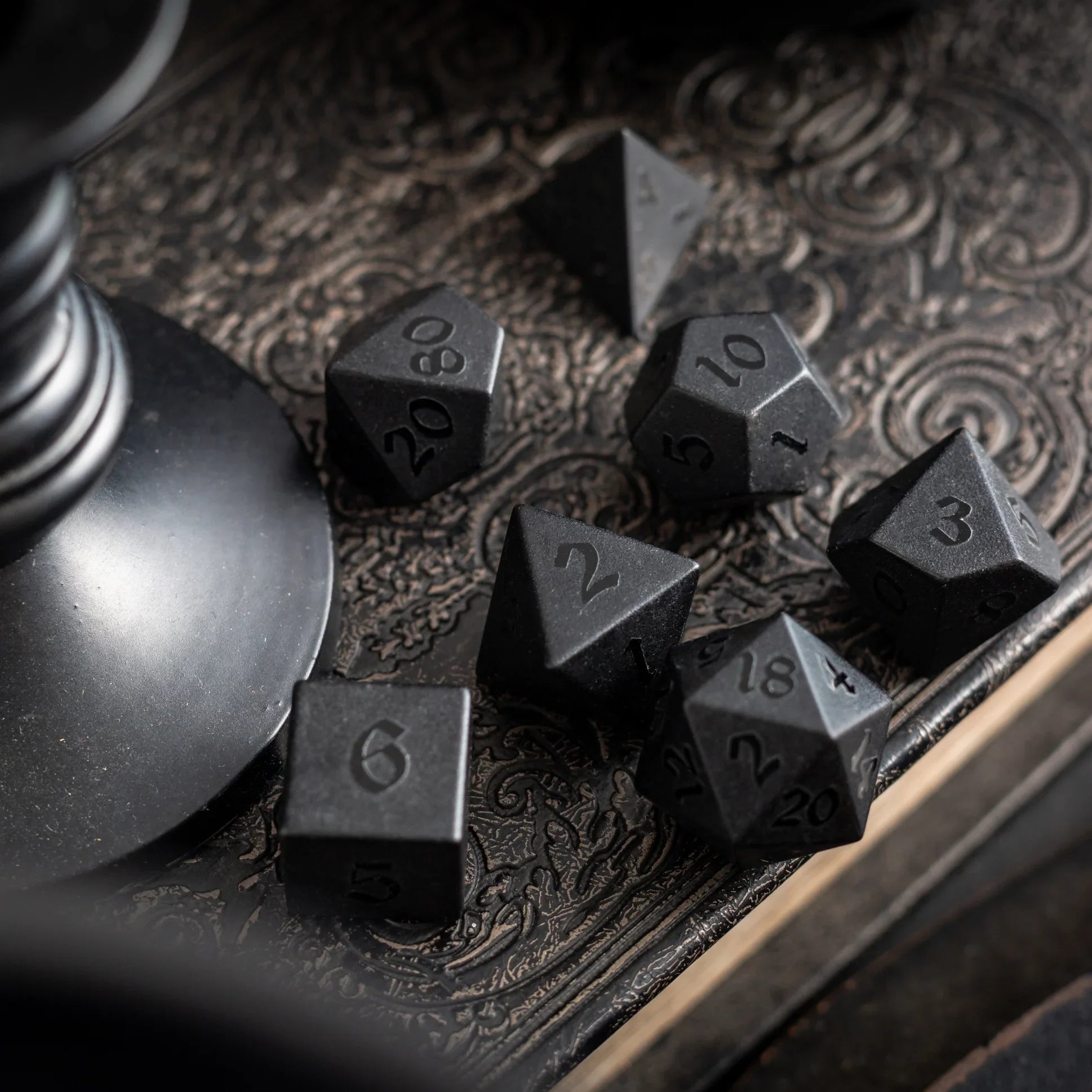
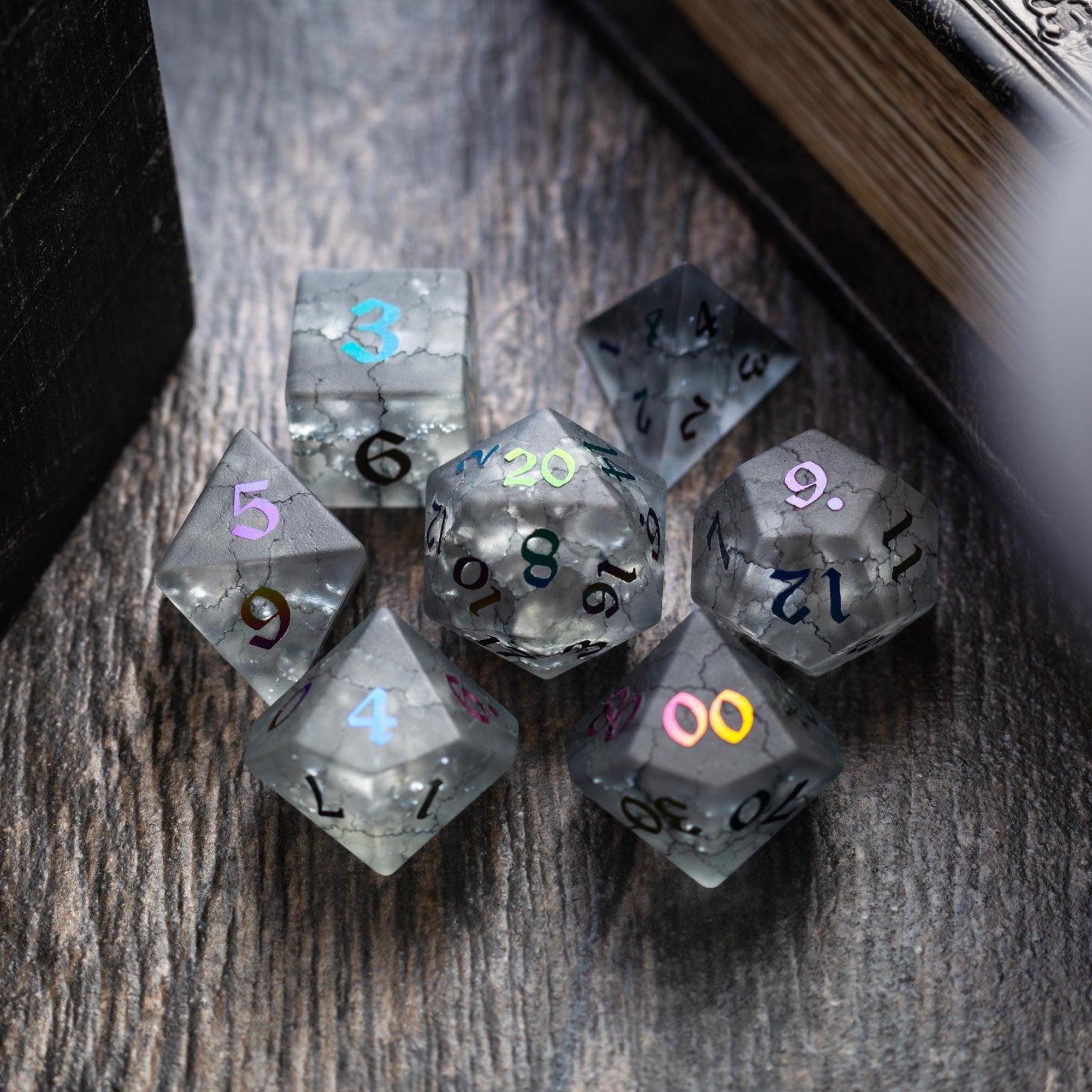
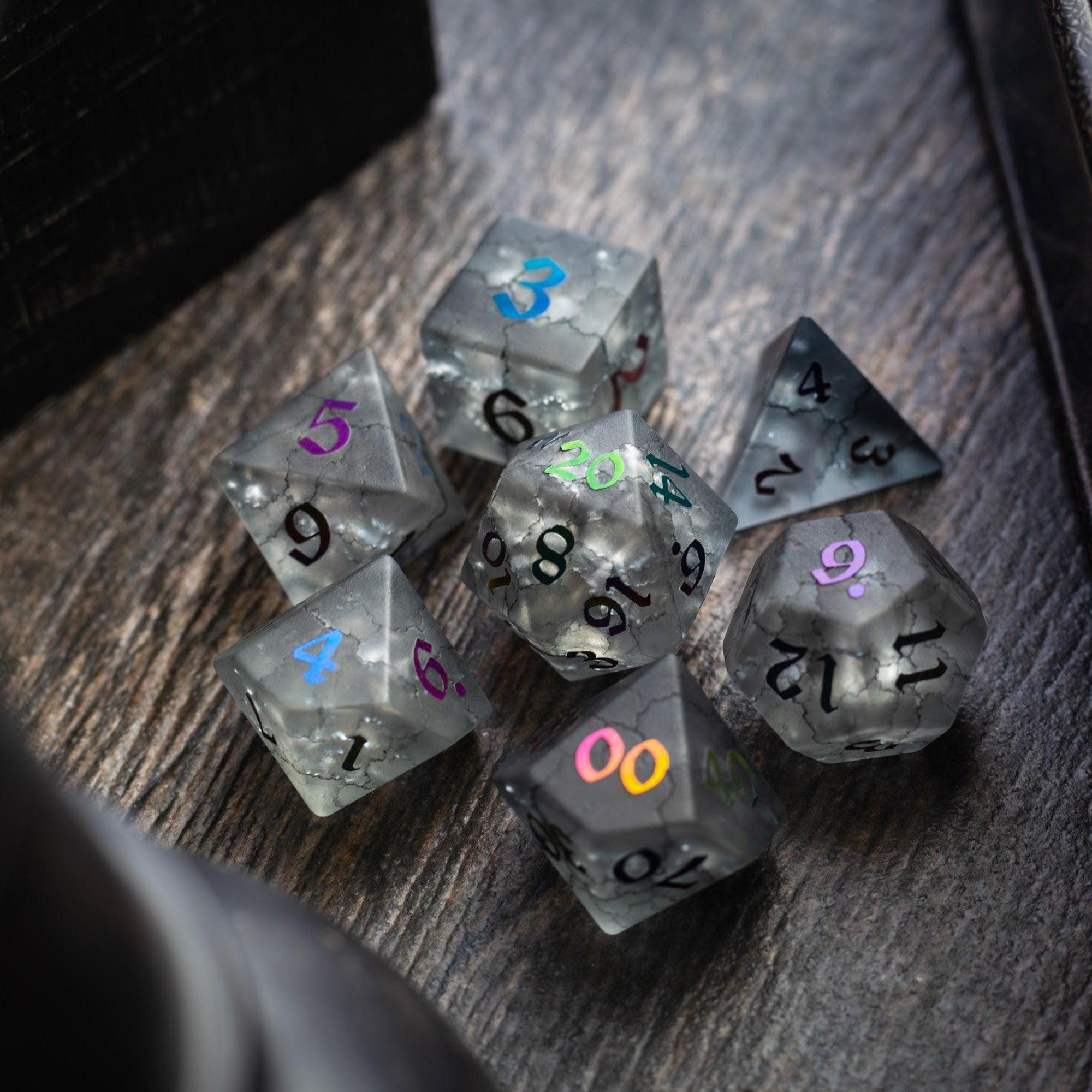
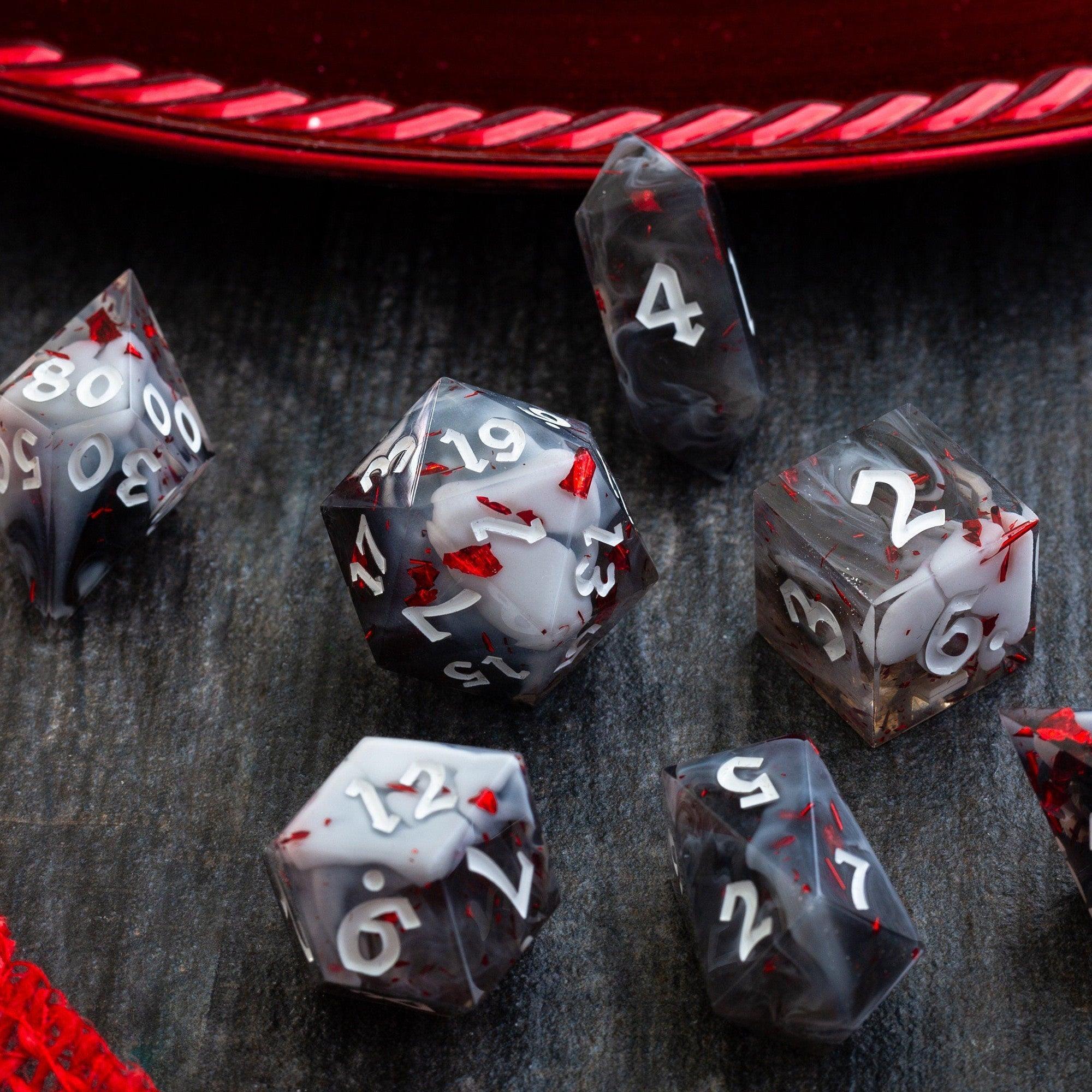
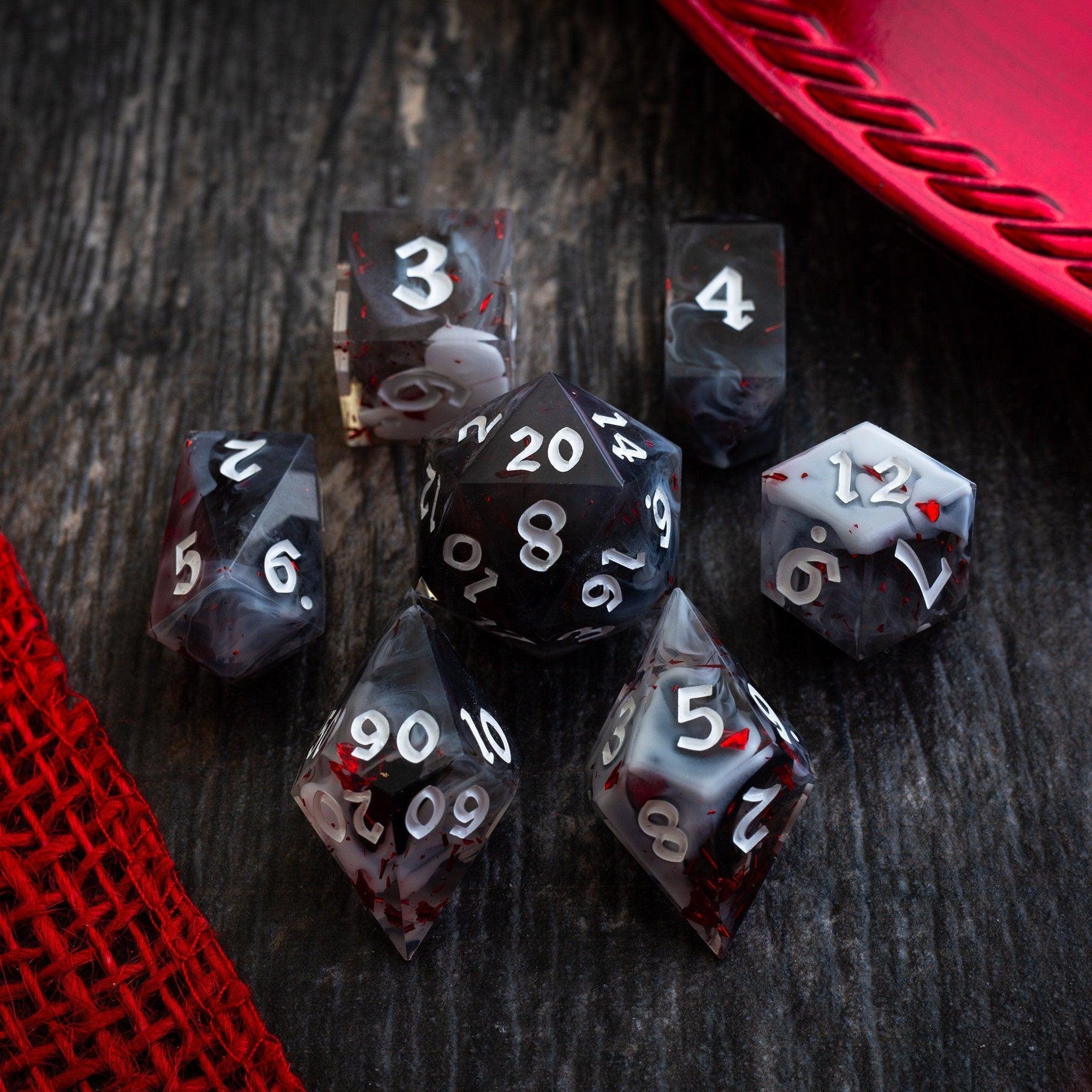
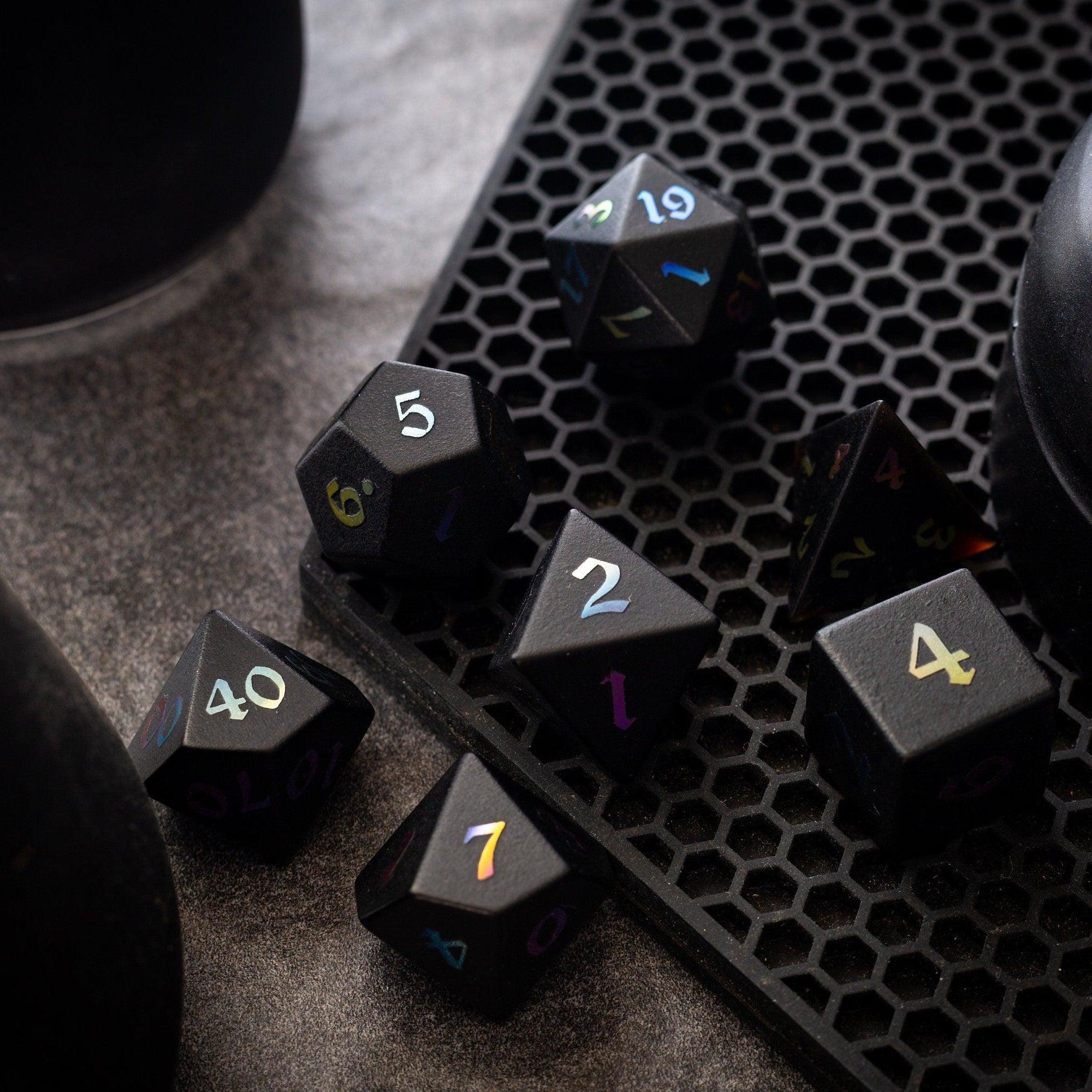
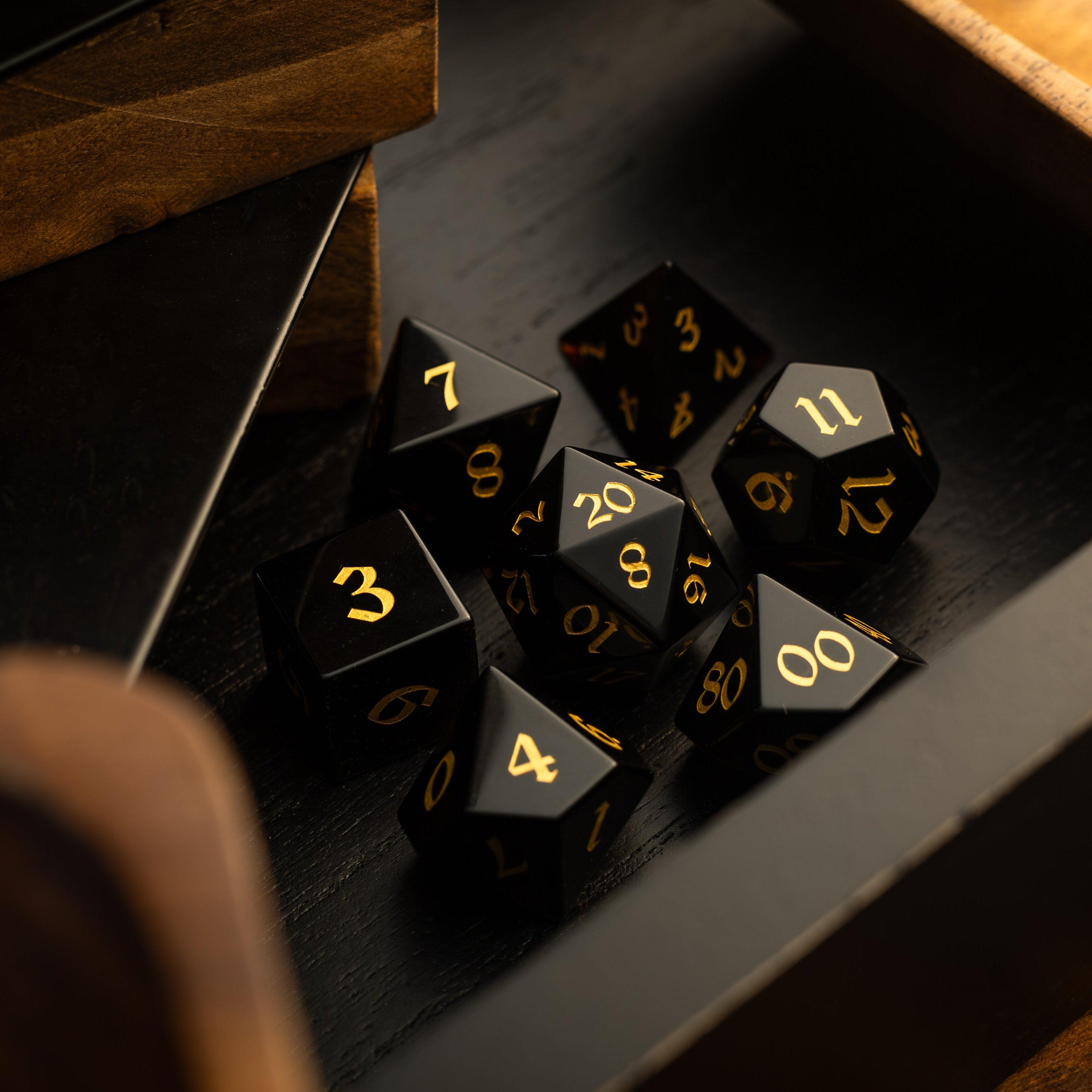
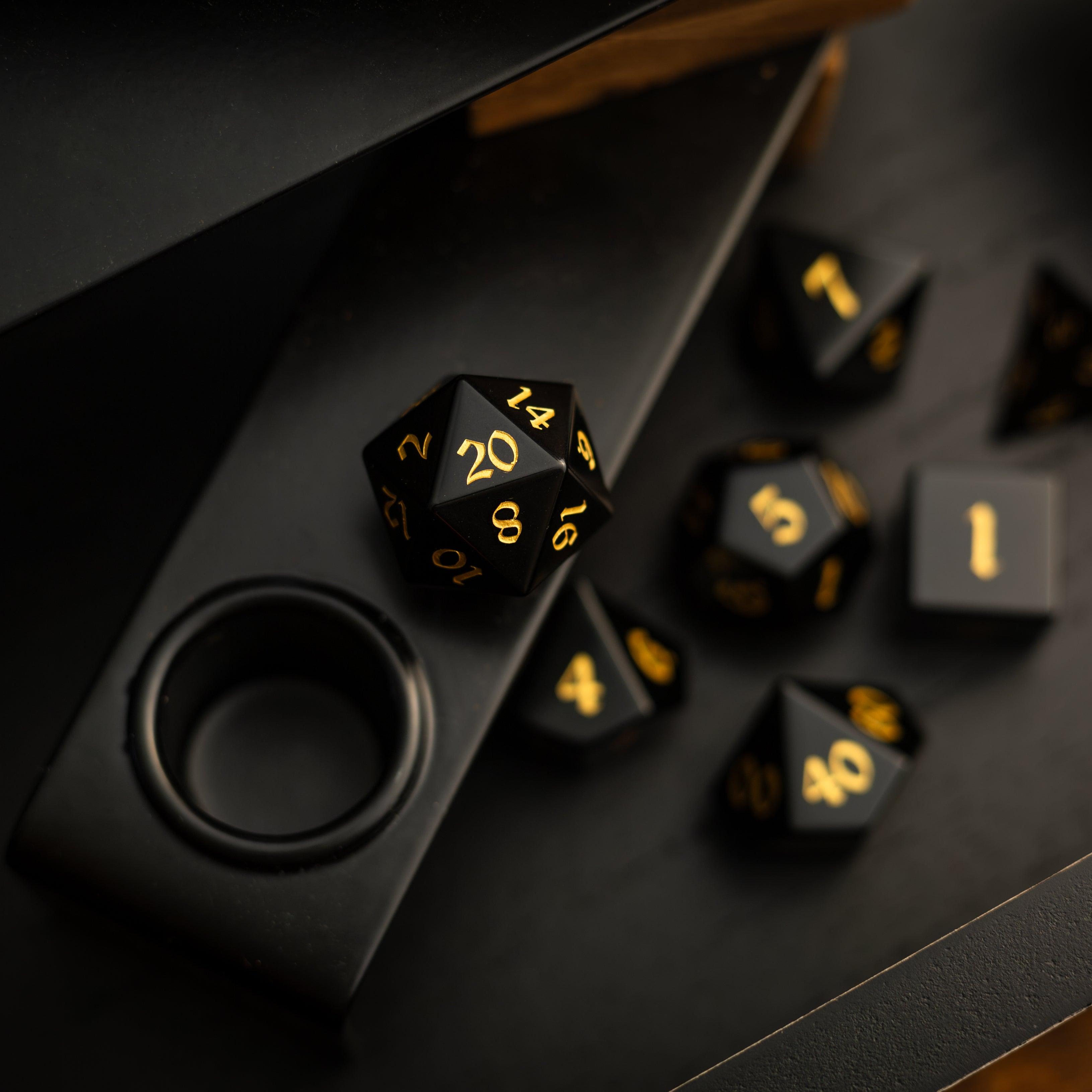
Dice are game tools first, but choosing a set that fits the theme can make a Valentine’s session feel more intentional. Pink, red, gold, translucent, or gemstone-style sets can all suit a romantic fantasy table, but readability matters more than color. Make sure the numbers are easy to see in your lighting.
If you want a softer Valentine’s look, browse pink dice. For a more dramatic fantasy feel, gemstone dice can add color and texture to the table. You can also keep things simple and use the same favorite D&D dice you already trust.
There is no gameplay benefit to assigning different dice to romance, combat, or important choices, but some couples enjoy it as a table tradition. If that sounds fun, choose one “special” die for major story moments.
Pick a Short Adventure Instead of a Full Campaign
 For a single date night, a short one-shot is usually easier to manage than starting a full campaign. Aim for one clear goal, a small cast of nonplayer characters, and only a few locations. This keeps the evening moving and gives you a better chance of reaching a satisfying ending before the night gets too late.
Good Valentine’s D&D adventure ideas include:
- Helping a ghost deliver one final message to a lost love.
- Protecting a village during a moonlit festival.
- Recovering a stolen gift before a royal celebration.
- Escorting a magical creature through an enchanted forest.
- Solving a mystery at an inn where two guests have disappeared.
If only two people are playing, one person can DM while the other controls a single player character. This one-on-one style is often called duet play. Because many adventures are written for larger groups, use an adventure designed for one player or reduce the number and difficulty of enemies. You can also add a sidekick or helpful nonplayer character when the hero needs support, as long as the player character remains the focus.
Agree on Tone Before the Adventure Starts
Romance at the table should feel comfortable for both people. Before play begins, take a minute to decide what kind of story you actually want. You might want lighthearted flirting between characters, a rescue story with romantic themes, or no in-game romance at all.
The Dungeon Master should not assume that a Valentine’s session needs dramatic love scenes. A simple question such as “Do you want the story to be romantic, funny, adventurous, or mostly cozy?” can prevent awkward moments and make the session easier to plan.
Your Valentine’s D&D Date Night Plan
A loose schedule helps the evening feel relaxed without making it rigid. Adjust the timing to fit your routine.
| Time | Activity | Mood |
| 6:30 PM | Set up the table, food, music, and dice | Cozy and excited |
| 7:00 PM | Choose characters and explain the basic premise | Playful |
| 7:30 PM | Begin the adventure | Curious and relaxed |
| 8:30 PM | Take a snack or conversation break | Warm and unhurried |
| 9:00 PM | Play the final scenes or main encounter | Exciting and heroic |
| 10:00 PM | Wrap up and talk about favorite moments | Sweet and reflective |
Tips for Couples New to D&D
If one or both of you are new, do not make the rules the center of the date. D&D works best when the rules help answer questions and create uncertainty, not when every small decision becomes a rulebook search.
- Use simple characters. Premade or low-level characters reduce setup time and give new players fewer abilities to track.
- Explain rules when they matter. You do not need to teach the entire game before the first scene.
- Keep the first goal obvious. “Find the missing ring before midnight” is easier to follow than a complicated political plot.
- Let failed rolls change the story. A failed check can create a funny complication instead of stopping the adventure.
- Take breaks. A date night should still leave room to eat, talk, and enjoy each other’s company.
If one person is more experienced, avoid correcting every small mistake. Help with choices when asked, keep explanations short, and give the newer player room to decide what their character would actually do.
Add Small Romantic Details Without Forcing the Story
A Valentine’s adventure does not need constant flirting or a romance plot. Small personal details often work better. You might name a tavern after an inside joke, include a favorite dessert as a magical item, or make the quest reward a letter that hints at a shared memory.
You can also add a few simple extras:
- Write a short in-character note for your partner to discover during the session.
- Give each other a small D&D gift before the adventure starts.
- Take a photo of the table after the final scene.
- Save one memorable die roll, quote, or character moment in a shared note.
Keep these touches optional. The best Valentine’s D&D night feels personal because it reflects the people at the table, not because every scene has to be romantic.
Keep the Date More Important Than the Game
The easiest mistake is overplanning. You do not need a perfect map, professional voices, custom miniatures, or a complicated plot. A short adventure with a clear beginning, a few meaningful choices, and an ending you can reach in one evening is enough.
A D&D date night works because you are making something together in real time. The unexpected joke, risky choice, terrible roll, and moment one character saves the other are what make the night memorable.
Set the table, choose an adventure, pick up your dice, and give yourselves permission to keep the game simple. If the story ends with a heroic victory, a ridiculous failure, or an unfinished quest you want to continue next weekend, the date has still done its job: it gave you a few hours to imagine, laugh, and connect.



Leave a comment
This site is protected by hCaptcha and the hCaptcha Privacy Policy and Terms of Service apply.