How to Handle Conflicts at the D&D Table (Without Ruining the Game)
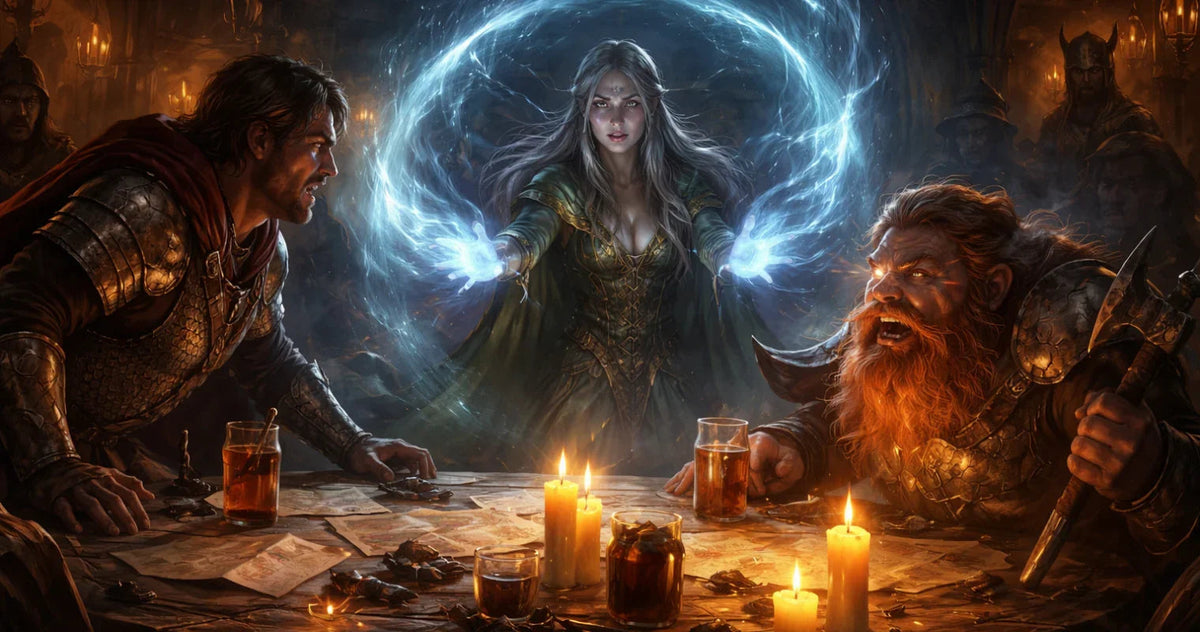
Dungeons & Dragons is a collaborative game. It brings together different personalities, playstyles, and expectations. That’s part of what makes it special. It’s also why conflict sometimes happens.
Disagreements at the table don’t mean your group is broken. In fact, most long-running groups experience them at some point. What matters is how you handle those moments.
With a little patience, clear communication, and mutual respect, you can turn tense situations into opportunities for a better, more enjoyable game.
Why Conflicts Happen in D&D
At its core, D&D is shared storytelling. Everyone at the table contributes in their own way, which means:
- People interpret rules differently
- Players want different things from the game
- Emotions can run high during big moments
That mix is powerful, but it can also lead to friction.
The good news is that most D&D table conflicts are normal and manageable. When handled well, they can even strengthen your group.
Common Types of Table Conflicts
Understanding the source of tension makes it much easier to resolve. Here are some of the most common types of D&D player disagreements:
1. Rules Disagreements
- “That’s not how that spell works”
- Confusion about mechanics or rulings
- Different interpretations of the rules
2. Spotlight Issues
- One player dominating the session
- Others feeling left out or overlooked
3. Playstyle Clashes
- Roleplay-heavy vs. combat-focused players
- Serious tone vs. chaotic or comedic energy
4. Miscommunication
- Players misunderstanding intentions
- Tone getting lost in the moment
Why Conflicts Escalate
Most conflicts don’t start big. They grow because something goes unspoken or misunderstood.
Here’s why situations can spiral:
-
Lack of communication
People assume instead of asking -
Emotional investment
Players care about their characters and decisions -
Misreading intent
A joke or comment comes across the wrong way
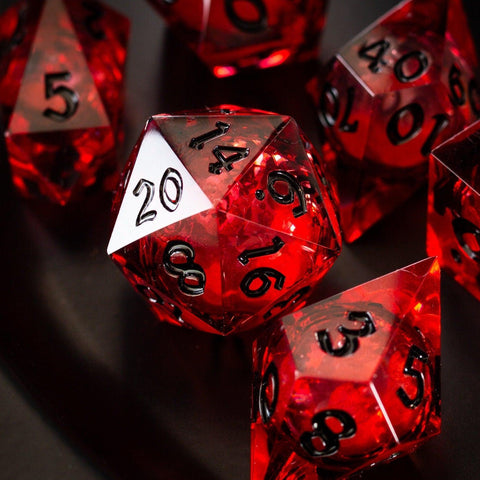
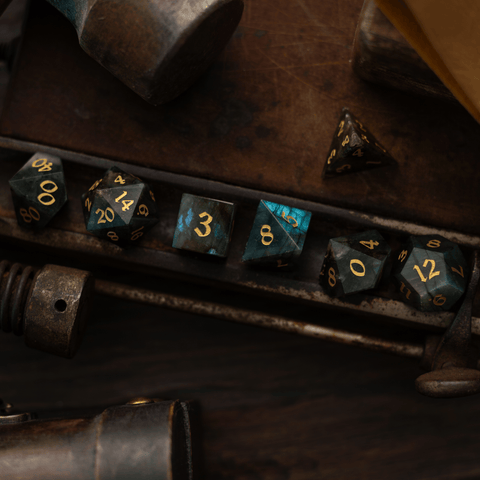
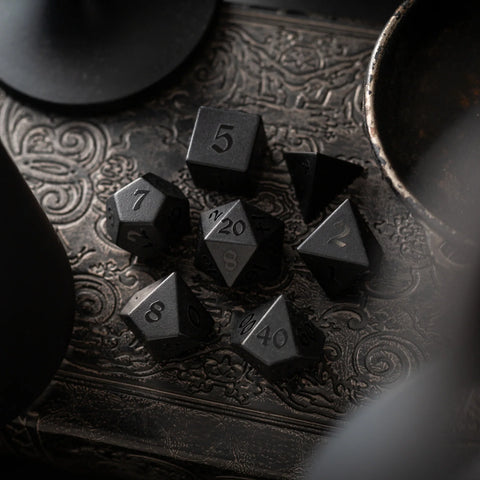
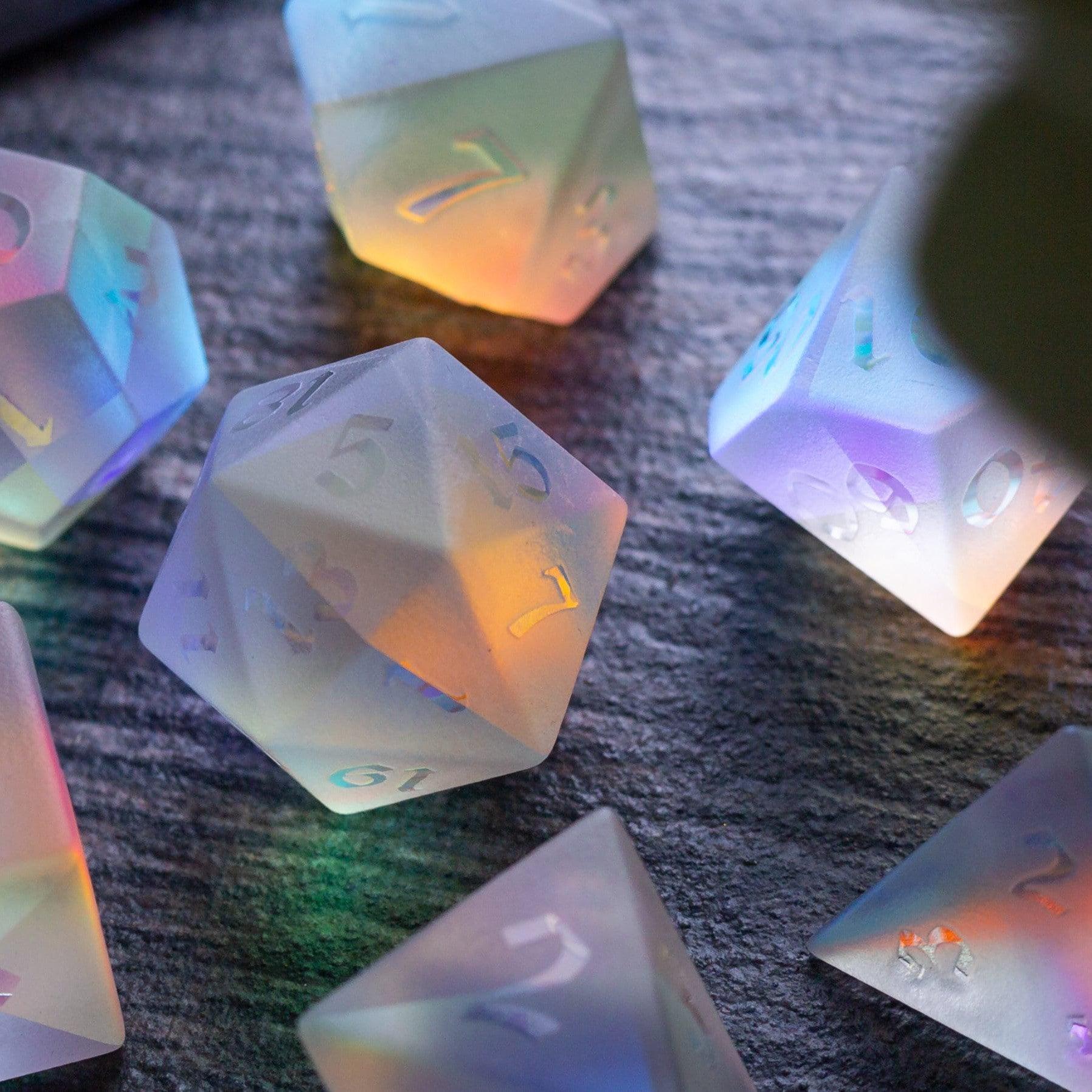
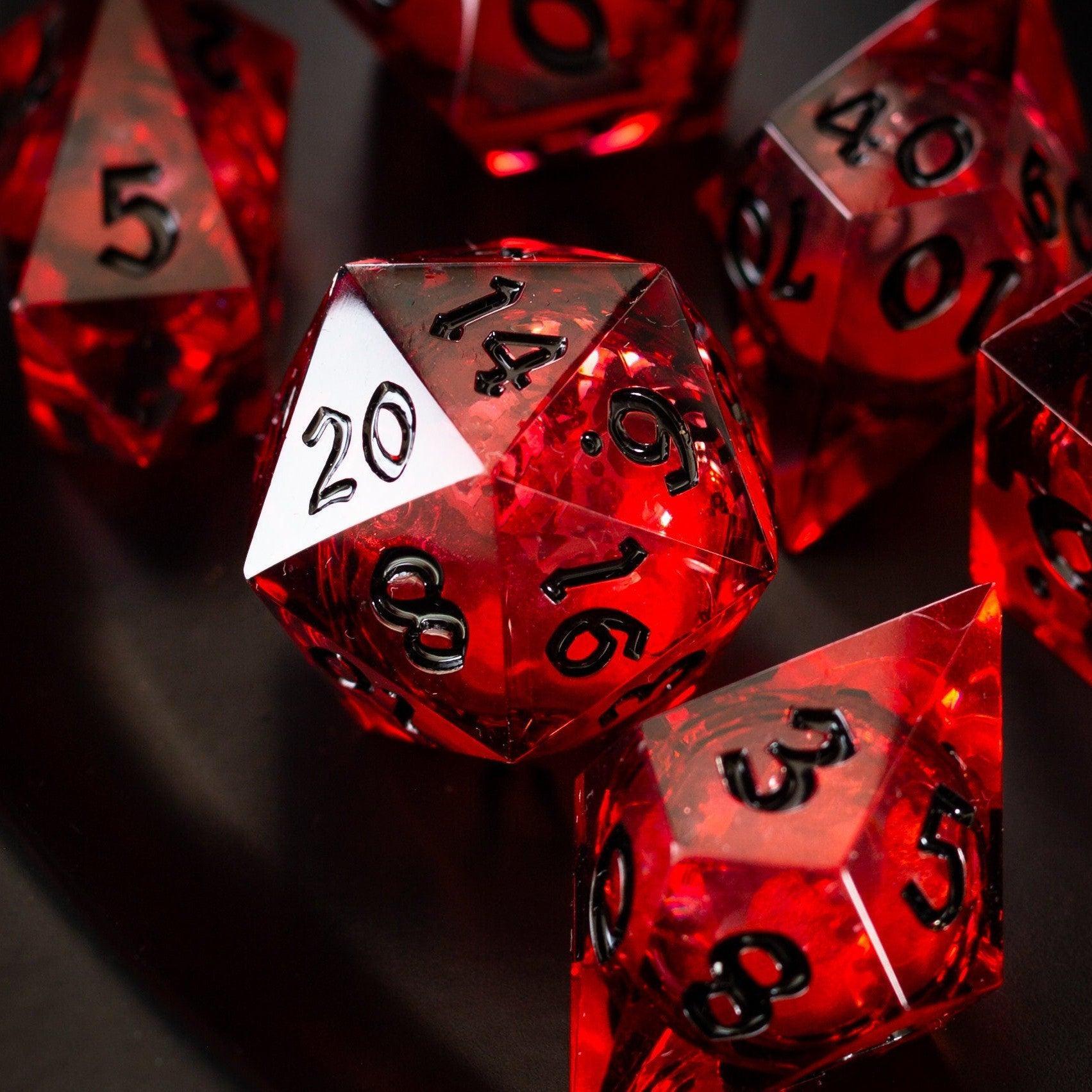
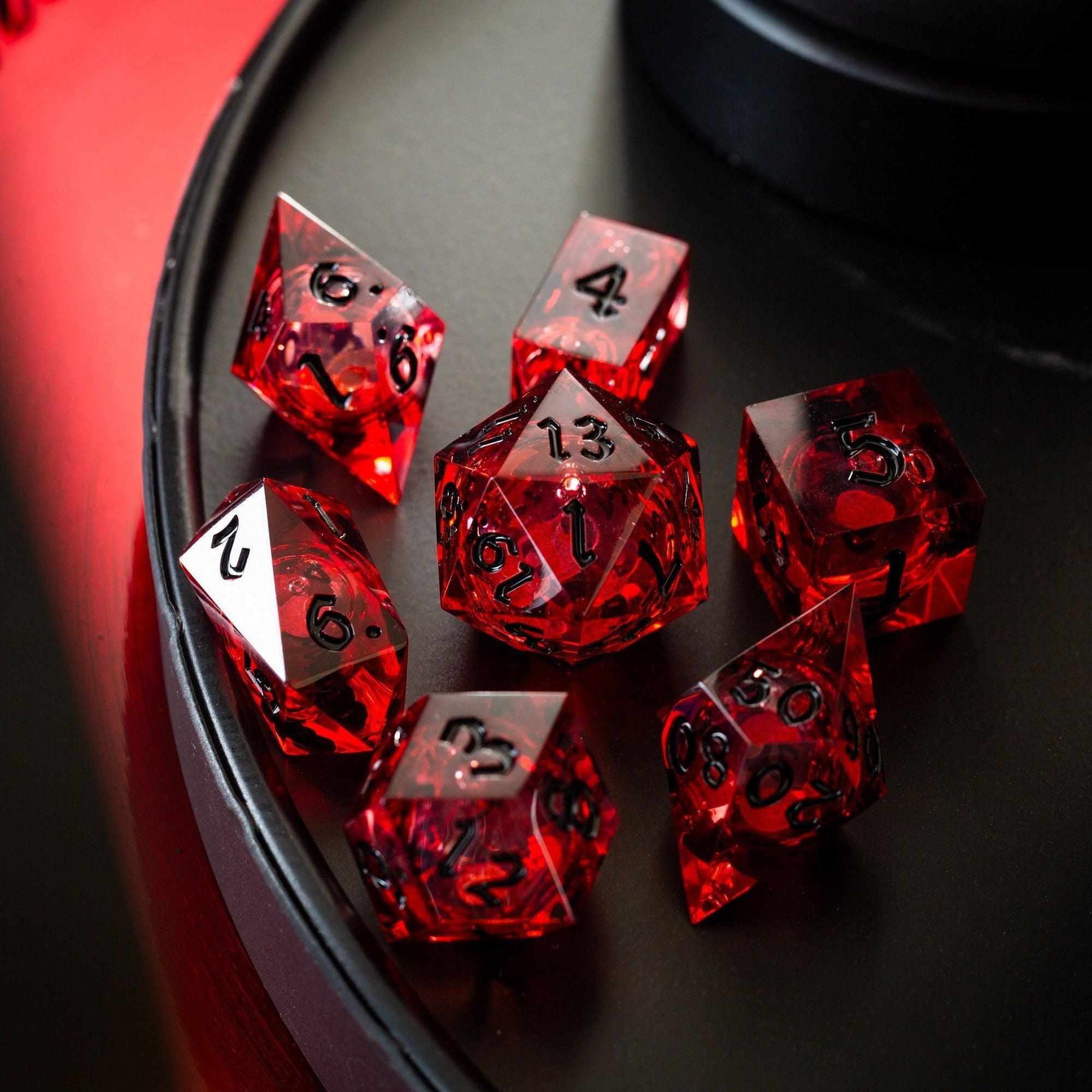
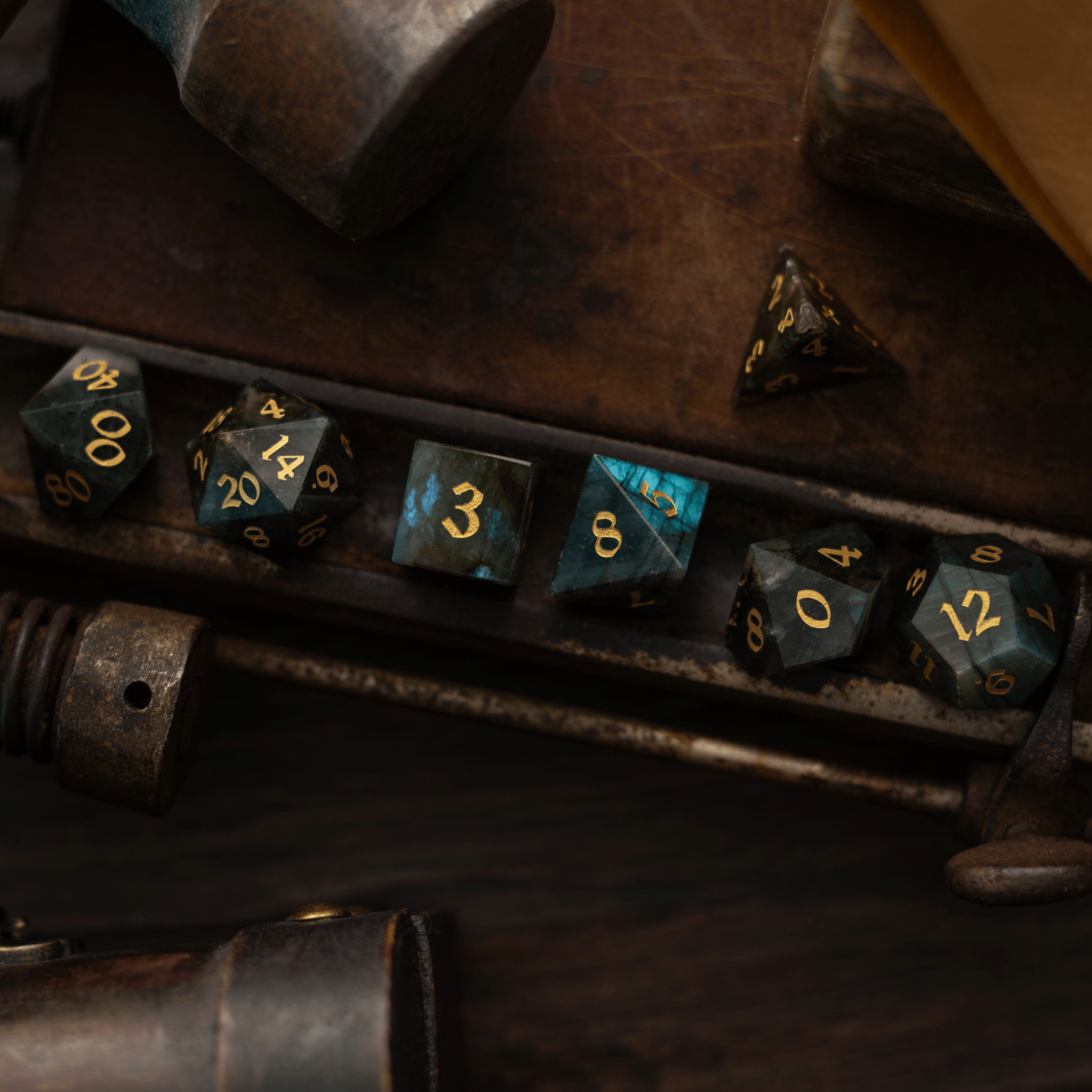
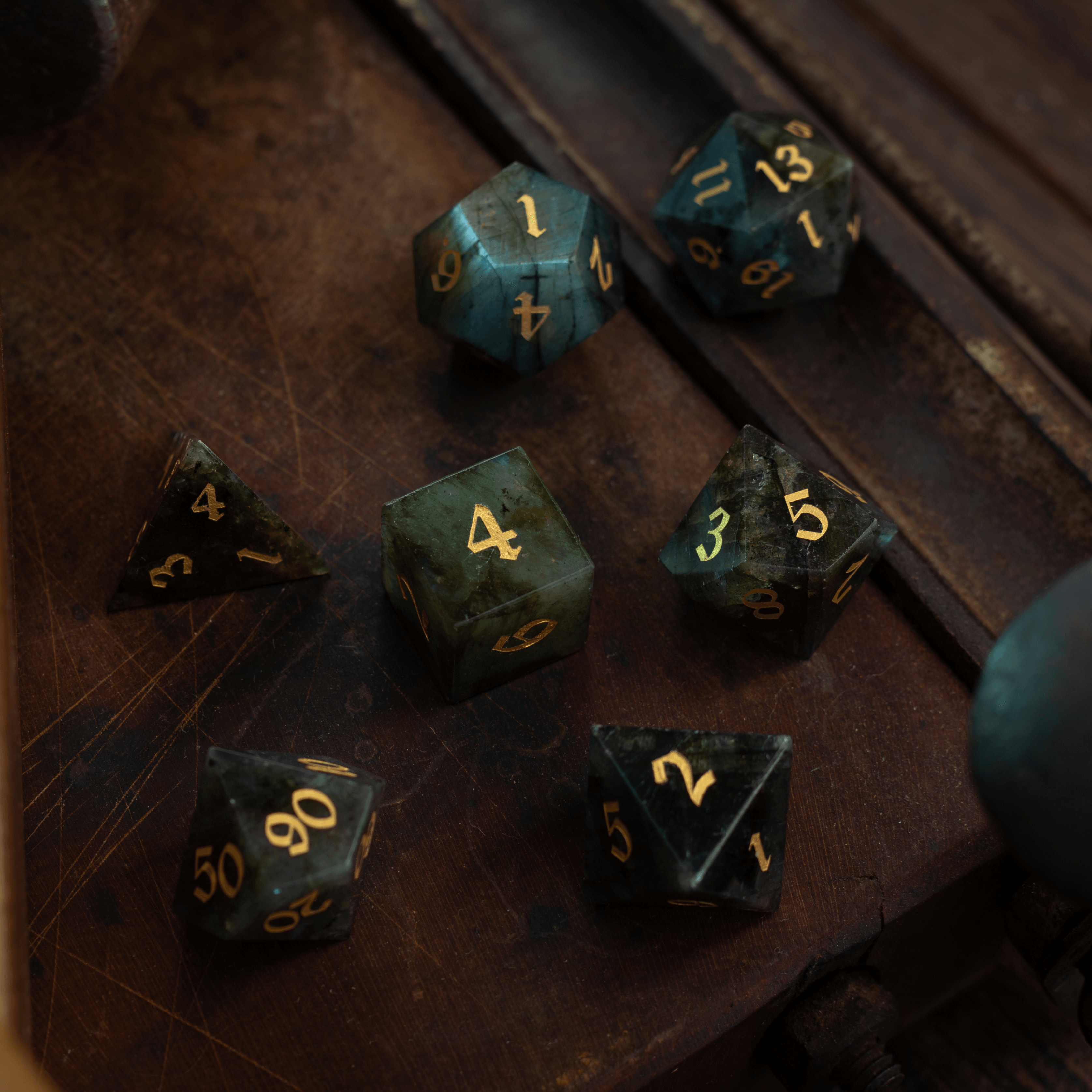
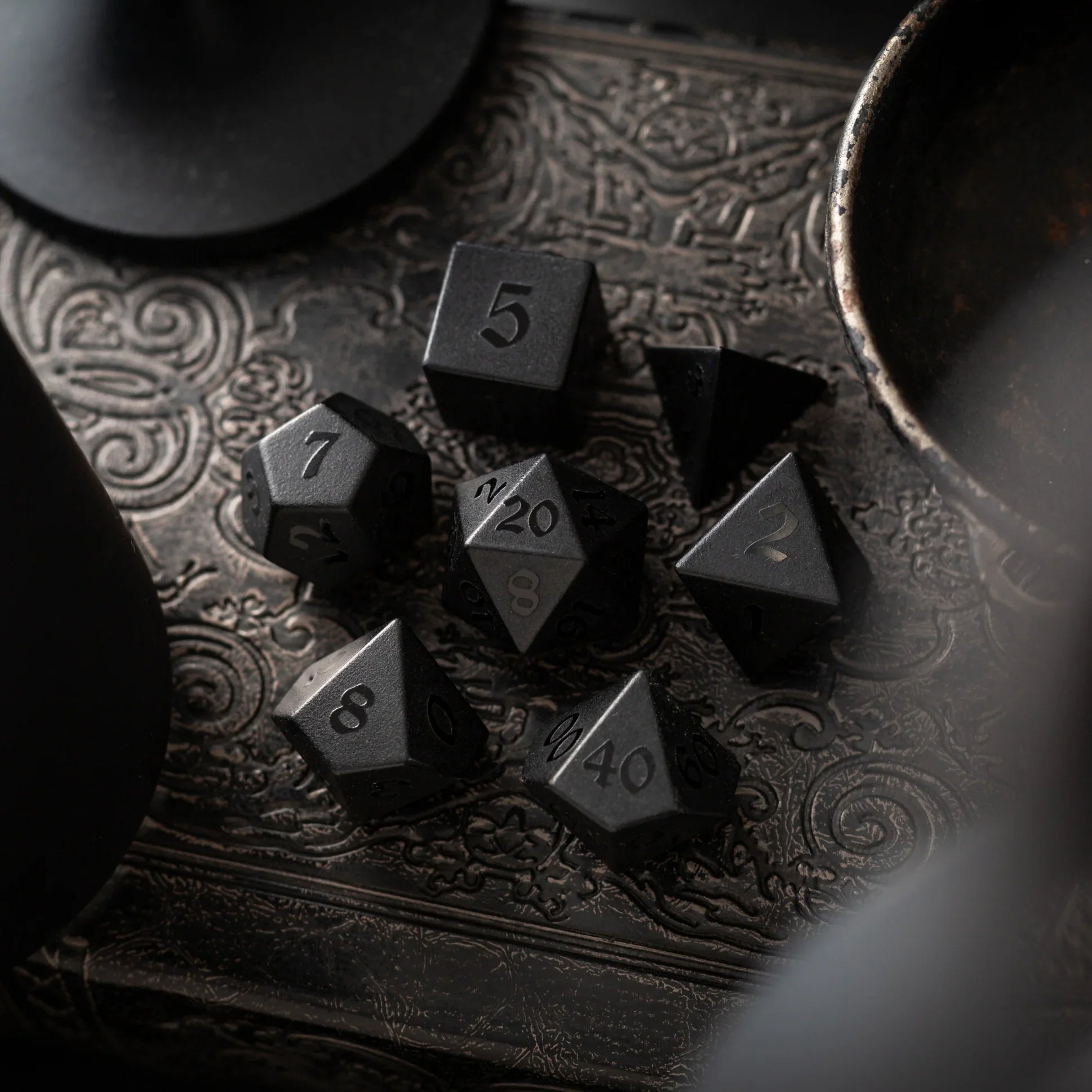
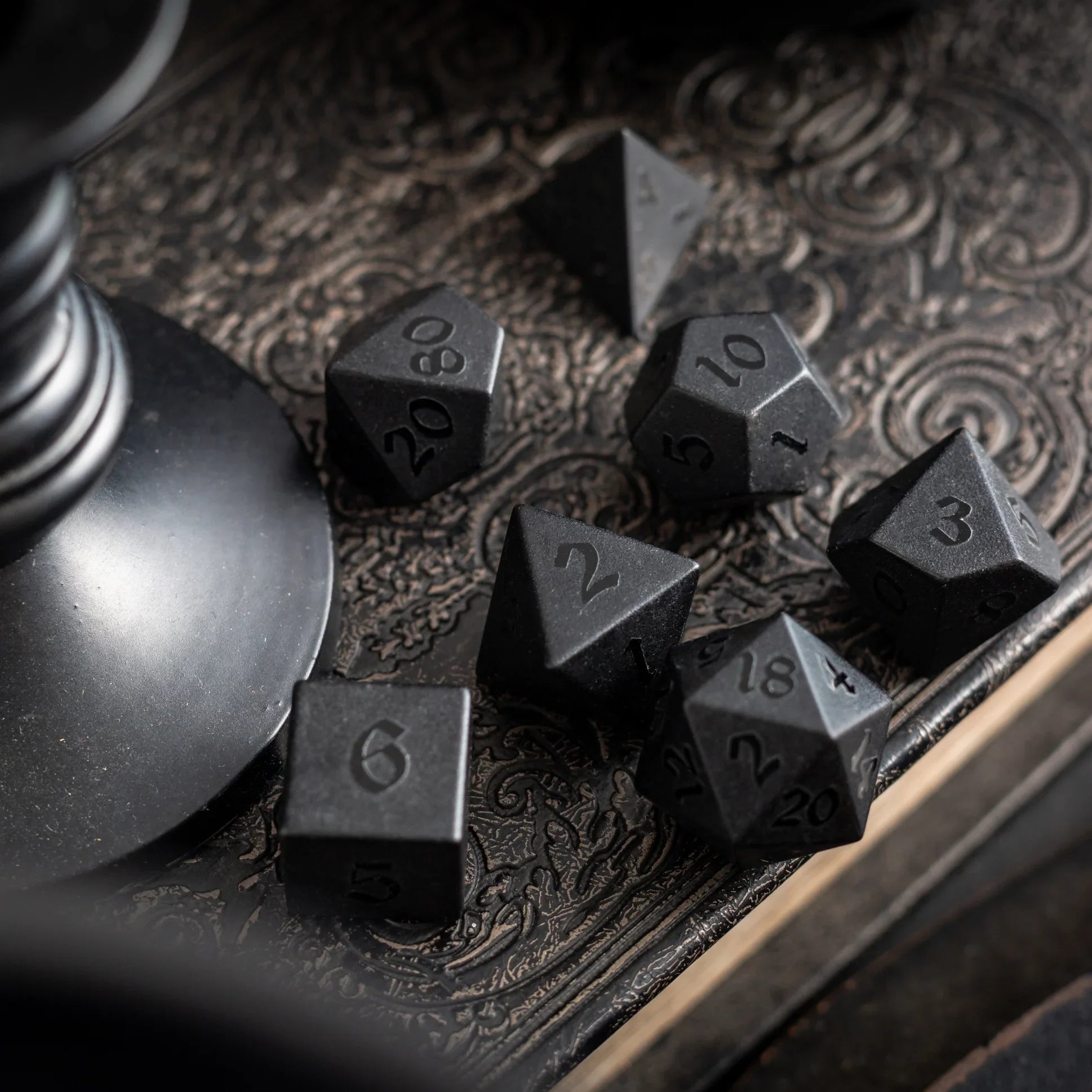
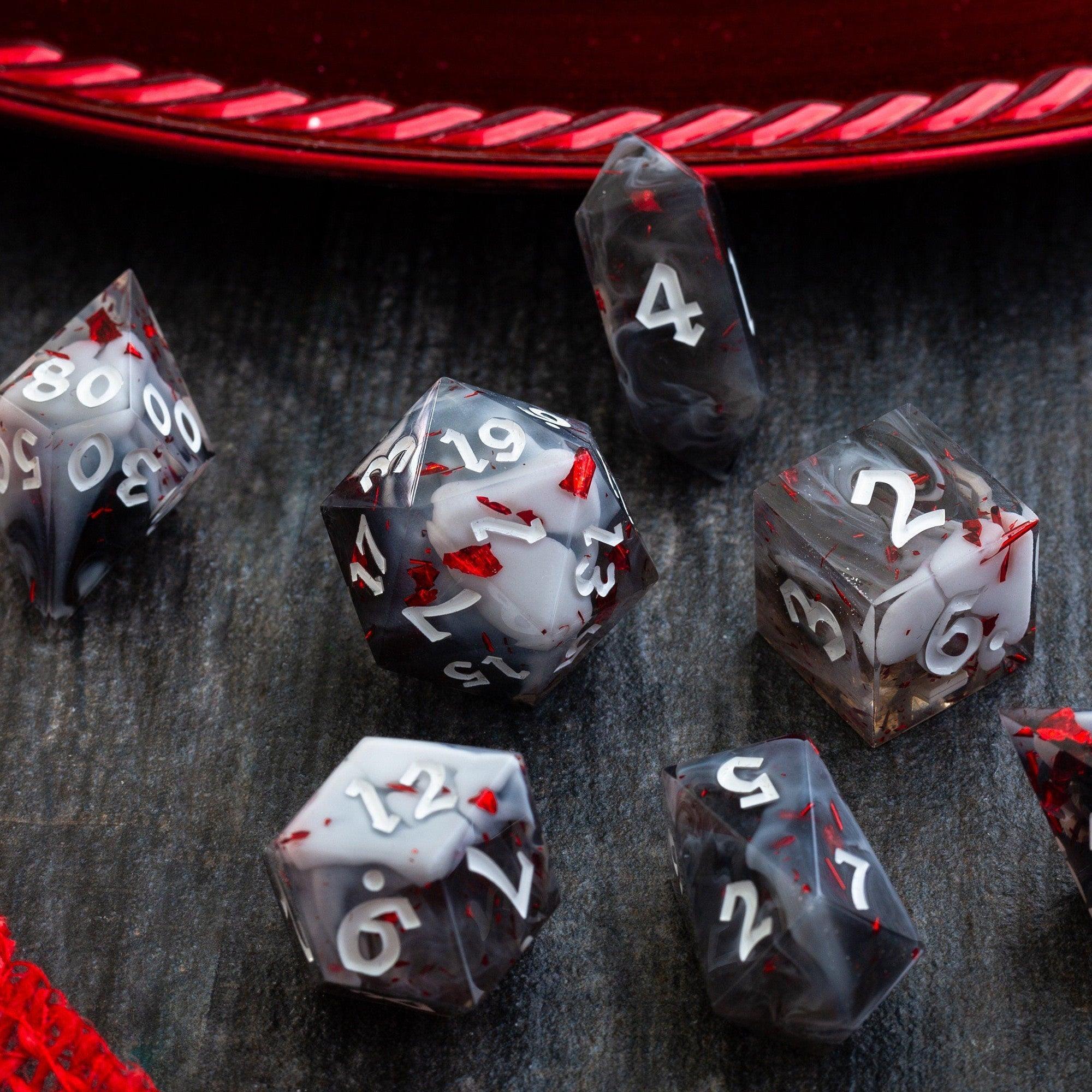
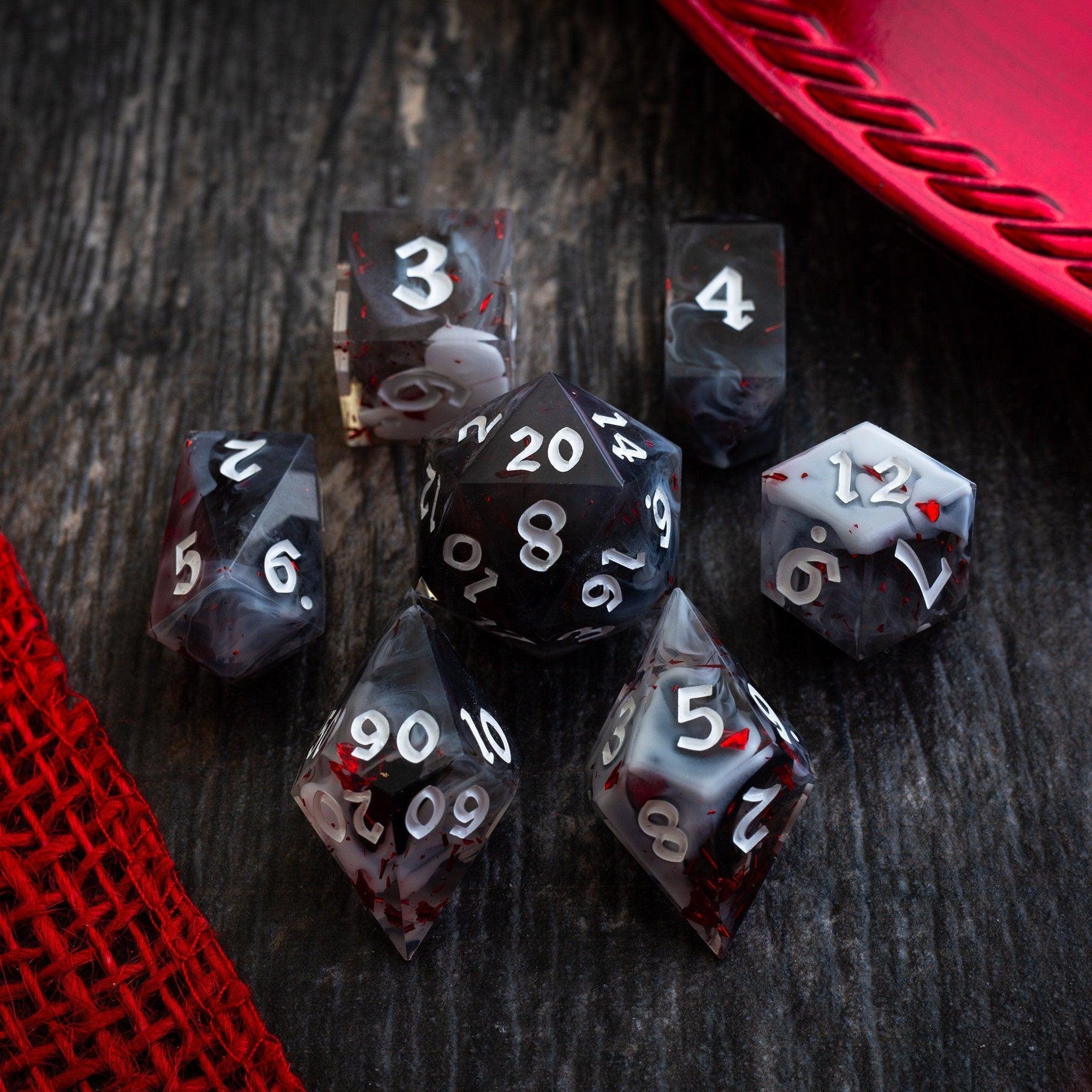
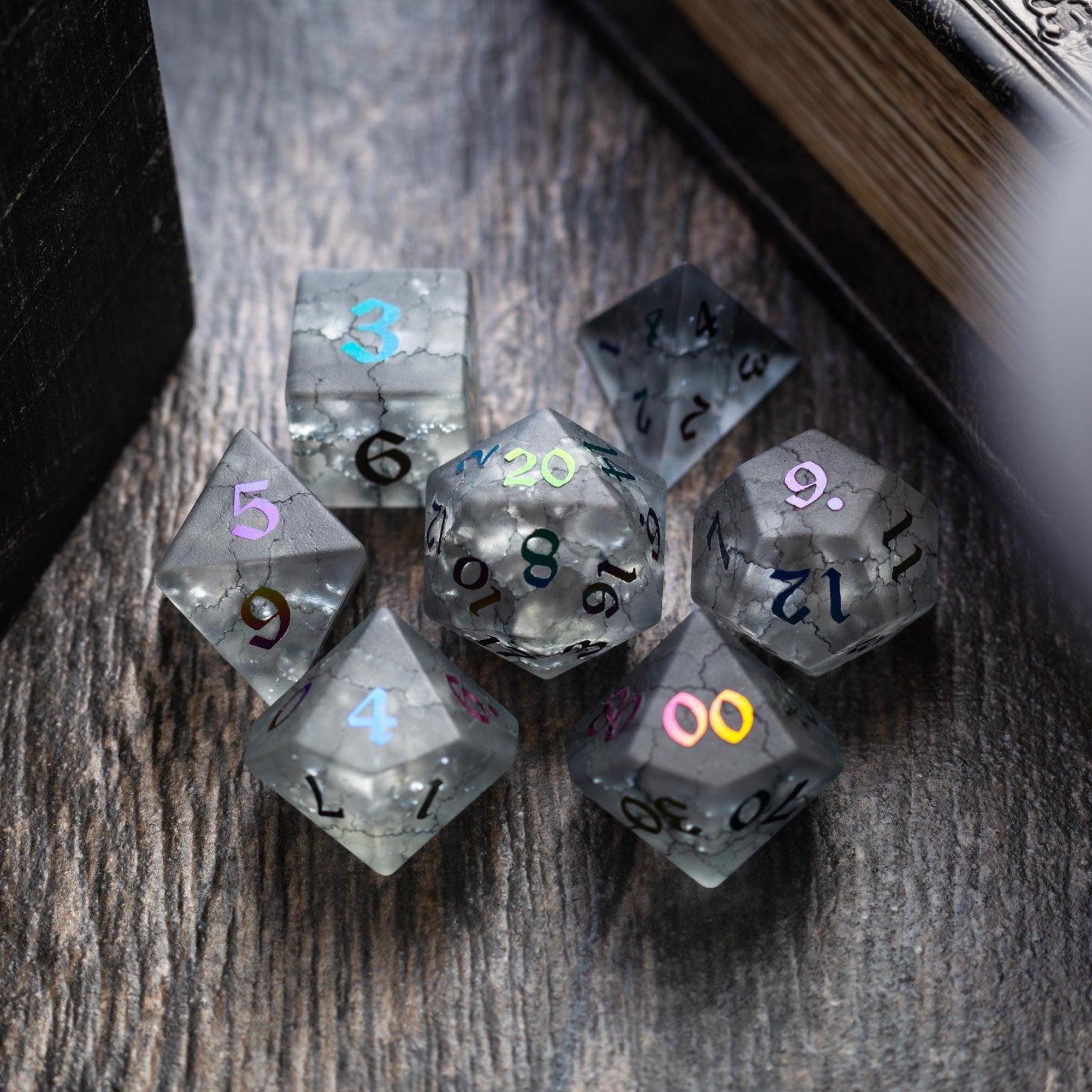
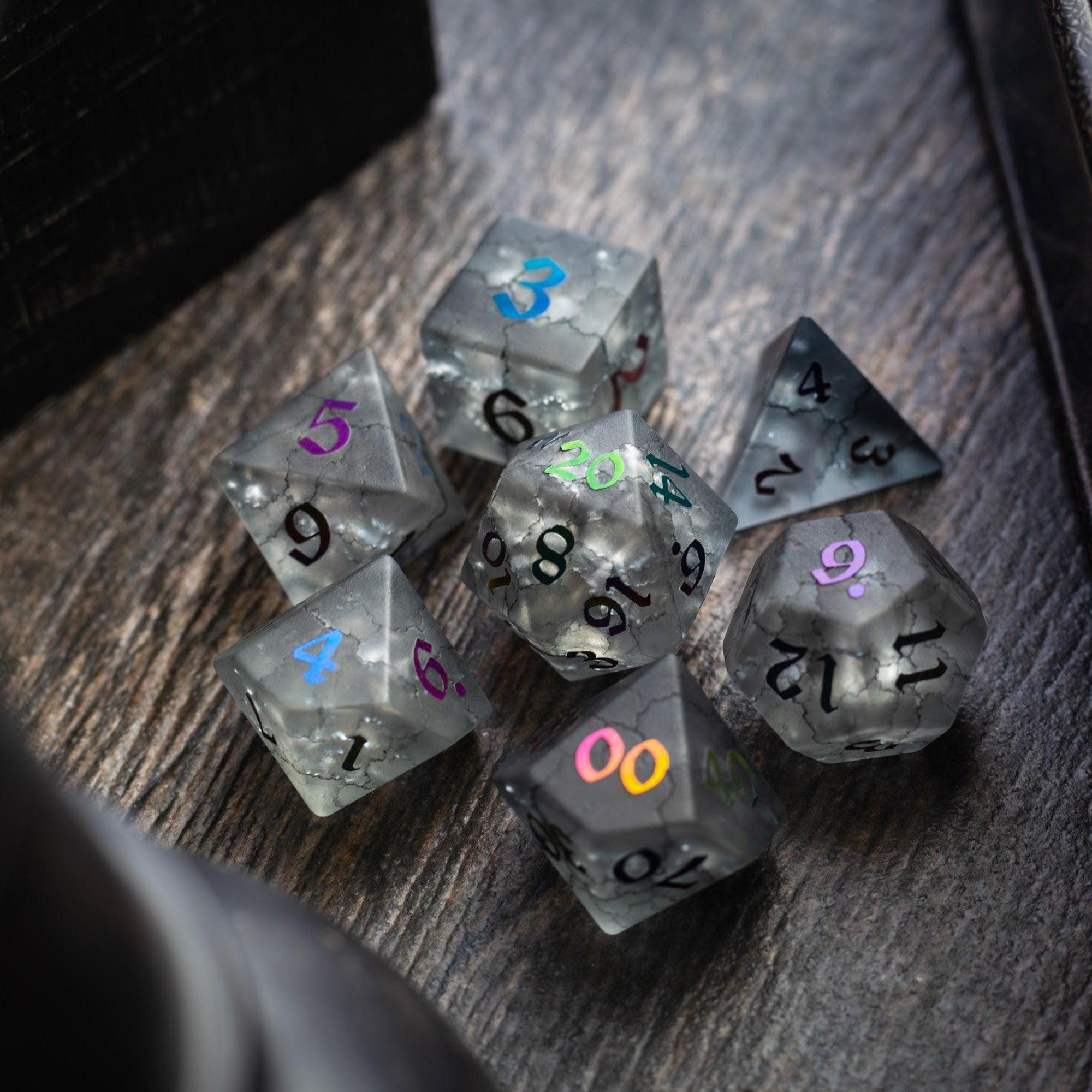
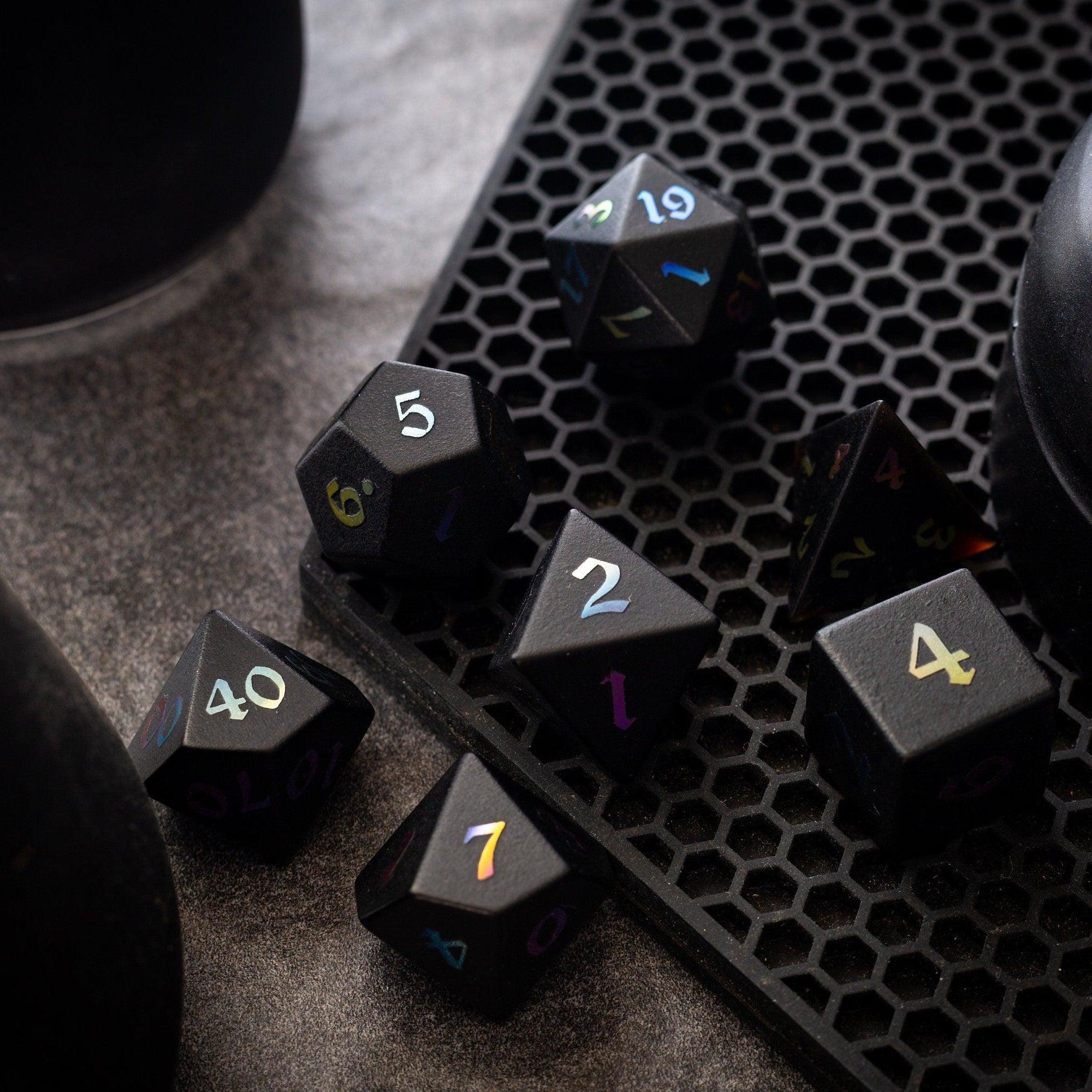
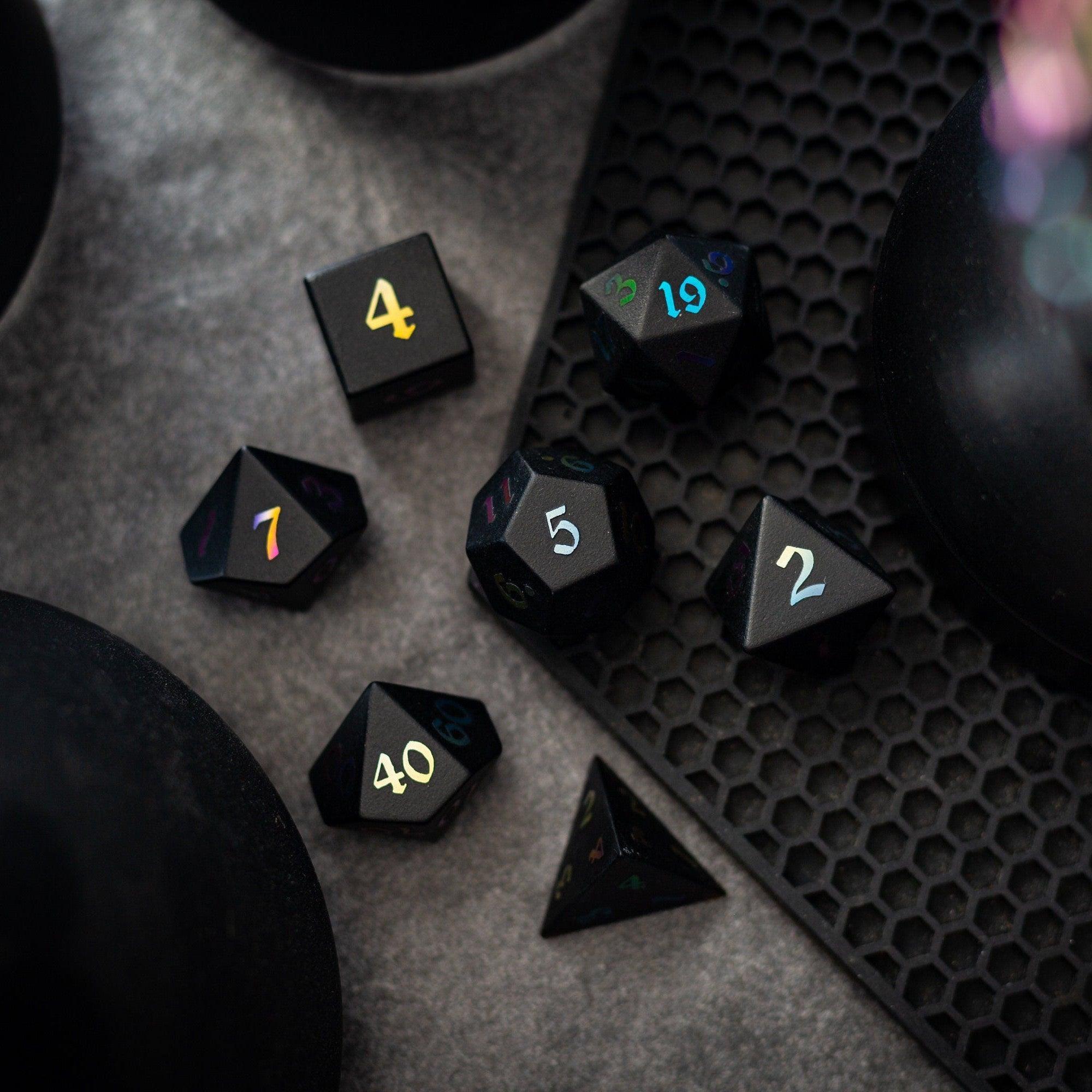
Sometimes even small frustrations build up over time. Something as simple as unclear dice rolls or hard-to-read numbers can add to tension during important moments. Using clear, easy-to-read dice and keeping them organized can help avoid unnecessary confusion when things already feel intense.
Conflict vs. Problem Behavior
Not every disagreement is a serious issue.
It helps to separate normal conflict from ongoing problems:
Normal Conflict
- Happens occasionally
- Resolved through conversation
- No lasting tension
Problem Behavior
- Repeats often
- Disrupts the group consistently
- Makes the game less fun for others
Recognizing the difference helps you decide when to address something immediately and when to let it go.
Conflict Resolution Table
Here’s a quick guide to handling common situations:
|
Situation |
What Goes Wrong |
Better Approach |
|
Rules disagreement |
Arguing mid-session |
Let the DM make a quick ruling, revisit later |
|
Player hogging spotlight |
Others feel ignored |
Gently rotate focus between players |
|
Tone mismatch |
Players feel disconnected |
Talk about expectations outside the game |
|
Miscommunication |
Hurt feelings or confusion |
Ask for clarification before reacting |
|
Frustration during combat |
Tension builds quickly |
Pause briefly and reset the pace |
How to Address Issues Calmly
When something feels off, how you bring it up matters just as much as what you say.
Here are a few simple D&D player tips:
-
Stay respectful
Speak calmly and avoid raising your voice -
Focus on the situation, not the person
Say “That moment felt confusing” instead of “You did this wrong” -
Avoid calling someone out in front of the group
Public confrontation can make people defensive -
Look for solutions
Keep the goal on improving the game, not winning an argument
Even small habits help. Taking a moment to breathe, roll your dice, and refocus can ground the table before things escalate.
Talking to Players One-on-One
Some conversations are better handled privately.
A one-on-one discussion allows both people to speak honestly without pressure from the group.
Why it works:
- Reduces embarrassment
- Encourages openness
- Keeps the group dynamic intact
How to keep it constructive:
- Start with understanding
- Share how you feel without blame
- Ask for their perspective
Often, you’ll find that the other person didn’t realize there was an issue at all.
The Role of the Dungeon Master
The DM plays a key role in managing D&D group dynamics, but they don’t have to handle everything alone.
A good DM can:
- Make quick, fair rulings to keep the game moving
- Encourage quieter players to participate
- Keep the tone consistent
- Support respectful communication
At the same time, players share responsibility. Everyone at the table contributes to the overall experience.
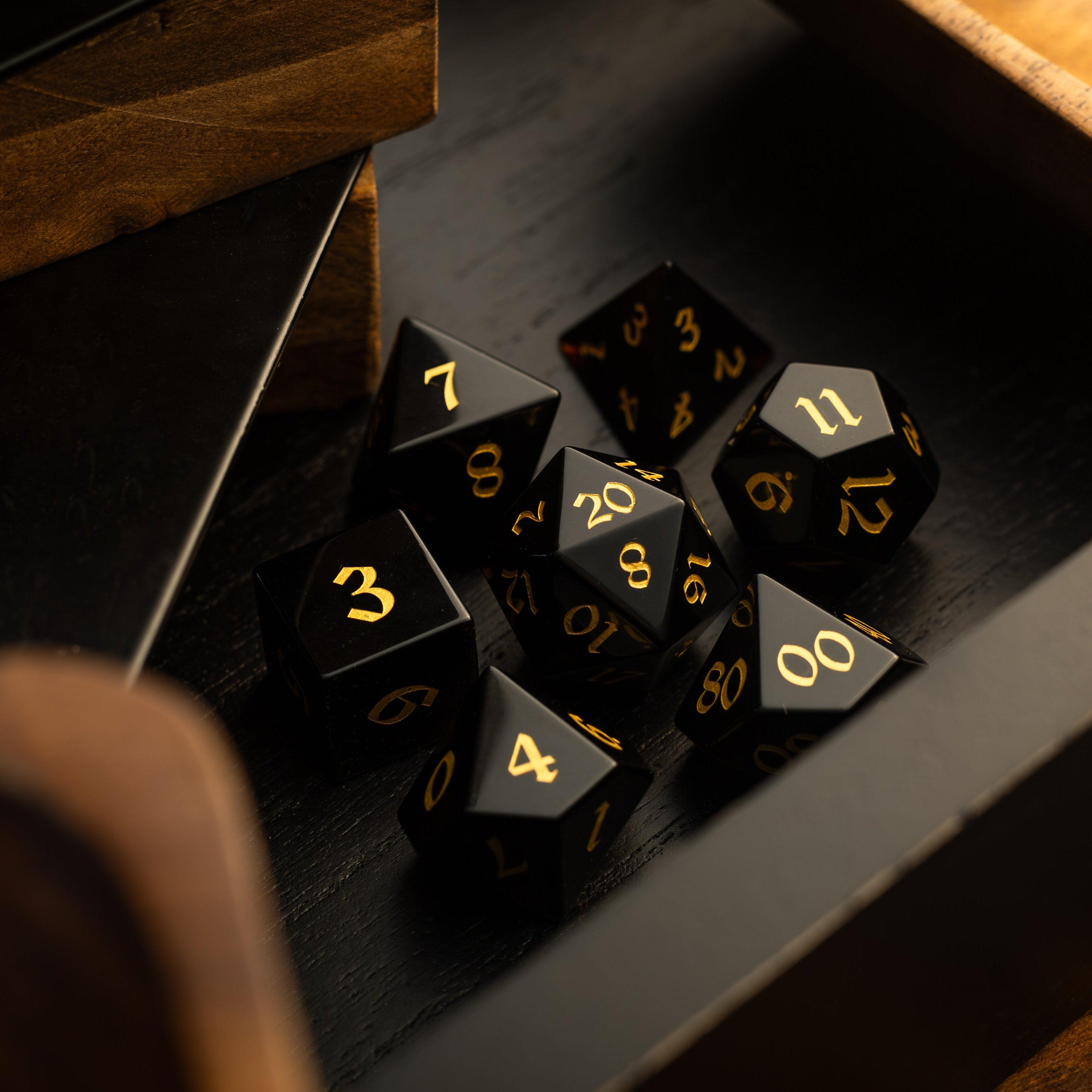
Simple tools can help here too. Clear dice rolls, organized play spaces, and smooth gameplay flow reduce friction. When players trust what they see on the table, it removes one small but common source of tension.
Setting Expectations Early
One of the best ways to handle conflict is to prevent it.
That’s where Session Zero comes in.
Before the campaign starts, talk about:
- Preferred playstyle (roleplay, combat, balance)
- Table etiquette
- Boundaries and comfort levels
- How rules disagreements will be handled
When everyone understands the expectations, there’s less room for confusion later.
When to Pause the Game
Sometimes, the best solution is to step away for a moment.
You might need a pause if:
- Emotions are running high
- The conversation isn’t productive
- Players seem frustrated or overwhelmed
A short break gives everyone time to reset. Even a few minutes can make a big difference.
It can also help to return to something simple and grounding. Rolling dice, organizing your space, or reviewing character sheets can bring the focus back to the game itself.
Preventing Future Conflicts
Once you’ve worked through a conflict, you can use that experience to improve your table going forward.
Here are a few ways to keep things running smoothly:
-
Encourage open communication
Make it normal to speak up respectfully -
Respect different playstyles
Not everyone enjoys the same aspects of the game -
Check in occasionally
Ask the group how things are going -
Keep the table organized
Clear dice, neat setups, and easy-to-read rolls reduce confusion
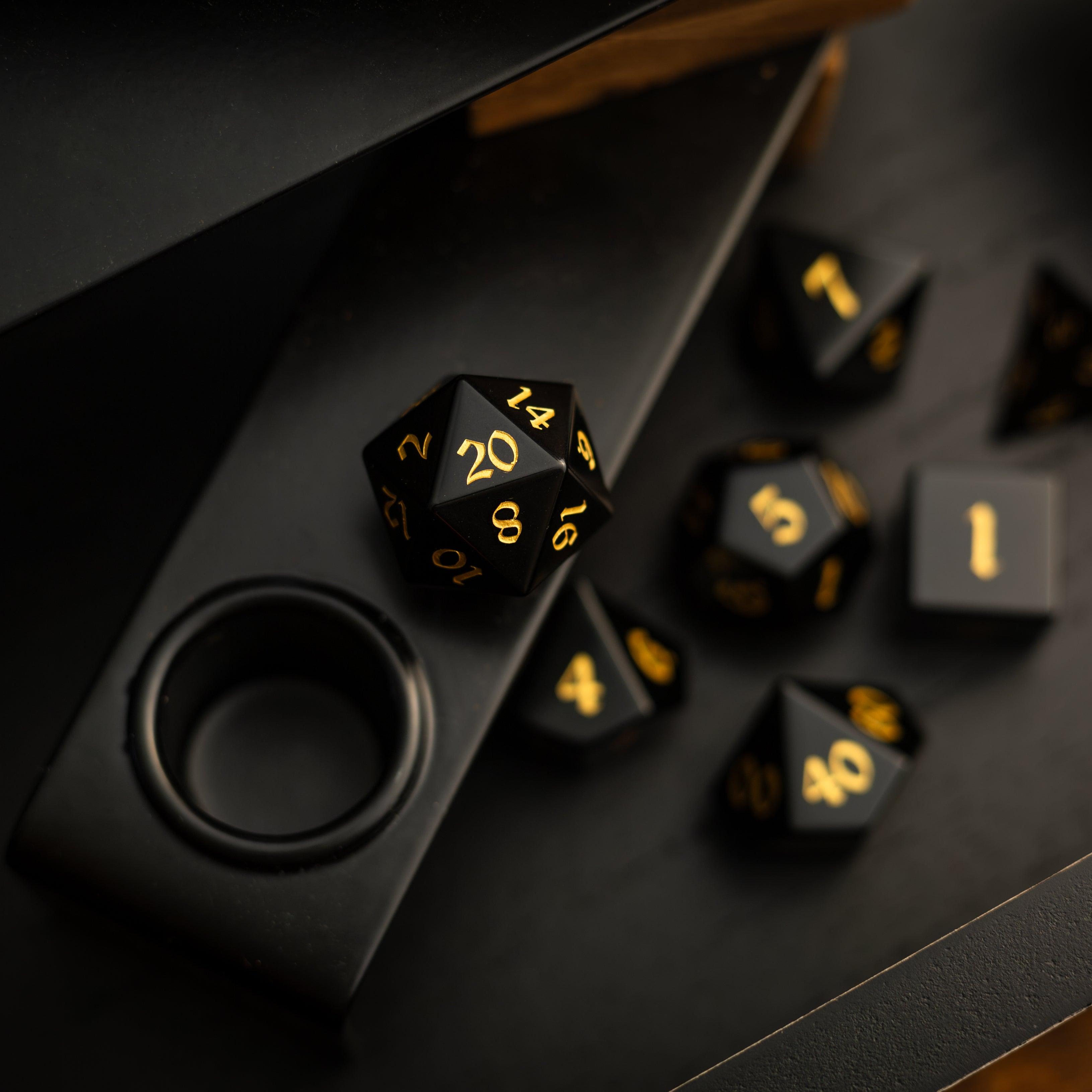
Small details matter more than you think. A clean, organized table helps players stay focused, reduces misunderstandings, and keeps the game flowing naturally.
Final Thoughts
Conflict at the D&D table isn’t something to fear. It’s a natural part of playing a collaborative game with real people.
What matters is how you respond to it.
With patience, empathy, and a willingness to listen, most conflicts can be resolved in a way that actually strengthens your group. You learn more about each other, build trust, and create a better experience for everyone involved.
At the end of the day, D&D is about shared stories, memorable moments, and enjoying time together. Keeping that goal in mind makes it much easier to handle the bumps along the way.


Leave a comment
This site is protected by hCaptcha and the hCaptcha Privacy Policy and Terms of Service apply.