
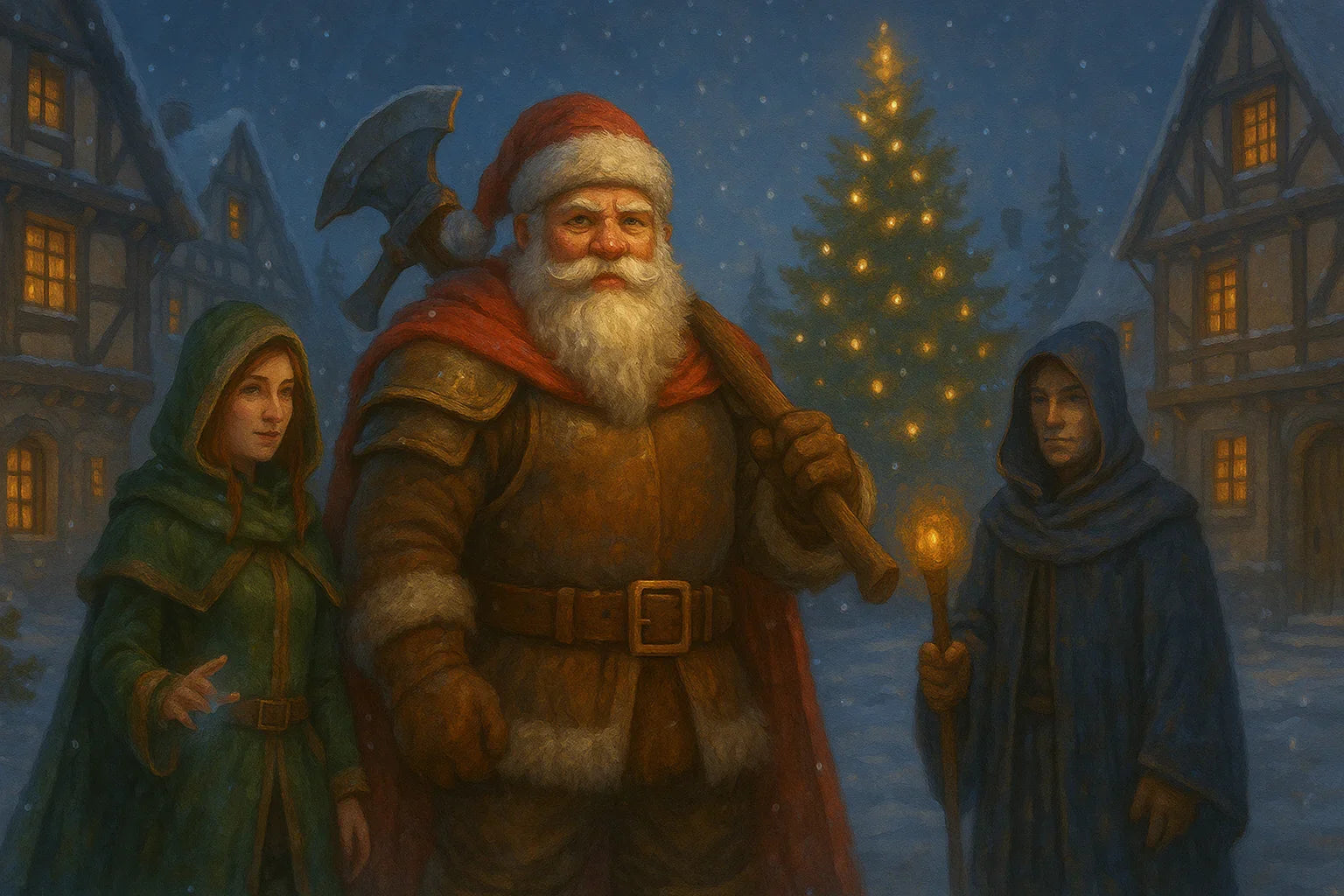
Holiday Tabletop RPG One Shot Quick Prep and Hooks
The holiday season is one of the best times to gather friends and family around the gaming table. Whether everyone is home for a weekend, taking a break from school, or simply looking for a fun evening together, a holiday tabletop RPG offers an easy way to create memorable adventures without committing to a long campaign.
Unlike an ongoing story, an RPG one shot is designed to begin and end in a single session. Players can jump into the action quickly, enjoy a complete adventure, and walk away feeling satisfied regardless of their experience level.
For Game Masters, holiday games also provide the freedom to experiment with festive settings, unusual characters, seasonal mysteries, and lighthearted encounters. The goal is not to build an enormous world. Instead, focus on telling one complete story that balances exploration, roleplaying, puzzles, and combat when appropriate.
Why One-Shot Adventures Are Perfect for Holiday Gatherings
Busy schedules often make it difficult to organize regular campaigns during the holidays. A holiday one shot solves that problem by requiring very little long-term commitment.
Some advantages include:
-
Players can join without knowing an ongoing campaign.
-
New players can learn the game in a relaxed setting.
-
The story reaches a satisfying ending in one session.
-
Preparation is much faster than designing a full campaign.
-
Holiday themes naturally encourage creativity and humor.
Whether you run Dungeons & Dragons, Pathfinder, or another tabletop RPG adventure, one-shots are ideal for seasonal celebrations.
They also make excellent annual traditions. Your group might save a magical village every winter, defend a harvest festival every autumn, or investigate mysterious celebrations that occur only once each year.
Choosing a Festive Theme and Simple Adventure Premise
Holiday adventures work best when the premise is easy to understand.
Rather than introducing complicated political conflicts or dozens of factions, give players one clear objective from the beginning.
Popular themes include:
Winter Festivals
A peaceful village prepares for its annual celebration until magical lights disappear, threatening to cancel the festivities.
Harvest Celebrations
Local farms report enchanted creatures stealing food before an important feast.
Spring Renewal
Ancient forest spirits ask the heroes to restore balance before the season begins.
Summer Fair
A traveling carnival arrives with mysterious magical attractions hiding an unexpected secret.
New Year Adventure
The final hour before midnight opens a portal between worlds, giving heroes only one chance to stop mischievous creatures from crossing over.
No matter the holiday, keep the central mission simple enough to finish within your available play time.
Creating Memorable Adventure Hooks That Engage Players Quickly
The opening scene determines how quickly players become invested.
Avoid lengthy introductions. Present a problem that encourages immediate action.
Some effective one shot ideas include:
-
A missing holiday guest never arrives.
-
An enchanted gift begins causing magical chaos.
-
Festival decorations awaken ancient magic.
-
A friendly competition is interrupted by monsters.
-
A mysterious snowfall freezes an entire town.
-
A magical feast disappears moments before guests arrive.
-
Children report seeing playful spirits stealing ornaments.
-
A famous baker asks for protection during an important celebration.
Each hook gives players a clear reason to work together without needing pages of background information.
Players should understand their objective within the first fifteen minutes of play.
Holiday One-Shot Planning Table
A little organization can dramatically reduce preparation time.
| Theme | Main Objective | Primary Conflict | Estimated Session Length |
|---|---|---|---|
| Winter Festival | Recover magical festival lights | Ice creatures guarding stolen lanterns | 3 to 4 hours |
| Harvest Feast | Protect village supplies | Mischievous fey stealing food | 2.5 to 3.5 hours |
| Spring Bloom | Restore sacred grove | Corrupted nature spirit | 3 to 4 hours |
| Summer Carnival | Investigate magical attractions | Escaped illusion magic | 3 hours |
| New Year Celebration | Seal a temporary portal | Trickster creatures crossing realms | 3 to 4 hours |
| Holiday Gift Exchange | Recover enchanted presents | Clever thieves using magic disguises | 2.5 to 3 hours |
This simple planning framework helps keep your tabletop RPG session planning focused on a complete story rather than unnecessary side quests.
Preparing NPCs, Locations, and Encounters with Minimal Prep
Holiday one-shots do not require dozens of detailed NPCs.
Instead, create just a handful of memorable personalities.
For example:
-
An enthusiastic festival organizer
-
A nervous village mayor
-
A mysterious traveler with helpful clues
-
A playful magical creature
-
A misunderstood guardian protecting something valuable
Each NPC should have:
-
One personality trait
-
One motivation
-
One useful piece of information
Locations can remain equally simple.
A typical D&D holiday adventure might only require:
-
The festive village square
-
A snowy forest trail
-
An abandoned shrine
-
A magical workshop
-
A final encounter location
Limiting locations keeps the adventure moving while reducing preparation time.
If using miniatures, clearly organized battle areas also help. A compact dice tray keeps dice from scattering across crowded holiday tables, especially when snacks, drinks, and gifts share the same space.
Balancing Exploration, Roleplaying, Puzzles, and Combat
A successful festive RPG adventure offers variety.
Not every holiday story needs combat, and not every group enjoys solving puzzles. The key is balancing activities based on your players' interests and the available session time.
A simple structure might look like this:
Opening (20 to 30 minutes)
-
Introduce the problem.
-
Meet important NPCs.
-
Accept the adventure.
Exploration (30 to 45 minutes)
-
Search important locations.
-
Gather clues.
-
Discover hidden secrets.
Roleplaying (30 minutes)
-
Negotiate with allies.
-
Solve misunderstandings.
-
Learn the true nature of the conflict.
Challenge (45 to 60 minutes)
Depending on your group, this could include:
-
A combat encounter
-
A puzzle
-
A dramatic negotiation
-
Escaping a dangerous location
Final Resolution (20 to 30 minutes)
Players celebrate their success while seeing the results of their choices.
Remember that combat is optional. Some holiday adventures work wonderfully with diplomacy, investigation, or clever problem solving instead.
Tips for Keeping Holiday One-Shots Moving at a Steady Pace
Holiday sessions often have tighter schedules than regular game nights.
These Game Master tips help maintain momentum:
Keep the Story Focused
Every scene should support the main objective.
If something does not move the story forward, consider removing it.
Limit Combat Length
Instead of several small battles, consider one or two memorable encounters.
Condition rings can make combat easier to follow by clearly showing ongoing effects such as restrained, frightened, or poisoned creatures without repeated reminders.
Prepare Characters Ahead of Time
Providing pre-generated characters saves valuable time for groups with new players.
Keep Rules Explanations Brief
Teach mechanics as they become relevant rather than explaining everything before play begins.
Encourage Quick Decisions
Players enjoy meaningful choices, but lengthy debates can slow the session.
Gentle reminders about time help everyone stay engaged.
Organize the Table
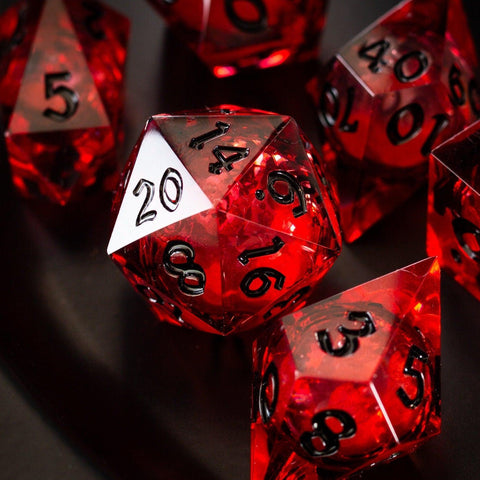
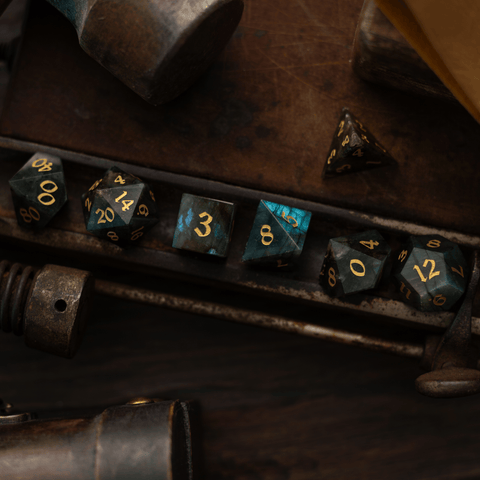
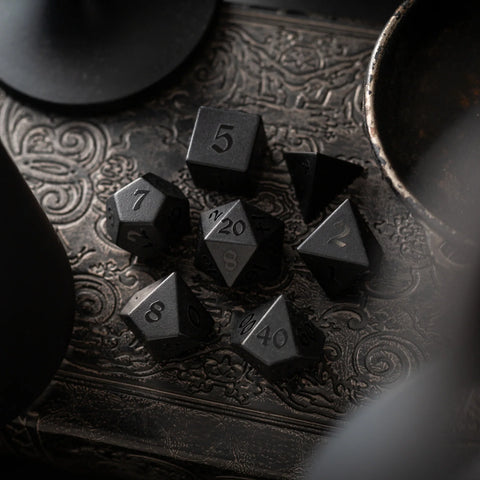
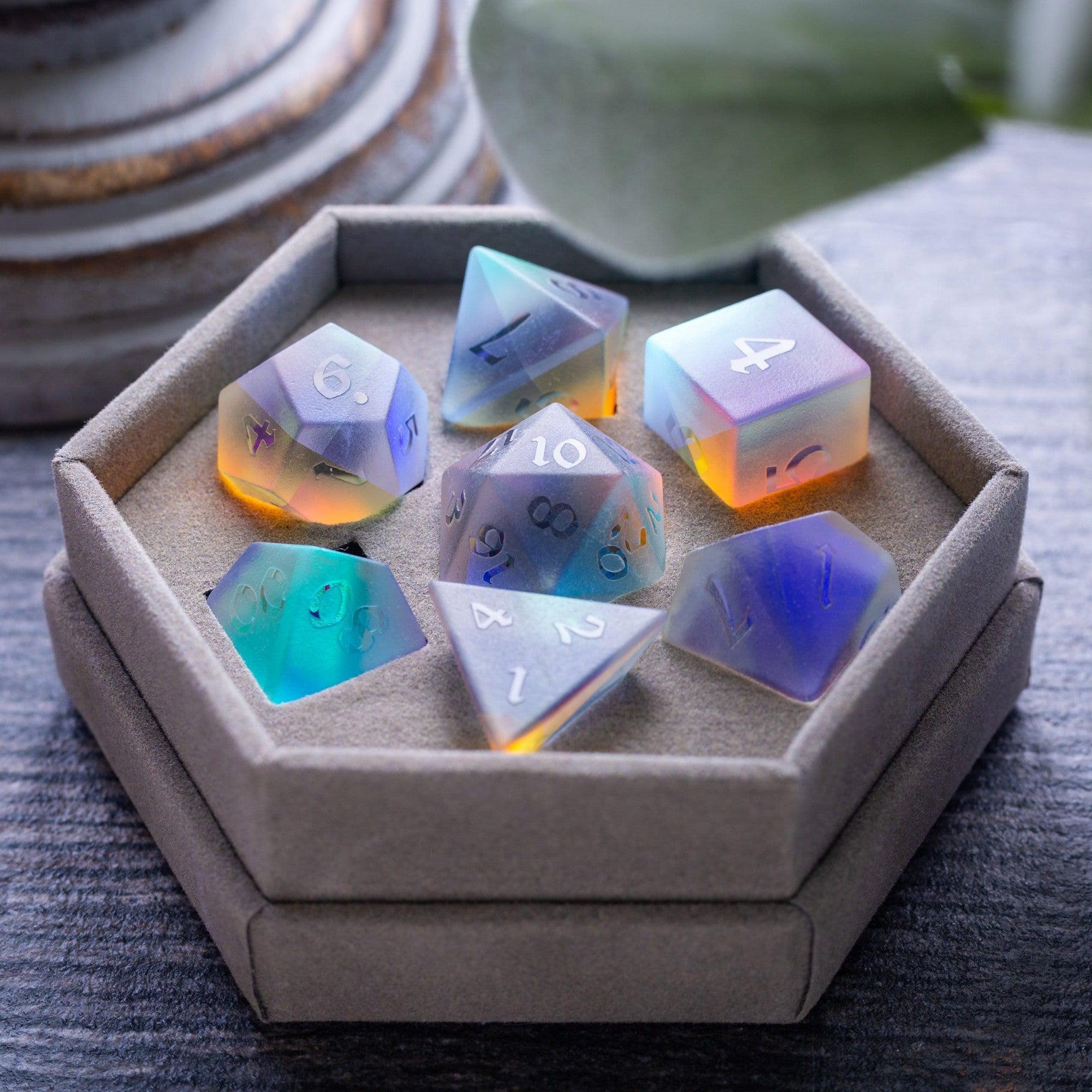
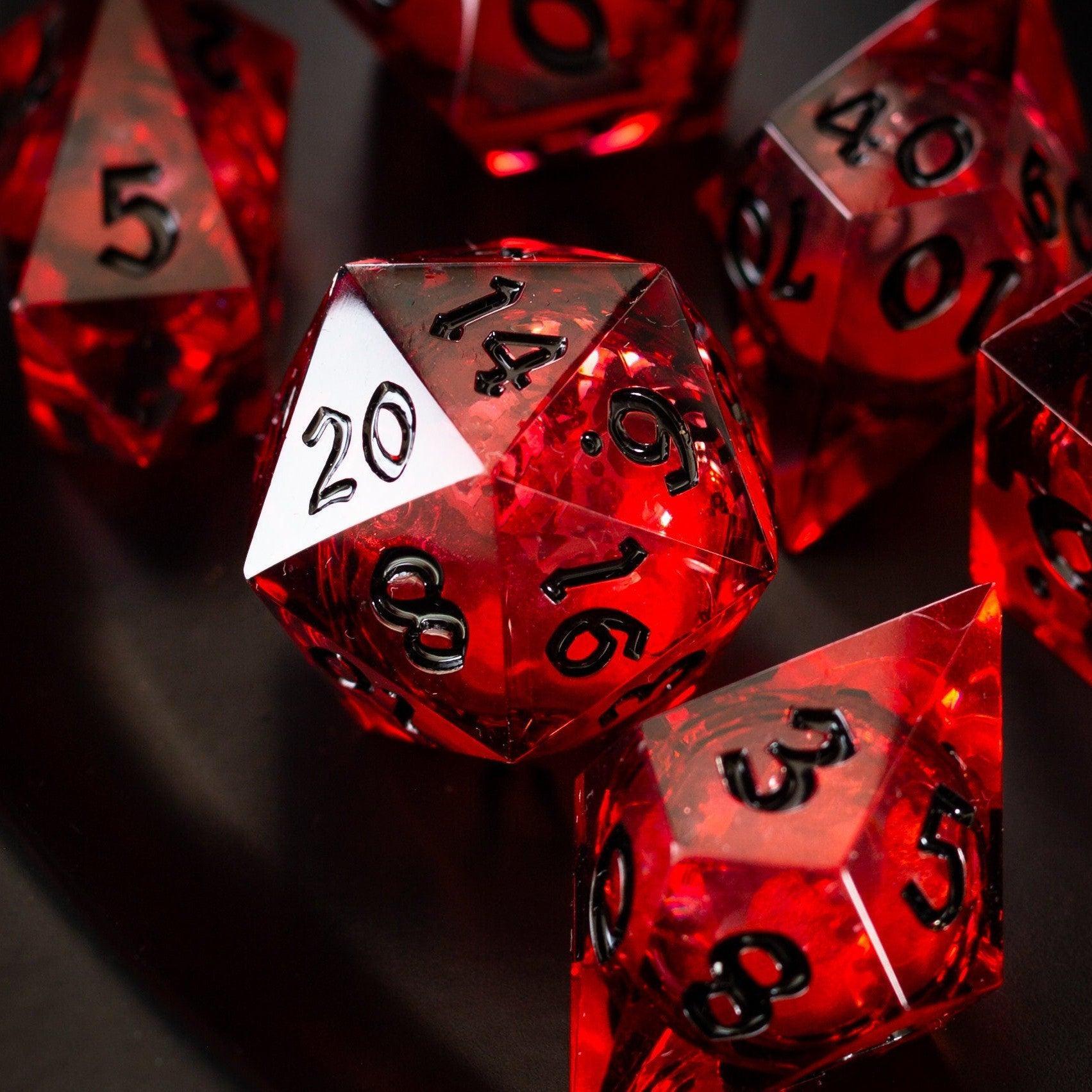
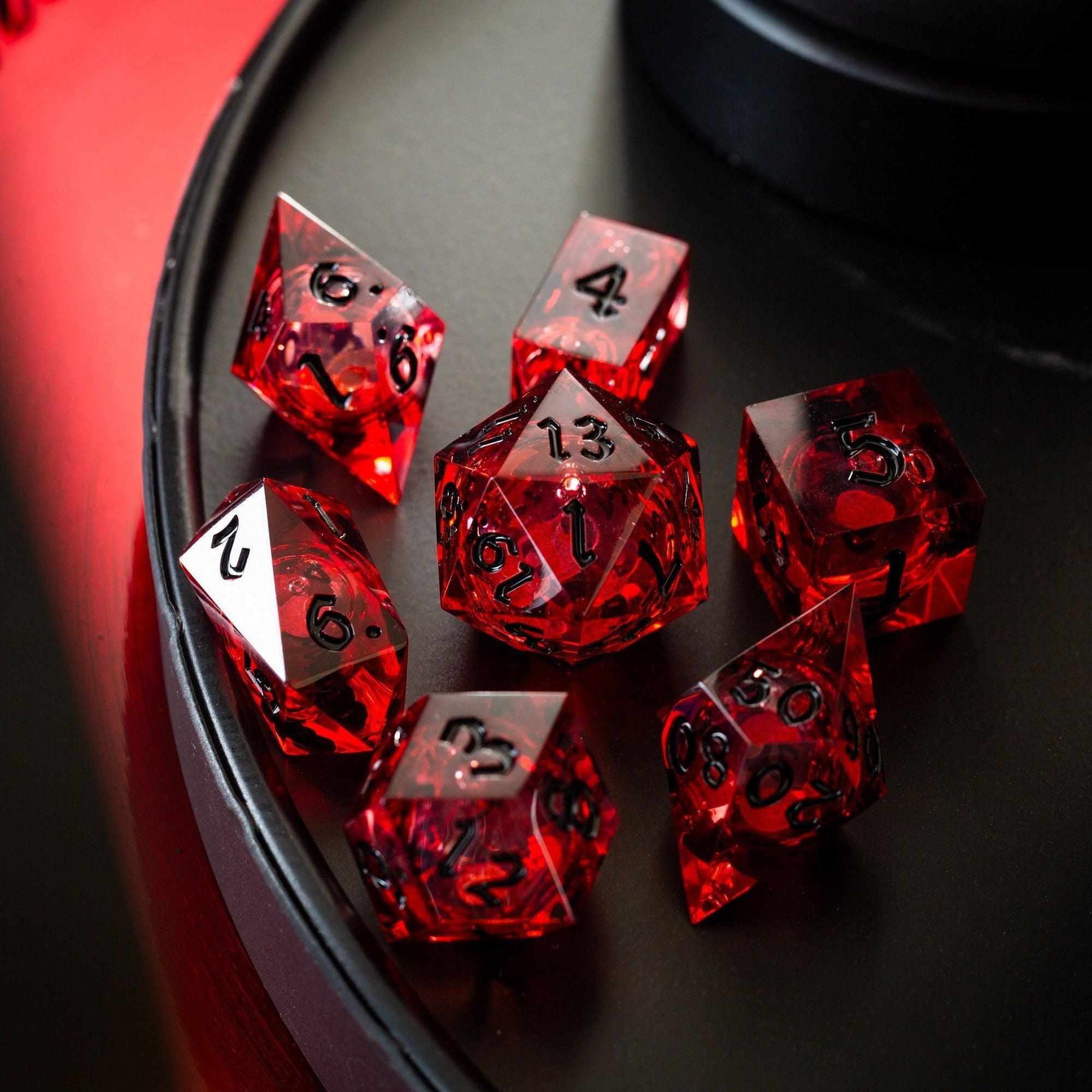
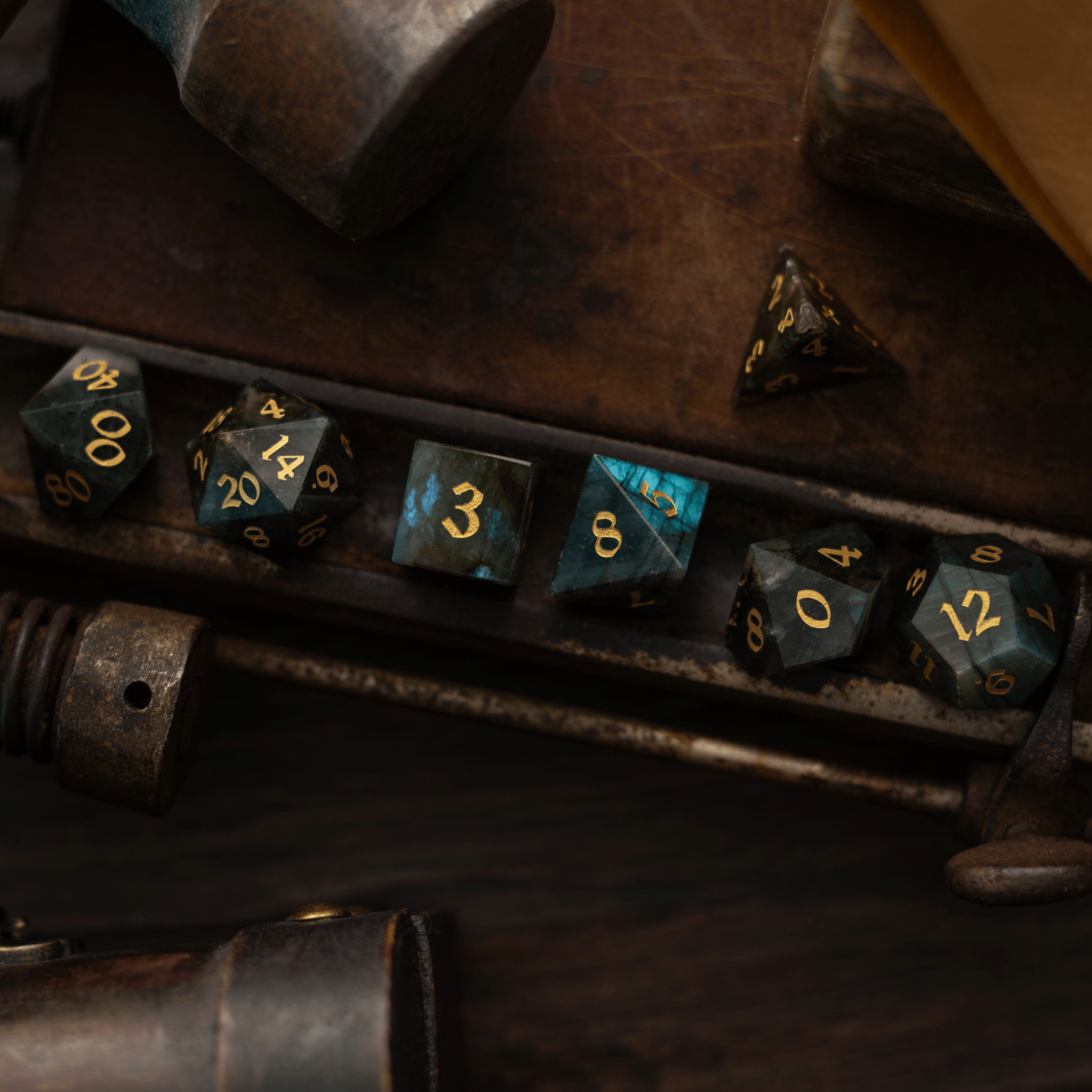
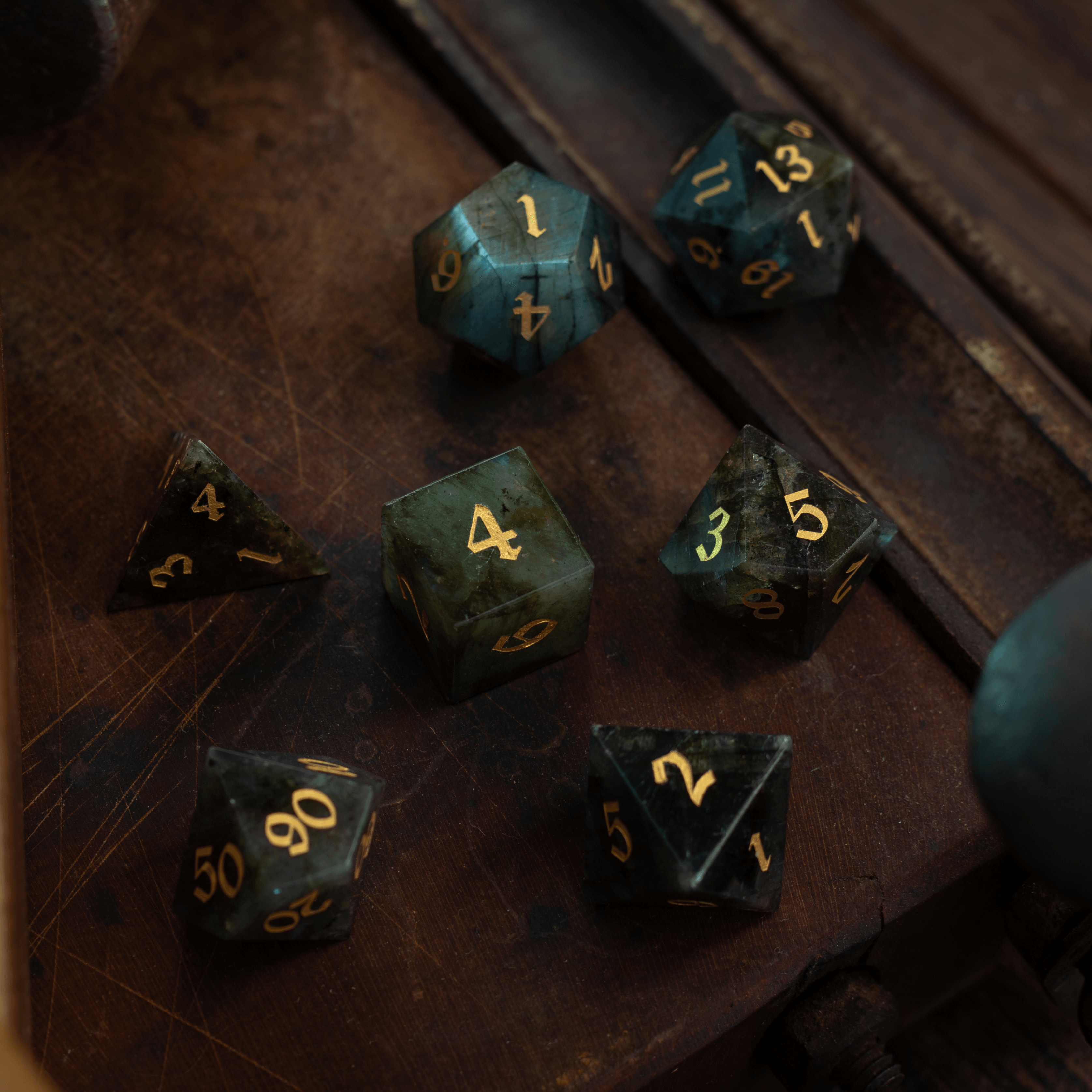
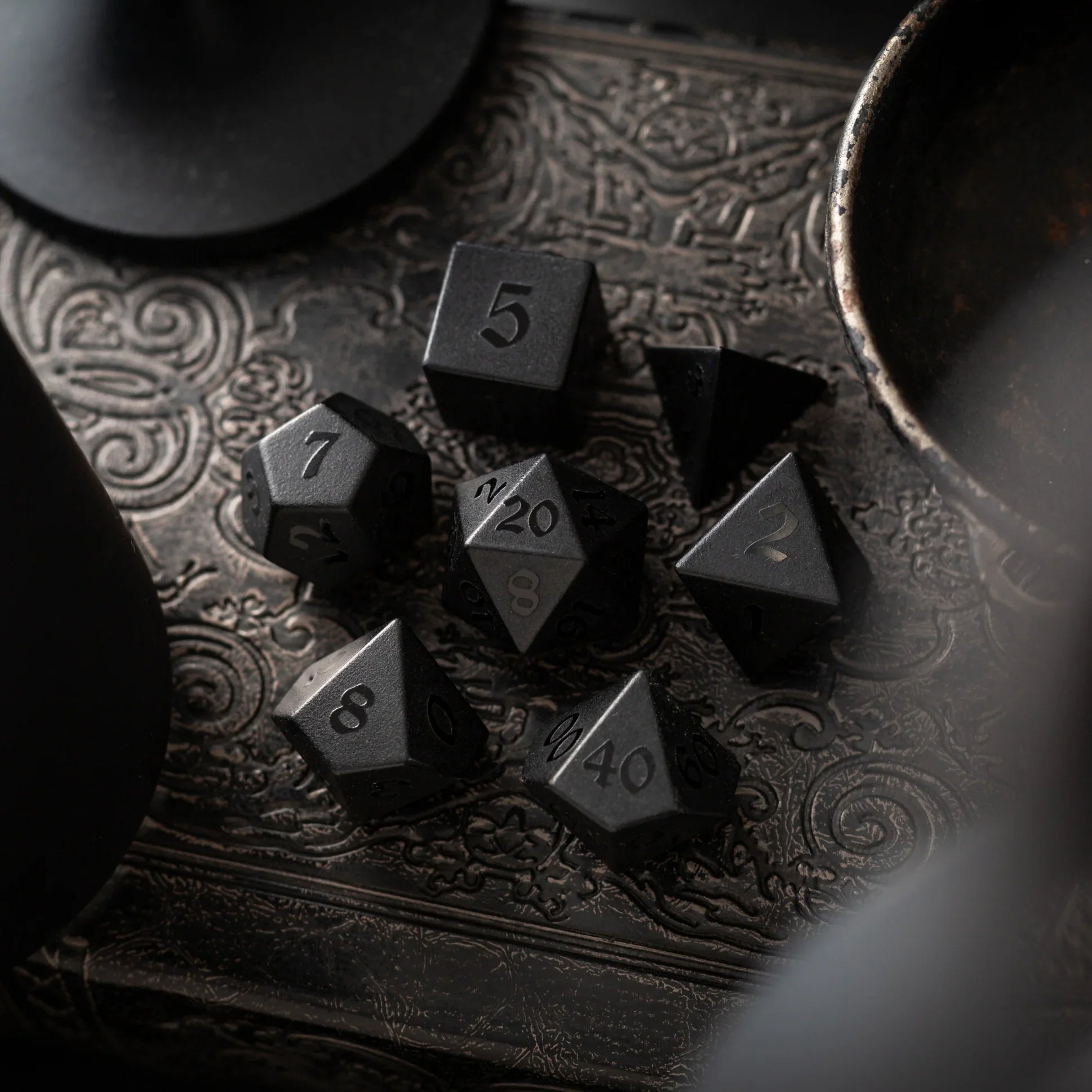
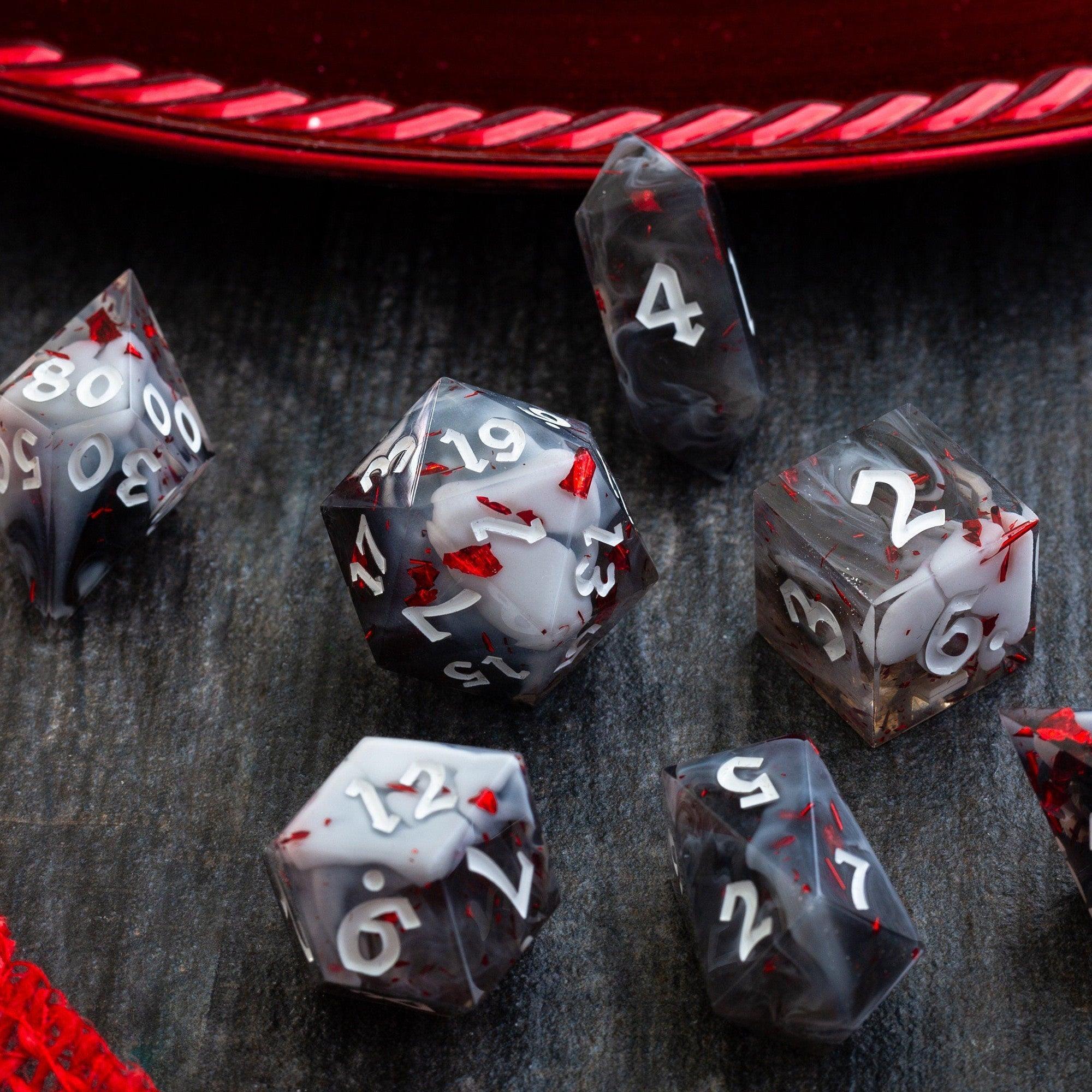
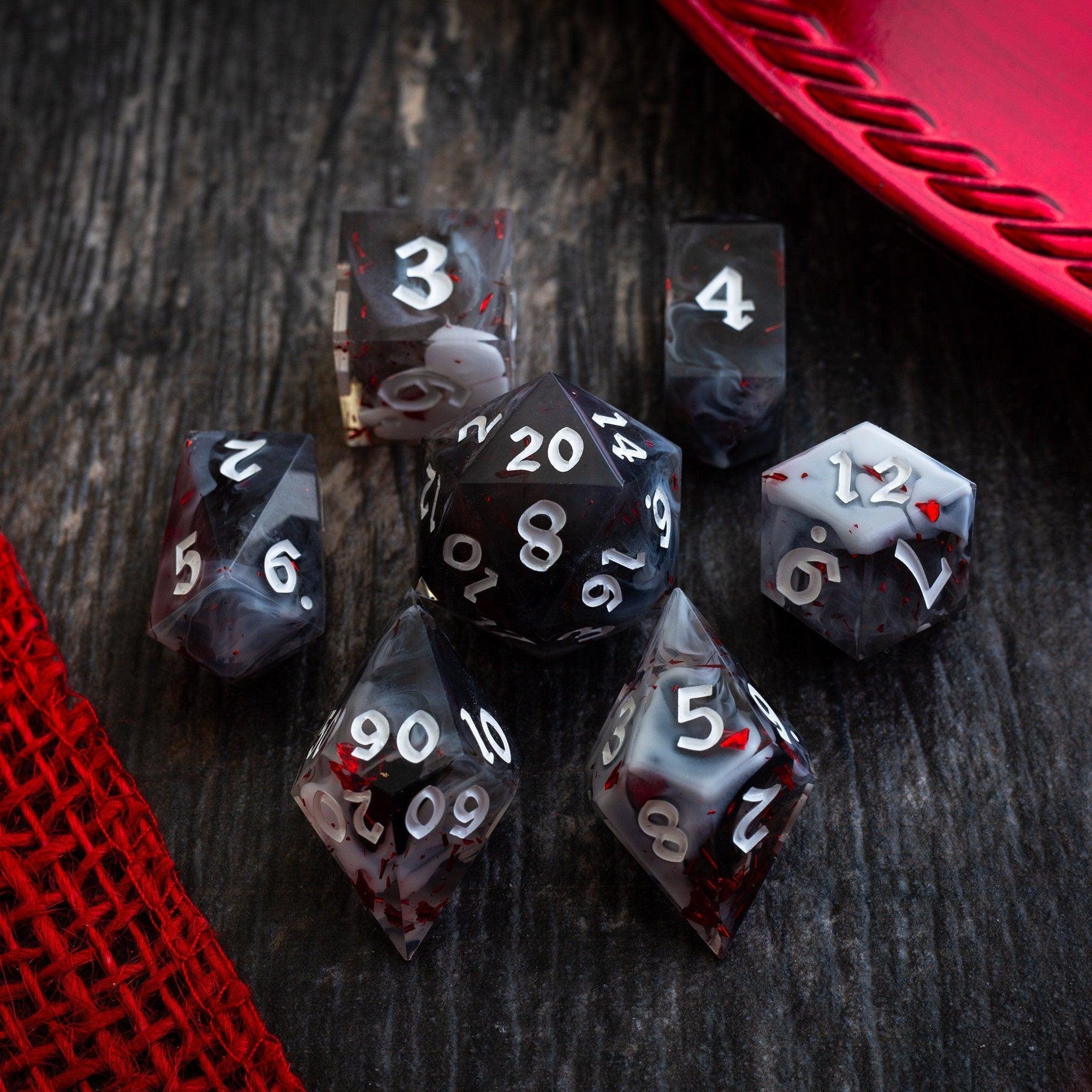
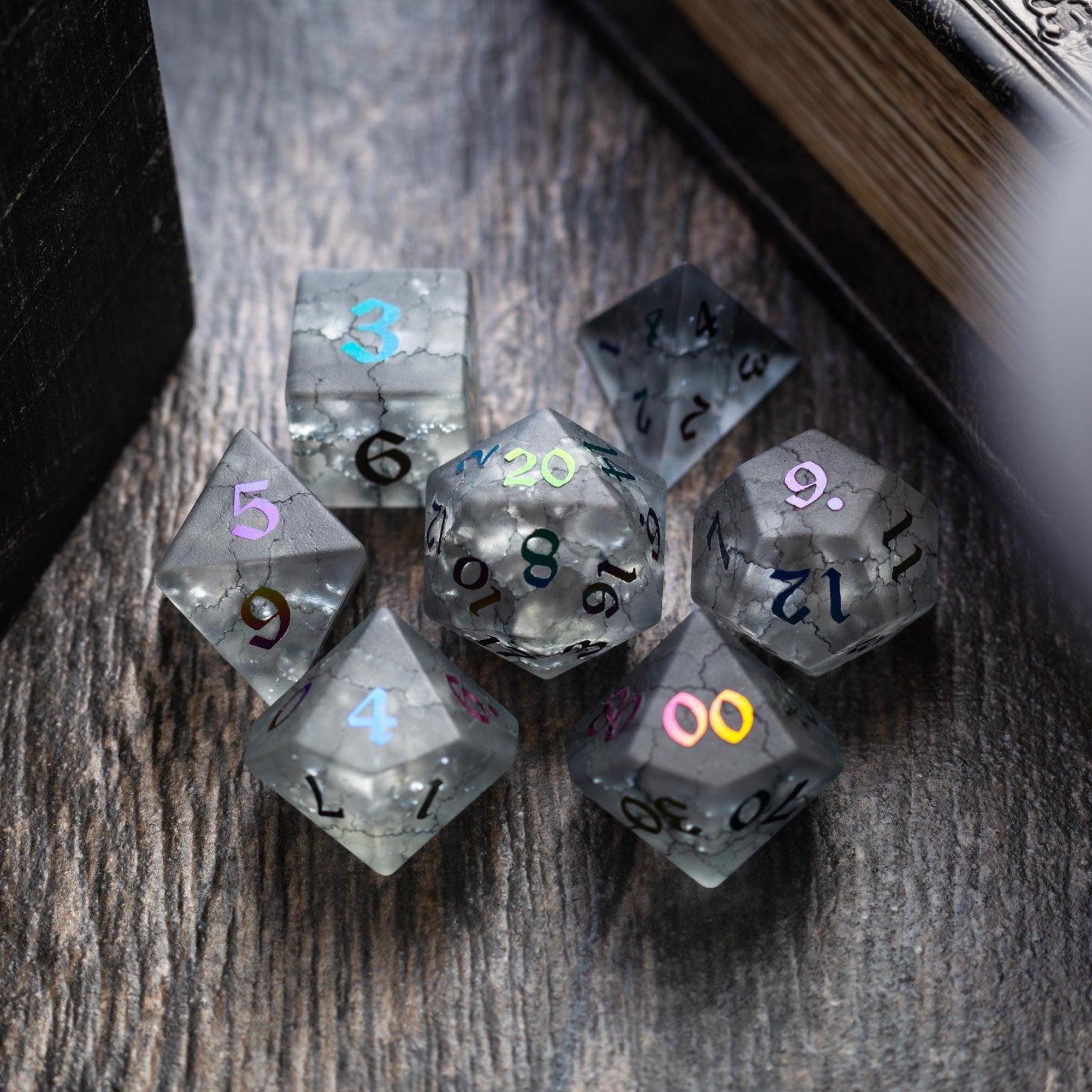
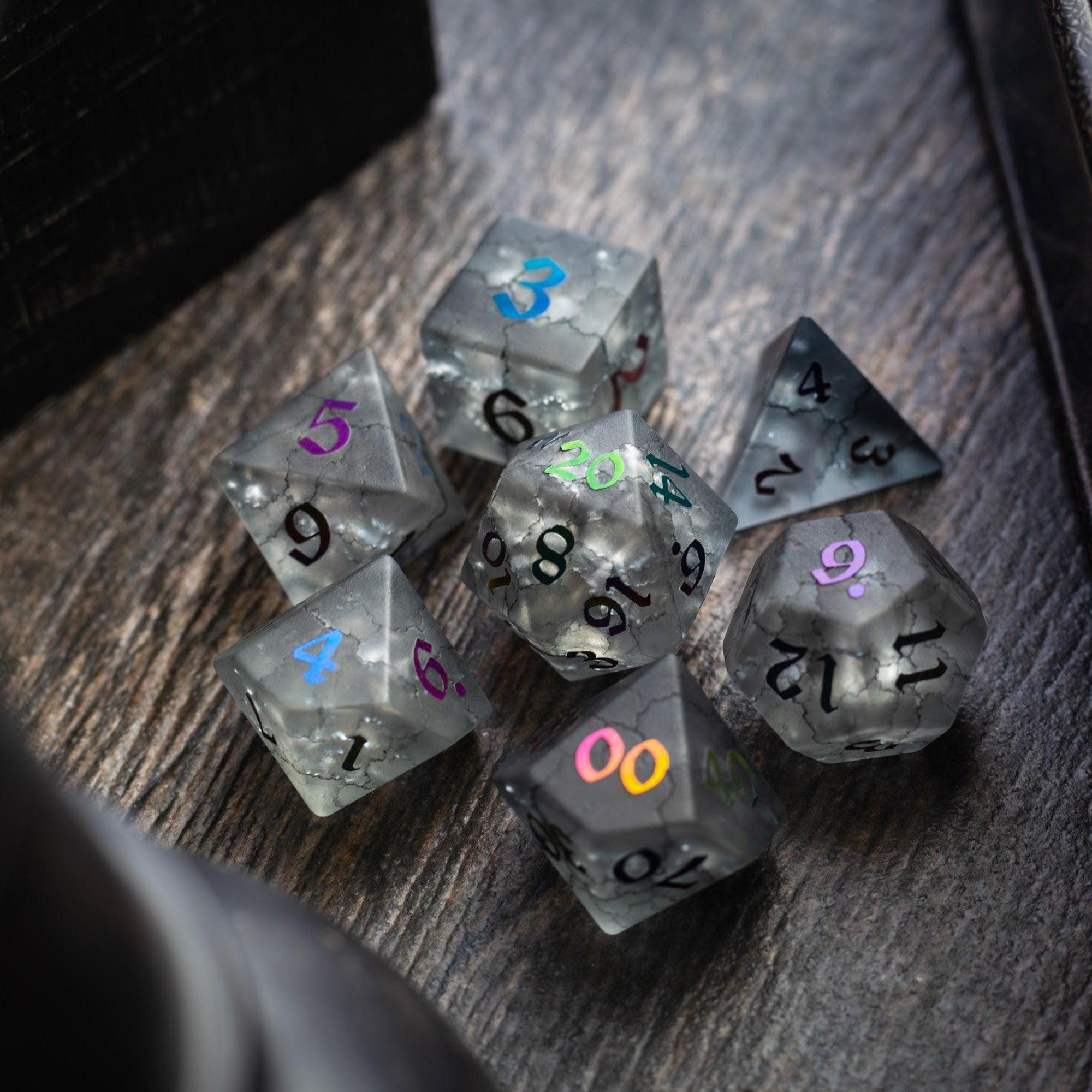
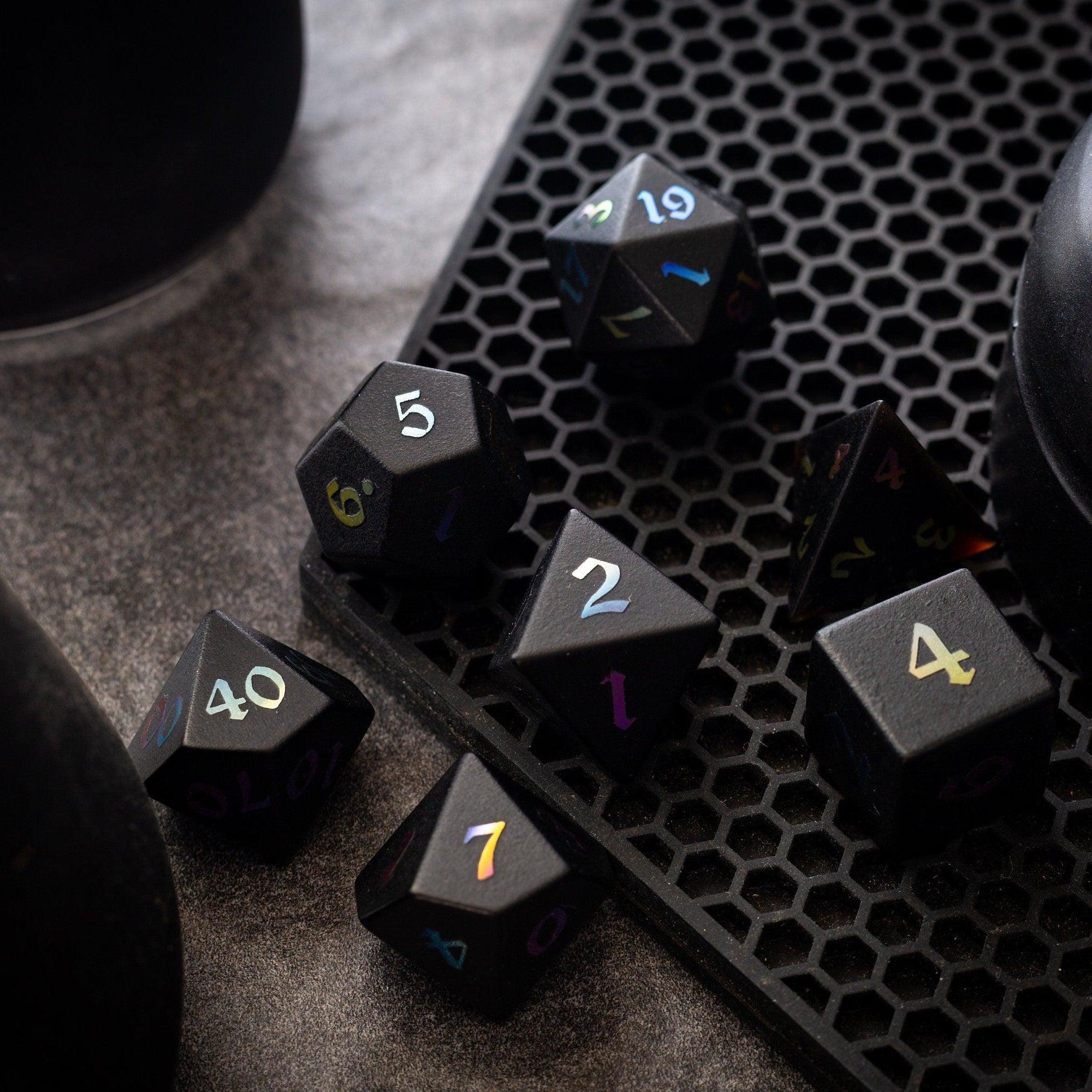
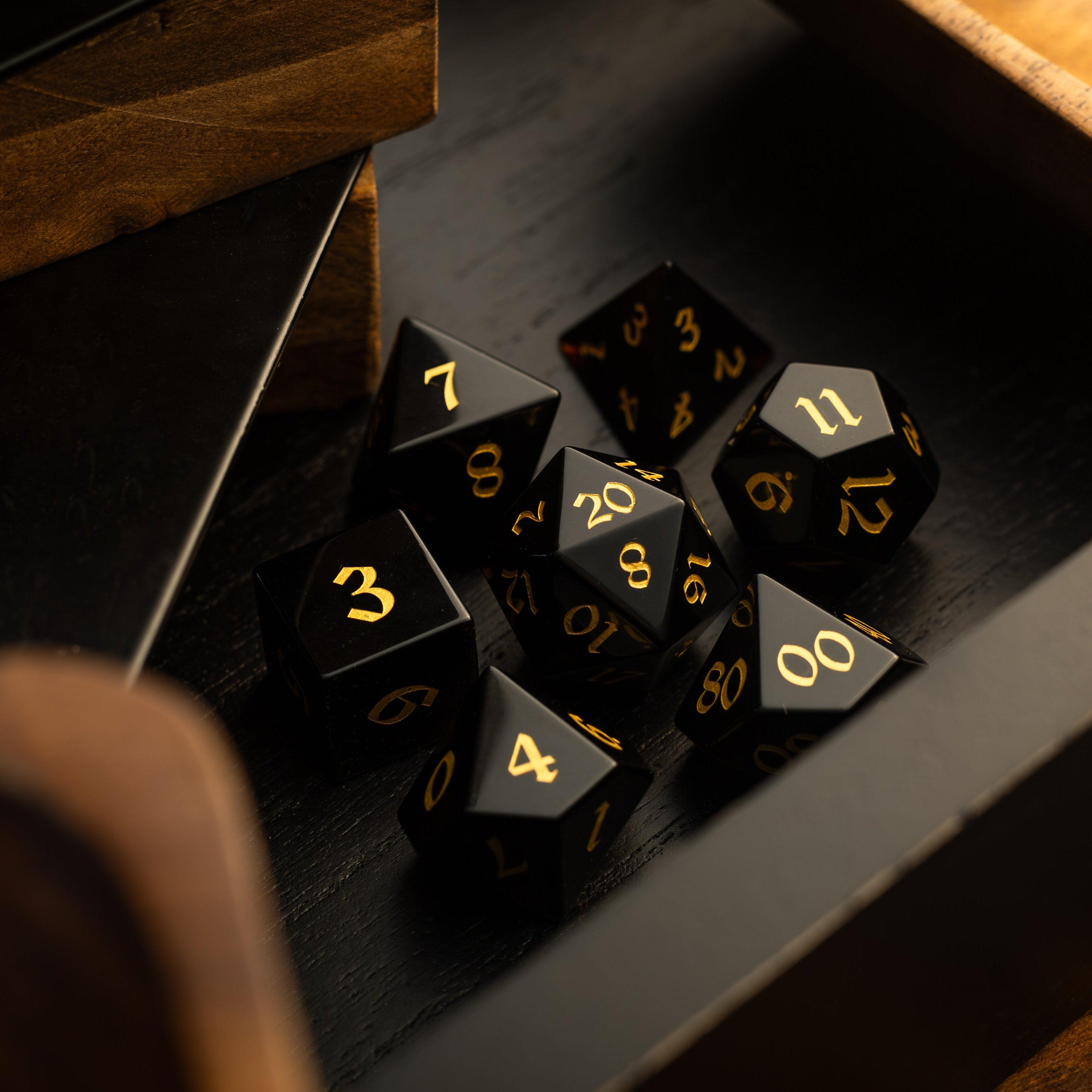
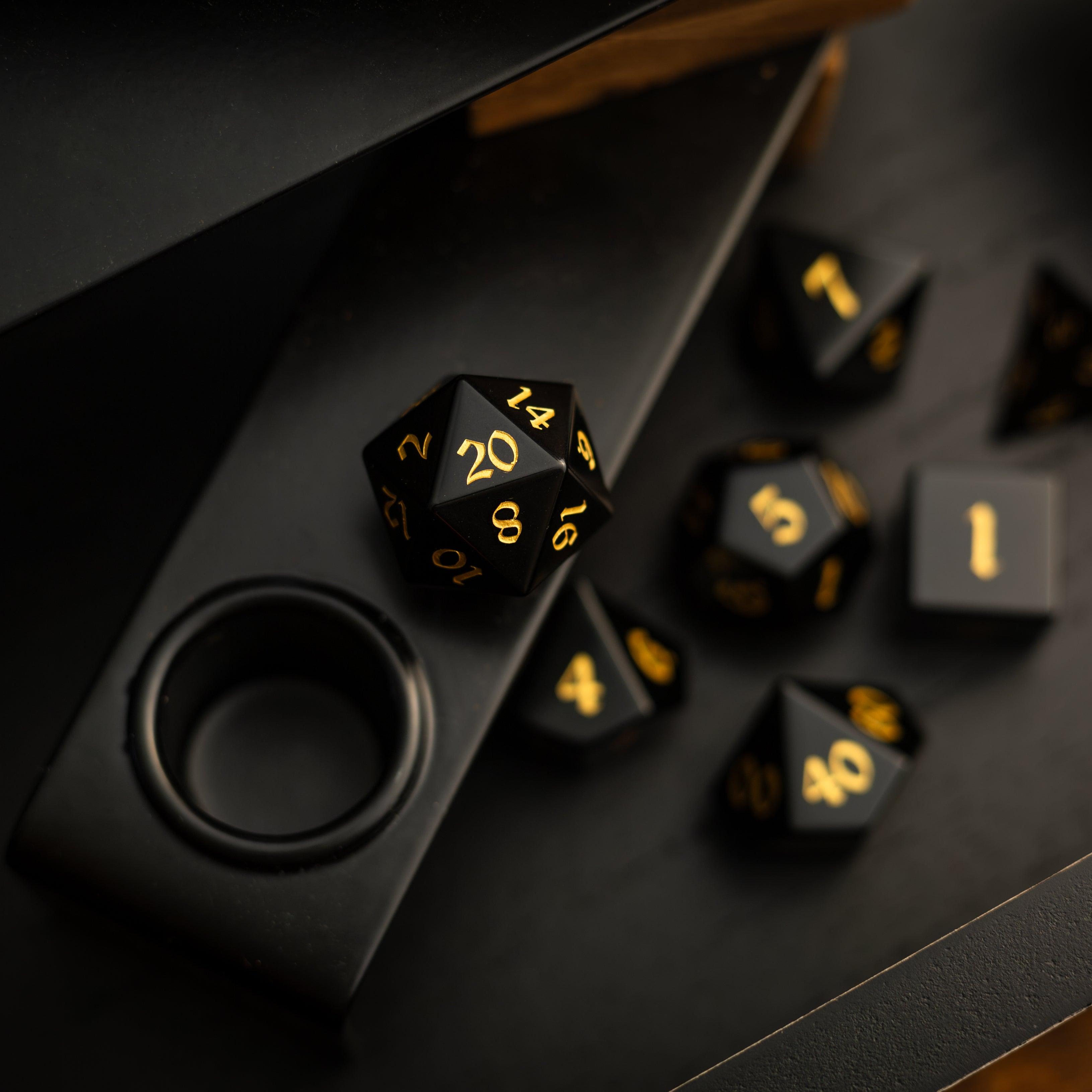
A dice tower is especially helpful during holiday gatherings where table space is limited. It keeps rolls contained while preventing dice from bouncing into snacks or decorations. Easy-to-read gemstone, resin, or metal dice also help players identify results quickly during exciting moments.
Common Holiday One-Shot Preparation Mistakes
Even experienced Game Masters occasionally overprepare.
Avoid these common mistakes.
Building Too Much Lore
Players only need enough worldbuilding to understand today's adventure.
Save larger histories for campaigns.
Adding Too Many NPCs
A small cast is easier for everyone to remember.
Creating Complex Mysteries
Holiday adventures should feel satisfying within a single session.
Simple mysteries often produce better pacing.
Ignoring Session Time
Always estimate how long encounters may take.
Be prepared to shorten exploration or combine scenes if needed.
Forcing One Solution
Allow creative thinking.
Players may negotiate instead of fighting or solve puzzles in unexpected ways.
Flexibility almost always leads to a more enjoyable holiday RPG campaign experience, even during a standalone adventure.
Quick Holiday RPG Prep Checklist
Before your players arrive, review this checklist.
Story
-
Clear adventure objective
-
Strong opening hook
-
Satisfying ending prepared
Characters
-
Important NPCs outlined
-
Player characters ready if needed
Locations
-
Three to five memorable locations
-
Maps or sketches available
Encounters
-
Exploration scenes
-
Roleplaying opportunities
-
Puzzle or challenge
-
Optional combat encounter
Game Supplies
-
Character sheets
-
Rulebooks
-
Initiative tracker
-
Battle maps if needed
-
Dice trays for organized rolling
-
Dice towers if table space is limited
-
Clearly readable dice for every player
Bringing Holiday Stories to Life Around the Table
The best holiday adventures are not remembered because they contained the toughest monsters or the most complicated plots. They stand out because players laughed together, solved problems creatively, and experienced a complete story in a single evening.
A successful holiday tabletop RPG gives players meaningful choices while keeping preparation manageable for the Game Master. Focus on one engaging objective, memorable characters, flexible encounters, and a pace that matches your available session time. Adjust challenges based on your group's experience, shorten scenes when necessary, and remember that diplomacy, exploration, puzzles, or celebration can be just as rewarding as combat.
With a little planning and plenty of room for player creativity, your next holiday one shot can become a favorite tradition that friends and family look forward to returning to every season.




Leave a comment
This site is protected by hCaptcha and the hCaptcha Privacy Policy and Terms of Service apply.