

Heroic Chronicle D&D Campaign Tips for Epic Nights
Updated on: February 24, 2026
A heroic chronicle in Dungeons and Dragons represents an epic narrative arc that transforms ordinary adventurers into legendary heroes. This guide explores how to craft compelling character stories, develop meaningful plot progressions, and create memorable moments that resonate with your gaming group. Discover practical strategies for weaving personal quests into your campaign while maintaining narrative balance and player engagement throughout your adventure.
- Understanding the Heroic Chronicle Framework
- Common Challenges in Building Epic Narratives
- Comparing Character-Driven and Plot-Driven Approaches
- Character Development and Growth Mechanics
- Summary and Recommendations
- Frequently Asked Questions
Understanding the Heroic Chronicle Framework

A heroic chronicle in Dungeons and Dragons creates the foundation for unforgettable gaming experiences. This narrative structure follows your characters from humble beginnings through trials, triumphs, and transformative moments that define their legacy. The concept emphasizes character agency, meaningful choices, and consequences that ripple throughout the campaign world.
When building your heroic chronicle, consider how each session contributes to a larger story. Your players should feel that their decisions matter and that their characters are progressing toward something meaningful. This approach transforms routine dungeon crawls into chapters of an epic saga. Many experienced Dungeon Masters use this framework to maintain player investment across long campaigns spanning months or even years.
The beauty of this narrative approach lies in its flexibility. Whether you prefer high fantasy adventures, dark political intrigue, or personal redemption stories, the heroic chronicle structure adapts to your group's preferences. By focusing on character moments alongside combat encounters, you create a richer gaming experience that players discuss long after the campaign concludes.
Common Challenges in Building Epic Narratives
Creating a compelling heroic chronicle presents several obstacles that even seasoned Dungeon Masters face. Understanding these challenges helps you navigate them thoughtfully and maintain narrative momentum.
Balancing Personal Quests with Group Objectives
One primary challenge involves weaving individual character backstories into a cohesive group narrative. When each player has their own heroic chronicle goals, potential conflicts arise. Perhaps one character seeks vengeance against a noble house while another wants to join that same house's service. Rather than viewing these tensions as problems, frame them as opportunities for dramatic storytelling. Encourage table discussions about how personal quests can intersect. Sometimes compromise creates the most interesting narratives—perhaps characters negotiate a truce or find unexpected common ground.
Maintaining Pacing and Momentum
Long campaigns risk losing steam if progression feels stalled. Players need to see tangible advancement in their heroic chronicles. This doesn't always mean combat advancement or treasure acquisition. Character relationships deepening, political influence growing, or personal mysteries unraveling all constitute meaningful progress. Regular check-ins with your players help ensure their chronicles feel dynamic rather than static.
Preventing Spotlight Hogging
In any group, some players naturally dominate narrative time. A heroic chronicle framework requires careful attention distribution. Ensure quieter players receive meaningful moments that advance their personal stories. Consider rotating which character's subplot takes center stage during different campaign arcs. This approach guarantees everyone experiences their moment as the protagonist of their own heroic chronicle.
Comparing Character-Driven and Plot-Driven Approaches
| Approach | Strengths | Considerations |
|---|---|---|
| Character-Driven | Deep player investment, meaningful personal stakes, flexible pacing, memorable emotional moments | Requires active player participation, slower plot advancement, needs regular communication about goals |
| Plot-Driven | Clear narrative direction, consistent pacing, defined story arcs, easier to plan | Risk of railroading, less player agency, may feel disconnected from personal stakes |
| Hybrid Approach | Balances structure and flexibility, accommodates various play styles, maintains engagement and momentum | Requires careful planning and improvisation, higher Dungeon Master workload, complex tracking |
Most successful long-running campaigns employ a hybrid approach. The main plot provides direction and ensures the world feels alive and responsive, while character subplots ensure individual players feel their heroic chronicle matters. This balance respects both collaborative storytelling and forward momentum.
Character Development and Growth Mechanics

A heroic chronicle flourishes when characters experience genuine growth. Beyond experience points and ability improvements, consider mechanical and narrative ways characters evolve. Many groups track character bonds, beliefs, or personal codes that shift based on campaign events. When a character witnesses betrayal, their perspective on trust might fundamentally change, affecting future decisions and roleplay.
Consider implementing milestone moments that punctuate your heroic chronicle. Perhaps a character achieves a long-sought goal, loses something precious, or gains unexpected power. These moments deserve extra attention and celebration. Some Dungeon Masters grant special abilities, narrative recognition, or mechanical rewards that reflect the character's evolved journey.
You might explore how characters' equipment and magical items tie into their heroic chronicle. Rather than random loot, intentionally place items that resonate with character backstories. A ranger escaping a destroyed ranger order might find their mentor's bow, connecting equipment directly to personal narrative. This approach makes treasures feel earned and meaningful rather than transactional.

Milestone-Based Progression
Instead of exclusively using experience points, consider milestone progression aligned with your heroic chronicle. Characters level up when completing significant story moments rather than accumulating combat encounters. This method directly ties mechanical advancement to narrative achievement, reinforcing the connection between character growth and story progression.
Building Persistent Consequences
A truly epic heroic chronicle includes decisions that permanently shape the story. Perhaps characters must choose between saving a village or pursuing a villain, knowing they cannot do both. The consequences of this choice reverberate through future sessions. NPCs remember their decision. The saved village becomes an ally; the pursued villain grows stronger. These persistent consequences make the heroic chronicle feel genuinely earned rather than predetermined.
Summary and Recommendations
Crafting an engaging heroic chronicle requires balancing multiple elements: character agency, plot momentum, narrative depth, and fair spotlight distribution. Begin by discussing with your players what kind of heroic chronicle they want to experience. Some groups prefer tragic downfalls, others desire triumphant victories, and some enjoy bittersweet endings. Knowing your group's preferences shapes everything else.
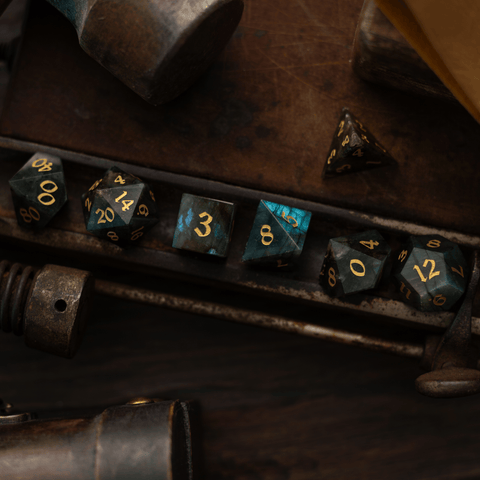
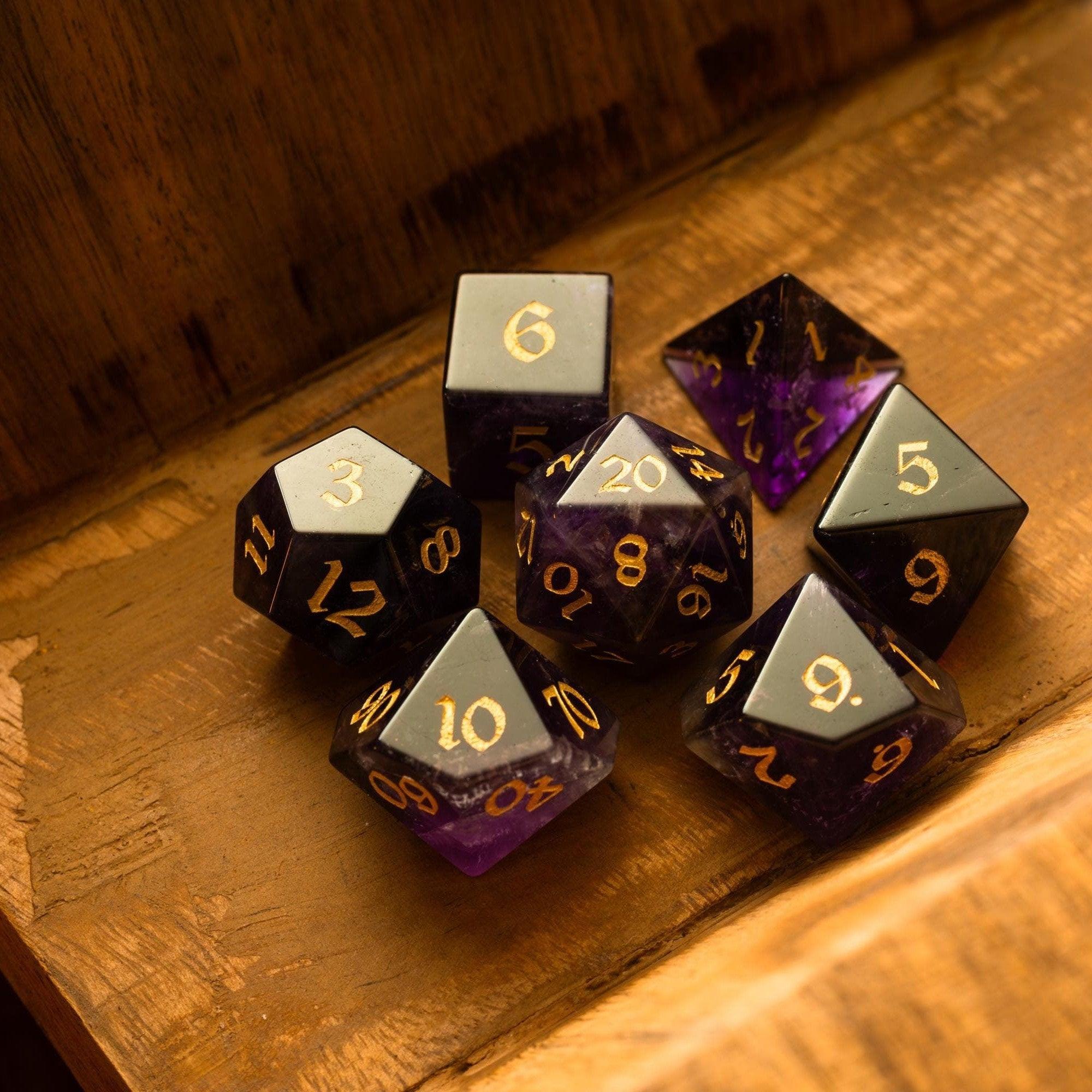
Develop a framework that tracks each character's personal goals and weaves them into the larger campaign. Create moments specifically designed for individual players to shine. Use quality dice collections to roll those crucial moments with style—memorable rolls during pivotal scenes add gravitas to important narrative beats.
Remain flexible and responsive to your players' choices. The best heroic chronicles emerge from the interaction between prepared material and genuine player agency. Sometimes the most memorable story moments occur when players do something completely unexpected. Embrace these deviations while gently steering back toward meaningful narrative progression.
Remember that every player deserves their moment as the hero of their own heroic chronicle. Regular communication ensures everyone feels invested in the overall narrative while pursuing their personal story arcs. With patience, preparation, and genuine interest in your players' characters, you'll create a legendary campaign that everyone remembers fondly.
Frequently Asked Questions
How do I encourage players to develop their own heroic chronicles?
Start by asking specific questions during character creation. Instead of generic backstory prompts, inquire about what your character desires most, what they fear losing, and what would constitute success in their personal story. Request one-on-one conversations before the campaign begins. During these sessions, discuss each player's vision for their character's arc. Offer to incorporate their goals into your campaign planning. When players see their personal objectives reflected in the game world, they naturally invest in their heroic chronicle.
What happens if a player's heroic chronicle goal conflicts with the main plot?
Conflicts between personal goals and main plot can create compelling tension rather than problems. Discuss these tensions openly with the player. Perhaps their goal can be achieved through a different approach that also advances the main plot. Alternatively, create branching narratives where pursuing their goal has consequences for the larger story. Sometimes a character might sacrifice their personal goal for the group's needs, creating a poignant moment that defines their heroic chronicle. The key is collaborative problem-solving rather than Dungeon Master decree.
How frequently should I advance a character's heroic chronicle?
Pacing varies based on campaign length and player preferences. In shorter campaigns, you might advance major heroic chronicle moments every few sessions. In longer campaigns, strategic pacing prevents fatigue. Some Dungeon Masters dedicate specific sessions as "character focus" sessions where one player's heroic chronicle takes precedence. Others weave subtle progression throughout every session. Discuss pacing preferences with your group and adjust based on engagement levels. If players seem invested in a particular character's arc, lean into it. If interest wanes, transition to another character's story.
Can heroic chronicles accommodate different character power levels?
Absolutely. A heroic chronicle isn't about mechanical power—it's about character significance and narrative impact. A low-level commoner can experience a compelling heroic chronicle of self-discovery. A legendary hero might face a heroic chronicle involving redemption or legacy. Consider using beautifully crafted dice for crucial heroic chronicle moments regardless of character level, making these pivotal rolls feel special and important.
How do I handle a player whose heroic chronicle ends before the campaign concludes?
When a character achieves their ultimate heroic chronicle goal mid-campaign, celebrate this accomplishment. Perhaps they retire from adventuring, take a supporting role, or discover a new heroic chronicle goal. Some players enjoy concluding a character's story and rolling a new character whose arc intertwines with the ongoing campaign. Frame character conclusion as a success rather than an ending. The character's heroic chronicle reached its natural conclusion—that's a victory worth honoring.
Should I create detailed heroic chronicle plans or remain improvisational?
A hybrid approach works best for most groups. Establish key plot points and character milestones you want to reach. Detail the first few sessions thoroughly, then outline major turning points further ahead. Leave room between these markers for improvisation and player-driven exploration. This balance provides structure that prevents aimlessness while maintaining flexibility that honors player agency. As your heroic chronicle develops, adjust your plans based on what's working and what players find most engaging.


















Leave a comment
This site is protected by hCaptcha and the hCaptcha Privacy Policy and Terms of Service apply.