

Fresh Podcast Topics for Engaging Roleplaying Sessions
Updated on: 2026-01-01
Planning a tabletop RPG show can feel overwhelming, especially when you want to balance fun, pacing, and clarity. This guide highlights podcast topics and discussion ideas for roleplaying that spark story depth, character growth, and listener-friendly flow. You will find gentle planning tips, an easy checklist, and helpful FAQs. The suggestions work for actual-play, advice shows, and hybrid formats.
Role-playing podcasts bring stories to life, but keeping episodes engaging week after week is a craft. The most consistent shows mix a clear format with flexible improvisation. They also respect listener time, reduce table noise, and explain what is happening in easy words. Whether you run an actual-play, a game-design talk show, or a session debrief, a simple plan will support your cast and your audience. Below, you will find practical prompts, a buyer’s checklist for your setup and table tools, and short answers to common questions.
Common Mistakes
-
Starting without a format. A loose plan can be charming, yet a repeatable structure helps. Consider a brief intro, a story segment or topic block, a quick reflection, and a warm closing. Consistency builds trust.
-
Letting episodes run too long. Long sessions may be fun at the table, but listening stamina is different. Trim pauses, rules lookups, and off-topic chatter to keep momentum.
-
Skipping onboarding for new listeners. Add a quick scene recap, character names, and stakes at the top. A 30–60 second primer makes it easier to jump in.
-
Relying on inside jokes. A little familiarity is cozy. Too much can alienate new ears. Offer context or reframe jokes into story beats listeners can follow.
-
Uneven audio levels. Variation pulls listeners out of the story. Use basic compression, noise reduction, and level matching so voices sit comfortably together.
-
Unclear table etiquette. Set gentle norms like “one speaker at a time,” “dice down while others talk,” and “brief rules checks.” This keeps dialogue crisp.
-
Over-explaining mechanics. When rules matter, summarize the stakes in simple language rather than step-by-step math. This keeps non-gamer listeners engaged.
-
No mid-season check-ins. Take a moment every few episodes to ask what is working. Invite feedback from your cast and audience to adjust pacing and segments.
-
Flat soundscape. Light foley, dice sounds, and tasteful ambience can add texture. Keep it subtle and mix it under the voices.
-
Forgetting visual description. Listeners cannot see the map. Encourage players to narrate choices, describe scenes, and name NPCs clearly.
Buyer’s Checklist: podcast topics and discussion ideas for roleplaying
-
Purpose and format. Decide if you are running actual-play, GM advice, worldbuilding chats, or a blend. Your format shapes segment length and tone.
-
Core prompts. Prepare light prompts such as “character bonds,” “table challenges,” “session roses and thorns,” or “world lore spotlight.” Rotate to keep variety.
-
Episode arcs. Group 3–6 episodes around a theme—heists, mysteries, travel logs, downtime diaries, or GM toolkits—to reduce planning stress.
-
Microphones and stands. Choose clear, reliable mics with simple setup. Stable stands reduce bumps and handling noise.
-
Room tone and noise control. Soft furnishings, carpets, or blankets calm echoes. Even small changes help clarity.
-
Recording workflow. Test remote and in-person setups. Record separate tracks when possible for easier editing.
-
Editing checklist. Level voices, remove long silences, and keep laughs that serve the moment. A light touch goes a long way.
-
Table tools. Sleek accessories cut table clutter and reduce noise. Consider quiet rolling surfaces or dice towers to keep rolls consistent and gentle on microphones.
-
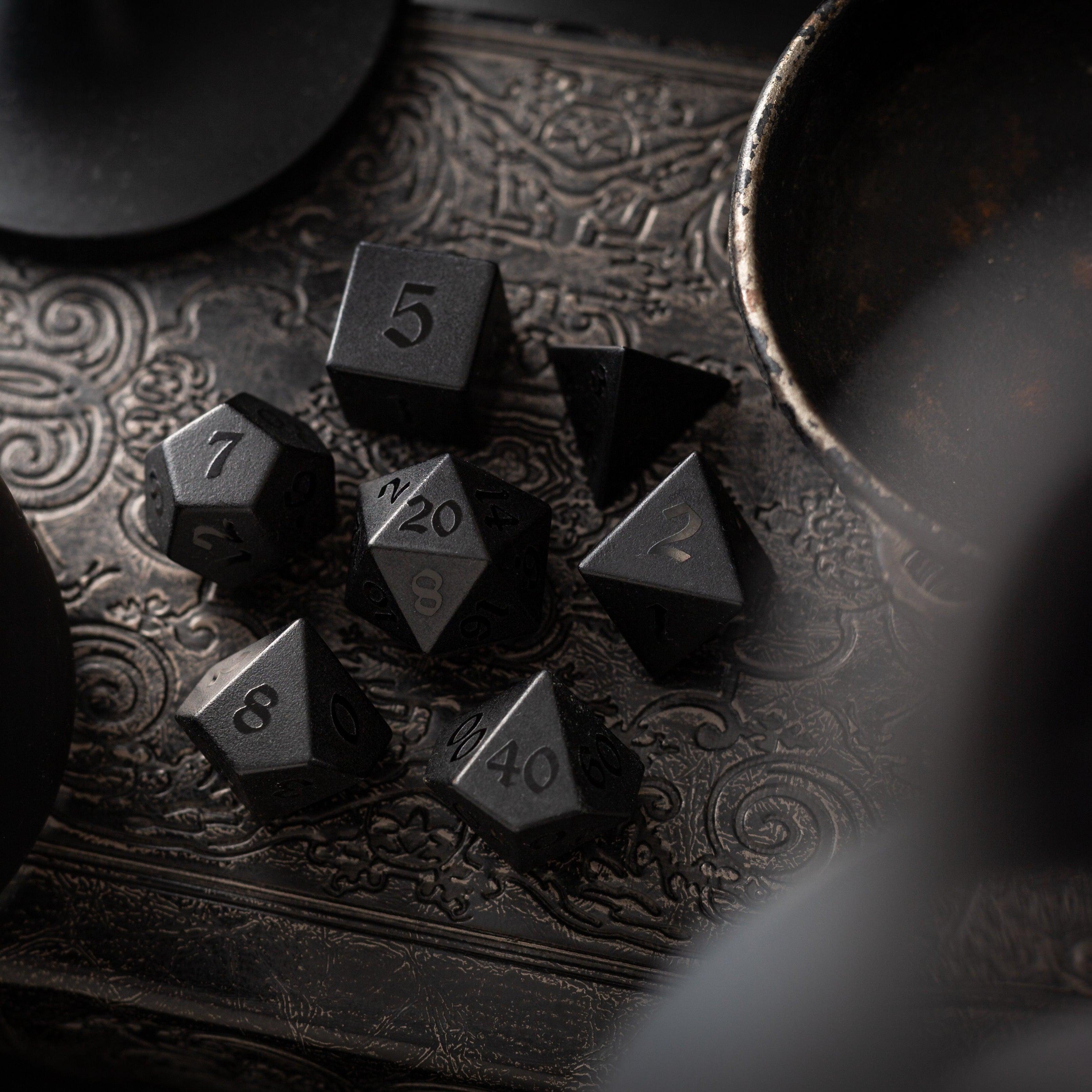
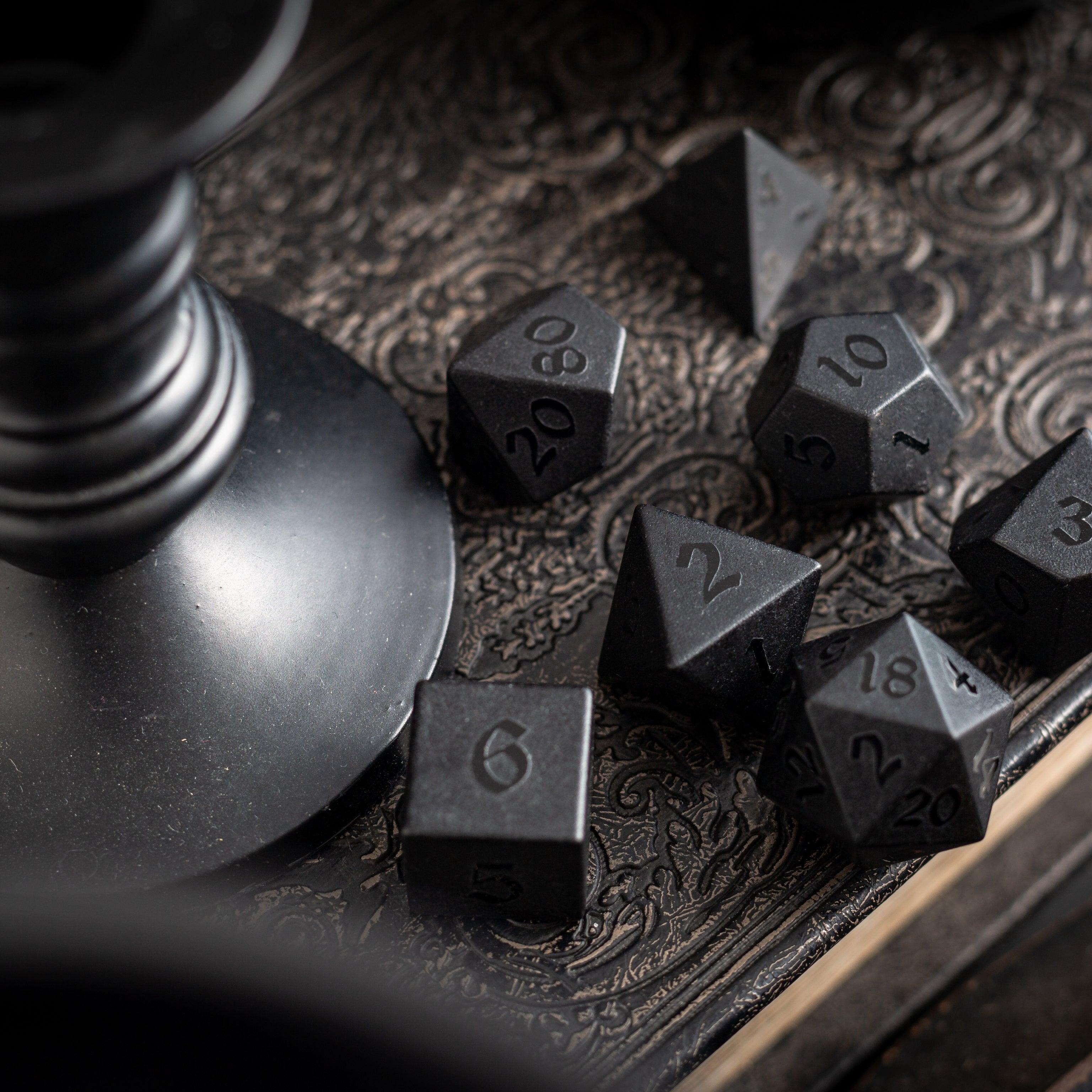
Dice aesthetics. If you feature table sounds or short “roll reveals,” choose sets that photograph well and feel special. Explore elegant gemstone dice for memorable moments.
-
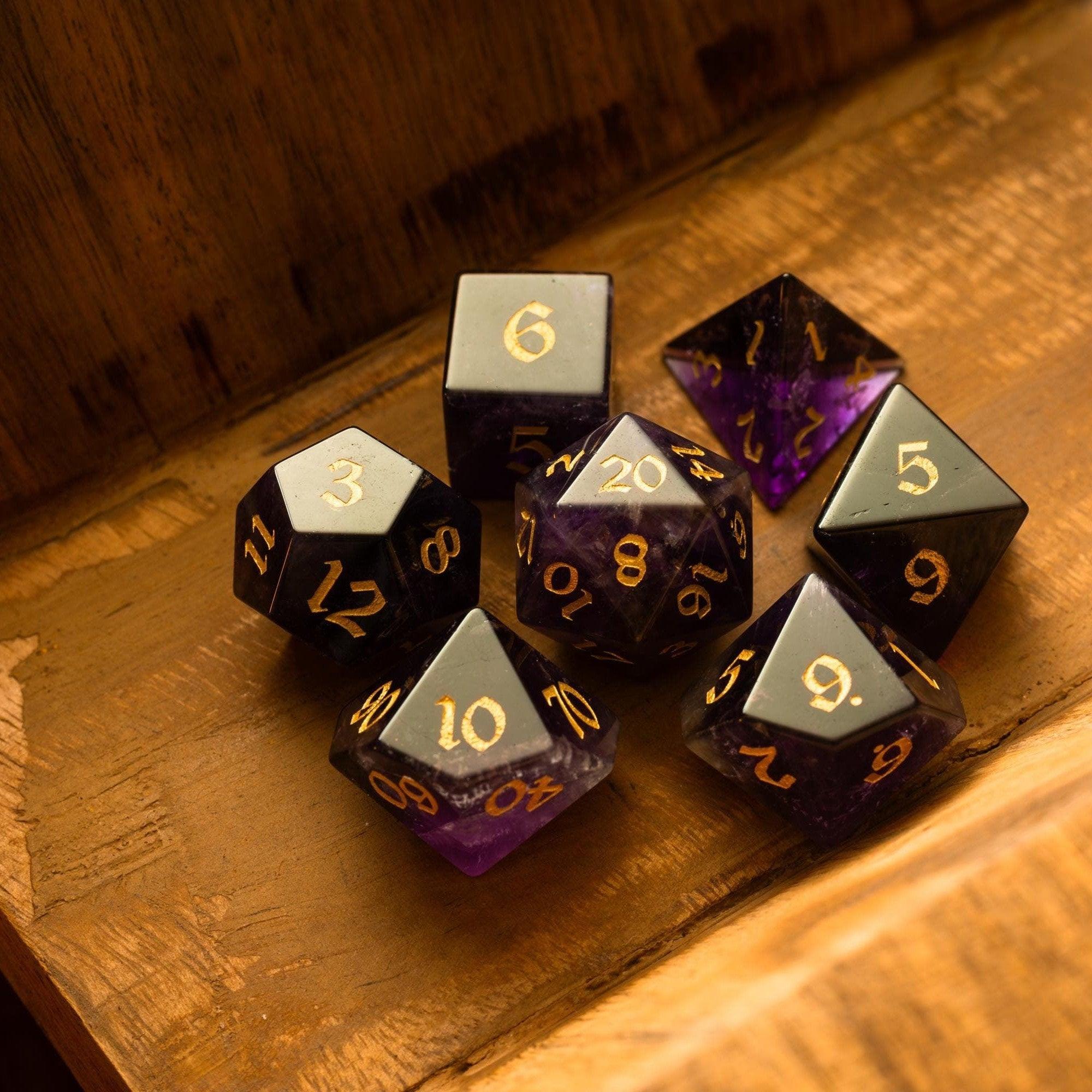
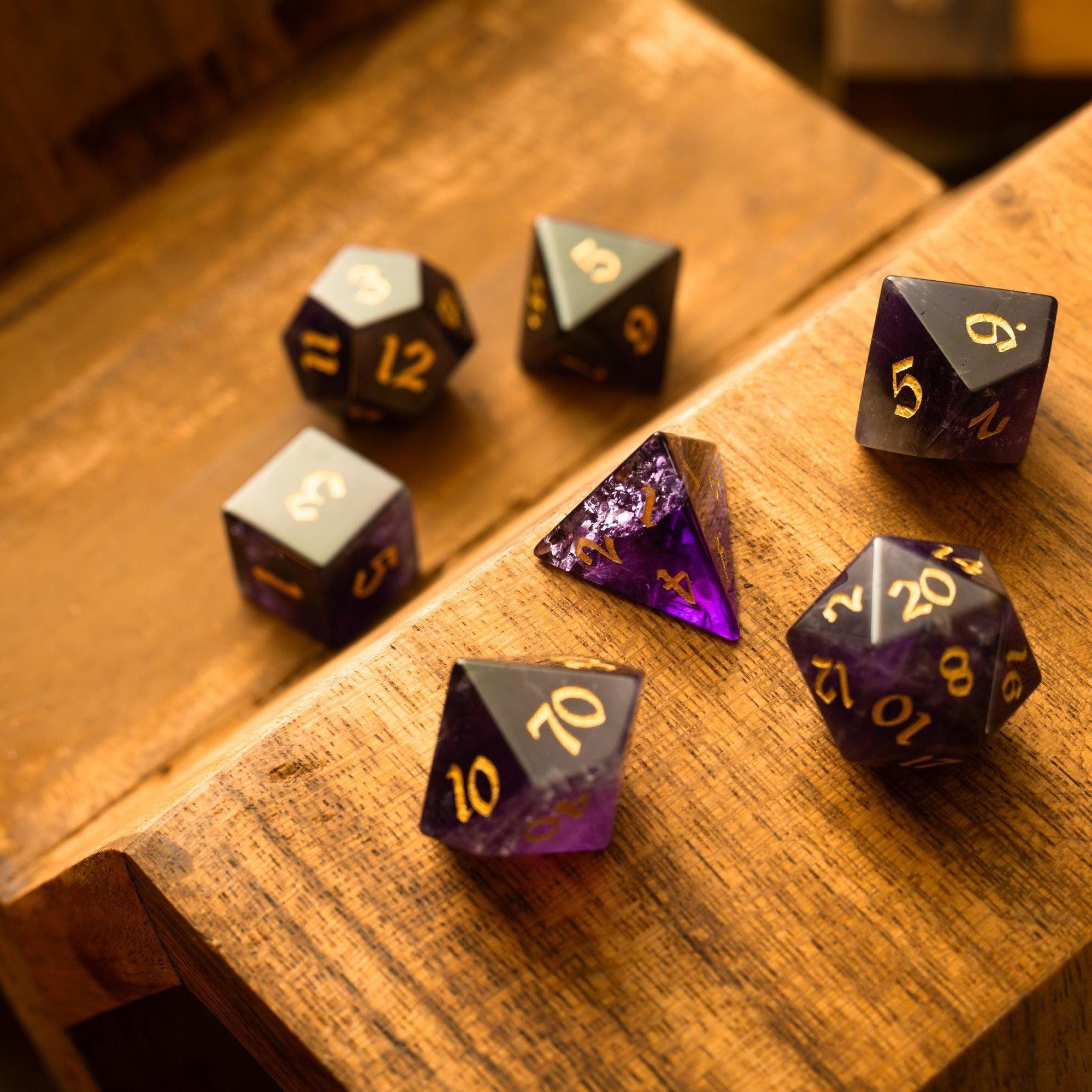
Theme-friendly sets. Color can match your story arc (sea blues, shadowy smoke, bright arcane hues). An amethyst dice set pairs beautifully with cosmic or mystic storylines.
-
Show segments. Draft repeatables: “Hero’s Spotlight,” “Rules in a Minute,” “GM Mailbag,” “NPC of the Week,” or “Table Safety Tip.” Short, predictable segments lower prep time.
-
Sound design accents. If you enjoy subtle shimmer or motion on camera, consider visually striking sets like liquid core dice for behind-the-scenes posts or reels.
-
Release rhythm. Choose a cadence you can keep—weekly, biweekly, or seasonal. A shorter, reliable schedule is kinder than an ambitious one you cannot sustain.
-
Listener pathways. Provide episode summaries, cast pages, and a gentle “start here” guide. Make it easy for new listeners to join the story.
FAQ Section
What episode length works best?
Many listeners enjoy focused episodes between 40 and 80 minutes. That range often fits commutes and chores. If your play sessions run longer, consider editing to highlights or splitting into parts with clean breaks. For talk shows, 25 to 45 minutes can feel light and approachable. More important than a number is a steady rhythm and a clear arc inside each episode: introduction, build, payoff, and a soft landing.
How many hosts and players are ideal?
Two or three voices are easy to follow. Four can work well with strong moderation and turn-taking. Beyond that, it becomes harder to keep crosstalk down. If your table is large, try rotating “spotlight seats” so each player gets a clear moment. For advice shows, a primary host plus one guest expert keeps pace brisk while still offering range.
How do I prepare notes without spoilers?
Draft a short agenda rather than a script. Write down scene goals, a few sensory details, and two or three prompts to nudge the conversation forward. For actual-play, outline stakes and possible consequences, not fixed outcomes. After recording, capture a two-sentence episode summary and three time-stamped highlights. This helps new listeners sample your best moments without giving away surprises in advance.
Can I use music and sound effects safely?
Yes, many creators do, but it is helpful to choose audio you have rights to use. Consider original tracks, licensed libraries, or content clearly offered for podcast use. Keep music low under dialogue and fade it in and out so words remain clear. Simple ambience can set tone without drawing attention from the scene. When in doubt, credit your sources according to their guidance.
Wrap-Up & Final Thoughts
Thoughtful planning enables spontaneous fun. A clear format, kind table norms, and light editing keep your story audible and warm. Build episodes around themes, use small repeatable segments, and welcome new listeners with brief recaps. Choose table tools and dice that reduce noise and add a bit of magic to your show’s look and feel. Most of all, celebrate character choices, narrate actions clearly, and give each voice space. With these gentle habits, your RPG podcast can grow at a comfortable pace while staying joyful for everyone involved.














Leave a comment
This site is protected by hCaptcha and the hCaptcha Privacy Policy and Terms of Service apply.