Dungeons & Dragons Sourcebooks: A Core Book Guide for GMs
Updated on: January 22, 2026
Whether you're a seasoned Dungeon Master or just starting your adventure, understanding the landscape of D&D reference materials is essential. These comprehensive guides offer rules, lore, character options, and world-building tools that transform your gaming experience. We'll walk you through the best options available, help you understand what each offers, and show you how to build your collection strategically.
- Did You Know?
- Comparison: Pros & Cons
- Buyer's Checklist
- Final Thoughts & Advice
- Frequently Asked Questions
Getting Started with Your D&D Reference Collection

Building a solid library of Dungeons and Dragons sourcebooks is one of the best investments you can make as a player or DM. These books aren't just rule collections—they're gateways to entire worlds, character concepts, and storytelling possibilities. Whether you're running a campaign in the Forgotten Realms, exploring Eberron's industrial landscapes, or creating your own world, having the right reference materials makes all the difference.
The challenge? With so many options available, knowing where to start feels overwhelming. Do you need every book? Which ones deliver the most value? How do you prioritize your purchases? We're here to help you navigate these questions with confidence and clarity.
Did You Know?
- The Player's Handbook has sold millions of copies worldwide and remains the most essential guide for character creation and gameplay mechanics.
- Dungeon Masters often spend 5-10 hours per week preparing for sessions, and quality reference materials can cut this time significantly.
- Campaign settings like the Forgotten Realms have over 50 years of accumulated lore and storytelling history.
- Newer sourcebooks now include digital access codes, allowing you to reference content on multiple devices simultaneously.
- Specialty books focusing on specific themes—like horror, heists, or sea-faring adventures—have become increasingly popular in recent years.
- Many players report that owning physical copies alongside digital versions actually improves their engagement and comprehension of the rules.
Understanding Your Options: Core Materials vs. Specialty Content
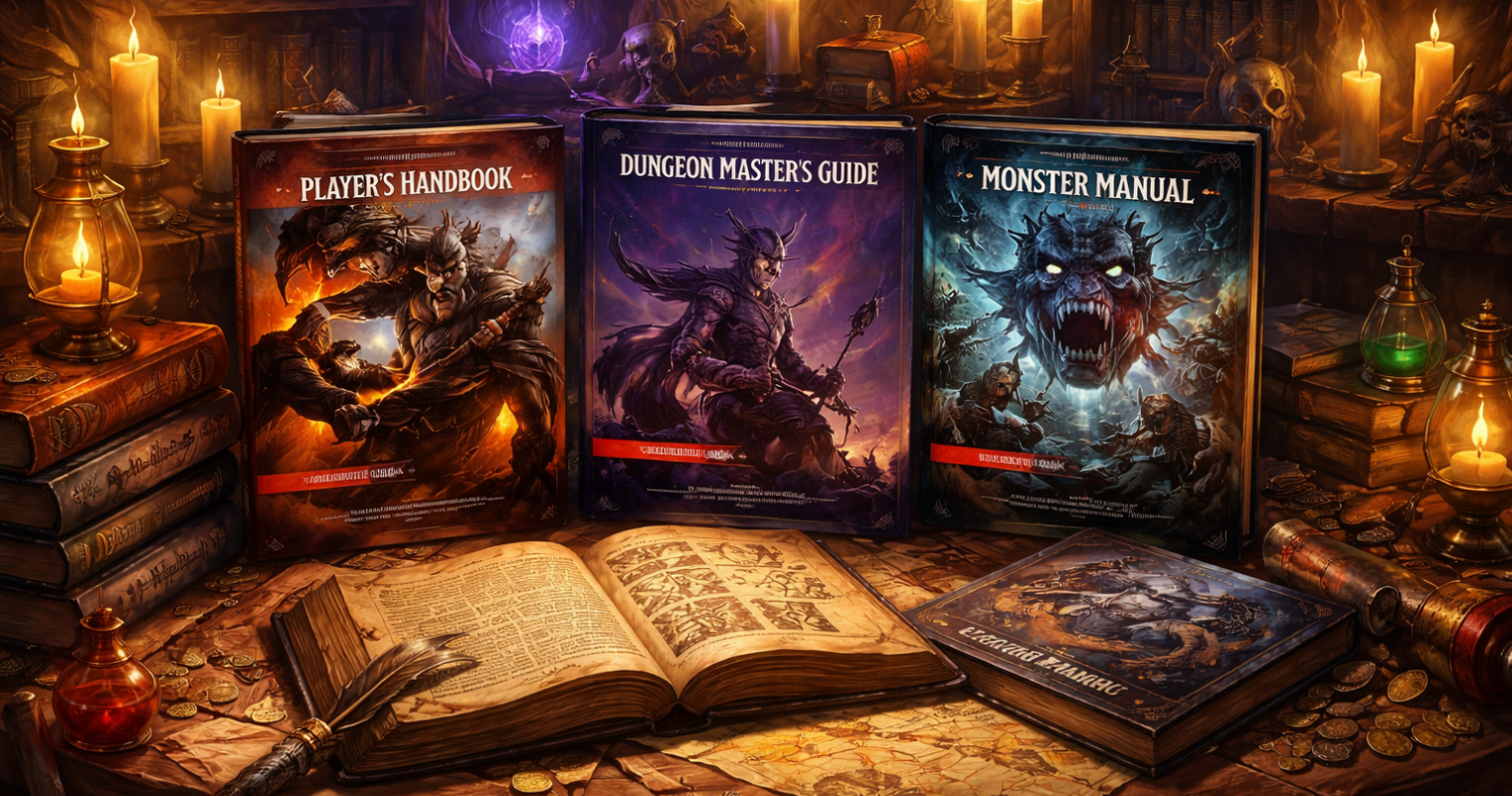
When shopping for reference guides, you'll encounter two main categories: core rulebooks and specialty expansions. Core materials include the Player's Handbook, Dungeon Master's Guide, and Monster Manual—these are your foundational texts. They cover everything from basic mechanics to advanced gameplay rules, NPC creation, and creature statistics.
Specialty books dive deeper into specific topics. Xanathar's Guide to Everything expands character options and offers creative DM tools. Mordenkainen's Monsters and Tome of Beasts provide expanded creature selections. Setting-specific books like the Sword Coast Adventurer's Guide transport your party to iconic locations with rich history and unique mechanics.
The key is understanding which materials serve your needs. If you're just learning the game, start with core books. Once you're comfortable with basics, branch into specialty content that matches your campaign's tone and setting.
Comparison: Pros & Cons
Player's Handbook
- Pros: Essential for all players; comprehensive class descriptions; detailed character creation process; official rulings; beautiful artwork
- Cons: Dense information can feel overwhelming for beginners; doesn't cover all player options (requires supplementary books)
Dungeon Master's Guide
- Pros: World-building frameworks; treasure tables; encounter-building advice; trap and hazard mechanics; creative inspiration
- Cons: Some advice is optional rather than mechanical; less useful for players who don't DM
Monster Manual
- Pros: Hundreds of creature stat blocks; organized by challenge rating; flexible use across campaigns; beautiful illustrations
- Cons: Some creatures feel outdated as new books release; requires updating your tactics with newer monster options
Expansion Sourcebooks (Xanathar's, Tasha's, Mordenkainen's)
- Pros: Expanded character options; new subclasses and spells; practical DM tools; modern design improvements
- Cons: Can feel like you're buying content piece-by-piece; some options create power imbalances if not used carefully
Campaign Setting Books
- Pros: Rich world-building; pre-written adventures; unique mechanics and lore; inspire creative storytelling
- Cons: Only useful if you're exploring that specific setting; less relevant for homebrewed worlds
Building Your Collection Strategically
Start lean and expand thoughtfully. Most groups begin with the core three: Player's Handbook, Dungeon Master's Guide, and Monster Manual. These three books alone support thousands of hours of gameplay. You'll find they work perfectly well without any additional purchases.

Once everyone's comfortable, consider what your group actually needs. Does your DM want more creature options? Grab an expansion like Mordenkainen's or Tome of Beasts. Are players craving new character concepts? Xanathar's Guide to Everything delivers dozens of fresh subclasses. Planning a specific adventure? A dedicated campaign book provides everything you need.
Here's the thing: not every book is right for every group. Some tables thrive with just the basics. Others love having extensive options to customize their experience. There's no "wrong" choice—only what works for your particular campaign and gaming style.
Buyer's Checklist
☐ Do you have the Player's Handbook? (Essential starting point)
☐ Does your group include a Dungeon Master? (If yes, add the DM Guide)
☐ Do you need creature statistics beyond the basic monsters? (Consider Monster Manual)
☐ Are your players asking for more character options? (Look at expansion books)
☐ Do you have a specific campaign setting in mind? (Check for related sourcebooks)
☐ What's your budget? (Prioritize core books first, supplements later)
☐ Do you prefer physical books, digital versions, or both? (Plan accordingly)
☐ Does your DM need help with encounter design or world-building? (DM-focused books help here)
☐ Are you running a published adventure? (Get the accompanying modules)
☐ How often does your group meet? (More frequent players benefit from more resources)
Maximizing Your Investment
Owning reference materials is only half the battle. Using them effectively matters equally. Schedule time to read through your books, not just when you need specific information. Familiarity breeds confidence. When you know what options exist, you make better decisions during gameplay.
Share resources with your gaming group. One person doesn't need to own everything. Many groups pool resources—one person owns the Monster Manual, another owns the supplements. You'll find this collaborative approach saves money while ensuring everyone has access to what they need.
Consider digital versions as complements to physical books. Many publishers now offer digital access codes with physical purchases, or sell books through digital platforms. Having both formats means you can quickly search for rules during gameplay while enjoying the tactile experience of reading physical books during prep time.
Don't forget about supplementary resources either. Websites, community forums, and fan-created tools often provide additional guidance that complements your official materials beautifully. These free resources help you get more value from what you've already purchased.
Pairing Books with Quality Gaming Accessories
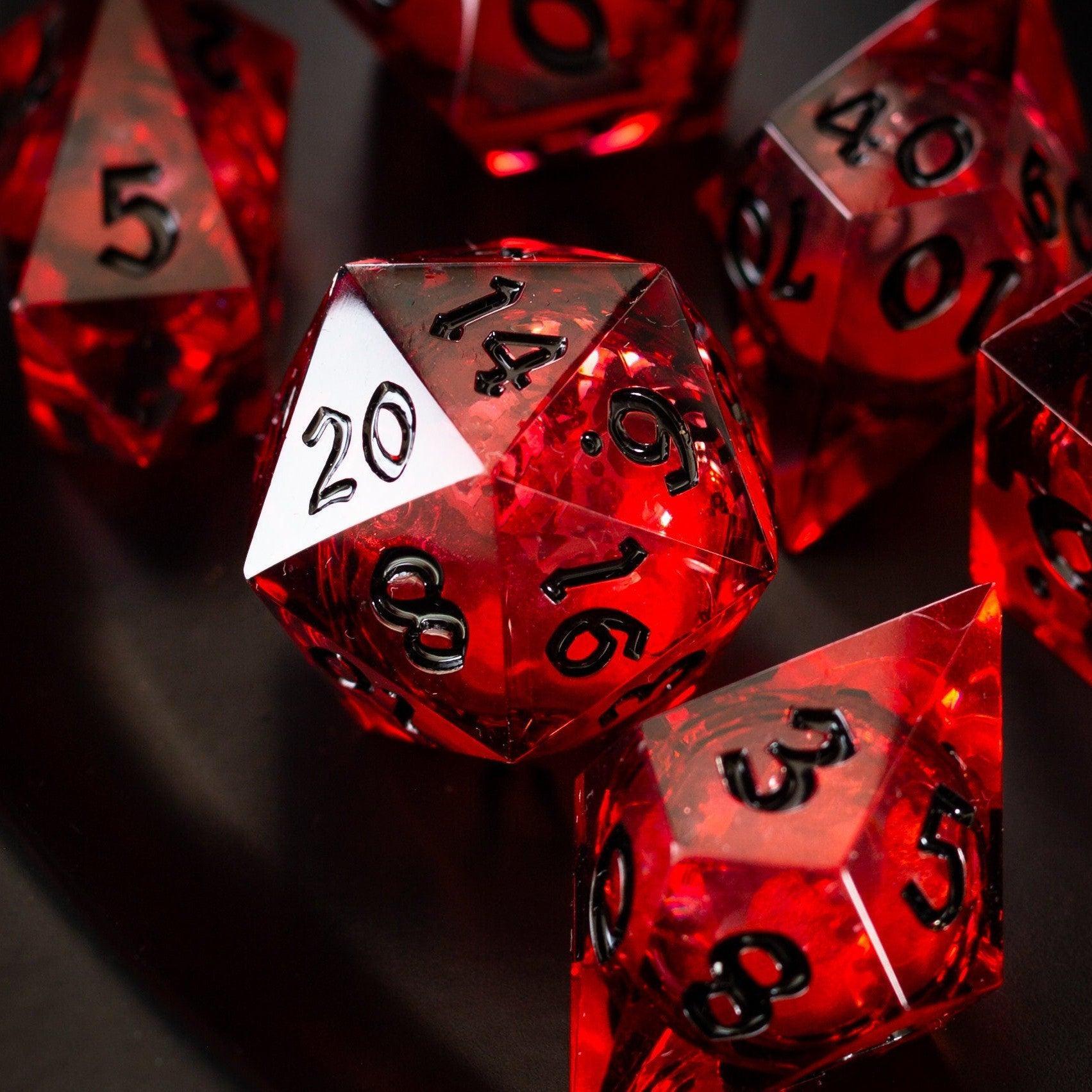
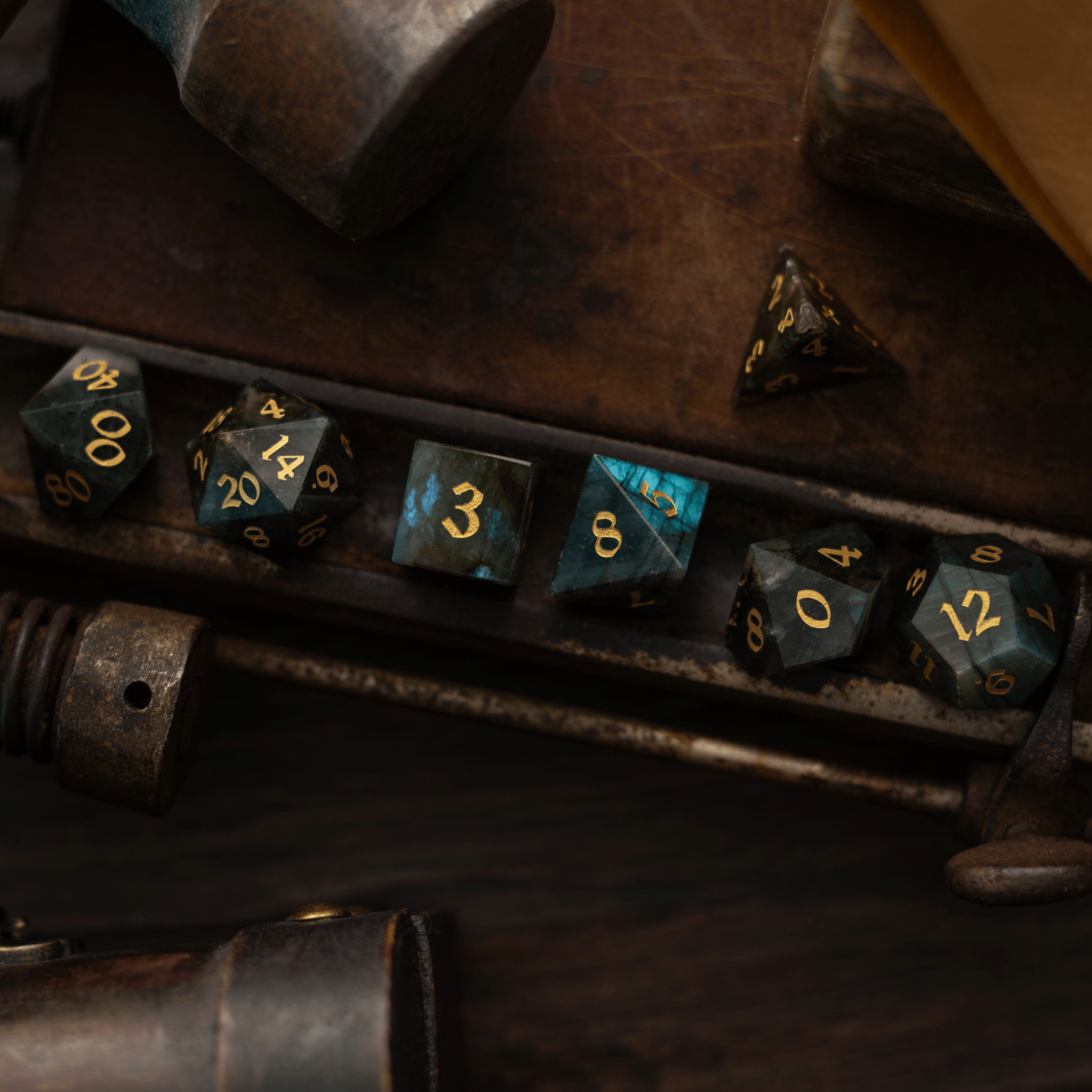
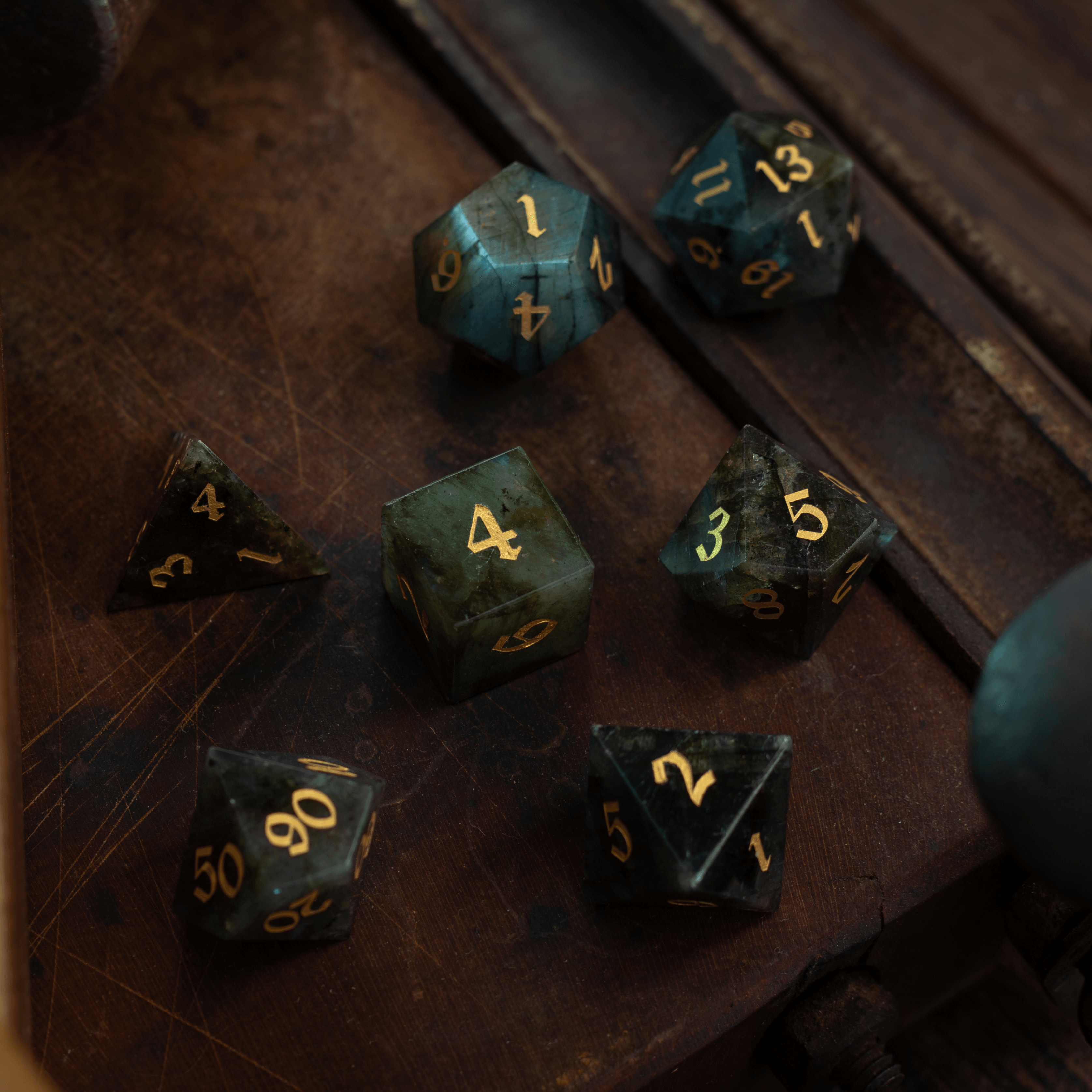
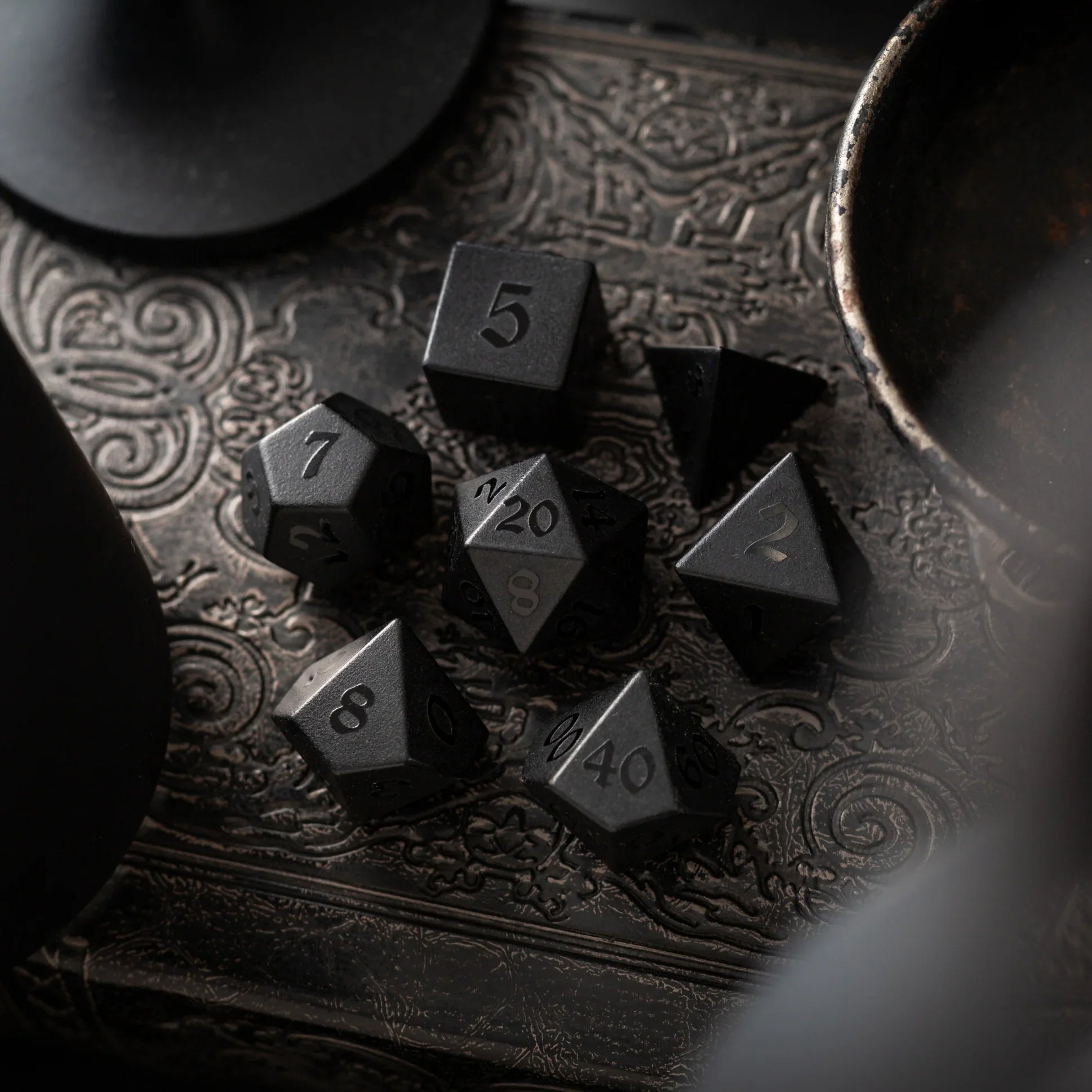
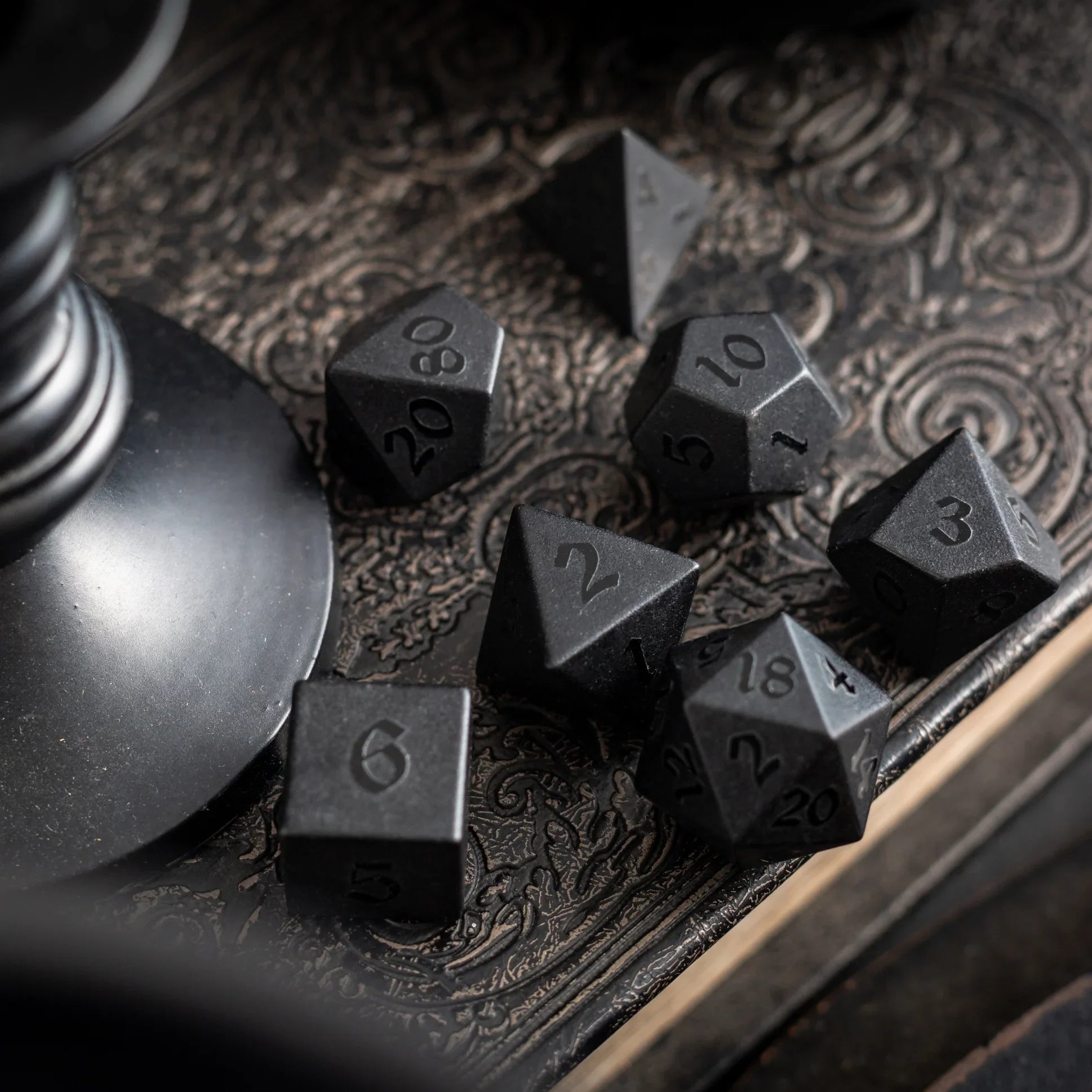
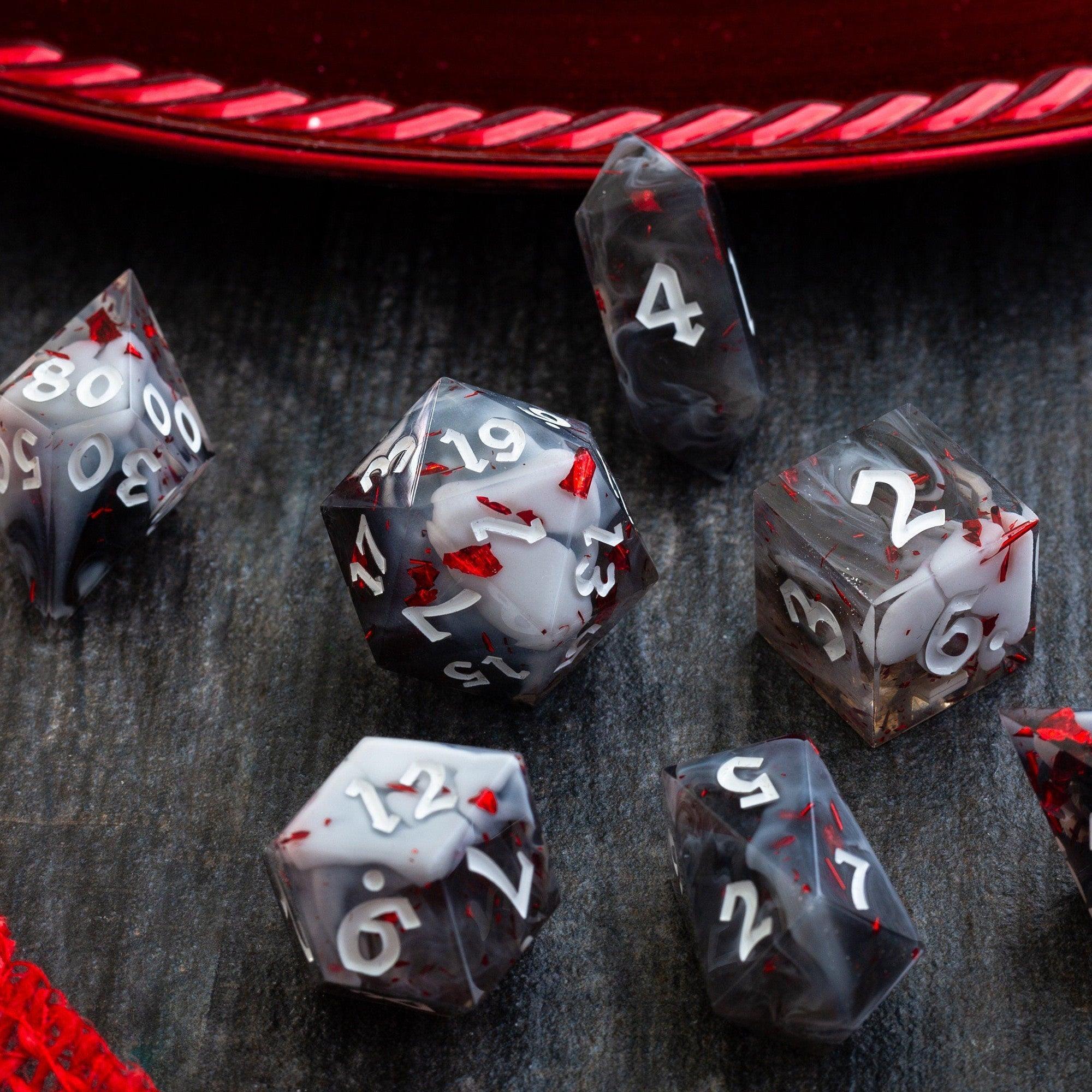
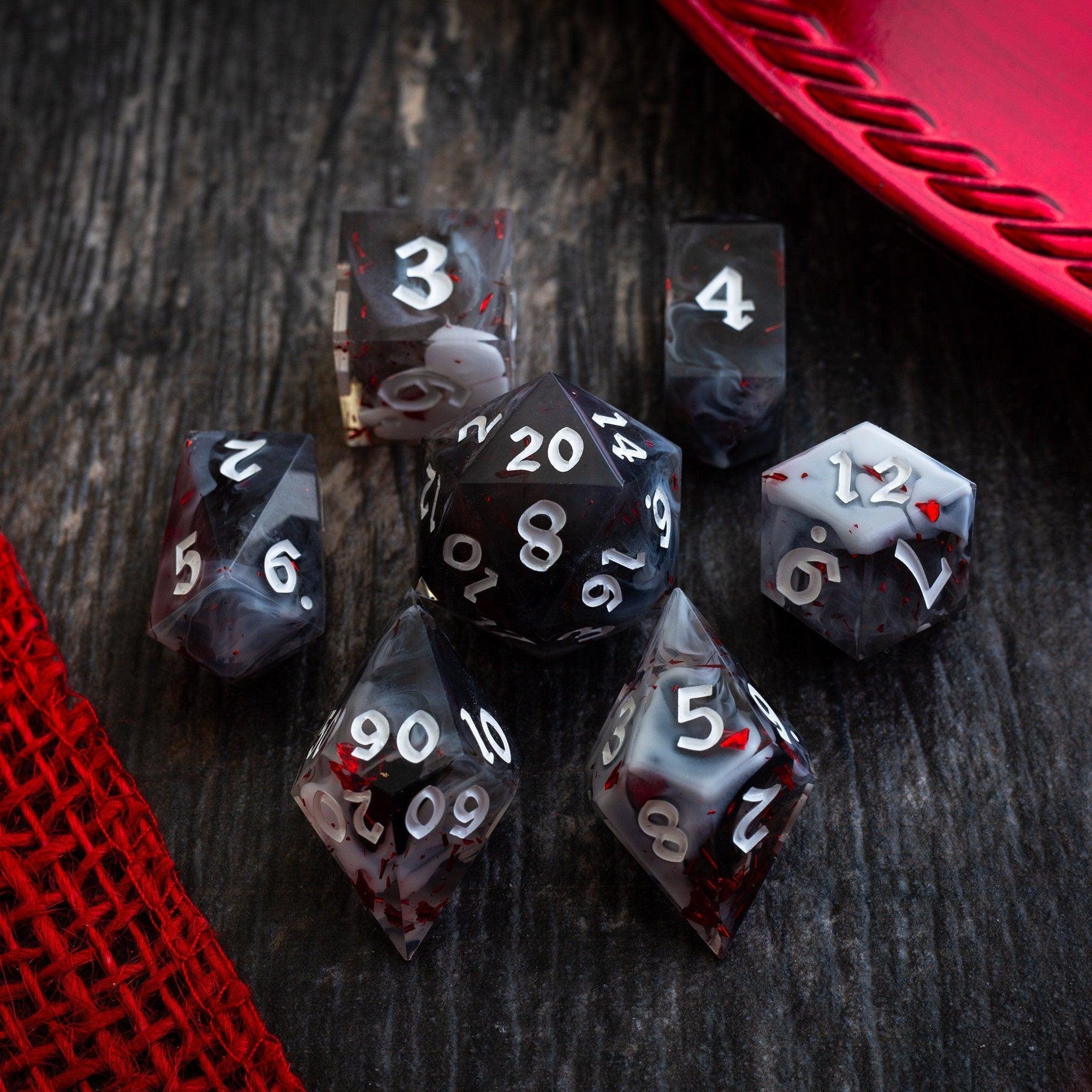
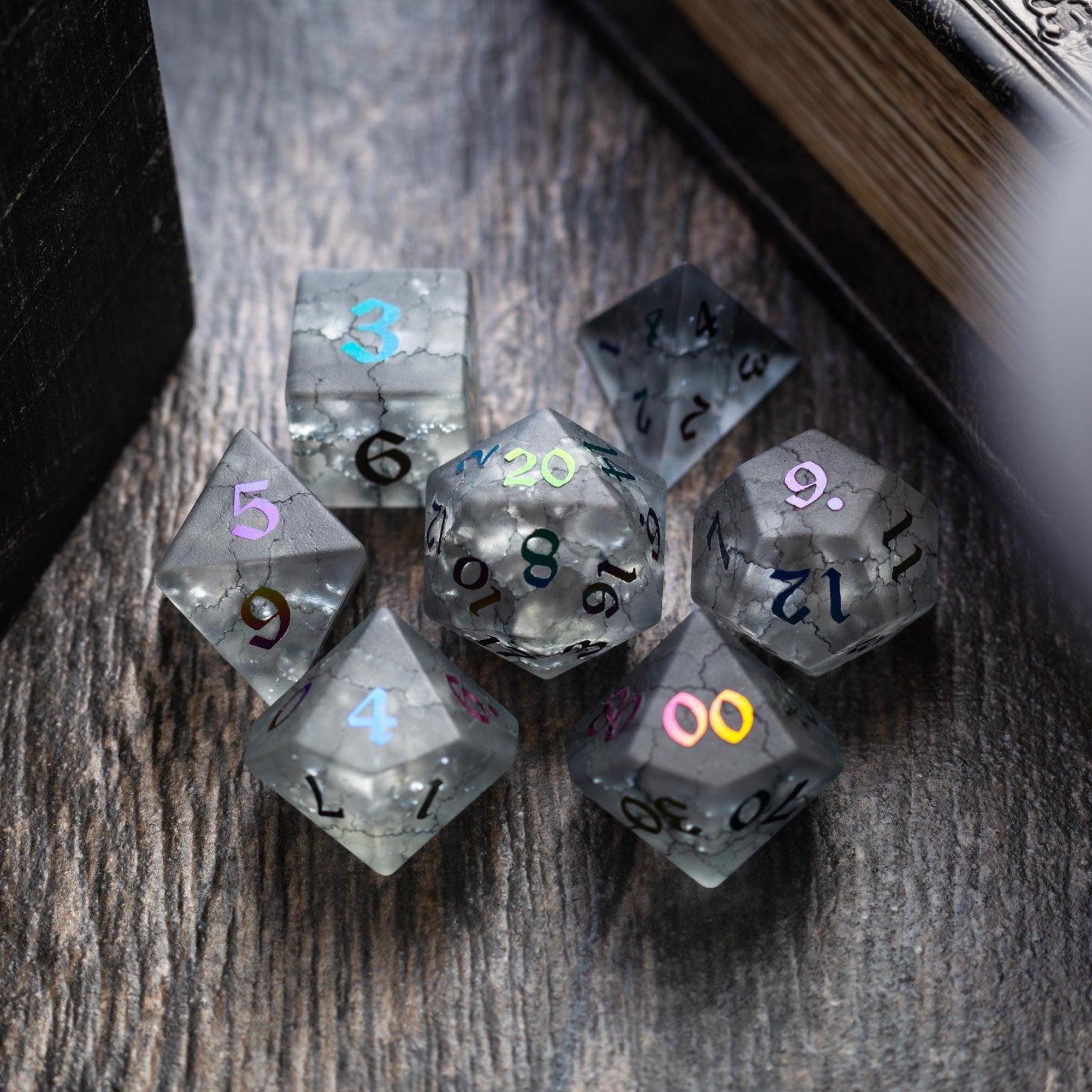
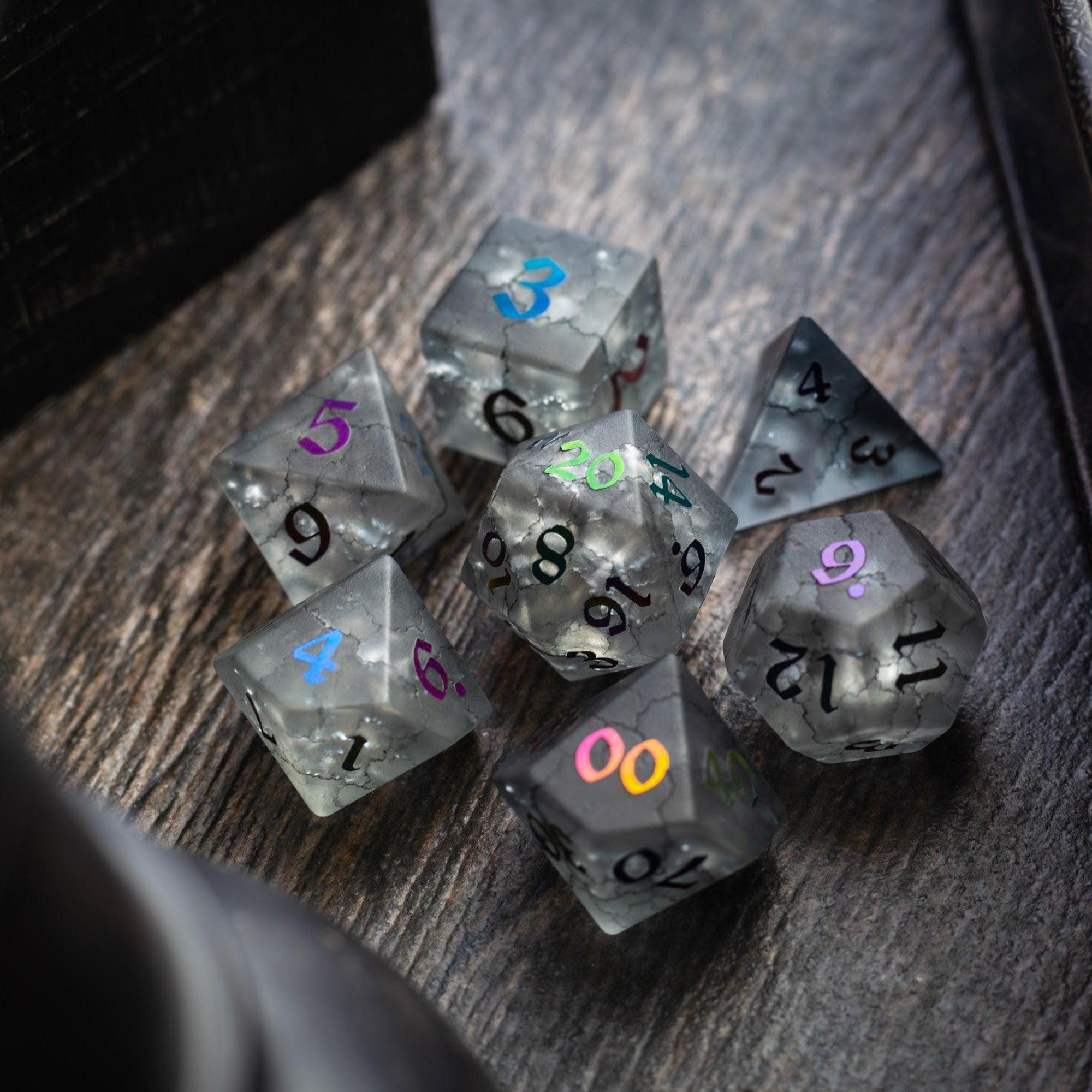
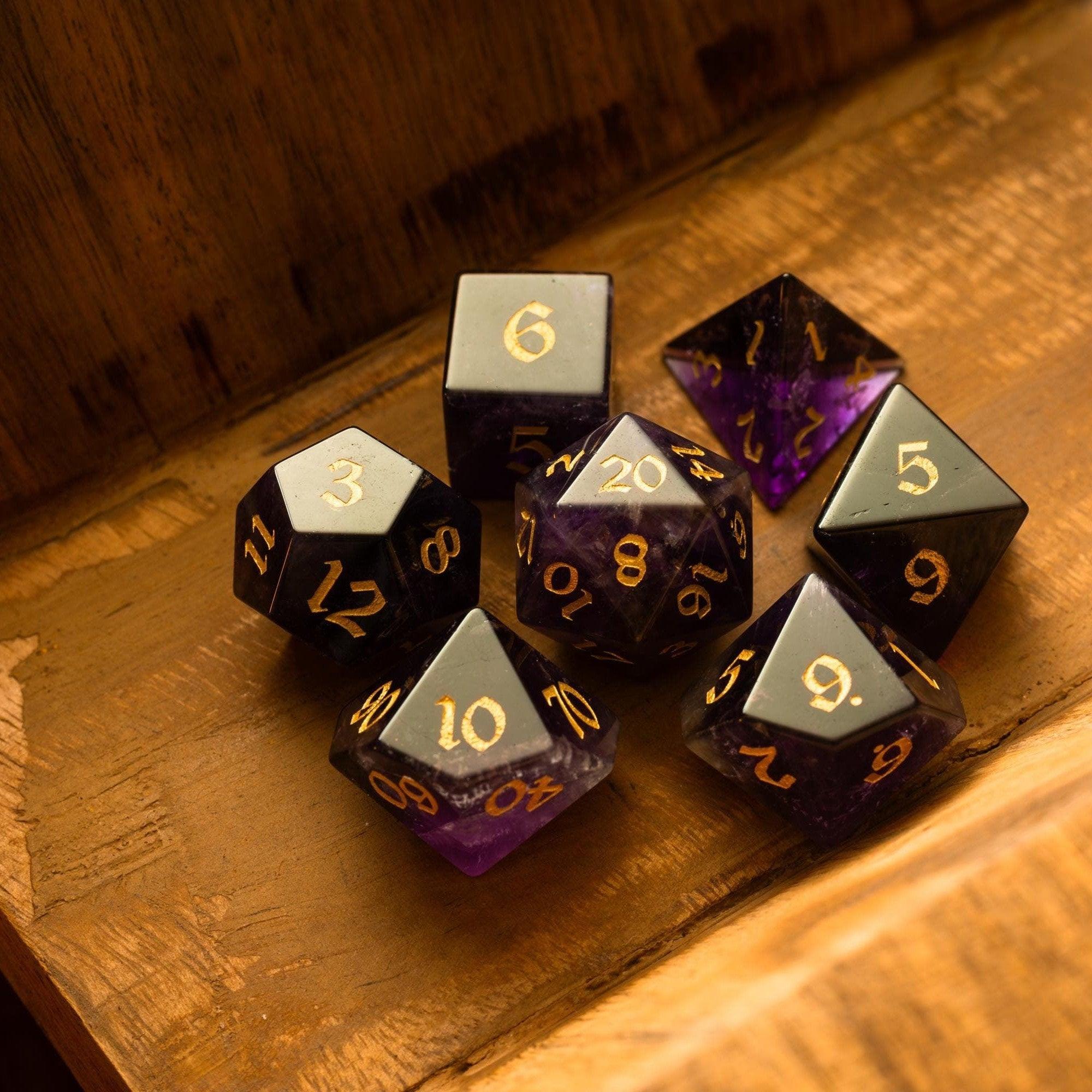
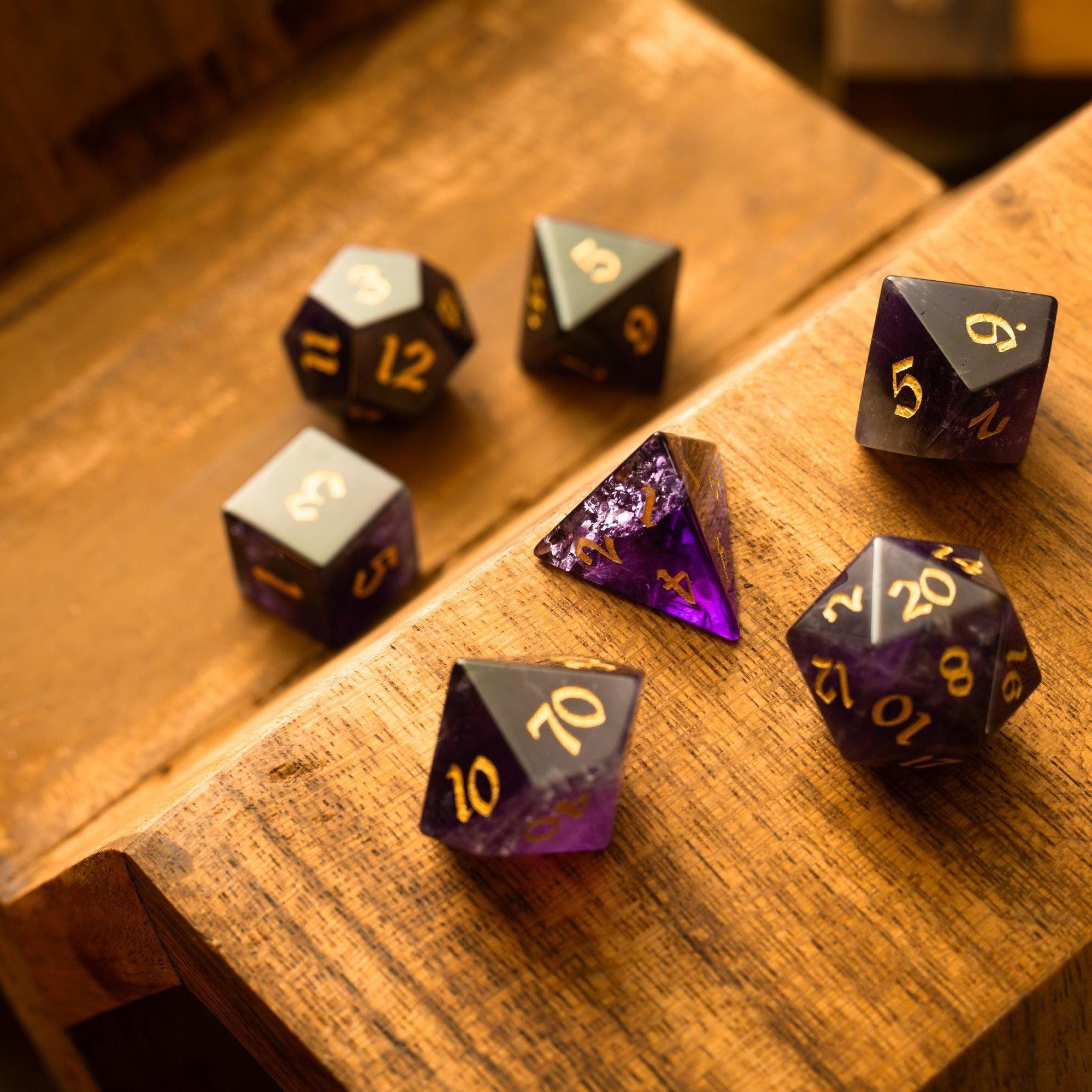
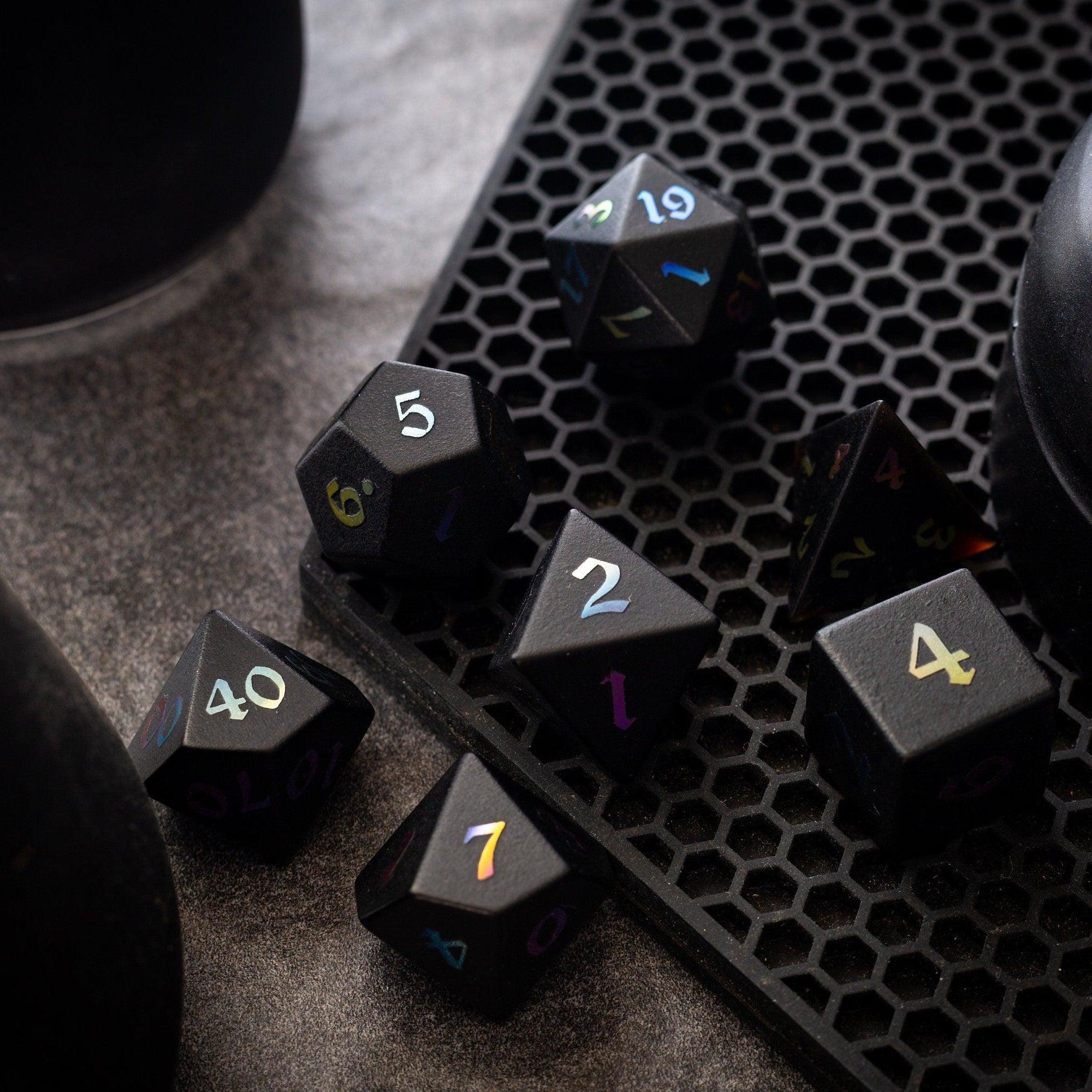
Your reference books become even more powerful when paired with quality gaming tools. When you're rolling dice to determine random encounters or treasure, having beautiful, reliable dice enhances the entire experience. Consider adding specialty dice to your collection—they make memorable moments even more special. Check out the full dice collection for options that match your campaign's aesthetic, or explore gemstone dice sets that bring elegance to your table.
A well-organized gaming setup with quality dice, reference books, and note-taking materials creates an environment where everyone stays engaged and immersed in the story. When mechanics feel smooth and references are easily accessible, players focus on roleplay and storytelling rather than getting bogged down searching for rules.
Final Thoughts & Advice
Building your collection of D&D sourcebooks doesn't require spending a fortune or owning every book ever published. Start with core materials, understand what your group actually needs, and expand strategically based on your campaign's direction and your players' interests.
Remember that these books are tools to enhance your game, not requirements for having fun. Some of the best campaigns run with minimal official materials. What matters most is the creativity, engagement, and camaraderie around your table.
Take your time exploring different books. Visit a local game store, flip through pages, and see what resonates with your gaming style. Ask other players in your community what they recommend. Watch how experienced DMs and players use their materials.
Invest wisely, use your materials fully, and most importantly, let your imagination guide you. The rules and reference materials support your storytelling—they're not limitations. Whether you're consulting sourcebooks for inspiration or using them to resolve mechanical questions during tense moments, you're making your shared experience richer and more memorable for everyone at the table.
Frequently Asked Questions
Do I really need all the official sourcebooks to play D&D?
Absolutely not. You can run wonderful campaigns with just the core three books—Player's Handbook, Dungeon Master's Guide, and Monster Manual. Additional sourcebooks enhance your options and provide inspiration, but they're not mandatory. Many groups play for years with only basic materials and have fantastic experiences.
What's the difference between hardcover and paperback sourcebooks?
The content is identical. Hardcover editions last longer and feel more premium, but cost more. Paperbacks are more affordable and portable. Choose based on your budget, how frequently you'll reference the book, and whether you prefer the tactile experience of hardcover or the convenience of paperback.
Should I buy older sourcebooks or stick with newer releases?
Newer books typically incorporate lessons learned from earlier editions and include updated mechanics. However, older sourcebooks often contain unique content and world-building that never appears in newer releases. Consider your campaign setting and what specific content you're seeking. Many groups use a mix of old and new materials successfully.
Are digital versions as good as physical books?
Digital versions offer searchability and accessibility from multiple devices, making quick reference during gameplay easier. Physical books feel better to read during prep time and create a better tactile experience. Ideally, having both gives you the best of both worlds—though many players prefer one format over the other based on personal preference.
How do I choose which expansion book to buy first?
Ask yourself what your group needs most. If players want more character options, grab Xanathar's Guide to Everything or Tasha's Cauldron of Everything. If your DM needs more creature variety, look at Mordenkainen's or Tome of Beasts. If you're running a specific campaign setting, get the sourcebook for that world. Match the book to your actual needs rather than buying randomly.





Leave a comment
This site is protected by hCaptcha and the hCaptcha Privacy Policy and Terms of Service apply.