
D&D Races Explained for Beginners: Humans, Elves, Dwarves, Dragonborn, Halflings, Tieflings, Half-Elves & Half-Orcs

If you’re creating your very first Dungeons & Dragons character, one of the first big choices you’ll make is your race. And honestly, it’s one of the most fun parts.
Do you want to be a graceful elf who’s lived for centuries? A tough dwarf who laughs in the face of danger? Or maybe a mysterious tiefling with a hint of infernal magic?
This guide breaks it all down in a simple, beginner-friendly way so you can pick a race that feels right for you. No complicated rules. No pressure. Just a helpful starting point to bring your character to life.
What Are Races in D&D 5e?
In D&D, a “race” is essentially your character’s fantasy species and background. It shapes how they look, where they come from, and what natural abilities they have.
Your race affects a few key things:
-
Ability score tendencies
Some races lean toward certain strengths like Dexterity, Strength, or Charisma. -
Special traits
Examples include:- Darkvision (seeing in the dark)
- Resistance to certain damage types
- Unique abilities like breath weapons or luck
-
Roleplay identity
Culture, personality, and how your character fits into the world
That said, one of the best things about modern D&D is this:
Any race can play any class.
You don’t have to “optimize” to have fun. If you want to play a halfling barbarian or a dwarf wizard, go for it.
Quick Comparison Table
|
Race |
Playstyle |
Beginner Friendly? |
Best For |
|
Human |
Flexible, adaptable |
Yes |
Any class |
|
Elf |
Agile, magical |
Yes |
Rogues, Rangers, Wizards |
|
Dwarf |
Tough, durable |
Yes |
Fighters, Clerics |
|
Dragonborn |
Bold, powerful |
Yes |
Paladins, Fighters |
|
Halfling |
Sneaky, lucky |
Yes |
Rogues, Bards |
|
Tiefling |
Magical, mysterious |
Yes |
Warlocks, Sorcerers |
|
Half-Elf |
Social, versatile |
Yes |
Bards, Sorcerers |
|
Half-Orc |
Strong, relentless |
Yes |
Barbarians, Fighters |
Humans
Humans are the most common and adaptable race. They don’t specialize in one thing but can do almost anything well.
Key Traits:
- Flexible ability scores (Variant Humans even get a feat early)
- No complicated mechanics
- Easy to roleplay
Playstyle:
Humans are great for players who want freedom. You can shape them into anything without feeling locked into a specific style.
Beginner Tip:
If you’re overwhelmed by choices, start with a human. It keeps things simple.
Suggested Classes:
- Fighter
- Wizard
- Cleric
- Literally anything
Elves
Elves are graceful, long-lived, and naturally magical. They often feel connected to nature or ancient knowledge.
Key Traits:
- Darkvision
- Fey Ancestry (advantage against charm effects)
- Keen Senses (Perception proficiency)
Playstyle:
Elves are fast, precise, and often excel at ranged combat or spellcasting.
Beginner Tip:
If you like the idea of being quick, clever, and magical, elves are a great pick.
Suggested Classes:
- Ranger
- Rogue
- Wizard
Dwarves
Dwarves are sturdy, resilient, and deeply tied to tradition, craftsmanship, and stone.
Key Traits:
- Darkvision
- Dwarven Resilience (resistance to poison)
- Bonus to Constitution (durability)
Playstyle:
Dwarves are hard to take down. They shine in frontline roles where they can soak damage.
Beginner Tip:
If you want a character that’s tough and forgiving in combat, dwarves are fantastic.
Suggested Classes:
- Fighter
- Cleric
- Paladin
Dragonborn
Dragonborn carry draconic bloodlines, giving them a powerful presence and elemental breath weapon.
Key Traits:
- Breath Weapon (fire, lightning, etc.)
- Damage resistance based on ancestry
- Strong physical stats
Playstyle:
They’re bold and heroic. Dragonborn often take center stage in battle.
Beginner Tip:
Don’t forget your breath weapon. It’s a fun and iconic ability.
Suggested Classes:
- Paladin
- Fighter
- Sorcerer
Halflings
Halflings are small, cheerful, and surprisingly brave. They thrive on luck and cleverness.
Key Traits:
- Lucky (reroll natural 1s)
- Brave (advantage against fear)
- Small size (great for stealth)
Playstyle:
Halflings are excellent at avoiding danger and slipping through tight situations.
Beginner Tip:
That Lucky trait is incredibly powerful. It will save you more than you expect.
Suggested Classes:
- Rogue
- Bard
- Ranger
Tieflings
Tieflings have infernal heritage, often giving them a striking appearance and natural magical abilities.
Key Traits:
- Darkvision
- Fire Resistance
- Innate spellcasting (like Thaumaturgy)
Playstyle:
Tieflings lean into magic and charisma, often with a mysterious or outsider vibe.
Beginner Tip:
Lean into the roleplay. Tieflings are great for storytelling.
Suggested Classes:
- Warlock
- Sorcerer
- Bard
Half-Elves
Half-elves blend human adaptability with elven grace, making them one of the most versatile races.
Key Traits:
- +2 Charisma bonus
- Skill versatility
- Fey Ancestry
Playstyle:
They shine in social situations and flexible builds.
Beginner Tip:
If you like talking, persuading, and leading, half-elves are a great fit.
Suggested Classes:
- Bard
- Sorcerer
- Paladin
Half-Orcs
Half-orcs are powerful, intense, and built for survival and combat.
Key Traits:
- Relentless Endurance (stay at 1 HP instead of dropping)
- Savage Attacks (extra damage on crits)
- Strength-focused
Playstyle:
They excel in melee combat and aggressive playstyles.
Beginner Tip:
You’re harder to kill than most. Don’t be afraid to get into the action.
Suggested Classes:
- Barbarian
- Fighter
- Paladin
How to Choose the Right Race
Picking your race doesn’t have to be stressful. Here are a few simple ways to decide:
-
Follow the fantasy you love
If you’ve always liked elves or dragons, start there. -
Match your playstyle
- Want to fight up close? Try dwarves or half-orcs
- Prefer magic? Look at elves or tieflings
- Like sneaky gameplay? Halflings are perfect
-
Don’t overthink optimization
A fun character beats a perfect build every time.
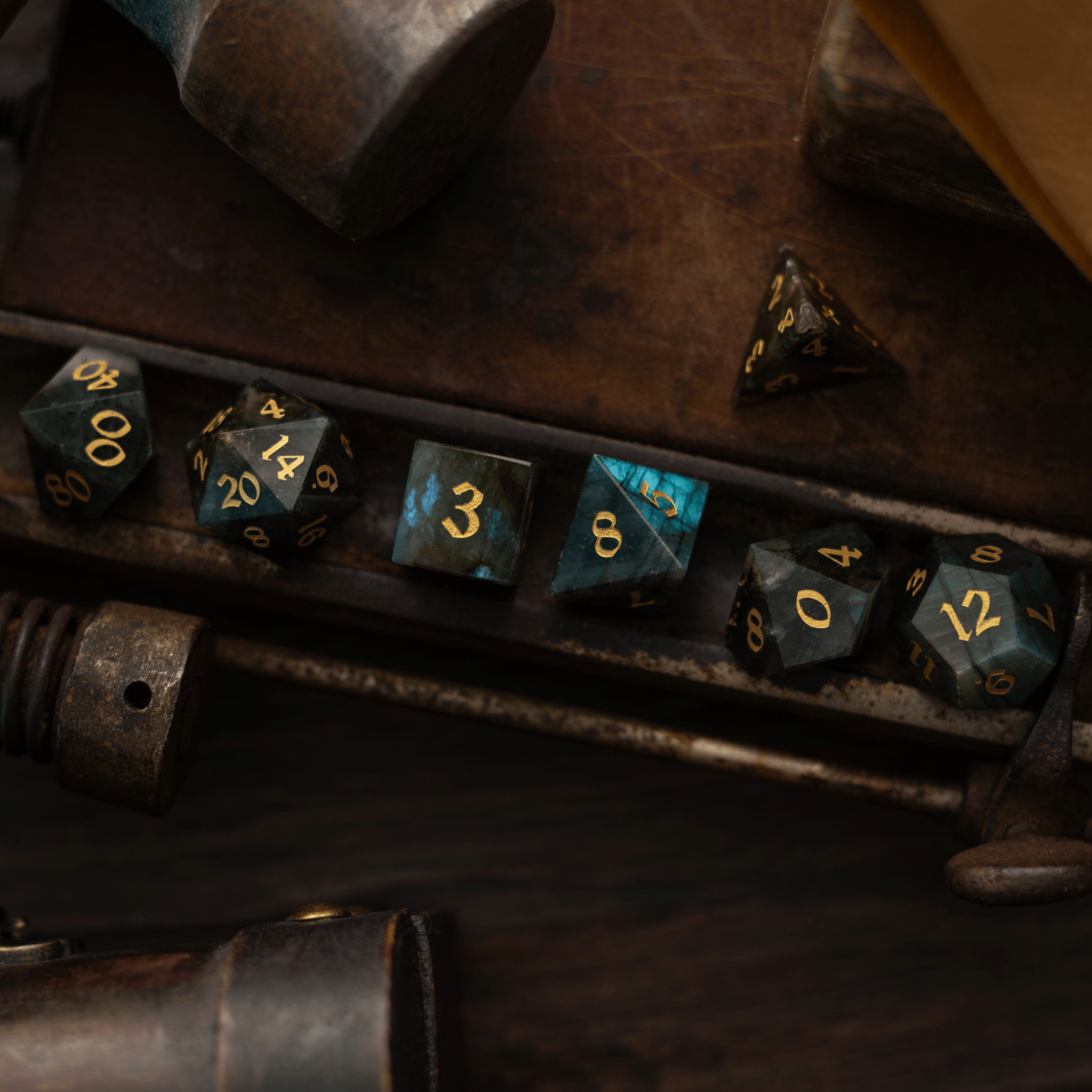
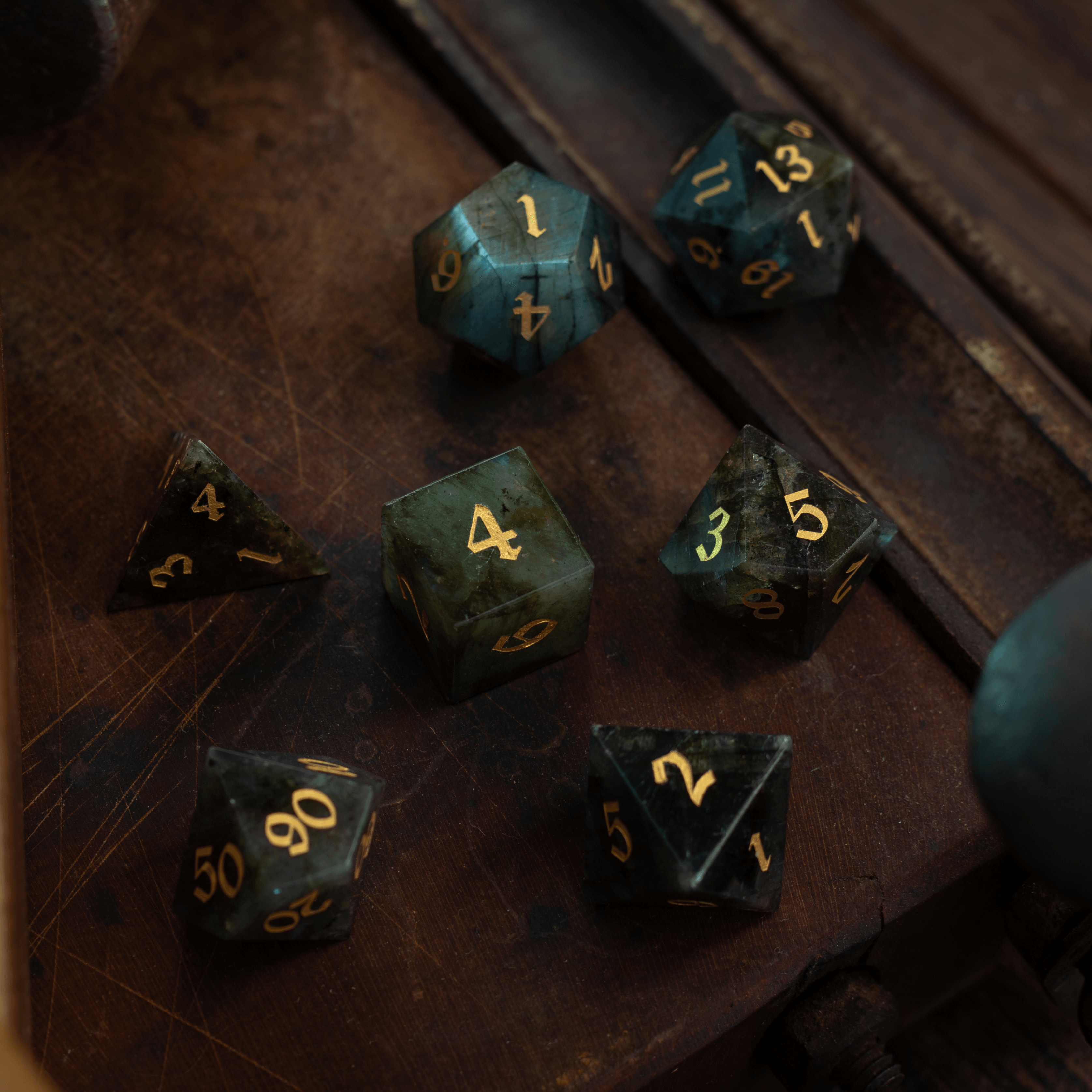
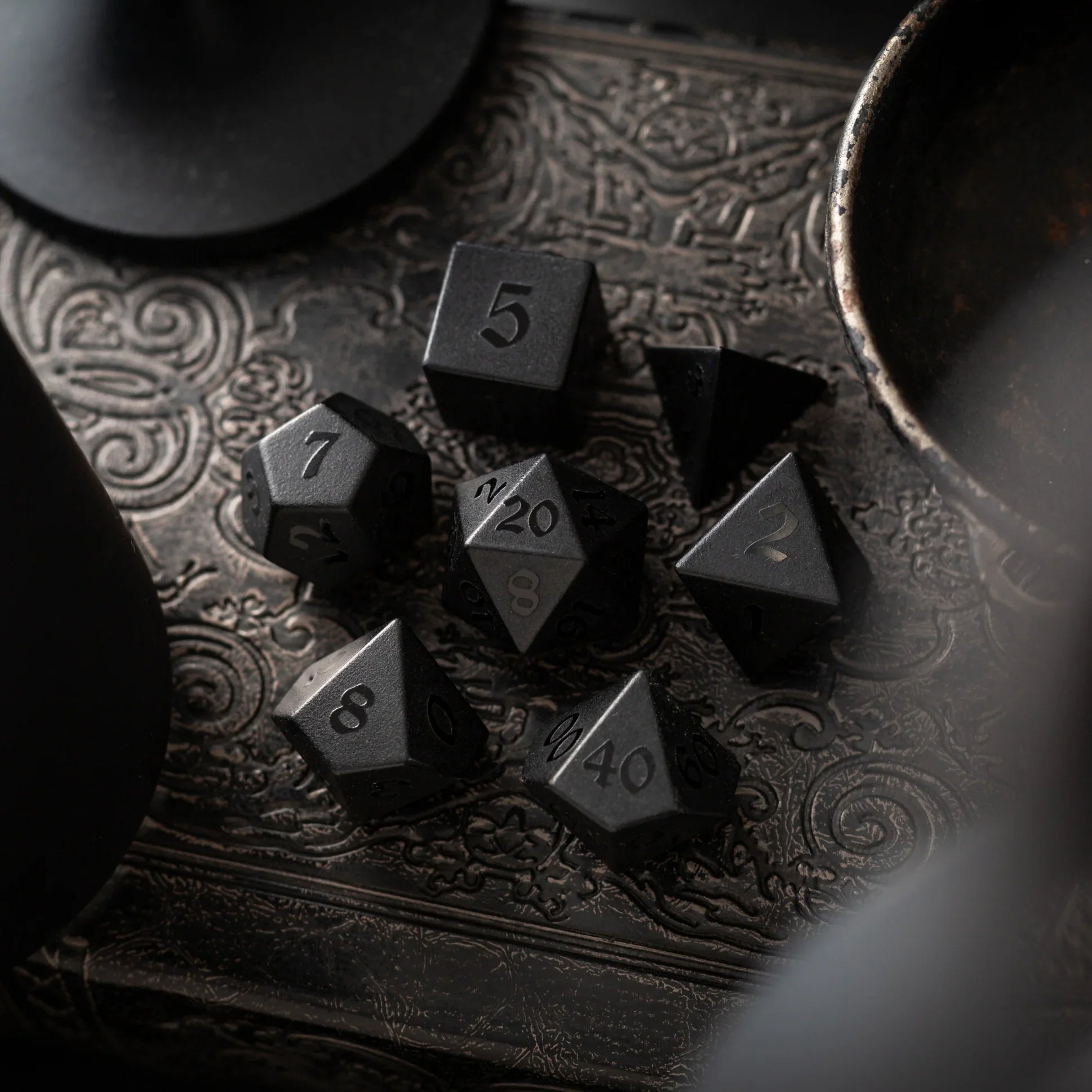
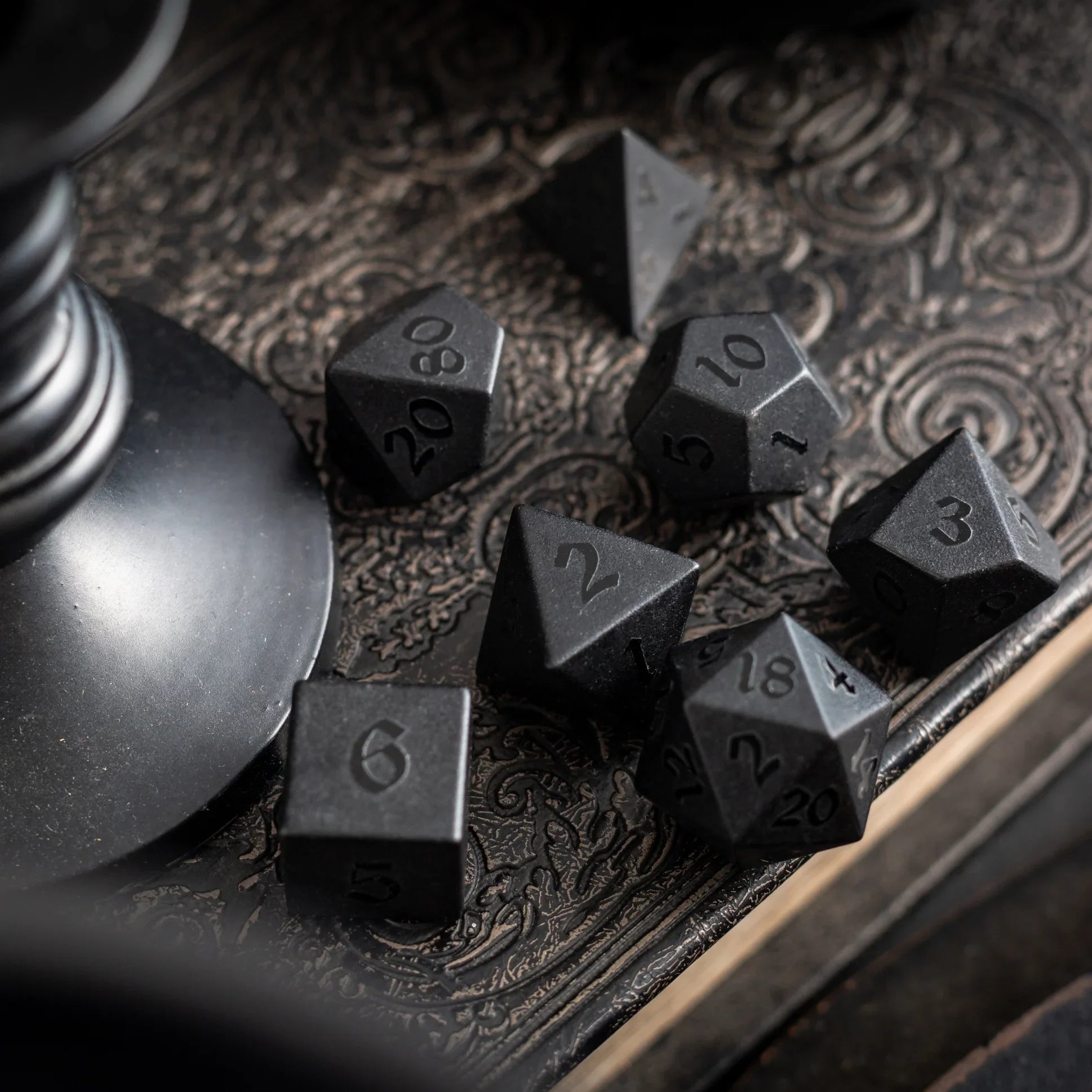
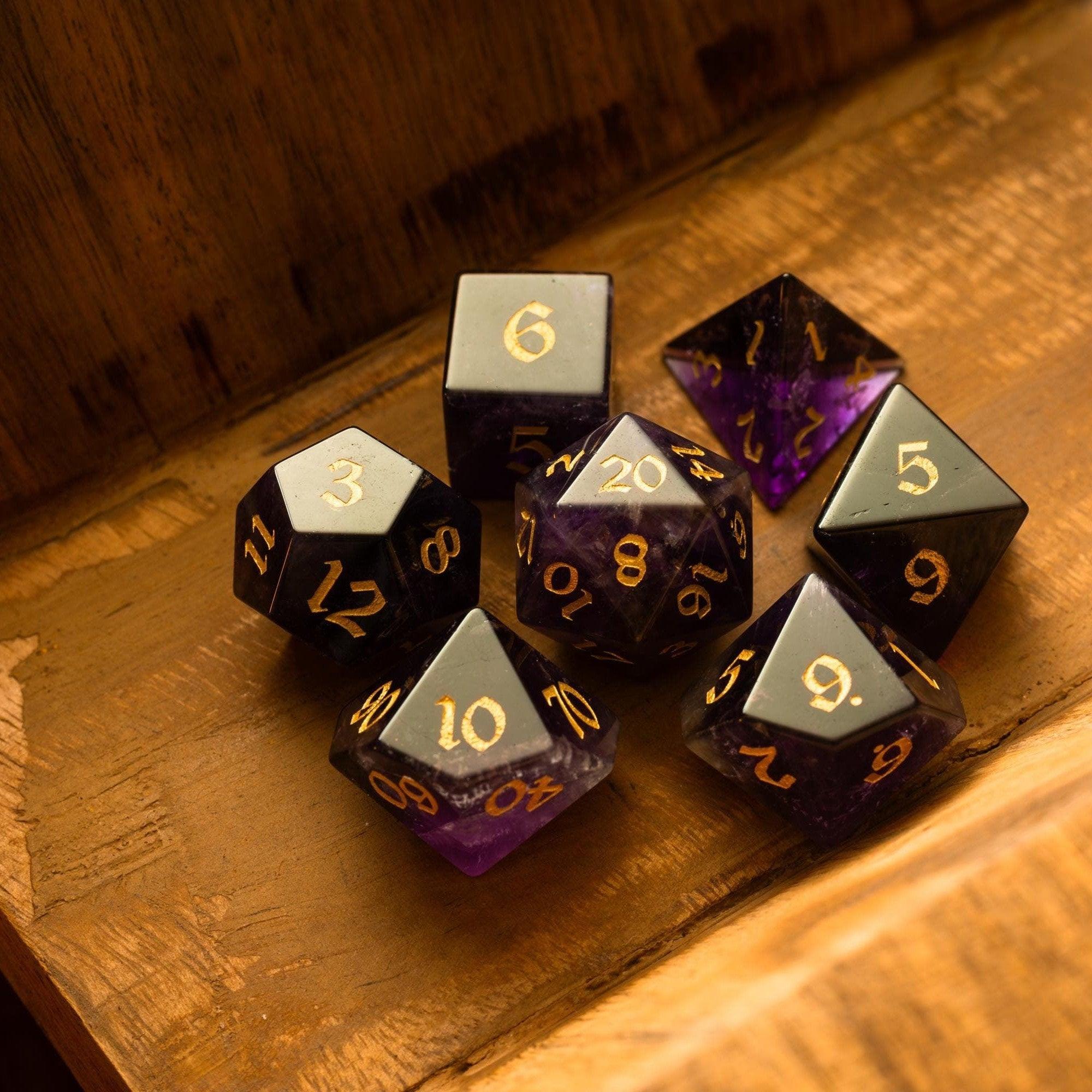
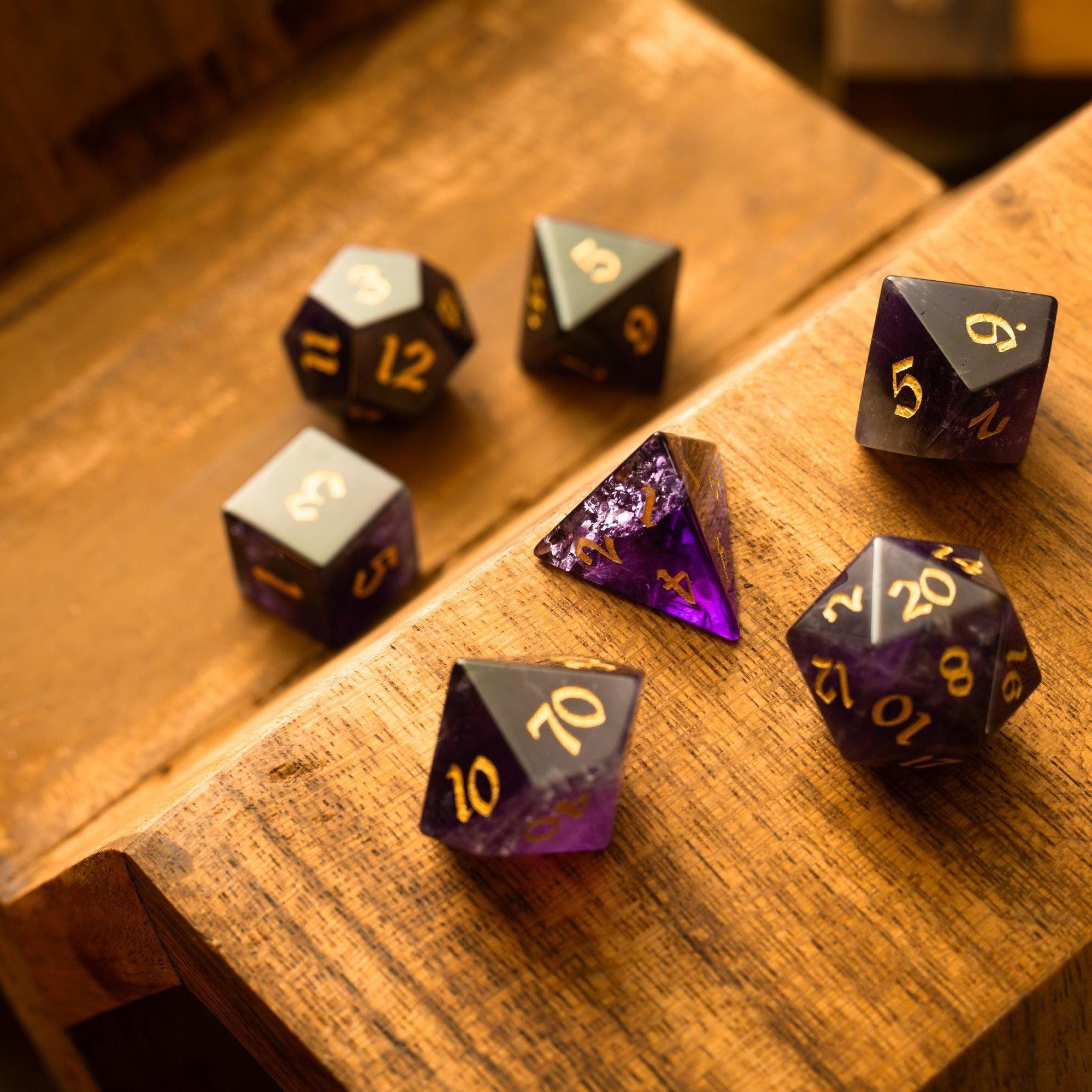
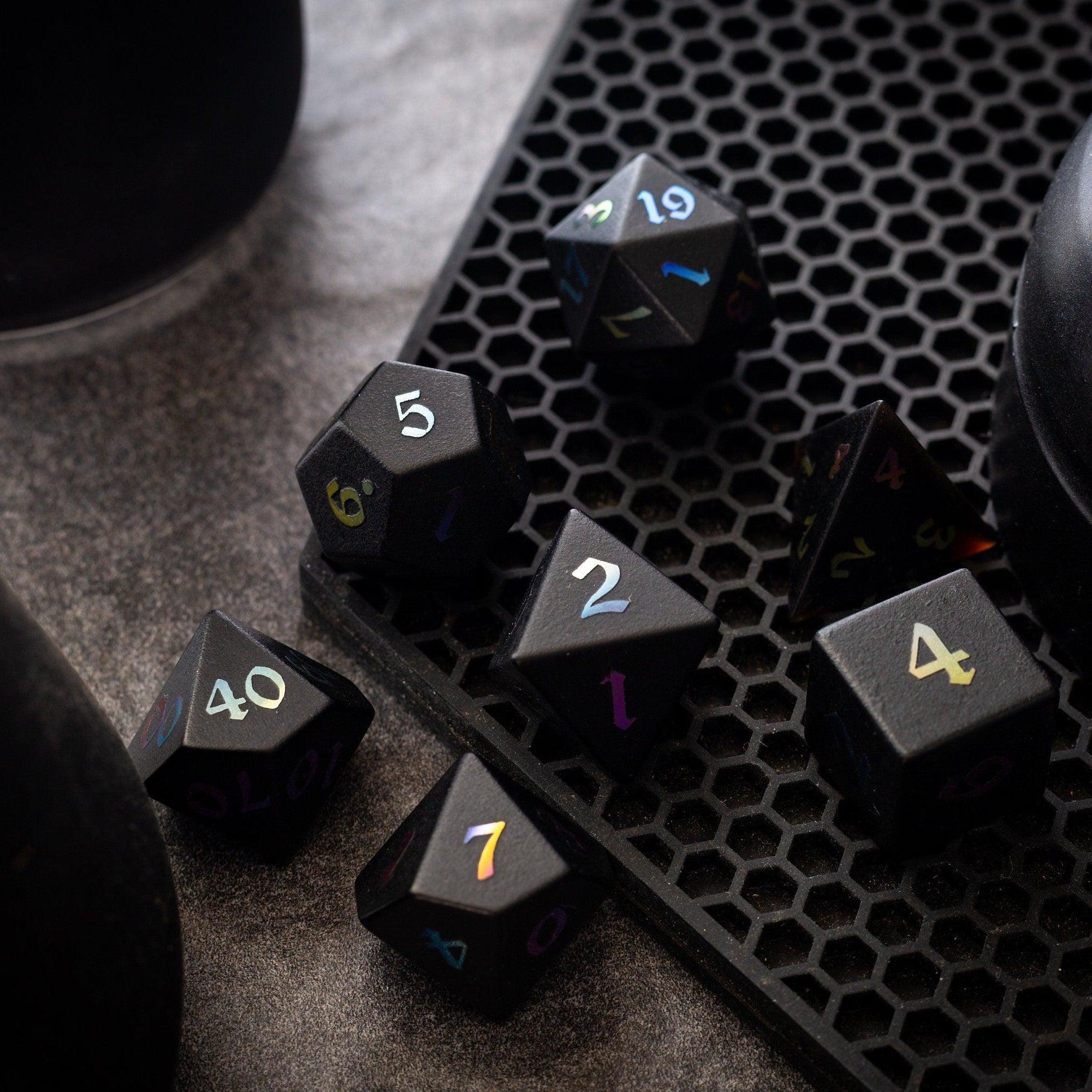
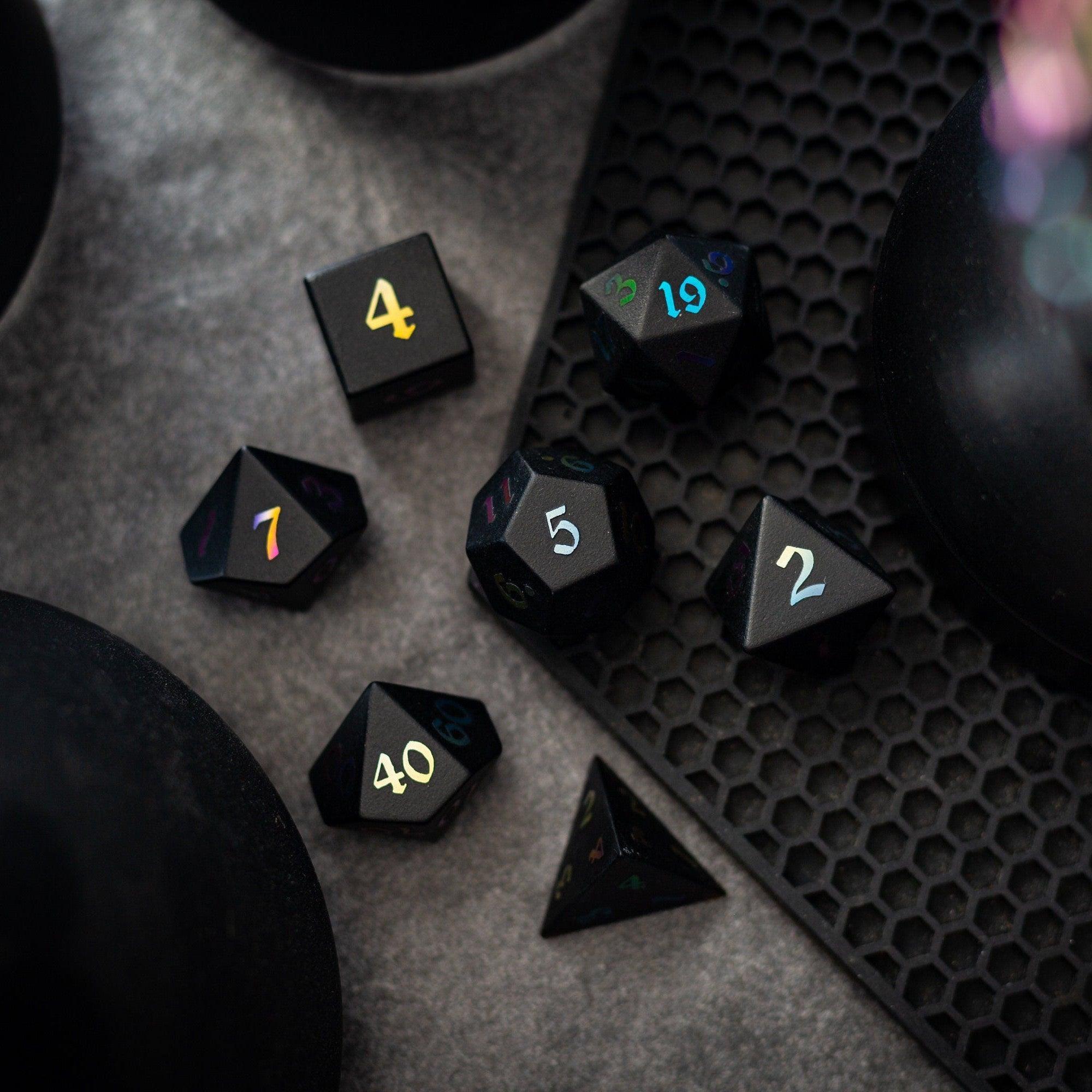
A Quick Note on Dice and Character Flavor
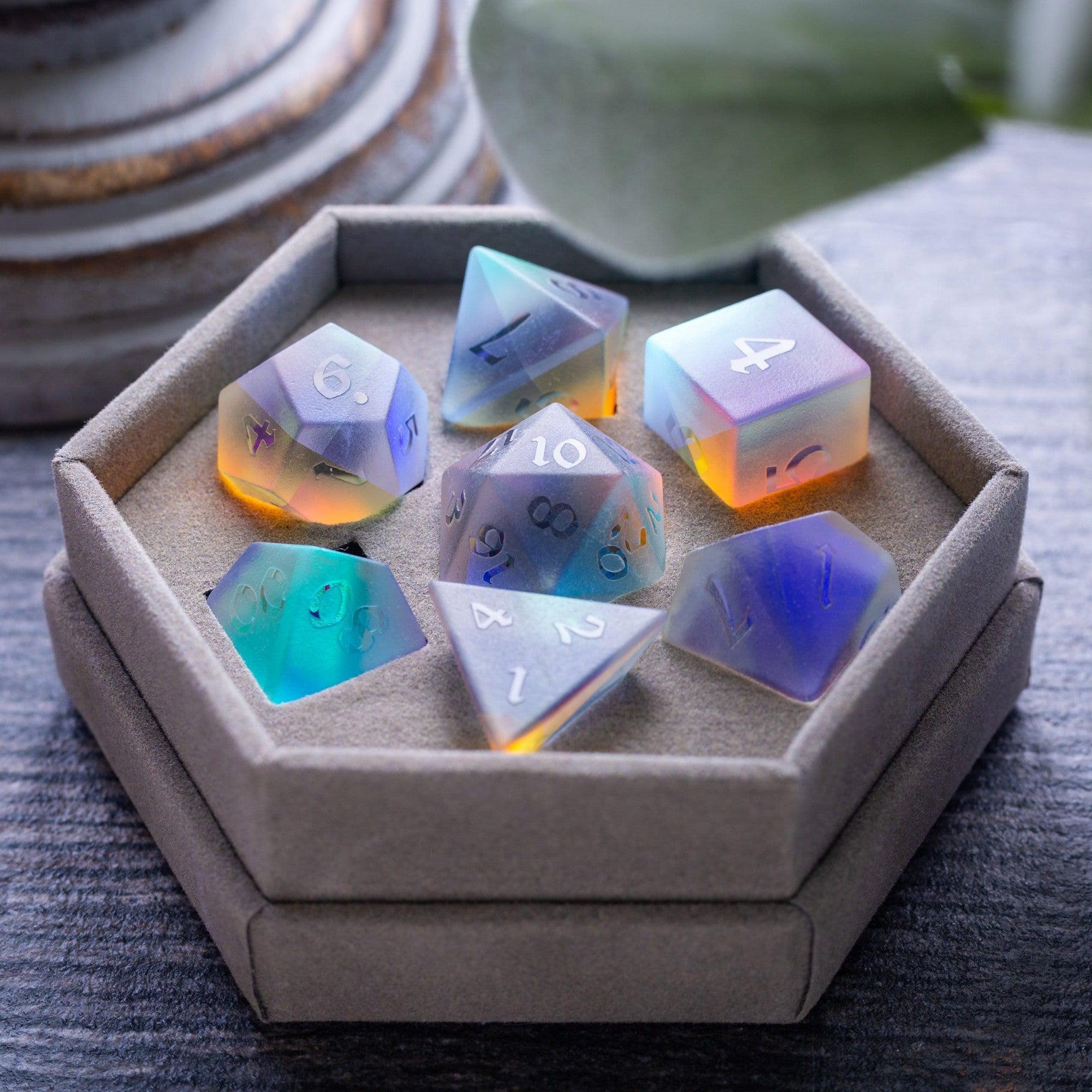
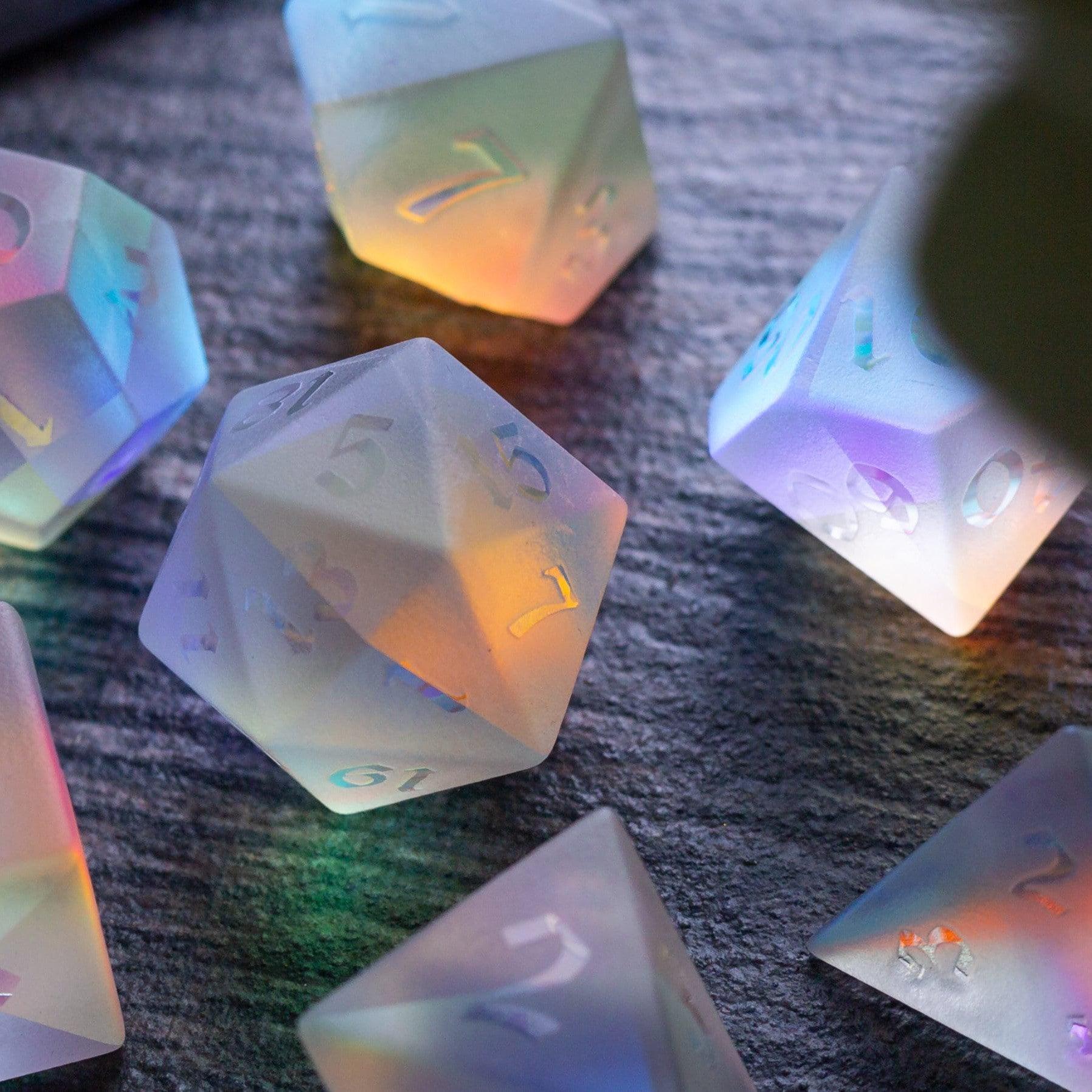
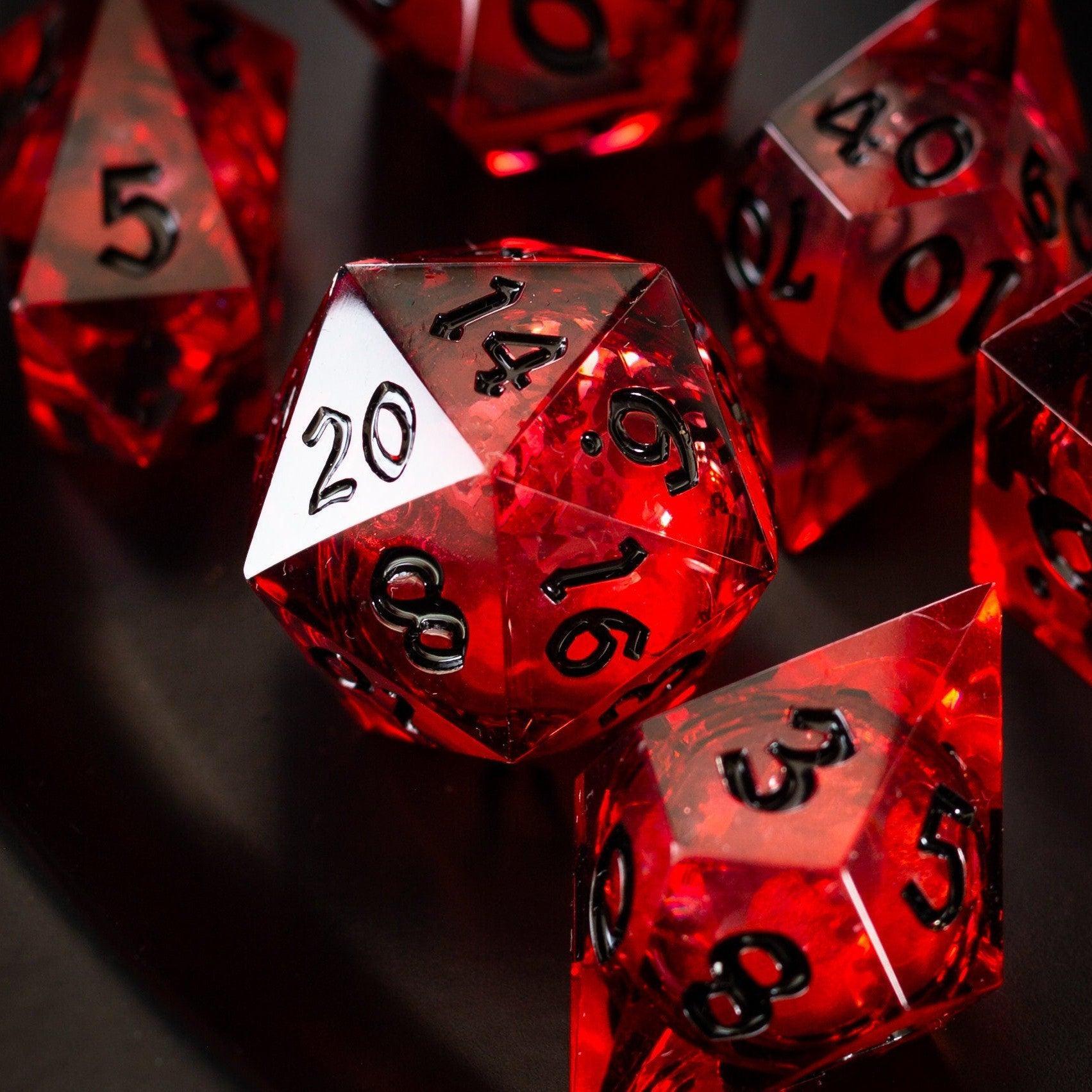
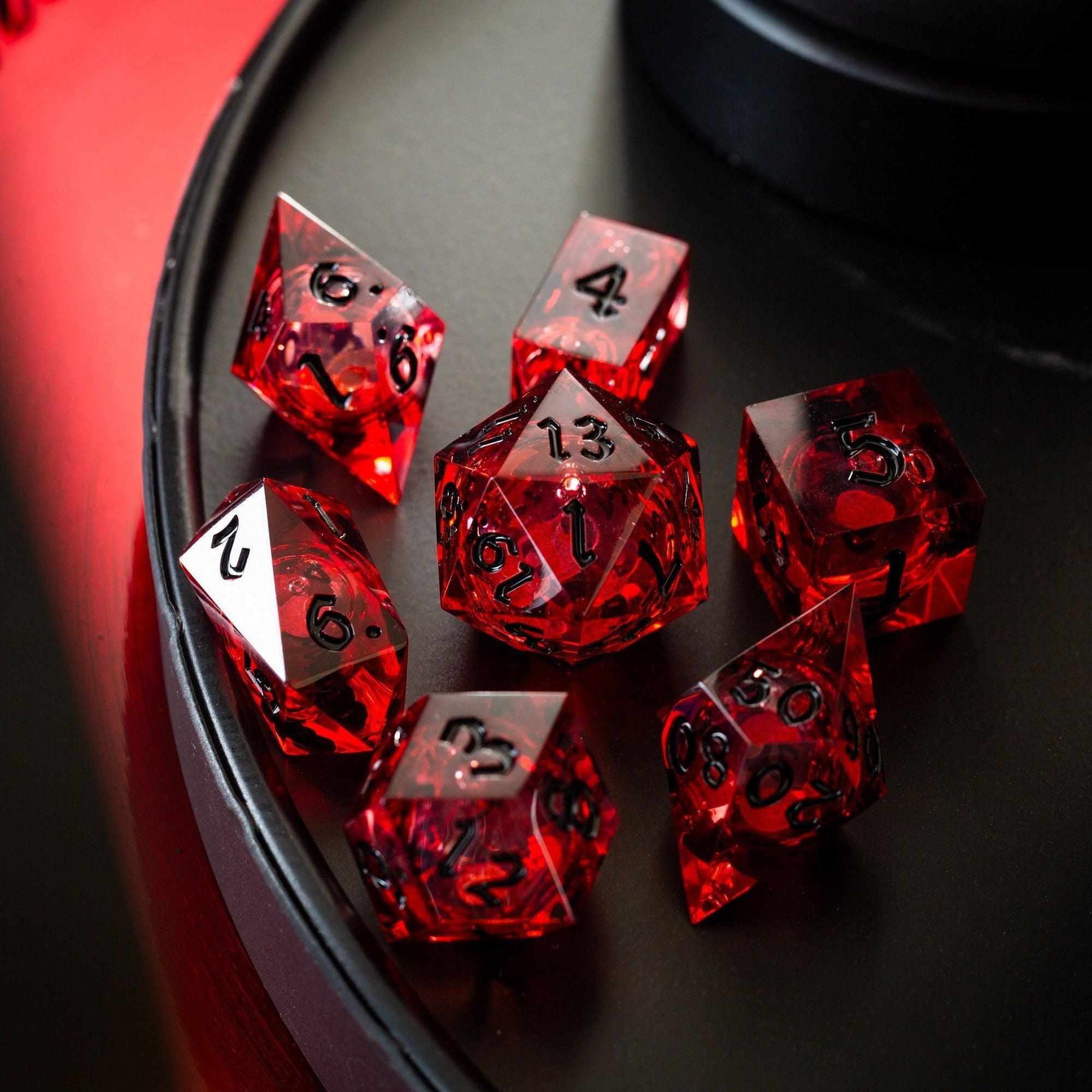
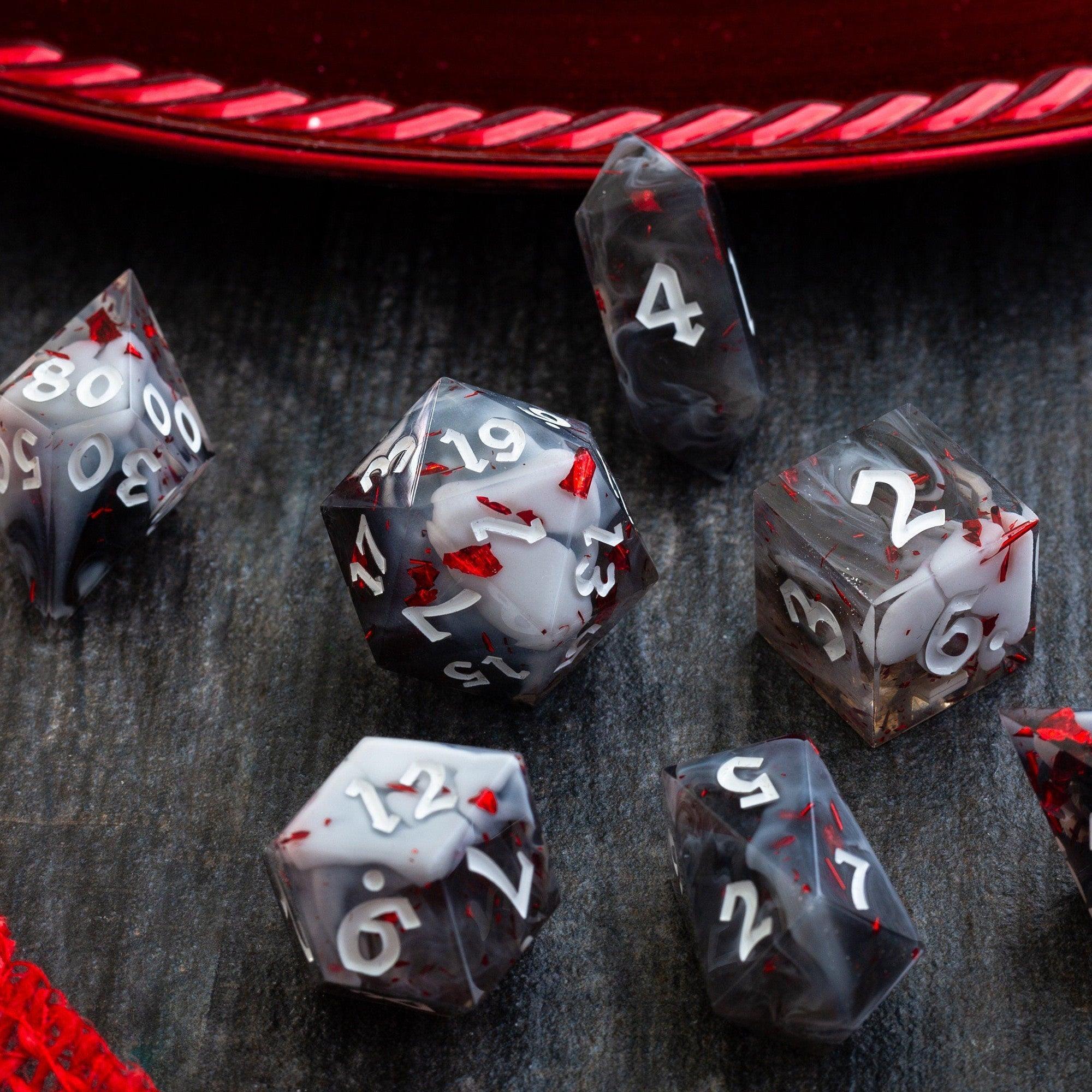
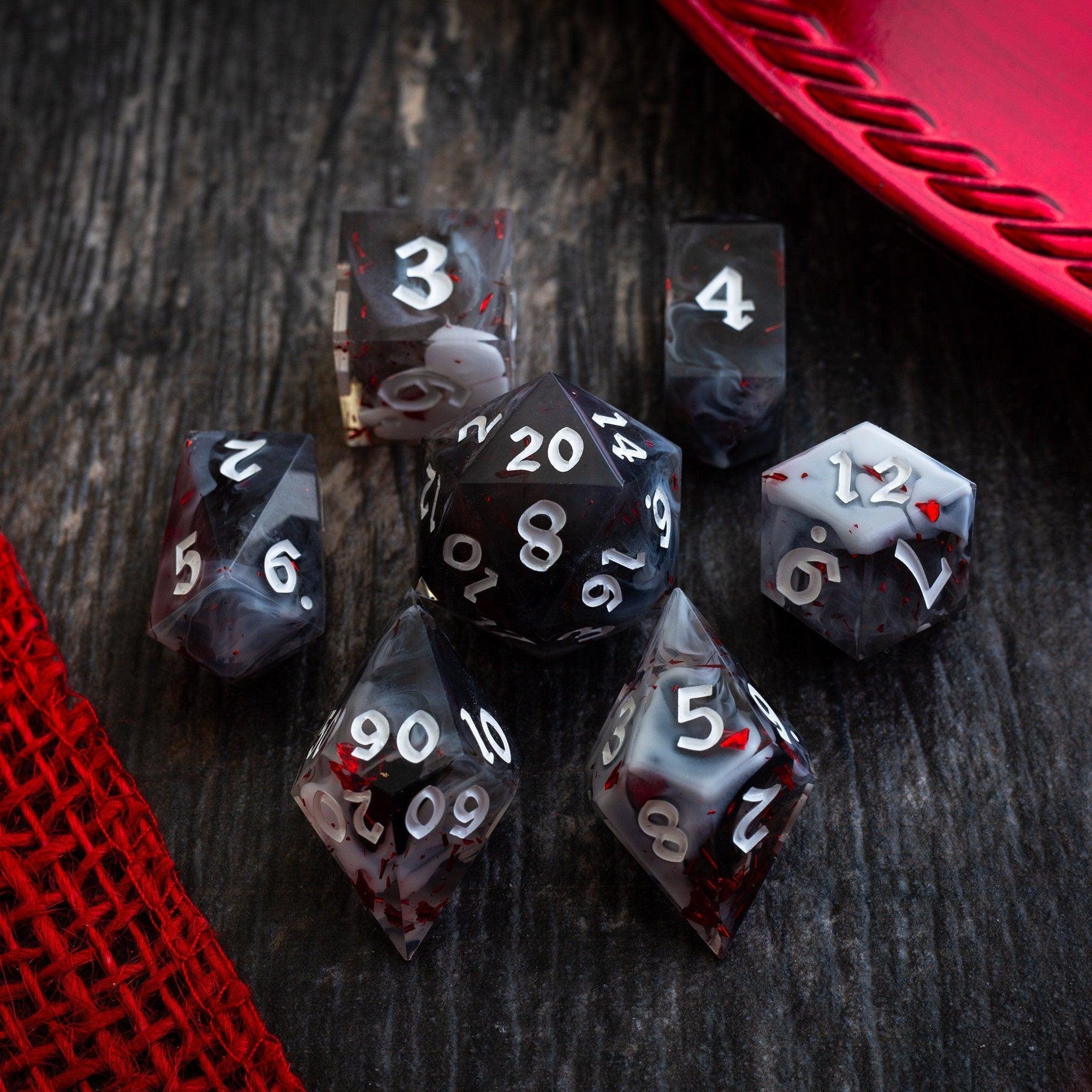
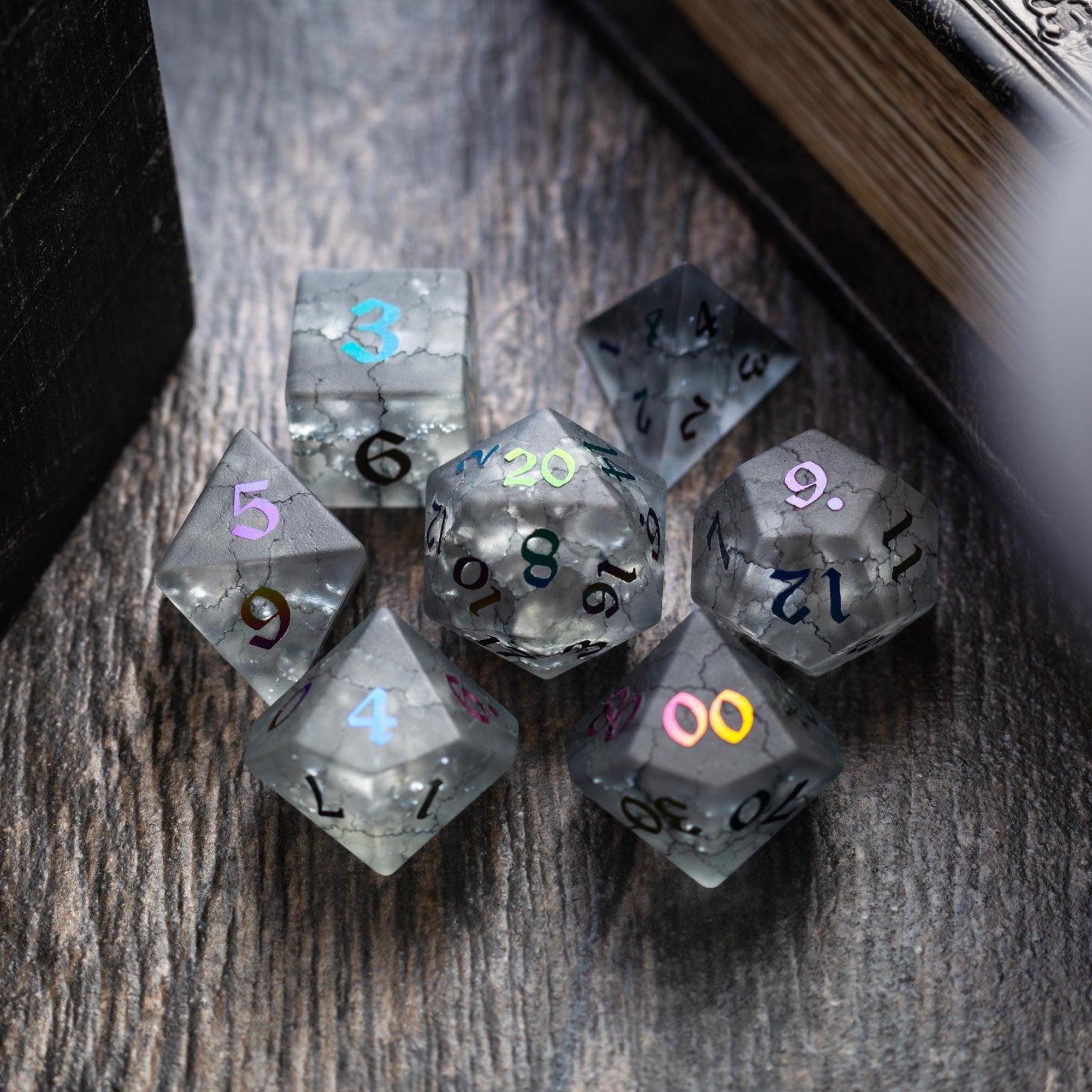
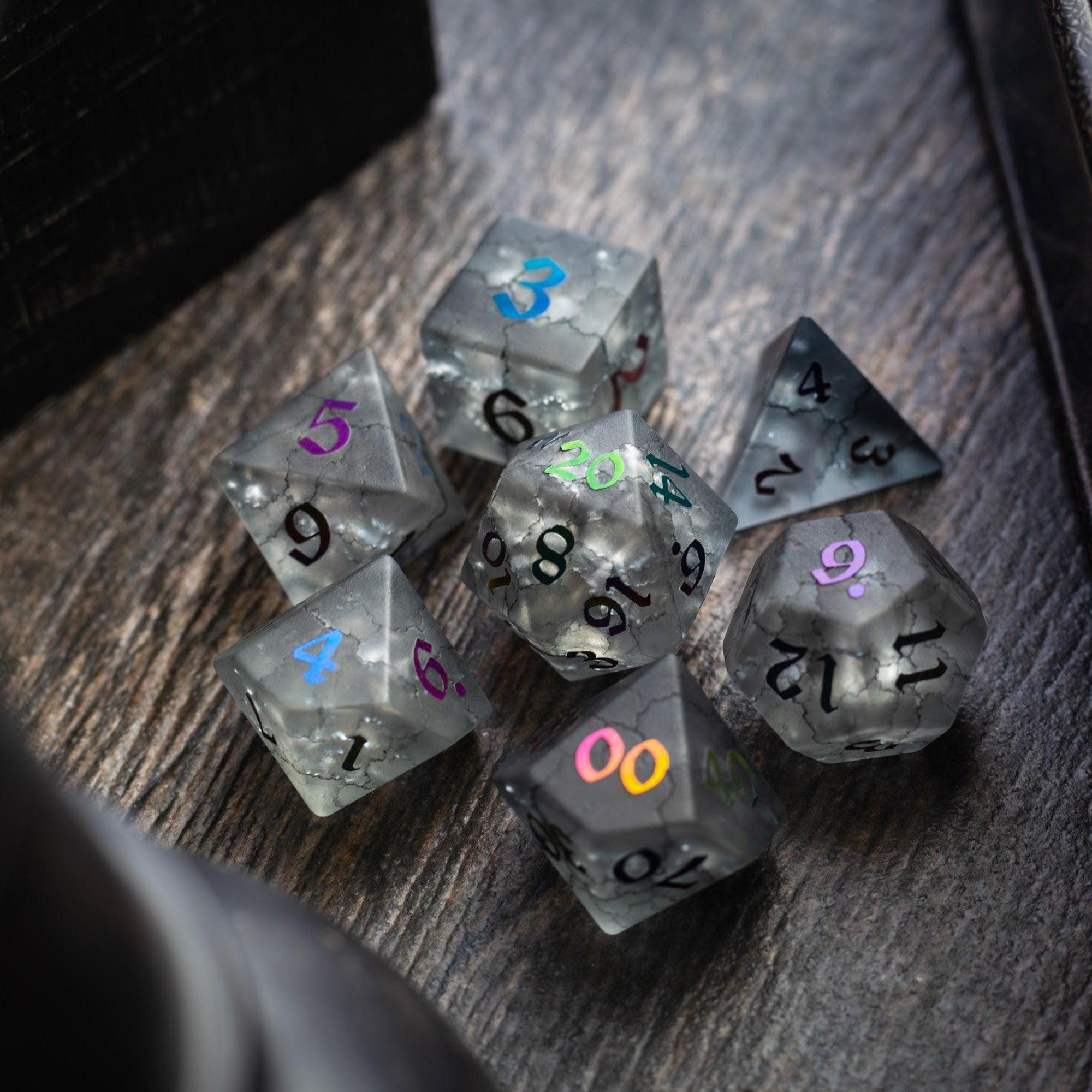
One of the most fun parts of D&D is how your gear reflects your character, and that includes your dice.
You can match your dice to your race for a little extra immersion:
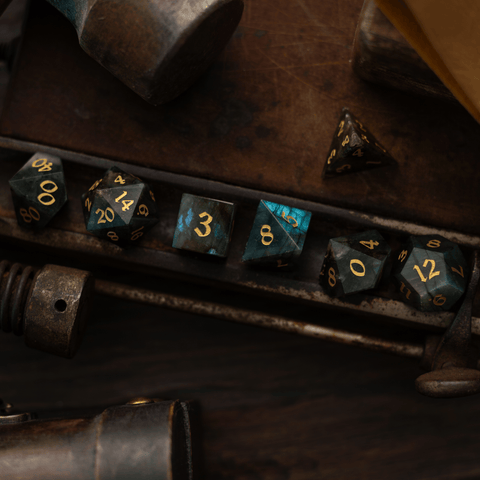
- Elves → elegant gemstone or translucent dice
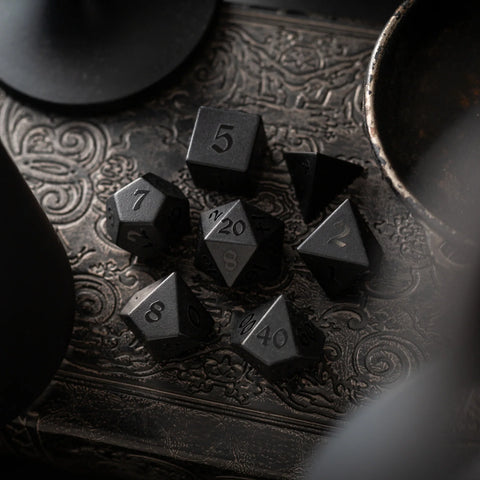
- Dwarves → heavy metal dice with a solid feel
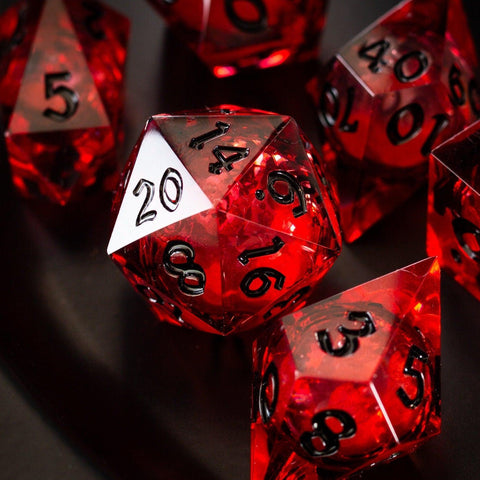
- Tieflings → dark, crimson, or flame-themed sets
- Halflings → colorful, bright, or whimsical designs
It’s a small detail, but it really helps your character feel real at the table.
Beginner Tips for Your First Character
-
Keep it simple
You don’t need to master every rule right away. -
Focus on fun
Play something you’re excited about, not just what’s “best.” -
Give your character a personality
Even a simple idea like “brave but clumsy” can make your game more fun. -
Ask your DM for help
Every table is different, and your DM is there to guide you.
Conclusion
Choosing a race in D&D is less about stats and more about story.
Whether you’re a noble dragonborn, a curious halfling, or a mysterious tiefling, what matters most is how you bring that character to life at the table.
There’s no wrong choice here. Every race has something fun to offer, and every character has the potential to become unforgettable.
So take a breath, follow your instincts, and start building a hero you’re excited to play.
Your adventure begins with that first choice.

Leave a comment
This site is protected by hCaptcha and the hCaptcha Privacy Policy and Terms of Service apply.