
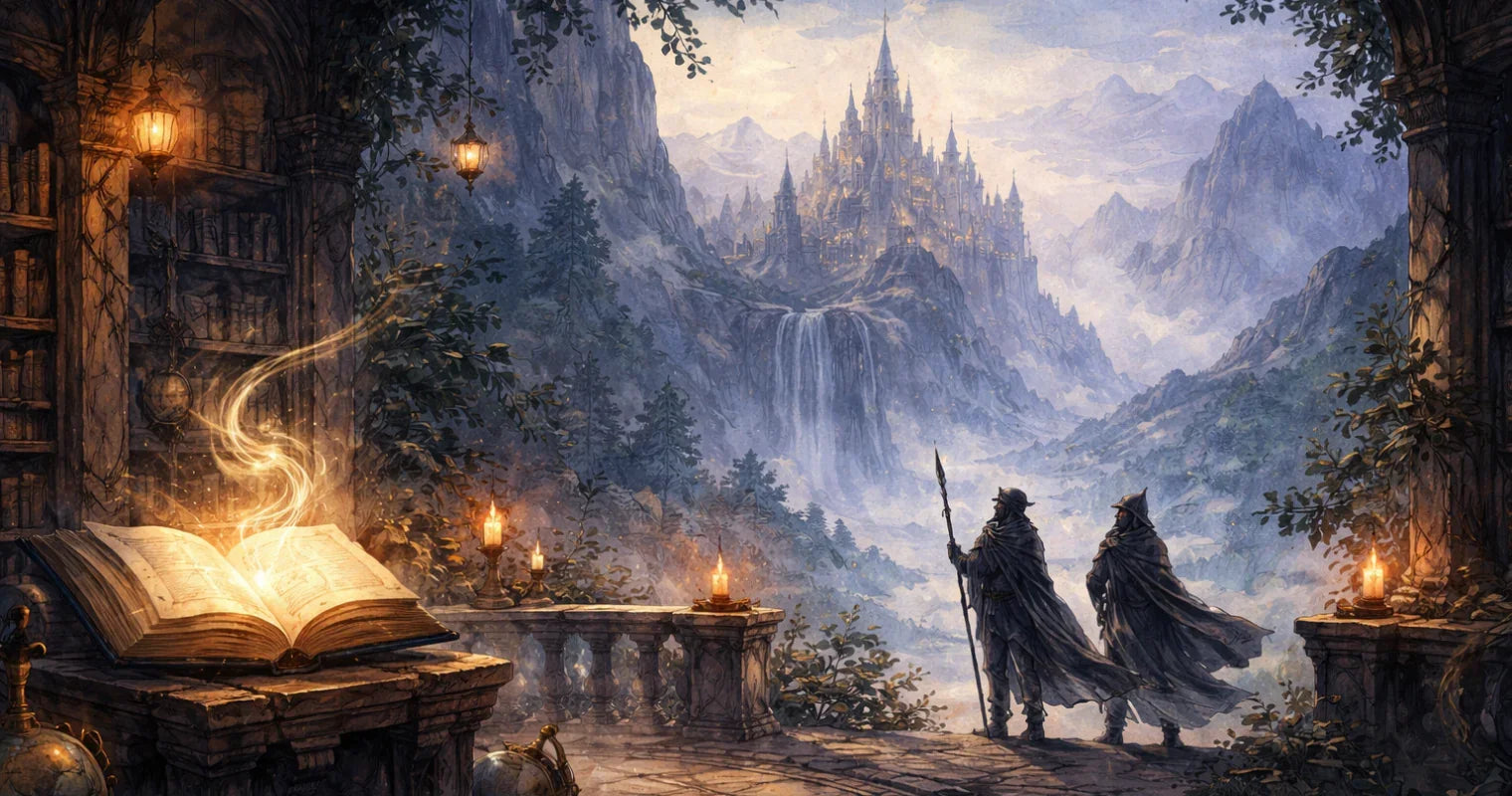
Dungeons and Dragons Lore Exploring Realms and Legends
Updated on: March 16, 2026
Discover the rich and captivating world of Dungeons & Dragons mythology, where ancient gods, legendary heroes, and epic quests shape entire civilizations. This guide explores the foundational stories, forgotten realms, and character backstories that make the game's universe unforgettable. Whether you're a seasoned dungeon master or a curious newcomer, understanding these narratives deepens your gameplay and enriches your storytelling.
- Understanding Dungeons & Dragons Lore
- How to Explore and Master the Fantasy World
- The Pantheon of Gods and Divine Conflicts
- Legendary Characters and Their Stories
- The Realms and Their Geography
- Common Questions Answered
Understanding Dungeons & Dragons Lore

The mythology behind Dungeons & Dragons is incredibly detailed and sprawling, with decades of storytelling woven into the fabric of the game. This fantasy world isn't just a backdrop for your adventures—it's a living, breathing universe filled with intricate histories, political struggles, and magical phenomena. Whether you're diving into the Forgotten Realms, Eberron, or Greyhawk, each setting offers its own unique take on world-building and narrative depth.
What makes this mythology so compelling is how it connects every element of the game. A simple encounter with a wandering merchant might lead to discovering an ancient artifact tied to a god's curse. A dungeon's architecture could reflect the beliefs of a long-dead civilization. Character backstories interweave with broader continental conflicts, making every decision feel consequential and meaningful.
The beauty of this rich narrative landscape is that you don't need to memorize every detail to enjoy it. Instead, understanding the foundational concepts helps you make better choices during gameplay and creates more immersive roleplay opportunities. When your character understands why certain factions oppose each other or what drives a villain's motivations, the entire campaign becomes more engaging and rewarding.

How to Explore and Master the Fantasy World
Step 1: Start with Official Source Materials
Begin your journey by reading the Player's Handbook or accessing the world guides for your chosen setting. These books provide the foundational information you'll need to understand the basic pantheon, geography, and cultural dynamics. Don't feel pressured to read everything at once—focus on the sections relevant to your character's background or the campaign your dungeon master is running.
Step 2: Research Your Character's Background
Your character's origin story connects them directly to this vast world. If your character hails from a merchant family in a bustling city, learn about that city's history, politics, and major factions. If your character is a cleric devoted to a specific deity, dive deep into that god's teachings and historical conflicts. This personal connection makes your character feel authentic and helps you roleplay more convincingly.
Step 3: Follow Campaign-Specific Storylines
As your dungeon master introduces plot elements, actively research related lore. If the campaign mentions an ancient war, look up details about that conflict. Understanding the historical context enriches your character's reactions and motivations. You might discover that your character has family connections to historical events or shares values with legendary heroes from the past.
Step 4: Engage with the Community
The gaming community is passionate and welcoming. Join forums, watch video analyses, and listen to podcasts exploring the mythology. Many passionate fans create content diving deep into specific characters, events, and regions. These resources offer perspectives and details you might otherwise miss, and they're genuinely entertaining.
Step 5: Create Your Own Stories Within the Existing Framework
The most rewarding part of engaging with this mythology is contributing your own narratives. Your character's adventures add to the world's history. Maybe your party becomes legendary heroes whose deeds are remembered for centuries. Perhaps your actions change the course of a faction's politics or influence a deity's followers. You're not just experiencing the world—you're shaping it.
The Pantheon of Gods and Divine Conflicts
The pantheon represents one of the most fascinating aspects of the mythology. Unlike single-god religions, the fantasy worlds of Dungeons & Dragons feature dozens of deities with conflicting values, competing followers, and complex relationships. These divine beings aren't distant abstractions—they actively influence the world through their followers and direct interventions.
Understanding the gods matters for several reasons. Your character's moral alignment might reflect their deity's teachings. Clerics and paladins draw power from their chosen god, making theological knowledge essential to their character development. Even non-religious characters encounter divine influence through temples, prophecies, and encounters with celestial or infernal beings.
The conflicts between gods create dynamic storytelling opportunities. Perhaps your party gets caught between warring religious factions. Maybe a deity's curse explains a location's curse or a monster's motivation. Divine conflicts can drive entire campaign arcs, creating stakes that feel cosmic and significant.
Many campaigns explore moral ambiguity within the pantheon. Not all good gods agree on everything, and certain evil deities have followers who genuinely believe they're doing the right thing. This complexity allows for nuanced storytelling where faith and morality aren't simple binaries but rather complicated philosophical questions.
Legendary Characters and Their Stories
Throughout the mythology, legendary heroes and villains have shaped history through their extraordinary deeds. These characters serve as inspiration for your own adventures and help you understand the narrative traditions of the world. Some are ancient heroes whose names live in legends, while others are more recent figures whose impacts still reverberate through current events.
Learning about these legendary figures enriches your gameplay in unexpected ways. You might find that your character's abilities mirror a legendary hero's, inspiring your character to follow in their footsteps or deliberately forge a different path. Alternatively, discovering that your character is descended from a legendary figure adds layers of expectation and destiny to your story.
These stories also teach you about the world's values and narrative traditions. What makes someone legendary? Is it raw power, moral conviction, cunning strategy, or sacrifice? By understanding what the world celebrates and remembers, you gain insight into the culture and values you're operating within during gameplay.
Many legendary characters have conflicting accounts of their deeds. History is written by victors, and in a world with magical scrying and divine intervention, truth becomes complicated. This narrative ambiguity creates opportunities for dungeon masters to adapt stories to fit their campaign's needs while maintaining internal consistency.
The Realms and Their Geography
The physical layout of these fantasy worlds shapes cultures, determines trade routes, influences magic, and affects character development. Geography isn't merely decorative—it's a fundamental aspect of the mythology that explains why societies developed the way they did and what resources or challenges they face.
Different regions develop distinct characteristics based on their environment and history. Coastal cities build thriving merchant communities, mountain settlements develop hardy warrior cultures, and dense forests cultivate societies living in harmony with nature. Understanding these connections helps you make intelligent decisions about where your character comes from and what skills they would naturally possess.
Magical locations add another layer of complexity. Perhaps a region sits atop a ley line, making magic more powerful there. Maybe ancient cataclysms created geographical features that define modern politics. These magical and historical elements combine to create settings that feel authentic and lived-in rather than arbitrarily designed.
Geography also influences your gameplay directly. A party traveling through mountains faces different challenges than one journeying through swamps. The terrain determines what creatures you encounter, what resources are available, and how quickly you can travel. Understanding regional geography helps you anticipate challenges and roleplay more authentically.
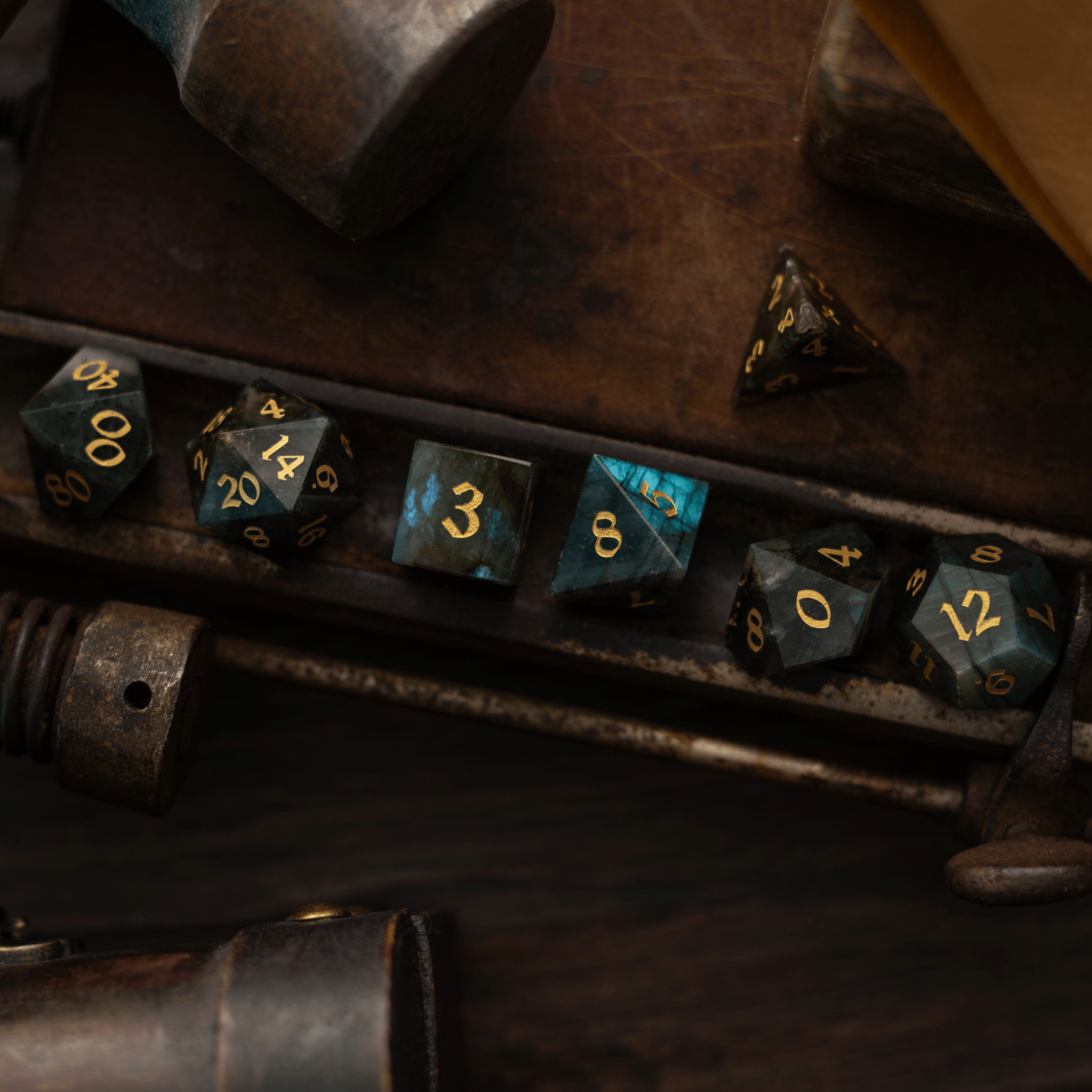
Whether you're exploring the expansive Forgotten Realms or the intricate planes of Eberron, geography serves as the canvas upon which all adventures are painted. Taking time to understand the physical world helps every scene feel more real and meaningful. Consider exploring specialty dice collections that might inspire your worldbuilding imagination as you develop your character's connection to these remarkable places.
Common Questions Answered
Do I Really Need to Know All of the Mythology to Enjoy the Game?
Absolutely not! The beauty of Dungeons & Dragons is that you can enjoy it at any level of engagement with the lore. Some players love deep dives into mythology, while others prefer focusing solely on their character's personal story and the immediate campaign. Your dungeon master will provide context for everything relevant to your adventure. That said, knowing some foundational concepts definitely enhances your experience and opens up more creative roleplaying possibilities.
What's the Best Way to Start Learning About This Mythology?
Start with whatever interests you most. If you love gods and religion, begin with the pantheon. If you're drawn to epic tales, research legendary heroes. If geography fascinates you, explore maps and regional guides. Your personal interests will naturally guide you toward the aspects of the mythology that resonate most deeply. Books, podcasts, and community forums all offer excellent entry points depending on your preferred learning style.
How Often Does the Official Mythology Change?
The core mythology remains relatively stable, but it's continually expanding through new releases and official publications. Sometimes recent events in official campaigns reshape how certain regions or factions are understood. Rather than viewing this as confusing, embrace it as an evolving world. Your dungeon master might use the latest developments or stick with earlier versions, and that's perfectly fine. Communication with your group about which sources you're using prevents confusion.
Can I Create My Own Lore Within the Existing World?
Yes, and this is encouraged! Dungeon masters regularly customize official settings to fit their vision. Your character's personal history, your party's legendary deeds, and the factions you influence all become part of your world's lore. Many campaigns take place in established settings but feature custom elements that make them unique. This blending of official and homebrew content creates richer, more personalized experiences.
Where Can I Find Reliable Mythology Resources?
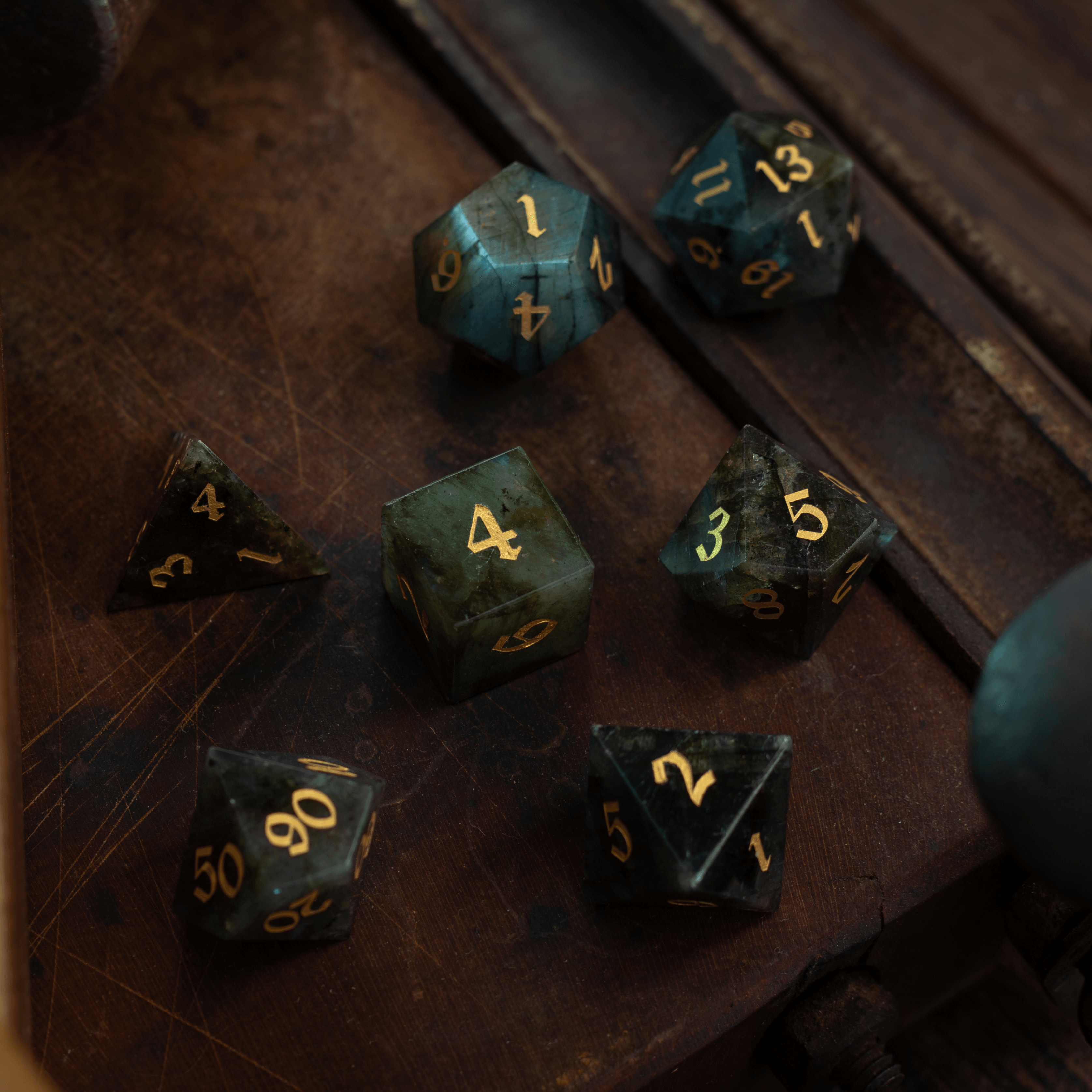
Official source books remain the gold standard, but community resources abound. Dedicated fans create wikis, video analyses, and detailed guides. Consider exploring high-quality dice options while you explore these resources—many players find that engaging with beautiful, well-crafted tools enhances their connection to the game's worlds and stories. Podcasts featuring world-building discussions and lore deep-dives provide excellent listening material during your own research.
How Do I Use Mythology to Improve My Roleplay?
Connect your character's actions and values to the broader world. Does your character respect a specific deity's teachings? Let that influence your moral decisions. Is your character from a region with a unique cultural identity? Adopt some of those cultural values in your speech and behavior. When your character understands the mythology surrounding their world, their reactions to events feel more authentic and informed. This creates more compelling roleplay that both you and your fellow players will enjoy.
Engaging with the mythology of Dungeons & Dragons transforms your gaming experience from a series of disconnected encounters into a truly immersive narrative journey. Whether you're a dungeon master crafting an epic campaign or a player bringing a character to life, understanding these stories deepens your investment in the game. Take your time exploring this vast universe, enjoy the learning process, and remember that the most rewarding part of any adventure is the story you create together with your fellow players.















Leave a comment
This site is protected by hCaptcha and the hCaptcha Privacy Policy and Terms of Service apply.