
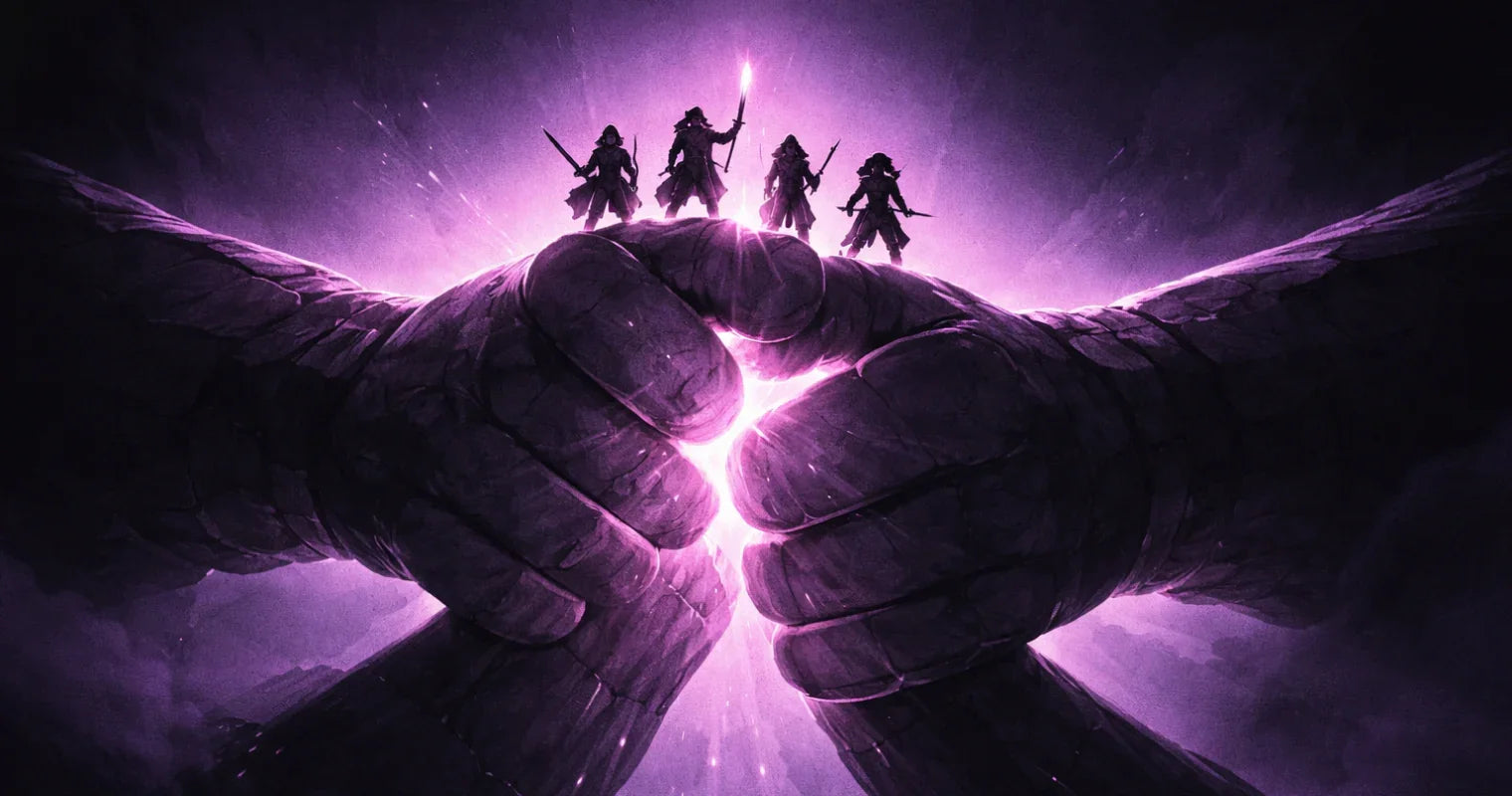
Dungeons and Dragons Community Support Strategies for Teams
Updated on: March 16, 2026
Building a thriving tabletop gaming community requires more than just rules and dice—it demands genuine connection, shared passion, and tools that bring players together. Whether you're a dungeon master, casual player, or community organizer, understanding how to foster meaningful engagement transforms isolated gaming sessions into vibrant, supportive networks. Discover practical strategies, real examples, and resources that empower your gaming circle to grow stronger.
- Essential Tips for Building Community
- Detailed Step-by-Step Process
- Create an Inclusive Gaming Environment
- Leverage Digital Platforms Effectively
- Organize Regular Gaming Events
- Frequently Asked Questions
- Summary and Takeaway
Essential Tips for Building Your Dungeons and Dragons Community Support Network

Creating a welcoming and engaged tabletop gaming community doesn't happen by accident. It requires intentional effort, clear communication, and a commitment to making every player feel valued. Whether you're launching a new gaming group or revitalizing an existing one, these practical tips will help you establish a foundation for sustainable growth and meaningful connections.
- Establish Clear Community Guidelines: Set expectations around respect, inclusivity, and player conduct. When everyone understands the ground rules, conflicts decrease and belonging increases significantly.
- Create Multiple Communication Channels: Use Discord, forums, or messaging apps to keep players connected between sessions. Regular check-ins build stronger relationships and keep excitement alive.
- Celebrate Player Achievements: Recognize milestones, character victories, and creative moments. Public appreciation strengthens bonds and encourages continued participation.
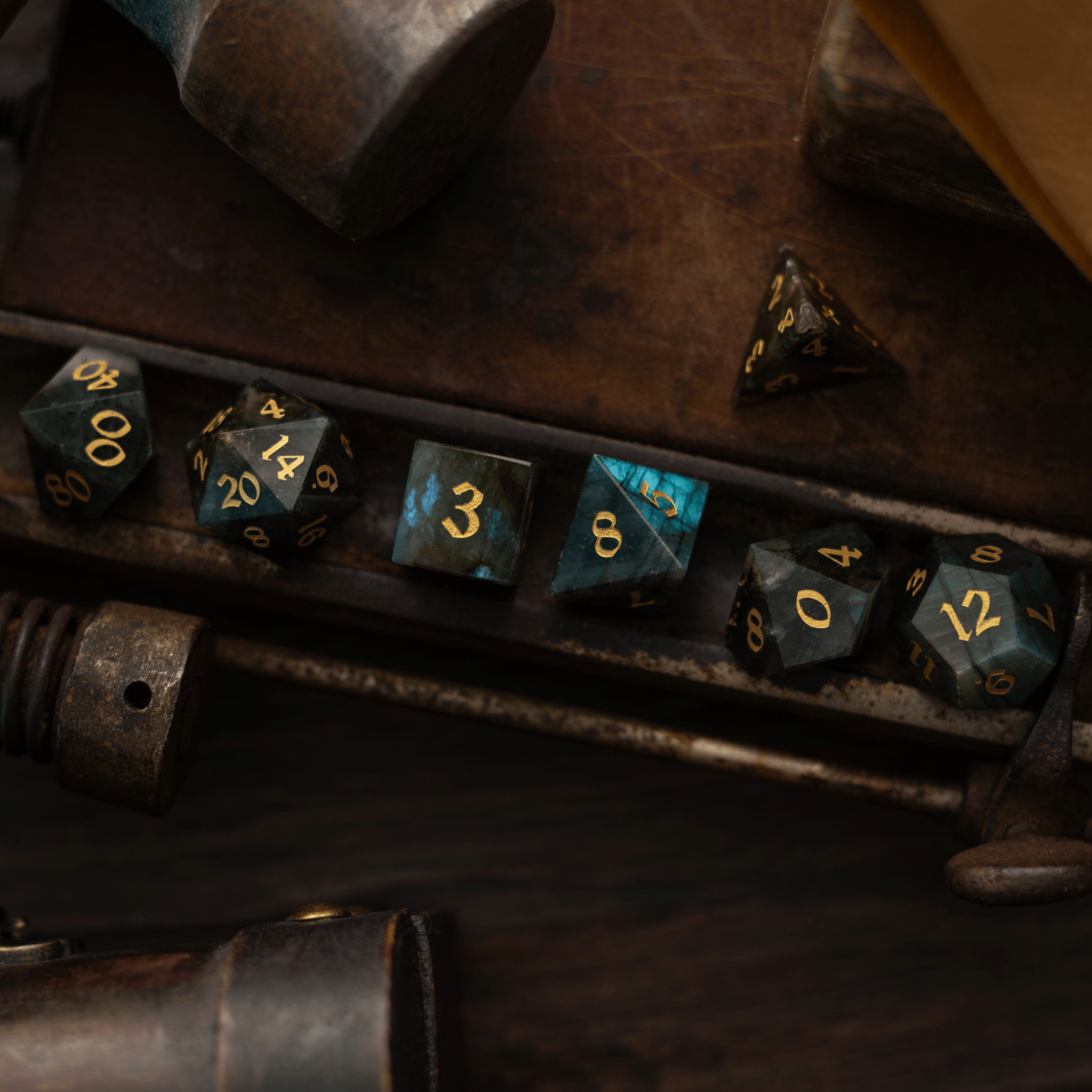
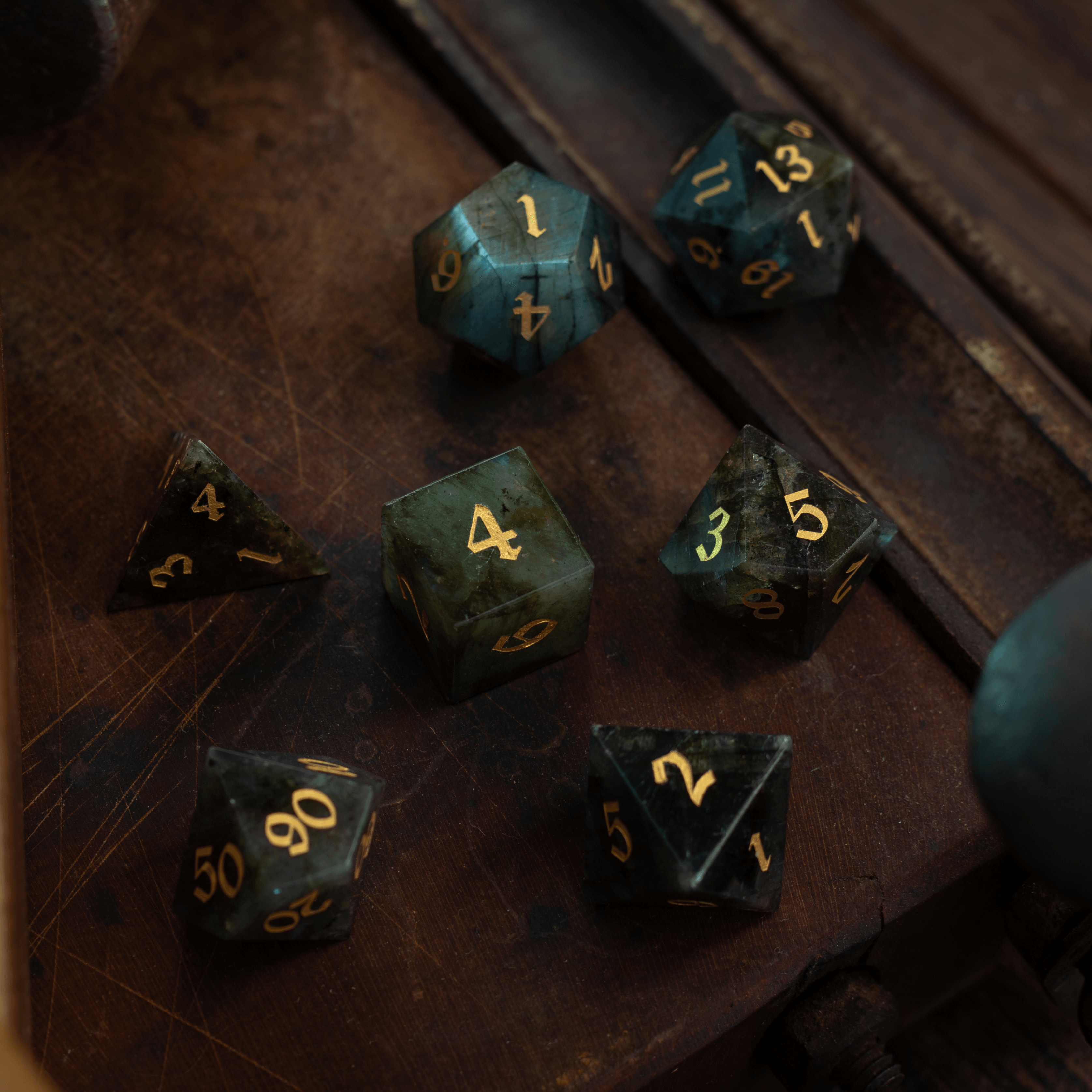
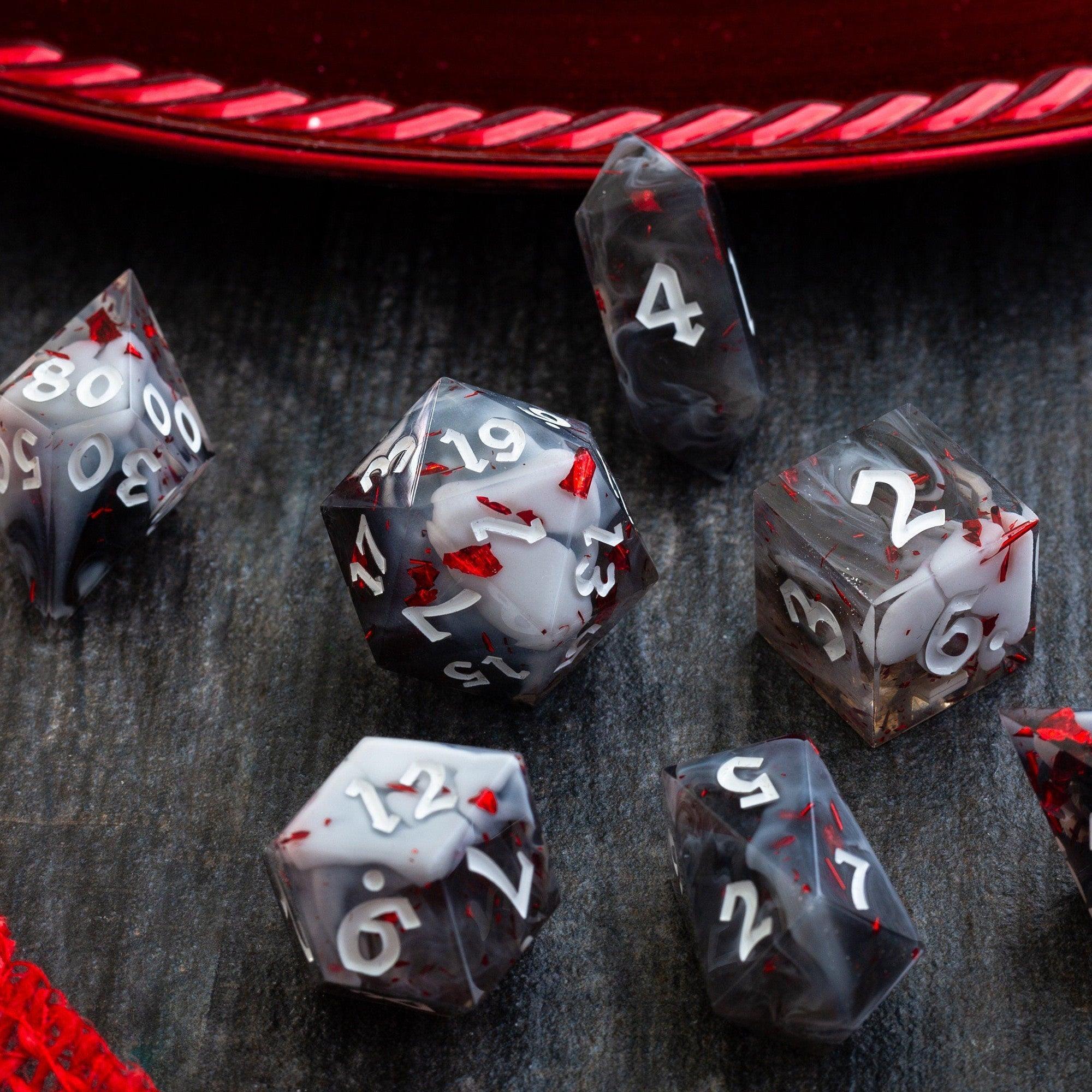
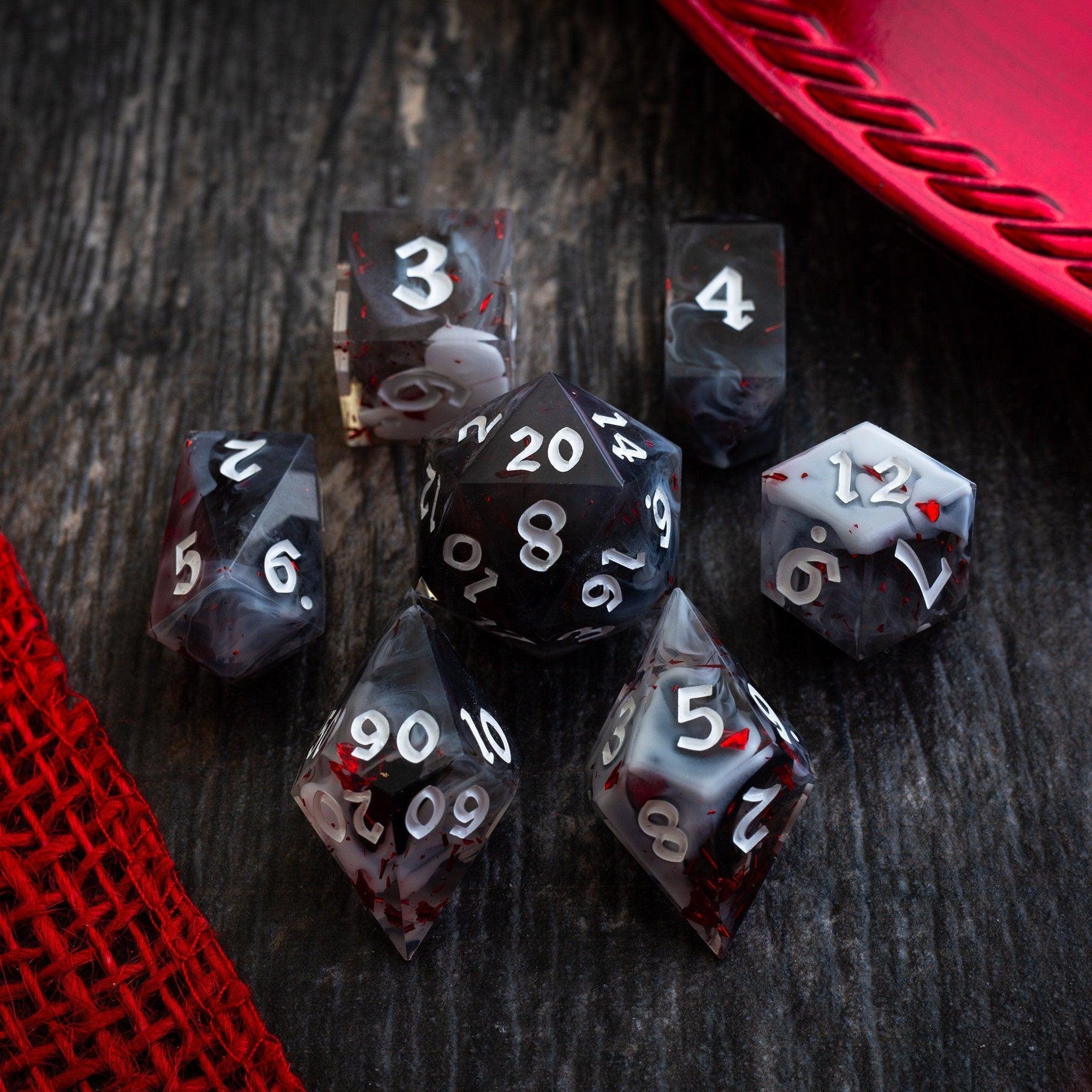
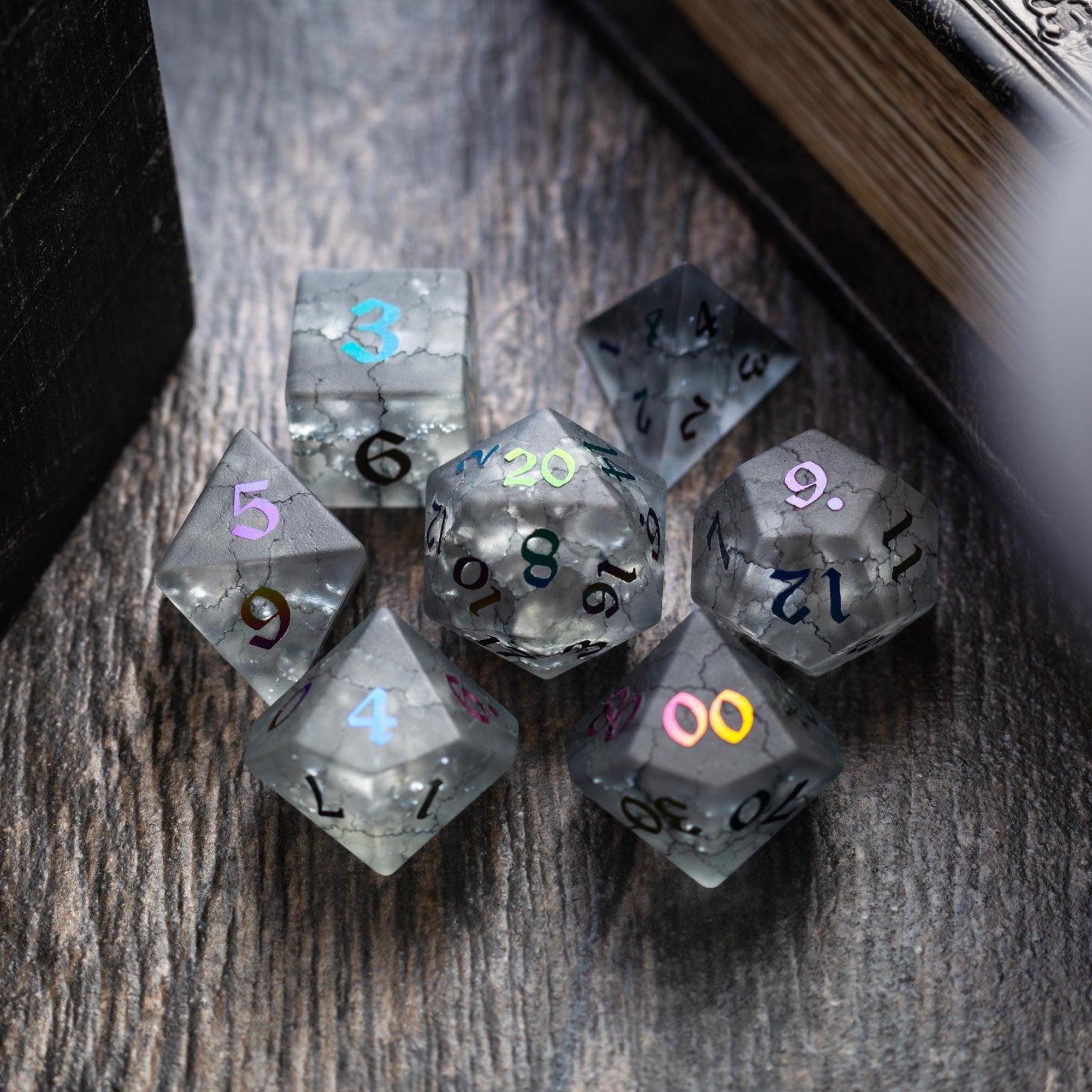
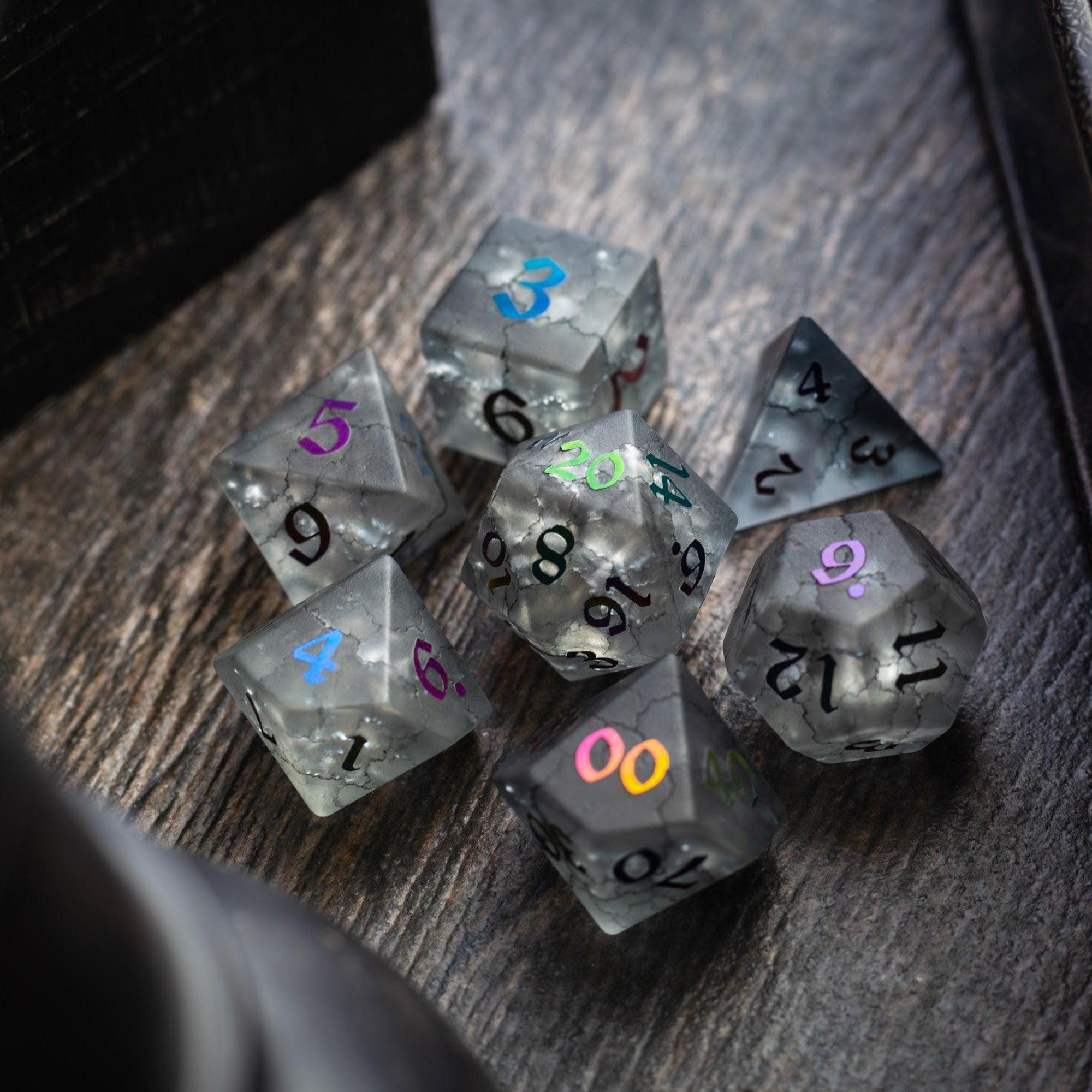
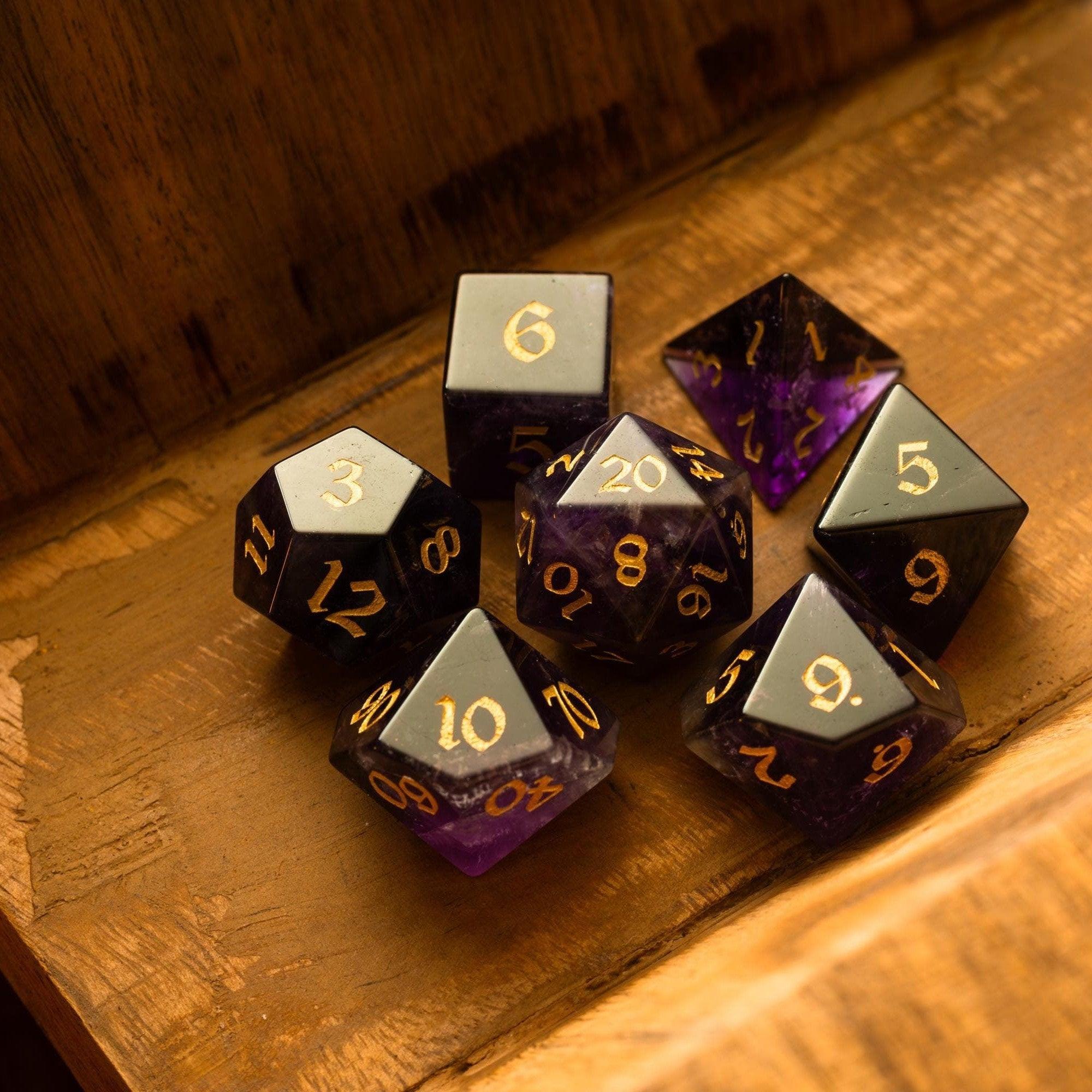
- Provide Quality Gaming Materials: Invest in tools that enhance gameplay, such as premium dice sets that inspire confidence and add tactile joy to your sessions.
- Rotate Leadership Responsibilities: Allow different players to serve as dungeon masters or event organizers. This distributes effort and makes everyone feel ownership in community success.
- Listen to Community Feedback: Regularly ask what players enjoy and what could improve. Adaptation based on genuine input shows you value their experience.

Detailed Step-by-Step Process for Launching Community Support Initiatives
Follow this structured approach to build and maintain a thriving tabletop gaming network. Each step builds on the previous one, creating momentum and establishing sustainable practices.
Step 1: Define Your Community Vision and Values
Before launching any initiatives, clarify what your community stands for. Do you prioritize competitive gameplay, narrative storytelling, casual fun, or skill development? Write down three to five core values that will guide decisions. This clarity attracts like-minded players and provides direction when conflicts arise.
Step 2: Identify and Recruit Core Organizers
Find two to four passionate individuals willing to invest time in community building. These organizers become ambassadors who help welcome new members, facilitate events, and address concerns. Look for people who are naturally friendly, reliable, and enthusiastic about gaming.
Step 3: Set Up Communication Infrastructure
Establish a central hub where community members connect. This might be a Discord server, Facebook group, or dedicated forum. Organize channels by topic: campaign discussion, rules clarification, social events, and resource sharing. Clear structure helps members find information quickly and reduces confusion.
Step 4: Plan and Execute Your First Community Event
Start with a low-pressure gathering—perhaps a casual gaming night, character creation workshop, or community discussion. Ensure the atmosphere is welcoming and inclusive. Document the event with photos and encourage participants to share their experiences online.
Step 5: Gather Feedback and Iterate
After each event or community interaction, ask for honest feedback. What worked well? What could improve? Use this information to refine your approach continuously. Demonstrating that you listen and adapt builds trust and loyalty.

Create an Inclusive Gaming Environment
Inclusivity forms the backbone of healthy gaming communities. When all players feel welcome regardless of experience level, background, or play style, engagement flourishes and retention increases dramatically. An inclusive approach means actively removing barriers and celebrating diversity.
Start by making your community accessible to beginners. Offer newcomer-friendly sessions separate from advanced campaigns. Provide simple character sheets and rule summaries. Assign experienced players as mentors who answer questions without judgment. When new members feel supported rather than intimidated, they're far more likely to return.
Diversity strengthens communities. Actively welcome players of different backgrounds, ages, and cultures. Monitor conversations for microaggressions or exclusionary language and address these respectfully. Feature diverse characters and storytelling perspectives in your campaigns. When players see themselves represented and hear their voices valued, the entire community becomes richer.
Accessibility matters too. Offer both in-person and online gaming options so people with mobility challenges, transportation limitations, or different schedules can participate. Consider hosting sessions at different times to accommodate working players and parents. Provide materials in multiple formats when possible.
Leverage Digital Platforms Effectively
Technology transforms how gaming communities connect. Digital platforms enable members to stay engaged between sessions, share creative content, and support one another across distances. However, effective use requires intentional design and community guidelines.
Discord has become essential for many communities because it combines voice chat, text channels, and file sharing in one platform. Create organized channels for character backgrounds, campaign notes, rules discussions, and off-topic socializing. Set clear expectations about respectful communication and moderate actively to maintain positive culture.
Beyond communication, digital tools help organize schedules, track campaign progress, and share resources. Calendar systems prevent confusion about session times. Shared documents allow collaborative world-building. Character databases help dungeon masters manage complex campaigns efficiently.
Social media platforms like Instagram or TikTok can showcase your community's creativity. Share character art, highlight funny moments, and celebrate player accomplishments. This visibility attracts new members and reinforces community pride. However, respect privacy by obtaining permission before sharing others' content.
Organize Regular Gaming Events That Strengthen Bonds
Consistent events form the heartbeat of active communities. Regular gatherings build rhythm, create anticipation, and provide natural opportunities for deeper connections. The key is finding a sustainable schedule that works for your members.
Establish a predictable weekly or bi-weekly gaming session. Consistency allows players to plan around commitments and build habits. Communicate the schedule prominently and maintain it reliably. When players know exactly when gaming happens, they prioritize attending.
Beyond regular campaigns, special events add excitement and variety. Host one-shot adventures that welcome drop-in players. Organize character creation workshops where newcomers learn the process. Plan community challenges or competitions that test skills and creativity. Celebrate milestones with themed parties or special sessions.
Make events memorable by investing in quality materials. Professional-grade dice sets, beautiful character sheets, and well-organized tables enhance the experience. When you provide high-quality gaming dice, players feel valued and the tactile experience becomes more satisfying.
Document events through photos, video clips, or written summaries. Share these with your community to celebrate moments and build narrative continuity. This documentation helps absent members feel connected and creates memories that strengthen community bonds over time.
Frequently Asked Questions
How do I handle conflict between community members?
Address conflicts promptly and privately with those involved. Listen to all perspectives without judgment. Focus on shared community values rather than blame. Work toward solutions that help everyone feel respected. If conflicts persist, consider mediation by neutral community leaders. Sometimes a conversation about expectations and mutual respect resolves tension quickly.
What's the best way to welcome new members to an established group?
Assign an experienced player as a buddy who answers questions and helps newcomers integrate. Introduce them warmly during your first session together. Provide beginner-friendly materials and rule summaries. Ask about their experience and preferences to help them feel understood. Follow up after their first session to ensure they felt welcome and address any concerns. First impressions determine whether newcomers return.
How can I encourage shy or introverted players to participate more actively?
Never force participation, but create safe spaces for contribution. Offer one-on-one conversations about character goals and background. Use written feedback opportunities so quieter players can share input. Structure activities that accommodate different communication styles—some players excel through roleplay while others prefer problem-solving or creative planning. Celebrate their unique contributions publicly to build confidence.
Summary and Takeaway
Building a supportive gaming community is among the most rewarding endeavors for dungeon masters and players alike. Success comes through intentional effort, genuine listening, and commitment to creating spaces where every member feels valued and connected. The strategies outlined—from establishing clear values to leveraging digital tools, organizing regular events, and fostering inclusion—form a comprehensive roadmap for community growth.
Remember that community building is ongoing. Your group will evolve as members come and go, and you'll continuously learn what works best for your specific players. Remain flexible, stay responsive to feedback, and never stop celebrating the shared love of storytelling and adventure that brings your community together. When you invest in genuine human connection alongside quality gaming experiences, you create communities that endure and flourish for years to come. Start implementing these strategies today, and watch your tabletop gaming network transform into a vibrant, supportive community where every member thrives.
Explore our complete collection of premium dice sets designed to enhance your gaming sessions and create lasting memories with your community.












Leave a comment
This site is protected by hCaptcha and the hCaptcha Privacy Policy and Terms of Service apply.