
D&D Human Race Guide: Traits, Abilities, and Best Classes for Beginners

If you’re creating your very first Dungeons & Dragons character, you’ve probably looked at the list of races and thought, “Why would I pick a Human when I could be an Elf, Dragonborn, or Tiefling?”
It’s a fair question. Humans don’t have glowing eyes, horns, or centuries of mystical lore. But here’s the truth most experienced players learn quickly:
Humans are one of the strongest and most beginner-friendly choices in D&D 5e.
They’re flexible, easy to understand, and can fit into any playstyle or story you want to explore. Whether you want to swing a sword, cast powerful spells, or sneak through the shadows, Humans can do it all without locking you into a specific path.
This guide will walk you through everything you need to know about the D&D human race, from traits and abilities to the best classes for beginners.
What Makes Humans Unique in D&D 5e?
Humans aren’t defined by one special ability. Instead, they’re defined by something even more powerful:
Adaptability.
In the world of D&D, Humans are known for:
- Versatility – They can succeed in any role or class
- Ambition – Humans often strive for greatness in shorter lifespans
- Diversity – Cultures, personalities, and backgrounds vary wildly
Unlike some races that naturally lean toward specific classes, Humans give you total freedom during D&D character creation. You’re not nudged in any one direction. You can build exactly the character you imagine.
That’s why many players consider Humans the best race for beginners in D&D. You get to learn the game without worrying about complicated racial mechanics.
Human Traits (Standard Human)
The Standard Human is simple, but surprisingly powerful.
Core Traits
-
+1 to all ability scores
That’s it. No complicated features, no extra abilities to track.
What This Means (In Simple Terms)
Every character in D&D has six ability scores:
- Strength
- Dexterity
- Constitution
- Intelligence
- Wisdom
- Charisma
Most races boost one or two of these. Humans boost all of them.
Why This Is Great for Beginners
- Balanced stats – You won’t feel weak in any area
- Forgiving builds – Mistakes matter less when everything is slightly improved
- Flexible playstyle – You can adapt as you learn the game
Think of the Standard Human as a “solid foundation.” You’re not specializing early, which makes it easier to figure out what you enjoy.
Variant Human Explained (Optional Rule)
If your group allows it, the Variant Human 5e option is where things get really interesting.
Variant Human Traits
- +1 to two ability scores (your choice)
- One skill proficiency
- One feat at level 1
Why Feats Are a Big Deal
Feats are special abilities that can change how your character plays. Most characters don’t get one until later levels.
Variant Humans get one right away.
For example, a feat might let you:
- Deal more damage
- Cast extra spells
- Gain new abilities or combat tricks
Why Variant Human Is So Strong
- You can customize your character from the very start
- You gain abilities earlier than other races
- You can build toward a specific playstyle immediately
Even though it sounds more advanced, Variant Human is still beginner-friendly because it lets you shape your character in a clear, meaningful way.
Best Classes for Humans (Beginner-Friendly Guide)
One of the biggest strengths of the human 5e race is that it works with every class. But if you’re just starting out, some combinations feel especially smooth.
Fighter → Simple and Reliable
- Why it works: Fighters benefit from balanced stats and straightforward mechanics
- Playstyle: Attack enemies, protect allies, and stay in the fight
Humans make great Fighters because they don’t need specialized stats to succeed.
Rogue → Skillful and Flexible
- Why it works: Humans boost all abilities, which helps with skills and stealth
- Playstyle: Sneak, outsmart enemies, and deal precise damage
A Human Rogue feels capable in almost any situation, especially outside of combat.
Wizard → Smart and Adaptable
- Why it works: Wizards rely on Intelligence, but benefit from better survivability with improved stats
- Playstyle: Cast spells, control the battlefield, and solve problems creatively
Humans help smooth out the Wizard’s natural weaknesses.
Cleric → Balanced Support
- Why it works: Clerics need multiple strong stats, which Humans provide
- Playstyle: Heal allies, support the team, and fight when needed
A Human Cleric feels sturdy and reliable right from level 1.
Paladin → Strong All-Around Hero
- Why it works: Paladins rely on Strength, Charisma, and Constitution
- Playstyle: Deal heavy damage, protect allies, and channel divine power
Humans make it easier to balance all the stats Paladins need.
Quick Build Table
|
Build Type |
Suggested Class |
Why It Works |
|
Frontline Fighter |
Fighter |
Simple mechanics and durability |
|
Stealth Expert |
Rogue |
Strong skills and flexibility |
|
Spellcaster |
Wizard |
Balanced stats improve survivability |
|
Support Healer |
Cleric |
Well-rounded and dependable |
|
Holy Warrior |
Paladin |
Benefits from multiple strong stats |
Human Playstyle: What It Feels Like to Play One
Playing a Human feels like having options at all times.
You’re not locked into a single strength or gimmick. Instead, you get:
- Flexibility in combat – You can adapt to different situations
- Freedom to experiment – Try different strategies without being punished
- A smooth learning curve – Less complexity, more focus on gameplay
For new players, this is incredibly valuable. You can focus on learning how D&D works instead of juggling complicated racial abilities.
Roleplaying a Human Character
Humans are one of the most fun races to roleplay because they can be anything.
Here are a few ideas to get you started:
- Ambitious Adventurer – Driven to prove themselves in a dangerous world
- Noble Knight – Bound by honor, protecting the weak
- Curious Scholar – Seeking knowledge and ancient secrets
- Wandering Mercenary – Traveling from job to job, surviving by skill
Because Humans don’t come with strict lore or expectations, you have complete creative freedom.
Your character could come from a bustling city, a quiet village, or a war-torn land. Their story is entirely yours.
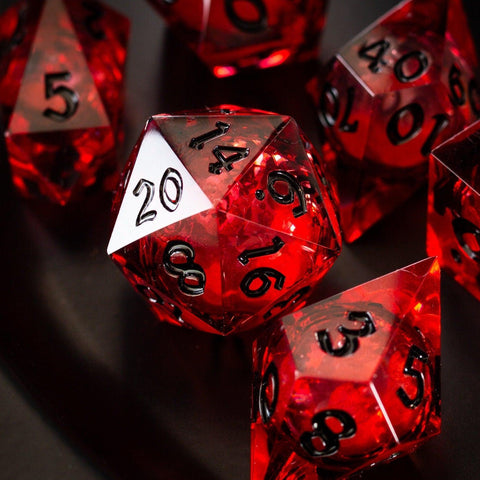
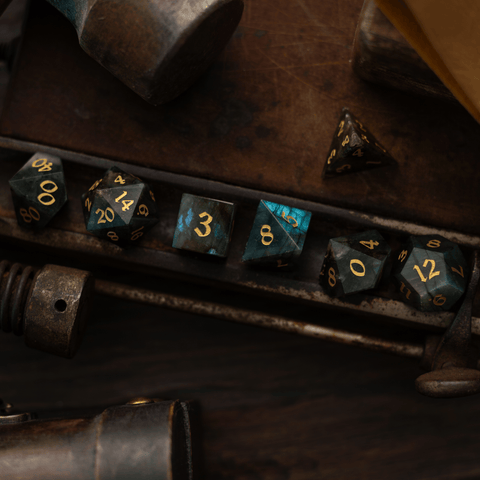
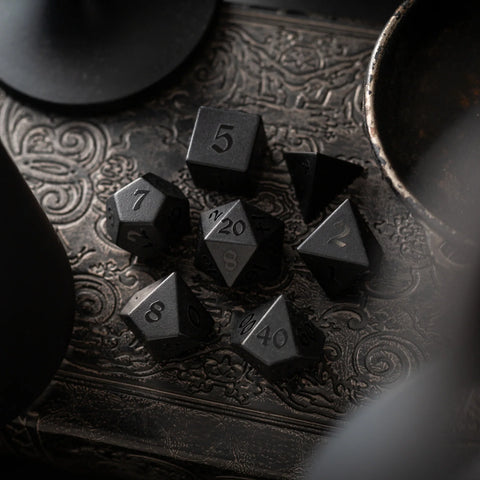
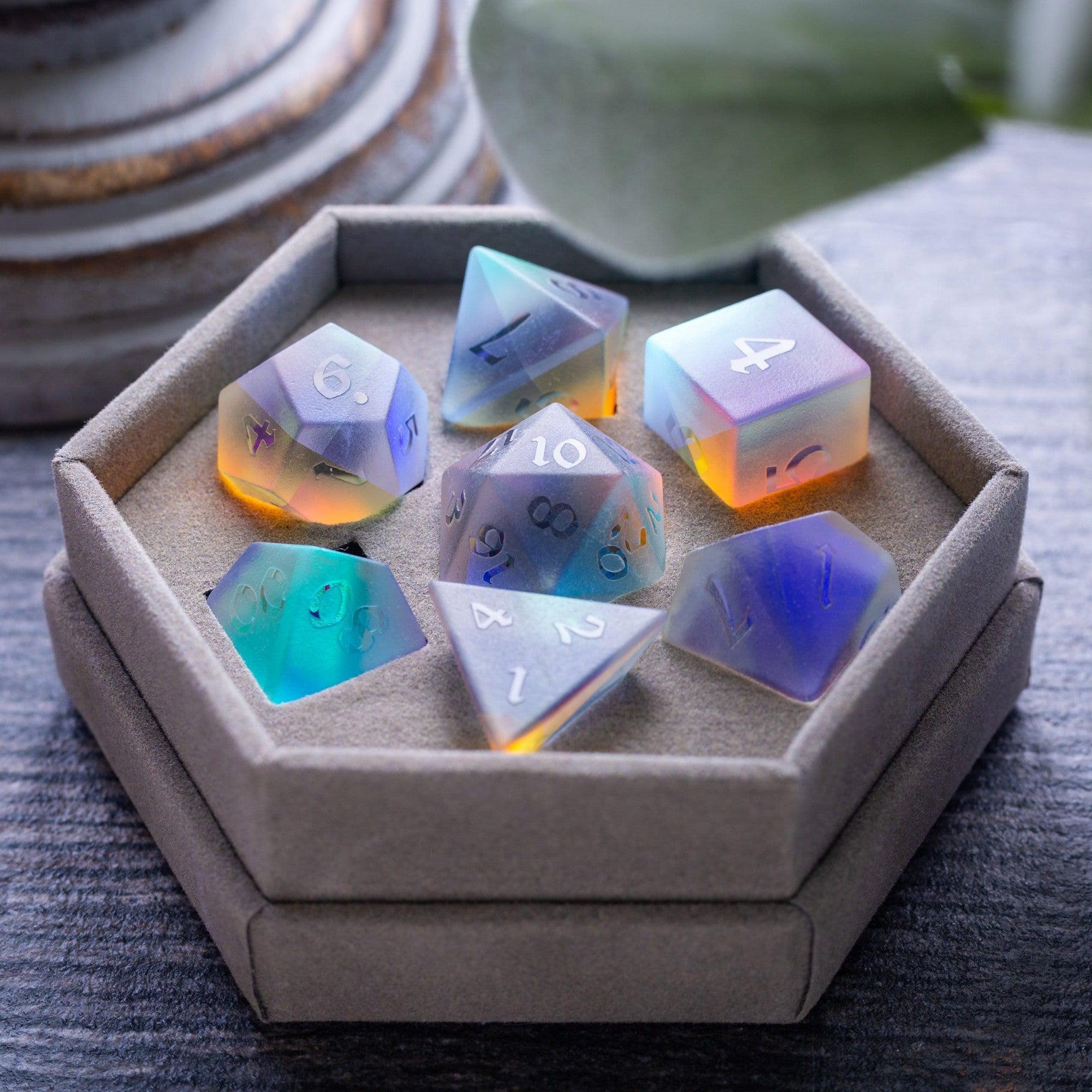
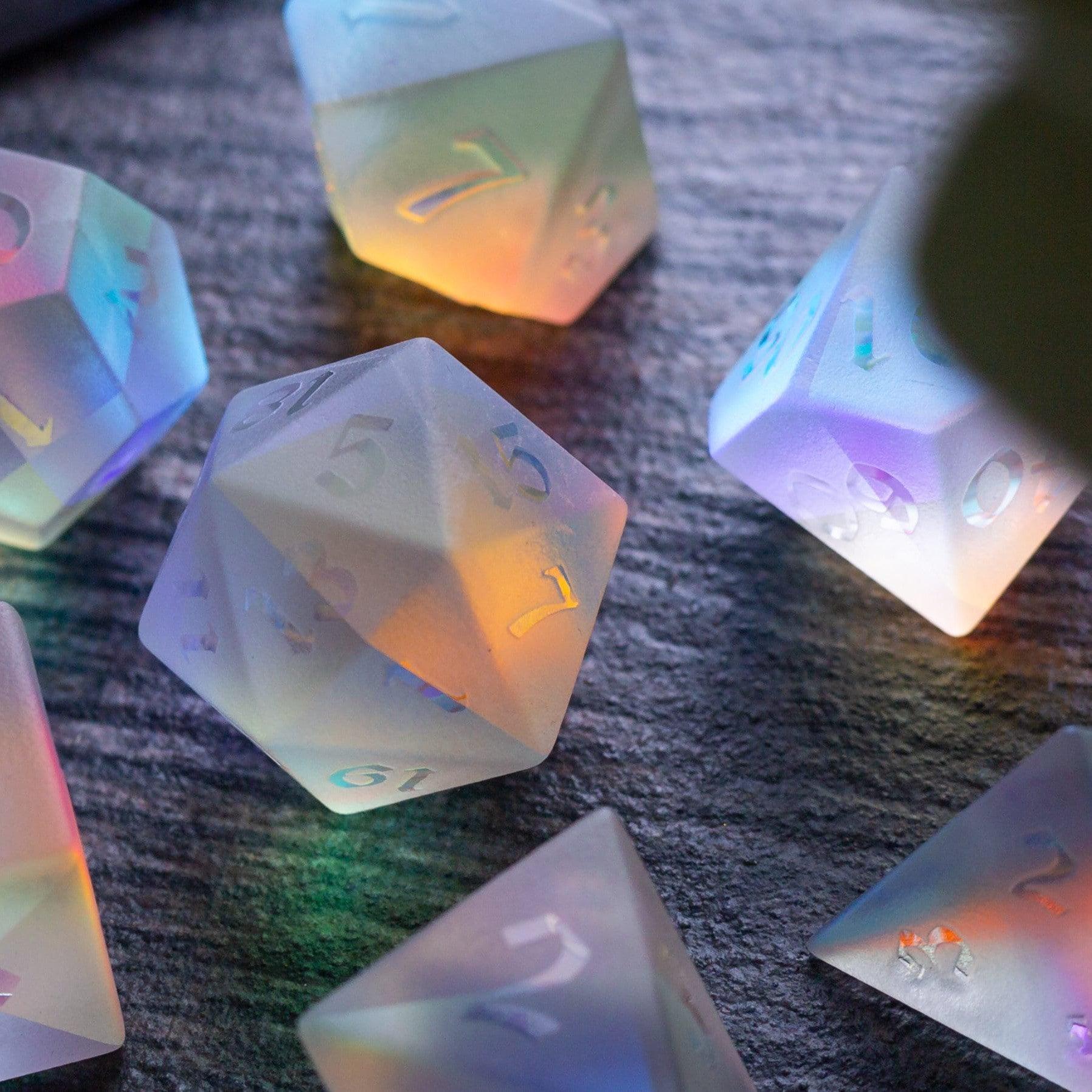
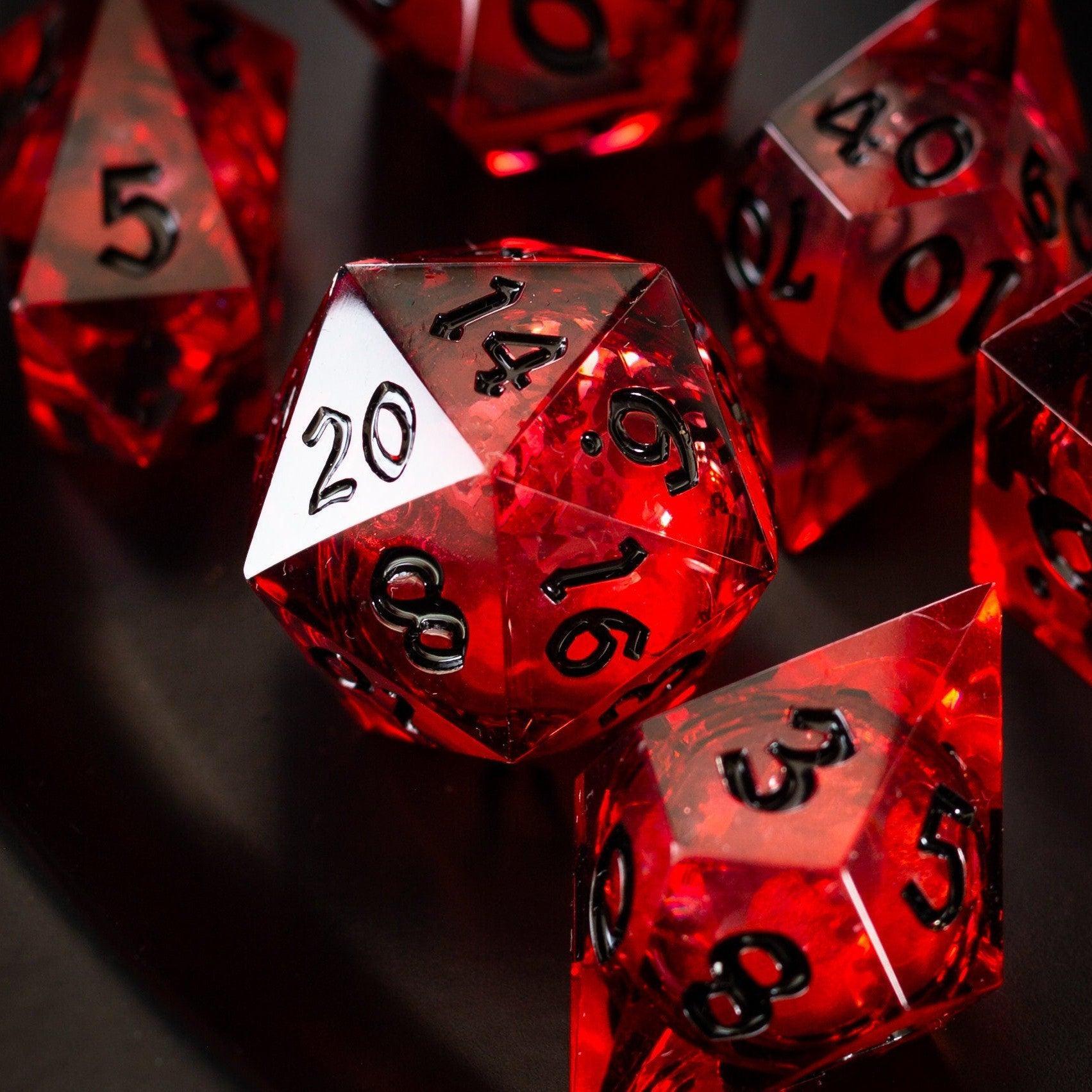
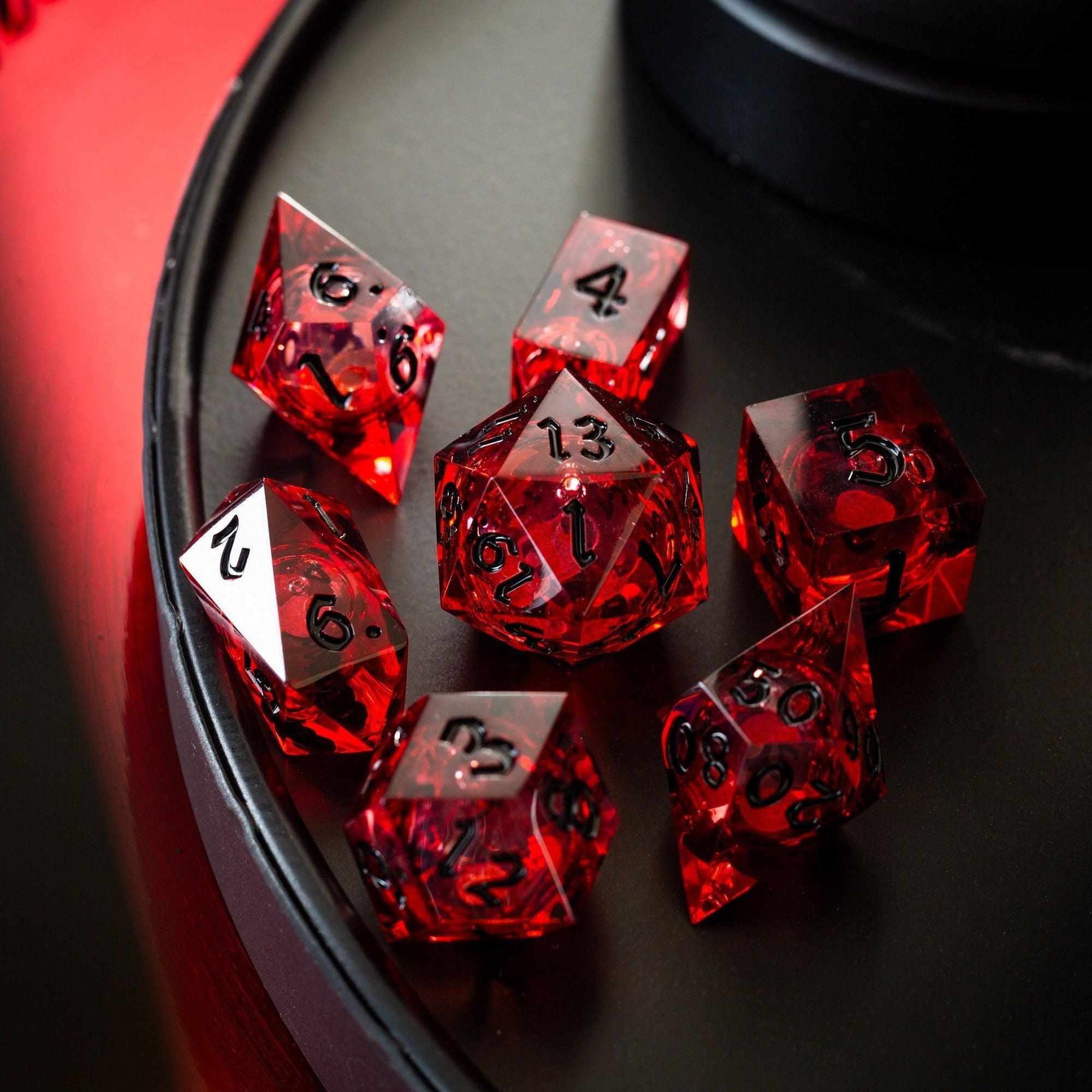
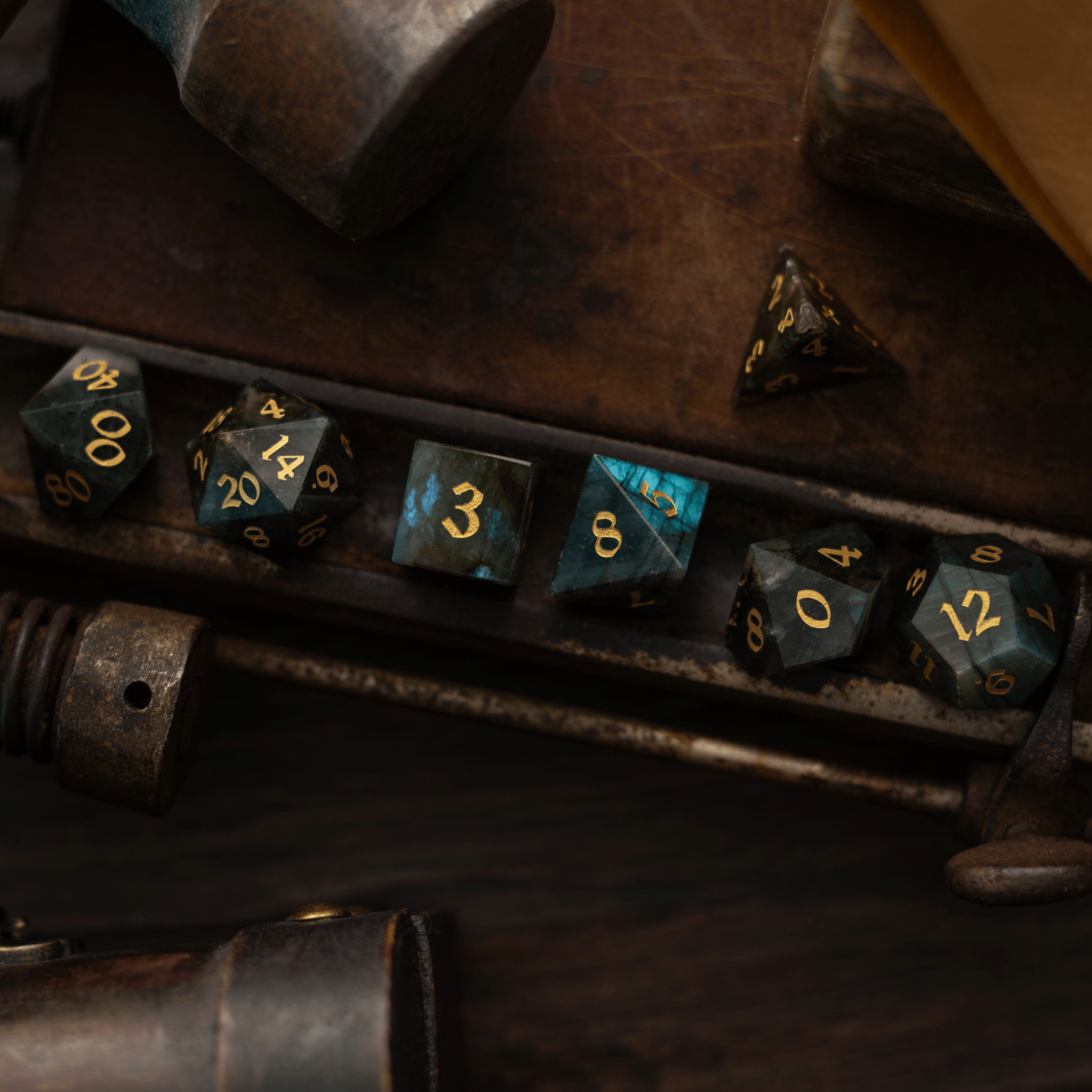
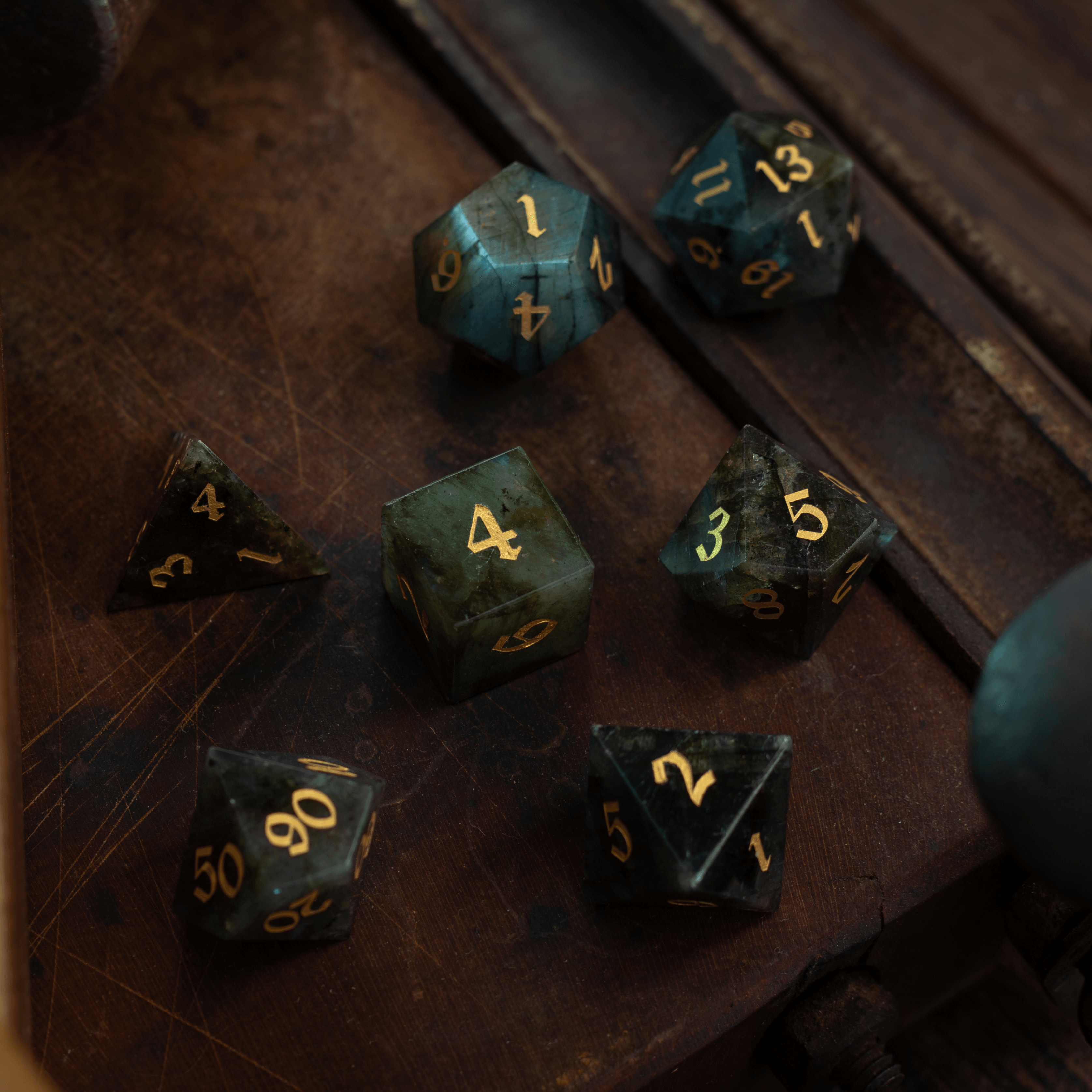
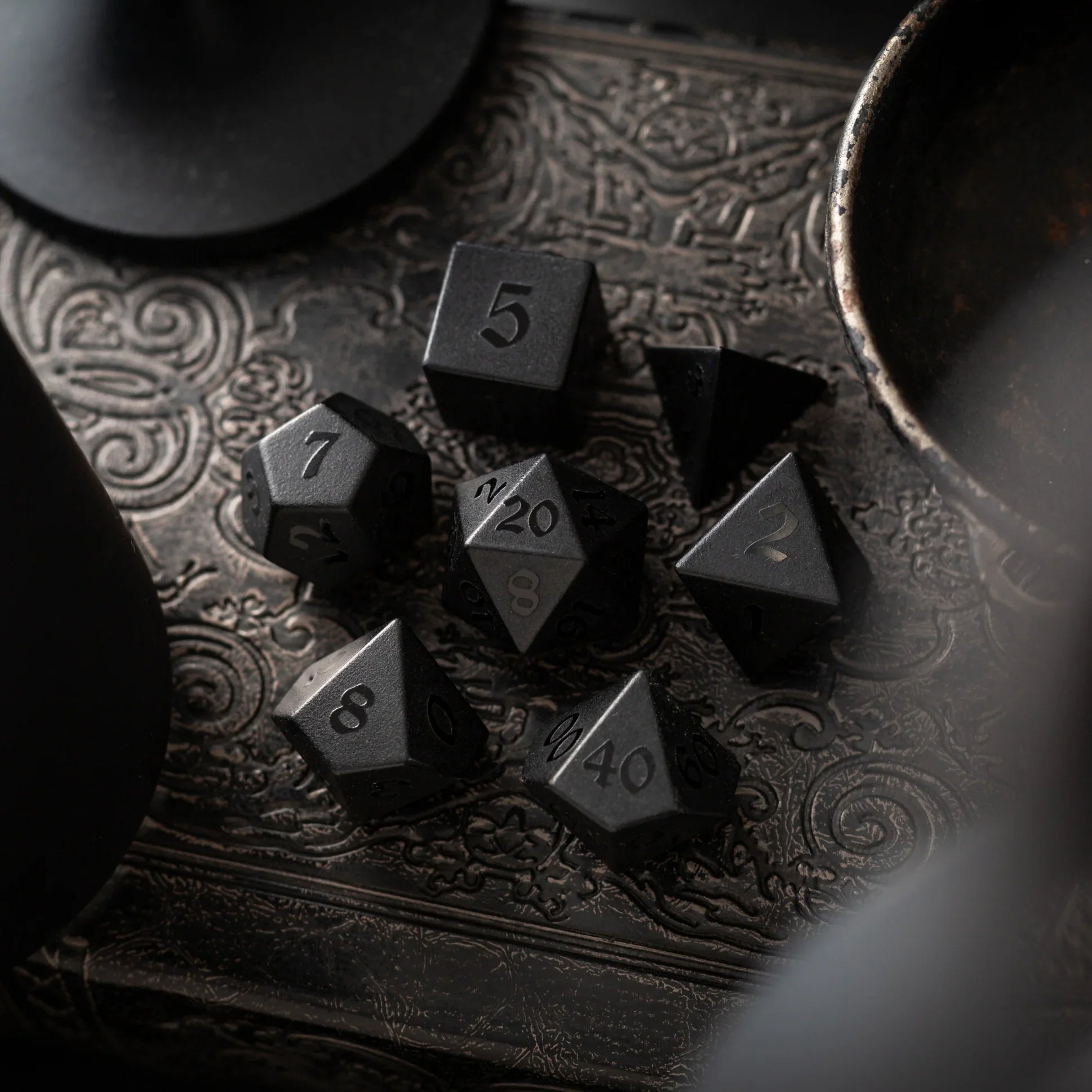
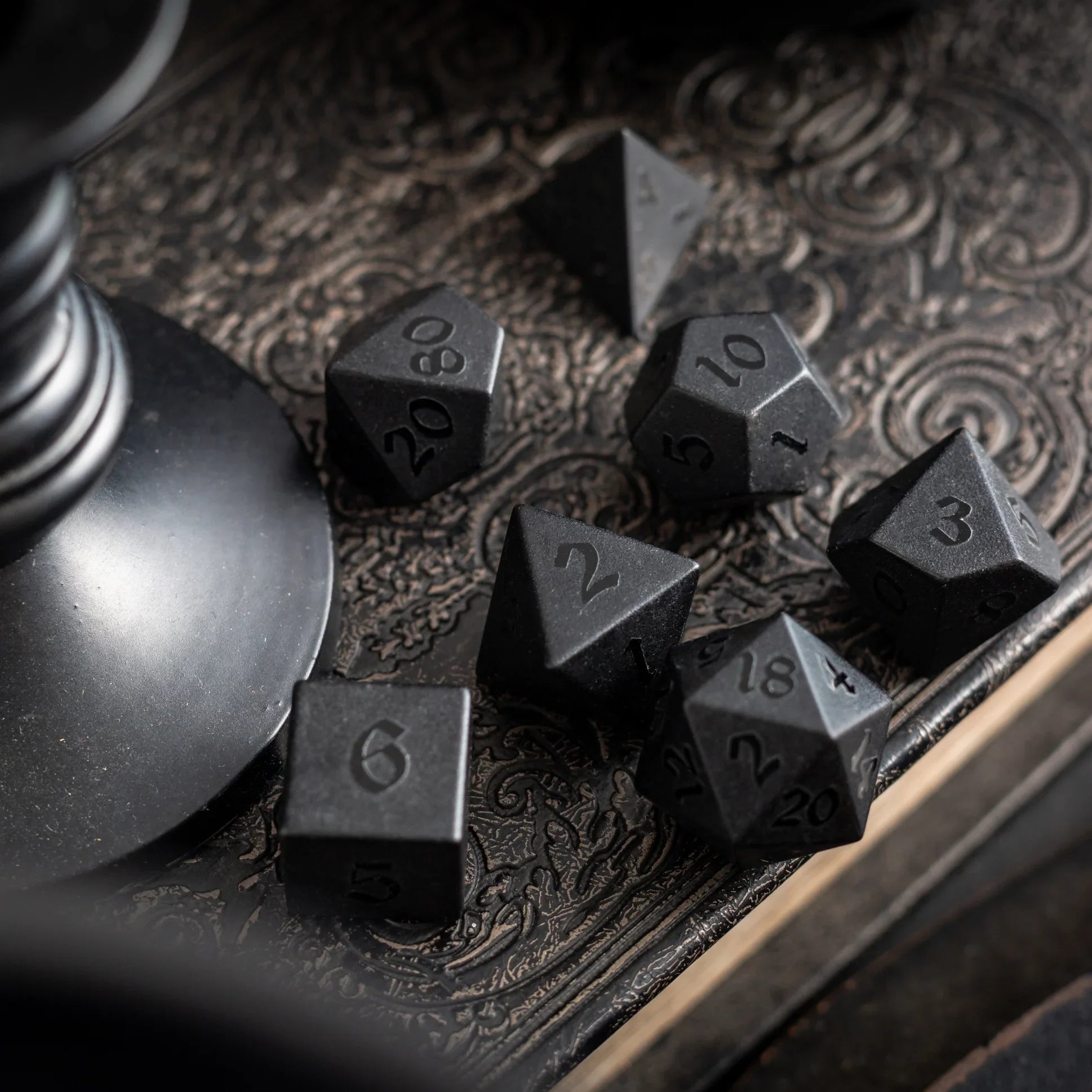
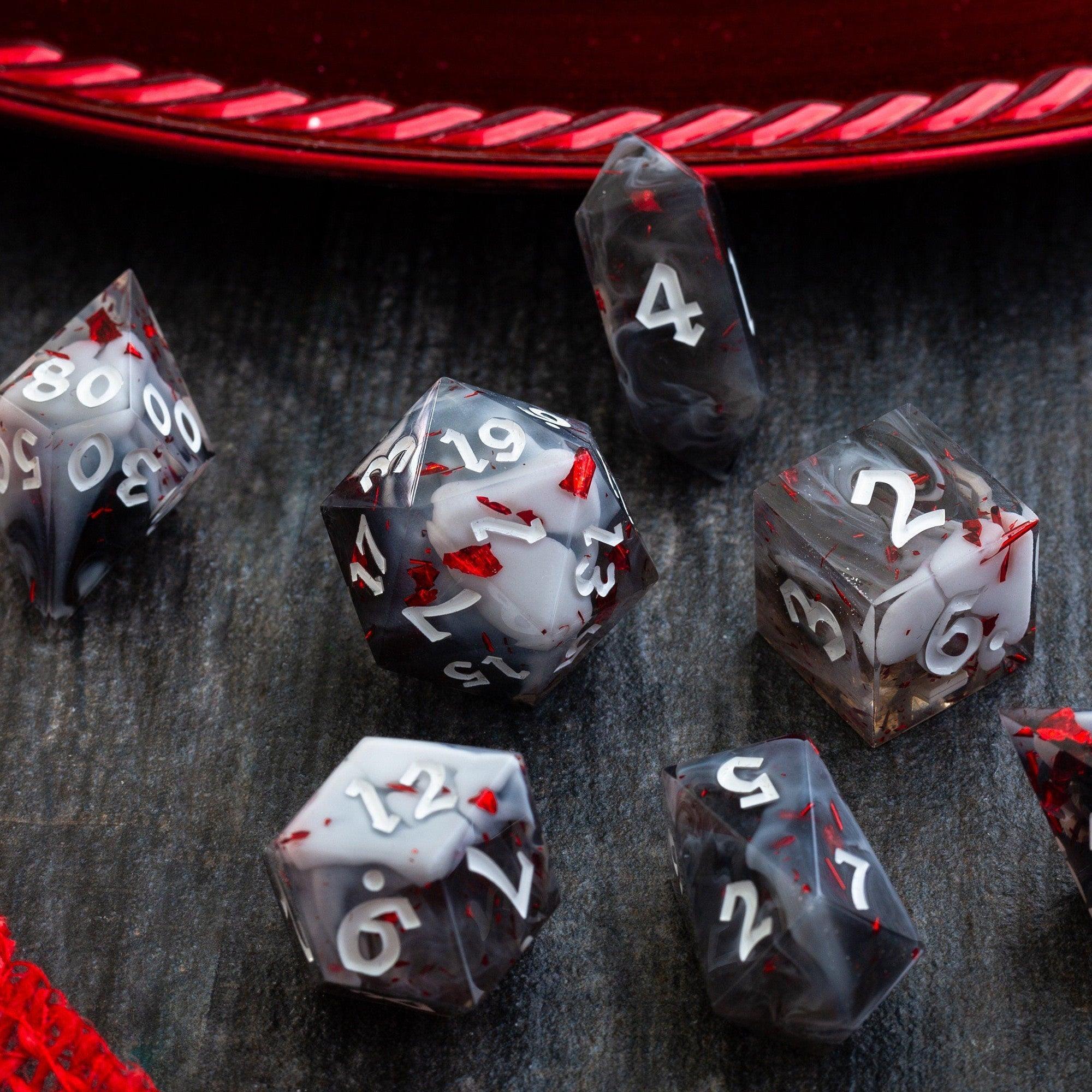
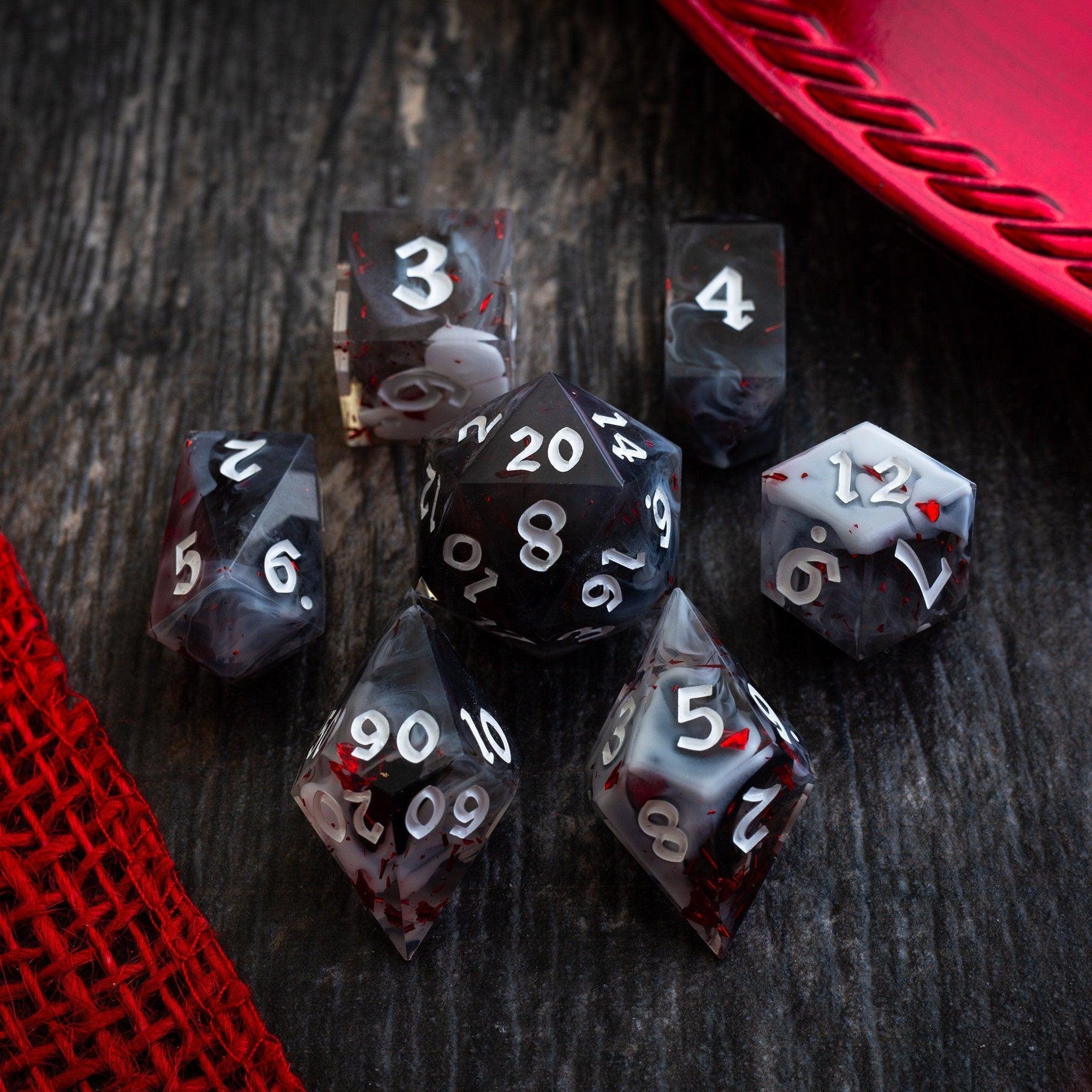
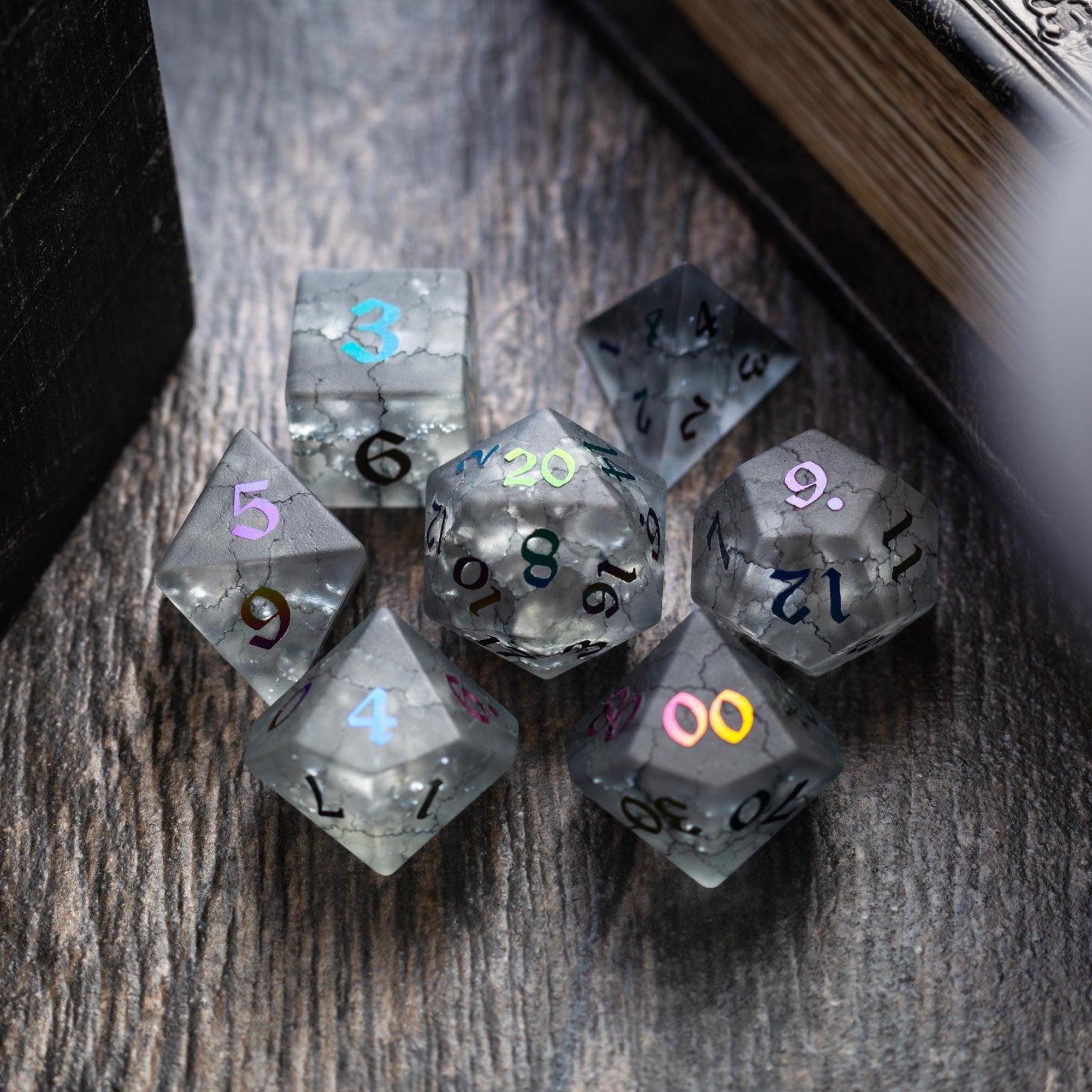
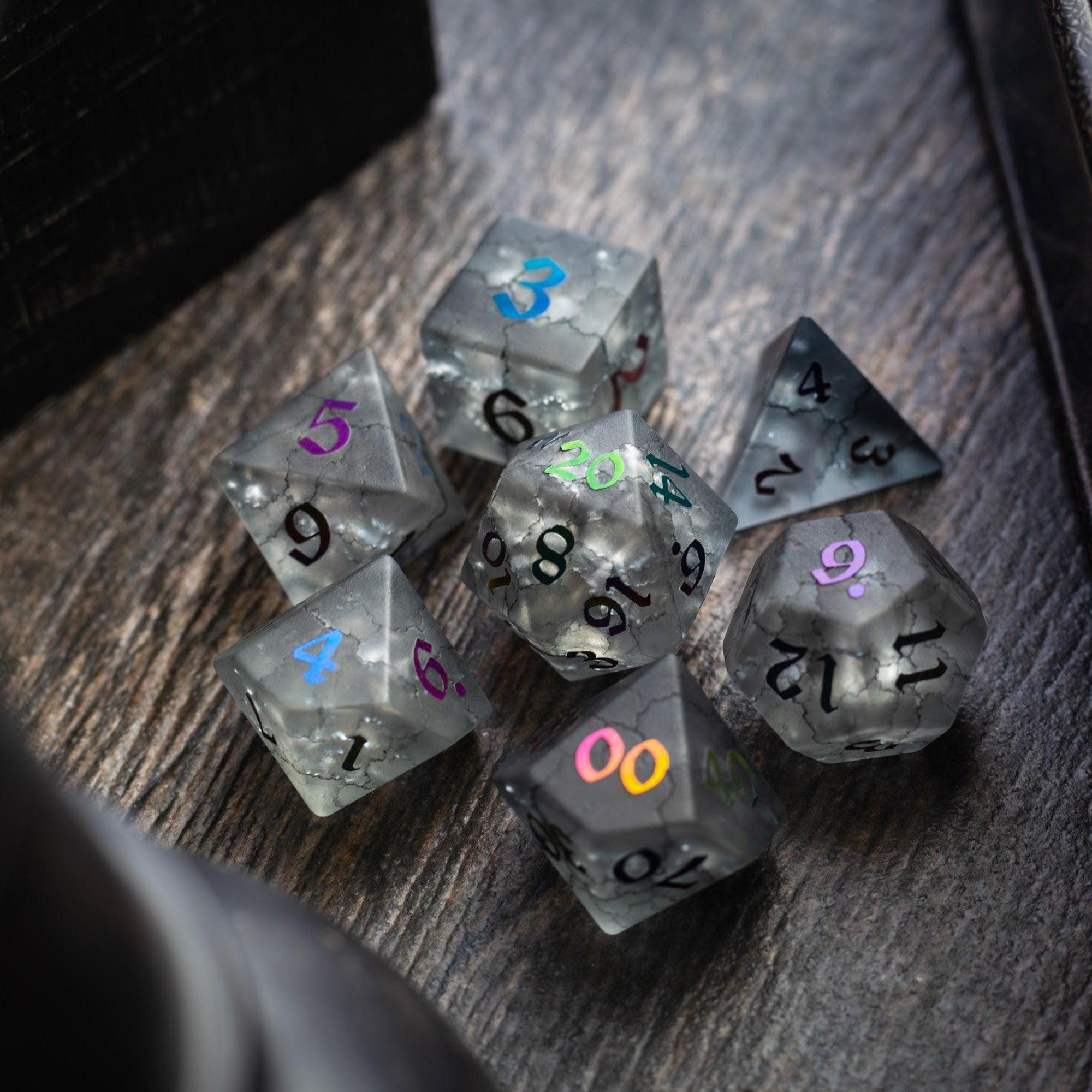
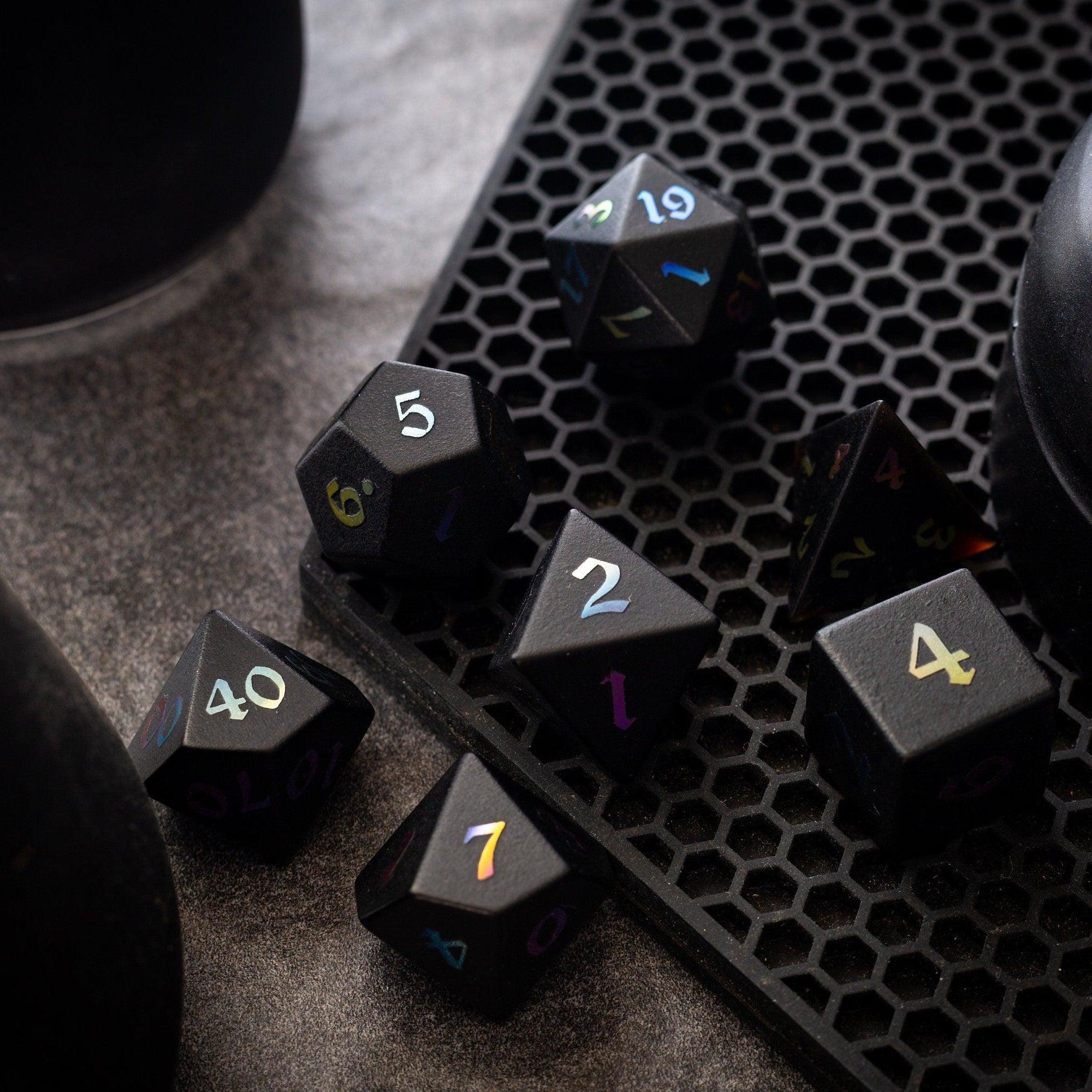
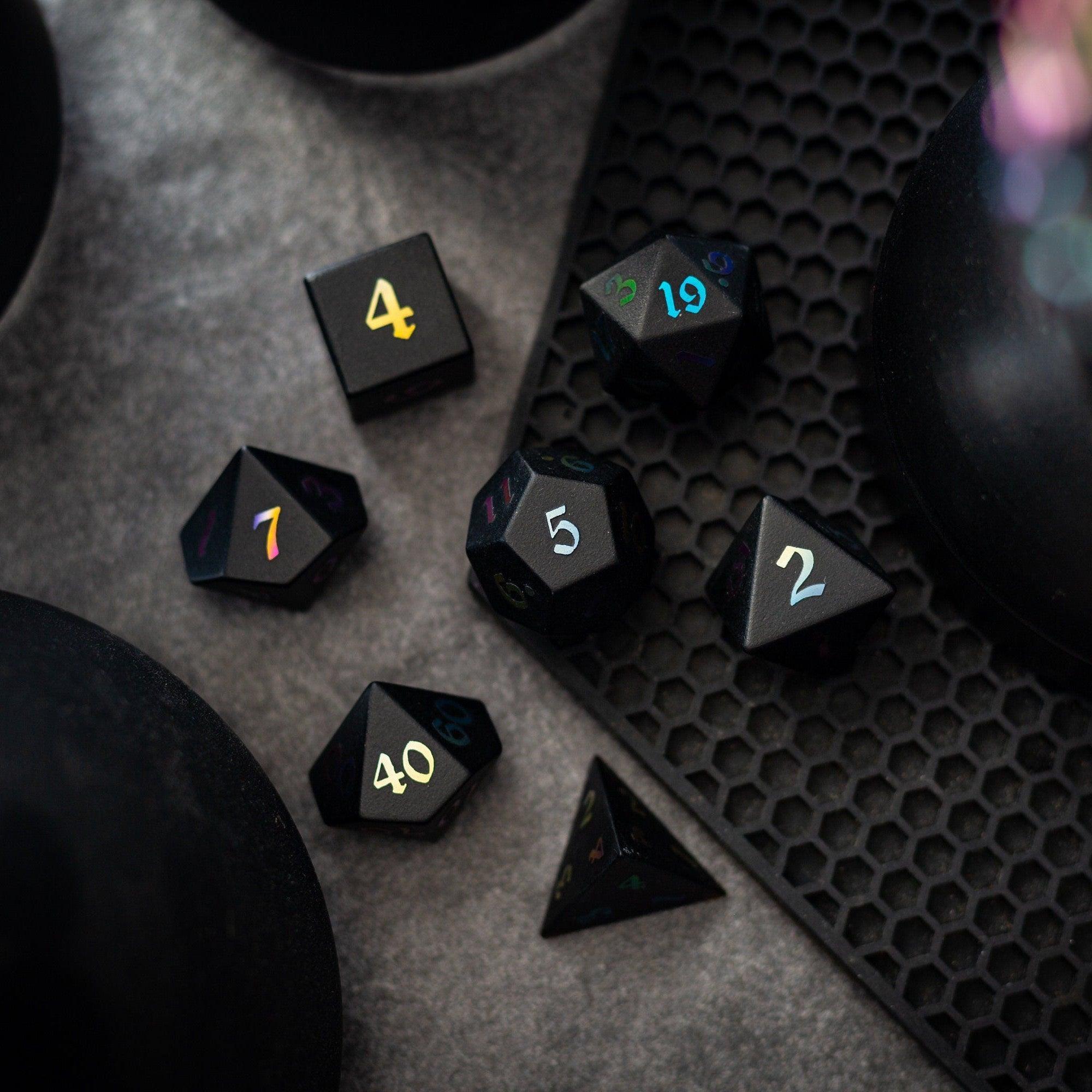
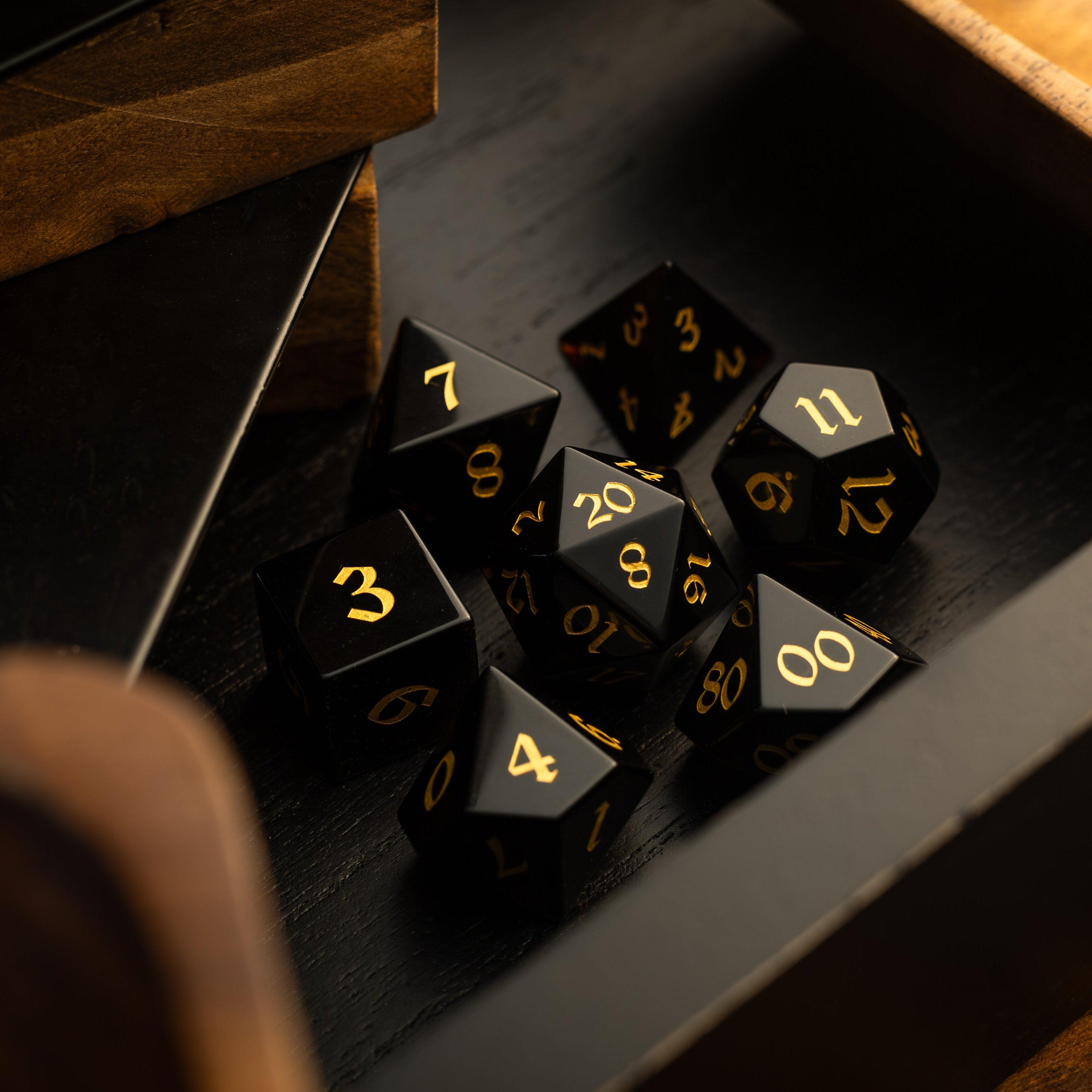
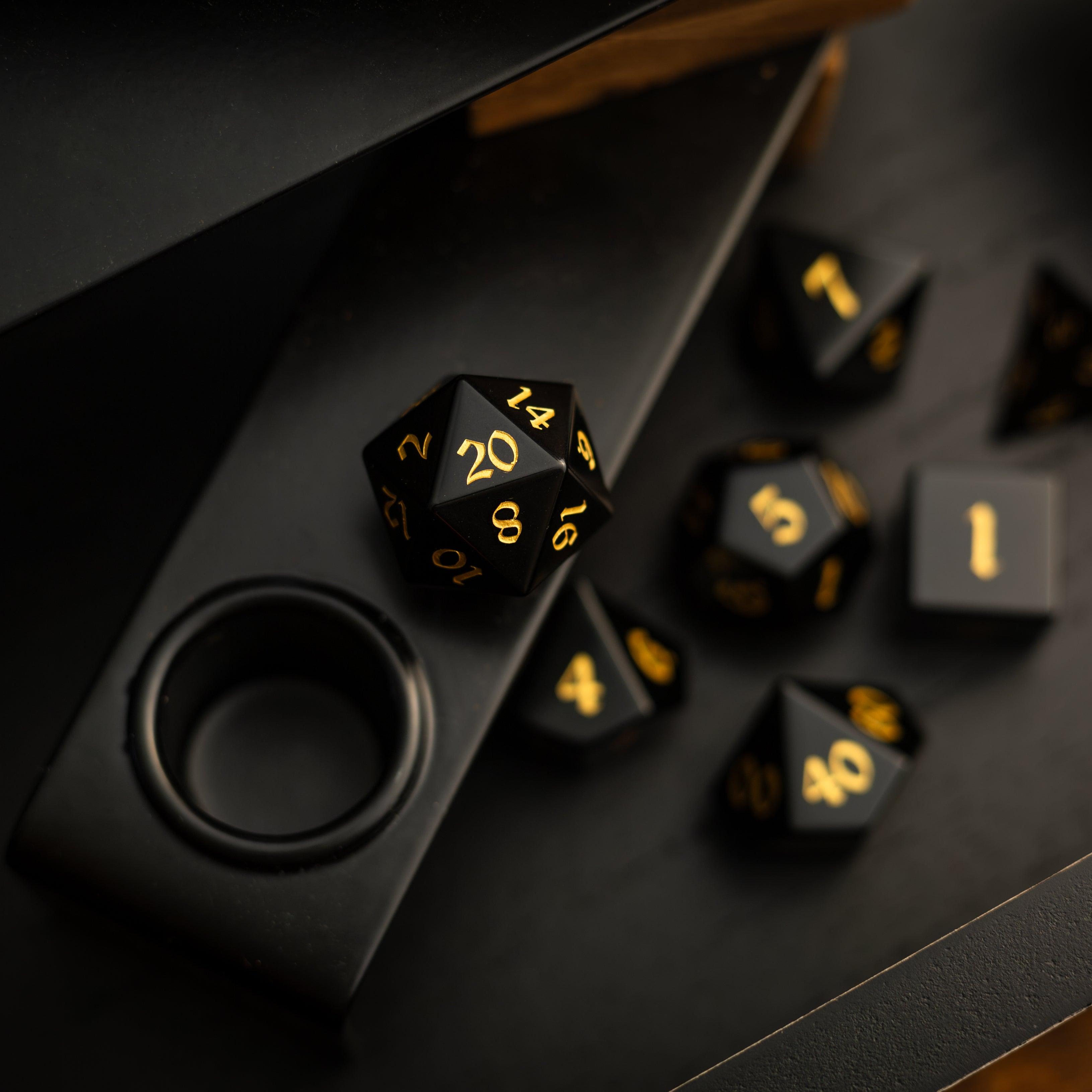
Dice Recommendations
Humans are all about versatility, so their dice can reflect that same flexibility.
Here are a few fitting styles:
-
Neutral gemstone dice
Clean, balanced designs that match a well-rounded character -
Classic resin dice
Reliable and beginner-friendly, just like the Human race -
Metal dice
Great for strong, battle-ready characters like Fighters or Paladins -
Mixed-color dice sets
Perfect for characters with dynamic personalities and evolving stories
At Runic Dice, the idea is simple. Your dice should feel like an extension of your character, not just a tool you roll.
Beginner Tips for Playing a Human
Starting your first character can feel overwhelming. Humans help make that easier, but a few tips go a long way:
-
Don’t overthink your build
You don’t need perfect stats to have fun -
Focus on learning the basics
Combat, skill checks, and roleplay matter more than optimization -
Use your flexibility
Try different approaches and see what you enjoy -
Pick a class that excites you
Humans work with everything, so follow your instincts
Conclusion
Humans might seem simple at first glance, but that simplicity is their greatest strength.
They give you:
- Freedom to build any character
- Flexibility to learn the game comfortably
- A strong foundation for any class or playstyle
If you’re new to D&D, choosing a Human is like stepping into the game with confidence. You’re not locked into anything. You’re free to explore, experiment, and grow.
And in a game all about imagination, that freedom is everything.
Humans aren’t boring. They’re limitless.

Leave a comment
This site is protected by hCaptcha and the hCaptcha Privacy Policy and Terms of Service apply.