
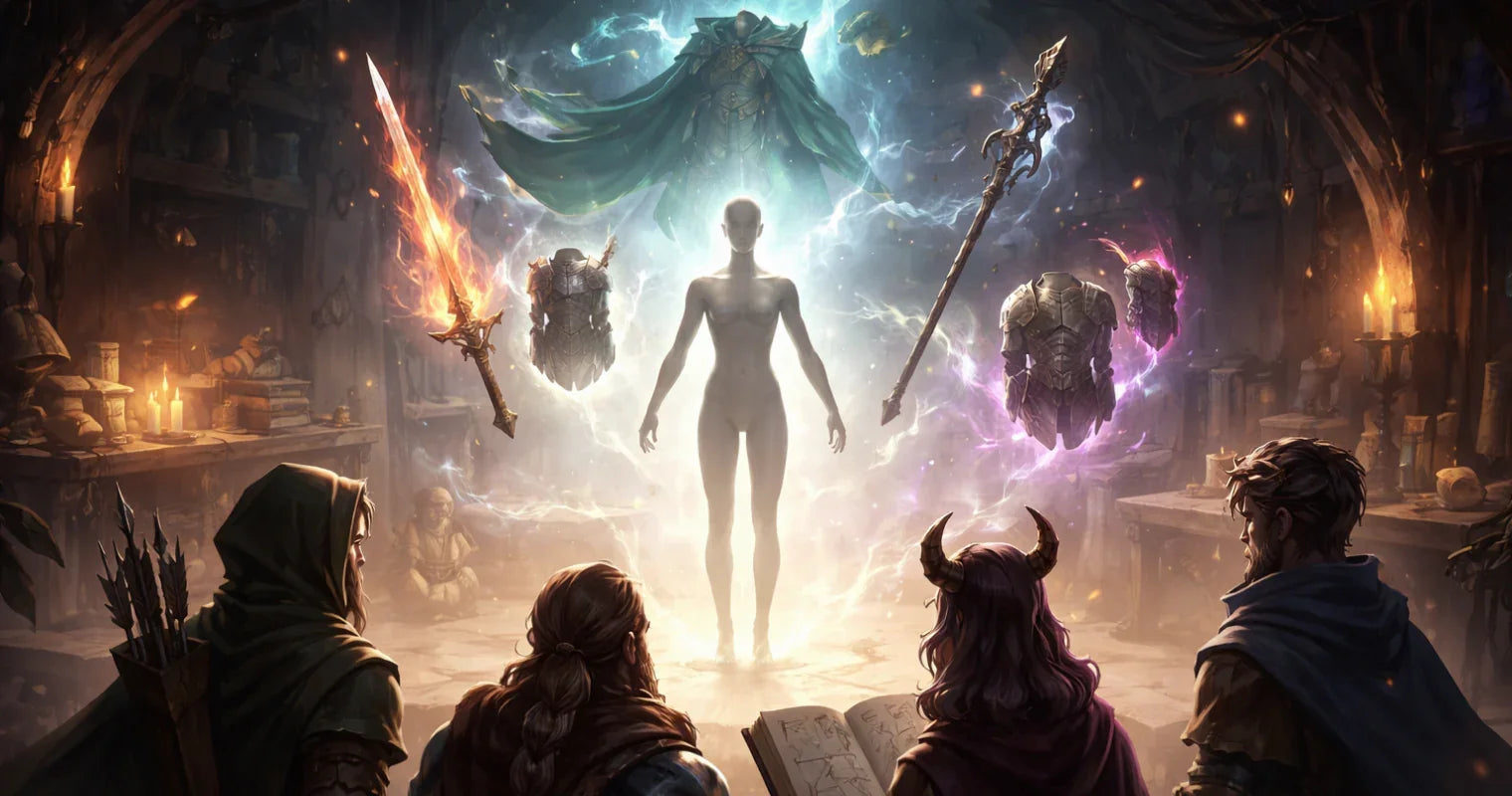
DND Character Customization Mastery Craft Distinct PCs
Updated on: March 16, 2026
Building your perfect fantasy hero is one of the most exciting parts of tabletop gaming. Whether you're creating a cunning rogue, a noble paladin, or a mysterious sorcerer, the possibilities feel endless. This guide walks you through practical strategies for creating memorable characters that fit your playstyle and tell compelling stories at the table. Discover how to balance mechanics with personality, make meaningful choices during creation, and bring your vision to life from the first session onward.
Bringing Your Fantasy Hero to Life

Creating a character for tabletop gaming is thrilling. You're not just rolling dice and assigning numbers—you're building a person who'll adventure alongside your friends, make tough choices, and create stories you'll remember for years. The beauty of character customization is that there's no single right way to do it. You might focus on mechanics, roleplay, backstory, or a blend of everything.
Whether you're new to the hobby or a seasoned adventurer, crafting your hero involves balancing practical gameplay mechanics with creative personality development. It's about understanding what makes your character tick, how they fit into the world, and what role you want to play in the group's unfolding narrative. Let's explore how to make choices that matter and create a character you'll love bringing to the table.
Buyer's Checklist
Before you sit down to create your character, consider these essential elements:
- Decide on your character's core concept—what class appeals to you, and what's your initial story idea?
- Review your game system's rules for character creation and any specific requirements from your Dungeon Master.
- Choose your ability scores through rolling, point-buy, or standard arrays—whichever method your table uses.
- Select your race and class combination, keeping both mechanics and narrative appeal in mind.
- Pick your skills and proficiencies based on your character's background and role in the party.
- Develop a brief backstory explaining who your character is and why they've become an adventurer.
- Determine personality traits, quirks, bonds, and flaws that make your character feel real and relatable.
- Gather any necessary character sheets, dice sets, or reference materials for smooth gameplay.
- Discuss your character concept with your Dungeon Master to ensure it fits the campaign.
- Consider your character's relationships with other party members and how they'll interact together.
Step-by-Step Guide to Character Customization
Step 1: Define Your Core Concept
Start with a simple idea. What draws you to this character? Maybe you've imagined a clever halfling thief who talks her way out of trouble, or a dwarf cleric devoted to protecting his companions. Your core concept doesn't need to be elaborate—it's just your starting point. Think about what sounds fun to play and what role excites you at the table. This foundation will guide every decision you make afterward.
Step 2: Choose Your Race and Class
Your race and class are fundamental to both mechanics and flavor. The race you choose affects your ability scores, cultural background, and how the world perceives your character. Your class determines your combat style, magical abilities, and core skills. Some combinations feel iconic—elves and magic, dwarves and warfare—but don't let tradition limit you. A tiefling barbarian or a gnome wizard can be just as compelling. Think about how your chosen race and class create interesting contrasts or satisfying combinations for your character's identity.
Step 3: Assign Your Ability Scores
Your ability scores—Strength, Dexterity, Constitution, Intelligence, Wisdom, and Charisma—define what your character excels at naturally. Prioritize scores for abilities that matter most to your class and role. A wizard needs Intelligence; a barbarian benefits from Strength and Constitution. But here's the fun part: you can also assign lower scores intentionally to create interesting weaknesses that spark roleplay opportunities. That brilliant wizard with low Charisma might struggle in social situations, creating memorable moments at the table.
Step 4: Select Skills and Proficiencies
Your skills represent what your character has learned through experience and training. Choose proficiencies that align with your character's background and your intended role in the party. If your character was a merchant before becoming an adventurer, proficiency in Insight and Persuasion makes sense. If they're a scholar, Arcana and History feel natural. These choices aren't just mechanical—they build your character's history and establish what they're good at beyond combat.
Step 5: Develop Your Character's Background
Now comes the creative part. Why did your character become an adventurer? What do they want? What are they running from or toward? Your background doesn't need a novel's worth of detail. A few key facts work perfectly: where they're from, what they did before adventuring, and one or two important relationships or events that shaped them. This backstory becomes the foundation for your roleplay and gives your Dungeon Master hooks to weave your character into the campaign's story.

Step 6: Create Personality and Bonds
Think about your character's personality traits, ideals, bonds, and flaws. Are they optimistic or cynical? Do they value honor, freedom, or knowledge? What relationships matter most to them—family, a mentor, a rival? What personal struggles do they face? These elements make your character feel like a real person rather than just a collection of mechanics. They also guide your roleplay decisions and help you stay true to your character's voice during gameplay.
Consider how your character fits into the party dynamic. Do they have existing connections with other player characters? Are there opportunities for interesting character moments and growth? The best characters feel like they belong in the group while maintaining their own distinct personality and goals.

Step 7: Select Your Equipment and Appearance
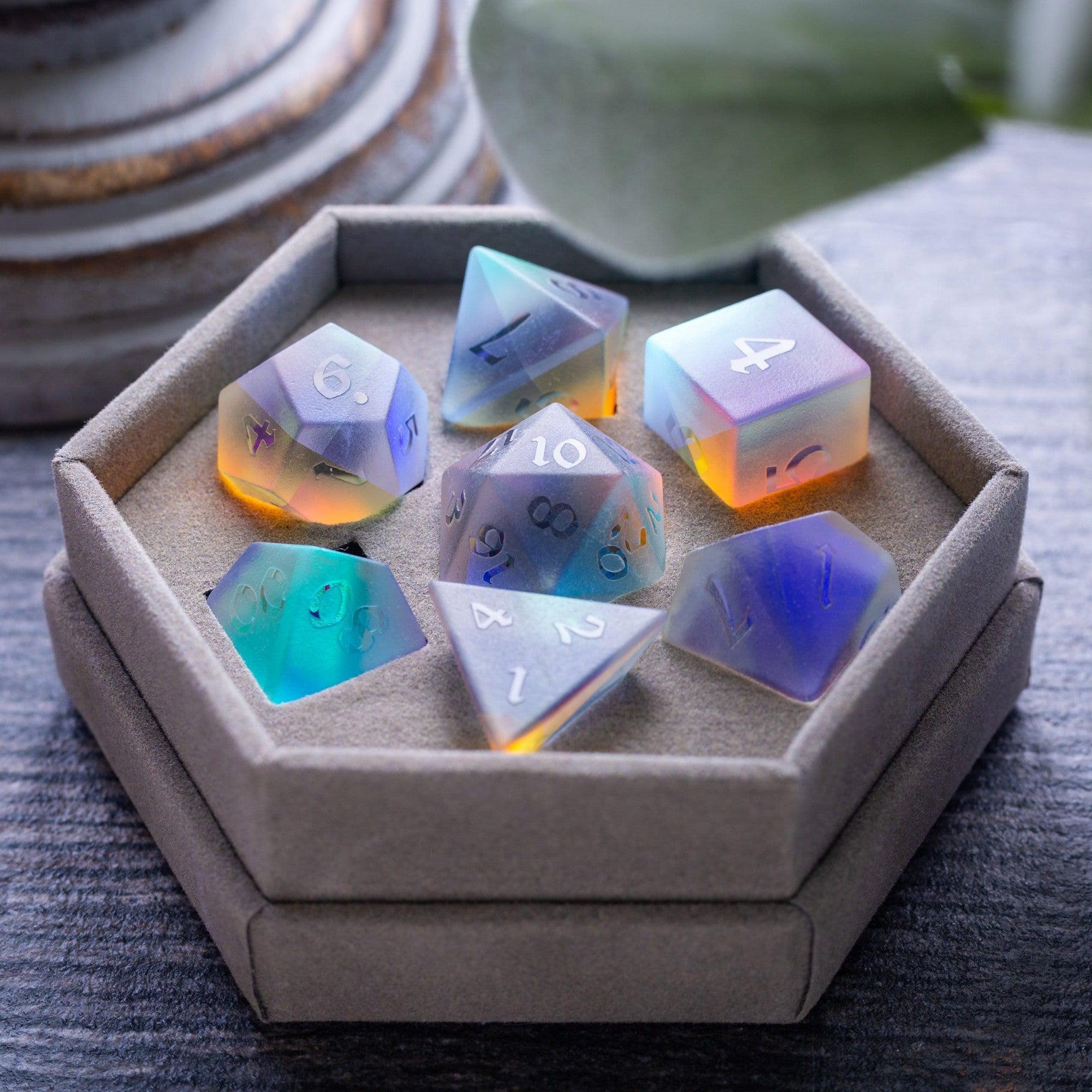
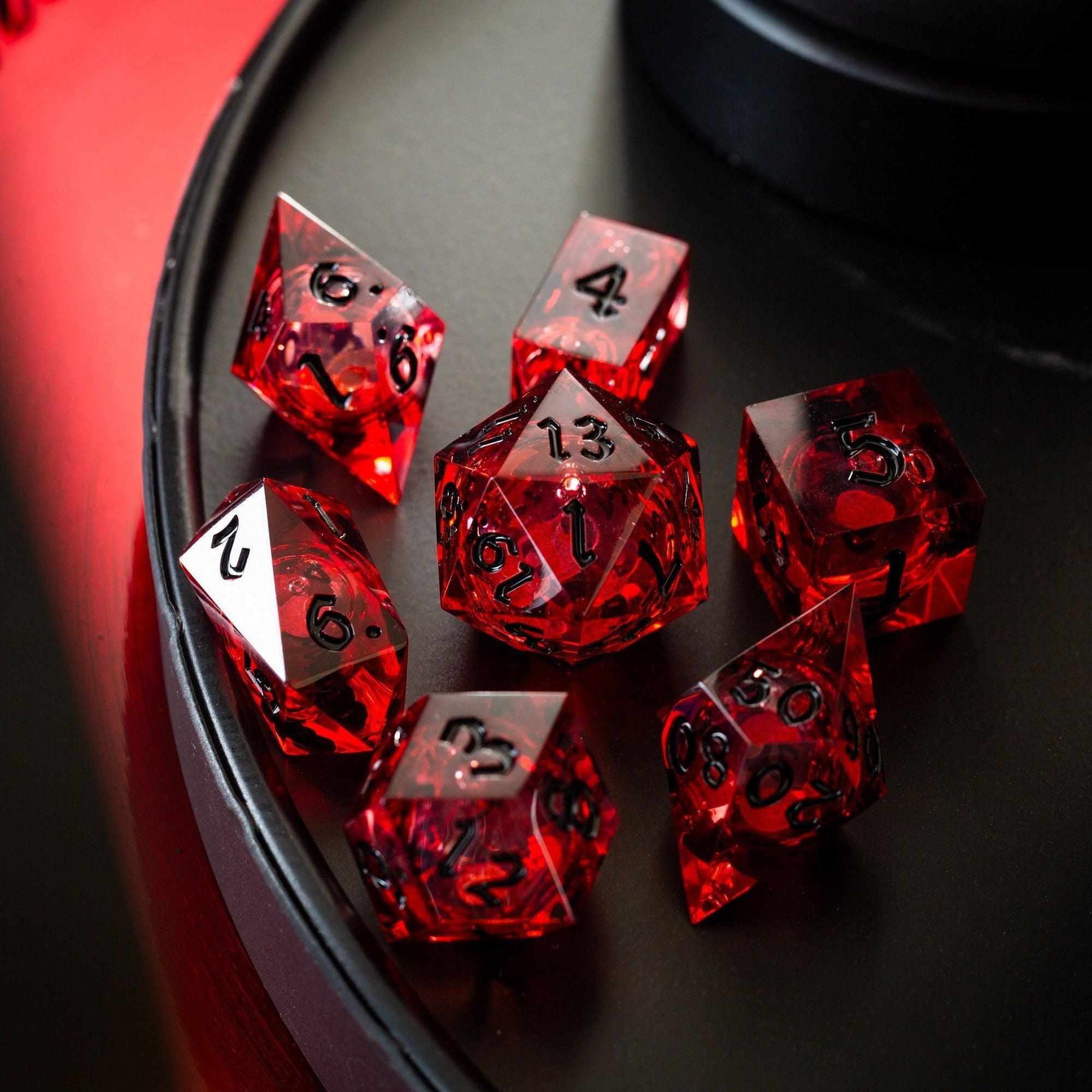
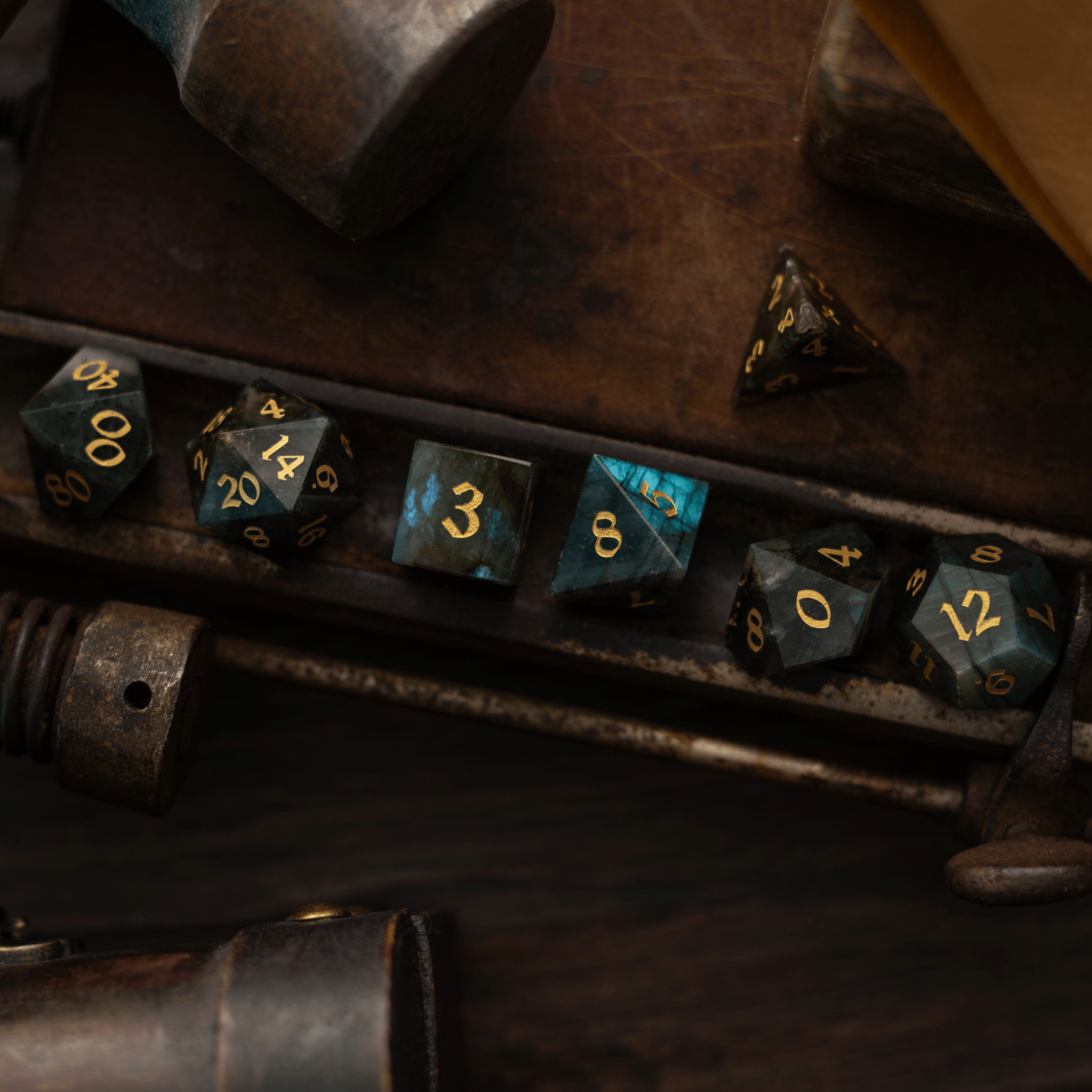
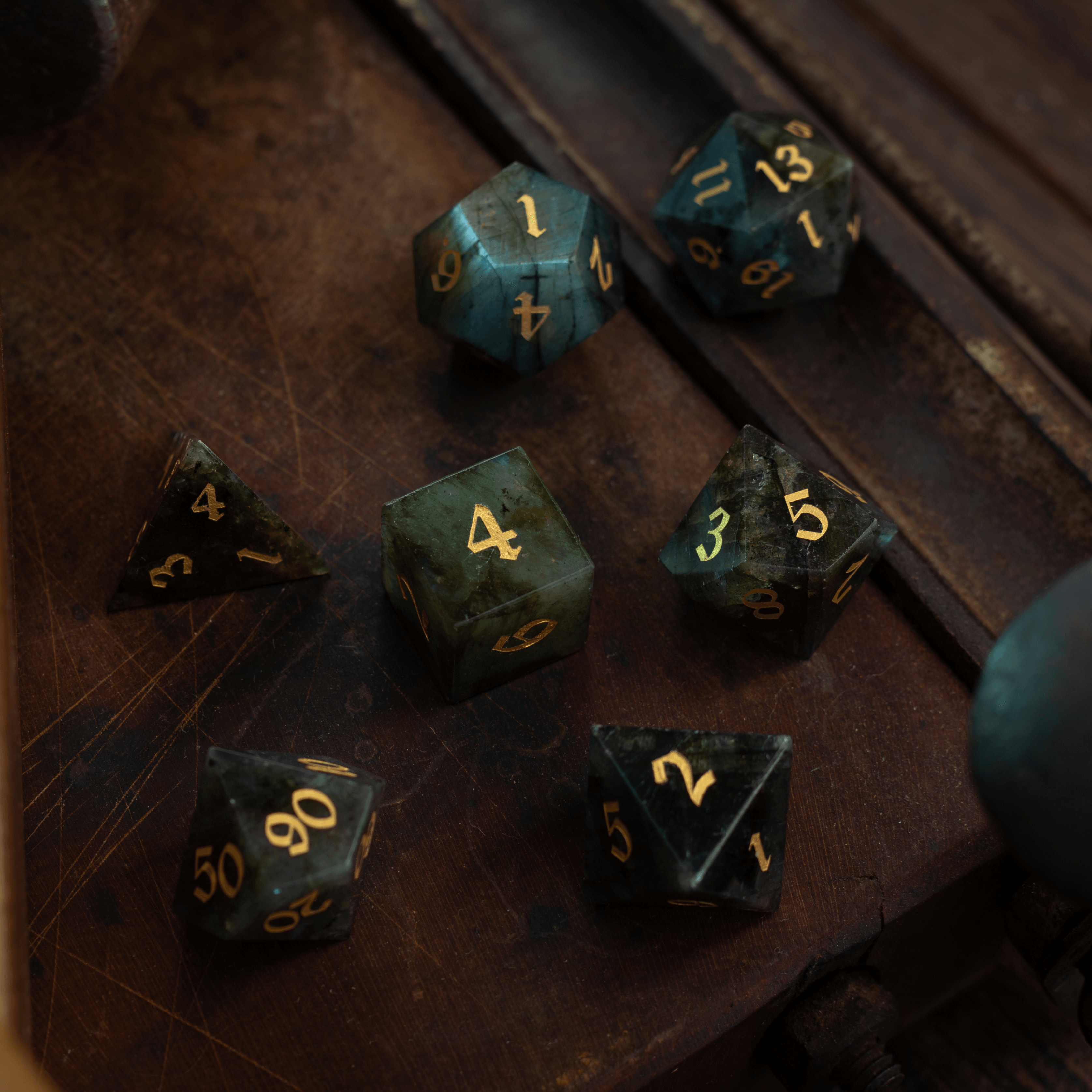
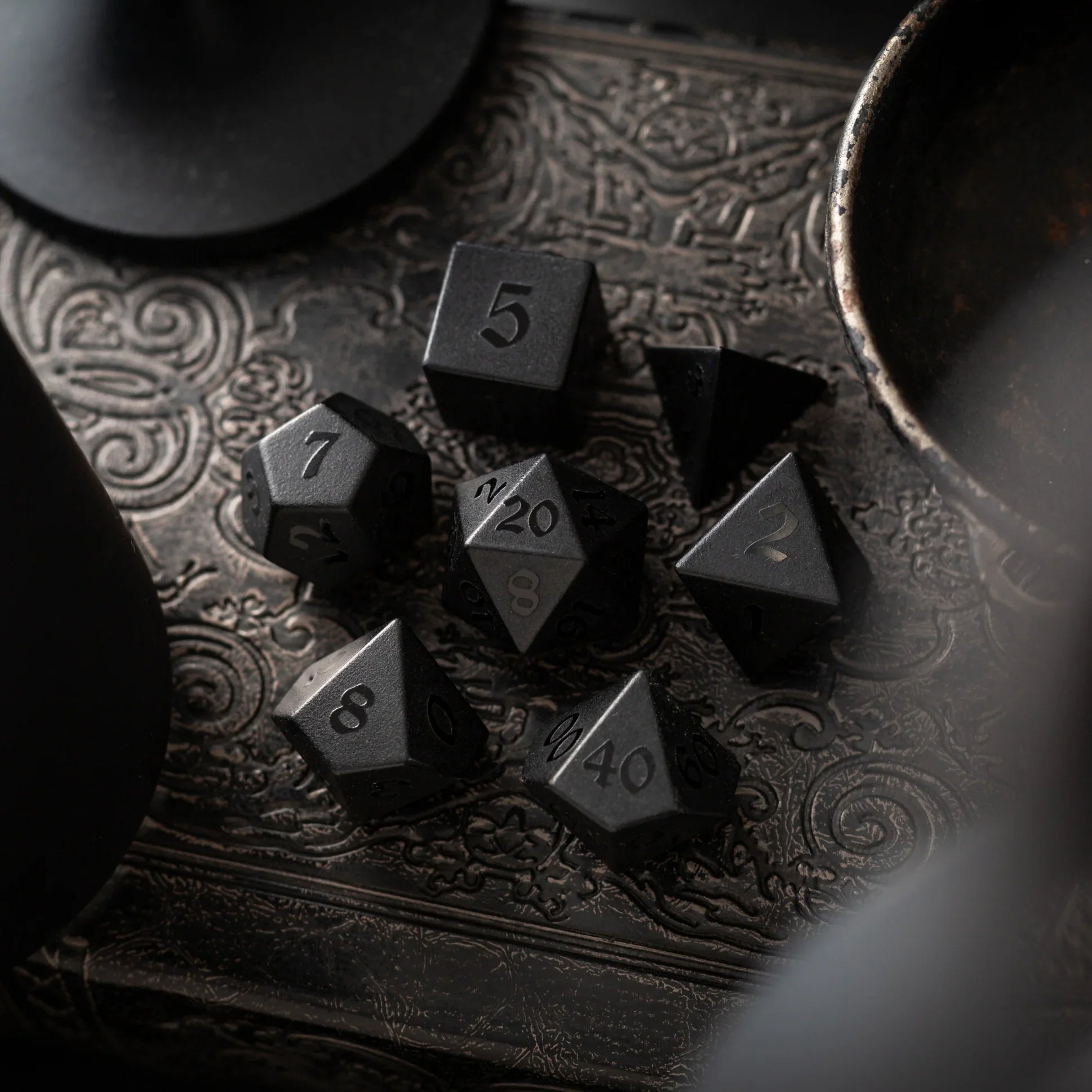
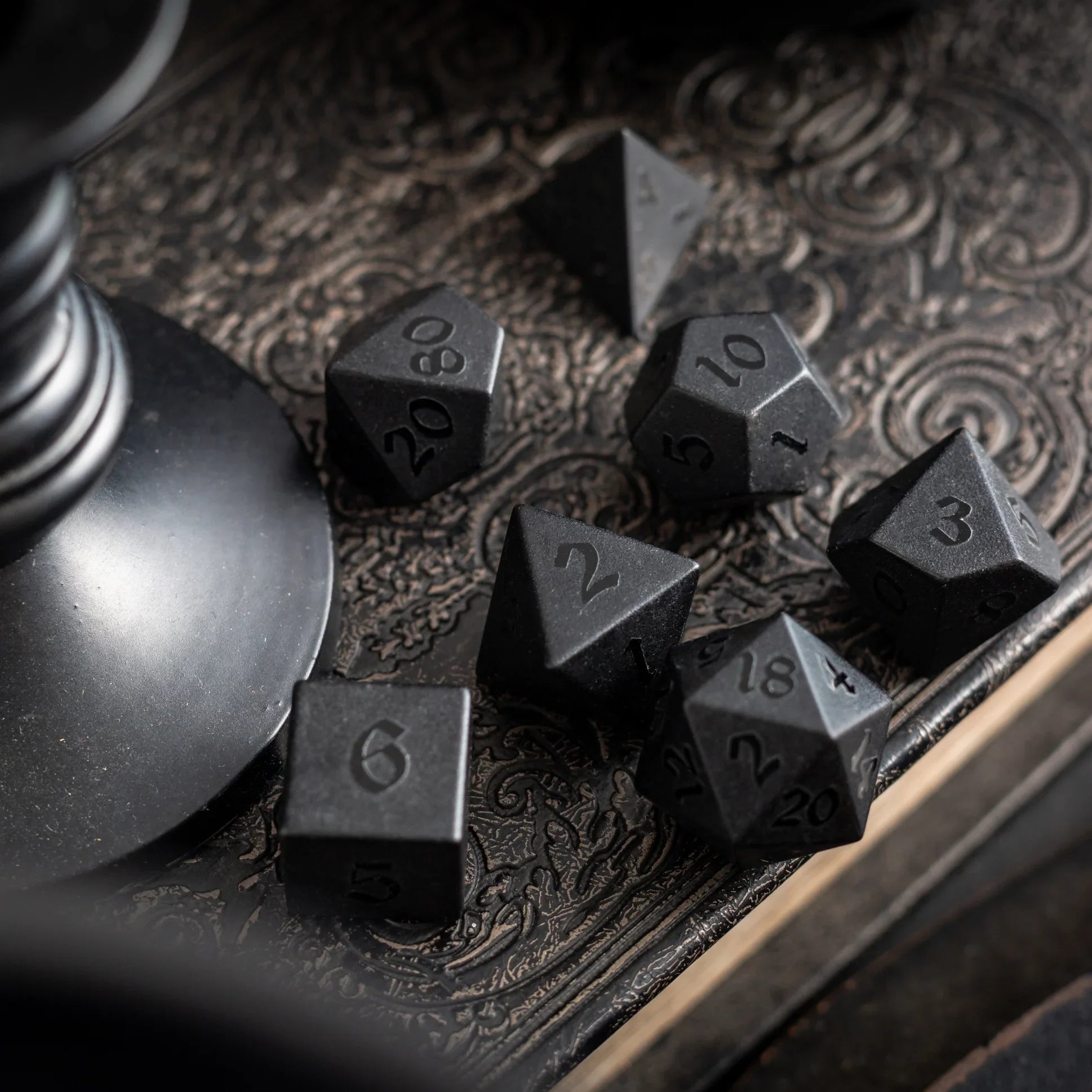
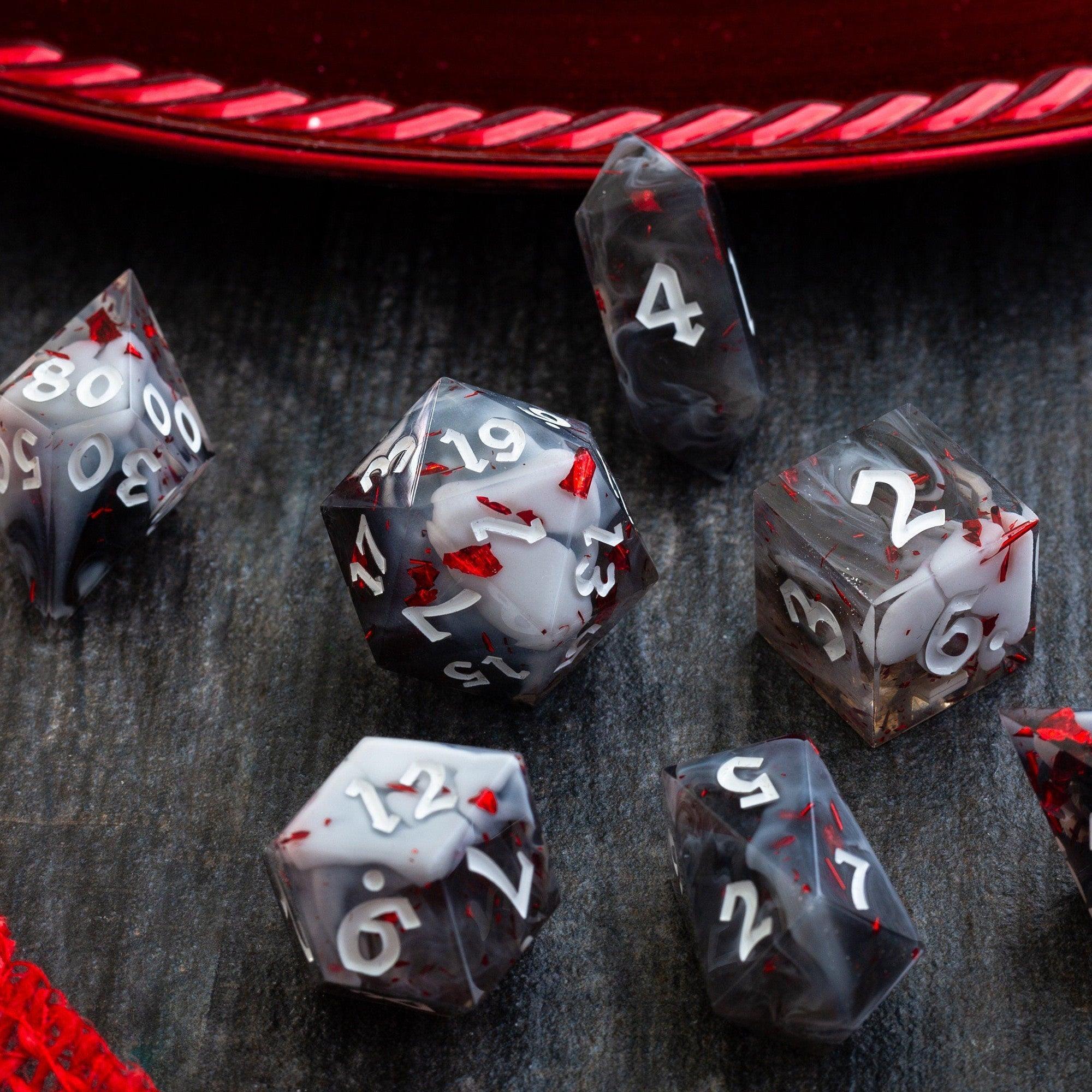
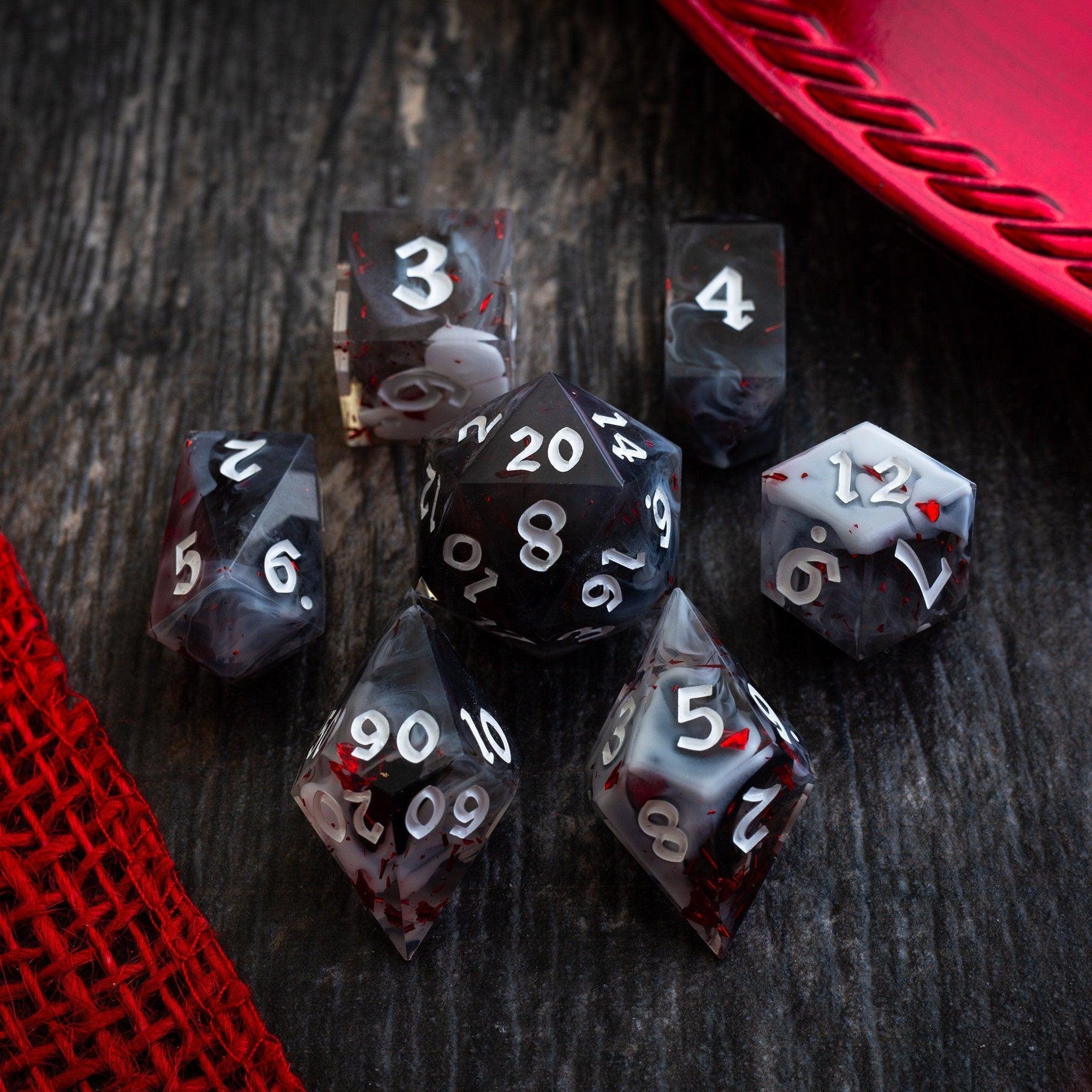
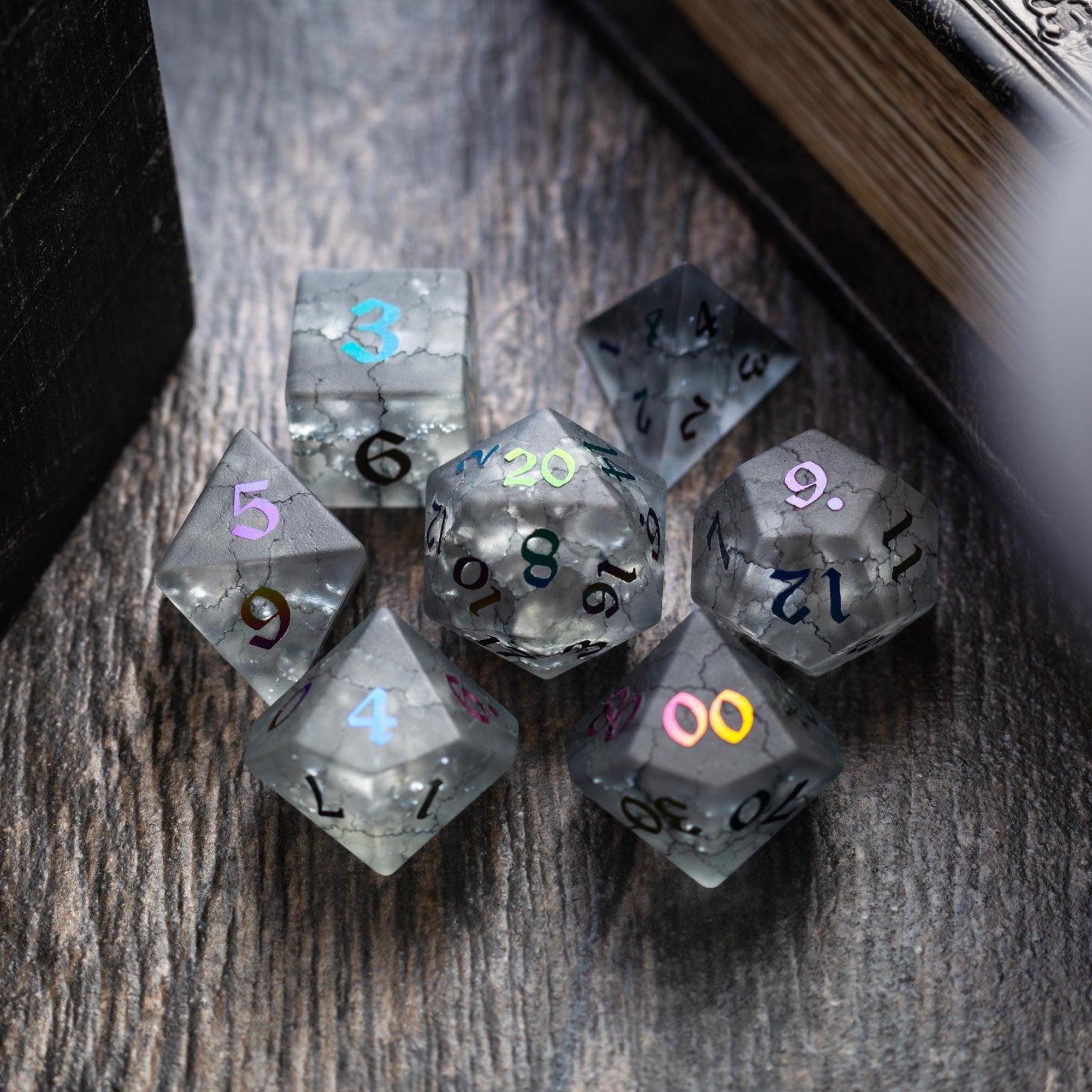
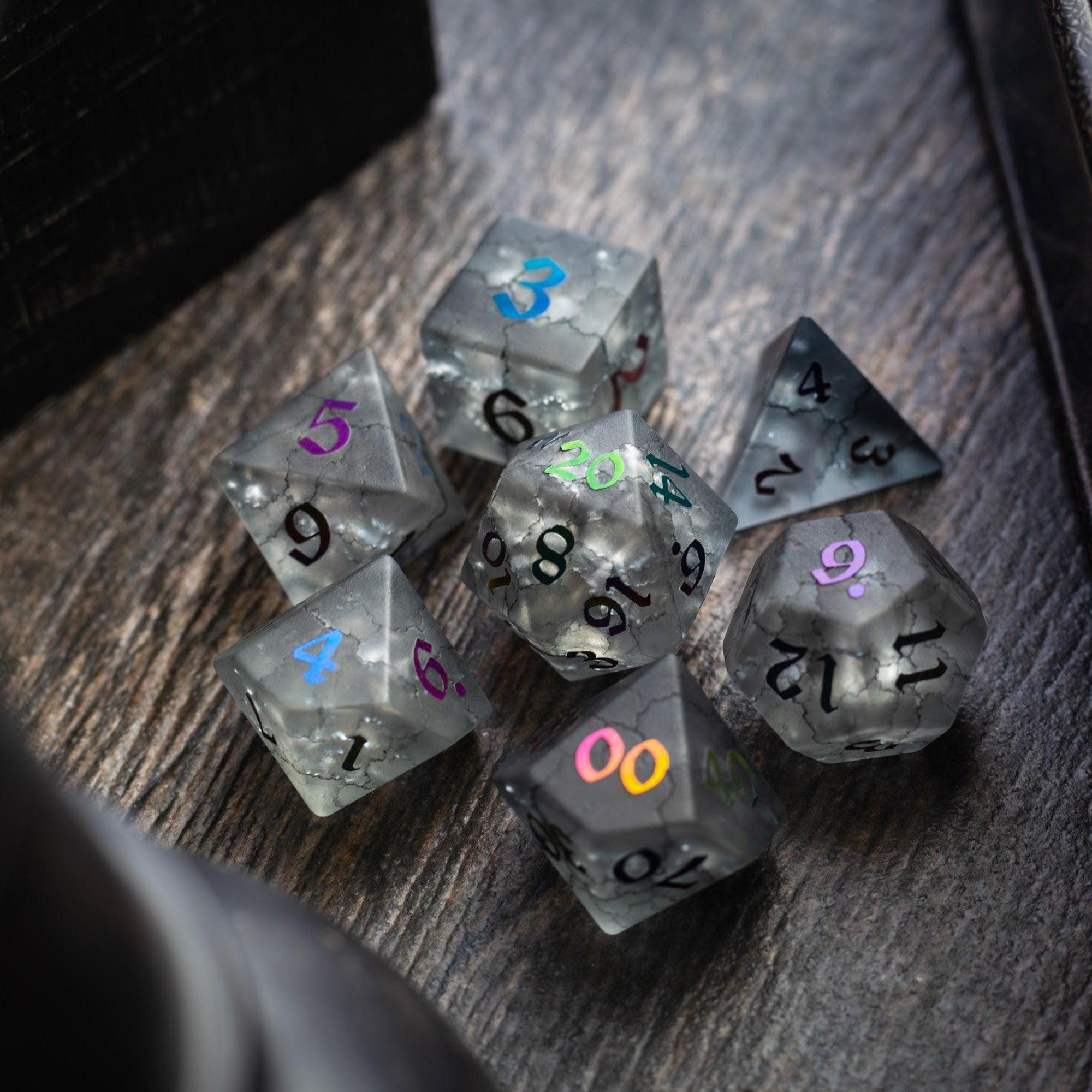
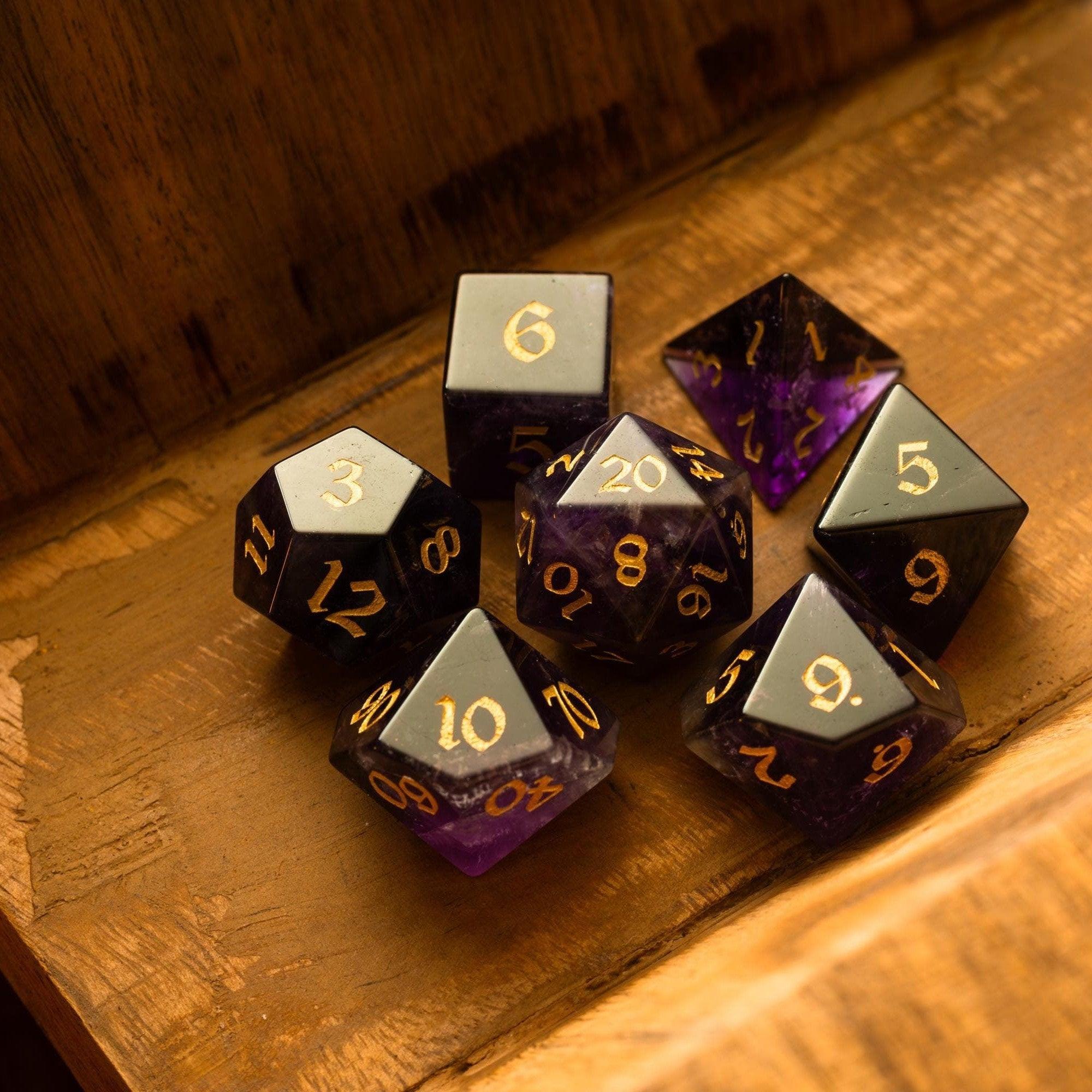
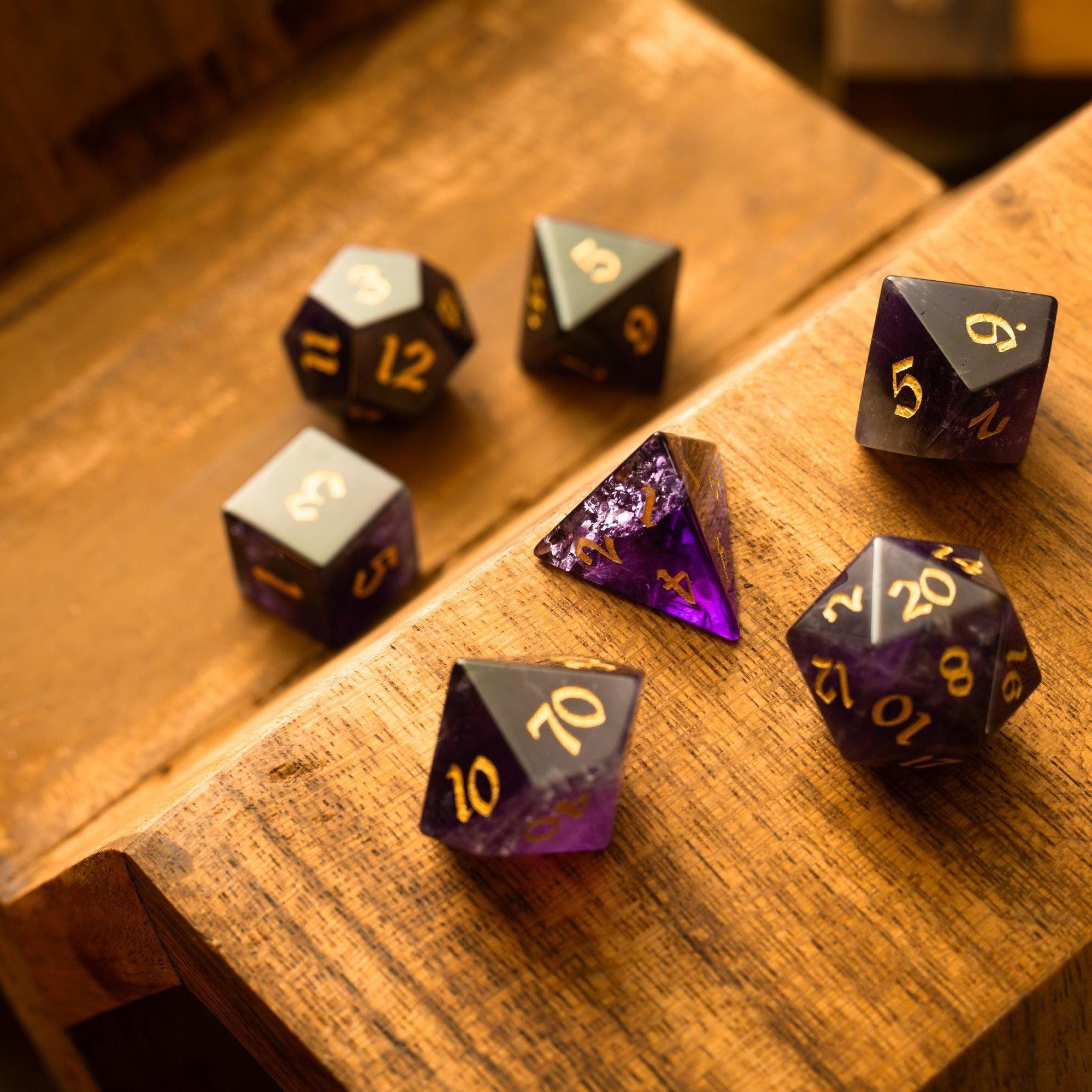
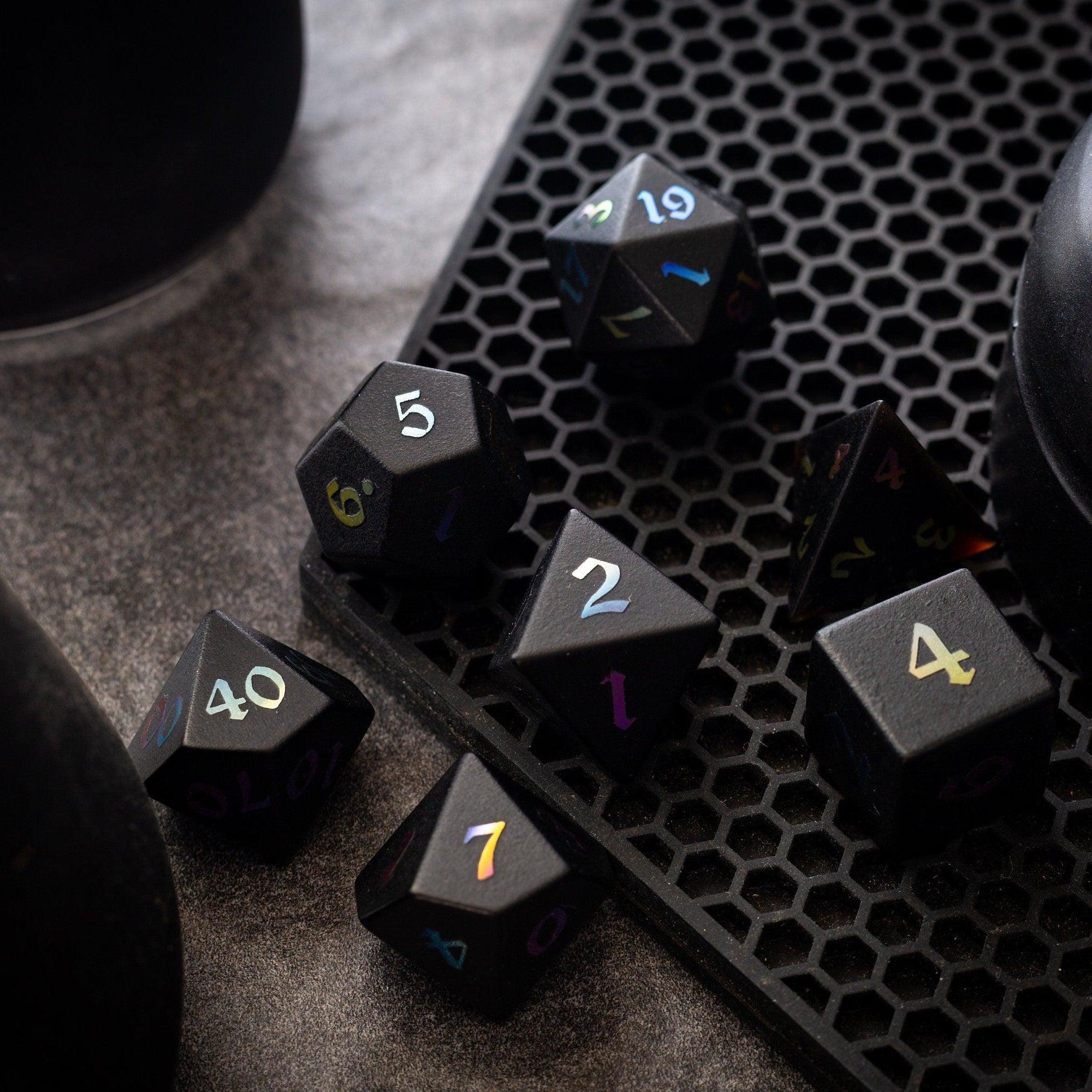
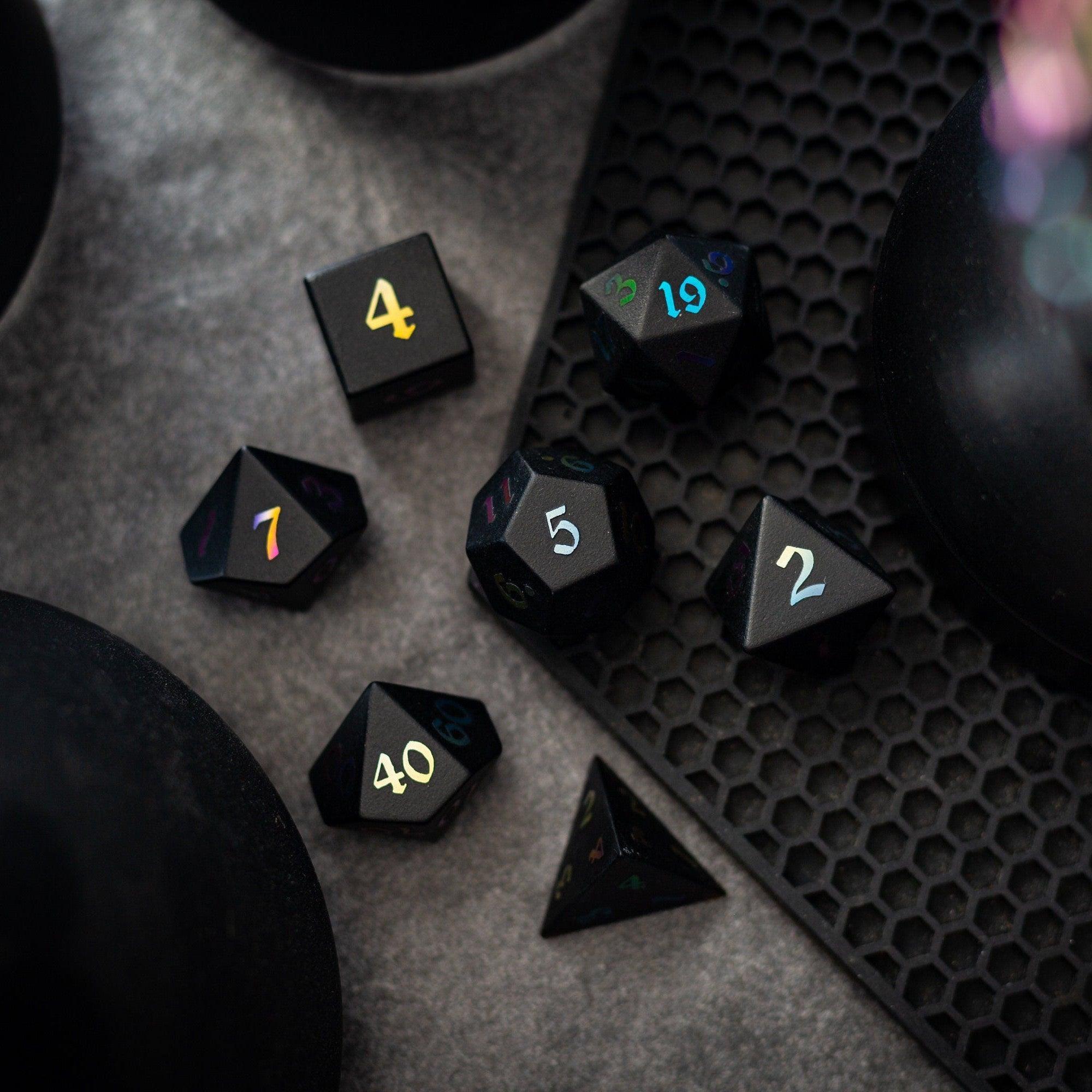
Visual details bring your character to life. Choose armor and weapons that match both your mechanical choices and your character's aesthetic. Think about how your character dresses, any distinctive features or scars, and how they carry themselves. These details help other players remember your character and give you a clearer mental image to draw from when making decisions in-character. Unique dice sets can also reflect your character's personality and make your rolls feel special.
Step 8: Review and Refine
Before your first session, review everything you've created. Does it all make sense together? Does your character feel cohesive and exciting? Are there any mechanics you don't understand? This is the perfect time to ask your Dungeon Master clarifying questions and discuss any aspects of your character that might need adjustment. Sometimes you'll realize a small change—like swapping two ability scores or adjusting a skill proficiency—makes everything click better.
Frequently Asked Questions
What if I'm not sure what class to play?
Think about your favorite role in group activities. Do you like being the leader? Consider a paladin or bard. Do you prefer sneaking and precision? Rogue might suit you. Want to cast spells and control the battlefield? Wizard or sorcerer could be perfect. You can also look at what your party needs—if everyone chose combat roles, a support class like a cleric becomes valuable. Remember, you can always try different classes in future campaigns.
How detailed should my character's backstory be?
There's no perfect length. Some players write a paragraph; others create pages of detail. What matters is that you know your character well enough to roleplay them authentically and that your backstory connects meaningfully to the campaign. Share key details with your Dungeon Master so they can weave your story into the world. Avoid overly complicated backstories that require extensive explanation—simpler stories often leave better room for development during actual gameplay.
Can I change my character after creation?
Absolutely. Many aspects of your character can evolve as you play. Your personality, goals, and beliefs might shift based on in-game experiences. Your Dungeon Master might allow mechanical adjustments during early sessions if something isn't working. Character growth and change are natural parts of long campaigns. Just discuss any major changes with your group to make sure everyone's on the same page.
What makes a character fun to play long-term?
The best characters have clear motivations, interesting personality quirks, and room for growth. They balance mechanics with roleplay, giving you options for both combat effectiveness and meaningful character moments. They also have flaws and struggles that create natural story hooks. A character who's too perfect gets boring; one with genuine conflicts and development opportunities stays engaging across dozens of sessions.
Should I worry about being optimized mechanically?
Not if you're having fun. Yes, some ability score assignments and skill choices are mathematically stronger than others, but the difference rarely matters as much as playing a character you love. A slightly suboptimal character that excites you will perform better in actual gameplay because you'll be enthusiastic about every roll. Talk with your group about optimization expectations—some tables love mechanics-focused play, while others prioritize story and roleplay.
How do I make a character original if many ideas seem taken?
Remember that countless elven archers, dwarf warriors, and noble paladins exist in fantasy games, yet each one feels unique through personality and backstory details. Rather than chasing originality, focus on creating a character you genuinely enjoy. The specific combination of race, class, background, personality, and goals you choose is already unique. Add personal details—a quirky habit, an unusual goal, a funny relationship with another character—and watch your character become distinctly theirs.
Making Your Character Truly Yours
The beauty of character customization is that the process is deeply personal. There's no wrong way to build a hero as long as you're following your table's rules and respecting your group's playstyle. Some adventurers emerge fully formed in your imagination; others develop gradually through play. Both approaches work beautifully.
Invest time in the creation process and think carefully about each choice. When you roll your first die with your new character, you'll feel the weight of those decisions and the excitement of bringing your vision to life. Consider adding special touches like custom dice sets that match your character's aesthetic, or jotting down key personality notes on your character sheet for quick reference during gameplay.
Most importantly, share your character with your group. Talk about them before the campaign starts. Discuss how they might interact with other party members. Let your enthusiasm be contagious. The best campaigns happen when everyone at the table cares about their character and the stories unfolding together. Your customized hero isn't just a collection of mechanics—they're the lens through which you experience an entire world of adventure, friendship, and unforgettable moments.
Now grab your dice, finalize those details, and get ready to step into your character's shoes. Your adventure awaits.

Leave a comment
This site is protected by hCaptcha and the hCaptcha Privacy Policy and Terms of Service apply.