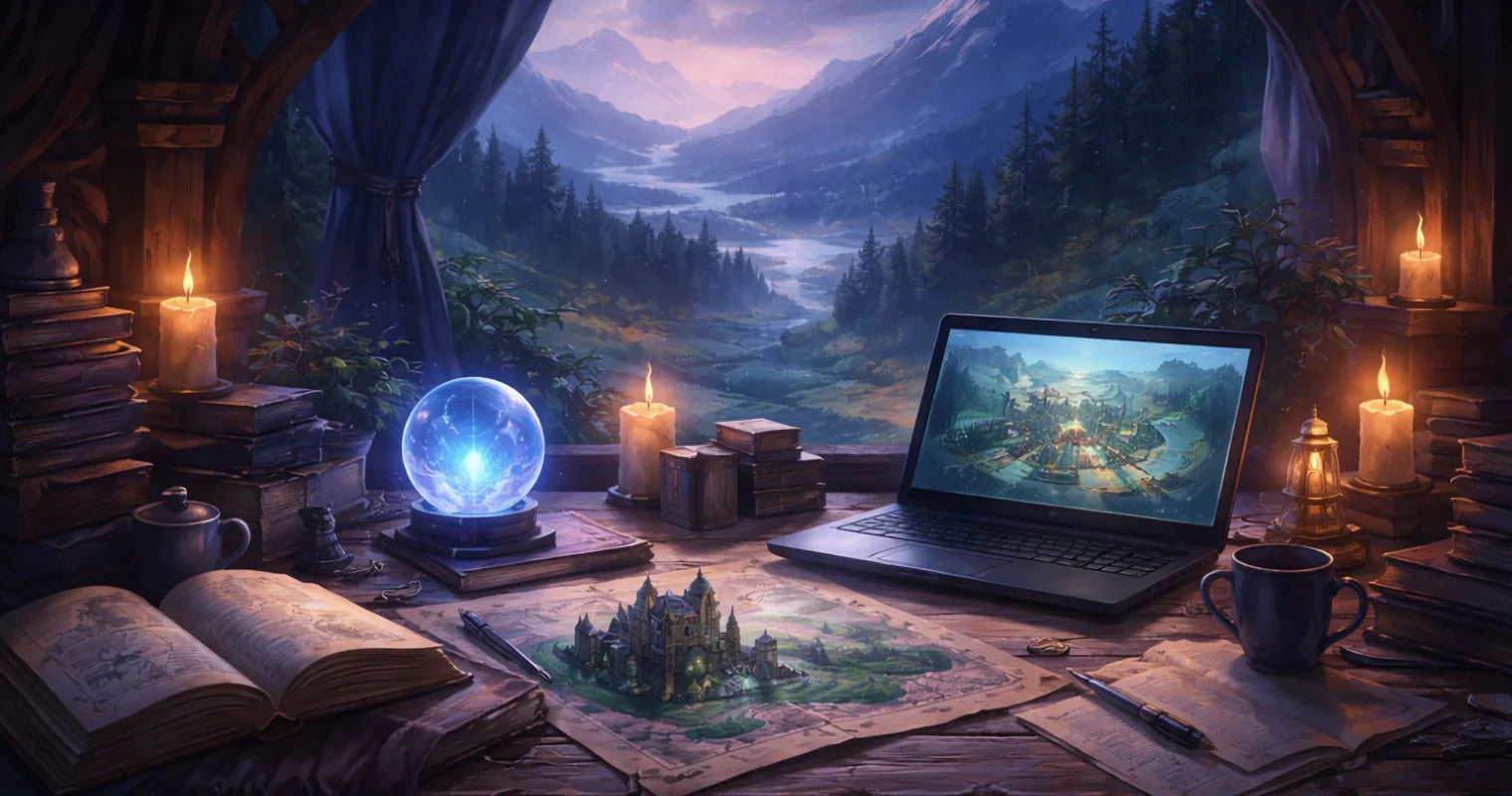
Best D&D Online Resources: Essential Tools for Faster Campaign Prep

Preparing a Dungeons & Dragons campaign can be one of the most rewarding parts of being a Dungeon Master. It can also be one of the most time-consuming. Between designing encounters, organizing notes, tracking NPCs, building maps, and reviewing rules, even a short session can require hours of preparation.
Fortunately, modern D&D online resources have changed the way campaigns are built and managed. Today's Dungeon Masters have access to powerful tools that can streamline prep work, improve organization, and help create more engaging adventures with less effort.
Whether you're running your first campaign or managing a long-running world, the right D&D tools can help you spend less time behind the screen and more time enjoying the game with your players.
Why Online Resources Matter for D&D
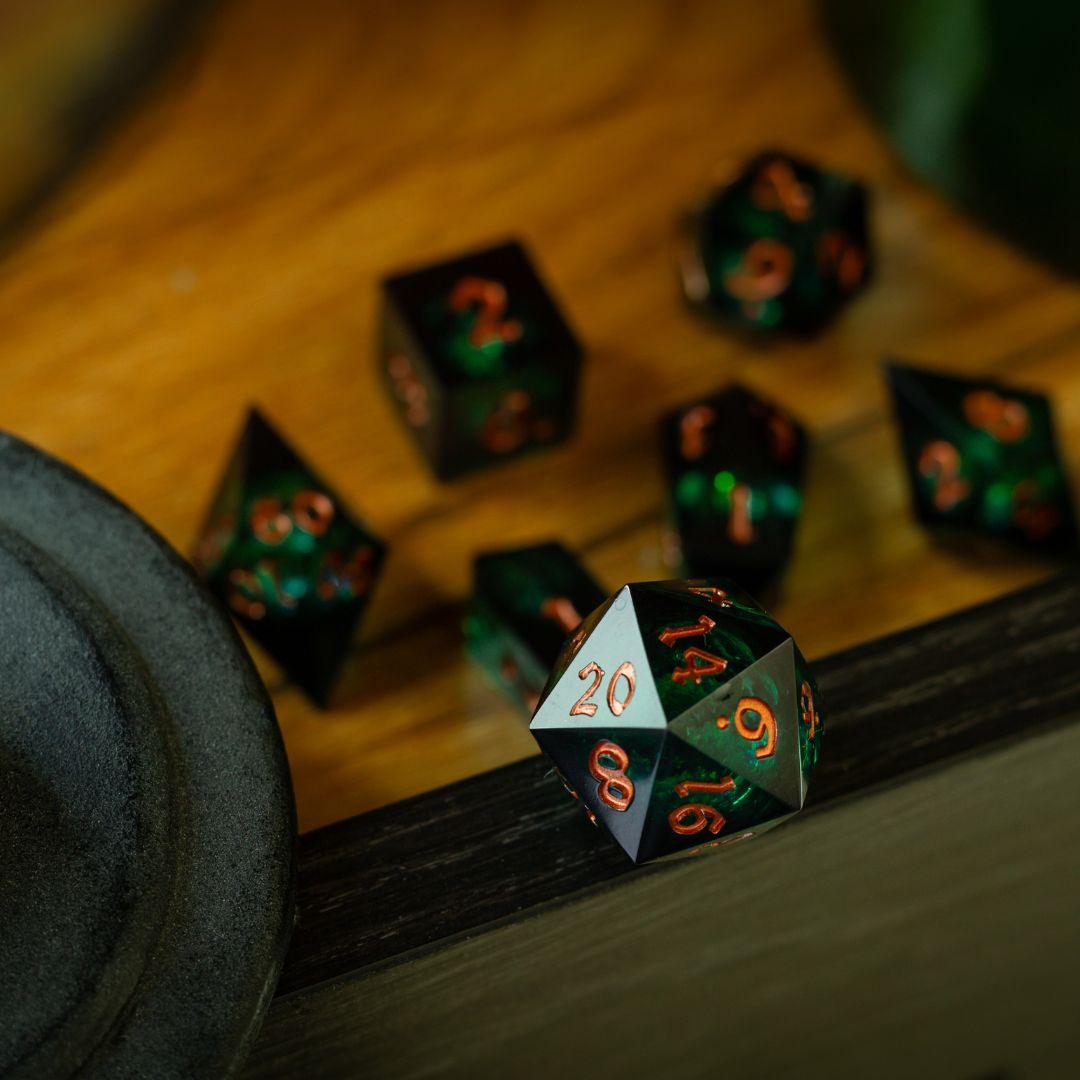
The best online D&D tools aren't designed to replace creativity. They're designed to remove repetitive tasks so you can focus on storytelling.
Benefits of using digital D&D resources include:
-
Faster campaign preparation
-
Better organization of notes and worldbuilding
-
Easier collaboration with players
-
Quick access to rules and references
-
Simplified combat management
-
Reduced bookkeeping during sessions
-
Improved accessibility for remote groups
Many Dungeon Masters discover that using a few carefully selected resources can cut weekly prep time dramatically while improving overall campaign quality.
Best Online Resources for Dungeon Masters
Campaign Planning Tools
Campaign planning platforms help organize your entire game world in one place.
These tools typically allow you to:
-
Store session notes
-
Track NPCs
-
Create location descriptions
-
Organize plot hooks
-
Link story elements together
For larger campaigns, campaign planning tools become invaluable. Instead of searching through notebooks or scattered documents, everything stays accessible in a single location.
This is one of the easiest ways to improve D&D campaign management without adding complexity.
Encounter Builders
Creating balanced encounters can take a surprising amount of time.
A good D&D encounter builder helps by:
-
Calculating encounter difficulty
-
Managing monster statistics
-
Adjusting encounters for party size
-
Estimating challenge levels
-
Speeding up combat preparation
Encounter builders are especially useful for new Dungeon Masters who are still learning how to balance combat encounters effectively.
Initiative Trackers
Combat can slow down quickly when initiative becomes difficult to manage.
Digital initiative trackers help by:
-
Automatically sorting turn order
-
Tracking conditions
-
Monitoring hit points
-
Managing monster groups
-
Reducing bookkeeping
For campaigns with large battles, initiative trackers can significantly improve game flow.
Monster Databases
Searching through multiple books during prep can be frustrating.
Online monster databases provide:
-
Fast monster searches
-
Challenge rating filters
-
Environment filters
-
Ability summaries
-
Encounter inspiration
Having quick access to monster information speeds up both preparation and gameplay.
Session Note Systems
One of the most valuable D&D dungeon master tools is a reliable note system.
Session note tools help track:
-
Important NPC interactions
-
Quest progress
-
Character backstories
-
Party decisions
-
World events
The more organized your notes become, the easier future sessions are to prepare.
Best Online Resources for Players
Dungeon Masters aren't the only people who benefit from digital tools.
Players can also use online D&D tools to simplify gameplay and stay engaged between sessions.
Character Creators
Building characters manually can be intimidating for new players.
A quality D&D character creator can:
-
Guide character creation
-
Calculate statistics automatically
-
Organize abilities
-
Track progression
-
Reduce common mistakes
These tools help new players get into the game faster.
Digital Character Sheets
Digital character sheets make character management much easier.
Benefits include:
-
Automatic calculations
-
Inventory tracking
-
Spell management
-
Easy updates during level-ups
-
Mobile accessibility
Many players enjoy having both digital and printed versions available.
Spell Trackers
Spellcasters often juggle dozens of abilities.
Spell tracking tools help players:
-
Organize spell lists
-
Monitor spell slots
-
Quickly reference spell descriptions
-
Reduce time spent flipping through books
This keeps gameplay moving smoothly.
Rules References
Fast rules lookups benefit everyone at the table.
Online rules references help:
-
Clarify mechanics quickly
-
Reduce interruptions
-
Settle rules questions
-
Improve learning for new players
Even experienced groups use rules references regularly.
Campaign Journals
Digital campaign journals encourage players to stay invested in the story.
Players can track:
-
Session summaries
-
NPC relationships
-
Quest objectives
-
Character goals
-
Important discoveries
These records become especially valuable in long-running campaigns.
D&D Resource Comparison Table
| Resource Type | Best For | Primary Benefit |
|---|---|---|
| Character Builder | Players | Faster character creation |
| Encounter Builder | DMs | Balanced combat design |
| Initiative Tracker | DMs | Faster combat management |
| Worldbuilding Tool | DMs | Campaign organization |
| Rules Database | Everyone | Quick rule lookups |
Using Online Resources for Faster Campaign Prep
Many Dungeon Masters make the mistake of gathering tools without creating a workflow.
Instead, try a simple weekly preparation routine.
Organize Campaign Notes
After each session:
-
Record major events
-
Update NPC information
-
Track unresolved plot hooks
-
Log player decisions
This prevents information from becoming overwhelming.
Manage NPCs Efficiently
Keep NPC profiles concise.
Track:
-
Name
-
Personality
-
Motivation
-
Relationships
-
Current status
This saves time when recurring characters return later.
Track Quests and Story Threads
Digital tracking systems help monitor:
-
Active quests
-
Completed objectives
-
Character arcs
-
Faction relationships
A well-maintained quest log can eliminate hours of future prep.
Build Encounters in Advance
Use your D&D encounter builder to create several encounters ahead of time.
This gives you:
-
Backup encounters
-
Emergency content
-
Flexible pacing options
-
Reduced stress during sessions
Having prepared encounters ready to deploy can be a lifesaver.
Combining Digital and Physical Tools
Some players assume digital resources replace traditional tabletop gaming.
In reality, most successful groups use both.
A balanced setup might include:
Digital Tools
-
Campaign notes
-
Rules references
-
Character management
-
Initiative tracking
-
Session planning
Physical Tools
-
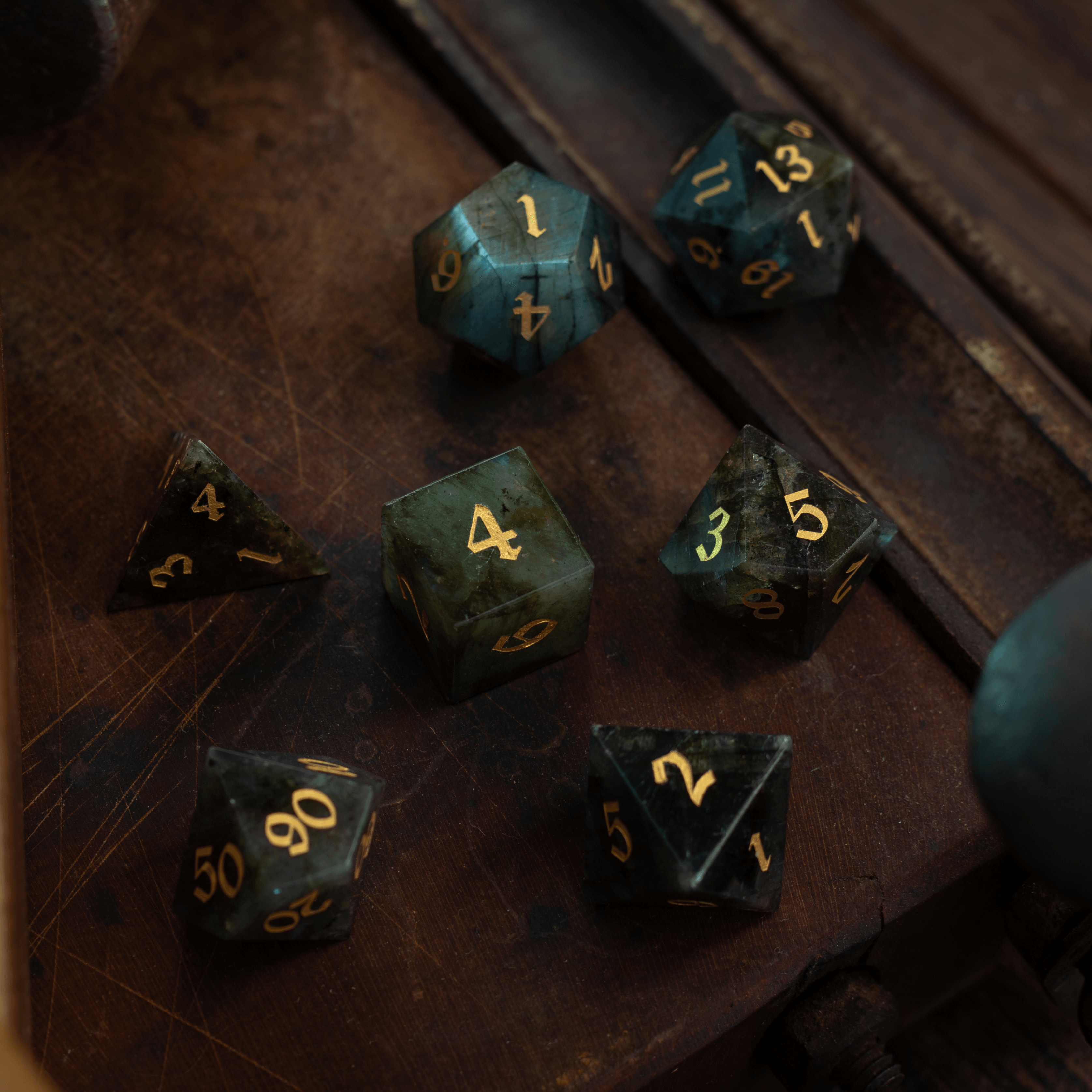
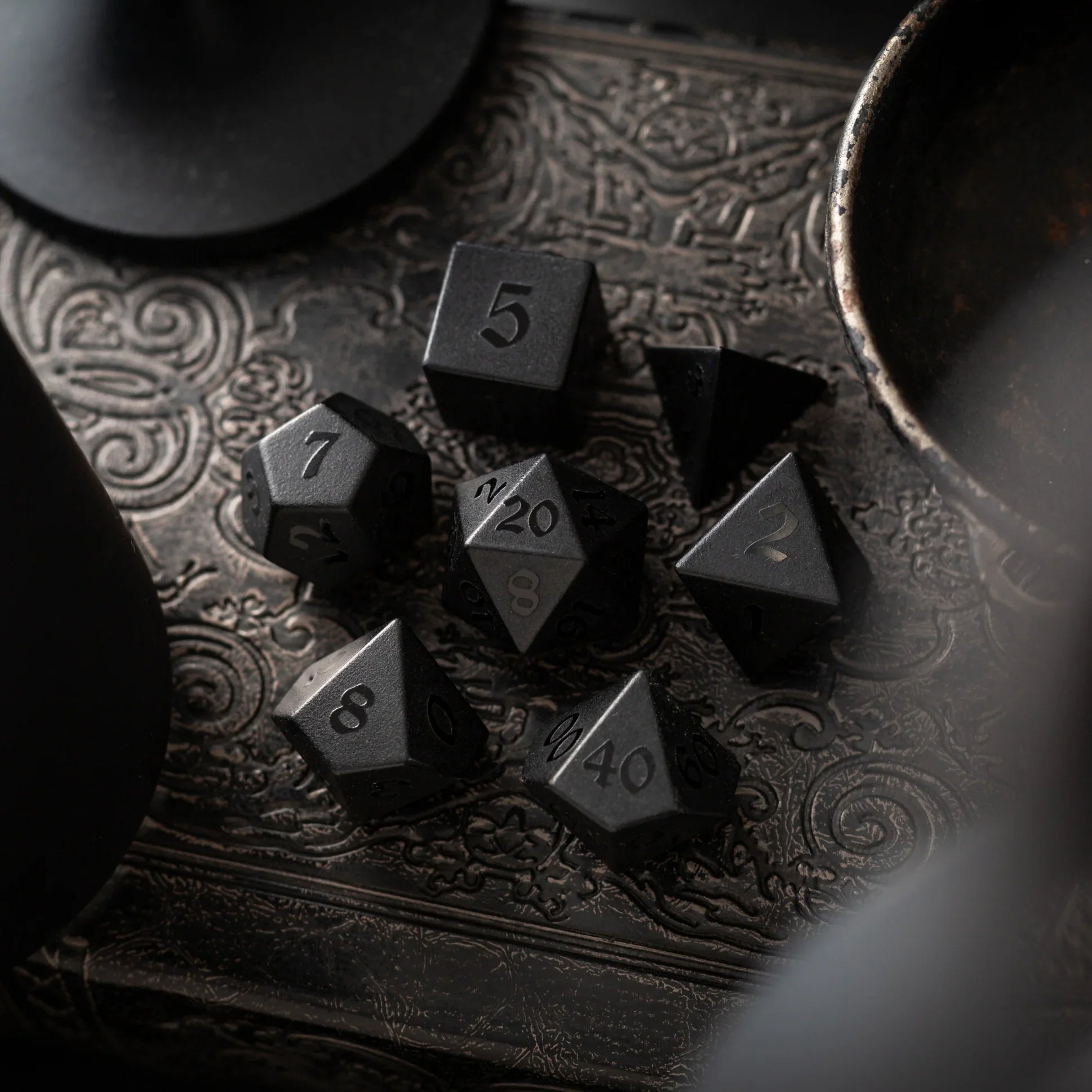
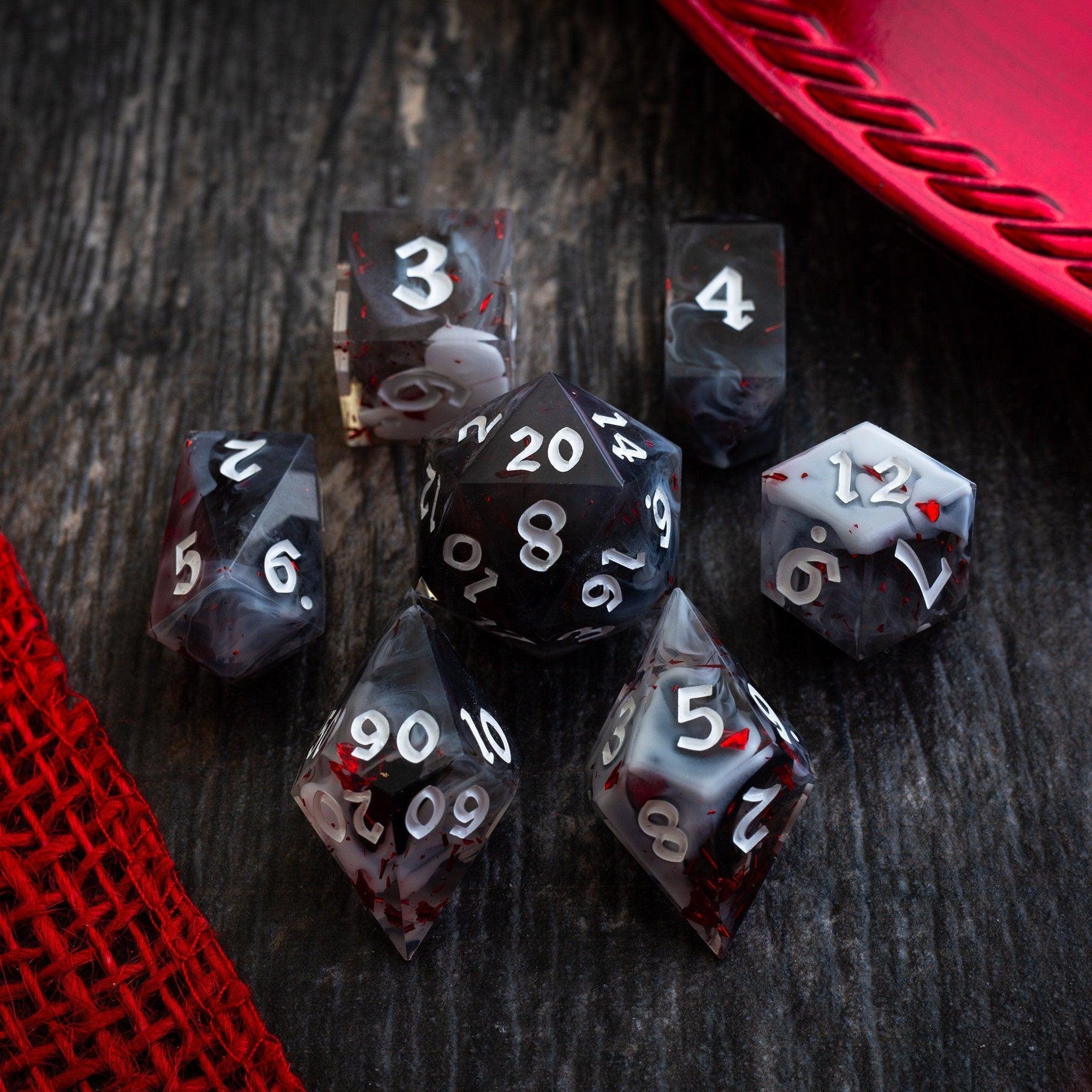
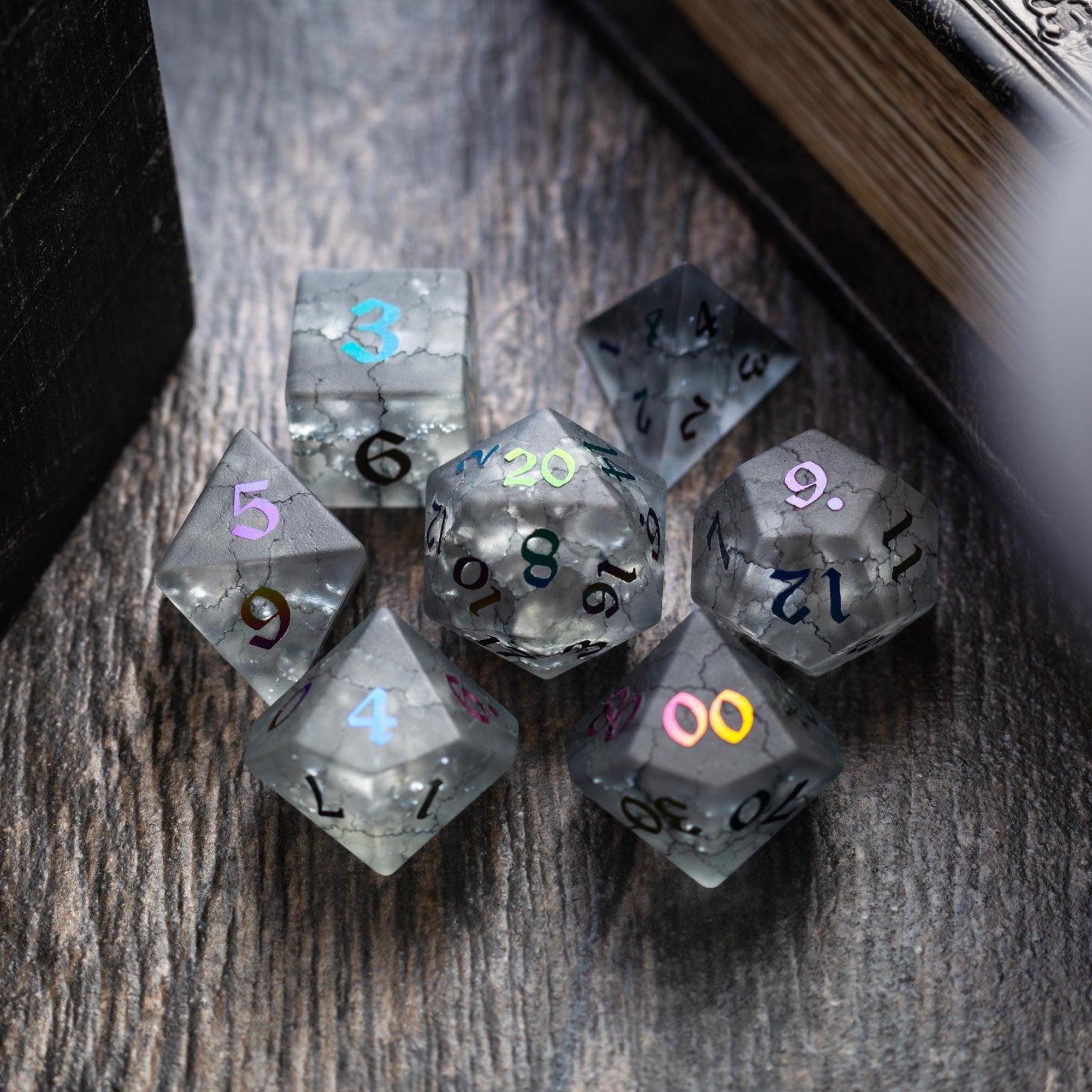
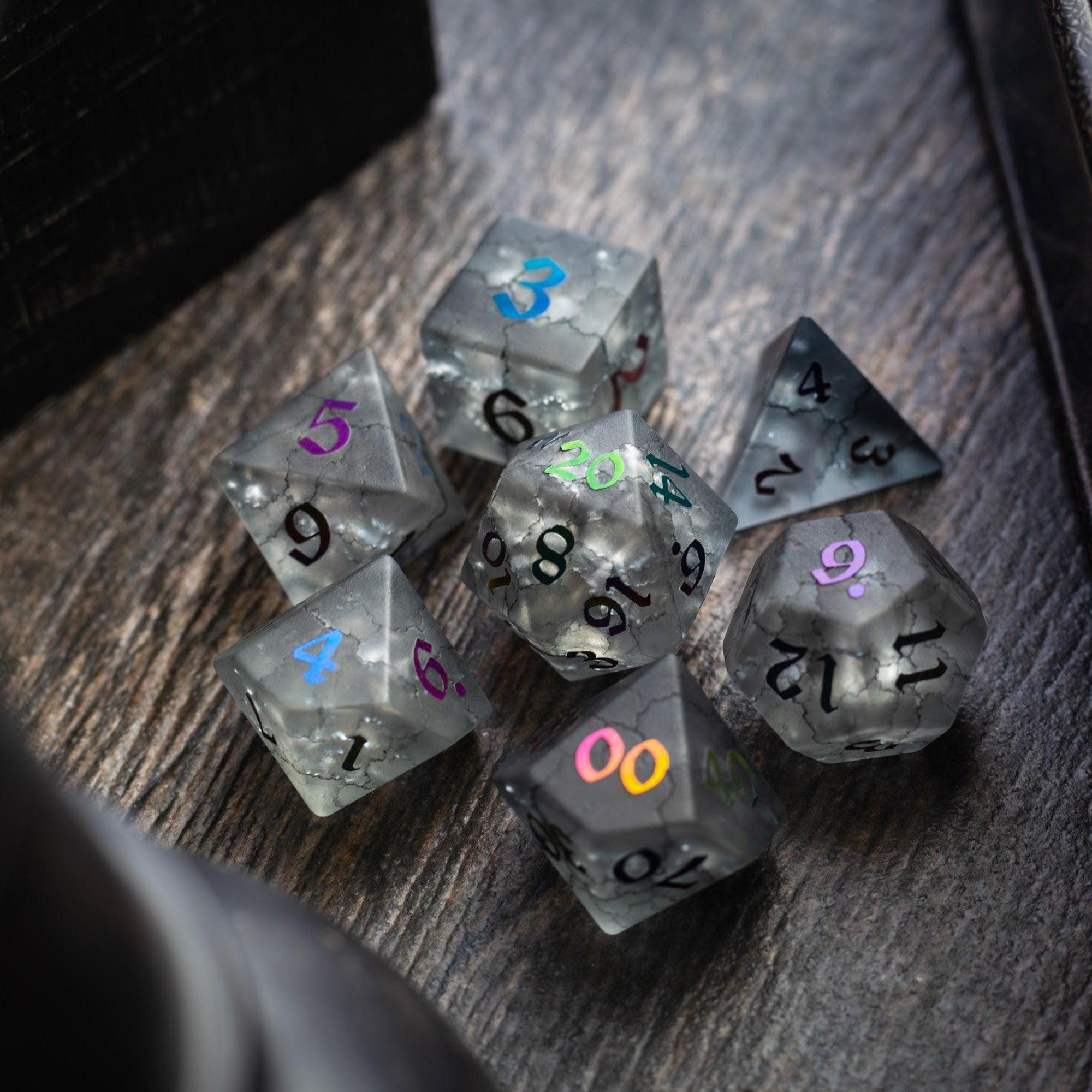
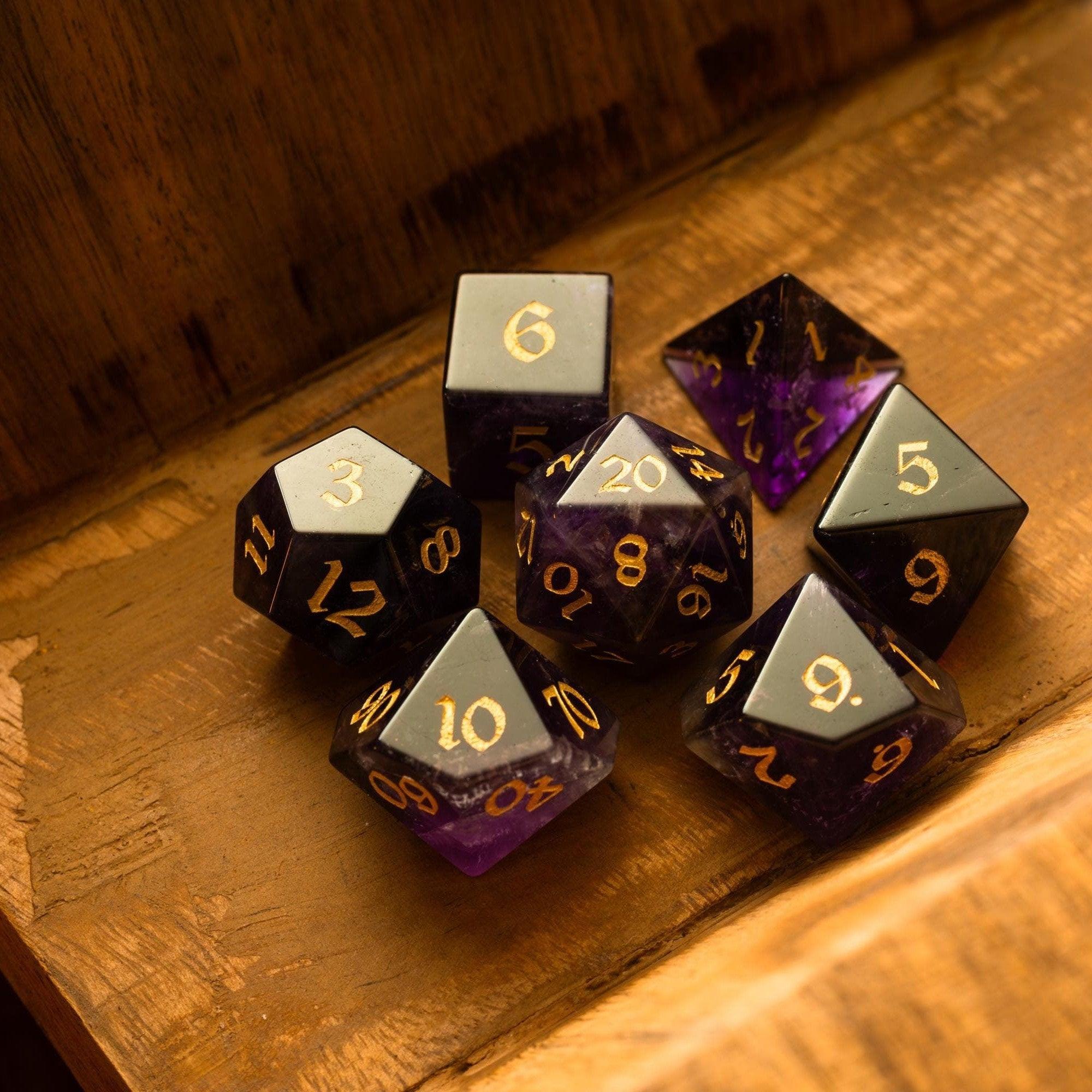
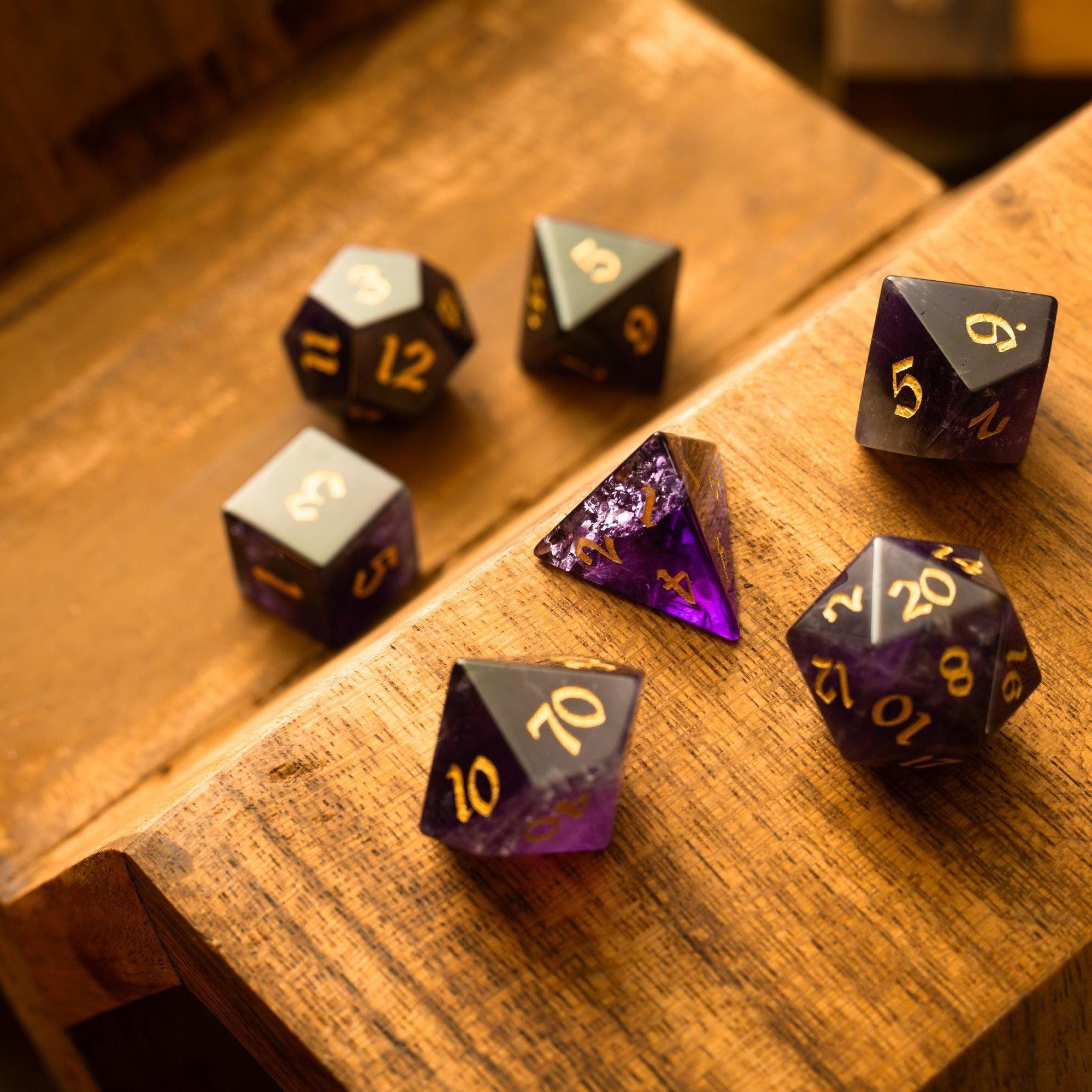
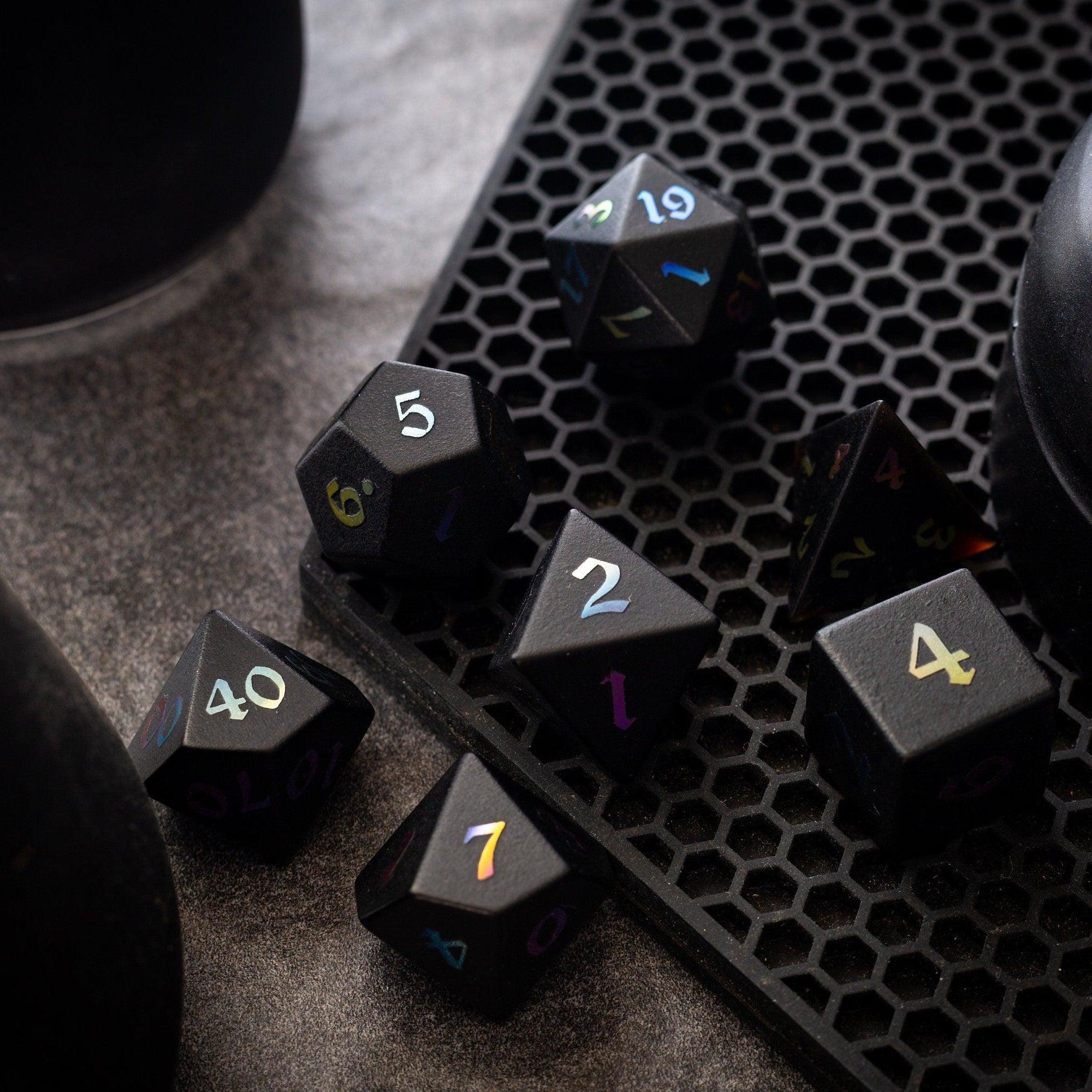
D&D dice
-
Polyhedral dice sets
-
Dice trays
-
Printed character sheets
-
Maps and miniatures
-
Tabletop gaming accessories
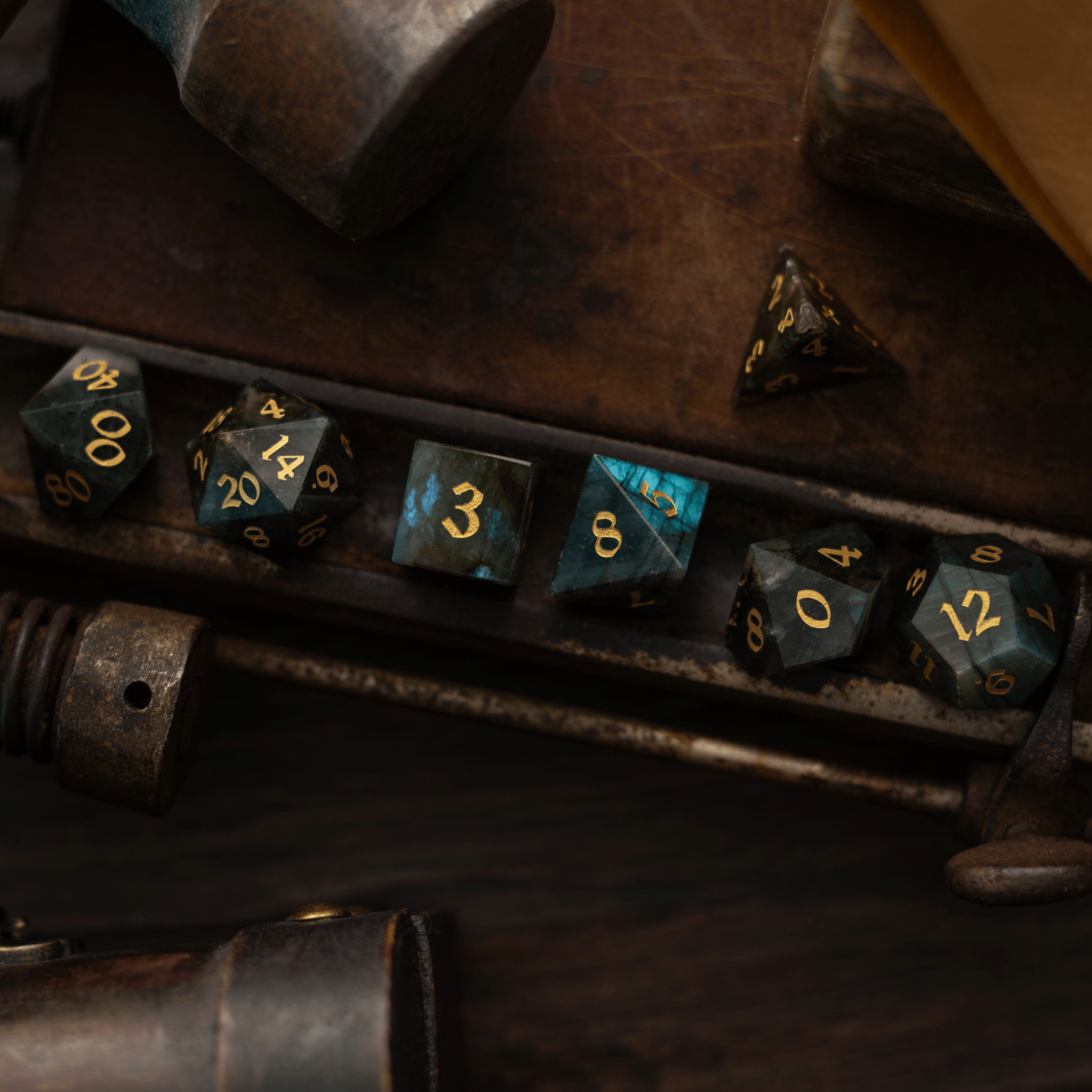
Digital tools excel at organization and speed. Physical tools create immersion and tactile engagement.
Rolling physical dice, marking character sheets by hand, and gathering around a table still provide experiences that many players love.
The best campaigns often combine both approaches.
Common Mistakes When Using Online D&D Resources
Using Too Many Tools
More tools don't automatically mean better organization.
Choose a small number of resources that work well together.
Over-Preparing Content
The purpose of D&D resources is to save time.
Avoid spending hours perfecting details players may never encounter.
Relying Entirely on Automation
Tools should support creativity, not replace it.
Leave room for improvisation and unexpected player decisions.
Disorganized Note Systems
Even the best software becomes ineffective if information isn't maintained consistently.
Spend a few minutes organizing notes after every session.
Building Your Ideal D&D Resource Toolkit
Every group has different needs.
For New Dungeon Masters
Start with:
-
Character creator
-
Rules reference
-
Encounter builder
-
Basic note system
Keep things simple.
For Experienced Dungeon Masters
Consider adding:
-
Worldbuilding tools
-
Initiative trackers
-
Advanced campaign management systems
-
NPC databases
These resources help manage larger campaigns.
For Players
Focus on:
-
Digital character sheets
-
Spell trackers
-
Campaign journals
-
Rules references
These tools improve participation without adding complexity.
For Hybrid Online and In-Person Groups
A combination of:
-
Shared campaign notes
-
Virtual character sheets
-
Physical dice
-
Printed maps
often provides the best experience.
Conclusion
The best D&D online resources are the ones that remove friction from your game. Whether you're using D&D campaign management tools, a D&D encounter builder, a D&D character creator, or simple digital note systems, the goal is always the same: spend less time preparing and more time telling great stories.
Experiment with different D&D tools, find a workflow that fits your style, and don't be afraid to combine digital resources with traditional tabletop gaming methods. A thoughtful mix of online D&D tools and physical accessories can help create smoother sessions, better organization, and more memorable adventures for everyone at the table.
At the end of the day, the best dungeons and dragons resources are the ones that make your campaign easier to run and more fun to play.








Leave a comment
This site is protected by hCaptcha and the hCaptcha Privacy Policy and Terms of Service apply.